Search Result
Results for "
microglial+cells
" in MedChemExpress (MCE) Product Catalog:
1
Biochemical Assay Reagents
| Cat. No. |
Product Name |
Target |
Research Areas |
Chemical Structure |
-
- HY-114153
-
PLX5622
Maximum Cited Publications
89 Publications Verification
|
c-Fms
|
Neurological Disease
|
|
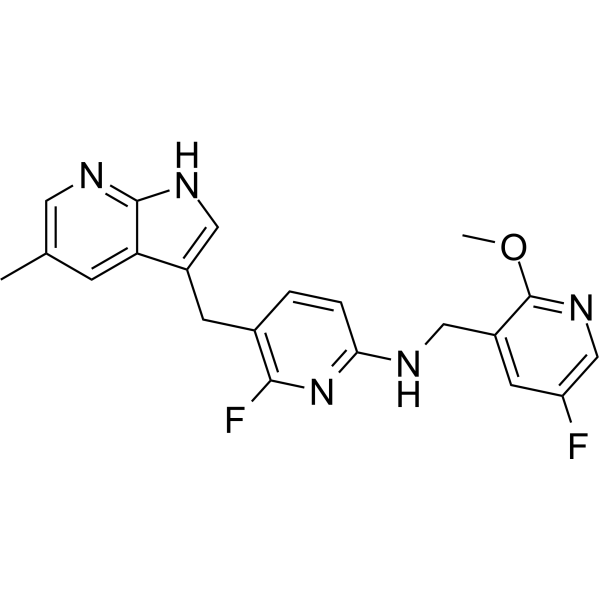
PLX5622 is a highly selective brain penetrant and orally active CSF1R inhibitor (IC50=0.016 μM; Ki=5.9 nM). PLX5622 allows for extended and specific microglial cells elimination, preceding and during pathology development. PLX5622 demonstrates desirable PK properties in varies animals. PLX5622 is predominantly administered via ad libitum diets with a dose of 1200 ppm .
|
-
-
- HY-18731
-
|
|
NO Synthase
Apoptosis
|
Cardiovascular Disease
Inflammation/Immunology
Cancer
|
|
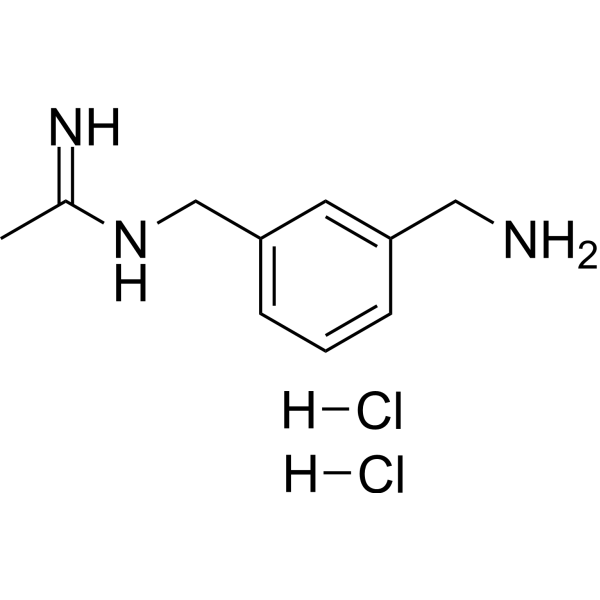
1400W dihydrochloride is the dihydrochloride form of 1400W (HY-18730). 1400W is a slow, tight binding, and highly selective inducible nitric-oxide synthase (iNOS) inhibitor, with a Kd value ≤ 7 nM. 1400W inhibits iNOS induction in microglial cells, and reduces generation of NO, thereby mitigating oxidative stress and neuronal cell apoptosis in the rat cerebral cortex, and improving the spatial memory dysfunction caused by acute hypobaric hypoxia-reoxygenation .
|
-
-
- HY-Y0836
-
|
Diethyl Butanedioate
|
Environmental Pollutants
Biochemical Assay Reagents
Reactive Oxygen Species (ROS)
|
Metabolic Disease
Inflammation/Immunology
|
|
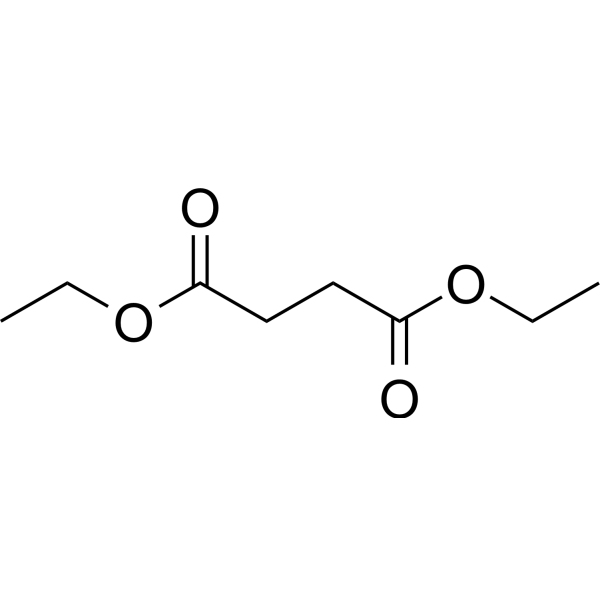
Diethyl succinate (Diethyl Butanedioate) can be utilized at physiological pH, allowing it to penetrate biological membranes and integrate into the cells of tissue cultures, where it is metabolized via the tricarboxylic acid cycle. Diethyl succinate modulates the polarization and activation of microglial cells by reducing mitochondrial fission and the levels of reactive oxygen species (ROS), thereby exerting an inflammatory protective effect in primary microglial cells. Furthermore, Diethyl succinate is non-toxic and can be used in flavorings and seasonings .
|
-
-
- HY-B1114
-
|
AR-DF 26
|
Potassium Channel
ERK
STAT
NF-κB
COX
Interleukin Related
Reactive Oxygen Species (ROS)
|
Metabolic Disease
|
|
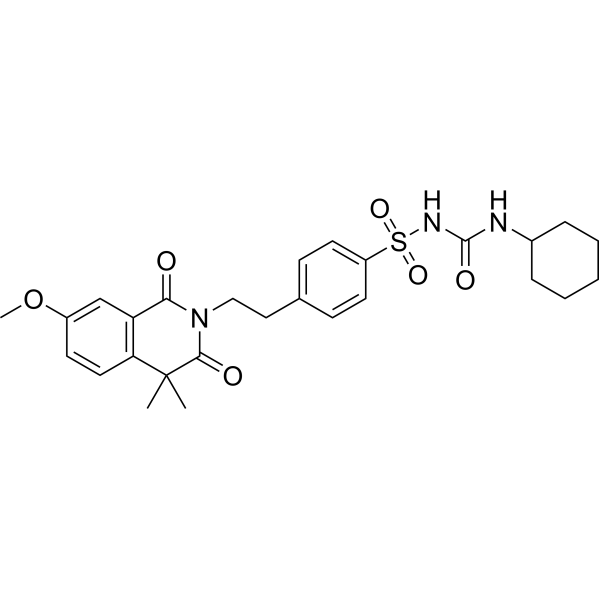
Gliquidone can bind to the pancreatic β-cells and increases insulin release to regulate blood glucose levels. Gliquidone significantly decreases LPS (HY-D1056)-induced proinflammatory responses and inhibits ERK/STAT3/NF-κB phosphorylation in BV2 microglial cells. Gliquidone can suppress microgliosis, microglial hypertrophy mediated by LPS, and proinflammatory cytokine COX-2 and IL-6 levels in murine model. Gliquidone also exhibits good anticancer activity in lung carcinoma cells. Gliquidone has antioxidant property. Gliquidone can be studied in research for type 2 diabetes and cancers .
|
-
-
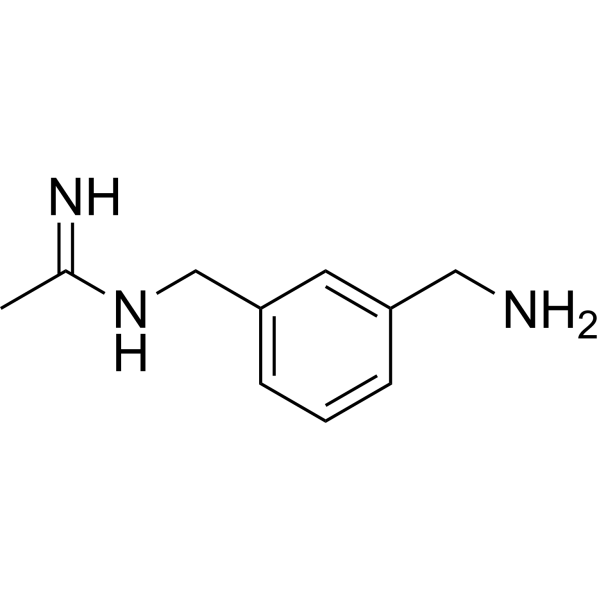
- HY-18730
-
|
W1400
|
NO Synthase
Apoptosis
|
Cardiovascular Disease
Inflammation/Immunology
Cancer
|
|
1400W is a slow, tight binding, and highly selective inducible nitric-oxide synthase (iNOS) inhibitor, with a Kd value ≤ 7 nM. 1400W inhibits iNOS induction in microglial cells, and reduces generation of NO, thereby mitigating oxidative stress and neuronal cell apoptosis in the rat cerebral cortex, and improving the spatial memory dysfunction caused by acute hypobaric hypoxia-reoxygenation .
|
-
-
- HY-148853
-
|
|
HuR
|
Others
|
|
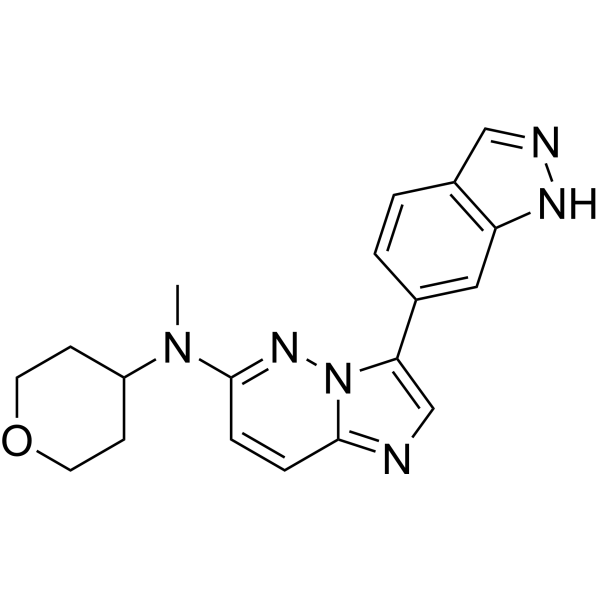
SRI-42127 is a HuR translocation inhibitor. HuR is an RNA regulator that binds to AREs, and HuR translocations promote the production of inflammatory cytokines in glial cells. However, SRI-42127 can destroy mRNA stability and inhibit gene promoter activation. SRI-42127 also inhibits microglial cell activation and attenuates recruitment/chemotaxis of neutrophils and monocytes .
|
-
-
- HY-W040045
-
|
Pelargonidin-3-O-glucoside chloride
|
Reactive Oxygen Species (ROS)
COX
NO Synthase
p38 MAPK
TNF Receptor
Apoptosis
|
Neurological Disease
Metabolic Disease
Inflammation/Immunology
Cancer
|
|
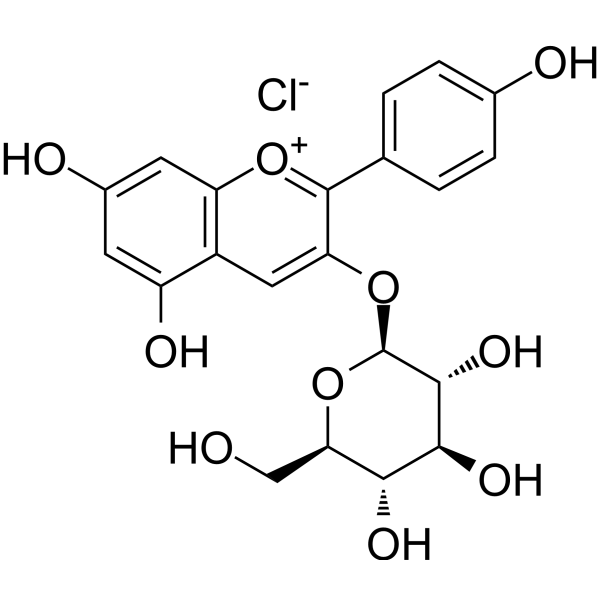
Callistephin (Pelargonidin 3-O-glucoside) chloride is an anthocyanin. Callistephin chloride regulates the expression of inflammatory (reducing iNOS/TNF-α/COX-2) and apoptosis-related proteins by inhibiting p38 phosphorylation, and enhances the protective effect of Isoflurane (HY-A0134) on microglial cell damage. Callistephin chloride significantly reduces ROS levels, eliminates DPPH free radicals, protects retinal pigment epithelial cells, and inhibits lipid peroxidation. Callistephin chloride can alleviate glutamate excitotoxicity, reduce neuronal apoptosis, and protect cerebellar granule neurons. Callistephin chloride can inhibit the proliferation and metastasis of breast cancer cells by inducing apoptosis .
|
-
-
- HY-P3394
-
|
CTB, from vibrio cholerae
|
Biochemical Assay Reagents
|
Others
|
|
Cholera toxin B subunit, from vibrio cholerae (CTB, from vibrio cholerae) is non-toxic to cells and possesses no intrinsic adenylate cyclase activity. Cholera toxin B subunit, from vibrio cholerae attaches to cells by binding to ganglioside GM1.8 CTB has been shown to be a good label for microglial cells (due to the enrichment of ganglioside GM1 on their cell surface), but not for oligodendrocytes or astrocytes. Cholera toxin B subunit, from vibrio cholerae has been reported to be an excellent tracer for the study of axonal transport using immunohistochemical methods. Cholera toxin B subunit, from vibrio cholerae has been widely used as a marker of membrane lipid rafts .
|
-

-
- HY-101364
-
CHPG
4 Publications Verification
|
mGluR
NF-κB
ERK
Akt
|
Cardiovascular Disease
Inflammation/Immunology
|
|
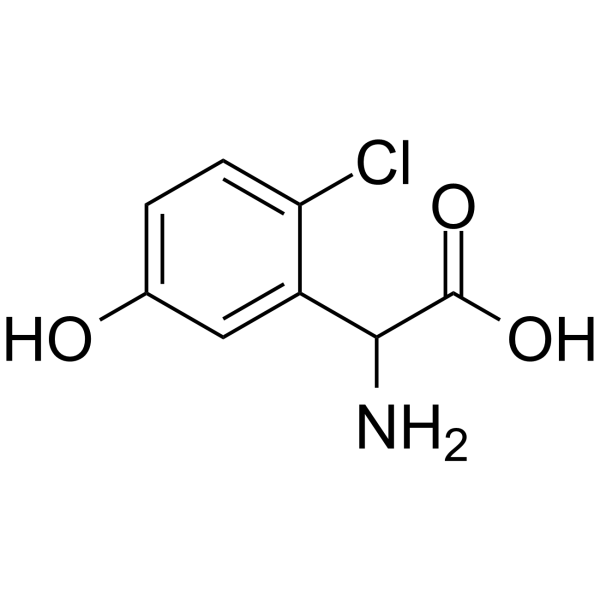
CHPG is a selective mGluR5 agonist, and attenuates SO2-induced oxidative stress and inflammation through TSG-6/NF-κB pathway in BV2 microglial cells . CHPG protects against traumatic brain injury (TBI) in vitro and in vivo by activation of the ERK and Akt signaling pathways .
|
-
-
- HY-N2259
-
|
(+)-Curcumenol
|
Cytochrome P450
|
Neurological Disease
Inflammation/Immunology
Cancer
|
|
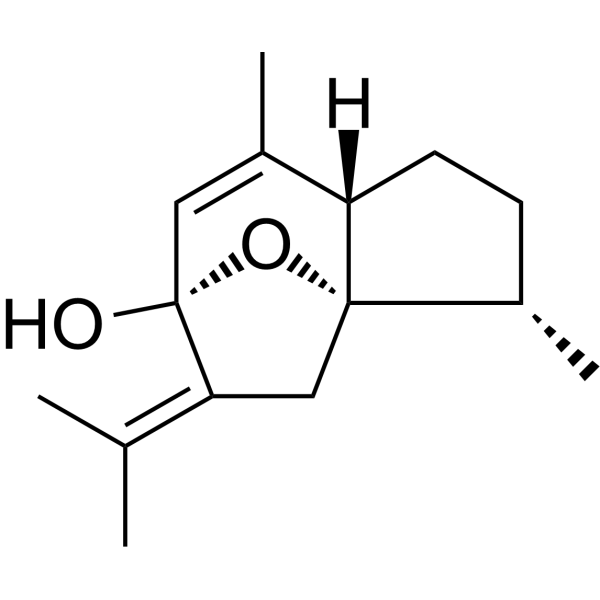
Curcumenol ((+)-Curcumenol) is a potent CYP3A4 inhibitor with an IC50 of 12.6 μM, which is one of constituents in the plants of medicinally important genus of Curcuma zedoaria, with neuroprotection, anti-inflammatory, anti-tumor and hepatoprotective activities. Curcumenol ((+)-Curcumenol) suppresses Akt-mediated NF-κB activation and p38 MAPK signaling pathway in LPS-stimulated BV-2 microglial cells .
|
-
-
- HY-101364A
-
|
|
mGluR
NF-κB
ERK
Akt
|
Neurological Disease
Inflammation/Immunology
|
|
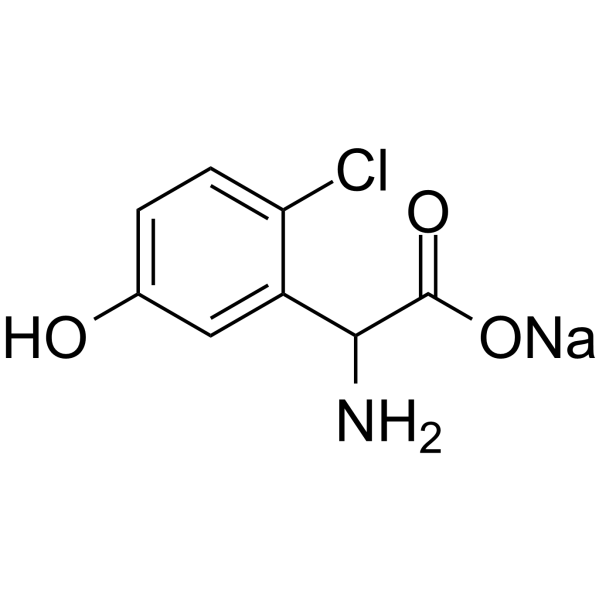
CHPG sodium salt is a selective mGluR5 agonist, and attenuates SO2-induced oxidative stress and inflammation through TSG-6/NF-κB pathway in BV2 microglial cells . CHPG sodium salt protects against traumatic brain injury (TBI) in vitro and in vivo by activation of the ERK and Akt signaling pathways. .
|
-
-
- HY-N8371
-
|
|
NO Synthase
COX
Interleukin Related
TNF Receptor
|
Inflammation/Immunology
|
|
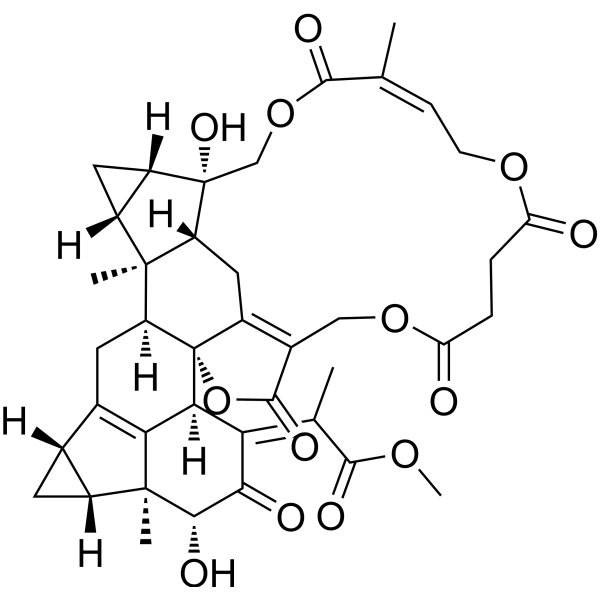
Shizukaol B is a lindenane-type dimeric sesquiterpene, used to be isolated from the whole plant of Chloranthus henryi. Shizukaol B has anti-inflammatory effect against lipopolysaccharide (LPS)-induced activation of BV2 microglial cells. Shizukaol B inhibits iNOS and COX-2, and suppresses NO production, TNF-α, and IL-1β expression .
|
-
-
- HY-112847B
-
|
(E/Z)-Sulfo-N-succinimidyl oleate sodium
|
Transmembrane Glycoprotein
Mitochondrial Metabolism
Drug Isomer
|
Inflammation/Immunology
|
|
(E/Z)-Sulfosuccinimidyl oleate sodium is the racemate of (E)-Sulfosuccinimidyl oleate sodium and (Z)-Sulfosuccinimidyl oleate sodium. Sulfosuccinimidyl oleate sodium (Sulfo-N-succinimidyl oleate sodium) is a long-chain fatty acid that inhibits fatty acid transport into cells. Sulfosuccinimidyl oleate sodium is a potent and irreversible inhibitor of the mitochondrial respiratory chain. Sulfosuccinimidyl oleate sodium binds to the CD36 receptor on the surface of microglial cells. Sulfosuccinimidyl oleate sodium exhibits anti-inflammatory effects .
|
-

-
- HY-147512
-
|
|
Cannabinoid Receptor
|
Inflammation/Immunology
|
|
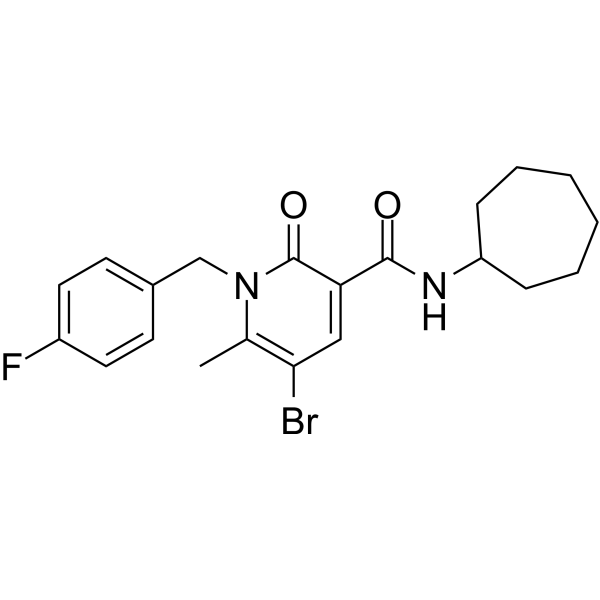
CB1/2 agonist 1 is a potent and cross the blood-brain barrier CB1/2 agonist with EC50s of 56.15, 11.63 nM for CB1R and CB2R, respectively. CB1/2 agonist 1 reduces glutamate release and LPS-induced activation of microglial cells. CB1/2 agonist 1 shows anti-inflammatory and antinociceptive effects. CB1/2 agonist 1 has the potential for the research of multiple sclerosis .
|
-
-
- HY-110099
-
|
|
CXCR
|
Inflammation/Immunology
|
|
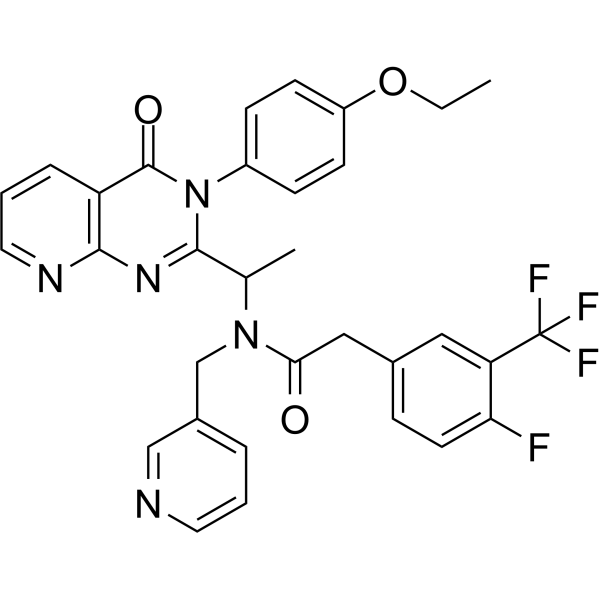
(±)-NBI-74330 is a potent and selective CXCR3 antagonist. (±)-NBI-74330 not only reduces tactile and thermal hypersensitivity but also enhances the analgesic properties of morphine. (±)-NBI-74330 can reduce microglial cell activation, increase astroglial cell activation, and downregulate the expression of some CXCR3 ligands in a rat neuropathic pain model .
|
-
-
- HY-N7006
-
|
Anemarsaponin C
|
Others
|
Inflammation/Immunology
|
|
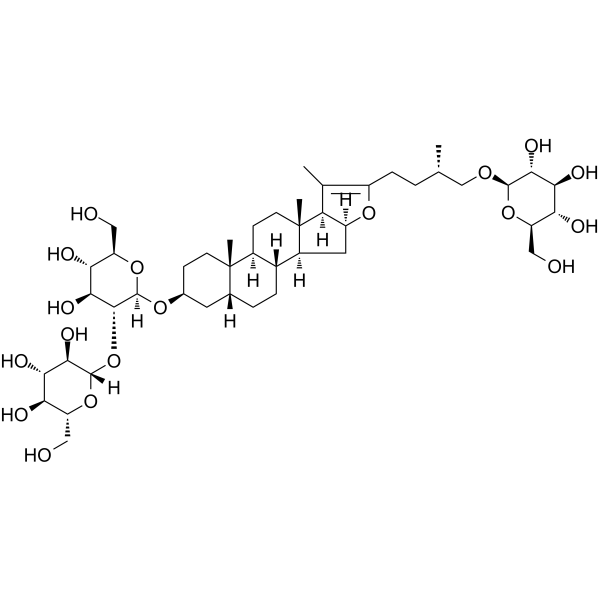
Timosaponin C is isolated from Rhizoma Anemarrhenae . Timosaponin C shows weaker NO inhibition in N9 microglial cells .
|
-
-
- HY-138050
-
|
(-)-Nyasol; (Z)-Hinokiresinol; cis-Hinokiresinol
|
NO Synthase
Bacterial
Fungal
Parasite
Leukotriene Receptor
|
Infection
Inflammation/Immunology
|
|
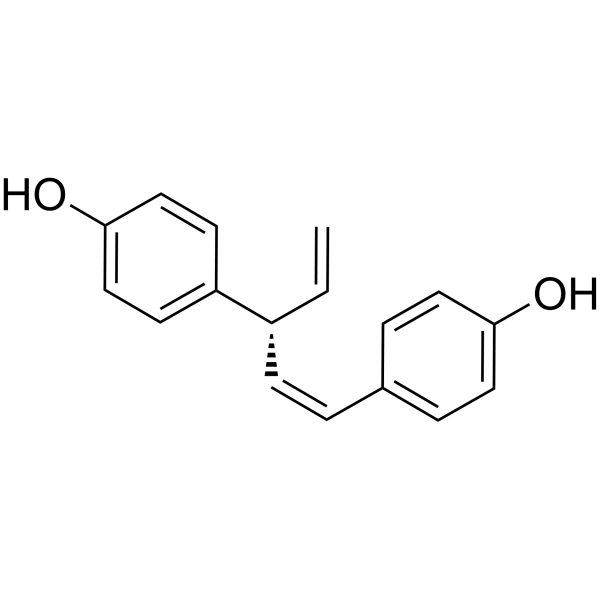
Nyasol ((-)-Nyasol) is an active compound that has antifungal, antibacterial, antileishmanial, hyaluronidase inhibition activities. Nyasol inhibits LTB4 binding to human neutrophils. Nyasol suppresses neuroinflammatory response through the inhibition of I-κB degradation in LPS (HY-D1056)-stimulated BV-2 microglial cells .
|
-
-
- HY-N2259R
-
|
(+)-Curcumenol (Standard)
|
Reference Standards
Cytochrome P450
|
Neurological Disease
Inflammation/Immunology
Cancer
|
|
Curcumenol ((+)-Curcumenol) is a potent CYP3A4 inhibitor with an IC50 of 12.6 μM, which is one of constituents in the plants of medicinally important genus of Curcuma zedoaria, with neuroprotection, anti-inflammatory, anti-tumor and hepatoprotective activities. Curcumenol ((+)-Curcumenol) suppresses Akt-mediated NF-κB activation and p38 MAPK signaling pathway in LPS-stimulated BV-2 microglial cells .
|
-

-
- HY-N4190
-
|
1,6-O,O-Diacetylbritannilactone; Di-O-acetylbritannilactone
|
NO Synthase
|
Neurological Disease
Inflammation/Immunology
|
|
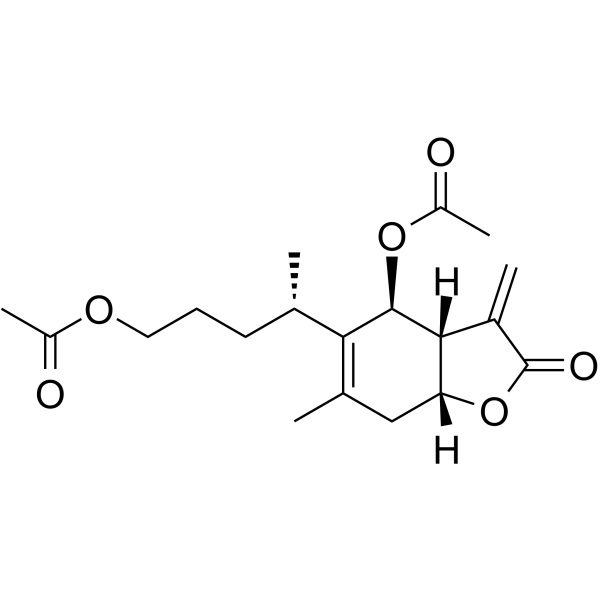
Britannilactone diacetate (1,6-O,O-Diacetylbritannilactone; Compound 2) exhibits potential NO inhibition effect. Britannilactone diacetate exhibits activity against NO production induced by LPS in BV-2 microglial cells with the EC50 value of 6.3 μM. Britannilactone diacetate exhibits a favorable blood-brain barriers (BBB) penetration and absorption, distribution, metabolism, excretion, and toxicity (ADMET) property .
|
-
-
- HY-W040045R
-
|
Pelargonidin-3-O-glucoside chloride (Standard)
|
Reference Standards
Reactive Oxygen Species (ROS)
COX
NO Synthase
p38 MAPK
Apoptosis
TNF Receptor
|
Neurological Disease
Inflammation/Immunology
Cancer
|
|
Callistephin (Pelargonidin 3-O-glucoside) chloride (Standard) is the analytical standard of Callistephin chloride (HY-W040045). This product is intended for research and analytical applications. Callistephin chloride is an anthocyanin. Callistephin chloride regulates the expression of inflammatory (reducing iNOS/TNF-α/COX-2) and apoptosis-related proteins by inhibiting p38 phosphorylation, and enhances the protective effect of Isoflurane (HY-A0134) on microglial cell damage. Callistephin chloride significantly reduces ROS levels, eliminates DPPH free radicals, protects retinal pigment epithelial cells, and inhibits lipid peroxidation. Callistephin chloride can alleviate glutamate excitotoxicity, reduce neuronal apoptosis, and protect cerebellar granule neurons. Callistephin chloride can inhibit the proliferation and metastasis of breast cancer cells by inducing apoptosis.
|
-

-
- HY-P10350
-
|
|
NF-κB
|
Neurological Disease
Inflammation/Immunology
|
|
PapRIV is an agonist of BV-2 microglial cells, capable of activating microglial cells through an NF-κB-dependent pathway. PapRIV induces the expression of pro-inflammatory cytokines such as IL-6 and TNFα and increases the production of reactive oxygen species (ROS). PapRIV can cross the blood-brain barrier .
|
-

-
- HY-N10066
-
-
-
- HY-N3760
-
-
-
- HY-107617
-
|
|
MMP
|
Neurological Disease
|
|
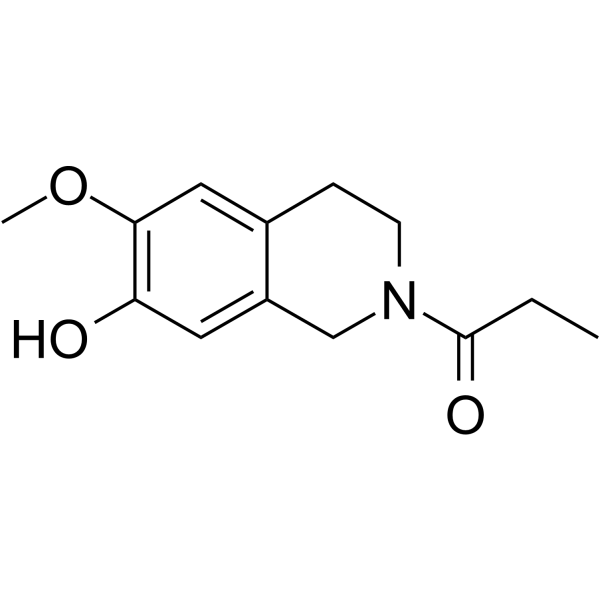
PTIQ can suppress MMP-3 production, can enter the brain and provide neuroprotection. PTIQ has anti-inflammatory effects on microglial cells .
|
-
-
- HY-N3473
-
|
|
NO Synthase
|
Neurological Disease
|
|
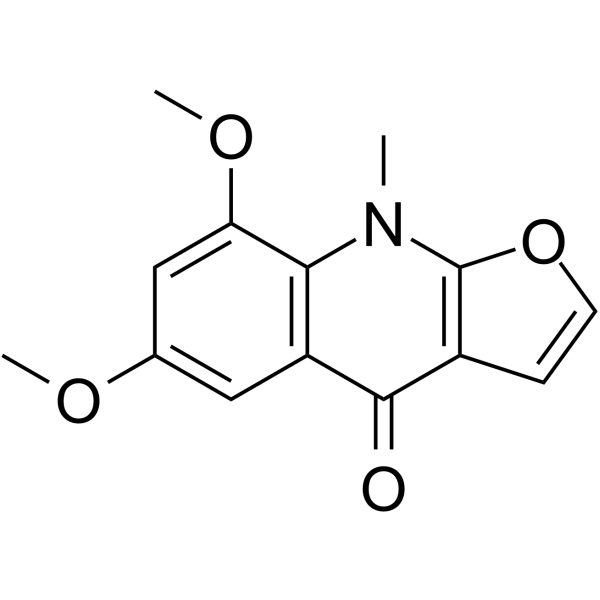
Isomaculosidine is an alkaloid that can be isolated from D. dasycarpus. Isomaculosidine can inhibit nitric oxide (NO) production in lipopolysaccharide (LPS)-stimulated BV2 microglial cells .
|
-
-
- HY-N1713
-
|
|
Others
|
Neurological Disease
|
|
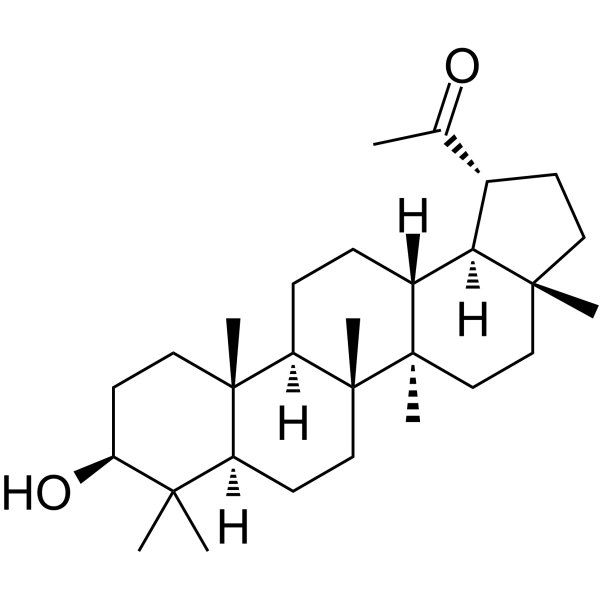
29-Nor-20-oxolupeol, extracted from Impatiens basamina, reduces NO levels in LPS-activated murine microglial cells with an IC50 of 44.21 µM .
|
-
-
- HY-N10275
-
|
|
Others
|
Inflammation/Immunology
|
|
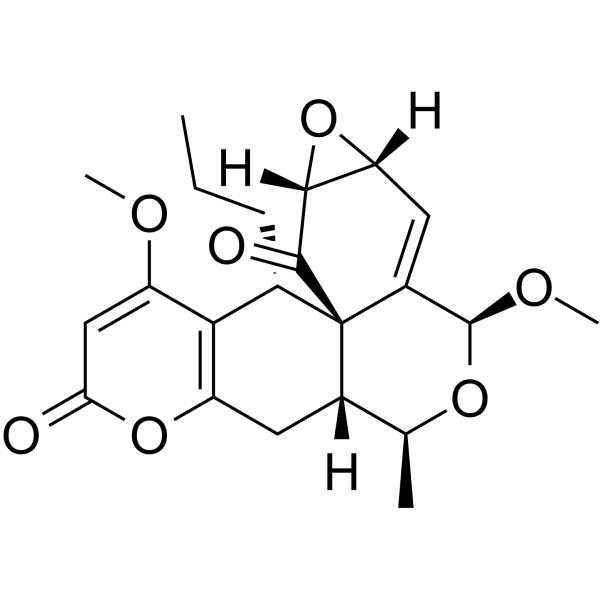
Herpotrichone A shows potent anti-neuroinflammatory activity in lipopolysaccharide (LPS)-induced BV-2 microglial cells with the half maximal inhibitory concentration (IC50) value of 0.41 μM.
|
-
-
- HY-Y0836R
-
|
Diethyl Butanedioate (Standard)
|
Biochemical Assay Reagents
Reference Standards
Reactive Oxygen Species (ROS)
|
Metabolic Disease
Inflammation/Immunology
|
|
Diethyl succinate (Standard) is the analytical standard of Diethyl succinate. This product is intended for research and analytical applications. Diethyl succinate (Diethyl Butanedioate) can be utilized at physiological pH, allowing it to penetrate biological membranes and integrate into the cells of tissue cultures, where it is metabolized via the tricarboxylic acid cycle. Diethyl succinate modulates the polarization and activation of microglial cells by reducing mitochondrial fission and the levels of reactive oxygen species (ROS), thereby exerting an inflammatory protective effect in primary microglial cells. Furthermore, Diethyl succinate is non-toxic and can be used in flavorings and seasonings .
|
-

-
- HY-N15566
-
|
|
Drug Derivative
|
Neurological Disease
Inflammation/Immunology
|
|
Theleganbanin D is a p-terphenyl derivative found in the Thelephora ganbajun. Theleganbanin D inhibits TNF-α, IL-6, and IL-1β production in LPS-induced BV-2 microglial cells. Theleganbanin D is promising for research of neurodegenerative diseases .
|
-

-
- HY-146168
-
|
|
Keap1-Nrf2
|
Inflammation/Immunology
|
|
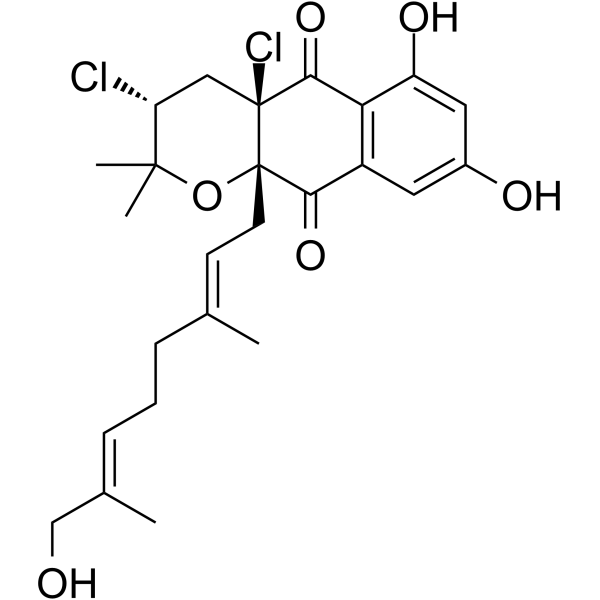
Nrf2 activator-5 (compound 1) is a potent Nrf2 activator that can attenuate H2O2-induced oxidative stress and LPS-stimulated inflammation in BV-2 microglial cells. Nrf2 activator-5 exhibits antioxidant and anti-inflammatory activities .
|
-
-
- HY-155572
-
|
|
Keap1-Nrf2
|
Inflammation/Immunology
|
|
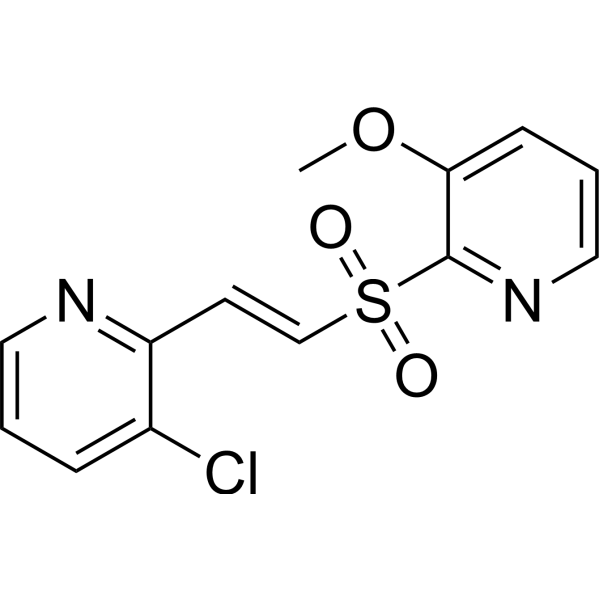
Nrf2 activator-8 (compound 10e) is a Nrf2 activator (EC50=37.9 nM). Nrf2 activator-8 exhibits remarkable antioxidant and anti-inflammatory effects in BV-2 microglial cells. Nrf2 activator-8 can significantly restore spatial memory deficits in a mouse model of lipopolysaccharide (LPS)-induced neuroinflammation .
|
-
-
- HY-N15570
-
|
|
Interleukin Related
TNF Receptor
|
Neurological Disease
Inflammation/Immunology
|
|
2-O-Methylatromentin is an anti-neuroinflammatory agent. 2-O-Methylatromentin shows inhibitory activity on the production of pro-inflammatory cytokines TNF-α, IL-6 and IL-1β in Lipopolysaccharides (HY-D1056) (LPS) -induced BV-2 microglial cells. 2-O-Methylatromentin can be used for the study of neuroinflammatory related diseases .
|
-

-
- HY-101364AR
-
|
|
Reference Standards
mGluR
NF-κB
ERK
Akt
|
Neurological Disease
Inflammation/Immunology
|
|
CHPG (sodium salt) (Standard) is the analytical standard of CHPG (sodium salt). This product is intended for research and analytical applications. CHPG sodium salt is a selective mGluR5 agonist, and attenuates SO2-induced oxidative stress and inflammation through TSG-6/NF-κB pathway in BV2 microglial cells . CHPG sodium salt protects against traumatic brain injury (TBI) in vitro and in vivo by activation of the ERK and Akt signaling pathways. .
|
-

-
- HY-N13701
-
|
|
NO Synthase
|
Inflammation/Immunology
|
|
3β,7β,15α-Trihydroxy-4-(hydroxymethyl)-11,23-dioxo-lanost-8-en-26-oic acid is a triterpene compound that can be found in Ganoderma lucidum, and it inhibits nitric oxide (NO) production in BV-2 microglial cells induced by lipopolysaccharide (LPS, HY-D1056), with an IC50 of 4.15 μM .
|
-

-
- HY-N13706
-
|
|
NO Synthase
|
Inflammation/Immunology
|
|
3β,15α-Dihydroxy-7,11,23-trioxo-lanost-8-dien-26-oic acid is a triterpene compound that can be found in Ganoderma lucidum, and it inhibits nitric oxide (NO) production in BV-2 microglial cells induced by lipopolysaccharide (LPS, HY-D1056), with an IC50 of 6.50 μM, making it a potential candidate for anti-inflammatory research .
|
-

-
- HY-159152
-
|
|
α-synuclein
|
Neurological Disease
|
|
PQM-164 (Compound 3e) has antioxidant activity (IC50: 0.93 μM for DPPH radical). PQM-164 shows anti-inflammatory activity against 6-OHDA (HY-B1081A)-induced neuronal damage in activated microglial cells. PQM-164 decreases the accumulation of α-synuclein. PQM-164 promotes nuclear translocation of Nrf2 and its transcriptional activity. PQM-164 can be used for research of Parkinson’s disease .
|
-

-
- HY-18731R
-
|
|
NO Synthase
Apoptosis
|
Cardiovascular Disease
Inflammation/Immunology
Cancer
|
|
1400W (Dihydrochloride) (Standard) is the analytical standard of 1400W (Dihydrochloride). This product is intended for research and analytical applications. 1400W dihydrochloride is the dihydrochloride form of 1400W (HY-18730). 1400W is a slow, tight binding, and highly selective inducible nitric-oxide synthase (iNOS) inhibitor, with a Kd value ≤ 7 nM. 1400W inhibits iNOS induction in microglial cells, and reduces generation of NO, thereby mitigating oxidative stress and neuronal cell apoptosis in the rat cerebral cortex, and improving the spatial memory dysfunction caused by acute hypobaric hypoxia-reoxygenation .
|
-

-
- HY-159898
-
-

-
- HY-178144
-
|
|
Formyl Peptide Receptor (FPR)
Calcium Channel
Interleukin Related
NO Synthase
|
Neurological Disease
Inflammation/Immunology
|
|
FPR2 agonist 5 is a selective Formyl Peptide Receptor 2 (FPR2) agonist. FPR2 agonist 5 induces Ca 2+ mobilization in FPR2-HL60 transfected cells with an EC50 of 1.2 μM and causes FPR2 desensitization with an IC50 of 0.32 μM. FPR2 agonist 5 exerts neuroprotective effects by mitigating LDH release, NO production, IL-1β, IL-6, IL-33, and IL-10 levels in LPS (HY-D1056)-induced mouse primary microglial cells. FPR2 agonist 5 can be used for the study of neuroinflammatory-related diseases .
|
-

-
- HY-B1114R
-
|
AR-DF 26 (Standard)
|
Potassium Channel
Reference Standards
ERK
STAT
NF-κB
COX
Interleukin Related
|
Metabolic Disease
|
|
Gliquidone (Standard) is the analytical standard of Gliquidone. This product is intended for research and analytical applications. Gliquidone can bind to the pancreatic β-cells and increases insulin release to regulate blood glucose levels. Gliquidone significantly decreases LPS (HY-D1056)-induced proinflammatory responses and inhibits ERK/STAT3/NF-κB phosphorylation in BV2 microglial cells. Gliquidone can suppress microgliosis, microglial hypertrophy mediated by LPS, and proinflammatory cytokine COX-2 and IL-6 levels in murine model. Gliquidone also exhibits good anticancer activity in lung carcinoma cells. Gliquidone has antioxidant property. Gliquidone can be studied in research for type 2 diabetes and cancers .
|
-

-
- HY-N10274
-
-
-
- HY-N13831
-
|
|
Others
|
Others
|
|
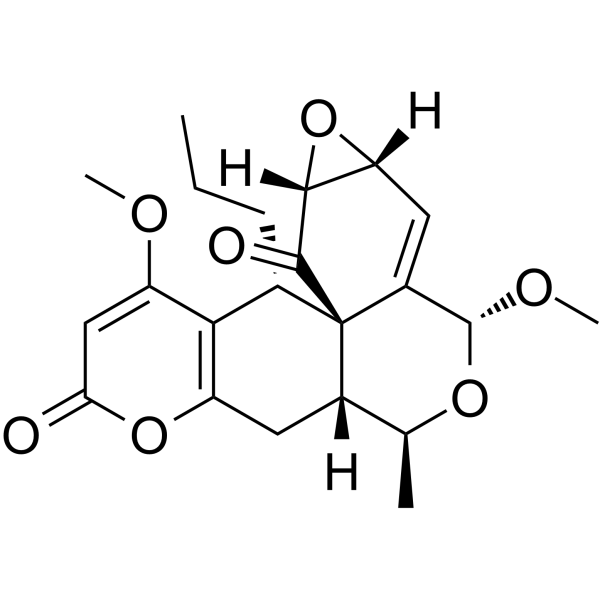
Swietenidine B is a quinoline alkaloid that can be isolated from the root bark of Dictamnus dasycarpus. Swietenidine B does not show significant activity in inhibiting NO production in LPS-induced BV-2 microglial cells .
|
-

-
- HY-D3180
-
|
|
Fluorescent Dye
|
Cardiovascular Disease
Neurological Disease
|
|
CDr20 is a fluorescent chemical probe capable of crossing the blood-brain barrier. CDr20 undergoes glucuronidation catalyzed by the UDP-glucuronosyltransferase Ugt1a7c, which triggers a fluorescence turn-on response. CDr20 enables visualization of live microglial cells. CDr20 can be used for research on Alzheimer's disease, stroke, and autism .
|
-

-
- HY-N15564
-
|
|
Drug Derivative
|
Neurological Disease
Inflammation/Immunology
|
|
Theleganbanin B is a p-terphenyl derivative found in the Thelephora ganbajun. Theleganbanin B inhibits TNF-α, IL-6, and IL-1β production in LPS-induced BV-2 microglial cells. Theleganbanin B inhibits the phosphorylation of JAK2/STAT3. Theleganbanin B is promising for research of neurodegenerative diseases .
|
-

-
- HY-112369
-
|
|
Src
Interleukin Related
|
Neurological Disease
Inflammation/Immunology
|
|
LDDN-0003499 is a Src family tyrosine kinase inhibitor and anti-inflammatory agent. LDDN-0003499 reduces basal and Aβ-stimulated levels of active, phosphorylated Lyn and Src kinases, and attenuates Aβ-stimulated secretion of pro-inflammatory cytokines TNFα and IL-6 in microglial cells. LDDN-0003499 can be used for the research of Alzheimer's disease .
|
-

| Cat. No. |
Product Name |
Type |
-
- HY-D3180
-
|
|
Fluorescent Dyes
|
|
CDr20 is a fluorescent chemical probe capable of crossing the blood-brain barrier. CDr20 undergoes glucuronidation catalyzed by the UDP-glucuronosyltransferase Ugt1a7c, which triggers a fluorescence turn-on response. CDr20 enables visualization of live microglial cells. CDr20 can be used for research on Alzheimer's disease, stroke, and autism .
|
| Cat. No. |
Product Name |
Type |
-
- HY-P3394
-
|
CTB, from vibrio cholerae
|
Biochemical Assay Reagents
|
|
Cholera toxin B subunit, from vibrio cholerae (CTB, from vibrio cholerae) is non-toxic to cells and possesses no intrinsic adenylate cyclase activity. Cholera toxin B subunit, from vibrio cholerae attaches to cells by binding to ganglioside GM1.8 CTB has been shown to be a good label for microglial cells (due to the enrichment of ganglioside GM1 on their cell surface), but not for oligodendrocytes or astrocytes. Cholera toxin B subunit, from vibrio cholerae has been reported to be an excellent tracer for the study of axonal transport using immunohistochemical methods. Cholera toxin B subunit, from vibrio cholerae has been widely used as a marker of membrane lipid rafts .
|
| Cat. No. |
Product Name |
Target |
Research Area |
-
- HY-P10350
-
|
|
NF-κB
|
Neurological Disease
Inflammation/Immunology
|
|
PapRIV is an agonist of BV-2 microglial cells, capable of activating microglial cells through an NF-κB-dependent pathway. PapRIV induces the expression of pro-inflammatory cytokines such as IL-6 and TNFα and increases the production of reactive oxygen species (ROS). PapRIV can cross the blood-brain barrier .
|
| Cat. No. |
Product Name |
Category |
Target |
Chemical Structure |
-
- HY-Y0836
-
-
-
- HY-W040045
-
-
-
- HY-N2259
-
-
-
- HY-N8371
-
-
-
- HY-N7006
-
-
-
- HY-138050
-
-
-
- HY-N2259R
-
-
-
- HY-N4190
-
-
-
- HY-W040045R
-
|
Pelargonidin-3-O-glucoside chloride (Standard)
|
Anthocyans
Flavonoids
Rosaceae
Phenols
Polyphenols
Plants
Fragaria × ananassa Duch.
Source Classification
|
Reference Standards
Reactive Oxygen Species (ROS)
COX
NO Synthase
p38 MAPK
Apoptosis
TNF Receptor
|
|
Callistephin (Pelargonidin 3-O-glucoside) chloride (Standard) is the analytical standard of Callistephin chloride (HY-W040045). This product is intended for research and analytical applications. Callistephin chloride is an anthocyanin. Callistephin chloride regulates the expression of inflammatory (reducing iNOS/TNF-α/COX-2) and apoptosis-related proteins by inhibiting p38 phosphorylation, and enhances the protective effect of Isoflurane (HY-A0134) on microglial cell damage. Callistephin chloride significantly reduces ROS levels, eliminates DPPH free radicals, protects retinal pigment epithelial cells, and inhibits lipid peroxidation. Callistephin chloride can alleviate glutamate excitotoxicity, reduce neuronal apoptosis, and protect cerebellar granule neurons. Callistephin chloride can inhibit the proliferation and metastasis of breast cancer cells by inducing apoptosis.
|
-
-
- HY-N10066
-
-
-
- HY-N3760
-
-
-
- HY-N3473
-
-
-
- HY-N1713
-
-
-
- HY-N10275
-
-
-
- HY-Y0836R
-
|
Diethyl Butanedioate (Standard)
|
Structural Classification
Natural Products
Microorganisms
other families
Plants
Source Classification
|
Biochemical Assay Reagents
Reference Standards
Reactive Oxygen Species (ROS)
|
|
Diethyl succinate (Standard) is the analytical standard of Diethyl succinate. This product is intended for research and analytical applications. Diethyl succinate (Diethyl Butanedioate) can be utilized at physiological pH, allowing it to penetrate biological membranes and integrate into the cells of tissue cultures, where it is metabolized via the tricarboxylic acid cycle. Diethyl succinate modulates the polarization and activation of microglial cells by reducing mitochondrial fission and the levels of reactive oxygen species (ROS), thereby exerting an inflammatory protective effect in primary microglial cells. Furthermore, Diethyl succinate is non-toxic and can be used in flavorings and seasonings .
|
-
-
- HY-N15566
-
-
-
- HY-N15570
-
|
|
Microorganisms
Phenols
Polyphenols
Source Classification
|
Interleukin Related
TNF Receptor
|
|
2-O-Methylatromentin is an anti-neuroinflammatory agent. 2-O-Methylatromentin shows inhibitory activity on the production of pro-inflammatory cytokines TNF-α, IL-6 and IL-1β in Lipopolysaccharides (HY-D1056) (LPS) -induced BV-2 microglial cells. 2-O-Methylatromentin can be used for the study of neuroinflammatory related diseases .
|
-
-
- HY-N13701
-
|
|
Triterpenes
Microorganisms
Terpenoids
Source Classification
|
NO Synthase
|
|
3β,7β,15α-Trihydroxy-4-(hydroxymethyl)-11,23-dioxo-lanost-8-en-26-oic acid is a triterpene compound that can be found in Ganoderma lucidum, and it inhibits nitric oxide (NO) production in BV-2 microglial cells induced by lipopolysaccharide (LPS, HY-D1056), with an IC50 of 4.15 μM .
|
-
-
- HY-N13706
-
|
|
Triterpenes
Microorganisms
Terpenoids
Source Classification
|
NO Synthase
|
|
3β,15α-Dihydroxy-7,11,23-trioxo-lanost-8-dien-26-oic acid is a triterpene compound that can be found in Ganoderma lucidum, and it inhibits nitric oxide (NO) production in BV-2 microglial cells induced by lipopolysaccharide (LPS, HY-D1056), with an IC50 of 6.50 μM, making it a potential candidate for anti-inflammatory research .
|
-
-
- HY-N10274
-
-
-
- HY-N13831
-
-
-
- HY-N15564
-
|
|
Microorganisms
Phenols
Polyphenols
Source Classification
|
Drug Derivative
|
|
Theleganbanin B is a p-terphenyl derivative found in the Thelephora ganbajun. Theleganbanin B inhibits TNF-α, IL-6, and IL-1β production in LPS-induced BV-2 microglial cells. Theleganbanin B inhibits the phosphorylation of JAK2/STAT3. Theleganbanin B is promising for research of neurodegenerative diseases .
|
-
Your information is safe with us. * Required Fields.
Inquiry Information
- Product Name:
- Cat. No.:
- Quantity:
- MCE Japan Authorized Agent:








