Search Result
Results for "
neurokinin receptor antagonist
" in MedChemExpress (MCE) Product Catalog:
7
Isotope-Labeled Compounds
| Cat. No. |
Product Name |
Target |
Research Areas |
Chemical Structure |
-
- HY-10052
-
-
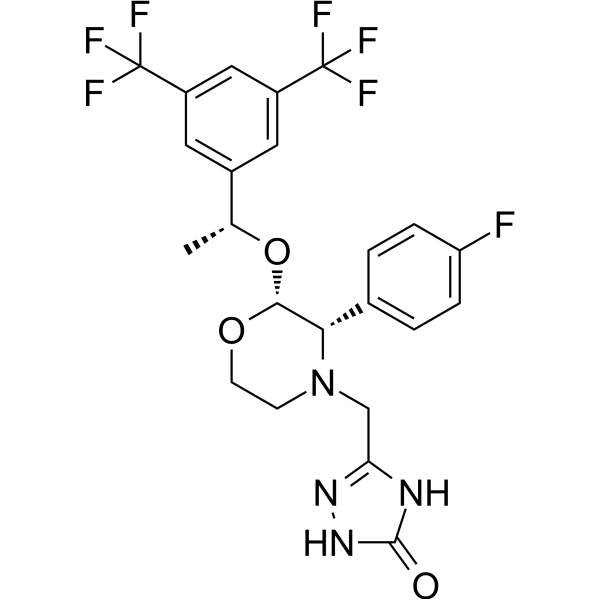
-
- HY-19632
-
-
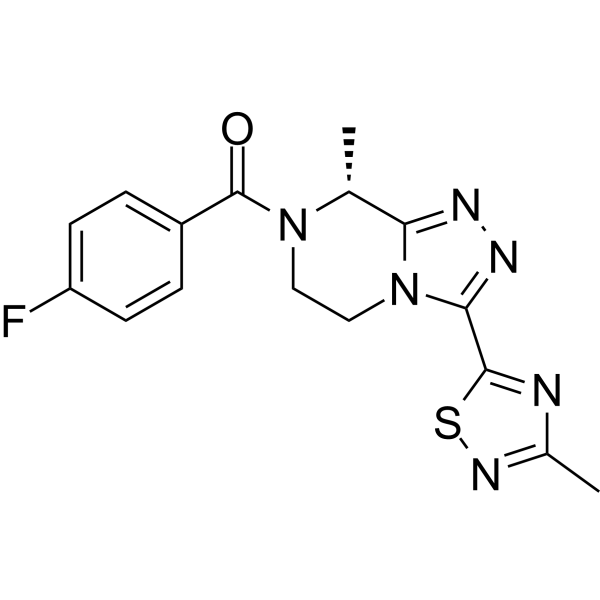
-
- HY-16346
-
-
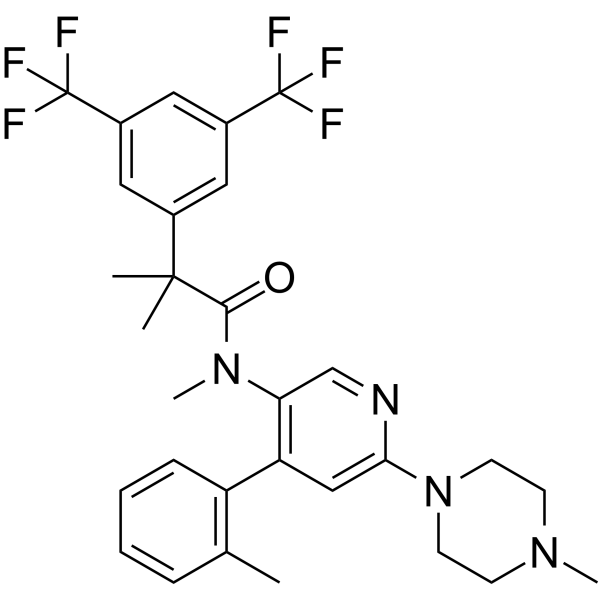
-
- HY-14751
-
|
SCH619734
|
Neurokinin Receptor
|
Neurological Disease
|
|
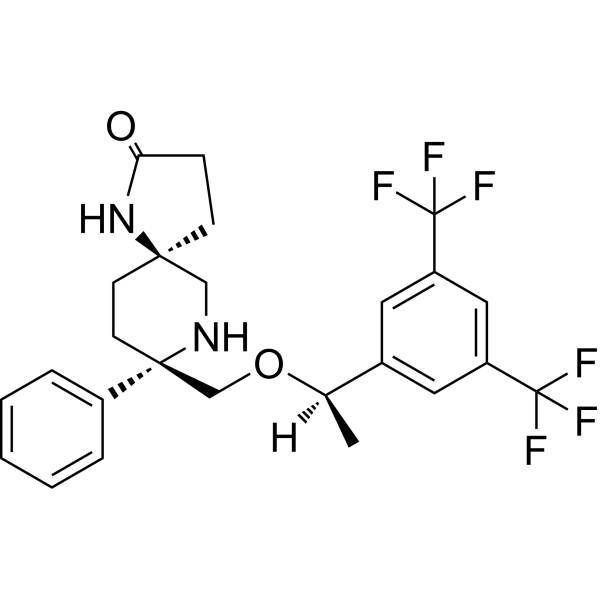
Rolapitant (SCH619734) is a potent, selective, long-acting and orally active neurokinin 1 (NK1) receptor antagonist with a Ki of 0.66 nM. Rolapitant does not interact with CYP3A4. Rolapitant shows potent anti-emetic activity in a ferret emesis model .
|
-
-
- HY-14407A
-
|
MK-0517; L785298
|
Neurokinin Receptor
|
Neurological Disease
Endocrinology
Cancer
|
|
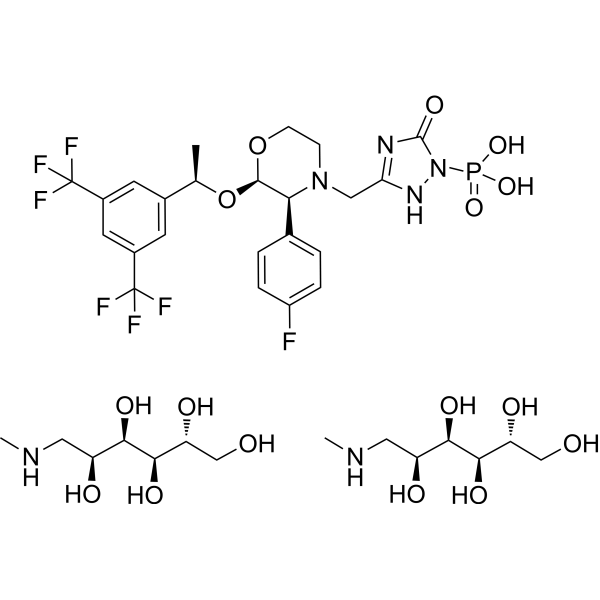
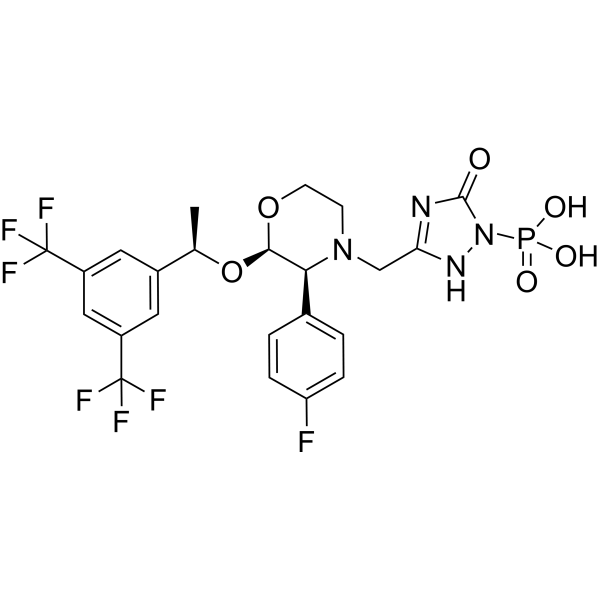
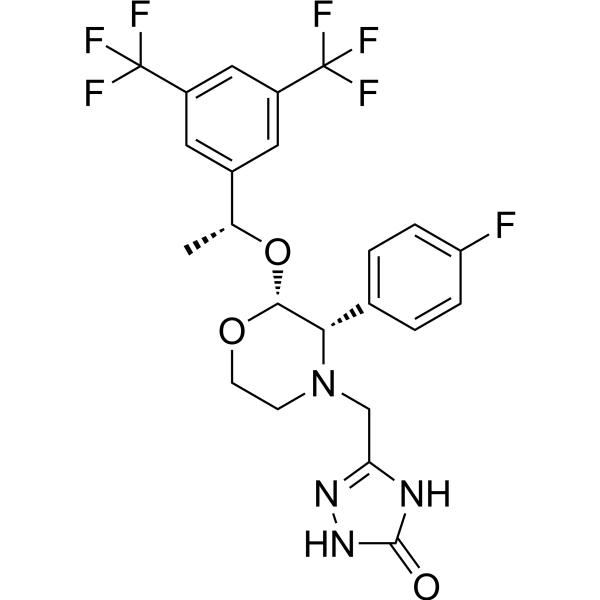
Fosaprepitant dimeglumine (MK-0517) is a proagent of Aprepitant (HY-10052). Fosaprepitant dimeglumine is a neurokinin-1 receptor antagonist, which is development for the prevention of chemotherapy-induced nausea and vomiting (CINV) .
|
-
-
- HY-14432
-
-
-
- HY-W011978
-
-
-
- HY-101249
-
|
|
Neurokinin Receptor
|
Neurological Disease
Cancer
|
|
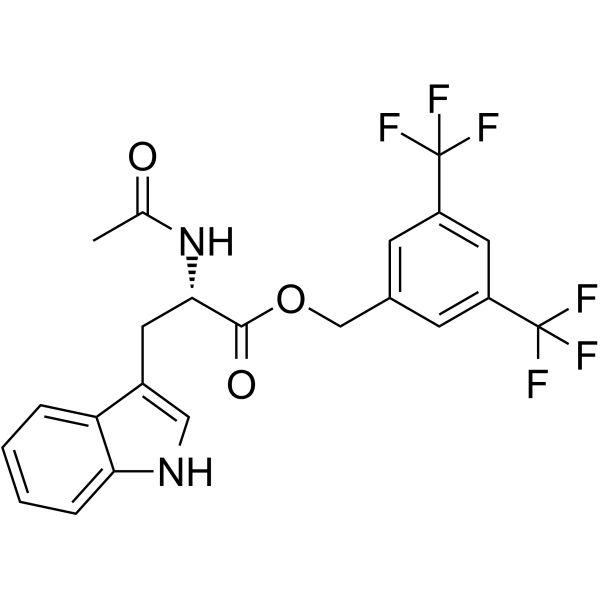
L-732138 is a selective, potent and competitive neurokinin-1 (NK-1) receptor antagonist with an IC50 of 2.3 nM. L-732138 has 200-fold more potent in cloned human NK-1 receptors than cloned rat NK-1 receptors, and has > 1000-fold more potent than human NK-2 and NK-3 receptors. L-732138 can reduce hyperalgesia and has antitumor action .
|
-
-
- HY-16436
-
|
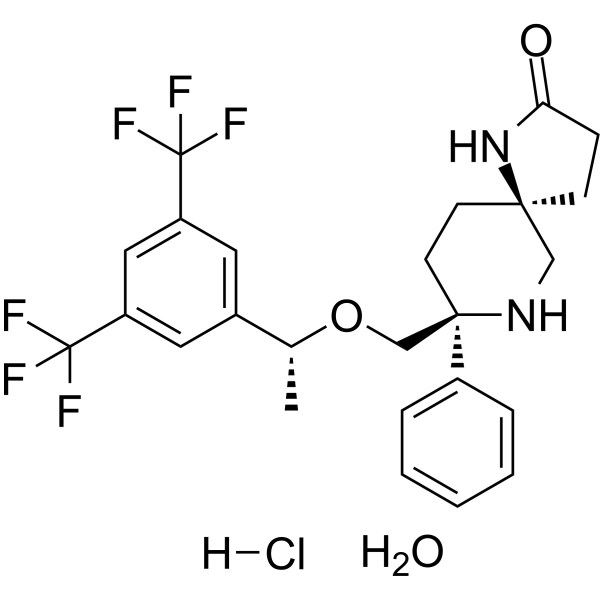
SCH619734 hydrochloride hydrate
|
Neurokinin Receptor
|
Neurological Disease
Cancer
|
|
Rolapitant hydrochloride hydrate (SCH619734 hydrochloride hydrate) is a potent, selective, long-acting and orally active neurokinin 1 (NK1) receptor antagonist with a Ki of 0.66 nM. Rolapitant hydrochloride hydrate does not interact with CYP3A4. Rolapitant hydrochloride hydrate shows potent anti-emetic activity in a ferret emesis model .
|
-
-
- HY-P0061A
-
|
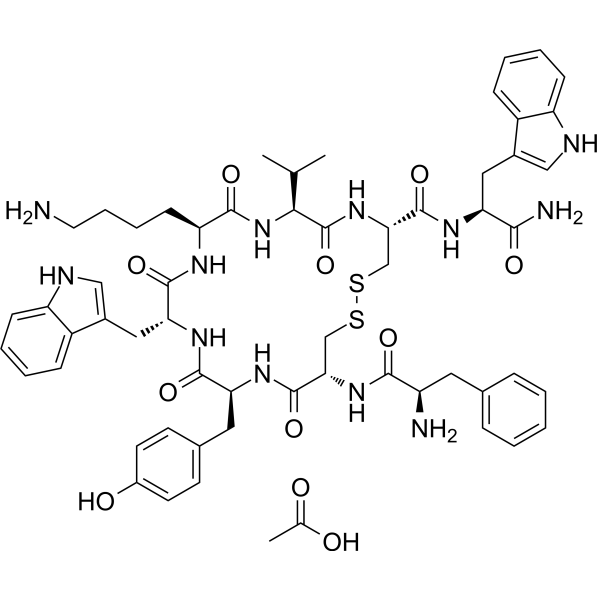
RC-160 acetate; BMY-41606 acetate
|
Neurokinin Receptor
|
Cancer
|
|
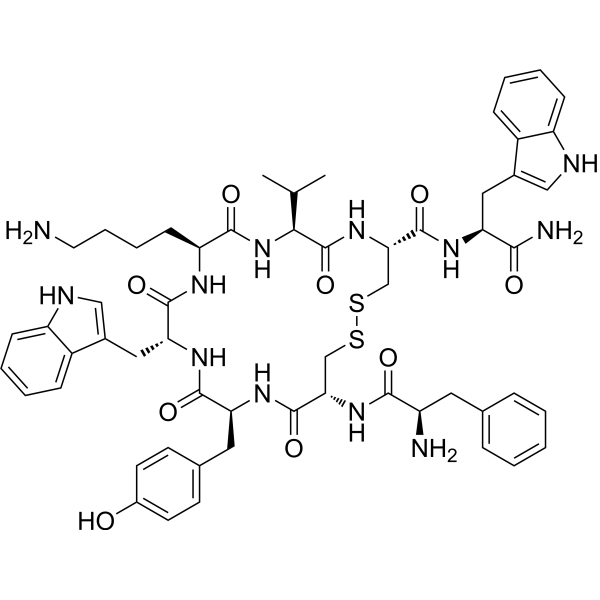
Vapreotide acetate (RC-160 acetate; BMY-41606 acetate) is a neurokinin-1 (NK1) receptor antagonist, with an IC50 of 330 nM.
|
-
-
- HY-108483
-
|
|
Neurokinin Receptor
|
Neurological Disease
Inflammation/Immunology
|
|
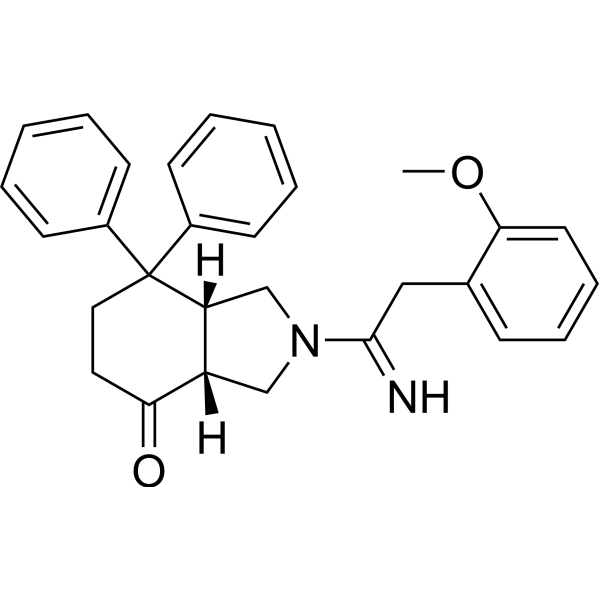
RP 67580 is a non-peptide antagonist of substance P (SP), competitively inhibits the binding of [3H]SP to neurokinin receptor 1 (NK1 receptor) in rat brain membranes with a Ki value of 4.16 nM. RP 67580 is a specific antagonist of NK1 receptors and can be used in the research of pain and neurogenic inflammation .
|
-
-
- HY-14406A
-
|
|
Neurokinin Receptor
|
Neurological Disease
Cancer
|
|
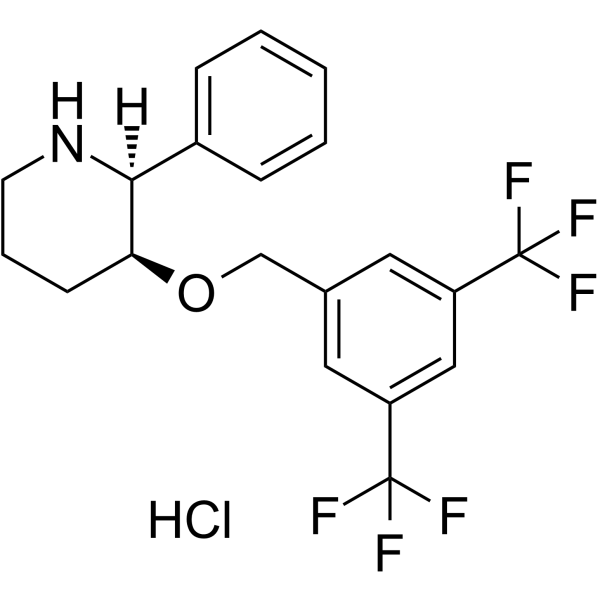
L-733060 hydrochloride is a selective neurokinin-1 (NK-1) receptor antagonist. L-733060 hydrochloride mainly regulates pain transmission and neural plasticity by blocking the binding of Substance P (P substance) to the NK-1 receptor. L-733060 hydrochloride blocks the promoting effect of Substance P on long-term potentiation (LTP) in the hippocampus. L-733060 hydrochloride reverses the orofacial hyperalgesia induced by experimental occlusal interference (EOI) in rats. L-733060 hydrochloride hydrochloride inhibits neurogenic plasma extravasation at a dose that does not cause adverse cardiovascular effects in rodents, and also acts as an anti-tumor agent. L-733060 hydrochloride can be used for the study of chronic orofacial pain .
|
-
-
- HY-P0061
-
-
-
- HY-122347A
-
|
GW823296 maleate
|
Neurokinin Receptor
|
Neurological Disease
Inflammation/Immunology
|
|
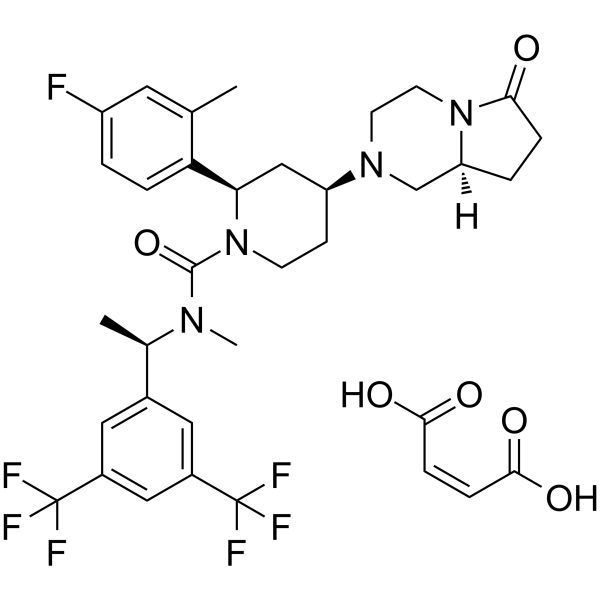
Orvepitant maleate (GW823296 maleate) is potent, selective, orally active and well-tolerated neurokinin-1 receptor (NK-1) antagonist with a pKi of 10.2 for human neurokinin-1 receptor. Orvepitant maleate can across the blood-brain barrier. Orvepitant maleate has the potential for depressive disorder and chronic refractory cough (CRC) treatment .
|
-
-
- HY-107691
-
|
|
Neurokinin Receptor
|
Neurological Disease
Endocrinology
Cancer
|
|
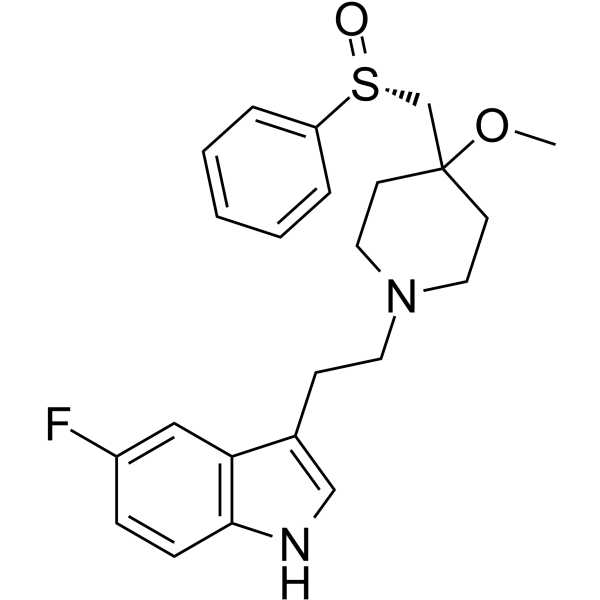
GR 159897 is a highly potent, selective, competitive, brain-penetrated non-peptide neurokinin 2 (NK2) receptor antagonist. GR 159897 has little or no affinity for NK1 and NK3 receptors. GR 159897 inhibits binding of [ 3H]GR100679 to human NK2 (hNK2)-CHO cells and rat colon membranes with pKis of 9.51 and 10, respectively. Antagonizes bronchoconstriction. Anxiolytic-like and anti-tumor effects .
|
-
-
- HY-14405A
-
|
GW679769B
|
Neurokinin Receptor
Cytochrome P450
|
Neurological Disease
Cancer
|
|
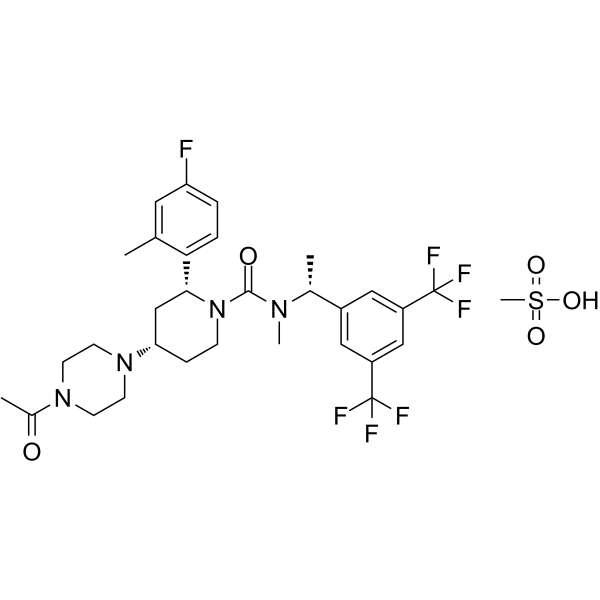
Casopitant mesylate (GW679769B) is a potent, selective, brain permeable and orally active neurokinin 1 (NK1) receptor antagonist. Casopitant mesylate is a second in the class of antiemetics that acts to antagonise the emetogenic effect of Substance P (HY-P0201). Casopitant mesylate is also a substrate and a weak-to-moderate inhibitor of CYP3A4. Casopitant mesylate can be used for chemotherapy-induced nausea and vomiting (CINV) and postoperative nausea and vomiting (PONV) .
|
-
-
- HY-P1722
-
|
|
Neurokinin Receptor
|
Inflammation/Immunology
|
|
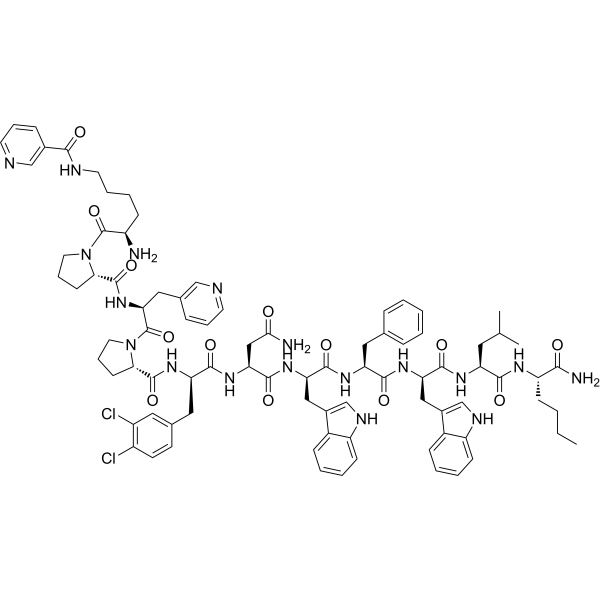
Spantide II, an undecapeptide substance P (SP) analog, is a potent neurokinin-1 receptor (NK-1R) antagonist. Spantide II binds with NK-1R and blocks proinflammatory activities associated with SP. Spantide II can be used in the research of inflammatory skin disorders, such as psoriasis and contact dermatitis .
|
-
-
- HY-117380
-
|
|
Neurokinin Receptor
|
Neurological Disease
|
|
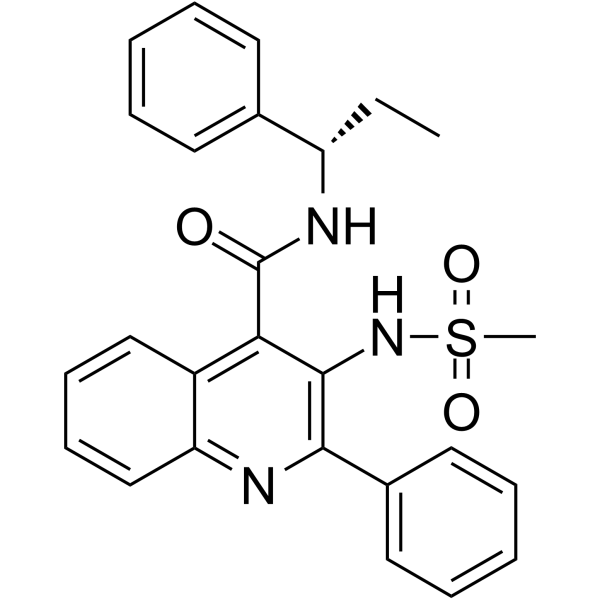
SB 235375 is a potent and selective antagonist of the human neurokinin-3 (hNK-3) receptor designed by optimizing the structure of 2-phenyl-4-quinolinecarboxylic acid amide. SB 235375 displays high affinity for the hNK-3 receptor, with significantly higher binding affinities than hNK-2 and hNK-1 receptors. In vitro studies demonstrated its ability to block NK-3 receptor-mediated contraction and calcium mobilization, while in vivo, SB 223412 demonstrated oral and intravenous activity against NK-3 receptor-driven responses in animal models .
|
-

-
- HY-18006
-
NKP608
1 Publications Verification
|
Neurokinin Receptor
Wnt
Bcl-2 Family
β-catenin
Cyclin G-associated Kinase (GAK)
VEGFR
Caspase
Cadherin
Apoptosis
|
Neurological Disease
Metabolic Disease
Inflammation/Immunology
Cancer
|
|
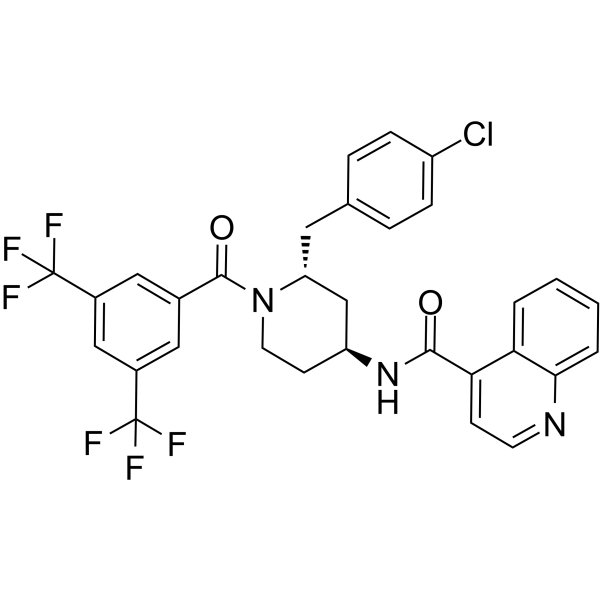
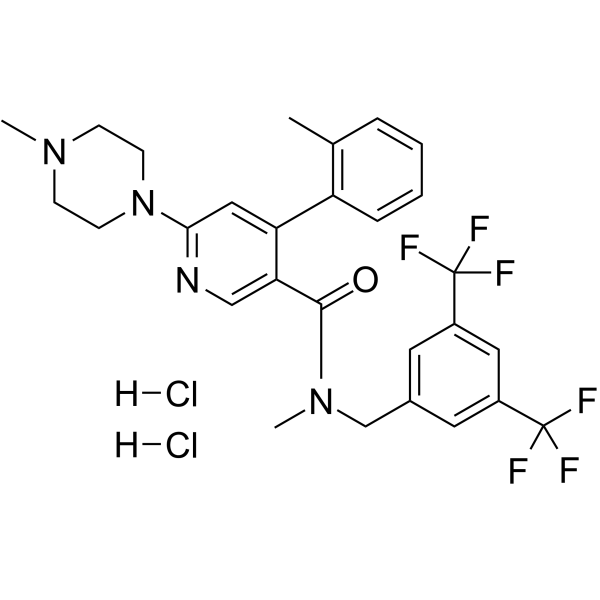
NKP608 is a non-peptidic derivative of 4-aminopiperidine, a highly selective, orally active, neurokinin-1 (NK1) receptor antagonist with IC50 of 2.6 nM. NKP608 is active both in vitro and in vivo, showing extremely low affinity for NK2, NK3 receptors. NKP608 exerts its effects by blocking the NK₁ receptor, regulate cell proliferation and apoptosis, affect neurotransmitter functions and gastric mucosal repair mechanisms, and suppress the Wnt/β-catenin pathway in antitumor research. NKP608 is applicable to research related to various diseases, including cough, anxiety disorders, depression, gastric mucosal injury, and colorectal cancer .
|
-
-
- HY-151413
-
|
|
Neurokinin Receptor
|
Neurological Disease
|
|
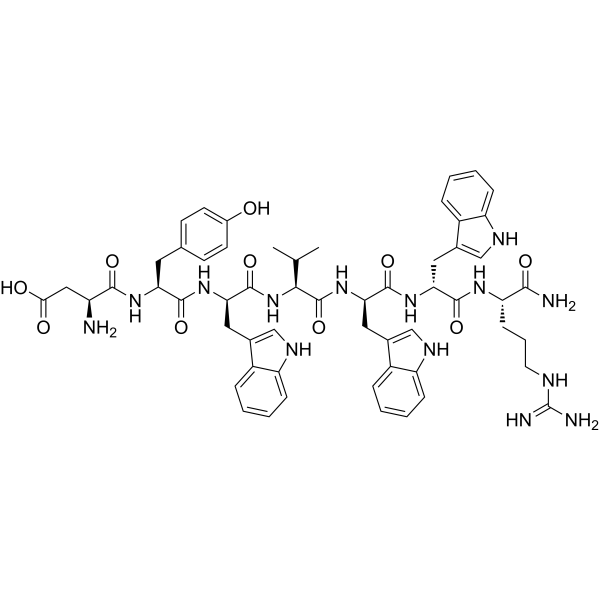
MEN 10207 is a selective NK-2 tachykinin receptor (Neurokinin Receptor) antagonist. MEN 10207 has pA2 values of 5.2, 7.9 and 4.9 in three monoreceptor in vitro assays for NK-1, NK-2 and NK-3 tachykinin receptors, respectively.
|
-
-
- HY-P1276A
-
|
neurokinin-2 receptor antagonist TFA
|
Neurokinin Receptor
|
Endocrinology
|
|
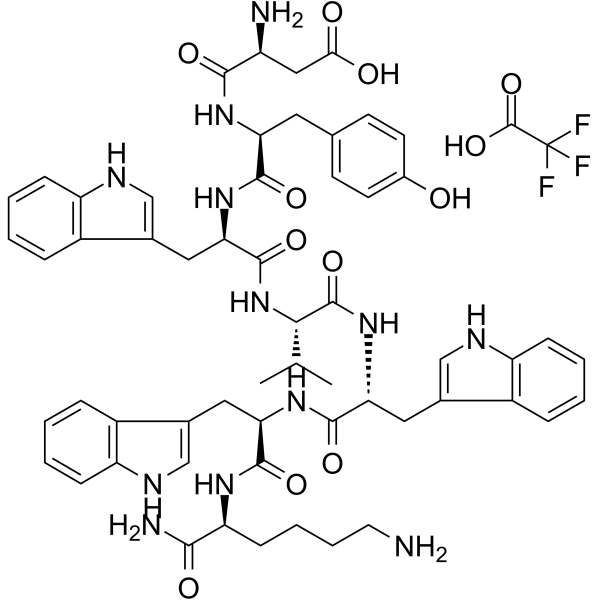
Men 10376 TFA is a selective tachykinin NK-2 receptor antagonist, with a Ki of 4.4 μM for rat small intestine NK-2 receptor .
|
-
-
- HY-16346S
-
-
-
- HY-14407
-
-
-
- HY-10052R
-
-
-
- HY-P3854
-
|
|
Neurokinin Receptor
|
Neurological Disease
|
|
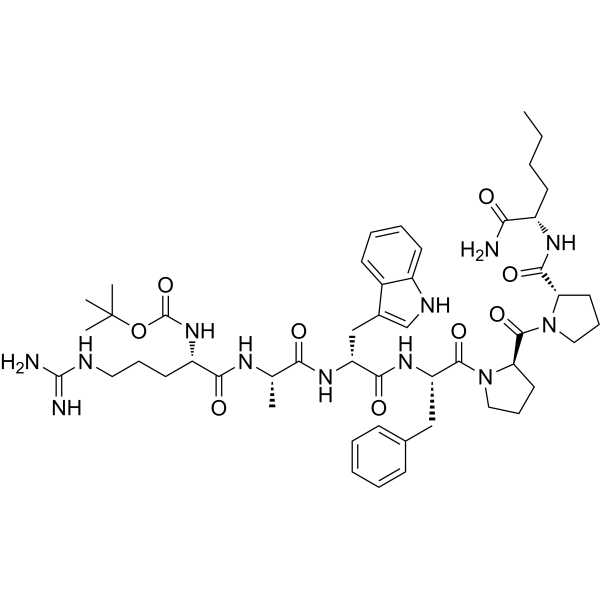
GR 83074 is a potent and selective NK-2 (Neurokinin Receptor) antagonist with a pKB of 8.23. GR 83074 is inactive as an NK-3 antagonist and exhibits a 340-fold NK-2/NK-1 selectivity .
|
-
-
- HY-P3850
-
|
|
Neurokinin Receptor
|
Neurological Disease
|
|
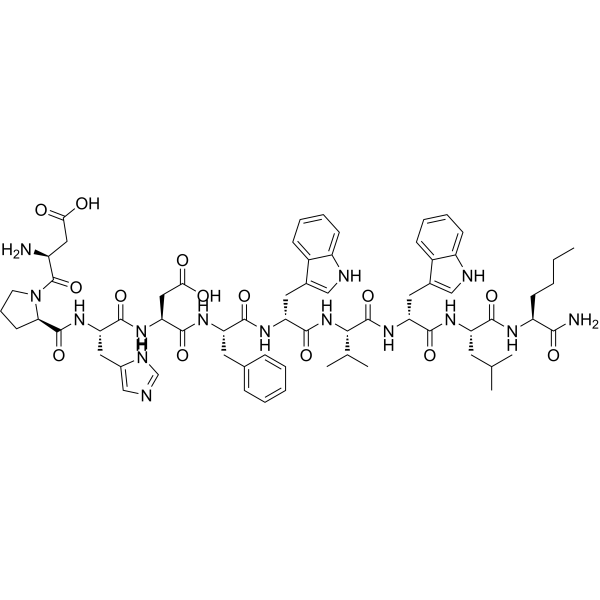
(D-Pro2,D-Trp6,8,Nle10)-Neurokinin B is a competitive antagonist of Neurokinin B (Neurokinin Receptor) with a pA2 of 5.5. (D-Pro2,D-Trp6,8,Nle10)-Neurokinin B shows no influence on Substance P or Neurokinin A .
|
-
-
- HY-19665
-
|
LY303870
|
Neurokinin Receptor
|
Neurological Disease
Inflammation/Immunology
|
|
Lanepitant (LY303870) is a selective neurokinin-1 (NK-1) receptor antagonist. Lanepitant blocks neurogenic inflammation and pain transmission by preventing the binding of substance P to NK-1 receptors on both neuronal and non-neuronal tissues. Lanepitant can be used to study osteoarthritis .
|
-

-
- HY-P3598
-
|
|
Neurokinin Receptor
|
Cancer
|
|
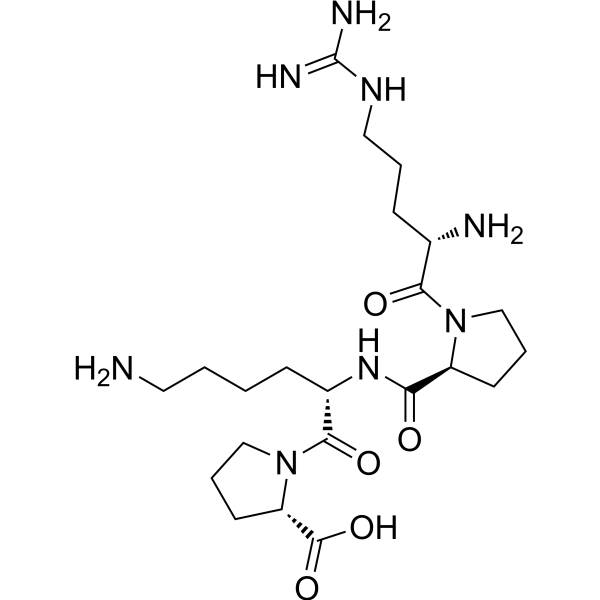
Substance P(1-4) is a potent neurokinin receptors (NK-R) antagonist. Substance P(1-4) has regulation of normal hematopoiesis and inhibits endogenous erythroid colony (EEC) formation .
|
-
-
- HY-178269
-
|
|
Drug Metabolite
Neurokinin Receptor
|
Neurological Disease
|
|
SCH-720881 is the active metabolite of Rolapitant (HY-14751). Rolapitant (SCH619734) is a potent, selective, long-acting and orally active neurokinin 1 (NK1) receptor antagonist with a Ki of 0.66 nM. Rolapitant does not interact with CYP3A4. Rolapitant shows potent anti-emetic activity in a ferret emesis model .
|
-

-
- HY-12144
-
|
|
Neurokinin Receptor
p38 MAPK
|
Neurological Disease
|
|
CP-99994 is a Tachykinin neurokinin 1 (NK-1) receptor antagonist with a Ki of 0.25 nM. CP-99994 prevents colorectal sensitization in the context of visceral hypersensitivity. CP-99994 reduces colorectal hypersensitivity induced by acetic acid injections in a model of bladder-colon cross-sensitization. CP-99994 hydrochloride attenuates the neuroglial interactions and MAPK-p38 phosphorylation associated with visceral hypersensitivity .
|
-

-
- HY-P1276
-
|
neurokinin-2 receptor antagonist
|
Neurokinin Receptor
|
Endocrinology
|
|
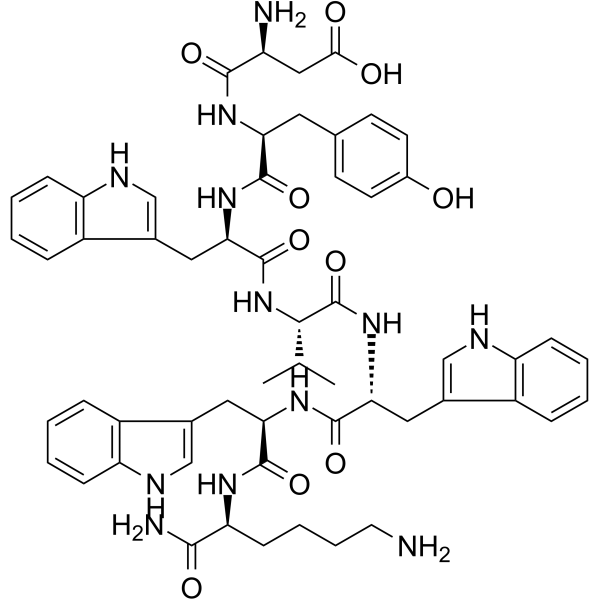
Men 10376 is a selective tachykinin NK-2 receptor antagonist, with a Ki of 4.4 μM for rat small intestine NK-2 receptor.
|
-
-
- HY-12114
-
-
-
- HY-109147A
-
-
-
- HY-14407AS
-
|
MK-0517-d4; L785298-d4
|
Isotope-Labeled Compounds
Neurokinin Receptor
|
Neurological Disease
Endocrinology
Cancer
|
|
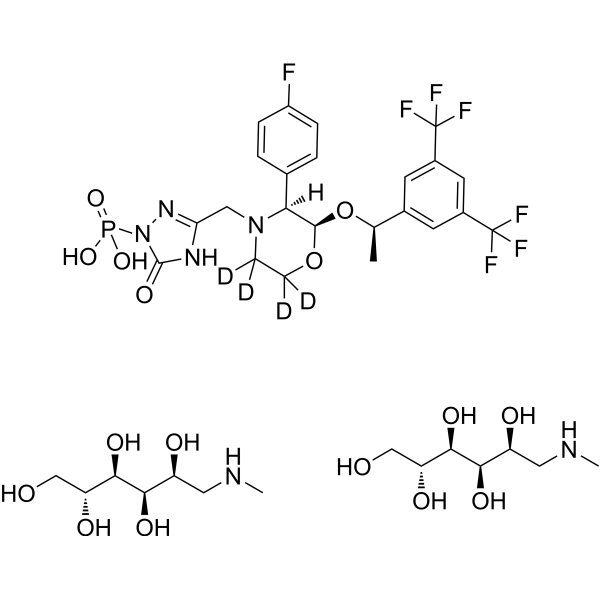
Fosaprepitant-d4 (dimeglumine) is deuterium labeled Fosaprepitant (dimeglumine). Fosaprepitant dimeglumine (MK-0517) is a proagent of Aprepitant (HY-10052). Fosaprepitant dimeglumine is a neurokinin-1 receptor antagonist, which is development for the prevention of chemotherapy-induced nausea and vomiting (CINV) .
|
-
-
- HY-116822
-
|
|
Neurokinin Receptor
|
Neurological Disease
|
|
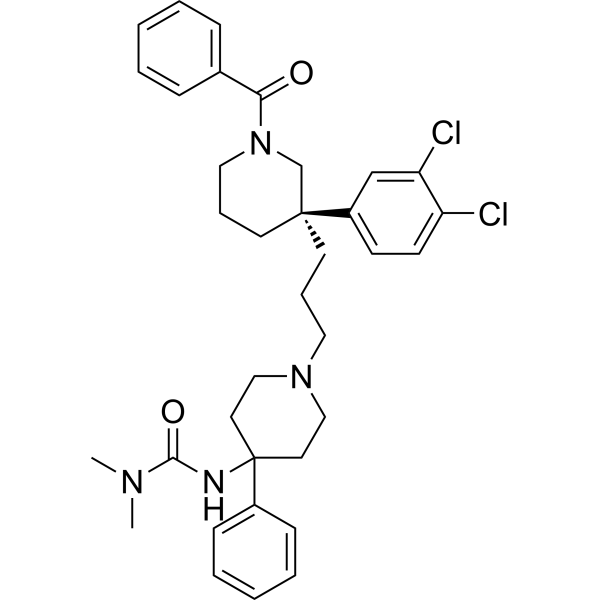
SSR 146977 is a potent and selective antagonist of the tachykinin NK3 receptor. SSR 146977 inhibits the binding of radioactive neurokinin B to NK3 receptors in Chinese hamster ovary cells, with a Ki of 0.26 nM .
|
-
-
- HY-14407AR
-
|
MK-0517 (Standard); L785298 (Standard)
|
Reference Standards
Neurokinin Receptor
|
Neurological Disease
Endocrinology
Cancer
|
|
Fosaprepitant (dimeglumine) (Standard) is the analytical standard of Fosaprepitant (dimeglumine). This product is intended for research and analytical applications. Fosaprepitant dimeglumine (MK-0517) is a proagent of Aprepitant (HY-10052). Fosaprepitant dimeglumine is a neurokinin-1 receptor antagonist, which is development for the prevention of chemotherapy-induced nausea and vomiting (CINV) .
|
-

-
- HY-105462
-
-

-
- HY-10050
-
|
|
Neurokinin Receptor
|
Neurological Disease
|
|
CJ-17493 is a neurokinin-1 (NK1) receptor antagonist, with a Ki of 0.2 nM. CJ-17493 shows moderate affinity for the verapamil-binding site of L-type Ca 2+ channels (IC50 = 164 nM) and site 2 of sodium channels (IC50 = 48 nM). CJ-17493 can be used for the study of neurological diseases .
|
-

-
- HY-128537
-
|
|
Neurokinin Receptor
|
Inflammation/Immunology
|
|
DNK-333 is a potent and balanced dual NK1 and NK2 receptor antagonist with IC50 values of 4.8 nM and 5.5 nM, respectively. DNK-333 blocks the Neurokinin A (NKA) (HY-P0197)-induced bronchoconstriction in asthma .
|
-

-
- HY-10053S
-
|
|
Isotope-Labeled Compounds
Neurokinin Receptor
|
Neurological Disease
Endocrinology
|
|
Maropitant-d3 is the deuterium labeled Maropitant. Maropitant is a selective and orally active neurokinin (NK1) receptor antagonist. Maropitant acts by blocking the binding of substance P within the emetic center and the chemoreceptor trigger zone (CRTZ). Maropitant is highly effective in preventing vomiting .
|
-

-
- HY-14406
-
|
|
Neurokinin Receptor
|
Neurological Disease
Cancer
|
|
L-733060 is a selective neurokinin-1 (NK-1) receptor antagonist. L-733060 mainly regulates pain transmission and neural plasticity by blocking the binding of Substance P (P substance) to the NK-1 receptor. L-733060 blocks the promoting effect of Substance P on long-term potentiation (LTP) in the hippocampus. L-733060 reverses the orofacial hyperalgesia induced by experimental occlusal interference (EOI) in rats. L-733060 hydrochloride inhibits neurogenic plasma extravasation at a dose that does not cause adverse cardiovascular effects in rodents, and also acts as an anti-tumor agent. L-733060 can be used for the study of chronic orofacial pain .
|
-

-
- HY-W011978S
-
-

-
- HY-P0061B
-
|
RC160 diacetate; BMY 41606 diacetate
|
Neurokinin Receptor
|
Cancer
|
|
Vapreotide diacetate is a neurokinin-1 (NK1) receptor antagonist, with an IC50 of 330 nM.
|
-

-
- HY-19429A
-
-

-
- HY-159842
-
-

-
- HY-105137
-
-

-
- HY-19429
-
|
|
Neurokinin Receptor
|
Metabolic Disease
|
|
SLV-317 (free base) is an antagonist of the neurokinin-1 receptor with oral activity. SLV-317 (free base) can effective antagonist of substance P-induced effects .
|
-

-
- HY-19633A
-
|
|
Endogenous Metabolite
|
Neurological Disease
|
|
CS-003 is a triple neurokinin receptor antagonist with activity in inhibiting neurokinin-related respiratory diseases. CS-003 exhibits high affinity for human neurokinin 1, 2 and 3 receptors, withKi values of 2.3 nM, 0.54 nM and 0.74 nM respectively. The Ki values of CS-003 on the guinea pig neurokinin receptor are 5.2 nM, 0.47 nM and 0.71 nM respectively, showing superior inhibitory effect. CS-003 significantly inhibits the formation of inositol phosphate involving substance P, neurokinin A and neurokinin B through competitive antagonism. CS-003 significantly inhibits citric acid-induced cough, and its effect is better than other selective neurokinin receptor antagonists .
|
-

-
- HY-122347
-
|
GW823296
|
Neurokinin Receptor
|
Neurological Disease
Cancer
|
|
Orvepitant (GW823296) is potent, selective, orally active and well-tolerated neurokinin-1 receptor (NK-1) antagonist with a pKi of 10.2 for human neurokinin-1 receptor. Orvepitant can across the blood-brain barrier. Orvepitant has the potential for depressive disorder and chronic refractory cough (CRC) treatment .
|
-

-
- HY-14432R
-
-

- HY-118463
-
|
(-)-Benzomalvin A
|
Neurokinin Receptor
|
Neurological Disease
|
|
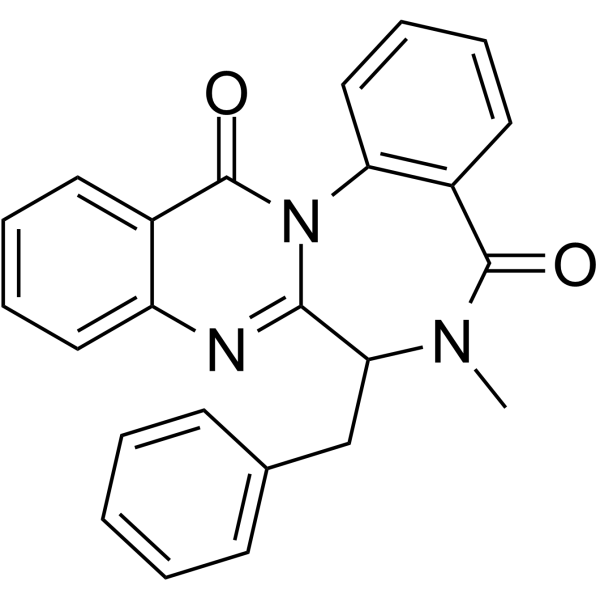
Benzomalvin A is a potent antagonist of neurokinin receptor isolated from Penicillium sp. Benzomalvin A shows inhibitory activity against substance P with Ki values of 12, 42 and 43 μM at the guinea pig, rat and human neurokinin NK1 receptors, respectively .
|
-
- HY-105436
-
-
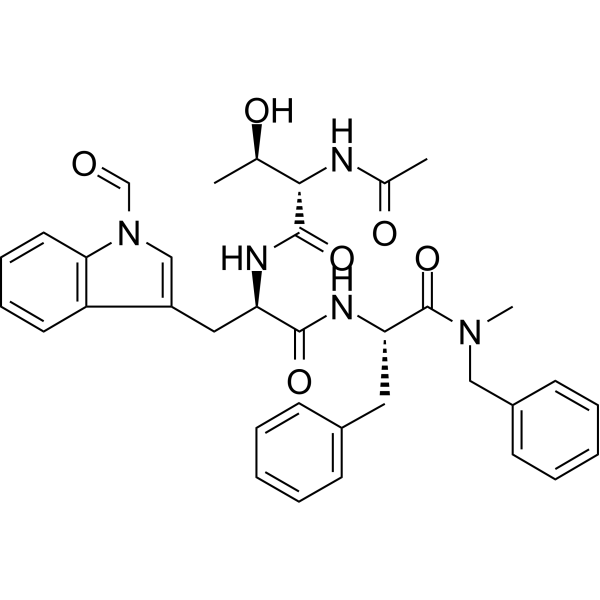
- HY-U00392
-
-
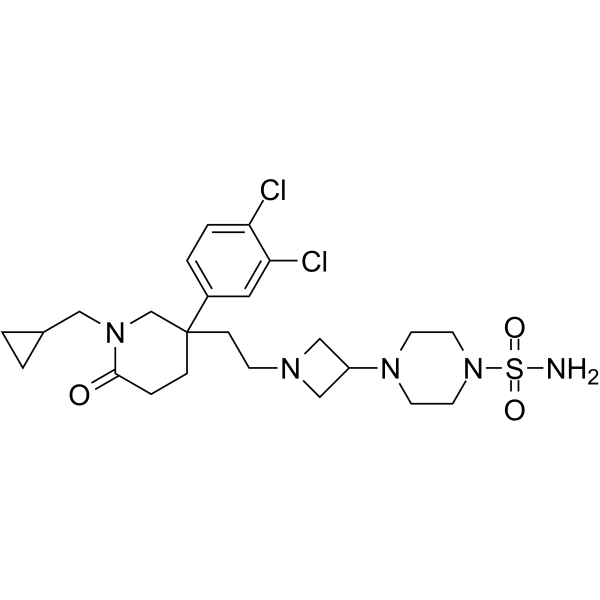
- HY-119552
-
|
LL-S490β
|
Endogenous Metabolite
Neurokinin Receptor
|
Neurological Disease
|
|
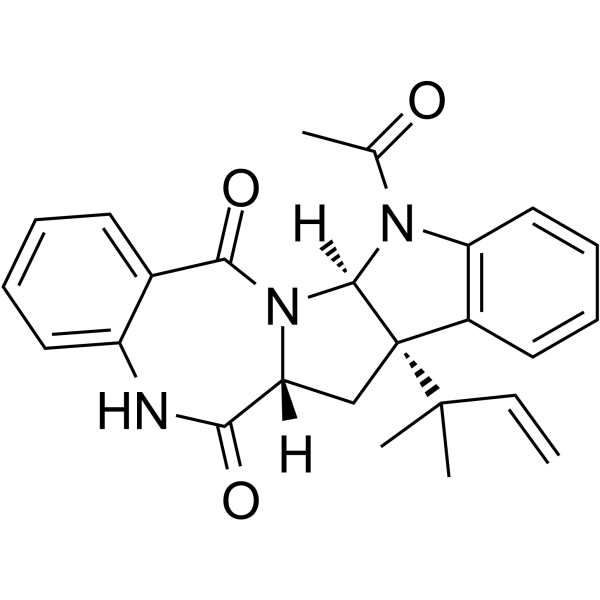
Acetylaszonalenin, a prenylated indole derivative, is a fungal metabolite.Acetylaszonalenin is a potent neurokinin-1 (NK1) receptor antagonist. Acetylaszonalenin shows inhibition of [ 3H]-SP binding to human astrocytoma cells with a Ki of 170 μM .
|
-
- HY-105534
-
|
|
Neurokinin Receptor
|
Neurological Disease
|
|
TAK-637 is an orally active neurokinin-1 receptor antagonist. TAK-637 increases bladder storage capacity. TAK-637 can be used for research of functional bowel diseases such as irritable bowel syndrome .
|
-

- HY-P10588
-
|
|
Neurokinin Receptor
|
Others
|
|
WIN 66306 is a cyclic heptapeptide that can be isolated from an Aspergillus species. WIN 66306 is a neurokinin antagonist with antagonistic effects on both NK1 and NK2 receptors .
|
-

- HY-105346
-
|
|
Neurokinin Receptor
|
Neurological Disease
|
|
WIN 51708 is a nonpeptide antagonist of neurokinin (NK)-1 receptor. WIN 51708 has a higher affinity for the rat NK-1 receptor compared to the human NK-1 receptor .
|
-

- HY-19633
-
|
|
Neurokinin Receptor
|
Infection
Endocrinology
|
|
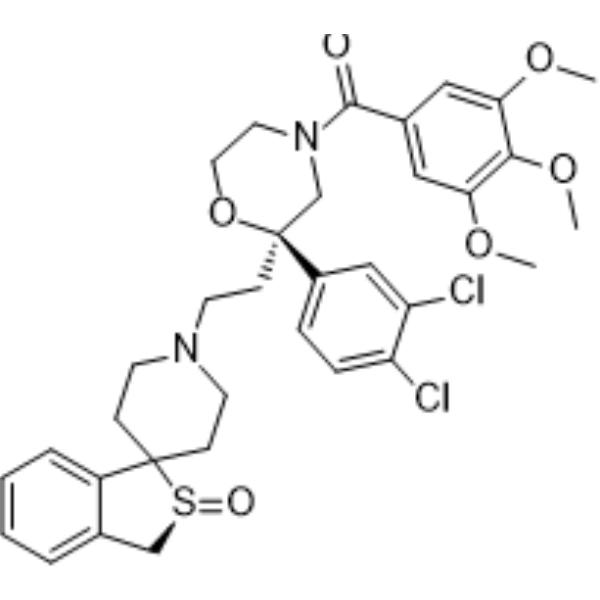
CS-003 Free base (CS-003), a triple tachykinin receptor antagonist, shows high affinities for human (Neurokinin) NK1, NK2 and NK3 receptors with Ki values of 2.3 nM, 0.54 nM and 0.74 nM, respectively. CS-003 Free base (CS-003) has therapeutic efficacy on respiratory diseases associated with neurokinins.
|
-
- HY-122286
-
|
|
Neurokinin Receptor
|
Neurological Disease
|
|
SB 414240 is a selective neurokinin-2 receptor (NK-2R) antagonist with Kis of 1 nM and 193 nM for human NK-3R and human NK-2R, respectively. SB 414240 does not bind the human μ-opioid receptor (hMOR). SB 414240 can be used for the study of neurological disease .
|
-

- HY-16346R
-
|
CID 6451149 (Standard)
|
Reference Standards
Neurokinin Receptor
|
Neurological Disease
Endocrinology
|
|
Netupitant (Standard) is the analytical standard of Netupitant. This product is intended for research and analytical applications. Netupitant (CID-6451149) is a highly potent, selective and orally active neurokinin-1 (NK1) receptor antagonist with a Ki of 0.95 nM for hNK1 in CHO cells. Netupitant has antiemetic affect .
|
-

- HY-106982
-
|
CJ-11,974
|
Neurokinin Receptor
|
Neurological Disease
Metabolic Disease
|
|
Ezlopitant (CJ-11,974) is a selective, non-peptidic neurokinin-1 (NK-1)-receptor antagonist. Ezlopitant inhibits both acute and delayed emetic reactions induced by Cisplatin (HY-17394) in ferrets via acting on NK1 receptors in the central nervous system. Ezlopitant has the potential for pain, chemotherapy-induced emesis and irritable bowel syndrome research .
|
-
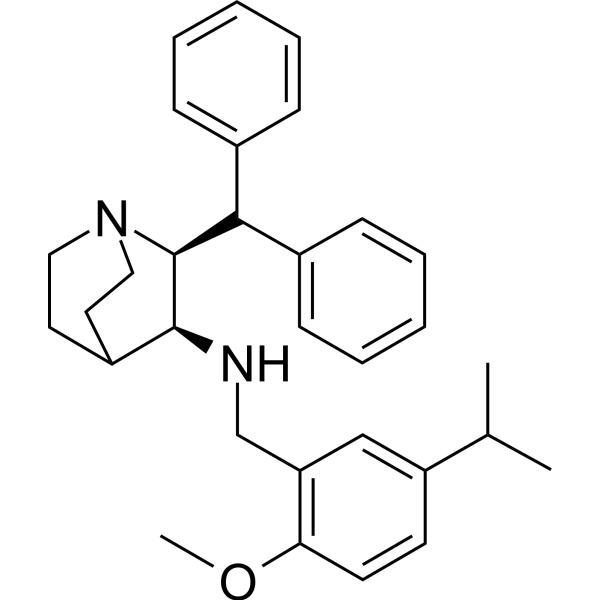
- HY-19456
-
-
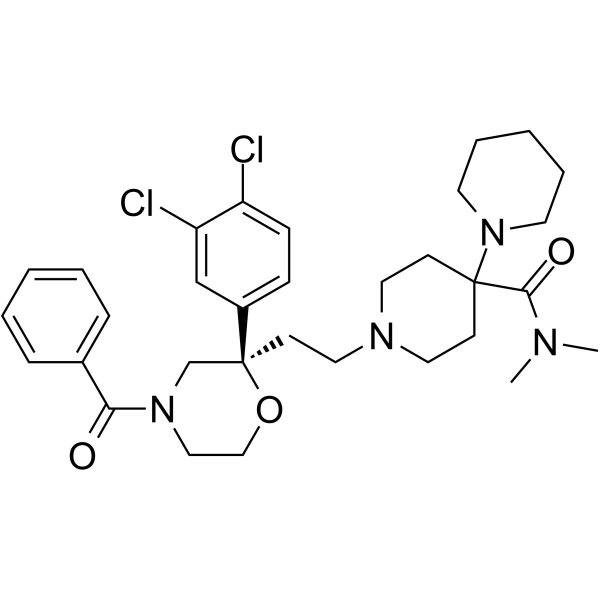
- HY-172514
-
|
|
Neurokinin Receptor
|
Cancer
|
|
(1R,2S,3R)-Aprepitant (Compound ent-4) is a competitive human neurokinin-1 (NK-1) receptor antagonist. (1R,2S,3R)-Aprepitant is promising for research of cancers and postoperative nausea and vomiting .
|
-

- HY-P3802
-
|
|
Neurokinin Receptor
|
Neurological Disease
|
|
[D-Trp2,7,9] Substance P is a tachykinin (Neurokinin Receptor) antagonist with Ki values of 1 μM, 1.3 μM, and ~9 μM for NK-1, NK-2,and NK-3 receptor, respectively .
|
-
![[D-Trp2,7,9] Substance P](//file.medchemexpress.com/product_pic/hy-p3802.gif)
- HY-116620
-
|
|
Neurokinin Receptor
|
Infection
|
|
Benzomalvin C is a weak antagonist of the neurokinin-1 (NK1) receptor inhibiting binding of substance P by 46% when used at 100 μg/mL in vitro. It is also a weak inhibitor of indolamine 2,3-dioxygenase (IDO) with an IC50 value of 130 μM for recombinant IDO. It is isolated from Penicillium and contains an epoxide group at C-19 and C-20, which is not present in benzomalvins A, B, or E.
|
-

- HY-17012
-
|
RPR 100893
|
Neurokinin Receptor
|
Inflammation/Immunology
|
|
Dapitant (RPR 100893) is a non-peptide Substance P antagonist with high affinity for the human NK1 receptor. It belongs to the 7,7,4-trimethylperhydroisoindole class of compounds. Dapitant inhibits the binding of Substance P to NK1 receptors, thereby blocking its neurokinin-mediated effects. This novel antagonist represents a potential therapeutic option for conditions involving Substance P, such as neurogenic inflammation and pain modulation .
|
-

- HY-10049A
-
|
|
Neurokinin Receptor
|
Neurological Disease
|
|
CP 122721 hydrochloride is a potent, non-peptide and selective nonpeptide neurokinin NK1 antagonist, with a pIC50 of 9.8 for human NK1 receptor expressed in IM-9 cells. CP 122721 hydrochloride exhibits anxiolytic and antidepressant-like effects .
|
-
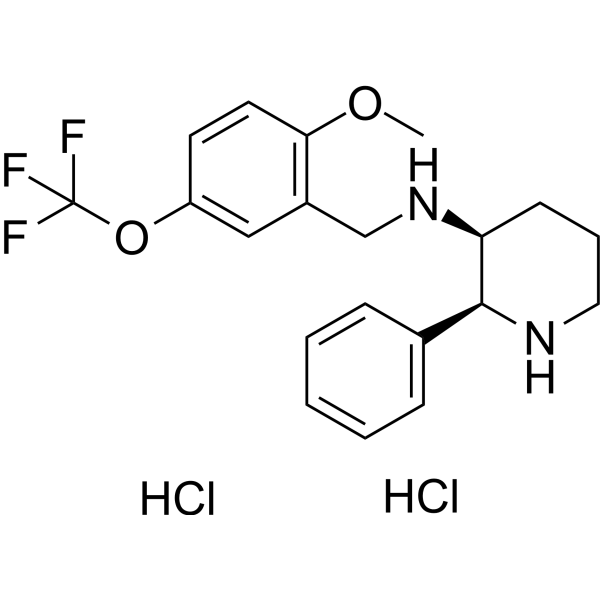
- HY-117952
-
|
|
Neurokinin Receptor
|
Neurological Disease
|
|
L 743310 is a non-peptide, selective antagonist of the human neurokinin hNK1 receptor, with high affinity for primate and cloned human hNK1 receptors and lower affinity for rodent NK1 receptors. L 743310 inhibits resiniferatoxin-induced plasma protein extravasation in guinea pig esophagus. L 743310 has a dose-dependent inhibitory effect on cisplatin-induced emesis .
|
-

- HY-14751A
-
|
SCH619734 hydrochloride
|
Neurokinin Receptor
|
Neurological Disease
Cancer
|
|
Rolapitant (SCH619734) hydrochloride is a potent, selective, long-acting and orally active neurokinin 1 (NK1) receptor antagonist with a Ki of 0.66 nM. Rolapitant hydrochloride does not interact with CYP3A4. Rolapitant hydrochloride shows potent anti-emetic activity in a ferret emesis model .
|
-
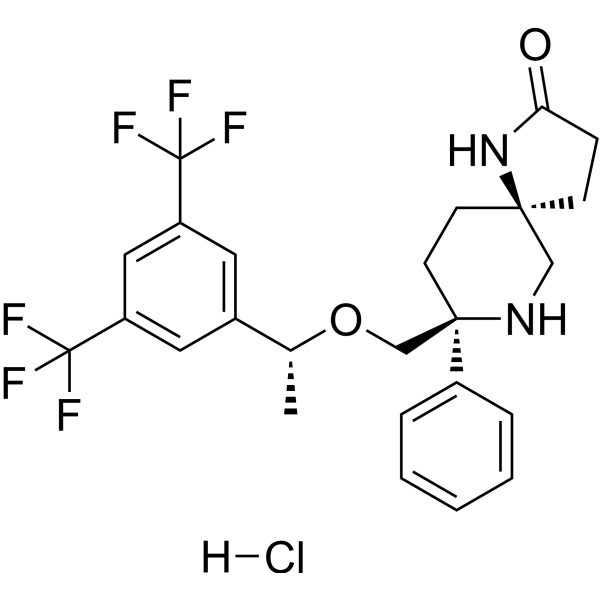
- HY-12140
-
|
GW597599
|
Neurokinin Receptor
|
Neurological Disease
|
|
Vestipitant (GW597599) is a neurokinin-1 receptor antagonist (pKi: 9.4, hNK1) with hypnotic effects and the ability to suppress primary insomnia. Vestipitant can effectively block substance P-mediated extracellular regulated kinase phosphorylation and relieve anxiety and possible depression induced by the agonist GR73632 (HY-P1192) in gerbils. Vestipitant can also improve functional dyspnea, anxiety, insomnia, irritable bowel disease, gastroesophageal reflux disease, tinnitus and antiemetic effects .
|
-

- HY-10053R
-
|
|
Reference Standards
Neurokinin Receptor
|
Neurological Disease
Endocrinology
|
|
Maropitant (Standard) is the analytical standard of Maropitant. This product is intended for research and analytical applications. Maropitant is a selective and orally active neurokinin (NK1) receptor antagonist. Maropitant acts by blocking the binding of substance P within the emetic center and the chemoreceptor trigger zone (CRTZ). Maropitant is highly effective in preventing vomiting .
|
-

- HY-W777166
-
-

- HY-10053S1
-
|
|
Isotope-Labeled Compounds
Neurokinin Receptor
|
Neurological Disease
Endocrinology
|
|
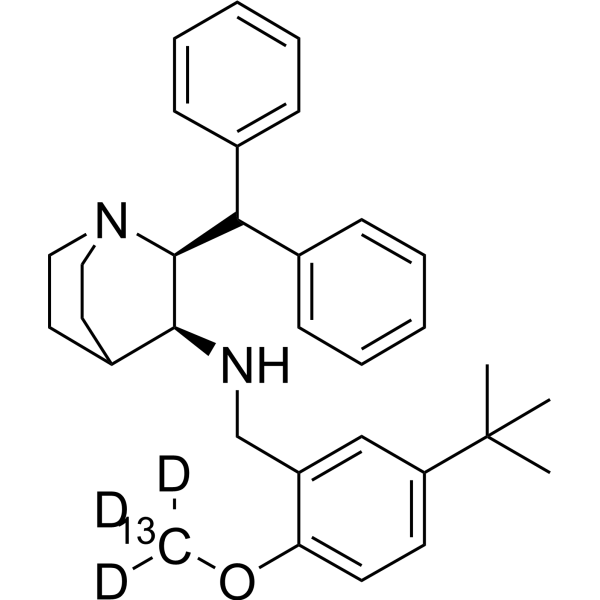
Maropitant- 13C,d3 is the 13C- and deuterium labeled Maropitant. Maropitant is a selective and orally active neurokinin (NK1) receptor antagonist. Maropitant acts by blocking the binding of substance P within the emetic center and the chemoreceptor trigger zone (CRTZ). Maropitant is highly effective in preventing vomiting .
|
-
- HY-14751R
-
|
SCH619734 (Standard)
|
Reference Standards
Neurokinin Receptor
|
Neurological Disease
Cancer
|
|
Rolapitant (Standard) is the analytical standard of Rolapitant. This product is intended for research and analytical applications. Rolapitant (SCH619734) is a potent, selective, long-acting and orally active neurokinin 1 (NK1) receptor antagonist with a Ki of 0.66 nM. Rolapitant does not interact with CYP3A4. Rolapitant shows potent anti-emetic activity in a ferret emesis model .
|
-

- HY-14405
-
|
GW679769
|
Neurokinin Receptor
Cytochrome P450
|
Neurological Disease
|
|
Casopitant (GW679769) is a potent, selective, brain-penetrant and orally active neurokinin 1 (NK1) receptor antagonist. Casopitant antagonizes the emetic effects of Substance P (HY-P0201). Casopitant is also a substrate and weak to moderate inhibitor of CYP3A4. Casopitant is indicated for chemotherapy-induced nausea and vomiting (CINV) and postoperative nausea and vomiting (PONV) .
|
-

- HY-120167
-
|
|
Neurokinin Receptor
|
Neurological Disease
Inflammation/Immunology
|
|
YM-44778 is a neurokinin receptor antagonist. The pKi values for NK1, NK2 and NK3 are 8.08, 8.55 and 8.24, respectively. YM-44778 inhibits the increase of bladder pressure induced by substance [Sar9,Met(O2)11] -P (HY-P1012) in anestheticized rats .
|
-

- HY-118378
-
|
|
Neurokinin Receptor
|
Neurological Disease
Endocrinology
|
|
ZD6021 is an orally active Neurokinin 1 Receptor antagonist, with Ki values of 0.12 nM for NK1 and 0.62 nM for NK2. At a concentration of 100 nM, ZD6021 has a pKB value of 8.9 for human pulmonary artery NK1 receptors, and a pKB value of 7.3 for human bronchial NK2 receptors. ZD6021 effectively reduces ASMSP-induced plasma protein extravasation in guinea pigs, with an ED50 of 0.5 mg/kg, and also decreases NK2 mediated bronchoconstriction, with an ED50 of 13 mg/kg .
|
-

- HY-12145
-
|
|
Endogenous Metabolite
Neurokinin Receptor
p38 MAPK
|
Neurological Disease
|
|
CP-99994 hydrochloride is a Tachykinin neurokinin 1 (NK-1) receptor antagonist with a Ki of 0.25 nM. CP-99994 hydrochloride prevents colorectal sensitization in the context of visceral hypersensitivity. CP-99994 hydrochloride reduces colorectal hypersensitivity induced by acetic acid injections in a model of bladder-colon cross-sensitization. CP-99994 hydrochloride attenuates the neuroglial interactions and MAPK-p38 phosphorylation associated with visceral hypersensitivity .
|
-

- HY-116268
-
|
|
Neurokinin Receptor
|
Neurological Disease
|
|
GSK256471 is a non-peptide tachykinin NK3 receptor antagonist with a pKi of 8.9 for the human recombinant NK3 receptor and 8.4 for the guinea pig native receptor. GSK256471 exhibits >100-fold selectivity for NK1 (pKi = 5.2) and NK2 (pKi = 7.3) receptors. GSK256471 noncompetitively inhibits neurokinin B (NKB) (HY-P0242)-induced inositol phosphate accumulation, and this inhibition is irreversible. GSK256471 inhibits wet dog shaking behavior and suppresses dopamine release. GSK256471 could be used to study schizophrenia .
|
-

- HY-182423
-
|
|
Neurokinin Receptor
|
Neurological Disease
|
|
RO5328673 is an orally active, blood-brain barrier permeable neurokinin receptor antagonist that effectively targets human NK3 receptors (Ki=0.4 nM, Ka=0.1 nM), human NK2 receptors (Ki=1.1 nM, Ka=0.9 nM), and guinea pig NK3 receptors (Ka=0.1 nM and 0.13 nM). RO5328673 acts as an insurmountable antagonist of NK3 receptors with a slow dissociation rate, while it shows rapid association and dissociation rates at human NK2 receptors. RO5328673 potently inhibits senktide (HY-P0187)-induced enhancement of spontaneous activity in dopaminergic neurons and reverses senktide-induced changes in motor activity of gerbils. RO5328673 is widely applicable to research related to schizophrenia .
|
-

- HY-181682
-
|
|
Neurokinin Receptor
|
Endocrinology
|
|
NK3R antagonist-1 is an orally active neurokinin-3 receptor (NK3R) antagonist with an IC50 of 53.61 nM. NK3R antagonist-1 reduces plasma luteinizing hormone (LH) levels in ovariectomized rat models. NK3R antagonist-1 is applicable to research related to menopausal hot flushes .
|
-

- HY-180376
-
|
|
Neurokinin Receptor
|
Inflammation/Immunology
|
|
TAC 363 is a selective tachykinin NK-2 receptor antagonist. TAC 363 shows a rightward shift in the contractile response curve induced by Neurokinin A (HY-P0197) with a pA2 of 9.82. TAC 363 has a weak antagonistic effect on NK-1 receptors. TAC 363 can inhibit Neurokinin A-induced bronchoconstriction in guinea pigs with an ED50 of 0.3 mg/kg. TAC 363 can be used for the research of bronchial asthma .
|
-

- HY-19632S
-
-

- HY-123497
-
|
|
Neurokinin Receptor
|
Neurological Disease
|
|
R116031 is a selective Neurokinin-1 (NK-1) receptor antagonist with a Ki of 0.45 nM for human NK-1 receptor. R116031 inhibits Substance P (HY-P0201)-induced peripheral effects (skin reactions and plasma extravasation in guinea pigs) and a central effect (thumping in gerbils).R116031 labeled with 3H significantly accumulate in the striatum, olfactory tubercule, olfactory bulb and locus coeruleus in gerbils models. R116031 can be used as a positron emission tomography (PET) ligand for PET imaging .
|
-

- HY-101249R
-
|
|
Neurokinin Receptor
Reference Standards
|
Neurological Disease
Cancer
|
|
L-732138 (Standard) is the analytical standard of L-732138 (HY-101249). This product is intended for research and analytical applications. L-732138 is a selective, potent and competitive neurokinin-1 (NK-1) receptor antagonist with an IC50 of 2.3 nM. L-732138 has 200-fold more potent in cloned human NK-1 receptors than cloned rat NK-1 receptors, and has > 1000-fold more potent than human NK-2 and NK-3 receptors. L-732138 can reduce hyperalgesia and has antitumor action .
|
-

- HY-19203
-
|
|
Neurokinin Receptor
|
Neurological Disease
|
|
CGP-49823 is an orally active and highly selective antagonist of the neurokinin 1 receptor (NK1 receptor). CGP-49823‘s potency is significantly higher in isolated spinal cords of hamsters than in those of rats. CGP 49823 exhibits a significant anti-anxiety effect in social interaction experiments of rats, and its tolerance develops slowly, without causing anxiety-like withdrawal reactions after discontinuation. CGP-49823 can be used in anxiety and depression research .
|
-

- HY-N9554
-
|
|
Neurokinin Receptor
Endogenous Metabolite
Calcium Channel
|
Neurological Disease
Inflammation/Immunology
|
|
WIN-64821 is a secondary metabolite produced by Aspergillus species, and acts as a Neurokinin Receptor antagonist. The Ki values of WIN-64821 for NK1, NK2 and NK3 receptors are 0.24 (human astrocytoma cells), 0.26 (rat duodenum) and 15.2 (guinea pig forebrain) μM, respectively. WIN-64821 inhibits apamin-induced contraction of rat vas deferens, blocks substance P-induced contraction of guinea pig ileum and Ca 2+ efflux in human astrocytoma cells. WIN-64821 is applicable to analgesic and anti-inflammatory research .
|
-

| Cat. No. |
Product Name |
Target |
Research Area |
-
- HY-P0061A
-
|
RC-160 acetate; BMY-41606 acetate
|
Neurokinin Receptor
|
Cancer
|
|
Vapreotide acetate (RC-160 acetate; BMY-41606 acetate) is a neurokinin-1 (NK1) receptor antagonist, with an IC50 of 330 nM.
|
-
- HY-P0061
-
-
- HY-P1722
-
|
|
Neurokinin Receptor
|
Inflammation/Immunology
|
|
Spantide II, an undecapeptide substance P (SP) analog, is a potent neurokinin-1 receptor (NK-1R) antagonist. Spantide II binds with NK-1R and blocks proinflammatory activities associated with SP. Spantide II can be used in the research of inflammatory skin disorders, such as psoriasis and contact dermatitis .
|
-
- HY-151413
-
|
|
Neurokinin Receptor
|
Neurological Disease
|
|
MEN 10207 is a selective NK-2 tachykinin receptor (Neurokinin Receptor) antagonist. MEN 10207 has pA2 values of 5.2, 7.9 and 4.9 in three monoreceptor in vitro assays for NK-1, NK-2 and NK-3 tachykinin receptors, respectively.
|
-
- HY-P1276A
-
|
neurokinin-2 receptor antagonist TFA
|
Neurokinin Receptor
|
Endocrinology
|
|
Men 10376 TFA is a selective tachykinin NK-2 receptor antagonist, with a Ki of 4.4 μM for rat small intestine NK-2 receptor .
|
-
- HY-P3854
-
|
|
Neurokinin Receptor
|
Neurological Disease
|
|
GR 83074 is a potent and selective NK-2 (Neurokinin Receptor) antagonist with a pKB of 8.23. GR 83074 is inactive as an NK-3 antagonist and exhibits a 340-fold NK-2/NK-1 selectivity .
|
-
- HY-P3850
-
|
|
Neurokinin Receptor
|
Neurological Disease
|
|
(D-Pro2,D-Trp6,8,Nle10)-Neurokinin B is a competitive antagonist of Neurokinin B (Neurokinin Receptor) with a pA2 of 5.5. (D-Pro2,D-Trp6,8,Nle10)-Neurokinin B shows no influence on Substance P or Neurokinin A .
|
-
- HY-P3598
-
|
|
Neurokinin Receptor
|
Cancer
|
|
Substance P(1-4) is a potent neurokinin receptors (NK-R) antagonist. Substance P(1-4) has regulation of normal hematopoiesis and inhibits endogenous erythroid colony (EEC) formation .
|
-
- HY-P1276
-
|
neurokinin-2 receptor antagonist
|
Neurokinin Receptor
|
Endocrinology
|
|
Men 10376 is a selective tachykinin NK-2 receptor antagonist, with a Ki of 4.4 μM for rat small intestine NK-2 receptor.
|
-
- HY-P0061B
-
|
RC160 diacetate; BMY 41606 diacetate
|
Neurokinin Receptor
|
Cancer
|
|
Vapreotide diacetate is a neurokinin-1 (NK1) receptor antagonist, with an IC50 of 330 nM.
|
-
- HY-105436
-
-
- HY-P10588
-
|
|
Neurokinin Receptor
|
Others
|
|
WIN 66306 is a cyclic heptapeptide that can be isolated from an Aspergillus species. WIN 66306 is a neurokinin antagonist with antagonistic effects on both NK1 and NK2 receptors .
|
-
- HY-P3802
-
|
|
Neurokinin Receptor
|
Neurological Disease
|
|
[D-Trp2,7,9] Substance P is a tachykinin (Neurokinin Receptor) antagonist with Ki values of 1 μM, 1.3 μM, and ~9 μM for NK-1, NK-2,and NK-3 receptor, respectively .
|
| Cat. No. |
Product Name |
Category |
Target |
Chemical Structure |
| Cat. No. |
Product Name |
Chemical Structure |
-
- HY-16346S
-
|
|
|
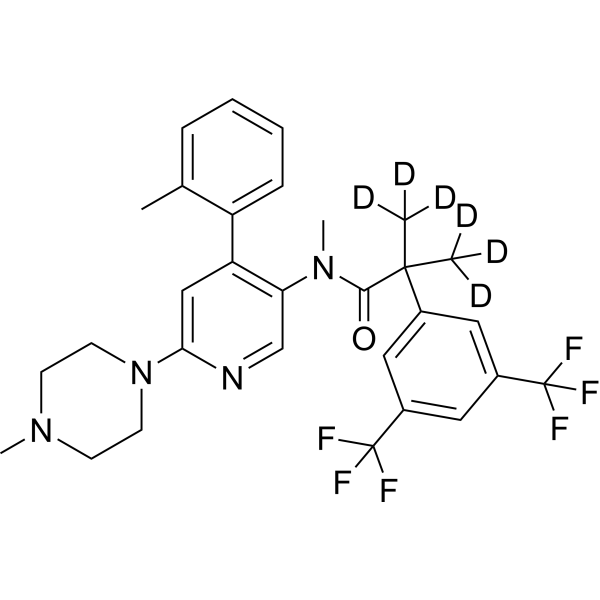
Netupitant-d6 is the deuterium labeled Netupitant (CID-6451149), which is a highly potent and selective, orally active neurokinin-1 (NK1) receptor antagonist .
|
-
-
- HY-14407AS
-
|
|
|
Fosaprepitant-d4 (dimeglumine) is deuterium labeled Fosaprepitant (dimeglumine). Fosaprepitant dimeglumine (MK-0517) is a proagent of Aprepitant (HY-10052). Fosaprepitant dimeglumine is a neurokinin-1 receptor antagonist, which is development for the prevention of chemotherapy-induced nausea and vomiting (CINV) .
|
-
-
- HY-10053S
-
|
|
|
Maropitant-d3 is the deuterium labeled Maropitant. Maropitant is a selective and orally active neurokinin (NK1) receptor antagonist. Maropitant acts by blocking the binding of substance P within the emetic center and the chemoreceptor trigger zone (CRTZ). Maropitant is highly effective in preventing vomiting .
|
-
-
- HY-W011978S
-
|
|
|
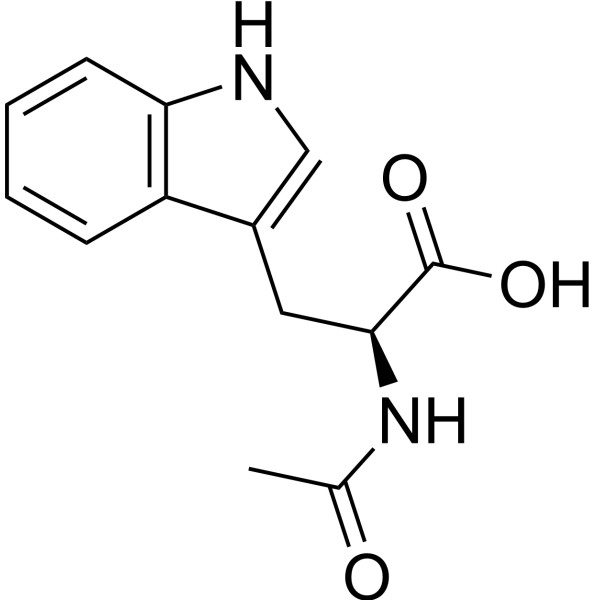
N-Acetyl-L-tryptophan-d3 is the deuterium labeled N-Acetyl-L-tryptophan (HY-W011978). N-Acetyl-L-tryptophan is an antagonist of the neurokinin-1 receptor (NK-1R), disrupting the binding of substance P (SP) to NK-1R. This action provides neuroprotective effects, improving memory deficits and motor impairments. N-Acetyl-L-tryptophan is also an inhibitor of cytochrome c (Cytochrome c), and it exerts antioxidant and anti-inflammatory effects by inhibiting the expression of IL-1β and the activation of caspase-1. N-Acetyl-L-tryptophan holds promise for research in neurodegenerative and inflammatory diseases .
|
-
-
- HY-W777166
-
|
|
|
Aprepitant- 13C2,d2 (Major) (MK-0869- 13C2,d2) is 13C labeled Aprepitant. Aprepitant (MK-0869) is a selective and high-affinity neurokinin 1 receptor antagonist with a Kd of 86 pM.
|
-
-
- HY-10053S1
-
|
|
|
Maropitant- 13C,d3 is the 13C- and deuterium labeled Maropitant. Maropitant is a selective and orally active neurokinin (NK1) receptor antagonist. Maropitant acts by blocking the binding of substance P within the emetic center and the chemoreceptor trigger zone (CRTZ). Maropitant is highly effective in preventing vomiting .
|
-
-
- HY-19632S
-
|
|
|
Fezolinetant-d4 (ESN-364-d4) is the deuterium labeled Fezolinetant (HY-19632). Fezolinetant is an antagonist of the neurokinin 3 receptor (NK3R), used for the treatment of menopausal hot flushes.
|
-
| Cat. No. |
Product Name |
|
Classification |
-
- HY-105346
-
|
|
|
Alkynes
|
|
WIN 51708 is a nonpeptide antagonist of neurokinin (NK)-1 receptor. WIN 51708 has a higher affinity for the rat NK-1 receptor compared to the human NK-1 receptor .
|
Your information is safe with us. * Required Fields.
Inquiry Information
- Product Name:
- Cat. No.:
- Quantity:
- MCE Japan Authorized Agent:





![[D-Trp2,7,9] Substance P](http://file.medchemexpress.com/product_pic/hy-p3802.gif)





