Search Result
Results for "
palmitoylation
" in MedChemExpress (MCE) Product Catalog:
1
Biochemical Assay Reagents
| Cat. No. |
Nombre del producto |
Target |
Áreas de investigación |
Chemical Structure |
-
- HY-111770
-
|
2-Bromopalmitic acid; 2-Bromopalmitate
|
Pyroptosis
|
Infection
Inflammation/Immunology
Cancer
|
|
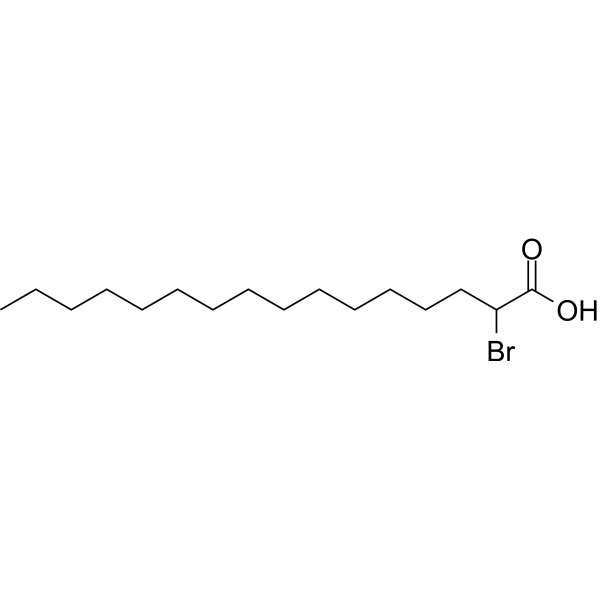
2-Bromohexadecanoic acid (2-Bromopalmitate; 2-BP) is a palmitoylation inhibitor targeting DHHC (Asp-His-His-Cys) protein palmitoyltransferase. 2-Bromohexadecanoic acid inhibits palmitoylation of GSDME-C during pyroptosis and inhibits BAK/BAX-Caspase 3-GSDME pathway-mediated pyroptosis .
|
-
-
- HY-112693
-
H-151
Maximum Cited Publications
138 Publications Verification
|
STING
|
Inflammation/Immunology
|
|
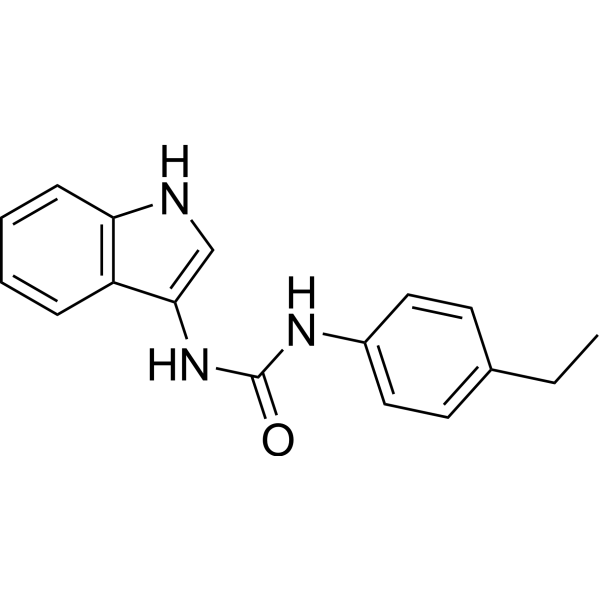
H-151 is a potent, selective and covalent antagonist of STING that has noteworthy inhibitory activity both in cells and in vivo. H-151 reduces TBK1 phosphorylation and suppresses STING palmitoylation. H-151 can be used for the research of autoinflammatory disease .
|
-
-
- HY-13912
-
|
|
Wnt
Porcupine
Casein Kinase
|
Cancer
|
|
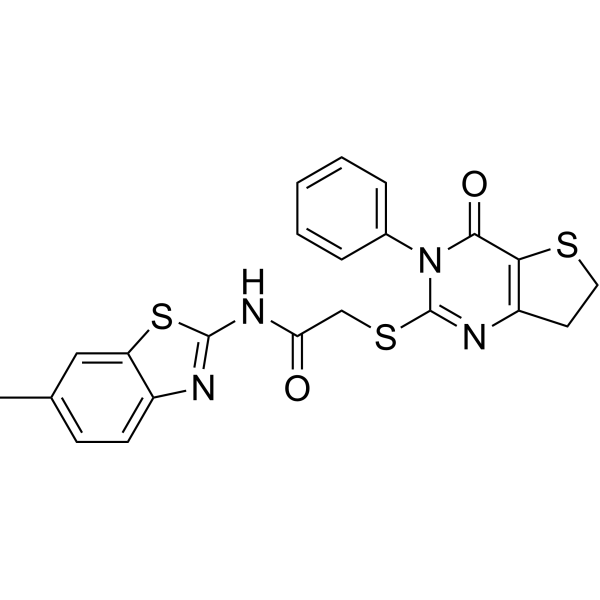
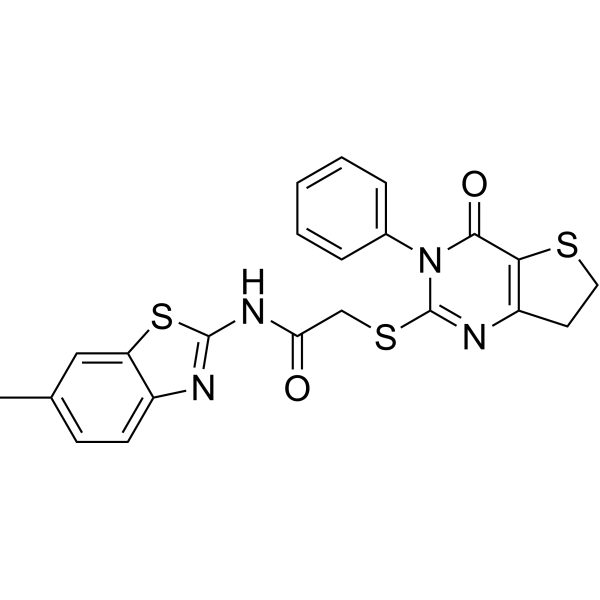
IWP-2 is an inhibitor of Wnt processing and secretion with an IC50 of 27 nM. IWP-2 targets the membrane-bound O-acyltransferase porcupine (Porcn) and thus preventing a crucial Wnt ligand palmitoylation. IWP-2 is also an ATP-competitive CK1δ inhibitor with an IC50 of 40 nM for the gatekeeper mutant M82FCK1δ .
|
-
-
- HY-112906
-
|
|
STING
|
Inflammation/Immunology
|
|
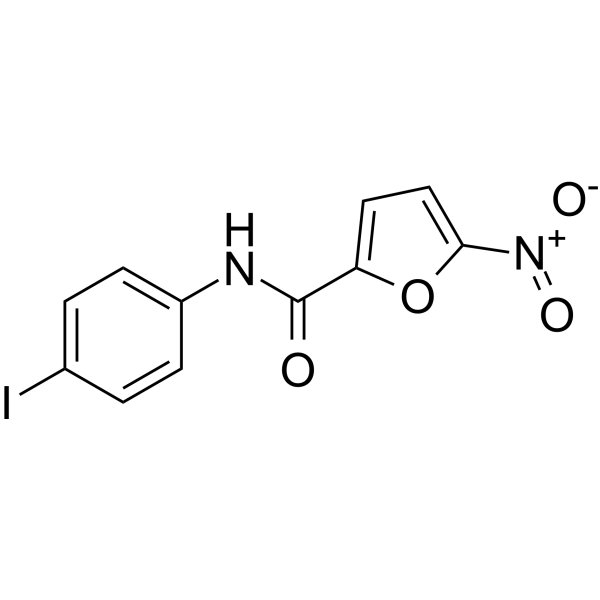
C-176 is a selective and blood-brain barrier permeable STING inhibitor. C-176 covalently targets transmembrane cysteine residue 91 and thereby blocking activation-induced palmitoylation of STING .
|
-
-
- HY-134956
-
VT104
3 Publications Verification
|
YAP
|
Cancer
|
|
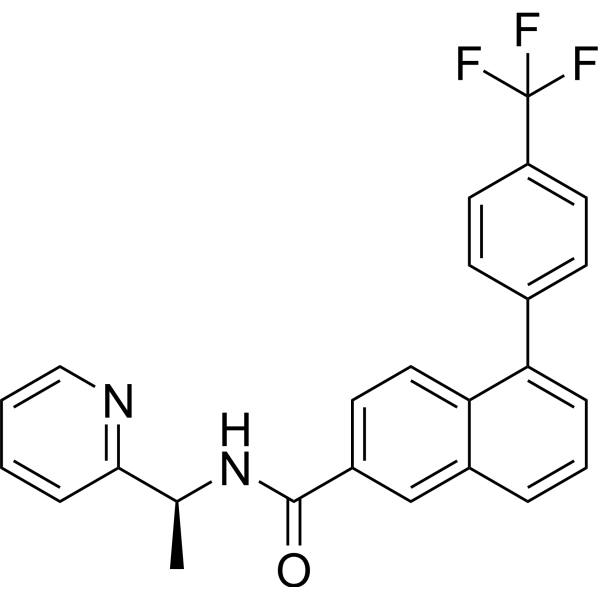
VT104 is a potent and orally active YAP/TAZ inhibitor. VT104 prevents palmitoylation of endogenous TEAD1 and TEAD3 proteins. VT104 can be used in research of cancer .
|
-
-
- HY-138682
-
|
|
STING
|
Inflammation/Immunology
|
|
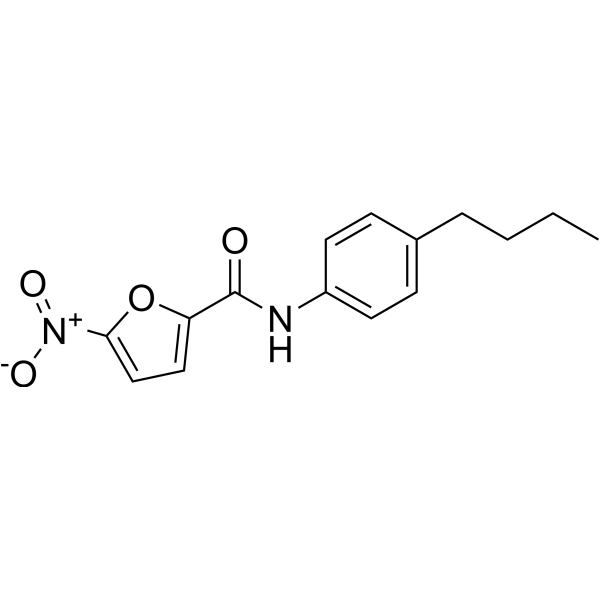
STING-IN-2 (C-170) is a potent and covalent STING inhibitor. STING-IN-2 efficiently inhibits both mouse STING (mmSTING) and human STING (hsSTING). STING-IN-2 can be used for autoinflammatory disease research .
|
-
-
- HY-400902
-
|
|
YAP
VEGFR
Hippo (MST)
|
Cancer
|
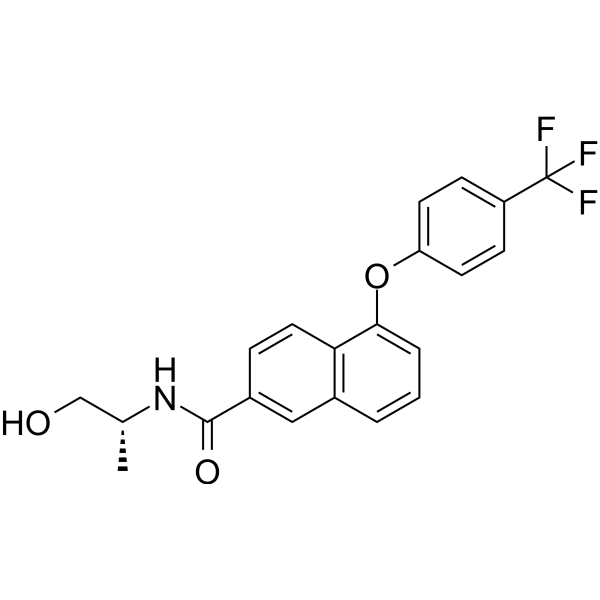
VT3989 is an orally active pan-TEAD autopalmitoylation inhibitor that modulates the Hippo signaling pathway. VT3989 directly binds to TEAD transcription factors to block their palmitoylation modification, thereby disrupting the formation of YAP/TAZ-TEAD complexes and inhibiting downstream oncogenic transcriptional activity. VT3989 effectively inhibits the growth of NF2-deficient schwannoma and meningioma cells and reverses the Schwann cell phenotype. In addition, VT3989 exerts a synergistic effect when combined with Osimtinib (HY-15772) in EGFR-mutant non-small cell lung cancer models, significantly delaying tumor recurrence and prolonging survival. VT3989 can be used for the research of epithelioid hemangioendothelioma, malignant pleural mesothelioma, type 2 neurofibromatosis and related advanced solid tumors .
|
-
-
- HY-120062
-
|
|
Fatty Acid Synthase (FASN)
|
Cancer
|
|
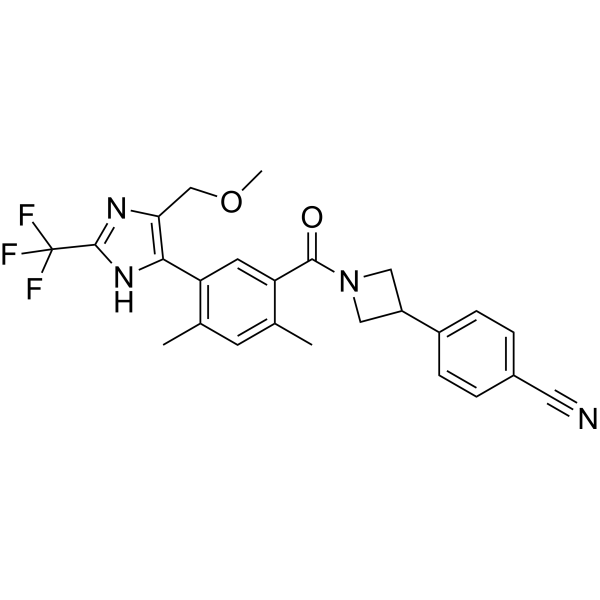
TVB-3664 is an orally available, reversible, potent, selective and highly bioavailable fatty acid synthase (FASN) inhibitor, with IC50 values of 18 nM and 12 nM for human and mouse cell palmitate synthesis, respectively. TVB-3664 significantly reduces tubulin palmitoylation and mRNA expression .
|
-
-
- HY-134957
-
|
|
YAP
|
Cancer
|
|
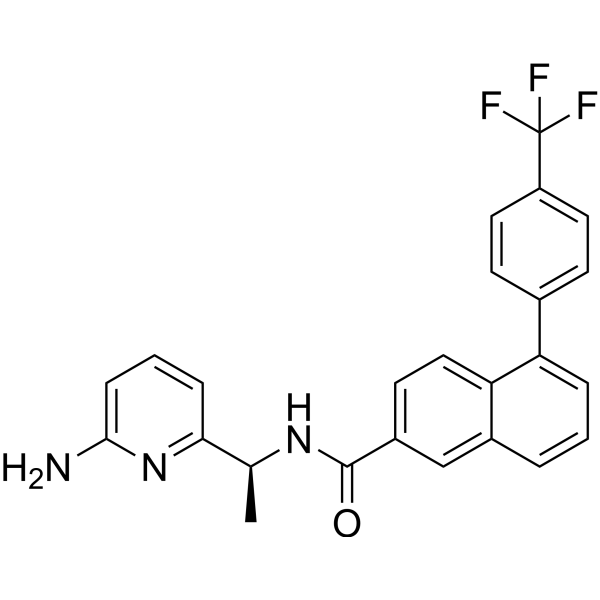
VT-107, as an analogous to VT104, is an orally active and potent pan-TEAD auto-palmitoylation inhibitor. VT-107 can be used for the research of cancer .
|
-
-
- HY-155338
-
|
|
YAP
|
Cancer
|
|
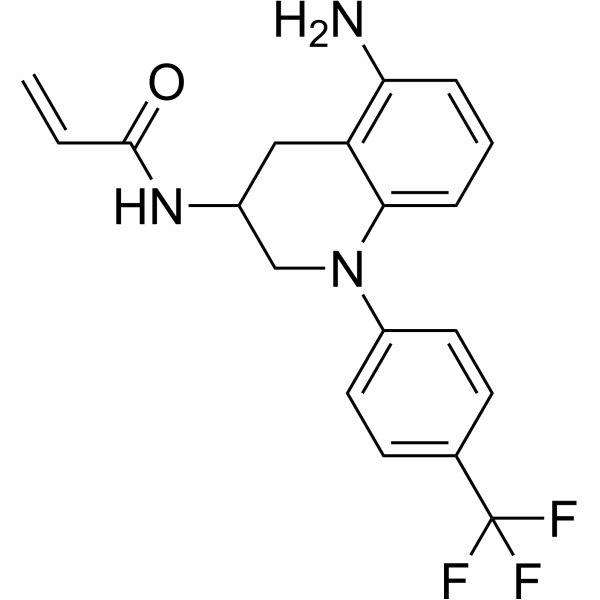
SWTX-143 is an orally active YAP/TAZ-TEAD inhibitor that binds to the palmitoylation pocket of all four TEAD isoforms. SWTX-143 causes irreversible and specific inhibition of the transcriptional activity of YAP/TAZ-TEAD and shows antitumor activity .
|
-
-
- HY-134955
-
VT103
5 Publications Verification
|
YAP
|
Cancer
|
|
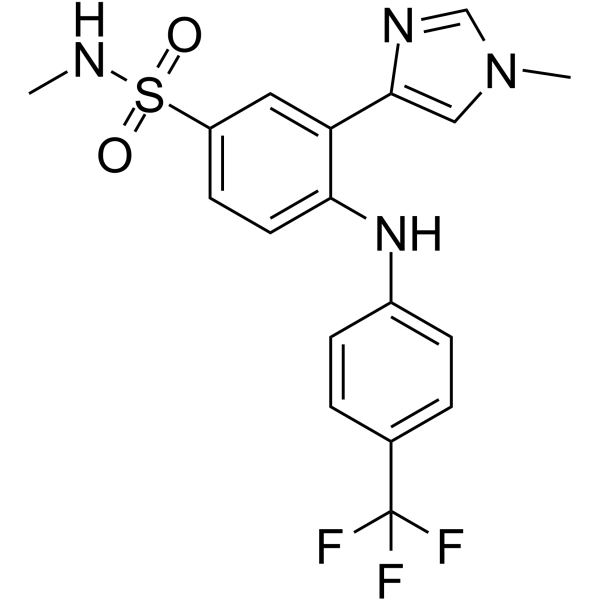
VT103, an analog of VT101, is an orally active and selective TEAD1 protein palmitoylation inhibitor. VT103 inhibits YAP/TAZ-TEAD promoted gene transcription, blocks TEAD auto-palmitoylation, and disrupts interaction between YAP/TAZ and TEAD. VT103 can be used for the research of cancer .
|
-
-
- HY-139330
-
MGH-CP1
1 Publications Verification
|
Apoptosis
|
Cancer
|
|
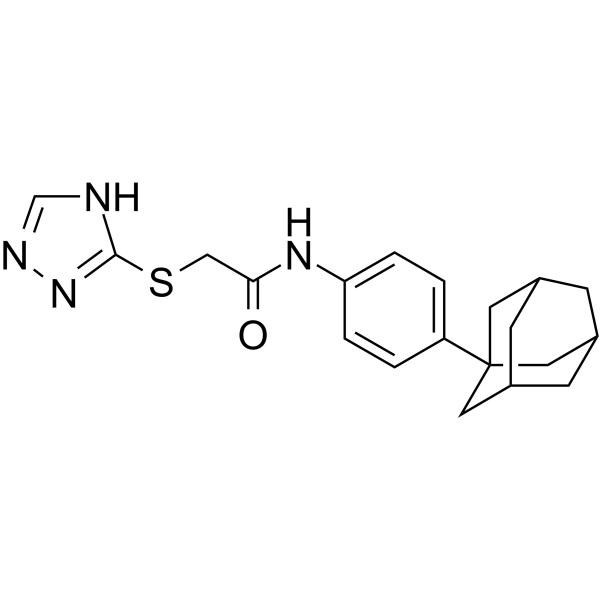
MGH-CP1 is a potent and orally active TEAD2 and TEAD4 auto-palmitoylation inhibitor with IC50s of 710 nM and 672 nM, respectively. MGH-CP1 can decrease the palmitoylation levels of endogenous or ectopically expressed TEAD proteins in cells. MGH-CP1 can suppress Myc expression, inhibit epithelial over-proliferation, and induce apoptosis when together with Lats1/2 deletion .
|
-
-
- HY-153855
-
|
RXC004
|
Wnt
Acyltransferase
Porcupine
|
Cancer
|
|
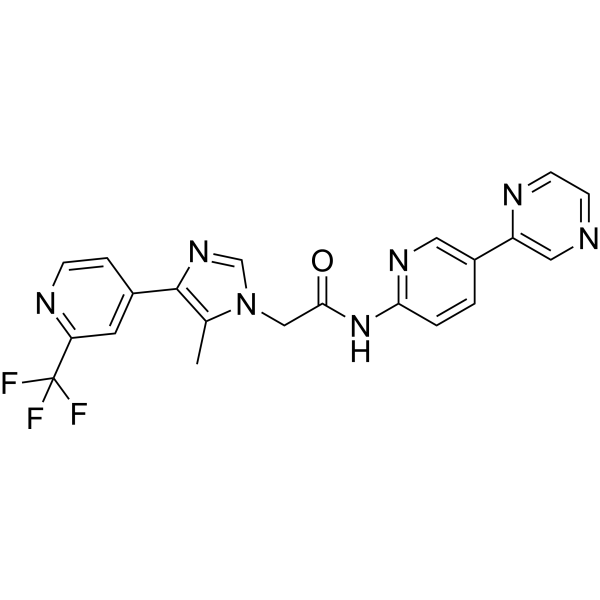
Zamaporvint (RXC004) is an orally active and selective inhibitor of Wnt. Zamaporvint targete membrane-bound o-acyltransferase Porcupine and inhibited Wnt ligand palmitoylation, secretion, and pathway activation. Zamaporvint displays a favorable pharmacokinetic profile and shows potent antiproliferative effects in Wnt ligand-dependent colorectal and pancreatic cell lines. Zamaporvint possesses multiple antitumor mechanisms and can be used in cancer research .
|
-
-
- HY-P0064
-
|
Palmitoyl Tetrapeptide-7
|
Interleukin Related
|
Inflammation/Immunology
|
|
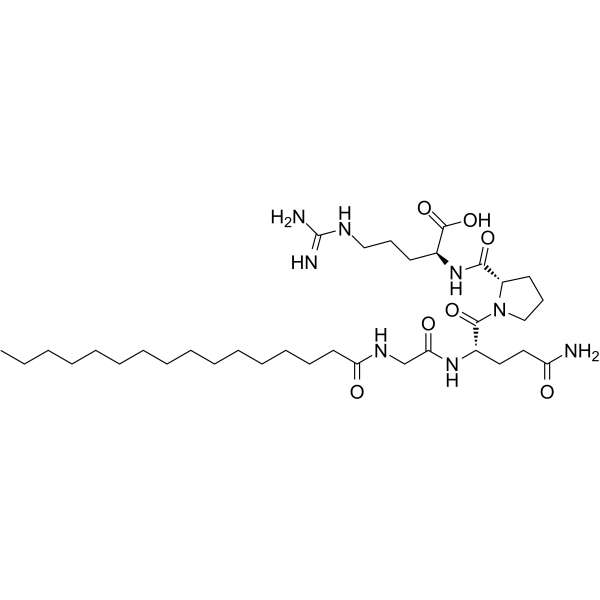
Palmitoyl Tetrapeptide-3 (Palmitoyl Tetrapeptide-7) is a synthetic peptide corresponding to amino acids 341-344 of the human immunoglobulin heavy chain, with the ability to stimulate phagocytosis. Palmitoyl tetrapeptide-3 reduces interleukin-6 (IL-6) secretion in keratinocytes and inhibits the UVB radiation-exposure inflammatory response of skin. Palmitoyl tetrapeptide-3 It also has anti-inflammatory and anti-aging effects, reducing skin wrinkles by promoting the production of elastic fibers in the papillary dermis .
|
-
-
- HY-P10932A
-
|
|
Fluorescent Dye
|
Neurological Disease
|
|
pGk13a TFA is an azide (azide group can be combined with fluorophore)-containing amphiphilic membrane labeling probe. pGk13a TFA enables high-resolution imaging of cell membranes in the ultrastructural membrane expansion microscopy (umExM) technique, facilitating the observation of membrane-associated structures and proteins. pGk13a TFA can be used for neuronal structural studies .
|
-

-
- HY-138683
-
|
|
STING
|
Inflammation/Immunology
|
|
STING-IN-3 is an inhibitor of stimulator of interferon genes (STING). STING-IN-3 efficiently inhibits both hsSTING and mmSTING through covalently target the predicted transmembrane cysteine residue 91 and thereby block the activation-induced palmitoylation of STING .
|
-
-
- HY-100536
-
|
|
Wnt
|
Cancer
|
|
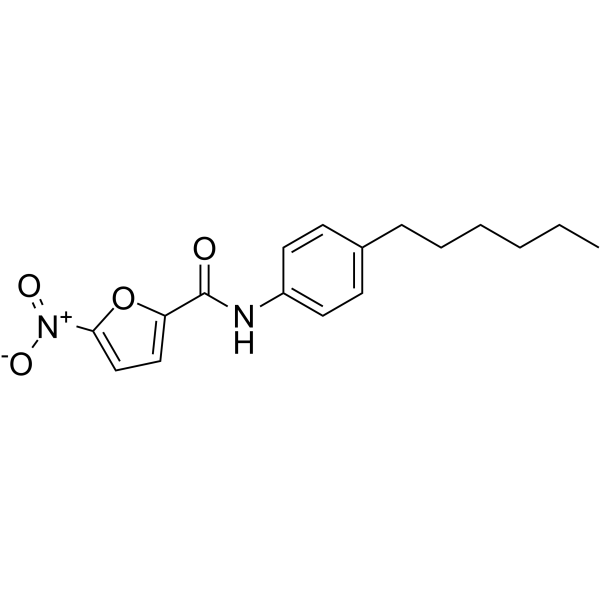
IWP-3 is an potent inhibitor of Wnt production with an IC50 of 40 nM. IWP-3 inhibits Porcupine (Porcn) function thereby blocking palmitoylation of Wnt proteins. IWP-3 inhibits CK1γ3 and CK1ε only moderately and does not inhibit CK1α .
|
-
-
- HY-13912G
-
IWP-2
1 Publications Verification
|
Wnt
|
Cancer
|
|
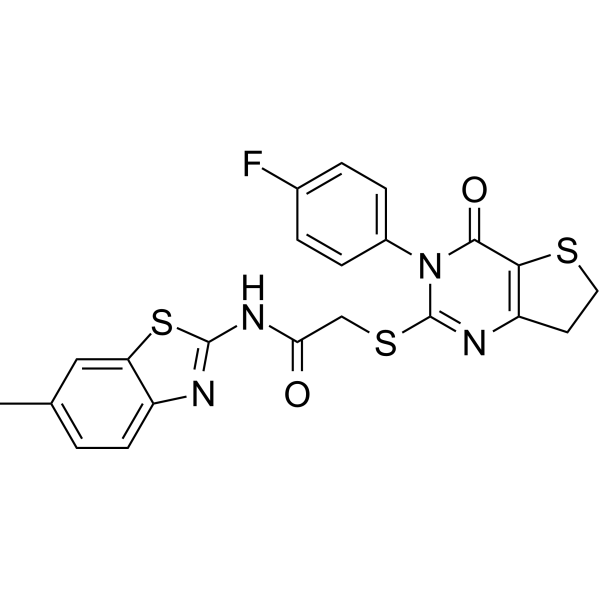
IWP-2 (GMP) is >IWP-2 (HY-13912) produced by using GMP guidelines. GMP small molecules work appropriately as an auxiliary reagent for cell therapy manufacture. IWP-2 is an inhibitor of Wnt processing and secretion with an IC50 of 27 nM. IWP-2 targets the membrane-bound O-acyltransferase porcupine (Porcn) and blocks Wnt ligand palmitoylation .
|
-
-
- HY-P10031
-
|
|
GLP Receptor
GCGR
|
Metabolic Disease
|
|
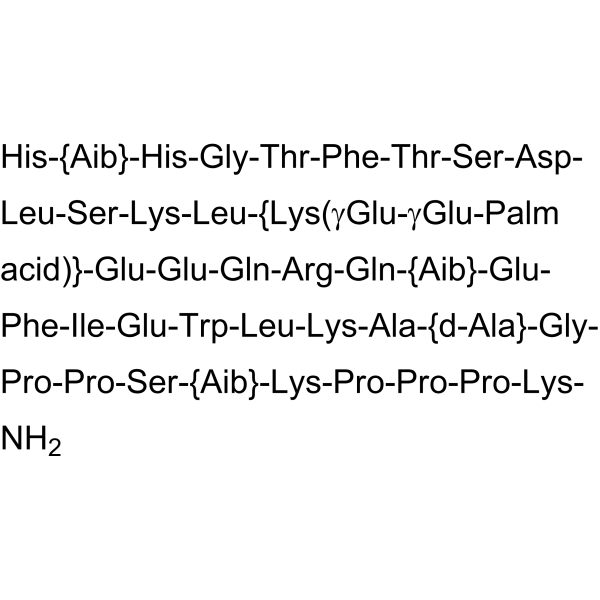
SAR441255 is a GLP-1R/GCGR/GIPR agonist, with human EC50 values of 1.03 pM, 1.01 pM, and 0.73 pM, respectively. SAR441255 stimulates receptor activity and drives cAMP accumulation. SAR441255 can be used for the research of type 2 diabetes, obesity .
|
-
-
- HY-147208
-
|
|
YAP
|
Cancer
|
|
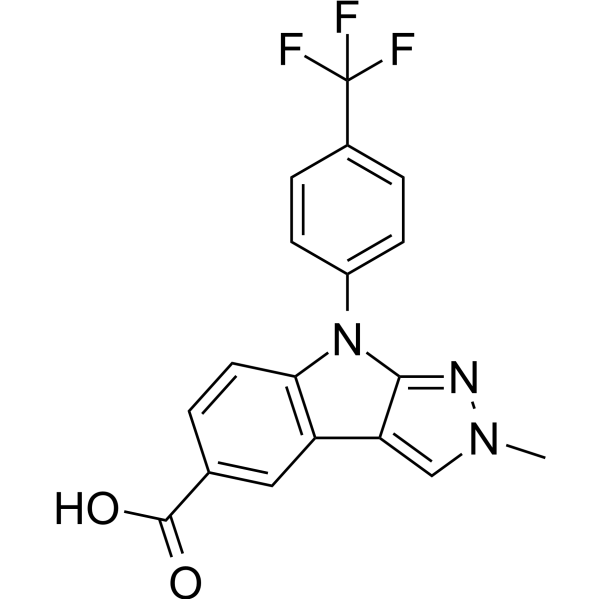
MSC-4106 is an orally active and potent inhibitor of YAP/TAZ-TEAD. MSC-4106 inhibits TEAD1 or TEAD3 auto-palmitoylation and shows inhibitory effect on NCI-H226 tumor xenograft model .
|
-
-
- HY-170949
-
|
|
STING
Interleukin Related
|
Inflammation/Immunology
|
|
STING-IN-11 (Compound 42) is an orally active STING inhibitor with an IC50 of 37.8 nM. STING-IN-11 can block the palmitoylation of the STING protein and STING downstream signaling, and inhibit STING-mediated inflammation. STING-IN-11 has good in vivo safety and can be used for the research of STING-related inflammatory and autoimmune diseases .
|
-

-
- HY-P10932
-
|
|
Fluorescent Dye
|
Neurological Disease
|
|
pGk13a is an amphipathic membrane-labeling probe containing an azide group, which can bind to fluorophores. pGk13a enables high-resolution imaging of cell membranes in the ultrastructure expansion microscopy (umExM) technique, facilitating the observation of membrane-associated structures and proteins. pGk13a is applicable to neuronal structure research .
|
-

-
- HY-131688
-
|
|
PARP
Caspase
|
Inflammation/Immunology
|
|
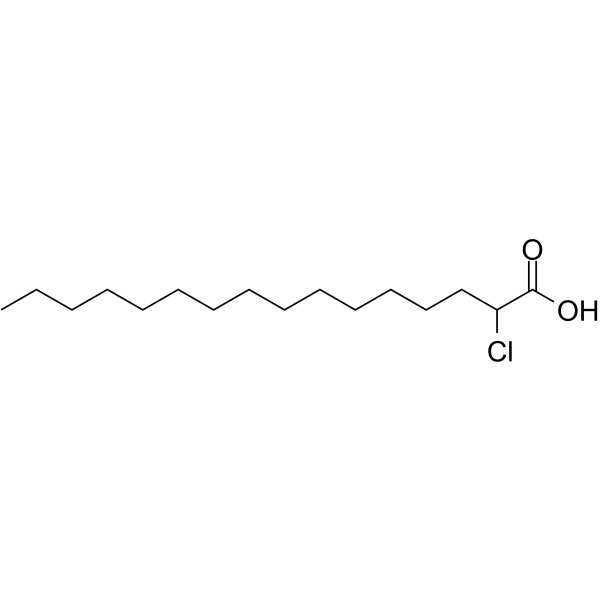
2-Chlorohexadecanoic acid, an inflammatory lipid mediator, interferes with protein palmitoylation,induces ER-stress markers, reduced the ER ATP content, and activates transcription and secretion of IL-6 as well as IL-8.2-Chlorohexadecanoic acid disrupts the mitochondrial membrane potential and induces procaspase-3 and PARP cleavage.2-Chlorohexadecanoic acid can across blood-brain barrier (BBB) and compromises ER- and mitochondrial functions in the human brain endothelial cell line hCMEC/D3 .
|
-
-
- HY-P10380
-
|
|
Neuropeptide FF Receptor
|
Neurological Disease
Metabolic Disease
|
|
palm11-PrRP31 is a lipidized endogenous appetite inhibitory neuropeptide (PrRP) analogue. palm11-PrRP31 is GPR10 (EC50=39 pM) and NPFF-R2 effective dual agonists. palm11-PrRP31 is able to mimic the natural function of PrRP by binding to these receptors to reduce food intake. palm11-PrRP31 can be used as a potential anti-obesity agent and for the study of neuropeptide-receptor interaction .
|
-

-
- HY-E70264
-
|
|
Endogenous Metabolite
|
Metabolic Disease
|
|
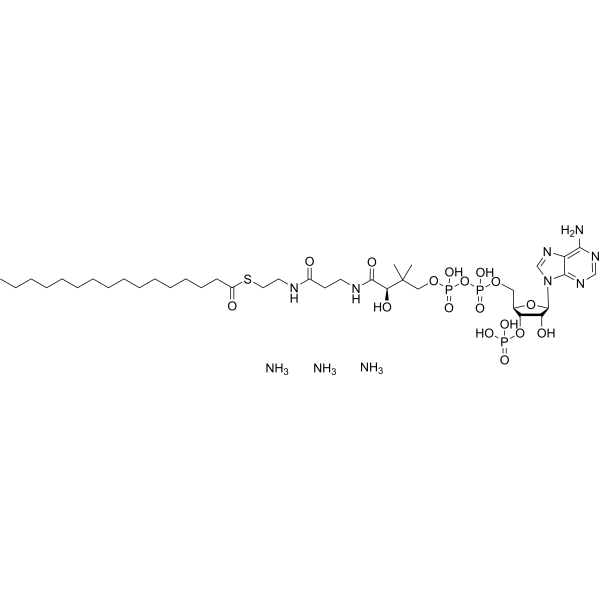
16:0 Coenzyme A triammonium is palmitoyl-CoA, which can serve as a reaction substrate to transfer the palmitoyl group to the free thiol group of the target protein through palmitoylation catalyzed by protein acyl transferases (PATs) .
|
-
-
- HY-123781A
-
|
|
Hedgehog
|
Cancer
|
|
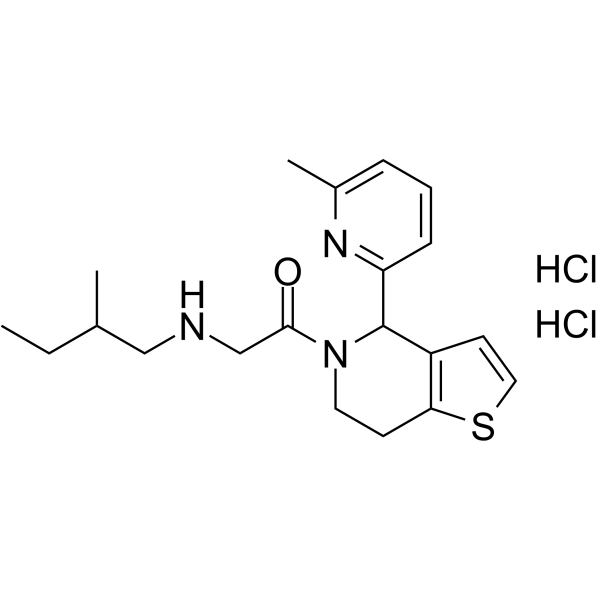
RUSKI-201 dihydrochloride is a potent and specific Hedgehog acyltransferase (Hhat) inhibitor with an IC50 of 0.20 μM. RUSKI-201 dihydrochloride is able to block Hh signaling from Shh overexpressing cells and inhibits Hh palmitoylation. RUSKI-201 dihydrochloride is potential Hhat chemical probe in cells and can used in studies of Hhat catalytic function .
|
-
-
- HY-P10031A
-
|
|
GLP Receptor
GCGR
|
Metabolic Disease
|
|
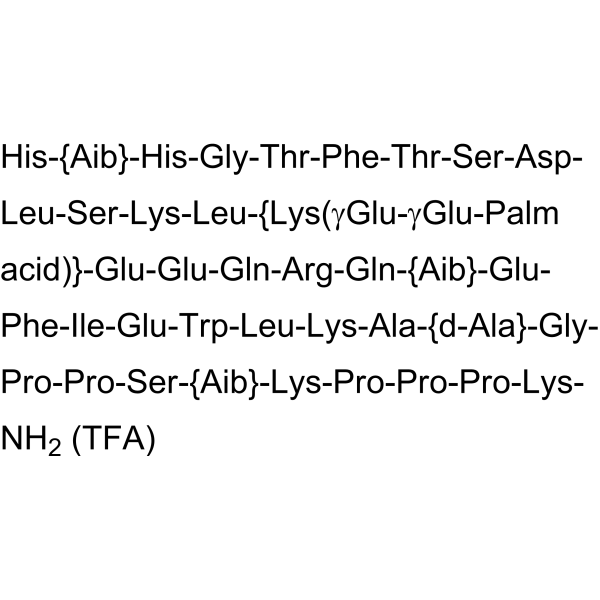
SAR441255 TFA is a GLP-1R/GCGR/GIPR agonist, with human EC50 values of 1.03 pM, 1.01 pM, and 0.73 pM, respectively. SAR441255 TFA stimulates receptor activity and drives cAMP accumulation. SAR441255 TFA can be used for the research of type 2 diabetes, obesity .
|
-
-
- HY-179440
-
|
|
YAP
|
Cancer
|
|
EA-C15 is a potent and selective TEAD inhibitor with an IC50 of 0.34 μM. EA-C15 covalently binds to the TEAD palmitoylation site, blocks palmitoylation and transcriptional activity, and inhibits YAP-dependent cancer cell proliferation and YAP-TEAD target gene (CTGF and CYR61) transcription. EA-C15 can be used for cancer research .
|
-

-
- HY-164547
-
|
|
Porcupine
Wnt
β-catenin
|
Cancer
|
WHN-88 is a Porcupine (PORCN) inhibitor. WHN-88 can eliminate the palmitoylation of Wnt ligands, preventing their secretion and subsequent Wnt/β-catenin signaling. WHN-88 can inhibit cancer cell stemness and suppress the occurrence and development of breast tumors in MMTV-Wnt1 transgenic mice .
|
-

-
- HY-P10380A
-
|
|
Neuropeptide FF Receptor
|
Neurological Disease
Metabolic Disease
|
|
palm11-PrRP31 TFA is a lipidized endogenous appetite inhibitory neuropeptide (PrRP) analogue. palm11-PrRP31 TFA is GPR10 (EC50=39 pM) and NPFF-R2 effective dual agonists. palm11-PrRP31 TFA is able to mimic the natural function of PrRP by binding to these receptors to reduce food intake. palm11-PrRP31 TFA can be used as a potential anti-obesity agent and for the study of neuropeptide-receptor interaction .
|
-

-
- HY-159912
-
|
|
YAP
|
Cancer
|
|
pan-TEAD-IN-1 (Compound 3) is an orally active pan-TEAD inhibitor targeting the palmitoylation site of TEAD, disrupting its interaction with the coactivators YAP/TAZ, thereby suppressing the transcriptional upregulation of oncogenes (e.g., Ctgf and Cyr61) in the Hippo signaling pathway. pan-TEAD-IN-1 exhibits excellent activity with a luciferase IC50 of 0.36 nM and an H226 cell IC50 of 1.52 nM. It also shows favorable pharmacokinetics (AUC0–∞ = 228.7 μg/mL·min, T1/2 = 183.9 min). In TEAD-dependent xenograft mouse models, pan-TEAD-IN-1 significantly inhibited tumor growth, showing promise for research in TEAD-dependent cancers .
|
-

-
- HY-123781
-
|
|
Hedgehog
|
Cancer
|
|
RUSKI-201 is a potent and specific Hedgehog acyltransferase (Hhat) inhibitor, with an IC50 of 0.20 μM. RUSKI-201 is able to block Hh signaling from Shh overexpressing cells and inhibits Hh palmitoylation. RUSKI-201 is potential Hhat chemical probe in cells and can used in studies of Hhat catalytic function .
|
-

-
- HY-160657
-
|
|
YAP
|
Others
|
|
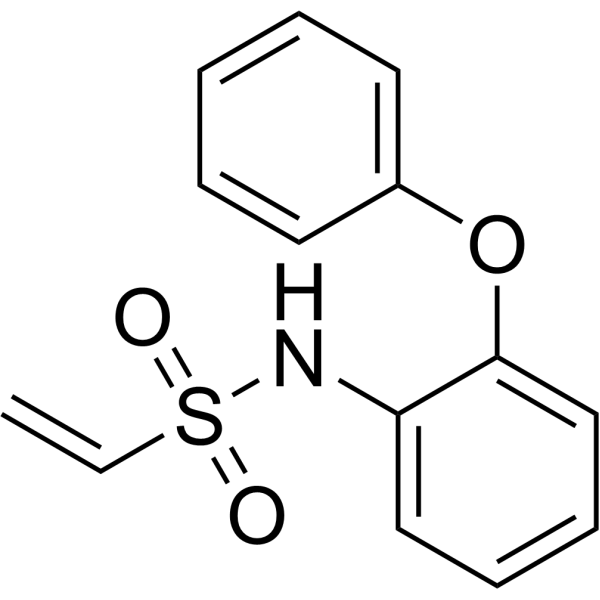
DC-TEADin04 has weak inhibitory activity against TEAD4 palmitoylation .
|
-
-
- HY-134956B
-
|
|
YAP
|
Cancer
|
|
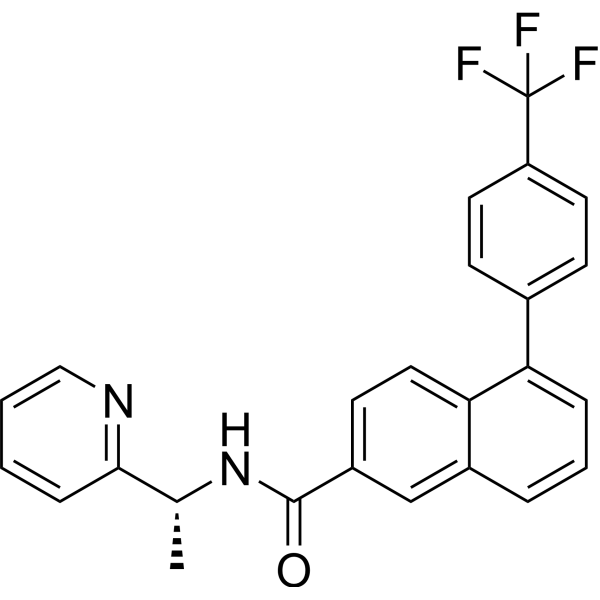
(R)-VT104 is the R-enantiomer of VT104. (R)-VT104 shows an IC50 value of 0.1-1 μΜ for firefly luciferase. VT104 is an orally active and pan-TEAD auto-palmitoylation inhibitor .
|
-
-
- HY-153177
-
|
|
Ras
|
Cancer
|
|
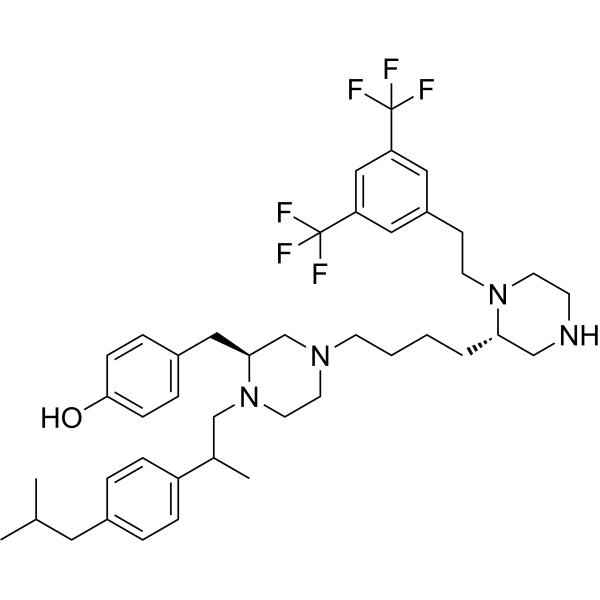
PAT-IN-2 is a protein acyl transferases (PAT) inhibitor. PAT-IN-2 competitively inhibits Erf2 autopalmitoylation (WO2017011518A1; compound 25) .
|
-
-
- HY-153176
-
|
|
Ras
|
Cancer
|
|
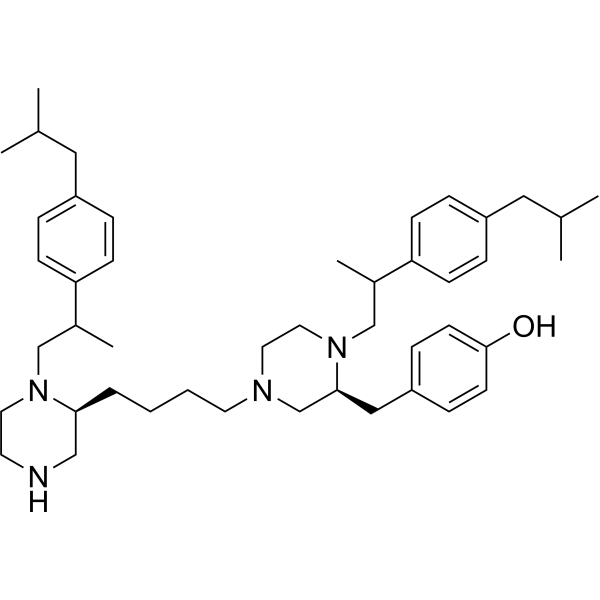
PAT-IN-1 is a protein acyl transferases (PAT) inhibitor. PAT-IN-1 competitively inhibits Erf2 autopalmitoylation (WO2017011518A1; compound 13) .
|
-
-
- HY-P10379
-
|
|
Neuropeptide FF Receptor
|
Others
Neurological Disease
|
|
palm-PrRP31 is a potent dual receptor agonist for both GPR10 (EC50=72 pM) and NPFF-R2. palm-PrRP31 activates downstream signaling pathways through binding to its receptors, GPR10 and NPFF-R2, which results in reduced appetite and increased energy expenditure. Utilizing palm-PrRP31 facilitates the study of the mechanism of action in the nervous system, thereby elucidating the complex biological processes that regulate appetite and energy expenditure .
|
-

-
- HY-147209
-
|
|
YAP
|
Metabolic Disease
|
|
DC-TEAD3in03 is a subtype-selective and covalent TEAD3 inhibitor with an IC50 of 0.16 μM. DC-TEAD3in03 exhibits the inhibitory activity on TEAD1/2/4 reduced by more than 100 times. DC-TEAD3in03 has the IC50 for TEAD3 of 1.15 μM in the GAL4-TEAD reporter gene experiment in cells, and it does not interfere with the β-catenin pathway. DC-TEAD3in03 reduces the growth rate of the zebrafish tail fin. DC-TEAD3in03 can be used to study the proportional growth of appendages in vertebrates .
|
-

-
- HY-P5954
-
|
|
Calcium Channel
|
Others
|
|
PLTX-II is a calcium channel blocker. PLTX-II has a 44-residue peptide containing ten Cys residues and an O-palmitoylated threonine amide at the carboxy-terminus .
|
-

-
- HY-131688R
-
|
|
PARP
Caspase
Reference Standards
|
Inflammation/Immunology
|
|
Neomycin (sulfate) (Standard) is the analytical standard of Neomycin (sulfate). This product is intended for research and analytical applications. Neomycin sulfate, an aminoglycoside antibiotic, exerts antibacterial activity through irreversible binding of the nuclear 30S ribosomal subunit, thereby blocking bacterial protein synthesis. Neomycin sulfate is a known phospholipase C (PLC) inhibitor. Neomycin sulfate potently inhibits both nuclear translocation of angiogenin and angiogenin-induced cell proliferation and angiogenesis .
|
-

-
- HY-P11606
-
|
|
Porcupine
Wnt
|
Cancer
|
|
WNT3Ap is a polypeptide corresponding to the hairpin 2 domain of the WNT3A protein. WNT3Ap undergoes palmitoylation modification catalyzed by PORCN. WNT3Ap is a key compound for elucidating the molecular mechanism of the Wnt signaling pathway and for developing PORCN inhibitors .
|
-

-
- HY-182539
-
|
|
CGRP Receptor
|
Others
Neurological Disease
|
|
DD04107 is a neuronal exocytosis inhibitor with a rat Syt1-C2B domain binding Ka of 2.4 μM. DD04107 interferes with synaptobrevin-syntaxin-SNAP-25 complex formation and Syt1-SNARE complex interaction to block α-calcitonin gene-related peptide (α-CGRP) exocytotic release from primary sensory neurons. DD04107 blocks inflammatory ion channel recruitment to nociceptor plasma membranes. DD04107 can be used for the research of chronic inflammatory pain, neuropathic pain, osteosarcoma pain, chemotherapy-induced peripheral neuropathy, diabetic neuropathy, inflammatory pain .
|
-

-
- HY-182673
-
|
|
YAP
|
Cancer
|
|
VT102 is a TEAD1 inhibitor with a human IC50 of 391 nM. VT102 inhibits auto-palmitoylation, attenuates YAP/TEAD1 interaction, reduces expression of TEAD target genes, and inhibits YAP-mediated luciferase reporter activity. VT102 exerts weak cell growth inhibitory activity in cancer cells. VT102 can be used for the research of cancer .
|
-

-
- HY-181662
-
|
|
MAP3K
|
Neurological Disease
|
|
DLK-IN-2 is a selective inhibitor of DLK and neuroprotective agent. DLK-IN-2 shows no significant inhibition against CYPs 3A4, 2D6 and 2C9. DLK-IN-2 inhibits acute axonal palmitoylation of DLK, blocks DLK-dependent pro-degenerative axon-to-soma retrograde signaling and suppresses c-Jun phosphorylation. DLK-IN-2 can be used for the mechanistic study of neurodegenerative diseases .
|
-

-
- HY-181534
-
|
|
PROTACs
YAP
IAP
SNIPERs
|
Cancer
|
|
PROTAC TEAD1/IAP degrader-1 (Compound A232) is a selective TEAD1 and cIAP1 PROTAC degrader, with DC50 values of 14 nM and 270 nM, respectively. PROTAC TEAD1/IAP degrader-1 promotes the ubiquitination and degradation of TEAD1 and cIAP1. PROTAC TEAD1/IAP degrader-1 downregulates the expression of the TEAD-dependent gene CTGF. PROTAC TEAD1/IAP degrader-1 exhibits anticancer activity against mesothelioma .
|
-

-
- HY-181607
-
|
|
YAP
|
Others
|
|
TEAD ligand-Linker Conjugate 3 (the blue structure + black structure of A536 in the literature) is a conjugate of a TEAD1-targeting ligand and a linker. TEAD ligand-Linker Conjugate 3 can be coupled with an IAP ligand (HY-181531) to form an IAP-recruiting bifunctional protein degrader (IPD) (HY-181594), also known as a SNIPER degrader. This TEAD SNIPER simultaneously binds to the TEAD1 palmitoylation pocket and the BIR3 domain of cIAP1 to form a ternary complex, efficiently inducing the ubiquitination and degradation of both TEAD1 and cIAP1 (DC50=110 nM, Dmax=51%; IC50=122 nM for cIAP1). TEAD ligand-Linker Conjugate 3 and its synthesized SENIPER molecule can be utilized in research on Hippo pathway dysregulation-related diseases, such as NF2-mutant tumors .
|
-

| Cat. No. |
Nombre del producto |
Type |
-
- HY-13912G
-
IWP-2
1 Publications Verification
|
Fluorescent Dyes
|
|
IWP-2 (GMP) is >IWP-2 (HY-13912) produced by using GMP guidelines. GMP small molecules work appropriately as an auxiliary reagent for cell therapy manufacture. IWP-2 is an inhibitor of Wnt processing and secretion with an IC50 of 27 nM. IWP-2 targets the membrane-bound O-acyltransferase porcupine (Porcn) and blocks Wnt ligand palmitoylation .
|
| Cat. No. |
Nombre del producto |
Type |
-
- HY-13912G
-
IWP-2
1 Publications Verification
|
Biochemical Assay Reagents
|
|
IWP-2 (GMP) is >IWP-2 (HY-13912) produced by using GMP guidelines. GMP small molecules work appropriately as an auxiliary reagent for cell therapy manufacture. IWP-2 is an inhibitor of Wnt processing and secretion with an IC50 of 27 nM. IWP-2 targets the membrane-bound O-acyltransferase porcupine (Porcn) and blocks Wnt ligand palmitoylation .
|
| Cat. No. |
Nombre del producto |
Target |
Research Area |
-
- HY-P0064
-
|
Palmitoyl Tetrapeptide-7
|
Interleukin Related
|
Inflammation/Immunology
|
|
Palmitoyl Tetrapeptide-3 (Palmitoyl Tetrapeptide-7) is a synthetic peptide corresponding to amino acids 341-344 of the human immunoglobulin heavy chain, with the ability to stimulate phagocytosis. Palmitoyl tetrapeptide-3 reduces interleukin-6 (IL-6) secretion in keratinocytes and inhibits the UVB radiation-exposure inflammatory response of skin. Palmitoyl tetrapeptide-3 It also has anti-inflammatory and anti-aging effects, reducing skin wrinkles by promoting the production of elastic fibers in the papillary dermis .
|
-
- HY-P10932A
-
|
|
Fluorescent Dye
|
Neurological Disease
|
|
pGk13a TFA is an azide (azide group can be combined with fluorophore)-containing amphiphilic membrane labeling probe. pGk13a TFA enables high-resolution imaging of cell membranes in the ultrastructural membrane expansion microscopy (umExM) technique, facilitating the observation of membrane-associated structures and proteins. pGk13a TFA can be used for neuronal structural studies .
|
-
- HY-P10031
-
|
|
GLP Receptor
GCGR
|
Metabolic Disease
|
|
SAR441255 is a GLP-1R/GCGR/GIPR agonist, with human EC50 values of 1.03 pM, 1.01 pM, and 0.73 pM, respectively. SAR441255 stimulates receptor activity and drives cAMP accumulation. SAR441255 can be used for the research of type 2 diabetes, obesity .
|
-
- HY-P10932
-
|
|
Fluorescent Dye
|
Neurological Disease
|
|
pGk13a is an amphipathic membrane-labeling probe containing an azide group, which can bind to fluorophores. pGk13a enables high-resolution imaging of cell membranes in the ultrastructure expansion microscopy (umExM) technique, facilitating the observation of membrane-associated structures and proteins. pGk13a is applicable to neuronal structure research .
|
-
- HY-P10441A
-
|
|
Peptides
|
Inflammation/Immunology
|
|
S-palm P0(180–199) (TFA) is a peptide that enhances MHC II-restricted responses. S-palm P0(180–199) (TFA) can be used to establish models of chronic inflammatory demyelinating polyneuropathy (CIDP) and chronic experimental autoimmune neuritis (c-EAN). S-palm P0(180–199) (TFA) is used for studying autoimmune-mediated neuroinflammatory diseases .
|
-
- HY-P10380
-
|
|
Neuropeptide FF Receptor
|
Neurological Disease
Metabolic Disease
|
|
palm11-PrRP31 is a lipidized endogenous appetite inhibitory neuropeptide (PrRP) analogue. palm11-PrRP31 is GPR10 (EC50=39 pM) and NPFF-R2 effective dual agonists. palm11-PrRP31 is able to mimic the natural function of PrRP by binding to these receptors to reduce food intake. palm11-PrRP31 can be used as a potential anti-obesity agent and for the study of neuropeptide-receptor interaction .
|
-
- HY-P10031A
-
|
|
GLP Receptor
GCGR
|
Metabolic Disease
|
|
SAR441255 TFA is a GLP-1R/GCGR/GIPR agonist, with human EC50 values of 1.03 pM, 1.01 pM, and 0.73 pM, respectively. SAR441255 TFA stimulates receptor activity and drives cAMP accumulation. SAR441255 TFA can be used for the research of type 2 diabetes, obesity .
|
-
- HY-P10380A
-
|
|
Neuropeptide FF Receptor
|
Neurological Disease
Metabolic Disease
|
|
palm11-PrRP31 TFA is a lipidized endogenous appetite inhibitory neuropeptide (PrRP) analogue. palm11-PrRP31 TFA is GPR10 (EC50=39 pM) and NPFF-R2 effective dual agonists. palm11-PrRP31 TFA is able to mimic the natural function of PrRP by binding to these receptors to reduce food intake. palm11-PrRP31 TFA can be used as a potential anti-obesity agent and for the study of neuropeptide-receptor interaction .
|
-
- HY-P10441
-
|
|
Peptides
|
Inflammation/Immunology
|
|
S-palm P0(180-199) is a polypeptide that increases MHC Class II limiting reactions. S-palm P0(180-199) can be used to establish a model of chronic inflammatory demyelinating multiple radiculopathy (CIDP) .
|
-
- HY-P10379
-
|
|
Neuropeptide FF Receptor
|
Others
Neurological Disease
|
|
palm-PrRP31 is a potent dual receptor agonist for both GPR10 (EC50=72 pM) and NPFF-R2. palm-PrRP31 activates downstream signaling pathways through binding to its receptors, GPR10 and NPFF-R2, which results in reduced appetite and increased energy expenditure. Utilizing palm-PrRP31 facilitates the study of the mechanism of action in the nervous system, thereby elucidating the complex biological processes that regulate appetite and energy expenditure .
|
-
- HY-P5954
-
|
|
Calcium Channel
|
Others
|
|
PLTX-II is a calcium channel blocker. PLTX-II has a 44-residue peptide containing ten Cys residues and an O-palmitoylated threonine amide at the carboxy-terminus .
|
-
- HY-P10381
-
|
|
Peptides
|
Others
|
|
palm11-TTDS-PrRP31 is a strong agonist of GPR10 (EC50: 84 pM). palm11-TTDS-PrRP31 has long-lasting anorexigenic effects .
|
-
- HY-P11606
-
|
|
Porcupine
Wnt
|
Cancer
|
|
WNT3Ap is a polypeptide corresponding to the hairpin 2 domain of the WNT3A protein. WNT3Ap undergoes palmitoylation modification catalyzed by PORCN. WNT3Ap is a key compound for elucidating the molecular mechanism of the Wnt signaling pathway and for developing PORCN inhibitors .
|
-
- HY-182539
-
|
|
CGRP Receptor
|
Others
Neurological Disease
|
|
DD04107 is a neuronal exocytosis inhibitor with a rat Syt1-C2B domain binding Ka of 2.4 μM. DD04107 interferes with synaptobrevin-syntaxin-SNAP-25 complex formation and Syt1-SNARE complex interaction to block α-calcitonin gene-related peptide (α-CGRP) exocytotic release from primary sensory neurons. DD04107 blocks inflammatory ion channel recruitment to nociceptor plasma membranes. DD04107 can be used for the research of chronic inflammatory pain, neuropathic pain, osteosarcoma pain, chemotherapy-induced peripheral neuropathy, diabetic neuropathy, inflammatory pain .
|
| Cat. No. |
Nombre del producto |
|
Classification |
-
- HY-P10932
-
|
|
|
Azide
|
|
pGk13a is an amphipathic membrane-labeling probe containing an azide group, which can bind to fluorophores. pGk13a enables high-resolution imaging of cell membranes in the ultrastructure expansion microscopy (umExM) technique, facilitating the observation of membrane-associated structures and proteins. pGk13a is applicable to neuronal structure research .
|
-
- HY-181534
-
|
|
|
PROTAC Synthesis
|
|
PROTAC TEAD1/IAP degrader-1 (Compound A232) is a selective TEAD1 and cIAP1 PROTAC degrader, with DC50 values of 14 nM and 270 nM, respectively. PROTAC TEAD1/IAP degrader-1 promotes the ubiquitination and degradation of TEAD1 and cIAP1. PROTAC TEAD1/IAP degrader-1 downregulates the expression of the TEAD-dependent gene CTGF. PROTAC TEAD1/IAP degrader-1 exhibits anticancer activity against mesothelioma .
|
| Cat. No. |
Nombre del producto |
Target |
Áreas de investigación |
Chemical Structure |
-
- HY-13912G
-
IWP-2
1 Publications Verification
|
Wnt
|
Cancer
|
|
IWP-2 (GMP) is >IWP-2 (HY-13912) produced by using GMP guidelines. GMP small molecules work appropriately as an auxiliary reagent for cell therapy manufacture. IWP-2 is an inhibitor of Wnt processing and secretion with an IC50 of 27 nM. IWP-2 targets the membrane-bound O-acyltransferase porcupine (Porcn) and blocks Wnt ligand palmitoylation .
|
-
Your information is safe with us. * Required Fields.
Inquiry Information
- Nombre del producto:
- Cat. No.:
- Cantidad:
- MCE Japan Authorized Agent:








