1. Search Result
Search Result
Pathways Recommended: Membrane Transporter/Ion Channel
Results for "

rat brain membrane

" in MedChemExpress (MCE) Product Catalog:

63

Inhibitors & Agonists

1

Fluorescent Dyes

2

Biochemical Assay Reagents

7

Peptides

5

Natural
Products

3

Isotope-Labeled Compounds

1

Oligonucleotides

Targets Recommended:
Cat. No. Product Name Target Research Areas Chemical Structure
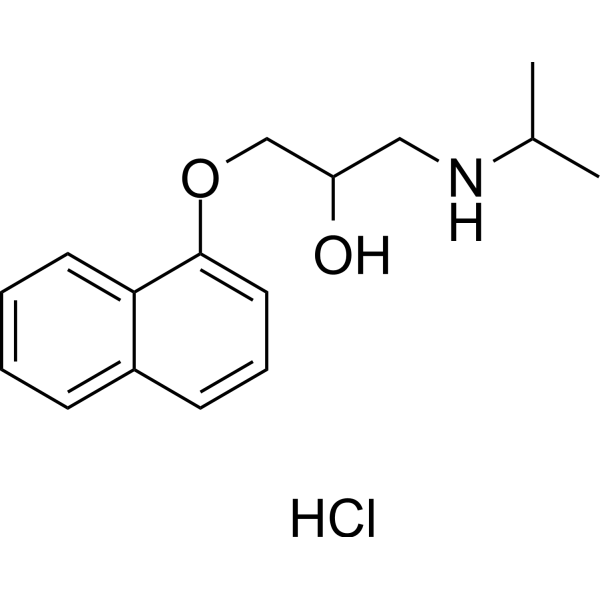
  • HY-B0573
    Propranolol hydrochloride
    40+ Cited Publications

    Adrenergic Receptor Bacterial Cardiovascular Disease Infection Neurological Disease Metabolic Disease Cancer
    Propranolol hydrochloride is a nonselective and BBB-permeableβ-adrenergic receptor (βAR) antagonist, has high affinity for the β1AR and β2AR with Ki values of 1.8 nM and 0.8 nM, respectively. Propranolol hydrochloride inhibits [ 3H]-DHA binding to rat brain membrane preparation with an IC50 of 12 nM. Propranolol hydrochloride is used for study of hypertension, pheochromocytoma, myocardial infarction, cardiac arrhythmias, angina pectoris, and hypertrophic cardiomyopathy .
    Propranolol hydrochloride
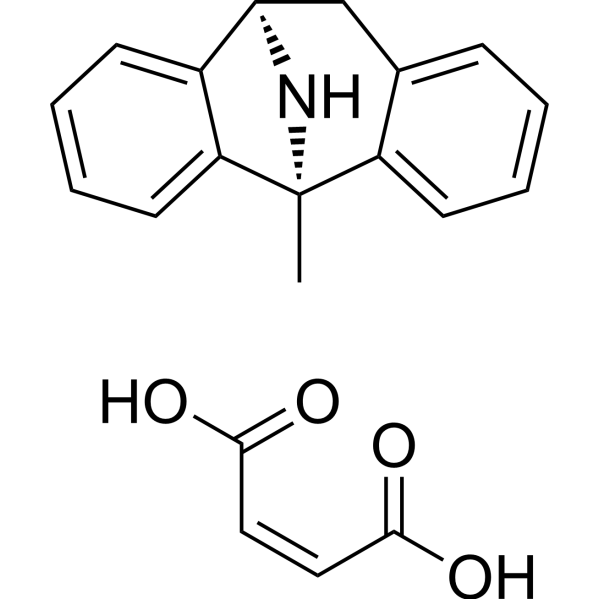
  • HY-15084
    Dizocilpine maleate
    Maximum Cited Publications
    44 Publications Verification

    (+)-MK 801 Maleate

    iGluR Neurological Disease
    Dizocilpine maleate (MK-801 maleate) is a potent, selective and non-competitive NMDA receptor antagonist with Kd of 37.2 nM in rat brain membranes.
    Dizocilpine maleate
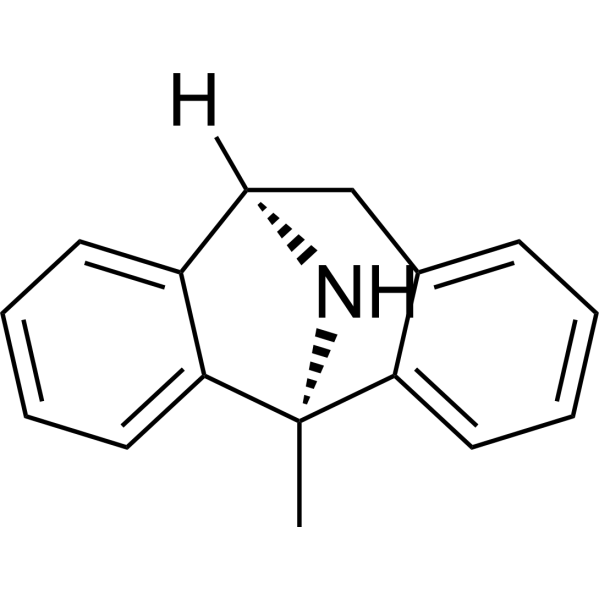
  • HY-15084B
    Dizocilpine
    Maximum Cited Publications
    44 Publications Verification

    MK-801

    iGluR Neurological Disease
    Dizocilpine (MK-801), a potent anticonvulsant, is a selective and non-competitive NMDA receptor antagonist, with a Kd of 37.2 nM in rat brain membranes. Dizocilpine acts by binding to a site located within the NMDA associated ion channel and thus prevents Ca 2+ flux .
    Dizocilpine
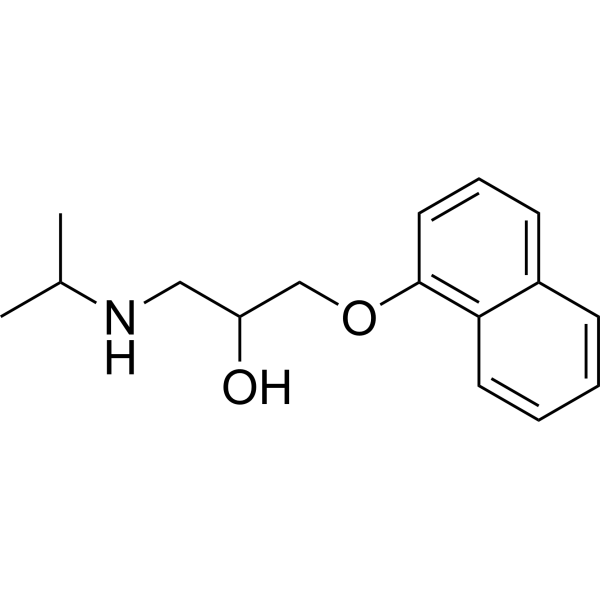
  • HY-B0573B
    Propranolol
    40+ Cited Publications

    Adrenergic Receptor Bacterial Cardiovascular Disease Infection Neurological Disease Metabolic Disease Cancer
    Propranolol is a nonselective and BBB-permeable β-adrenergic receptor (βAR) antagonist, has high affinity for the β1AR and β2AR with Ki values of 1.8 nM and 0.8 nM, respectively . Propranolol inhibits [ 3H]-DHA binding to rat brain membrane preparation with an IC50 of 12 nM . Propranolol is used for the study of hypertension, pheochromocytoma, myocardial infarction, cardiac arrhythmias, angina pectoris, and hypertrophic cardiomyopathy .
    Propranolol
  • HY-100937
    DPCPX
    5+ Cited Publications

    PD 116948

    Adenosine Receptor Cardiovascular Disease
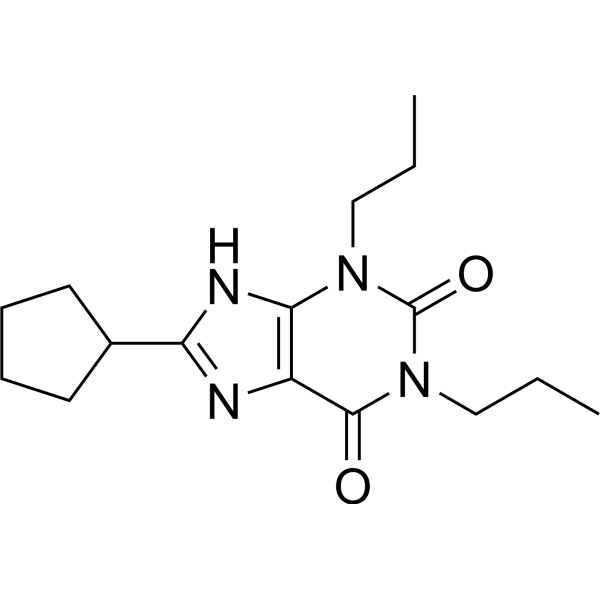
    DPCPX (PD 116948), a xanthine derivative, is a highly potent and selective Adenosine A1 receptor antagonist, with a Ki of 0.46 nM in 3H-CHA binding to A1 receptors in rat whole brain membranes .
    DPCPX
  • HY-10864
    URB-597
    5 Publications Verification

    KDS-4103

    FAAH Autophagy Mitophagy Neurological Disease
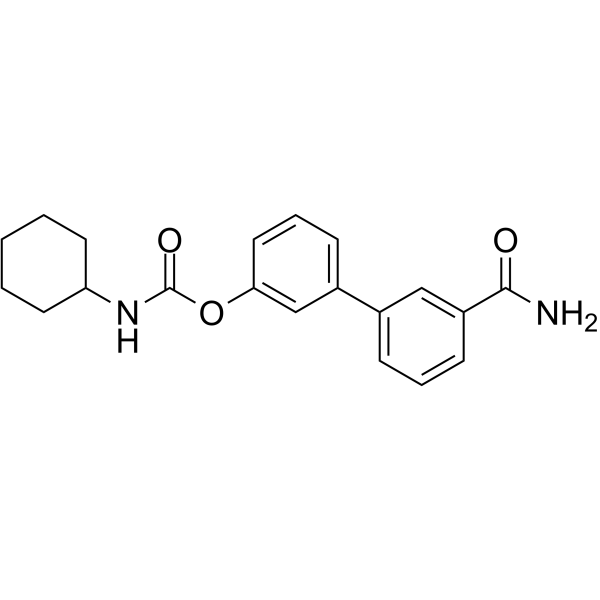
    URB-597 (KDS-4103) is an orally bioavailable and selective FAAH inhibitor. URB-597 inhibits FAAH activity with an IC50s of approximately 5 nM in rat brain membranes, 0.5 nM in intact rat neurons, 3 nM in human liver microsomes. Antidepressant-like effects. Analgesic activity .
    URB-597
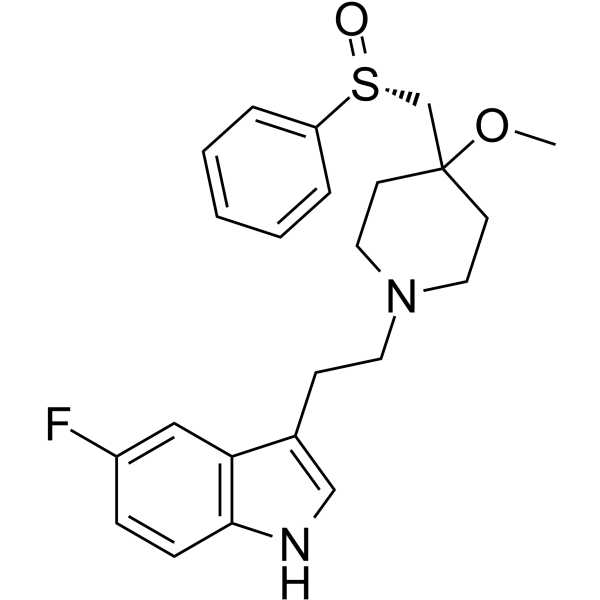
  • HY-102064
    SR 57227A
    1 Publications Verification

    5-HT Receptor Neurological Disease
    SR 57227A is a potent, orally active and selective 5-HT3 receptor agonist, with ability to cross the blood brain barrier. SR 57227A has affinities (IC50) varying between 2.8 and 250 nM for 5-HT3 receptor binding sites in rat cortical membranes and on whole NG 108-15 cells or their membranes. Anti-depressant effects .
    SR 57227A
  • HY-141570

    Phospholipase Others
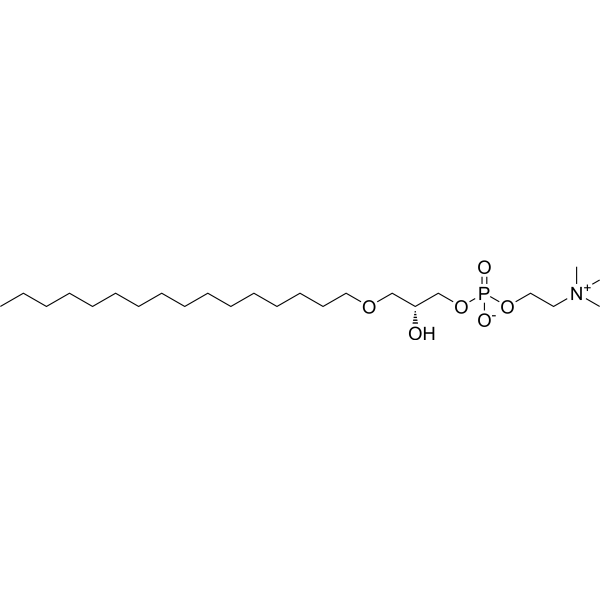
    Lyso-PAF C-16 is a precursor and metabolite of 1-O-hexadecyl-2-acetyl-sn-glycero-3-phosphocholine (PAF C-16). Lyso-PAF C-16 is a substrate for either PAF C-16 formation by the remodeling pathway or selective acylation with arachidonic acid by a CoA-independent transacylase .
    Lyso-PAF C-16
  • HY-100834
    5,7-Dichlorokynurenic acid
    1 Publications Verification

    5,7-DCKA

    iGluR Neurological Disease
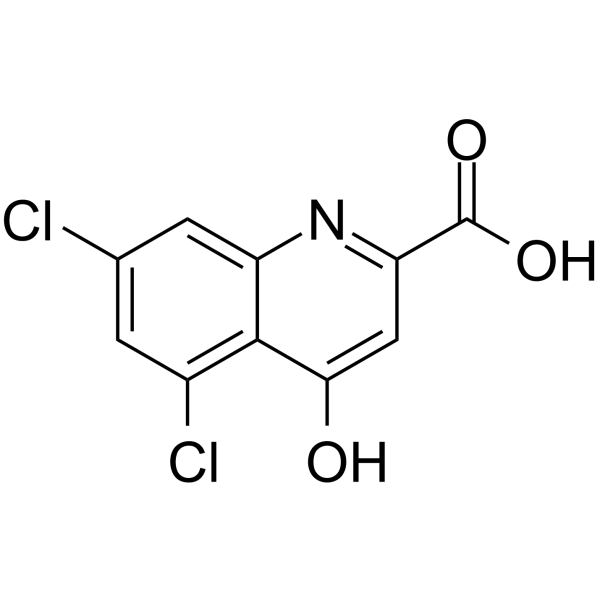
    5,7-Dichlorokynurenic acid (5,7-DCKA) is a selective and competitive antagonist of the glycine site on NMDA receptor with a KB of 65 nM. 5,7-Dichlorokynurenic acid reduces NMDA-induced neuron injury. 5,7-Dichlorokynurenic acid increases social interaction time, increases open arm exploration time, disinhibits suppressed conflict responding in rodent models. 5,7-Dichlorokynurenic acid exhibits anxiolytic-like activity in rodent models and supports exploration of glycine’s role in NMDA receptor-mediated synaptic transmission .
    5,7-Dichlorokynurenic acid
  • HY-18698

    iGluR Neurological Disease
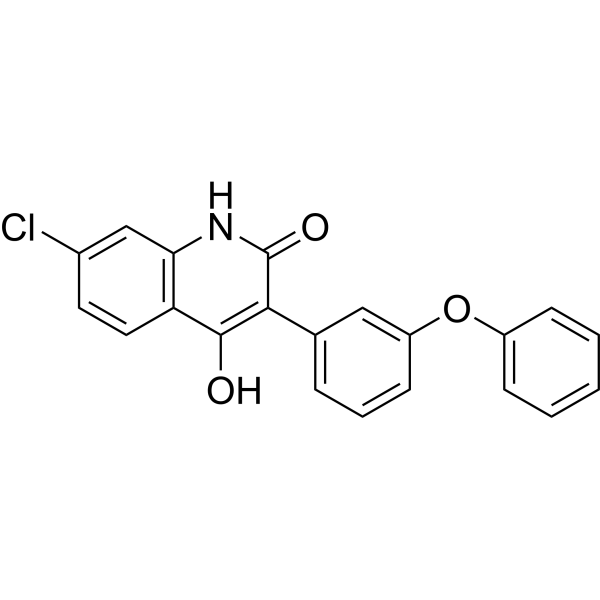
    L-701324 is a potent, orally active NMDA receptor antagonist that antagonizes the activity of the NMDA receptor by blocking its glycine B binding site. L-701324 binds with high affinity to rat brain membranes (IC50=2 nM). L-701324 has antidepressant activity .
    L-701324
  • HY-12332
    JW 642
    3 Publications Verification

    MAGL Neurological Disease
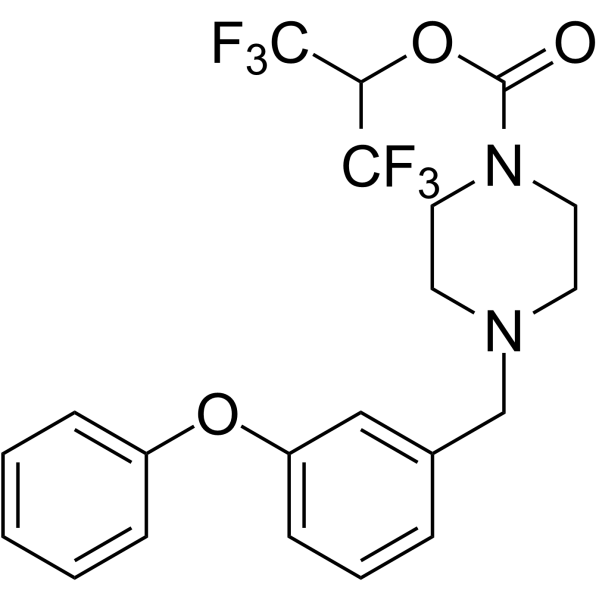
    JW 642 is a potent inhibitor of monoacylglycerol lipase (MAGL) that displays IC50 values of 7.6, 14, and 3.7 nM for inhibition of MAGL in mouse, rat, and human brain membranes, respectively.
    JW 642
  • HY-108483

    Neurokinin Receptor Neurological Disease Inflammation/Immunology
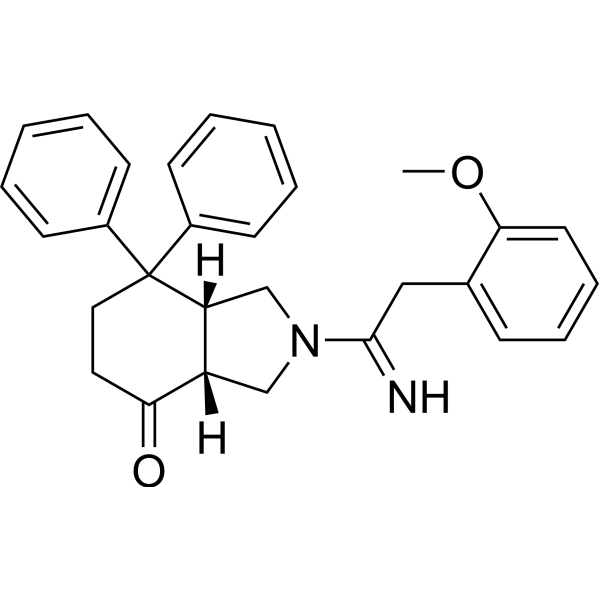
    RP 67580 is a non-peptide antagonist of substance P (SP), competitively inhibits the binding of [3H]SP to neurokinin receptor 1 (NK1 receptor) in rat brain membranes with a Ki value of 4.16 nM. RP 67580 is a specific antagonist of NK1 receptors and can be used in the research of pain and neurogenic inflammation .
    RP 67580
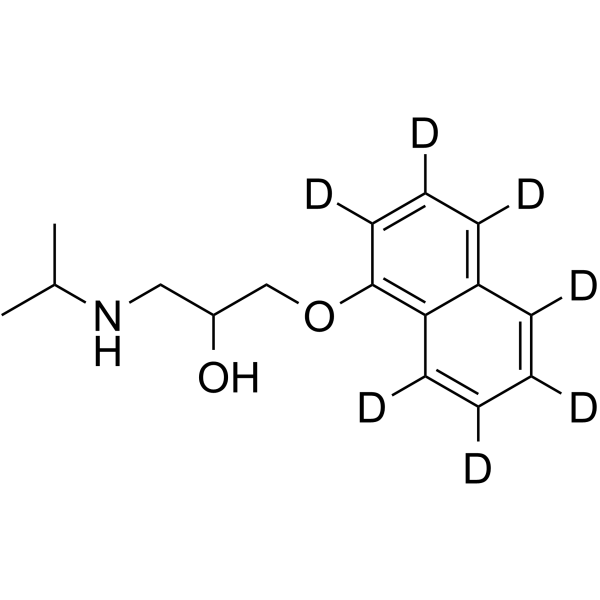
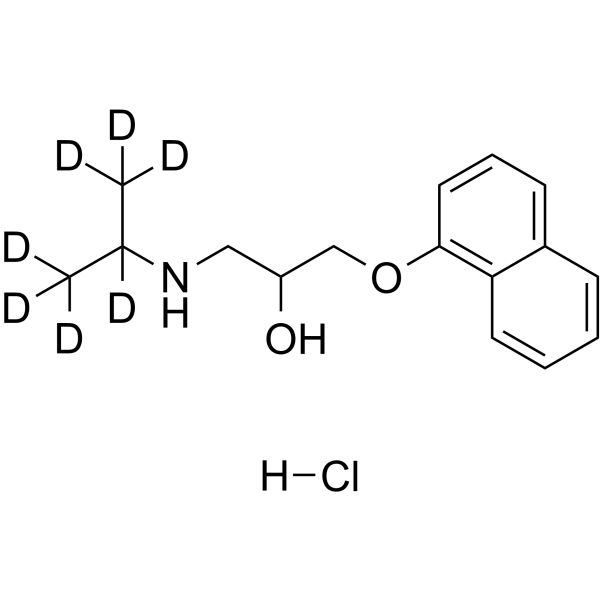
  • HY-B0573S1

    Adrenergic Receptor Neurological Disease Endocrinology
    Propranolol-d7 (ring-d7) is the deuterium labeled Propranolol hydrochloride. Propranolol hydrochloride is a nonselective β-adrenergic receptor (βAR) antagonist, has high affinity for the β1AR and β2AR with Ki values of 1.8 nM and 0.8 nM, respectively . Propranolol hydrochloride inhibits [3H]-DHA binding to rat brain membrane preparation with an IC50 of 12 nM . Propranolol hydrochloride is used for study of hypertension, pheochromocytoma, myocardial infarction, cardiac arrhythmias, angina pectoris, and hypertrophic cardiomyopathy .
    Propranolol-d7 (ring-d7)
  • HY-NP180

    Calcium Channel Metabolic Disease
    Progesterone/BSA is a conjugate of Progesterone (HY-N0437) and bovine serum albumin (BSA). Progesterone/BSA cannot penetrate the plasma membrane of human sperm, but still rapidly elevates intracellular free calcium and induces the acrosome reaction. Progesterone/BSA can also act as a probe to specifically bind to progesterone-binding proteins on the membrane of rat brain synaptosomes .
    Progesterone/BSA
  • HY-10061B

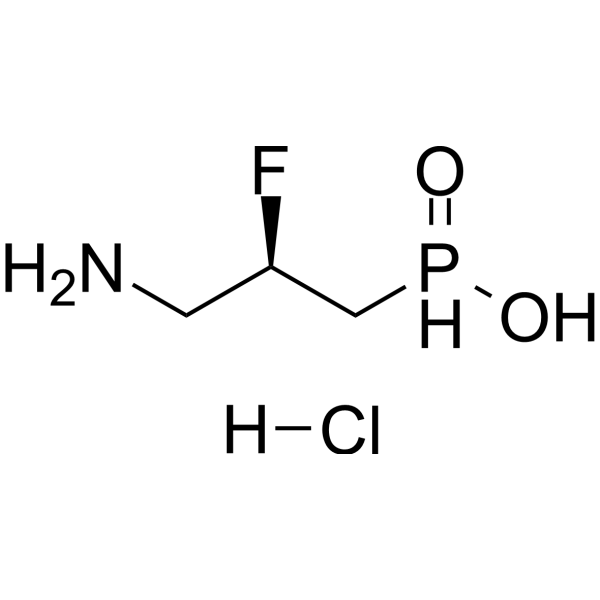
    AZD-3355 hydrochloride

    GABA Receptor Metabolic Disease
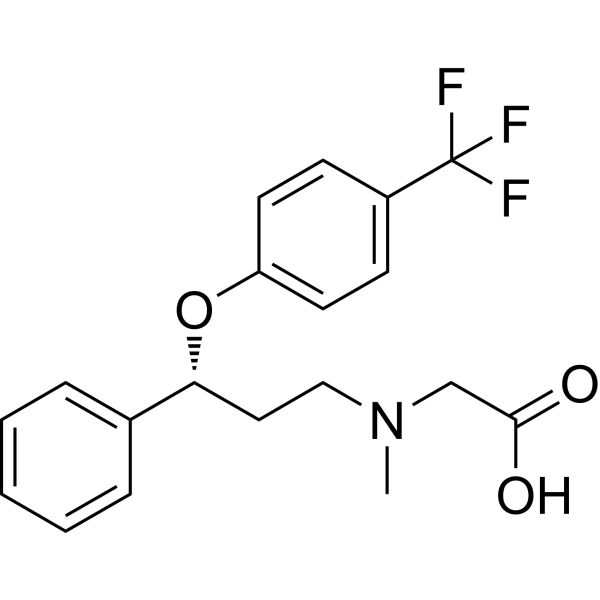
    Lesogaberan (AZD-3355) hydrochloride is a potent and selective GABAB receptor agonist with an EC50 of 8.6 nM for human recombinant GABAB receptor. The affinity (Kis) of Lesogaberan hydrochloride for rat GABAB and GABAA receptors, as measured by displacement of [ 3H]GABA binding in brain membranes: 5.1 nM and 1.4 μM, respectively. Lesogaberan hydrochloride inhibits transient lower esophageal sphincter relaxation through a peripheral mode of action .
    Lesogaberan hydrochloride
  • HY-107691

    Neurokinin Receptor Neurological Disease Endocrinology Cancer
    GR 159897 is a highly potent, selective, competitive, brain-penetrated non-peptide neurokinin 2 (NK2) receptor antagonist. GR 159897 has little or no affinity for NK1 and NK3 receptors. GR 159897 inhibits binding of [ 3H]GR100679 to human NK2 (hNK2)-CHO cells and rat colon membranes with pKis of 9.51 and 10, respectively. Antagonizes bronchoconstriction. Anxiolytic-like and anti-tumor effects .
    GR 159897
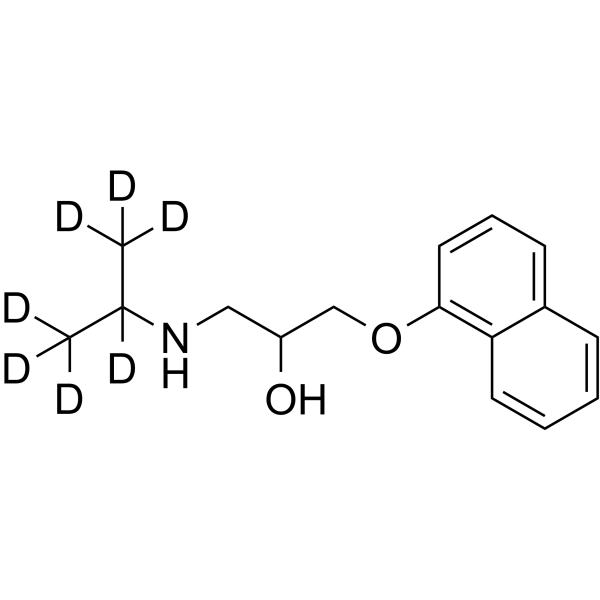
  • HY-B0573BS

    Adrenergic Receptor Cardiovascular Disease Neurological Disease Endocrinology
    Propranolol-d7 is the deuterium labeled Propranolol. Propranolol is a nonselective β-adrenergic receptor (βAR) antagonist, has high affinity for the β1AR and β2AR with Ki values of 1.8 nM and 0.8 nM, respectively . Propranolol inhibits [3H]-DHA binding to rat brain membrane preparation with an IC50 of 12 nM . Propranolol is used for the study of hypertension, pheochromocytoma, myocardial infarction, cardiac arrhythmias, angina pectoris, and hypertrophic cardiomyopathy .
    Propranolol-d7
  • HY-B0573S

    Adrenergic Receptor Cardiovascular Disease Neurological Disease Endocrinology
    Propranolol-d7 (hydrochloride) is a deuterium labeled Propranolol hydrochloride. Propranolol hydrochloride is a nonselective β-adrenergic receptor (βAR) antagonist, has high affinity for the β1AR and β2AR with Ki values of 1.8 nM and 0.8 nM, respectively . Propranolol hydrochloride inhibits [3H]-DHA binding to rat brain membrane preparation with an IC50 of 12 nM . Propranolol hydrochloride is used for the study of hypertension, pheochromocytoma, myocardial infarction, cardiac arrhythmias, angina pectoris, and hypertrophic cardiomyopathy .
    Propranolol-d7 hydrochloride
  • HY-B0573R

    Reference Standards Adrenergic Receptor Bacterial Neurological Disease Endocrinology Cancer
    Propranolol (hydrochloride) (Standard) is the analytical standard of Propranolol (hydrochloride). This product is intended for research and analytical applications. Propranolol hydrochloride is a nonselective β-adrenergic receptor (βAR) antagonist, has high affinity for the β1AR and β2AR with Ki values of 1.8 nM and 0.8 nM, respectively . Propranolol hydrochloride inhibits [ 3H]-DHA binding to rat brain membrane preparation with an IC50 of 12 nM . Propranolol hydrochloride is used for study of hypertension, pheochromocytoma, myocardial infarction, cardiac arrhythmias, angina pectoris, and hypertrophic cardiomyopathy .
    Propranolol hydrochloride (Standard)
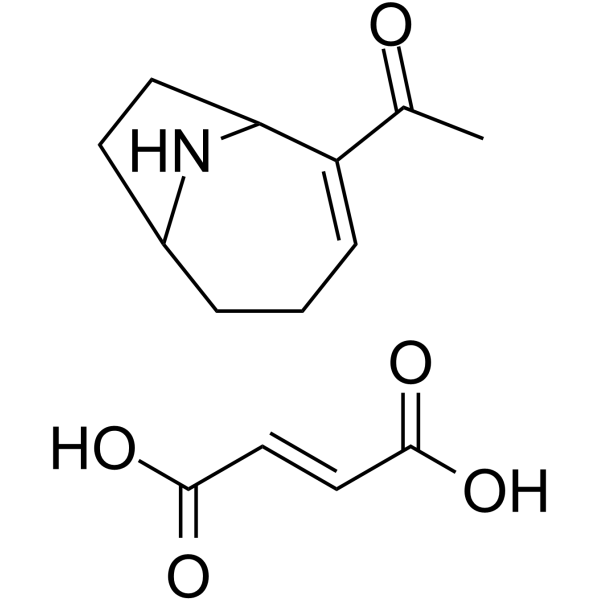
  • HY-N2326

    nAChR Neurological Disease Metabolic Disease
    (±)-Anatoxin A fumarate is a natural alkaloid isolated from freshwater cyanobacterium.(±)-Anatoxin A fumarate is a potent nicotinic receptor agonist and exhibits Ki values of 1.25 nM and 1.84 μM for binding to α4β2- and α7-type nicotinic receptors in rat brain membranes, respectively. (±)-Anatoxin A fumarate stimulates [ 3H]-dopamine release from rat striatal synaptosomes (EC50=134 nM). (±)-Anatoxin A fumarate has toxic effect on fish .
    (±)-Anatoxin A fumarate
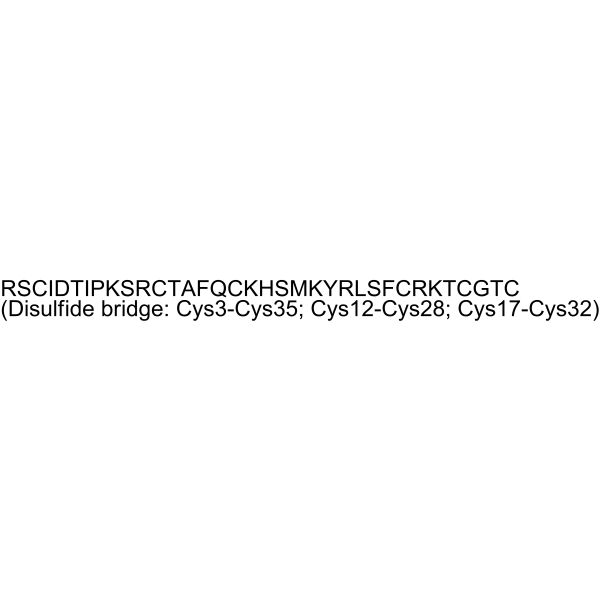
  • HY-P3071

    Stichodactyla helianthus neurotoxin

    Potassium Channel Neurological Disease Inflammation/Immunology
    ShK toxin blocks voltage-dependent potassium channel (Kv1.3 channel). ShK toxin can be isolated from the whole body extract of the Caribbean sea anemone (Stichodactylu helianthus). ShK toxin competes with dendrotoxin I and α-dendrotoxin for binding to synaptosomal membranes of rat brain, facilitates acetylcholine release. ShK toxin suppresses K+ currents in cultured rat dorsal root ganglion neurons. ShK toxin also inhibits T lymphocyte proliferation .
    ShK toxin
  • HY-W795960

    Biochemical Assay Reagents Calcium Channel Phospholipase Neurological Disease Metabolic Disease
    D-myo-inositol 1,4,5-trisphosphate sodium salt is a widely distributed intracellular second messenger. D-myo-inositol 1,4,5-trisphosphate sodium salt acts as a potent agonist of the Ins (1,4,5) P3 receptor with an EC50 of 0.12 μM and inhibits bovine PLC-δ1, with an IC50 of 5.4 μM for binding and an IC50 of 12.4 μM for hydrolysis. D-myo-inositol 1,4,5-trisphosphate sodium saltis metabolized into Ins (1,4) P2 and Ins (1,3,4,5) P4. D-myo-inositol 1,4,5-trisphosphate sodium salt mediates various cellular processes, including growth, development, fertilization, secretion, contraction and neuromodulation. D-myo-inositol 1,4,5-trisphosphate sodium salt inhibits PIP2 hydrolysis and Ca 2+-ATPase activity. D-myo-inositol 1,4,5-trisphosphate sodium salt is used for cardiac preconditioning, exerts cardioprotective effects and mimics ischemic preconditioning. D-myo-inositol 1,4,5-trisphosphate sodium salt is applied in studies related to intracellular calcium and phosphoinositol signaling pathways .
    D-myo-Inositol 1,4,5-trisphosphate sodium salt
  • HY-P3883

    Neurokinin Receptor Neurological Disease
    [DAla4] Substance P (4-11) is an analog of Substance P (HY-P0201) that inhibits the binding of 125I-Bolton Hunter-conjugated Eledoisin (HY-P0006) (IC50 of 0.5 μM) and 125I-Bolton Hunter-conjugated Substance P (IC50 of 0.15 μM) to rat brain cortex membranes .
    [DAla4] Substance P (4-11)
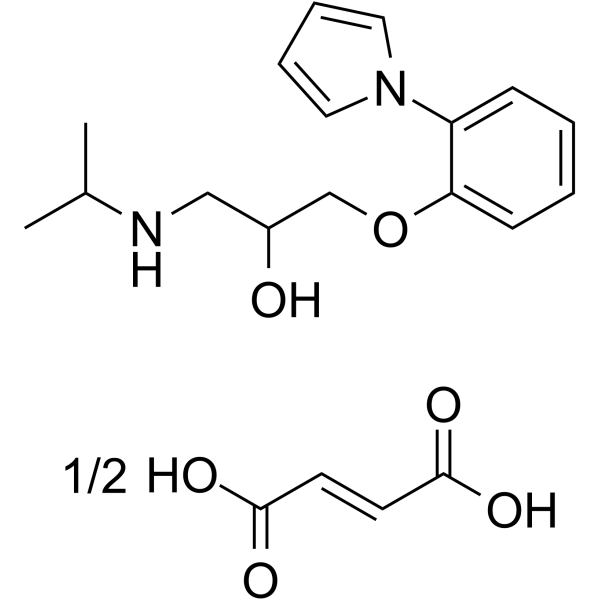
  • HY-19578B

    (±)-Isamoltane hemifumarate

    5-HT Receptor Adrenergic Receptor Neurological Disease
    Isamoltane hemifumarate is a selective antagonist of 5-HT1B receptor, with an IC50 of 39 nM for inhibits the binding of [ 125I]ICYP to 5-HT1B recognition sites in rat brain membranes. Isamoltane hemifumarate is also a β-adrenoceptor ligand, with an IC50 of 8.4 nM. Isamoltane hemifumarate shows anxiolytic activity .
    Isamoltane hemifumarate
  • HY-103172

    P2Y Receptor Metabolic Disease
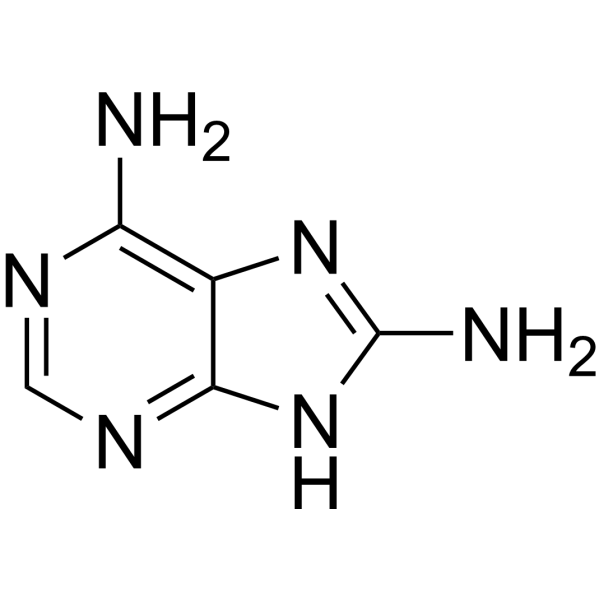
    8-Aminoadenine is an adenine receptor 1 (rAde1R) inhibitor with a Ki of 6.51 μM in rat and 0.0341 μM in human. 8-Aminoadenine inhibits isoprenaline-induced cAMP accumulation and adenine uptake in astrocytoma cells expressing rAde1R. 8-Aminoadenine serves as a lead structure for the development of adenine receptor ligands to elucidate the functions of the adenine receptor family .
    8-Aminoadenine
  • HY-U00322

    5-HT Receptor Neurological Disease
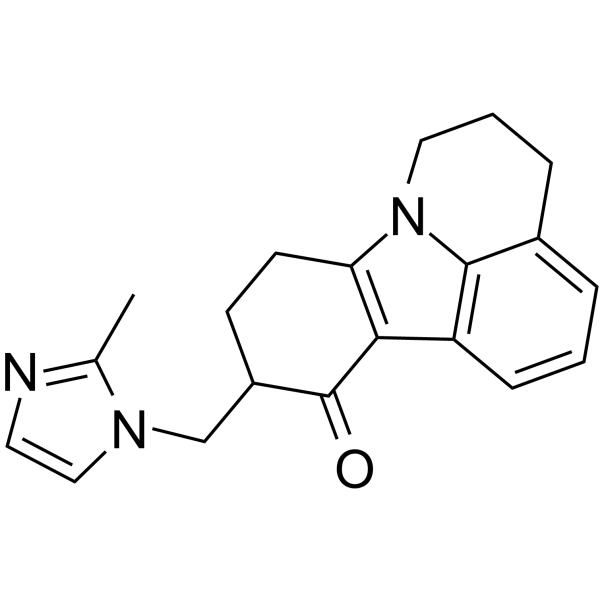
    5-HT3 antagonist 3 (Compound 15b) is a high-affinity 5-HT3 receptor antagonist. 5-HT3 antagonist 3 binds to 5-HT3 receptors in rat brain cortical membranes with Ki of 0.25 nM .
    5-HT3 antagonist 3
  • HY-10864R

    KDS-4103 (Standard)

    FAAH Autophagy Mitophagy Reference Standards Neurological Disease
    URB-597 (Standard) is the analytical standard of URB-597. This product is intended for research and analytical applications. URB-597 (KDS-4103) is an orally bioavailable and selective FAAH inhibitor. URB-597 inhibits FAAH activity with an IC50s of approximately 5 nM in rat brain membranes, 0.5 nM in intact rat neurons, 3 nM in human liver microsomes. Antidepressant-like effects. Analgesic activity .
    URB-597 (Standard)
  • HY-10061

    AZD-3355

    GABA Receptor Metabolic Disease
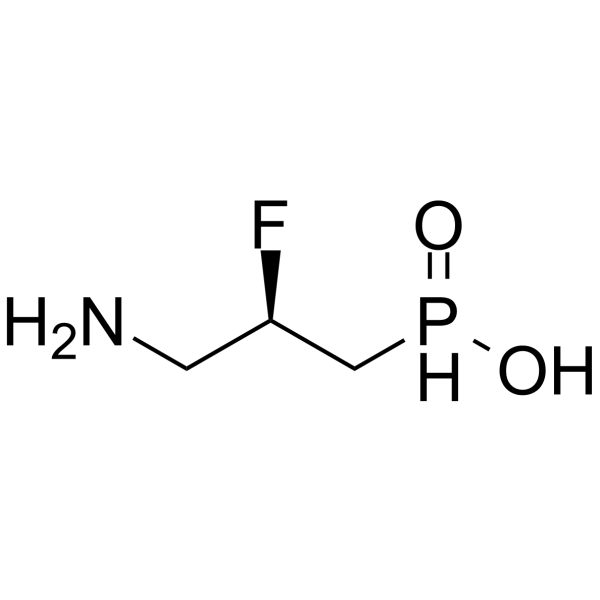
    Lesogaberan (AZD-3355) is a potent and selective GABAB receptor agonist with an EC50 of 8.6 nM for human recombinant GABAB receptors. The affinity (Kis) of Lesogaberan for rat GABAB and GABAA receptors, as measured by displacement of [ 3H]GABA binding in brain membranes: 5.1 nM and 1.4 μM, respectively. Lesogaberan inhibits transient lower esophageal sphincter relaxation through a peripheral mode of action .
    Lesogaberan
  • HY-P3071A

    Stichodactyla helianthus neurotoxin TFA

    Potassium Channel Neurological Disease Inflammation/Immunology
    ShK toxin TFA (Stichodactyla helianthus neurotoxin TFA) is a neurotoxin. ShK toxin TFA blocks voltage-dependent potassium channel (Kv1.3 channel). ShK toxin TFA can be isolated from the whole body extract of the Caribbean sea anemone (Stichodactylu helianthus). ShK toxin TFA competes with dendrotoxin I and α-dendrotoxin for binding to synaptosomal membranes of rat brain, facilitates acetylcholine release. ShK toxin TFA suppresses K + currents in cultured rat dorsal root ganglion neurons. ShK toxin TFA also inhibits T lymphocyte proliferation .
    ShK toxin TFA
  • HY-121116

    GABA Receptor Neurological Disease
    CGS 8216 is a non-benzodiazepine brain benzodiazepine receptor ligand that binds to rat forebrain membranes with high affinity and specificity. CGS 8216 also inhibits 3H-flunitrazepam (3H-FLU) binding to rat synaptosomal membranes and blocks 3H-FLU labeling of brain benzodiazepine receptors in vivo with potency equivalent to Diazepam .
    CGS 8216
  • HY-100821

    Bacterial Infection
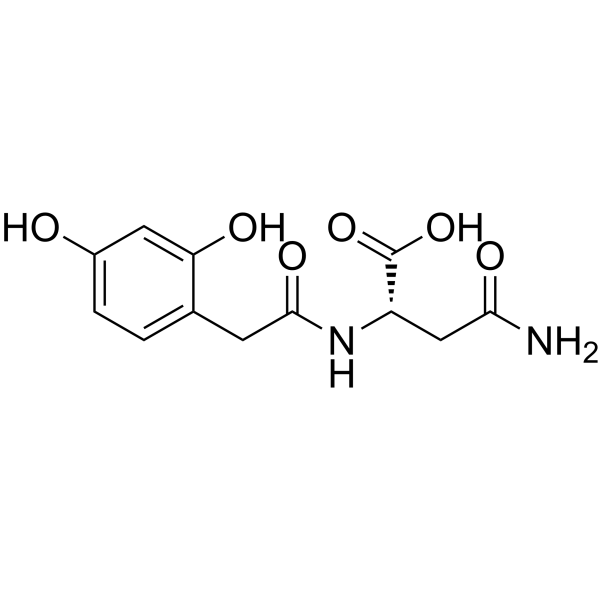
    2,4-Dihydroxyphenylacetylasparagine is a potent and selective antagonist of glutamate. 2,4-Dihydroxyphenylacetylasparagine inhibits glutamate binding to rat brain synaptic membranes .
    2,4-Dihydroxyphenylacetylasparagine
  • HY-123594

    Cannabinoid Receptor Neurological Disease
    R-2 Methanandamide (Compound 2) is a cannabinoid Anandamide (HY-10863) analog with a Ki of 119 nM for the cannabinoid receptor (Ki is determined using rat brain membranes with PMSF) .
    R-2 Methanandamide
  • HY-10712

    GlyT Neurological Disease
    Org-24598 is an inhibitor of glycine transporter 1 GlyT-1 . Org-24598 can inhibit the specific binding of [ 3H] CHIBIA-3007 to the rat brain membranes with a Ki value of 16.9 nM .
    Org-24598
  • HY-110016

    DEA

    Endogenous Metabolite Cannabinoid Receptor Neurological Disease
    Docosatetraenylethanolamide (DEA) is a cannabinoid receptor 1 (CB1) agonist. Docosatetraenylethanolamide inhibits the specific binding of cannabinoid probe to rat synaptosomal membranes with a Ki value of 34.4 nM. Docosatetraenylethanolamide can be used in the research of nervous system .
    Docosatetraenylethanolamide
  • HY-10713

    GlyT Neurological Disease
    Org-24598 lithium is an inhibitor of glycine transporter 1 GlyT-1 . Org-24598 lithium can inhibit the specific binding of [ 3H] CHIBIA-3007 to the rat brain membranes with a Ki value of 16.9 nM .
    Org-24598 lithium
  • HY-106808

    IOS-1.1212

    Calcium Channel Chloride Channel Neurological Disease
    Cerebrocrast (IOS-1.1212) is a 1,4-dihydropyridine (DHP) derivative. Cerebrocrast has a high affinity for the membrane lipid bilayer and it can easily penetrate the blood-brain barrier and incorporate into the plasma and organelle membranes, including those of mitochondria. Cerebrocrast promotes the cotransport of H+ and Cl- in rat liver mitochondria. Cerebrocrast also exhibits neuroprotective and cognition enhancer properties .
    Cerebrocrast
  • HY-100937R

    PD 116948 (Standard)

    Reference Standards Adenosine Receptor Cardiovascular Disease
    DPCPX (Standard) is the analytical standard of DPCPX. This product is intended for research and analytical applications. DPCPX (PD 116948), a xanthine derivative, is a highly potent and selective Adenosine A1 receptor antagonist, with a Ki of 0.46 nM in 3H-CHA binding to A1 receptors in rat whole brain membranes .
    DPCPX (Standard)
  • HY-19578A

    (±)-Isamoltane hydrochloride

    Adrenergic Receptor 5-HT Receptor Neurological Disease
    Isamoltan ((±)-Isamoltane) hydrochloride is a selective antagonist of 5-HT1B receptor, with an IC50 of 39 nM for inhibits the binding of [ 125I]ICYP to 5-HT1B recognition sites in rat brain membranes. Isamoltan hydrochloride is also a β-adrenoceptor ligand, with an IC50 of 8.4 nM. Isamoltan hydrochloride shows anxiolytic activity .
    Isamoltan hydrochloride
  • HY-P2601A

    CGRP Receptor Others
    Tyr-α-CGRP (human) TFA is an N-terminally extended human α-CGRP analog. Tyr-α-CGRP (human) TFA can bind to membrane preparations from rat brain and spleen with IC50 values of 0.2 nM and 0.5 nM, respectively, and induce positive chronotropic and inotropic effects in isolated guinea pig right and left atria with EC50 values of 282 nM and 74 nM, respectively. Tyr-α-CGRP (human) TFA also inhibits contractile responses in rat vas deferens with an EC50 value of 1.9 nM .
    Tyr-α-CGRP (human) TFA
  • HY-P1318

    Opioid Receptor Neurological Disease
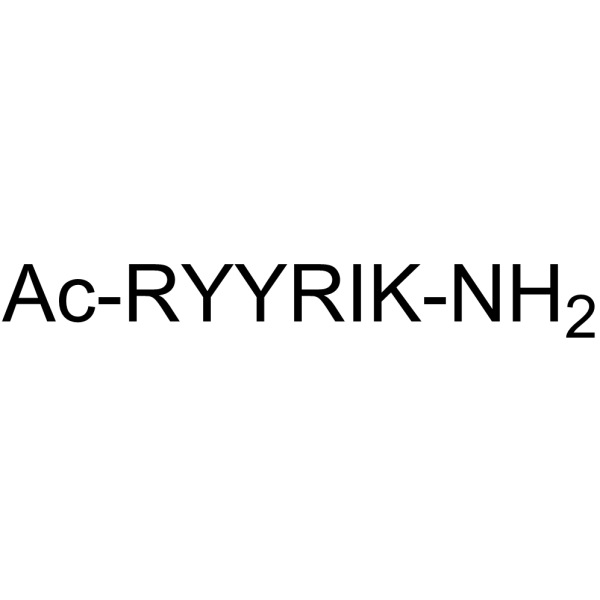
    Ac-RYYRIK-NH2 is a potent and partial agonist on ORL1 transfected in CHO cells (Kd=1.5 nM) and behaves as a endogenous ligand of ORL1. Ac-RYYRIK-NH2 is a specific antagonist for the activation of G protein and competitively antagonizes the stimulation of [ 35S]-GTPgS binding to G proteins by nociceptin/orphanin FQ (noc/OFQ) in membranes and sections of rat brain .
    Ac-RYYRIK-NH2
  • HY-10061A

    AZD-3355 napadisylate

    GABA Receptor Metabolic Disease
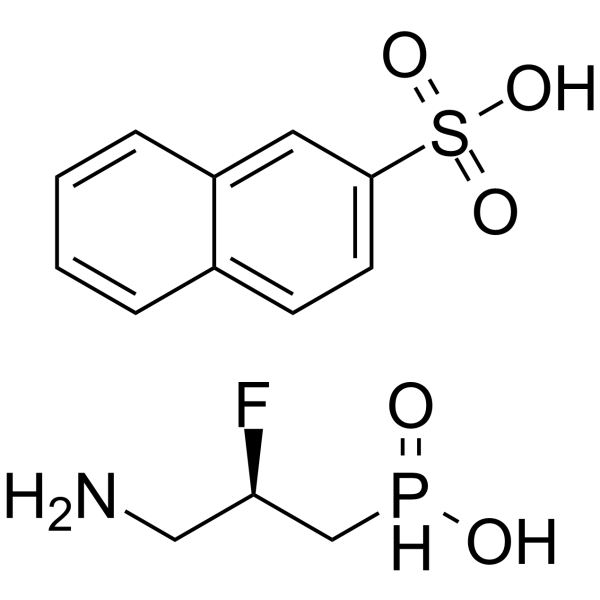
    Lesogaberan (AZD-3355) napadisylate is a potent and selective GABAB receptor agonist with an EC50 of 8.6 nM for human recombinant GABAB receptors. The affinity (Kis) of Lesogaberan napadisylate for rat GABAB and GABAA receptors, as measured by displacement of [ 3H]GABA binding in brain membranes: 5.1 nM and 1.4 μM, respectively. Lesogaberan napadisylate inhibits transient lower esophageal sphincter relaxation through a peripheral mode of action .
    Lesogaberan napadisylate
  • HY-P1318A

    Opioid Receptor Neurological Disease
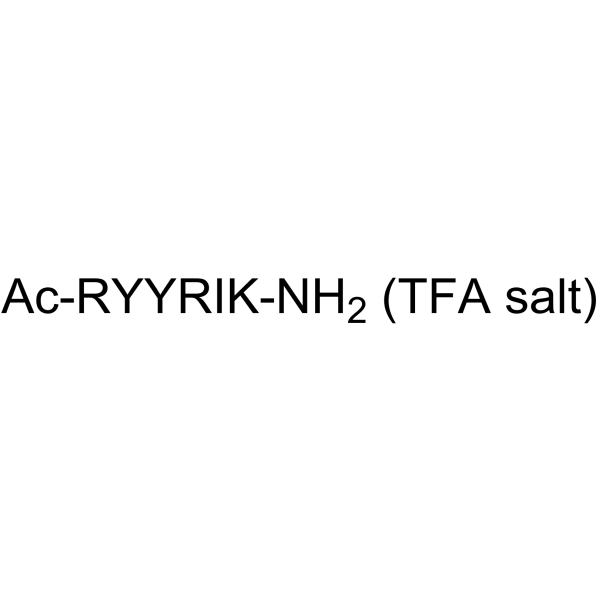
    Ac-RYYRIK-NH2 TFA is a potent and partial agonist on ORL1 transfected in CHO cells (Kd=1.5 nM) and behaves as a endogenous ligand of ORL1. Ac-RYYRIK-NH2 is a specific antagonist for the activation of G protein and competitively antagonizes the stimulation of [ 35S]-GTPgS binding to G proteins by nociceptin/orphanin FQ (noc/OFQ) in membranes and sections of rat brain .
    Ac-RYYRIK-NH2 TFA
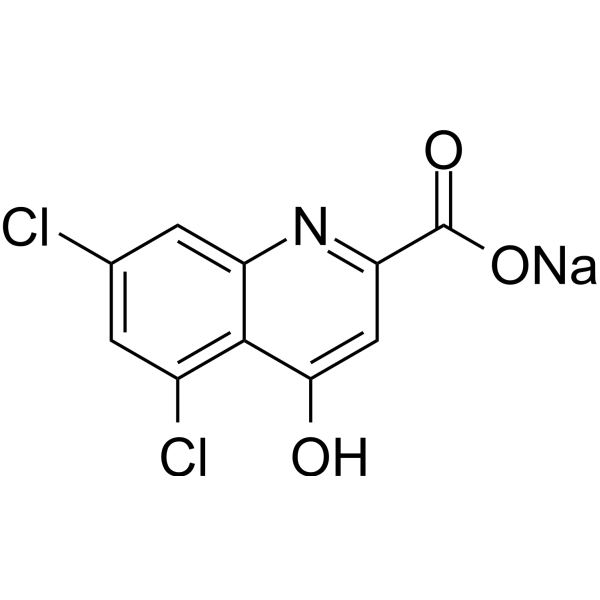
  • HY-100834A

    5,7-DCKA sodium

    iGluR Neurological Disease
    5,7-Dichlorokynurenic acid (5,7-DCKA) sodium is a selective and competitive antagonist of the glycine site on NMDA receptor with a KB of 65 nM. 5,7-Dichlorokynurenic acid sodium reduces NMDA-induced neuron injury. 5,7-Dichlorokynurenic acid sodium increases social interaction time, increases open arm exploration time, disinhibits suppressed conflict responding in rodent models. 5,7-Dichlorokynurenic acid sodium exhibits anxiolytic-like activity in rodent models and supports exploration of glycine’s role in NMDA receptor-mediated synaptic transmission .
    5,7-Dichlorokynurenic acid sodium
  • HY-15076

    NS-1209 sodium

    iGluR Neurological Disease
    SPD-502 sodium is a novel glutamate antagonist with potential neuroprotective properties, particularly in brain ischemia. It selectively targets the AMPA receptor, showing high affinity (IC50 = 0.043 μM) and competitive inhibition of AMPA-induced effects in rat cortical membranes and cultured mouse cortical neurons. In vivo, SPD-502 sodium effectively blocks AMPA-evoked spike activity in the hippocampus after intravenous administration, significantly increasing the seizure threshold in mice and demonstrating robust protection against ischemia-induced damage to hippocampal neurons in gerbils. These findings suggest SPD-502 sodium may be promising for studying neurodegenerative conditions associated with glutamate excitotoxicity .
    SPD-502 sodium
  • HY-15074

    NS-1209

    iGluR Neurological Disease
    SPD-502 is a novel glutamate antagonist with potential neuroprotective properties, particularly in brain ischemia. It selectively targets the AMPA receptor, showing high affinity (IC50 = 0.043 μM) and competitive inhibition of AMPA-induced effects in rat cortical membranes and cultured mouse cortical neurons. In vivo, SPD-502 effectively blocks AMPA-evoked spike activity in the hippocampus after intravenous administration, significantly increasing the seizure threshold in mice and demonstrating robust protection against ischemia-induced damage to hippocampal neurons in gerbils. These findings suggest SPD-502 may be promising for studying neurodegenerative conditions associated with glutamate excitotoxicity .
    SPD-502
  • HY-130349

    L-656,748

    GABA Receptor Infection
    Emamectin B1a (L-656,748) is a semisynthetic derivative of avermectin B1a that binds to GABA receptors (Ki=17.6 nM in rat brain membranes) and enhances GABA responses. Emamectin B1a acitivates GABAA receptors α1β1γ2, α1β2γ2, and α1β3γ2 with IC50s of 57, 210, and 49.8 nM, respectively. Emamectin B1a also binds to glycine receptors, inhibiting glycine receptors with an IC50=218 nM in rat spinal cord. Emamectin B1a (1.067 ng/mL) caused 90% mortality of S. exigua larvae in foliar spray bioassays and topical application, making it more toxic than avermectin B1.
    Emamectin B1a
  • HY-W686216

    Dopamine Receptor Neurological Disease
    VK-28 is a blood-brain barrier-permeable iron chelator. VK-28 inhibits mitochondrial membrane lipid peroxidation and the iron-dependent generation of reactive hydroxyl radicals. VK-28 exhibits neuroprotective activity and protects rats against 6-OHDA-induced striatal dopaminergic damage. VK-28 can be used in studies related to Parkinson's disease .
    VK-28
  • HY-182645

    CRFR Neurological Disease
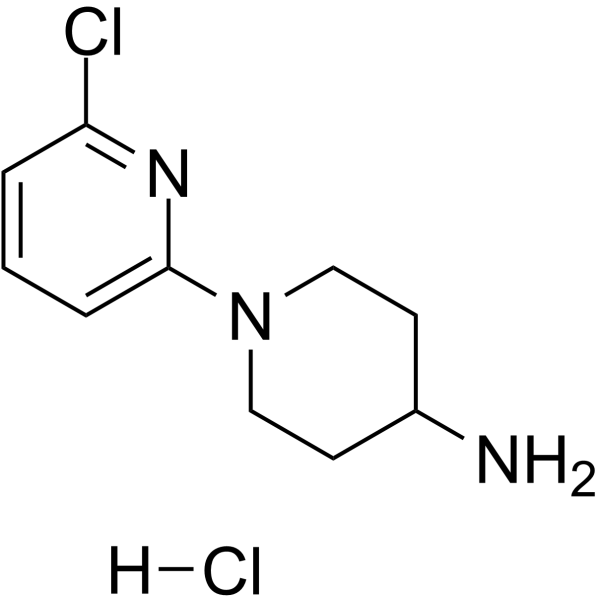
    CRF1 receptor antagonist-2 is an orally active, blood-brain barrier permeable CRF1 receptor antagonist, with an IC50 of 4 nM in CHO-K1 cell membranes and an IC50 of 7 nM in rat brain cell membranes. CRF1 receptor antagonist-2 exerts anxiolytic effects in swim stress-loaded rats. CRF1 receptor antagonist-2 can be used in studies related to stress-induced anxiety .
    CRF1 receptor antagonist-2
  • HY-121554

    GABA Receptor Neurological Disease
    Kojic amine is an orally active γ-aminobutyric acid (GABA) analog. Kojic amine acts as a GABA mimic that inhibits sodium-independent [ 3H]GABA binding to rat brain cell membranes. Kojic amine reduces flexor spasms in chronic spinal rat and cat models. Kojic amine prevents tonic extensor convulsions in mice. Kojic amine produces a transient, dose-dependent analgesic effect in the mouse hot-plate test. Kojic amine can be used in research related to skeletal muscle spasm, epilepsy and analgesia [1][2]
    Kojic amine
  • HY-183910

    GABA Receptor Glycine Receptor (GlyR) Neurological Disease
    Pitrazepin is a GABAA receptor antagonist and glycine receptor antagonist. Pitrazepin blocks synaptic GABA action, induces neuronal bursting and reduces inhibitory postsynaptic potentials. Pitrazepin can be used in research on depression and psychosis .
    Pitrazepin

Inquiry Online

Your information is safe with us. * Required Fields.

Salutation


Country or Region *

Applicant Name *


Organization Name *

Department *


Email Address *


Product Name *

Cat. No.


Requested quantity *

Phone Number *


Remarks

Inquiry Online

Inquiry Information

Product Name:
Cat. No.:
Quantity:
MCE Japan Authorized Agent: