Search Result
Results for "
specific+substrate
" in MedChemExpress (MCE) Product Catalog:
1
Biochemical Assay Reagents
| Cat. No. |
Product Name |
Target |
Research Areas |
Chemical Structure |
-
- HY-134452
-
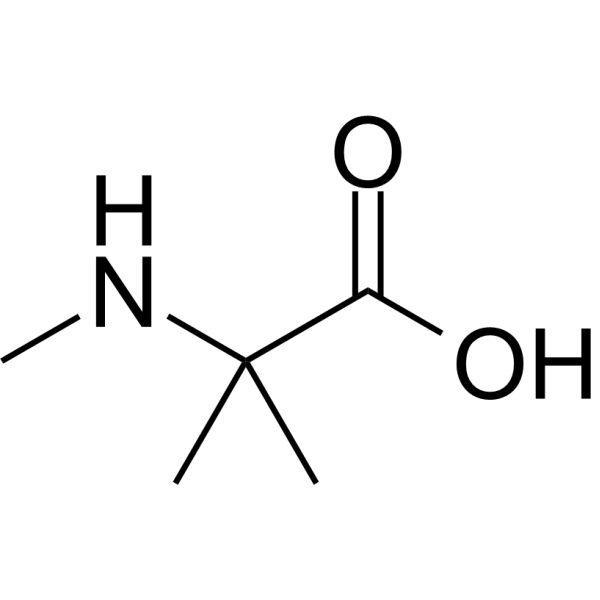
MeAIB
4 Publications Verification
α-(Methylamino)isobutyric acid
|
Amino acid Transporter
|
Cancer
|
|
MeAIB (α-(Methylamino)isobutyric acid) is a specific?substrate for amino acid transport system A (ATA1). ATA mediate the uptake of short-chain neutral amino acids in a Na +-dependent manner .
|
-
-
- HY-137875
-
|
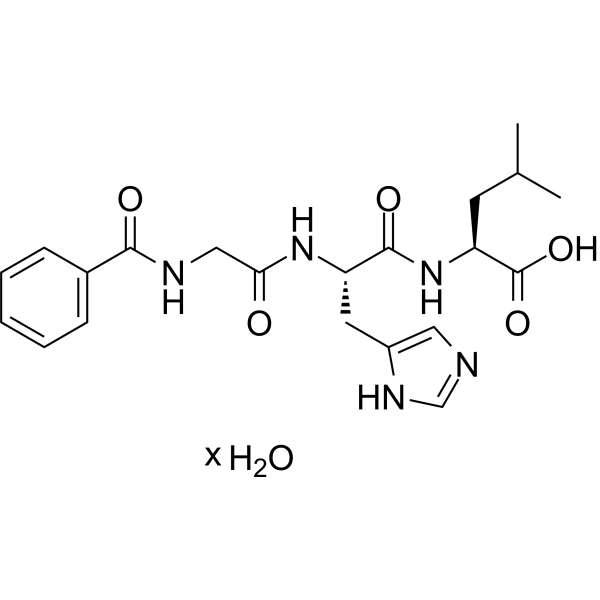
N-Benzoyl-Gly-His-Leu hydrate
|
Angiotensin-converting Enzyme (ACE)
Amino Acid Derivatives
|
Cardiovascular Disease
|
|
Hippuryl-His-Leu-OH (N-Benzoyl-Gly-His-Leu) hydrate is a specific substrate for angiotensin-converting enzyme ACE I and is a molecular tool used for ACE activity detection in in vitro experiments. Hippuryl-His-Leu-OH hydrate is hydrolyzed by ACE through competitive binding. Under ACE catalysis, Hippuryl-His-Leu-OH hydrate undergoes hydrolysis to produce hippuric acid (HA). The amount of HA produced can be used to quantitatively assess ACE activity or screen for ACE inhibitors. The His-Leu released from Hippuryl-His-Leu-OH hydrate can also react with o-phthalaldehyde or Fluorescamine (HY-D0715) for fluorescence detection. Hippuryl-His-Leu-OH hydrate can be applied to the in vitro screening of ACE inhibitors for hypertension and cardiovascular diseases, and is also used in the study of changes in ACE activity during physiological and pathological processes such as renal compensatory hypertrophy .
|
-
-
- HY-W010991
-
|
FAPGG
|
Angiotensin-converting Enzyme (ACE)
|
Others
|
|
N-[3-(2-Furyl)acryloyl]-Phe-Gly-Gly (FAPGG) is a specific substrate of angiotensin converting enzyme (ACE) with a Ki of 2.546×10 -4 M. It is used as a chromogenic probe for quantitative detection of ACE activity. N-[3-(2-Furyl)acryloyl]-Phe-Gly-Gly can be hydrolyzed by ACE to generate N-[3-(2-furyl)acryloyl]-Phe (FAP) and Gly-Gly, and the ACE inhibitory effect is monitored by photometry. FAPGG competitively binds to the active center of ACE and is a key tool for screening ACE inhibitors such as Captopril (HY-B0368) and Dioscorin. Its reversible mechanism of action supports hypertension research and drug development targeting the renin-angiotensin system .
|
-
![N-[3-(2-Furyl)acryloyl]-Phe-Gly-Gly](//file.medchemexpress.com/product_pic/hy-w010991.gif)
-
- HY-164899
-
|
2-aminopyridine-3-carboxylic acid imidazolide
|
Transmembrane Glycoprotein
|
Cancer
|
|
2A3 (2-aminopyridine-3-carboxylic acid imidazolide) is a T cell activator that specifically binds to CEACAM6 and CEACAM5. 2A3 exhibits enzymatic activity that catalyzes the glucuronidation of specific substrates (e.g., 1-naphthol), and possesses significant cytotoxic activity. When integrated into CAR T cells or used alone, 2A3 acts by inducing cytokine release, degranulation, and direct cytotoxicity. 2A3 kills pancreatic and breast cancer cells with high target antigen expression in vitro, and significantly inhibits the growth of pancreatic cancer xenografts in vivo. 2A3 broadly targets malignant tumors with overexpressed CEACAM5, CEACAM6, or co-expressed both, and shows high expression mainly in tissues such as the liver and colon. 2A3 serves as an important research tool for the immunotherapy of pancreatic and breast cancer . 2A3 is a novel SHAPE reagent, which can be used for the analysis of RNA structure both in vitro and in vivo . 2A3 is an electrophilic chemical probe that acylates the 2'-OH in the RNA backbone. 2A3 can be used for RNA SHAPE-MaP experiments and is capable of analyzing the RNA secondary structures at single nucleotide resolution.
|
-

-
- HY-145983
-
|
|
FAP
Prolyl Endopeptidase (PREP)
|
Cancer
|
|
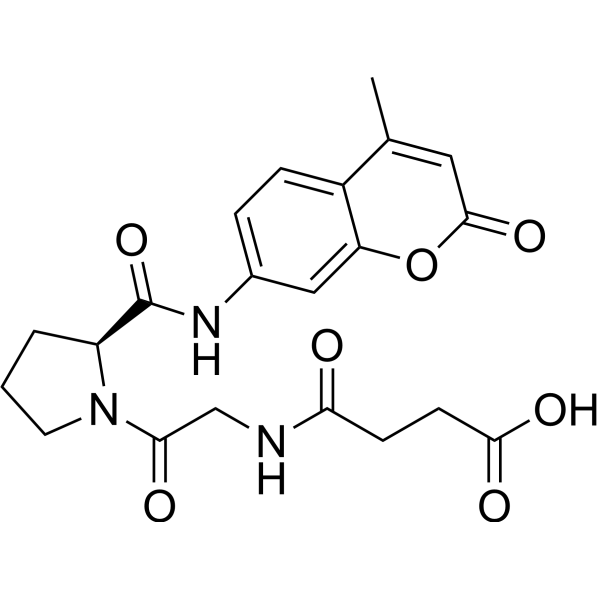
Suc-Gly-Pro-AMC is a fluorescent substrate. Suc-Gly-Pro-AMC is a fibroblast activation protein (FAP) specific substrate. Suc-Gly-Pro-AMC reacts with recombinant porcine prolyl oligopeptidase. Suc-Gly-Pro-AMC can be used to study the activity of FAP, prolyl endopeptidase (PREP). Suc-Gly-Pro-AMC is used in glioma research .
|
-
-
- HY-P0248
-
|
|
PKA
|
Metabolic Disease
|
|
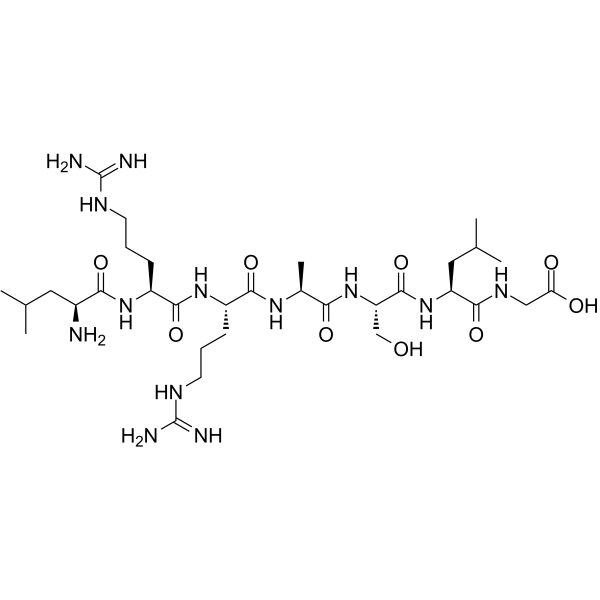
Kemptide is a synthetic heptapeptide that acts as a specific substrate for cAMP-dependent protein kinase (PKA).
|
-
-
- HY-N6839
-
|
|
Glycosidase
|
Others
|
|
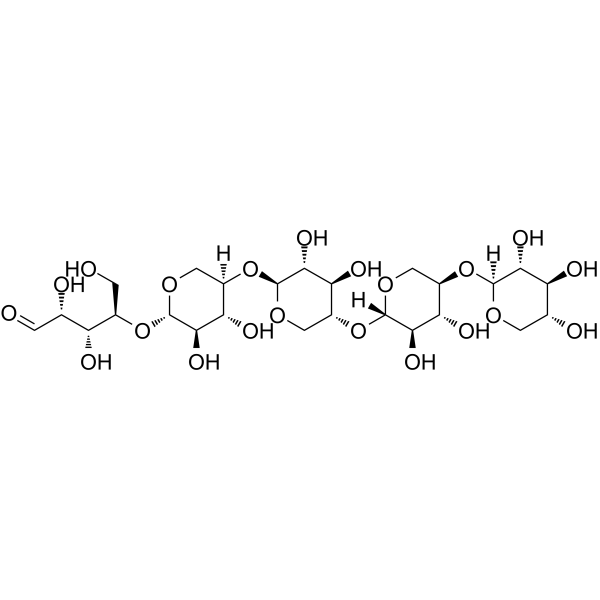
1,4-b-D-Xylopentaose is a linear pentasaccharide composed of 5 β-D-xylose units linked via 1,4-glycosidic bonds, and serves as a specific substrate for barley α-L-arabinofuranosidase .
|
-
-
- HY-137841
-
|
Arginine 4-methyl-7-coumarylamide hydrochloride
|
Cathepsin
|
Others
|
|
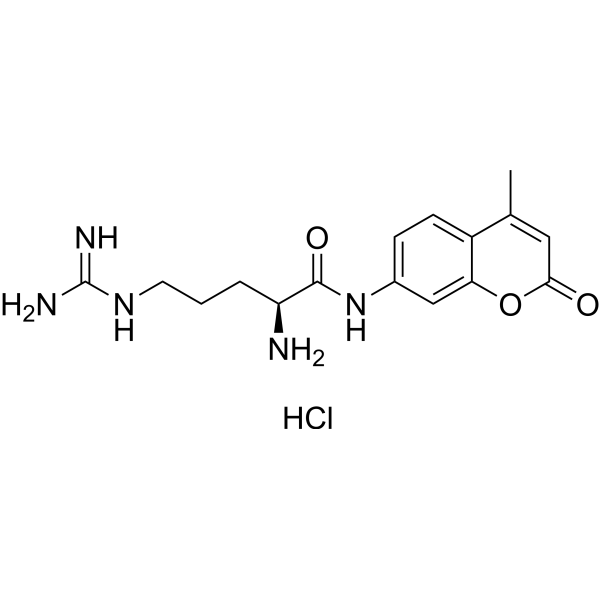
L-Arginine-7-amido-4-methylcoumarin (Arginine 4-methyl-7-coumarylamide) hydrochloride is a specific substrate of cathepsin H but not for cathepsins L and B .
|
-
-
- HY-P2752
-
|
LPL
|
Endogenous Metabolite
|
Metabolic Disease
Cancer
|
|
Lipoprotein lipase, Pseudomonas sp (LPL) is a multifunctional enzyme from adipose tissue, heart and skeletal muscle, islets and macrophages. Lipoprotein lipase promotes normal lipoprotein metabolism, delivery and utilization of tissue-specific substrates. Lipoprotein lipase catalyzes the rate-limiting step of lipids in blood circulation .
|
-
-
- HY-118155
-
|
ACMA
|
Fluorescent Dye
|
Others
|
|
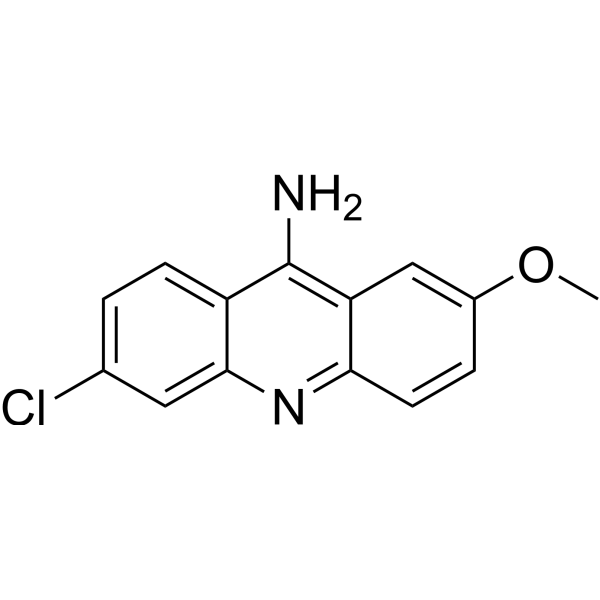
9-Amino-6-chloro-2-methoxyacridine is a pH sensitive fluorescent probe. 9-Amino-6-chloro-2-methoxyacridine has been frequently used to measure changes in vacuolar pH when a specific substrate crosses the tonoplast through a putative H +/solute antiport system .
|
-
-
- HY-160289
-
|
|
FAP
|
Cancer
|
|
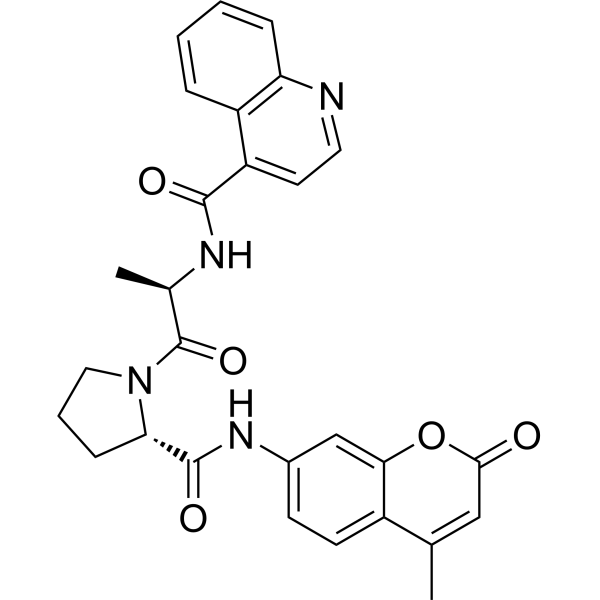
ARI-3144 is an excellent and specific substrate for fibroblast activation protein (FAP). ARI-3144 is usually coupled with the fluorophore 7-Amino-4-methylcoumarin (HY-D0027) (AMC) for detection and quantification of FAP .
|
-
-
- HY-W141916
-
|
Tetraglycylglycine; Gly-Gly-Gly-Gly-Gly; NSC 96353
|
Amino Acid Derivatives
Bacterial
|
Infection
|
|
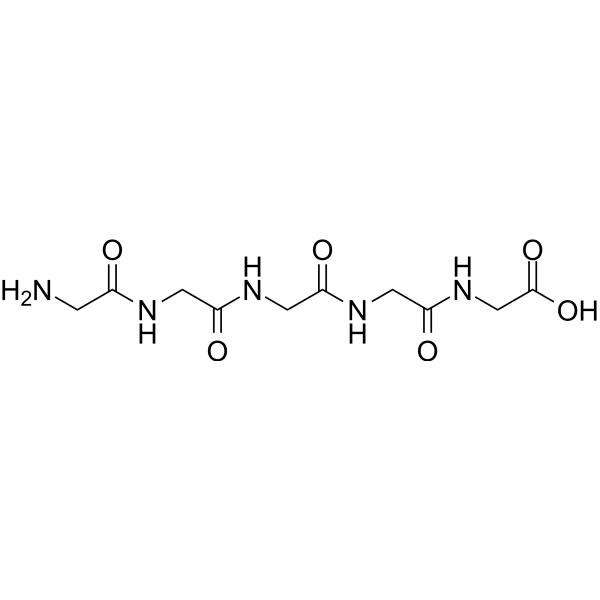
Pentaglycine (Tetraglycylglycine; NSC 96353) is a bridging structure composed of five glycine residues. Pentaglycine serves as a characteristic peptidoglycan cross-bridge component of staphylococci and a specific substrate for lysostaphin. Pentaglycine maintains the integrity of the peptidoglycan cell wall of Staphylococcus aureus via peptide chain cross-linking and regulates bacterial growth. Pentaglycine expression is downregulated in high-glucose environments, inhibiting bacterial proliferation. Pentaglycine can be applied to studies related to Staphylococcus aureus infection .
|
-
-
- HY-P0136
-
SAMS
2 Publications Verification
|
AMPK
|
Metabolic Disease
|
|
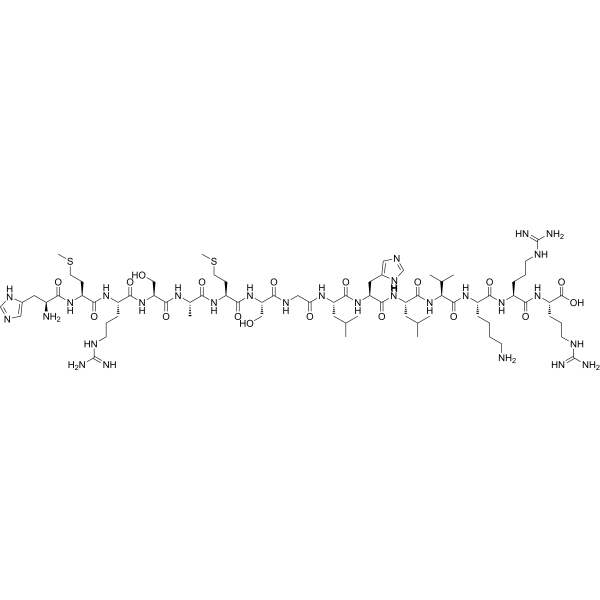
SAMS peptide is a specific substrate for the AMP-activated protein kinase (AMPK).
|
-
-
- HY-P0266
-
-
-
- HY-P10602
-
|
RII phosphopeptide
|
PKA
|
Others
|
|
PKA Regulatory Subunit II Substrate (RII phosphopeptide) is a tool peptide derived from the regulatory subunit Type II (RII) of cyclic AMP-dependent protein kinase (PKA). PKA Regulatory Subunit II Substrate is commonly used to mimic the phosphorylation of protein kinases and as a specific substrate for protein phosphatases to assess the activities of these enzymes .
|
-

-
- HY-111956B
-
|
|
Fluorescent Dye
|
Cancer
|
|
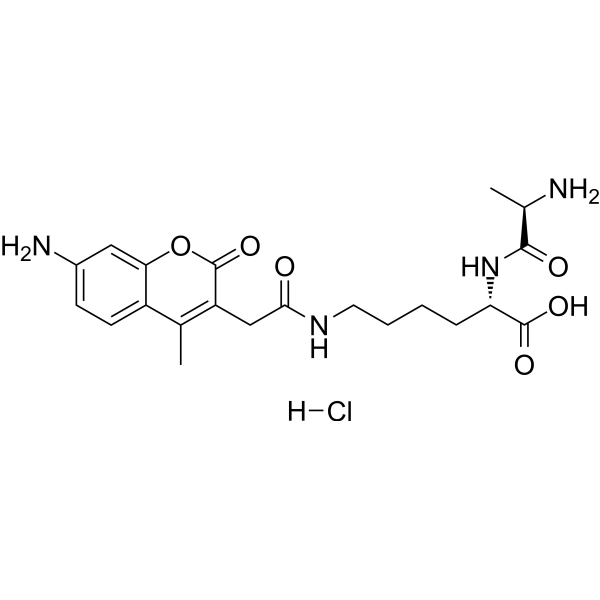
D-Ala-Lys-AMCA hydrochloride is a known proton-coupled oligopeptide transporter 1 (PEPT1) substrate that emits blue fluorescence. D-Ala-Lys-AMCA hydrochloride may be transported into liver cancer cells and Caco-2 cells based on fluorescence analysis. D-Ala-Lys-AMCA hydrochloride can be used for characterizing PEPT1-specific substrates or inhibitors (Ex/Em = 390/480 nm) .
|
-
-
- HY-P4310
-
|
|
Ser/Thr Protease
|
Others
|
|
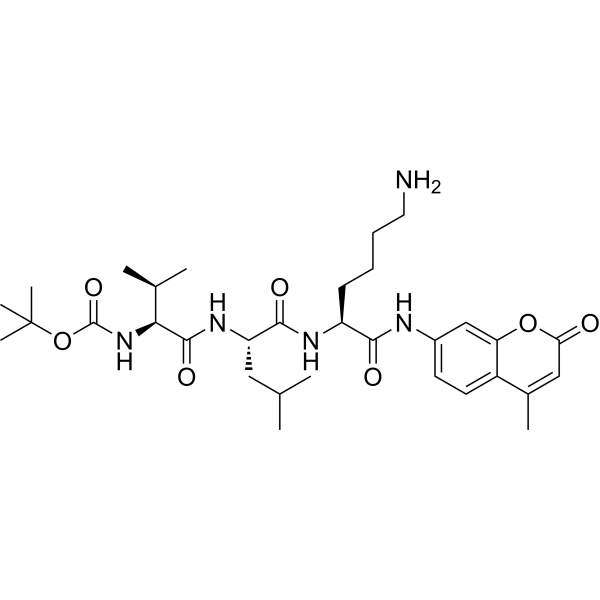
Boc-Val-Leu-Lys-AMC is a sensitive, fluorogenic, and specific substrate of plasmin, as well as acrosin from the ascidian Halocynthia roretzi, porcine calpain isozymes I and II, and papain .
|
-
-
- HY-P2016
-
|
|
Proteasome
|
Others
|
|
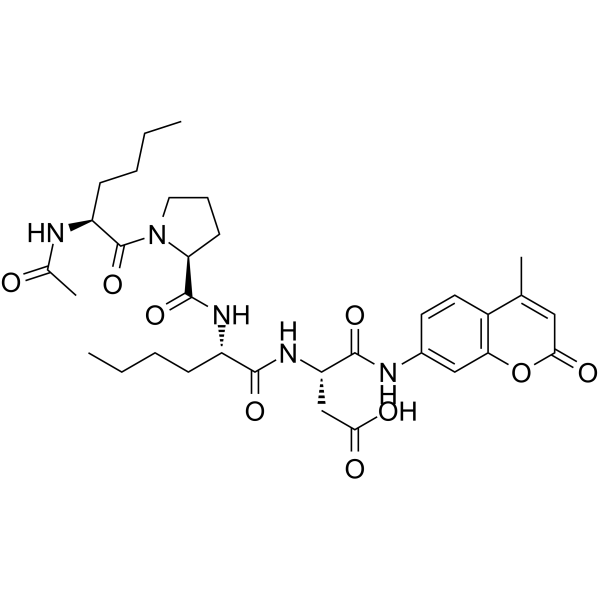
Ac-Nle-Pro-Nle-Asp-AMC is a specific substrate for 26S proteasome. Ac-Nle-Pro-Nle-Asp-AMC can be used for the 26S proteasome caspase-like activity analysis .
|
-
-
- HY-W353804
-
|
|
Nucleoside Antimetabolite/Analog
|
Infection
|
|
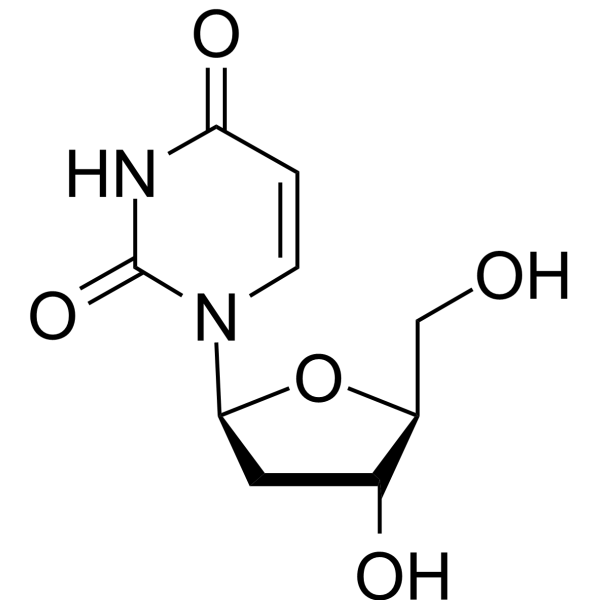
2'-Deoxy-β-L-uridine is a nucledside analogue and a specific substrate for the viral enzyme, shows no stereospecificity against herpes simplex 1 (HSV1) thymidine kinase (TK). 2′-Deoxy-β-L-uridine exerts antiviral activity via the interation of 5'-triphosphates with the viral DNA polymerase .
|
-
-
- HY-P1597
-
|
|
PKA
PKC
|
Cancer
|
|
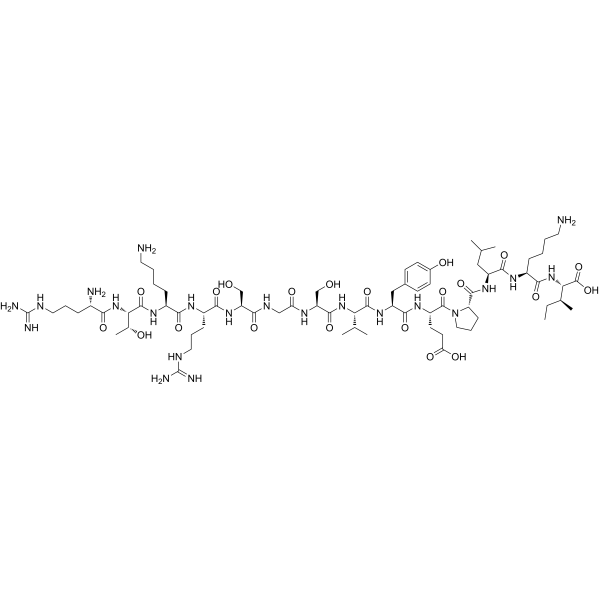
Malantide is a synthetic dodecapeptide derived from the site phosphorylated by cAMP-dependent protein kinase (PKA) on the β-subunit of phosphorylase kinase. Malantide is a highly specific substrate for PKA with a Km of 15 μM and shows protein inhibitor (PKI) inhibition >90% substrate phosphorylation in various rat tissue extracts . Malantide is also an efficient substrate for PKC with a Km of 16 μM .
|
-
-
- HY-P0136AF
-
|
|
Fluorescent Dye
|
Others
|
|
FAM-SAMS TFA is a 5-FAM (HY-66022) labeled SAMS (HY-P0136). SAMS peptide is a specific substrate for the AMP-activated protein kinase (AMPK) .
|
-

-
- HY-D1523
-
|
|
Cathepsin
|
Others
|
|
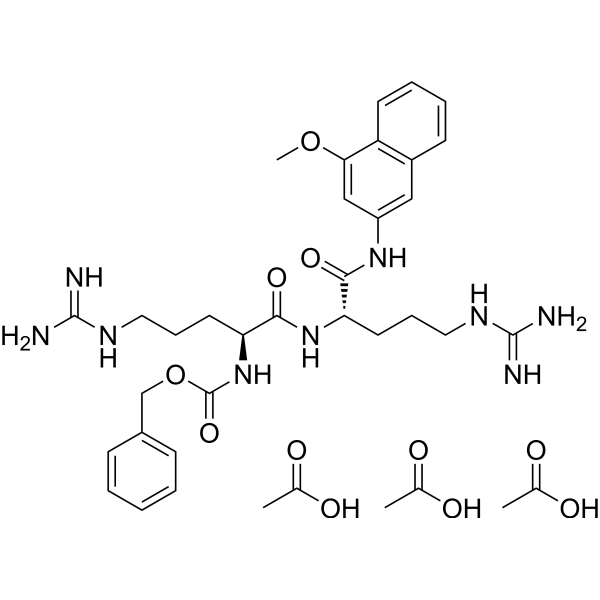
Z-Arg-Arg-4MβNA triacetate is a cathepsin B-specific substrate and can produce fluorescent end product 4MβNA (λex = 355 nm, λem = 430 nm) .
|
-
-
- HY-P3818
-
|
|
PKC
|
Others
|
|
PKCδ Peptide Substrate is an absolutely specific substrate for the δ-type of PKC, with a sequence corresponding to sequence 422-443 of murine eEF-1α and containing Thr-431 .
|
-

-
- HY-111956
-
|
|
Fluorescent Dye
|
Cancer
|
|
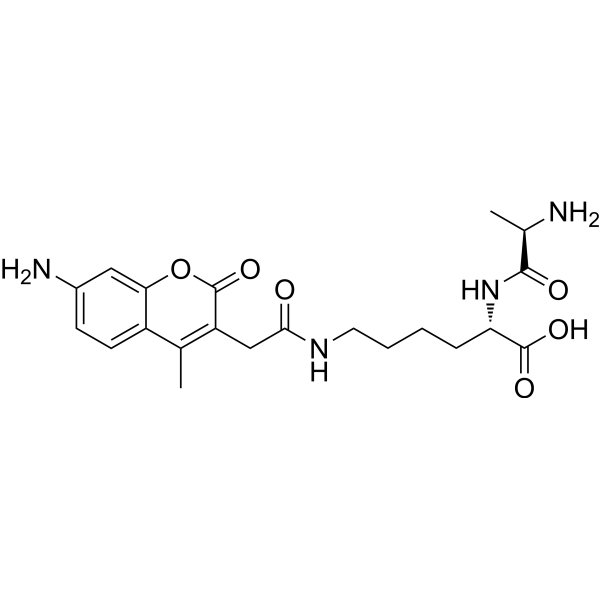
D-Ala-Lys-AMCA is a known proton-coupled oligopeptide transporter 1 (PEPT1) substrate that emits blue fluorescence. D-Ala-Lys-AMCA may be transported into liver cancer cells and Caco-2 cells based on fluorescence analysis. D-Ala-Lys-AMCA can be used for characterizing PEPT1-specific substrates or inhibitors (Ex/Em = 390/480 nm) .
|
-
-
- HY-141427
-
|
|
HDAC
|
Cancer
|
|
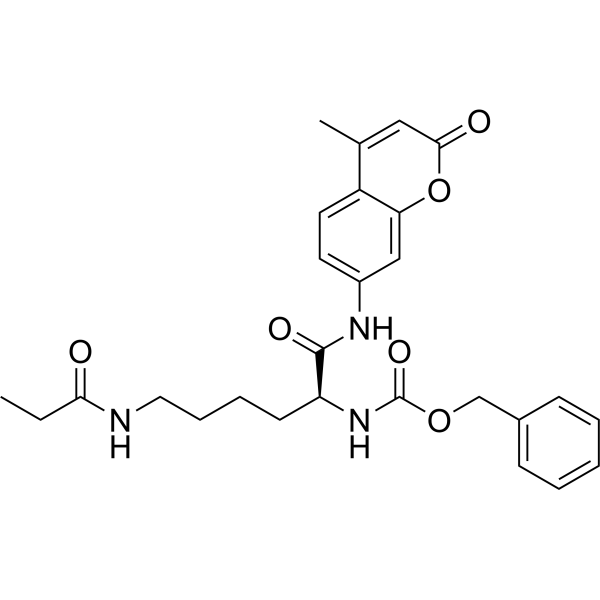
MOCPAC is an HDAC1 specific substrate .
|
-
-
- HY-P3743
-
|
|
Src
Others
|
Others
|
|
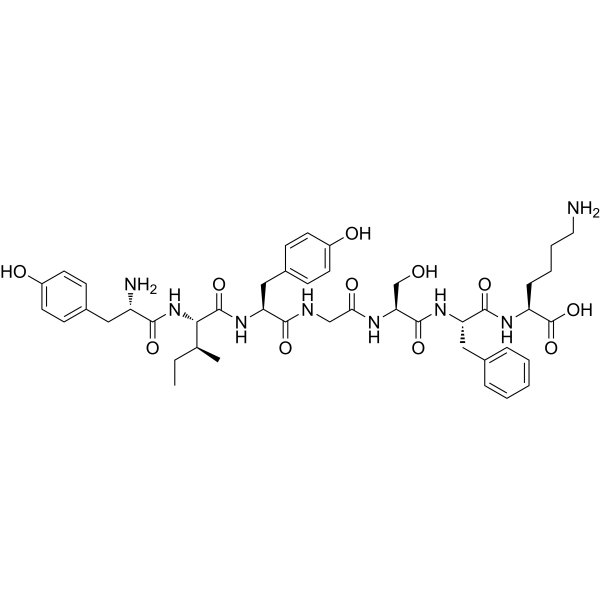
p60c-src Substrate is an efficient and specific substrate for p60c-src protein tyrosine kinase (PTK). p60c-src Substrate can be used to synthesize chimeric branched peptides .
|
-
-
- HY-P0266B
-
|
Ac-SdKP acetate
|
Angiotensin-converting Enzyme (ACE)
|
Inflammation/Immunology
|
|
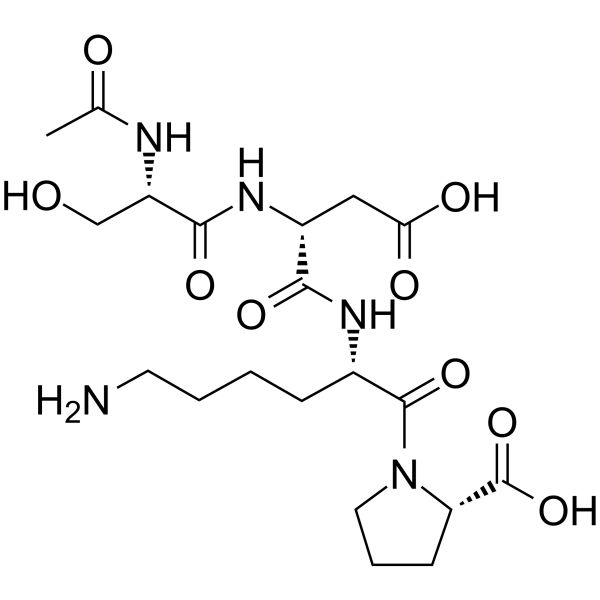
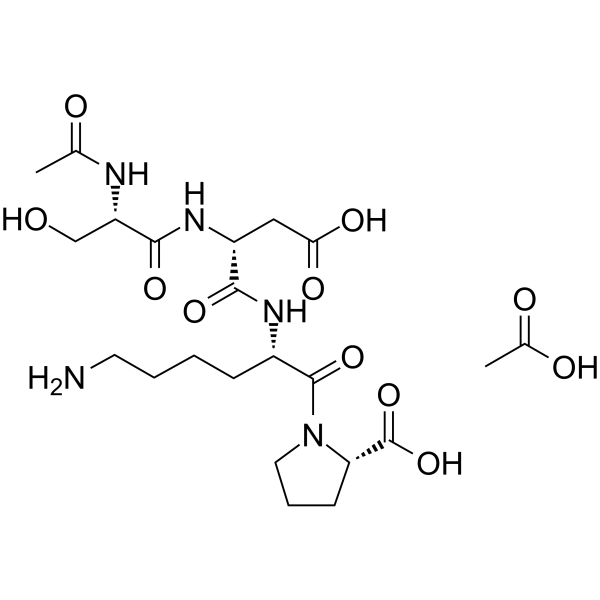
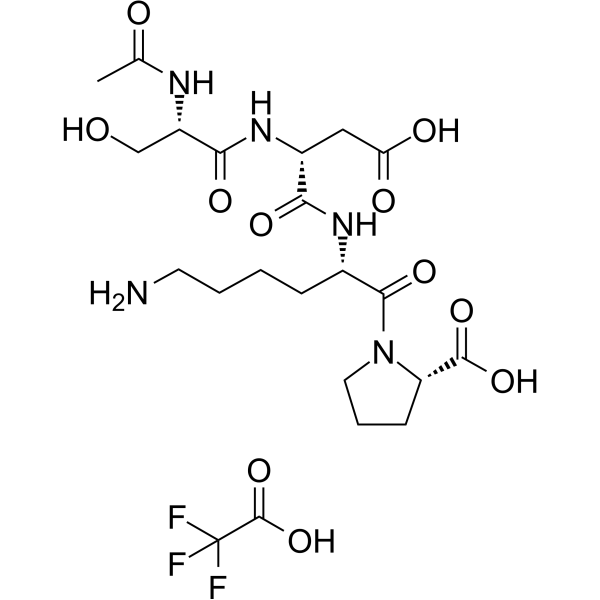
N-Acetyl-Ser-dAsp-Lys-Pro (Ac-SdKP) acetate is a specific substrate for the N-terminal active site of angiotensin-converting enzyme (ACE). N-Acetyl-Ser-dAsp-Lys-Pro acetate is a natural inhibitor of pluripotent hematopoietic stem cell proliferation. Anti-inflammatory and antifibrotic properties .
|
-
-
- HY-P4551
-
|
N-Benzoyl-Gly-His-Leu
|
Angiotensin-converting Enzyme (ACE)
Amino Acid Derivatives
|
Cardiovascular Disease
|
|
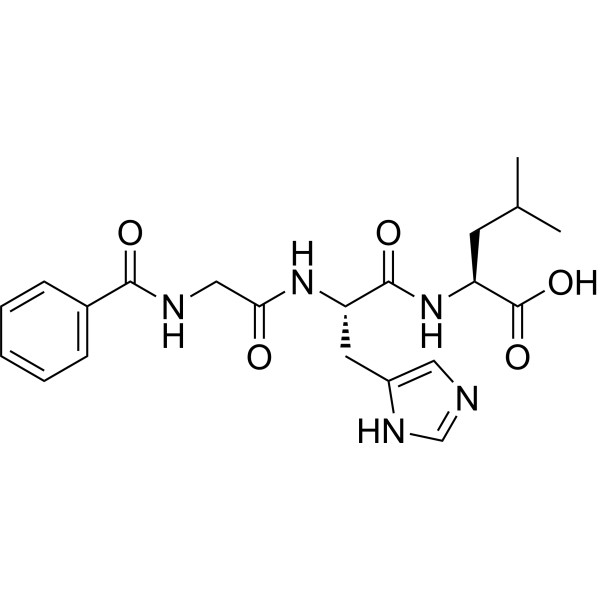
Hippuryl-His-Leu-OH (N-Benzoyl-Gly-His-Leu) is a specific substrate for angiotensin-converting enzyme (ACE I) and a molecular tool used for ACE activity detection in in vitro experiments. Hippuryl-His-Leu-OH is hydrolyzed by ACE through competitive binding. Under ACE catalysis, Hippuryl-His-Leu-OH undergoes hydrolysis to produce hippuric acid (HA). The amount of HA produced can be used to quantitatively assess ACE activity or screen for ACE inhibitors. The released His-Leu can also react with o-phthalaldehyde or Fluorescamine (HY-D0715) for fluorescence detection. Hippuryl-His-Leu-OH can be applied to the in vitro screening of ACE inhibitors for hypertension and cardiovascular diseases, and is also used in the study of ACE activity changes in physiological and pathological processes such as renal compensatory hypertrophy .
|
-
-
- HY-148614
-
|
4-Methylpentanal; 4-Methylvaleraldehyde
|
Others
|
Metabolic Disease
|
|
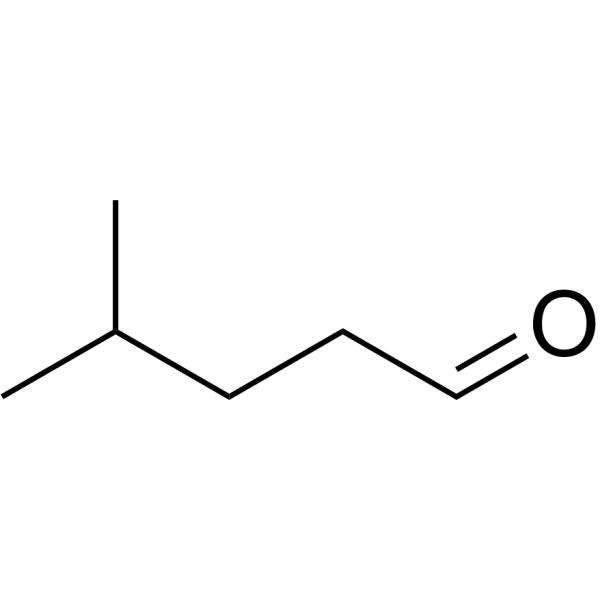
Isocaproaldehyde is a product of side-chain cleavage of cholesterol. Isocaproaldehyde is an endogenous specific substrate of mouse vas deferens protein (MVDP) .
|
-
-
- HY-P0266A
-
-
-
- HY-P4524
-
|
|
Angiotensin-converting Enzyme (ACE)
|
Others
|
|
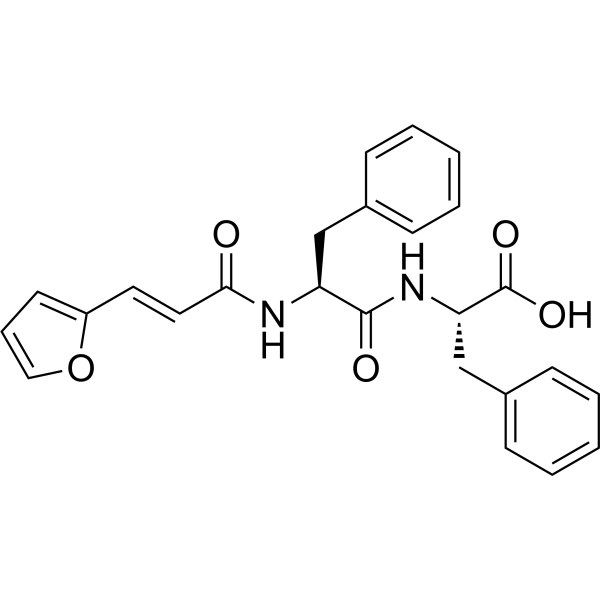
FA-Phe-Phe is a furylacryloyl (fa)-amino acid derivative, targeting to Angiotensin-converting Enzyme (ACE). FA-Phe-Phe is also a specific substrate of Cathepsin A .
|
-
-
- HY-D0144
-
|
Methoxyresorufin
|
Cytochrome P450
|
Others
|
|
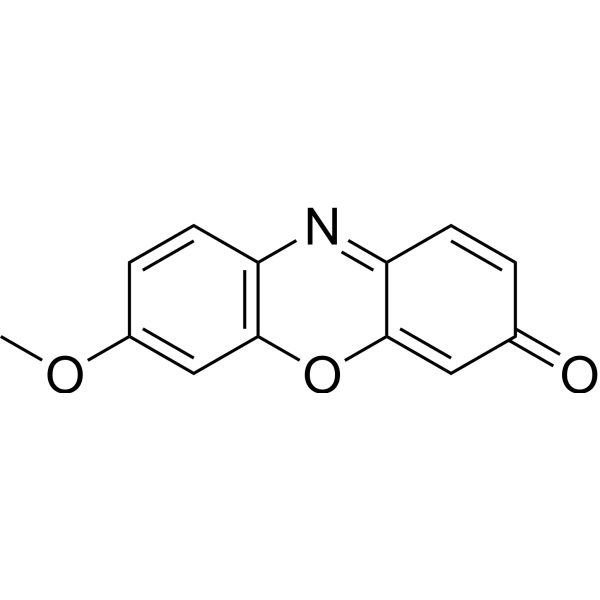
Resorufin methyl ether (Methoxyresorufin) is a cytochrome P450 fluorometric substrate . Resorufin methyl ether is a relatively specific substrate for CYP1A2 activity in rodents .
|
-
-
- HY-W747907
-
|
β-Pyracin
|
Endogenous Metabolite
|
Others
|
|
4-Pyridoxolactone (β-Pyracin) is a critical substrate in vitamin B6 degradation pathway I, primarily involved in the vitamin B6 metabolic process mediated by soil microorganisms. 4-Pyridoxolactone serves as the specific substrate for 4-pyridoxolactonase, undergoing a zinc-dependent lactone-ring hydrolysis reaction catalyzed by this enzyme to generate 4-pyridoxic acid (4PA) .
|
-

-
- HY-P10316
-
|
Calmodulin-Dependent Protein Kinase I (299-320) Binding Domain
|
CaMK
|
Others
|
|
CaMKI (299-320) refers to a peptide consisting of residues 299-320 of Calcium/calmodulin-dependent protein kinase I (CaMKI). CaMKI (299-320), as a protein kinase, has a high affinity interaction with Ca 2+-CAM (Kd≤1 nM≤1 nM), which can phosphorylate specific substrate proteins, thereby regulating their activity. CaMKI (299-320) contains the CAM-binding domain and the self-inhibition domain, and CaMKI (299-320) can be used to study cell physiological processes, including cell proliferation, differentiation, and apoptosis .
|
-

-
- HY-177787A
-
|
|
Nucleoside Antimetabolite/Analog
|
Others
|
2'-Deoxy-N-methyl-AMP ammonium is an N6-substituted adenine nucleotide derivative and a glycosyl donor. On one hand, 2'-Deoxy-N-methyl-AMP ammonium acts as a specific substrate for N6-methyl-AMP aminohydrolase, and it is catalytically converted to dIMP to participate in the nucleotide metabolic cycle. On the other hand, 2'-Deoxy-N-methyl-AMP ammonium also serves as a guanosine diphosphate (GDP)-linked fucose derivative donor, driving site-specific glycoconjugation of proteins under the mediation of α-1,3-fucosyltransferase. 2'-Deoxy-N-methyl-AMP ammonium is an important molecular tool for investigating the mechanisms of nucleotide modification and protein glycosylation .
|
-

-
- HY-148415
-
-
-
- HY-P1347
-
-
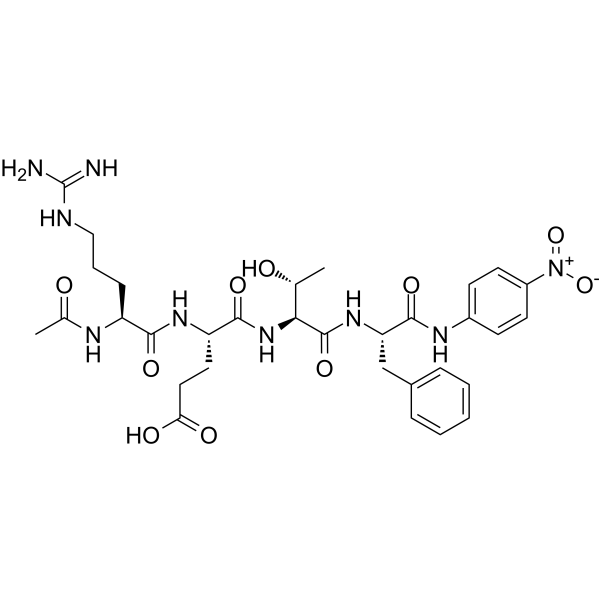
-
- HY-P0136F
-
|
|
AMPK
|
Others
|
|
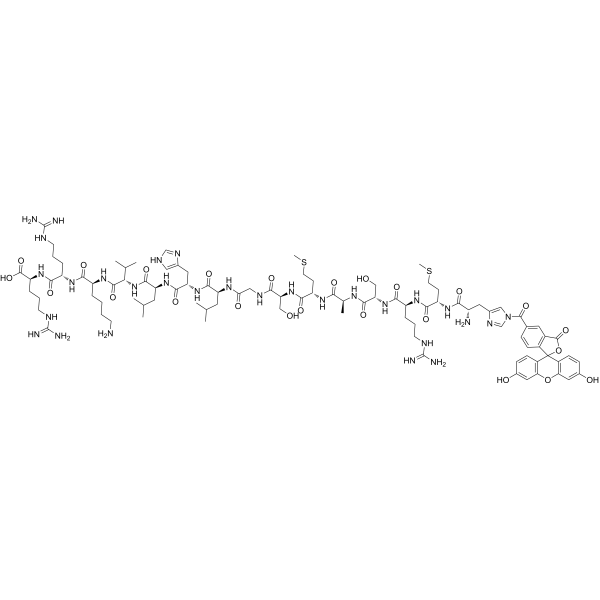
FAM-SAMS is a 5-FAM (HY-66022) labeled SAMS (HY-P0136). SAMS peptide is a specific substrate for the AMP-activated protein kinase (AMPK) .
|
-
-
- HY-P10073
-
|
|
Fluorescent Dye
|
Others
|
|
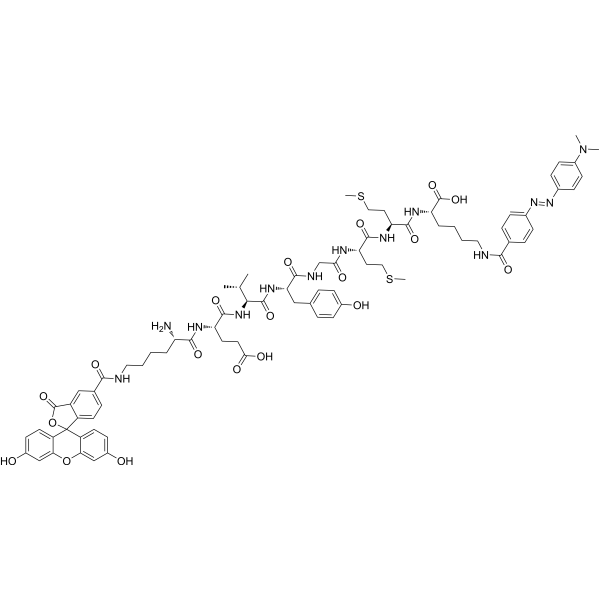
Calpain-1 substrate, fluorogenic serves as a sensitive and specific substrate for calpain-1 that cleaves Tyr-Gly bond and results in enhanced fluorescence .(Ex/Em = 490 nm/518 nm)
|
-
-
- HY-P3764
-
|
|
PKC
|
Others
|
|
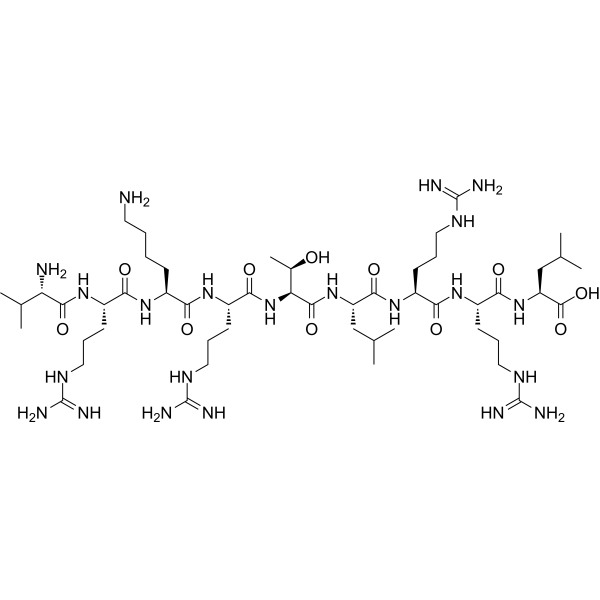
Protein kinase C substrate is a substrate of Protein kinase C, can be used to detect protein. Protein kinase C is a key regulatory element in signal transduction and exerts its effects by catalysing specific substrate phosphorylation .
|
-
-
- HY-P10527
-
|
|
Src
|
Others
|
|
CSK substrate is a specific substrate for C-terminal Src kinase (CSK), which binds CSK and downregulates the Src family members. CSK substrate preferentially phosphorylates certain amino acid residues that are distinct from the conserved Src C-terminal sequence .
|
-

-
- HY-134452R
-
|
α-(Methylamino)isobutyric acid (Standard)
|
Amino acid Transporter
Reference Standards
|
Cancer
|
|
MeAIB (Standard) is the analytical standard of MeAIB. This product is intended for research and analytical applications. MeAIB (α-(Methylamino)isobutyric acid) is a specific substrate for amino acid transport system A (ATA1). ATA mediate the uptake of short-chain neutral amino acids in a Na+-dependent manner .
|
-

-
- HY-W194107
-
|
|
DNA/RNA Synthesis
|
Cancer
|
|
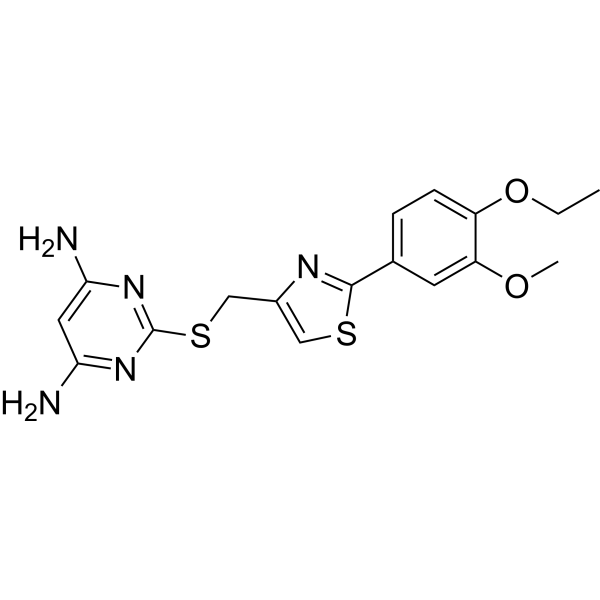
Antitumor agent-152 (Compound 5) is a specific substrate and inhibitor of deoxycytidine kinase (dCK) with anticancer activity. Antitumor agent-152 can inhibit the uptake of 3H-dC in L1210 leukemia cells with an IC50 value of 1.12 μM .
|
-
-
- HY-P1597A
-
|
|
PKA
PKC
|
Cancer
|
|
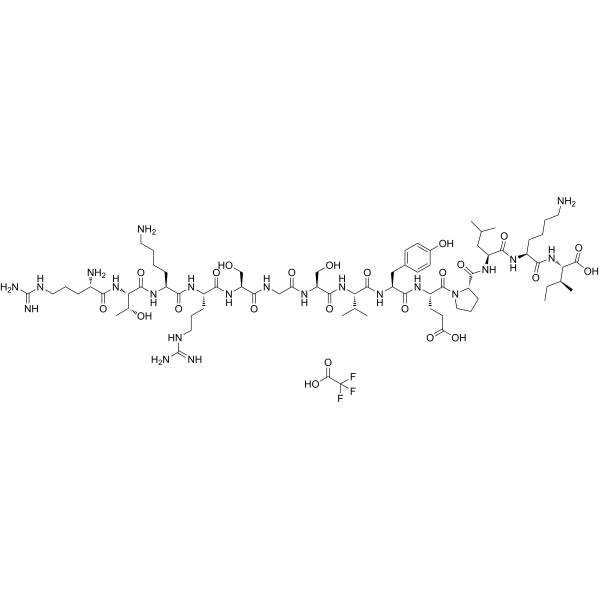
Malantide TFA is a synthetic dodecapeptide derived from the site phosphorylated by cAMP-dependent protein kinase (PKA) on the β-subunit of phosphorylase kinase. Malantide TFA is a highly specific substrate for PKA with a Km of 15 μM and shows protein inhibitor (PKI) inhibition >90% substrate phosphorylation in various rat tissue extracts . Malantide TFA is also an efficient substrate for PKC with a Km of 16 μM .
|
-
-
- HY-126785
-
|
Colorimetric Elastase Substrate
|
Elastase
|
Others
|
|
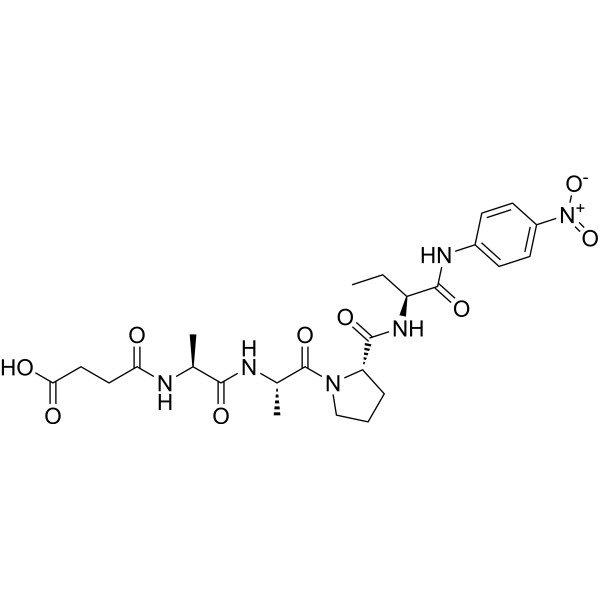
Suc-AAP-Abu-pNA (Colorimetric Elastase Substrate) is a specific substrate for pancreatic elastase (Km = 100 μM; Kcat/Km = 35,300 s -1 M -1 for rat pancreatic elastase; Km = 30 μM; Kcat/Km = 351,000 s -1 M -1 for porcine pancreatic elastase). Suc-AAP-Abu-pNA also promotes OPC migration .
|
-
-
- HY-111956A
-
|
|
Fluorescent Dye
|
Cancer
|
|
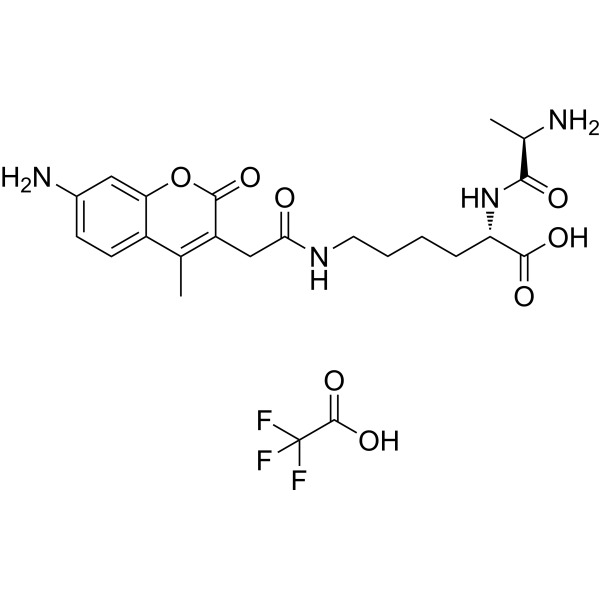
D-Ala-Lys-AMCA TFA is a known proton-coupled oligopeptide transporter 1 (PEPT1) substrate that emits blue fluorescence. D-Ala-Lys-AMCA TFA may be transported into liver cancer cells and Caco-2 cells based on fluorescence analysis. D-Ala-Lys-AMCA TFA can be used for characterizing PEPT1-specific substrates or inhibitors (Ex/Em = 390/480 nm) .
|
-
-
- HY-P11641
-
|
|
MMP
|
Inflammation/Immunology
|
|
GCRRGPLGLSLGKRRCG is an MMP13-specific substrate peptide cleaved by MMP13. GCRRGPLGLSLGKRRCG contributes to an MMP13-responsive hydrogel microsphere system that achieves intelligent and controllable drug release in osteoarthritis (OA), decelerates disease progression, and promotes articular cartilage repair. GCRRGPLGLSLGKRRCG can be used for the research of osteoarthritis .
|
-

-
- HY-W612175
-
|
|
Leukotriene Receptor
|
Others
|
|
H-Ala-pNA is an L-amino acid p-nitroaniline (pNA) derivative and a specific substrate for leukotriene A4 hydrolase. The D-enantiomer of H-Ala-pNA shows no activity toward leukotriene A4 hydrolase. H-Ala-pNA can be catalytically hydrolyzed by leukotriene A4 hydrolase, and the p-nitroaniline produced during the reaction is monitored spectrophotometrically at 405 nm to enable quantitative detection of enzyme activity. H-Ala-pNA is used to evaluate the potency of inhibitors targeting the amidase activity of leukotriene A4 hydrolase .
|
-

| Cat. No. |
Product Name |
Type |
-
- HY-W010991
-
|
FAPGG
|
Fluorescent Dye
|
|
N-[3-(2-Furyl)acryloyl]-Phe-Gly-Gly (FAPGG) is a specific substrate of angiotensin converting enzyme (ACE) with a Ki of 2.546×10 -4 M. It is used as a chromogenic probe for quantitative detection of ACE activity. N-[3-(2-Furyl)acryloyl]-Phe-Gly-Gly can be hydrolyzed by ACE to generate N-[3-(2-furyl)acryloyl]-Phe (FAP) and Gly-Gly, and the ACE inhibitory effect is monitored by photometry. FAPGG competitively binds to the active center of ACE and is a key tool for screening ACE inhibitors such as Captopril (HY-B0368) and Dioscorin. Its reversible mechanism of action supports hypertension research and drug development targeting the renin-angiotensin system .
|
-
- HY-118155
-
|
ACMA
|
Fluorescent Dye
|
|
9-Amino-6-chloro-2-methoxyacridine is a pH sensitive fluorescent probe. 9-Amino-6-chloro-2-methoxyacridine has been frequently used to measure changes in vacuolar pH when a specific substrate crosses the tonoplast through a putative H +/solute antiport system .
|
-
- HY-111956B
-
|
|
Fluorescent Dye
|
|
D-Ala-Lys-AMCA hydrochloride is a known proton-coupled oligopeptide transporter 1 (PEPT1) substrate that emits blue fluorescence. D-Ala-Lys-AMCA hydrochloride may be transported into liver cancer cells and Caco-2 cells based on fluorescence analysis. D-Ala-Lys-AMCA hydrochloride can be used for characterizing PEPT1-specific substrates or inhibitors (Ex/Em = 390/480 nm) .
|
-
- HY-P0136AF
-
|
|
Fluorescent Dye
|
|
FAM-SAMS TFA is a 5-FAM (HY-66022) labeled SAMS (HY-P0136). SAMS peptide is a specific substrate for the AMP-activated protein kinase (AMPK) .
|
-
- HY-D1523
-
|
|
Fluorescent Dye
|
|
Z-Arg-Arg-4MβNA triacetate is a cathepsin B-specific substrate and can produce fluorescent end product 4MβNA (λex = 355 nm, λem = 430 nm) .
|
-
- HY-111956
-
|
|
Fluorescent Dye
|
|
D-Ala-Lys-AMCA is a known proton-coupled oligopeptide transporter 1 (PEPT1) substrate that emits blue fluorescence. D-Ala-Lys-AMCA may be transported into liver cancer cells and Caco-2 cells based on fluorescence analysis. D-Ala-Lys-AMCA can be used for characterizing PEPT1-specific substrates or inhibitors (Ex/Em = 390/480 nm) .
|
-
- HY-D0144
-
|
Methoxyresorufin
|
Fluorescent Dye
|
|
Resorufin methyl ether (Methoxyresorufin) is a cytochrome P450 fluorometric substrate . Resorufin methyl ether is a relatively specific substrate for CYP1A2 activity in rodents .
|
-
- HY-111956A
-
|
|
Fluorescent Dye
|
|
D-Ala-Lys-AMCA TFA is a known proton-coupled oligopeptide transporter 1 (PEPT1) substrate that emits blue fluorescence. D-Ala-Lys-AMCA TFA may be transported into liver cancer cells and Caco-2 cells based on fluorescence analysis. D-Ala-Lys-AMCA TFA can be used for characterizing PEPT1-specific substrates or inhibitors (Ex/Em = 390/480 nm) .
|
| Cat. No. |
Product Name |
Type |
-
- HY-137841
-
|
Arginine 4-methyl-7-coumarylamide hydrochloride
|
Biochemical Assay Reagents
|
|
L-Arginine-7-amido-4-methylcoumarin (Arginine 4-methyl-7-coumarylamide) hydrochloride is a specific substrate of cathepsin H but not for cathepsins L and B .
|
| Cat. No. |
Product Name |
Target |
Research Area |
-
- HY-137875
-
|
N-Benzoyl-Gly-His-Leu hydrate
|
Angiotensin-converting Enzyme (ACE)
Amino Acid Derivatives
|
Cardiovascular Disease
|
|
Hippuryl-His-Leu-OH (N-Benzoyl-Gly-His-Leu) hydrate is a specific substrate for angiotensin-converting enzyme ACE I and is a molecular tool used for ACE activity detection in in vitro experiments. Hippuryl-His-Leu-OH hydrate is hydrolyzed by ACE through competitive binding. Under ACE catalysis, Hippuryl-His-Leu-OH hydrate undergoes hydrolysis to produce hippuric acid (HA). The amount of HA produced can be used to quantitatively assess ACE activity or screen for ACE inhibitors. The His-Leu released from Hippuryl-His-Leu-OH hydrate can also react with o-phthalaldehyde or Fluorescamine (HY-D0715) for fluorescence detection. Hippuryl-His-Leu-OH hydrate can be applied to the in vitro screening of ACE inhibitors for hypertension and cardiovascular diseases, and is also used in the study of changes in ACE activity during physiological and pathological processes such as renal compensatory hypertrophy .
|
-
- HY-W010991
-
|
FAPGG
|
Angiotensin-converting Enzyme (ACE)
|
Others
|
|
N-[3-(2-Furyl)acryloyl]-Phe-Gly-Gly (FAPGG) is a specific substrate of angiotensin converting enzyme (ACE) with a Ki of 2.546×10 -4 M. It is used as a chromogenic probe for quantitative detection of ACE activity. N-[3-(2-Furyl)acryloyl]-Phe-Gly-Gly can be hydrolyzed by ACE to generate N-[3-(2-furyl)acryloyl]-Phe (FAP) and Gly-Gly, and the ACE inhibitory effect is monitored by photometry. FAPGG competitively binds to the active center of ACE and is a key tool for screening ACE inhibitors such as Captopril (HY-B0368) and Dioscorin. Its reversible mechanism of action supports hypertension research and drug development targeting the renin-angiotensin system .
|
-
- HY-P0248
-
|
|
PKA
|
Metabolic Disease
|
|
Kemptide is a synthetic heptapeptide that acts as a specific substrate for cAMP-dependent protein kinase (PKA).
|
-
- HY-W141916
-
|
Tetraglycylglycine; Gly-Gly-Gly-Gly-Gly; NSC 96353
|
Amino Acid Derivatives
Bacterial
|
Infection
|
|
Pentaglycine (Tetraglycylglycine; NSC 96353) is a bridging structure composed of five glycine residues. Pentaglycine serves as a characteristic peptidoglycan cross-bridge component of staphylococci and a specific substrate for lysostaphin. Pentaglycine maintains the integrity of the peptidoglycan cell wall of Staphylococcus aureus via peptide chain cross-linking and regulates bacterial growth. Pentaglycine expression is downregulated in high-glucose environments, inhibiting bacterial proliferation. Pentaglycine can be applied to studies related to Staphylococcus aureus infection .
|
-
- HY-P0136
-
SAMS
2 Publications Verification
|
AMPK
|
Metabolic Disease
|
|
SAMS peptide is a specific substrate for the AMP-activated protein kinase (AMPK).
|
-
- HY-P0266
-
-
- HY-P10602
-
|
RII phosphopeptide
|
PKA
|
Others
|
|
PKA Regulatory Subunit II Substrate (RII phosphopeptide) is a tool peptide derived from the regulatory subunit Type II (RII) of cyclic AMP-dependent protein kinase (PKA). PKA Regulatory Subunit II Substrate is commonly used to mimic the phosphorylation of protein kinases and as a specific substrate for protein phosphatases to assess the activities of these enzymes .
|
-
- HY-111956B
-
|
|
Fluorescent Dye
|
Cancer
|
|
D-Ala-Lys-AMCA hydrochloride is a known proton-coupled oligopeptide transporter 1 (PEPT1) substrate that emits blue fluorescence. D-Ala-Lys-AMCA hydrochloride may be transported into liver cancer cells and Caco-2 cells based on fluorescence analysis. D-Ala-Lys-AMCA hydrochloride can be used for characterizing PEPT1-specific substrates or inhibitors (Ex/Em = 390/480 nm) .
|
-
- HY-P4310
-
|
|
Ser/Thr Protease
|
Others
|
|
Boc-Val-Leu-Lys-AMC is a sensitive, fluorogenic, and specific substrate of plasmin, as well as acrosin from the ascidian Halocynthia roretzi, porcine calpain isozymes I and II, and papain .
|
-
- HY-P2016
-
|
|
Proteasome
|
Others
|
|
Ac-Nle-Pro-Nle-Asp-AMC is a specific substrate for 26S proteasome. Ac-Nle-Pro-Nle-Asp-AMC can be used for the 26S proteasome caspase-like activity analysis .
|
-
- HY-P1597
-
|
|
PKA
PKC
|
Cancer
|
|
Malantide is a synthetic dodecapeptide derived from the site phosphorylated by cAMP-dependent protein kinase (PKA) on the β-subunit of phosphorylase kinase. Malantide is a highly specific substrate for PKA with a Km of 15 μM and shows protein inhibitor (PKI) inhibition >90% substrate phosphorylation in various rat tissue extracts . Malantide is also an efficient substrate for PKC with a Km of 16 μM .
|
-
- HY-P0136AF
-
|
|
Fluorescent Dye
|
Others
|
|
FAM-SAMS TFA is a 5-FAM (HY-66022) labeled SAMS (HY-P0136). SAMS peptide is a specific substrate for the AMP-activated protein kinase (AMPK) .
|
-
- HY-P3818
-
|
|
PKC
|
Others
|
|
PKCδ Peptide Substrate is an absolutely specific substrate for the δ-type of PKC, with a sequence corresponding to sequence 422-443 of murine eEF-1α and containing Thr-431 .
|
-
- HY-111956
-
|
|
Fluorescent Dye
|
Cancer
|
|
D-Ala-Lys-AMCA is a known proton-coupled oligopeptide transporter 1 (PEPT1) substrate that emits blue fluorescence. D-Ala-Lys-AMCA may be transported into liver cancer cells and Caco-2 cells based on fluorescence analysis. D-Ala-Lys-AMCA can be used for characterizing PEPT1-specific substrates or inhibitors (Ex/Em = 390/480 nm) .
|
-
- HY-P3743
-
|
|
Src
Peptides
|
Others
|
|
p60c-src Substrate is an efficient and specific substrate for p60c-src protein tyrosine kinase (PTK). p60c-src Substrate can be used to synthesize chimeric branched peptides .
|
-
- HY-P0266B
-
|
Ac-SdKP acetate
|
Angiotensin-converting Enzyme (ACE)
|
Inflammation/Immunology
|
|
N-Acetyl-Ser-dAsp-Lys-Pro (Ac-SdKP) acetate is a specific substrate for the N-terminal active site of angiotensin-converting enzyme (ACE). N-Acetyl-Ser-dAsp-Lys-Pro acetate is a natural inhibitor of pluripotent hematopoietic stem cell proliferation. Anti-inflammatory and antifibrotic properties .
|
-
- HY-P4551
-
|
N-Benzoyl-Gly-His-Leu
|
Angiotensin-converting Enzyme (ACE)
Amino Acid Derivatives
|
Cardiovascular Disease
|
|
Hippuryl-His-Leu-OH (N-Benzoyl-Gly-His-Leu) is a specific substrate for angiotensin-converting enzyme (ACE I) and a molecular tool used for ACE activity detection in in vitro experiments. Hippuryl-His-Leu-OH is hydrolyzed by ACE through competitive binding. Under ACE catalysis, Hippuryl-His-Leu-OH undergoes hydrolysis to produce hippuric acid (HA). The amount of HA produced can be used to quantitatively assess ACE activity or screen for ACE inhibitors. The released His-Leu can also react with o-phthalaldehyde or Fluorescamine (HY-D0715) for fluorescence detection. Hippuryl-His-Leu-OH can be applied to the in vitro screening of ACE inhibitors for hypertension and cardiovascular diseases, and is also used in the study of ACE activity changes in physiological and pathological processes such as renal compensatory hypertrophy .
|
-
- HY-P0266A
-
-
- HY-P4524
-
|
|
Angiotensin-converting Enzyme (ACE)
|
Others
|
|
FA-Phe-Phe is a furylacryloyl (fa)-amino acid derivative, targeting to Angiotensin-converting Enzyme (ACE). FA-Phe-Phe is also a specific substrate of Cathepsin A .
|
-
- HY-P10316
-
|
Calmodulin-Dependent Protein Kinase I (299-320) Binding Domain
|
CaMK
|
Others
|
|
CaMKI (299-320) refers to a peptide consisting of residues 299-320 of Calcium/calmodulin-dependent protein kinase I (CaMKI). CaMKI (299-320), as a protein kinase, has a high affinity interaction with Ca 2+-CAM (Kd≤1 nM≤1 nM), which can phosphorylate specific substrate proteins, thereby regulating their activity. CaMKI (299-320) contains the CAM-binding domain and the self-inhibition domain, and CaMKI (299-320) can be used to study cell physiological processes, including cell proliferation, differentiation, and apoptosis .
|
-
- HY-P4402
-
|
|
Peptides
|
Others
|
|
D-Ile-Phe-Lys-pNA is a highly specific substrate for human plasmin .
|
-
- HY-P1347
-
-
- HY-P1347A
-
|
|
Peptides
|
Metabolic Disease
|
|
RETF-4NA TFA, a chymase-specific substrate, is a sensitive and selective substrate for chymase when free or bound to α2M .
|
-
- HY-P0136F
-
|
|
AMPK
|
Others
|
|
FAM-SAMS is a 5-FAM (HY-66022) labeled SAMS (HY-P0136). SAMS peptide is a specific substrate for the AMP-activated protein kinase (AMPK) .
|
-
- HY-P10073
-
|
|
Fluorescent Dye
|
Others
|
|
Calpain-1 substrate, fluorogenic serves as a sensitive and specific substrate for calpain-1 that cleaves Tyr-Gly bond and results in enhanced fluorescence .(Ex/Em = 490 nm/518 nm)
|
-
- HY-P3764
-
|
|
PKC
|
Others
|
|
Protein kinase C substrate is a substrate of Protein kinase C, can be used to detect protein. Protein kinase C is a key regulatory element in signal transduction and exerts its effects by catalysing specific substrate phosphorylation .
|
-
- HY-P10527
-
|
|
Src
|
Others
|
|
CSK substrate is a specific substrate for C-terminal Src kinase (CSK), which binds CSK and downregulates the Src family members. CSK substrate preferentially phosphorylates certain amino acid residues that are distinct from the conserved Src C-terminal sequence .
|
-
- HY-P1597A
-
|
|
PKA
PKC
|
Cancer
|
|
Malantide TFA is a synthetic dodecapeptide derived from the site phosphorylated by cAMP-dependent protein kinase (PKA) on the β-subunit of phosphorylase kinase. Malantide TFA is a highly specific substrate for PKA with a Km of 15 μM and shows protein inhibitor (PKI) inhibition >90% substrate phosphorylation in various rat tissue extracts . Malantide TFA is also an efficient substrate for PKC with a Km of 16 μM .
|
-
- HY-126785
-
|
Colorimetric Elastase Substrate
|
Elastase
|
Others
|
|
Suc-AAP-Abu-pNA (Colorimetric Elastase Substrate) is a specific substrate for pancreatic elastase (Km = 100 μM; Kcat/Km = 35,300 s -1 M -1 for rat pancreatic elastase; Km = 30 μM; Kcat/Km = 351,000 s -1 M -1 for porcine pancreatic elastase). Suc-AAP-Abu-pNA also promotes OPC migration .
|
-
- HY-111956A
-
|
|
Fluorescent Dye
|
Cancer
|
|
D-Ala-Lys-AMCA TFA is a known proton-coupled oligopeptide transporter 1 (PEPT1) substrate that emits blue fluorescence. D-Ala-Lys-AMCA TFA may be transported into liver cancer cells and Caco-2 cells based on fluorescence analysis. D-Ala-Lys-AMCA TFA can be used for characterizing PEPT1-specific substrates or inhibitors (Ex/Em = 390/480 nm) .
|
-
- HY-P11641
-
|
|
MMP
|
Inflammation/Immunology
|
|
GCRRGPLGLSLGKRRCG is an MMP13-specific substrate peptide cleaved by MMP13. GCRRGPLGLSLGKRRCG contributes to an MMP13-responsive hydrogel microsphere system that achieves intelligent and controllable drug release in osteoarthritis (OA), decelerates disease progression, and promotes articular cartilage repair. GCRRGPLGLSLGKRRCG can be used for the research of osteoarthritis .
|
| Cat. No. |
Product Name |
Category |
Target |
Chemical Structure |
| Cat. No. |
Product Name |
|
Classification |
-
- HY-W353804
-
|
|
|
Nucleoside Analogs
Uridine
|
|
2'-Deoxy-β-L-uridine is a nucledside analogue and a specific substrate for the viral enzyme, shows no stereospecificity against herpes simplex 1 (HSV1) thymidine kinase (TK). 2′-Deoxy-β-L-uridine exerts antiviral activity via the interation of 5'-triphosphates with the viral DNA polymerase .
|
-
- HY-177787A
-
|
|
|
Nucleotide Analogs
|
2'-Deoxy-N-methyl-AMP ammonium is an N6-substituted adenine nucleotide derivative and a glycosyl donor. On one hand, 2'-Deoxy-N-methyl-AMP ammonium acts as a specific substrate for N6-methyl-AMP aminohydrolase, and it is catalytically converted to dIMP to participate in the nucleotide metabolic cycle. On the other hand, 2'-Deoxy-N-methyl-AMP ammonium also serves as a guanosine diphosphate (GDP)-linked fucose derivative donor, driving site-specific glycoconjugation of proteins under the mediation of α-1,3-fucosyltransferase. 2'-Deoxy-N-methyl-AMP ammonium is an important molecular tool for investigating the mechanisms of nucleotide modification and protein glycosylation .
|
Your information is safe with us. * Required Fields.
Inquiry Information
- Product Name:
- Cat. No.:
- Quantity:
- MCE Japan Authorized Agent:





![N-[3-(2-Furyl)acryloyl]-Phe-Gly-Gly](http://file.medchemexpress.com/product_pic/hy-w010991.gif)





