Search Result
Results for "
sphingosine kinases
" in MedChemExpress (MCE) Product Catalog:
3
Isotope-Labeled Compounds
| Cat. No. |
Product Name |
Target |
Research Areas |
Chemical Structure |
-
- HY-19989
-
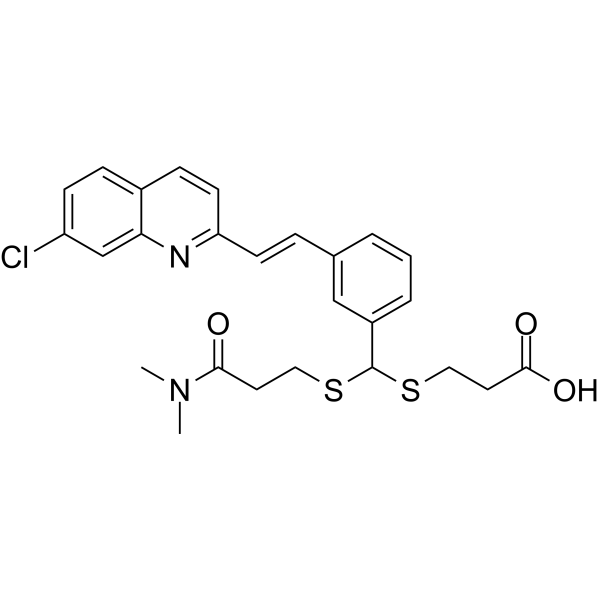
MK-571
Maximum Cited Publications
33 Publications Verification
L-660711
|
P-glycoprotein
LPL Receptor
Leukotriene Receptor
|
Inflammation/Immunology
|
|
MK-571 (L-660711) is an orally active, potent and selective competitive leukotriene D4 (LTD4) receptor antagonist, with Ki values of 0.22 and 2.1 nM in guinea pig and human lung membranes, respectively. MK-571 is also a MRP4 and ABCC1 (MRP1) inhibitor. MK-571 inhibits constitutive and antigen-stimulated S1P (sphingosine-1-phosphate) release .
|
-
-
- HY-101047
-
|
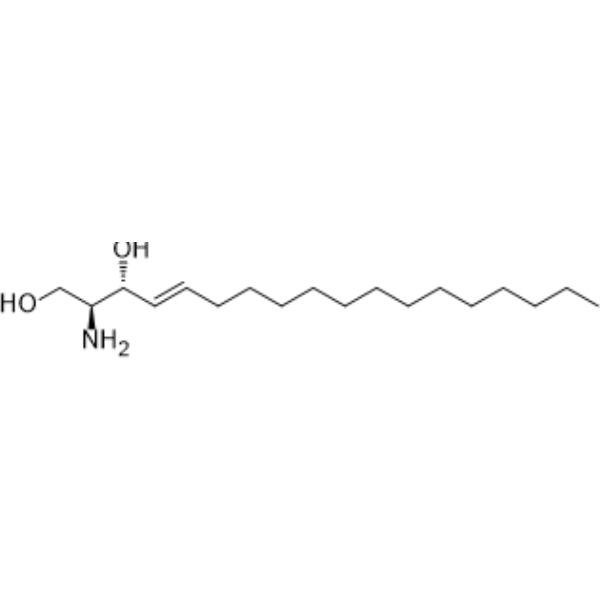
Erythrosphingosine; erythro-C18-sphingosine; trans-4-Sphingenine
|
PKC
Phosphatase
Endogenous Metabolite
|
Cancer
|
|
D-erythro-Sphingosine (Erythrosphingosine) is a very potent activator of p32-kinase with an EC50 of 8 μM, and inhibits protein kinase C (PKC). D-erythro-Sphingosine (Erythrosphingosine) is also a PP2A activator .
|
-
-
- HY-15425
-
|
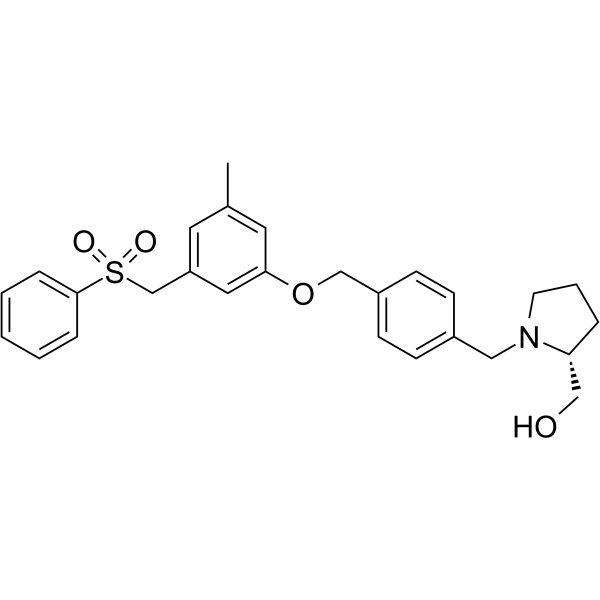
sphingosine Kinase 1 Inhibitor II
|
SphK
LPL Receptor
Apoptosis
Autophagy
|
Cardiovascular Disease
Inflammation/Immunology
Cancer
|
|
PF-543 (Sphingosine Kinase 1 Inhibitor II) is a potent, selective, reversible and sphingosine-competitive SPHK1 inhibitor with an IC50 of 2 nM and a Ki of 3.6 nM. PF-543 is >100-fold selectivity for SPHK1 over SPHK2. PF-543 is an effective potent inhibitor of sphingosine 1-phosphate (S1P) formation in whole blood with an IC50 of 26.7 nM. PF-543 induces apoptosis, necrosis, and autophagy .
|
-
-
- HY-19989A
-
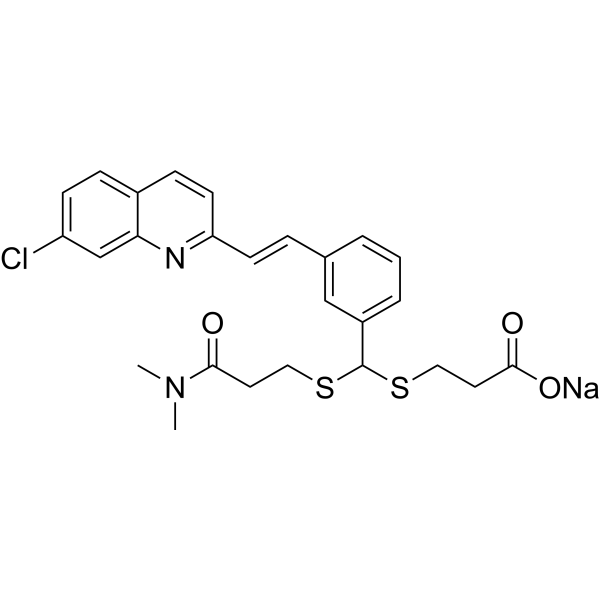
MK-571 sodium
Maximum Cited Publications
33 Publications Verification
L-660711 sodium
|
P-glycoprotein
LPL Receptor
Leukotriene Receptor
|
Inflammation/Immunology
|
|
MK-571 (L-660711) sodium is an orally active, potent and selective competitive leukotriene D4 (LTD4) receptor antagonist, with Ki values of 0.22 and 2.1 nM in guinea pig and human lung membranes, respectively. MK-571 sodium is also a inhibitor of multidrug resistance-associated protein MRP4 (ABCC4) and ABCC1 (MRP1). MK-571 sodium inhibits constitutive and antigen-stimulated S1P (sphingosine-1-phosphate) release .
|
-
-
- HY-16015
-
|
ABC294640
|
SphK
|
Cancer
|
|
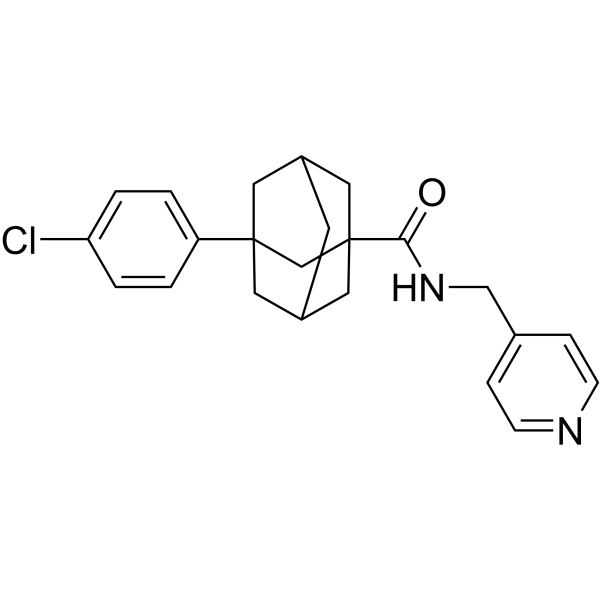
Opaganib (ABC294640) is a selective, competitive sphingosine kinase 2 (SK2) inhibitor with Ki of 9.8 μM.
|
-
-
- HY-13822
-
|
|
SphK
Wnt
Apoptosis
|
Cancer
|
|
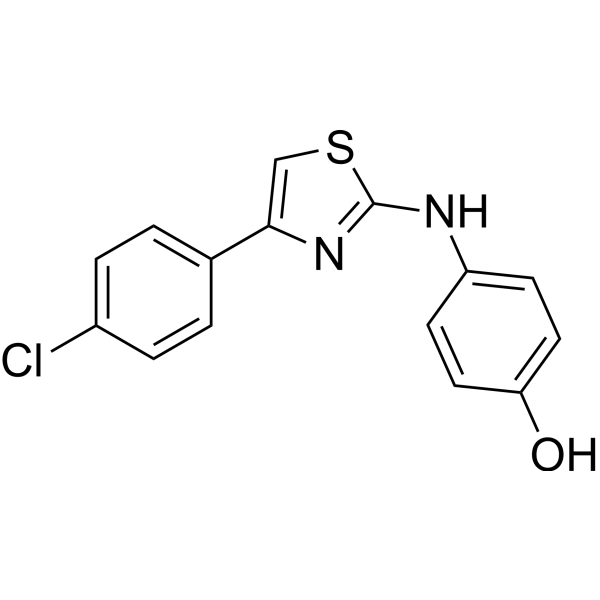
SKI-II is an oral active and synthetic inhibitor of sphingosine kinase (SK) activity, with IC50 values of 78 μM and 45 μM for SK1 and for SK2, respectively. SKI II causes an irreversible inhibition of SK1 by inducing its lysosomal and/or proteasomal degradation .
|
-
-
- HY-15425A
-
|
sphingosine Kinase 1 Inhibitor II Citrate
|
SphK
LPL Receptor
Apoptosis
Autophagy
|
Cardiovascular Disease
Inflammation/Immunology
Cancer
|
|
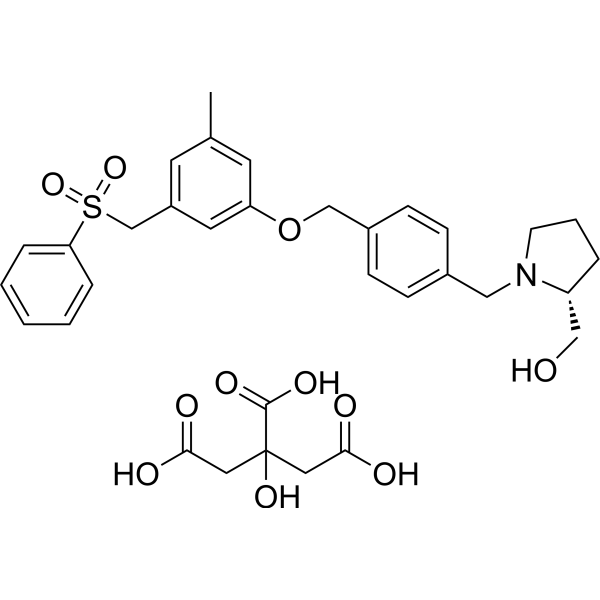
PF-543 Citrate (Sphingosine Kinase 1 Inhibitor II Citrate) is a potent, selective, reversible and sphingosine-competitive SPHK1 inhibitor with an IC50 of 2 nM and a Ki of 3.6 nM. PF-543 Citrate is >100-fold selectivity for SPHK1 over SPHK2. PF-543 Citrate is an effective potent inhibitor of sphingosine 1-phosphate (S1P) formation in whole blood with an IC50 of 26.7 nM. PF-543 Citrate induces apoptosis, necrosis, and autophagy .
|
-
-
- HY-16734A
-
|
MT-1303 hydrochloride
|
LPL Receptor
|
Cardiovascular Disease
Inflammation/Immunology
|
|
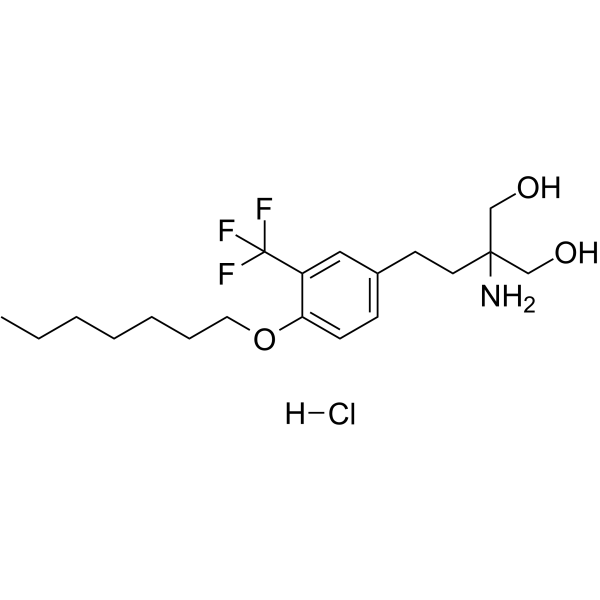
Amiselimod (MT-1303) hydrochloride is converted to its active metabolite Amiselimod phosphate by sphingosine kinases in vivo. Amiselimod hydrochloride is an orally active and high selectivity sphingosine 1-phosphate receptor-1 (S1P1) agonist, designed to reduce the bradycardia effects associated with fingolimod and other S1P receptor modulators. Amiselimod hydrochloride inhibits chronic colitis via inhibiting infiltration of colitogenic Th1 and Th17 cells into the colon. Amiselimod hydrochloride inhibits lupus nephritis by reducing the infiltration of autoreactive T cells into the kidneys. Amiselimod hydrochloride is promising for research of autoimmune diseases .
|
-
-
- HY-100008
-
|
NIK333
|
RAR/RXR
SphK
Autophagy
HCV
|
Infection
Cancer
|
|
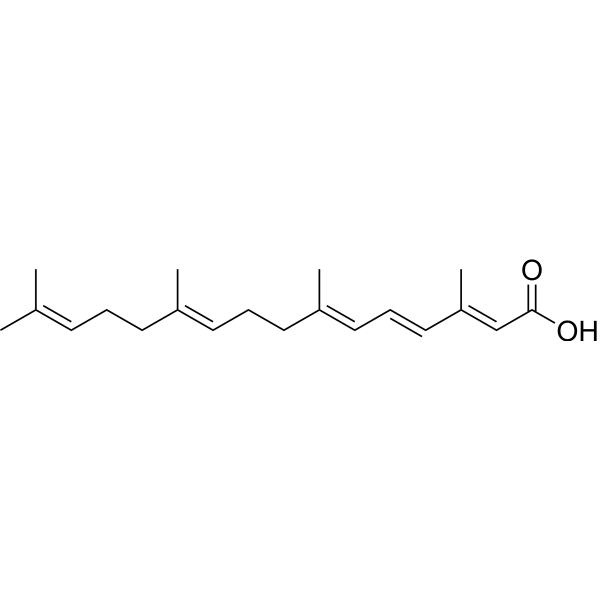
Peretinoin is an oral acyclic retinoid with a vitamin A-like structure that targets retinoid nuclear receptors such as retinoid X receptor (RXR) and retinoic acid receptor (RAR). Peretinoin reduces the mRNA level of sphingosine kinase 1 (SPHK1) in vitro by downregulating a transcription factor, Sp1 . Peretinoin prevents the progression of non-alcoholic steatohepatitis (NASH) and the development of hepatocellular carcinoma (HCC) through activating the autophagy pathway by increased Atg16L1 expression . Peretinoin inhibits HCV RNA amplification and virus release by altering lipid metabolism with a EC50 of 9 μM .
|
-
-
- HY-108491
-
|
|
SphK
Apoptosis
|
Cancer
|
|
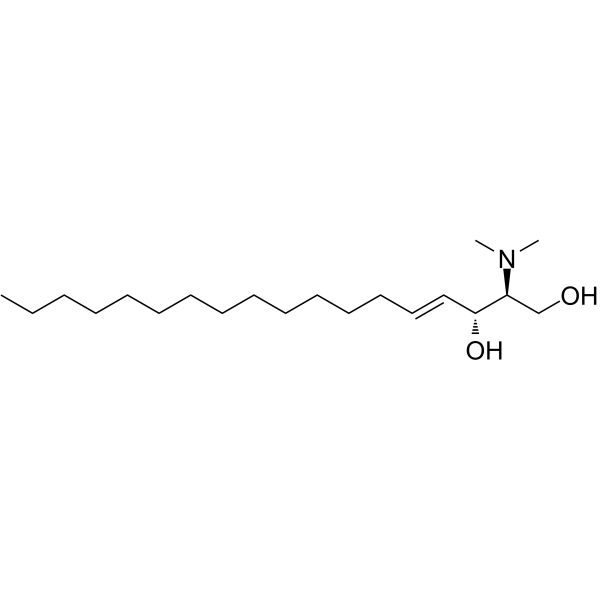
N,N-Dimethylsphingosine is a sphingosine kinase inhibitor. N,N-Dimethylsphingosine binds competitively to sphingosine kinase and blocks the conversion of sphingosine to sphingosine-1-phosphate. N,N-Dimethylsphingosine inhibits sphingosine-1-phosphate release and aggregation of platelets, and also exerts pro-apoptotic effects by resetting ceramide/sphingosine-1-phosphate homeostasis. N,N-Dimethylsphingosine can be used in cancer-related research .
|
-
-
- HY-101572
-
|
Methyl caprooyl tyrosinate
|
SphK
|
Inflammation/Immunology
Cancer
|
|
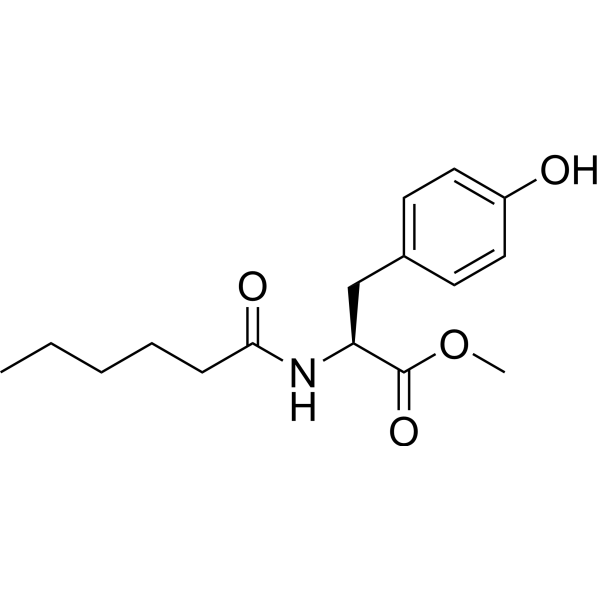
MHP (Methyl caprooyl tyrosinate) is an activator of sphingosine kinase (SPHK1), and significantly stimulates CAMP mRNA and protein production. MHP (Methyl caprooyl tyrosinate) enhances antimicrobial defense and innate immunity .
|
-
-
- HY-12892
-
SKI-178
1 Publications Verification
|
SphK
Apoptosis
|
Cancer
|
|
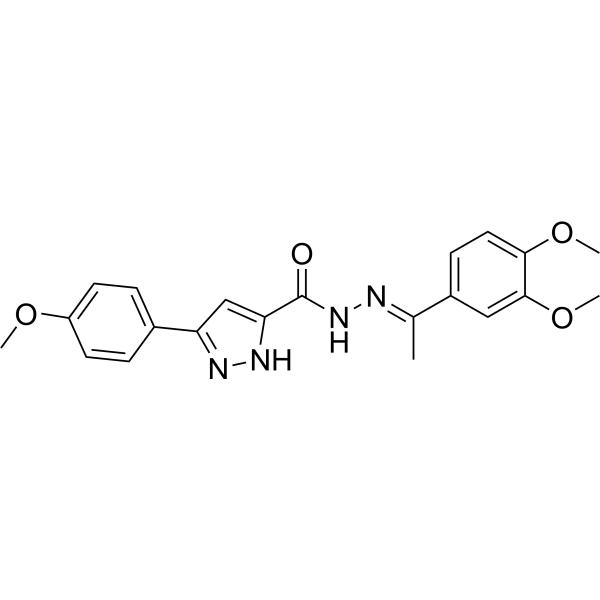
SKI-178 is a potent sphingosine kinase-1 (SphK1) and SphK2 inhibitor. SKI-178 is cytotoxic at IC50 concentrations ranging from 1.8 to 0.1 μM in both agent sensitive and multi-agent resistant cancer cell lines (i.e., MTR3, NCI-ADR and HL60/VCR cells). SKI-178 induces apoptosis in a CDK1-dependent manner in human acute myeloid leukemia cell lines .
|
-
-
- HY-12895
-
SKI V
1 Publications Verification
|
SphK
PI3K
Apoptosis
|
Cancer
|
|
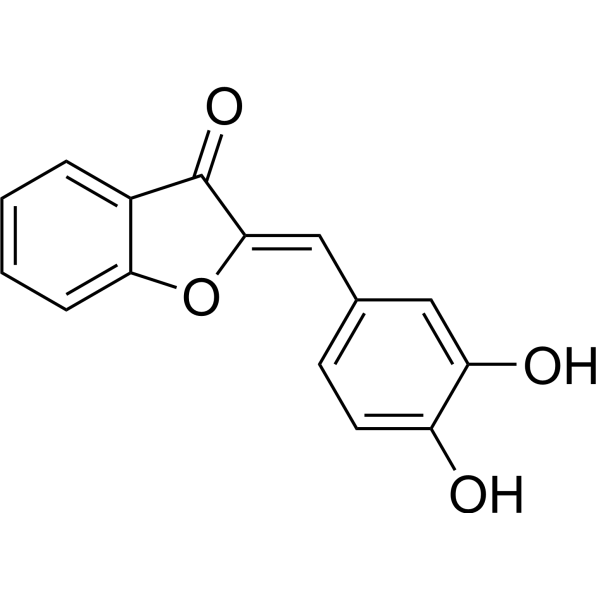
SKI V is a noncompetitive and potent non-lipid sphingosine kinase (SPHK; SK) inhibitor with an IC50 of 2 μM for GST-hSK. SKI V potently inhibits PI3K with an IC50 of 6 μM for hPI3k. SKI V decreases formation of the mitogenic second messenger sphingosine-1-phosphate (S1P). SKI V induces apoptosis and has antitumor activity .
|
-
-
- HY-101047S
-
|
Erythrosphingosine-d7; erythro-C18-sphingosine-d7; trans-4-Sphingenine-d7
|
PKC
Phosphatase
Endogenous Metabolite
|
Cancer
|
|
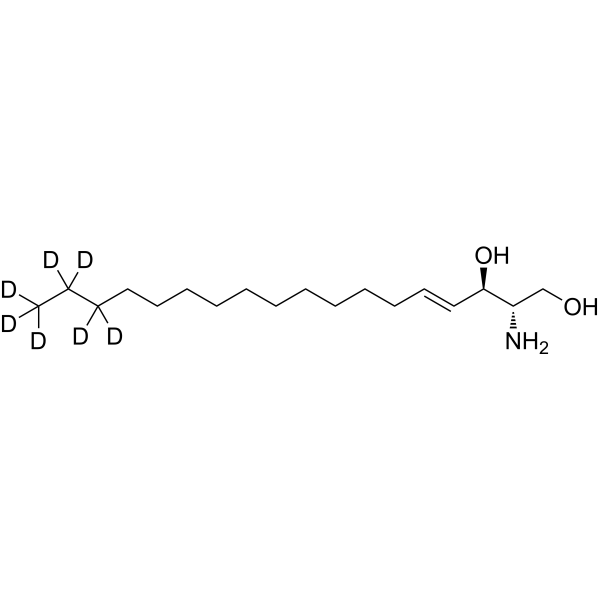
D-erythro-Sphingosine-d7 is the deuterium labeled D-erythro-Sphingosine. D-erythro-Sphingosine (Erythrosphingosine) is a very potent activator of p32-kinase with an EC50 of 8 μM, and inhibits protein kinase C (PKC). D-erythro-Sphingosine (Erythrosphingosine) is also a PP2A activator .
|
-
-
- HY-19794
-
|
|
SphK
|
Cancer
|
|
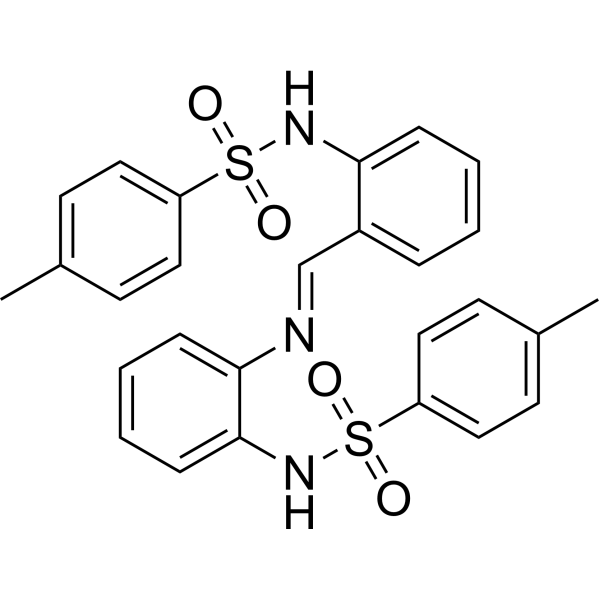
MP-A08 is a highly selective ATP competitive sphingosine kinase (SPHK1) inhibitor that targets both SphK1 and SphK2 with Ki values of 6.9 ± 0.8 μM and 27 ± 3 μM, respectively.
|
-
-
- HY-129099A
-
|
|
PKC
Estrogen Receptor/ERR
Drug Metabolite
Endogenous Metabolite
|
Cancer
|
|
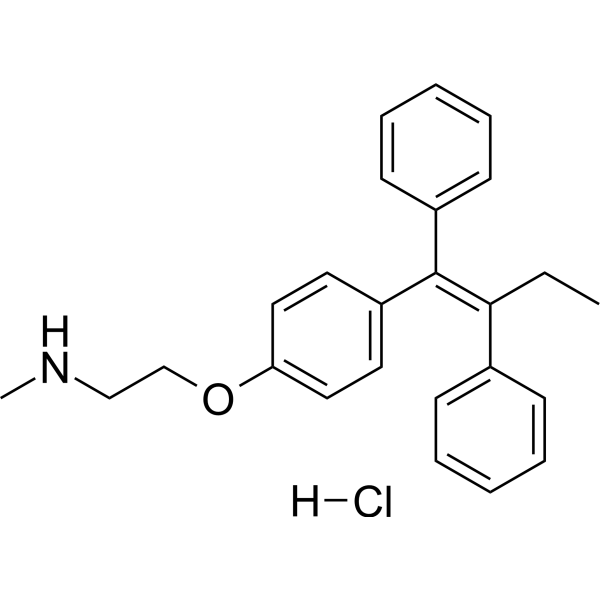
N-Desmethyltamoxifen hydrochloride is the major metabolite of tamoxifen in humans. N-Desmethyltamoxifen, a poor antiestrogen, is a ten-fold more potent protein kinase C (PKC) inhibitor than Tamoxifen. N-Desmethyltamoxifen hydrochloride is also a potent regulator of ceramide metabolism in human AML cells, limiting ceramide glycosylation, hydrolysis, and sphingosine phosphorylation .
|
-
-
- HY-108391
-
|
N-Octanoyl-D-erythro-sphingosine
|
Apoptosis
PKC
Autophagy
|
Inflammation/Immunology
Cancer
|
|
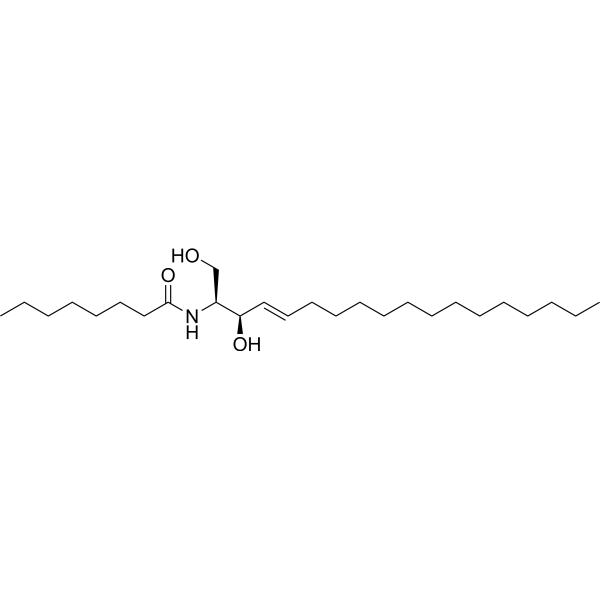
C8-Ceramide (N-Octanoyl-D-erythro-sphingosine) is a cell-permeable analog of naturally occurring ceramides. C8-Ceramide has anti-proliferation properties and acts as a potent chemotherapeutic agent. C8-Ceramide stimulates dendritic cells to promote T cell responses upon virus infections. C8-Ceramide induces slight activation of protein kinase (PKC) in vitro .
|
-
-
- HY-117563
-
|
SKI 5C
|
SphK
|
Cancer
|
|
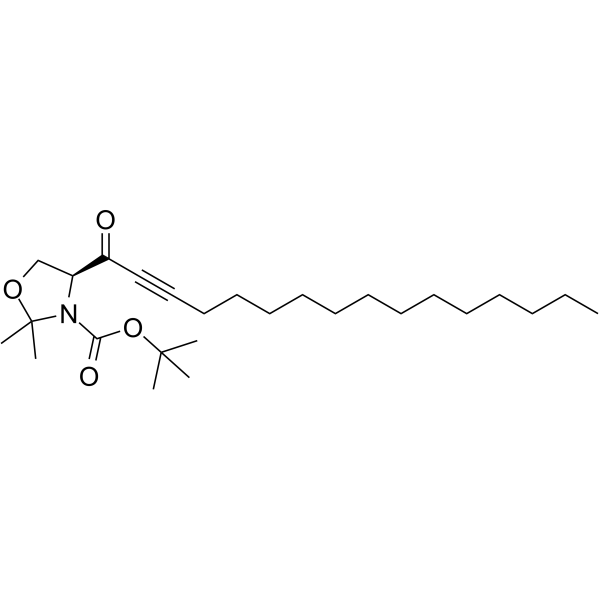
CAY10621 (SKI 5C; compound 5c) is a specific sphingosine kinase 1 (SPHK1) inhibitor with an IC50 of 3.3 μM. CAY10621 is low toxic toward cells. CAY10621 has the potential for resistant cancer tumors research .
|
-
-
- HY-115735
-
|
|
SphK
Apoptosis
|
Cancer
|
|
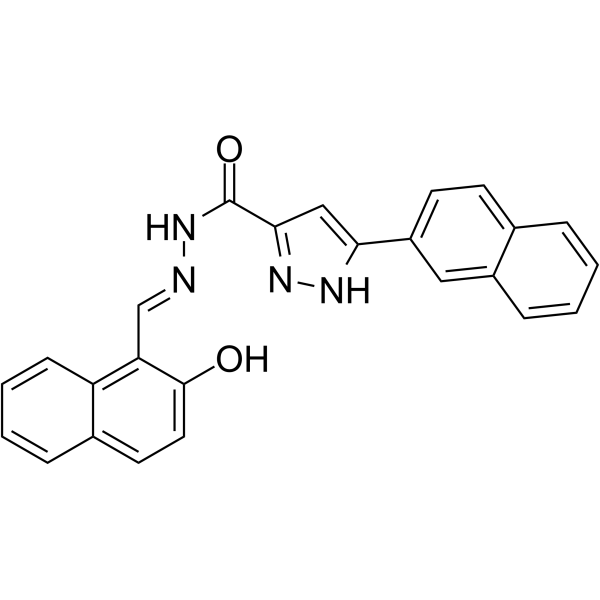
SKI-I is a potent and selective inhibitor of human sphingosine kinase (SK), with an IC50 of 1.2 μM for ST-hSK. SKI-I also inhibits hERK2 (IC50=11 μM). SKI-I induces apoptosis in tumor cell lines .
|
-
-
- HY-124042
-
K6PC-5
4 Publications Verification
|
SphK
Filovirus
|
Infection
Neurological Disease
Inflammation/Immunology
|
|
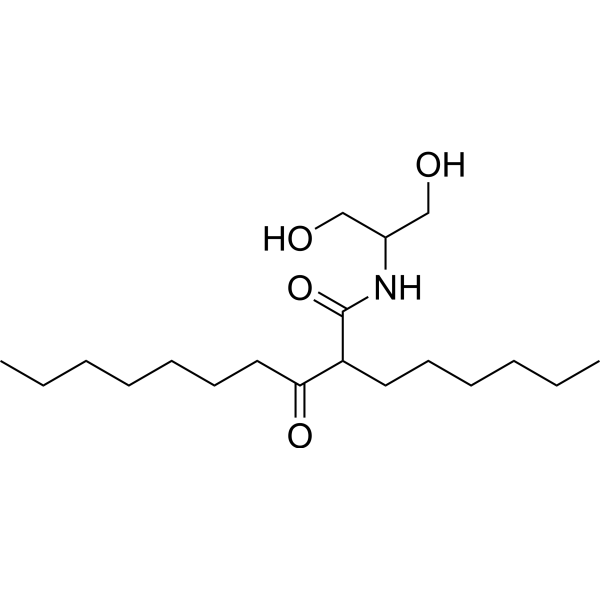
K6PC-5, a ceramide derivative, is a sphingosine kinase 1(SPHK1) activator and elicites a rapid transient increase in intracellular calcium levels. K6PC-5 has the potential for skin diseases involving abnormal keratinocyte, and neurodegeneration and virus infection research .
|
-
-
- HY-130433
-
|
|
Fluorescent Dye
|
Others
|
|
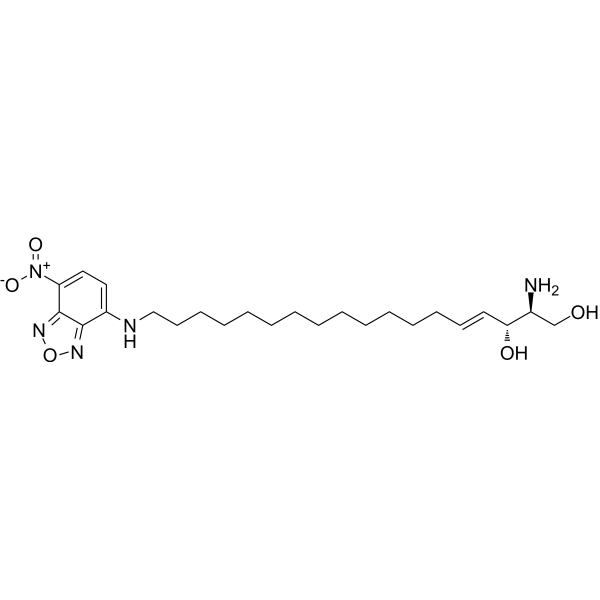
NBD Sphingosine (NBD-Sph), a fluorochrome, is a fluorescence-labeled sphingosine. NBD Sphingosine can be uesd for fluorescence assay for sphingosine kinases .
|
-
-
- HY-120268A
-
|
|
SphK
|
Inflammation/Immunology
|
|
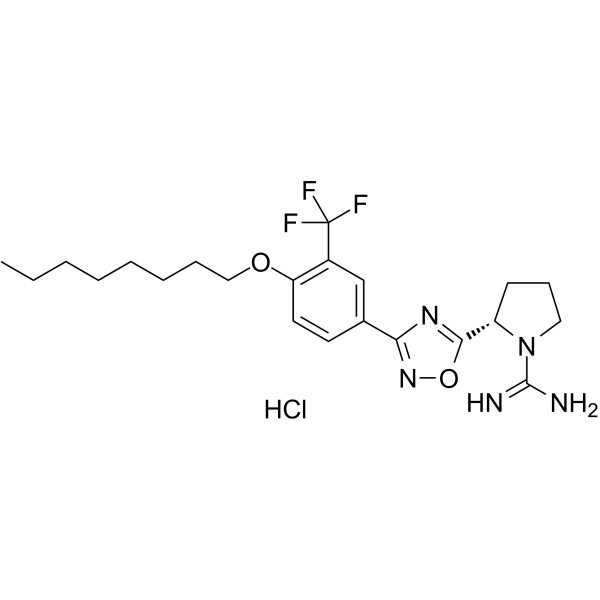
SLM6031434 hydrochloride is the hydrochloride salt form of SLM6031434 (HY-120268). SLM6031434 is a highly selective sphingosine kinase 2 (SphK2) inhibitor with an IC50 value of 0.4 μM for SphK2. SLM6031434 exerts anti-fibrotic effects by increasing sphingosine accumulation and Smad7 expression. SLM6031434 demonstrates effective anti-fibrotic efficacy in a unilateral ureteral obstruction (UUO)-induced tubulointerstitial fibrosis mouse model. SLM6031434 can be used for the study of proteinuric kidney diseases or chronic kidney disease (CKD) .
|
-
-
- HY-101805
-
-
-
- HY-147282
-
|
|
SphK
|
Cancer
|
|
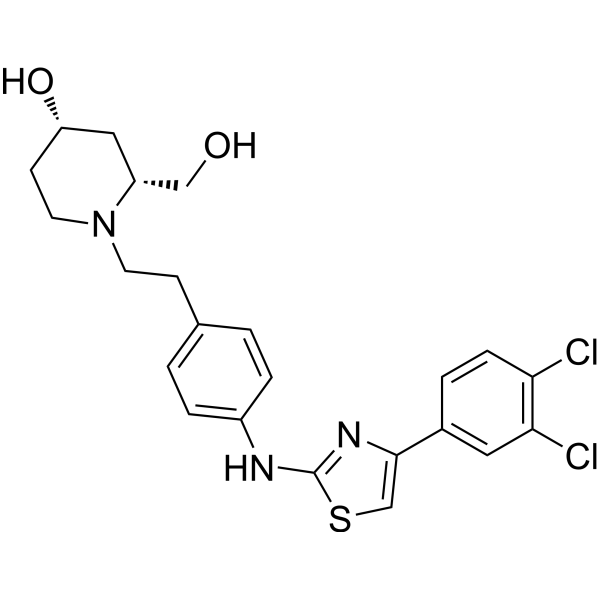
Amgen-23 (compound 23) is a potent sphingosine kinases (SPHK) inhibitor with IC50 values of 20 nM and 1.6 μM for SPHK1 and SPHK2, respectively. Amgen-23 can be used for researching anticancer .
|
-
-
- HY-162143
-
|
|
SphK
Akt
mTOR
|
Cancer
|
|
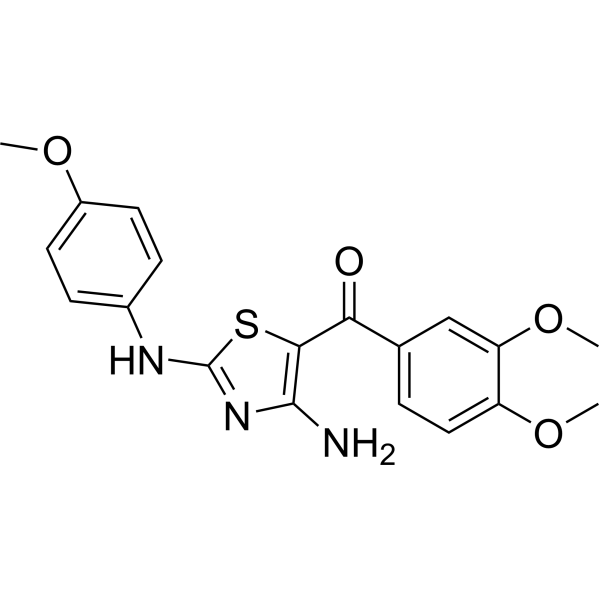
SKI-349 is a dual-targeted inhibitor of sphingosine kinase 1/2 (SPHK1/2) and microtubule assembly (MDA). SKI-349 has anticancer activity. SKI-349 can inhibit the vitality, invasion, and AKT/mTOR signaling pathway of liver cells .
|
-
-
- HY-15425B
-
|
sphingosine Kinase 1 Inhibitor II hydrochloride
|
SphK
LPL Receptor
Apoptosis
Autophagy
|
Cardiovascular Disease
Inflammation/Immunology
Cancer
|
|
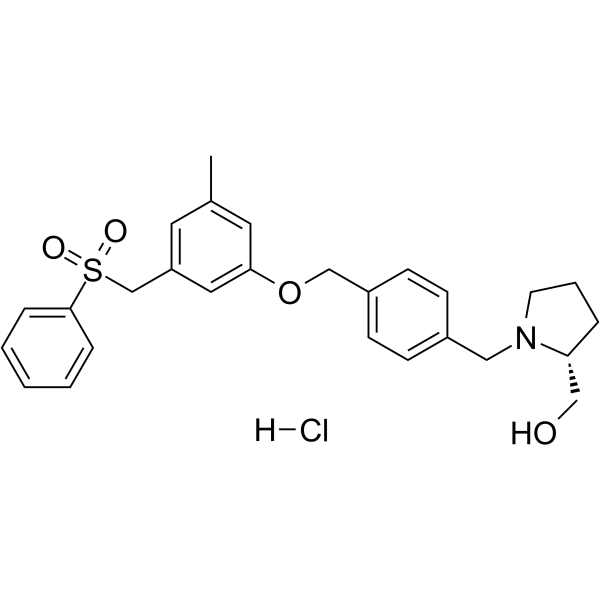
PF-543 hydrochloride (Sphingosine Kinase 1 Inhibitor II hydrochloride) is a potent, selective, reversible and sphingosine-competitive SPHK1 inhibitor with an IC50 of 2 nM and a Ki of 3.6 nM. PF-543 hydrochloride is >100-fold selectivity for SPHK1 over SPHK2. PF-543 hydrochloride is an effective potent inhibitor of sphingosine 1-phosphate (S1P) formation in whole blood with an IC50 of 26.7 nM. PF-543 hydrochloride induces apoptosis, necrosis, and autophagy .
|
-
-
- HY-124863A
-
|
|
SphK
|
Inflammation/Immunology
|
|
(R)-AAL is an immunomodulator. (R)-AAL decreases circulating T lymphocytes in rats, with an ID50 value of 0.009 mg/kg. (R)-AAL is a substrate of sphingosine kinase (SphK), which catalyzes the phosphorylation of (R)-AAL .
|
-

-
- HY-151351
-
|
|
SphK
|
Cancer
|
|
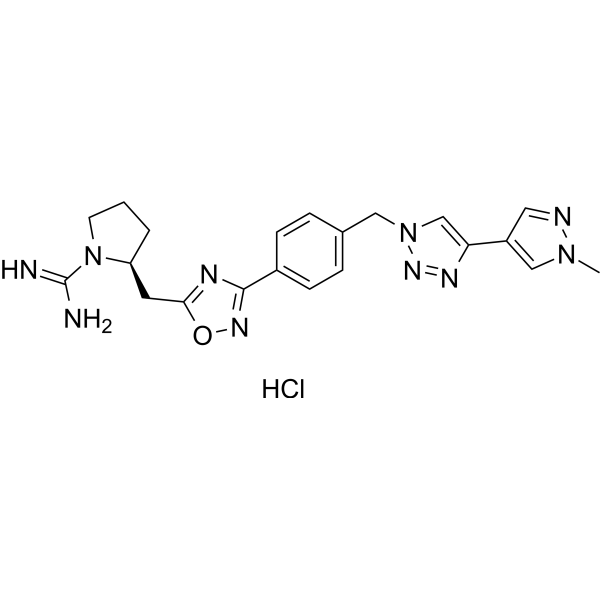
SphK2-IN-2 (21g) is a potent and selective SphK2 inhibitor with an IC50 value of 0.23 μM .
|
-
-
- HY-129099
-
|
|
PKC
Estrogen Receptor/ERR
Drug Metabolite
Endogenous Metabolite
|
Cancer
|
|
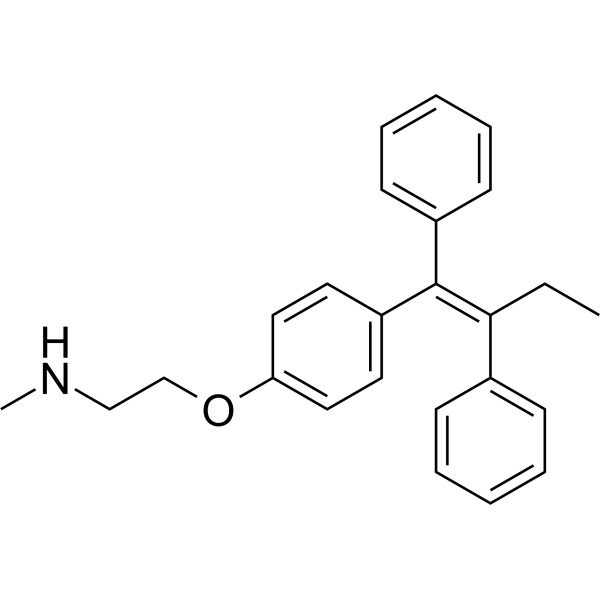
N-Desmethyltamoxifen is the major metabolite of tamoxifen in humans. N-Desmethyltamoxifen, a poor antiestrogen, is a ten-fold more potent protein kinase C (PKC) inhibitor than Tamoxifen. N-Desmethyltamoxifen is also a potent regulator of ceramide metabolism in human AML cells, limiting ceramide glycosylation, hydrolysis, and sphingosine phosphorylation .
|
-
-
- HY-101047R
-
|
Erythrosphingosine (Standard); erythro-C18-sphingosine (Standard); trans-4-Sphingenine (Standard)
|
Reference Standards
PKC
Phosphatase
Endogenous Metabolite
|
Cancer
|
|
D-erythro-Sphingosine (Standard) is the analytical standard of D-erythro-Sphingosine. This product is intended for research and analytical applications. D-erythro-Sphingosine (Erythrosphingosine) is a very potent activator of p32-kinase with an EC50 of 8 μM, and inhibits protein kinase C (PKC). D-erythro-Sphingosine (Erythrosphingosine) is also a PP2A activator[1][2][3][4].
|
-

-
- HY-118442
-
|
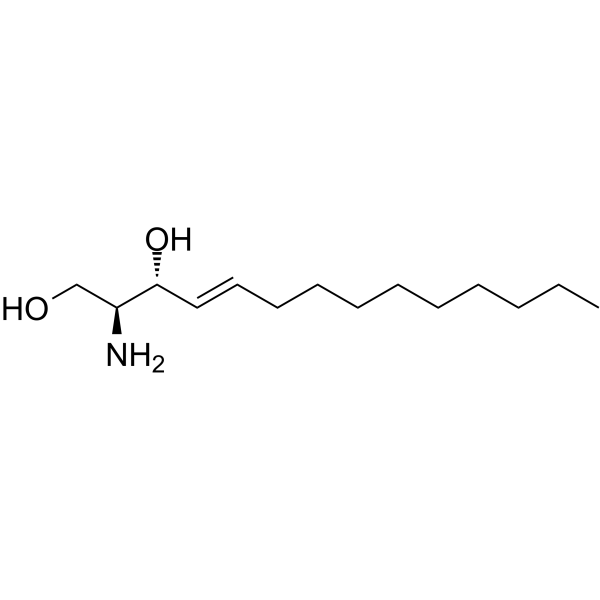
Tetradecasphing-4-enine
|
PKC
|
Cancer
|
|
Sphingosine (d14:1) (Tetradecasphing-4-enine), a sphingolipid, is a potent Protein kinase C (PKC) inhibitor. Sphingosine (d14:1) prevents its interaction with sn-1,2-diacylglycerol (DAG)/Phorbol esters .
|
-
-
- HY-120268
-
|
|
SphK
|
Inflammation/Immunology
|
|
SLM6031434 is a highly selective sphingosine kinase 2 (SphK2) inhibitor with an IC50 value of 0.4 μM for SphK2. SLM6031434 exerts anti-fibrotic effects by increasing sphingosine accumulation and Smad7 expression. SLM6031434 demonstrates effective anti-fibrotic efficacy in a unilateral ureteral obstruction (UUO)-induced tubulointerstitial fibrosis mouse model. SLM6031434 can be used for the study of proteinuric kidney diseases or chronic kidney disease (CKD) .
|
-

-
- HY-12005R
-
|
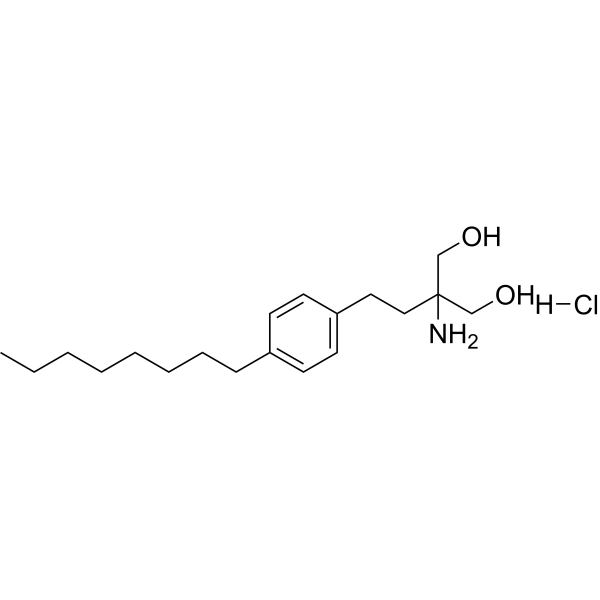
FTY720 (Standard)
|
Reference Standards
LPL Receptor
PAK
|
Inflammation/Immunology
Cancer
|
|
Fingolimod (hydrochloride) (Standard) is the analytical standard of Fingolimod (hydrochloride). This product is intended for research and analytical applications. Fingolimod hydrochloride (FTY720), an analog of sphingosine, is a potent sphingosine 1-phosphate (S1P) receptors modulator. Fingolimod hydrochloride is phosphorylated by sphingosine kinases, particularly by SK2, and then binds S1PR1, 3, 4, and 5. Fingolimod hydrochloride induces the internalization of S1P1, and consequently, inhibits S1P activity. Fingolimod hydrochloride also is a pak1 activator .
|
-
-
- HY-112485
-
|
|
SphK
Drug Derivative
|
Cancer
|
|
(R)-FTY720-vinylphosphonate is a sphingosine kinase 1 (SK1) inhibitor. (R)-FTY720-ene-phosphonate is also an FTY720 analogue. (R)-FTY720-vinylphosphonate is promising for research of solid tumors like breast cancer .
|
-

-
- HY-16734
-
|
MT-1303
|
LPL Receptor
|
Cardiovascular Disease
Inflammation/Immunology
|
|
Amiselimod (MT-1303) is converted to its active metabolite Amiselimod phosphate by sphingosine kinases in vivo. Amiselimod is an orally active and high selectivity sphingosine 1-phosphate receptor-1 (S1P1) agonist, designed to reduce the bradycardia effects associated with fingolimod and other S1P receptor modulators. Amiselimod inhibits chronic colitis via inhibiting infiltration of colitogenic Th1 and Th17 cells into the colon. Amiselimod inhibits lupus nephritis by reducing the infiltration of autoreactive T cells into the kidneys. Amiselimodis promising for research of autoimmune diseases .
|
-

-
- HY-119312
-
|
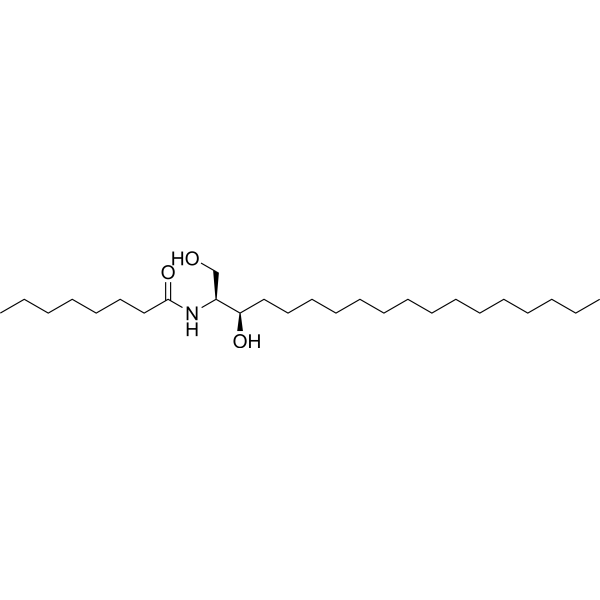
|
PKC
|
Cancer
|
|
C8 Dihydroceramide is a negative control of C8 Ceramide. C8-Ceramide (N-Octanoyl-D-erythro-sphingosine) is a cell-permeable analog of naturally occurring ceramides. C8-Ceramide has anti-proliferation properties and acts as a potent chemotherapeutic agent. C8-Ceramide stimulates dendritic cells to promote T cell responses upon virus infections. C8-Ceramide induces slight activation of protein kinase (PKC) in vitro .
|
-
-
- HY-150513
-
|
|
SphK
|
Cancer
|
|
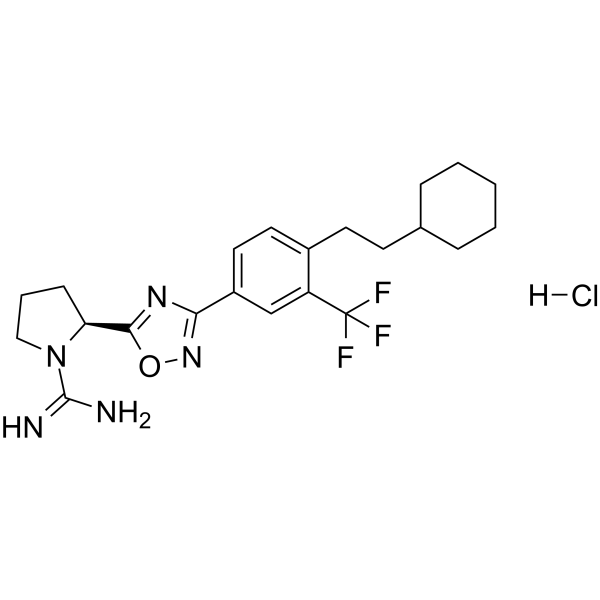
SLP9101555 (compound 14c) is a potent and selective SphK2 (sphingosine kinase 2) inhibitor (Ki=90 nM) with 200-fold selectivity over SphK1. SLP9101555 markedly decreases extracellular S1P (sphingosine 1-phosphate) levels .
|
-
-
- HY-178992
-
|
|
SphK
|
Cancer
|
|
SphK1-IN-4 (Compound 6b) is a sphingosine kinase 1 (SphK1) inhibitor. SphK1-IN-4 can be used for the research of cancer, such as lung cancer .
|
-

-
- HY-W019781
-
|
Biotinyl-Sph
|
SphK
|
Metabolic Disease
|
|
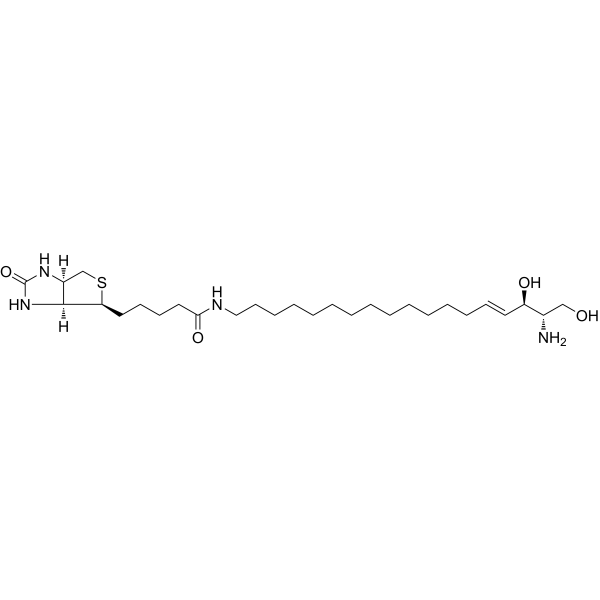
Biotinylated sphingosine (Biotinyl-Sph) is a substrate of sphingosine kinase that can b used to detect the phosphorylation activity of sphingosine kinase 1 (SPHK1) and SPHK2 .
|
-
-
- HY-101047S1
-
|
Erythrosphingosine-13C2,d2; erythro-C18-sphingosine-13C2,d2; trans-4-Sphingenine-13C2,d2
|
Isotope-Labeled Compounds
PKC
Endogenous Metabolite
Phosphatase
|
Cancer
|
|
D-erythro-Sphingosine-13C2,d2 is a deuterated labeled D-erythro-Sphingosine . D-erythro-Sphingosine (Erythrosphingosine) is a very potent activator of p32-kinase with an EC50 of 8 μM, and inhibits protein kinase C (PKC). D-erythro-Sphingosine (Erythrosphingosine) is also a PP2A activator .
|
-

-
- HY-16015A
-
|
ABC294640 hydrochloride
|
SphK
|
Cancer
|
|
Opaganib (ABC294640) hydrochloride is a selective, competitive sphingosine kinase 2 (SK2) inhibitor with Ki of 9.8 μM.
|
-

-
- HY-16015R
-
|
ABC294640 (Standard)
|
SphK
Reference Standards
|
Cancer
|
|
Opaganib (Standard) is the analytical standard of Opaganib. This product is intended for research and analytical applications. Opaganib (ABC294640) is a selective, competitive sphingosine kinase 2 (SK2) inhibitor with Ki of 9.8 μM.
|
-

-
- HY-120152
-
|
|
SphK
Interleukin Related
TNF Receptor
|
Cardiovascular Disease
Inflammation/Immunology
|
|
SLP7111228 is a selective sphingosine kinase 1 (SphK1) inhibitor and anti-inflammatory agent. SLP7111228 selectively inhibits SphK1 and reduces the production of sphingosine-1-phosphate. SLP7111228 decreases lipopolysaccharide-induced TNFα and IL-1β levels. SLP7111228 alleviates obliterative pulmonary arteriopathy, increases cardiac index and decreases total pulmonary vascular resistance index. SLP7111228 can be used in research related to neuroinflammatory diseases and pulmonary hypertension .
|
-

-
- HY-148262
-
|
|
SphK
|
Cancer
|
|
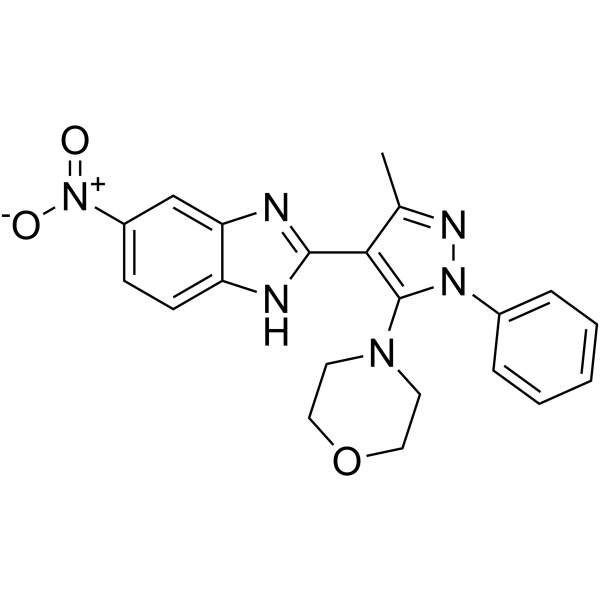
SphK1-IN-3 is an effective sphingosine kinase-1 (SphK1) inhibitor. SphK1-IN-3 inhibits SphK1 kinase activity with an IC50 value of 2.48 μM. SphK1-IN-3 can be used for the research of many diseases such as cancer, rheumatoid arthritis, diabetes, asthma, and pulmonary fibrosis .
|
-
-
- HY-162580
-
|
|
SphK
|
Cancer
|
|
SphK2-IN-3 (compound 12q) is a selective active sphingosine kinase-2 inhibitor. SphK2-IN-3 has anti-proliferative activity against various cancer cells, inducing G2 phase arrest and apoptosis in liver cancer cells HepG2 .
|
-

-
- HY-12900
-
|
|
SphK
|
Inflammation/Immunology
Cancer
|
|
RB-005 is a selective inhibitor of sphingosine kinase 1 (SK1) (IC50=3.6 µM), with weaker inhibition of another isoenzyme, SK2. The selective inhibition of RB-005 helps to distinguish the biological functions and roles of SK1 and SK2, which can be used in the study of inflammatory diseases and cancer .
|
-

-
- HY-129099AR
-
|
|
Reference Standards
PKC
Estrogen Receptor/ERR
Drug Metabolite
Endogenous Metabolite
|
Cancer
|
|
N-Desmethyltamoxifen (hydrochloride) (Standard) is the analytical standard of N-Desmethyltamoxifen (hydrochloride). This product is intended for research and analytical applications. N-Desmethyltamoxifen hydrochloride is the major metabolite of tamoxifen in humans. N-Desmethyltamoxifen, a poor antiestrogen, is a ten-fold more potent protein kinase C (PKC) inhibitor than Tamoxifen. N-Desmethyltamoxifen hydrochloride is also a potent regulator of ceramide metabolism in human AML cells, limiting ceramide glycosylation, hydrolysis, and sphingosine phosphorylation[1][2][3].
|
-

-
- HY-100008R
-
|
NIK333 (Standard)
|
Reference Standards
RAR/RXR
SphK
Autophagy
HCV
|
Infection
Cancer
|
|
Peretinoin (Standard) is the analytical standard of Peretinoin. This product is intended for research and analytical applications. Peretinoin is an oral acyclic retinoid with a vitamin A-like structure that targets retinoid nuclear receptors such as retinoid X receptor (RXR) and retinoic acid receptor (RAR). Peretinoin reduces the mRNA level of sphingosine kinase 1 (SPHK1) in vitro by downregulating a transcription factor, Sp1[1]. Peretinoin prevents the progression of non-alcoholic steatohepatitis (NASH) and the development of hepatocellular carcinoma (HCC) through activating the autophagy pathway by increased Atg16L1 expression[2]. Peretinoin inhibits HCV RNA amplification and virus release by altering lipid metabolism with a EC50 of 9 μM[3].
|
-

-
- HY-120152A
-
|
|
SphK
Interleukin Related
TNF Receptor
|
Cardiovascular Disease
Inflammation/Immunology
|
|
SLP7111228 hydrochloride is a selective sphingosine kinase 1 (SphK1) inhibitor and anti-inflammatory agent. SLP7111228 hydrochloride selectively inhibits SphK1 and reduces the production of sphingosine-1-phosphate. SLP7111228 hydrochloride decreases lipopolysaccharide-induced TNFα and IL-1β levels. SLP7111228 hydrochloride alleviates obliterative pulmonary arteriopathy, increases cardiac index and decreases total pulmonary vascular resistance index. SLP7111228 hydrochloride can be used in research related to neuroinflammatory diseases and pulmonary hypertension .
|
-

-
- HY-108491S
-
|
|
Isotope-Labeled Compounds
SphK
Apoptosis
|
Cancer
|
|
N,N-Dimethylsphingosine- 13C2 is the 13C-labeled N,N-Dimethylsphingosine (HY-108491). N,N-Dimethylsphingosine is a sphingosine kinase inhibitor. N,N-Dimethylsphingosine binds competitively to sphingosine kinase and blocks the conversion of sphingosine to sphingosine-1-phosphate. N,N-Dimethylsphingosine inhibits sphingosine-1-phosphate release and aggregation of platelets, and also exerts pro-apoptotic effects by resetting ceramide/sphingosine-1-phosphate homeostasis. N,N-Dimethylsphingosine can be used in cancer-related research .
|
-

- HY-124368
-
|
|
SphK
|
Inflammation/Immunology
|
|
RB-042 is a SK1 and SK2 inhibitor with IC50 values of 5.3 μM and 5.0 μM, respectively. RB-042 is applicable to the research of inflammatory diseases .
|
-

- HY-134107
-
|
|
Biochemical Assay Reagents
|
Others
|
|
Azido-erythro-sphingosines is an intermidate for synthesis of lipid molecules with two hydroxyl groups and a terminal azide group. Azide (N3) group can react with alkyne, BCN, DBCO via Click Chemistry. The hydroxyl groups enable further derivatization or replacement with other reactive functional groups. Azido-erythro-sphingosine is a derivative of Sphingosine, which is a selective inhibitor of protein kinase C activity and phorbol dibutyrate binding in vitro in human platelets.
|
-

- HY-12896
-
|
|
SphK
|
Cancer
|
|
SLR080811 is a guanidine-based selective sphingosine kinase 2 (SphK2) inhibitor with a Ki of 1.3 μM, exhibiting ~10-fold selectivity over SphK1 (Ki = 12 μM). SLR080811 reduces sphingosine 1-phosphate (S1P) levels in vitro, but drives a SphK1-dependent increase in S1P in mice. SLR080811 can be used for cancers and fibrosis research .
|
-

- HY-101805R
-
|
|
Reference Standards
SphK
|
Inflammation/Immunology
Cancer
|
|
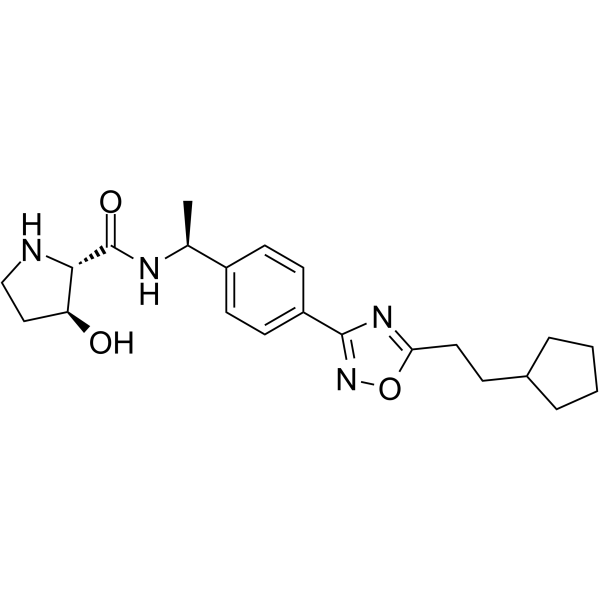
SK1-IN-1 (Standard) is the analytical standard of SK1-IN-1 (HY-101805). This product is intended for research and analytical applications. SK1-IN-1 is a potent sphingosine kinase 1 (SPHK1) inhibitor with an IC50 of 58 nM.
|
-

- HY-112385
-
|
|
SphK
PERK
|
Cancer
|
|
ABC294735 is an orally active SK1/SK2 inhibitor. Combination of ABC294735 with Sorafenib (HY-10201) reduces pERK. ABC294735 exhibits anticancer activity against pancreatic adenocarcinoma and renal cell carcinoma. ABC294735 can be used in research related to pancreatic adenocarcinoma and renal cell carcinoma .
|
-

- HY-101572R
-
|
Methyl caprooyl tyrosinate (Standard)
|
SphK
Reference Standards
|
Inflammation/Immunology
Cancer
|
|
MHP (Standard) is the analytical standard of MHP (HY-101572). This product is intended for research and analytical applications. MHP (Methyl caprooyl tyrosinate) is an activator of sphingosine kinase (SPHK1), and significantly stimulates CAMP mRNA and protein production. MHP (Methyl caprooyl tyrosinate) enhances antimicrobial defense and innate immunity .
|
-

- HY-184013
-
|
|
DNA/RNA Synthesis
|
Cancer
|
|
SU0617 is a selective SMUG1 inhibitor with a human IC50 of 1.5 μM. SU0617 inhibits base excision repair activity of SMUG1, including excision of modified and damaged pyrimidines from DNA. SU0617 can be used for the research of breast cancer .
|
-

- HY-108391R
-
|
N-Octanoyl-D-erythro-sphingosine (Standard)
|
Reference Standards
Apoptosis
PKC
Autophagy
|
Inflammation/Immunology
Cancer
|
|
C8-Ceramide (Standard) is the analytical standard of C8-Ceramide (HY-108391). This product is intended for research and analytical applications. C8-Ceramide (N-Octanoyl-D-erythro-sphingosine) is a cell-permeable analog of naturally occurring ceramides. C8-Ceramide has anti-proliferation properties and acts as a potent chemotherapeutic agent. C8-Ceramide stimulates dendritic cells to promote T cell responses upon virus infections. C8-Ceramide induces slight activation of protein Kinase (PKC) in vitro .
|
-

- HY-183338
-
|
|
Apoptosis
SphK
|
Cancer
|
|
SphK2-IN-4 is a selective SphK2 inhibitor (IC50=6.2 μM) with extremely low activity against SphK1 (IC50 > 50 μM). SphK2-IN-4 exhibits broad-spectrum antiproliferative activity against colorectal cancer cells and induces apoptosis .
|
-

| Cat. No. |
Product Name |
Type |
-
- HY-130433
-
|
|
Fluorescent Dyes
|
|
NBD Sphingosine (NBD-Sph), a fluorochrome, is a fluorescence-labeled sphingosine. NBD Sphingosine can be uesd for fluorescence assay for sphingosine kinases .
|
| Cat. No. |
Product Name |
Category |
Target |
Chemical Structure |
| Cat. No. |
Product Name |
Chemical Structure |
-
- HY-101047S
-
1 Publications Verification
|
|
D-erythro-Sphingosine-d7 is the deuterium labeled D-erythro-Sphingosine. D-erythro-Sphingosine (Erythrosphingosine) is a very potent activator of p32-kinase with an EC50 of 8 μM, and inhibits protein kinase C (PKC). D-erythro-Sphingosine (Erythrosphingosine) is also a PP2A activator .
|
-
-
- HY-101047S1
-
|
|
|
D-erythro-Sphingosine-13C2,d2 is a deuterated labeled D-erythro-Sphingosine . D-erythro-Sphingosine (Erythrosphingosine) is a very potent activator of p32-kinase with an EC50 of 8 μM, and inhibits protein kinase C (PKC). D-erythro-Sphingosine (Erythrosphingosine) is also a PP2A activator .
|
-
-
- HY-108491S
-
|
|
|
N,N-Dimethylsphingosine- 13C2 is the 13C-labeled N,N-Dimethylsphingosine (HY-108491). N,N-Dimethylsphingosine is a sphingosine kinase inhibitor. N,N-Dimethylsphingosine binds competitively to sphingosine kinase and blocks the conversion of sphingosine to sphingosine-1-phosphate. N,N-Dimethylsphingosine inhibits sphingosine-1-phosphate release and aggregation of platelets, and also exerts pro-apoptotic effects by resetting ceramide/sphingosine-1-phosphate homeostasis. N,N-Dimethylsphingosine can be used in cancer-related research .
|
-
Your information is safe with us. * Required Fields.
Inquiry Information
- Product Name:
- Cat. No.:
- Quantity:
- MCE Japan Authorized Agent:








