1. Search Result
Search Result
Results for "

transcriptional regulation

" in MedChemExpress (MCE) Product Catalog:

46

Inhibitors & Agonists

6

Screening Libraries

1

Fluorescent Dyes

1

Biochemical Assay Reagents

3

Peptides

1

MCE Kits

1

Inhibitory Antibodies

7

Natural
Products

1

Isotope-Labeled Compounds

5

Oligonucleotides

1

GMP Molecules

Cat. No. 상품명 Target 연구분야 Chemical Structure
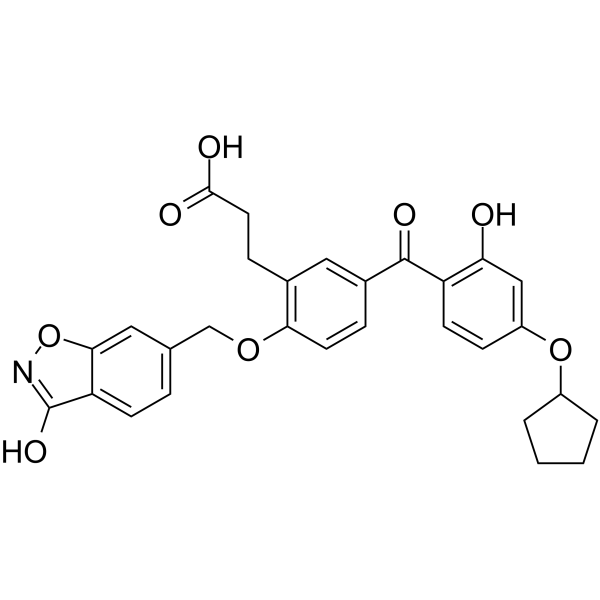
  • HY-12270
    T-5224
    Maximum Cited Publications
    100 Publications Verification

    AP-1 MMP Neurological Disease Inflammation/Immunology Cancer
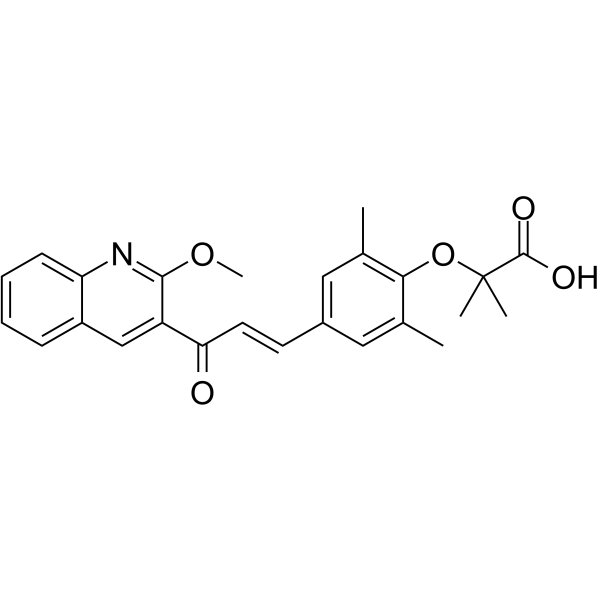
    T-5224 is a transcription factor c-Fos/activator protein (AP)-1 inhibitor with anti-inflammatory effects, which specifically inhibits the DNA binding activity of c-Fos/c-Jun without affecting other transcription factors. T-5224 inhibits the IL-1β-induced up-regulation of Mmp-3, Mmp-13 and Adamts-5 transcription .
    T-5224
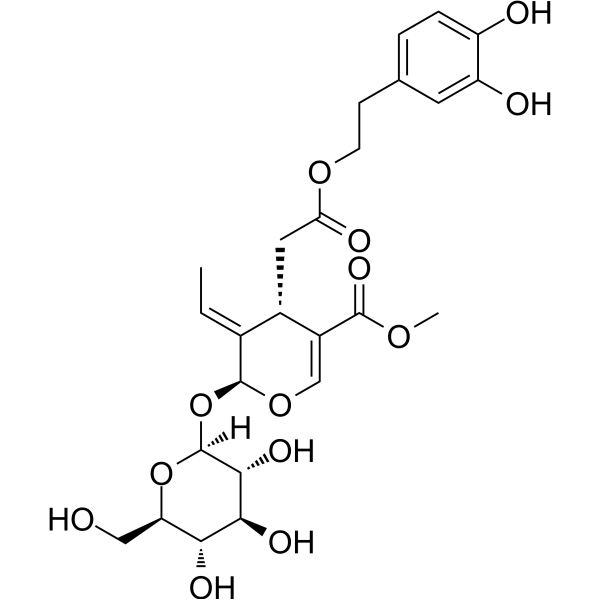
  • HY-N0292
    Oleuropein
    Maximum Cited Publications
    9 Publications Verification

    Cytochrome P450 PPAR Apoptosis Cardiovascular Disease Inflammation/Immunology Cancer
    Oleuropein, found in olive leaves and oil, exerts antioxidant, anti-inflammatory and anti-atherogenic effects through direct inhibition of PPARγ transcriptional activity . Oleuropein induces apoptosis in breast cancer cells via the p53-dependent pathway and through the regulation of Bax and Bcl2 genes. Oleuropein also inhibits aromatase .
    Oleuropein
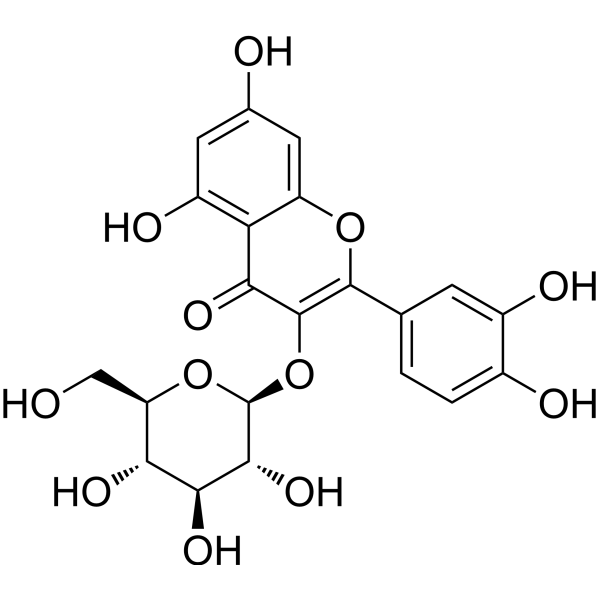
  • HY-N1445
    Isoquercitrin
    5+ Cited Publications

    Isoquercetin; Quercetin 3-glucoside

    NF-κB NO Synthase Inflammation/Immunology Cancer
    Isoquercetin (Quercetin 3-glucoside) is a naturally occurring polyphenol that has antioxidant, anti-proliferative, and anti-inflammatory properties. Isoquercetin alleviates ethanol-induced hepatotoxicity, oxidative stress, and inflammatory responses via the Nrf2/ARE antioxidant signaling pathway . Isoquercetin regulates the expression of nitric oxide synthase 2 (NO2) via modulating the nuclear factor-κB (NF-κB) transcription regulation system. Isoquercetin has high bioavailability and low toxicity, is a promising candidate agent to prevent birth defects in diabetic pregnancies .
    Isoquercitrin
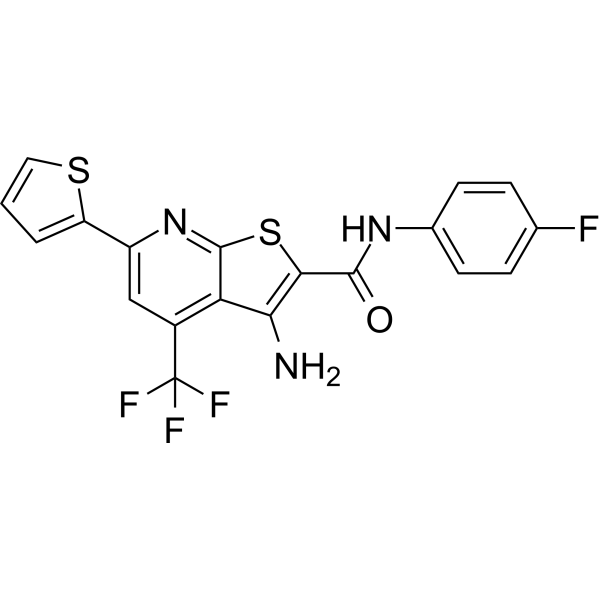
  • HY-112721
    FDI-6
    5+ Cited Publications

    DNA/RNA Synthesis Cancer
    FDI-6 is an inhibitor of FOXM1. FDI-6 binds directly to FOXM1 protein, to displace FOXM1 from genomic targets in MCF-7 breast cancer cells, and induce concomitant transcriptional down-regulation.
    FDI-6
  • HY-107916
    Thyrotropin
    1 Publications Verification

    TSH; Pretiron

    TSH Receptor PKC Apoptosis Metabolic Disease Inflammation/Immunology Endocrinology Cancer
    Thyrotropin (TSH, Pretiron) is a thyroid-stimulating hormone produced by thyrotrope cells in the anterior pituitary gland. Thyrotropin regulates the endocrine function of the thyroid. Thyrotropin induces transcriptional regulation of TH-gatekeeper genes in tanycytes through the Tshr/Gαq/PKC pathway. Thyrotropin prevents Apoptosis. Thyrotropin has an association of low levels with increased bone remodeling, reduced bone mass and a high fracture risk in mice. Thyrotropin is promising for research of skeletal remodeling, hyperthyroidism .
    Thyrotropin
  • HY-14414
    GSK4112
    10+ Cited Publications

    SR6452

    REV-ERB Apoptosis Metabolic Disease
    GSK4112 (SR6452) is a Rev-erbα agonist with an EC50 value of 0.4 μM. GSK4112 can be used as a chemical tool to probe the function of Rev-erbα in transcriptional repression, regulation of circadian biology, and metabolic pathways .
    GSK4112
  • HY-107413

    BMS-649

    RAR/RXR Tyrosine Hydroxylase Cancer
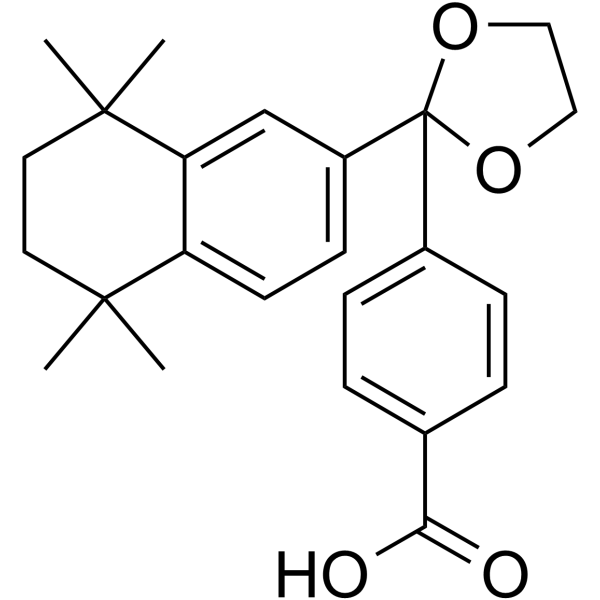
    SR11237 (BMS-649) GMP is SR11237 (HY-107413) produced by using GMP guidelines. GMP small molecules works appropriately as an auxiliary reagent for cell therapy manufacture. SR11237 is a RXR activator and lipid metabolism regulator that promotes the differentiation of induced neural stem cells into dopaminergic (TH-positive) neurons. SR11237 induces transcriptional regulation of lipogenic genes and cholesterol transporters, increases glycosaminoglycan release, and elevates total cellular triglyceride levels. SR11237 promotes heterodimerization of RXR with Nurr1, thereby enhancing tyrosine hydroxylase expression and facilitating dopamine release. SR11237 produces a synergistic effect when used in combination with bFGF/EGF. SR11237 is mainly used in studies related to osteoarthritis and Parkinson's disease .
    SR11237
  • HY-N6747

    c-Myc Autophagy Cancer
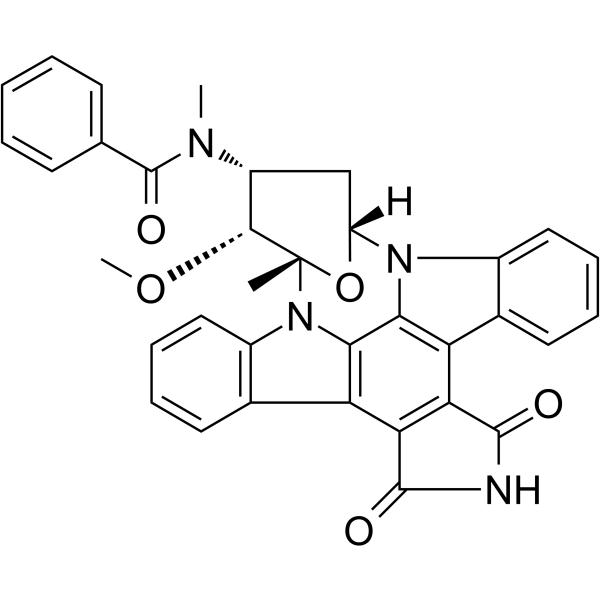
    Stauprimide is a staurosporine analog that promotes embryonic stem cell (ESC) differentiation. Stauprimide is a non-broad spectrum inhibitor that binds to the MYC transcription factor NME2 and blocks its nuclear localization in ESCs, which results in down-regulation of MYC transcription .
    Stauprimide
  • HY-P0312
    c-Myc Peptide TFA
    1 Publications Verification

    c-Myc Cancer
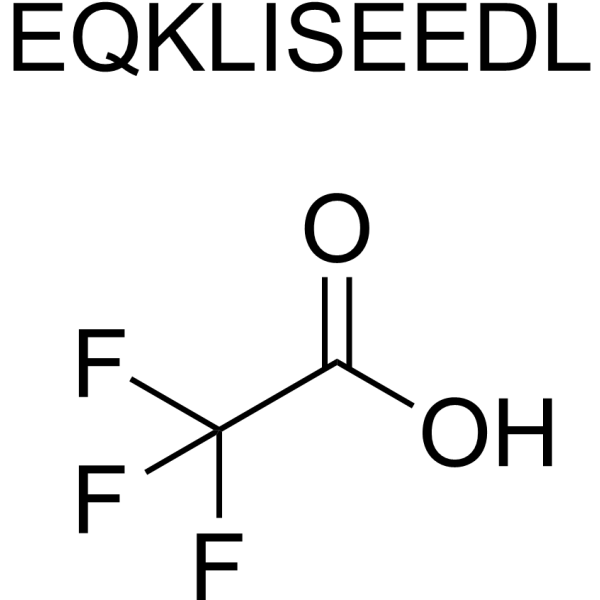
    c-Myc Peptide (TFA) is a synthetic peptide corresponding to the C-terminal amino acids (410-419) of human c-myc protein, and participates in regulation of growth-related gene transcription.
    c-Myc Peptide TFA
  • HY-151379

    Histone Methyltransferase Cancer
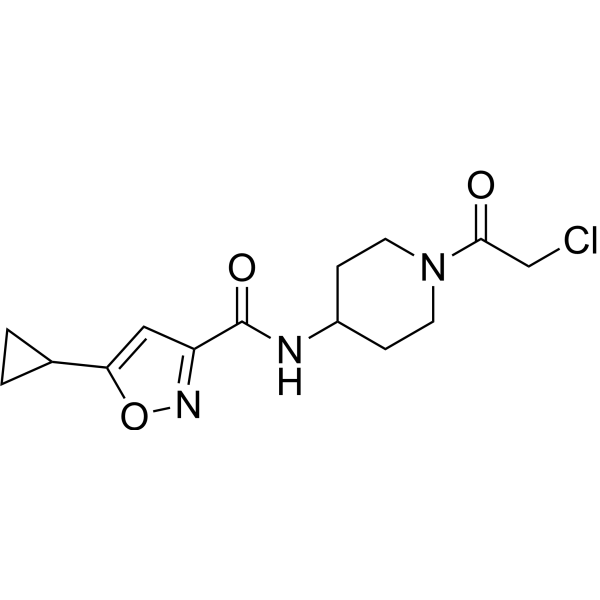
    EM127 (compound 11c) is a SMYD3 covalent inhibitor with high selectivity, high affinity (KD=13 μM) and site-specificity. EM127 effectively inhibits ERK1/2 phosphorylation and reduces transcriptional regulation of SMYD3 target genes. EM127 effectively and prolongedly impairs methyltransferase activity. EM127 can be used in cancer research, particularly in SMYD3 positive tumours .
    EM127
  • HY-100428

    MCC-555; Isaglitazone

    PPAR Metabolic Disease
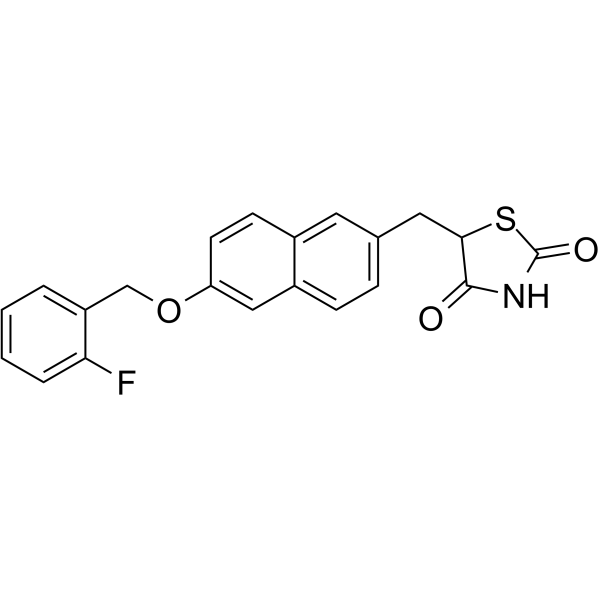
    Netoglitazone (MCC-555) is an orally active PPARγ ligand with an EC50 of 8 μM. Netoglitazone mediates cell type-specific functional regulation, and modulates the transcriptional activity of PPARγ as a full agonist, partial agonist or antagonist. Netoglitazone induces adipogenesis, inhibits osteoblastogenesis, alters the weight of extramedullary fat depots and enhances insulin sensitivity. Netoglitazone reduces blood glucose levels. Netoglitazone can be used in research related to type 2 diabetes and non-insulin-dependent diabetes mellitus .
    Netoglitazone
  • HY-P99925

    REGN421

    Notch Metabolic Disease Cancer
    Enoticumab (REGN421, SAR153192) is an IgG1κ antibody targeting human Dll4. DLL4 is a ligand of the Notch signaling pathway and regulates fatty acid uptake through non-transcriptional regulation of macropinocytosis-dependent long-chain fatty acid uptake. Specific in vivo activity of Enoticumab in an ovarian xenograft model. EGN421 (2.5 mg/kg once weekly) resulted in 86% and 83% tumor growth inhibition in mouse subcutaneous TOV-112D or intraperitoneal A2780 human tumor xenograft models, respectively .
    Enoticumab
  • HY-156190A

    Orphan Nuclear Receptor Cancer
    NR2F2-IN-1 (free base) is a potent and selective orphan nuclear receptor COUP-TFII (NR2F2) inhibitor. NR2F2-IN-1 (free base) substantially inhibits COUP-TFII–driven NGFIA reporter expression. NR2F2-IN-1 (free base) directly binds to the COUP-TFII ligand-binding domain and disrupts COUP-TFII interaction with transcription regulators, including FOXA1, thus repressing COUP-TFII activity on target gene regulation .
    NR2F2-IN-1 free base
  • HY-N1445R
    Isoquercitrin (Standard)
    1 Publications Verification

    Isoquercetin (Standard); Quercetin 3-glucoside (Standard)

    Reference Standards NF-κB NO Synthase Inflammation/Immunology Cancer
    Isoquercetin (Standard) is the analytical standard of Isoquercetin. This product is intended for research and analytical applications. Isoquercetin (Quercetin 3-glucoside) is a naturally occurring polyphenol that has antioxidant, anti-proliferative, and anti-inflammatory properties. Isoquercetin alleviates ethanol-induced hepatotoxicity, oxidative stress, and inflammatory responses via the Nrf2/ARE antioxidant signaling pathway . Isoquercetin regulates the expression of nitric oxide synthase 2 (NO2) via modulating the nuclear factor-κB (NF-κB) transcription regulation system. Isoquercetin has high bioavailability and low toxicity, is a promising candidate agent to prevent birth defects in diabetic pregnancies .
    Isoquercitrin (Standard)
  • HY-N0086R
    N6-Methyladenosine (Standard)
    1 Publications Verification

    6-Methyladenosine (Standard); N-Methyladenosine (Standard)

    Endogenous Metabolite Influenza Virus Reference Standards Infection
    N6-Methyladenosine (Standard) is the analytical standard of N6-Methyladenosine. This product is intended for research and analytical applications. N6-Methyladenosine is the most prevalent internal (non-cap) modification present in the messenger RNA (mRNA) of all higher eukaryotes. N6-Methyladenosine can modifies viral RNAs and has antiviral activities. In Vitro: N6-methyladenosine (m6A) is selectively recognized by the human YTH domain family 2 (YTHDF2) protein to regulate mRNA degradation. N6-methyladenosine (m6A), a prevalent internal modification in the messenger RNA of all eukaryotes, is post-transcriptionally installed by m6A methyltransferase (e.g., MT-A70) within the consensus sequence of G(m6A)C (70%) or A(m6A)C (30%). N6-methyladenosine (m6A)-containing RNAs are greatly enriched in the YTHDF-bound portion and diminished in the flow-through portion . N6-methyladenosine (m6A), the most abundant internal RNA modification, functions in diverse biological processes, including regulation of embryonic stem cell self-renewal and differentiation. N6-methyladenosine (m6A) is a large protein complex, consisting in part of methyltransferase-like 3 (METTL3) and methyltransferase-like 14 (METTL14) catalytic subunits .
    N6-Methyladenosine (Standard)
  • HY-168518

    PROTACs CDK Cancer
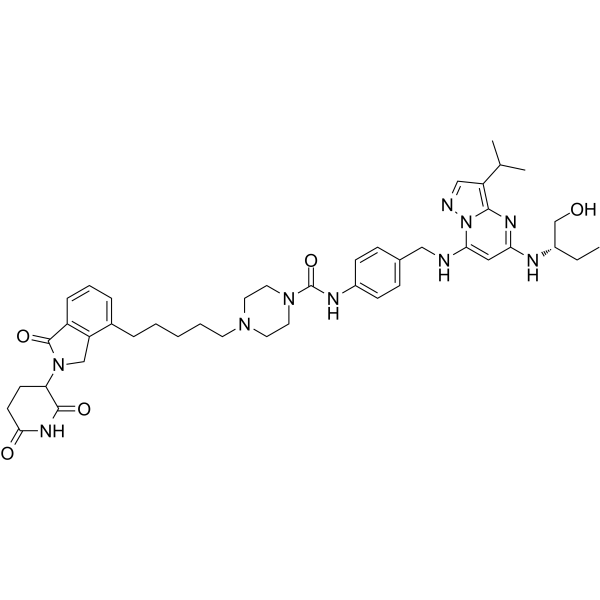
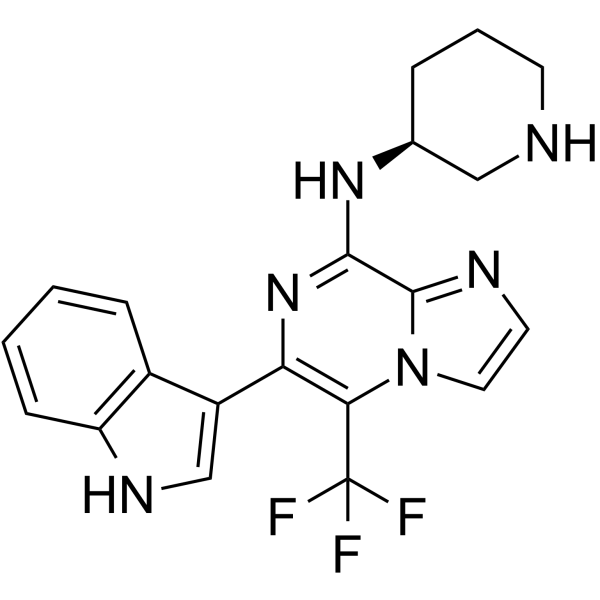
    PROTAC CDK9 degrader-9 (compound 29) is a highly selective and efficient CDK9 degrader based on PROTAC technology. PROTAC CDK9 degrader-9 can be used in anti-cancer research .
    PROTAC CDK9 degrader-9
  • HY-N0292R

    Cytochrome P450 Reference Standards PPAR Apoptosis Cardiovascular Disease Inflammation/Immunology Cancer
    Oleuropein (Standard) is the analytical standard of Oleuropein. This product is intended for research and analytical applications. Oleuropein, found in olive leaves and oil, exerts antioxidant, anti-inflammatory and anti-atherogenic effects through direct inhibition of PPARγ transcriptional activity . Oleuropein induces apoptosis in breast cancer cells via the p53-dependent pathway and through the regulation of Bax and Bcl2 genes. Oleuropein also inhibits aromatase .
    Oleuropein (Standard)
  • HY-P10336

    Serpin Neurological Disease Endocrinology
    Serpinin is an agonist of the protease inhibitor Nexin-1 (PN-1). Serpinin upregulates the expression of PN-1 through the cAMP-PKA-Sp1 signaling pathway, promoting granule biogenesis in endocrine cells. Serpinin is used in research related to the regulation of secretory function . Serpinin is a selective agonist for β-adrenergic receptors. Serpinin interacts with β1-adrenergic receptors to activate the AC-cAMP-PKA pathway, which regulates myocardial systolic and diastolic function. pGlu-serpinin upregulates Bcl2 mRNA transcription and exerts neuroprotective effects .
    Serpinin
  • HY-E70625

    Casein Kinase Cancer
    Casein Kinase 2 (CK2) is a serine/threonine protein kinase that is highly conserved among eukaryotes and has roles in many different cellular processes, such as cell survival, cell cycle regulation, cell polarity, stress responses, transcription and translation .
    Casein Kinase 2
  • HY-N10612

    AMPK PPAR TRP Channel Mitochondrial Metabolism Metabolic Disease Cancer
    Petasin inhibits adipogenesis in cell 3T3-F442A with an IC50 of 0.95 μM. Petasin inhibits the expression of lipid synthesis factors ACC1, FAS and SCD1 by inhibiting transcription factors PPARγ and C/EBPα, as well as targeting TRPA1 and TRPV1 channels . Petasin inhibits mitochondrial complex I, thereby inhibiting tumor growth and metastasis. Petasin activates AMPK signaling pathway, participating in regulation of glucose and lipid metabolism. Petasin is orally active .
    Petasin
  • HY-156190

    Orphan Nuclear Receptor Cancer
    NR2F2-IN-1 (CIA1) is a potent and selective orphan nuclear receptor COUP-TFII (NR2F2) inhibitor. NR2F2-IN-1 substantially inhibits COUP-TFII-driven NGFIA reporter expression. NR2F2-IN-1 directly binds to the COUP-TFII ligand-binding domain and disrupts COUP-TFII interaction with transcription regulators, including FOXA1, thus repressing COUP-TFII activity on target gene regulation .
    NR2F2-IN-1
  • HY-115728

    PROTACs Cancer
    PROTAC CDK9 degrader-4 is a highly potent and efficacious CDK9 degrader for targeting transcription regulation.
    PROTAC CDK9 degrader-4
  • HY-W014004

    CBHA

    HDAC Apoptosis Others Cancer
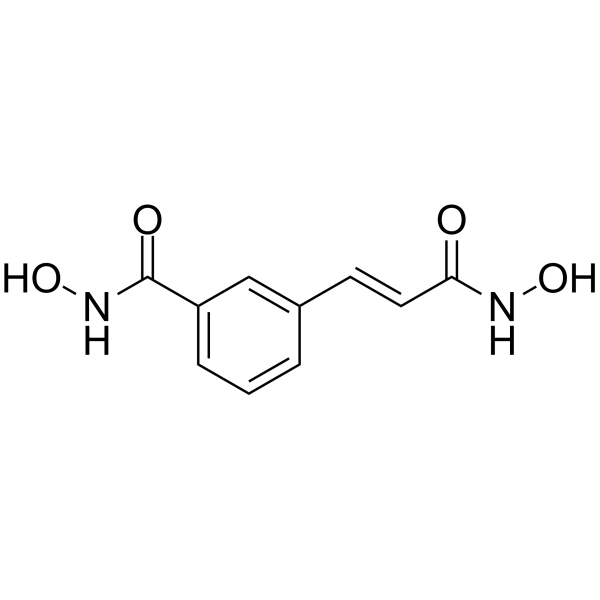
    m-Carboxycinnamic acid bishydroxamide (CBHA) is a histone deacetylase inhibitor. m-Carboxycinnamic acid bishydroxamide modulates histone acetylation sites, alters DNA methylation and epigenetic status, increases global histone acetylation, alleviates transcription repression, and facilitates chromatin remodelling. m-Carboxycinnamic acid bishydroxamide can be used for the research of cloned embryo development and epigenetic regulation .
    m-Carboxycinnamic acid bishydroxamide
  • HY-103691A
    ARN5187 trihydrochloride
    1 Publications Verification

    Autophagy Apoptosis Cancer
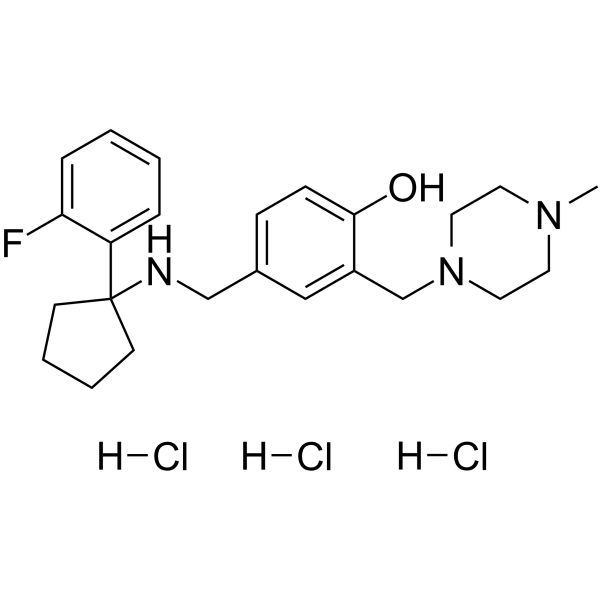
    ARN5187 trihydrochloride is a lysosomotropic REV-ERBβ ligand with a dual inhibitory activity toward REV-ERB-mediated transcriptional regulation and autophagy. ARN5187 trihydrochloride shows lysosomotropic potency and cytotoxicity. ARN5187 trihydrochloride induces apoptosis .
    ARN5187 trihydrochloride
  • HY-12270R

    AP-1 MMP Others
    T-5224 (Standard) is the analytical standard of T-5224. This product is intended for research and analytical applications. T-5224 is a transcription factor c-Fos/activator protein (AP)-1 inhibitor with anti-inflammatory effects, which specifically inhibits the DNA binding activity of c-Fos/c-Jun without affecting other transcription factors. T-5224 inhibits the IL-1β-induced up-regulation of Mmp-3, Mmp-13 and Adamts-5 transcription .
    T-5224 (Standard)
  • HY-179238

    Estrogen Receptor/ERR Cancer
    CS-1-103 is a potent estrogen receptor (ER) inhibitor. CS-1-103 inhibits ER transcriptional activity with an EC50 of 0.36 μM by recruiting methyl-CpG binding domain protein 2 (MBD2), HDACs and the nucleosome remodeling and deacetylase (NuRD) complex. CS-1-103 can be used for breast and prostate cancer research .
    CS-1-103
  • HY-P10229

    Phytohormone Others
    RALF1 peptide, a polypeptide found in plant kingdom (as well as in fungi and bacteria), is a FERONIA (FER) modulator. RALF1 peptide mediates rapid net H + influx across the plasma membrane, apoplast alkalinization, rapid reversible root growth inhibition, and non-transcriptional regulation.RALF1 peptide up-regulates auxin biosynthesis genes, activates canonical TIR1/AFB auxin signaling, and mediates sustained root growth inhibition. RALF1 peptide can be used for research on the regulation of plant growth and development .
    RALF1 peptide
  • HY-143862

    PPAR Metabolic Disease
    Pparδ agonist 7 is a potent agonist of Pparδ. The peroxisome proliferator-activated receptor (PPAR) is a member of the intranuclear receptor transcription factor superfamily that plays a key role in the regulation of metabolic homeostasis, inflammation, cell growth and differentiation in vivo. Pparδ agonist 7 has the potential for the research of non-alcoholic fatty liver disease (NAFLD) (extracted from patent WO2019105234A1, compound TM4) .
    Pparδ agonist 7
  • HY-144175

    CDK Cancer
    CDK7-IN-12 is a potent inhibitor of CDK7. CDK7-IN-12 plays a key role in transcriptional regulation and cell cycle regulation. CDK7-IN-12 effectively inhibit malignant tumor proliferation in vitro and in vivo. CDK7-IN-12 has the potential for the research of cancer disease (extracted from patent WO2021249417A1, compound 43) .
    CDK7-IN-12
  • HY-174578

    mRNA Cancer
    Human MYB mRNA encodes a protein with three HTH DNA-binding domains that functions as a transcription regulator. MYB plays an essential role in the regulation of hematopoiesis.
    Human MYB mRNA
  • HY-120106

    HDAC Others
    BG14 is a chemical optical modulation of epigenetic regulation of transcription (COMET) probe. BG14 enables high-resolution optical control of epigenetic mechanisms using visible light and can photochromically inhibit human histone deacetylases (HDACs). BG14 can be used to study the dynamic regulation of the human genome .
    BG14
  • HY-174539

    mRNA Neurological Disease
    Human SOX2 mRNA encodes the human SRY-box transcription factor 2 (SOX2) protein, a member of the SRY-related HMG-box (SOX) family of transcription factors. SOX2 involves in the regulation of embryonic development and in the determination of cell fate. In addition, SOX2 is also required for stem-cell maintenance in the central nervous system and could regulate gene expression in the stomach.
    Human SOX2 mRNA
  • HY-103691

    Autophagy Apoptosis Cancer
    ARN5187 is a lysosomotropic REV-ERBβ ligand with a dual inhibitory activity toward REV-ERB-mediated transcriptional regulation and autophagy. ARN5187 shows lysosomotropic potency and cytotoxicity. ARN5187 induces apoptosis .
    ARN5187
  • HY-174547

    mRNA Metabolic Disease
    Human PDX1 mRNA encodes the human pancreatic and duodenal homeobox 1 (PDX1) protein, a transcriptional activator of several genes, including insulin, somatostatin, glucokinase, islet amyloid polypeptide, and glucose transporter type 2. PDX1 may be involved in the early development of the pancreas. It also plays a major role in glucose-dependent regulation of insulin gene expression.
    Human PDX1 mRNA
  • HY-143863

    PPAR Metabolic Disease
    Pparδ agonist 8 is a potent agonist of Pparδ. The peroxisome proliferator-activated receptor (PPAR) is a member of the intranuclear receptor transcription factor superfamily that plays a key role in the regulation of metabolic homeostasis, inflammation, cell growth and differentiation in vivo. Pparδ agonist 8 has the potential for the research of non-alcoholic fatty liver disease (NAFLD) (extracted from patent WO2021169769A1, compound TM2) .
    PPARδ agonist 8
  • HY-103484

    IKZF Family Cardiovascular Disease
    GATA4-NKX2-5-IN-1 (Compound 3) dose-dependently inhibits the GATA4–NKX2-5 transcriptional synergy with an IC50 of 3 μM. GATA4-NKX2-5-IN-1 exhibits no activity on the protein kinases involved in the regulation of GATA4 phosphorylation, and it modulates the hypertrophic agonist-induced cardiac gene expression .
    GATA4-NKX2-5-IN-1
  • HY-100428R

    MCC-555 (Standard); Isaglitazone (Standard)

    Reference Standards PPAR Metabolic Disease
    Netoglitazone (Standard) is the analytical standard of Netoglitazone (HY-100428). This product is intended for research and analytical applications. Netoglitazone (MCC-555) is an orally active PPARγ ligand with an EC50 of 8 μM. Netoglitazone mediates cell type-specific functional regulation, and modulates the transcriptional activity of PPARγ as a full agonist, partial agonist or antagonist. Netoglitazone induces adipogenesis, inhibits osteoblastogenesis, alters the weight of extramedullary fat depots and enhances insulin sensitivity. Netoglitazone reduces blood glucose levels. Netoglitazone can be used in research related to type 2 diabetes and non-insulin-dependent diabetes mellitus .
    Netoglitazone (Standard)
  • HY-12270S

    Isotope-Labeled Compounds AP-1 MMP Inflammation/Immunology
    T-5224-d8 is the deuterium labeled T-5224 (HY-12270). T-5224 is a transcription factor c-Fos/activator protein (AP)-1 inhibitor with anti-inflammatory effects, which specifically inhibits the DNA binding activity of c-Fos/c-Jun without affecting other transcription factors. T-5224 inhibits the IL-1β-induced up-regulation of Mmp-3, Mmp-13 and Adamts-5 transcription .
    T-5224-d8
  • HY-103691AR

    REV-ERB Reference Standards Autophagy Apoptosis Cancer
    ARN5187 trihydrochloride (Standard) is the analytical standard of ARN5187 trihydrochloride (HY-103691A). This product is intended for research and analytical applications. ARN5187 trihydrochloride is a lysosomotropic REV-ERBβ ligand with a dual inhibitory activity toward REV-ERB-mediated transcriptional regulation and autophagy. ARN5187 trihydrochloride shows lysosomotropic potency and cytotoxicity. ARN5187 trihydrochloride induces apoptosis .
    ARN5187 trihydrochloride (Standard)
  • HY-180539

    Bacterial Infection
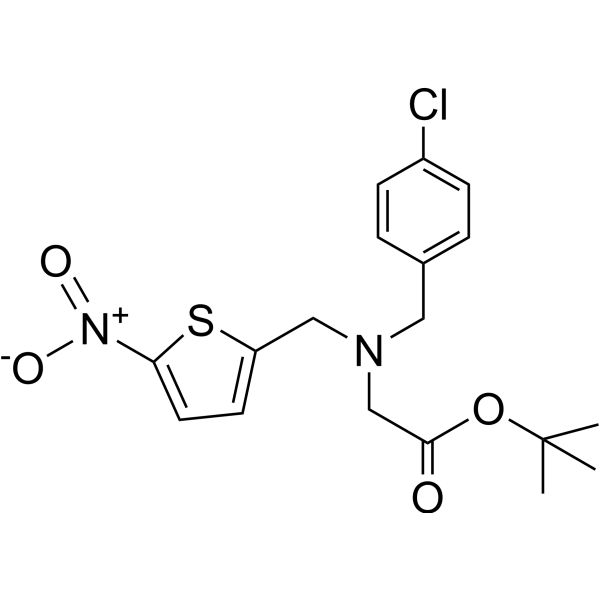
    JT71 is an inhibitor of the transcriptional activator MrkH of type III fimbriae in Klebsiella pneumoniae. JT71 reduces the activity of the mrkA promoter in Klebsiella pneumoniae, effectively inhibiting the formation of biofilms by Klebsiella pneumoniae, while not affecting the cell's viability. JT71 can be used for research on Klebsiella pneumoniae infections .
    JT71
  • HY-N19818

    Phosphatase NF-κB Pregnane X Receptor (PXR) Cancer
    Glycybridin C is a Protein tyrosine phosphatase 1B (PTP1B) inhibitor and pregnane X receptor (PXR) ligand. Glycybridin C inhibits insulin and leptin signaling pathway negative regulation, LPS (HY-D1056)-induced NF-κB transcriptional activity. Glycybridin C forms hydrophobic and π-π stacking interactions with Met243, Phe288, Tyr306, and His407 residues of PXR. Glycybridin C can be used for the research of hepatocellular carcinoma, colorectal adenocarcinoma, breast carcinoma .
    Glycybridin C
  • HY-107413R

    BMS-649 (Standard)

    Reference Standards RAR/RXR Tyrosine Hydroxylase Neurological Disease Inflammation/Immunology
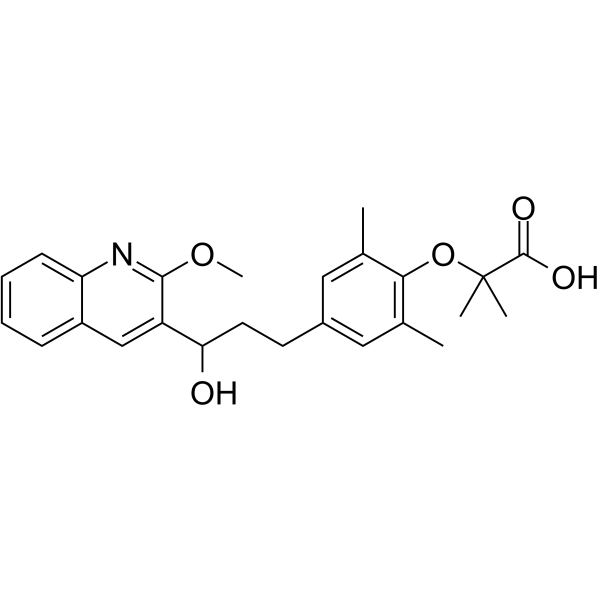
    SR11237 (Standard) is the analytical standard of SR11237 (HY-107413). This product is intended for research and analytical applications. SR11237 is a RXR activator and lipid metabolism regulator that promotes the differentiation of induced neural stem cells into dopaminergic (TH-positive) neurons. SR11237 induces transcriptional regulation of lipogenic genes and cholesterol transporters, increases glycosaminoglycan release, and elevates total cellular triglyceride levels. SR11237 promotes heterodimerization of RXR with Nurr1, thereby enhancing tyrosine hydroxylase expression and facilitating dopamine release. SR11237 produces a synergistic effect when used in combination with bFGF/EGF. SR11237 is mainly used in studies related to osteoarthritis and Parkinson's disease .
    SR11237 (Standard)
  • HY-103484R

    IKZF Family Reference Standards Cardiovascular Disease
    GATA4-NKX2-5-IN-1 (Standard) is the analytical standard of GATA4-NKX2-5-IN-1 (HY-103484). This product is intended for research and analytical applications. GATA4-NKX2-5-IN-1 (Compound 3) dose-dependently inhibits the GATA4–NKX2-5 transcriptional synergy with an IC50 of 3 μM. GATA4-NKX2-5-IN-1 exhibits no activity on the protein kinases involved in the regulation of GATA4 phosphorylation, and it modulates the hypertrophic agonist-induced cardiac gene expression .
    GATA4-NKX2-5-IN-1 (Standard)
  • HY-133240

    DNA Alkylator/Crosslinker Calcium Channel Potassium Channel Sodium Channel Infection
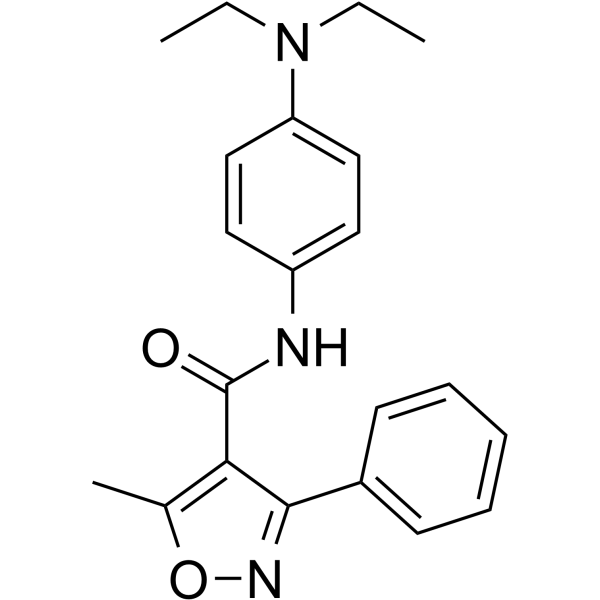
    trans-AzoTAB is a photoresponsive potassium/sodium/calcium channel modulator and DNA-binding agent. trans-AzoTAB undergoes trans-cis isomerization driven by light, with variable polarity and DNA affinity. trans-AzoTAB also enhances voltage-gated potassium currents and inhibits sodium and calcium currents in cardiomyocytes, thereby reducing spontaneous electrical activity and excitation conduction velocity. In addition, trans-AzoTAB induces compaction and frozen conformation of λ-phage DNA, and non-sequence-dependently inhibits transcription and translation processes in the dark; its activity can be reversed and restored by visible light after activation with ultraviolet irradiation. trans-AzoTAB can serve as a probe for two-photon optical regulation of myocardial excitability, and is used to construct photoresponsive interfacial polymer structures .
    trans-AzoTAB
  • HY-107413G

    RAR/RXR Tyrosine Hydroxylase Neurological Disease Inflammation/Immunology
    SR11237 GMP is SR11237 (HY-107413) produced by using GMP guidelines. GMP small molecules works appropriately as an auxiliary reagent for cell therapy manufacture. SR11237 is a RXR activator and lipid metabolism regulator that promotes the differentiation of induced neural stem cells into dopaminergic (TH-positive) neurons. SR11237 induces transcriptional regulation of lipogenic genes and cholesterol transporters, increases glycosaminoglycan release, and elevates total cellular triglyceride levels. SR11237 promotes heterodimerization of RXR with Nurr1, thereby enhancing tyrosine hydroxylase expression and facilitating dopamine release. SR11237 produces a synergistic effect when used in combination with bFGF/EGF. SR11237 is mainly used in studies related to osteoarthritis and Parkinson's disease .
    SR11237
  • HY-183273

    Epigenetic Reader Domain Akt CDK Autophagy Apoptosis Cancer
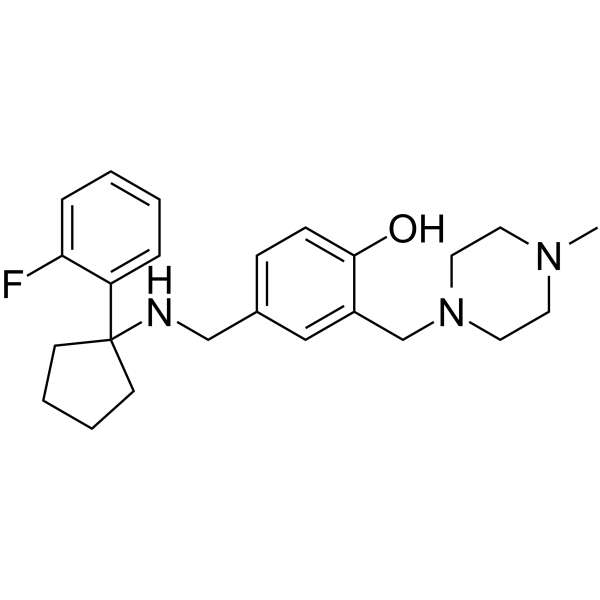
    BRD4/AKT-IN-1 is a BRD4/AKT inhibitor with BRD4 IC50 66.12 nM and AKT1 IC50 143.81 nM. BRD4/AKT-IN-1 blocks BRD4-mediated c-Myc transcriptional regulation, modulates AKT1 signaling, decouples AKT phosphorylation from pro-survival effectors. BRD4/AKT-IN-1 induces G0/G1 cell cycle arrest via downregulated phosphorylated RB, cyclin E1, CDK2. BRD4/AKT-IN-1 elevates LC3B levels to promote autophagy. BRD4/AKT-IN-1 promotes apoptosis in cancer cells. BRD4/AKT-IN-1 can be used for the research of metastatic castration-resistant prostate cancer .
    BRD4/AKT-IN-1

온라인 문의

Your information is safe with us. * Required Fields.

호칭


Country or Region *

고객명 *


회사명 *

Department *


메일주소 *


상품명 *

Cat. No.


Requested quantity *

전화번호 *


비고

온라인 문의

Inquiry Information

상품명:
Cat. No.:
수량:
MCE Japan Authorized Agent: