1. 疾患モデリングル製品 Immunology/Inflammation Metabolic Enzyme/Protease
  2. Immunology and Inflammatory Disease Models Digestive System Disease Models NO Synthase Endogenous Metabolite
  3. Pancreatitis Models Pancreatic Disease Models
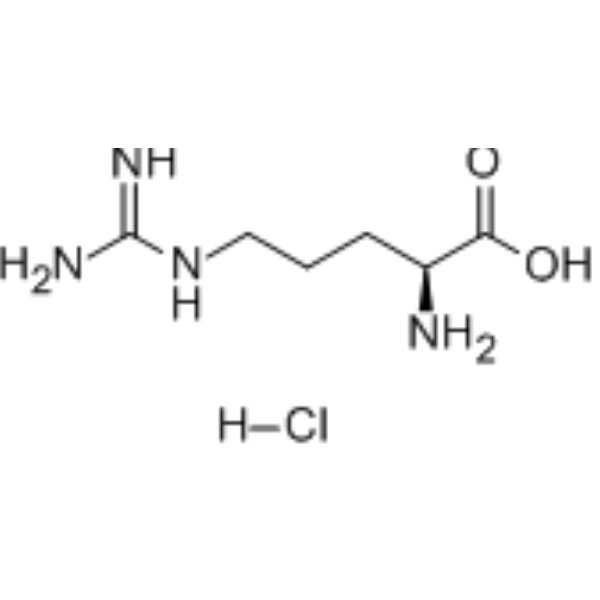
  4. L-Arginine hydrochloride

L-アルギニン塩酸塩  (Synonyms: L-Arginine (hydrochloride); (S)-(+)-Arginine hydrochloride)

製品番号: HY-N0455A 純度: 99.95%
COA 取扱説明書 Technical Support

L-Arginine ((S)-(+)-Arginine) is the substrate for the endothelial nitric oxide synthase (eNOS) to generate NO. L-Arginine is transported into vascular smooth muscle cells by the cationic amino acid transporter family of proteins where it is metabolized to nitric oxide (NO), polyamines, or L-proline. L-Arginine is a potent vasodilator, and can be used to induce experimental acute pancreatitis.

商品は「研究用試薬」です。人や動物の医療用・臨床診断用・食品用の製品ではありません。
研究用途以外に使用した場合、当社は一切の責任を負いかねます。

CAS 番号 : 1119-34-2

容量 価格(税別) 在庫状況 数量
Solid + Solvent (Highly Recommended)
10 mM * 1 mL in Water
ready for reconstitution
USD 33 在庫あり
Solution
10 mM * 1 mL in Water USD 33 在庫あり
Solid
500 mg $30 在庫あり
1 g $40 在庫あり
5 g $50 在庫あり
10 g   お問い合わせ  
50 g   お問い合わせ  

* アイテムを追加する前、数量をご選択ください

This product is a controlled substance and not for sale in your territory.

カスタマーレビュー

Based on 23 publication(s) in Google Scholar

Top Publications Citing Use of Products

    L-Arginine hydrochloride purchased from MedChemExpress. Usage Cited in: Adv Sci (Weinh). 2025 Nov 21:e10500.  [Abstract]

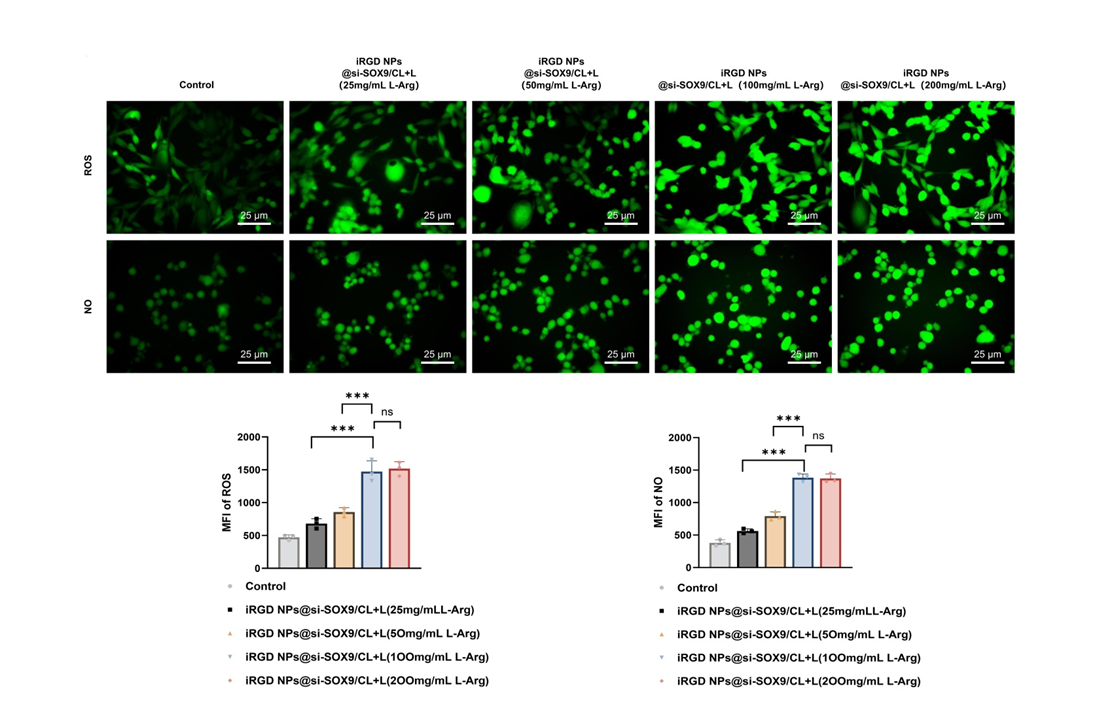
    Intracellular ROS and NO generation were measured under different L-Arg (25-200 mg/mL) concentrations following iRGD NPs@si-SOX9/CL+L (24 h) treatment using DCFH-DA and DAF-FM DA probes

    L-Arginine hydrochloride purchased from MedChemExpress. Usage Cited in: Cell Rep Med. 2025 Sep 16;6(9):102333.  [Abstract]

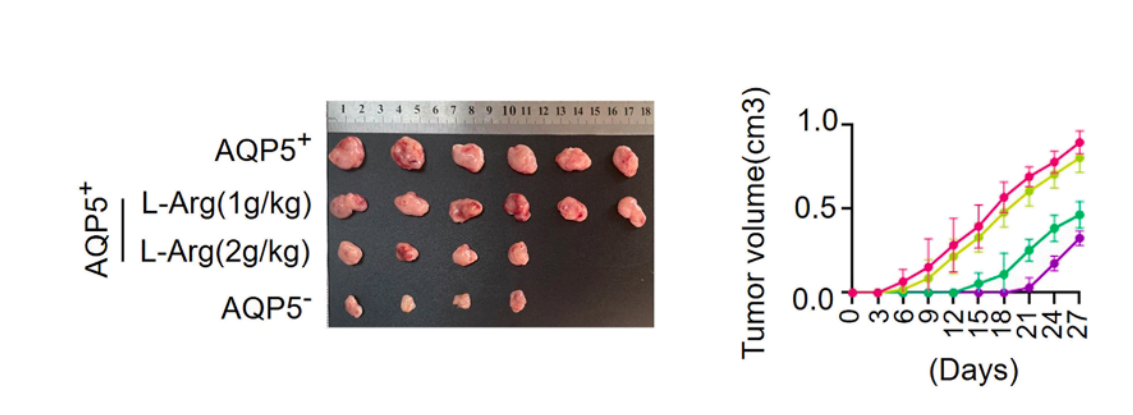
    Images and tumor volume in subcutaneous tumors established with AQP5+ or AQP5 MFC cells in C57BL/6J mice treated with daily oral gavage of different concentrations of L-Arginine (1-2 g/kg; p.o. daily for 27 d) or PBS.

    L-Arginine hydrochloride purchased from MedChemExpress. Usage Cited in: Cell Rep Med. 2025 Sep 16;6(9):102333.  [Abstract]

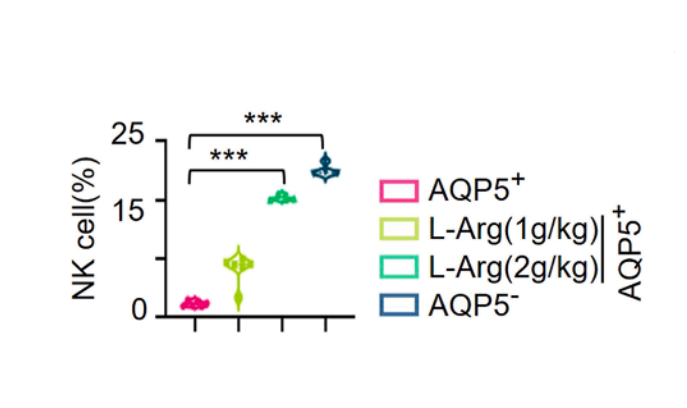
    Proportion of NK cells in subcutaneous tumors detected by flow cytometry (AQP5+); AQP5+ + L-Arginine (1 g/kg daily oral gavage); AQP5+ + L-Arginine (2 g/kg daily oral gavage); AQP5-).

    L-Arginine hydrochloride purchased from MedChemExpress. Usage Cited in: Cell Rep Med. 2025 Sep 16;6(9):102333.  [Abstract]

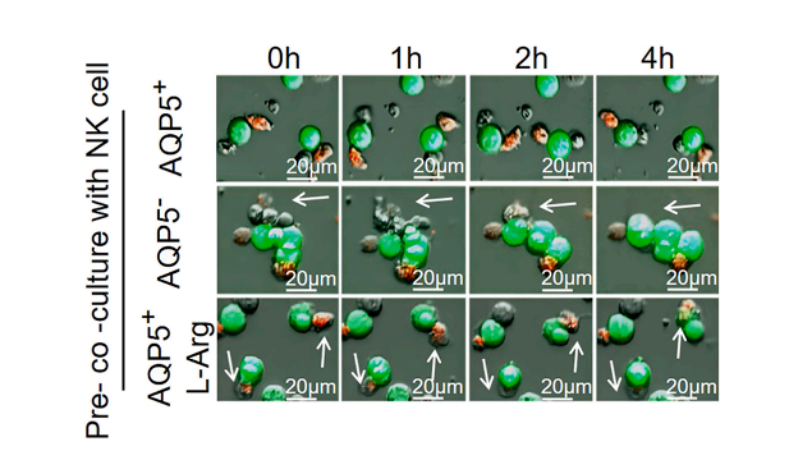
    NK cells co-cultured with AQP5+ AGS cells, AQP5- AGS cells, or AQP5+ AGS cells supplemented with 40 nM L-Arginine for 48 h and co-cultured with AGS cells. Images detected by live cell workstation; NK cells were labeled green by CFSE, and AGS cells were labeled red.

    L-Arginine hydrochloride purchased from MedChemExpress. Usage Cited in: Nutrients. 2023 Oct 18;15(20):4427.

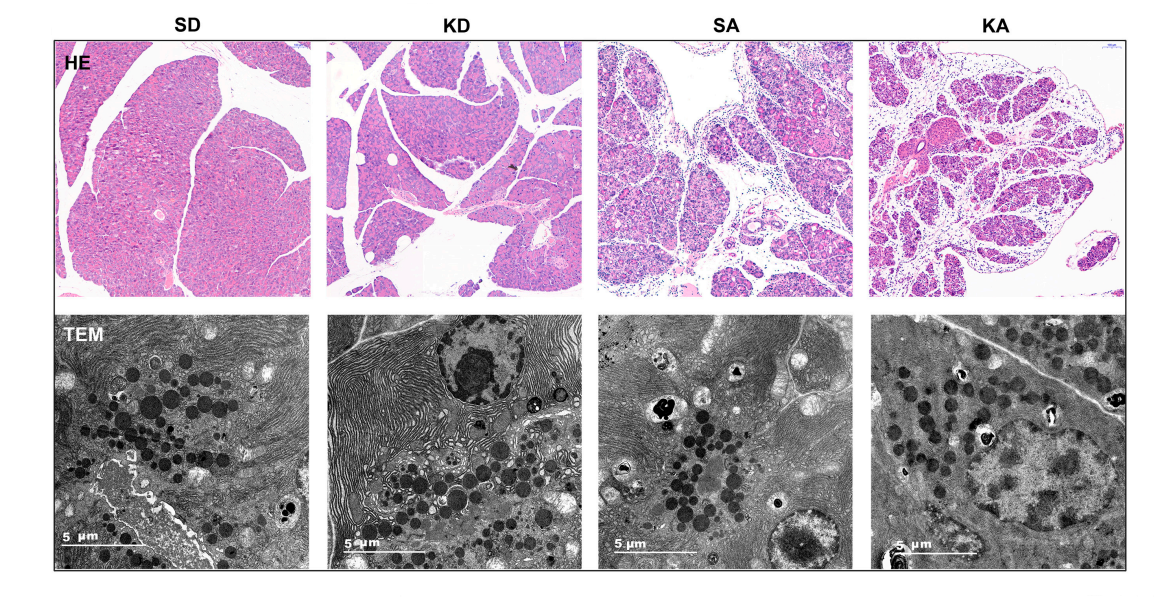
    A ketogenic diet exacerbated L-Arginine (4 g/kg; hourly i.p. for 2 times )-induced acute pancreatitis. H&E staining and TEM sections of pancreatic tissue.

    NO Synthase アイソフォーム固有の製品をすべて表示:

    Endogenous Metabolite アイソフォーム固有の製品をすべて表示:

    • 生物活性

    • 純度とドキュメンテーション

    • 参考文献

    • カスタマーレビュー

    製品説明

    L-Arginine ((S)-(+)-Arginine) is the substrate for the endothelial nitric oxide synthase (eNOS) to generate NO. L-Arginine is transported into vascular smooth muscle cells by the cationic amino acid transporter family of proteins where it is metabolized to nitric oxide (NO), polyamines, or L-proline. L-Arginine is a potent vasodilator, and can be used to induce experimental acute pancreatitis[1][2][3][4][5].

    IC50 & Target

    Microbial Metabolite


    Human Endogenous Metabolite


    体外実験

    Arginine is an α-amino acid. The L-form is one of the 20 most common natural amino acids. At the level of molecular genetics, in the structure of the messenger ribonucleic acid mRNA, CGU, CGC, CGA, CGG, AGA, and AGG, are the triplets of nucleotide bases or codons that code for arginine during protein synthesis. In mammals, arginine is classified as a semiessential or conditionally essential amino acid, depending on the developmental stage and health status of the individual[1].
    L-Arginine is associated with a decrease in cardiac index. L-Arginine (450 mg/kg during a 15-minute period) amplifies and sustains the hyperemia (38%) and increases absolute brain blood flow after eNOS upregulation by chronic Simvastatin (HY-17502) (2 mg/kg; sc; daily for 14 days) in SV-129 mice[2][3].

    MedChemExpress (MCE) has not independently confirmed the accuracy of these methods. They are for reference only.

    体内実験

    Note:
    Please do not refer to only one article to determine the experimental conditions. It is recommended to determine the optimal experimental conditions (animal strain, age, dosage, frequency and cycle, detection time and indicators, etc.) through preliminary experiments before the formal experiment.

    L-Arginine hydrochloride has been widely accepted as a method to induce experimental acute pancreatitis[4][5].
    Dose reference for L-Arginine hydrochloride induction[4][5]:
    (1) Model animal: Male Wistar albino rats
    Acute pancreatitis: single i.p. injection of 500 mg of L-arginine/100 g body weight
    (2) Model animal: Male ICR mice
    Acute pancreatitis: i.p. with 2.25 g/kg body weight of L-Arginine hourly for 2 hours
    Dissolution method of L-Arginine hydrochloride[5]:
    L-arginine solution was prepared by dissolving L-arginine powder in 0.9% normal saline and adjusting the pH to 7 with 5 N HCl.
    Induction of Experimental Acute Pancreatitis[4][5]
    Background
    L-Arginine hydrochloride is a substrate for endothelial nitric oxide synthase (eNOS) to produce NO, which can be metabolized into nitric oxide (NO), polyamines or L-proline, stimulating inflammatory responses. L-Arginine hydrochloride can also selectively destroy pancreatic acinar cells, leading to acute necrotizing pancreatitis.
    Specific Modeling Methods
    Rat[4]: Wistar albino rats • Male • 150 g
    Administration: 250 mg, 500 mg, 750 mg every 100 g body weight (L-Arginine) • ip • single dose • starved for 15 hours
    Mice[5]: ICT mouse • Male • 4-week-old • 25-30 g
    Administration: 450 mg/100 g body weight (L-Arginine) • ip • twice dosages • sacrificed at 72 hours
    Note
    (1) When the dose exceeds 500 mg/100 g body weight, most rats will die within a few hours after injection; When the dose is less than 250 mg, the induced symptoms of pancreatic disease will be mild[4].
    (2) Dissolution method in Reference: L-Arginine solution was prepared by dissolving L-Arginine powder in 0.9% normal saline and adjusting pH to 7 with 5N hydrochloric acid[5].
    Modeling Indicators
    Phenotypic changes: weight loss, lower activity, softer hair.
    Tissue morphology: pancreatic edema, damage, atrophy, granulation tissue contraction and chalky spots (location of fat necrosis).
    Cellular changes: basophils decrease and vesicles, cell pyknosis, nuclear fragmentation. Pancreatic albino cells disappear and die, and pancreatic tissue is replaced by monocytes and fibroblasts.
    Molecular changes: serum amylase levels increase, and fat necrosis is obvious.
    Correlated Product(s): Curcumin (HY-N0005)

    MedChemExpress (MCE) has not independently confirmed the accuracy of these methods. They are for reference only.

    臨床実験
    分子量

    210.66

    分子式

    C6H15ClN4O2

    CAS 番号
    Appearance

    Solid

    Color

    White to off-white

    SMILES

    N[C@@H](CCCNC(N)=N)C(O)=O.[H]Cl

    Structure Classification
    Initial Source
    輸送条件

    Room temperature in continental US; may vary elsewhere.

    保管条件

    4°C, sealed storage, away from moisture

    *In solvent : -80°C, 6 months; -20°C, 1 month (sealed storage, away from moisture)

    溶剤 & 溶解度
    体外: 

    H2O : 100 mg/mL (474.70 mM; Need ultrasonic)

    DMSO : < 1 mg/mL (insoluble or slightly soluble)

    Preparing
    Stock Solutions
    Concentration Solvent Mass 1 mg 5 mg 10 mg
    1 mM 4.7470 mL 23.7349 mL 47.4699 mL
    5 mM 0.9494 mL 4.7470 mL 9.4940 mL
    10 mM 0.4747 mL 2.3735 mL 4.7470 mL
    View the Complete Stock Solution Preparation Table

    * Please refer to the solubility information to select the appropriate solvent. Once prepared, please aliquot and store the solution to prevent product inactivation from repeated freeze-thaw cycles.
    Storage method and period of stock solution: -80°C, 6 months; -20°C, 1 month (sealed storage, away from moisture). When stored at -80°C, please use it within 6 months. When stored at -20°C, please use it within 1 month.

    * Note: If you choose water as the stock solution, please dilute it to the working solution, then filter and sterilize it with a 0.22 μm filter before use.

    • Molarity Calculator

    • Dilution Calculator

    Mass (g) = Concentration (mol/L) × Volume (L) × Molecular Weight (g/mol)

    Mass
    =
    Concentration
    ×
    Volume
    ×
    Molecular Weight *

    Concentration (start) × Volume (start) = Concentration (final) × Volume (final)

    一般には略語で表示されます:C1V1 = C2V2

    濃度 (開始)

    C1

    ×
    体積 (開始)

    V1

    =
    濃度 (終了)

    C2

    ×
    体積 (終了)

    V2

    体内:

    For the following dissolution methods, please prepare the working solution directly. It is recommended to prepare fresh solutions and use them promptly within a short period of time.
    The percentages shown for the solvents indicate their volumetric ratio in the final prepared solution. If precipitation or phase separation occurs during preparation, heat and/or sonication can be used to aid dissolution.

    • Protocol 1

      Add each solvent one by one:  PBS

      Solubility: 100 mg/mL (474.70 mM); Clear solution; Need ultrasonic

    In Vivo Dissolution Calculator
    Please enter the basic information of animal experiments:

    Dosage

    mg/kg

    Animal weight
    (per animal)

    g

    Dosing volume
    (per animal)

    μL

    Number of animals

    Recommended: Prepare an additional quantity of animals to account for potential losses during experiments.
    Calculation results:
    Working solution concentration: mg/mL
    This product has good water solubility, please refer to the measured solubility data in water/PBS/Saline for details.
    The concentration of the stock solution you require exceeds the measured solubility. The following solution is for reference only.If necessary, please contact MedChemExpress (MCE).
    純度とドキュメンテーション

    純度: 99.95%

    参考文献

    Complete Stock Solution Preparation Table

    * Please refer to the solubility information to select the appropriate solvent. Once prepared, please aliquot and store the solution to prevent product inactivation from repeated freeze-thaw cycles.
    Storage method and period of stock solution: -80°C, 6 months; -20°C, 1 month (sealed storage, away from moisture). When stored at -80°C, please use it within 6 months. When stored at -20°C, please use it within 1 month.

    Optional Solvent Concentration Solvent Mass 1 mg 5 mg 10 mg 25 mg
    H2O 1 mM 4.7470 mL 23.7349 mL 47.4699 mL 118.6746 mL
    5 mM 0.9494 mL 4.7470 mL 9.4940 mL 23.7349 mL
    10 mM 0.4747 mL 2.3735 mL 4.7470 mL 11.8675 mL
    15 mM 0.3165 mL 1.5823 mL 3.1647 mL 7.9116 mL
    20 mM 0.2373 mL 1.1867 mL 2.3735 mL 5.9337 mL
    25 mM 0.1899 mL 0.9494 mL 1.8988 mL 4.7470 mL
    30 mM 0.1582 mL 0.7912 mL 1.5823 mL 3.9558 mL
    40 mM 0.1187 mL 0.5934 mL 1.1867 mL 2.9669 mL
    50 mM 0.0949 mL 0.4747 mL 0.9494 mL 2.3735 mL
    60 mM 0.0791 mL 0.3956 mL 0.7912 mL 1.9779 mL
    80 mM 0.0593 mL 0.2967 mL 0.5934 mL 1.4834 mL
    100 mM 0.0475 mL 0.2373 mL 0.4747 mL 1.1867 mL

    * Note: If you choose water as the stock solution, please dilute it to the working solution, then filter and sterilize it with a 0.22 μm filter before use.

    • No file chosen (Maximum size is: 1024 Kb)
    • If you have published this work, please enter the PubMed ID.
    • Your name will appear on the site.
    • Molarity Calculator

    • Dilution Calculator

    The molarity calculator equation

    Mass (g) = Concentration (mol/L) × Volume (L) × Molecular Weight (g/mol)

    質量   濃度   体積   分子量 *
    = × ×

    The dilution calculator equation

    Concentration (start) × Volume (start) = Concentration (final) × Volume (final)

    一般には略語で表示されます:C1V1 = C2V2

    濃度 (開始) × 体積 (開始) = 濃度 (終了) × 体積 (終了)
    × = ×
    C1   V1   C2   V2
    Help & FAQs
    • Do most proteins show cross-species activity?

      Species cross-reactivity must be investigated individually for each product. Many human cytokines will produce a nice response in mouse cell lines, and many mouse proteins will show activity on human cells. Other proteins may have a lower specific activity when used in the opposite species.

    最近チェックした製品:

    オンラインお問い合わせ

    Your information is safe with us. * Required Fields.

    製品名


    カスタマ需要量 *

    お名前 *


    タイトル

    メールアドレス *


    電話番号 *

    デパートメント


    組纖名 *

    市区町村

    都道府県

    国或いは地域 *


    必ず会社名を記載ください。個人への返信は行いません。

    備考

    バルクお問い合わせ

    Inquiry Information

    製品名:
    L-Arginine hydrochloride
    製品番号:
    HY-N0455A
    数量:
    MCE 日本正規代理店: