1. Signaling Pathways
  2. PI3K/Akt/mTOR
  3. mTOR

mTOR

Mammalian target of Rapamycin

mTOR (mammalian target of Rapamycin) is a protein that in humans is encoded by the mTOR gene. mTOR is a serine/threonine protein kinase that regulates cell growth, cell proliferation, cell motility, cell survival, protein synthesis, and transcription. mTOR belongs to the phosphatidylinositol 3-kinase-related kinase protein family. mTOR integrates the input from upstream pathways, including growth factors and amino acids. mTOR also senses cellular nutrient, oxygen, and energy levels. The mTOR pathway is dysregulated in human diseases, such as diabetes, obesity, depression, and certain cancers. Rapamycin inhibits mTOR by associating with its intracellular receptor FKBP12. The FKBP12-rapamycin complex binds directly to the FKBP12-Rapamycin Binding (FRB) domain of mTOR, inhibiting its activity.

Cat. No. Product Name Effect Purity Chemical Structure
  • HY-N3628
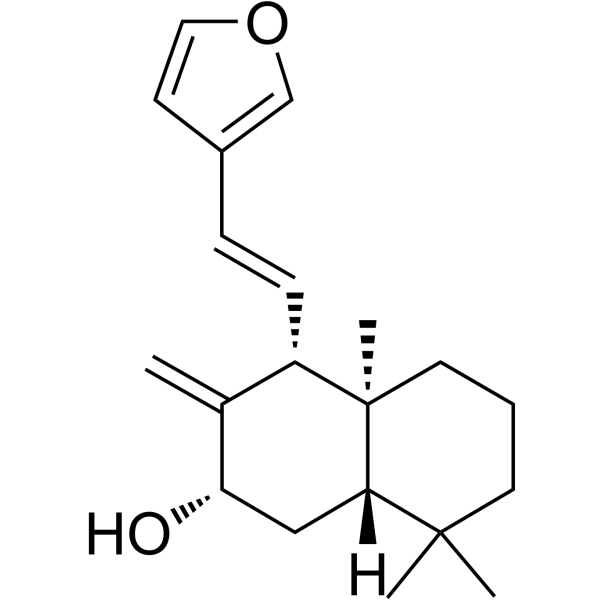
    Coronarin A
    Inhibitor ≥98.0%
    Coronarin A is an orally active natural compound that inhibits mTORC1 and S6K1 to increase IRS1 activity. Coronarin A shows anti-inflammatory activity and can also be used for type 2 diabetes mellitus research.
    Coronarin A
  • HY-109633
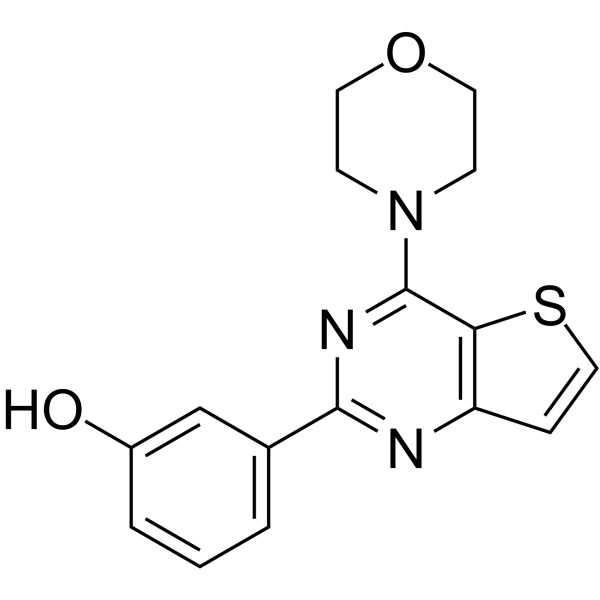
    PI3K/mTOR-IN-23
    Inhibitor 99.0%
    PI3K/mTOR-IN-23 is a dual inhibitor of PI3K and mTOR with IC50 values of 49 and 41 nM. PI3K/mTOR-IN-23 inhibits cancer cells proliferation.
    PI3K/mTOR-IN-23
  • HY-N2199
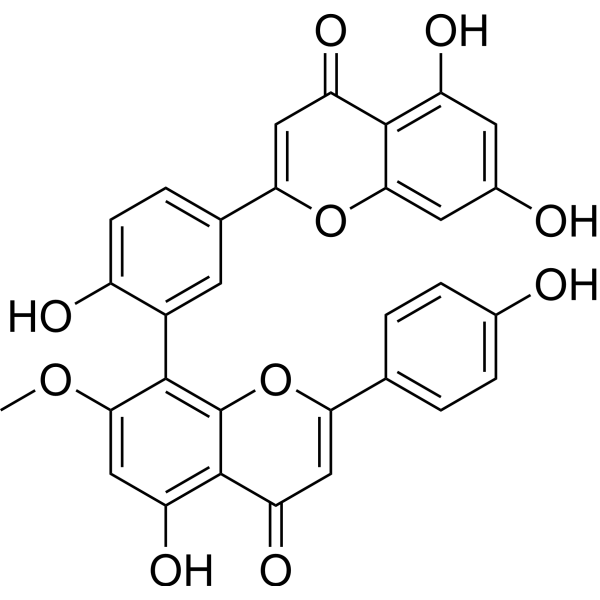
    Sotetsuflavone
    Inhibitor
    Sotetsuflavone is a flavonoid that can be isolated from Cycas revolute. Sotetsuflavone inhibits phosphorylation of PI3K, Akt, mTOR, JNK, and p38 MAPK; modulates expression of Cyclin D1, CDK4, Bcl-2, Bax, cleaved caspases 3/9, MMP-9, TGF-β, STAT3, and β-catenin. Sotetsuflavone induces G0/G1 cell cycle arrest, apoptosis, autophagy, and intracellular ROS elevation, inhibits cancer cell proliferation. Sotetsuflavone inhibits tumor growth in mouse tumor xenograft models. Sotetsuflavone can be used for the research of non-small cell lung cancer and Crohn’s disease.
    Sotetsuflavone
  • HY-203618
    PI3K/mTOR ligand-1
    Ligand
    PI3K/mTOR ligand-1 is a ligand for the target protein of PROTAC (PI3K/mTOR). PI3K/mTOR ligand-1 can be used to synthesize GP262 (HY-180261).
    PI3K/mTOR ligand-1
  • HY-P3072
    Mastoparan 17
    Control 98.09%
    Mastoparan 17 is a tetradecapeptide. Mastoparan 17 is an inactive analogue of Mastoparan (HY-P0246) .
    Mastoparan 17
  • HY-N0112R
    Dihydromyricetin (Standard)
    Inhibitor
    Dihydromyricetin (Standard) is the analytical standard of Dihydromyricetin. This product is intended for research and analytical applications. Dihydromyricetin is a potent inhibitor with an IC50 of 48 μM on dihydropyrimidinase. Dihydromyricetin can activate autophagy through inhibiting mTOR signaling. Dihydromyricetin suppresses the formation of mTOR complexes (mTORC1/2). Dihydromyricetin is also a potent influenza RNA-dependent RNA polymerase inhibitor with an IC50 of 22 μM.
    Dihydromyricetin (Standard)
  • HY-N2423
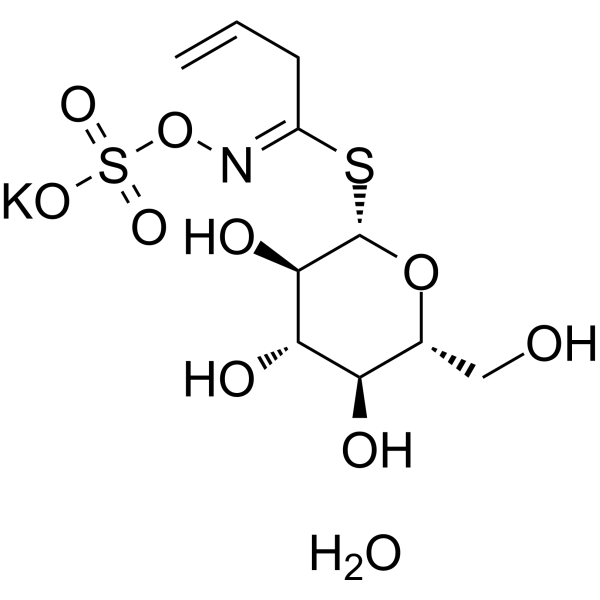
    Sinigrin hydrate
    Inhibitor 99.92%
    Sinigrin (Allyl-glucosinolate) hydrate is an orally active glucosinolate found in cruciferous plants. Sinigrin hydrate possesses multiple activities such as anti-cancer, antibacterial, antifungal, anti-inflammatory, antioxidant, and inhibition of fat synthesis. Sinigrin hydrate can be used in the research of tumors, inflammatory, and metabolic diseases.
    Sinigrin hydrate
  • HY-RS08810
    MTOR Human Pre-designed siRNA Set A
    Inhibitor

    MTOR Human Pre-designed siRNA Set A contains three designed siRNAs for MTOR gene (Human), as well as a negative control, a positive control, and a FAM-labeled negative control.

    MTOR Human Pre-designed siRNA Set A
  • HY-10071A
    Y-27632 hydrochloride hydrate
    Inhibitor 99.65%
    Y-27632 hydrochloride hydrate is a ROCK inhibitor with Ki values of 220 nM and 300 nM for ROCK1 and ROCK2, respectively. Y-27632 hydrochloride hydrate exerts anti-inflammatory and immunomodulatory effects in systemic lupus erythematosus models by inhibiting the ROCK/NF-κB pathway. Y-27632 hydrochloride hydrate enhances autophagy by inhibiting the AKT/mTOR pathway, thereby inducing apoptosis apoptosis in oral squamous cell carcinoma. Y-27632 hydrochloride hydrate induces the formation of tunneling nanotubes in ARPE-19 cells and significantly enhances mitochondrial transfer through these channels. Y-27632 hydrochloride hydrate promotes neurite outgrowth in PC12 cells by activating the Rac1/NOX1/ROS/AKT/PAK1 signaling cascade.
    Y-27632 hydrochloride hydrate
  • HY-N2517
    Dihydroevocarpine
    Inhibitor 99.62%
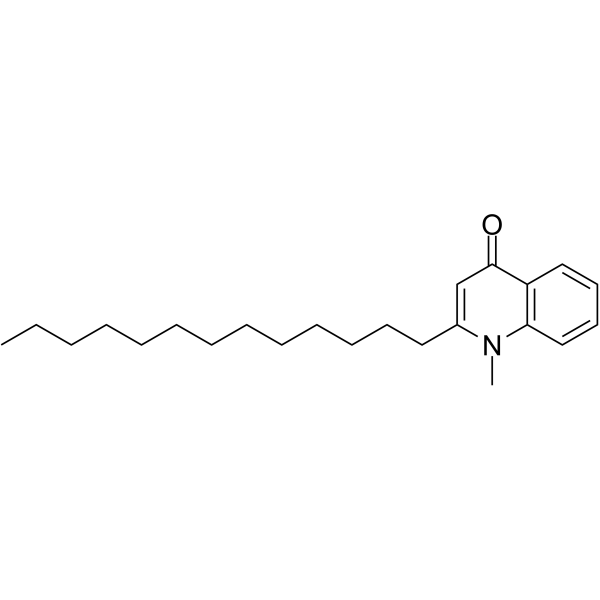
    Dihydroevocarpine induces cytotoxicity in acute myeloid leukemia via suppressing the mTORC1/2 activity.
    Dihydroevocarpine
  • HY-W073128
    Perfluorotetradecanoic acid
    Activator 98.0%
    Perfluorotetradecanoic acid (PFTeDA) is an orally active perfluoroalkyl substance. Perfluorotetradecanoic acid directly binds to the ligand-binding domain of purified hPPARγ, with a Kd value of 157.8 μM. Perfluorotetradecanoic acid significantly reduces the activity of the SIRT1/PGC1α and AMPK signaling pathways while stimulating the activity of the AKT1/mTOR signaling pathway. Perfluorotetradecanoic acid significantly upregulates the expression of corticosterone biosynthesis genes. Perfluorotetradecanoic acid increases ROS levels and promotes Apoptosis. Perfluorotetradecanoic acid impairs Leydig cell function and male reproductive endocrine function in adult male rats.
    Perfluorotetradecanoic acid
  • HY-P11162
    FGF7p
    Inhibitor 99.34%
    FGF7p is a small molecule peptide and a potential bladder protector. FGF7p can activate downstream signaling pathways of FGFR2 in the urinary tract epithelium (pFRS2α, pAKT and pERK). FGF7p alleviates cyclophosphamide induced apoptosis and tissue damage in urinary tract epithelial cells by activating AKT and its downstream anti apoptotic targets (pBAD, pS6/mTORC1). FGF7p is commonly used in the study of inflammatory conditions.
    FGF7p
  • HY-122665A
    HTH-01-091 TFA
    Inhibitor 99.48%
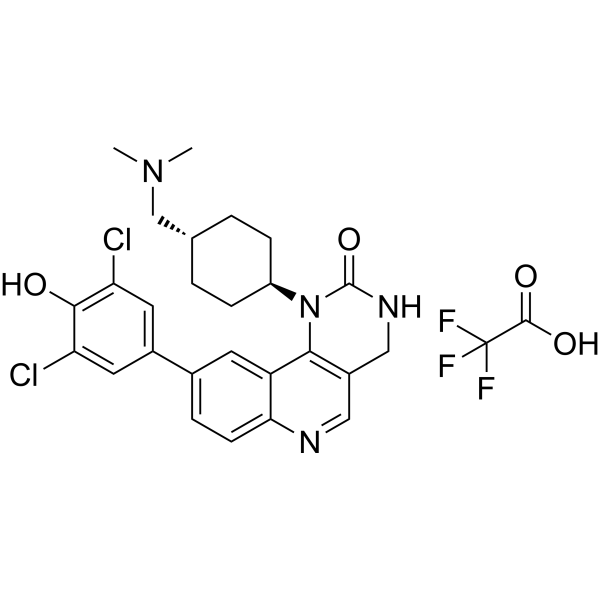
    HTH-01-091 TFA is a potent and selective maternal embryonic leucine zipper kinase (MELK) inhibitor, with an IC50 of 10.5 nM. HTH-01-091 TFA also inhibits PIM1/2/3, RIPK2, DYRK3, smMLCK and CLK2. HTH-01-091 TFA can be uesd for breast cancer research.
    HTH-01-091 TFA
  • HY-156432
    ALK-IN-26
    Inhibitor 99.87%
    ALK-IN-26 is an ALK inhibitor with IC50 value of 7.0 μM for ALK tyrosine kinase. ALK-IN-26 has good pharmacokinetic properties and blood-brain barrier (BBB) permeability. ALK-IN-26 can induce apoptosis, autophagy and necrosis. ALK-IN-26 can be used in glioblastoma studies.
    ALK-IN-26
  • HY-W078733
    (S)-2-Amino-4,4,4-trifluorobutanoic acid
    Modulator ≥98.0%
    (S)-2-Amino-4,4,4-trifluorobutanoic acid ((2S)-2-Amino-4,4,4-trifluorobutanoic acid) is a Sestrin-GATOR2 modulator. (S)-2-Amino-4,4,4-trifluorobutanoic acid can be used in research on diabetes, neurodegenerative diseases, immune diseases, and cancer.
    (S)-2-Amino-4,4,4-trifluorobutanoic acid
  • HY-W114419
    Bisphenol C
    Inhibitor ≥98.0%
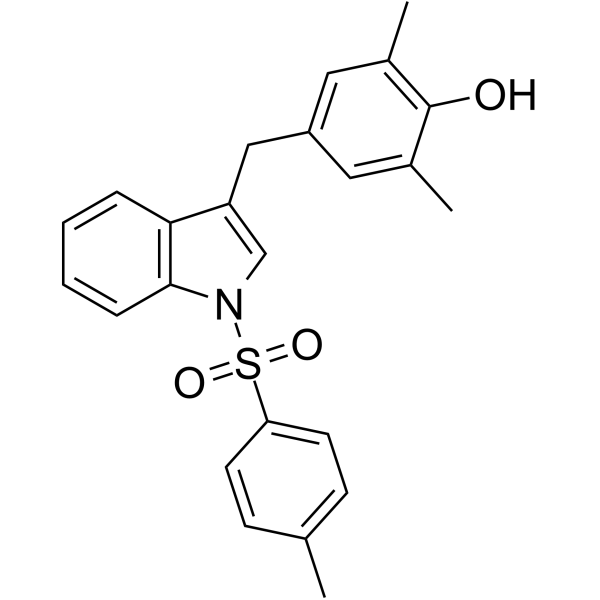
    Bisphenol C is an estrogen receptor-α (ERα) agonist and an ERβ antagonist, with IC50 values of 2.65 nM for ERα and 1.94 nM for ERβ. Bisphenol C is a material of manufacturing polyester polymers like polycarbonate, is widely used in daily items like water bottles, food packaging, textile and so on.
    Bisphenol C
  • HY-N7521
    Procyanidin C2
    Inhibitor
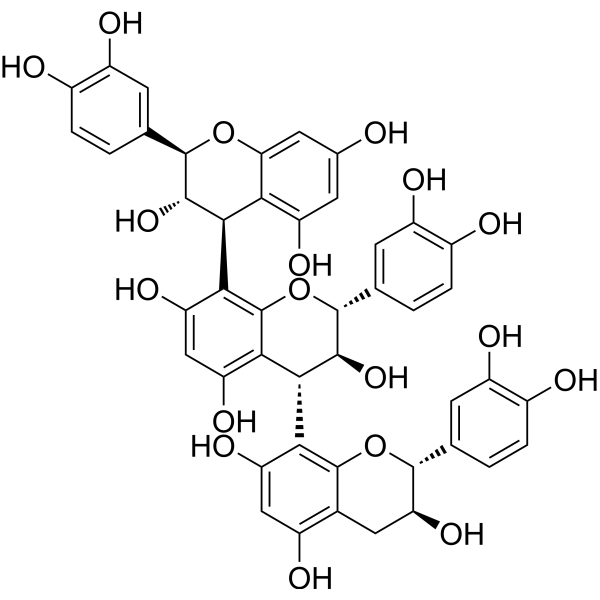
    Procyanidin C2 (Procyanidine C2) is a lipid metabolism regulator and antioxidant with free radical scavenging activity. Procyanidin C2 down-regulates ACC, SREBP-1c, FAS, SCD-1 and PPARγ. Procyanidin C2 increases the level of phosphorylated AMPKα and inhibits the level of phosphorylated mTOR. Procyanidin C2 reduces lipid accumulation, alleviates oxidative stress, enhances fatty acid oxidation and improves mitochondrial function. Procyanidin C2 can be used in the research of non-alcoholic fatty liver disease.
    Procyanidin C2
  • HY-P992201
    Anti-CD160 Antibody (MAT 302)
    Activator
    Anti-CD160 Antibody (MAT 302) (CL1-R2) is a human monoclonal antibody targeting CD160. Anti-CD160 Antibody (MAT 302) blocks the CD160-HVEM protein interaction, inhibits FGF2-mediated renal tubular vascular growth, and induces endothelial cell apoptosis. Anti-CD160 Antibody (MAT 302) targets CD160 on neovascularization to exert anti-angiogenic and vascular normalization effects, trigger the production of IFN-γ, TNF and IL-6 by NK cells, and enhance glucose metabolism of NK cells through the AKT/mTOR/s6k signaling pathway. Anti-CD160 Antibody (MAT 302) reduces vascular density, normalizes remaining tumor blood vessels, and inhibits tumor growth in melanoma-bearing mice. Anti-CD160 Antibody (MAT 302) can be used in research related to neovascularization, proliferative diabetic retinopathy, and melanoma.
    Anti-CD160 Antibody (MAT 302)
  • HY-15174R
    Dactolisib Tosylate (Standard)
    Inhibitor
    Dactolisib (Tosylate) (Standard) is the analytical standard of Dactolisib (Tosylate). This product is intended for research and analytical applications. Dactolisib Tosylate (BEZ235 Tosylate) is a dual PI3K and mTOR kinase inhibitor with IC50 values of 4, 75, 7, 5 nM for PI3Kα, β, γ, δ, respectively. Dactolisib Tosylate (BEZ235 Tosylate) inhibits mTORC1 and mTORC2.
    Dactolisib Tosylate (Standard)
  • HY-W592871R
    10-Hydroxy-2-decenoic acid (Standard)
    10-Hydroxy-2-decenoic acid (Standard) is an analytical standard for 10-Hydroxy-2-decenoic acid (HY-W592871). This product is intended for research and analytical applications.10-Hydroxy-2-decenoic acid (10-HDA) is an orally active unsaturated medium-chain fatty acid with various physiological activities. 10-Hydroxy-2-decenoic acid induces ROS-mediated apoptosis in A549 cells. 10-Hydroxy-2-decenoic acid inhibits VEGF-induced angiogenesis in human venous endothelial cells. 10-Hydroxy-2-decenoic acid alleviates non-alcoholic fatty liver disease (NAFLD) by activating the AMPK-α signaling pathway. 10-Hydroxy-2-decenoic acid protects against bone loss by inhibiting NF-κB signaling downstream of FFAR4. 10-Hydroxy-2-decenoic acid is an antibiotic against many bacteria and fungi, such as Neurospora sitophila, molds and Staphylococcus aureus. 10-Hydroxy-2-decenoic acid has longevity-promoting effects in C. elegans. 10-Hydroxy-2-decenoic acid prevents osteoarthritis by targeting aspartyl β hydroxylase and inhibiting chondrocyte senescence.
    10-Hydroxy-2-decenoic acid (Standard)
Cat. No. Product Name / Synonyms Application Reactivity

The mammalian target of rapamycin (mTOR) signaling pathway integrates both intracellular and extracellular signals and serves as a central regulator of cell metabolism, growth, proliferation and survival[1]. mTOR is the catalytic subunit of two distinct complexes called mTORC1 and mTORC2. mTORC1 comprises DEPTOR, PRAS40, RAPTOR, mLST8, mTOR, whereas mTORC2 comprises DEPTOR, mLST8, PROTOR, RICTOR, mSIN1, mTOR[2]. Rapamycin binds to FKBP12 and inhibits mTORC1 by disrupting the interaction between mTOR and RAPTOR. mTORC1 negatively regulates autophagy through multiple inputs, including inhibitory phosphorylation of ULK1 and TFEB. mTORC1 promotes protein synthesis through activation of the translation initiation promoter S6K and through inhibition of the inhibitory mRNA cap binding 4E-BP1, and regulates glycolysis through HIF-1α. It promotes de novo lipid synthesis through the SREBP transcription factors. mTORC2 inhibits FOXO1,3 through SGK and Akt, which can lead to increased longevity. The complex also regulates actin cytoskeleton assembly through PKC and Rho kinase[3]


Growth factors: Growth factors can signal to mTORC1 through both PI3K-Akt and Ras-Raf-MEK-ERK axis. For example, ERK and RSK phosphorylate TSC2, and inhibit it.


Insulin Receptor: The activated insulin receptor recruits intracellular adaptor protein IRS1. Phosphorylation of these proteins on tyrosine residues by the insulin receptor initiates the recruitment and activation of PI3K. PIP3 acts as a second messenger which promotes the phosphorylation of Akt and triggers the Akt-dependent multisite phosphorylation of TSC2. TSC is a heterotrimeric complex comprised of TSC1, TSC2, and TBC1D7, and functions as a GTPase activating protein (GAP) for the small GTPase Rheb, which directly binds and activates mTORC1. mTORC2 primarily functions as an effector of insulin/PI3K signaling. 


Wnt: The Wnt pathway activates mTORC1. Glycogen synthase kinase 3β (GSK-3β) acts as a negative regulator of mTORC1 by phosphorylating TSC2. mTORC2 is activated by Wnt in a manner dependent on the small GTPase RAC1[4].


Amino acids: mTORC1 senses both lysosomal and cytosolic amino acids through distinct mechanisms. Amino acids induce the movement of mTORC1 to lysosomal membranes, where the Rag proteins reside. A complex named Ragulator, interact with the Rag GTPases, recruits them to lysosomes through a mechanism dependent on the lysosomal v-ATPase, and is essential for mTORC1 activation. In turn, lysosomal recruitment enables mTORC1 to interact with GTP-bound RHEB, the end point of growth factor. Cytosolic leucine and arginine signal to mTORC1 through a distinct pathway comprised of the GATOR1 and GATOR2 complexes.    


Stresses: mTORC1 responds to intracellular and environmental stresses that are incompatible with growth such as low ATP levels, hypoxia, or DNA damage. A reduction in cellular energy charge, for example during glucose deprivation, activates the stress responsive metabolic regulator AMPK, which inhibits mTORC1 both indirectly, through phosphorylation and activation of TSC2, as well as directly through the phosphorylation of RAPTOR. Sestrin1/2 are two transcriptional targets of p53 that are implicated in the DNA damage response, and they potently activate AMPK, thus mediating the p53-dependent suppression of mTOR activity upon DNA damage. During hypoxia, mitochondrial respiration is impaired, leading to low ATP levels and activation of AMPK. Hypoxia also affects mTORC1 in AMPK-independent ways by inducing the expression of REDD1, the protein products of which then suppress mTORC1 by promoting the assembly of TSC1-TSC2[2].


Reference:

[1]. Laplante M, et al.mTOR signaling at a glance.J Cell Sci. 2009 Oct 15;122(Pt 20):3589-94. 
[2]. Zoncu R, et al. mTOR: from growth signal integration to cancer, diabetes and ageing.Nat Rev Mol Cell Biol. 2011 Jan;12(1):21-35. 
[3]. Johnson SC, et al. mTOR is a key modulator of ageing and age-related disease.Nature. 2013 Jan 17;493(7432):338-45.
[4]. Shimobayashi M, et al. Making new contacts: the mTOR network in metabolism and signalling crosstalk.Nat Rev Mol Cell Biol. 2014 Mar;15(3):155-62.

Your Search Returned No Results.

Sorry. There is currently no product that acts on isoform together.

Please try each isoform separately.