



Necroptosis
Necroptosis is a form of regulated necrotic cell death mediated by receptor-interacting serine-threonine kinase 3 (RIPK3) and mixed lineage kinase domain-like (MLKL) and generally manifests with morphological features of necrosis. Necroptosis is characterized by early loss of plasma membrane integrity, leakage of intracellular contents, and organelle swelling. The cells dying through necroptosis lack the typical apoptotic characteristics, such as membrane blebbing, chromatin condensation, and intranucleosomal DNA cleavage into 180 bp DNA laddering, but may show TUNEL positivity.
Necroptosis triggers innate immune responses by rupturing dead cells and releasing intracellular components, it can be caused by Toll-like receptor (TLR)-3 and TLR-4 agonists, tumor necrosis factor (TNF), certain microbial infections, and T cell receptors. Necroptosis signaling is modulated by receptor-interacting protein kinase (RIPK) 1 when the activity of caspase-8 becomes compromised. Activated death receptors (DRs) cause the activation of receptor-interacting serine-threonine kinase 1 (RIPK1) and the RIPK1 kinase activity-dependent formation of an RIPK1-RIPK3-MLKL, which is complex II. RIPK3 phosphorylates MLKL, ultimately leading to necrosis through plasma membrane disruption and cell lysis.
All Product Categories
-
Necroptosis Related Products (176)
Related Products (176)

-
ALDH1A inhibitor 673A
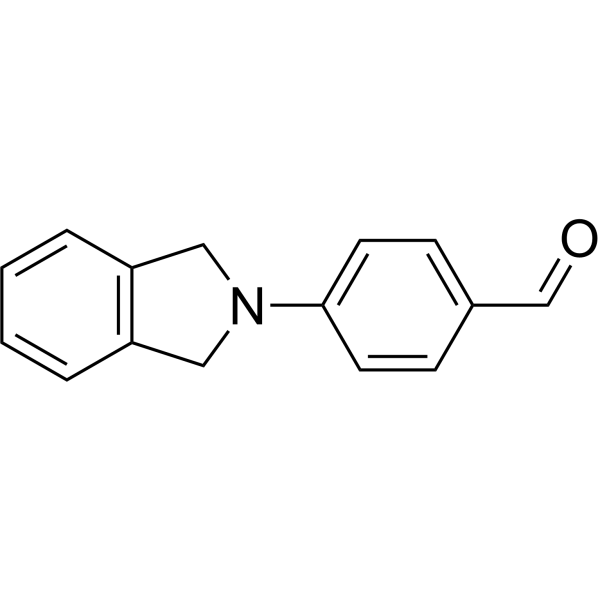 0 ImagesSynonyms: ALDH1Ai 673AALDH1A inhibitor 673A is an ALDH1A inhibitor with IC50s of 246 nM (ALDH1A1), 230 nM (ALDH1A2), 348 nM (ALDH1A3), respectively. ALDH1A inhibitor 673A has little or no inhibitory effect on other ALDH family members. ALDH1A inhibitor 673A induces necroptotic ovarian cancer stem-like cells (CSCs) death. ALDH1A inhibitor 673A induces DNA double stand breaks in cancer cells. ALDH1A inhibitor 673A can be used for the study of ovarian cancer.
-
ADAR1i-124
 0 ImagesCat. No.: HY-181129Purity: 98.71%ADAR1i-124 is an A-to-I RNA editing inhibitor by inhibiting the catalytic activities of both ADAR1p150 and ADAR1p110. ADAR1i-124 activates type I interferon (IFN) and ZBP1 pathways and dose-dependently inhibits viability across different types of cancer cell lines. ADAR1i-124 can induce cells apoptosis and necroptosis. ADAR1i-124 can be used for the research of cancer, such as cutaneous melanoma and ovarian cancer.
-
Theaflavin-3'-gallate
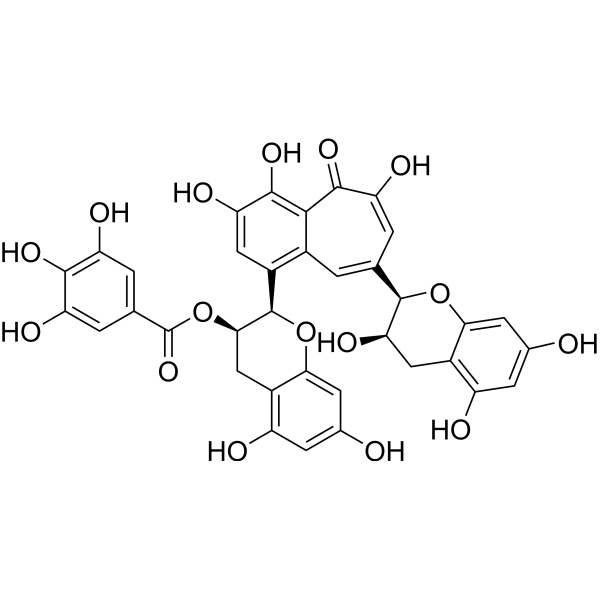 0 ImagesTheaflavin-3'-gallate is a monomer of theaflavins found in black tea, which has anti-UVB damage activity and inhibits cell apoptosis and necroptosis. Theaflavin-3'-gallate acts as a pro-oxidant and induces oxidative stress in cancer cells, inhibiting xanthine oxidase (OX), with an IC50 of 7.6 μM.
-
Chlorhexidine digluconate (20% in water)
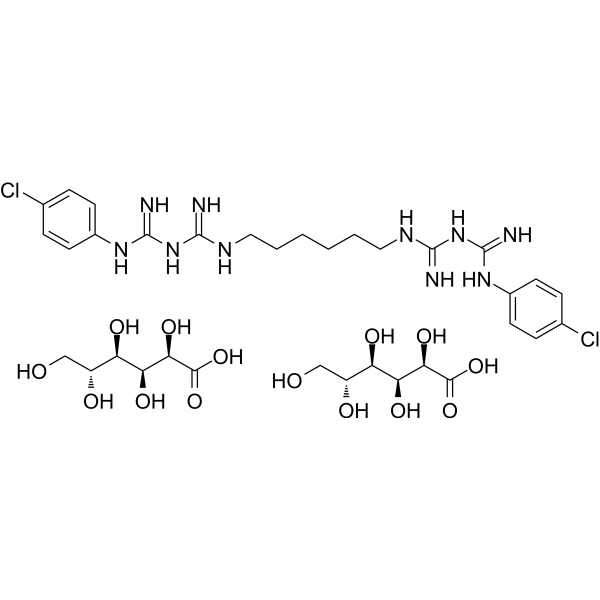 0 ImagesChlorhexidine digluconate (20% in water) is a orally active cationic antimicrobial agent that targets microbial cell membranes. Chlorhexidine digluconate (20% in water) binds to cell membrane phospholipids non-specifically, destroys membrane structure and induces leakage of cell contents. Chlorhexidine digluconate (20% in water) has broad-spectrum bactericidal activity against both Gram-positive and Gram-negative bacteria. Chlorhexidine digluconate (20% in water) can interfere with membrane permeability, cause protein precipitation and energy metabolism disorders, such as rapid inhibition of microbial growth and induction of cell death (necrosis or apoptosis).
-
β,β-Dimethylacrylalkannin
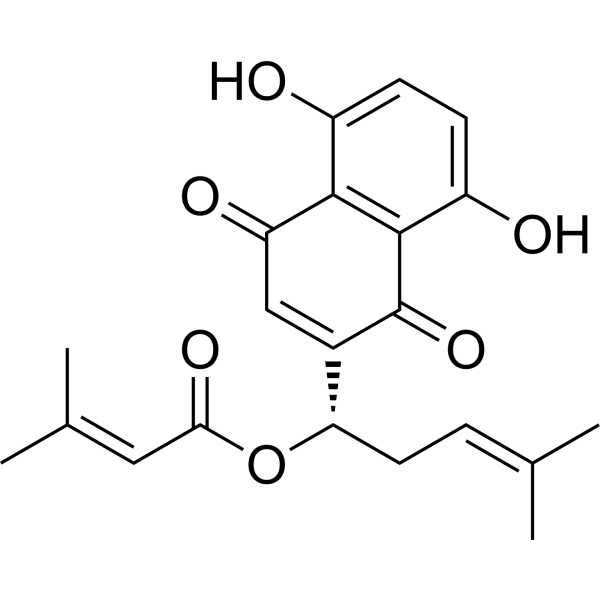 0 ImagesSynonyms: Arnebin 1β,β-Dimethylacrylalkannin (Arnebin 1) is an orally active FGFR1 inhibitor (IC50=2.5 μM) and the main active component of Lithospermum erythrorhizon. β,β-Dimethylacrylalkannin blocks downstream signaling by binding to the ATP pocket of FGFR1, and regulates the CDK1/Cdc25C pathway and ROS-JNK axis, thereby inducing G2/M phase arrest, necrosis and apoptosis in cancer cells, and inhibiting tumor proliferation. β,β-Dimethylacrylalkannin also acts as a colistin adjuvant to disrupt the cell membrane of Gram-negative bacteria. β,β-Dimethylacrylalkannin exhibits significant tumor-inhibitory effects with no obvious toxicity in PDX models, but chronic exposure to high doses may alter the relative lung/liver weights of rats, while acute exposure to high doses causes responses such as reduced motor activity. β,β-Dimethylacrylalkannin finds wide application in studies related to hepatocellular carcinoma, colorectal cancer, colistin-resistant bacterial infections, hepatitis and psoriasis.
-
Ponicidin
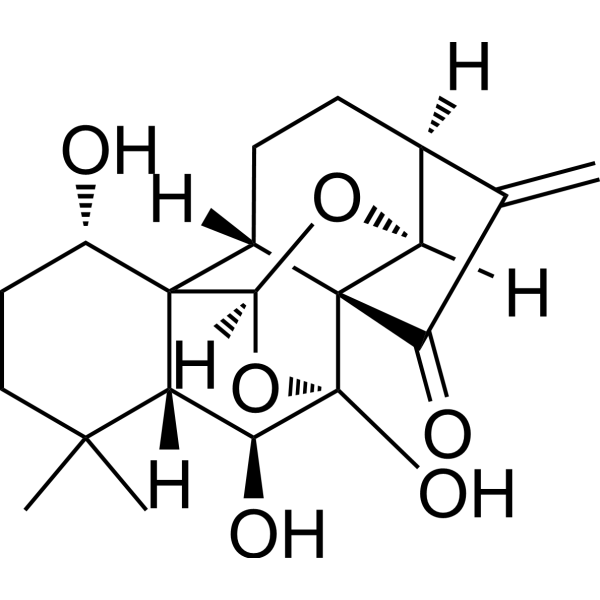 0 ImagesSynonyms: Rubescensine BPonicidin (Rubescensine B) is an orally active RIPK1 inhibitor with a Kd value of 135 nM. Ponicidin inhibits the JAK2/STAT3 pathway to induce apoptosis, activates the PI3K/Akt pathway, upregulates SIRT1 expression, alleviates oxidative stress, suppresses inflammatory responses and necroptosis, and blocks cell cycle progression. Ponicidin induces ROS production to exert antiproliferative and antiviral effects, while also improving cognitive function and reducing Aβ plaque deposition. Ponicidin can be used in studies related to hepatocellular carcinoma, Alzheimer's disease, and gastric cancer.
-
Cathepsin B, Bovine spleen
 0 ImagesCathepsin B, Bovine spleen is a cysteine protease and is involved in multiple kinds of programmed cell death (including apoptosis, pyroptosis, ferroptosis, necroptosis, and autophagic cell death).
-
ZBP1/RIP3/MLKL activator 1
 0 ImagesZBP1/RIP3/MLKL activator 1 (compound 3a) is a synthetically derived quinoline compound. ZBP1/RIP3/MLKL Activator 1 induces DNA damage, enhances intracellular levels of reactive oxygen species (ROS), and triggers apoptosis via the caspase pathway. Furthermore, when apoptosis is inhibited, ZBP1/RIP3/MLKL Activator 1 promotes necroptotic cell death through the ZBP1-RIP3-MLKL pathway. ZBP1/RIP3/MLKL Activator 1 is utilized in oncological research, particularly in the selective targeting of cells with impaired apoptotic function.
-
TfR-1-IN-1
 0 ImagesCat. No.: HY-159569CAS No.: 1643444-62-5TfR-1-IN-1 is a transferrin receptor-1 (TfR-1) inhibitor with tumor cell-specific activity. TfR-1-IN-1 reduces TfR-1 expression, impairs mitochondrial function, induces cell apoptosis, necroptosis and ferroptosis, and increases intracellular iron (II) levels. TfR-1-IN-1 decreases the metabolic activity of cancer cells. TfR-1-IN-1 can be used for the research of ovarian cancer, breast cancer and acute myeloid leukemia.
-
Chlorhexidine dihydrochloride
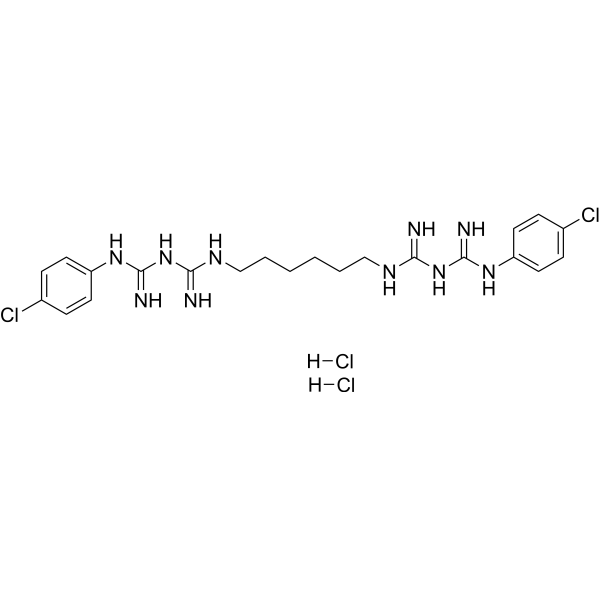 0 ImagesChlorhexidine dihydrochloride is a orally active cationic antimicrobial agent that targets microbial cell membranes. Chlorhexidine dihydrochloride binds to cell membrane phospholipids non-specifically, destroys membrane structure and induces leakage of cell contents. Chlorhexidine dihydrochloride has broad-spectrum bactericidal activity against both Gram-positive and Gram-negative bacteria. Chlorhexidine dihydrochloride can interfere with membrane permeability, cause protein precipitation and energy metabolism disorders, such as rapid inhibition of microbial growth and induction of cell death (necrosis or apoptosis).
-
TP4 (Nile tilapia piscidin)
 0 ImagesTP4 (Nile tilapia piscidin) is an orally active amphipathic α-helical cationic antimicrobial peptide. TP4 (Nile tilapia piscidin) exerts broad-spectrum bactericidal activity against Gram-positive and Gram-negative bacteria by disrupting cell membrane structures, and also exhibits certain hemolytic activity. TP4 (Nile tilapia piscidin) regulates the innate immune system and enhances the expression of lysozymes, cytokines and antioxidant enzymes to resist bacterial infection. TP4 (Nile tilapia piscidin) also stimulates the proliferation of keratinocytes and fibroblasts, and significantly promotes the healing of wounds infected with MRSA. TP4 (Nile tilapia piscidin) can be used in research related to bacterial infection, peritonitis, wound healing and other fields.
-
Duocarmycin SA
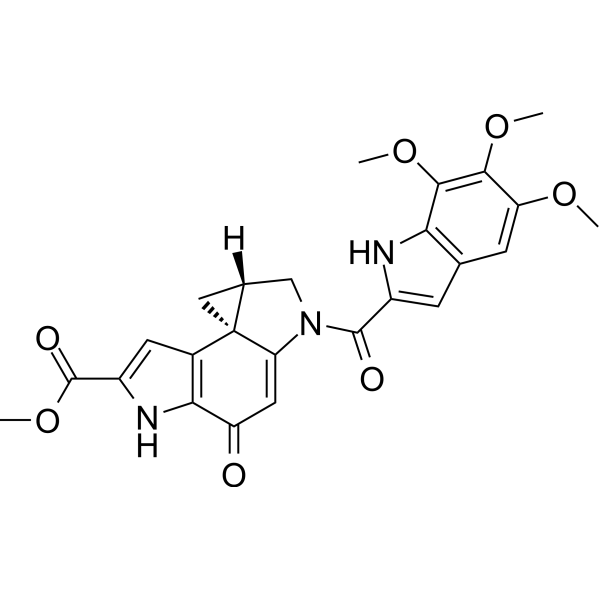 0 ImagesDuocarmycin SA is an orally active antitumor antibiotic with an IC50 of 10 pM. Duocarmycin SA is an extremely potent cytotoxic agent capable of inducing a sequence-selective alkylation of duplex DNA. Duocarmycin SA demonstrates synergistic cytotoxicity against glioblastoma multiforme (GBM) cells treated with proton radiation in vitro.
-
IM-54
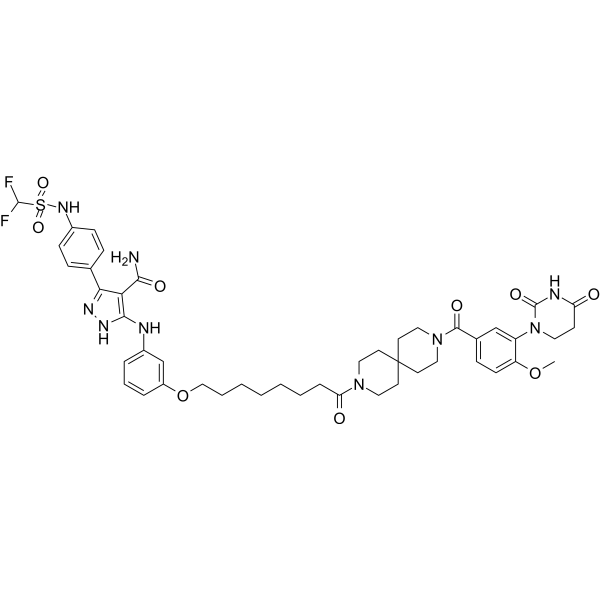
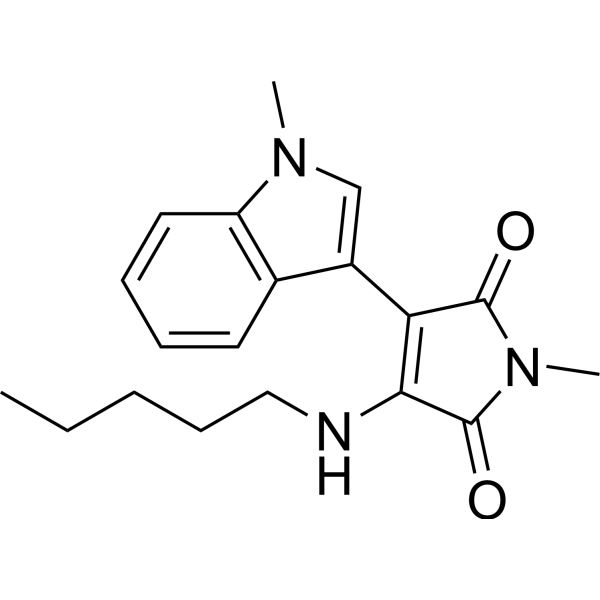 0 ImagesIM-54 is a selective inhibitor of oxidative stress-induced necrosis. IM-54 shows potent inhibitory activity against H2O2-induced necrosis. IM-54 acts as a potential cardioprotective agent and biological tool for investigating the molecular mechanisms of cell death.
-
Necrostatin-5
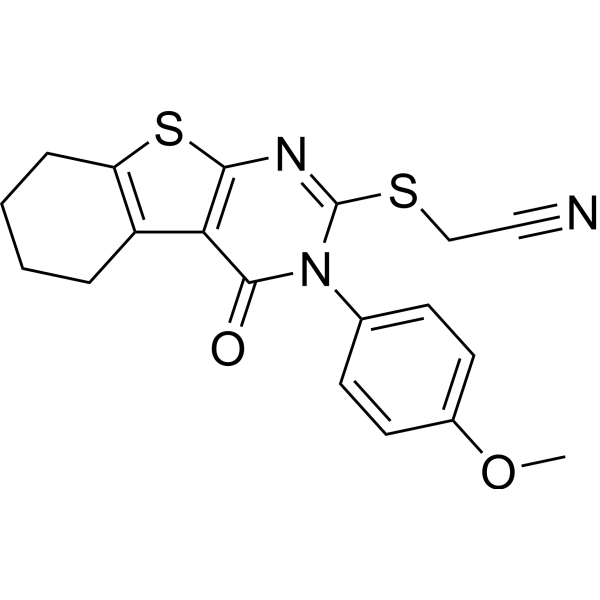 0 ImagesSynonyms: Nec-5Necrostatin-5 (Nec-5) is a potent necroptosis inhibitor with an EC50 value of 0.24 µM. Necrostatin-5 also is a RIP1 inhibitor. Necrostatin-5 shows cardioprotective effects.
-
Glyphosate (Standard)
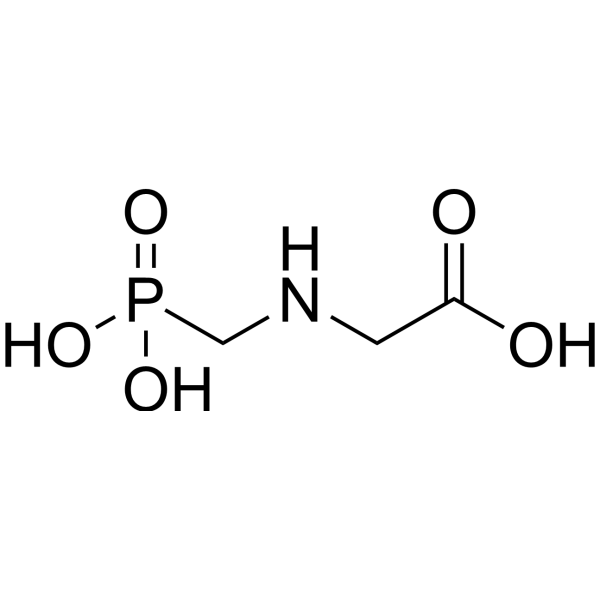 0 ImagesGlyphosate (Standard) is the analytical standard of Glyphosate. This product is intended for research and analytical applications. Glyphosate is an herbicidal derivative of the amino acid glycine. Glyphosate targets and blocks a plant metabolic pathway not found in animals, the shikimate pathway, required for the synthesis of aromatic amino acids in plants.
-
Bruceantinol
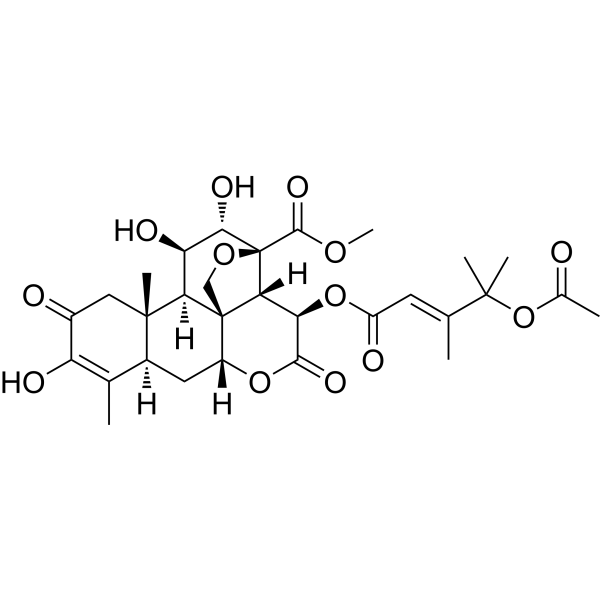 0 ImagesBruceantinol is a quassinoid that can be isolated from Brucea javanica, inhibits pepper mottle virus (PepMoV) in pepper. Bruceantinol is a STAT3 inhibitor demonstrating potent antitumor activity in in vitro and in vivo human colorectal cancer (CRC) models. Bruceantinol has potent anti-leukemic activity. Bruceantinol strongly inhibits STAT3 DNA-binding ability (IC50 = 2.4 pM), blocks the constitutive and IL-6-induced STAT3 activation, and suppresses transcription of MCL-1, PTTG1, survivin and c-Myc. Bruceantinol binds with CDK2/4/6 to facilitate protein degradation through proteasome pathway. Bruceantinol can dose- and time-dependently reduces the cell growth, impede cell proliferation, disrupts the cell cycle, and induces necrosis in MCF-7 cells and apoptosis in MDA-MB-231 cells.
-
MLKL-IN-6
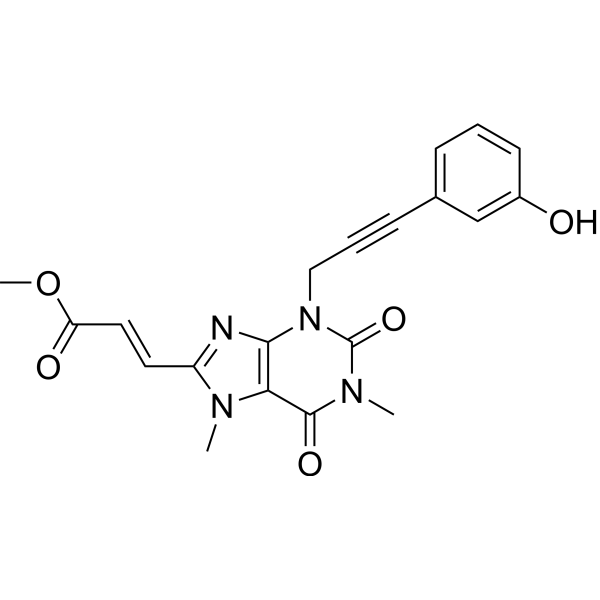 0 ImagesMLKL-IN-6 (compound P28) is a mixed lineage kinase inhibitor targeting Mixed Lineage Kinase domain-like (MLKL). MLKL-IN-6 inhibits cell necrosis. MLKL-IN-6 inhibits MLKL phosphorylation and oligomerization during cell necrosis, inhibits immune cell death, and reduces the expression of adhesion factors. MLKL-IN-6 has low cytotoxicity, and it inhibits hepatic stellate cell activation, reduces liver fibrosis marker levels, and has anti-fibrotic effects.
-
Cyclamic acid sodium
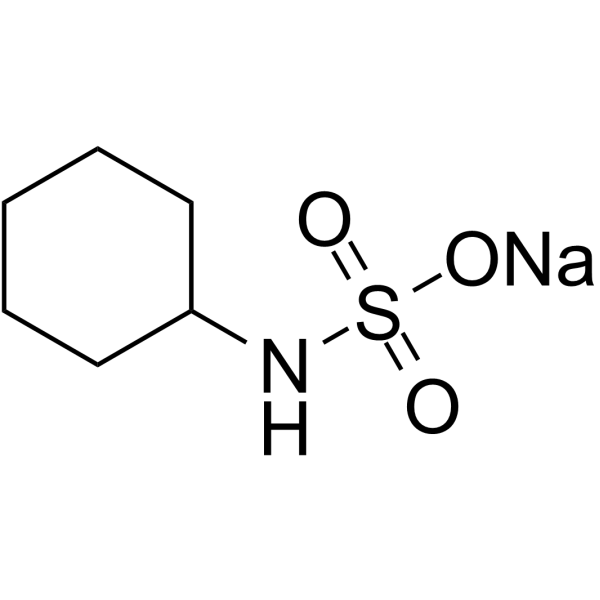 0 ImagesSynonyms: Sodium cyclamate; Cyclohexylsulfamic acid sodiumCyclamic acid sodium (Sodium cyclamate) is a commonly used sweetener. Cyclamic acid sodium is toxic to osteoblasts and can inhibit cell proliferation, induce apoptosis and reduce cell mineralization. Cyclamic acid sodium causes focal necrosis of bladder organs in rats in vitro, which can promote bladder cancer, but some studies have shown that low doses of Cyclamic acid sodium have no carcinogenic effect. In addition, Cyclamic acid sodium has no effect on insulin and glucagon secretion induced by arginine.
-
Chlorhexidine diacetate
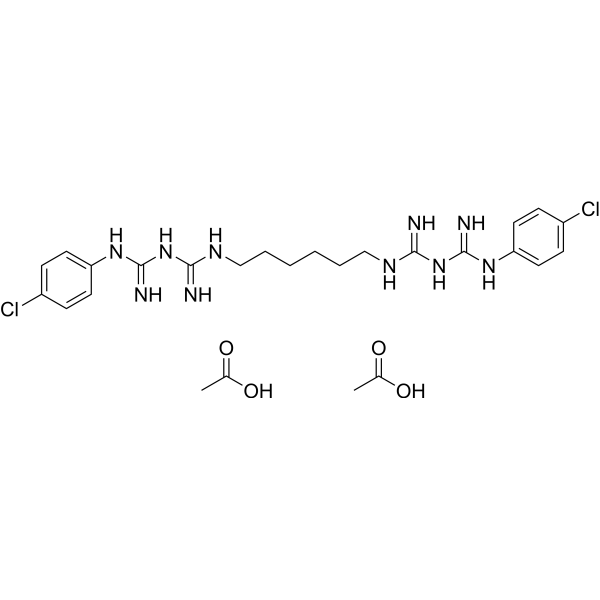 0 ImagesChlorhexidine diacetate is a orally active cationic antimicrobial agent that targets microbial cell membranes. Chlorhexidine diacetate binds to cell membrane phospholipids non-specifically, destroys membrane structure and induces leakage of cell contents. Chlorhexidine diacetate has broad-spectrum bactericidal activity against both Gram-positive and Gram-negative bacteria. Chlorhexidine diacetate can interfere with membrane permeability, cause protein precipitation and energy metabolism disorders, such as rapid inhibition of microbial growth and induction of cell death (necrosis or apoptosis).



