Delivery of temperature sensitive items including proteins and kits will be paused on 6/19 for the Juneteenth holiday. For urgent orders please contact customer service.
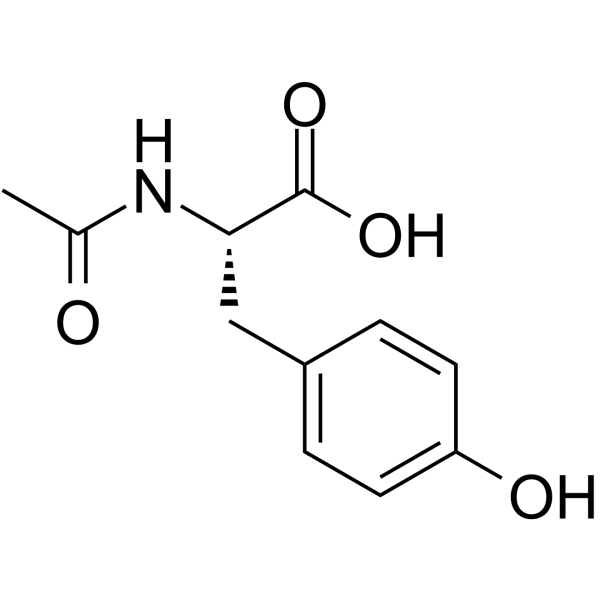
N-Acetyl-L-tyrosine is an orally active endogenous mitochondrial stress response regulator that can permeate the cell membrane by passive diffusion. N-Acetyl-L-tyrosine induces low-level reactive oxygen species (ROS) generation by transiently perturbing mitochondrial membrane potential, triggering reverse signaling to activate FoxO and Keap1 pathways. As a result, N-Acetyl-L-tyrosine enhances the expression of antioxidant enzyme genes, exerting anti-stress and cytoprotective effects. N-Acetyl-L-tyrosine can improve heat stress tolerance, inhibit tumor growth, and regulate energy metabolism. N-Acetyl-L-tyrosine can be used in the research of aging, metabolic diseases (such as diabetes), and cancer .
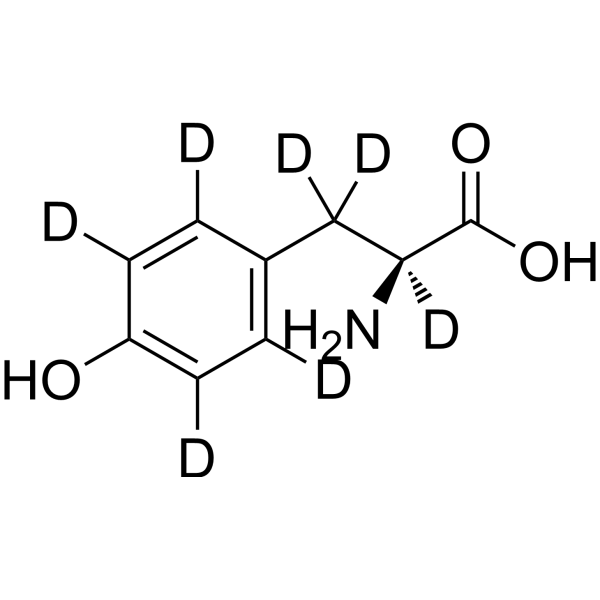
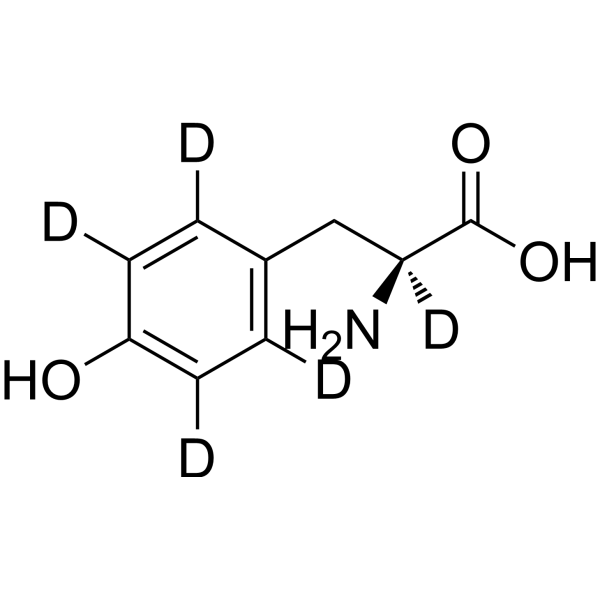
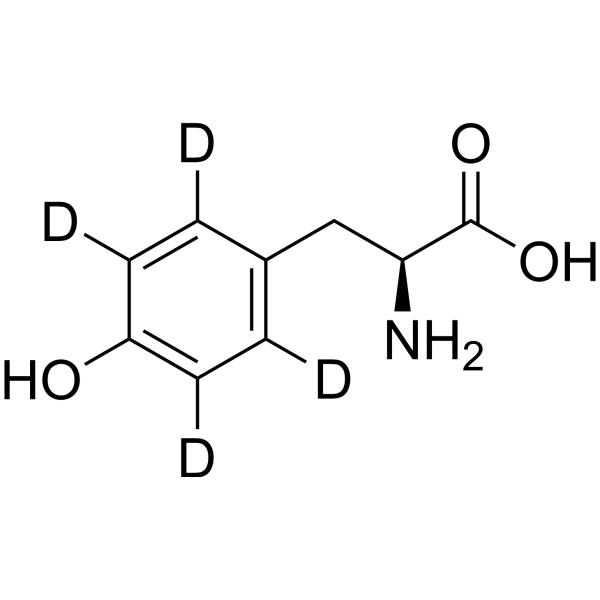
L-Tyrosine-d7 is the deuterium labeled L-Tyrosine. L-Tyrosine is a non-essential amino acid which can inhibit citrate synthase activity in the posterior cortex.
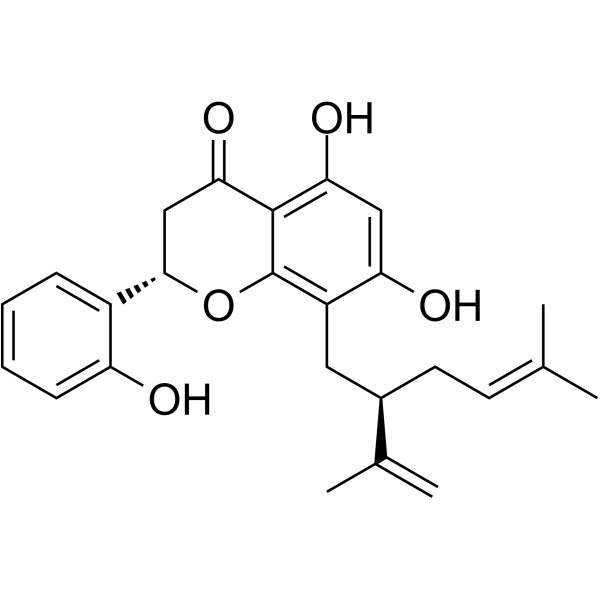
Kushenol A (Leachianone E) is isolated from the root of Sophora flavescent. Kushenol A is a non-competitive tyrosinase inhibitor to block the conversion of L-tyrosine to L-DOPA, shows IC50 and Kivalues of 1.1 μM and 0.4 μM, respectively . Kushenol A is a flavonoid antioxidant, has inhibitory effects on alpha-glucosidase (IC50: 45 μM; Ki: 6.8 μM) and β-amylase . Kushenol A is confirmed as potential inhibitors of enzymes targeted by cosmetics for skin whitening and aging .
L-Tyrosine-d5 is the deuterium labeled L-Tyrosine. L-Tyrosine is a non-essential amino acid which can inhibit citrate synthase activity in the posterior cortex.
L-Tyrosine-d4 is a deuterium labeled L-Tyrosine. L-Tyrosine is a non-essential amino acid which can inhibit citrate synthase activity in the posterior cortex .
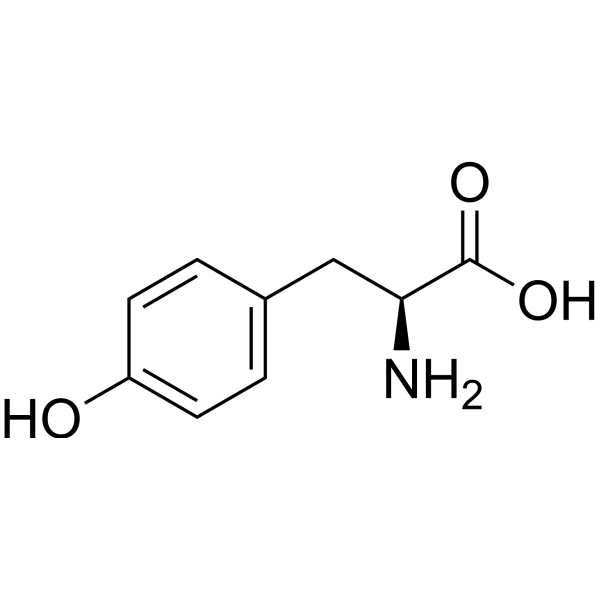
L-Tyrosine (Standard) is the analytical standard of L-Tyrosine. This product is intended for research and analytical applications. L-Tyrosine is a non-essential amino acid which can inhibit citrate synthase activity in the posterior cortex.
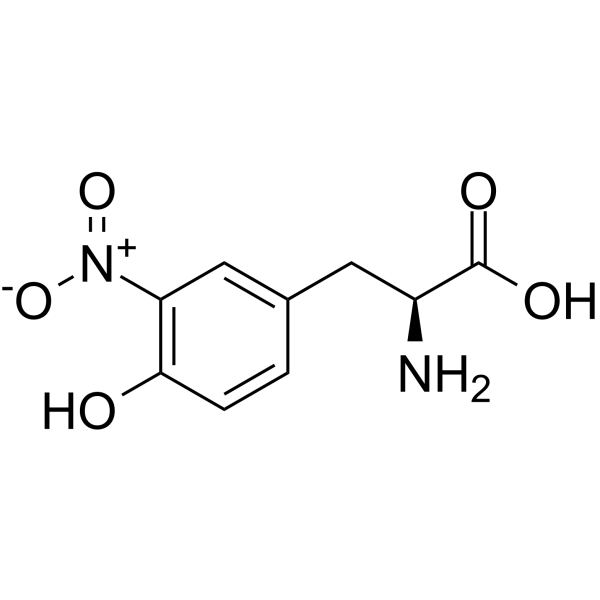
3-Nitro-L-tyrosine serves as a biomarker of oxidative stress. 3-Nitro-L-tyrosine attenuates the pressor and vasoconstrictive effects of angiotensin II by inhibiting the α1-adrenergic receptor-mediated signaling pathway, and participates in hemodynamic regulation under pathological conditions such as inflammation and ischemia. 3-Nitro-L-tyrosine can be used in studies related to atherosclerosis, ischemia-reperfusion and sepsis .
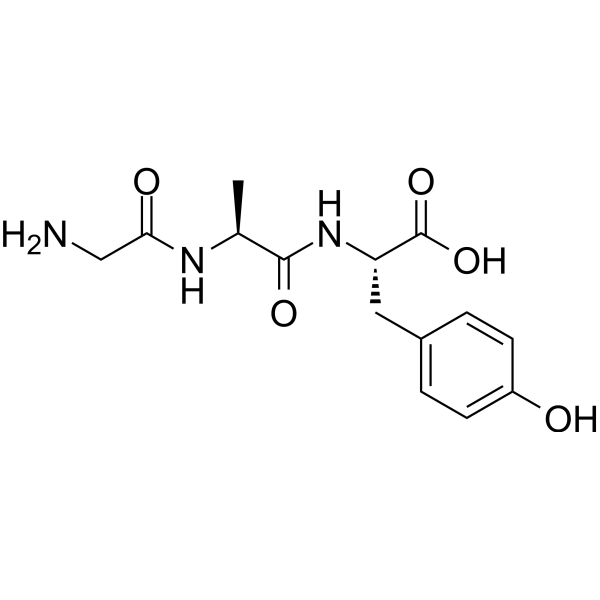
Gly-Ala-Tyr (H-Gly-Ala-Tyr-OH) is a tripeptide substrate composed of L-glycine, alanine, and L-tyrosine joined in sequence by peptide linkages. Gly-Ala-Tyr can be hydrolyzed at both extracellular and intracellular levels by Streptococcus thermophilus, Lactobacillus delbrueckii ssp. bulgaricus, Lactobacillus acidophilus, and Bifidobacterium spp. Ala-Gly-Tyr is functionally related to L-alanine, glycine and L-tyrosine. .
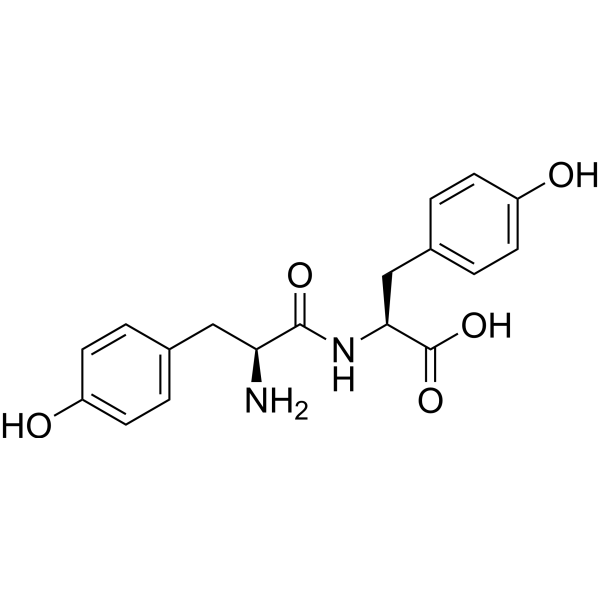
H-Tyr-Tyr-OH (L-Tyrosyl-L-tyrosine) is an antihypertensive peptide. H-Tyr-Tyr-OH inhibits angiotensin I-converting enzyme (ACE) with an IC50 value of 0.028 mg/mL. H-Tyr-Tyr-OH can be used for the research of high blood pressure .
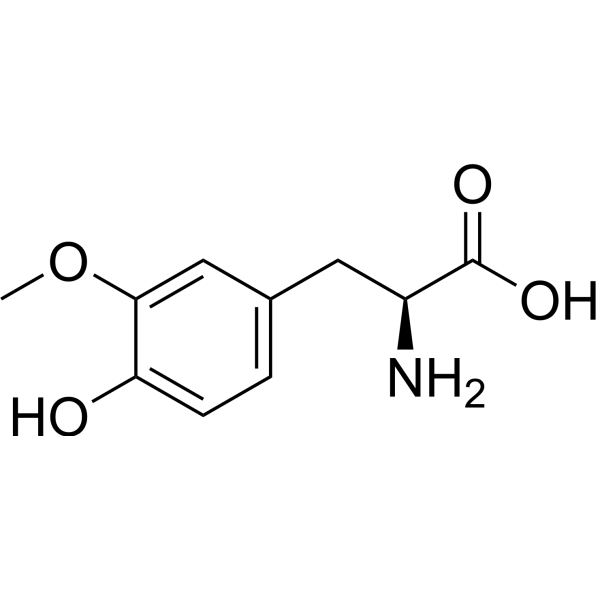
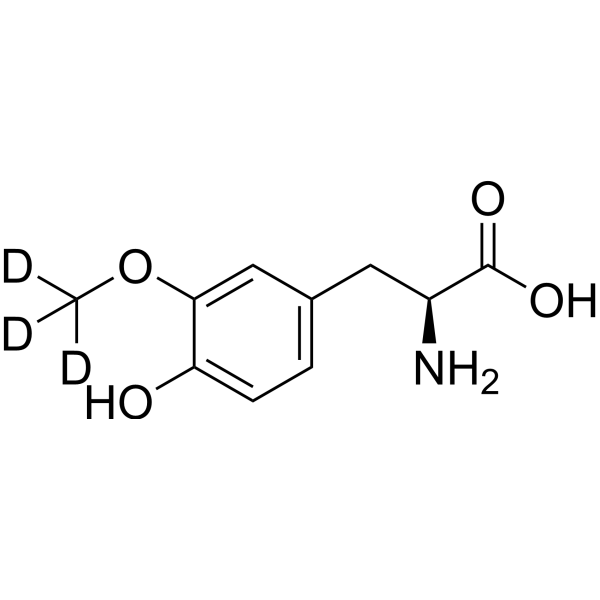
3-O-Methyldopa (3-Methoxy-L-tyrosine) is a metabolite of L-DOPA (HY-N0304) that can cross the blood-brain barrier (BBB). 3-O-Methyldopa inhibits the astrocyte-mediated protective effect of L-DOPA (HY-N0304) on dopaminergic neurons. In addition, 3-O-Methyldopa has certain antidepressant and neuroprotective activities. 3-O-Methyldopa can be used in the research of nervous system diseases such as depression and Parkinson's disease .
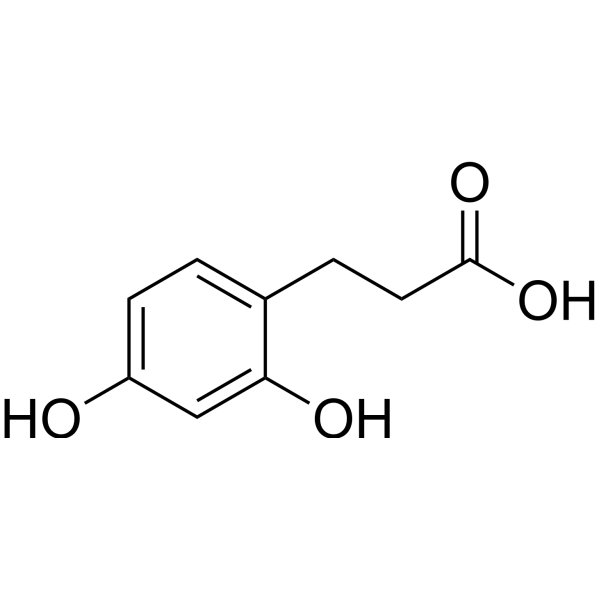
3-(2,4-Dihydroxyphenyl) propanoic acid (DPPacid) is a competitive Tyrosinase inhibitor. It exhibits an IC50 value of 3.02 μM against mushroom tyrosinase with L-tyrosine as the substrate, an IC50 value of 62 μM with DL-DOPA as the substrate, and a Ki value of 11.5 μM. 3-(2,4-Dihydroxyphenyl) propanoic acid shows no DPPH radical scavenging activity. It can be used in studies related to ultraviolet B (UVB)-induced hyperpigmentation .
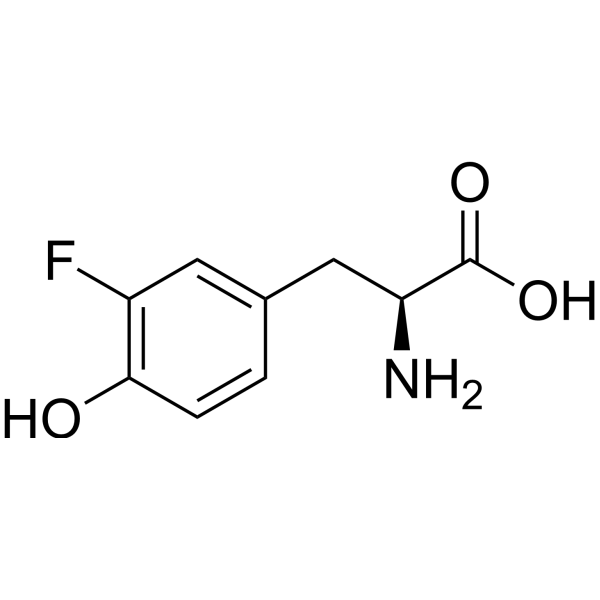
3-Fluoro-L-tyrosine is a tyrosine analogue, inhibits transamination by tyrosine aminotransferase (TAT). And 3-FluoroL-tyrosine has been shown to be biologically incorporated into proteins in place of tyrosine. 3-Fluoro-L-tyrosine pretends to be the substrate of rat liver tyrosine aminotransferase, markedly disturbs the Tyr-TAT association .
3-O-Methyldopa-d3(3-Methoxy-L-tyrosine-d3) is deuterium labeled 3-O-Methyldopa (HY-113468A). 3-O-Methyldopa (3-Methoxy-L-tyrosine) is a metabolite of L-DOPA (HY-N0304) that can cross the blood-brain barrier (BBB). 3-O-Methyldopa inhibits the astrocyte-mediated protective effect of L-DOPA (HY-N0304) on dopaminergic neurons. In addition, 3-O-Methyldopa has certain antidepressant and neuroprotective activities. 3-O-Methyldopa can be used in the research of nervous system diseases such as depression and Parkinson's disease .
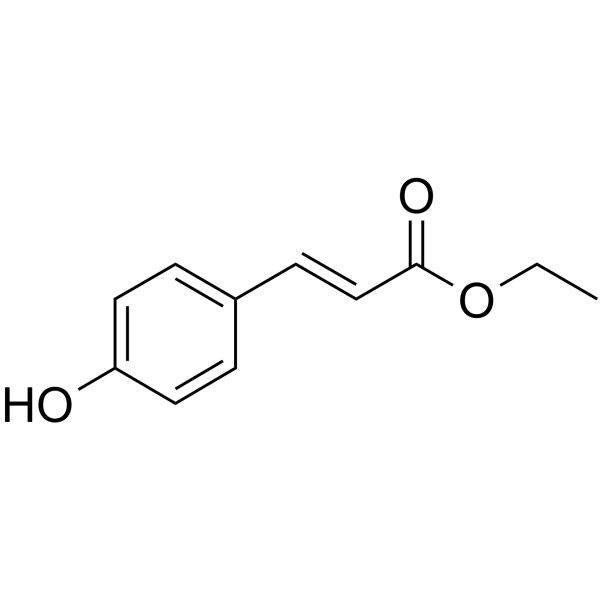
p-Coumaric Acid Ethyl Ester (Ethyl (E)-p-hydroxycinnamate; Ethyl trans-4-hydroxycinnamate) is a non-competitive, reversible inhibitor of tyrosinase (IC50=4.89 μg/mL, Ki=1.83 μg/mL), which can quench the intrinsic fluorescence of the enzyme. p-Coumaric Acid Ethyl Ester changes the binding affinity of L-tyrosine by inducing conformational changes in the catalytic domain of tyrosinase, and does not bind to the copper ion of the enzyme. p-Coumaric Acid Ethyl Ester is used in the development of medicines, cosmetics and fruit preservation products using pollen .
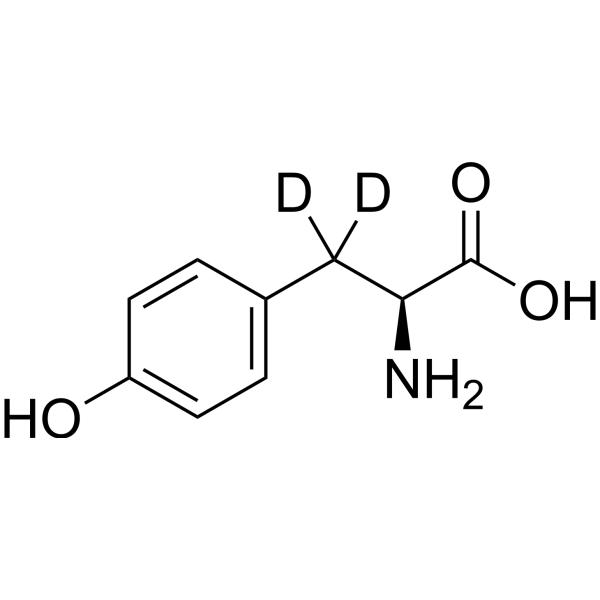
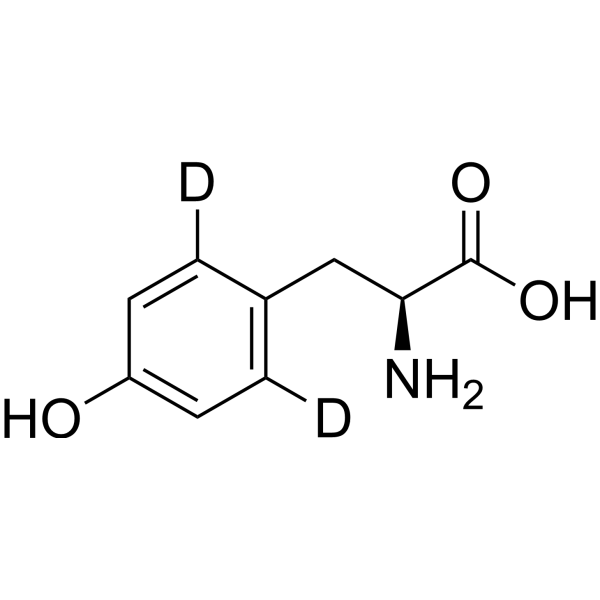
L-Tyrosine-d2 is the deuterium labeled L-Tyrosine. L-Tyrosine is a non-essential amino acid which can inhibit citrate synthase activity in the posterior cortex.
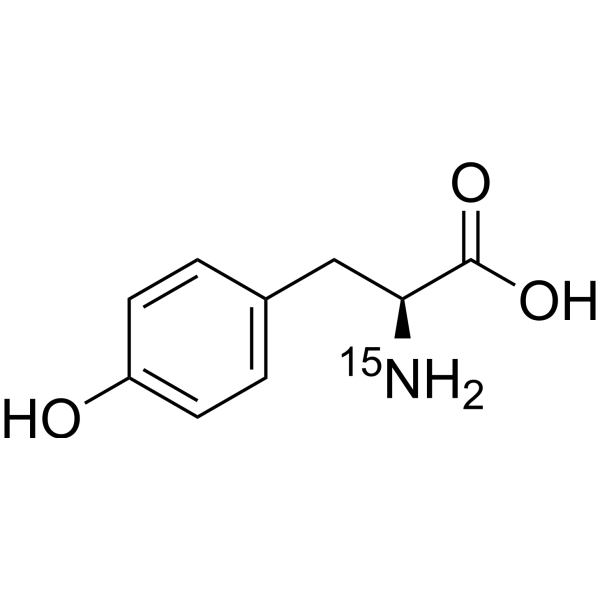
L-Tyrosine- 15N is the 15N-labeled L-Tyrosine. L-Tyrosine is a non-essential amino acid which can inhibit citrate synthase activity in the posterior cortex.
L-Tyrosine- 13C6 is the 13C-labeled L-Tyrosine. L-Tyrosine is a non-essential amino acid which can inhibit citrate synthase activity in the posterior cortex.
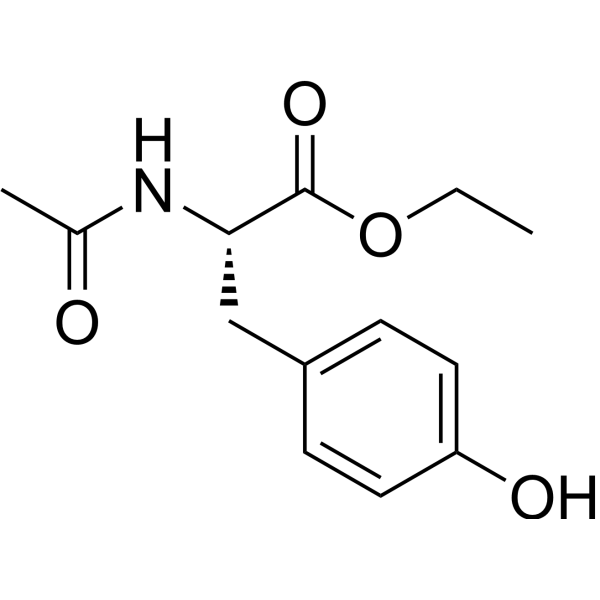
N-Acetyl-L-tyrosine ethyl ester (ATEE) is a compound commonly used as a food flavoring and supplement. It is an ester of tyrosine, an amino acid found in many proteins. N-Acetyl-L-tyrosine ethyl ester is sweet, nutty and caramelized and is commonly used to enhance the flavor of baked goods, dairy products and beverages. Potential health benefits of N-Acetyl-L-tyrosine ethyl ester include its antioxidant properties and ability to improve cognitive function.
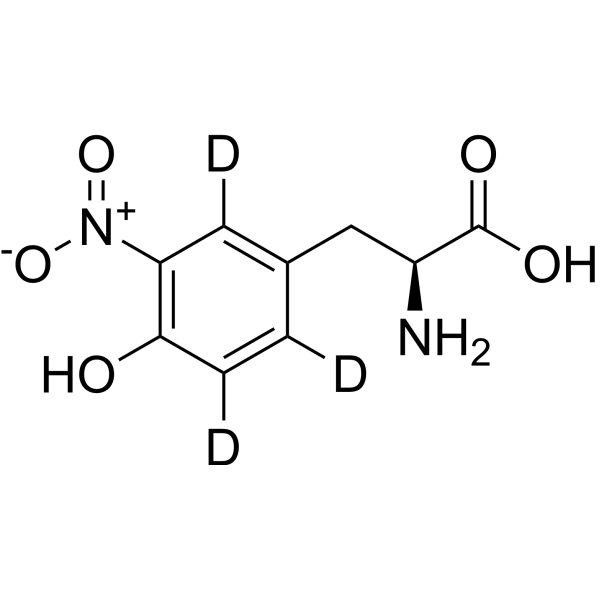
3-Nitro-L-tyrosine-d3 is the deuterium labeled 3-Nitro-L-tyrosine (HY-113248). 3-Nitro-L-tyrosine serves as a biomarker of oxidative stress. 3-Nitro-L-tyrosine attenuates the pressor and vasoconstrictive effects of angiotensin II by inhibiting the α1-adrenergic receptor-mediated signaling pathway, and participates in hemodynamic regulation under pathological conditions such as inflammation and ischemia. 3-Nitro-L-tyrosine can be used in studies related to atherosclerosis, ischemia-reperfusion and sepsis .
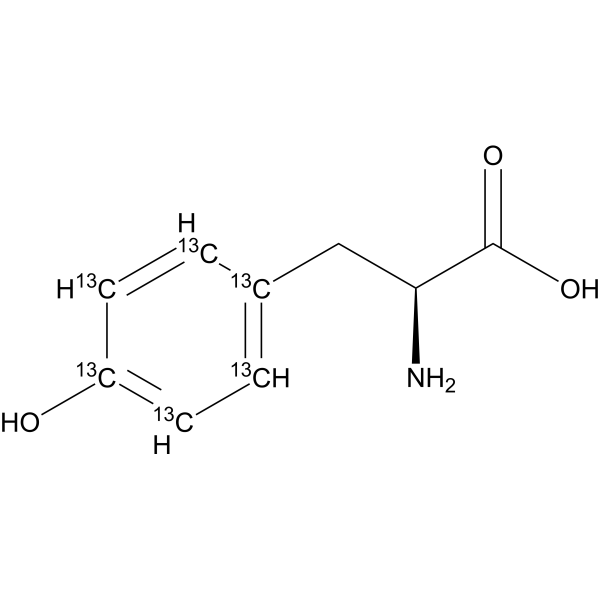
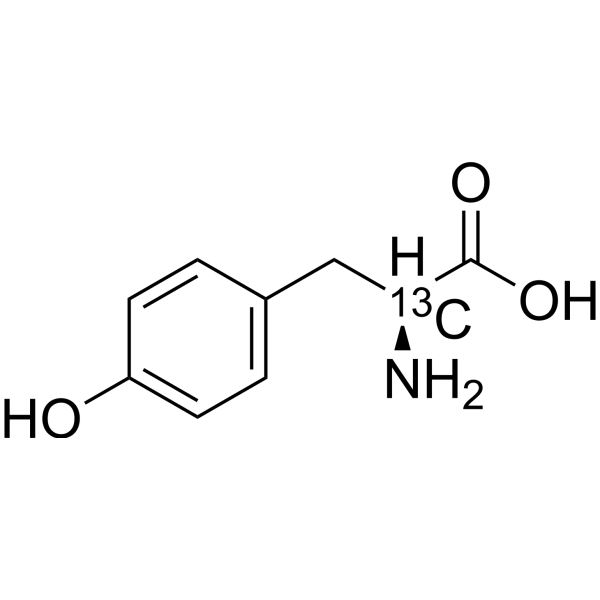
L-Tyrosine- 13C is the 13C-labeled L-Tyrosine. L-Tyrosine is a non-essential amino acid which can inhibit citrate synthase activity in the posterior cortex.
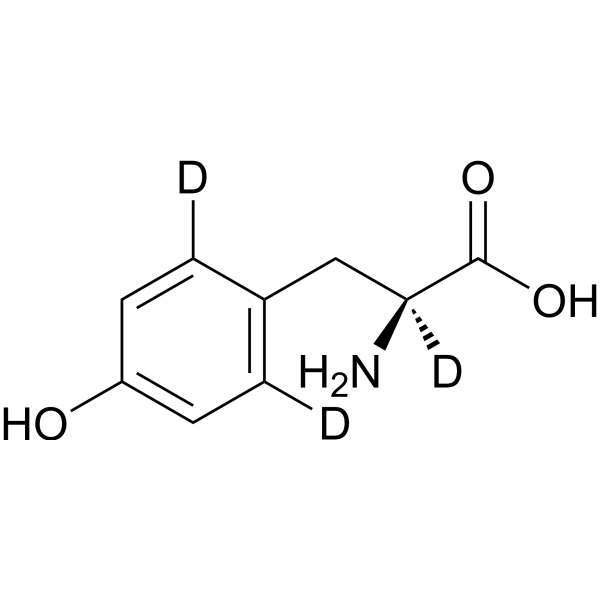
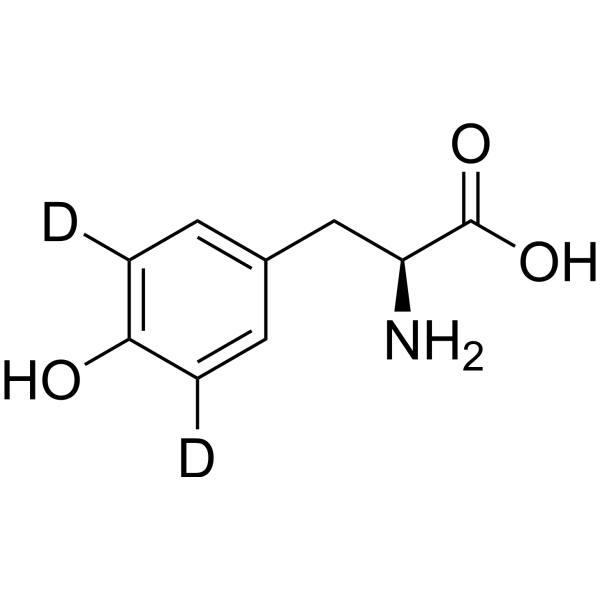
L-Tyrosine-d2-2 is the deuterium labeled L-Tyrosine. L-Tyrosine is a non-essential amino acid which can inhibit citrate synthase activity in the posterior cortex.
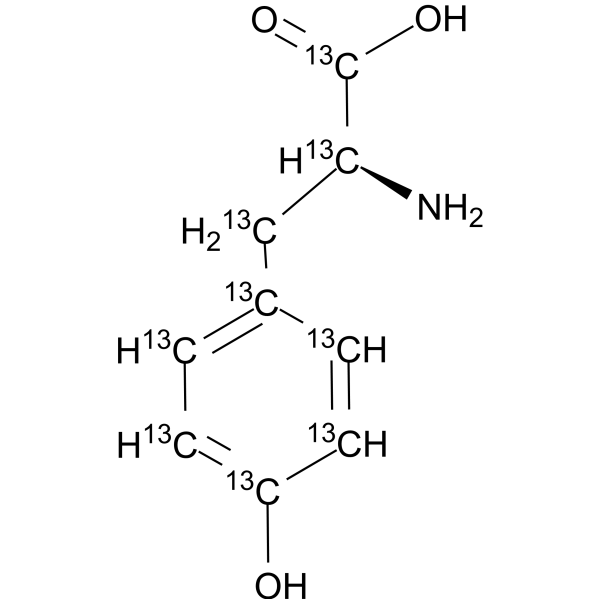
L-Tyrosine- 13C9 is the 13C-labeled L-Tyrosine. L-Tyrosine is a non-essential amino acid which can inhibit citrate synthase activity in the posterior cortex.
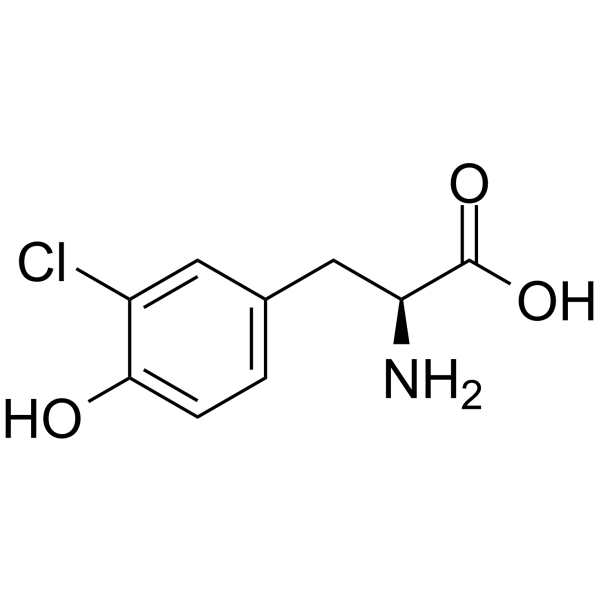
3-Chloro-L-tyrosine is a specific biomarker in myeloperoxidase-catalyzed oxidation. 3-Chloro-L-tyrosine can be used as a molecular marker for oxidative stress and inflammation to determine whether myeloperoxidase-mediated tyrosine chlorination occurs. 3-Chloro-L-tyrosine is therefore used in the diagnosis of chlorine poisoning in forensic toxicology and in the auxiliary diagnosis of inflammation such as colorectal cancer .
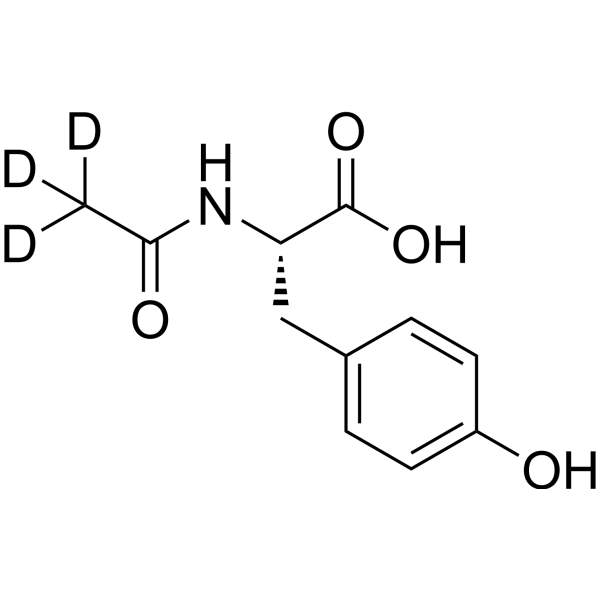
N-Acetyl-L-tyrosine-d3 is the deuterated form of N-Acetyl-L-tyrosine (HY-W012382). N-Acetyl-L-tyrosine is an orally active endogenous mitochondrial stress response regulator that can permeate the cell membrane by passive diffusion. N-Acetyl-L-tyrosine induces low-level reactive oxygen species (ROS) generation by transiently perturbing mitochondrial membrane potential, triggering reverse signaling to activate FoxO and Keap1 pathways. As a result, N-Acetyl-L-tyrosine enhances the expression of antioxidant enzyme genes, exerting anti-stress and cytoprotective effects. N-Acetyl-L-tyrosine can improve heat stress tolerance, inhibit tumor growth, and regulate energy metabolism. N-Acetyl-L-tyrosine can be used in the research of aging, metabolic diseases (such as diabetes), and cancer .
Tyrosinase-IN-22 (compound 4) is an inhibitor of tyrosinase substrates (L-tyrosine and L-dopa) with IC50s of 60 nM and 30 nM, respectively. Tyrosinase-IN-22 also shows potent antioxidant and anti-melanogenic properties, thus can be used for relevant researches .
L-Tyrosine-d3 is the deuterium labeled L-Tyrosine. L-Tyrosine is a non-essential amino acid which can inhibit citrate synthase activity in the posterior cortex.
L-Tyrosine-d2-1 is the deuterium labeled L-Tyrosine. L-Tyrosine is a non-essential amino acid which can inhibit citrate synthase activity in the posterior cortex.
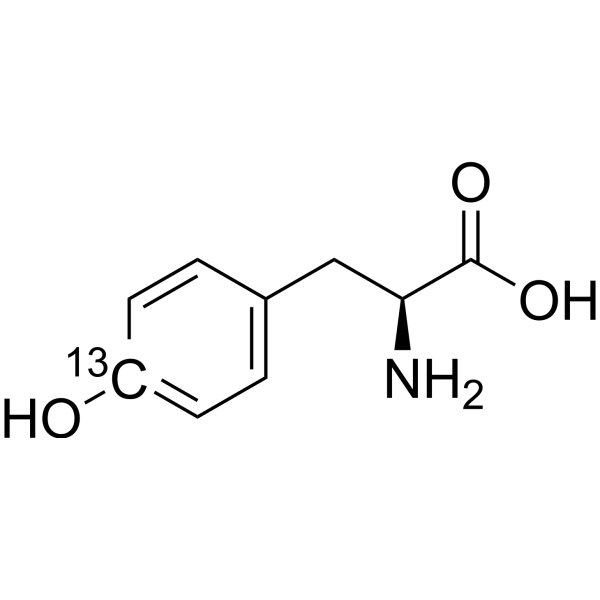
L-Tyrosine-4- 13C is the 13C-labeled L-Tyrosine. L-Tyrosine is a non-essential amino acid which can inhibit citrate synthase activity in the posterior cortex.
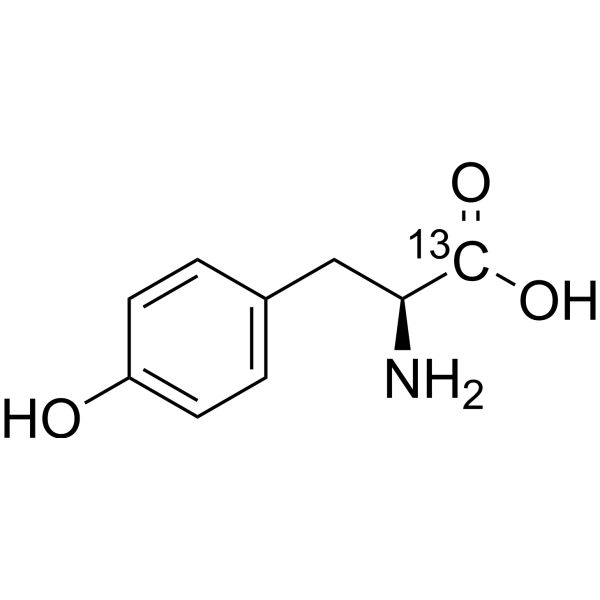
L-Tyrosine-1- 13C is the 13C-labeled L-Tyrosine. L-Tyrosine is a non-essential amino acid which can inhibit citrate synthase activity in the posterior cortex.
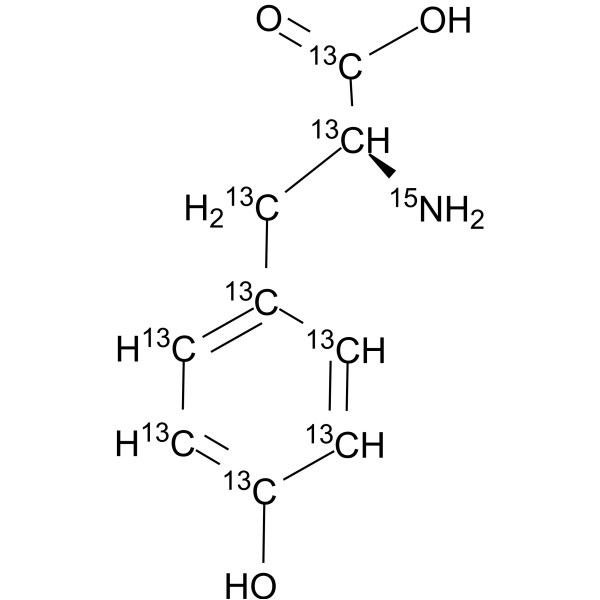
L-Tyrosine- 13C9, 15N is the 13C- and 15N-labeled L-Tyrosine. L-Tyrosine is an aromatic nonessential amino acid synthesized from the essential amino acid phenylalanine. L-Tyrosine is a precursor for several important neurotransmitters (epinephrine, norepinephrine, dopamine) .
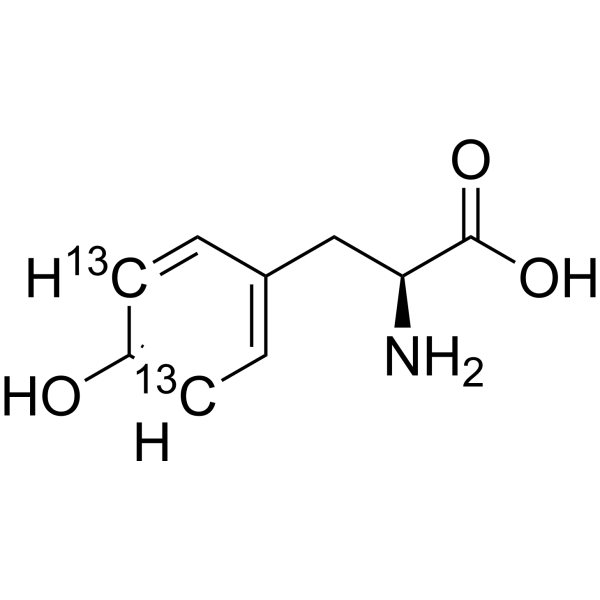
L-Tyrosine-3,5- 13C2 is the 13C-labeled L-Tyrosine. L-Tyrosine is a non-essential amino acid which can inhibit citrate synthase activity in the posterior cortex.
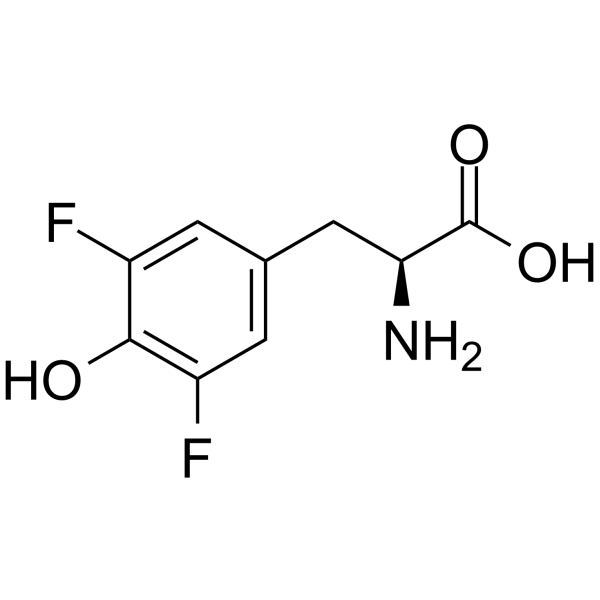
3,5-Difluoro-L-tyrosine is a functional, tyrosinase-resistant mimetic of tyrosine. 3,5-Difluoro-L-tyrosine can be used to analyze the substrate specificity of protein tyrosine phosphatases (PTPs) .
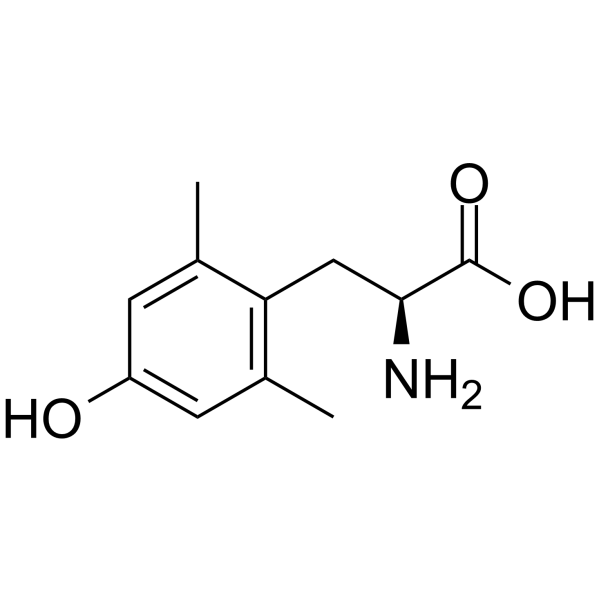
2,6-Dimethyl-L-tyrosine (Dmt) is a tyrosine derivative that enhances receptor affinity, functional bioactivity and in vivo analgesia of opioid peptides .
3-O-Methyldopa monohydrate (3-Methoxy-L-tyrosine monohydrate) is a significant metabolite of L-DOPA produced through the action of catechol O-methyltransferase (COMT). Unlike its precursor, 3-O-Methyldopa does not serve as a substrate or inhibitor of L-amino acid decarboxylase activity. Additionally, the inhibition of COMT can amplify the anti-Parkinson effects of L-DOPA.
3-O-Methyldopa (Standard) is the analytical standard of 3-O-Methyldopa. This product is intended for research and analytical applications. 3-O-Methyldopa (3-Methoxy-L-tyrosine) is a metabolite of L-DOPA which is formed by catechol-O-methyltransferase (COMT). 3-O-Methyldopa competitively inhibits the pharmacodynamics of l-DOPA and dopamine .
Tyrosine decarboxylase, Microorganism (TDC) is a tyrosine decarboxylase produced by microorganisms. Tyrosine decarboxylase is a PLP-dependent enzyme that catalyzes the decarboxylation of L-tyrosine, L-phenylalanine, and L-dopa to produce tyramine, 2-phenethylamine, and dopamine, respectively. Tyrosine decarboxylase mediates acid stress resistance, maintains intracellular pH homeostasis, and generates proton motive force .
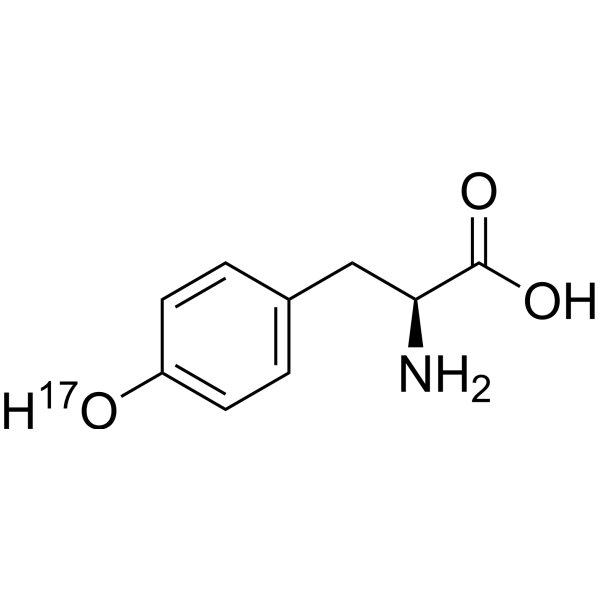
L-Tyrosine- 17O is the 17O-labeled L-Tyrosine. L-Tyrosine is a non-essential amino acid which can inhibit citrate synthase activity in the posterior cortex.
3-Nitro-L-tyrosine (Standard) is the analytical standard of 3-Nitro-L-tyrosine (HY-113248). This product is intended for research and analytical applications. 3-Nitro-L-tyrosine serves as a biomarker of oxidative stress. 3-Nitro-L-tyrosine attenuates the pressor and vasoconstrictive effects of angiotensin II by inhibiting the α1-adrenergic receptor-mediated signaling pathway, and participates in hemodynamic regulation under pathological conditions such as inflammation and ischemia. 3-Nitro-L-tyrosine can be used in studies related to atherosclerosis, ischemia-reperfusion and sepsis .
N-Acetyl-L-tyrosine (Standard) is the analytical standard of N-Acetyl-L-tyrosine (HY-W012382). This product is intended for research and analytical applications. N-Acetyl-L-tyrosine is an orally active endogenous mitochondrial stress response regulator that can permeate the cell membrane by passive diffusion. N-Acetyl-L-tyrosine induces low-level reactive oxygen species (ROS) generation by transiently perturbing mitochondrial membrane potential, triggering reverse signaling to activate FoxO and Keap1 pathways. As a result, N-Acetyl-L-tyrosine enhances the expression of antioxidant enzyme genes, exerting anti-stress and cytoprotective effects. N-Acetyl-L-tyrosine can improve heat stress tolerance, inhibit tumor growth, and regulate energy metabolism. N-Acetyl-L-tyrosine can be used in the research of aging, metabolic diseases (such as diabetes), and cancer .
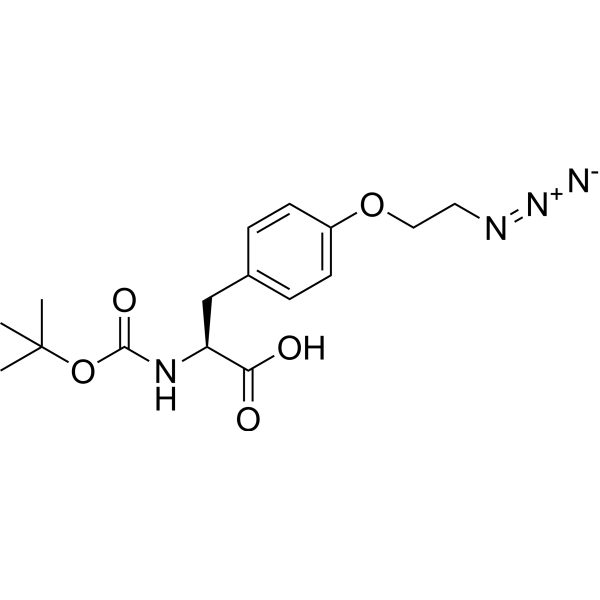
Boc-L-Tyr(2-azidoethyl)-OH (N-Boc-O-(2-azidoethyl)-L-tyrosine) is a click chemistry reagent containing an azide group . It contains an azide group and can undergo copper-catalyzed azide-alkyne cycloaddition (CuAAc) with molecules containing alkyne groups. It can also undergo ring strain-promoted alkyne-azide cycloaddition (SPAAC) with molecules containing DBCO or BCN groups.
S-Adenosyl-L-ethionine is S-Adenosyl-L-methione analog. S-Adenosyl-L-ethionine is able to replace S-Adenosyl-L-methione during HydG catalysis. HydG can utilize S-Adenosyl-L-ethionine as an effective alternative cosubstrate to S-Adenosyl-L-methione under normal enzymatic turnover conditions, producing the Ω intermediate and allowing efficient catalytic turnover of substrate L-tyrosine .
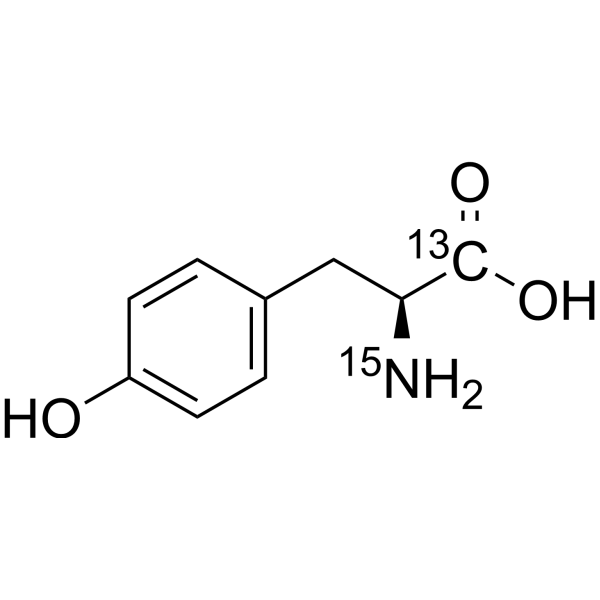
L-Tyrosine- 13C, 15N is the 13C and 15N labeled L-Tyrosine . L-Tyrosine is a non-essential amino acid which can inhibit citrate synthase activity in the posterior cortex .
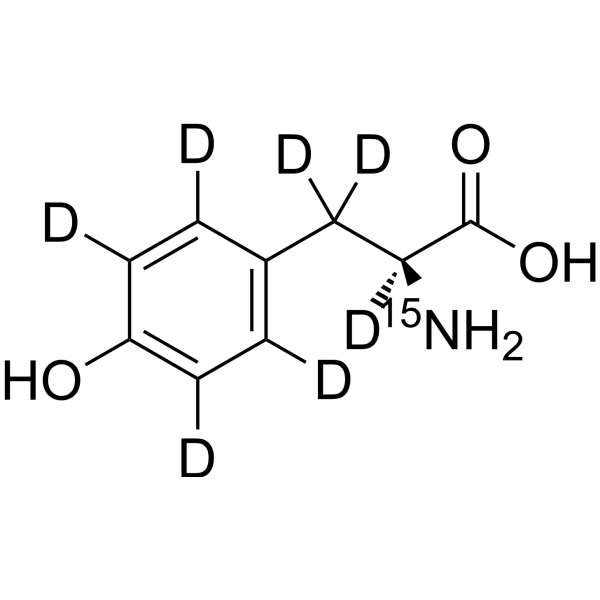
L-Tyrosine- 15N,d7 is the deuterium and 15N-labeled L-Tyrosine. L-Tyrosine is a non-essential amino acid which can inhibit citrate synthase activity in the posterior cortex.
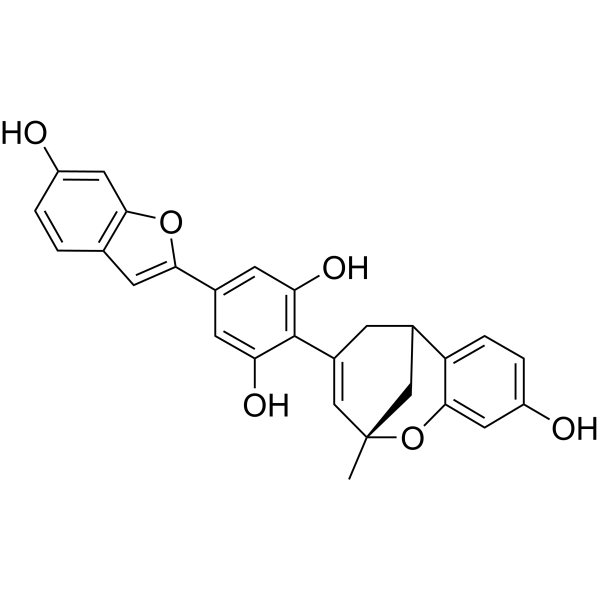
Mulberrofuran H is a 2-arylbenzofuran derivative from the cultivated mulberry tree (Morus lhou (ser.) Koidz.). Mulberrofuran H demonstrates potent inhibition against substrates L-tyrosine (IC50=4.45 µM) and L-DOPA (IC50=19.70 µM). Mulberrofuran H also shows potent anti-inflammatory and antioxidative activities .
3-Methyl-L-tyrosine is a derivative of L-Tyrosine (HY-N0473). Structurally, 3-Methyl-L-tyrosine features a methyl modification at the third position of the aromatic ring of L-Tyrosine. As a substrate for the protein tyrosine kinase Csk, 3-Methyl-L-tyrosine's relative catalytic efficiency (kcat/Km) is 38% of L-Tyrosine, indicating that the methyl modification impacts the processing efficiency of Gsk significantly. 3-Methyl-L-tyrosine helps to deepen the understanding of Gsk's molecular recognition mechanisms of its substrates, which is crucial for developing specific inhibitors targeting Gsk .
L-Tyrosine Decarboxylase, Streptococcus faecalis (EC 4.1.1.25), is a carboxyl lyase capable of cleaving carbon-carbon bonds. L-Tyrosine Decarboxylase Apoenzyme participates in tyrosine metabolism and alkaloid biosynthesis. L-Tyrosine Decarboxylase Apoenzyme uses a cofactor—pyridoxal phosphate. L-Tyrosine Decarboxylase Apoenzyme has one substrate, L-tyrosine, and two products: tyramine and carbon dioxide.
L-Tyrosine Decarboxylase Apoenzyme, Streptococcus faecalis (EC 4.1.1.25), is a carboxyl lyase capable of cleaving carbon-carbon bonds. L-Tyrosine Decarboxylase Apoenzyme participates in tyrosine metabolism and alkaloid biosynthesis. L-Tyrosine Decarboxylase Apoenzyme uses a cofactor—pyridoxal phosphate. L-Tyrosine Decarboxylase Apoenzyme has one substrate, L-tyrosine, and two products: tyramine and carbon dioxide.
Lactoyl-L-tyrosine is an amino acid derivative that is used in the ripening process of Parmesan cheese. Lactoyl-L-tyrosine can be used to study flavor development during cheese ripening or as a natural flavor enhancer in the food industry .
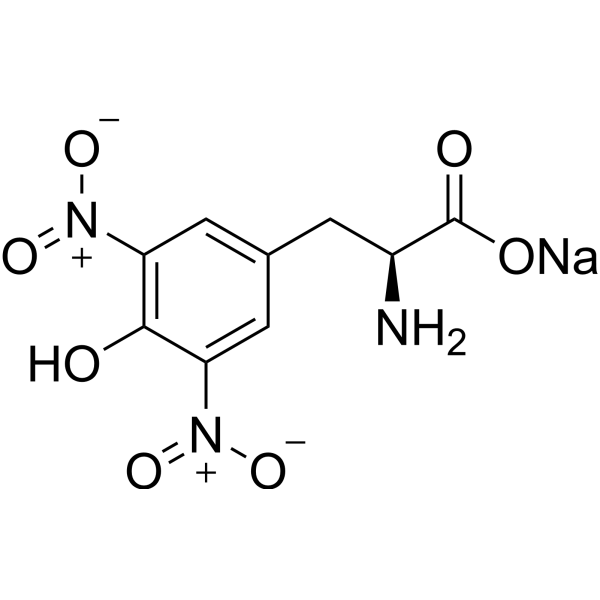
3,5-Dinitro-L-tyrosine sodium is a tyrosine derivative. 3,5-Dinitro-L-tyrosine sodium as artificial substrate, has zero activity relative to tyrosine as a substrate for tyrosine aminotransferase .
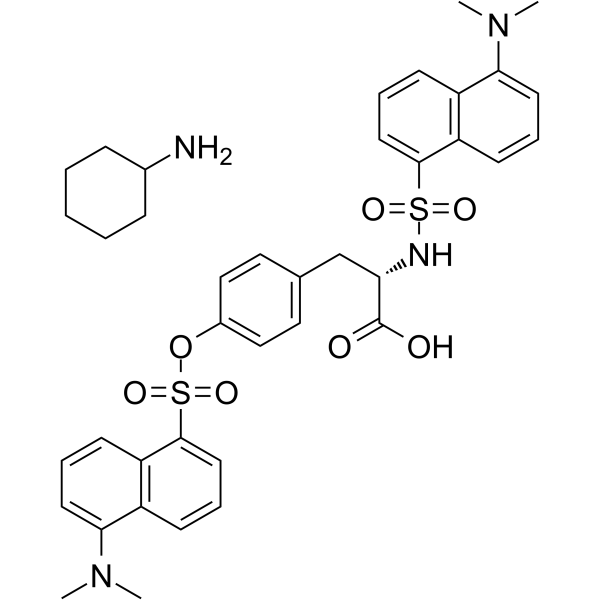
N,O-Didansyl-L-tyrosine cyclohexylammonium is a potent selective thymidylate synthase (TS) inhibitor, acts on TS of Escherichia coli, Lactobacillus casei and human with the IC50 values of 5.0, 3.4 and 119 μM, respectively .
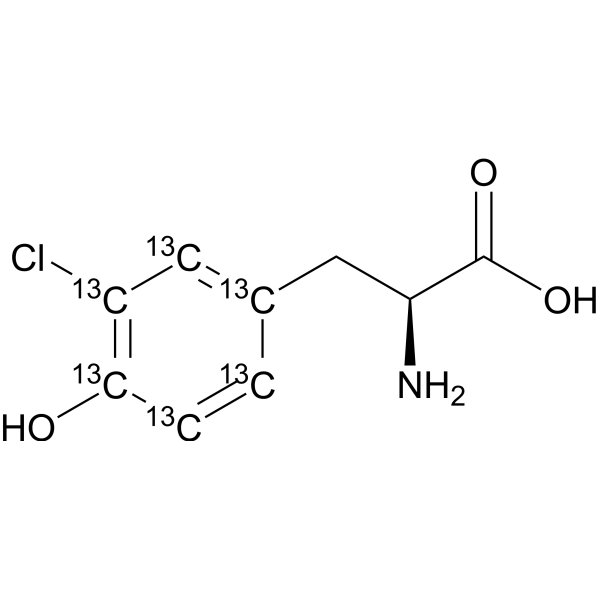
3-Chloro-L-tyrosine- 13C6 is the 13C labeled 3-Chloro-L-tyrosine . 3-Chloro-L-tyrosine is a specific marker of myeloperoxidase-catalyzed oxidation, and is markedly elevated in low density lipoprotein isolated from human atherosclerotic intima .
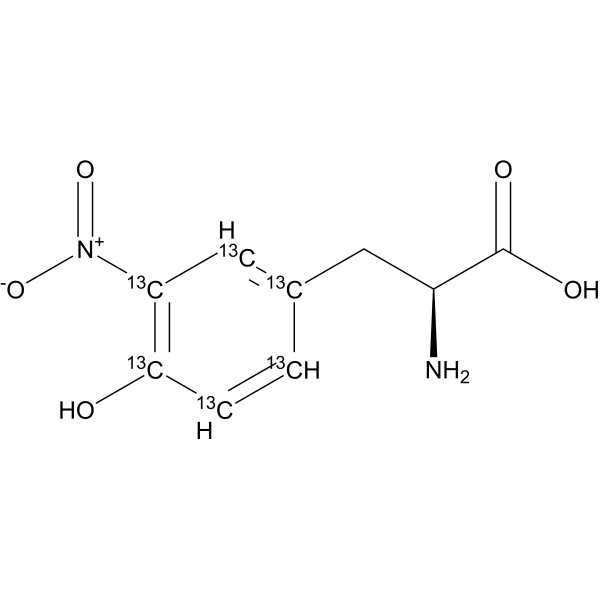
3-Nitro-L-tyrosine- 13C6 is the 13C labeled 3-Nitro-L-tyrosine (HY-113248). 3-Nitro-L-tyrosine serves as a biomarker of oxidative stress. 3-Nitro-L-tyrosine attenuates the pressor and vasoconstrictive effects of angiotensin II by inhibiting the α1-adrenergic receptor-mediated signaling pathway, and participates in hemodynamic regulation under pathological conditions such as inflammation and ischemia. 3-Nitro-L-tyrosine can be used in studies related to atherosclerosis, ischemia-reperfusion and sepsis .
3-Chloro-L-tyrosine is a specific biomarker in myeloperoxidase-catalyzed oxidation. 3-Chloro-L-tyrosine can be used as a molecular marker for oxidative stress and inflammation to determine whether myeloperoxidase-mediated tyrosine chlorination occurs. 3-Chloro-L-tyrosine is therefore used in the diagnosis of chlorine poisoning in forensic toxicology and in the auxiliary diagnosis of inflammation such as colorectal cancer .
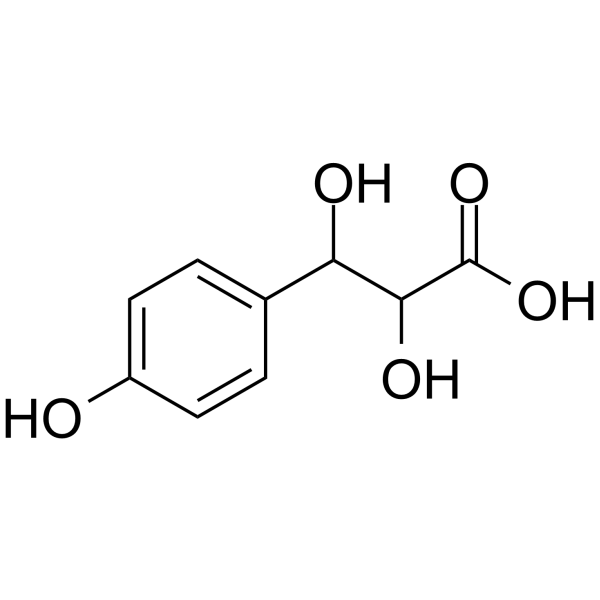
3-Hydroxy-3-(4-hydroxyphenyl)-lactic acid is a key metabolite in the P. roqueforti fermentation approach, with quantitative data of 10.2 ± 1.1 µM in Tyr 1 (presence of L-tyrosine) of .
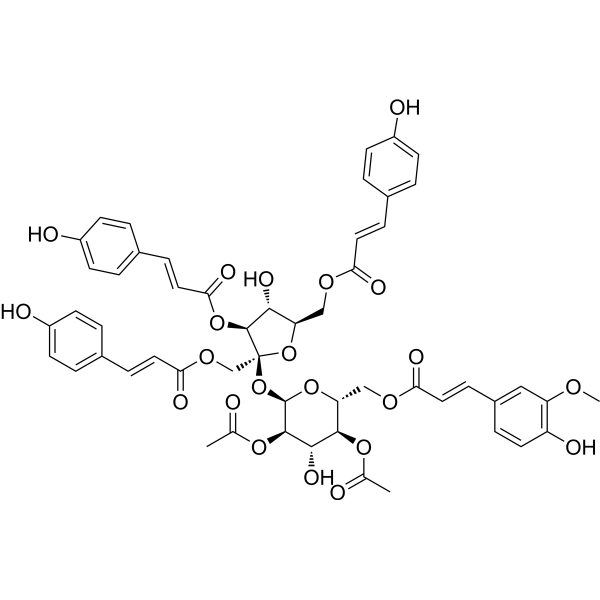
Vanicoside E is an antioxidant and antitumor agent. Vanicoside E inhibits L-Tyrosine (HY-N0473) and L-DOPA (HY-N0304) with IC50s of 45.23 μM and 189.96 μM, respectively .
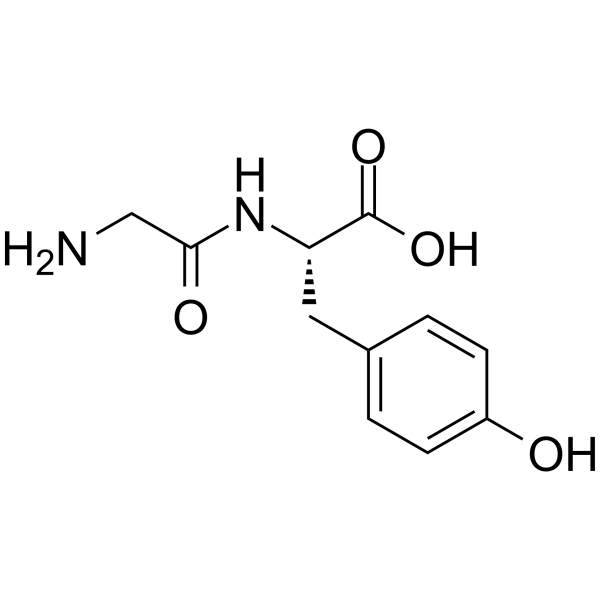
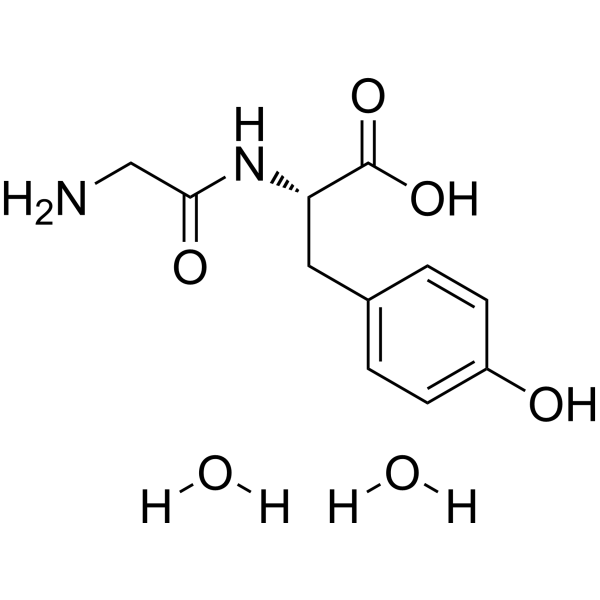
Glycyl-L-tyrosine (Standard) is the analytical standard of Cyclic somatostatin. This product is intended for research and analytical applications. Glycyl-L-tyrosine is a synthetic dipeptide that can be used as a food additive for tyrosine supplementation .
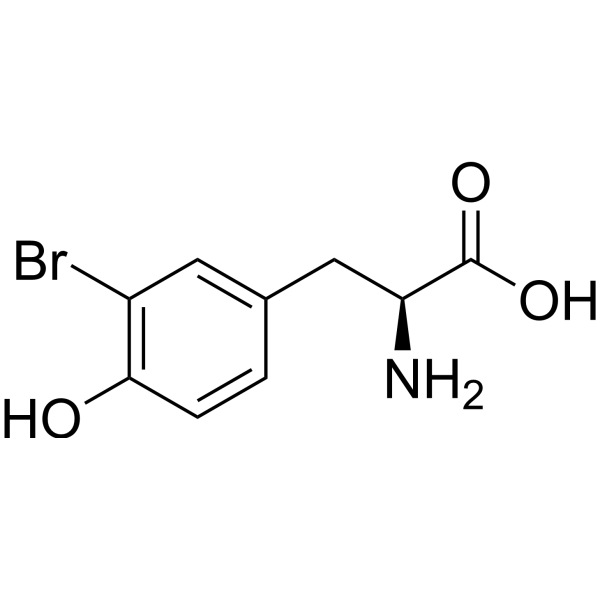
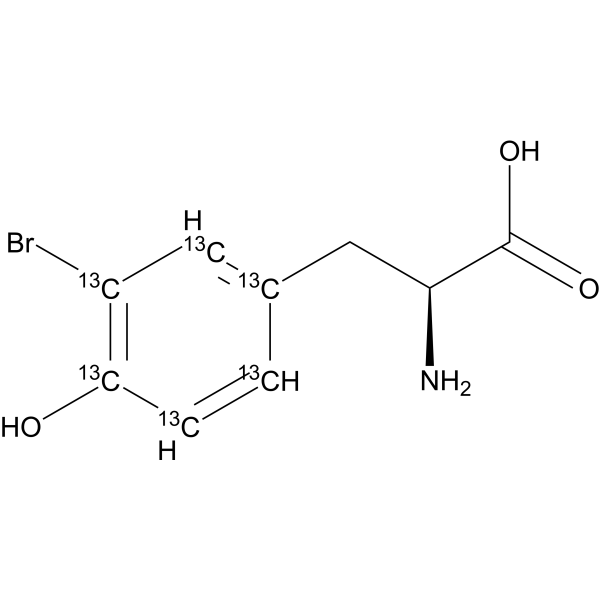
3-?Bromo-?L-?tyrosine- 13C6 (3-Bromo-Tyr- 13C6) is a 13C-labeled 3-?Bromo-?L-?tyrosine (HY-W018386). 3- Bromo- L- tyrosine (3-Bromo-Tyr) is a tyrosine derivative .
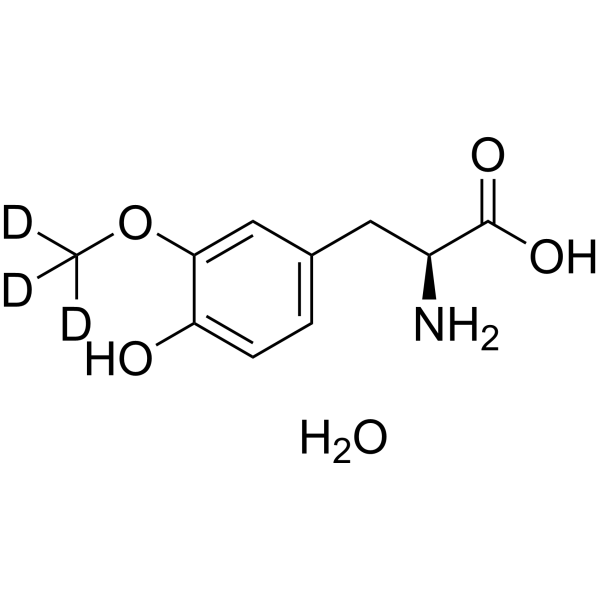
3-O-Methyldopa-d3 (hydrate) is the deuterium labeled 3-O-Methyldopa. 3-O-Methyldopa (3-Methoxy-L-tyrosine) hydrate is a metabolite of L-DOPA (HY-N0304) that can cross the blood-brain barrier (BBB). 3-O-Methyldopa hydrate inhibits the astrocyte-mediated protective effect of L-DOPA (HY-N0304) on dopaminergic neurons. In addition, 3-O-Methyldopa hydrate has certain antidepressant and neuroprotective activities. 3-O-Methyldopa hydrate can be used in the research of nervous system diseases such as depression and Parkinson's disease .
L-Tyrosine-d1 is the deuterium labeled L-Tyrosine (HY-N0473). L-Tyrosine is a non-essential amino acid which can inhibit citrate synthase activity in the posterior cortex .
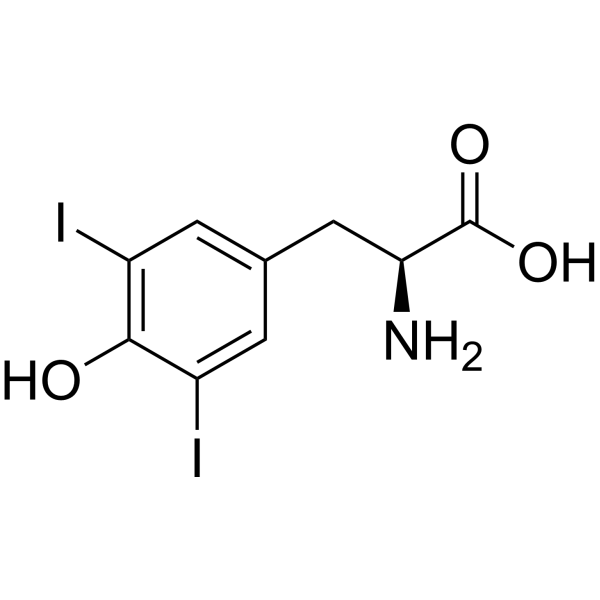
3,5-Diiodo-L-tyrosine (Standard) is the analytical standard of 3,5-Diiodo-L-tyrosine. This product is intended for research and analytical applications. 3,5-Diiodo-L-tyrosine is a tyrosine derivative .
N-Stearoyltyrosine (N-(1-Oxooctadecyl)-L-tyrosine) is an analog of Anandamide (HY-10863). N-Stearoyltyrosine exhibits neuroprotective efficacy in gerbils ischemia-reperfusion model through protection in the CA1 region of the hippocampus. N-Stearoyltyrosine inhibits the free radicals production and improves antioxidant capacity. N-Stearoyltyrosine inhibits the IR-induced apoptosis .
(-)-N-[3',4'-Dihydroxy-(E)-cinnamoyl]-L-tyrosine (Caffeoyl-N-tyrosine) is an N-phenylpropenoylamino acid compound that can be isolated from cocoa beans. (-)-N-[3',4'-Dihydroxy-(E)-cinnamoyl]-L-tyrosine is involved in cocoa flavor formation.
Tyrosinase-IN-46 (Compound III19) is a tyrosinase inhibitor. Its IC50 values for L-dopa and L-tyrosine are 3.24 and 2.79 nM respectively. Tyrosinase-IN-46 inhibits melanin synthesis and shows a significant anti-pigmentation effect. Tyrosinase-IN-46 can be used for the study of pigmentation disorders .
N-Acetyl-L-tyrosine ethyl ester (ATEE) is a compound commonly used as a food flavoring and supplement. It is an ester of tyrosine, an amino acid found in many proteins. N-Acetyl-L-tyrosine ethyl ester is sweet, nutty and caramelized and is commonly used to enhance the flavor of baked goods, dairy products and beverages. Potential health benefits of N-Acetyl-L-tyrosine ethyl ester include its antioxidant properties and ability to improve cognitive function.
Gly-Ala-Tyr (H-Gly-Ala-Tyr-OH) is a tripeptide substrate composed of L-glycine, alanine, and L-tyrosine joined in sequence by peptide linkages. Gly-Ala-Tyr can be hydrolyzed at both extracellular and intracellular levels by Streptococcus thermophilus, Lactobacillus delbrueckii ssp. bulgaricus, Lactobacillus acidophilus, and Bifidobacterium spp. Ala-Gly-Tyr is functionally related to L-alanine, glycine and L-tyrosine. .
2,6-Dimethyl-L-tyrosine (Dmt) is a tyrosine derivative that enhances receptor affinity, functional bioactivity and in vivo analgesia of opioid peptides .
3,5-Dinitro-L-tyrosine sodium is a tyrosine derivative. 3,5-Dinitro-L-tyrosine sodium as artificial substrate, has zero activity relative to tyrosine as a substrate for tyrosine aminotransferase .
N,O-Didansyl-L-tyrosine cyclohexylammonium is a potent selective thymidylate synthase (TS) inhibitor, acts on TS of Escherichia coli, Lactobacillus casei and human with the IC50 values of 5.0, 3.4 and 119 μM, respectively .
3,5-Diiodo-L-tyrosine (Standard) is the analytical standard of 3,5-Diiodo-L-tyrosine. This product is intended for research and analytical applications. 3,5-Diiodo-L-tyrosine is a tyrosine derivative .
N-Acetyl-L-tyrosine is an orally active endogenous mitochondrial stress response regulator that can permeate the cell membrane by passive diffusion. N-Acetyl-L-tyrosine induces low-level reactive oxygen species (ROS) generation by transiently perturbing mitochondrial membrane potential, triggering reverse signaling to activate FoxO and Keap1 pathways. As a result, N-Acetyl-L-tyrosine enhances the expression of antioxidant enzyme genes, exerting anti-stress and cytoprotective effects. N-Acetyl-L-tyrosine can improve heat stress tolerance, inhibit tumor growth, and regulate energy metabolism. N-Acetyl-L-tyrosine can be used in the research of aging, metabolic diseases (such as diabetes), and cancer .
Kushenol A (Leachianone E) is isolated from the root of Sophora flavescent. Kushenol A is a non-competitive tyrosinase inhibitor to block the conversion of L-tyrosine to L-DOPA, shows IC50 and Kivalues of 1.1 μM and 0.4 μM, respectively . Kushenol A is a flavonoid antioxidant, has inhibitory effects on alpha-glucosidase (IC50: 45 μM; Ki: 6.8 μM) and β-amylase . Kushenol A is confirmed as potential inhibitors of enzymes targeted by cosmetics for skin whitening and aging .
L-Tyrosine (Standard) is the analytical standard of L-Tyrosine. This product is intended for research and analytical applications. L-Tyrosine is a non-essential amino acid which can inhibit citrate synthase activity in the posterior cortex.
3-Nitro-L-tyrosine serves as a biomarker of oxidative stress. 3-Nitro-L-tyrosine attenuates the pressor and vasoconstrictive effects of angiotensin II by inhibiting the α1-adrenergic receptor-mediated signaling pathway, and participates in hemodynamic regulation under pathological conditions such as inflammation and ischemia. 3-Nitro-L-tyrosine can be used in studies related to atherosclerosis, ischemia-reperfusion and sepsis .
3-O-Methyldopa (3-Methoxy-L-tyrosine) is a metabolite of L-DOPA (HY-N0304) that can cross the blood-brain barrier (BBB). 3-O-Methyldopa inhibits the astrocyte-mediated protective effect of L-DOPA (HY-N0304) on dopaminergic neurons. In addition, 3-O-Methyldopa has certain antidepressant and neuroprotective activities. 3-O-Methyldopa can be used in the research of nervous system diseases such as depression and Parkinson's disease .
3-(2,4-Dihydroxyphenyl) propanoic acid (DPPacid) is a competitive Tyrosinase inhibitor. It exhibits an IC50 value of 3.02 μM against mushroom tyrosinase with L-tyrosine as the substrate, an IC50 value of 62 μM with DL-DOPA as the substrate, and a Ki value of 11.5 μM. 3-(2,4-Dihydroxyphenyl) propanoic acid shows no DPPH radical scavenging activity. It can be used in studies related to ultraviolet B (UVB)-induced hyperpigmentation .
p-Coumaric Acid Ethyl Ester (Ethyl (E)-p-hydroxycinnamate; Ethyl trans-4-hydroxycinnamate) is a non-competitive, reversible inhibitor of tyrosinase (IC50=4.89 μg/mL, Ki=1.83 μg/mL), which can quench the intrinsic fluorescence of the enzyme. p-Coumaric Acid Ethyl Ester changes the binding affinity of L-tyrosine by inducing conformational changes in the catalytic domain of tyrosinase, and does not bind to the copper ion of the enzyme. p-Coumaric Acid Ethyl Ester is used in the development of medicines, cosmetics and fruit preservation products using pollen .
3-Chloro-L-tyrosine is a specific biomarker in myeloperoxidase-catalyzed oxidation. 3-Chloro-L-tyrosine can be used as a molecular marker for oxidative stress and inflammation to determine whether myeloperoxidase-mediated tyrosine chlorination occurs. 3-Chloro-L-tyrosine is therefore used in the diagnosis of chlorine poisoning in forensic toxicology and in the auxiliary diagnosis of inflammation such as colorectal cancer .
3-O-Methyldopa (Standard) is the analytical standard of 3-O-Methyldopa. This product is intended for research and analytical applications. 3-O-Methyldopa (3-Methoxy-L-tyrosine) is a metabolite of L-DOPA which is formed by catechol-O-methyltransferase (COMT). 3-O-Methyldopa competitively inhibits the pharmacodynamics of l-DOPA and dopamine .
3-Nitro-L-tyrosine (Standard) is the analytical standard of 3-Nitro-L-tyrosine (HY-113248). This product is intended for research and analytical applications. 3-Nitro-L-tyrosine serves as a biomarker of oxidative stress. 3-Nitro-L-tyrosine attenuates the pressor and vasoconstrictive effects of angiotensin II by inhibiting the α1-adrenergic receptor-mediated signaling pathway, and participates in hemodynamic regulation under pathological conditions such as inflammation and ischemia. 3-Nitro-L-tyrosine can be used in studies related to atherosclerosis, ischemia-reperfusion and sepsis .
N-Acetyl-L-tyrosine (Standard) is the analytical standard of N-Acetyl-L-tyrosine (HY-W012382). This product is intended for research and analytical applications. N-Acetyl-L-tyrosine is an orally active endogenous mitochondrial stress response regulator that can permeate the cell membrane by passive diffusion. N-Acetyl-L-tyrosine induces low-level reactive oxygen species (ROS) generation by transiently perturbing mitochondrial membrane potential, triggering reverse signaling to activate FoxO and Keap1 pathways. As a result, N-Acetyl-L-tyrosine enhances the expression of antioxidant enzyme genes, exerting anti-stress and cytoprotective effects. N-Acetyl-L-tyrosine can improve heat stress tolerance, inhibit tumor growth, and regulate energy metabolism. N-Acetyl-L-tyrosine can be used in the research of aging, metabolic diseases (such as diabetes), and cancer .
Mulberrofuran H is a 2-arylbenzofuran derivative from the cultivated mulberry tree (Morus lhou (ser.) Koidz.). Mulberrofuran H demonstrates potent inhibition against substrates L-tyrosine (IC50=4.45 µM) and L-DOPA (IC50=19.70 µM). Mulberrofuran H also shows potent anti-inflammatory and antioxidative activities .
3-Chloro-L-tyrosine is a specific biomarker in myeloperoxidase-catalyzed oxidation. 3-Chloro-L-tyrosine can be used as a molecular marker for oxidative stress and inflammation to determine whether myeloperoxidase-mediated tyrosine chlorination occurs. 3-Chloro-L-tyrosine is therefore used in the diagnosis of chlorine poisoning in forensic toxicology and in the auxiliary diagnosis of inflammation such as colorectal cancer .
Vanicoside E is an antioxidant and antitumor agent. Vanicoside E inhibits L-Tyrosine (HY-N0473) and L-DOPA (HY-N0304) with IC50s of 45.23 μM and 189.96 μM, respectively .
Glycyl-L-tyrosine (Standard) is the analytical standard of Cyclic somatostatin. This product is intended for research and analytical applications. Glycyl-L-tyrosine is a synthetic dipeptide that can be used as a food additive for tyrosine supplementation .
3,5-Diiodo-L-tyrosine (Standard) is the analytical standard of 3,5-Diiodo-L-tyrosine. This product is intended for research and analytical applications. 3,5-Diiodo-L-tyrosine is a tyrosine derivative .
(-)-N-[3',4'-Dihydroxy-(E)-cinnamoyl]-L-tyrosine (Caffeoyl-N-tyrosine) is an N-phenylpropenoylamino acid compound that can be isolated from cocoa beans. (-)-N-[3',4'-Dihydroxy-(E)-cinnamoyl]-L-tyrosine is involved in cocoa flavor formation.
TDC protein plays a key role in amino acid metabolism by catalyzing the decarboxylation of L-tyrosine to produce tyramine. TDC is specific and does not utilize other aromatic L-amino acids such as L-phenylalanine, L-tryptophan, and L-glutamate as substrates. tdc Protein, Levilactobacillus brevis is the recombinant tdc protein, expressed by E. coli , with tag free.
TDC protein plays a key role in amino acid metabolism by catalyzing the decarboxylation of L-tyrosine to produce tyramine. TDC is specific and does not utilize other aromatic L-amino acids such as L-phenylalanine, L-tryptophan, and L-glutamate as substrates. tdc Protein, Levilactobacillus brevis (FLAG, His) is the recombinant tdc protein, expressed by E. coli , with N-6*His, N-Flag labeled tag.
L-Tyrosine-d7 is the deuterium labeled L-Tyrosine. L-Tyrosine is a non-essential amino acid which can inhibit citrate synthase activity in the posterior cortex.
L-Tyrosine-d5 is the deuterium labeled L-Tyrosine. L-Tyrosine is a non-essential amino acid which can inhibit citrate synthase activity in the posterior cortex.
L-Tyrosine-d4 is a deuterium labeled L-Tyrosine. L-Tyrosine is a non-essential amino acid which can inhibit citrate synthase activity in the posterior cortex .
3-O-Methyldopa-d3(3-Methoxy-L-tyrosine-d3) is deuterium labeled 3-O-Methyldopa (HY-113468A). 3-O-Methyldopa (3-Methoxy-L-tyrosine) is a metabolite of L-DOPA (HY-N0304) that can cross the blood-brain barrier (BBB). 3-O-Methyldopa inhibits the astrocyte-mediated protective effect of L-DOPA (HY-N0304) on dopaminergic neurons. In addition, 3-O-Methyldopa has certain antidepressant and neuroprotective activities. 3-O-Methyldopa can be used in the research of nervous system diseases such as depression and Parkinson's disease .
L-Tyrosine-d2 is the deuterium labeled L-Tyrosine. L-Tyrosine is a non-essential amino acid which can inhibit citrate synthase activity in the posterior cortex.
L-Tyrosine- 15N is the 15N-labeled L-Tyrosine. L-Tyrosine is a non-essential amino acid which can inhibit citrate synthase activity in the posterior cortex.
L-Tyrosine- 13C6 is the 13C-labeled L-Tyrosine. L-Tyrosine is a non-essential amino acid which can inhibit citrate synthase activity in the posterior cortex.
3-Nitro-L-tyrosine-d3 is the deuterium labeled 3-Nitro-L-tyrosine (HY-113248). 3-Nitro-L-tyrosine serves as a biomarker of oxidative stress. 3-Nitro-L-tyrosine attenuates the pressor and vasoconstrictive effects of angiotensin II by inhibiting the α1-adrenergic receptor-mediated signaling pathway, and participates in hemodynamic regulation under pathological conditions such as inflammation and ischemia. 3-Nitro-L-tyrosine can be used in studies related to atherosclerosis, ischemia-reperfusion and sepsis .
L-Tyrosine- 13C is the 13C-labeled L-Tyrosine. L-Tyrosine is a non-essential amino acid which can inhibit citrate synthase activity in the posterior cortex.
L-Tyrosine-d2-2 is the deuterium labeled L-Tyrosine. L-Tyrosine is a non-essential amino acid which can inhibit citrate synthase activity in the posterior cortex.
L-Tyrosine- 13C9 is the 13C-labeled L-Tyrosine. L-Tyrosine is a non-essential amino acid which can inhibit citrate synthase activity in the posterior cortex.
N-Acetyl-L-tyrosine-d3 is the deuterated form of N-Acetyl-L-tyrosine (HY-W012382). N-Acetyl-L-tyrosine is an orally active endogenous mitochondrial stress response regulator that can permeate the cell membrane by passive diffusion. N-Acetyl-L-tyrosine induces low-level reactive oxygen species (ROS) generation by transiently perturbing mitochondrial membrane potential, triggering reverse signaling to activate FoxO and Keap1 pathways. As a result, N-Acetyl-L-tyrosine enhances the expression of antioxidant enzyme genes, exerting anti-stress and cytoprotective effects. N-Acetyl-L-tyrosine can improve heat stress tolerance, inhibit tumor growth, and regulate energy metabolism. N-Acetyl-L-tyrosine can be used in the research of aging, metabolic diseases (such as diabetes), and cancer .
L-Tyrosine-d3 is the deuterium labeled L-Tyrosine. L-Tyrosine is a non-essential amino acid which can inhibit citrate synthase activity in the posterior cortex.
L-Tyrosine-d2-1 is the deuterium labeled L-Tyrosine. L-Tyrosine is a non-essential amino acid which can inhibit citrate synthase activity in the posterior cortex.
L-Tyrosine-4- 13C is the 13C-labeled L-Tyrosine. L-Tyrosine is a non-essential amino acid which can inhibit citrate synthase activity in the posterior cortex.
L-Tyrosine-1- 13C is the 13C-labeled L-Tyrosine. L-Tyrosine is a non-essential amino acid which can inhibit citrate synthase activity in the posterior cortex.
L-Tyrosine- 13C9, 15N is the 13C- and 15N-labeled L-Tyrosine. L-Tyrosine is an aromatic nonessential amino acid synthesized from the essential amino acid phenylalanine. L-Tyrosine is a precursor for several important neurotransmitters (epinephrine, norepinephrine, dopamine) .
L-Tyrosine-3,5- 13C2 is the 13C-labeled L-Tyrosine. L-Tyrosine is a non-essential amino acid which can inhibit citrate synthase activity in the posterior cortex.
L-Tyrosine- 17O is the 17O-labeled L-Tyrosine. L-Tyrosine is a non-essential amino acid which can inhibit citrate synthase activity in the posterior cortex.
L-Tyrosine- 13C, 15N is the 13C and 15N labeled L-Tyrosine . L-Tyrosine is a non-essential amino acid which can inhibit citrate synthase activity in the posterior cortex .
L-Tyrosine- 15N,d7 is the deuterium and 15N-labeled L-Tyrosine. L-Tyrosine is a non-essential amino acid which can inhibit citrate synthase activity in the posterior cortex.
3-Chloro-L-tyrosine- 13C6 is the 13C labeled 3-Chloro-L-tyrosine . 3-Chloro-L-tyrosine is a specific marker of myeloperoxidase-catalyzed oxidation, and is markedly elevated in low density lipoprotein isolated from human atherosclerotic intima .
3-Nitro-L-tyrosine- 13C6 is the 13C labeled 3-Nitro-L-tyrosine (HY-113248). 3-Nitro-L-tyrosine serves as a biomarker of oxidative stress. 3-Nitro-L-tyrosine attenuates the pressor and vasoconstrictive effects of angiotensin II by inhibiting the α1-adrenergic receptor-mediated signaling pathway, and participates in hemodynamic regulation under pathological conditions such as inflammation and ischemia. 3-Nitro-L-tyrosine can be used in studies related to atherosclerosis, ischemia-reperfusion and sepsis .
3-?Bromo-?L-?tyrosine- 13C6 (3-Bromo-Tyr- 13C6) is a 13C-labeled 3-?Bromo-?L-?tyrosine (HY-W018386). 3- Bromo- L- tyrosine (3-Bromo-Tyr) is a tyrosine derivative .
3-O-Methyldopa-d3 (hydrate) is the deuterium labeled 3-O-Methyldopa. 3-O-Methyldopa (3-Methoxy-L-tyrosine) hydrate is a metabolite of L-DOPA (HY-N0304) that can cross the blood-brain barrier (BBB). 3-O-Methyldopa hydrate inhibits the astrocyte-mediated protective effect of L-DOPA (HY-N0304) on dopaminergic neurons. In addition, 3-O-Methyldopa hydrate has certain antidepressant and neuroprotective activities. 3-O-Methyldopa hydrate can be used in the research of nervous system diseases such as depression and Parkinson's disease .
L-Tyrosine-d1 is the deuterium labeled L-Tyrosine (HY-N0473). L-Tyrosine is a non-essential amino acid which can inhibit citrate synthase activity in the posterior cortex .
Boc-L-Tyr(2-azidoethyl)-OH (N-Boc-O-(2-azidoethyl)-L-tyrosine) is a click chemistry reagent containing an azide group . It contains an azide group and can undergo copper-catalyzed azide-alkyne cycloaddition (CuAAc) with molecules containing alkyne groups. It can also undergo ring strain-promoted alkyne-azide cycloaddition (SPAAC) with molecules containing DBCO or BCN groups.
Inquiry Online
Your information is safe with us. * Required Fields.
Western blot analysis of extracts from THP-1(lane 2(20μg), Jurkat (lane 3(20μg) and NIH3T3(lane 4(20μg) using FOXO1A (HY-P80132) Rabbit mAb. Proteins were transferred
to a PVDF membrane and blocked with 5% non-fat milk in TBST for 2 hour at room temperature. The primary antibody (1/1000) and Loading control antibody (Beta Actin, HY-P80438, 1/10000) was
used in 5% non-fat milk in TBST at 4°C overnight. Goat Anti-Mouse/Rabbit IgG-HRP Secondary Antibody (1/10000) was used for 1 hour at room temperature.
Western blot analysis of extracts from THP-1(lane 2(20μg), Jurkat (lane 3(20μg) and NIH3T3(lane 4(20μg) using FOXO1A (HY-P80132) Rabbit mAb. Proteins were transferred
to a PVDF membrane and blocked with 5% non-fat milk in TBST for 2 hour at room temperature. The primary antibody (1/1000) and Loading control antibody (Beta Actin, HY-P80438, 1/10000) was
used in 5% non-fat milk in TBST at 4°C overnight. Goat Anti-Mouse/Rabbit IgG-HRP Secondary Antibody (1/10000) was used for 1 hour at room temperature.
Western blot analysis of extracts from THP-1(lane 2(20μg), Jurkat (lane 3(20μg) and NIH3T3(lane 4(20μg) using FOXO1A (HY-P80132) Rabbit mAb. Proteins were transferred
to a PVDF membrane and blocked with 5% non-fat milk in TBST for 2 hour at room temperature. The primary antibody (1/1000) and Loading control antibody (Beta Actin, HY-P80438, 1/10000) was
used in 5% non-fat milk in TBST at 4°C overnight. Goat Anti-Mouse/Rabbit IgG-HRP Secondary Antibody (1/10000) was used for 1 hour at room temperature.
Western blot analysis of extracts from THP-1(lane 2(20μg), Jurkat (lane 3(20μg) and NIH3T3(lane 4(20μg) using FOXO1A (HY-P80132) Rabbit mAb. Proteins were transferred
to a PVDF membrane and blocked with 5% non-fat milk in TBST for 2 hour at room temperature. The primary antibody (1/1000) and Loading control antibody (Beta Actin, HY-P80438, 1/10000) was
MedchemExpress Validation 03
Western blot analysis of extracts from THP-1(lane 2(20μg), Jurkat (lane 3(20μg) and NIH3T3(lane 4(20μg) using FOXO1A (HY-P80132) Rabbit mAb. Proteins were transferred
MedchemExpress Validation 04
Western blot analysis of extracts from THP-1(lane 2(20μg), Jurkat (lane 3(20μg) and NIH3T3(lane 4(20μg) using FOXO1A (HY-P80132) Rabbit mAb. Proteins were transferred
to a PVDF membrane and blocked with 5% non-fat milk in TBST for 2 hour at room temperature. The primary antibody (1/1000) and Loading control antibody (Beta Actin, HY-P80438, 1/10000) was
used in 5% non-fat milk in TBST at 4°C overnight. Goat Anti-Mouse/Rabbit IgG-HRP Secondary Antibody (1/10000) was used for 1 hour at room temperature.
MedchemExpress Validation
Western blot analysis of extracts from THP-1(lane 2(20μg), Jurkat (lane 3(20μg) and NIH3T3(lane 4(20μg) using FOXO1A (HY-P80132) Rabbit mAb. Proteins were transferred
to a PVDF membrane and blocked with 5% non-fat milk in TBST for 2 hour at room temperature. The primary antibody (1/1000) and Loading control antibody (Beta Actin, HY-P80438, 1/10000) was
used in 5% non-fat milk in TBST at 4°C overnight. Goat Anti-Mouse/Rabbit IgG-HRP Secondary Antibody (1/10000) was used for 1 hour at room temperature.
Western blot analysis of extracts from THP-1(lane 2(20μg), Jurkat (lane 3(20μg) and NIH3T3(lane 4(20μg) using FOXO1A (HY-P80132) Rabbit mAb. Proteins were transferred
to a PVDF membrane and blocked with 5% non-fat milk in TBST for 2 hour at room temperature. The primary antibody (1/1000) and Loading control antibody (Beta Actin, HY-P80438, 1/10000) was
used in 5% non-fat milk in TBST at 4°C overnight. Goat Anti-Mouse/Rabbit IgG-HRP Secondary Antibody (1/10000) was used for 1 hour at room temperature.
MedchemExpress Validation
Western blot analysis of extracts from THP-1(lane 2(20μg), Jurkat (lane 3(20μg) and NIH3T3(lane 4(20μg) using FOXO1A (HY-P80132) Rabbit mAb. Proteins were transferred
to a PVDF membrane and blocked with 5% non-fat milk in TBST for 2 hour at room temperature. The primary antibody (1/1000) and Loading control antibody (Beta Actin, HY-P80438, 1/10000) was
used in 5% non-fat milk in TBST at 4°C overnight. Goat Anti-Mouse/Rabbit IgG-HRP Secondary Antibody (1/10000) was used for 1 hour at room temperature.
MedchemExpress Validation
Western blot analysis of extracts from THP-1(lane 2(20μg), Jurkat (lane 3(20μg) and NIH3T3(lane 4(20μg) using FOXO1A (HY-P80132) Rabbit mAb. Proteins were transferred
to a PVDF membrane and blocked with 5% non-fat milk in TBST for 2 hour at room temperature. The primary antibody (1/1000) and Loading control antibody (Beta Actin, HY-P80438, 1/10000) was
used in 5% non-fat milk in TBST at 4°C overnight. Goat Anti-Mouse/Rabbit IgG-HRP Secondary Antibody (1/10000) was used for 1 hour at room temperature.
MedchemExpress Validation
Western blot analysis of extracts from THP-1(lane 2(20μg), Jurkat (lane 3(20μg) and NIH3T3(lane 4(20μg) using FOXO1A (HY-P80132) Rabbit mAb. Proteins were transferred
to a PVDF membrane and blocked with 5% non-fat milk in TBST for 2 hour at room temperature. The primary antibody (1/1000) and Loading control antibody (Beta Actin, HY-P80438, 1/10000) was
used in 5% non-fat milk in TBST at 4°C overnight. Goat Anti-Mouse/Rabbit IgG-HRP Secondary Antibody (1/10000) was used for 1 hour at room temperature.
MedchemExpress Validation
Western blot analysis of extracts from THP-1(lane 2(20μg), Jurkat (lane 3(20μg) and NIH3T3(lane 4(20μg) using FOXO1A (HY-P80132) Rabbit mAb. Proteins were transferred
to a PVDF membrane and blocked with 5% non-fat milk in TBST for 2 hour at room temperature. The primary antibody (1/1000) and Loading control antibody (Beta Actin, HY-P80438, 1/10000) was
used in 5% non-fat milk in TBST at 4°C overnight. Goat Anti-Mouse/Rabbit IgG-HRP Secondary Antibody (1/10000) was used for 1 hour at room temperature.
MedchemExpress Validation
Western blot analysis of extracts from THP-1(lane 2(20μg), Jurkat (lane 3(20μg) and NIH3T3(lane 4(20μg) using FOXO1A (HY-P80132) Rabbit mAb. Proteins were transferred
to a PVDF membrane and blocked with 5% non-fat milk in TBST for 2 hour at room temperature. The primary antibody (1/1000) and Loading control antibody (Beta Actin, HY-P80438, 1/10000) was
used in 5% non-fat milk in TBST at 4°C overnight. Goat Anti-Mouse/Rabbit IgG-HRP Secondary Antibody (1/10000) was used for 1 hour at room temperature.
MedchemExpress Validation
Western blot analysis of extracts from THP-1(lane 2(20μg), Jurkat (lane 3(20μg) and NIH3T3(lane 4(20μg) using FOXO1A (HY-P80132) Rabbit mAb. Proteins were transferred
to a PVDF membrane and blocked with 5% non-fat milk in TBST for 2 hour at room temperature. The primary antibody (1/1000) and Loading control antibody (Beta Actin, HY-P80438, 1/10000) was
used in 5% non-fat milk in TBST at 4°C overnight. Goat Anti-Mouse/Rabbit IgG-HRP Secondary Antibody (1/10000) was used for 1 hour at room temperature.
MedChemExpress values your privacy and your trust is important to us. We use cookies to enhance your website experience. Some cookies are necessary to run the website.
Privacy and Cookie Policy

























![(-)-N-[3',4'-Dihydroxy-(E)-cinnamoyl]-L-tyrosine](http://file.medchemexpress.com/product_pic/hy-w700644.gif)







