Search Result
Results for "
AChE inhibition
" in MedChemExpress (MCE) Product Catalog:
1
Isotope-Labeled Compounds
| Cat. No. |
Product Name |
Target |
Research Areas |
Chemical Structure |
-
- HY-N0740
-
|
|
Cholinesterase (ChE)
5-HT Receptor
Bacterial
|
Neurological Disease
Inflammation/Immunology
|
|
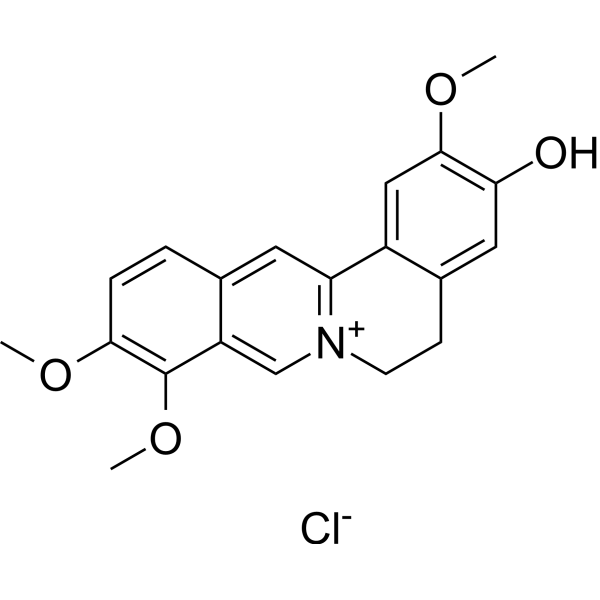
Jatrorrhizine chloride is an alkaloid isolated from?Coptis chinensis with neuroprotective, antimicrobial, antiplasmodial and antioxidant activities . Jatrorrhizine chloride is a potent and orally active inhibitor of?AChE?(IC50=872 nM) over >115-fold selectivity for BuChE . Jatrorrhizine chloride reduces uptake of serotonin (5-HT) and norepinephrine (NE) via inhibition of uptake-2 transporters .
|
-
-
- HY-N0749
-
|
|
Cholinesterase (ChE)
5-HT Receptor
Bacterial
|
Neurological Disease
|
|
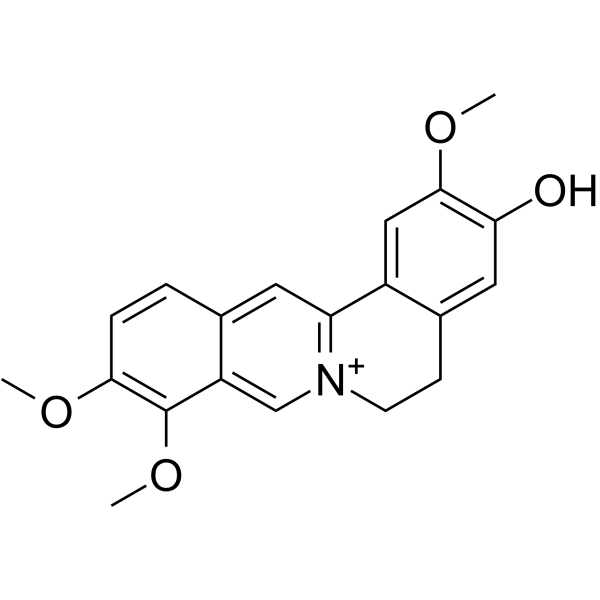
Jatrorrhizine is an alkaloid isolated from Coptis chinensis with neuroprotective, antimicrobial, antiplasmodial and antioxidant activities . Jatrorrhizine is a potent and orally active inhibitor of AChE (IC50=872 nM) over >115-fold selectivity for BuChE . Jatrorrhizine reduces uptake of serotonin (5-HT) and norepinephrine (NE) via inhibition of uptake-2 transporters .
|
-
-
- HY-119979
-
|
Cardanol C15:1
|
Apoptosis
Reactive Oxygen Species (ROS)
Mitochondrial Metabolism
MMP
CDK
Caspase
Bcl-2 Family
PARP
MDM-2/p53
Cholinesterase (ChE)
|
Infection
Inflammation/Immunology
Cancer
|
|
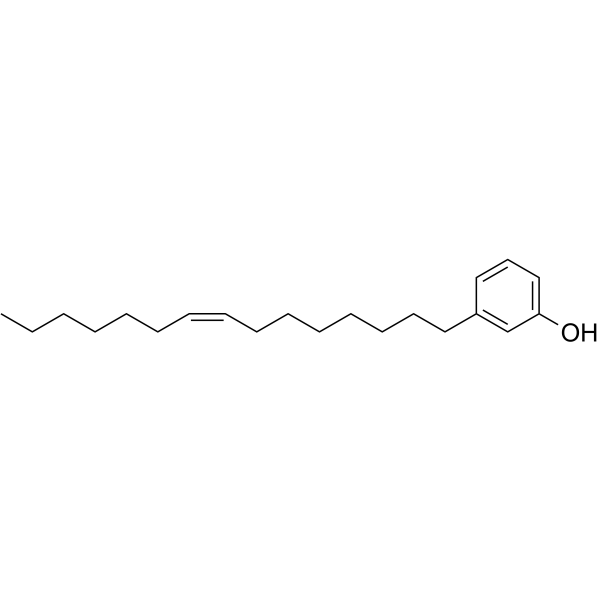
Cardanol monoene (Cardanol C15:1) is a phenolic compound which can be found in cashew nut shell liquid. Cardanol monoene can inhibit cancer cells proliferation, migration, cause S phase arrest, induce apoptosis, ROS production and mitochondrial depolarization. Cardanol monoene downregulates MMP-2, MMP-9, cyclinA1 expression, regulates CDK2, p53, Bax, cytochrome c, cleaved caspase-3, cleaved PARP, Apaf-1 expression and Bax/Bcl-2 ratio. Cardanol monoene shows weak DPPH radical scavenging activity and AChE inhibition activity. Cardanol monoene is lethal to Artemia salina nauplii. Cardanol monoene. Cardanol monoene can be used for the research of cancer, infection and inflamation .
|
-
-
- HY-N2511
-
|
|
Cholinesterase (ChE)
Phosphatase
|
Infection
Neurological Disease
|
|
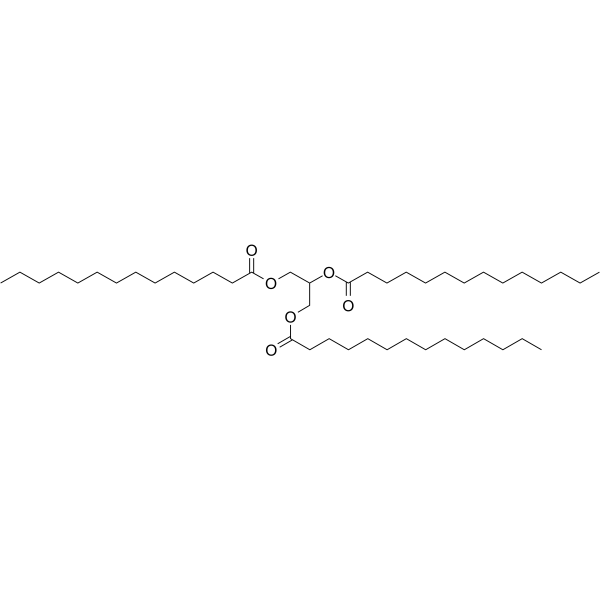
Trimyristin is an orally active compound. Trimyristin can be isolated from the seeds of nutmeg (Myristica fragrans). Trimyristin inhibits the activities of acetylcholinesterase (AChE), ACP and ALP, with IC50 values of 0.11, 0.16 and 0.18 mM, respectively. Trimyristin exerts competitive-noncompetitive inhibition on acetylcholinesterase, uncompetitive inhibition on ACP, and competitive/noncompetitive inhibition on ALP. Trimyristin restores the downregulated acetylcholinesterase concentration in the cerebral cortex of rats exposed to sodium arsenite. Trimyristin can be used in studies related to fascioliasis and neurotoxicity .
|
-
-
- HY-N0749A
-
|
|
Cholinesterase (ChE)
5-HT Receptor
Bacterial
|
Neurological Disease
Inflammation/Immunology
|
|
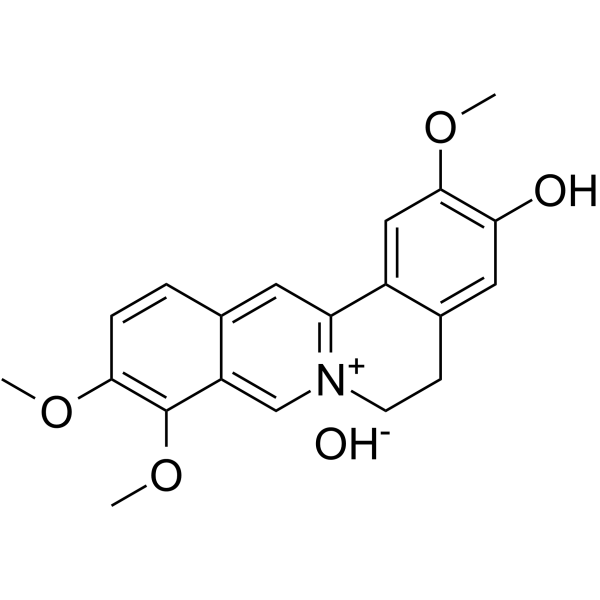
Jatrorrhizine hydroxide is an alkaloid isolated from Coptis chinensis with neuroprotective, antimicrobial, antiplasmodial and antioxidant activities . Jatrorrhizine hydroxide is a potent and orally active inhibitor of AChE (IC50=872 nM) over >115-fold selectivity for BuChE . Jatrorrhizine hydroxide reduces uptake of serotonin (5-HT) and norepinephrine (NE) via inhibition of uptake-2 transporters .
|
-
-
- HY-W130236
-
|
|
Cholinesterase (ChE)
|
Cancer
|
|
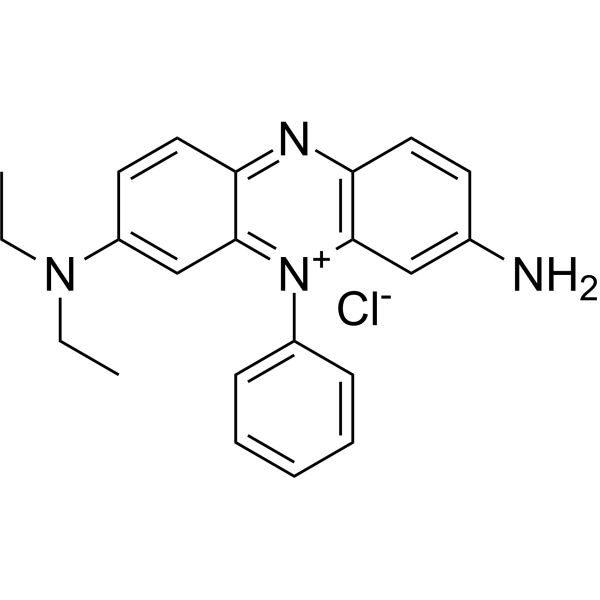
Methylene Violet 3RAX is a phenazine dye to stain the mitochondria of cells. Methylene Violet 3RAX can change the molecular structure of DNA, undermine the module of DNA, and induce the generation of the reactive singlet oxygen. Methylene Violet 3RAX shows inhibition for human erythrocyte AChE and human plasma BChE with an Kis of 1.58, 0.51 μM, respectively. Methylene Violet 3RAX has the potential for the research of potential photosensitizers for mitochondrial targeting action in PDT (photodynamic therapy) .
|
-
-
- HY-W540232
-
|
4-Methylphenyl ITC
|
Cholinesterase (ChE)
|
Neurological Disease
|
|
4-Methoxyphenyl isothiocyanate (4-Methylphenyl ITC) is an antioxidant, with a IC50 value of 1.25 mM for scavenging DPPH radicals. ORAC testing indicates its antioxidant capacity as 11.7 mM TE (indicating that the antioxidant efficacy of this compound is equivalent to 11.7 mmol of Trolox (HY-101445, a standard antioxidant) under the same conditions), and it extends the oxidation process by approximately 9180 seconds in the Briggs–Rauscher reaction. Additionally, 4-Methoxyphenyl isothiocyanate exhibits moderate cholinesterase inhibitory activity, with an inhibition rate of 30.4% against acetylcholinesterase (AChE) and 17.9% against butyrylcholinesterase (BChE). 4-Methoxyphenyl isothiocyanate holds potential for research in the fields of antioxidation and neurological disorders .
|
-
-
- HY-W324391
-
|
Coumarin 478
|
Cholinesterase (ChE)
|
Neurological Disease
|
|
Coumarin 106 (Coumarin 478) is a dipolar laser dye. Coumarin 106 is an inhibitor of AChE and BChE. Coumarin 106 displays mixed-type AChE inhibition with a pIC50=4.97 and Ki=2.36 μM. Coumarin 106 inhibits BChE with slightly lower potency (pIC50=4.56) .
|
-
-
- HY-106440
-
|
|
Cholinesterase (ChE)
|
Neurological Disease
|
|
Zifrosilone is an orally active acetylcholinesterase (AChE) inhibitor with a mean maximum inhibition of 20.9% at 10 mg. Zifrosilone can be used for the research of neurological disease .
|
-
-
- HY-Z8890
-
|
|
Cholinesterase (ChE)
|
Neurological Disease
|
|
Norneostigmine is a potent inhibitor of AChE that can penetrate the blood-brain barrier. Norneostigmine can achieve a 50% inhibition rate of mouse brain AChE after 10 min treatment, which is close to the inhibitory effect of tetrahydroaminoacridine (57% at 10 min). Norneostigmine can be used to study memory disorders related to Alzheimer's disease and other memory disorders .
|
-
-
- HY-179496
-
|
|
GSK-3
Cholinesterase (ChE)
Amyloid-β
|
Neurological Disease
|
|
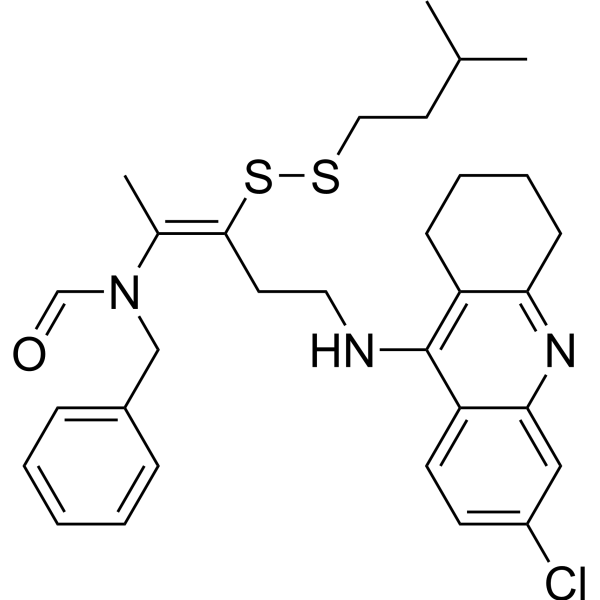
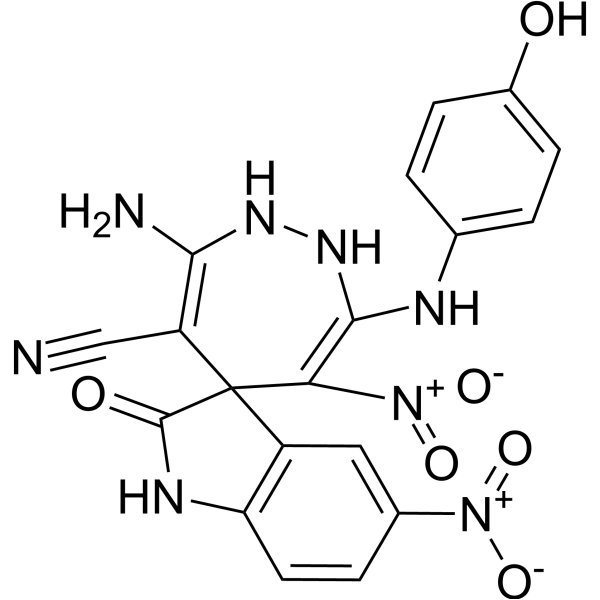
ChE/GSK-3β-IN-1 (compound 18o) is a potent dual ChE/GSK-3β inhibitor. ChE/GSK-3β-IN-1 exhibits dual inhibition of AChE (IC50 = 1.7 μM), butyrylcholinesterase (BChE) (IC50 = 5.3 μM), and GSK-3β (IC50 = 5.7 μM). ChE/GSK-3β-IN-1 inhibits Aβ1-42 self-aggregation. ChE/GSK-3β-IN-1 can be used for Alzheimer’s disease (AD) research .
|
-
-
- HY-146142
-
|
|
Cholinesterase (ChE)
Amyloid-β
|
Neurological Disease
|
|
AChE/BuChE-IN-2 (Compound 5f) is an orally active AChE and BuChE inhibitor with IC50 values of 0.72 μM and 0.16 μM, respectively. AChE/BuChE-IN-2 shows a non-competitive inhibition with AChE and shows potent self-induced β-amyloid (Aβ) aggregation inhibition with an IC50 of 62.52 μM. AChE/BuChE-IN-2 can cross the BBB .
|
-
-
- HY-157982
-
|
|
Cholinesterase (ChE)
|
Neurological Disease
|
|
BChE-IN-28 (compound 6J) is a selective butyrylcholinesterase (BChE) inhibitor with an IC50 of 8 nM and a Ki of 12.16 nM. BChE-IN-28 shows the lower inhibition against AChE, MAO-A and MAO-B .
|
-
-
- HY-144324
-
|
|
Cholinesterase (ChE)
|
Neurological Disease
|
|
AChE-IN-6 (Compound 12a) is an optimal multifunctional ligand with significant inhibition of AChE (EeAChE, IC50 = 0.20 μM; HuAChE, IC50 = 37.02 nM) and anti-Aβ activity (IC50 = 1.92 μM for self-induced Aβ1-42 aggregation; IC50 = 1.80 μM for disaggregation of Aβ1-42 fibrils; IC50 = 2.18 μM for Cu2+-induced Aβ1-42 aggregation; IC50 = 1.17 μM for disaggregation of Cu2+-induced Aβ1-42 fibrils). AChE-IN-6 has the potential for the research of Alzheimer's disease .
|
-
-
- HY-107047
-
|
RS-1259
|
Cholinesterase (ChE)
Serotonin Transporter
5-HT Receptor
Calcium Channel
Sodium Channel
Sigma Receptor
|
Neurological Disease
|
|
BGC-201259 (RS-1259) is an orally active inhibitor that simultaneously targets acetylcholinesterase (AChE) (IC50 = 101 nM) and serotonin transporter (SERT) (IC50 = 42 nM). BGC-201259 inhibits 5-HT receptor with an IC50 of 90 nM. BGC-201259 exhibits strong weak activity against the NA transporter (IC50 = 7.7 μM), L-type calcium channel (IC50 = 3.6 μM), σ receptor (IC50 = 2 μM), and sodium channel (IC50 = 5.1 μM). BGC-201259 demonstrates synergistic potential in improving cognitive and emotional symptoms by balancing the inhibition of these two targets. BGC-201259 can be used in research on Alzheimer's disease .
|
-
-
- HY-147952
-
|
|
Cholinesterase (ChE)
|
Neurological Disease
Inflammation/Immunology
|
|
AChE-IN-20 (compound M26) is a potent AChE inhibitor with IC50 value of 397.32 nM and with Ki value of 335.76 nM. AChE-IN-20 shows inhibition potency against hCA I , hCA II and α-GLY with IC50 values of 84.14, 69.24 and 52.08 nM and with Ki values of 97.86, 76.23 and 57.93 nM, respectively .
|
-
-
- HY-156356
-
-
-
- HY-156372
-
-
-
- HY-N12027
-
|
|
Cholinesterase (ChE)
|
Neurological Disease
|
|
AChE/BChE-IN-14 (compound 13) is a benzylisoquinoline alkaloid isolated from the roots of Fissistigma polyanthum. AChE/BChE-IN-14 exhibits AChE and BChE inhibitions with antioxidant activities. AChE/BChE-IN-14 can be used for Alzheimer’s disease research .
|
-
-
- HY-155713
-
|
|
Cholinesterase (ChE)
|
Neurological Disease
|
|
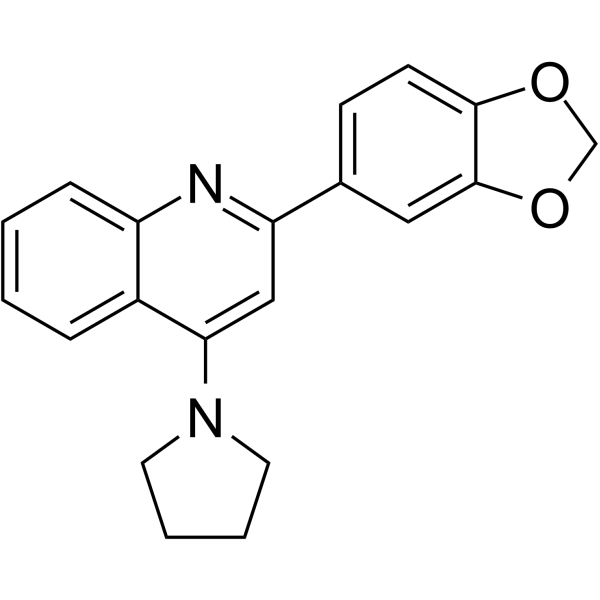
AChE-IN-34 (compound 5l) is a potent and selective AChE inhibitor with an IC50 value of 3.98 µM with no significant inhibition against BChE. AChE-IN-34 inhibits AChE with a Ki of 0.044 μM in a mixed mode (Acetylthiocholine substrate; 0.1-1 mM) .
|
-
-
- HY-159880
-
|
|
Cholinesterase (ChE)
|
Neurological Disease
|
|
AChE/BChE-IN-24 (compound 5k) is a neuroprotective agent through cholinesterase inhibition. AChE/BChE-IN-24 inhibits AChE and BChE with IC50 values of 16.38 μM and 10.44 μM, respectively .
|
-
-
- HY-B0841S
-
-
-
- HY-157087
-
|
|
Cholinesterase (ChE)
Monoamine Oxidase
|
Neurological Disease
|
|
AChE/MAO-B-IN-4 (compound 4a) is a selective dual AChE and MAO-B inhibitor. AChE/MAO-B-IN-4 shows no significant inhibition activity against BChE and h-MAO-A. AChE/MAO-B-IN-4 can be used for the Alzheimer’s disease (AD) research .
|
-
-
- HY-145235
-
-
-
- HY-156188
-
|
|
Cholinesterase (ChE)
|
Others
|
|
AChE-IN-41 (Compound 2) is a compound of the Galantamine Memantine hybrid. AChE-IN-41 has the inhibition ability of cholinesterase. AChE-IN-41 shows higher plasma stability and comparable microsomal stability in vitro, while showing lower half-life and faster clearance in vivo .
|
-
-
- HY-144790
-
|
|
Amyloid-β
Cholinesterase (ChE)
Monoamine Oxidase
|
Neurological Disease
|
|
AChE-IN-12 is a potent and blood-brain barrier (BBB) penetrant acetylcholinesterase (AChE) with IC50s of 0.41 μM and 1.88 μM for rat AChE and electric eel AChE. AChE-IN-12 is also a good antioxidant (ORAC = 3.3 eq), selective metal chelator and huMAO-B inhibitor (IC50 = 8.8 μM). AChE-IN-12 has remarkable inhibition of self- and Cu 2+-induced Aβ1-42 aggregation, as well as exhibits a good neuroprotective effect. AChE-IN-12 can be used for researching Alzheimer’s disease .
|
-
-
- HY-19651A
-
|
TAK-147
|
Cholinesterase (ChE)
|
Neurological Disease
|
|
Zanapezil (TAK-147) is a potent, reversible and selective acetylcholine esterase (AChE) inhibitor. Zanapezil shows a potent and reversible inhibition of AChE activity in homogenates of the rat cerebral cortex (IC50=51.2 nM). Zanapezil shows a moderate inhibition of muscarinic M1 and M2 receptor binding with Ki values of 234 and 340 nM, respectively. Zanapezil can be used for the research of early stages of Alzheimer's disease (AD) .
|
-
-
- HY-19651B
-
|
TAK-147 fumarate
|
Cholinesterase (ChE)
|
Neurological Disease
|
|
Zanapezil (TAK-147) fumarate is a potent, reversible and selective acetylcholine esterase (AChE) inhibitor. Zanapezil fumarate shows a potent and reversible inhibition of AChE activity in homogenates of the rat cerebral cortex (IC50=51.2 nM). Zanapezil fumarate shows a moderate inhibition of muscarinic M1 and M2 receptor binding with Ki values of 234 and 340 nM, respectively. Zanapezil fumarate can be used for the research of early stages of Alzheimer's disease (AD) .
|
-
-
- HY-112013
-
|
|
Cholinesterase (ChE)
|
Neurological Disease
|
|
Isodimethoate is a thermal decomposition product of Dimethoate (HY-B1946). Isodimethoate is a direct anticholinesterase agent and shows an inhibition to human red blood cell acetylcholinesterase (AChE) .
|
-
-
- HY-19651
-
|
TAK-147 free base
|
Cholinesterase (ChE)
|
Neurological Disease
|
|
Zanapezil (TAK-147) free base is a potent, reversible and selective acetylcholine esterase (AChE) inhibitor. Zanapezil free base shows a potent and reversible inhibition of AChE activity in homogenates of the rat cerebral cortex (IC50=51.2 nM). Zanapezil free base shows a moderate inhibition of muscarinic M1 and M2 receptor binding with Ki values of 234 and 340 nM, respectively. Zanapezil free base can be used for the research of early stages of Alzheimer's disease (AD) .
|
-
-
- HY-N8547A
-
|
4,5-Dihydroxytetralone; 4-Hydroxy-α-tetralone
|
Cholinesterase (ChE)
|
Neurological Disease
|
|
(Rac)-Sclerone is a natural product, that can be isolated from the green husk of Carya illinoinensis. (Rac)-Sclerone shows appreciable inhibition of AChE, with an IC50 of 192.65 ± 10.12 μg/mL .
|
-
-
- HY-144689
-
|
|
Cholinesterase (ChE)
|
Neurological Disease
|
|
BChE-IN-3 (compound 45a) is a potent, selective, time-dependent and pseudoirreversible BChE inhibitor, with an IC50 of 56.9 nM. BChE-IN-3 also shows marginal and reversible (not time-dependent) inhibition of AChE .
|
-
-
- HY-161507
-
|
|
Carbonic Anhydrase
Cholinesterase (ChE)
|
Metabolic Disease
|
|
hCAI/II-IN-8 (Compound 8) is a hydrazide derivative based on 4-hydroxybenzaldehyde. hCAI/II-IN-8 primarily targets human carbonic anhydrase isomerase I (hCA I) and II (hCA II) for inhibition (IC50 = 21.35 ± 0.39 nM (hCA I); 7.12 ± 0.12 nM (hCA II)). hCAI/II-IN-8 inhibits AChE and BChE as well(IC50 = 46.27 ±0.75 nM (AChE); 43.38 ± 0.83 nM (BChE)). . .
|
-
-
- HY-N16645
-
|
|
Cholinesterase (ChE)
|
Cancer
|
|
Plasiaticine B (Compound 2) is an indole alkaloid found in Plantago asiatica. Plasiaticine B shows no significant cytotoxicity to HL-60, A-549 and MCF-7 cells with IC50 >40 μM. Plasiaticine B shows no significant inhibitory effect on AChE, with an inhibition rate <60% .
|
-
-
- HY-155823
-
|
|
Cholinesterase (ChE)
|
Neurological Disease
|
|
TZ4M is a 2,4-thiazolidinedione (TZD)-based anti-ADV agent with neuroprotective effects. TZ4M exhibits AChE inhibition in human plasma. TZ4M improves memory and cognitive impairment in adult rats in a scopolamine (HY-N0296)-induced Alzheimer-type model .
|
-
-
- HY-N0740R
-
|
|
Reference Standards
Cholinesterase (ChE)
5-HT Receptor
Bacterial
|
Neurological Disease
Inflammation/Immunology
|
|
Jatrorrhizine (chloride) (Standard) is the analytical standard of Jatrorrhizine (chloride). This product is intended for research and analytical applications. Jatrorrhizine chloride is an alkaloid isolated from Coptis chinensis with neuroprotective, antimicrobial, antiplasmodial and antioxidant activities . Jatrorrhizine chloride is a potent and orally active inhibitor of AChE (IC50=872 nM) over >115-fold selectivity for BuChE . Jatrorrhizine chloride reduces uptake of serotonin (5-HT) and norepinephrine (NE) via inhibition of uptake-2 transporters .
|
-
-
- HY-147955
-
|
|
Carbonic Anhydrase
Cholinesterase (ChE)
|
Neurological Disease
Metabolic Disease
|
|
hCAI/II-IN-5 (compound MZ8) is a potent hCA I and hCA II (human carbonic anhydrase isoenzymes I and II) inhibitor, with IC50 values of 37.88 and 45.23 nM, respectively. hCAI/II-IN-5 also shows inhibition profile against α-Glycosidase and AChE, with IC50 values of 48.98 and 420.14 nM, respectively. hCAI/II-IN-5 can be used for the research of many diseases such as diabetes, Alzheimer’s disease, heart failure, ulcer, and epilepsy .
|
-
-
- HY-158978
-
|
|
Cholinesterase (ChE)
Monoamine Oxidase
|
Neurological Disease
|
|
Multitarget AD inhibitor-2 (Compound VN-19) is a multitargeting inhibitor acetylcholinesterase (AChE, IC50=0.14 μM), butyrylcholinesterase (BChE, IC50=11.6 μM), monoamine oxidase B (MAO B, IC50=0.45 μM). Multitarget AD inhibitor-2 inhibits self-induced aggregation of amyloid beta protein Aβ1-42 (inhibition rate is 47.3% at 20 μM), and downregulates the level of ROS in SH-SY5Y (80 inhibition rate at 25 μM). Multitarget AD inhibitor-2 ameliorates the cognitive decline in Scopolamine (HY-N0296)-induced Alzheimer’s Disease zebrafish models .
|
-
-
- HY-147954
-
|
|
Carbonic Anhydrase
Cholinesterase (ChE)
|
Neurological Disease
Metabolic Disease
|
|
α-Glycosidase-IN-1 (compound MZ7) is a potent α-GLY (α-Glycosidase) inhibitor, with an IC50 of 44.72 nM and a KI of 41.74 nM. α-Glycosidase-IN-1 also shows inhibition profile against human carbonic anhydrase isoenzymes I and II (hCA I and hCA II), and acetylcholinesterase (AChE), with IC50 values of 104.87, 100.04, and 654.87 nM, respectively. α-Glycosidase-IN-1 can be used for the research of many diseases such as diabetes, Alzheimer’s disease, heart failure, ulcer, and epilepsy .
|
-
-
- HY-181744
-
|
|
Cholinesterase (ChE)
|
Neurological Disease
|
|
AChE-IN-108 is a potent mixed-type acetylcholinesterase (AChE) inhibitor with an in vitro IC50 of 0.17 nM. AChE-IN-108 acts on both free AChE and the enzyme-substrate complex to exert mixed-type inhibition. AChE-IN-108 can be used for the study of acetylcholinesterase inhibition in Alzheimer’s disease (AD) .
|
-
-
- HY-181161
-
|
|
Cholinesterase (ChE)
|
Neurological Disease
|
|
AChE-IN-107 is a selective acetylcholinesterase (AChE) inhibitor with an IC50 of 0.22 μM and a Ki of 0.207 μM. AChE-IN-107 shows no inhibitory effect on equine serum BChE at 10 μM. AChE-IN-107 exhibits mixed-type inhibition of electric eel acetylcholinesterase, binding to both free enzyme and enzyme-substrate complex. AChE-IN-107 acts as a cytotoxin, reduces cell viability in hepatocellular carcinoma HepG2 cells.AChE-IN-107 can be used for the research of alzheimer's disease .
|
-
-
- HY-N10032
-
|
|
Cholinesterase (ChE)
|
Others
|
|
(3β,5α,6α,16β)-8,14-Didehydrocevane-3,6,16,20-tetrol (compound 3) is an inhibitor targeting acetylcholinesterase (AChE). At a concentration of 100 μg/mL, (3β,5α,6α,16β)-8,14-Didehydrocevane-3,6,16,20-tetrol exhibits an in vitro inhibition rate of 12% against AChE .
|
-
-
- HY-180842
-
|
|
Monoamine Oxidase
Amyloid-β
Tau Protein
Cholinesterase (ChE)
|
Neurological Disease
|
|
MAO-B-IN-50 (Compound C20) is a selective MAO-B inhibitor with an IC50 value of 0.06 μM. MAO-B-IN-50 shows good inhibitory effects on the aggregation of Aβ40/42 and Tau proteins, with overall IC50 values around 1 μM. MAO-B-IN-50 exhibits potent and selective AChE inhibition (IC50 = 1.78 μM). MAO-B-IN-50 can be used in the research of Alzheimer's disease .
|
-
-
- HY-120131
-
|
|
Insecticide
Cholinesterase (ChE)
|
Neurological Disease
|
|
Cyanofenphos is an orally active organophosphate insecticide and brain AChE inhibitor with neurotoxicity. Cyanofenphos induces delayed neurotoxicity such as ataxia and paralysis. Cyanofenphos also causes symptoms including somnolence, reduced feed intake and weight loss in hens. Cyanofenphos has a unique self-antagonistic effect: repeated low-dose pre-treatment not only reduces subsequent acute toxicity, but also exacerbates delayed neurotoxicity and attenuates enzyme inhibition, with the protective effect peaking at 24 h after the last pre-treatment. Cyanofenphos is commonly used in studies related to delayed neurotoxicity .
|
-
-
- HY-180843
-
|
|
Tau Protein
Amyloid-β
Cholinesterase (ChE)
Monoamine Oxidase
Reactive Oxygen Species (ROS)
|
Neurological Disease
|
|
Aβ/tau aggregation-IN-4 (Compound D21) is an Aβ/tau aggregation inhibitor. Aβ/tau aggregation-IN-4 promotes the degradation of Aβ40/42 (Aβ40, IC50 = 2.151 μM; Aβ42, IC50 = 3.622 μM). Aβ/tau aggregation-IN-4 shows selective AChE inhibition (IC50: 5.56 μM). Aβ/tau aggregation-IN-4 inhibits MAO-A and MAO-B with IC50s of 0.59 μM and 0.09 μM, respectively. Aβ/tau aggregation-IN-4 suppresses intracellular ROS levels. Aβ/tau aggregation-IN-4 can be used in the research of Alzheimer's disease .
|
-
| Cat. No. |
Product Name |
Type |
-
- HY-W324391
-
|
Coumarin 478
|
Fluorescent Dyes
|
|
Coumarin 106 (Coumarin 478) is a dipolar laser dye. Coumarin 106 is an inhibitor of AChE and BChE. Coumarin 106 displays mixed-type AChE inhibition with a pIC50=4.97 and Ki=2.36 μM. Coumarin 106 inhibits BChE with slightly lower potency (pIC50=4.56) .
|
| Cat. No. |
Product Name |
Category |
Target |
Chemical Structure |
-
- HY-N0740
-
-
-
- HY-N0749
-
-
-
- HY-119979
-
|
Cardanol C15:1
|
Monophenols
Classification of Application Fields
Phenols
Plants
Anacardium occidentaleL.
Disease Research Fields
Anacardiaceae
Source Classification
Cancer
|
Apoptosis
Reactive Oxygen Species (ROS)
Mitochondrial Metabolism
MMP
CDK
Caspase
Bcl-2 Family
PARP
MDM-2/p53
Cholinesterase (ChE)
|
|
Cardanol monoene (Cardanol C15:1) is a phenolic compound which can be found in cashew nut shell liquid. Cardanol monoene can inhibit cancer cells proliferation, migration, cause S phase arrest, induce apoptosis, ROS production and mitochondrial depolarization. Cardanol monoene downregulates MMP-2, MMP-9, cyclinA1 expression, regulates CDK2, p53, Bax, cytochrome c, cleaved caspase-3, cleaved PARP, Apaf-1 expression and Bax/Bcl-2 ratio. Cardanol monoene shows weak DPPH radical scavenging activity and AChE inhibition activity. Cardanol monoene is lethal to Artemia salina nauplii. Cardanol monoene. Cardanol monoene can be used for the research of cancer, infection and inflamation .
|
-
-
- HY-N2511
-
-
-
- HY-N0749A
-
-
-
- HY-N12027
-
-
-
- HY-N8547A
-
-
-
- HY-N16645
-
-
-
- HY-N0740R
-
-
-
- HY-N10032
-
|
|
Structural Classification
Alkaloids
Liliaceae
Other Alkaloids
Fritillaria ussuriensis Maxim.
Plants
Source Classification
|
Cholinesterase (ChE)
|
|
(3β,5α,6α,16β)-8,14-Didehydrocevane-3,6,16,20-tetrol (compound 3) is an inhibitor targeting acetylcholinesterase (AChE). At a concentration of 100 μg/mL, (3β,5α,6α,16β)-8,14-Didehydrocevane-3,6,16,20-tetrol exhibits an in vitro inhibition rate of 12% against AChE .
|
-
| Cat. No. |
Product Name |
Chemical Structure |
-
- HY-B0841S
-
|
|
|
Acephate-d3 is the deuterium labeled Acephate. Acephate is an anticholinesterase insecticide that produces cholinotoxicity. Acephate displays weak inhibition of rat AChE but potently inhibits cockroach AChE.
|
-
Your information is safe with us. * Required Fields.
Inquiry Information
- Product Name:
- Cat. No.:
- Quantity:
- MCE Japan Authorized Agent:

