

Search Result
Results for "
Angiotensin peptide
" in MedChemExpress (MCE) Product Catalog:
2
Isotope-Labeled Compounds
| Cat. No. |
Product Name |
Target |
Research Areas |
Chemical Structure |
-
- HY-13948
-
|
Angiotensin II; Ang II; DRVYIHPF
|
Angiotensin Receptor
Apoptosis
|
Cardiovascular Disease
Infection
Metabolic Disease
Inflammation/Immunology
Cancer
|
|
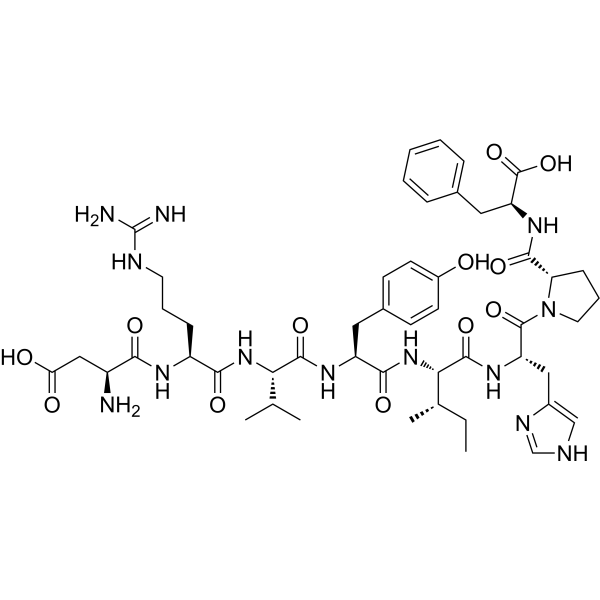
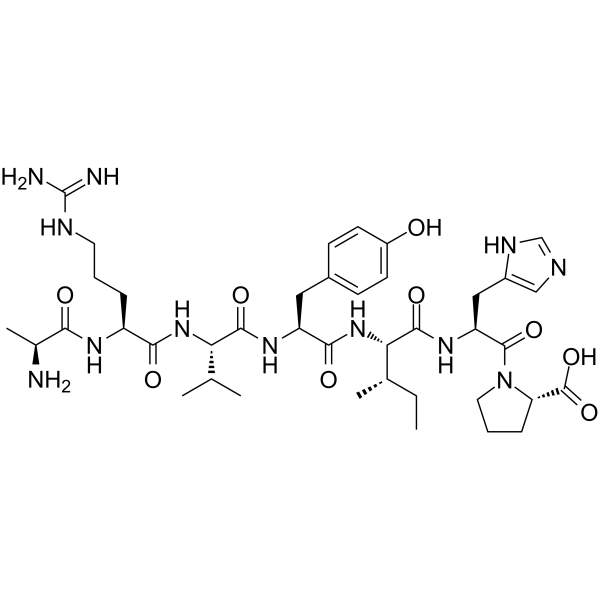
Angiotensin II (Angiotensin II) is a vasoconstrictor and a major bioactive peptide of the renin/angiotensin system. Angiotensin II human plays a central role in regulating human blood pressure, which is mainly mediated by interactions between Angiotensin II and the G-protein-coupled receptors (GPCRs) Angiotensin II type 1 receptor (AT1R) and Angiotensin II type 2 receptor (AT2R). Angiotensin II human stimulates sympathetic nervous stimulation, increases aldosterone biosynthesis and renal actions. Angiotensin II human induces growth of vascular smooth muscle cells, increases collagen type I and III synthesis in fibroblasts, leading to thickening of the vascular wall and myocardium, and fibrosis. Angiotensin II human also induces apoptosis. Angiotensin II induces capillary formation from endothelial cells via the LOX-1 dependent redox-sensitive pathway .
|
-
-
- HY-13948A
-
|
Angiotensin II acetate; Ang II acetate; DRVYIHPF acetate
|
Angiotensin Receptor
Apoptosis
|
Cardiovascular Disease
Infection
Metabolic Disease
Inflammation/Immunology
Cancer
|
|
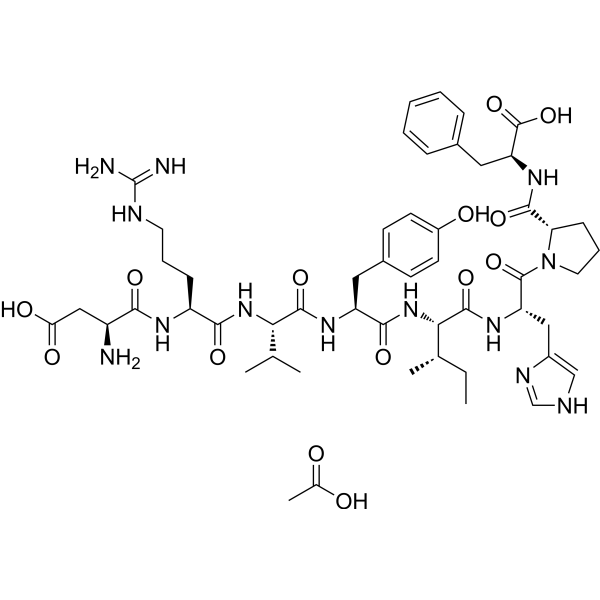
Angiotensin II human (Angiotensin II) acetate is a vasoconstrictor and a major bioactive peptide of the renin/angiotensin system. Angiotensin II human acetate plays a central role in regulating human blood pressure, which is mainly mediated by interactions between Angiotensin II and the G-protein-coupled receptors (GPCRs) Angiotensin II type 1 receptor (AT1R) and Angiotensin II type 2 receptor (AT2R). Angiotensin II human acetate stimulates sympathetic nervous stimulation, increases aldosterone biosynthesis and renal actions. Angiotensin II human acetate induces growth of vascular smooth muscle cells, increases collagen type I and III synthesis in fibroblasts, leading to thickening of the vascular wall and myocardium, and fibrosis. Angiotensin II human acetate also induces apoptosis. Angiotensin II human acetate induces capillary formation from endothelial cells via the LOX-1 dependent redox-sensitive pathway .
|
-
-
- HY-P3108
-
-
-
- HY-P1236
-
|
Atrial natriuretic factor (1-28) (rat, mouse)
|
Endothelin Receptor
|
Cardiovascular Disease
Endocrinology
|
|
Atrial Natriuretic Peptide (ANP) (1-28), rat, mouse is a major circulating form of ANP in rats, potently inhibits Angiotensin II (Ang II)-stimulated endothelin-1 secretion in a concentration-dependent manner.
|
-
-
- HY-126404
-
|
|
Environmental Pollutants
Interleukin Related
Angiotensin-converting Enzyme (ACE)
|
Cardiovascular Disease
|
|
Casein hydrolysate is an orally effective, multi-functional mixture of bioactive peptides, a hydrolysis product of casein (HY-125865), containing ACE inhibitors and immunomodulatory target regulators, among others. Casein hydrolysate releases short-chain bioactive peptides through enzymatic hydrolysis of casein, increasing cellular glutathione and catalase levels, enhancing ConA-induced IL-2 production, and exhibiting metal ion chelation, free radical scavenging, antibacterial, and mineral absorption-promoting effects. Casein hydrolysate lowers blood pressure by inhibiting angiotensin-converting enzyme (ACE) and reducing bradykinin degradation .
|
-
-
- HY-13948B
-
|
Angiotensin II TFA; Ang II TFA; DRVYIHPF TFA
|
Angiotensin Receptor
Apoptosis
|
Cardiovascular Disease
Metabolic Disease
Cancer
|
|
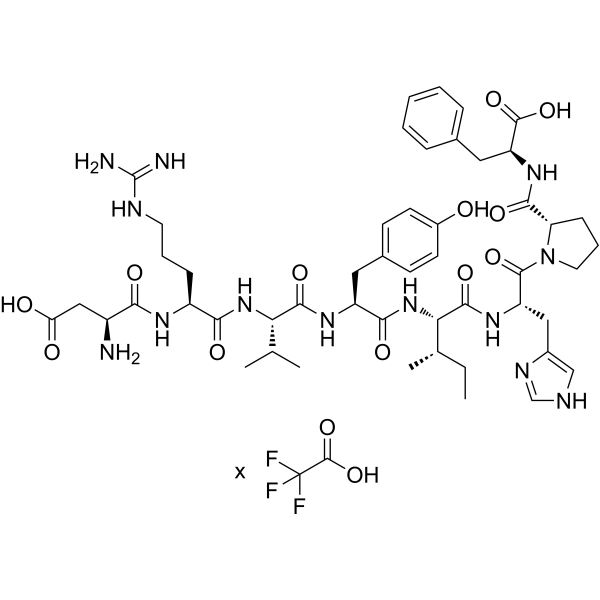
Angiotensin II human (Angiotensin II) TFA is a vasoconstrictor and a major bioactive peptide of the renin/angiotensin system. Angiotensin II human TFA plays a central role in regulating human blood pressure, which is mainly mediated by interactions between Angiotensin II and the G-protein-coupled receptors (GPCRs) Angiotensin II type 1 receptor (AT1R) and Angiotensin II type 2 receptor (AT2R). Angiotensin II human TFA stimulates sympathetic nervous stimulation, increases aldosterone biosynthesis and renal actions. Angiotensin II human TFA induces growth of vascular smooth muscle cells, increases collagen type I and III synthesis in fibroblasts, leading to thickening of the vascular wall and myocardium, and fibrosis. Angiotensin II human TFA also induces apoptosis. Angiotensin II human TFA induces capillary formation from endothelial cells via the LOX-1 dependent redox-sensitive pathway .
|
-
-
- HY-125976
-
|
|
Apelin Receptor (APJ)
|
Cardiovascular Disease
|
|
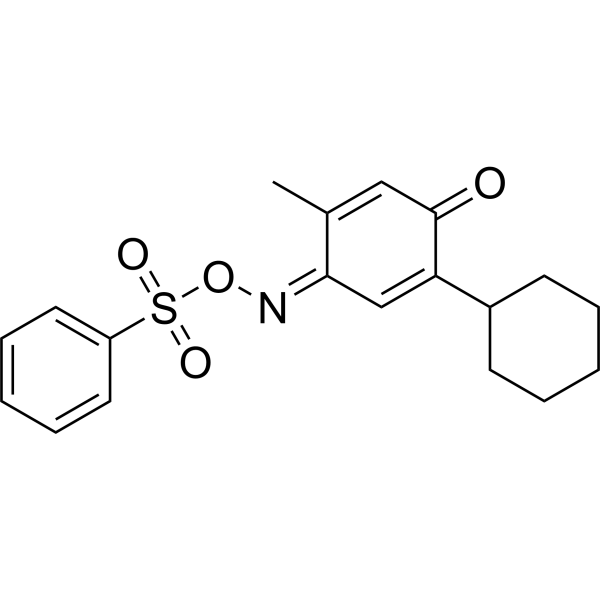
ML233 is a non-peptide based potent apelin receptor (APJ) agonist (EC50=3.7 μM). ML233 displays >21-fold selective over the closely related angiotensin 1 (AT1) receptor (>79 μM) .
|
-
-
- HY-114782
-
|
L-Tyrosyl-L-tyrosine
|
Angiotensin-converting Enzyme (ACE)
|
Cardiovascular Disease
|
|
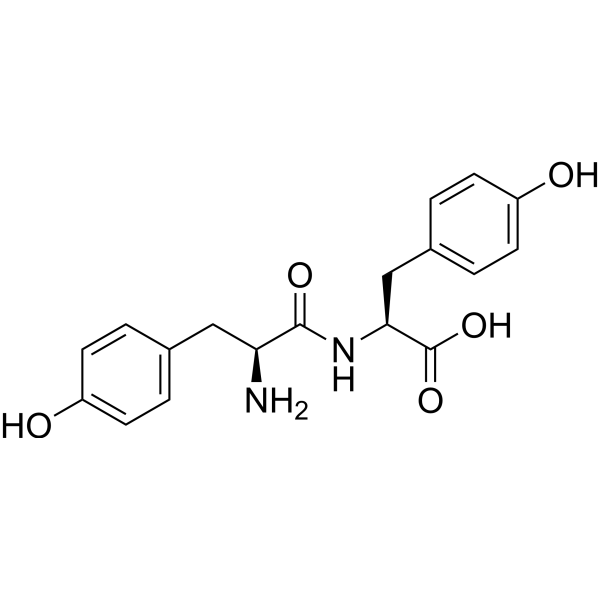
H-Tyr-Tyr-OH (L-Tyrosyl-L-tyrosine) is an antihypertensive peptide. H-Tyr-Tyr-OH inhibits angiotensin I-converting enzyme (ACE) with an IC50 value of 0.028 mg/mL. H-Tyr-Tyr-OH can be used for the research of high blood pressure .
|
-
-
- HY-118060
-
|
N-Valyltryptophan; Val-Trp
|
Angiotensin-converting Enzyme (ACE)
Calcium Channel
NO Synthase
|
Cardiovascular Disease
|
|
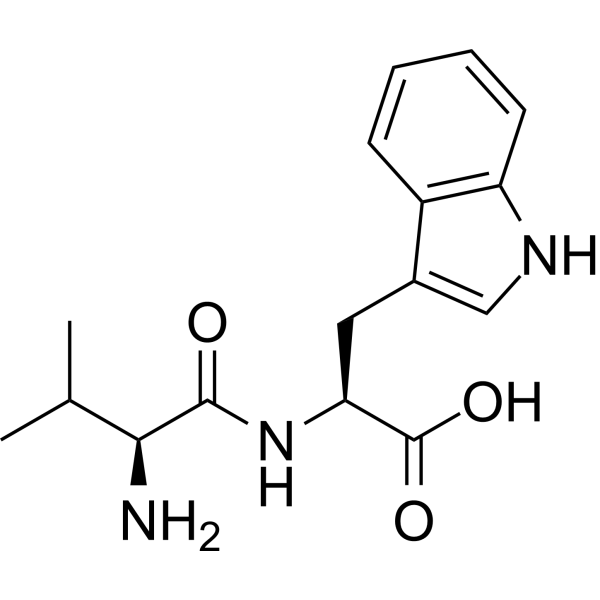
Dipeptide 2 (N-Valyltryptophan) is an orally active, competitive angiotensin-converting enzyme (ACE) inhibitory peptide with an IC50 of 10.50 μM. Dipeptide 2 reduces intracellular Calcium ions. Dipeptide 2 significantly increases the content of NO, inhibits the production of ET-1, and induces the phosphorylation of eNOS. Dipeptide 2 decreases the systolic and diastolic blood pressure of spontaneously hypertensive rats .
|
-
-
- HY-B0780
-
-
-
- HY-P990951
-
|
REGN-5381
|
Natriuretic Peptide Receptor (NPR)
|
Cardiovascular Disease
|
|
Vixticibart (REGN-5381) is a fully human IgG4 monoclonal antibody and NPR1 agonist that targets NPR1. Vixticibart stabilizes the receptor in an activated conformation by binding to the N-terminal domain of NPR1, and enhances the activity of endogenous ligands ANP and BNP without blocking ligand binding when these ligands are present. Vixticibart exerts vasodilatory and hypotensive effects by inducing cGMP production, preferentially dilating venous vessels to reduce systolic and venous pressure, but does not induce diuresis and may trigger a compensatory increase in heart rate. Vixticibart produces a synergistic hypotensive effect when combined with angiotensin-converting enzyme inhibitors or angiotensin receptor blockers, and is currently mainly used in research related to heart failure and hypertension .
|
-
-
- HY-P0080
-
-
-
- HY-E70199
-
|
APN/CD13
|
Aminopeptidase
|
Cardiovascular Disease
|
|
Aminopeptidase N (rat) (APN/CD13) is a Zn 2+-dependent membrane-bound exopeptidase that preferentially degrades proteins and peptides with N-terminal neutral amino acids. Aminopeptidase N (rat) is inhibited by angiotensin IV and participates in the regulation of angiotensin IV half-life in the rat striatum .
|
-
-
- HY-P1236A
-
|
Atrial natriuretic factor (1-28) (rat, mouse) TFA
|
Endothelin Receptor
|
Cardiovascular Disease
Endocrinology
|
|
Atrial Natriuretic Peptide (ANP) (1-28), rat, mouse (TFA) is a major circulating form of ANP in rats, potently inhibits Angiotensin II (Ang II)-stimulated endothelin-1 secretion in a concentration-dependent manner.
|
-
-
- HY-P2217
-
|
DSC-127; NorLeu3-A(1-7)
|
Angiotensin Receptor
|
Inflammation/Immunology
|
|
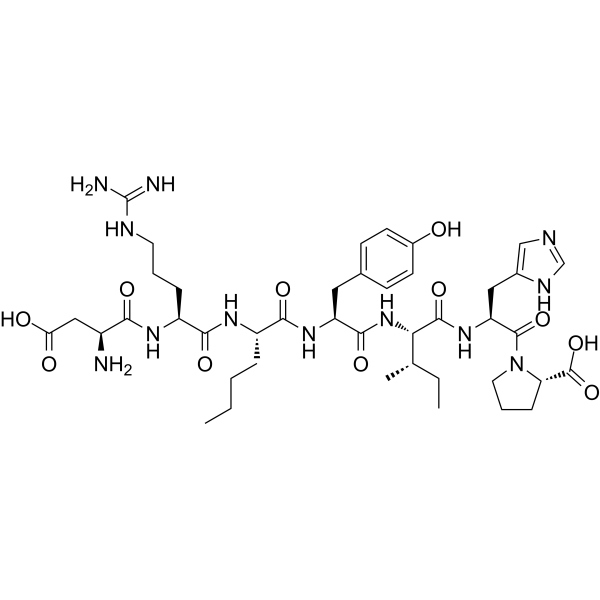
Aclerastide (DSC-127) is an angiotensin receptor agonist. Aclerastide also is a peptide analog of angiotensin II. Aclerastide can be used for the research of tissue regeneration in diabetic ulcers .
|
-
-
- HY-P1769
-
|
|
Angiotensin Receptor
|
Metabolic Disease
Endocrinology
|
|
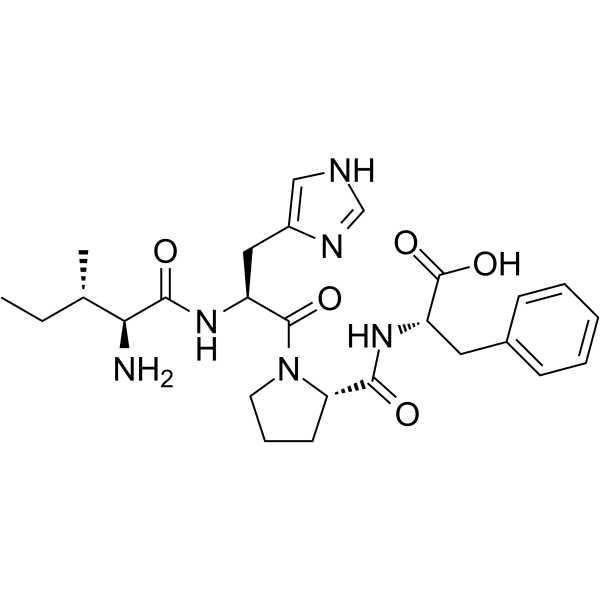
Angiotensin II (5-8), human is an endogenous C-terminal fragment of the peptide vasoconstrictor angiotensin II . Angiotensin II binds the AT II type 1 (AT1) receptor, stimulating GPCRs in vascular smooth muscle cells and increasing intracellular Ca 2+ levels. Angiotensin II also acts at the Na +/H + exchanger in the proximal tubules of the kidney .
|
-
-
- HY-114161
-
-
-
- HY-P1486
-
|
|
Endogenous Metabolite
|
Cardiovascular Disease
|
|
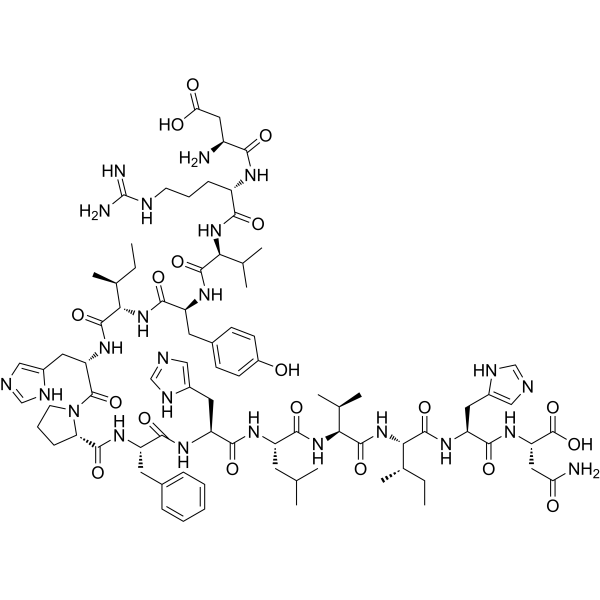
Angiotensinogen (1-14), human is a fragment of the renin substrate angiotensinogen. Angiotensinogen is naturally occurring substrate for renin and a precursor for all angiotensin peptides .
|
-
-
- HY-P1839A
-
|
|
Angiotensin Receptor
|
Cardiovascular Disease
|
|
Angiotensin I/II 1-5 TFA is a peptide that contains the amino acids 1-5, which is converted from Angiotensin I/II. Angiotensin I is formed by the action of renin on angiotensinogen. Angiotensin II is produced from angiotensin I. Angiotensin II has been investigated for the treatment, basic science, and diagnostic of Hypertension, Renin Angiotensin System, and Idiopathic Membranous Nephropathy .
|
-
-
- HY-13948F
-
|
Biotin-Ahx-Angiotensin II; Biotin-Ahx-Ang II; Biotin-Ahx-DRVYIHPF
|
Angiotensin Receptor
|
Others
|
|
Biotin-Ahx-Angiotensin II human (Biotin-Ahx-Angiotensin II; Biotin-Ahx-Ang II; Biotin-Ahx-DRVYIHPF) is a biological active peptide. (biotin labeled HY-13948)
|
-
-
- HY-P1564A
-
|
|
Angiotensin Receptor
|
Others
|
|
[Sar1, Ile8]-Angiotensin II (TFA) is a peptide that has multiple effects on vascular smooth muscle, including contraction of normal arteries and hypertrophy or hyperplasia of cultured cells or diseased vessels.
|
-
-
- HY-E70421
-
|
|
Angiotensin Receptor
|
Others
|
|
Butelase 1 ligase can be used for the cyclization of food-derived angiotensin I converting enzyme (ACE) inhibitory peptides, and thus improves the stability and bioactivity of ACE inhibitory peptides .
|
-
-
- HY-P5407
-
|
|
SARS-CoV
Angiotensin-converting Enzyme (ACE)
|
Infection
Cancer
|
|
HD5 is an innate immune effector peptide and SARS-CoV Inhibitor. HD5 binds to the ligand-binding domain of angiotensin-converting enzyme-2 (ACE2) via multiple hydrogen bonds to competitively block the receptor, shielding it from viral recognition. HD5 can be used for the research of COVID-19, HPV16 infection, epithelial ovarian cancer, small-cell lung cancer, and colon cancer .
|
-
-
- HY-P1829A
-
|
|
Angiotensin Receptor
|
Cardiovascular Disease
|
|
Angiotensin I/II (1-6) TFA contains the amino acids 1-6 and is converted from Angiotensin I/II peptide. The precursor angiotensinogen is cleaved by renin to form angiotensin I. Angiotensin I ishydrolyzed by angiotensin-converting enzyme (ACE) to form the biologically active angiotensin II. Angiotensin II has been investigated for the treatment, basic science, and diagnostic of Hypertension, Renin Angiotensin System, and Idiopathic Membranous Nephropathy .
|
-
-
- HY-13948BS
-
|
Angiotensin II-13C6,15N TFA; Ang II-13C6,15N TFA; DRVY(I-13C6,15N)HPF TFA
|
Isotope-Labeled Compounds
|
Cancer
|
|
Angiotensin II human- 13C6, 15N TFA (Ang II- 13C6, 15N TFA) is 13C- and 15N-labeled Angiotensin II human (TFA) (HY-13948B). Angiotensin II human (Angiotensin II) TFA is a vasoconstrictor and a major bioactive peptide of the renin/angiotensin system. Angiotensin II human TFA plays a central role in regulating human blood pressure, which is mainly mediated by interactions between Angiotensin II and the G-protein-coupled receptors (GPCRs) Angiotensin II type 1 receptor (AT1R) and Angiotensin II type 2 receptor (AT2R). Angiotensin II human TFA stimulates sympathetic nervous stimulation, increases aldosterone biosynthesis and renal actions .
|
-
-
- HY-114424A
-
-
-
- HY-P11300
-
|
|
Angiotensin-converting Enzyme (ACE)
|
Cardiovascular Disease
|
|
YKYY, a antihypertensive peptide, is an Angiotensin I-converting enzyme (ACE) inhibitor with an IC50 of 64.2 μM. YKYY can be isolated for the peptic digest of wakame Undaria pinnatifida. YKYY can be used for hypertension research .
|
-
-
- HY-P11300A
-
-
-
- HY-P10173
-
|
|
Angiotensin-converting Enzyme (ACE)
|
Others
|
|
Abz-LFK(Dnp)-OH is an angiotensin I-converting enzyme (ACE) peptide substrate. Abz-LFK(Dnp)-OH is selective for the C domain of ACE. Abz-LFK(Dnp)-OH can be used to assess ACE activity .
|
-
-
- HY-P10172
-
-
-
- HY-112824
-
|
|
Angiotensin Receptor
|
Cardiovascular Disease
|
|
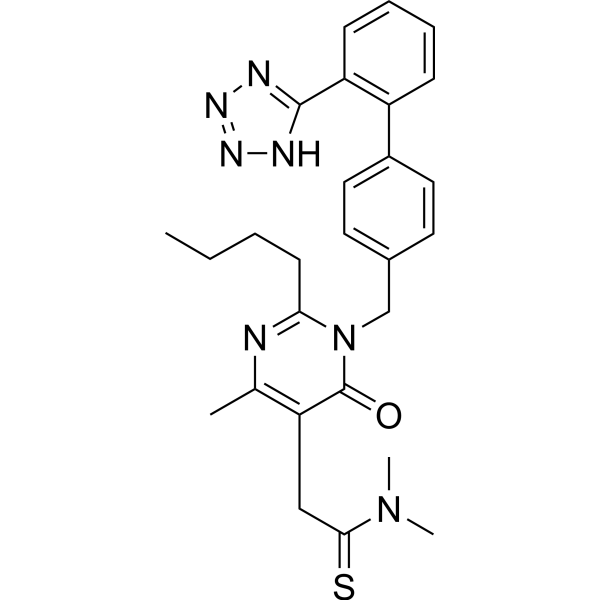
L-162313 is a non-peptide angiotensin II AT1 and AT2 receptor agonist, with IC50 values of 1.1 and 2.0 nM for AT1 and AT2 receptor, respectively. L-162313 can be used for the research of vasoconstriction, aldosterone release, and cardiovascular growth .
|
-
-
- HY-P5939
-
|
|
Angiotensin Receptor
|
Cardiovascular Disease
|
|
Angiotensinogen (1-13) (human) is a fragment of the renin substrate angiotensinogen. Angiotensinogen is naturally occurring substrate for renin and a precursor for all angiotensin peptides .
|
-
-
- HY-P11363
-
|
|
Angiotensin Receptor
|
Cardiovascular Disease
|
|
(Des-Asp1,Ile8)-Angiotensin II is a peptide related to angiotensin II. (Des-Asp1,Ile8)-Angiotensin II can be used for studying the interaction between angiotensin II and its receptors .
|
-
-
- HY-P1829
-
|
|
Angiotensin Receptor
|
Cardiovascular Disease
|
|
Angiotensin I/II 1-6 contains the amino acids 1-6 and is converted from Angiotensin I/II peptide. The precursor angiotensinogen is cleaved by renin to form angiotensin I. Angiotensin I ishydrolyzed by angiotensin-converting enzyme (ACE) to form the biologically active angiotensin II. Angiotensin II has been investigated for the treatment, basic science, and diagnostic of Hypertension, Renin Angiotensin System, and Idiopathic Membranous Nephropathy .
|
-
-
- HY-P1792
-
|
|
Angiotensin Receptor
|
Metabolic Disease
Endocrinology
|
|
Angiotensin II (1-4), human is an endogenous peptide produced from AT I by angiotensin-converting-enzyme (ACE). Angiotensin II binds the AT II type 1 (AT1) receptor, stimulating GPCRs in vascular smooth muscle cells and increasing intracellular Ca 2+ levels. Angiotensin II also acts at the Na +/H + exchanger in the proximal tubules of the kidney .
|
-
-
- HY-P3910
-
|
|
Angiotensin Receptor
|
Cardiovascular Disease
|
|
[Val4] Angiotensin III is an angiotension III peptide. [Val4] Angiotensin III is a potent full agonist of Gαq and βarr2 response, with pEC50 values of 8.31 and 8.44, respectively .
|
-
-
- HY-145649
-
|
AD-85481; ALN-AGT
|
Angiotensin Receptor
|
Cardiovascular Disease
|
|
Zilebesiran is a siRNA that reduce hepatic angiotensinogen levels through RNA interference. it is used for the study of mild to moderate Hypertension. Angiotensinogen is the predominant precursor of angiotensin peptides and a key regulator of systemic blood pressure.
|
-
-
- HY-P3991
-
-
-
- HY-P10601A
-
-
-
- HY-P3976
-
|
|
Angiotensin-converting Enzyme (ACE)
|
Cardiovascular Disease
|
|
Lactalbumin B (50-53) Alpha [Lactorphin Alpha], bovine is a blood pressure lowering peptide containing 4 amino acids. Lactalbumin B (50-53) Alpha [Lactorphin Alpha], bovine is an angiotensin-converting Enzyme (ACE) inhibitor. Lactalbumin B (50-53) Alpha [Lactorphin Alpha], bovine can be used in research of high blood pressure .
|
-
-
- HY-P11297
-
|
|
Angiotensin-converting Enzyme (ACE)
|
Cardiovascular Disease
|
|
AC-SDKP-NH2 is a substrate peptide of Angiotensin converting enzyme (ACE). AC-SDKP-NH2 has anti-inflammatory and anti-fibrotic activities. AC-SDKP-NH2 directly acts on tissues and prevents or reverses them from excessive fibrosis, but fails to reduce blood pressure and left ventricular hypertrophy (LVH). AC-SDKP-NH2 attenuates inflammation and cell differentiation, proliferation and migration, therefore reducing fibrosis in the heart, vessels and kidneys in mice model. AC-SDKP-NH2 can be used for cardiovascular diseases such as hypertension research .
|
-
-
- HY-P1839
-
|
|
Angiotensin Receptor
|
Cardiovascular Disease
|
|
Angiotensin I/II 1-5 is a peptide that contains the amino acids 1-5, which is converted from Angiotensin I/II. Angiotensin I is formed by the action of renin on angiotensinogen. Angiotensin II is produced from angiotensin I. Angiotensin II has been investigated for the treatment, basic science, and diagnostic of Hypertension, Renin Angiotensin System, and Idiopathic Membranous Nephropathy .
|
-
-
- HY-B0477A
-
|
CI-906 free acid
|
Angiotensin-converting Enzyme (ACE)
|
Cardiovascular Disease
|
|
Quinapril is a potent, orally active, non-peptide and nonsulfhydryl inhibitor of angiotensin-converting enzyme (ACE). Quinapril specifically interrupts the conversion of angiotensin I to angiotensin II in both plasma and tissue. Quinapril is enzymatically hydrolyzed to a pharmacologically active diacid form quinaprilat. Quinapril is efficacious in hypertensive models .
|
-
-
- HY-114424
-
-
-
- HY-P2619
-
-
-
- HY-105506
-
|
|
Angiotensin Receptor
|
Cardiovascular Disease
|
|
EXP-7711 is a non peptide angiotensin II (Ang II) AT1 receptor antagonist. EXP-7711’s affinity for wild-type AT1 receptor (Ki =180 nM) is lower than peptide antagonists, but higher than losartan (Ki = 12 nM). EXP-7711 can be used for research on cardiovascular conditions .
|
-
-
- HY-A0114
-
|
RS 10029
|
Angiotensin-converting Enzyme (ACE)
|
Cardiovascular Disease
|
|
Moexiprilat is an inhibitor of angiotensin-converting enzyme (ACE; IC50=2.1 nM) and an active metabolite of the prodrug Moexipril (HY-117281). It is formed from moexipril in vivo by side chain ester hydrolysis. Moexiprilat (10 nM) prevents the estrone- or angiotensin II-stimulated proliferation of primary neonatal rat cardiac fibroblasts. It reduces mean arterial blood pressure and increases the levels of atrial natriuretic peptide, a marker of hypertension, in ovariectomized mice when administered at a dose of 50 mg/kg per day.
|
-
-
- HY-P10601
-
-
-
- HY-P11417
-
|
|
DNA/RNA Synthesis
|
Cancer
|
|
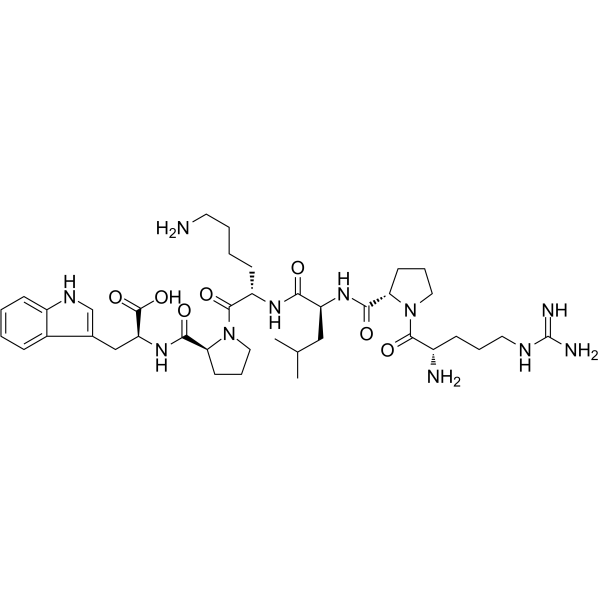
Epidermal mitosis inhibiting pentapeptide is a five-peptide that acts as a physiological inhibitor of epidermal cell proliferation. This pentapeptide can significantly reduce the DNA synthesis rate and mitotic rate of epidermal keratinocytes. Epidermal mitosis inhibiting pentapeptide moderately enhances the occurrence of skin tumors in skin cancer models, but also shows a higher tendency to promote the regression of already formed tumors. Epidermal mitosis inhibiting pentapeptide can be hydrolyzed by angiotensin-converting enzyme (ACE). Epidermal mitosis inhibiting pentapeptide can be used in cancer process research .
|
-
-
- HY-P5913
-
-
- HY-P3141
-
-
- HY-P1486A
-
|
|
Endogenous Metabolite
|
Cardiovascular Disease
|
|
Angiotensinogen (1-14), human TFA is a fragment of the renin substrate angiotensinogen. Angiotensinogen is naturally occurring substrate for renin and a precursor for all angiotensin peptides .
|
-
- HY-P5774
-
-
- HY-P1032F
-
|
|
Endogenous Metabolite
|
Endocrinology
|
|
Biotinyl-Angiotensin I (human, mouse, rat) is biotin-labeled Angiotensin I . Angiotensin I (human, mouse, rat) is the precursor to the vasoconstrictor peptide angiotensin II, cleaved by the angiotensin-converting enzyme (ACE) .
|
-
- HY-W140282
-
|
|
Angiotensin Receptor
|
Cardiovascular Disease
|
|
Angiotensin II antipeptide, a peptide, is an inverse agonist of AR1 receptor. Angiotensin II antipeptide is encoded by mRNA, complementary to that encoding Angiotensin II (HY-13948) itself .
|
-
- HY-P4891
-
|
|
Angiotensin Receptor
|
Others
|
|
Angiotensin (1-12) (human) is an endogenous substrate for the production of biologically active angiotensin peptides by a non-renin-dependent mechanism .
|
-
- HY-P10182
-
-
- HY-P3545
-
|
|
Angiotensin Receptor
|
Cardiovascular Disease
|
|
5-Valine-angiotensin I is an Ang I peptide belonging to angiotensin I. 5-Valine-angiotensin I induces muscle contraction, can be used for renin-angiotensin system studies. Angiotensin I is a putative neurotransmitter, is the precursor of angiotensin II and of angiotensin fragment 1-7, which are involved in regulation of fluid volume and the release of aldosterone .
|
-
- HY-P0080A
-
-
- HY-P4471
-
-
- HY-P1564
-
-
- HY-P1792A
-
|
|
Angiotensin Receptor
|
Metabolic Disease
Endocrinology
|
|
Angiotensin II (1-4), human (TFA) is an endogenous peptide produced from AT I by angiotensin-converting-enzyme (ACE). Angiotensin II binds the AT II type 1 (AT1) receptor, stimulating GPCRs in vascular smooth muscle cells and increasing intracellular Ca 2+ levels. Angiotensin II also acts at the Na +/H + exchanger in the proximal tubules of the kidney .
|
-
- HY-P0318
-
-
- HY-P3142
-
-
- HY-B0477AS2
-
|
CI-906-d4
|
Isotope-Labeled Compounds
Angiotensin-converting Enzyme (ACE)
|
Cardiovascular Disease
|
|
Quinapril-d4 (CI-906-d4) is deuterium labeled Quinapril. Quinapril is a potent, orally active, non-peptide and nonsulfhydryl inhibitor of angiotensin-converting enzyme (ACE). Quinapril specifically interrupts the conversion of angiotensin I to angiotensin II in both plasma and tissue. Quinapril is enzymatically hydrolyzed to a pharmacologically active diacid form quinaprilat. Quinapril is efficacious in hypertensive models .
|
-
- HY-114161A
-
-
- HY-19214
-
-
- HY-P10391
-
-
- HY-P10597
-
|
|
Angiotensin Receptor
|
Others
|
|
Angiotensin II type 1 receptor (181-187) is a 9-amino acid sequence of the second extracellular loop of angiotensin II (Ang II) in the renin-angiotensin system. Angiotensin II type 1 receptor (181-187) serves as the localization epitope of angiotensin II receptor autoantibodies (AT1RaAb) and is used to detect and quantify AT1RaAb levels in serum .
|
-
- HY-103247B
-
|
|
Angiotensin Receptor
|
Cardiovascular Disease
|
|
EMD-66684 potassium salt is a non-peptide angiotensin II receptor antagonist that demonstrates significant antihypertensive effects in spontaneously hypertensive rats. EMD-66684 potassium salt exhibits nanomolar affinity for angiotensin II receptors, comparable to losartan in potency. EMD-66684 potassium salt shows increased activity when modified with acetamides, leading to superior blood pressure reduction.
|
-
- HY-P2563
-
|
|
Angiotensin Receptor
|
Metabolic Disease
|
|
[Tyr(P)4] Angiotensin II is a peptide that has multiple effects on vascular smooth muscle, including contraction of normal arteries and hypertrophy or hyperplasia of cultured cells or diseased vessels .
|
-
- HY-P10791
-
-
- HY-18211
-
|
|
Angiotensin-converting Enzyme (ACE)
|
Cardiovascular Disease
|
|
CGS 35601 is the inhibitor for endothelin-converting enzyme-1 (ECE-1), neutral endopeptidase 24.11 (NEP), and angiotensin-converting enzyme (ACE), with IC50s of 55, 2, and 22 nM, respectively. CGS 35601 suppresses the big endothelin-1 (big ET-1)- and angiotensin I-induced pressor response, and enhances circulation of atrial natriuretic peptide (ANP), regulates the cardiovascular function in SD rats .
|
-
- HY-125341
-
|
|
Angiotensin-converting Enzyme (ACE)
|
Cardiovascular Disease
|
|
Microginin 527 is a linear cyanobacterial peptide with potent angiotensin-converting enzyme (ACE) inhibitory activity. Microginin 527 also exhibits inhibitory effects on protein phosphatases and leucine aminopeptidase. With an IC50 value of 31 μM, Microginin 527 is the most active component in this class of compounds .
|
-
- HY-E70395
-
|
PE; PEP
|
Biochemical Assay Reagents
|
Neurological Disease
|
|
Prolyl Endopeptidase, highly active in brain and other tissues, catabolizes proline-containing peptides such as substance P, neurotensin, luteinizing hormone-releasing hormone, thyrotropin releasing hormone, bradykinin and angiotensin II. Prolyl Endopeptidase can be used for study of neuropsychiatric diseases such as stress disorder, depression, and schizophrenia .
|
-
- HY-118060R
-
|
N-Valyltryptophan (Standard); Val-Trp (Standard)
|
Angiotensin-converting Enzyme (ACE)
Reference Standards
|
Cardiovascular Disease
|
|
Dipeptide 2 (Standard) is the analytical standard of Dipeptide 2. This product is intended for research and analytical applications. Dipeptide 2 (N-Valyltryptophan; Val-Trp) is a bioactive peptide with anti-aging effect and has been reported used as a cosmetic ingredient . Dipeptide 2 is an angiotensin-converting Enzyme (ACE) .
|
-
- HY-129412
-
|
|
Renin
|
Cardiovascular Disease
|
|
A-74273 is an orally active peptide renin inhibitor (IC50=3.1 nM). A-74273 competitively binds to the active site of renin, preventing angiotensinogen from being converted to ANG-I, thereby reducing the level of angiotensin II. A-74273 can be used in the study of diseases such as hypertension .
|
-
- HY-117607
-
|
|
Neprilysin
Angiotensin-converting Enzyme (ACE)
|
Cardiovascular Disease
|
|
Alatrioprilat is an orally active inhibitor of angiotensin-converting enzyme (ACE) (IC50=19.6 nM; Ki=9.8 nM) and enkephailnase (IC50=6.1 nM; Ki=5.1 nM). Alatrioprilat plays a key role in the metabolism of hormonal peptides through the degradation of nitric oxide and atrial natriuretic factor (ANF). Alatrioprilat can be used in the study of cardiovascular diseases .
|
-
- HY-19200
-
|
|
Neprilysin
Angiotensin-converting Enzyme (ACE)
|
Cardiovascular Disease
|
|
RB-105 is an inhibitor of angiotensin-converting enzyme (ACE) (Ki = 4.2 nM) and neutral endopeptidase (NEP) (Ki = 1.7 nM). RB-105 after inhibiting ACE reduces the production of Ang II and increase the level of bradykinin. RB-105 after inhibiting NEP increases the level of natriuretic peptide and further increases the level of bradykinin, thereby generating a powerful synergistic effect. RB-105 has significant antihypertensive and natriuretic effects in both spontaneously hypertensive rats and normal blood pressure rats. RB-105 can be used for research on hypertension .
|
-
- HY-118264
-
|
|
Angiotensin-converting Enzyme (ACE)
Neprilysin
|
Cardiovascular Disease
|
|
MDL-100240 is a dual-acting angiotensin-converting enzyme (ACE) and neutral endopeptidase (NEP) inhibitor. MDL-100240 can significantly lower blood pressure, reverse left ventricular hypertrophy, and effectively prevent hypertrophy and dilatation of the aorta and resistance arteries, with an effect comparable to that of ramipril (HY-B0279). In addition, MDL-100240 can also reduce aldosterone levels, but has no significant effect on atrial natriuretic peptide and cGMP. In 3-month-old transgenic rats, MDL-100240 can reduce adrenomedullin concentrations, prevent and reverse severe hypertension and cardiovascular damage, and enhance bradykinin effects.
|
-
- HY-P11572
-
-
- HY-P11571
-
-
- HY-167153
-
-
- HY-P5407A
-
|
|
SARS-CoV
Angiotensin-converting Enzyme (ACE)
|
Infection
Cancer
|
|
HD5 TFA is an innate immune effector peptide and SARS-CoV Inhibitor. HD5 TFA binds to the ligand-binding domain of angiotensin-converting enzyme-2 (ACE2) via multiple hydrogen bonds to competitively block the receptor, shielding it from viral recognition. HD5 TFA can be used for the research of COVID-19, HPV16 infection, epithelial ovarian cancer, small-cell lung cancer, and colon cancer .
|
-
| Cat. No. |
Product Name |
Target |
Research Area |
-
- HY-13948
-
|
Angiotensin II; Ang II; DRVYIHPF
|
Angiotensin Receptor
Apoptosis
|
Cardiovascular Disease
Infection
Metabolic Disease
Inflammation/Immunology
Cancer
|
|
Angiotensin II (Angiotensin II) is a vasoconstrictor and a major bioactive peptide of the renin/angiotensin system. Angiotensin II human plays a central role in regulating human blood pressure, which is mainly mediated by interactions between Angiotensin II and the G-protein-coupled receptors (GPCRs) Angiotensin II type 1 receptor (AT1R) and Angiotensin II type 2 receptor (AT2R). Angiotensin II human stimulates sympathetic nervous stimulation, increases aldosterone biosynthesis and renal actions. Angiotensin II human induces growth of vascular smooth muscle cells, increases collagen type I and III synthesis in fibroblasts, leading to thickening of the vascular wall and myocardium, and fibrosis. Angiotensin II human also induces apoptosis. Angiotensin II induces capillary formation from endothelial cells via the LOX-1 dependent redox-sensitive pathway .
|
-
- HY-13948A
-
|
Angiotensin II acetate; Ang II acetate; DRVYIHPF acetate
|
Angiotensin Receptor
Apoptosis
|
Cardiovascular Disease
Infection
Metabolic Disease
Inflammation/Immunology
Cancer
|
|
Angiotensin II human (Angiotensin II) acetate is a vasoconstrictor and a major bioactive peptide of the renin/angiotensin system. Angiotensin II human acetate plays a central role in regulating human blood pressure, which is mainly mediated by interactions between Angiotensin II and the G-protein-coupled receptors (GPCRs) Angiotensin II type 1 receptor (AT1R) and Angiotensin II type 2 receptor (AT2R). Angiotensin II human acetate stimulates sympathetic nervous stimulation, increases aldosterone biosynthesis and renal actions. Angiotensin II human acetate induces growth of vascular smooth muscle cells, increases collagen type I and III synthesis in fibroblasts, leading to thickening of the vascular wall and myocardium, and fibrosis. Angiotensin II human acetate also induces apoptosis. Angiotensin II human acetate induces capillary formation from endothelial cells via the LOX-1 dependent redox-sensitive pathway .
|
-
- HY-P3108
-
-
- HY-P1236
-
|
Atrial natriuretic factor (1-28) (rat, mouse)
|
Endothelin Receptor
|
Cardiovascular Disease
Endocrinology
|
|
Atrial Natriuretic Peptide (ANP) (1-28), rat, mouse is a major circulating form of ANP in rats, potently inhibits Angiotensin II (Ang II)-stimulated endothelin-1 secretion in a concentration-dependent manner.
|
-
- HY-13948B
-
|
Angiotensin II TFA; Ang II TFA; DRVYIHPF TFA
|
Angiotensin Receptor
Apoptosis
|
Cardiovascular Disease
Metabolic Disease
Cancer
|
|
Angiotensin II human (Angiotensin II) TFA is a vasoconstrictor and a major bioactive peptide of the renin/angiotensin system. Angiotensin II human TFA plays a central role in regulating human blood pressure, which is mainly mediated by interactions between Angiotensin II and the G-protein-coupled receptors (GPCRs) Angiotensin II type 1 receptor (AT1R) and Angiotensin II type 2 receptor (AT2R). Angiotensin II human TFA stimulates sympathetic nervous stimulation, increases aldosterone biosynthesis and renal actions. Angiotensin II human TFA induces growth of vascular smooth muscle cells, increases collagen type I and III synthesis in fibroblasts, leading to thickening of the vascular wall and myocardium, and fibrosis. Angiotensin II human TFA also induces apoptosis. Angiotensin II human TFA induces capillary formation from endothelial cells via the LOX-1 dependent redox-sensitive pathway .
|
-
- HY-118060
-
|
N-Valyltryptophan; Val-Trp
|
Angiotensin-converting Enzyme (ACE)
Calcium Channel
NO Synthase
|
Cardiovascular Disease
|
|
Dipeptide 2 (N-Valyltryptophan) is an orally active, competitive angiotensin-converting enzyme (ACE) inhibitory peptide with an IC50 of 10.50 μM. Dipeptide 2 reduces intracellular Calcium ions. Dipeptide 2 significantly increases the content of NO, inhibits the production of ET-1, and induces the phosphorylation of eNOS. Dipeptide 2 decreases the systolic and diastolic blood pressure of spontaneously hypertensive rats .
|
-
- HY-P0080
-
-
- HY-P1236A
-
|
Atrial natriuretic factor (1-28) (rat, mouse) TFA
|
Endothelin Receptor
|
Cardiovascular Disease
Endocrinology
|
|
Atrial Natriuretic Peptide (ANP) (1-28), rat, mouse (TFA) is a major circulating form of ANP in rats, potently inhibits Angiotensin II (Ang II)-stimulated endothelin-1 secretion in a concentration-dependent manner.
|
-
- HY-P2217
-
|
DSC-127; NorLeu3-A(1-7)
|
Angiotensin Receptor
|
Inflammation/Immunology
|
|
Aclerastide (DSC-127) is an angiotensin receptor agonist. Aclerastide also is a peptide analog of angiotensin II. Aclerastide can be used for the research of tissue regeneration in diabetic ulcers .
|
-
- HY-P1769
-
|
|
Angiotensin Receptor
|
Metabolic Disease
Endocrinology
|
|
Angiotensin II (5-8), human is an endogenous C-terminal fragment of the peptide vasoconstrictor angiotensin II . Angiotensin II binds the AT II type 1 (AT1) receptor, stimulating GPCRs in vascular smooth muscle cells and increasing intracellular Ca 2+ levels. Angiotensin II also acts at the Na +/H + exchanger in the proximal tubules of the kidney .
|
-
- HY-114161
-
-
- HY-P1486
-
|
|
Endogenous Metabolite
|
Cardiovascular Disease
|
|
Angiotensinogen (1-14), human is a fragment of the renin substrate angiotensinogen. Angiotensinogen is naturally occurring substrate for renin and a precursor for all angiotensin peptides .
|
-
- HY-110183
-
|
|
Peptides
|
Cardiovascular Disease
|
|
Angiotensin A is a renin–angiotensin system (RAS) peptide that causes a vasoconstrictive effect dependent on AT1 receptors. Angiotensin A elicits pressor and renal vasoconstrictor responses in normotensive and hypertensive rats .
|
-
- HY-P1839A
-
|
|
Angiotensin Receptor
|
Cardiovascular Disease
|
|
Angiotensin I/II 1-5 TFA is a peptide that contains the amino acids 1-5, which is converted from Angiotensin I/II. Angiotensin I is formed by the action of renin on angiotensinogen. Angiotensin II is produced from angiotensin I. Angiotensin II has been investigated for the treatment, basic science, and diagnostic of Hypertension, Renin Angiotensin System, and Idiopathic Membranous Nephropathy .
|
-
- HY-13948F
-
|
Biotin-Ahx-Angiotensin II; Biotin-Ahx-Ang II; Biotin-Ahx-DRVYIHPF
|
Angiotensin Receptor
|
Others
|
|
Biotin-Ahx-Angiotensin II human (Biotin-Ahx-Angiotensin II; Biotin-Ahx-Ang II; Biotin-Ahx-DRVYIHPF) is a biological active peptide. (biotin labeled HY-13948)
|
-
- HY-P1564A
-
|
|
Angiotensin Receptor
|
Others
|
|
[Sar1, Ile8]-Angiotensin II (TFA) is a peptide that has multiple effects on vascular smooth muscle, including contraction of normal arteries and hypertrophy or hyperplasia of cultured cells or diseased vessels.
|
-
- HY-P5407
-
|
|
SARS-CoV
Angiotensin-converting Enzyme (ACE)
|
Infection
Cancer
|
|
HD5 is an innate immune effector peptide and SARS-CoV Inhibitor. HD5 binds to the ligand-binding domain of angiotensin-converting enzyme-2 (ACE2) via multiple hydrogen bonds to competitively block the receptor, shielding it from viral recognition. HD5 can be used for the research of COVID-19, HPV16 infection, epithelial ovarian cancer, small-cell lung cancer, and colon cancer .
|
-
- HY-P1829A
-
|
|
Angiotensin Receptor
|
Cardiovascular Disease
|
|
Angiotensin I/II (1-6) TFA contains the amino acids 1-6 and is converted from Angiotensin I/II peptide. The precursor angiotensinogen is cleaved by renin to form angiotensin I. Angiotensin I ishydrolyzed by angiotensin-converting enzyme (ACE) to form the biologically active angiotensin II. Angiotensin II has been investigated for the treatment, basic science, and diagnostic of Hypertension, Renin Angiotensin System, and Idiopathic Membranous Nephropathy .
|
-
- HY-13948BS
-
|
Angiotensin II-13C6,15N TFA; Ang II-13C6,15N TFA; DRVY(I-13C6,15N)HPF TFA
|
Isotope-Labeled Compounds
|
Cancer
|
|
Angiotensin II human- 13C6, 15N TFA (Ang II- 13C6, 15N TFA) is 13C- and 15N-labeled Angiotensin II human (TFA) (HY-13948B). Angiotensin II human (Angiotensin II) TFA is a vasoconstrictor and a major bioactive peptide of the renin/angiotensin system. Angiotensin II human TFA plays a central role in regulating human blood pressure, which is mainly mediated by interactions between Angiotensin II and the G-protein-coupled receptors (GPCRs) Angiotensin II type 1 receptor (AT1R) and Angiotensin II type 2 receptor (AT2R). Angiotensin II human TFA stimulates sympathetic nervous stimulation, increases aldosterone biosynthesis and renal actions .
|
-
- HY-114424A
-
-
- HY-P11300
-
|
|
Angiotensin-converting Enzyme (ACE)
|
Cardiovascular Disease
|
|
YKYY, a antihypertensive peptide, is an Angiotensin I-converting enzyme (ACE) inhibitor with an IC50 of 64.2 μM. YKYY can be isolated for the peptic digest of wakame Undaria pinnatifida. YKYY can be used for hypertension research .
|
-
- HY-P11300A
-
-
- HY-P10173
-
|
|
Angiotensin-converting Enzyme (ACE)
|
Others
|
|
Abz-LFK(Dnp)-OH is an angiotensin I-converting enzyme (ACE) peptide substrate. Abz-LFK(Dnp)-OH is selective for the C domain of ACE. Abz-LFK(Dnp)-OH can be used to assess ACE activity .
|
-
- HY-P10172
-
-
- HY-P5939
-
|
|
Angiotensin Receptor
|
Cardiovascular Disease
|
|
Angiotensinogen (1-13) (human) is a fragment of the renin substrate angiotensinogen. Angiotensinogen is naturally occurring substrate for renin and a precursor for all angiotensin peptides .
|
-
- HY-P11363
-
|
|
Angiotensin Receptor
|
Cardiovascular Disease
|
|
(Des-Asp1,Ile8)-Angiotensin II is a peptide related to angiotensin II. (Des-Asp1,Ile8)-Angiotensin II can be used for studying the interaction between angiotensin II and its receptors .
|
-
- HY-P1829
-
|
|
Angiotensin Receptor
|
Cardiovascular Disease
|
|
Angiotensin I/II 1-6 contains the amino acids 1-6 and is converted from Angiotensin I/II peptide. The precursor angiotensinogen is cleaved by renin to form angiotensin I. Angiotensin I ishydrolyzed by angiotensin-converting enzyme (ACE) to form the biologically active angiotensin II. Angiotensin II has been investigated for the treatment, basic science, and diagnostic of Hypertension, Renin Angiotensin System, and Idiopathic Membranous Nephropathy .
|
-
- HY-P1792
-
|
|
Angiotensin Receptor
|
Metabolic Disease
Endocrinology
|
|
Angiotensin II (1-4), human is an endogenous peptide produced from AT I by angiotensin-converting-enzyme (ACE). Angiotensin II binds the AT II type 1 (AT1) receptor, stimulating GPCRs in vascular smooth muscle cells and increasing intracellular Ca 2+ levels. Angiotensin II also acts at the Na +/H + exchanger in the proximal tubules of the kidney .
|
-
- HY-P3910
-
|
|
Angiotensin Receptor
|
Cardiovascular Disease
|
|
[Val4] Angiotensin III is an angiotension III peptide. [Val4] Angiotensin III is a potent full agonist of Gαq and βarr2 response, with pEC50 values of 8.31 and 8.44, respectively .
|
-
- HY-P3991
-
-
- HY-P10601A
-
-
- HY-P3976
-
|
|
Angiotensin-converting Enzyme (ACE)
|
Cardiovascular Disease
|
|
Lactalbumin B (50-53) Alpha [Lactorphin Alpha], bovine is a blood pressure lowering peptide containing 4 amino acids. Lactalbumin B (50-53) Alpha [Lactorphin Alpha], bovine is an angiotensin-converting Enzyme (ACE) inhibitor. Lactalbumin B (50-53) Alpha [Lactorphin Alpha], bovine can be used in research of high blood pressure .
|
-
- HY-P11297
-
|
|
Angiotensin-converting Enzyme (ACE)
|
Cardiovascular Disease
|
|
AC-SDKP-NH2 is a substrate peptide of Angiotensin converting enzyme (ACE). AC-SDKP-NH2 has anti-inflammatory and anti-fibrotic activities. AC-SDKP-NH2 directly acts on tissues and prevents or reverses them from excessive fibrosis, but fails to reduce blood pressure and left ventricular hypertrophy (LVH). AC-SDKP-NH2 attenuates inflammation and cell differentiation, proliferation and migration, therefore reducing fibrosis in the heart, vessels and kidneys in mice model. AC-SDKP-NH2 can be used for cardiovascular diseases such as hypertension research .
|
-
- HY-P1839
-
|
|
Angiotensin Receptor
|
Cardiovascular Disease
|
|
Angiotensin I/II 1-5 is a peptide that contains the amino acids 1-5, which is converted from Angiotensin I/II. Angiotensin I is formed by the action of renin on angiotensinogen. Angiotensin II is produced from angiotensin I. Angiotensin II has been investigated for the treatment, basic science, and diagnostic of Hypertension, Renin Angiotensin System, and Idiopathic Membranous Nephropathy .
|
-
- HY-114424
-
-
- HY-P2619
-
-
- HY-P10601
-
-
- HY-P11417
-
|
|
DNA/RNA Synthesis
|
Cancer
|
|
Epidermal mitosis inhibiting pentapeptide is a five-peptide that acts as a physiological inhibitor of epidermal cell proliferation. This pentapeptide can significantly reduce the DNA synthesis rate and mitotic rate of epidermal keratinocytes. Epidermal mitosis inhibiting pentapeptide moderately enhances the occurrence of skin tumors in skin cancer models, but also shows a higher tendency to promote the regression of already formed tumors. Epidermal mitosis inhibiting pentapeptide can be hydrolyzed by angiotensin-converting enzyme (ACE). Epidermal mitosis inhibiting pentapeptide can be used in cancer process research .
|
-
- HY-P5913
-
-
- HY-P3141
-
-
- HY-P1486A
-
|
|
Endogenous Metabolite
|
Cardiovascular Disease
|
|
Angiotensinogen (1-14), human TFA is a fragment of the renin substrate angiotensinogen. Angiotensinogen is naturally occurring substrate for renin and a precursor for all angiotensin peptides .
|
-
- HY-P5774
-
-
- HY-P1032F
-
|
|
Endogenous Metabolite
|
Endocrinology
|
|
Biotinyl-Angiotensin I (human, mouse, rat) is biotin-labeled Angiotensin I . Angiotensin I (human, mouse, rat) is the precursor to the vasoconstrictor peptide angiotensin II, cleaved by the angiotensin-converting enzyme (ACE) .
|
-
- HY-W140282
-
|
|
Angiotensin Receptor
|
Cardiovascular Disease
|
|
Angiotensin II antipeptide, a peptide, is an inverse agonist of AR1 receptor. Angiotensin II antipeptide is encoded by mRNA, complementary to that encoding Angiotensin II (HY-13948) itself .
|
-
- HY-P4891
-
|
|
Angiotensin Receptor
|
Others
|
|
Angiotensin (1-12) (human) is an endogenous substrate for the production of biologically active angiotensin peptides by a non-renin-dependent mechanism .
|
-
- HY-P10182
-
-
- HY-P3545
-
|
|
Angiotensin Receptor
|
Cardiovascular Disease
|
|
5-Valine-angiotensin I is an Ang I peptide belonging to angiotensin I. 5-Valine-angiotensin I induces muscle contraction, can be used for renin-angiotensin system studies. Angiotensin I is a putative neurotransmitter, is the precursor of angiotensin II and of angiotensin fragment 1-7, which are involved in regulation of fluid volume and the release of aldosterone .
|
-
- HY-P0080A
-
-
- HY-P4471
-
-
- HY-P1564
-
- HY-P1792A
-
|
|
Angiotensin Receptor
|
Metabolic Disease
Endocrinology
|
|
Angiotensin II (1-4), human (TFA) is an endogenous peptide produced from AT I by angiotensin-converting-enzyme (ACE). Angiotensin II binds the AT II type 1 (AT1) receptor, stimulating GPCRs in vascular smooth muscle cells and increasing intracellular Ca 2+ levels. Angiotensin II also acts at the Na +/H + exchanger in the proximal tubules of the kidney .
|
- HY-P0318
-
- HY-P3142
-
- HY-114161A
-
- HY-P10391
-
- HY-P10597
-
|
|
Angiotensin Receptor
|
Others
|
|
Angiotensin II type 1 receptor (181-187) is a 9-amino acid sequence of the second extracellular loop of angiotensin II (Ang II) in the renin-angiotensin system. Angiotensin II type 1 receptor (181-187) serves as the localization epitope of angiotensin II receptor autoantibodies (AT1RaAb) and is used to detect and quantify AT1RaAb levels in serum .
|
- HY-P2563
-
|
|
Angiotensin Receptor
|
Metabolic Disease
|
|
[Tyr(P)4] Angiotensin II is a peptide that has multiple effects on vascular smooth muscle, including contraction of normal arteries and hypertrophy or hyperplasia of cultured cells or diseased vessels .
|
- HY-P10791
-
- HY-118060R
-
|
N-Valyltryptophan (Standard); Val-Trp (Standard)
|
Angiotensin-converting Enzyme (ACE)
Reference Standards
|
Cardiovascular Disease
|
|
Dipeptide 2 (Standard) is the analytical standard of Dipeptide 2. This product is intended for research and analytical applications. Dipeptide 2 (N-Valyltryptophan; Val-Trp) is a bioactive peptide with anti-aging effect and has been reported used as a cosmetic ingredient . Dipeptide 2 is an angiotensin-converting Enzyme (ACE) .
|
- HY-P11572
-
- HY-P11571
-
- HY-167153
-
- HY-P5407A
-
|
|
SARS-CoV
Angiotensin-converting Enzyme (ACE)
|
Infection
Cancer
|
|
HD5 TFA is an innate immune effector peptide and SARS-CoV Inhibitor. HD5 TFA binds to the ligand-binding domain of angiotensin-converting enzyme-2 (ACE2) via multiple hydrogen bonds to competitively block the receptor, shielding it from viral recognition. HD5 TFA can be used for the research of COVID-19, HPV16 infection, epithelial ovarian cancer, small-cell lung cancer, and colon cancer .
|
| Cat. No. |
Product Name |
Target |
Research Area |
Image |
-
- HY-P990951
-
|
REGN-5381
|
Natriuretic Peptide Receptor (NPR)
|
Cardiovascular Disease
|
|
Vixticibart (REGN-5381) is a fully human IgG4 monoclonal antibody and NPR1 agonist that targets NPR1. Vixticibart stabilizes the receptor in an activated conformation by binding to the N-terminal domain of NPR1, and enhances the activity of endogenous ligands ANP and BNP without blocking ligand binding when these ligands are present. Vixticibart exerts vasodilatory and hypotensive effects by inducing cGMP production, preferentially dilating venous vessels to reduce systolic and venous pressure, but does not induce diuresis and may trigger a compensatory increase in heart rate. Vixticibart produces a synergistic hypotensive effect when combined with angiotensin-converting enzyme inhibitors or angiotensin receptor blockers, and is currently mainly used in research related to heart failure and hypertension .
|
-
(5)
| Cat. No. |
Product Name |
Category |
Target |
Chemical Structure |
-
- HY-13948
-
|
Angiotensin II; Ang II; DRVYIHPF
|
Structural Classification
Natural Products
Classification of Application Fields
Endogenous metabolite
Disease Research Fields
Endocrinology
Source Classification
Cancer
|
Angiotensin Receptor
Apoptosis
|
|
Angiotensin II (Angiotensin II) is a vasoconstrictor and a major bioactive peptide of the renin/angiotensin system. Angiotensin II human plays a central role in regulating human blood pressure, which is mainly mediated by interactions between Angiotensin II and the G-protein-coupled receptors (GPCRs) Angiotensin II type 1 receptor (AT1R) and Angiotensin II type 2 receptor (AT2R). Angiotensin II human stimulates sympathetic nervous stimulation, increases aldosterone biosynthesis and renal actions. Angiotensin II human induces growth of vascular smooth muscle cells, increases collagen type I and III synthesis in fibroblasts, leading to thickening of the vascular wall and myocardium, and fibrosis. Angiotensin II human also induces apoptosis. Angiotensin II induces capillary formation from endothelial cells via the LOX-1 dependent redox-sensitive pathway .
|
-
| Cat. No. |
Product Name |
Chemical Structure |
-
- HY-13948BS
-
|
|
|
Angiotensin II human- 13C6, 15N TFA (Ang II- 13C6, 15N TFA) is 13C- and 15N-labeled Angiotensin II human (TFA) (HY-13948B). Angiotensin II human (Angiotensin II) TFA is a vasoconstrictor and a major bioactive peptide of the renin/angiotensin system. Angiotensin II human TFA plays a central role in regulating human blood pressure, which is mainly mediated by interactions between Angiotensin II and the G-protein-coupled receptors (GPCRs) Angiotensin II type 1 receptor (AT1R) and Angiotensin II type 2 receptor (AT2R). Angiotensin II human TFA stimulates sympathetic nervous stimulation, increases aldosterone biosynthesis and renal actions .
|
-
-
- HY-B0477AS2
-
|
|
|
Quinapril-d4 (CI-906-d4) is deuterium labeled Quinapril. Quinapril is a potent, orally active, non-peptide and nonsulfhydryl inhibitor of angiotensin-converting enzyme (ACE). Quinapril specifically interrupts the conversion of angiotensin I to angiotensin II in both plasma and tissue. Quinapril is enzymatically hydrolyzed to a pharmacologically active diacid form quinaprilat. Quinapril is efficacious in hypertensive models .
|
-
| Cat. No. |
Product Name |
|
Classification |
-
- HY-145649
-
|
AD-85481; ALN-AGT
|
|
siRNAs
siRNA drugs
|
|
Zilebesiran is a siRNA that reduce hepatic angiotensinogen levels through RNA interference. it is used for the study of mild to moderate Hypertension. Angiotensinogen is the predominant precursor of angiotensin peptides and a key regulator of systemic blood pressure.
|
Your information is safe with us. * Required Fields.
Inquiry Information
- Product Name:
- Cat. No.:
- Quantity:
- MCE Japan Authorized Agent:

