Search Result
Results for "
Biochemistry
" in MedChemExpress (MCE) Product Catalog:
34
Biochemical Assay Reagents
11
Isotope-Labeled Compounds
| Cat. No. |
Product Name |
Target |
Research Areas |
Chemical Structure |
-
- HY-B0152
-
|
|
DNA/RNA Synthesis
Endogenous Metabolite
|
Infection
Cancer
|
|
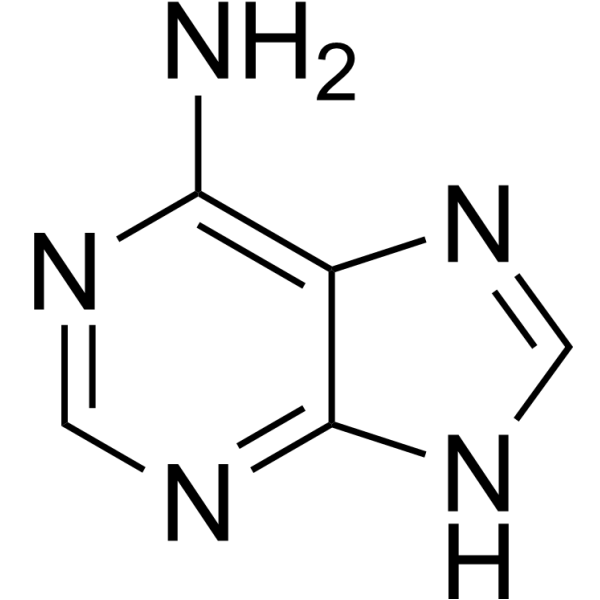
Adenine (6-Aminopurine), a purine, is one of the four nucleobases in the nucleic acid of DNA.
Adenine acts as a chemical component of DNA and RNA. Adenine also plays an important role in biochemistry involved in cellular respiration, the form of both ATP and the cofactors (NAD and FAD), and protein synthesis .
|
-
-
- HY-P0239
-
|
|
Influenza Virus
|
Inflammation/Immunology
|
|
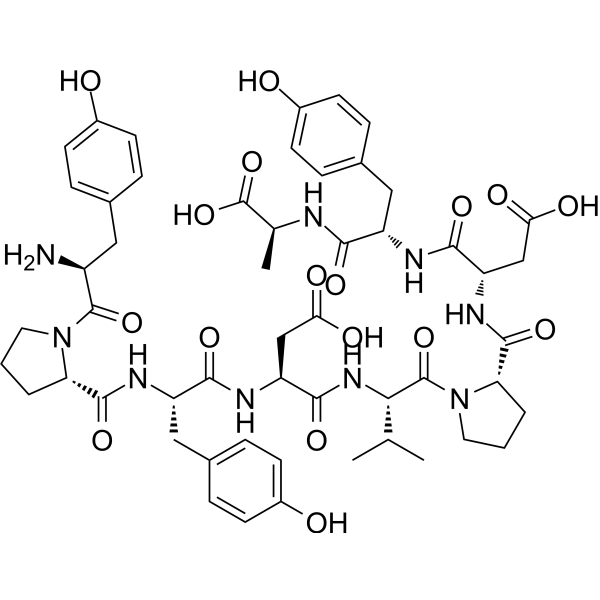
HA Peptide (HA tag) is a nine amino acids peptide derived from the human influenza hemagglutinin (HA). HA Peptide is extensively used to isolate, purify, detect, and track the protein of interest in cell biology and biochemistry.
|
-
-
- HY-D0858
-
MES
4 Publications Verification
2-Morpholinoethanesulphonic acid
|
Biochemical Assay Reagents
|
Others
|
|
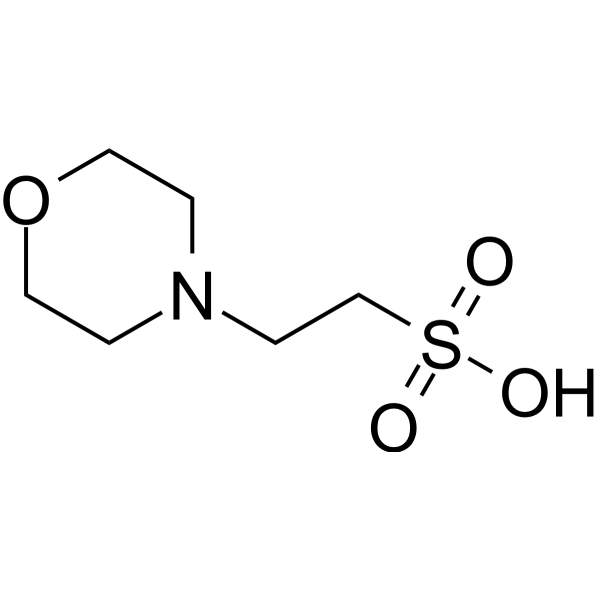
MES (2-Morpholinoethanesulphonic acid) is a kind of amphoteric ion buffer, the buffer capacity ranging pH 5.5-7.0. As a Good's buffer, MES is widely used in biochemistry and molecular biology experiments, such as cell culture, enzyme activity determination, electrophoresis and protein studies .
|
-
-
- HY-W088070A
-
|
|
Biochemical Assay Reagents
|
Others
|
|
Agarose,Low melting point is a kind of agarose, a kind of polysaccharide that can be derived from seaweed. It is commonly used in molecular biology and biochemistry to isolate and purify DNA and RNA fragments. Agarose,Low melting point is a low melting point agarose, which is suitable for the recovery of large DNA fragments and enzymatic reactions in gels and other applications. In addition, it has been used in various techniques, such as pulsed field gel electrophoresis and capillary electrophoresis for analyzing genetic material.
|
-

-
- HY-D0875
-
-
-
- HY-W013151
-
|
|
Biochemical Assay Reagents
SARS-CoV
|
Others
|
|
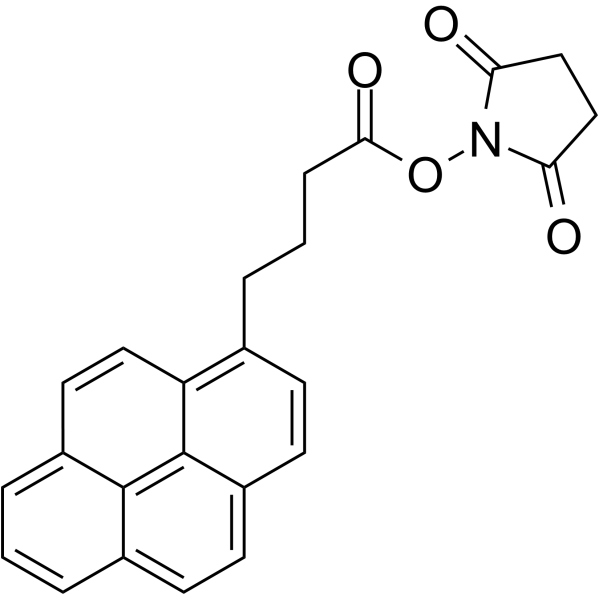
1-Pyrenebutyric acid N-hydroxysuccinimide ester (PANHS) is a linker and interface coupling agent that can be used to prepare electrochemical biosensors. 1-Pyrenebutyric acid N-hydroxysuccinimide ester immobilizes SARS-CoV-2 spike antibodies on graphene sheets. 1-Pyrenebutyric acid N-hydroxysuccinimide ester is often used as an activation reagent for carboxylic acids in organic chemistry or biochemistry .
|
-
-
- HY-B1610N
-
|
|
Biochemical Assay Reagents
|
Others
|
|
Sodium Citrate Buffer, 0.1M, pH 4.0 is an acidic, aqueous buffer solution. Sodium Citrate Buffer, 0.1M, pH 4.0 resists pH fluctuations, chelates metal ions, and regulates the redox potential of the system. Sodium Citrate Buffer, 0.1M, pH 4.0 is widely used in molecular biology, immunohistochemistry (IHC), and biochemistry .
|
-
-
- HY-133527
-
|
Oregon green 488 succinimidyl ester
|
Fluorescent Dye
|
Neurological Disease
|
|
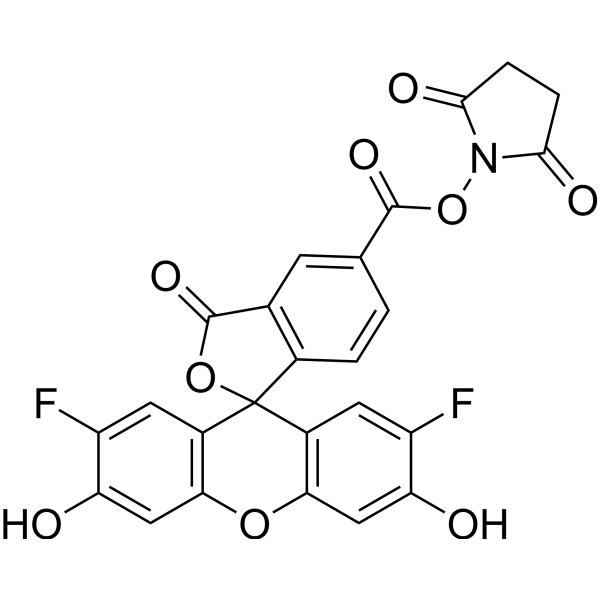
OG 488, SE (Oregon green 488 succinimidyl ester), a fluorescent pH indicator, has many applications in biochemistry and neurosciences .
|
-
-
- HY-D0858A
-
|
2-Morpholinoethanesulphonic acid monohydrate
|
Biochemical Assay Reagents
|
Others
|
|
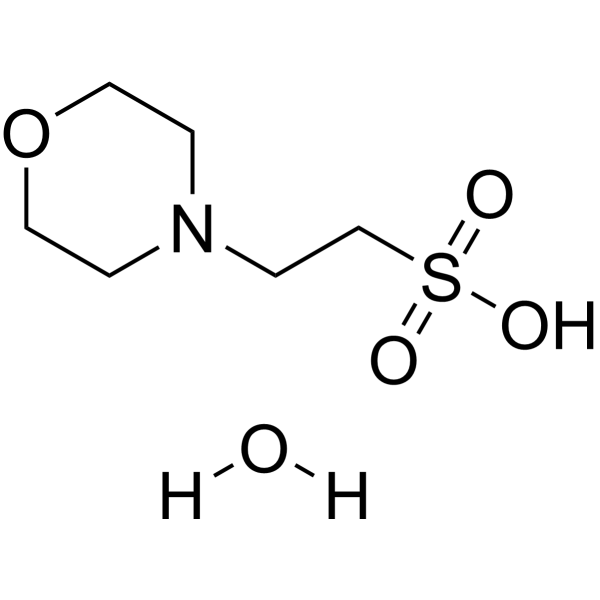
MES (2-Morpholinoethanesulphonic acid) monohydrate is a kind of amphoteric ion buffer, the buffer capacity ranging pH 5.5-7.0. As a Good's buffer, MES monohydrate is widely used in biochemistry and molecular biology experiments, such as cell culture, enzyme activity determination, electrophoresis and protein studies .
|
-
-
- HY-B0152B
-
|
6-Aminopurine hemisulfate; Vitamin B4 hemisulfate
|
DNA/RNA Synthesis
Endogenous Metabolite
|
Cancer
|
|
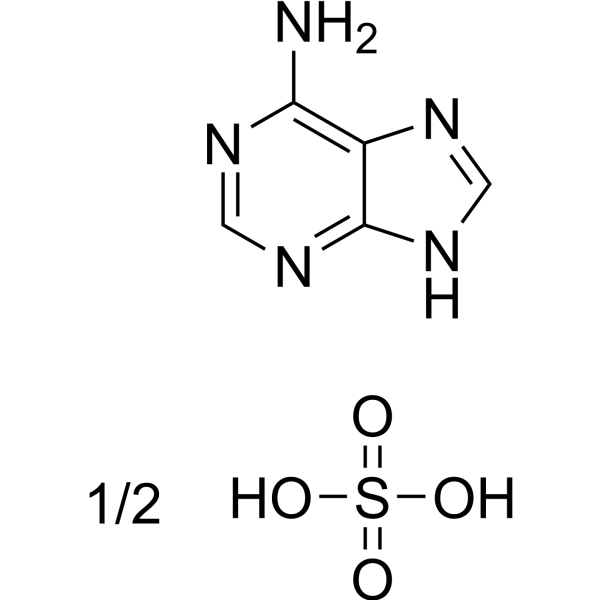
Adenine hemisulfate (6-Aminopurine hemisulfate), a purine, is one of the four nucleobases in the nucleic acid of DNA. Adenine hemisulfate acts as a chemical component of DNA and RNA. Adenine hemisulfate also plays an important role in biochemistry involved in cellular respiration, the form of both ATP and the cofactors (NAD and FAD), and protein synthesis .
|
-
-
- HY-B0152S1
-
|
Adenine-8-C13; 9H-Purin-6-amine-8-13C
|
DNA/RNA Synthesis
Endogenous Metabolite
|
Cancer
|
|
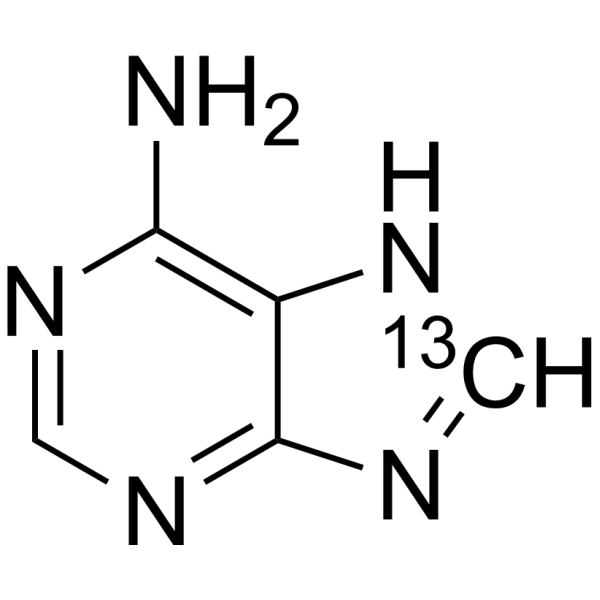
Adenine- 13C is the 13C labeled Adenine . Adenine (6-Aminopurine), a purine, is one of the four nucleobases in the nucleic acid of DNA. Adenine acts as a chemical component of DNA and RNA. Adenine also plays an important role in biochemistry involved in cellular respiration, the form of both ATP and the cofactors (NAD and FAD), and protein synthesis .
|
-
-
- HY-W099581
-
|
SB3-14; DMAPS
|
Biochemical Assay Reagents
|
Others
|
|
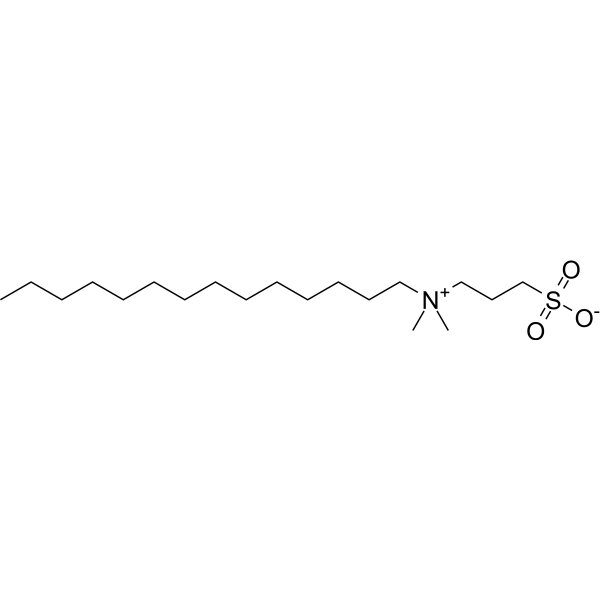
Zwittergent 3-14 (DMAPS) is a zwitterionic detergent commonly used in biochemistry and molecular biology for the solubilization and purification of membrane-bound proteins and other hydrophobic biomolecules, which have both hydrophilic and hydrophobic moieties , so that it has good detergency properties, making it suitable for stabilizing membrane proteins in aqueous solutions. In addition, DMAPS has been used in various techniques such as electrophoresis and chromatography for the separation and analysis of biomolecules. The long The hydrocarbon chains provide it with good membrane penetration and solubilization capabilities, while the sulfonate and quaternary ammonium groups ensure water solubility and charge neutrality.
|
-
-
- HY-W110798
-
|
|
Environmental Pollutants
Biochemical Assay Reagents
|
Others
|
|
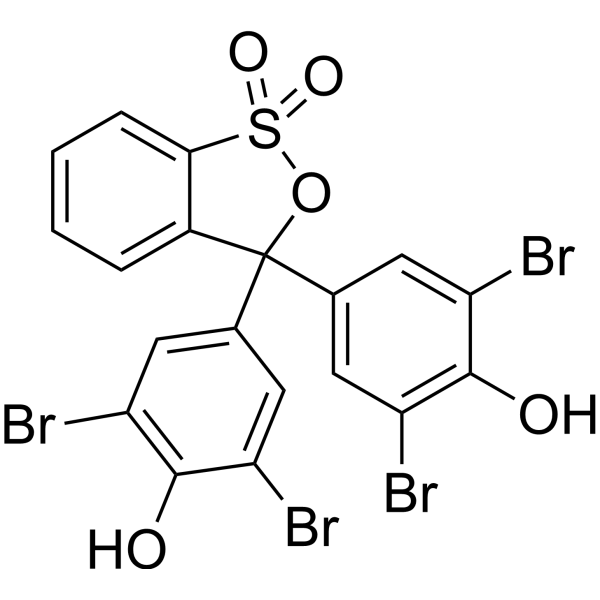
Bromophenol blue indicator (3.0-4.6) is a synthetic dye commonly used as an acid-base indicator with a transition range of pH 3.0-4.6. Bromophenol blue indicator (3.0-4.6) is water soluble and changes color from yellow to blue as the pH of the solution changes from acidic to basic. Its unique chemical properties make it an important ingredient in a variety of scientific applications, especially in biochemistry and molecular biology. In addition, it can be used as a stain in microbiology and histology. However, Bromophenol blue indicator (3.0-4.6) has potential irritating and staining properties.
|
-
-
- HY-B1610M
-
|
|
Biochemical Assay Reagents
|
Others
|
|
Sodium Citrate Buffer, 0.5M, pH 6.5 is a commonly used buffer composed of citric acid and sodium citrate. Sodium Citrate Buffer, 0.5M, pH 6.5 is widely used in molecular biology, immunohistochemistry (IHC), and biochemistry .
|
-

-
- HY-B1610J
-
|
|
Biochemical Assay Reagents
|
Cancer
|
|
Sodium Citrate Buffer, 0.5M, pH 5.0 is a commonly used buffer composed of citric acid and sodium citrate. Sodium Citrate Buffer, 0.5M, pH 5.0 is widely used in molecular biology, immunohistochemistry (IHC), and biochemistry .
|
-

-
- HY-D0858C
-
|
2-Morpholinoethanesulphonic acid hydrate
|
Biochemical Assay Reagents
|
Others
|
|
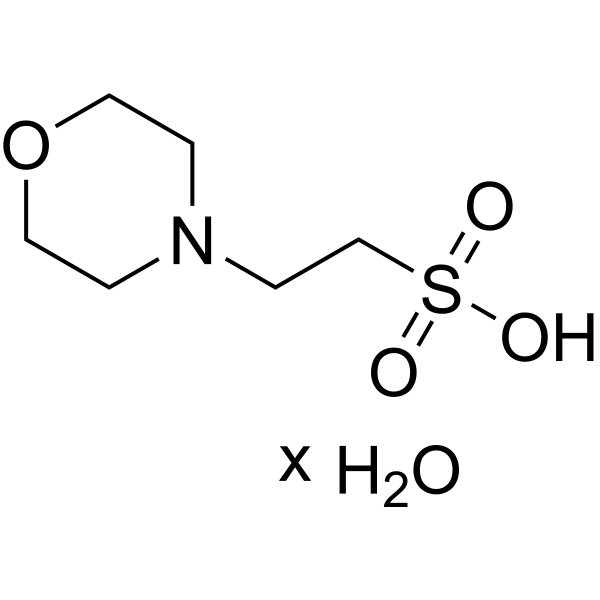
MES (2-Morpholinoethanesulphonic acid) hydrate is a kind of amphoteric ion buffer, the buffer capacity ranging pH 5.5-7.0. As a Good's buffer, MES hydrate is widely used in biochemistry and molecular biology experiments, such as cell culture, enzyme activity determination, electrophoresis and protein studies .
|
-
-
- HY-D0858E
-
|
2-Morpholinoethanesulphonic acid potassium
|
Biochemical Assay Reagents
|
Others
|
|
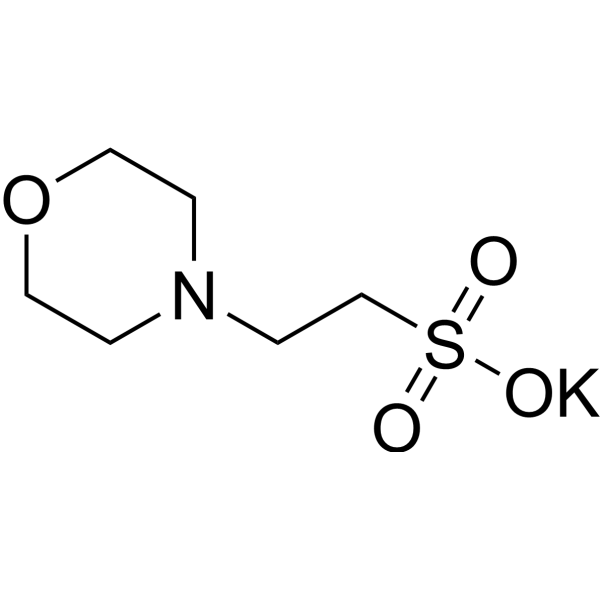
MES (2-Morpholinoethanesulphonic acid) potassium is a kind of amphoteric ion buffer, the buffer capacity ranging pH 5.5-7.0. As a Good's buffer, MES potassium is widely used in biochemistry and molecular biology experiments, such as cell culture, enzyme activity determination, electrophoresis and protein studies .
|
-
-
- HY-126377
-
|
|
Biochemical Assay Reagents
|
Others
|
|
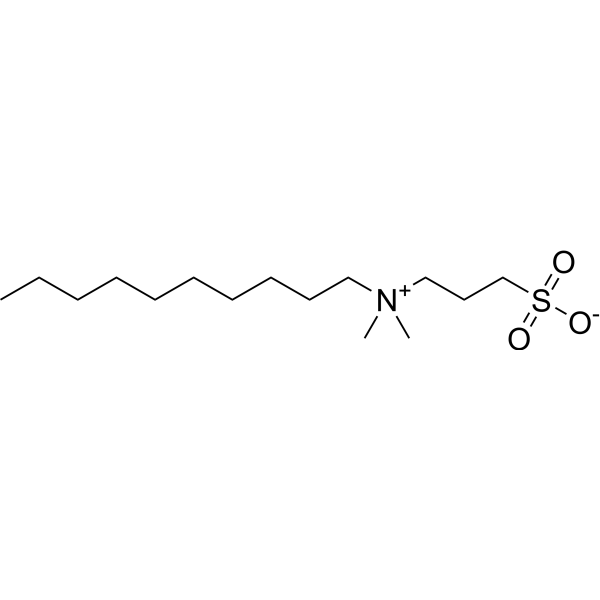
Sulfobetaine 10, is a zwitterionic surfactant commonly used in biochemistry and biophysics. It is commonly used to dissolve membrane proteins and other hydrophobic molecules in aqueous solutions. Sulfobetaine 10 has both positively and negatively charged groups in its structure, which allows it to maintain a neutral charge in solution and reduces its tendency to denature proteins. It is considered a mild, non-denaturing surfactant and is widely used in protein research.
|
-
-
- HY-B2243A
-
|
Sodium phosphate monobasic for HPLC; Monosodium dihydrogen orthophosphate for HPLC; Monosodium phosphate for HPLC
|
Environmental Pollutants
Biochemical Assay Reagents
|
Others
|
|
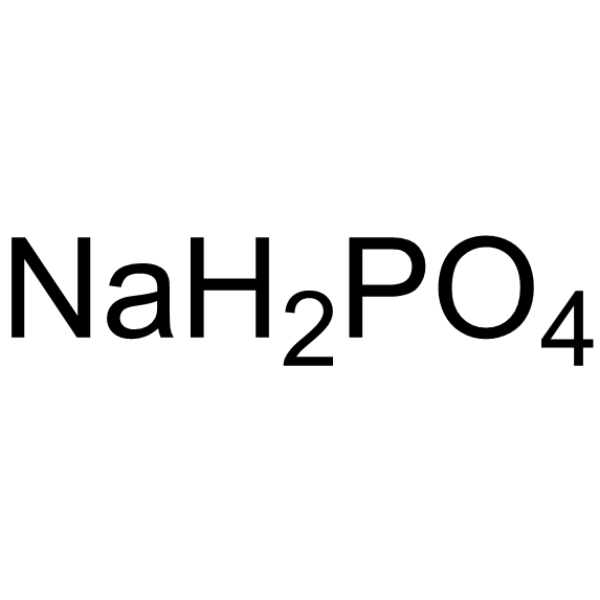
Anhydrous sodium dihydrogen phosphate, for HPLC is widely used in molecular biology, biochemistry and chromatography .
|
-
-
- HY-W034566
-
|
Hexaaza-18-crown-6; 1,4,7,10,13,16-Hexaazacyclooctadecane
|
Biochemical Assay Reagents
|
Others
|
|
Hexacyclen is an organic compound with a unique macrocyclic structure composed of six nitrogen-containing rings. It is commonly used as a chelating agent in chemistry and biochemistry due to its ability to bind metal ions. Inhibitors of certain diseases such as cancer. In biochemistry, Hexacyclen is often used to selectively bind metal ions in proteins or enzymes to study their structure and function. Due to its large size and complex structure, Hexacyclen is not widely used in daily products or applications .
|
-

-
- HY-118562
-
|
|
Fluorescent Dye
|
Others
|
|
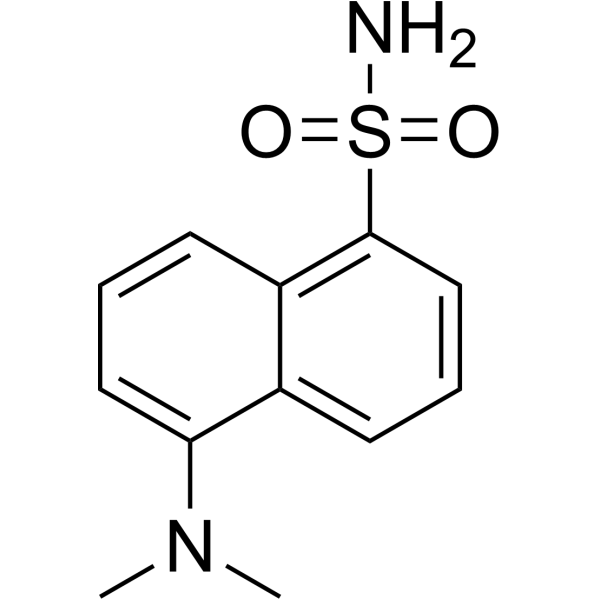
Dansyl amide is a fluorescent dye that is used in biochemistry and chemistry to label substances with the fluorescent dansyl group (Ex/Em: 360 nm/465 nm) .
|
-
-
- HY-D0858B
-
|
2-Morpholinoethanesulphonic acid sodium salt
|
Biochemical Assay Reagents
|
Others
|
|
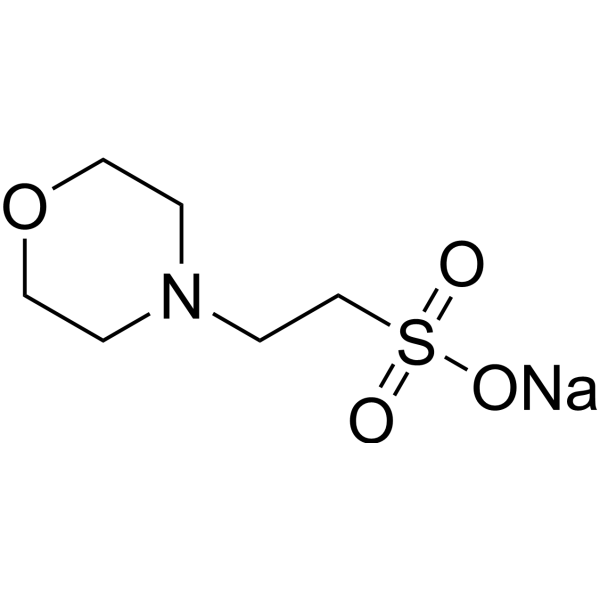
MES sodium salt (2-Morpholinoethanesulphonic acid) is a kind of amphoteric ion buffer, the buffer capacity ranging pH 5.5-7.0. As a Good's buffer, MES sodium salt is widely used in biochemistry and molecular biology experiments, such as cell culture, enzyme activity determination, electrophoresis and protein studies .
|
-
-
- HY-B0152A
-
|
6-Aminopurine hydrochloride; Vitamin B4 hydrochloride
|
DNA/RNA Synthesis
Endogenous Metabolite
|
Cancer
|
|
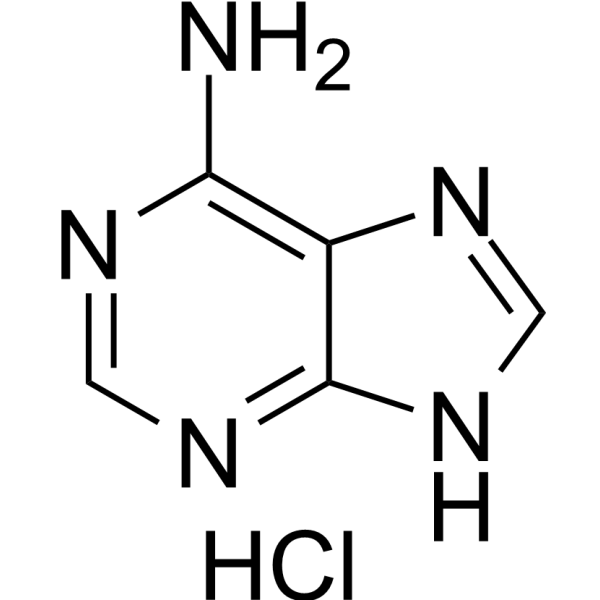
Adenine hydrochloride (6-Aminopurine hydrochloride), a purine, is one of the four nucleobases in the nucleic acid of DNA. Adenine hydrochloride acts as a chemical component of DNA and RNA. Adenine hydrochloride also plays an important role in biochemistry involved in cellular respiration, the form of both ATP and the cofactors (NAD and FAD), and protein synthesis .
|
-
-
- HY-Y0699
-
|
|
Environmental Pollutants
Fluorescent Dye
|
Others
|
|
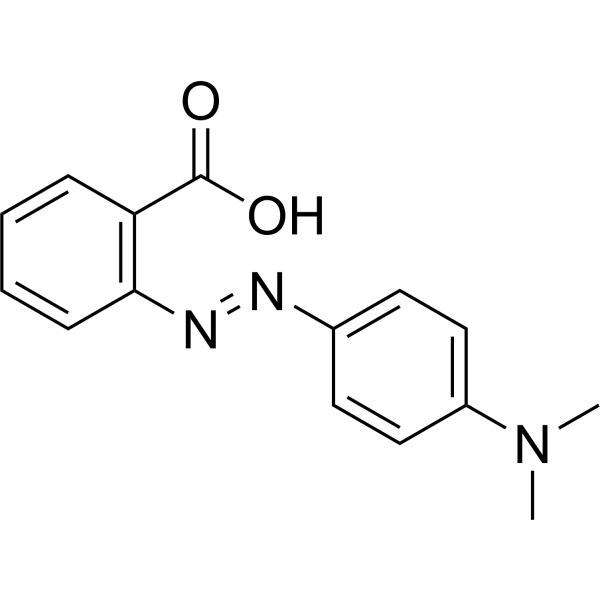
Methyl red is a pH-sensitive acid-base indicator and colorimetric reagent with a pKa of 5.1. Methyl red achieves visual judgment of the titration endpoint through reversible structural changes of protonation (red, pH <4.4) and deprotonation (yellow, pH >6.2). Methyl red is widely used in acid-base titration in chemical analysis and buffer pH monitoring in biochemistry .
|
-
-
- HY-P2733
-
|
GPO
|
Endogenous Metabolite
Bacterial
|
Infection
Metabolic Disease
|
|
Glycerol-3-phosphate oxidase, E. coli (GPO) is a key intermediate in glycerol metabolism. Glycerol-3-phosphate oxidase, E. coli is the skeleton of phospholipids in membrane lipids, and also a substrate in the respiratory chain. Glycerol-3-phosphate oxidase, E. coli produces electrons through oxidation. Glycerol-3-phosphate oxidase, E. coli is an enzyme with important functions in the field of biochemistry, and is widely used in medical testing and scientific research .
|
-
-
- HY-P0239A
-
|
|
Influenza Virus
|
Inflammation/Immunology
|
|
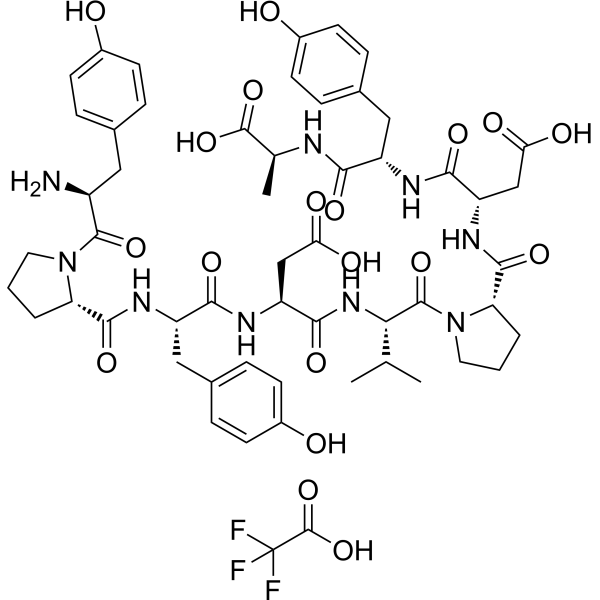
HA Peptide (TFA) is a nine amino acids peptide derived from the human influenza hemagglutinin (HA). HA Peptide (TFA) is extensively used to isolate, purify, detect, and track the protein of interest in cell biology and biochemistry .
|
-
-
- HY-Y0332C
-
|
Sodium phosphate dihydrate,≥99.0%
|
Environmental Pollutants
Biochemical Assay Reagents
|
Others
|
|
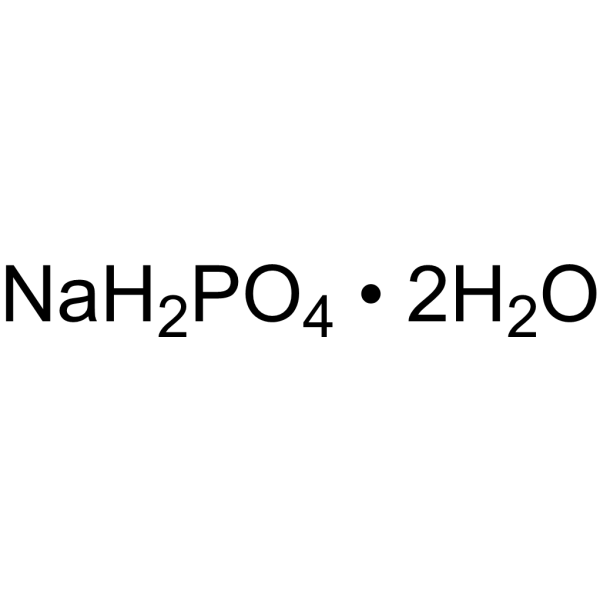
Sodium dihydrogen phosphate dihydrate,≥99.0% (Sodium phosphate dihydrate,≥99.0%) is used as a buffer capacity reagent in molecular biology, biochemistry, and chromatography. Sodium dihydrogen phosphate dihydrate,≥99.0% is also used as a laxative and pH buffer when combined with other sodium phosphates and also used as fuel and detergent additives .
|
-
-
- HY-W088069
-
|
|
Biochemical Assay Reagents
|
Others
|
|
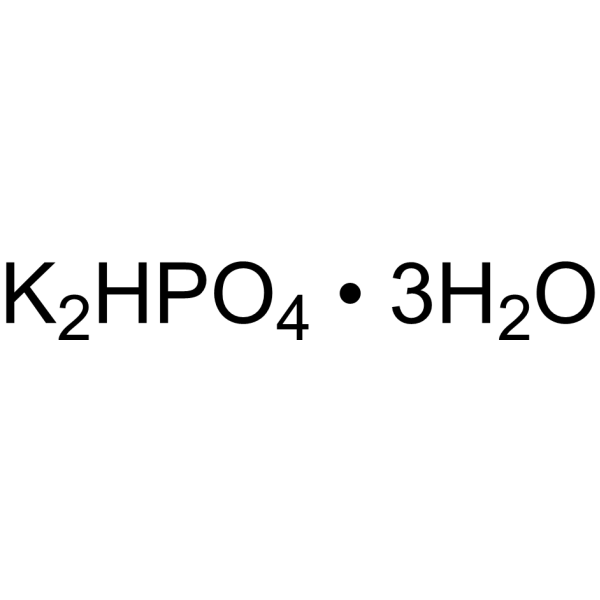
Dipotassium hydrogen phosphate trihydrate, which is commonly used as a buffer and source of phosphorus and potassium in various applications, such as fertilizers, food processing, and pharmaceuticals, in biochemistry and molecular biology, Dipotassium hydrogen phosphate trihydrate is used in the preparation of cell culture media And reagent buffer system, in addition, it has been used in analytical chemistry as a reagent for the determination of calcium and magnesium ions in water samples.
|
-
-
- HY-W090294
-
|
Peri-dinaphthalene (purified by sublimation)
|
Environmental Pollutants
Biochemical Assay Reagents
|
Others
|
|
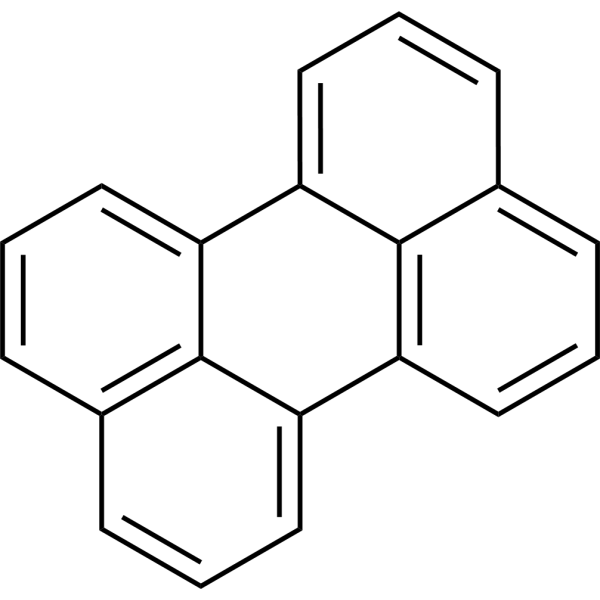
Perylene, which is a polycyclic aromatic hydrocarbon composed of four linearly fused benzene rings, is commonly used as a pigment and dye in a variety of applications, including printing inks, plastics, and textiles. In addition, Perylene has potential uses in solar cells as photosensitizers and as fluorescent probes in biochemistry and materials science. Perylene's rigid planar structure endows it with unique electronic and optical properties, making it a versatile and important compound in many fields of chemistry and materials science.
|
-
-
- HY-W045537
-
|
|
Biochemical Assay Reagents
|
Others
|
|
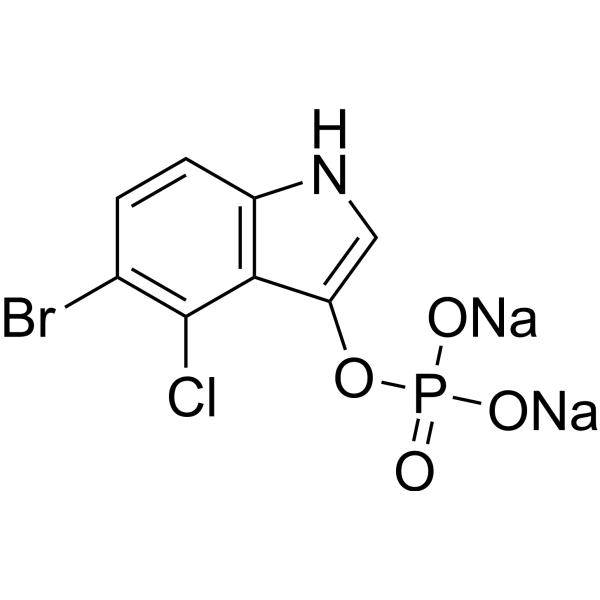
Sodium 5-bromo-4-chloro-1H-indol-3-yl phosphate is commonly used as a substrate for phosphatase assays in biochemistry and molecular biology. This compound is converted by phosphatases to a yellow compound that can be easily measured spectrophotometrically or fluorometrically. Furthermore, it has been used as a useful reagent in enzyme-catalyzed reactions and a tool for studying signal transduction pathways.
|
-
-
- HY-D1401
-
|
|
Fluorescent Dye
|
Others
|
|
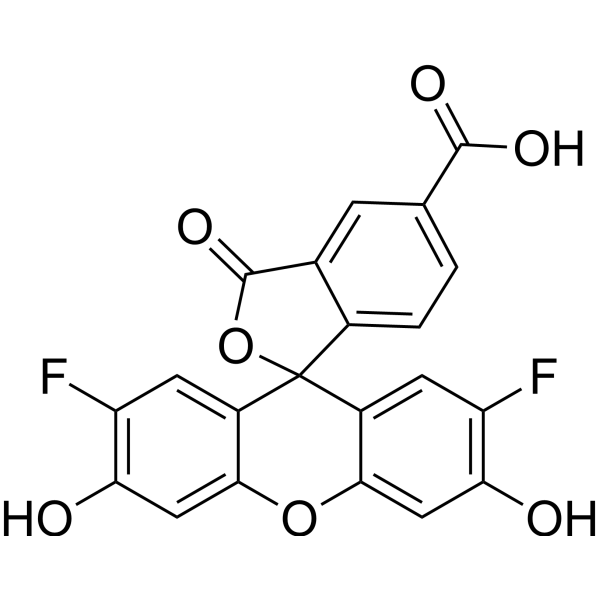
OG 488, acid, a fluorescent pH indicator, has many applications in biochemistry and neurosciences .
|
-
-
- HY-W040147
-
-
-
- HY-W011180
-
|
|
Drug Derivative
|
Others
|
|
Vitamin A Propionate is an ester compound of vitamin A. In nutritional studies of foals, different doses have different effects on growth, serum biochemistry and hematological indicators. Too high or too low doses will produce adverse effects and are related to the vitamin A concentration in plasma, liver and kidneys.
|
-

-
- HY-B0152S
-
|
6-Aminopurine-d1; Vitamin B4-d1
|
DNA/RNA Synthesis
Endogenous Metabolite
|
Cancer
|
|
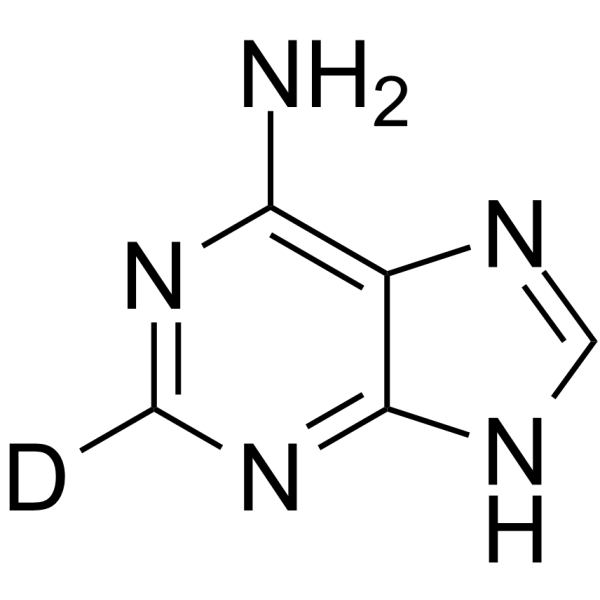
Adenine-d is the deuterium labeled Adenine. Adenine (6-Aminopurine), a purine, is one of the four nucleobases in the nucleic acid of DNA. Adenine acts as a chemical component of DNA and RNA. Adenine also plays an important role in biochemistry involved in cellular respiration, the form of both ATP and the cofactors (NAD and FAD), and protein synthesis .
|
-
-
- HY-D0858S
-
|
|
Isotope-Labeled Compounds
Biochemical Assay Reagents
|
Others
|
|
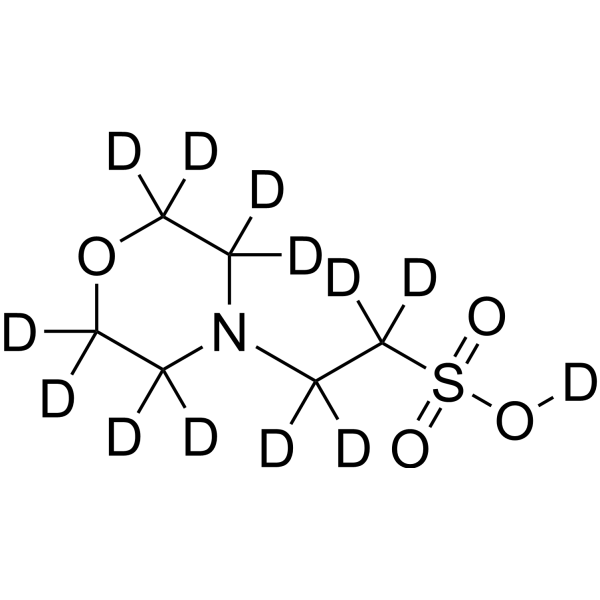
MES-d13 is the deuterium labeled MES. MES (2-Morpholinoethanesulphonic acid) is a kind of amphoteric ion buffer, the buffer capacity ranging pH 5.5-7.0. As a Good's buffer, MES is widely used in biochemistry and molecular biology experiments, such as cell culture, enzyme activity determination, electrophoresis and protein studies .
|
-
-
- HY-D0858AR
-
|
2-Morpholinoethanesulphonic acid monohydrate (Standard)
|
Biochemical Assay Reagents
Reference Standards
|
Others
|
|
MES (monohydrate) (Standard) is the analytical standard of MES (monohydrate). This product is intended for research and analytical applications. MES (2-Morpholinoethanesulphonic acid) is a kind of amphoteric ion buffer, the buffer capacity ranging pH 5.5-7.0. As a Good's buffer, MES is widely used in biochemistry and molecular biology experiments, such as cell culture, enzyme activity determination, electrophoresis and protein studies .
|
-

-
- HY-B0152R
-
|
|
Reference Standards
DNA/RNA Synthesis
Endogenous Metabolite
|
Cancer
|
|
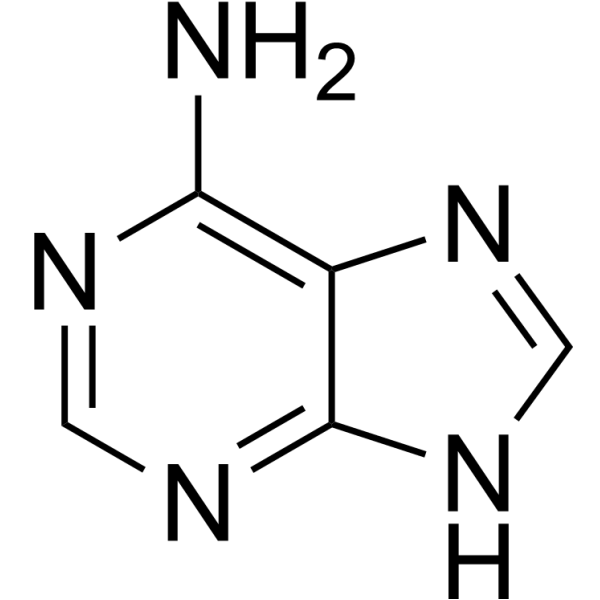
Adenine (Standard) is the analytical standard of Adenine. This product is intended for research and analytical applications. Adenine (6-Aminopurine), a purine, is one of the four nucleobases in the nucleic acid of DNA. Adenine acts as a chemical component of DNA and RNA. Adenine also plays an important role in biochemistry involved in cellular respiration, the form of both ATP and the cofactors (NAD and FAD), and protein synthesis .
|
-
-
- HY-B0152S4
-
|
6-Aminopurine-15N5; Vitamin B4-15N5
|
Isotope-Labeled Compounds
DNA/RNA Synthesis
Endogenous Metabolite
|
Cancer
|
|
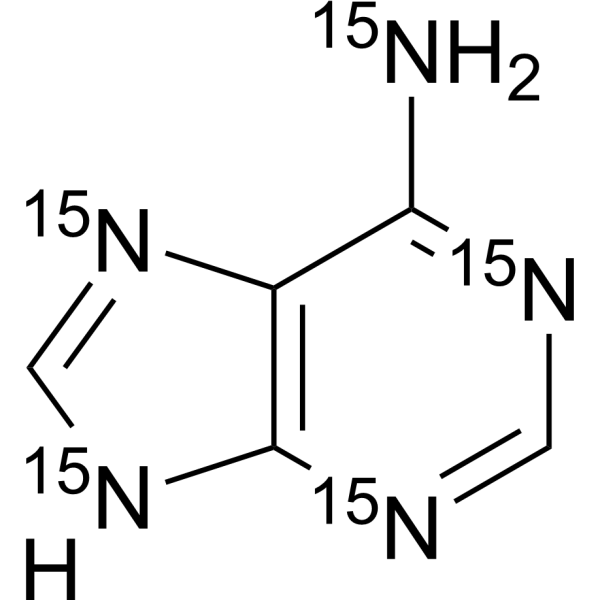
Adenine- 15N5 (6-Aminopurine- 15N5; Vitamin B4- 15N5) is 15N labeled Adenine (HY-B0152). Adenine (6-Aminopurine), a purine, is one of the four nucleobases in the nucleic acid of DNA.
Adenine acts as a chemical component of DNA and RNA. Adenine also plays an important role in biochemistry involved in cellular respiration, the form of both ATP and the cofactors (NAD and FAD), and protein synthesis.
|
-
-
- HY-131479
-
|
|
Drug Metabolite
|
Neurological Disease
|
|
Threo-dihydrobupropion hydrochloride is a primary metabolite of Bupropion. Threo-dihydrobupropion hydrochloride can be used for the research of the depression, behavioral, and biochemistry .
|
-

-
- HY-W145500
-
|
Sedoheptulosan
|
Biochemical Assay Reagents
|
Others
|
|
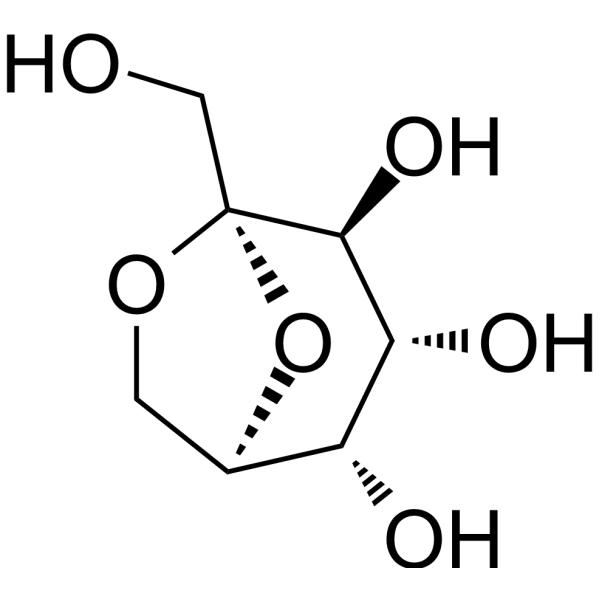
Sedoheptulose anhydride is a compound belonging to the class of carbohydrates. It is a derivative of sedoheptulose, a seven-carbon sugar. Sedoheptulose anhydride is commonly used in biochemistry as a precursor for various metabolic pathways. It can be converted into Sedoheptulose 1,7-bisphosphate, which is an important molecule for photosynthesis and carbon fixation. In addition to its use in biochemistry, Sedoheptulose anhydride has applications in cancer research.
|
-
-
- HY-Y0332G
-
|
Potassium phosphate monobasic, for molecular biology
|
Biochemical Assay Reagents
|
Others
|
|
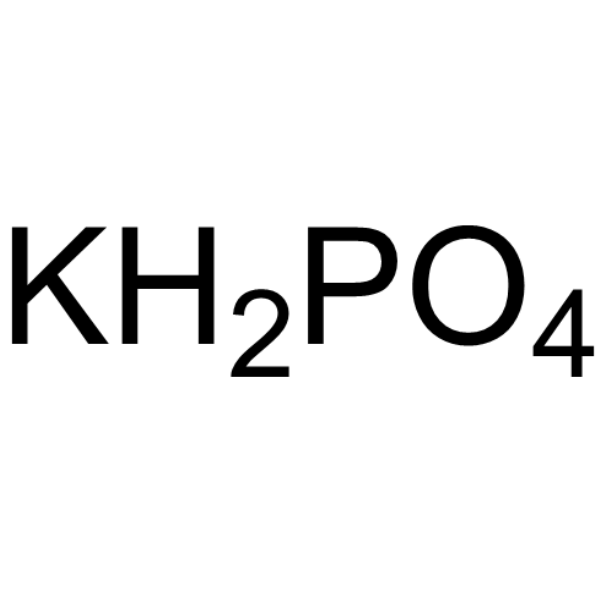
Potassium dihydrogen phosphate (Potassium phosphate monobasic), for molecular biology, ≥ 99% is used as a buffer capacity reagent in molecular biology, biochemistry, and chromatography. For the preparation of biological buffers. It is also used to purify antibodies, and in combination with other sodium phosphates .
|
-
-
- HY-D0858D
-
|
2-Morpholinoethanesulphonic acid hemisodium
|
Biochemical Assay Reagents
|
Others
|
|
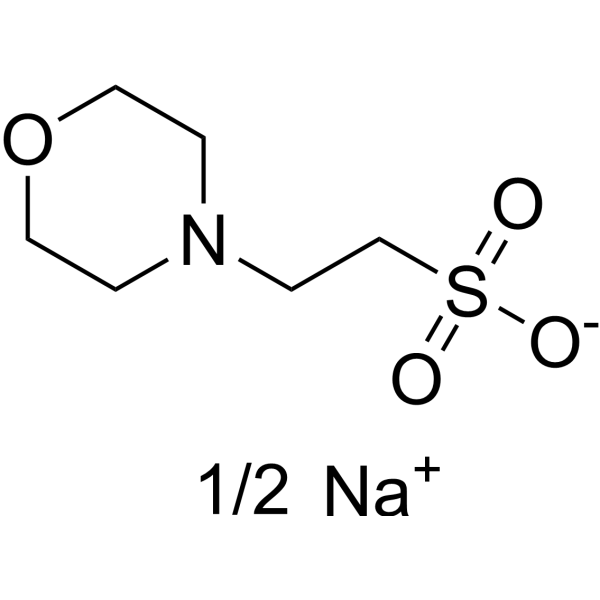
MES (2-Morpholinoethanesulphonic acid) hemisodium is a kind of amphoteric ion buffer, the buffer capacity ranging pH 5.5-7.0. As a Good's buffer, MES hemisodium is widely used in biochemistry and molecular biology experiments, such as cell culture, enzyme activity determination, electrophoresis and protein studies .
|
-
-
- HY-W015213
-
|
|
Endogenous Metabolite
DNA/RNA Synthesis
|
Metabolic Disease
|
|
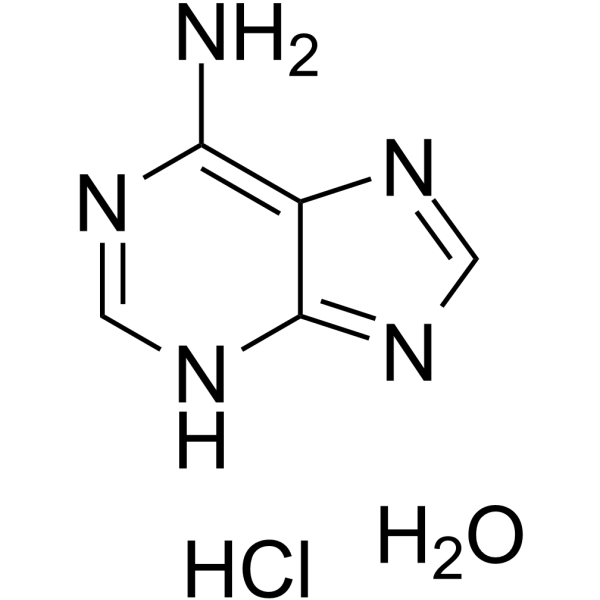
Adenine monohydrochloride hemihydrate is a hydrochloride derivative of Adenine. Adenine (6-Aminopurine), a purine, is one of the four nucleobases in the nucleic acid of DNA. Adenine acts as a chemical component of DNA and RNA. Adenine also plays an important role in biochemistry involved in cellular respiration, the form of both ATP and the cofactors (NAD and FAD), and protein synthesis .
|
-
-
- HY-W090065
-
|
1-Pyrenemethylamine hydrochloride
|
Biochemical Assay Reagents
|
Others
|
|
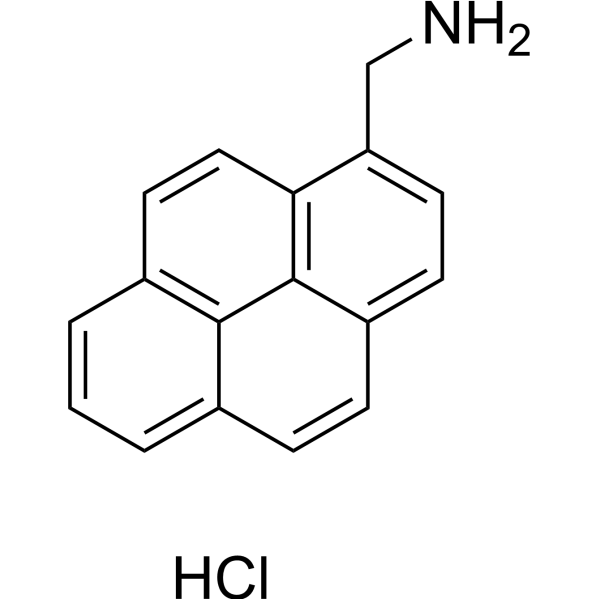
Pyren-1-ylmethanamine hydrochloride, Pyren-1-ylmethanamine hydrochloride is commonly used as a fluorescent probe in biochemistry and molecular biology to detect and study nucleic acids, proteins and other biomolecules, moreover, it has been used in analytical chemistry Among them, for the detection of heavy metals and other pollutants in environmental samples, the pyrene group in the molecule exhibits strong fluorescence properties, which makes it useful as a sensitive and selective detector in various applications.
|
-
-
- HY-B0152S3
-
|
6-Aminopurine-13C5; Vitamin B4-13C5
|
Isotope-Labeled Compounds
DNA/RNA Synthesis
Endogenous Metabolite
|
Cancer
|
|
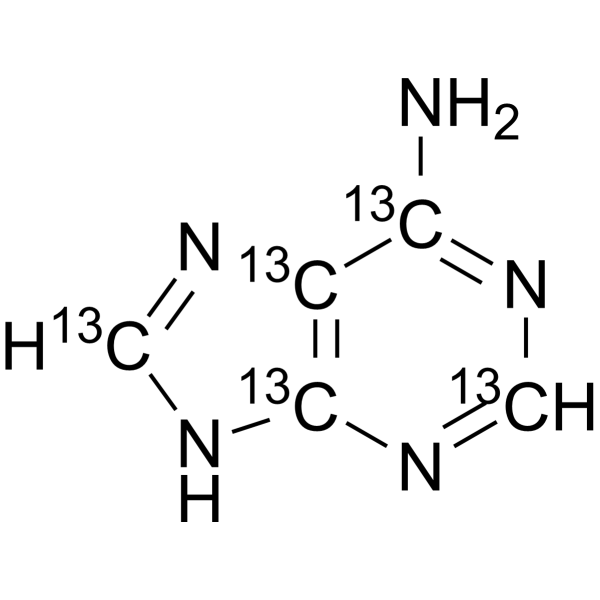
Adenine- 13C5 (6-Aminopurine- 13C5; Vitamin B4- 13C5) is 13C-labeled Adenine (HY-B0152). Adenine (6-Aminopurine), a purine, is one of the four nucleobases in the nucleic acid of DNA.
Adenine acts as a chemical component of DNA and RNA. Adenine also plays an important role in biochemistry involved in cellular respiration, the form of both ATP and the cofactors (NAD and FAD), and protein synthesis.
|
-
-
- HY-W099581R
-
|
SB3-14 (Standard); DMAPS (Standard)
|
Biochemical Assay Reagents
Reference Standards
|
Others
|
|
Sulfobetaine-14 (Standard) is the analytical standard of Sulfobetaine-14. This product is intended for research and analytical applications. Zwittergent 3-14 (DMAPS) is a zwitterionic detergent commonly used in biochemistry and molecular biology for the solubilization and purification of membrane-bound proteins and other hydrophobic biomolecules, which have both hydrophilic and hydrophobic moieties , so that it has good detergency properties, making it suitable for stabilizing membrane proteins in aqueous solutions. In addition, DMAPS has been used in various techniques such as electrophoresis and chromatography for the separation and analysis of biomolecules. The long The hydrocarbon chains provide it with good membrane penetration and solubilization capabilities, while the sulfonate and quaternary ammonium groups ensure water solubility and charge neutrality.
|
-

-
- HY-12691
-
-
-
- HY-W480799
-
|
Gly-Gly-Tyr
|
Biochemical Assay Reagents
|
Others
|
|
H-Gly-Gly-Tyr-OH is a tripeptide that plays an important role in various biochemical applications. H-Gly-Gly-Tyr-OH can be used in the fields of pharmaceuticals and biochemistry .
|
-

-
- HY-W040224
-
|
|
Biochemical Assay Reagents
|
Others
|
|
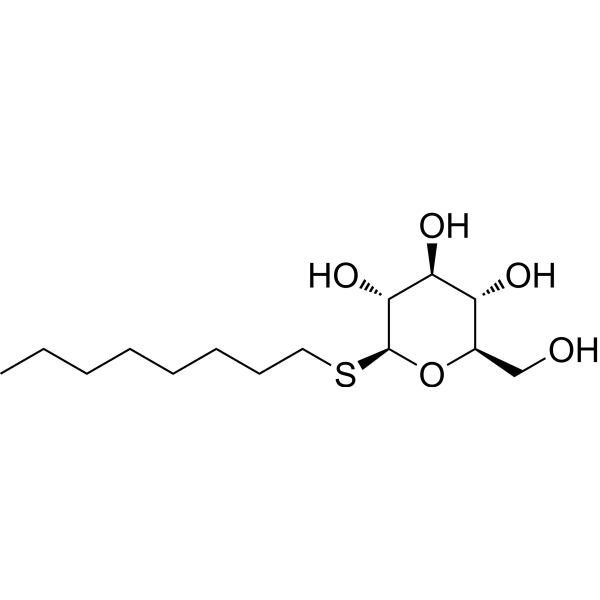
Octyl β-D-thioglucopyranoside is a non-ionic detergent that can be used in the field of membrane biochemistry. Octyl β-D-thioglucopyranoside has the ability to solubilize E. coli membrane proteins .
|
-
-
- HY-W612372
-
|
Fluorosulfonylbenzyl bromide
|
Biochemical Assay Reagents
Endogenous Metabolite
|
|
|
4-(Bromomethyl)benzenesulfonyl fluoride (Fluorosulfonylbenzyl bromide) is an important chemical reagent with good biological activity. 4-(Bromomethyl)benzenesulfonyl fluoride can be used to prepare various bioactive molecules, especially in the process of compound discovery and synthesis, showing excellent reactivity. 4-(Bromomethyl)benzenesulfonyl fluoride is often used in the development of new biological agents, promoting the research progress of organic chemistry and biochemistry.
|
-

- HY-B0152S7
-
|
6-Aminopurine-15N5 hydrochloride hydrate; Vitamin B4-15N5 hydrochloride hydrate
|
Isotope-Labeled Compounds
DNA/RNA Synthesis
|
Cancer
|
|
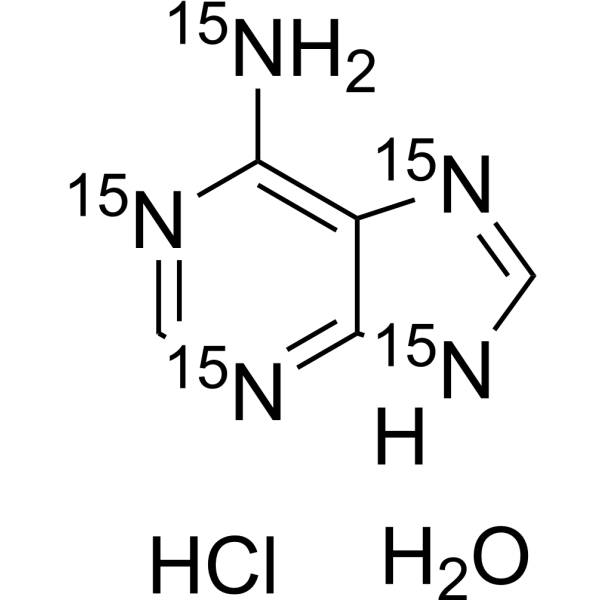
Adenine- 15N5 (6-Aminopurine- 15N5) hydrochloride hydrate is the 15N-labeled Adenine (HY-B0152). Adenine (6-Aminopurine), a purine, is one of the four nucleobases in the nucleic acid of DNA. Adenine acts as a chemical component of DNA and RNA. Adenine also plays an important role in biochemistry involved in cellular respiration, the form of both ATP and the cofactors (NAD and FAD), and protein synthesis .
|
-

- HY-W095635
-
|
|
Biochemical Assay Reagents
|
Others
|
|
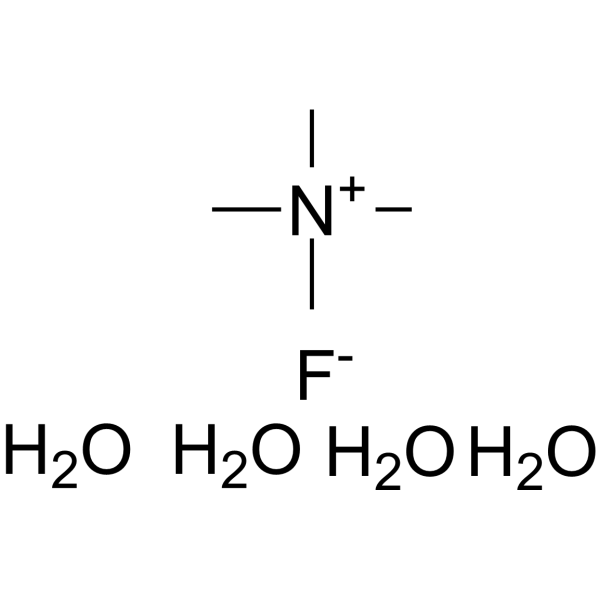
Tetramethylammonium fluoride tetrahydrate (TMAF) is a quaternary ammonium salt. TMAF is commonly used as a weak base and a source of fluoride ions in various organic reactions, including nucleophilic substitution, functional group deprotection, and ring-opening polymerization. Unlike other fluoride sources, TMAF is compatible with many functional groups, making it a versatile tool in synthetic chemistry. Functional reagents, In addition, TMAF has been used as a fluorinating agent in medicinal chemistry, for the preparation of radiotracers and protein modification in biochemistry, and the tetrahydrate form of TMAF is more stable and easier to handle than the anhydrous form.
|
-
- HY-W720703
-
|
|
Drug Intermediate
|
Others
|
|
H-Ser-Val-OH is a commonly used amino acid building block in biochemistry and peptide synthesis.
|
-

- HY-W716776
-
|
|
Drug Intermediate
|
Others
|
|
H-Pro-His-OH is a commonly used amino acid building block in biochemistry and peptide synthesis.
|
-

- HY-N16130
-
|
|
Drug Derivative
|
Others
|
|
Kuwanon S is a flavonoid compound that can be isolated from the root bark of Morus alba L. Kuwanon S is commonly used in organic synthesis and biochemistry experiments .
|
-

- HY-W040218
-
|
N-Octanoyl-N-methylglucamine
|
Biochemical Assay Reagents
|
Others
|
|
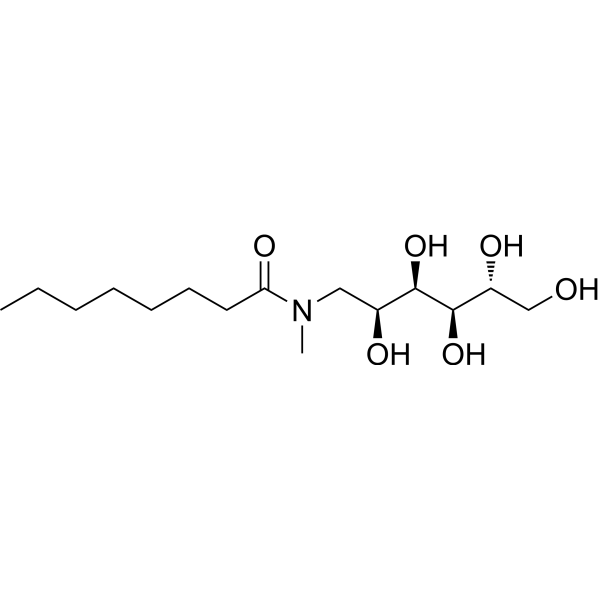
MEGA-8 (N-Octanoyl-N-methylglucamine) is a nonionic sugar-based surfactant. MEGA-8 can gently solubilize membrane proteins without easily causing their denaturation. MEGA-8 is a commonly used reagent for the extraction and study of membrane proteins in biochemistry .
|
-
- HY-W108867
-
|
|
Drug Intermediate
|
|
|
N-Fmoc-ethylenediamine hydrobromide is an important chemical reagent with the activity of promoting organic synthesis reactions. N-Fmoc-ethylenediamine hydrobromide is often used in the synthesis of peptides and other amino compounds in the field of biochemistry because it can effectively protect the amino group and provide good reactivity. The application of N-Fmoc-ethylenediamine hydrobromide helps to improve the efficiency and selectivity of synthesis and becomes a key component in organic synthesis.
|
-

- HY-B0152BR
-
|
6-Aminopurine hemisulfate (Standard); Vitamin B4 hemisulfate (Standard)
|
DNA/RNA Synthesis
Endogenous Metabolite
Reference Standards
|
Cancer
|
|
Adenine (hemisulfate) (Standard) is the analytical standard of Adenine (hemisulfate). This product is intended for research and analytical applications. Adenine hemisulfate (6-Aminopurine hemisulfate), a purine, is one of the four nucleobases in the nucleic acid of DNA. Adenine hemisulfate acts as a chemical component of DNA and RNA. Adenine hemisulfate also plays an important role in biochemistry involved in cellular respiration, the form of both ATP and the cofactors (NAD and FAD), and protein synthesis .
|
-

- HY-W034566A
-
|
Hexaaza-18-crown-6 trisulfate; 1,4,7,10,13,16-Hexaazacyclooctadecane trisulfate
|
Biochemical Assay Reagents
|
Others
|
|
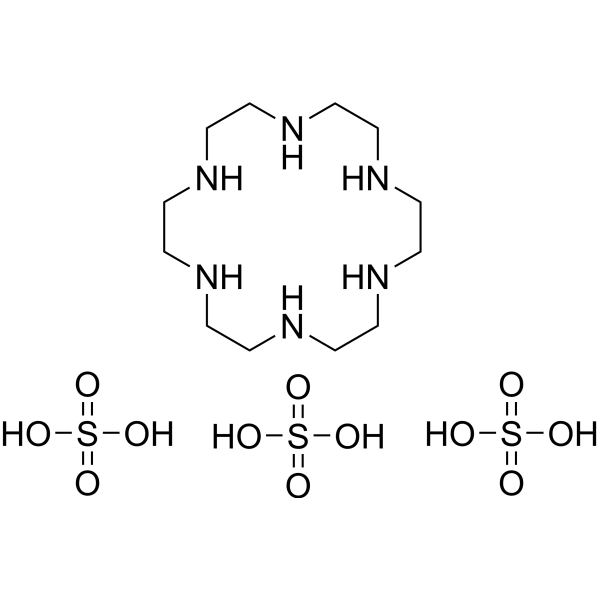
Hexacyclen, also known as cycloalkene, is an organic compound with a unique macrocyclic structure composed of six nitrogen-containing rings. It is commonly used as a chelating agent in chemistry and biochemistry due to its ability to bind metal ions. Inhibitors of certain diseases such as cancer. In biochemistry, Hexacyclen is often used to selectively bind metal ions in proteins or enzymes to study their structure and function. Due to its large size and complex structure, Hexacyclen is not widely used in daily products or applications.
|
-
- HY-D0875S
-
|
1,4-Piperazinediethanesulfonic acid-d18
|
Isotope-Labeled Compounds
|
Others
|
|
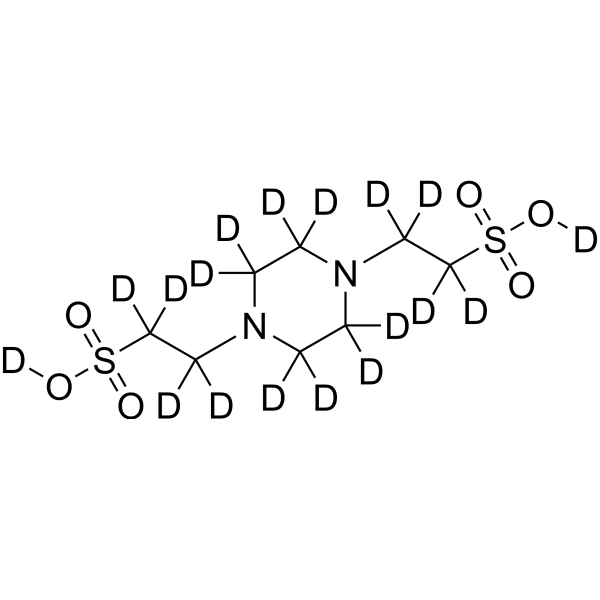
PIPES-d18 is the deuterium labeled PIPES . PIPES (1,4-Piperazinediethanesulfonic acid) is an important component of PIPES buffer agent used in biochemistry .
|
-
- HY-W014540
-
|
tert-Butyl L-prolinate hydrochloride
|
Biochemical Assay Reagents
|
|
|
L-Proline tert-butyl ester hydrochloride (tert-Butyl L-prolinate hydrochloride) is a biologically active compound that has the activity of inhibiting cysteine and cathepsins, and is therefore widely used in the research and development of protease inhibitors. The characteristics of L-Proline tert-butyl ester hydrochloride make it of great significance in the field of biochemistry.
|
-

- HY-N12865
-
|
|
Others
|
Others
|
|
Protocatechuic acid 3-O-β-D-glucopyranoside is produced from the hairy root culture of Lobelia sessilifolia supplemented with Protocatechuic acid (HY-N0294). Protocatechuic acid 3-O-β-D-glucopyranoside is potent for the production of new phenol glycosides which could be applied in natural chemistry, biochemistry and pharmacognosy
|
-

- HY-W034576
-
|
Hexaaza-18-crown-6 hexahydrochloride; 1,4,7,10,13,16-Hexaazacyclooctadecane hexahydrochloride
|
Biochemical Assay Reagents
|
Cancer
|
|
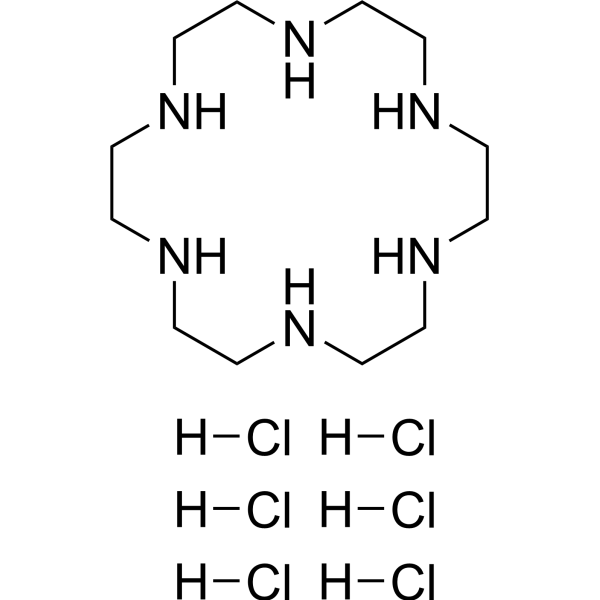
Hexacyclen (Cycloalkene) is an organic compound with a unique macrocyclic structure composed of six nitrogen-containing rings. Hexacyclen is commonly used as a chelating agent in chemistry and biochemistry due to its ability to bind metal ions, and is often used to selectively bind metal ions in proteins or enzymes to study their structure and function. Hexacyclen also acts as an inhibitor of cancer .
|
-
- HY-B0152AR
-
|
6-Aminopurine hydrochloride (Standard); Vitamin B4 hydrochloride (Standard)
|
Reference Standards
DNA/RNA Synthesis
Endogenous Metabolite
|
Cancer
|
|
Adenine (hydrochloride) (Standard) is the analytical standard of Adenine (hydrochloride). This product is intended for research and analytical applications. Adenine hydrochloride (6-Aminopurine hydrochloride), a purine, is one of the four nucleobases in the nucleic acid of DNA. Adenine hydrochloride acts as a chemical component of DNA and RNA. Adenine hydrochloride also plays an important role in biochemistry involved in cellular respiration, the form of both ATP and the cofactors (NAD and FAD), and protein synthesis[1][2][3].
|
-

- HY-W712567
-
|
6-Aminopurine-15N5 hydrochloride; Vitamin B4-15N5 hydrochloride
|
Isotope-Labeled Compounds
|
Infection
Cancer
|
|
Adenine- 15N5 (6-Aminopurine- 15N5) hydrochloride is the 15N-labeled Adenine hydrochloride (HY-B0152A) . Adenine hydrochloride (6-Aminopurine hydrochloride), a purine, is one of the four nucleobases in the nucleic acid of DNA. Adenine hydrochloride acts as a chemical component of DNA and RNA. Adenine hydrochloride also plays an important role in biochemistry involved in cellular respiration, the form of both ATP and the cofactors (NAD and FAD), and protein synthesis.
|
-

- HY-W015213S
-
|
|
Isotope-Labeled Compounds
Endogenous Metabolite
DNA/RNA Synthesis
|
Metabolic Disease
|
|
Adenine monohydrochloride hemihydrate- 15N5 is the 15N labeled Adenine monohydrochloride hemihydrate (HY-W015213). Adenine monohydrochloride hemihydrate is a hydrochloride derivative of Adenine. Adenine (6-Aminopurine), a purine, is one of the four nucleobases in the nucleic acid of DNA. Adenine acts as a chemical component of DNA and RNA. Adenine also plays an important role in biochemistry involved in cellular respiration, the form of both ATP and the cofactors (NAD and FAD), and protein synthesis .
|
-
- HY-B0152S2
-
|
6-Aminopurine-13C5,15N5; Vitamin B4-13C5,15N5
|
Isotope-Labeled Compounds
DNA/RNA Synthesis
Endogenous Metabolite
|
Cancer
|
|
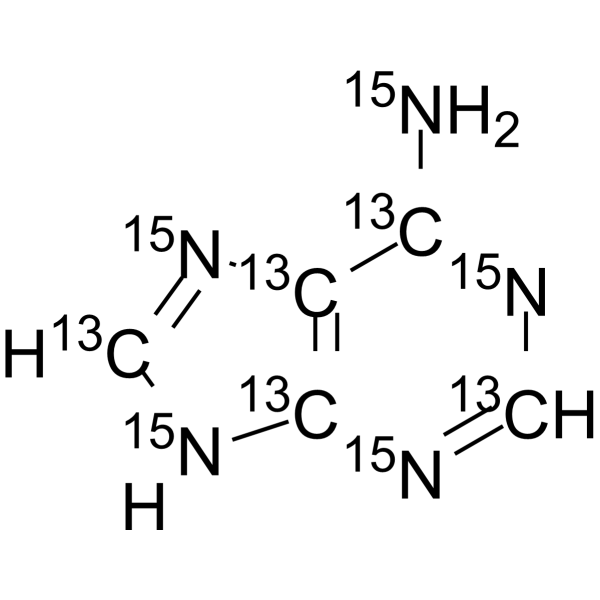
Adenine- 13C5,15C5 (6-Aminopurine- 13C5,15C5; Vitamin B4- 13C5,15C5) is 13C-labeled Adenine (HY-B0152). Adenine (6-Aminopurine), a purine, is one of the four nucleobases in the nucleic acid of DNA. Adenine acts as a chemical component of DNA and RNA. Adenine also plays an important role in biochemistry involved in cellular respiration, the form of both ATP and the cofactors (NAD and FAD), and protein synthesis.
|
-
- HY-B1750
-
|
Quinaldine blue
|
Fluorescent Dye
|
Others
|
|
Pinacyanol chloride (Quinaldine blue) is a bright blue cyanine dye. Pinacyanol chloride is used for staining chromosomes in histology and for staining bacteria in biochemistry .
|
-

- HY-W738587
-
|
|
Isotope-Labeled Compounds
Drug Metabolite
|
Neurological Disease
|
|
rac-threo-Dihydro Bupropion Hydrochloride-d9 is the deuterium labeled Threo-dihydrobupropion hydrochloride (HY-131479). Threo-dihydrobupropion hydrochloride is a primary metabolite of Bupropion. Threo-dihydrobupropion hydrochloride can be used for the research of the depression, behavioral, and biochemistry .
|
-

- HY-B1610Q
-
|
|
Biochemical Assay Reagents
|
Others
|
|
Sodium Citrate Buffer, 0.01 M, pH 6.0 is a commonly used buffer composed of citric acid and sodium citrate. Sodium Citrate Buffer, 0.01 M, pH 6.0 is widely used in?molecular biology, immunohistochemistry (IHC), and biochemistry
|
-

- HY-D0858DR
-
|
2-Morpholinoethanesulphonic acid hemisodium (Standard)
|
Biochemical Assay Reagents
|
Others
|
|
MES (hemisodium) (Standard) is the analytical standard of MES (hemisodium). This product is intended for research and analytical applications. MES (2-Morpholinoethanesulphonic acid) hemisodium is a kind of amphoteric ion buffer, the buffer capacity ranging pH 5.5-7.0. As a Good's buffer, MES hemisodium is widely used in biochemistry and molecular biology experiments, such as cell culture, enzyme activity determination, electrophoresis and protein studies .
|
-

- HY-W015213R
-
|
|
Endogenous Metabolite
Reference Standards
DNA/RNA Synthesis
|
Metabolic Disease
|
|
Adenine monohydrochloride hemihydrate (Standard) is the analytical standard of Adenine monohydrochloride hemihydrate (HY-W015213). This product is intended for research and analytical applications. Adenine monohydrochloride hemihydrate is a hydrochloride derivative of Adenine. Adenine (6-Aminopurine), a purine, is one of the four nucleobases in the nucleic acid of DNA. Adenine acts as a chemical component of DNA and RNA. Adenine also plays an important role in biochemistry involved in cellular respiration, the form of both ATP and the cofactors (NAD and FAD), and protein synthesis .
|
-

| Cat. No. |
Product Name |
Type |
-
- HY-133527
-
|
Oregon green 488 succinimidyl ester
|
Fluorescent Dyes
|
|
OG 488, SE (Oregon green 488 succinimidyl ester), a fluorescent pH indicator, has many applications in biochemistry and neurosciences .
|
-
- HY-118562
-
|
|
Fluorescent Dyes
|
|
Dansyl amide is a fluorescent dye that is used in biochemistry and chemistry to label substances with the fluorescent dansyl group (Ex/Em: 360 nm/465 nm) .
|
-
- HY-D1401
-
|
|
Fluorescent Dyes
|
|
OG 488, acid, a fluorescent pH indicator, has many applications in biochemistry and neurosciences .
|
| Cat. No. |
Product Name |
Type |
-
- HY-D0858
-
MES
4 Publications Verification
2-Morpholinoethanesulphonic acid
|
Biochemical Assay Reagents
|
|
MES (2-Morpholinoethanesulphonic acid) is a kind of amphoteric ion buffer, the buffer capacity ranging pH 5.5-7.0. As a Good's buffer, MES is widely used in biochemistry and molecular biology experiments, such as cell culture, enzyme activity determination, electrophoresis and protein studies .
|
-
- HY-W088070A
-
|
|
Biochemical Assay Reagents
|
|
Agarose,Low melting point is a kind of agarose, a kind of polysaccharide that can be derived from seaweed. It is commonly used in molecular biology and biochemistry to isolate and purify DNA and RNA fragments. Agarose,Low melting point is a low melting point agarose, which is suitable for the recovery of large DNA fragments and enzymatic reactions in gels and other applications. In addition, it has been used in various techniques, such as pulsed field gel electrophoresis and capillary electrophoresis for analyzing genetic material.
|
-
- HY-D0875
-
|
1,4-Piperazinediethanesulfonic acid
|
Biochemical Assay Reagents
|
|
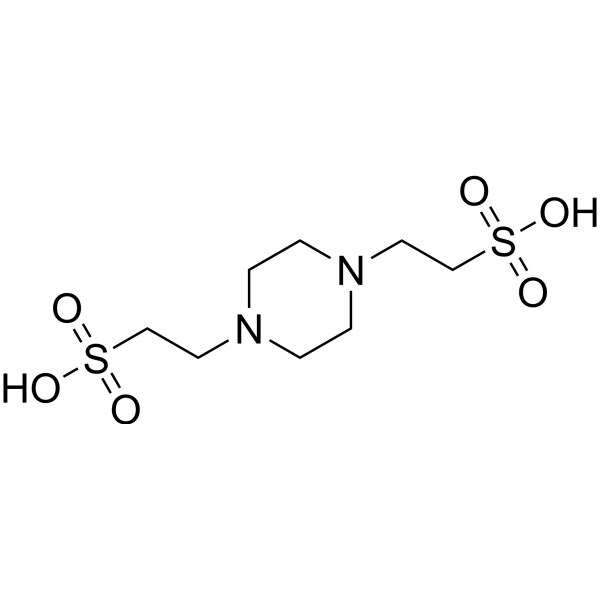
PIPES (1,4-Piperazinediethanesulfonic acid) is an important component of PIPES buffer agent used in biochemistry .
|
-
- HY-B1610N
-
|
|
Biochemical Assay Reagents
|
|
Sodium Citrate Buffer, 0.1M, pH 4.0 is an acidic, aqueous buffer solution. Sodium Citrate Buffer, 0.1M, pH 4.0 resists pH fluctuations, chelates metal ions, and regulates the redox potential of the system. Sodium Citrate Buffer, 0.1M, pH 4.0 is widely used in molecular biology, immunohistochemistry (IHC), and biochemistry .
|
-
- HY-D0858A
-
|
2-Morpholinoethanesulphonic acid monohydrate
|
Biochemical Assay Reagents
|
|
MES (2-Morpholinoethanesulphonic acid) monohydrate is a kind of amphoteric ion buffer, the buffer capacity ranging pH 5.5-7.0. As a Good's buffer, MES monohydrate is widely used in biochemistry and molecular biology experiments, such as cell culture, enzyme activity determination, electrophoresis and protein studies .
|
-
- HY-W099581
-
|
SB3-14; DMAPS
|
Biochemical Assay Reagents
|
|
Zwittergent 3-14 (DMAPS) is a zwitterionic detergent commonly used in biochemistry and molecular biology for the solubilization and purification of membrane-bound proteins and other hydrophobic biomolecules, which have both hydrophilic and hydrophobic moieties , so that it has good detergency properties, making it suitable for stabilizing membrane proteins in aqueous solutions. In addition, DMAPS has been used in various techniques such as electrophoresis and chromatography for the separation and analysis of biomolecules. The long The hydrocarbon chains provide it with good membrane penetration and solubilization capabilities, while the sulfonate and quaternary ammonium groups ensure water solubility and charge neutrality.
|
-
- HY-W110798
-
|
|
Biochemical Assay Reagents
|
|
Bromophenol blue indicator (3.0-4.6) is a synthetic dye commonly used as an acid-base indicator with a transition range of pH 3.0-4.6. Bromophenol blue indicator (3.0-4.6) is water soluble and changes color from yellow to blue as the pH of the solution changes from acidic to basic. Its unique chemical properties make it an important ingredient in a variety of scientific applications, especially in biochemistry and molecular biology. In addition, it can be used as a stain in microbiology and histology. However, Bromophenol blue indicator (3.0-4.6) has potential irritating and staining properties.
|
-
- HY-B1610M
-
|
|
Biochemical Assay Reagents
|
|
Sodium Citrate Buffer, 0.5M, pH 6.5 is a commonly used buffer composed of citric acid and sodium citrate. Sodium Citrate Buffer, 0.5M, pH 6.5 is widely used in molecular biology, immunohistochemistry (IHC), and biochemistry .
|
-
- HY-B1610J
-
|
|
Biochemical Assay Reagents
|
|
Sodium Citrate Buffer, 0.5M, pH 5.0 is a commonly used buffer composed of citric acid and sodium citrate. Sodium Citrate Buffer, 0.5M, pH 5.0 is widely used in molecular biology, immunohistochemistry (IHC), and biochemistry .
|
-
- HY-D0858C
-
|
2-Morpholinoethanesulphonic acid hydrate
|
Biochemical Assay Reagents
|
|
MES (2-Morpholinoethanesulphonic acid) hydrate is a kind of amphoteric ion buffer, the buffer capacity ranging pH 5.5-7.0. As a Good's buffer, MES hydrate is widely used in biochemistry and molecular biology experiments, such as cell culture, enzyme activity determination, electrophoresis and protein studies .
|
-
- HY-D0858E
-
|
2-Morpholinoethanesulphonic acid potassium
|
Biochemical Assay Reagents
|
|
MES (2-Morpholinoethanesulphonic acid) potassium is a kind of amphoteric ion buffer, the buffer capacity ranging pH 5.5-7.0. As a Good's buffer, MES potassium is widely used in biochemistry and molecular biology experiments, such as cell culture, enzyme activity determination, electrophoresis and protein studies .
|
-
- HY-126377
-
|
|
Biochemical Assay Reagents
|
|
Sulfobetaine 10, is a zwitterionic surfactant commonly used in biochemistry and biophysics. It is commonly used to dissolve membrane proteins and other hydrophobic molecules in aqueous solutions. Sulfobetaine 10 has both positively and negatively charged groups in its structure, which allows it to maintain a neutral charge in solution and reduces its tendency to denature proteins. It is considered a mild, non-denaturing surfactant and is widely used in protein research.
|
-
- HY-B2243A
-
|
Sodium phosphate monobasic for HPLC; Monosodium dihydrogen orthophosphate for HPLC; Monosodium phosphate for HPLC
|
Biochemical Assay Reagents
|
|
Anhydrous sodium dihydrogen phosphate, for HPLC is widely used in molecular biology, biochemistry and chromatography .
|
-
- HY-W034566
-
|
Hexaaza-18-crown-6; 1,4,7,10,13,16-Hexaazacyclooctadecane
|
Biochemical Assay Reagents
|
|
Hexacyclen is an organic compound with a unique macrocyclic structure composed of six nitrogen-containing rings. It is commonly used as a chelating agent in chemistry and biochemistry due to its ability to bind metal ions. Inhibitors of certain diseases such as cancer. In biochemistry, Hexacyclen is often used to selectively bind metal ions in proteins or enzymes to study their structure and function. Due to its large size and complex structure, Hexacyclen is not widely used in daily products or applications .
|
-
- HY-D0858B
-
|
2-Morpholinoethanesulphonic acid sodium salt
|
Biochemical Assay Reagents
|
|
MES sodium salt (2-Morpholinoethanesulphonic acid) is a kind of amphoteric ion buffer, the buffer capacity ranging pH 5.5-7.0. As a Good's buffer, MES sodium salt is widely used in biochemistry and molecular biology experiments, such as cell culture, enzyme activity determination, electrophoresis and protein studies .
|
-
- HY-Y0699
-
|
|
Biochemical Assay Reagents
|
|
Methyl red is a pH-sensitive acid-base indicator and colorimetric reagent with a pKa of 5.1. Methyl red achieves visual judgment of the titration endpoint through reversible structural changes of protonation (red, pH <4.4) and deprotonation (yellow, pH >6.2). Methyl red is widely used in acid-base titration in chemical analysis and buffer pH monitoring in biochemistry .
|
-
- HY-Y0332C
-
|
Sodium phosphate dihydrate,≥99.0%
|
Biochemical Assay Reagents
|
|
Sodium dihydrogen phosphate dihydrate,≥99.0% (Sodium phosphate dihydrate,≥99.0%) is used as a buffer capacity reagent in molecular biology, biochemistry, and chromatography. Sodium dihydrogen phosphate dihydrate,≥99.0% is also used as a laxative and pH buffer when combined with other sodium phosphates and also used as fuel and detergent additives .
|
-
- HY-W090294
-
|
Peri-dinaphthalene (purified by sublimation)
|
Biochemical Assay Reagents
|
|
Perylene, which is a polycyclic aromatic hydrocarbon composed of four linearly fused benzene rings, is commonly used as a pigment and dye in a variety of applications, including printing inks, plastics, and textiles. In addition, Perylene has potential uses in solar cells as photosensitizers and as fluorescent probes in biochemistry and materials science. Perylene's rigid planar structure endows it with unique electronic and optical properties, making it a versatile and important compound in many fields of chemistry and materials science.
|
-
- HY-W045537
-
|
|
Biochemical Assay Reagents
|
|
Sodium 5-bromo-4-chloro-1H-indol-3-yl phosphate is commonly used as a substrate for phosphatase assays in biochemistry and molecular biology. This compound is converted by phosphatases to a yellow compound that can be easily measured spectrophotometrically or fluorometrically. Furthermore, it has been used as a useful reagent in enzyme-catalyzed reactions and a tool for studying signal transduction pathways.
|
-
- HY-W040147
-
|
1,4-Piperazinediethanesulfonic acid disodium
|
Biochemical Assay Reagents
|
|
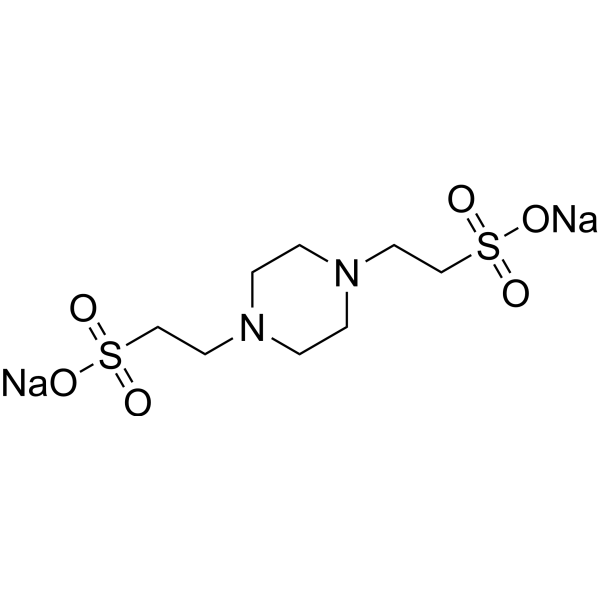
PIPES (1,4-Piperazinediethanesulfonic acid) disodium is an important component of PIPES buffer agent used in biochemistry .
|
-
- HY-D0858AR
-
|
2-Morpholinoethanesulphonic acid monohydrate (Standard)
|
Biochemical Assay Reagents
|
|
MES (monohydrate) (Standard) is the analytical standard of MES (monohydrate). This product is intended for research and analytical applications. MES (2-Morpholinoethanesulphonic acid) is a kind of amphoteric ion buffer, the buffer capacity ranging pH 5.5-7.0. As a Good's buffer, MES is widely used in biochemistry and molecular biology experiments, such as cell culture, enzyme activity determination, electrophoresis and protein studies .
|
-
- HY-W145500
-
|
Sedoheptulosan
|
Biochemical Assay Reagents
|
|
Sedoheptulose anhydride is a compound belonging to the class of carbohydrates. It is a derivative of sedoheptulose, a seven-carbon sugar. Sedoheptulose anhydride is commonly used in biochemistry as a precursor for various metabolic pathways. It can be converted into Sedoheptulose 1,7-bisphosphate, which is an important molecule for photosynthesis and carbon fixation. In addition to its use in biochemistry, Sedoheptulose anhydride has applications in cancer research.
|
-
- HY-Y0332G
-
|
Potassium phosphate monobasic, for molecular biology
|
Biochemical Assay Reagents
|
|
Potassium dihydrogen phosphate (Potassium phosphate monobasic), for molecular biology, ≥ 99% is used as a buffer capacity reagent in molecular biology, biochemistry, and chromatography. For the preparation of biological buffers. It is also used to purify antibodies, and in combination with other sodium phosphates .
|
-
- HY-D0858D
-
|
2-Morpholinoethanesulphonic acid hemisodium
|
Biochemical Assay Reagents
|
|
MES (2-Morpholinoethanesulphonic acid) hemisodium is a kind of amphoteric ion buffer, the buffer capacity ranging pH 5.5-7.0. As a Good's buffer, MES hemisodium is widely used in biochemistry and molecular biology experiments, such as cell culture, enzyme activity determination, electrophoresis and protein studies .
|
-
- HY-W090065
-
|
1-Pyrenemethylamine hydrochloride
|
Biochemical Assay Reagents
|
|
Pyren-1-ylmethanamine hydrochloride, Pyren-1-ylmethanamine hydrochloride is commonly used as a fluorescent probe in biochemistry and molecular biology to detect and study nucleic acids, proteins and other biomolecules, moreover, it has been used in analytical chemistry Among them, for the detection of heavy metals and other pollutants in environmental samples, the pyrene group in the molecule exhibits strong fluorescence properties, which makes it useful as a sensitive and selective detector in various applications.
|
-
- HY-W099581R
-
|
SB3-14 (Standard); DMAPS (Standard)
|
Biochemical Assay Reagents
|
|
Sulfobetaine-14 (Standard) is the analytical standard of Sulfobetaine-14. This product is intended for research and analytical applications. Zwittergent 3-14 (DMAPS) is a zwitterionic detergent commonly used in biochemistry and molecular biology for the solubilization and purification of membrane-bound proteins and other hydrophobic biomolecules, which have both hydrophilic and hydrophobic moieties , so that it has good detergency properties, making it suitable for stabilizing membrane proteins in aqueous solutions. In addition, DMAPS has been used in various techniques such as electrophoresis and chromatography for the separation and analysis of biomolecules. The long The hydrocarbon chains provide it with good membrane penetration and solubilization capabilities, while the sulfonate and quaternary ammonium groups ensure water solubility and charge neutrality.
|
-
- HY-W040224
-
|
|
Biochemical Assay Reagents
|
|
Octyl β-D-thioglucopyranoside is a non-ionic detergent that can be used in the field of membrane biochemistry. Octyl β-D-thioglucopyranoside has the ability to solubilize E. coli membrane proteins .
|
-
- HY-W095635
-
|
|
Biochemical Assay Reagents
|
|
Tetramethylammonium fluoride tetrahydrate (TMAF) is a quaternary ammonium salt. TMAF is commonly used as a weak base and a source of fluoride ions in various organic reactions, including nucleophilic substitution, functional group deprotection, and ring-opening polymerization. Unlike other fluoride sources, TMAF is compatible with many functional groups, making it a versatile tool in synthetic chemistry. Functional reagents, In addition, TMAF has been used as a fluorinating agent in medicinal chemistry, for the preparation of radiotracers and protein modification in biochemistry, and the tetrahydrate form of TMAF is more stable and easier to handle than the anhydrous form.
|
-
- HY-W040218
-
|
N-Octanoyl-N-methylglucamine
|
Biochemical Assay Reagents
|
|
MEGA-8 (N-Octanoyl-N-methylglucamine) is a nonionic sugar-based surfactant. MEGA-8 can gently solubilize membrane proteins without easily causing their denaturation. MEGA-8 is a commonly used reagent for the extraction and study of membrane proteins in biochemistry .
|
-
- HY-W034566A
-
|
Hexaaza-18-crown-6 trisulfate; 1,4,7,10,13,16-Hexaazacyclooctadecane trisulfate
|
Biochemical Assay Reagents
|
|
Hexacyclen, also known as cycloalkene, is an organic compound with a unique macrocyclic structure composed of six nitrogen-containing rings. It is commonly used as a chelating agent in chemistry and biochemistry due to its ability to bind metal ions. Inhibitors of certain diseases such as cancer. In biochemistry, Hexacyclen is often used to selectively bind metal ions in proteins or enzymes to study their structure and function. Due to its large size and complex structure, Hexacyclen is not widely used in daily products or applications.
|
-
- HY-W014540
-
|
tert-Butyl L-prolinate hydrochloride
|
Biochemical Assay Reagents
|
|
L-Proline tert-butyl ester hydrochloride (tert-Butyl L-prolinate hydrochloride) is a biologically active compound that has the activity of inhibiting cysteine and cathepsins, and is therefore widely used in the research and development of protease inhibitors. The characteristics of L-Proline tert-butyl ester hydrochloride make it of great significance in the field of biochemistry.
|
-
- HY-W034576
-
|
Hexaaza-18-crown-6 hexahydrochloride; 1,4,7,10,13,16-Hexaazacyclooctadecane hexahydrochloride
|
Biochemical Assay Reagents
|
|
Hexacyclen (Cycloalkene) is an organic compound with a unique macrocyclic structure composed of six nitrogen-containing rings. Hexacyclen is commonly used as a chelating agent in chemistry and biochemistry due to its ability to bind metal ions, and is often used to selectively bind metal ions in proteins or enzymes to study their structure and function. Hexacyclen also acts as an inhibitor of cancer .
|
-
- HY-B1610Q
-
|
|
Biochemical Assay Reagents
|
|
Sodium Citrate Buffer, 0.01 M, pH 6.0 is a commonly used buffer composed of citric acid and sodium citrate. Sodium Citrate Buffer, 0.01 M, pH 6.0 is widely used in?molecular biology, immunohistochemistry (IHC), and biochemistry
|
-
- HY-D0858DR
-
|
2-Morpholinoethanesulphonic acid hemisodium (Standard)
|
Biochemical Assay Reagents
|
|
MES (hemisodium) (Standard) is the analytical standard of MES (hemisodium). This product is intended for research and analytical applications. MES (2-Morpholinoethanesulphonic acid) hemisodium is a kind of amphoteric ion buffer, the buffer capacity ranging pH 5.5-7.0. As a Good's buffer, MES hemisodium is widely used in biochemistry and molecular biology experiments, such as cell culture, enzyme activity determination, electrophoresis and protein studies .
|
| Cat. No. |
Product Name |
Target |
Research Area |
-
- HY-P0239
-
|
|
Influenza Virus
|
Inflammation/Immunology
|
|
HA Peptide (HA tag) is a nine amino acids peptide derived from the human influenza hemagglutinin (HA). HA Peptide is extensively used to isolate, purify, detect, and track the protein of interest in cell biology and biochemistry.
|
-
- HY-P0239A
-
|
|
Influenza Virus
|
Inflammation/Immunology
|
|
HA Peptide (TFA) is a nine amino acids peptide derived from the human influenza hemagglutinin (HA). HA Peptide (TFA) is extensively used to isolate, purify, detect, and track the protein of interest in cell biology and biochemistry .
|
-
- HY-W480799
-
|
Gly-Gly-Tyr
|
Biochemical Assay Reagents
|
Others
|
|
H-Gly-Gly-Tyr-OH is a tripeptide that plays an important role in various biochemical applications. H-Gly-Gly-Tyr-OH can be used in the fields of pharmaceuticals and biochemistry .
|
-
- HY-W720703
-
|
|
Drug Intermediate
|
Others
|
|
H-Ser-Val-OH is a commonly used amino acid building block in biochemistry and peptide synthesis.
|
-
- HY-W716776
-
|
|
Drug Intermediate
|
Others
|
|
H-Pro-His-OH is a commonly used amino acid building block in biochemistry and peptide synthesis.
|
-
- HY-P2435
-
|
|
Peptides
|
Others
|
|
Bz-Nle-Lys-Arg-Arg-AMC can be used for protease activity assay. In 0.1mL Tris-HCl buffer (50 mM, pH 7.8), Bz-Nle-Lys-Arg-Arg-AMC was hydrolyzed, and the release rate of AMC was observed .
|
| Cat. No. |
Product Name |
Category |
Target |
Chemical Structure |
-
- HY-B0152
-
-
-
- HY-P0239
-
-
-
- HY-B0152B
-
-
-
- HY-B0152A
-
-
-
- HY-P0239A
-
-
-
- HY-B0152R
-
-
-
- HY-W015213
-
-
-
- HY-N16130
-
-
-
- HY-B0152BR
-
|
6-Aminopurine hemisulfate (Standard); Vitamin B4 hemisulfate (Standard)
|
Structural Classification
Natural Products
Endogenous metabolite
Source Classification
|
DNA/RNA Synthesis
Endogenous Metabolite
Reference Standards
|
|
Adenine (hemisulfate) (Standard) is the analytical standard of Adenine (hemisulfate). This product is intended for research and analytical applications. Adenine hemisulfate (6-Aminopurine hemisulfate), a purine, is one of the four nucleobases in the nucleic acid of DNA. Adenine hemisulfate acts as a chemical component of DNA and RNA. Adenine hemisulfate also plays an important role in biochemistry involved in cellular respiration, the form of both ATP and the cofactors (NAD and FAD), and protein synthesis .
|
-
-
- HY-N12865
-
-
-
- HY-B0152AR
-
|
6-Aminopurine hydrochloride (Standard); Vitamin B4 hydrochloride (Standard)
|
Structural Classification
Natural Products
Endogenous metabolite
Source Classification
|
Reference Standards
DNA/RNA Synthesis
Endogenous Metabolite
|
|
Adenine (hydrochloride) (Standard) is the analytical standard of Adenine (hydrochloride). This product is intended for research and analytical applications. Adenine hydrochloride (6-Aminopurine hydrochloride), a purine, is one of the four nucleobases in the nucleic acid of DNA. Adenine hydrochloride acts as a chemical component of DNA and RNA. Adenine hydrochloride also plays an important role in biochemistry involved in cellular respiration, the form of both ATP and the cofactors (NAD and FAD), and protein synthesis[1][2][3].
|
-
-
- HY-W015213R
-
|
|
Structural Classification
Natural Products
Endogenous metabolite
Source Classification
|
Endogenous Metabolite
Reference Standards
DNA/RNA Synthesis
|
|
Adenine monohydrochloride hemihydrate (Standard) is the analytical standard of Adenine monohydrochloride hemihydrate (HY-W015213). This product is intended for research and analytical applications. Adenine monohydrochloride hemihydrate is a hydrochloride derivative of Adenine. Adenine (6-Aminopurine), a purine, is one of the four nucleobases in the nucleic acid of DNA. Adenine acts as a chemical component of DNA and RNA. Adenine also plays an important role in biochemistry involved in cellular respiration, the form of both ATP and the cofactors (NAD and FAD), and protein synthesis .
|
-
| Cat. No. |
Product Name |
Chemical Structure |
-
- HY-B0152S1
-
2 Publications Verification
|
|
Adenine- 13C is the 13C labeled Adenine . Adenine (6-Aminopurine), a purine, is one of the four nucleobases in the nucleic acid of DNA. Adenine acts as a chemical component of DNA and RNA. Adenine also plays an important role in biochemistry involved in cellular respiration, the form of both ATP and the cofactors (NAD and FAD), and protein synthesis .
|
-
-
- HY-B0152S
-
|
|
|
Adenine-d is the deuterium labeled Adenine. Adenine (6-Aminopurine), a purine, is one of the four nucleobases in the nucleic acid of DNA. Adenine acts as a chemical component of DNA and RNA. Adenine also plays an important role in biochemistry involved in cellular respiration, the form of both ATP and the cofactors (NAD and FAD), and protein synthesis .
|
-
-
- HY-D0858S
-
|
|
|
MES-d13 is the deuterium labeled MES. MES (2-Morpholinoethanesulphonic acid) is a kind of amphoteric ion buffer, the buffer capacity ranging pH 5.5-7.0. As a Good's buffer, MES is widely used in biochemistry and molecular biology experiments, such as cell culture, enzyme activity determination, electrophoresis and protein studies .
|
-
-
- HY-B0152S4
-
|
|
|
Adenine- 15N5 (6-Aminopurine- 15N5; Vitamin B4- 15N5) is 15N labeled Adenine (HY-B0152). Adenine (6-Aminopurine), a purine, is one of the four nucleobases in the nucleic acid of DNA.
Adenine acts as a chemical component of DNA and RNA. Adenine also plays an important role in biochemistry involved in cellular respiration, the form of both ATP and the cofactors (NAD and FAD), and protein synthesis.
|
-
-
- HY-B0152S3
-
|
|
|
Adenine- 13C5 (6-Aminopurine- 13C5; Vitamin B4- 13C5) is 13C-labeled Adenine (HY-B0152). Adenine (6-Aminopurine), a purine, is one of the four nucleobases in the nucleic acid of DNA.
Adenine acts as a chemical component of DNA and RNA. Adenine also plays an important role in biochemistry involved in cellular respiration, the form of both ATP and the cofactors (NAD and FAD), and protein synthesis.
|
-
-
- HY-B0152S7
-
|
|
|
Adenine- 15N5 (6-Aminopurine- 15N5) hydrochloride hydrate is the 15N-labeled Adenine (HY-B0152). Adenine (6-Aminopurine), a purine, is one of the four nucleobases in the nucleic acid of DNA. Adenine acts as a chemical component of DNA and RNA. Adenine also plays an important role in biochemistry involved in cellular respiration, the form of both ATP and the cofactors (NAD and FAD), and protein synthesis .
|
-
-
- HY-D0875S
-
|
|
|
PIPES-d18 is the deuterium labeled PIPES . PIPES (1,4-Piperazinediethanesulfonic acid) is an important component of PIPES buffer agent used in biochemistry .
|
-
-
- HY-W712567
-
|
|
|
Adenine- 15N5 (6-Aminopurine- 15N5) hydrochloride is the 15N-labeled Adenine hydrochloride (HY-B0152A) . Adenine hydrochloride (6-Aminopurine hydrochloride), a purine, is one of the four nucleobases in the nucleic acid of DNA. Adenine hydrochloride acts as a chemical component of DNA and RNA. Adenine hydrochloride also plays an important role in biochemistry involved in cellular respiration, the form of both ATP and the cofactors (NAD and FAD), and protein synthesis.
|
-
-
- HY-W015213S
-
|
|
|
Adenine monohydrochloride hemihydrate- 15N5 is the 15N labeled Adenine monohydrochloride hemihydrate (HY-W015213). Adenine monohydrochloride hemihydrate is a hydrochloride derivative of Adenine. Adenine (6-Aminopurine), a purine, is one of the four nucleobases in the nucleic acid of DNA. Adenine acts as a chemical component of DNA and RNA. Adenine also plays an important role in biochemistry involved in cellular respiration, the form of both ATP and the cofactors (NAD and FAD), and protein synthesis .
|
-
-
- HY-B0152S2
-
|
|
|
Adenine- 13C5,15C5 (6-Aminopurine- 13C5,15C5; Vitamin B4- 13C5,15C5) is 13C-labeled Adenine (HY-B0152). Adenine (6-Aminopurine), a purine, is one of the four nucleobases in the nucleic acid of DNA. Adenine acts as a chemical component of DNA and RNA. Adenine also plays an important role in biochemistry involved in cellular respiration, the form of both ATP and the cofactors (NAD and FAD), and protein synthesis.
|
-
-
- HY-W738587
-
|
|
|
rac-threo-Dihydro Bupropion Hydrochloride-d9 is the deuterium labeled Threo-dihydrobupropion hydrochloride (HY-131479). Threo-dihydrobupropion hydrochloride is a primary metabolite of Bupropion. Threo-dihydrobupropion hydrochloride can be used for the research of the depression, behavioral, and biochemistry .
|
-
| Cat. No. |
Product Name |
|
Classification |
-
- HY-B0152
-
|
|
|
Freeze-drying Protective Agents
|
|
Adenine (6-Aminopurine), a purine, is one of the four nucleobases in the nucleic acid of DNA.
Adenine acts as a chemical component of DNA and RNA. Adenine also plays an important role in biochemistry involved in cellular respiration, the form of both ATP and the cofactors (NAD and FAD), and protein synthesis .
|
-
- HY-W088069
-
|
|
|
pH Modifiers
|
|
Dipotassium hydrogen phosphate trihydrate, which is commonly used as a buffer and source of phosphorus and potassium in various applications, such as fertilizers, food processing, and pharmaceuticals, in biochemistry and molecular biology, Dipotassium hydrogen phosphate trihydrate is used in the preparation of cell culture media And reagent buffer system, in addition, it has been used in analytical chemistry as a reagent for the determination of calcium and magnesium ions in water samples.
|
Your information is safe with us. * Required Fields.
Inquiry Information
- Product Name:
- Cat. No.:
- Quantity:
- MCE Japan Authorized Agent:








