1. Search Result
Search Result
Results for "

Diabetic+complication

" in MedChemExpress (MCE) Product Catalog:

38

Inhibitors & Agonists

1

Biochemical Assay Reagents

1

Peptides

9

Natural
Products

Cat. No. Product Name Target Research Areas Chemical Structure
  • HY-N0680
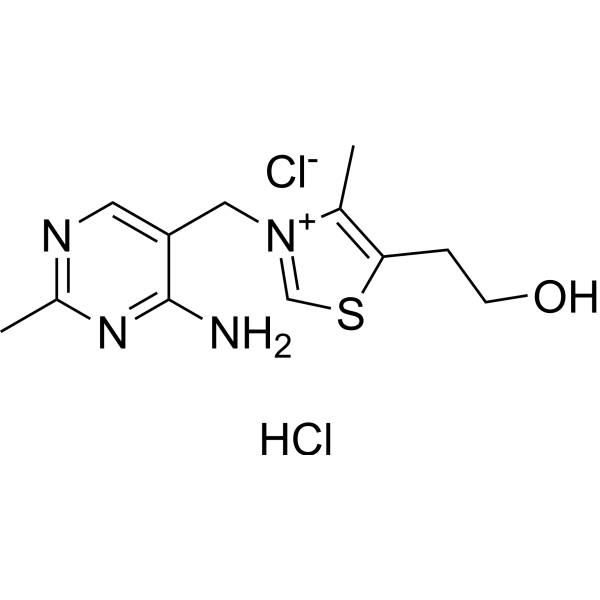
    Thiamine hydrochloride
    1 Publications Verification

    Thiamine chloride hydrochloride; Vitamin B1 hydrochloride

    Endogenous Metabolite Keap1-Nrf2 Toll-like Receptor (TLR) NF-κB Neurological Disease Metabolic Disease Inflammation/Immunology Cancer
    Thiamine hydrochloride (Thiamine chloride hydrochloride) is an essential micronutrient needed as a cofactor for many central metabolic enzymes.Thiamine hydrochloride activates NrF-2/HO-1 and inhibits TLR4, NF-κB. Thiamine hydrochloride has neuroprotective and anti-inflammatory effects. Thiamine hydrochloride can be used in the studys of diabetic complications, neurological diseases, cancers, and colitis .
    Thiamine hydrochloride
  • HY-P2813
    Hirudin
    3 Publications Verification

    Thrombin Apoptosis Cardiovascular Disease Cancer
    Hirudin is a thrombin inhibitor with blood anticoagulant property. Hirudin has potent anti-thrombotic, wound repair, anti-fibrosis, anti-tumor and anti-hyperuricemia effects. Hirudin also affects diabetic complications, cerebral hemorrhage, and others .
    Hirudin
  • HY-17374
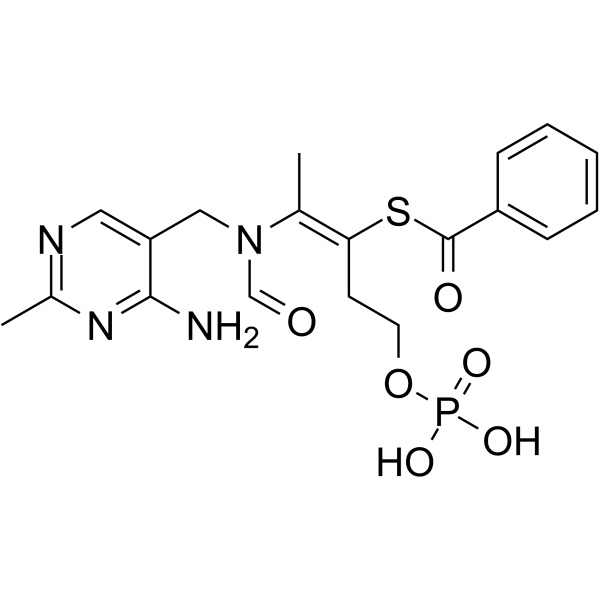
    Benfotiamine
    1 Publications Verification

    S-Benzoylthiamine O-monophosphate

    SARS-CoV HIV Infection Metabolic Disease Inflammation/Immunology
    Benfotiamine (S-Benzoylthiamine O-monophosphate) is a vitamin B1 derivative that exhihibits potent antioxidative and anti-inflammatory activity. Benfotiamine can be used for the research of various secondary diabetic complications. Benfotiamine also can be used in infectious diseases such as HIV and COVID-19 .
    Benfotiamine
  • HY-14892A

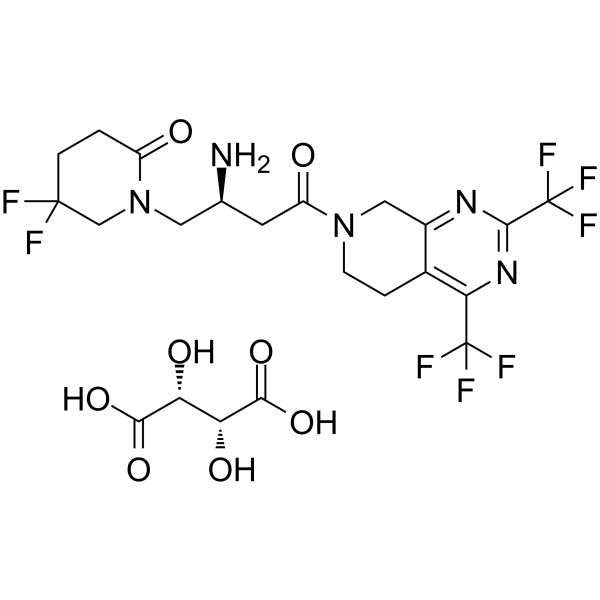
    LC15-0444 tartrate

    Dipeptidyl Peptidase Metabolic Disease
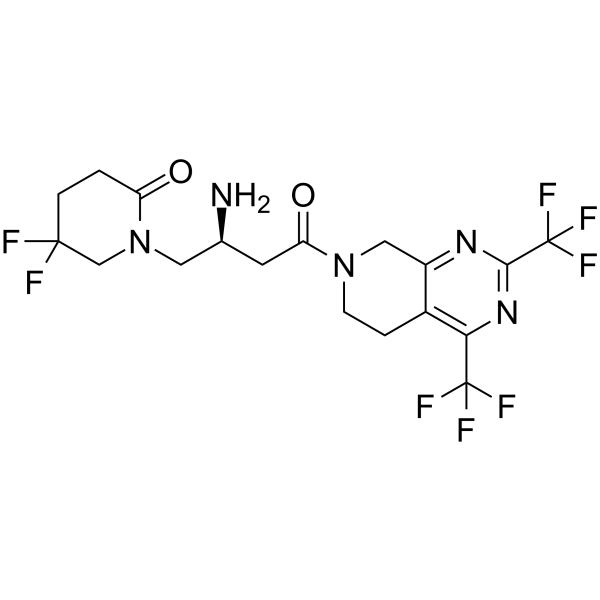
    Gemigliptin tartrate (LC15-0444 tartrate) is a highly selective, reversible and competitive dipeptidyl peptidase-4 (DPP-4) inhibitor, with an IC50 of 10.3 nM for human recombinant DPP-4. Gemigliptin tartrate exhibits potent anti-glycation properties. Gemigliptin tartrate can be used for the research of advanced glycation end products (AGE)-related diabetic complications .
    Gemigliptin tartrate
  • HY-19687
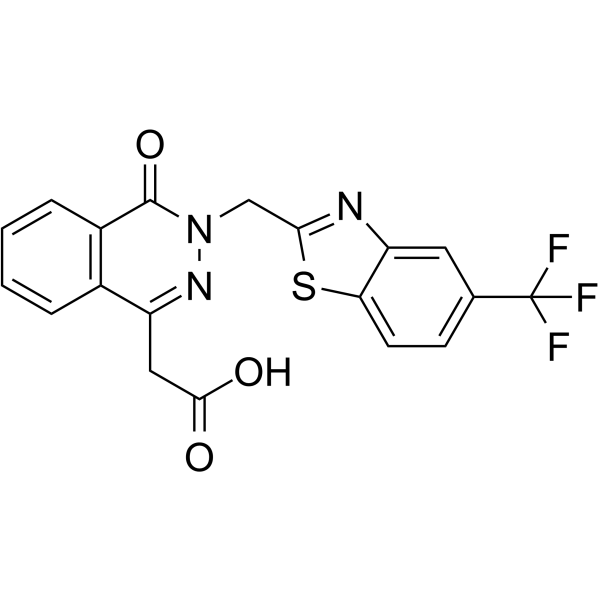
    Zopolrestat
    1 Publications Verification

    CP73850

    Aldose Reductase Metabolic Disease
    Zopolrestat (CP73850) is a potent, orally active aldose reductase (AR) inhibitor with an IC50 of 3.1 nM. Zopolrestat is used for the research of diabetic complications .
    Zopolrestat
  • HY-B1069
    Molsidomine
    1 Publications Verification

    SIN-10; Morsydomine

    Drug Metabolite Cardiovascular Disease Neurological Disease Metabolic Disease
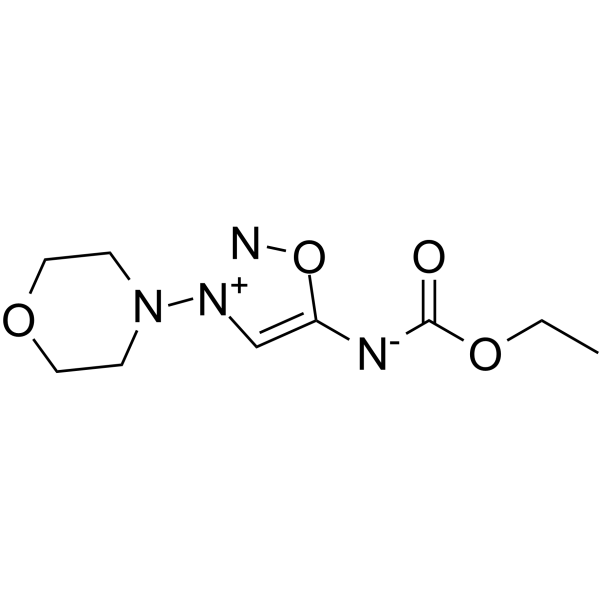
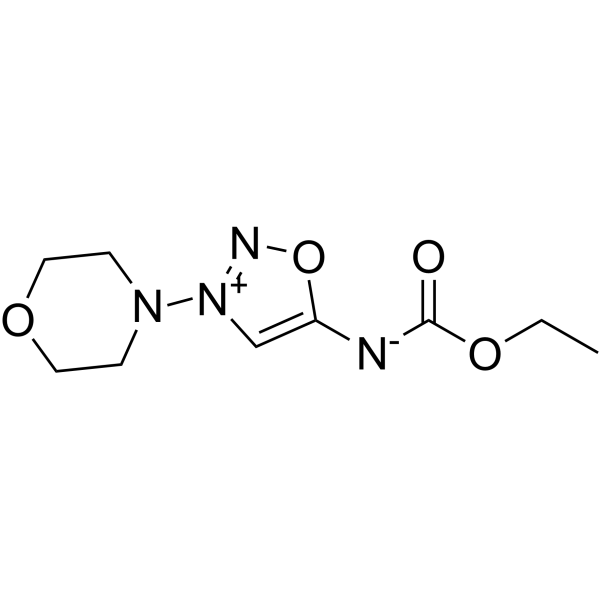
    Molsidomine, a nitric oxide (NO) donor, is an orally active vasodilator agent. Molsidomine is a prodrug that can be rapidly metabolized in the liver to its active metabolite, Linsidomine (HY-101200). Molsidomine can be used for the study of angina pectoris, mental disorders and diabetic complications .
    Molsidomine
  • HY-50289
    Sorbinil
    2 Publications Verification

    Aldose Reductase Metabolic Disease
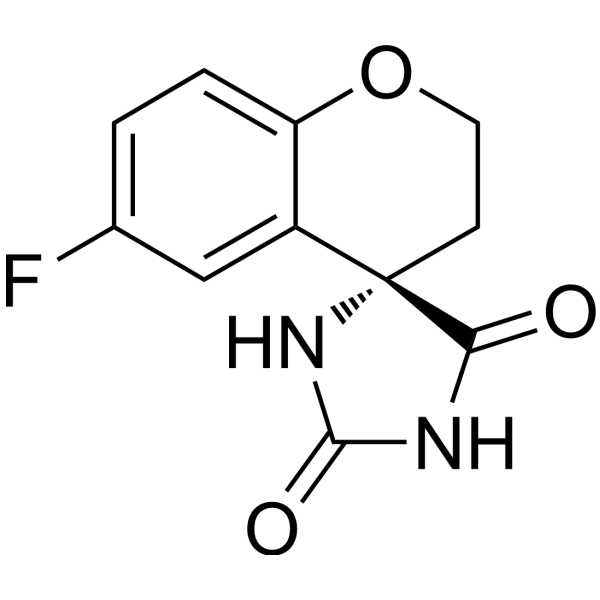
    Sorbinil is an aldose reductase inhibitor (ARI) that prevents the accumulation of sorbitol in cells or animals. Sorbinil is useful in studying diabetes and diabetic complications, reducing AR activity and inhibiting the polyol pathway.
    Sorbinil
  • HY-105416
    Calphostin C
    2 Publications Verification

    UCN-1028C

    Antibiotic PKC Apoptosis Metabolic Disease Cancer
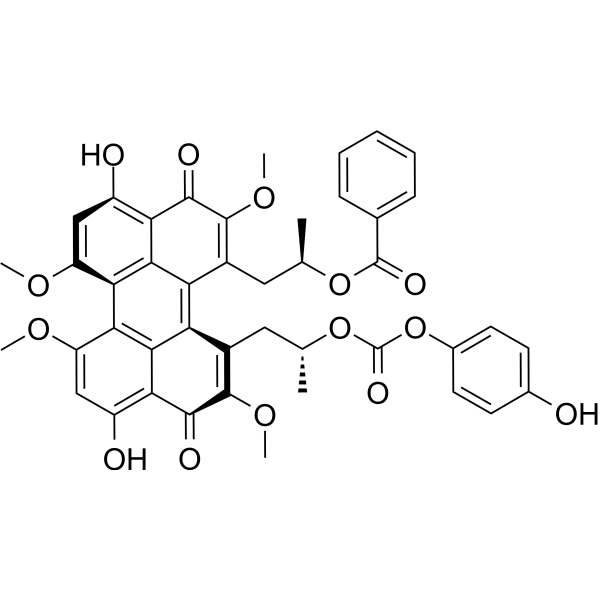
    Calphostin C is a highly selective PKC inhibitor (IC50=0.05 μM) and tumor apoptosis inducer. Calphostin C competitively binds to PKC and inhibits PKC-mediated phosphorylation signal transduction. Calphostin C restores Na+/K+ ATPase activity in the sciatic nerve of diabetic mice and improves neuropathy. Calphostin C can be used in the study of anti-tumor and diabetic complications .
    Calphostin C
  • HY-N0309
    Soyasaponin Ba
    1 Publications Verification

    Aldose Reductase Akt GSK-3 β-catenin Reactive Oxygen Species (ROS) Mitochondrial Metabolism Apoptosis c-Myc Metabolic Disease
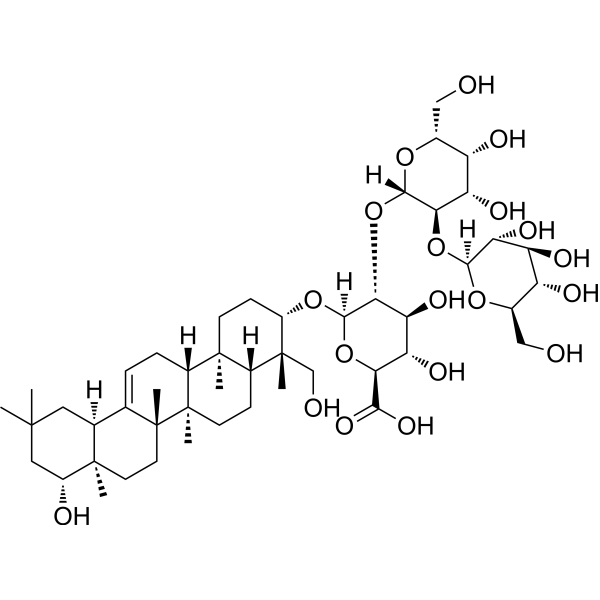
    Soyasaponin Ba is a soyasaponin that can be isolated from Phaseolus vulgaris, acts as an aldose reductase inhibitor (ARI). Soyasaponin Ba activates Akt/GSK3β/β-catenin signaling pathway, reduces lipid accumulation, lowers ROS generation, improves mitochondrial membrane potential, ATP levels, and morphology, and inhibits apoptosis. Soyasaponin Ba can be used for the research of lipid accumulation and secondary diabetic complications .
    Soyasaponin Ba
  • HY-13633
    Exisulind
    2 Publications Verification

    Aldose Reductase Metabolic Disease Cancer
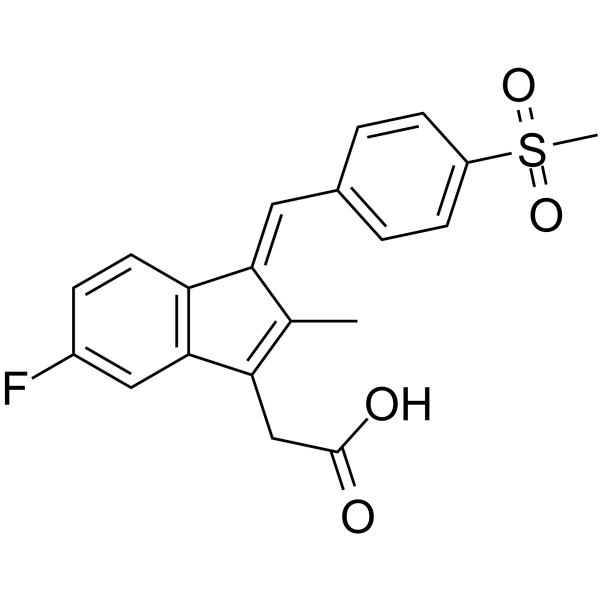
    Exisulind is an inactive metabolite of the nonsteroidal, anti-inflammatory agent sulindac . Exisulind inhibits aldose reductase with an IC50 of 367 nM in vitro and may contribute to the beneficial pharmacological effects of sulindac on type 2 diabetic complications .
    Exisulind
  • HY-125863C

    G6PD, Bacillus sp.

    Endogenous Metabolite Others
    Glucose-6-phosphate dehydrogenase, Bacillus sp. catalyzes the conversion of glucose-6-phosphate into 6-phosphogluconolactone, and produces reduced nicotinamide adenine dinucleotide phosphate (NADPH) and ribose-5-phosphate in this process. Glucose-6-phosphate dehydrogenase, Bacillus sp. can be used in research about diabetic complications .
    Glucose-6-phosphate dehydrogenase, Bacillus sp.
  • HY-14892

    LC15-0444

    Dipeptidyl Peptidase Metabolic Disease Cancer
    Gemigliptin (LC15-0444 ) is a highly selective, reversible and competitive dipeptidyl peptidase-4 (DPP-4) inhibitor, with an IC50 of 10.3 nM for human recombinant DPP-4. Gemigliptin exhibits potent anti-glycation properties. Gemigliptin can be used for the research of advanced glycation end products (AGE)-related diabetic complications .
    Gemigliptin
  • HY-16433

    CT 112

    Aldose Reductase Metabolic Disease Inflammation/Immunology
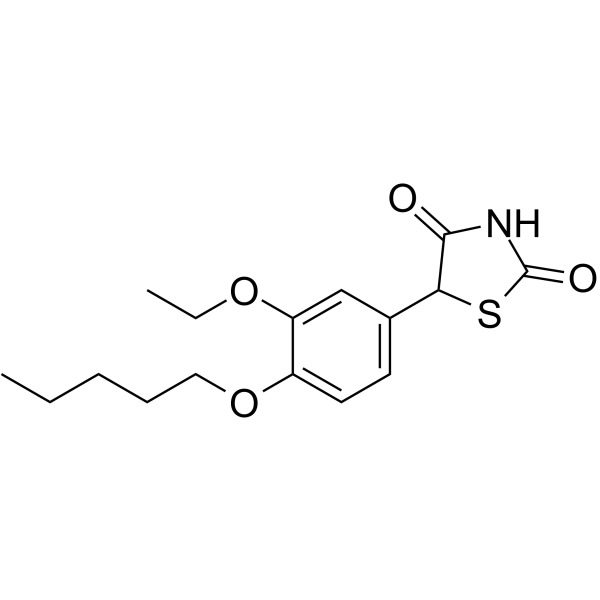
    Risarestat (CT-112), an aldose reductase inhibitor, is developed for the treatment of diabetic complications.
    Risarestat
  • HY-E70398

    L-Iditol dehydrogenase; Polyol dehydrogenase; SDH

    Biochemical Assay Reagents Metabolic Disease
    Sorbitol dehydrogenase (L-Iditol dehydrogenase) is an oxidoreductasea and catalyses the conversion of sorbitol to fructose with NAD + as the coenzyme. Sorbitol dehydrogenase catalyses pH-dependent redox reactions between NAD +/NADH and sorbitol/fructose. Sorbitol dehydrogenase is implicated in diabetic complications and is a biomarker of drug-induced liver injury. Sorbitol dehydrogenase can be used for the research of diabetes and liver injury .
    Sorbitol dehydrogenase
  • HY-W001094

    Biochemical Assay Reagents Neurological Disease Metabolic Disease
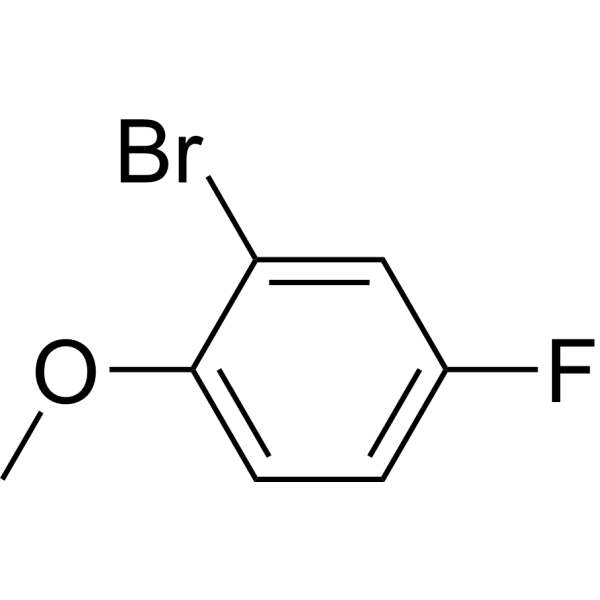
    2-Bromo-4-fluoroanisole is an important intermediate in organic synthesis. 2-Bromo-4-fluoroanisole can be used in the research of diabetic complications (including blindness) .
    2-Bromo-4-fluoroanisole
  • HY-N8126

    Glucoemodin

    Others Metabolic Disease Inflammation/Immunology
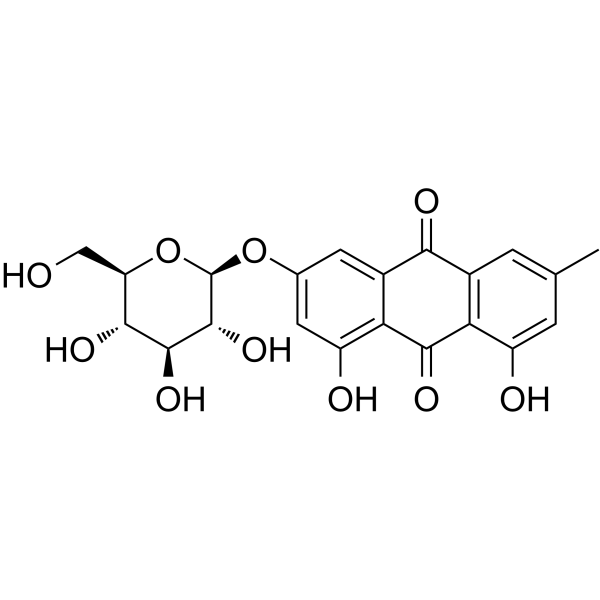
    Emodin-6-O-β-D-glucoside (Glucoemodin) is an active compound from Reynoutria japonica. Emodin-6-O-β-D-glucoside shows potent anti-inflammatory and barrier protective effects. Emodin-6-O-β-D-glucoside can be used for the research of diabetic complications and atherosclerosis .
    Emodin 6-O-β-D-glucoside
  • HY-14892C

    LC15-0444 hydrochloride

    Dipeptidyl Peptidase Metabolic Disease Cancer
    Gemigliptin hydrochloride is the hydrochloride salt of Gemigliptin (HY-14892). Gemigliptin hydrochloride is a highly selective, reversible and competitive dipeptidyl peptidase-4 (DPP-4) inhibitor, with an IC50 of 10.3 nM for human recombinant DPP-4. Gemigliptin hydrochloride exhibits potent anti-glycation properties. Gemigliptin hydrochloride can be used for the research of advanced glycation end products (AGE)-related diabetic complications .
    Gemigliptin hydrochloride
  • HY-178363

    Amylases Metabolic Disease Endocrinology
    α-Amylase-IN-13 is an orally active, selective, brain-penetrant α-amylase inhibitor (IC50 = 0.71 μM). α-Amylase-IN-13 inhibits α-amylase through a mixed type of inhibition mechanism. α-Amylase-IN-13 leads to a significant reduction in blood glucose level in diabetic rats. α-Amylase-IN-13 causes significant histopathological improvements in the kidney, liver, and pancreas. α-Amylase-IN-13 can be used for the study of diabetic complications .
    α-Amylase-IN-13
  • HY-N12313

    Aldose Reductase Metabolic Disease
    Corybulbine, an alkaloid that can be isolated from the methanolic extract of Corydalis ternata, is an aldose reductase (ALR2) inhibitor. Corybulbine can be used for diabetic complications research .
    Corybulbine
  • HY-175331

    Aldose Reductase Metabolic Disease Cancer
    ALR2-IN-7 (Compound 5a) is a highly potent and selective aldose reductase (ALR2/AKR1B1) inhibitor (Ki=8.71 nM). ALR2-IN-7 is promising for research of diabetic complications (e.g., retinopathy, nephropathy) and cancers .
    ALR2-IN-7
  • HY-N6883

    Aldose Reductase Metabolic Disease
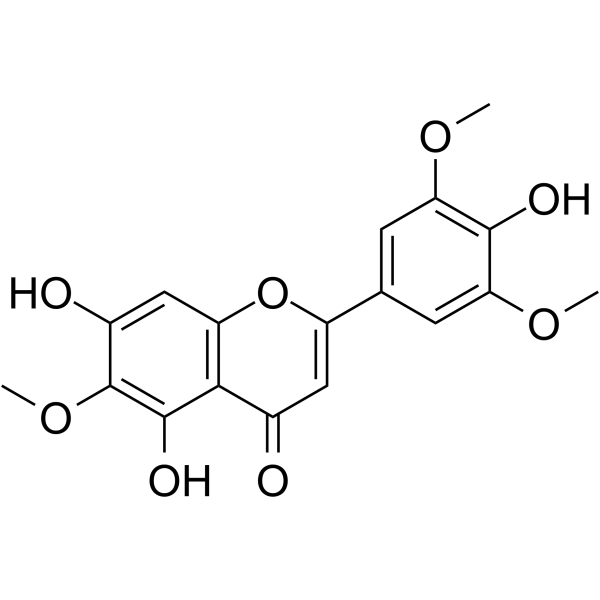
    6-Methoxytricin (Compound 6) is an flavonoid isolated from Artemisia iwayomogi. 6-Methoxytricin (Compound 6) is an inhibitor on aldose reductase (AR) and advanced glycation endproduct (AGE) formation activities with IC50 values of 30.29 μM and 134.88 μM, respectively. 6-Methoxytricin (Compound 6) has potential as an anti-diabetic complications agent .
    6-Methoxytricin
  • HY-14892B

    LC15-0444 tartrate hydrate

    Dipeptidyl Peptidase Metabolic Disease
    Gemigliptin (LC15-0444 ) tartrate hydrate is a selective, reversible and competitive dipeptidyl peptidase-4 (DPP-4) inhibitor, with an IC50 of 10.3 nM for human recombinant DPP-4. Gemigliptin tartrate hydrate exhibits potent anti-glycation properties. Gemigliptin tartrate hydrate can be used for the research of advanced glycation end products (AGE)-related diabetic complications .
    Gemigliptin tartrate hydrate
  • HY-17374R

    S-Benzoylthiamine O-monophosphate (Standard)

    Reference Standards HIV SARS-CoV Infection Metabolic Disease Inflammation/Immunology
    Benfotiamine (Standard) is the analytical standard of Benfotiamine. This product is intended for research and analytical applications. Benfotiamine (S-Benzoylthiamine O-monophosphate) is a vitamin B1 derivative that exhihibits potent antioxidative and anti-inflammatory activity. Benfotiamine can be used for the research of various secondary diabetic complications. Benfotiamine also can be used in infectious diseases such as HIV and COVID-19 .
    Benfotiamine (Standard)
  • HY-175862

    Aldose Reductase Reactive Oxygen Species (ROS) PI3K Akt SOD p38 MAPK Keap1-Nrf2 Metabolic Disease
    ALR2-IN-9 is a potent ALR2 inhibitor (IC50 = 21.8 nM) with excellent antioxidant activity (EC50 for DPPH radical scavenging = 2.8 μM). ALR2-IN-9 interacts directly with Reactive Oxygen Species (ROS)/Reactive Nitrogen Species (RNS) and interrupts the free radical chain reactions, and as an endogenous enzymatic antioxidant regulator, which regulates enzyme functions of CAT and SOD. ALR2-IN-9 regulates PI3K/Akt/Nrf2 pathway to attenuate hyperglycemia-mediated mitochondrial superoxide overproduction in vitro, and ameliorates CuSO4- and H2O2-induced oxidative stress in vivo. ALR2-IN-9 prolongs lifespan of C. elegans via the regulation of stress response genes such as PMK-1. ALR2-IN-9 is a promising anti-aging drug candidate. ALR2-IN-9 can be used for diabetic complication research .
    ALR2-IN-9
  • HY-115940

    Aldose Reductase Metabolic Disease
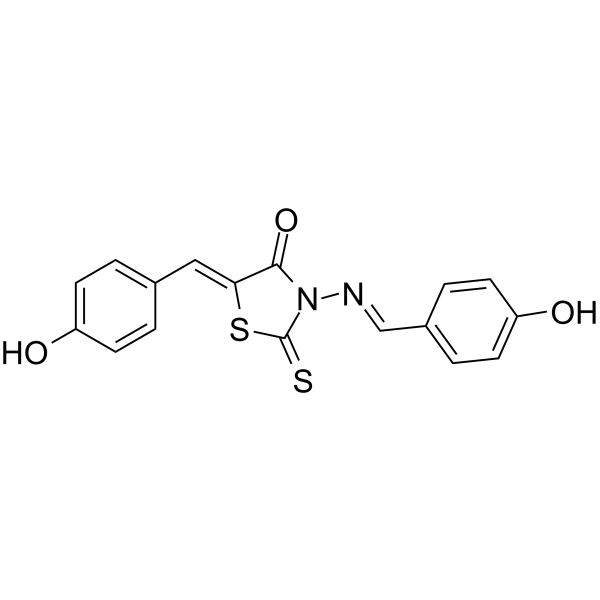
    Aldose reductase-IN-2 (Compound 5f) is a potent inhibitor of aldose reductase (AR). Aldose reductase-IN-2 has antioxidation capacity. Aldose reductase-IN-2 is a promising anti-diabetic complications agent .
    Aldose reductase-IN-2
  • HY-151947

    Aldose Reductase Metabolic Disease
    ALR2-IN-2 is a potent inhibitor of aldose reductase (ALR2), with IC50s of 22 nM and 116 nM for rat ALR2 and ALR1, respectively. ALR2-IN-2 can be used for the research of diabetic complications .
    ALR2-IN-3
  • HY-151946

    Aldose Reductase Metabolic Disease
    ALR2-IN-2 is a potent inhibitor of aldose reductase (ALR2), with IC50s of 27 nM and 228 nM for rat ALR2 and ALR1, respectively. ALR2-IN-2 can be used for the research of diabetic complications .
    ALR2-IN-2
  • HY-50289R

    Aldose Reductase Metabolic Disease
    Sorbinil (Standard) is the analytical standard of Sorbinil. This product is intended for research and analytical applications. Sorbinil is an aldose reductase inhibitor (ARI) that prevents the accumulation of sorbitol in cells or animals. Sorbinil is useful in studying diabetes and diabetic complications, reducing AR activity and inhibiting the polyol pathway .
    Sorbinil (Standard)
  • HY-W715538

    Aldose Reductase Metabolic Disease
    Rhetsinine is an aldose reductase inhibitor isolated from Evodia rutaecarpa, exhibiting an IC50 value of 24.1 μM. At a concentration of 100 μM, rhetsinine significantly inhibits sorbitol accumulation by 79.3%. This compound shows potential for research in diabetic complications, including diabetic neuropathy and retinopathy .
    Rhetsinine
  • HY-150630

    Aldose Reductase Metabolic Disease
    ALR2-IN-1 is a potent and selective ALR2 inhibitor (IC50=1.42 μM). ALR2-IN-1 shows antioxidant and antiglycative properties. ALR2-IN-1 can be used in diabetic complication research .
    ALR2-IN-1
  • HY-146225

    Glycosidase Metabolic Disease
    α-Amylase/α-Glucosidase-IN-2 (compound 5) is a potent α-amylase and α-glucosidase dual inhibitor with IC50 values of 13.02, 13.09 µM for α-amylase and α-glucosidase, respectively. α-Amylase/α-Glucosidase-IN-2 has the potential for the research of diabetic complications .
    α-Amylase/α-Glucosidase-IN-2
  • HY-B1069R

    SIN-10 (Standard); Morsydomine (Standard)

    Reference Standards Drug Metabolite Cardiovascular Disease Neurological Disease Metabolic Disease
    Molsidomine (Standard) (SIN-10 (Standard)) is the analytical standard of Molsidomine (HY-B1069). This product is intended for research and analytical applications. Molsidomine, a nitric oxide (NO) donor, is an orally active vasodilator agent. Molsidomine is a prodrug that can be rapidly metabolized in the liver to its active metabolite, Linsidomine (HY-101200). Molsidomine can be used for the study of angina pectoris, mental disorders and diabetic complications.
    Molsidomine (Standard)
  • HY-N0309R

    Reference Standards Aldose Reductase Akt GSK-3 β-catenin Reactive Oxygen Species (ROS) Mitochondrial Metabolism Apoptosis c-Myc Metabolic Disease
    Soyasaponin Ba (Standard) is the analytical standard of Soyasaponin Ba (HY-N0309). Soyasaponin Ba is a soyasaponin that can be isolated from Phaseolus vulgaris, acts as an aldose reductase inhibitor (ARI). Soyasaponin Ba activates Akt/GSK3β/β-catenin signaling pathway, reduces lipid accumulation, lowers ROS generation, improves mitochondrial membrane potential, ATP levels, and morphology, and inhibits apoptosis. Soyasaponin Ba can be used for the research of lipid accumulation and secondary diabetic complications .
    Soyasaponin Ba (Standard)
  • HY-183923

    Aldose Reductase Metabolic Disease Inflammation/Immunology
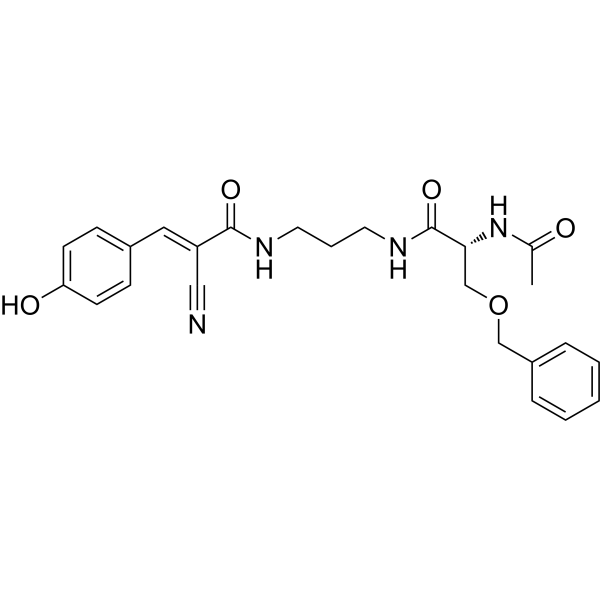
    SX 3202 is an aldose reductase inhibitor. SX 3202 can be used for the research of diabetic complications .
    SX 3202
  • HY-W283860

    Aldose Reductase Metabolic Disease
    ALR2-IN-10 (Compound 23) is a weak Aldose Reductase 2 inhibitor with inhibition rate of 6% at 27 μM. ALR2-IN-10 can be used for the research of diabetic complication .
    ALR2-IN-10
  • HY-W151897

    CMTI

    Aldose Reductase Metabolic Disease
    Cemtirestat (CMTI) is a carboxymethylated thiatriazinoindole inhibitor of aldose reductase (ALR2). Cemtirestat potently inhibits rat ocular lens ALR2 with an IC50 of 0.116 μM, and exhibits a 302-fold selectivity for rat kidney ALR1. Cemtirestat is applicable to the research of advanced diabetic complications .
    Cemtirestat
  • HY-183855

    Aldose Reductase Neurological Disease Metabolic Disease Inflammation/Immunology Endocrinology
    WF-2421 is an aldose reductase inhibitor with an IC50 of 0.03 μM against rabbit-derived aldose reductase. WF-2421 acts as a non-competitive inhibitor of aldose reductase using dl-glyceraldehyde as the substrate. WF-2421 can be used in the research of diabetic complications (cataract, neuropathy, retinopathy, nephropathy) .
    WF-2421
  • HY-N17737

    Fatty Acid Synthase (FASN) Cytochrome P450 Metabolic Disease Inflammation/Immunology
    Floramanoside F is a type of flavonol glycoside compound. Floramanoside F has a moderate free radical scavenging effect, with a SC₅₀ value of 25.1 μM. Floramanoside F has a relatively weak inhibitory activity on aldose reductase, with a IC₅₀ value greater than 100 μM. Floramanoside F has strong binding affinity with key target enzymes of type 1 diabetic nephropathy (T1DN) (Fasn, Cyp2e1, Cyp4a32), and can inhibit lipid accumulation and oxidative stress, thereby alleviating renal inflammation and fibrosis. Floramanoside F can be used to study type 1 diabetic nephropathy and diabetic complications .
    Floramanoside F

Inquiry Online

Your information is safe with us. * Required Fields.

Salutation


Country or Region *

Applicant Name *


Organization Name *

Department *


Email Address *


Product Name *

Cat. No.


Requested quantity *

Phone Number *


Remarks

Inquiry Online

Inquiry Information

Product Name:
Cat. No.:
Quantity:
MCE Japan Authorized Agent: