1. Search Result
Search Result
Results for "

Fatty acid biosynthesis

" in MedChemExpress (MCE) Product Catalog:

56

Inhibitors & Agonists

1

Screening Libraries

3

Biochemical Assay Reagents

16

Natural
Products

2

Isotope-Labeled Compounds

2

Oligonucleotides

Cat. No. Product Name Target Research Areas Chemical Structure
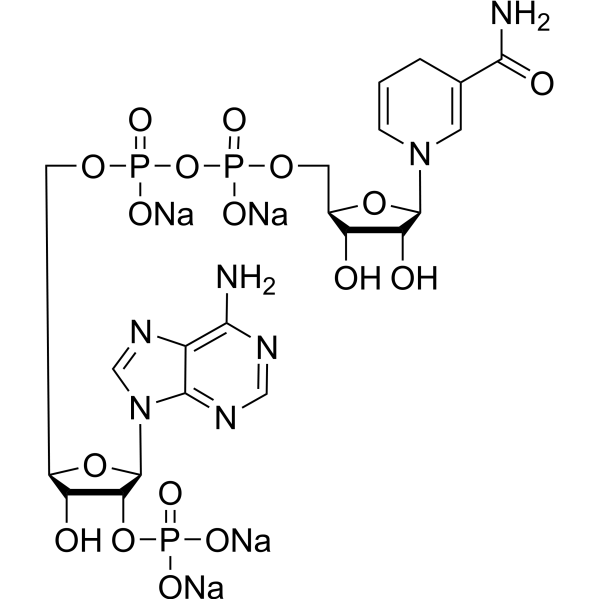
  • HY-F0003
    NADPH tetrasodium salt
    15+ Cited Publications

    Ferroptosis Endogenous Metabolite Metabolic Disease Cancer
    NADPH tetrasodium salt functions as an important cofactor in a variety of metabolic and biosynthetic pathways. NADPH tetrasodium salt is an endogenous inhibitor of ferroptosis. NADPH tetrasodium salt plays a vital role in the biosynthesis of agents, chiral alcohols, fatty acids and biopolymers, while also being required for lipid biosynthesis, biomass formation, and cell replication .
    NADPH tetrasodium salt
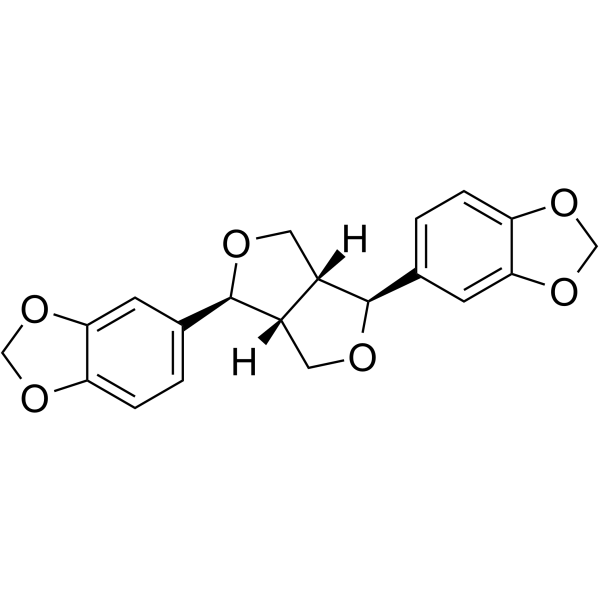
  • HY-N0121
    Sesamin
    10+ Cited Publications

    Stearoyl-CoA Desaturase (SCD) Neurological Disease
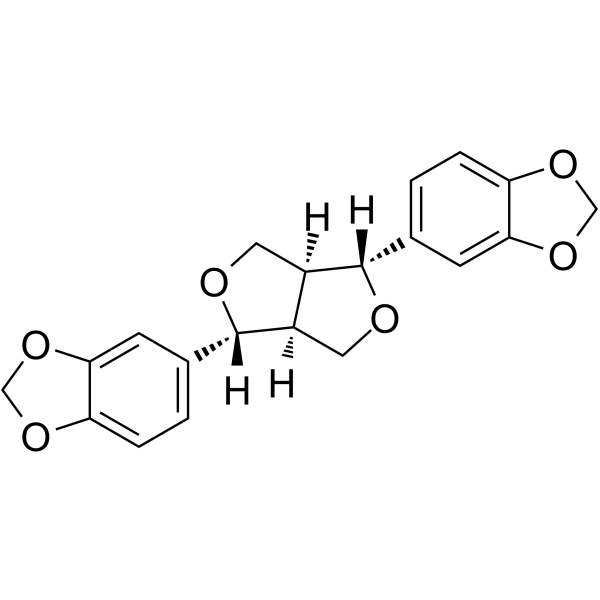
    Sesamin, abundant lignan found in sesame oil, is a potent and selective delta 5 desaturase inhibitor in polyunsaturated fatty acid biosynthesis. Sesamin exerts effective neuroprotection against cerbral ischemia .
    Sesamin
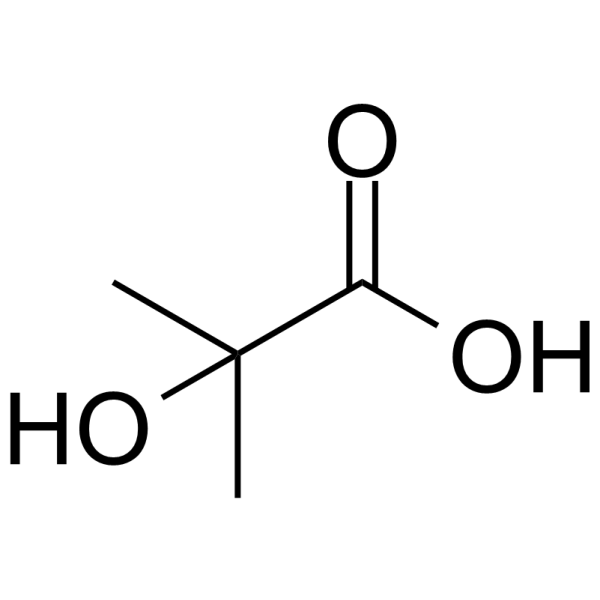
  • HY-W015924

    Endogenous Metabolite Metabolic Disease
    2-Hydroxyisobutyric acid (2-HIBA) is a selective modulator of the Insulin/IGF-1 pathway and the p38 MAPK pathway, which reduces reactive oxygen species (ROS) and fat accumulation in Caenorhabditis elegans. 2-Hydroxyisobutyric acid promotes β-oxidation and inhibits fatty acid synthesis by upregulating SKN-1/NRF2 and downregulating SREBP-1c transcription factors. 2-Hydroxyisobutyric acid has anti-aging and lipid-lowering effects, and can be used to study metabolic diseases such as obesity and diabetes. 2-Hydroxyisobutyric acid is also a renewable precursor of methacrylate through 2-HIB-CoA mutase-mediated biosynthesis[1][2].
    2-Hydroxyisobutyric acid
  • HY-E70009

    ACO

    Glutathione Peroxidase Others
    Acyl-CoA oxidase (ACO) is a peroxisomal catalyst. Acyl-CoA oxidase acts as a key rate-limiting enzyme in the process of peroxisomal fatty acid β-oxidation. Acyl-CoA oxidase participates in lipid catabolism and phytohormone biosynthesis pathways .
    Acyl-CoA oxidase
  • HY-16911
    AFN-1252
    10+ Cited Publications

    API-1252; Debio 1452

    Bacterial Antibiotic Infection
    AFN-1252 is an orally active and selective inhibitor of FabI, an essential enzyme in fatty acid biosynthesis in Staphylococcus spp. AFN-1252 exhibits exquisite and highly selective activity against Staphylococcus spp. AFN-1252 exhibits typical MIC90 values of ⩽0.015 μg/ml against diverse clinical isolates of S. aureus. AFN-1252 is efficacious in a mouse model of septicemia providing 100% protection from an otherwise lethal peritoneal infection of S. aureus Smith .
    AFN-1252
  • HY-N7392A

    3-Oxobutanoyl-coenzyme A sodium hydrate

    Endogenous Metabolite Metabolic Disease
    Acetoacetyl CoA sodium hydrate is the precursor of HMG-CoA in the mevalonate pathway. Acetoacetyl-CoA thiolase catalyzes the reaction to form acetoacetyl-CoA sodium hydrate from two acetyl-CoA molecules. Acetoacetyl CoA sodium hydrate is essential for cholesterol biosynthesis. Acetoacetyl-CoA sodium hydrate is also a intermediate in the biological breakdown and synthesis of fatty acids .
    Acetoacetyl-CoA sodium hydrate
  • HY-Y1139
    Pimelic acid
    2 Publications Verification

    Heptanedioic acid; 1,5-Pentanedicarboxylic acid; 1,7-Heptanedioic acid

    Endogenous Metabolite PROTAC Linkers Metabolic Disease
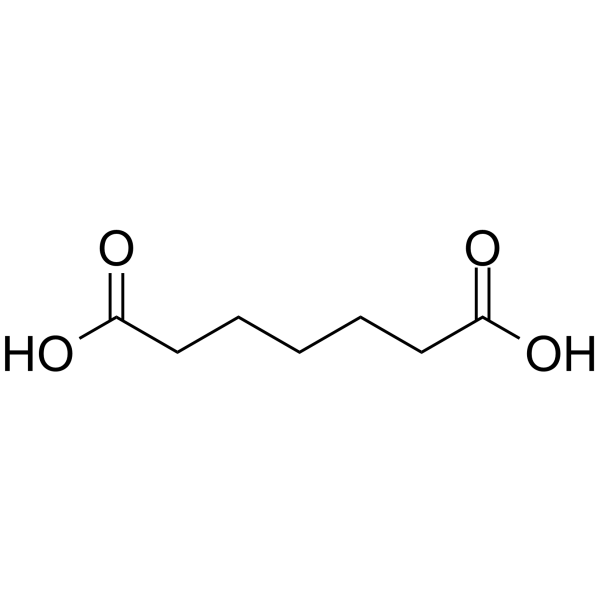
    Pimelic acid (Heptanedioic acid; 1,5-Pentanedicarboxylic acid) is a seven-carbon α,ω-dicarboxylic acid and a downstream product of fatty acid synthesis. Pimelic acid is a key precursor in biotin biosynthesis. Pimelic acid can be converted to pimelic acid-CoA by the BioW enzyme, thereby bypassing exogenous biotin requirements to support growth in various biotinytrophic bacteria and fungi, and reversing antibiotic-induced inhibition of biotin synthesis. Furthermore, Pimelic acid has been proposed as a highly specific biomarker for oxygen-induced retinopathy in mice. Pimelic acid can be used to study retinopathy of preterm infants, oxygen-induced retinopathy, and microbial biotin metabolism .
    Pimelic acid
  • HY-F0003A
    NADPH tetracyclohexanamine
    15+ Cited Publications

    Ferroptosis Endogenous Metabolite Metabolic Disease Cancer
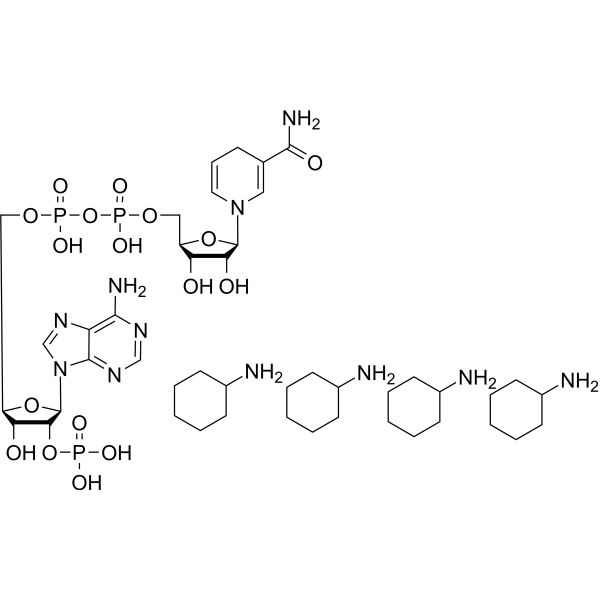
    NADPH tetracyclohexanamine functions as an important cofactor in a variety of metabolic and biosynthetic pathways. NADPH tetracyclohexanamine is an endogenous inhibitor of ferroptosis. NADPH tetracyclohexanamine plays a vital role in the biosynthesis of agents, chiral alcohols, fatty acids and biopolymers, while also being required for lipid biosynthesis, biomass formation, and cell replication .
    NADPH tetracyclohexanamine
  • HY-109000

    Debio 1450; AFN-1720

    Bacterial Infection
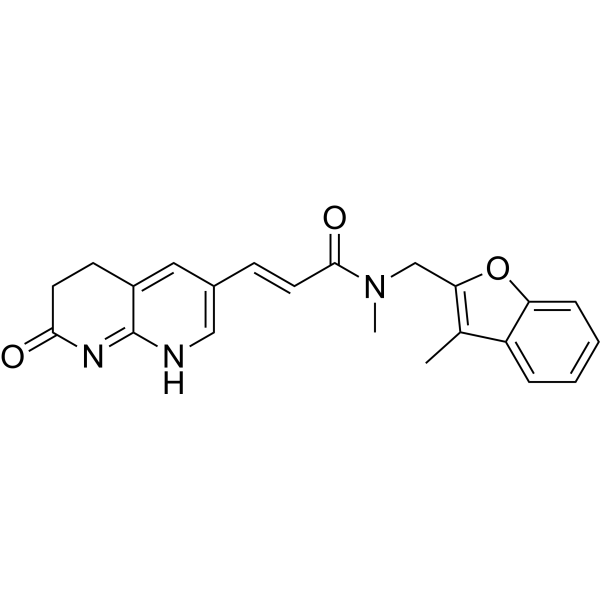
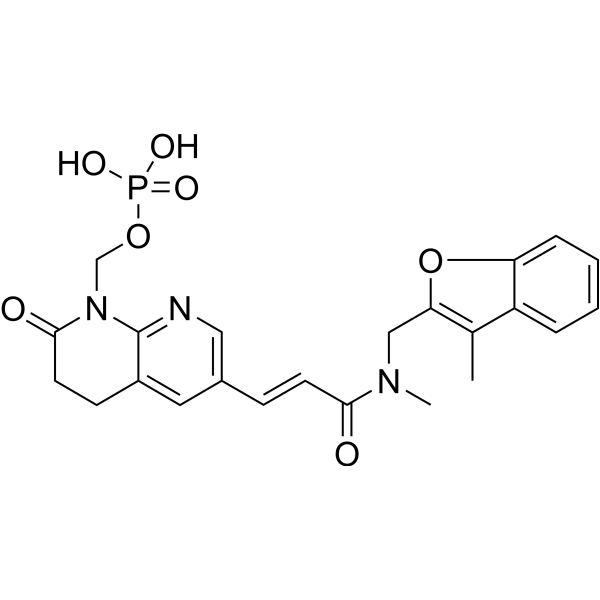
    Afabicin (Debio 1450) is the proagent of Debio1452, specifically targeting staphylococci without significant activity against other Gram-positive or Gram-negative species. Debio1452 is an inhibitor FabI, an enzyme critical to fatty acid biosynthesis in staphylococci.
    Afabicin
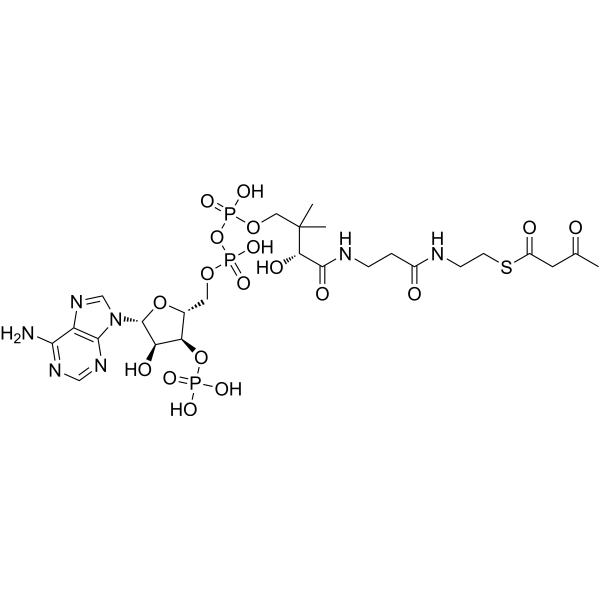
  • HY-N7392

    3-Oxobutanoyl-coenzyme A

    Endogenous Metabolite Metabolic Disease
    Acetoacetyl CoA is the precursor of HMG-CoA in the mevalonate pathway. Acetoacetyl-CoA thiolase catalyzes the reaction to form acetoacetyl-CoA from two acetyl-CoA molecules. Acetoacetyl CoA is essential for cholesterol biosynthesis. Acetoacetyl-CoA is also a intermediate in the biological breakdown and synthesis of fatty acids .
    Acetoacetyl-CoA
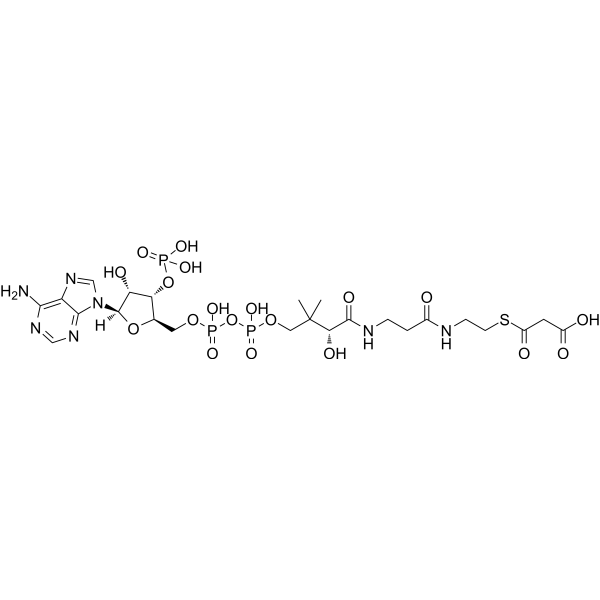
  • HY-115899

    Malonyl coenzyme A

    Carnitine Palmitoyltransferase (CPT) Endogenous Metabolite Mitochondrial Metabolism Metabolic Disease
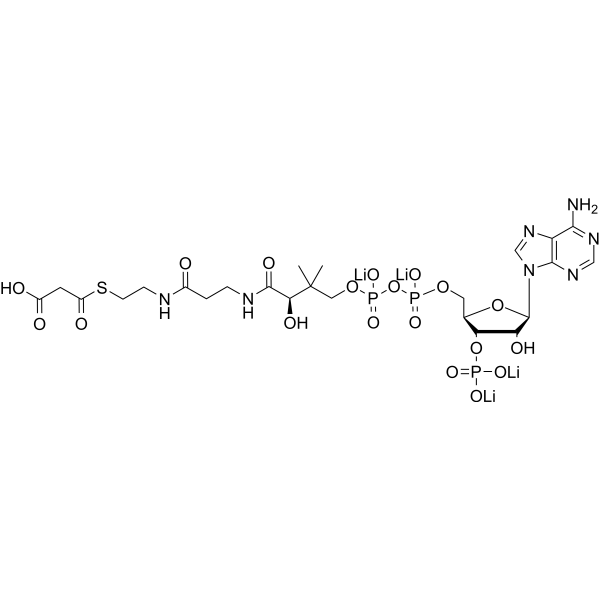
    Malonyl CoA is a substrate for fatty acid biosynthesis and an inhibitor of fatty acid oxidation. Malonyl CoA is also a reversible inhibitor of mitochondrial carnitine palmitoyltransferase (CPT) 1 .
    Malonyl CoA
  • HY-N6723

    Ceramidase Acyltransferase Infection Cancer
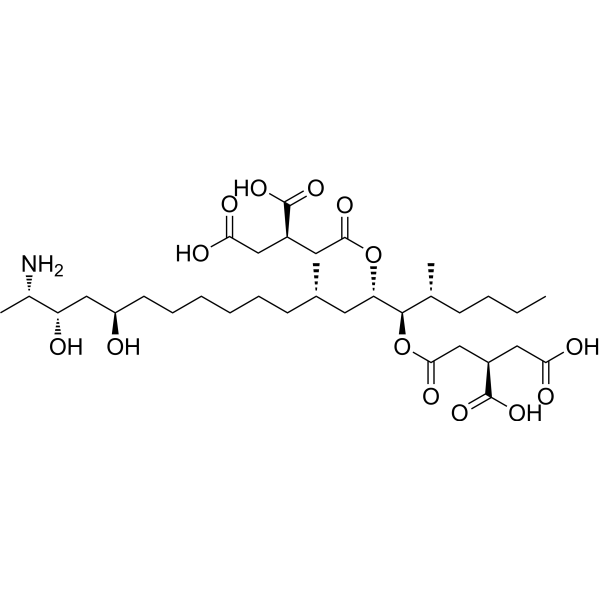
    Fumonisin B2 is a selective ceramide synthase inhibitor and carcinogenic mycotoxin with toxicity comparable to that of Fumonisin B1 (HY-N6719). Fumonisin B2 inhibits de novo sphingolipid biosynthesis by blocking the amide bond formation between fatty acids and dihydrosphingosine, which leads to a massive intracellular accumulation of free dihydrosphingosine, altered sphingosine levels, subsequent inhibition of cell proliferation, and induction of cell death. Fumonisin B2 is used to investigate the pathogenesis of diseases associated with Fusarium verticillioides contamination, including equine leukoencephalomalacia, porcine pulmonary edema syndrome, human esophageal cancer, and rat hepatocellular carcinoma .
    Fumonisin B2
  • HY-127146

    Antibiotic Bacterial Infection
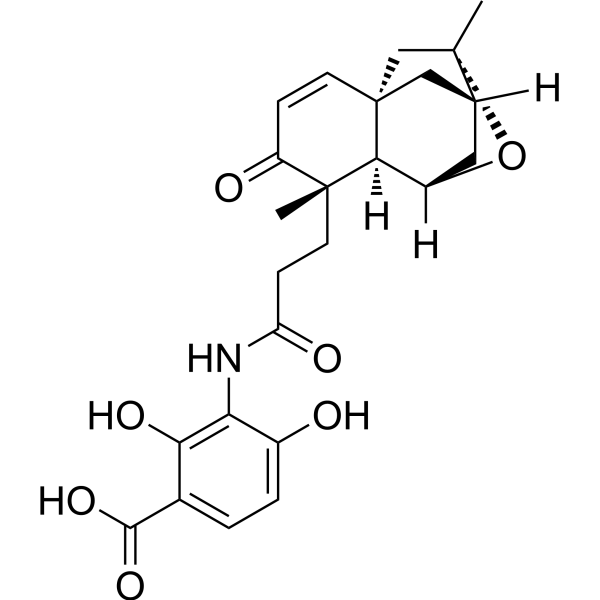
    Platensimycin is an antibiotic produced by S. platensis that inhibits gram-positive bacteria by selectively inhibiting cellular lipid biosynthesis (IC50=0.1 μM). Platensimycin targets the β-ketoacyl-acyl-carrier-protein synthase I/II, FabF/B, an enzyme that participates in the biosynthesis of fatty acids (IC50s=48 nM and 160 nM for S.aureus and E.coli enzymes, respectively). Platensimycin is a promising agent for overcoming antibiotic resistance.
    Platensimycin
  • HY-119435

    Herbicide Environmental Pollutants Others
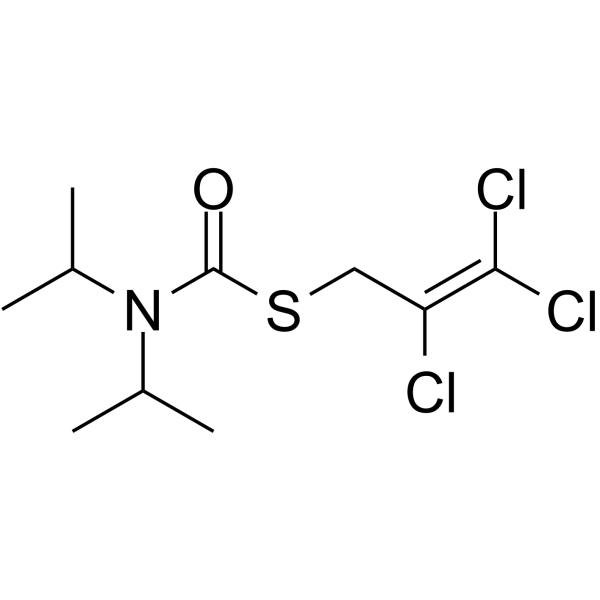
    Triallate is a selective thiocarbamate herbicide. Triallate regulates the biosynthesis of very-long-chain fatty acids and inhibits the elongation and division of plant cells. Triallate is used to control wild oats in barley, spring wheat, durum wheat, winter wheat and sugar beets .
    Triallate
  • HY-122394

    Antibiotic Bacterial Fatty Acid Synthase (FASN) Infection
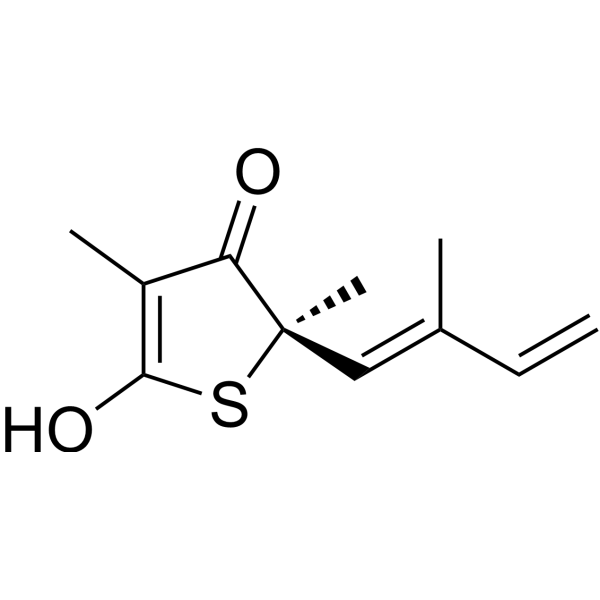
    Thiolactomycin is an orally active bacterial type II fatty acid synthase (FAS-II) inhibitor with antibacterial and antimalarial activities. Thiolactomycin specifically targets KasA/KasB in mycobacteria and FabB/FabF in bacteria, thereby inhibiting the biosynthesis of fatty acids and mycolic acids. Thiolactomycin can be used in studies related to tuberculosis, systemic bacterial infections, and experimental pyelonephritis .
    Thiolactomycin
  • HY-126912A

    Biochemical Assay Reagents Endogenous Metabolite Others
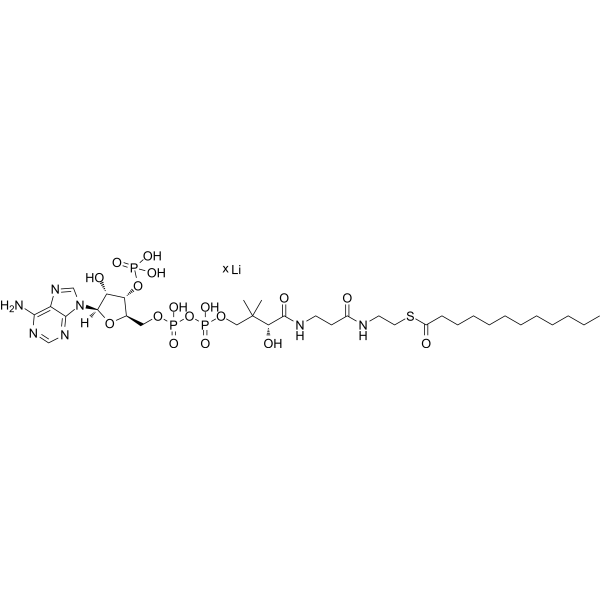
    Lauroyl coenzyme A lithium salt is an intermediary in fatty acid synthesis or metabolism, formed by combining long-chain fatty acids (or lauric acid) with coenzyme A. Lauroyl coenzyme A lithium salt is involved in lipid biosynthesis and fatty acid transport, in which coenzyme A acts as a transport molecule to help move and target specific compounds.
    Lauroyl coenzyme A lithium
  • HY-F0003R

    Reference Standards Ferroptosis Endogenous Metabolite Metabolic Disease Cancer
    NADPH tetrasodium salt (Standard) is the analytical standard of NADPH tetrasodium salt (HY-F0003). This product is intended for research and analytical applications. NADPH tetrasodium salt functions as an important cofactor in a variety of metabolic and biosynthetic pathways. NADPH tetrasodium salt is an endogenous inhibitor of ferroptosis. NADPH tetrasodium salt plays a vital role in the biosynthesis of agents, chiral alcohols, fatty acids and biopolymers, while also being required for lipid biosynthesis, biomass formation, and cell replication.
    NADPH tetrasodium salt (Standard)
  • HY-176557

    Deubiquitinase Ferroptosis Reactive Oxygen Species (ROS) Glutathione Peroxidase Autophagy Cancer
    NCI677397 is a USP24 inhibitor. NCI677397 increases lipid ROS, activates cholesterol and fatty acid biosynthesis, degrades ABC transporters, GPX4 and DHFR through the autophagy pathway, decreases the level of P-gp and ultimately leads to ferroptosis in drug-resistant cancer cells. NCI677397 can be used for the study of lung caner and brain cancer .
    NCI677397
  • HY-N0121A

    Others Others
    (-)-Sesamin isolated from Asarum forbesii Maxim, is an isomer of Sesamin. Sesamin is a potent and selective delta 5 desaturase inhibitor in polyunsaturated fatty acid biosynthesis .
    (-)-Sesamin
  • HY-115448

    Bacterial Infection
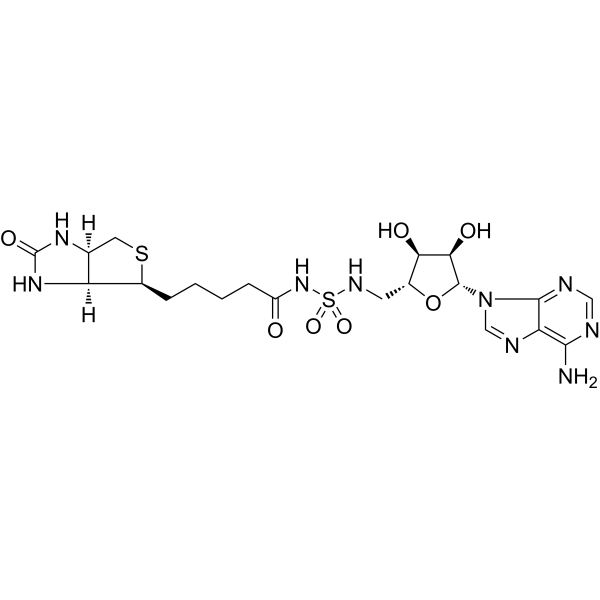
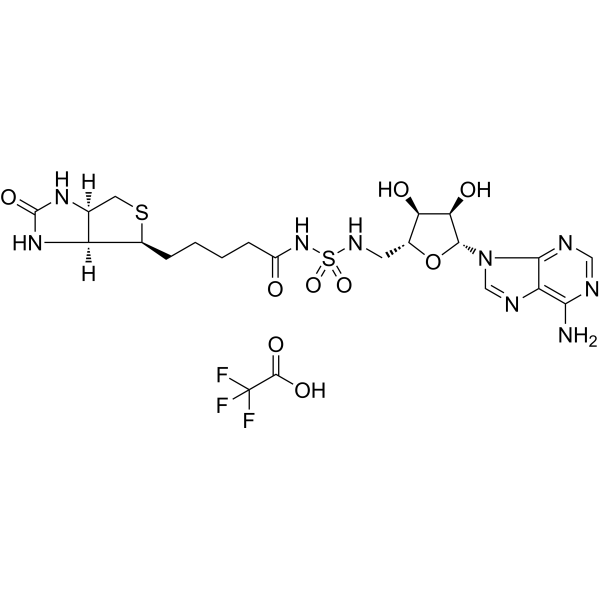
    Bio-AMS is a potent bacterial biotin protein ligase inhibitor. Bio-AMS possesses selective activity against Mycobacterium tuberculosis (Mtb) and arrests fatty acid and lipid biosynthesis .
    Bio-AMS
  • HY-N14257

    Bacterial Antibiotic Acetyl-CoA Carboxylase Infection
    Andrimid is a peptide Antibiotic and acetyl-CoA carboxylase inhibitor. Andrimid is produced by symbiotic bacteria of the genus *Enterobacter* residing in the brown planthopper Nilaparvata lugens. Andrimid exhibits strong specific activity against Xanthomonas campestris pv. oryzae. Andrimid shows no or only weak activity against Gram-positive and Gram-negative bacteria, including most plant pathogenic bacteria. Andrimid can be used in studies related to bacterial infections and rice bacterial blight .
    Andrimid
  • HY-134438

    Endogenous Metabolite Metabolic Disease
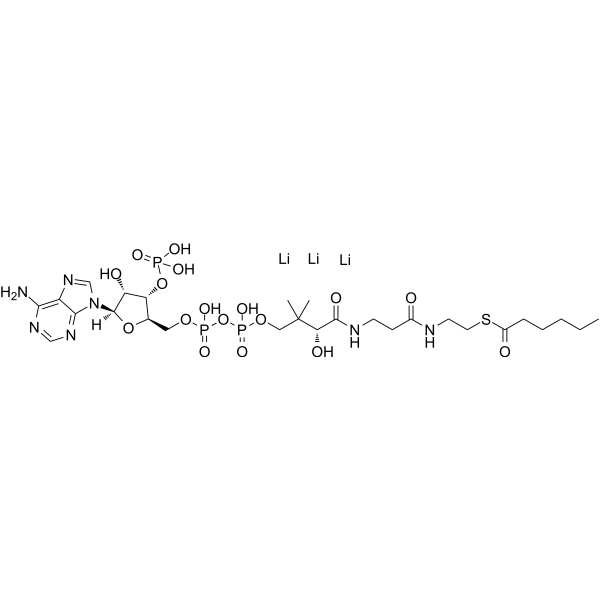
    Hexanoyl coenzyme A trilithium is a hexanoyl-based medium-chain fatty acyl coenzyme A that is present in all organisms. Hexanoyl coenzyme A trilithium can be used as a precursor for cannabinoid biosynthesis and acts as a competitive inhibitor of medium-chain acyl coenzyme A dehydrogenase (MCAD) .
    Hexanoyl coenzyme A trilithium
  • HY-N7856

    3-Oxostearic acid

    Others Others
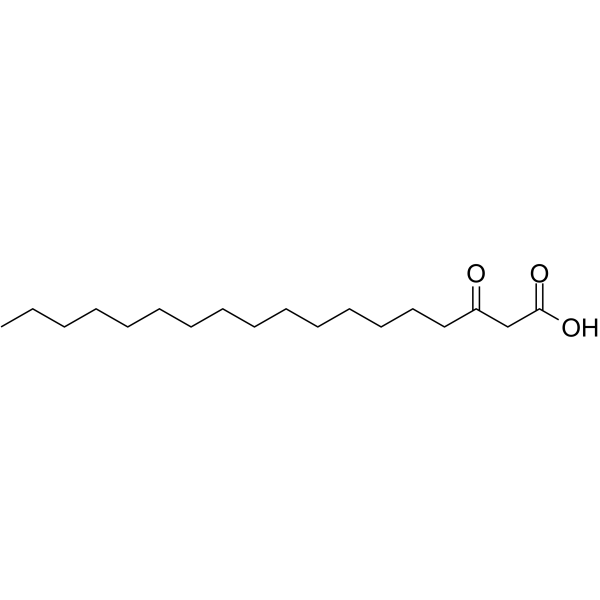
    3-Oxooctadecanoic acid (3-Oxostearic acid) is a saturated fatty acid (SFA). 3-Oxooctadecanoic acid is an intermediate product in fatty acid biosynthesis and it was converted from malonic acid via the enzyme .
    3-Oxooctadecanoic acid
  • HY-W015924R

    Reference Standards Endogenous Metabolite Metabolic Disease
    2-Hydroxyisobutyric acid (Standard) is the analytical standard of 2-Hydroxyisobutyric acid. This product is intended for research and analytical applications. 2-Hydroxyisobutyric acid (2-HIBA) is a selective modulator of the Insulin/IGF-1 pathway and the p38 MAPK pathway, which reduces reactive oxygen species (ROS) and fat accumulation in Caenorhabditis elegans. 2-Hydroxyisobutyric acid promotes β-oxidation and inhibits fatty acid synthesis by upregulating SKN-1/NRF2 and downregulating SREBP-1c transcription factors. 2-Hydroxyisobutyric acid has anti-aging and lipid-lowering effects, and can be used to study metabolic diseases such as obesity and diabetes. 2-Hydroxyisobutyric acid is also a renewable precursor of methacrylate through 2-HIB-CoA mutase-mediated biosynthesis[1][2].
    2-Hydroxyisobutyric acid (Standard)
  • HY-141473

    Malonyl coenzyme A tetralithium

    Endogenous Metabolite Mitochondrial Metabolism Carnitine Palmitoyltransferase (CPT) Metabolic Disease
    Malonyl CoA (Malonyl coenzyme A) tetralithium is a substrate for fatty acid biosynthesis and an inhibitor of fatty acid oxidation. Malonyl CoA tetralithium is also a reversible inhibitor of mitochondrial carnitine palmitoyltransferase (CPT) 1 .
    Malonyl CoA tetralithium
  • HY-115448A

    Bacterial Infection
    Bio-AMS (TFA) is a potent bacterial biotin protein ligase inhibitor. Bio-AMS (TFA) possesses selective activity against Mycobacterium tuberculosis (Mtb) and arrests fatty acid and lipid biosynthesis .
    Bio-AMS TFA
  • HY-W740611

    Drug Intermediate Inflammation/Immunology
    Trihydroxycoprostane (THCP) is a polyhydroxysterane compound with a 5β configuration. ITrihydroxycoprostane acts as a key intermediate in the biosynthesis of bile acids from cholesterol and also serves as an important sterol metabolite generated by host-gut microbiota interactions. Trihydroxycoprostane can be used for mechanistic studies of diseases such as non-alcoholic fatty liver disease, inflammatory bowel disease, and bile acid metabolism disorders .
    Trihydroxycoprostane
  • HY-N0121R

    Stearoyl-CoA Desaturase (SCD) Reference Standards Neurological Disease
    Sesamin (Standard) is the analytical standard of Sesamin. This product is intended for research and analytical applications. Sesamin, abundant lignan found in sesame oil, is a potent and selective delta 5 desaturase inhibitor in polyunsaturated fatty acid biosynthesis. Sesamin exerts effective neuroprotection against cerbral ischemia .
    Sesamin (Standard)
  • HY-125535

    AMPK mTOR Autophagy Atg8/LC3 Cancer
    OSU-53 is an orally active AMPK activator (EC50: 0.3 μM) and a direct mTOR inhibitor. OSU-53 induces autophagy and increases conversion of LC3 I to LC3 II. OSU-53 also modulates energy homeostasis by suppressing fatty acid biosynthesis and shifting the metabolism to oxidation by up-regulating the expression of PGC1α and NRF-1. OSU-53 has antitumor activity in various tumor models, such as breast cancer and thyroid cancer .
    OSU-53
  • HY-109000A

    Debio 1450 disodium; AFN-1720 disodium

    Bacterial Infection
    Afabicin (Debio 1450) is the proagent of Debio1452, specifically targeting staphylococci without significant activity against other Gram-positive or Gram-negative species. Debio1452 is an inhibitor FabI, an enzyme critical to fatty acid biosynthesis in staphylococci .
    Afabicin disodium
  • HY-N0121S

    Isotope-Labeled Compounds Neurological Disease
    Sesamin-d8 is the deuterium labeled Sesamin (HY-N0121). Sesamin, abundant lignan found in sesame oil, is a potent and selective delta 5 desaturase inhibitor in polyunsaturated fatty acid biosynthesis. Sesamin exerts effective neuroprotection against cerbral ischemia .
    Sesamin-d8
  • HY-155282

    Fatty Acid Synthase (FASN) Bacterial Inflammation/Immunology
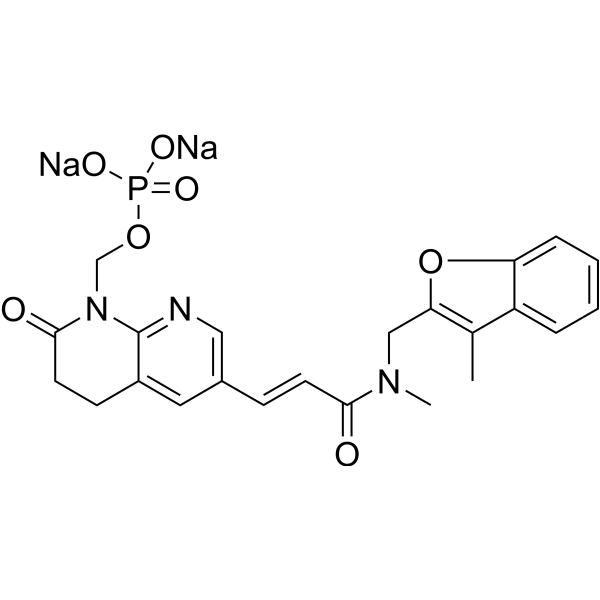
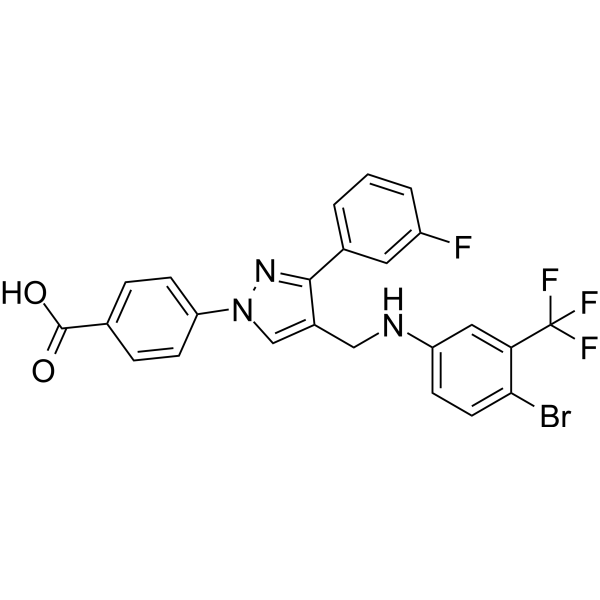
    FASN-IN-6 (compound 44) is a potent fatty acid biosynthesis (FAB) inhibitor. FASN-IN-6 is an antibacterial agent with MICs of 1 μg/mL and 4 μg/mL for S. aureus ATCC 25923 and E. faecalis ATCC 29212, respectively .
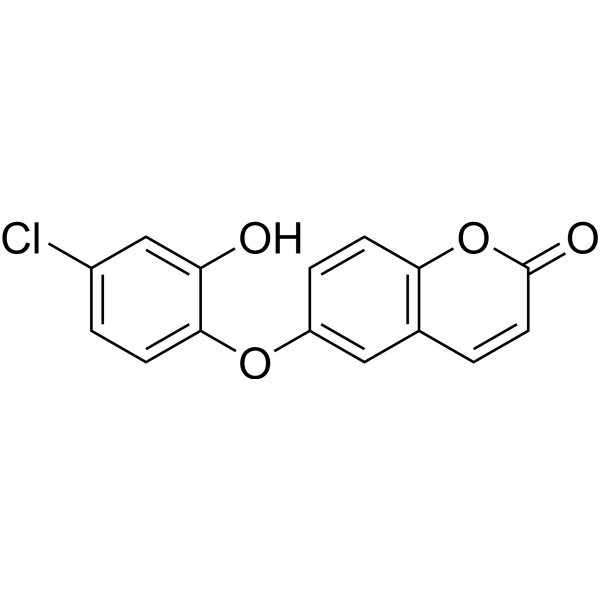
    FASN-IN-6
  • HY-114622

    API-1252 tosylate; Debio 1452 tosylate

    Bacterial Antibiotic Infection
    AFN-1252 (API-1252) tosylate is an orally active and selective inhibitor of FabI, an essential enzyme in fatty acid biosynthesis in Staphylococcus spp. AFN-1252 tosylate exhibits exquisite and highly selective activity against Staphylococcus spp. AFN-1252 tosylate exhibits typical MIC90 values of 0.015 μg/ml against diverse clinical isolates of S. aureus. AFN-1252 tosylate is efficacious in a mouse model of septicemia providing 100% protection from an otherwise lethal peritoneal infection of S. aureus Smith .
    AFN-1252 tosylate
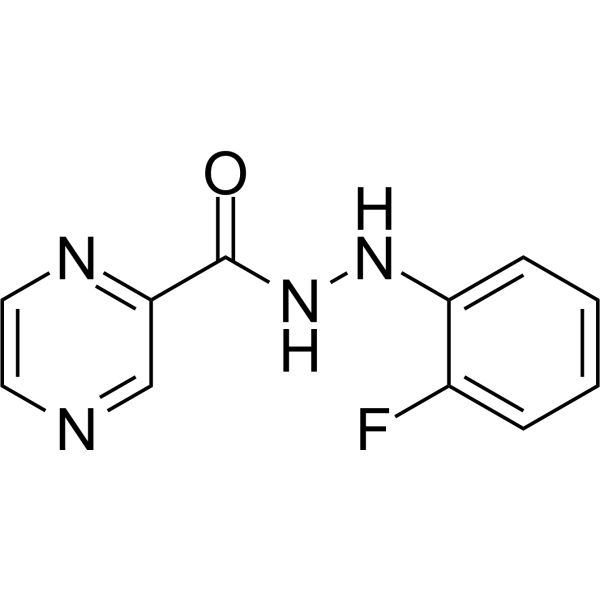
  • HY-145437

    Fungal Infection
    N'-(2-Fluorophenyl)pyrazine-2-carbohydrazide is a Ole1p desaturase inhibitor and antifungal agent .
    N'-(2-Fluorophenyl)pyrazine-2-carbohydrazide
  • HY-16911R

    API-1252 (Standard); Debio 1452 (Standard)

    Reference Standards Bacterial Antibiotic Infection
    Apramycin (Standard) is the analytical standard of Apramycin. This product is intended for research and analytical applications. 0
    AFN-1252 (Standard)
  • HY-E70256

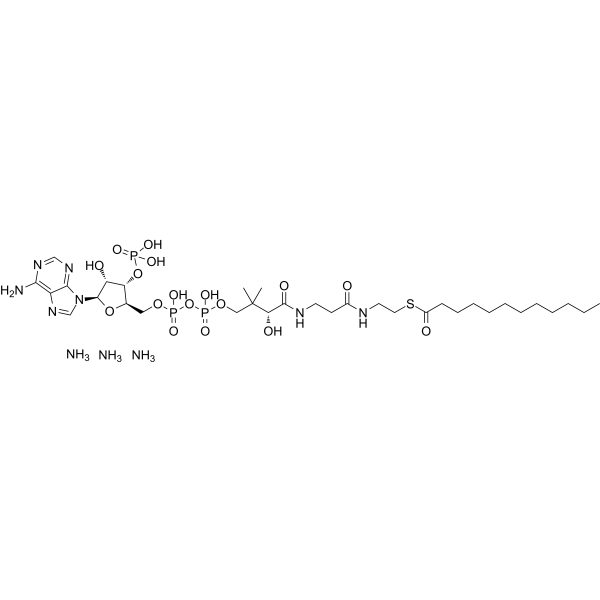
    Lauroyl coenzyme A triammonium; S-Dodecanoate-CoA triammonium; S-Dodecanoate-CoA triammonium

    Biochemical Assay Reagents Endogenous Metabolite Others
    12:0 Coenzyme A (Lauroyl coenzyme A triammonium) is an intermediary in fatty acid synthesis or metabolism, formed by combining long-chain fatty acids (or lauric acid) with coenzyme A. 12:0 Coenzyme A is involved in lipid biosynthesis and fatty acid transport, in which coenzyme A acts as a transport molecule to help move and target specific compounds .
    12:0 Coenzyme A triammonium
  • HY-167879A

    Fungal Fatty Acid Synthase (FASN) Infection Inflammation/Immunology
    NPD6433 is a triazenyl indole with broad-spectrum activity against all screening fungal strains. NPD6433 targets the enoyl reductase domain of fatty acid synthase 1 (Fas1), covalently inhibiting its flavin mononucleotide-dependent NADPH-oxidation activity and arresting essential fatty acid biosynthesis .
    NPD6433
  • HY-167879

    Fungal Fatty Acid Synthase (FASN) Infection Inflammation/Immunology
    (Rac)-NPD6433 is a racemate of NPD6433. NPD6433 is a triazenyl indole with broad-spectrum activity against all screening fungal strains. NPD6433 targets the enoyl reductase domain of fatty acid synthase 1 (Fas1), covalently inhibiting its flavin mononucleotide-dependent NADPH-oxidation activity and arresting essential fatty acid biosynthesis .
    (Rac)-NPD6433
  • HY-160633

    Parasite Infection
    PfFAS-II inhibitor 1 (Compound 3) is a Plasmodium falciparum type II fatty acid biosynthesis pathway (PfFAS-II) inhibitor, with an IC50 of 0.63 μM for PfFabI enzyme. PfFAS-II inhibitor 1 has antimalarial activity .
    PfFAS-II inhibitor 1
  • HY-100299A

    Farnesyl Transferase Cardiovascular Disease Metabolic Disease
    RPR107393 is an orally active potent selective squalene synthase (SQS) inhibitor. RPR107393 inhibits rat liver microsomal squalene synthase with an IC50 value of 0.8 nM. RPR107393 reduces triglyceride biosynthesis by suppressing fatty acid biosynthesis via an increase in intracellular farnesol and its derivatives. RPR107393 reduces plasma cholesterol in rats and marmosets. RPR107393 can be used for metabolic disease research, such as hypercholesterolemia, hypertriglyceridemia and atherosclerosis .
    RPR107393
  • HY-100299

    Farnesyl Transferase Cardiovascular Disease Metabolic Disease
    RPR107393 free base is an orally active potent selective squalene synthase (SQS) inhibitor. RPR107393 free base inhibits rat liver microsomal squalene synthase with an IC50 value of 0.8 nM. RPR107393 free base reduces triglyceride biosynthesis by suppressing fatty acid biosynthesis via an increase in intracellular farnesol and its derivatives. RPR107393 free base reduces plasma cholesterol in rats and marmosets. RPR107393 free base can be used for metabolic disease research, such as hypercholesterolemia, hypertriglyceridemia and atherosclerosis [1][2].
    RPR107393 free base
  • HY-W718383

    Roughanic acid

    Drug Intermediate Others
    7(Z),10(Z),13(Z)-Hexadecatrienoic acid (Roughanic acid) is an ω-3 polyunsaturated fatty acid (PUFA) that can be found in the leaves of S. olusatrum. 7(Z),10(Z),13(Z)-Hexadecatrienoic acid is an intermediate in the biosynthesis of jasmonic acid .
    7(Z),10(Z),13(Z)-Hexadecatrienoic acid
  • HY-119435R

    Herbicide Reference Standards Environmental Pollutants Others
    Triallate (Standard) is the analytical standard of Triallate (HY-119435). This product is intended for research and analytical applications. Triallate is a selective thiocarbamate herbicide. Triallate regulates the biosynthesis of very-long-chain fatty acids and inhibits the elongation and division of plant cells. Triallate is used to control wild oats in barley, spring wheat, durum wheat, winter wheat and sugar beets
    Triallate (Standard)
  • HY-165046

    TG(18:2(9E,12E)/18:2(9E,12E)/18:2(9E,12E)); Trilinoelaidin

    Prostaglandin Receptor Others
    1,2,3-Trilinoelaidoyl glycerol (TG(18:2(9E,12E)/18:2(9E,12E)/18:2(9E,12E))) is a compound that affects dietary triolein and has an effect on the fatty acid composition of rat organs, prostaglandin biosynthesis and platelet function. Different doses of intake have different effects on related physiological parameters of rats.
    1,2,3-Trilinoelaidoyl glycerol
  • HY-122129

    Endogenous Metabolite Metabolic Disease
    Very long chain polyunsaturated fatty acids (VLCPUFA) are present in retina, sperm, and brain. Though little is known of their biosynthesis or functional roles in these tissues, recent studies using the elongation of very long-chain FA-4 protein suggest a unique role for VLCPUFA in retinal development and macular degeneration. Dotriaconta-14,17,20,23,26,29-hexaenoic acid is a C32:6 VLCPUFA whose specific biological actions are largely unknown, but are thought to involve normal photoreceptor cell function in the retina.
    Dotriaconta-14,17,20,23,26,29-hexaenoic acid
  • HY-122129S

    Isotope-Labeled Compounds Endogenous Metabolite Metabolic Disease
    Dotriaconta-14,17,20,23,26,29-hexaenoic acid-d6 is deuterium labeled Dotriaconta-14,17,20,23,26,29-hexaenoic acid. Very long chain polyunsaturated fatty acids (VLCPUFA) are present in retina, sperm, and brain. Though little is known of their biosynthesis or functional roles in these tissues, recent studies using the elongation of very long-chain FA-4 protein suggest a unique role for VLCPUFA in retinal development and macular degeneration. Dotriaconta-14,17,20,23,26,29-hexaenoic acid is a C32:6 VLCPUFA whose specific biological actions are largely unknown, but are thought to involve normal photoreceptor cell function in the retina .
    Dotriaconta-14,17,20,23,26,29-hexaenoic acid-d6
  • HY-113947

    Herbicide Acetyl-CoA Carboxylase Others
    Metamifop is a post-emergence lipid synthesis inhibitor herbicide, with an IC50 of 41.1 nM against the carboxyltransferase (CT) domain of chloroplast acetyl-CoA carboxylase (ACCase) in barnyard grass (Echinochloa crus-galli). Metamifop inhibits the activity of the CT domain, thereby blocking fatty acid biosynthesis .
    Metamifop
  • HY-137121

    Bacterial Infection
    YKAs3003 is a potent inhibitor of Escherichia coli KAS III (ecKAS III) with antibacterial activity. The minimum inhibitory concentrations (MICs) of YKAs3003 against a variety of bacteria ranged from 128 to 256 μg/mL .
    YKAs3003
  • HY-W332206

    Herbicide Metabolic Disease
    Cafenstrole acts as a herbicide. Cafenstrole is a potent inhibitor of microsomal elongase enzyme involved in the biosynthesis of fatty acids with alkyl chains longer han C18 .
    Cafenstrole
  • HY-E70009A

    Biochemical Assay Reagents Metabolic Disease
    Acyl-CoA oxidase, Arthrobacter sp. (EC 1.3.3.6) is a redox enzyme that acts on the CH-CH group in donor molecules and uses oxygen as an acceptor. Acyl-CoA oxidase, Arthrobacter sp. (EC 1.3.3.6) is involved in three metabolic pathways: fatty acid metabolism, polyunsaturated fatty acid biosynthesis, and the PPAR signaling pathway.
    Acyl-CoA oxidase, Arthrobacter sp.

Inquiry Online

Your information is safe with us. * Required Fields.

Salutation


Country or Region *

Applicant Name *


Organization Name *

Department *


Email Address *


Product Name *

Cat. No.


Requested quantity *

Phone Number *


Remarks

Inquiry Online

Inquiry Information

Product Name:
Cat. No.:
Quantity:
MCE Japan Authorized Agent: