Search Result
Results for "
Hexy
" in MedChemExpress (MCE) Product Catalog:
13
Biochemical Assay Reagents
18
Isotope-Labeled Compounds
| Cat. No. |
Product Name |
Target |
Research Areas |
Chemical Structure |
-
- HY-B0986
-
-
-
- HY-B0903
-
-
-
- HY-142977
-
|
|
Drug Intermediate
|
Others
|
|
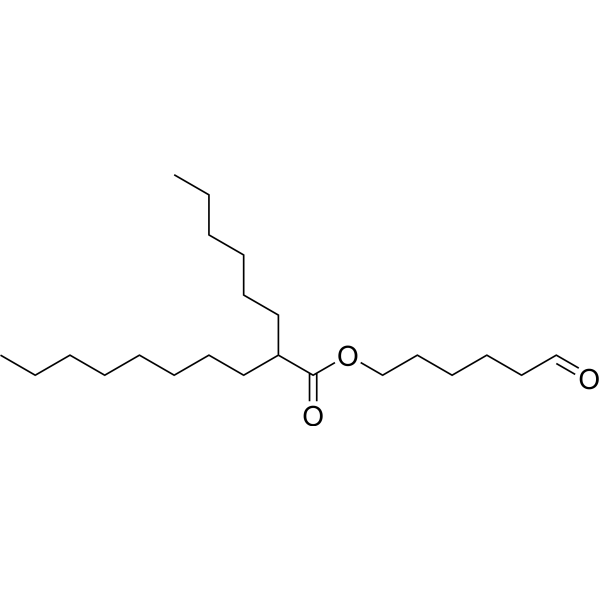
6-Oxohexyl 2-hexyldecanoate, 80% (ELSD) is an intermediate in the synthesis of ALC-0315. 6-Oxohexyl 2-hexyldecanoate, 80% (ELSD) can be used in research on drug delivery, such as mRNA delivery .
|
-
-
- HY-137477
-
|
|
Biochemical Assay Reagents
|
Others
|
|
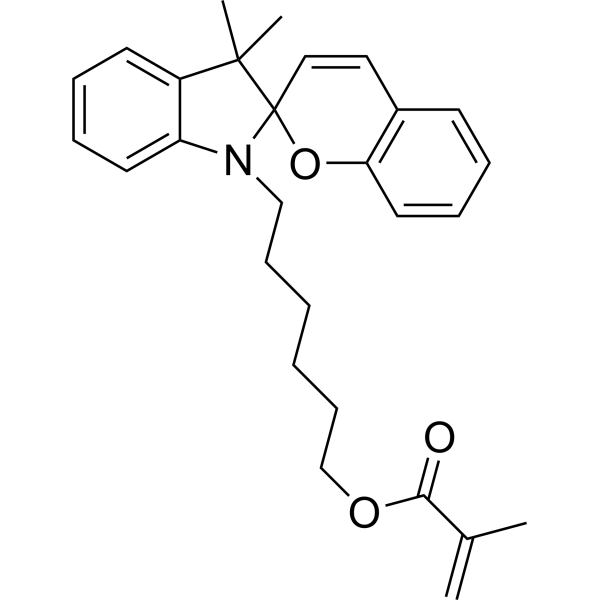
Spiropyran hexyl methacrylate is a compound used to prepare spiropyran-based polymer hydrogels, which can be used in research on photoactivated mechanical drives .
|
-
-
- HY-109656
-
-
-
- HY-B1851
-
|
|
Environmental Pollutants
Parasite
|
Infection
|
|
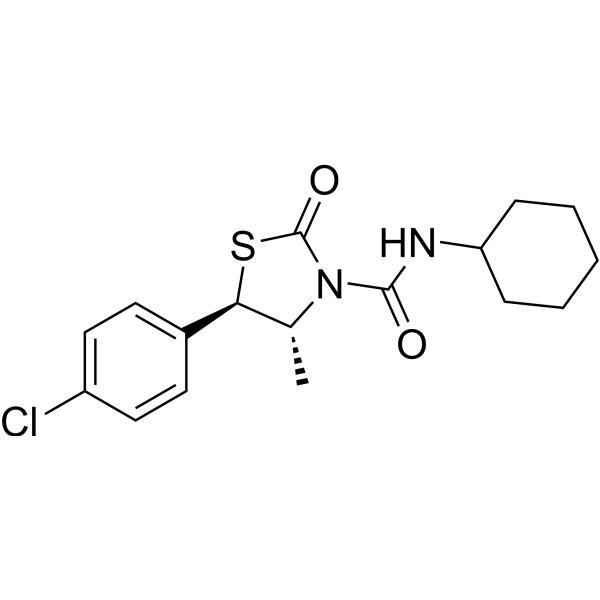
Hexythiazox is a selective acaricide with ovicidal, larvicidal and nymphicidal activities. Hexythiazox is widely used for chemical control of mites on cotton, fruits and vegetables. Hexythiazox is harmless to mammals and has no effect on beneficial insects and predators of mites .
|
-
-
- HY-21242
-
|
|
Drug Intermediate
Phosphoramidites
|
Others
|
|
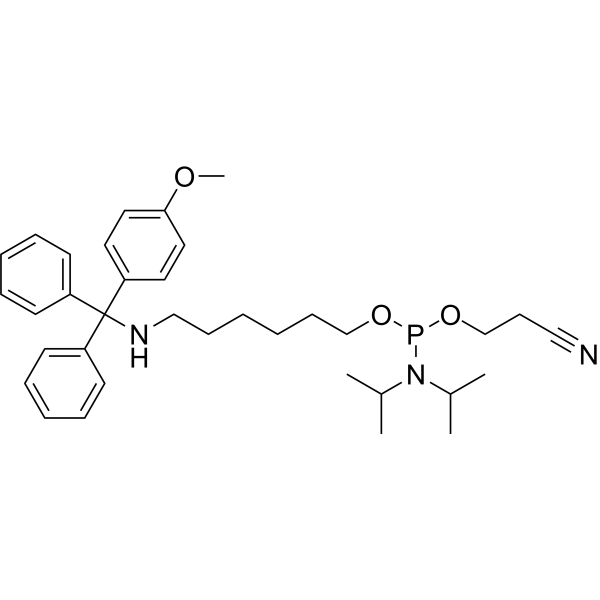
MMT-Hexylaminolinker Phosphoramidite is a degradable linker and aminoalkylphosphoramidite monomer that can be used for the synthesis of oligonucleotide gap sequences or other nucleic acid molecules .
|
-
-
- HY-Y0925
-
|
Hex-5-ynoic acid
|
Drug Intermediate
PROTAC Linkers
|
Others
|
|
5-Hexynoic acid (Hex-5-ynoic acid) is an alkynoic acid. 5-Hexynoic acid serves as a drug intermediate for the synthesis of 3-alkoxy-2-cyclohexenone .
|
-

-
- HY-133079
-
|
tetra-isopalmitoyl Ascorbic acid; IPAA; TetraHexyldecyl Ascorbate
|
Prostaglandin Receptor
|
Endocrinology
|
|
Ascorbyl tetra-2-hexyldecanoate (tetra-isopalmitoyl Ascorbic acid; IPAA) is a lipophilic derivative of vitamin C (L-ascorbic acid). Ascorbyl tetra-2-hexyldecanoate (100 μM ) can prevent the decrease in viability of HaCaT keratinocytes induced by UVB, hydrogen peroxide, or tert-butyl hydroperoxide, and reduce the production of IL-1α and prostaglandin E2 (PGE2). Topical application of ascorbyl tetra-2-hexyldecanoate (1%) increases epidermal viability thickness, stratum corneum water content, and skin smoothness, and reduces skin roughness in hairless mice. Ascorbyl tetra-2-hexyldecanoate can be used to develop skin whitening agents in the beauty industry.
|
-

-
- HY-16045
-
|
Hexyl 5-aminolevulinate hydrochloride; P-1206; 5-Aminolevulinic acid Hexyl ester hydrochloride
|
Fluorescent Dye
|
Cancer
|
|
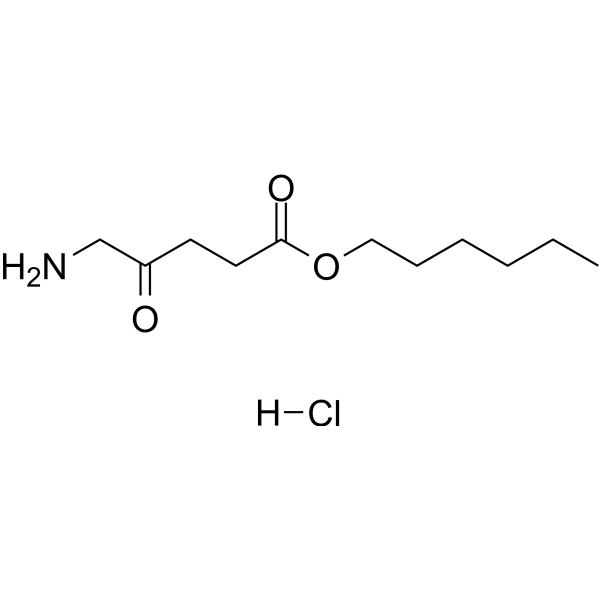
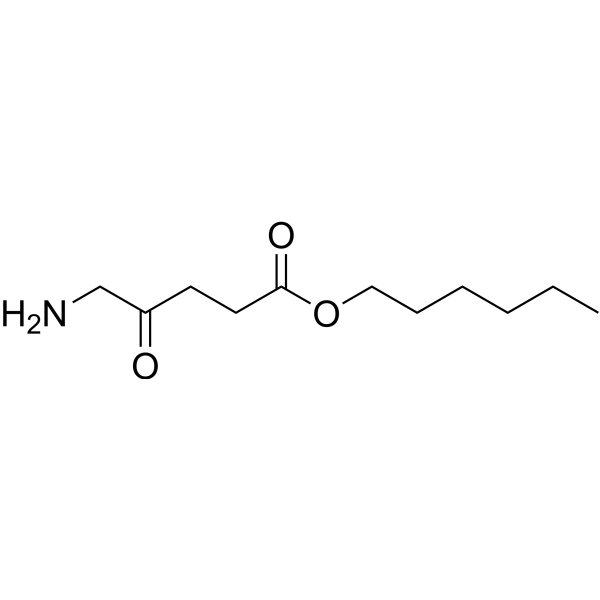
Hexaminolevulinate (Hexyl 5-aminolevulinate) hydrochloride, a porphyrin precursor, is a photosensitiser that can be used in photodynamic therapy (PDT) for certain tumor. Hexaminolevulinate hydrochloride can improve the visualisation of bladder tumours .
|
-
-
- HY-W014118
-
|
|
Environmental Pollutants
|
Inflammation/Immunology
Cancer
|
|
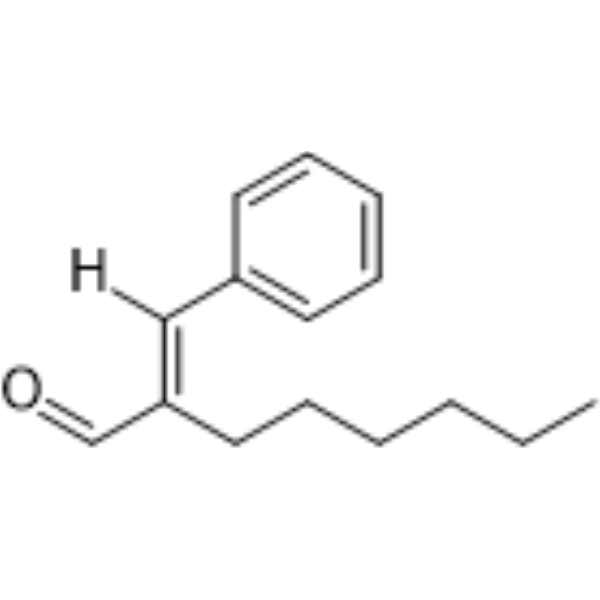
α-Hexylcinnamaldehyde is an O-acetyltransferase (OAT) inhibitor. α-Hexylcinnamaldehyde inhibits OAT-mediated bioactivation of nitroarene mutagens, exerts antimutagenic activity through demutagenic and bioantimutagenic mechanisms, and interferes with ATP-binding cassette (ABC) transporter function to reduce substrate efflux. α-Hexylcinnamaldehyde alters membrane permeability, fluidizes phospholipid membranes, exerts antioxidant effects, and enhances the antiproliferative effect of Doxorubicin on human cancer cells. α-Hexylcinnamaldehyde can be used in the research of colorectal adenocarcinoma, T-cell leukemia, and multidrug-resistant cancers .
|
-
-
- HY-138387
-
|
|
ADC Linker
|
Cancer
|
|
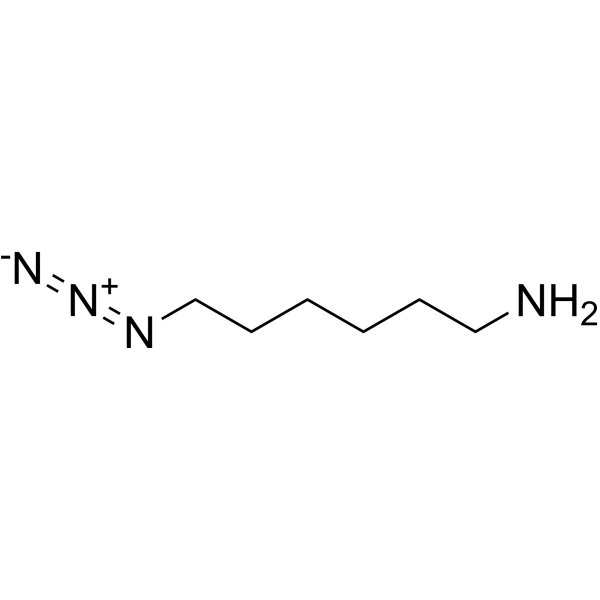
6-Azido-hexylamine is a cleavable ADC linker used in the synthesis of antibody-drug conjugates (ADCs) . 6-Azido-hexylamine is a click chemistry reagent, it contains an Azide group and can undergo copper-catalyzed azide-alkyne cycloaddition reaction (CuAAc) with molecules containing Alkyne groups. It can also undergo strain-promoted alkyne-azide cycloaddition (SPAAC) reactions with molecules containing DBCO or BCN groups.
|
-
-
- HY-W015943
-
|
5-Hexyn-1-ol
|
PROTAC Linkers
|
Cancer
|
|
Hex-5-yn-1-ol (5-Hexyn-1-ol) is a PROTAC linker that can be used in the synthesis of PROTACs.
|
-

-
- HY-W013754
-
|
|
Glutathione S-transferase
|
Others
|
|
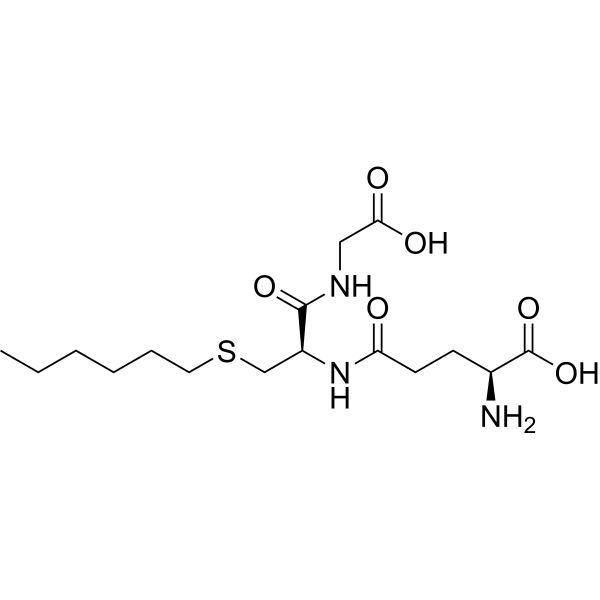
S-Hexylglutathione is an S-substituted glutathione in which the hydrogen of the thiol has been replaced by a hexyl group. S-Hexylglutathione is also an competitive inhibitor against glutathione-S-transferase. S-Hexylglutathione can be used as an affinity chromatographic ligand for glutathione-S-transferase and glutathione peroxidase .
|
-
-
- HY-W274569
-
-

-
- HY-W150866
-
|
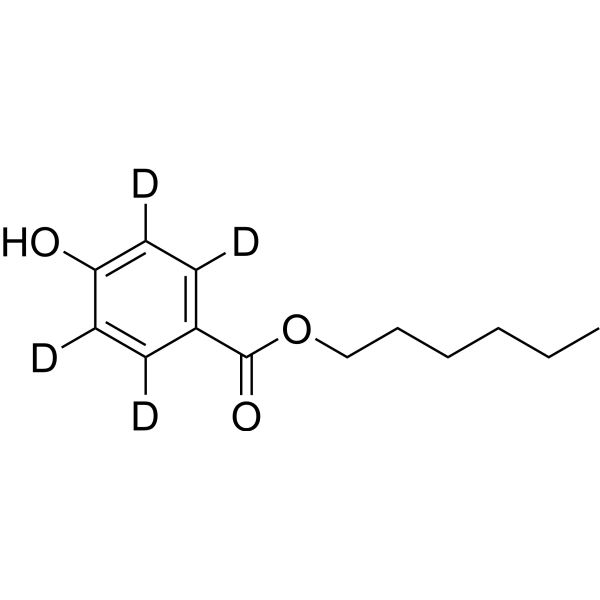
Hexylparaben
|
ROR
|
Inflammation/Immunology
|
|
Hexyl 4-hydroxybenzoate (Hexylparaben) is a retinoic acid-related orphan receptor RORγ(t) agonist with an EC50 of 144 nM. Hexyl 4-hydroxybenzoate is used in the study of autoimmune diseases .
|
-

-
- HY-W099682
-
|
n-Hexyl trimethylammonium bromide
|
Biochemical Assay Reagents
|
Others
|
|
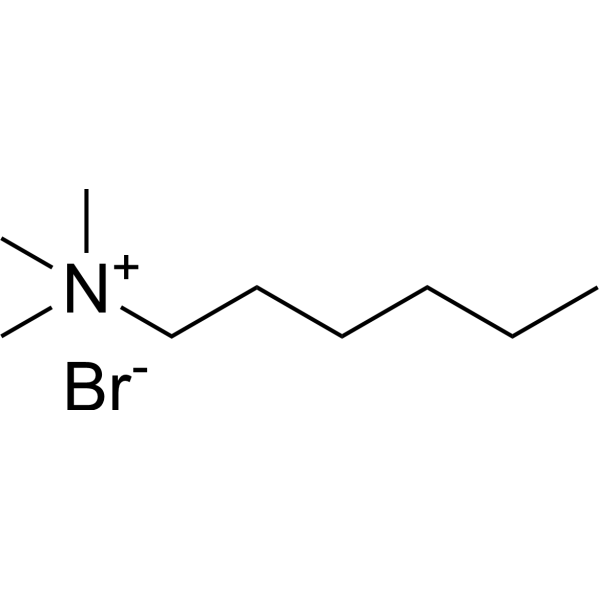
Hexyltrimethylammonium bromide is a cationic surfactant, quaternary ammonium compound, detergent, emulsifier, phase transfer catalyst, antibacterial agent, electrochemical device, corrosion inhibitor, micelle former, industrial chemical.
|
-
-
- HY-W273690
-
|
1-Hexyltheobromine; Hexyltheobromine
|
Drug Intermediate
Collagen
|
Cardiovascular Disease
Neurological Disease
|
|
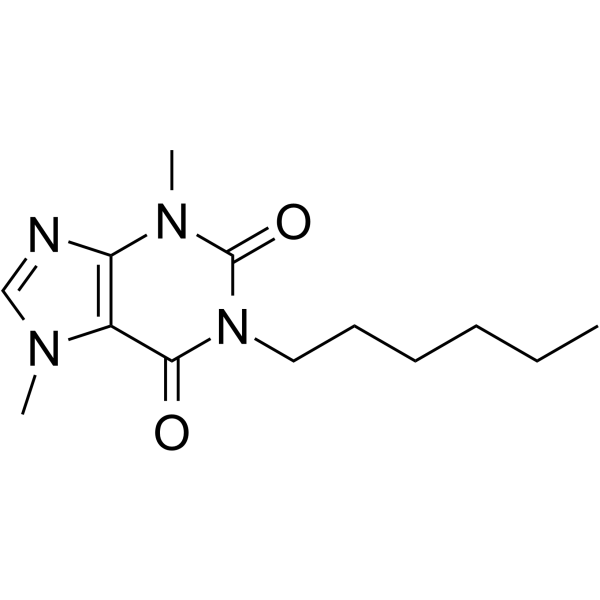
Pentifylline (1-Hexyltheobromine; Hexyltheobromine), PTX (HY-B0715) precursor compound, is a vasodilator. Pentifylline decreases procollagen levels and inhibits collagen production. Pentifylline reduces functional nuclear NF-1 to suppress procollagen gene transcription .
|
-
-
- HY-W073472
-
|
|
PROTAC Linkers
|
Cancer
|
|
6-Amino-1-hexyne is a PROTAC linker that can be used in the synthesis of PROTACs.
|
-

-
- HY-W142443
-
|
5-Hexynyl Chloride
|
PROTAC Linkers
|
Cancer
|
|
6-Chloro-1-hexyne (5-Hexynyl Chloride) is a PROTAC linker that can be used in the synthesis of PROTACs.
|
-

-
- HY-W110166
-
|
|
Biochemical Assay Reagents
|
Others
|
|
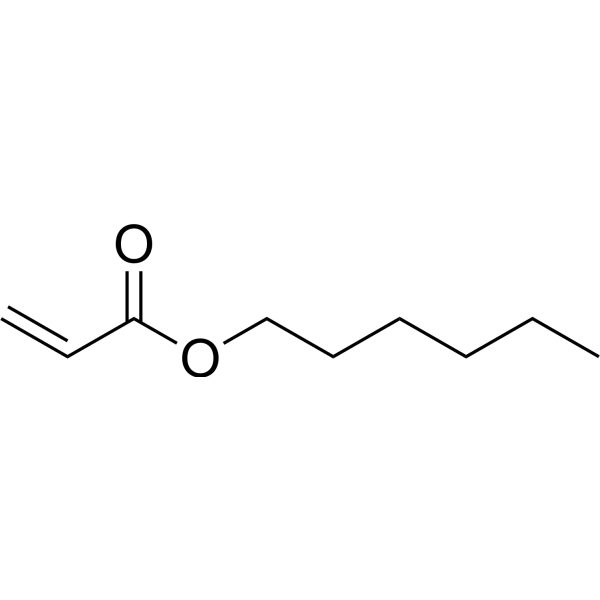
Hexyl acrylate is a photoinitiator. Hexyl acrylate undergoes self-polymerization via piCVD under 254 nm UV radiation. Hexyl acrylate can be polymerized by atom transfer radical polymerization technology .
|
-
-
- HY-121660
-
|
|
Drug Derivative
|
Cardiovascular Disease
|
|
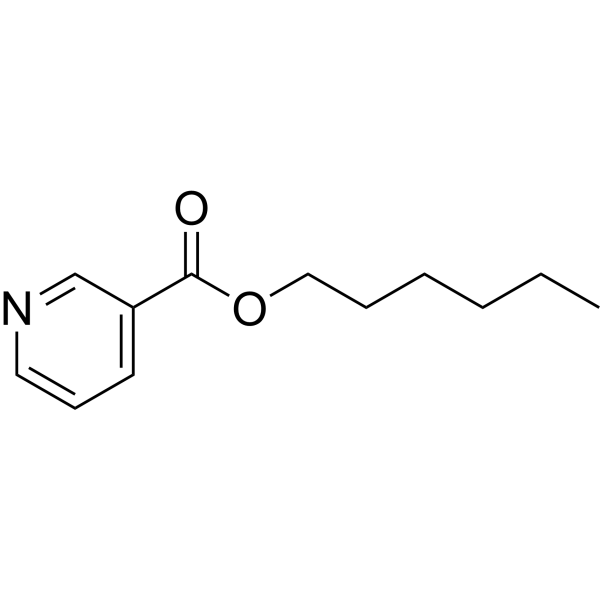
Hexyl nicotinate is a lipid-soluble nicotinic acid ester and cutaneous vasodilator. Hexyl nicotinate induces localized cutaneous vasodilation and increases blood flow. Hexyl nicotinate can be used for the research of Raynaud's phenomenon .
|
-
-
- HY-W013521
-
|
|
Environmental Pollutants
|
Others
|
|
Hexyl Salicylate is a commonly used fragrance component, widely applied in cosmetics, perfumes, cleaning products, etc. Hexyl Salicylate has low acute toxicity, no irritation to human skin, no phototoxicity and no photosensitization .
|
-

-
- HY-130651
-
|
|
PROTAC Linkers
|
Others
|
|
5-Hexynal (compound 3) is a PROTAC linker that can be used to prepare the PROTAC product iRucaparib-TP3 (HY-130645) .
|
-

-
- HY-109656R
-
|
DHHB (Standard)
|
Biochemical Assay Reagents
Reference Standards
|
Others
|
|
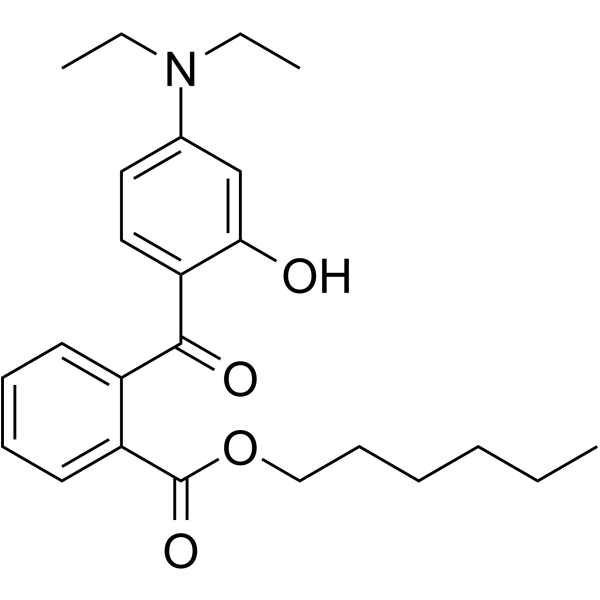
Diethylamino hydroxybenzoyl hexyl benzoate (Standard) is the analytical standard of Diethylamino hydroxybenzoyl hexyl benzoate. This product is intended for research and analytical applications. Diethylamino hydroxybenzoyl hexyl benzoate is a photostable UV-A absorber.
|
-

-
- HY-135652
-
|
Hexyl 3,4,5-trihydroxybenzoate
|
Bacterial
Parasite
|
Infection
|
|
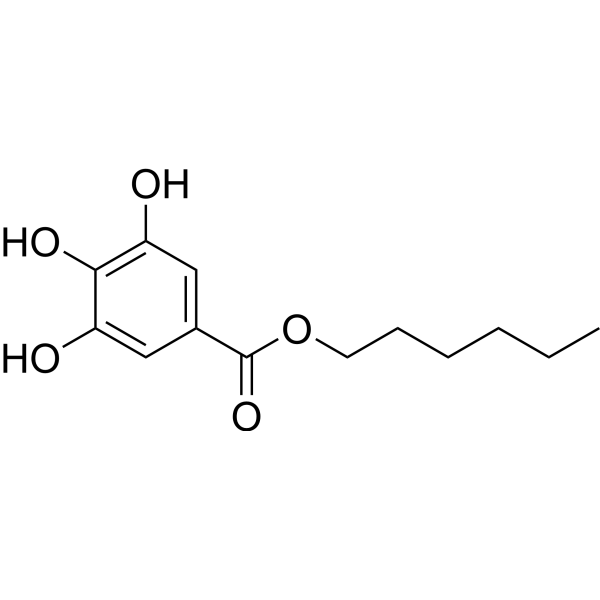
Hexyl gallates (Hexyl 3,4,5-trihydroxybenzoate) shows antibacterial activity and inhibits the production of rhamnolipid and pyocyanin by inhibiting RhlR . Hexyl gallate, a alkyl ester derivative of gallic acid, exhibits potent antimalarial activity against Plasmodium falciparum, with IC50 of 0.11 mM .
|
-
-
- HY-118783
-
|
(±)-2-Hexyl-4-pentynoic acid
|
HDAC
HSP
|
Neurological Disease
Cancer
|
|
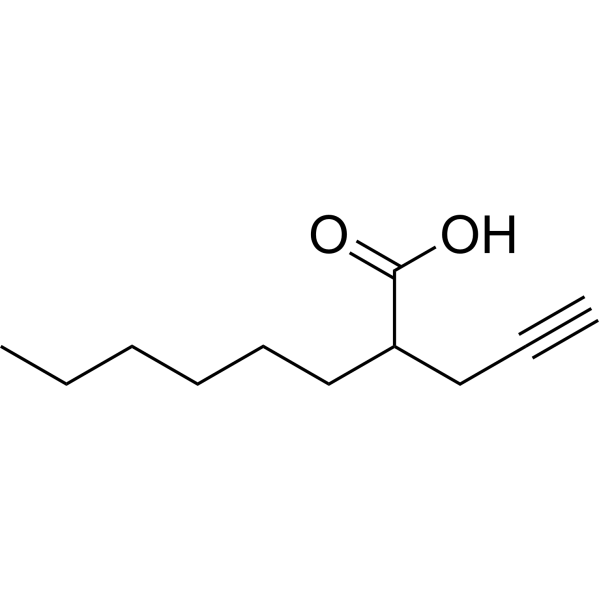
2-Hexyl-4-pentynoic acid ((±)-2-Hexyl-4-pentynoic acid), a Valproic acid (HY-10585) derivative, exhibits potential roles of HDAC inhibition (IC50 = 13 μM) and HSP70 induction. 2-Hexyl-4-pentynoic acid causes histone hyperacetylation and protect against glutamate-induced excitotoxicity in cultured neurons. 2-Hexyl-4-pentynoic acid can be used for the study of breast carcinoma. 2-Hexyl-4-pentynoic acid is a click chemistry reagent, it contains an Alkyne group and can undergo copper-catalyzed azide-alkyne cycloaddition (CuAAc) with molecules containing Azide groups .
|
-
-
- HY-W127650
-
|
DimethylHexyloctylammonium bromide
|
Biochemical Assay Reagents
|
Others
|
|
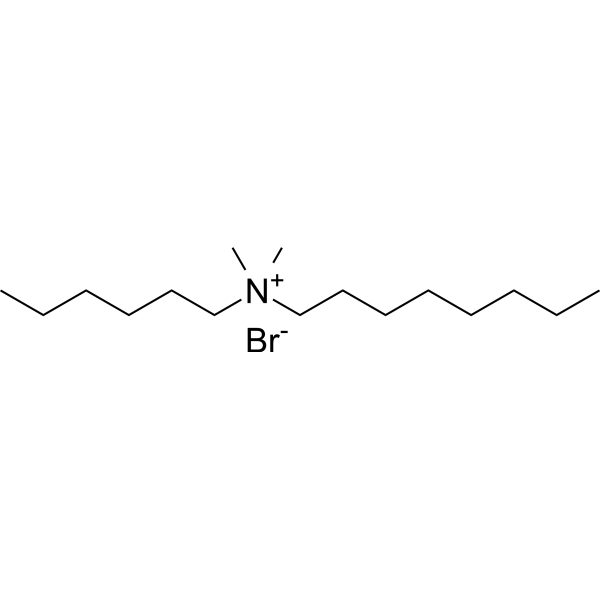
Hexyldimethyloctylammonium Bromide is a biochemical reagent that can be used as a biological material or organic compound for life science related research.
|
-
-
- HY-W099632
-
|
|
Biochemical Assay Reagents
|
Infection
Inflammation/Immunology
|
|
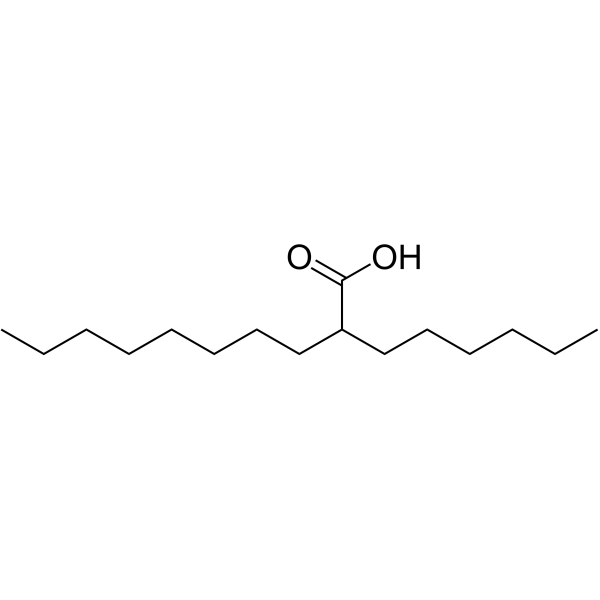
2-Hexyldecanoic acid is a lipid containing one carboxylic acid group and two non-polar tails. In the presence of EDC, HATU and DCC, carboxylic acid groups can undergo continuous amide coupling reactions with amine-containing biomolecules to form stable amide bonds. 2-Hexyldecanoic acid can be used as an aerolysin inhibitor to prevent bacterial pathogens. 2-Hexyldecanoic acid can cause contact dermatitis .
|
-
-
- HY-W440815
-
|
|
Liposome
|
Others
|
|
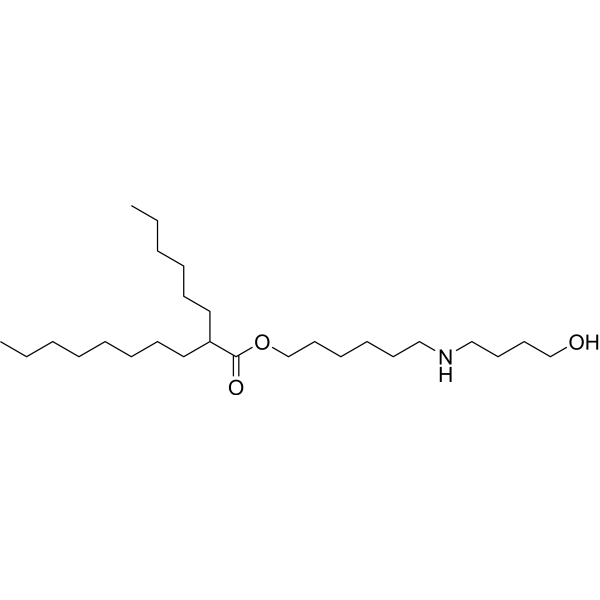
6-((4-Hydroxybutyl)amino)hexyl 2-hexyldecanoate is a lipid, it can be used to synthesis nanomaterials. 6-((4-Hydroxybutyl)amino)hexyl provides the use of the nano-lipid particle as the key component in nucleic acid delivery, including the components of the delivery carrier .
|
-
-
- HY-43948
-
-

-
- HY-137370
-
|
HENECA; 2-Hexynyl-NECA
|
Adenosine Receptor
Amyloid-β
|
Neurological Disease
|
|
2-Hexynyl-5′-N-ethylcarboxamidoadenosine (HENECA) is a selective A2A adenosine receptor agonist. 2-Hexynyl-5′-N-ethylcarboxamidoadenosine increases intracellular cAMP level, and inhibits TNFα-evoked MMP-3 release. 2-Hexynyl-5′-N-ethylcarboxamidoadenosine induces Aβ42 production in SH-SY5Y cells .
|
-

-
- HY-103559
-
|
|
mGluR
|
Neurological Disease
|
|
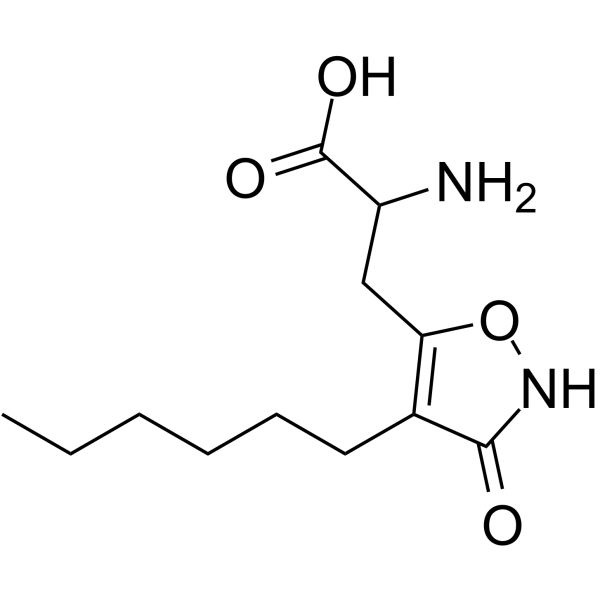
HexylHIBO is a potent group I mGluR antagonist with Kbs of 140 μM and 110 μM at mGlu1a and mGlu5a receptors, respectively. HexylHIBO does not inhibits mGlu2 and mGlu4a. HexylHIBO decreased spontaneous excitatory postsynaptic currents (sEPSCs) in rat .
|
-
-
- HY-N7402
-
|
|
Others
|
Others
|
|
Hexyl hexanoate is a fruit aroma component with potential food and beverage additive activity. Hexyl hexanoate is found in alcoholic beverages and is used to blend fruit flavors. Hexyl hexanoate is present in many fruits, Parmesan cheese, alcoholic beverages, and black tea. Hexyl hexanoate is a volatile component produced as a result of fruit ripening. Toxicity assessments of hexyl hexanoate showed that it is not mutagenic and that exposure is below safety thresholds for repeated dose, reproduction, and local respiratory toxicity. Hexyl hexanoate is also below thresholds in skin sensitization assessments, and for phototoxicity and photosensitization, the results showed that it does not present a relevant risk. Hexyl hexanoate is considered non-persistent, non-bioaccumulative, and non-toxic according to the environmental criteria of the International Fragrance Association .
|
-

-
- HY-34544
-
|
|
Others
|
Others
|
|
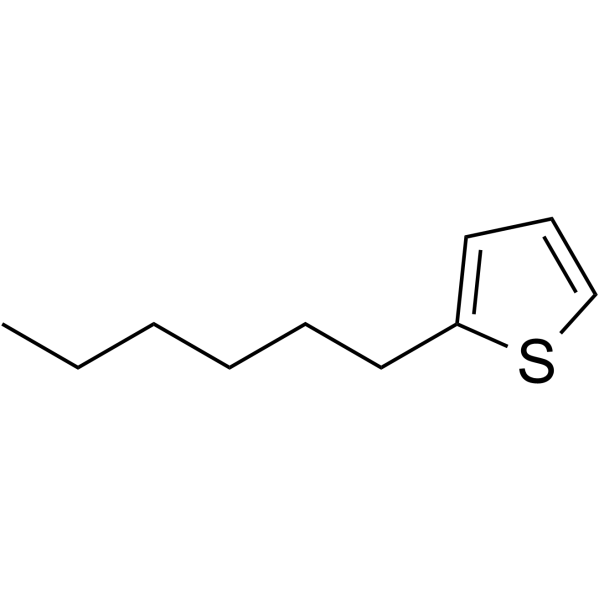
2-Hexylthiophene is an extremely weak basic heteroaromatic compound. 2-Hexylthiophene can be used to modify and improve the molar absorption coefficient of ruthenium sensitizer
|
-
-
- HY-Z0668
-
-

-
- HY-B0903R
-
|
2-Methyl-2,4-pentanediol (Standard); MPD (Standard)
|
Biochemical Assay Reagents
Reference Standards
|
Others
|
|
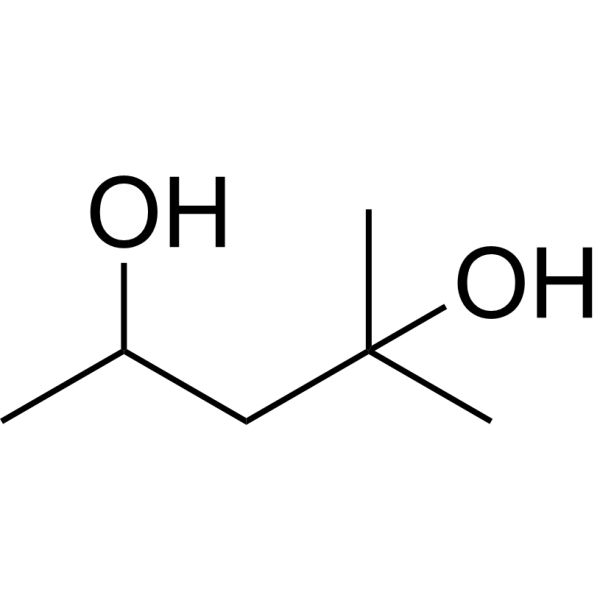
Hexylene glycol (Standard) is the analytical standard of Hexylene glycol. This product is intended for research and analytical applications. Hexylene glycol is a low molecular weight surfactant that is widely used as an industrial coating solvent without causing adverse health or environmental effects.
|
-

-
- HY-Z0669
-
-

-
- HY-B1851S
-
|
|
Isotope-Labeled Compounds
Parasite
|
Infection
|
|
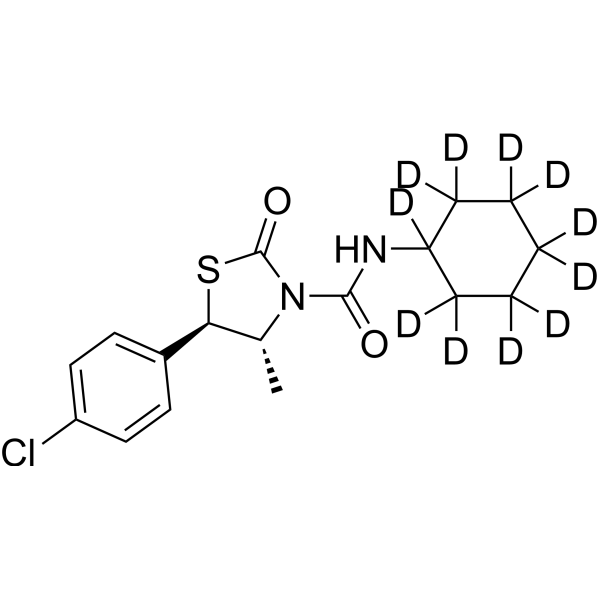
Hexythiazox-d11 is deuterium labeled Hexythiazox. Hexythiazox is a selective acaricide with ovicidal, larvicidal and nymphicidal activities. Hexythiazox is widely used for chemical control of mites on cotton, fruits and vegetables. Hexythiazox is harmless to mammals and has no effect on beneficial insects and predators of mites .
|
-
-
- HY-I0357S
-
|
Hexyl chloroformate-d13; Hexyloxycarbonyl-d13 chloride
|
Isotope-Labeled Compounds
|
Others
|
|
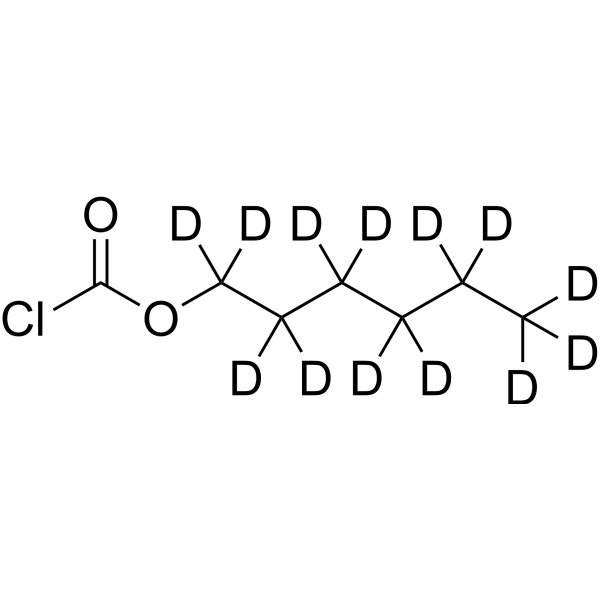
Hexyl chlorocarbonate-d13 is the deuterium labeled Hexyl chlorocarbonate .
|
-
-
- HY-W800777
-
|
|
Liposome
|
Cancer
|
|
6-(3-Hydroxypropylamino)hexyl 2-hexyldecanoate is an ionizable lipid which can be used to make ALC-0315. The lipid has an ester bond adjacent to C6 relative to the amine nitrogen. The introduction of ester linkages can improve the clearance of the lipid in the liver.
|
-

-
- HY-B0986R
-
|
4-Hexylresorcinol (Standard)
|
Reference Standards
Parasite
Bacterial
Apoptosis
Glycosidase
Endogenous Metabolite
|
Infection
Metabolic Disease
Cancer
|
|
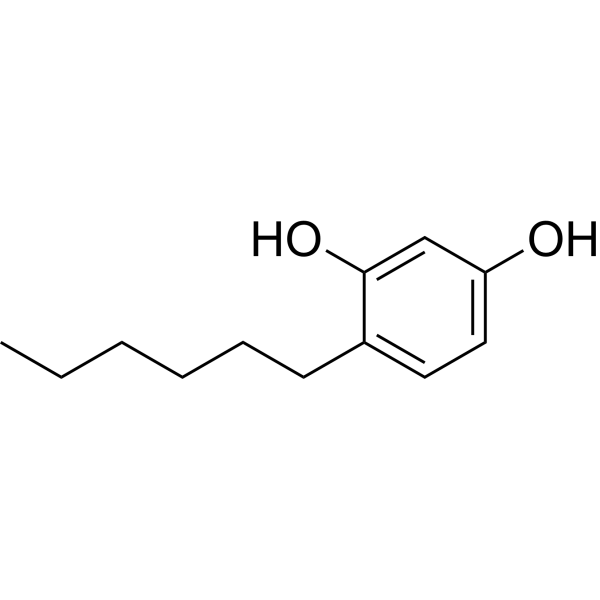
Hexylresorcinol (Standard) is the analytical standard of Hexylresorcinol. This product is intended for research and analytical applications. Hexylresorcinol (4-Hexylresorcinol) is a natural compound found in plants with antimicrobial, anthelmintic, antiseptic and antitumor activities. Hexylresorcinol can induce apoptosis in squamous carcinoma cells. Hexylresorcinol is a reversible and noncompetitive inhibitor of α-glucosidase. Hexylresorcinol has protective effects against oxidative DNA damage .
|
-

-
- HY-W127318
-
|
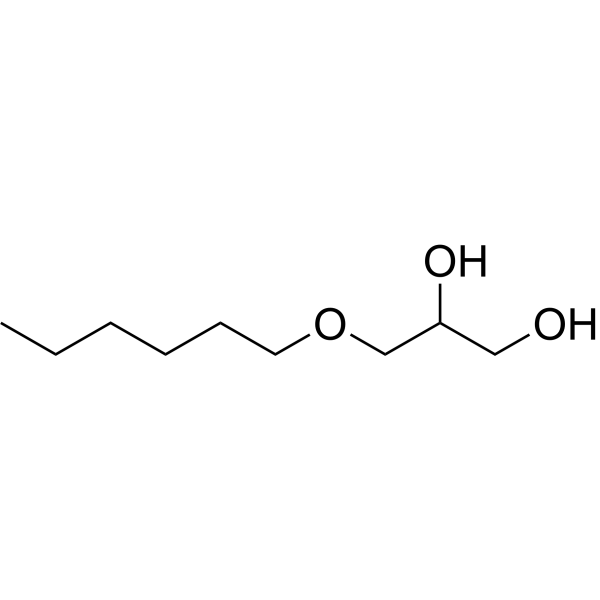
1-O-Hexylglycerol
|
Biochemical Assay Reagents
|
Others
|
|
1-O-Hexyl-rac-glycerol is a biochemical reagent that can be used as a biological material or organic compound for life science related research.
|
-
-
- HY-43948R
-
|
Methanesulfonic acid Hexyl ester (Standard)
|
Biochemical Assay Reagents
Reference Standards
|
Metabolic Disease
|
|
Hexyl methanesulfonate (Standard) is the analytical standard of Hexyl methanesulfonate. This product is intended for research and analytical applications. Hexyl methanesulfonate (Methanesulfonic acid hexyl ester) is an ester product.
|
-

-
- HY-B1851R
-
|
|
Reference Standards
Parasite
|
Infection
|
|
Hexythiazox (Standard) is the analytical standard of Hexythiazox. This product is intended for research and analytical applications. Hexythiazox is a selective acaricide with ovicidal, larvicidal and nymphicidal activities. Hexythiazox is widely used for chemical control of mites on cotton, fruits and vegetables. Hexythiazox is harmless to mammals and has no effect on beneficial insects and predators of mites .
|
-

-
- HY-N14971
-
|
|
Others
|
Others
|
|
Hexylitaconic acid is a plant growth regulator. Hexylitaconic acid has the effect of stimulating plant growth .
|
-

-
- HY-103560
-
|
|
mGluR
|
Neurological Disease
|
|
(S)-HexylHIBO is the S-enantiomer of HexylHIBO. HexylHIBO is a group I mGluR antagonist. HexylHIBO elevates the hypothalamus-pituitary-adrenal axis response to restraint in rats. HexylHIBO is promising for research of central nervous system-related diseases .
|
-

-
- HY-W014118S
-
|
|
Isotope-Labeled Compounds
|
Cancer
|
|
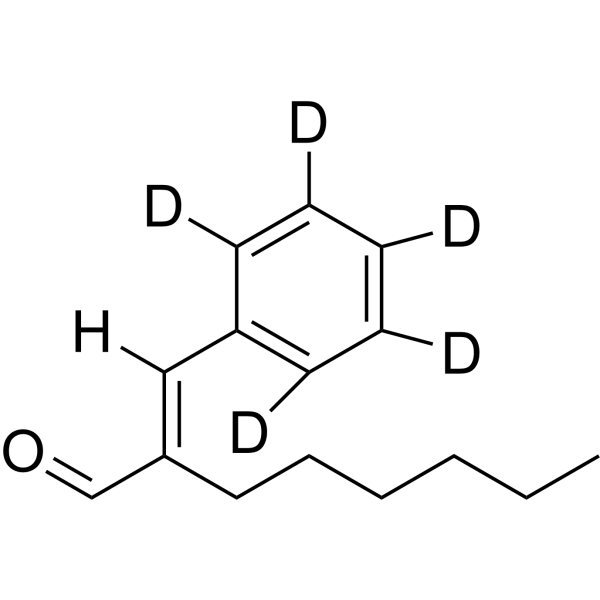
α-Hexylcinnamaldehyde-d5 is deuterated labeled α-Hexylcinnamaldehyde (HY-W014118). α-Hexylcinnamaldehyde, a compound derived from Cinnamaldehyde. α-Hexylcinnamaldehyde has the potential antimutagenic and chemosensitizing properties. α-Hexylcinnamaldehyde is widely used as an ingredient in many personal care, and as an additive in food and the pharmaceutical industry .
|
-
-
- HY-W014118R
-
|
|
Reference Standards
Environmental Pollutants
|
Cancer
|
|
α-Hexylcinnamaldehyde (Standard) is the analytical standard of α-Hexylcinnamaldehyde. This product is intended for research and analytical applications. α-Hexylcinnamaldehyde is an O-acetyltransferase (OAT) inhibitor. α-Hexylcinnamaldehyde inhibits OAT-mediated bioactivation of nitroarene mutagens, exerts antimutagenic activity through demutagenic and bioantimutagenic mechanisms, and interferes with ATP-binding cassette (ABC) transporter function to reduce substrate efflux. α-Hexylcinnamaldehyde alters membrane permeability, fluidizes phospholipid membranes, exerts antioxidant effects, and enhances the antiproliferative effect of Doxorubicin on human cancer cells. α-Hexylcinnamaldehyde can be used in the research of colorectal adenocarcinoma, T-cell leukemia, and multidrug-resistant cancers .
|
-

-
- HY-156327S
-
-
- HY-157943
-
|
HAL
|
Fluorescent Dye
|
Cancer
|
|
Hexyl 5-aminolevulinate (HAL) is a photosensitizer, and can increase the efficiency of PDT due to the high lipophilicity. Hexyl 5-aminolevulinate can be used for research of photodynamic therapy (PDT) .
|
-
- HY-129801
-
-
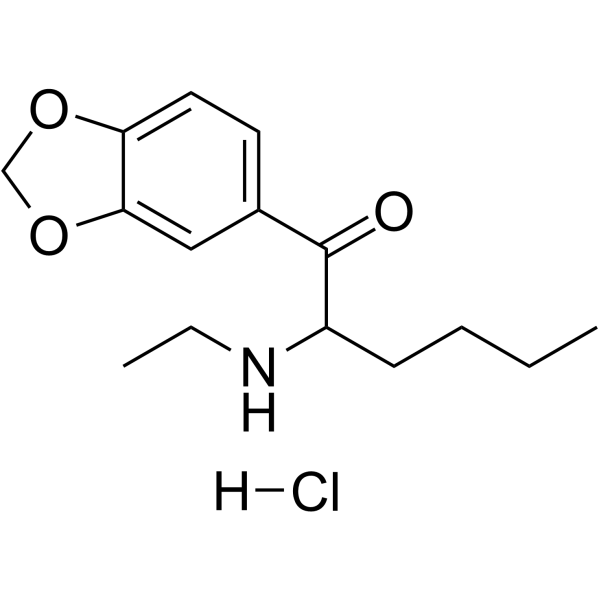
- HY-W416273
-
-

- HY-W587411S
-
-
![Mono[2-(carboxymethyl)hexyl] phthalate-d4](//file.medchemexpress.com/product_pic/hy-w587411s.gif)
- HY-W725613
-
-

- HY-D1748
-
|
|
Fluorescent Dye
|
Others
|
|
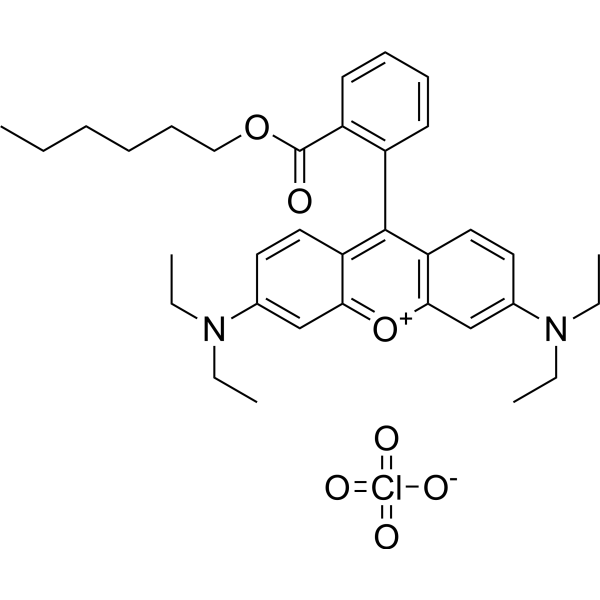
Rhodamine B hexyl ester perchlorate is a cell-permeant, orange-fluorescent dye for mitochondria.
|
-
- HY-W440811
-
|
|
Liposome
|
Others
|
|
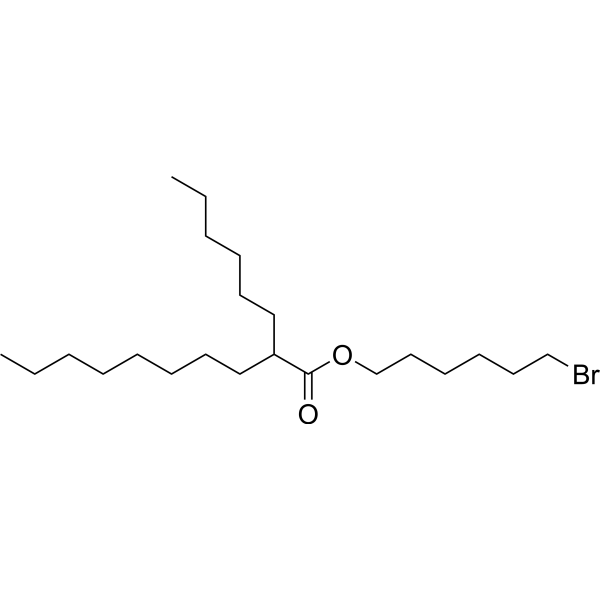
6-Bromohexyl 2-hexyldecanoate is a lipid. 6-Bromohexyl 2-hexyldecanoate can be used to build lipid nanoparticles and nanomaterials .
|
-
- HY-166004
-
-

- HY-W369135
-
|
TFA-aminolinker C6 phosphoramidite
|
DNA/RNA Synthesis
|
Others
|
|
TFA-Hexylaminolinker Phosphoramidite (TFA-aminolinker C6 phosphoramidite) is a phosphoramidite monomer used in oligonucleotide synthesis.
|
-

- HY-166996
-
|
|
Biochemical Assay Reagents
|
Others
|
|
Bis(N-2-ethoxyethyl 2-hexyldecanoate)amine is a PEG lipid that can improve the delivery efficiency and tissue specificity of poorly soluble drugs. Bis(N-2-ethoxyethyl 2-hexyldecanoate)amine can be used in drug delivery research .
|
-

- HY-W613397
-
|
|
PROTAC Linkers
|
Cancer
|
|
tert-Butyl N-[6-(methylamino)hexyl]carbamate is a PROTAC linker that can be used in the synthesis of PROTACs.
|
-
![tert-Butyl N-[6-(methylamino)hexyl]carbamate](//file.medchemexpress.com/product_pic/hy-w613397.gif)
- HY-165873
-
-

- HY-142984
-
|
|
Liposome
|
Others
|
|
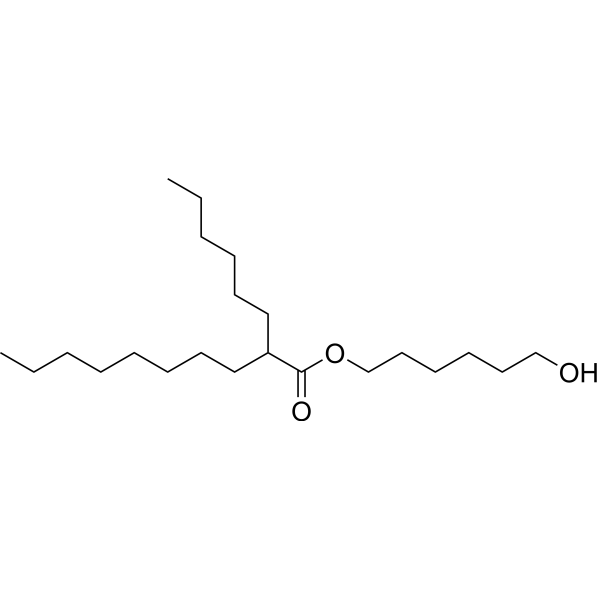
Decanoic acid, 2-hexyl-, 6-oxohexyl ester-1 is a lipid product can be used for drug delivery .
|
-
- HY-B1224
-
|
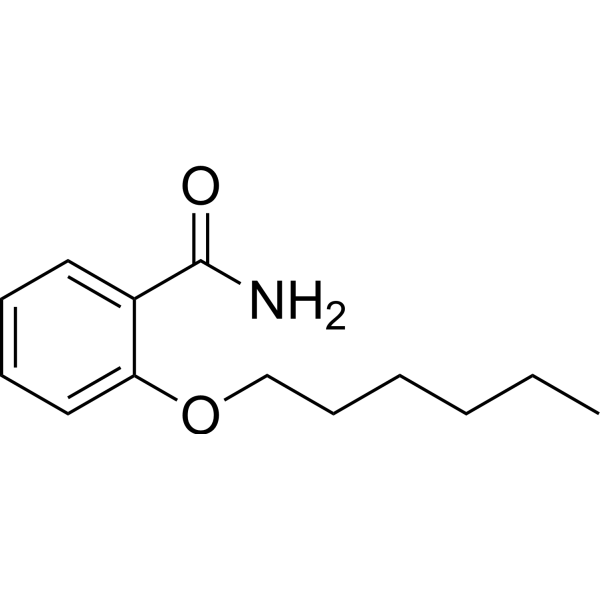
2-(Hexyloxy)benzamide
|
Fungal
|
Infection
|
|
Exalamide (2-(Hexyloxy)benzamide), an arenecarboxamide, is a potent antifungal agent .
|
-
- HY-CE01830
-
-

- HY-W099680S1
-
|
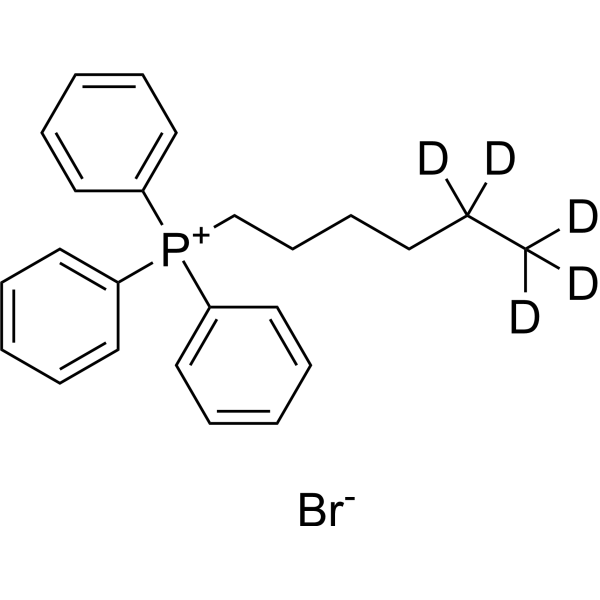
Hexyl(triphenyl)phosphonium-d5
|
Isotope-Labeled Compounds
|
Others
|
|
Hexyltriphenylphosphonium-dd5 bromide is the deuterium labeled Hexyltriphenylphosphonium bromide .
|
-
- HY-W099680S
-
-

- HY-W150866S
-
-
- HY-W112761
-
|
2,5-Bis (Hexyloxy)-1,4-benzenedicarboxylic acid
|
MOFs
|
Others
|
|
2,5-Bis(hexyloxy)terephthalicacid (2,5-Bis (hexyloxy)-1,4-benzenedicarboxylic acid) is a metal-organic framework (MOF).
|
-

- HY-W292263S
-
|
2,4-Diphenyl-6-(2-hydroxy-4-Hexyloxyphenyl)-s-triazine-d5
|
Isotope-Labeled Compounds
|
Others
|
|
2-(4,6-Diphenyl-1,3,5-triazin-2-yl)-5-(hexyloxy)phenol-d5 (2,4-Diphenyl-6-(2-hydroxy-4-hexyloxyphenyl)-s-triazine-d5) is deuterium labeled 2-(4,6-Diphenyl-1,3,5-triazin-2-yl)-5-(hexyloxy)phenol .
|
-

- HY-A0254
-
|
Cyclain
|
Others
|
Neurological Disease
|
|
Hexylcaine (Cyclain) is a local anesthetic. Hexylcaine has the characteristics of fast onset, strong effect, moderate duration, and high safety .
|
-

- HY-175100
-
|
|
mGluR
|
Neurological Disease
|
|
HexylHIBO hydrobromide is a potent group I mGluR antagonist with Kbs of 140 μM and 110 μM at mGlu1a and mGlu5a receptors, respectively. HexylHIBO hydrobromide does not inhibits mGlu2 and mGlu4a. HexylHIBO hydrobromide decreases spontaneous excitatory postsynaptic currents (sEPSCs) in rat .
|
-

- HY-182991
-
-

- HY-W347315
-
|
|
Biochemical Assay Reagents
|
Others
|
|
6-(Biotinamido)hexylazide is a click chemistry biotinylation reagent that can react with alkyne molecule to form a stable triazole linkage.
|
-

- HY-N19666
-
|
|
Others
|
Others
|
|
2-Hexylglutaconic acid is a 2-Pentenedioic acid (HY-W073501A) derivative found in the soil-derived fungus Gongronella butleri. 2-Pentenedioic acid is a chemical building block in synthesis, with research applications focusing on metabolic studies .
|
-

- HY-164825
-
|
|
Endogenous Metabolite
|
Others
|
|
Pyridoxine tri(2-hexyldecanoate) is a derivative of Vitamin B6 (HY-150525). Pyridoxine tri(2-hexyldecanoate) is a cosmetic ingredient .
|
-

- HY-W704695
-
-

- HY-N15939
-
-

- HY-34544R
-
|
|
Reference Standards
Others
|
Others
|
|
Daucosterol (Standard) is the analytical standard of Daucosterol. This product is intended for research and analytical applications. Daucosterol is an orally active natural sterol compound, which has anti-inflammatory, anticancer and immunomodulatory activities. Daucosterol inhibits cancer cell proliferation by inducing autophagy through ROS-dependent manner. Daucosterol also inhibits colon cancer growth by inducing apoptosis, inhibiting cell migration and invasion and targeting caspase signalling pathway .
|
-

- HY-W800764
-
-

- HY-168831
-
-

- HY-W099632R
-
|
|
Biochemical Assay Reagents
Reference Standards
|
Others
|
|
Dipotassium glycyrrhizinate (Standard) is the analytical standard of Dipotassium glycyrrhizinate. This product is intended for research and analytical applications. 2-Hexyldecanoic acid is a lipid containing one carboxylic acid group and two non-polar tails. In the presence of EDC, HATU and DCC, carboxylic acid groups can undergo continuous amide coupling reactions with amine-containing biomolecules to form stable amide bonds. 2-Hexyldecanoic acid can be used as an aerolysin inhibitor to prevent bacterial pathogens. 2-Hexyldecanoic acid can cause contact dermatitis.
|
-

- HY-168835
-
-

- HY-W112891
-
|
|
MOFs
|
Others
|
|
5'-(4-Carboxyphenyl)-2'-(hexyloxy)-[1,1':3',1''-terphenyl]-4,4''-dicarboxylicacid is a metal-organic framework (MOF).
|
-
![5'-(4-Carboxyphenyl)-2'-(hexyloxy)-[1,1':3',1''-terphenyl]-4,4''-dicarboxylicacid](//file.medchemexpress.com/product_pic/hy-w112891.gif)
- HY-W753326
-
-

- HY-W130478S
-
-
- HY-W590547
-
|
|
Biochemical Assay Reagents
|
Others
|
|
(6-(4-Hydroxybutylamino)hexyl)carbamic undecyl is a lipid with a terminal hydroxyl group, which is used to construct or modify lipid nanoparticles (LNP). (6-(4-Hydroxybutylamino)hexyl)carbamic undecyl can be used in drug delivery research .
|
-

- HY-Z0668R
-
|
|
Reference Standards
|
|
|
6-(4-Hydroxyphenoxy)hexyl acetate (Standard) is the analytical standard of 6-(4-Hydroxyphenoxy)hexyl acetate. This product is intended for research and analytical applications.
|
-

- HY-172306
-
|
|
Biochemical Assay Reagents
|
Others
|
|
1,19-Bis(1-hexylheptyl) 10-oxononadecanedioate is a biochemical reagent that can be used as a biological material or organic compound for life science related research.
|
-

- HY-B0903S
-
-
- HY-W456539
-
|
|
MOFs
|
Others
|
|
2',5'-Bis(hexyloxy)-[1,1':4',1''-terphenyl]-3,3'',5,5''-tetracarboxylic acid is a metal-organic framework (MOF).
|
-
![2',5'-Bis(hexyloxy)-[1,1':4',1''-terphenyl]-3,3'',5,5''-tetracarboxylic acid](//file.medchemexpress.com/product_pic/hy-w456539.gif)
- HY-W107027
-
|
|
PROTAC Linkers
|
Cancer
|
|
tert-Butyl (6-(2-chloroacetamido)hexyl)carbamate is a PROTAC linker that can be used in the synthesis of PROTACs.
|
-

- HY-Z0718
-
-

- HY-Z0669R
-
|
|
Reference Standards
|
|
|
tert-butyl (6-(4-hydroxyphenoxy)hexyl) carbonate (Standard) is the analytical standard of tert-butyl (6-(4-hydroxyphenoxy)hexyl) carbonate. This product is intended for research and analytical applications.
|
-

- HY-W573219
-
|
|
PROTAC Linkers
|
Cancer
|
|
6-(((Benzyloxy)carbonyl)amino)hexyl 4-methylbenzenesulfonate is a PROTAC linker that can be used in the synthesis of PROTACs.
|
-

- HY-Z0718R
-
|
|
Reference Standards
|
|
|
3-Chloropropanoic acid 6-(4-hydroxyphenoxy)hexyl ester (Standard) is the analytical standard of 3-Chloropropanoic acid 6-(4-hydroxyphenoxy)hexyl ester. This product is intended for research and analytical applications.
|
-

- HY-W1130405
-
|
|
Liposome
|
Metabolic Disease
|
|
((1-Hydroxybutan-2-yl)azanediyl)bis(hexane-6,1-diyl) bis(2-hexyldecanoate) is an ionizable cationic lipid (pKa = 4.67) and a derivative of ALC-0315).
|
-

- HY-172517
-
|
|
Biochemical Assay Reagents
|
Others
|
|
1-(Dipropylamino)-11-((tert-Butyldimethylsilyl)oxy)-5-(6-((tert-butyldimethylsilyl)oxy)hexyl)undecan-5-ol is a biochemical reagent that can be used as a biological material or organic compound for life science related research.
|
-

- HY-178584
-
-

- HY-W173921
-
|
Hexyl azide
|
Biochemical Assay Reagents
|
Others
|
|
1-Azidohexane (Hexyl azide) is comprised of an azide group attached to a 6-carbon tail. 1-Azidohexane is used in preparation method of multi-axis liquid crystal refrigeration material by click chemistry.
|
-

- HY-120161
-
|
3'-Hexylsulfanylabscisic acid
|
ABA Receptor
Phosphatase
|
Others
|
|
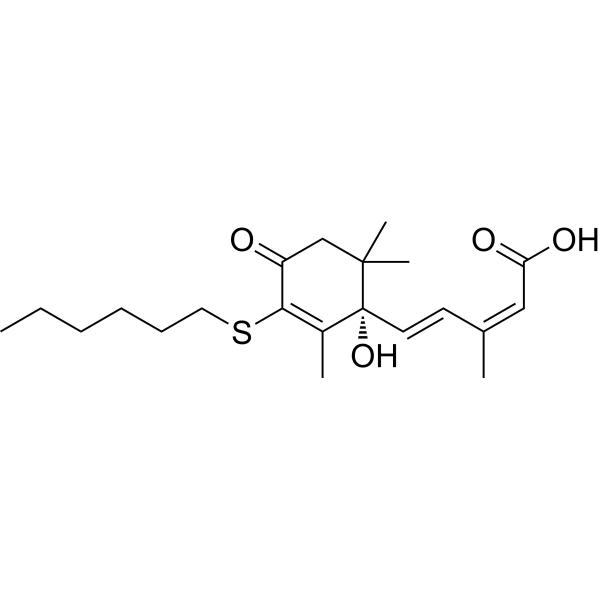
AS6 (3'-Hexylsulfanylabscisic acid) is a PYL antagonist with a Kd value of 0.48 μM for Arabidopsis PYL5. AS6 binds to PYL proteins, and its S-hexyl chain blocks PP2C binding via steric hindrance. AS6 alleviates the inhibitory effect of ABA on seed germination in Arabidopsis and lettuce .
|
-
- HY-142128
-
|
CycloHexyl-Hexyl-β-D-maltoside
|
Bacterial
|
Infection
|
|
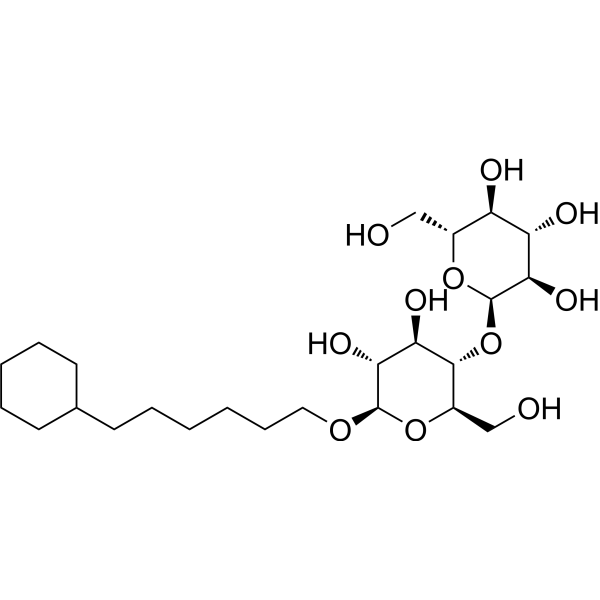
Cymal-6 (Cyclohexyl-hexyl-β-D-maltoside) is a potent TEM-1 beta-lactamase inhibitor with an Ki value of 40.05 µM. Cymal-6 (Cyclohexyl-hexyl-β-D-maltoside) can be used as glycosidic surfactant .
|
-
- HY-169459
-
|
n-Hexyl-Δ8-tetrahydrocannabinol
|
Drug Derivative
|
Others
|
|
Δ8-THCH (n-Hexyl-Δ8-tetrahydrocannabinol) is a cannabinoid compound .
|
-

- HY-W009929
-
|
4-(Hexyloxy)phenol
|
Apoptosis
Caspase
PARP
|
Cancer
|
|
AC-45594 (4-(Hexyloxy)phenol) is a UPR activator. AC-45594 induces endoplasmic reticulum stress, activates the unfolded protein response (UPR), and drives the transition from adaptive stress signaling to terminal stress signaling, ultimately leading to cell Apoptosis. AC-45594 activates Caspase-3, induces PARP cleavage, and increases the protein level of DR5. AC-45594 selectively inhibits the growth of Ewing sarcoma cells .
|
-

- HY-134302
-
|
8-Hexylamino-cAMP
|
PKA
|
Others
|
|
8-HA-cAMP is a membrane-permeable cAMP analogue and an activator of cAMP-dependent protein kinase and PKA I. 8-HA-cAMP exerts metabolic stability towards mammalian cyclic nucleotide-responsive phosphodiesterases .
|
-

- HY-W010409S
-
-
- HY-W010409
-
|
n-Hexyl methyl ketone
|
Environmental Pollutants
|
Others
|
|
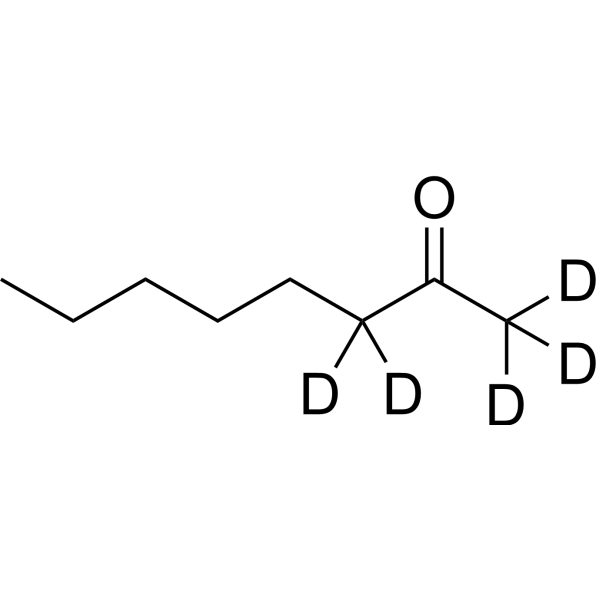
2-Octanone (n-Hexyl methyl ketone) is a Flavonoids product that can be isolated from the herbs of Hydrangea macrophylla .
|
-

- HY-W040172
-
|
1,2-Di-O-Hexyl-sn-glycero-3-phosphocholine
|
Biochemical Assay Reagents
|
Others
|
|
06:0 Diether PC (1,2-Di-O-hexyl-sn-glycero-3-phosphocholine) is a glycerophospholipid that can be used for bicelles preparation .
|
-

- HY-100768
-
HTHQ
2 Publications Verification
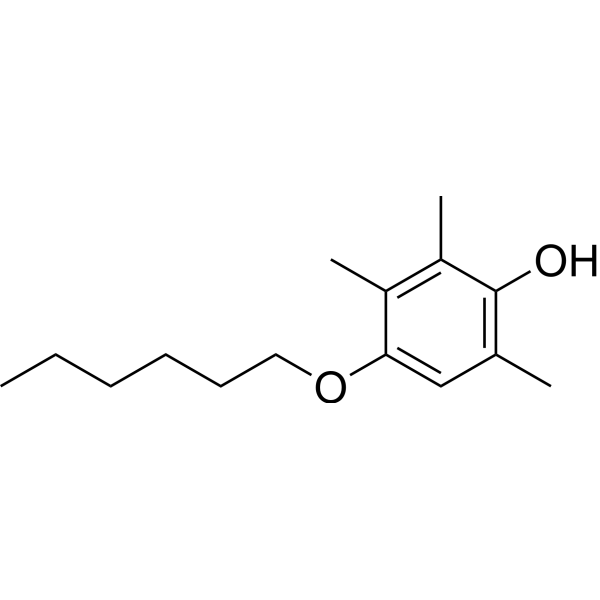
1-O-Hexyl-2,3,5-trimethylhydroquinone; HX-1171; BTT-105
|
Reactive Oxygen Species (ROS)
|
Cancer
|
|
HTHQ (1-O-hexyl-2,3,5-trimethylhydroquinone) is a potent lipophilic phenolic antioxidant. HTHQ has considerable anti-oxidative activity by directly reacting with reactive oxygen species (ROS) and scavenging ROS to form more stable free radicals .
|
-
- HY-W769499
-
|
3,5-Dimethyl-1-Hexyn-3-ol-d5
|
Isotope-Labeled Compounds
|
Others
|
|
3,5-Dimethylhex-1-yn-3-ol-d5 (3,5-Dimethyl-1-hexyn-3-ol-d5) is the deuterium labeled 3,5-Dimethylhex-1-yn-3-ol (HY-W012776).
|
-

- HY-W724377
-
-

- HY-W587411
-
|
Mono[2-(carboxymethyl)Hexyl] phthalate; MCHP
|
Drug Metabolite
|
Metabolic Disease
|
|
Mono[2-(carboxymethyl)hexyl] phthalate (MCHP) is a metabolite of Di-(2-ethylhexyl)phthalate (DEHP). DEH is an endocrine disrupting chemical that is widely used as the major plasticizer .
|
-

- HY-201158
-
|
5'-Hexynyl phosphoramidite
|
Phosphoramidites
|
|
|
2-Cyanoethyl hex-5-yn-1-yl diisopropylphosphoramidite is a phosphoramidite that can be used in the synthesis of oligonucleotides.
|
-

- HY-W010409R
-
|
n-Hexyl methyl ketone (Standard)
|
Others
Reference Standards
|
Others
|
|
2-Octanone (n-Hexyl methyl ketone) (Standard) is the analytical standard of 2-Octanone (HY-W010409). This product is intended for research and analytical applications. 2-Octanone is a Flavonoids product that can be isolated from the herbs of Hydrangea macrophylla .
|
-

- HY-Y0194S
-
-
- HY-W024986S
-
|
4'-Hexyloxy-4-biphenylcarbonitrile-13C6
|
Isotope-Labeled Compounds
|
Others
|
|
4-(4-Hexoxyphenyl)benzonitrile- 13C6 (4'-Hexyloxy-4-biphenylcarbonitrile- 13C6) is the 13C-labeled 4-(4-Hexoxyphenyl)benzonitrile.
|
-

- HY-W130500A
-
-

- HY-100768R
-
|
1-O-Hexyl-2,3,5-trimethylhydroquinone (Standard); HX-1171 (Standard); BTT-105 (Standard)
|
Reference Standards
Reactive Oxygen Species (ROS)
|
Cancer
|
|
HTHQ (Standard) is the analytical standard of HTHQ. This product is intended for research and analytical applications. HTHQ (1-O-hexyl-2,3,5-trimethylhydroquinone) is a potent lipophilic phenolic antioxidant. HTHQ has considerable anti-oxidative activity by directly reacting with reactive oxygen species (ROS) and scavenging ROS to form more stable free radicals .
|
-

| Cat. No. |
Product Name |
Type |
-
- HY-D1748
-
|
|
Fluorescent Dyes
|
|
Rhodamine B hexyl ester perchlorate is a cell-permeant, orange-fluorescent dye for mitochondria.
|
| Cat. No. |
Product Name |
Type |
-
- HY-142977
-
|
|
Biochemical Assay Reagents
|
|
6-Oxohexyl 2-hexyldecanoate, 80% (ELSD) is an intermediate in the synthesis of ALC-0315. 6-Oxohexyl 2-hexyldecanoate, 80% (ELSD) can be used in research on drug delivery, such as mRNA delivery .
|
-
- HY-W274569
-
-
- HY-W099682
-
|
n-Hexyl trimethylammonium bromide
|
Biochemical Assay Reagents
|
|
Hexyltrimethylammonium bromide is a cationic surfactant, quaternary ammonium compound, detergent, emulsifier, phase transfer catalyst, antibacterial agent, electrochemical device, corrosion inhibitor, micelle former, industrial chemical.
|
-
- HY-W127650
-
|
DimethylHexyloctylammonium bromide
|
Biochemical Assay Reagents
|
|
Hexyldimethyloctylammonium Bromide is a biochemical reagent that can be used as a biological material or organic compound for life science related research.
|
-
- HY-W440815
-
|
|
Biochemical Assay Reagents
|
|
6-((4-Hydroxybutyl)amino)hexyl 2-hexyldecanoate is a lipid, it can be used to synthesis nanomaterials. 6-((4-Hydroxybutyl)amino)hexyl provides the use of the nano-lipid particle as the key component in nucleic acid delivery, including the components of the delivery carrier .
|
-
- HY-W130500A
-
-
- HY-W127318
-
|
1-O-Hexylglycerol
|
Biochemical Assay Reagents
|
|
1-O-Hexyl-rac-glycerol is a biochemical reagent that can be used as a biological material or organic compound for life science related research.
|
-
- HY-W416273
-
-
- HY-W440811
-
|
|
Biochemical Assay Reagents
|
|
6-Bromohexyl 2-hexyldecanoate is a lipid. 6-Bromohexyl 2-hexyldecanoate can be used to build lipid nanoparticles and nanomaterials .
|
-
- HY-166996
-
|
|
Biochemical Assay Reagents
|
|
Bis(N-2-ethoxyethyl 2-hexyldecanoate)amine is a PEG lipid that can improve the delivery efficiency and tissue specificity of poorly soluble drugs. Bis(N-2-ethoxyethyl 2-hexyldecanoate)amine can be used in drug delivery research .
|
-
- HY-142984
-
-
- HY-W590547
-
|
|
Biochemical Assay Reagents
|
|
(6-(4-Hydroxybutylamino)hexyl)carbamic undecyl is a lipid with a terminal hydroxyl group, which is used to construct or modify lipid nanoparticles (LNP). (6-(4-Hydroxybutylamino)hexyl)carbamic undecyl can be used in drug delivery research .
|
-
- HY-W040172
-
|
1,2-Di-O-Hexyl-sn-glycero-3-phosphocholine
|
Biochemical Assay Reagents
|
|
06:0 Diether PC (1,2-Di-O-hexyl-sn-glycero-3-phosphocholine) is a glycerophospholipid that can be used for bicelles preparation .
|
| Cat. No. |
Product Name |
Category |
Target |
Chemical Structure |
-
- HY-B0986
-
-
-
- HY-W014118
-
|
|
Classification of Application Fields
Ketones, Aldehydes, Acids
Endogenous metabolite
Disease Research Fields
Source Classification
Cancer
|
Environmental Pollutants
|
|
α-Hexylcinnamaldehyde is an O-acetyltransferase (OAT) inhibitor. α-Hexylcinnamaldehyde inhibits OAT-mediated bioactivation of nitroarene mutagens, exerts antimutagenic activity through demutagenic and bioantimutagenic mechanisms, and interferes with ATP-binding cassette (ABC) transporter function to reduce substrate efflux. α-Hexylcinnamaldehyde alters membrane permeability, fluidizes phospholipid membranes, exerts antioxidant effects, and enhances the antiproliferative effect of Doxorubicin on human cancer cells. α-Hexylcinnamaldehyde can be used in the research of colorectal adenocarcinoma, T-cell leukemia, and multidrug-resistant cancers .
|
-
-
- HY-W013521
-
-
-
- HY-W010409
-
-
-
- HY-N7402
-
|
|
Natural Products
Animals
Source Classification
|
Others
|
|
Hexyl hexanoate is a fruit aroma component with potential food and beverage additive activity. Hexyl hexanoate is found in alcoholic beverages and is used to blend fruit flavors. Hexyl hexanoate is present in many fruits, Parmesan cheese, alcoholic beverages, and black tea. Hexyl hexanoate is a volatile component produced as a result of fruit ripening. Toxicity assessments of hexyl hexanoate showed that it is not mutagenic and that exposure is below safety thresholds for repeated dose, reproduction, and local respiratory toxicity. Hexyl hexanoate is also below thresholds in skin sensitization assessments, and for phototoxicity and photosensitization, the results showed that it does not present a relevant risk. Hexyl hexanoate is considered non-persistent, non-bioaccumulative, and non-toxic according to the environmental criteria of the International Fragrance Association .
|
-
-
- HY-34544
-
-
-
- HY-B0986R
-
-
-
- HY-N14971
-
-
-
- HY-W014118R
-
|
|
Ketones, Aldehydes, Acids
Endogenous metabolite
Source Classification
|
Reference Standards
Environmental Pollutants
|
|
α-Hexylcinnamaldehyde (Standard) is the analytical standard of α-Hexylcinnamaldehyde. This product is intended for research and analytical applications. α-Hexylcinnamaldehyde is an O-acetyltransferase (OAT) inhibitor. α-Hexylcinnamaldehyde inhibits OAT-mediated bioactivation of nitroarene mutagens, exerts antimutagenic activity through demutagenic and bioantimutagenic mechanisms, and interferes with ATP-binding cassette (ABC) transporter function to reduce substrate efflux. α-Hexylcinnamaldehyde alters membrane permeability, fluidizes phospholipid membranes, exerts antioxidant effects, and enhances the antiproliferative effect of Doxorubicin on human cancer cells. α-Hexylcinnamaldehyde can be used in the research of colorectal adenocarcinoma, T-cell leukemia, and multidrug-resistant cancers .
|
-
-
- HY-N19666
-
-
-
- HY-34544R
-
|
|
Structural Classification
Natural Products
Endogenous metabolite
Source Classification
|
Reference Standards
Others
|
|
Daucosterol (Standard) is the analytical standard of Daucosterol. This product is intended for research and analytical applications. Daucosterol is an orally active natural sterol compound, which has anti-inflammatory, anticancer and immunomodulatory activities. Daucosterol inhibits cancer cell proliferation by inducing autophagy through ROS-dependent manner. Daucosterol also inhibits colon cancer growth by inducing apoptosis, inhibiting cell migration and invasion and targeting caspase signalling pathway .
|
-
-
- HY-W010409R
-
-
| Cat. No. |
Product Name |
Chemical Structure |
-
- HY-Y0194S
-
|
|
|
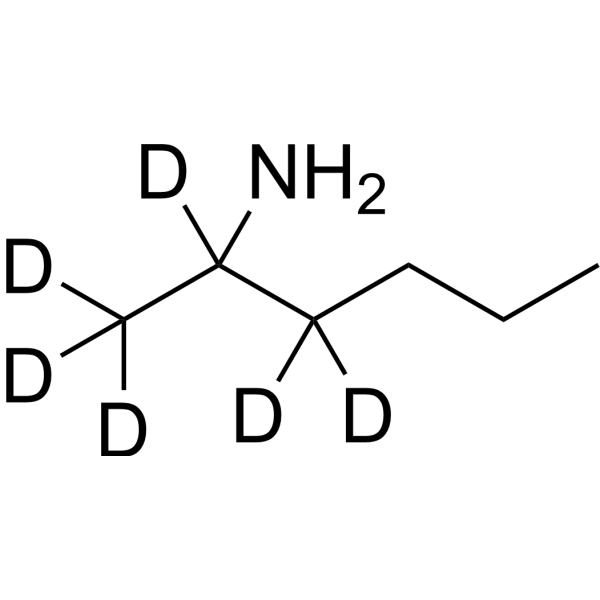
2-Aminohexane-d6 is the deuterium labeled 2-Aminohexane .
|
-
-
- HY-B1851S
-
|
|
|
Hexythiazox-d11 is deuterium labeled Hexythiazox. Hexythiazox is a selective acaricide with ovicidal, larvicidal and nymphicidal activities. Hexythiazox is widely used for chemical control of mites on cotton, fruits and vegetables. Hexythiazox is harmless to mammals and has no effect on beneficial insects and predators of mites .
|
-
-
- HY-I0357S
-
|
|
|
Hexyl chlorocarbonate-d13 is the deuterium labeled Hexyl chlorocarbonate .
|
-
-
- HY-W014118S
-
|
|
|
α-Hexylcinnamaldehyde-d5 is deuterated labeled α-Hexylcinnamaldehyde (HY-W014118). α-Hexylcinnamaldehyde, a compound derived from Cinnamaldehyde. α-Hexylcinnamaldehyde has the potential antimutagenic and chemosensitizing properties. α-Hexylcinnamaldehyde is widely used as an ingredient in many personal care, and as an additive in food and the pharmaceutical industry .
|
-
-
- HY-156327S
-
|
|
|
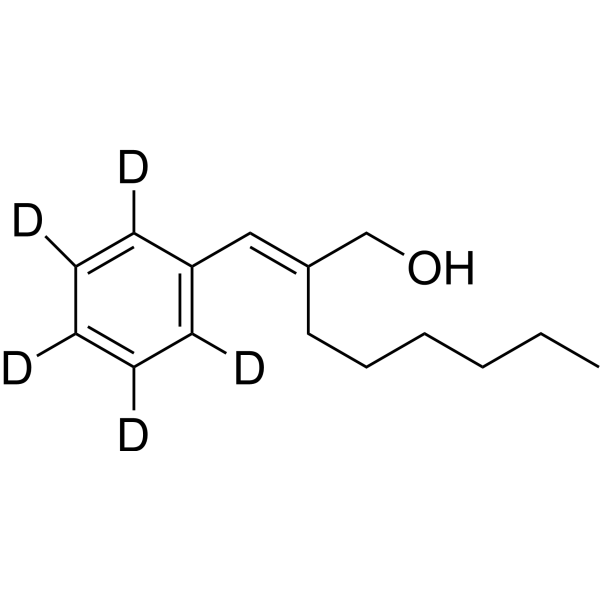
2-Hexylcinnamyl-alcohol-d5 is deuterated labeled 2-Hexylcinnamyl-alcohol.
|
-
-
- HY-W587411S
-
|
|
|
Mono[2-(carboxymethyl)hexyl] phthalate-d4 is a deuterium labeled compound.
|
-
-
- HY-W725613
-
|
|
|
Diethylamino hydroxybenzoyl hexyl benzoate-d4 is the deuterium labeled Diethylamino hydroxybenzoyl hexyl benzoate (HY-109656). Diethylamino hydroxybenzoyl hexyl benzoate is a photostable UV-A absorber.
|
-
-
- HY-W010409S
-
|
|
|
Octan-2-one-d5 is deuterated labeled Octan-2-one.
|
-
-
- HY-W769499
-
|
|
|
3,5-Dimethylhex-1-yn-3-ol-d5 (3,5-Dimethyl-1-hexyn-3-ol-d5) is the deuterium labeled 3,5-Dimethylhex-1-yn-3-ol (HY-W012776).
|
-
-
- HY-W099680S1
-
|
|
|
Hexyltriphenylphosphonium-dd5 bromide is the deuterium labeled Hexyltriphenylphosphonium bromide .
|
-
-
- HY-W099680S
-
|
|
|
Hexyltriphenylphosphonium-d11 bromide is the deuterium labeled Hexyltriphenylphosphonium (bromide).
|
-
-
- HY-W150866S
-
|
|
|
Hexyl 4-hydroxybenzoate-d4 is the deuterium labeled Hexyl 4-hydroxybenzoate .
|
-
-
- HY-W292263S
-
|
|
|
2-(4,6-Diphenyl-1,3,5-triazin-2-yl)-5-(hexyloxy)phenol-d5 (2,4-Diphenyl-6-(2-hydroxy-4-hexyloxyphenyl)-s-triazine-d5) is deuterium labeled 2-(4,6-Diphenyl-1,3,5-triazin-2-yl)-5-(hexyloxy)phenol .
|
-
-
- HY-W704695
-
|
|
|
Diethyl Hexyl Phosphate-d11 is the deuterium labeled Diethyl hexyl phosphate (HY-W704694).
|
-
-
- HY-W130478S
-
|
|
|
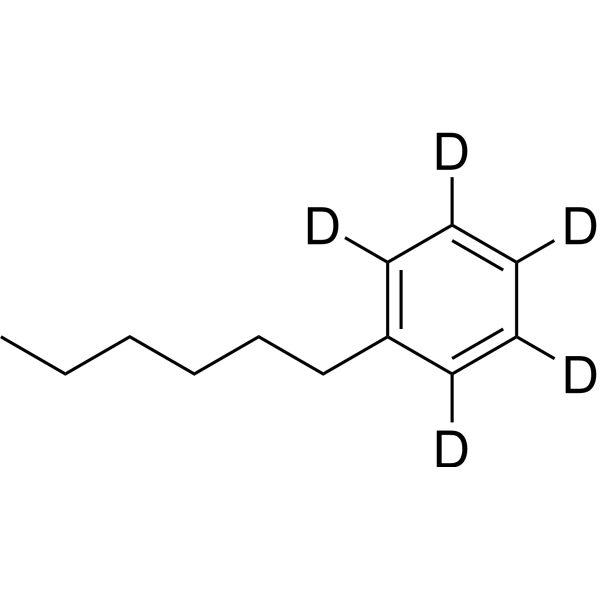
1-Phenylhexane-d5 is the deuterium labeled 1-Phenylhexane .
|
-
-
- HY-B0903S
-
|
|
|
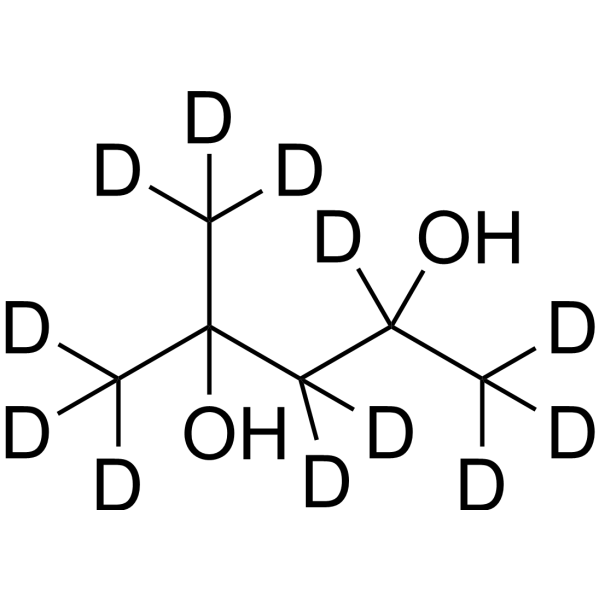
Hexylene glycol-d12 is the deuterium labeled Hexylene glycol .
|
-
-
- HY-W724377
-
|
|
|
Hexane-1,2-diol-d3 (1,2-Hexylene Glycol-d3) is the deuterium labeled Hexane-1,2-diol.
|
-
-
- HY-W024986S
-
|
|
|
4-(4-Hexoxyphenyl)benzonitrile- 13C6 (4'-Hexyloxy-4-biphenylcarbonitrile- 13C6) is the 13C-labeled 4-(4-Hexoxyphenyl)benzonitrile.
|
-
| Cat. No. |
Product Name |
|
Classification |
-
- HY-138387
-
|
|
|
ADC Synthesis
Azide
|
|
6-Azido-hexylamine is a cleavable ADC linker used in the synthesis of antibody-drug conjugates (ADCs) . 6-Azido-hexylamine is a click chemistry reagent, it contains an Azide group and can undergo copper-catalyzed azide-alkyne cycloaddition reaction (CuAAc) with molecules containing Alkyne groups. It can also undergo strain-promoted alkyne-azide cycloaddition (SPAAC) reactions with molecules containing DBCO or BCN groups.
|
-
- HY-118783
-
|
(±)-2-Hexyl-4-pentynoic acid
|
|
Alkynes
|
|
2-Hexyl-4-pentynoic acid ((±)-2-Hexyl-4-pentynoic acid), a Valproic acid (HY-10585) derivative, exhibits potential roles of HDAC inhibition (IC50 = 13 μM) and HSP70 induction. 2-Hexyl-4-pentynoic acid causes histone hyperacetylation and protect against glutamate-induced excitotoxicity in cultured neurons. 2-Hexyl-4-pentynoic acid can be used for the study of breast carcinoma. 2-Hexyl-4-pentynoic acid is a click chemistry reagent, it contains an Alkyne group and can undergo copper-catalyzed azide-alkyne cycloaddition (CuAAc) with molecules containing Azide groups .
|
-
- HY-201158
-
|
5'-Hexynyl phosphoramidite
|
|
Alkynes
|
|
2-Cyanoethyl hex-5-yn-1-yl diisopropylphosphoramidite is a phosphoramidite that can be used in the synthesis of oligonucleotides.
|
| Cat. No. |
Product Name |
|
Classification |
-
- HY-142977
-
|
|
|
Phospholipids
|
|
6-Oxohexyl 2-hexyldecanoate, 80% (ELSD) is an intermediate in the synthesis of ALC-0315. 6-Oxohexyl 2-hexyldecanoate, 80% (ELSD) can be used in research on drug delivery, such as mRNA delivery .
|
-
- HY-21242
-
|
|
|
Phosphoramidites
Other Phosphoramidite
|
|
MMT-Hexylaminolinker Phosphoramidite is a degradable linker and aminoalkylphosphoramidite monomer that can be used for the synthesis of oligonucleotide gap sequences or other nucleic acid molecules .
|
-
- HY-W800777
-
|
|
|
Cationic Lipids
|
|
6-(3-Hydroxypropylamino)hexyl 2-hexyldecanoate is an ionizable lipid which can be used to make ALC-0315. The lipid has an ester bond adjacent to C6 relative to the amine nitrogen. The introduction of ester linkages can improve the clearance of the lipid in the liver.
|
-
- HY-142984
-
|
|
|
Phospholipids
|
|
Decanoic acid, 2-hexyl-, 6-oxohexyl ester-1 is a lipid product can be used for drug delivery .
|
-
- HY-N15939
-
|
|
|
Phospholipids
|
|
16:0 Hexynoyl PE ammonium is a clickable phospholipid.
|
-
- HY-W1130405
-
|
|
|
Cationic Lipids
|
|
((1-Hydroxybutan-2-yl)azanediyl)bis(hexane-6,1-diyl) bis(2-hexyldecanoate) is an ionizable cationic lipid (pKa = 4.67) and a derivative of ALC-0315).
|
-
- HY-178584
-
|
|
|
Phosphoramidites
Other Phosphoramidite
|
|
6-((Bis(4-methoxyphenyl)(phenyl)methyl)amino)hexyl (2-cyanoethyl) diisopropylphosphoramidite is a monomeric raw material that can be used for nucleic acid synthesis.
|
-
- HY-201158
-
|
5'-Hexynyl phosphoramidite
|
|
Phosphoramidites
Other Phosphoramidite
|
|
2-Cyanoethyl hex-5-yn-1-yl diisopropylphosphoramidite is a phosphoramidite that can be used in the synthesis of oligonucleotides.
|
Your information is safe with us. * Required Fields.
Inquiry Information
- Product Name:
- Cat. No.:
- Quantity:
- MCE Japan Authorized Agent:





![Mono[2-(carboxymethyl)hexyl] phthalate-d4](http://file.medchemexpress.com/product_pic/hy-w587411s.gif)


![tert-Butyl N-[6-(methylamino)hexyl]carbamate](http://file.medchemexpress.com/product_pic/hy-w613397.gif)


![5'-(4-Carboxyphenyl)-2'-(hexyloxy)-[1,1':3',1''-terphenyl]-4,4''-dicarboxylicacid](http://file.medchemexpress.com/product_pic/hy-w112891.gif)


![2',5'-Bis(hexyloxy)-[1,1':4',1''-terphenyl]-3,3'',5,5''-tetracarboxylic acid](http://file.medchemexpress.com/product_pic/hy-w456539.gif)





