1. Search Result
Search Result
Results for "

Immune system diseases

" in MedChemExpress (MCE) Product Catalog:

45

Inhibitors & Agonists

14

Screening Libraries

3

Biochemical Assay Reagents

1

Peptides

8

Inhibitory Antibodies

7

Natural
Products

1

Oligonucleotides

Targets Recommended:
Cat. No. Product Name Target Research Areas Chemical Structure
  • HY-122515
    Fulvic Acid
    1 Publications Verification

    Others Metabolic Disease Inflammation/Immunology
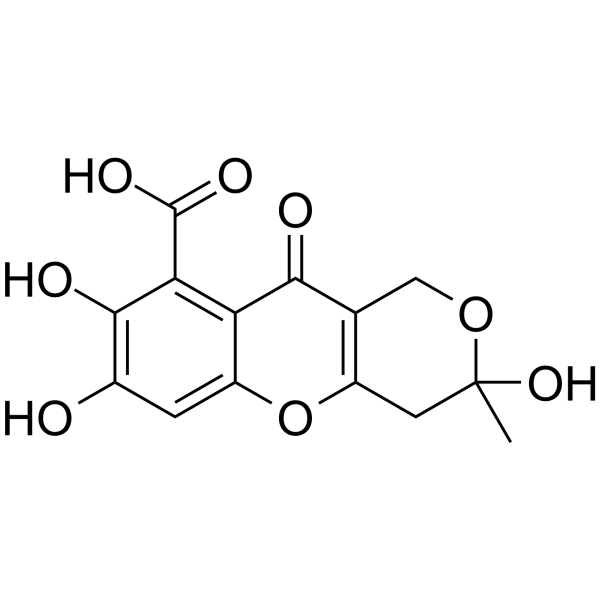
    Fulvic Acid is a natural product, which comes from humic substances produced by microorganisms in soil. Fulvic Acid can modulate the immune system, influence the oxidative state of cells, and improve gastrointestinal function. Fulvic Acid has the potential for researching chronic inflammatory diseases, including diabetes .
    Fulvic Acid
  • HY-108831A
    Natalizumab (Anti-CD49d)
    3 Publications Verification

    AN100226; BG00002

    Integrin Inflammation/Immunology Cancer
    Natalizumab (Anti-CD49d) (AN100226; BG00002) Solution is a humanized monoclonal IgG4 antibody inhibitor that selectively targets α4 integrin (CD49d), blocking the interaction of integrins such as α4β1 (VLA-4) with vascular cell adhesion molecule VCAM-1, intercellular adhesion molecule ICAM-1, and fibronectin by competitively binding to the α4 subunit. Natalizumab solution inhibits the adhesion, retention, and transendothelial migration of immune cells (such as CD4 + T cells), reducing the infiltration of inflammatory cells into the central nervous system or lesion sites, thereby exerting anti-inflammatory and immunomodulatory activity. Natalizumab (Anti-CD49d) solution is used in the study of relapsing-remitting multiple sclerosis (RRMS) and is also applied in the research of autoimmune or inflammation-related diseases such as Crohn's disease, B-cell lymphoma, and non-infectious uveitis. Natalizumab (Anti-CD49d) can also prevent lymphocytes from entering the central nervous system, thus preventing acute demyelinating relapses .
    Natalizumab (Anti-CD49d)
  • HY-N10634

    C16 Glucosyl(β) Ceramide (d18:1/16:0)

    Endogenous Metabolite Inflammation/Immunology
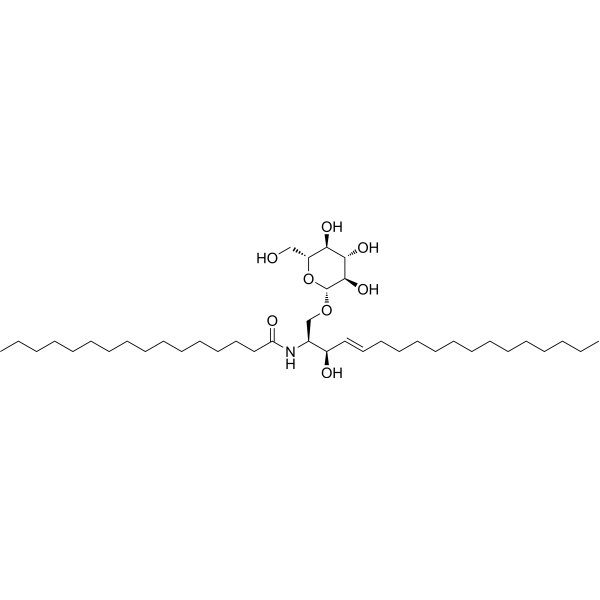
    D-Glucosyl-β-1,1′-N-palmitoylsphingosine (C16 Glucosyl (β) Ceramide (d18:1/16:0)) is an endogenous Mincle ligand with immunostimulatory activity. D-Glucosyl-β-1,1′-N-palmitoylsphingosine binds to and activates macrophage-inducible C-type lectin (Mincle). D-Glucosyl-β-1,1′-N-palmitoylsphingosine is applicable to the research of immune system diseases .
    D-Glucosyl-β-1,1′-N-palmitoylsphingosine
  • HY-NP006
    Protein A
    1 Publications Verification

    SPA

    Endogenous Metabolite Apoptosis Inflammation/Immunology
    Protein A (SPA) is an immunoglobulin (Ig)-binding protein that exists on the bacterial surface and can be freely secreted into the extracellular environment. Protein A blocks opsonophagocytosis and induces B cell apoptosis in vitro by binding to the Fc region of antibodies and the Fab region of B cell receptors. Protein A can form toxic immune complexes with IgG, thereby inducing leukocyte necrosis. Protein A contributes to the virulence expression of Staphylococcus aureus. Protein A triggers allergic reactions in IgG-pretreated mouse models. Protein A can be used in studies related to immune system diseases .
    Protein A
  • HY-W923189

    Interleukin Related COX TNF Receptor NOD-like Receptor (NLR) NO Synthase PERK p38 MAPK Reactive Oxygen Species (ROS) Caspase Autophagy Herbicide Inflammation/Immunology Cancer
    Neral is a plant-derived anti-inflammatory, antioxidant and anticancer agent. Neral inhibits the phosphorylation of ERK1/2, p38 MAPK and IκB in macrophages induced by LPS (HY-D1056), suppresses the secretion of TNF-α and IL-6, as well as the expression of pro-IL-1β, iNOS and COX-2 in cells, and reduces the production of ROS in cells. Neral inhibits the activation of the NLRP3 inflammasome, and decreases the activation of caspase-1 and the secretion of IL-1β in mouse macrophages. Neral induces autophagy, and exhibits antiproliferative activity both in in vitro breast cancer cell models and mouse xenograft models. Neral regulates brassinosteroid, jasmonic acid and ethylene signaling pathways, and induces the expression of AP2/ERF-ERF and bHLH family genes in rice roots. Neral acts as a herbicide safener, alleviates the damage induced by Fenoxaprop-P-ethyl (HY-B2013), and promotes the elongation of rice roots. Neral can be used in research related to breast cancer, inflammatory and immune system diseases, and herbicide safeners .
    Neral
  • HY-P991267

    Interleukin Related Inflammation/Immunology
    CAN10 is is a humanized monoclonal antibody inhibitor targeting interleukin 1RAP (IL1RAP). CAN10 blocks IL-1, IL-33, and IL-36 signalling by targeting IL1RAP, preventing downstream proinflammatory and profibrotic responses. CAN10 reduces dermal and pulmonary fibrosis. CAN10 can be used for the research of immune system diseases, such as systemic sclerosis .
    CAN10
  • HY-P991266

    Interleukin Related Inflammation/Immunology
    SM-17 is a humanized monoclonal antibody inhibitor targeting interleukin 25 (IL-25) and interleukin-17 receptor B (IL17RB). SM-17 is promising for research of immune system diseases .
    SM-17
  • HY-W040055
    Neopterin
    1 Publications Verification

    D-(+)-Neopterin; D-erythro-Neopterin

    NF-κB PPAR ERK Raf Src Cardiovascular Disease Inflammation/Immunology
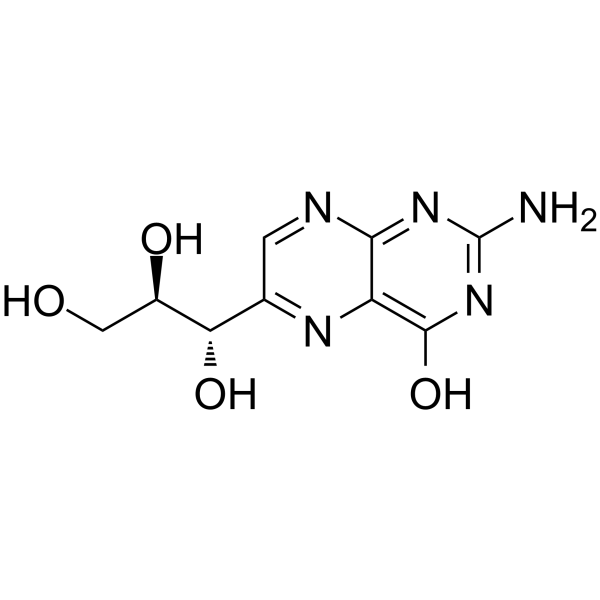
    Neopterin is an immune system activator metabolized by GTP and can be produced by activated macrophages. Neopterin has the potential to resist vascular inflammation and atherosclerosis. Neopterin inhibits the phosphorylation of NF-κB and promotes the expression of PPAR-γ, thereby suppressing the inflammatory response of vascular endothelial cells, reducing the formation of macrophage foam cells, and regulating the migration and proliferation of vascular smooth muscle cells. Neopterin can be used in research fields such as cardiovascular diseases (such as atherosclerosis), inflammation-related diseases and tumor immunomonitoring .
    Neopterin
  • HY-N10424
    Brazilein
    2 Publications Verification

    Na+/K+ ATPase Apoptosis Interleukin Related NO Synthase Bacterial Parasite Cardiovascular Disease Infection Neurological Disease Inflammation/Immunology
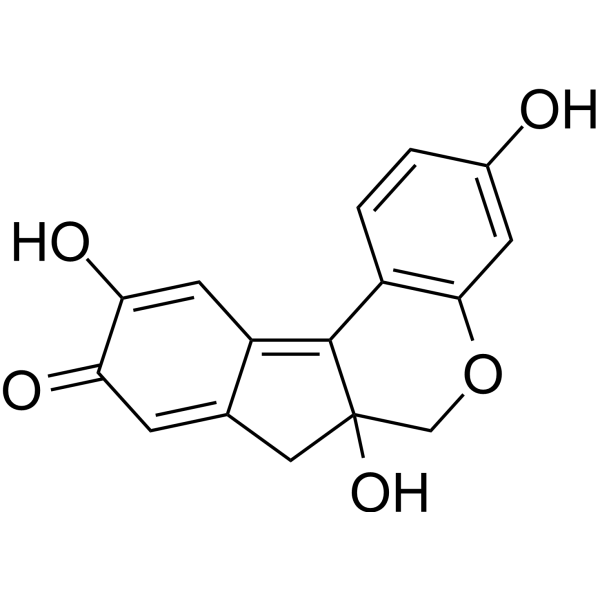
    Brazilein is a compound with anti-inflammatory and neuroprotective activities, with an IC50 of 500 μM against guinea pig Na +,K +-ATPase. Brazilein reduces iNOS mRNA expression, thereby inhibiting nitric oxide production in immune cells. Brazilein suppresses inflammatory responses by reducing the mRNA expression of TNF-α and IL-6, but has no effect on IL-1β expression. Brazilein reduces the cerebral infarction volume and improves the neurological function scores of rats with cerebral ischemia-reperfusion injury. Brazilein induces apoptosis of splenic lymphocytes in mice. Brazilein inhibits humoral immune responses in mice, and causes thymus and spleen atrophy as well as body weight loss in mice. Brazilein also possesses antimalarial and antibacterial activities. Brazilein is also a red dye. Brazilein can be used in studies related to the infection, nervous system, cardiovascular system and inflammatory diseases .
    Brazilein
  • HY-108136A
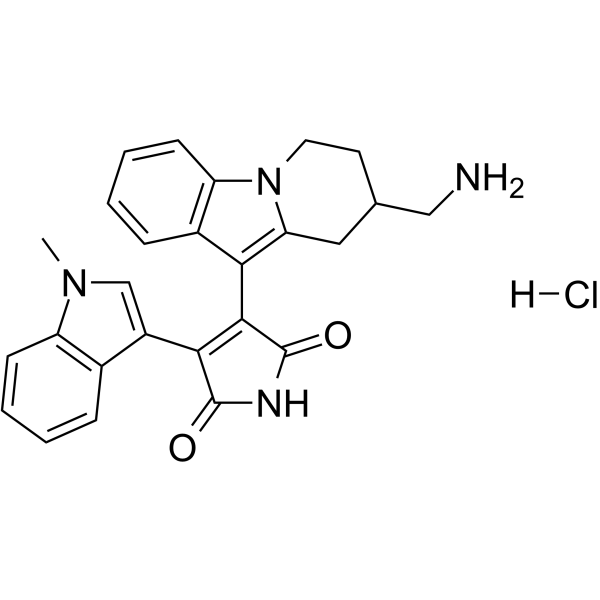
    Bisindolylmaleimide X hydrochloride
    2 Publications Verification

    BIM-X hydrochloride; Ro31-8425 hydrochloride

    PKC CDK Cardiovascular Disease Inflammation/Immunology Cancer
    Bisindolylmaleimide X hydrochloride(Ro 31-8425 hydrochloride, BIM-X hydrochloride) is a cell-penetrating PKC inhibitor. Bisindolylmaleimide X hydrochloride is a potent cyclin-dependent kinase 2 (CDK2) antagonist with an IC50 of 200 nM. Bisindolylmaleimide X hydrochloride inhibits the proliferation of CD4 T cells in vitro. Bisindolylmaleimide X hydrochloride inhibits eNOS-Ser1177 phosphorylation in human embryonic vein endothelial cells. Bisindolylmaleimide X hydrochloride can be used for research on the immune system and cardiovascular diseases .
    Bisindolylmaleimide X hydrochloride
  • HY-108831
    Natalizumab
    3 Publications Verification

    Integrin Inflammation/Immunology Cancer
    Natalizumab (AN100226; BG00002) is a humanized monoclonal IgG4 antibody inhibitor that selectively targets α4 integrin (CD49d). It blocks the interaction of integrins such as α4β1 (VLA-4) with vascular cell adhesion molecule VCAM-1, intercellular adhesion molecule ICAM-1, and fibronectin by competitively binding to the α4 subunit. Natalizumab inhibits the adhesion, retention, and transendothelial migration of immune cells (such as CD4 + T cells), reducing the infiltration of inflammatory cells into the central nervous system or lesion sites, thus exerting anti-inflammatory and immunomodulatory activity. Natalizumab is used in the study of relapsing-remitting multiple sclerosis (RRMS) and also has applications in the study of autoimmune or inflammation-related diseases such as Crohn's disease, B-cell lymphoma, and non-infectious uveitis. Natalizumab can also prevent lymphocytes from entering the central nervous system, thereby preventing acute demyelinating relapses .
    Natalizumab
  • HY-P991271

    NNC-114-0005

    Interleukin Related Inflammation/Immunology
    NN-8828 (NNC-114-0005) is a humanized monoclonal antibody inhibitor targeting interleukin-21 (IL-21). NN-8828 is promising for research of immune system diseases .
    NN-8828
  • HY-146134

    Cannabinoid Receptor Neurological Disease Inflammation/Immunology
    PGN36 is a selective cannabinoid CB2 receptor (CB2R) antagonist with Kis of 0.09 µM and >40 µM for CB2R and CB1R, respectively. PGN36 abolishes the increase in collagen type I gene expression by the inducer of bone activity. PGN36 is able to cross the blood-brain barrier. PGN36 can be used for the study of frontotemporal dementia (FTD) .
    PGN36
  • HY-157746
    CTPS1-IN-1
    1 Publications Verification

    DNA/RNA Synthesis Inflammation/Immunology Cancer
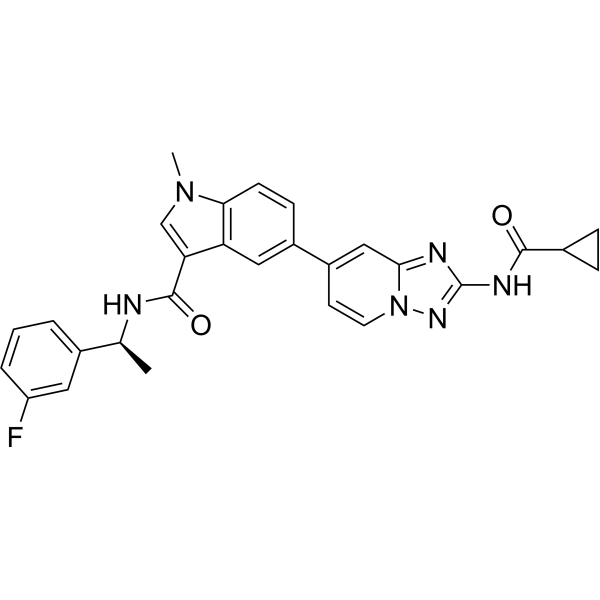
    CTPS1-IN-1 (compound R80) is a CTPS1 inhibitor. CTPS1-IN-1 has the potential to research cancer (such as promoting vascular injury or surgical recovery) and immune system diseases (such as rejection of transplanted cells and tissues, transplant-related diseases or disorders, allergies, and autoimmune diseases) .
    CTPS1-IN-1
  • HY-155120

    E1/E2/E3 Enzyme Inflammation/Immunology Cancer
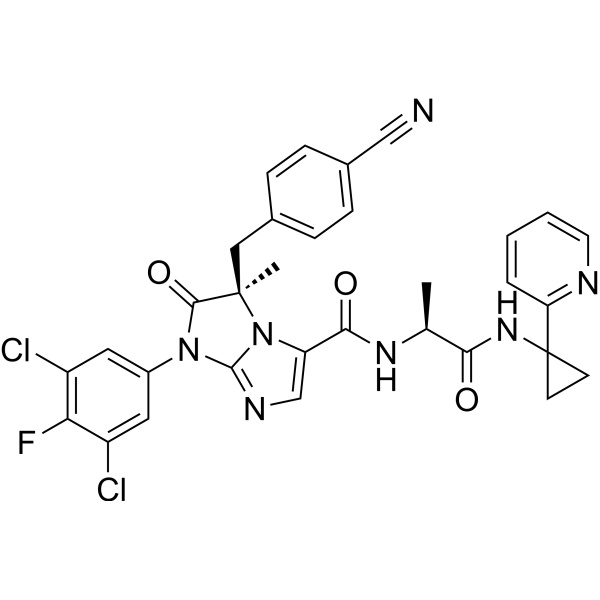
    Cbl-b-IN-5 (compound 6) is a Cbl-b inhibitor (IC50=3-10 µM). Cbl-b-IN-5 has the potential to be used in the study of cancer and related diseases amenable to immune system modulation .
    Cbl-b-IN-5
  • HY-101092A

    Toll-like Receptor (TLR) Infection Cancer
    QS-21 is a mixture of QS-21-Xyl (HY-101092B) and QS-21-Api (HY-101092), with a ratio of 35:65. QS-21 is an innate immune system-targeted adjuvant. QS-21 is promising for research of oncology vaccines (e.g., melanoma) and infectious disease vaccines (e.g., HIV, malaria) .
    QS-21
  • HY-NP134

    Toll-like Receptor (TLR) MyD88 NF-κB Interleukin Related IFNAR Inflammation/Immunology Cancer
    Flagellin from S. typhimurium is a potent TLR5 agonist. Flagellin from S. typhimurium activates immune cells and inhibits the activity of melanoma cells. Flagellin from S. typhimurium activates the NF-κB pathway dependent on the TLR5/MyD88/TRAF6 signaling axis in cells. Flagellin from S. typhimurium induces a proinflammatory response in the primary chicken hepatocyte-nonparenchymal cell co-culture system by promoting IL-8 production, inhibiting IL-10 production, and increasing the IFN-γ/IL-10 ratio. Flagellin from S. typhimurium can be used for research on melanoma and inflammatory diseases .
    Flagellin from S. typhimurium
  • HY-78699

    Indoleamine 2,3-Dioxygenase (IDO) Inflammation/Immunology
    2-Hydrazinobenzothiazole is a potent IDO1 inhibitor with an IC50 of 8 μM. 2-hydrazinobenzothiazole interacts with the IDO1 haem through hydrazine. 2-hydrazinobenzothiazole has the potential for immune system related diseases research .
    2-Hydrazinobenzothiazole
  • HY-157456

    RIP kinase Inflammation/Immunology
    RIPK1-IN-19 is a selective RIPK1 inhibitor (IC50=15 nM). RIPK1-IN-19 does not show obvious activity against RIPK2, RIPK3, and RIPK4. RIPK1-IN-19 displays potent protective activity in TNFα-induced systemic inflammatory response syndrome (SIRS) model and Imiquimod (IMQ)-induced psoriasis model. RIPK1-IN-19 can be used in research on inflammation and immune system diseases .
    RIPK1-IN-19
  • HY-124040

    Integrin Inflammation/Immunology
    BI-1950 is a lymphocyte function-associated antigen 1 (LFA-1) inhibitor. BI-1950 regulates immune system function through interaction with LFA-1. BI-1950 can be used in the research of inflammatory diseases .
    BI-1950
  • HY-126560

    Protein Arginine Deiminase Inflammation/Immunology
    F-Amidine is a Protein arginine deiminase 4 (PAD4) inhibitor. F-Amidine can be used in the study of inflammatory and immune system diseases (such as rheumatoid arthritis) .
    F-Amidine
  • HY-141431

    E1/E2/E3 Enzyme Inflammation/Immunology Cancer
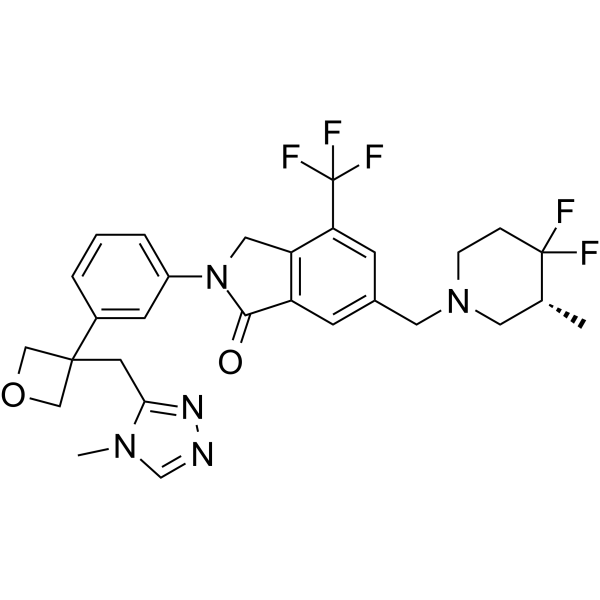
    Cbl-b-IN-2 (Example 8) is an orally bioavailable compound, can inhibit the E3 enzyme Casitas B-lineage lymphoma proto-oncogene-b (Cbl-b) in the ubiquitin proteasome pathway. Cbl-b-IN-2 can be used to modulate the immune system and diseases amenable to immune system modulation. Cbl-b-IN-2 (Example 8) also may be administered to an individual with cancer, either alone or as part of a combination, with one or more of an immune checkpoint inhibitor, an anti-neoplastic agent, and radiation agent .
    Cbl-b-IN-2
  • HY-P991277

    HS-20137

    Interleukin Related Inflammation/Immunology
    QX-004N (HS-20137) is a monoclonal antibody inhibitor targeting the p19 subunit of interleukin-23 (IL-23). QX-004N is promising for research of immune system diseases and diseases of digestive system .
    QX-004N
  • HY-P991552

    CD3 Metabolic Disease Inflammation/Immunology
    AFM15 is a humanized monoclonal antibody inhibitor targeting CD3E. AFM15 can be used to study metabolic and immune system diseases, such as type 1 diabetes and inflammatory bowel disease (IBD) .
    AFM15
  • HY-126560A

    Protein Arginine Deiminase Inflammation/Immunology
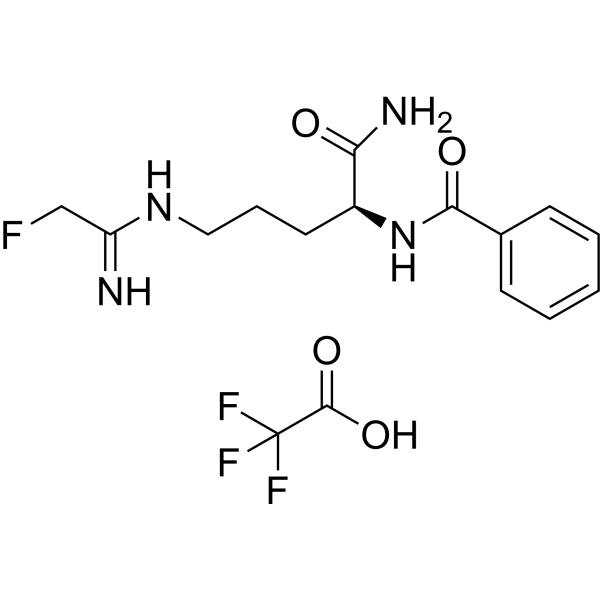
    F-Amidine TFA is a Protein arginine deiminase 4 (PAD4) inhibitor. F-Amidine TFA can be used in the study of inflammatory and immune system diseases (such as rheumatoid arthritis) .
    F-Amidine TFA
  • HY-N16467

    Speciofiline

    Others Cardiovascular Disease Neurological Disease Inflammation/Immunology Cancer
    Uncarine F (Speciofiline) is a pentacyclic oxindole alkaloid found in Uncaria tomentosa. Uncaria alkaloids have wide medicinal properties, including neuroprotective, anticancer, and antihypertensive activities. Uncaria alkaloids may stimulate the immune system, relax smooth muscles, dilate blood vessels, and act as a diuretic. Uncarine F can be used for the researches of cancer, immunology, cardiovascular and neurological disease .
    Uncarine F
  • HY-157793

    Toll-like Receptor (TLR) NF-κB MAPKAPK2 (MK2) Inflammation/Immunology Cancer
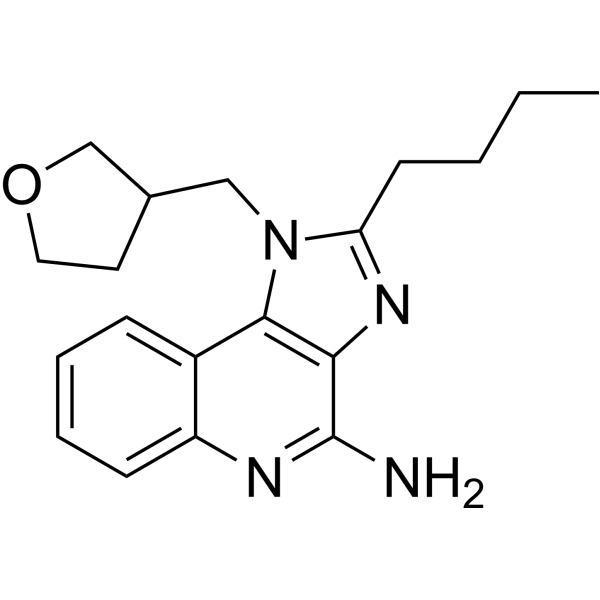
    SMU-L11 is a specific TLR7 agonist (EC50=0.024 μM), which recruits MyD88 adapter protein and activates downstream NF-κB and MAPK signaling pathways. In murine models, SMU-L11 significantly enhances immune cell activation and promotes the proliferation of CD4 + T and CD8 + T cells, thereby directly killing tumor cells and inhibiting tumor growth. SMU-L11 can be used for cancer research, and also has the potential for studying immune system diseases .
    SMU-L11
  • HY-131728

    GPR35 Cardiovascular Disease Neurological Disease Metabolic Disease Inflammation/Immunology
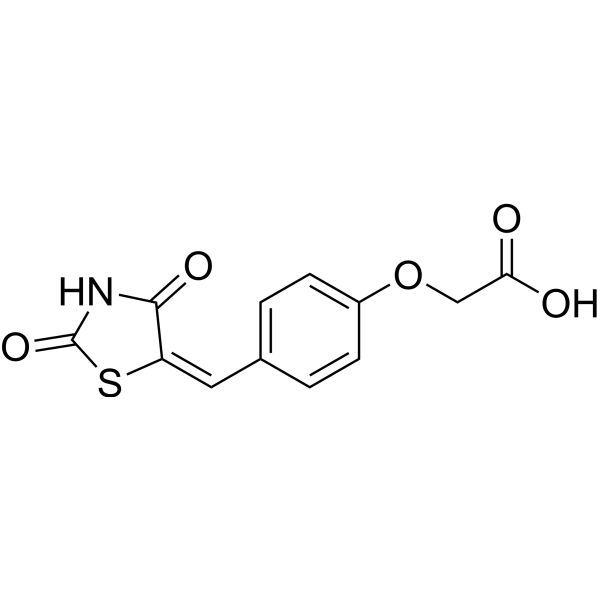
    GPR35 agonist 3 is a synthetic GPR35 agonist with an EC50value of 1.4 μM. GPR35 agonist 3 can be used for the research of various diseases, such as gastric cancer, type 2 diabetes, cardiovascular diseases, immune system and peripheral nervous system .
    GPR35 agonist 3
  • HY-173516

    CCR Infection Cardiovascular Disease Neurological Disease Inflammation/Immunology
    CCR5-IN-1 (compound 3ad) is a selective allosteric CCR5 inhibitor with an IC50 of 1.09 μM. CCR5-IN-1 can be used in the study of cardiovascular, central nervous system, immune system, and infectious diseases .
    CCR5-IN-1
  • HY-147574

    TAM Receptor Cardiovascular Disease Inflammation/Immunology Cancer
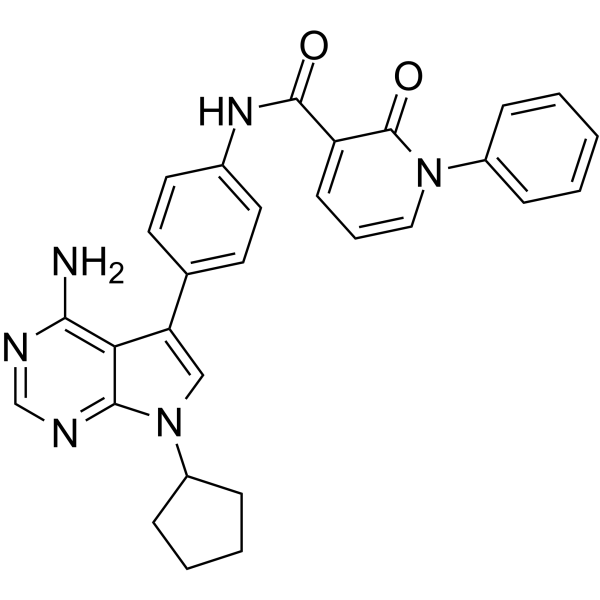
    Axl-IN-7 (Chemie 22) is a potent AXL inhibitor. Axl-IN-7 can be used for Axl-related diseases research, for example cancers (such as acute myeloid leukemia, melanoma, breast cancer, pancreatic cancer, and glial tumors), renal disease, immune system disorders, and cardiovascular disease .
    Axl-IN-7
  • HY-116873

    COX Inflammation/Immunology
    Flunoxaprofen is an orally active COX inhibitor. Flunoxaprofen shows anti-inflammatory activity in a rat paw edema model. Flunoxaprofen may be used in research on immune system diseases such as arthritis .
    Flunoxaprofen
  • HY-W049802

    Complement System Inflammation/Immunology
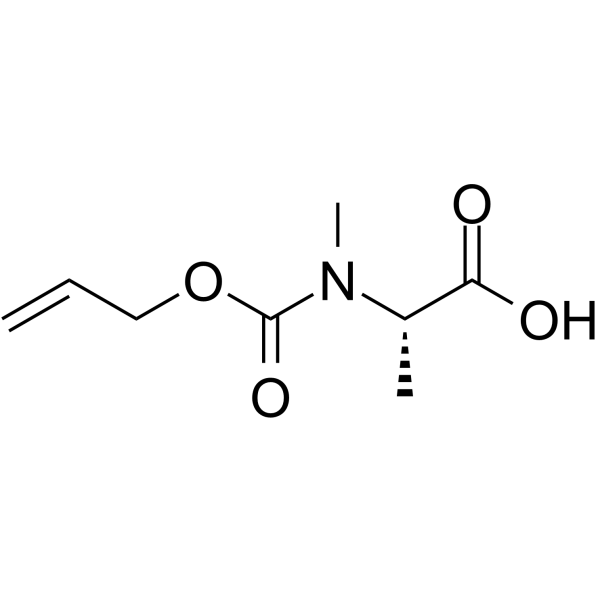
    N-((Allyloxy)carbonyl)-N-methyl-L-alanine is a Alanine derivative. N-((Allyloxy)carbonyl)-N-methyl-L-alanine can be used for the synthesis of inhibitors of complement factor D. Complement factor D inhibitors can be used in the research of immune system related disease .
    N-((Allyloxy)carbonyl)-N-methyl-L-alanine
  • HY-116426

    Tau Protein TNF Receptor Neurological Disease Inflammation/Immunology
    IDT is a safe and effective TNFα and innate immune system modulator. IDT significantly reduced paired helical filament tau and fibrillar amyloid accumulation and increased the infiltrating neutrophil population while reducing TNFα expression in this population. IDT can be used in Alzheimer's disease research .
    IDT
  • HY-P991276

    Interleukin Related Inflammation/Immunology
    FM-303 is a monoclonal antibody inhibitor targeting interleukin-23 (IL-23). FM-303 is promising for research of immune system diseases and diseases of digestive system .
    FM-303
  • HY-W014701R

    Reference Standards Aryl Hydrocarbon Receptor Cytochrome P450 Apoptosis Interleukin Related Neurological Disease Inflammation/Immunology Endocrinology
    1,4-Dihydroxy-2-naphthoic acid (Standard) is the analytical standard for 1,4-Dihydroxy-2-naphthoic acid (HY-W014701). 1,4-Dihydroxy-2-naphthoic acid is an orally active aryl hydrocarbon receptor (AhR) agonist and a bifidogenic growth stimulator. 1,4-Dihydroxy-2-naphthoic acid can improve the motor dysfunction in parkinson's disease (PD) model through AhR-dependent and -independent pathways. 1,4-Dihydroxy-2-naphthoic acid exerts anti-inflammatory effects by regulating the gut microbiota (such as promoting the proliferation of Bifidobacterium) and directly regulating the host immune system. 1,4-Dihydroxy-2-naphthoic acid induces apoptosis through G0/G1 cell cycle arrest in human keratinocyte to inhibit psoriasis .
    1,4-Dihydroxy-2-naphthoic acid (Standard)
  • HY-131384

    8,11,14-Icosatriynoic acid

    COX Others
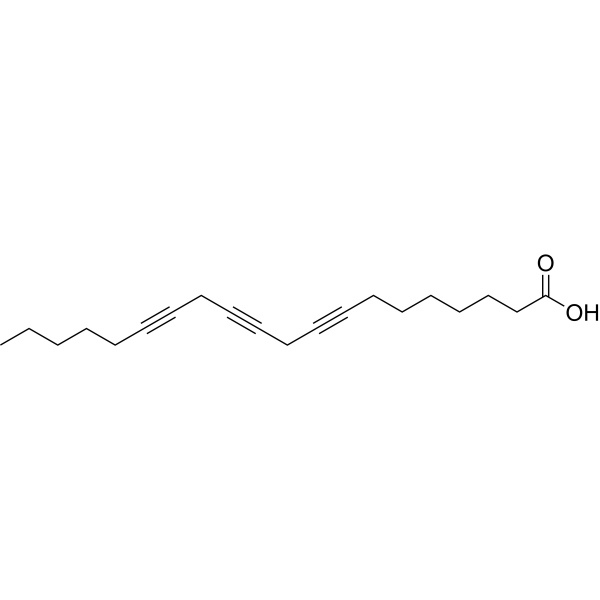
    8,11,14-Eicosatriynoic Acid, as an inhibitor of prostaglandin, leukotriene biosynthesis, and arachidonic acid-induced platelet aggregation, blocks human 12-lipoxygenase (12-LO), cyclooxygenase (COX)and 5-lipoxygenase (5-LO) with IC50 values of 0.46 μM, 14 μMand 25 μM, respectively. In addition, 8,11,14-Eicosatriynoic Acid inhibits the action of slow-reacting substances of allergic reactions, with IC50 value of 10 μM. Lipoxygenase is widely found in fungi, plants and animals. 12-LO involves in many important disease states and may play a role in oxidative glutamate toxicity. COX enzymes play complex roles in human physiology and pathology involving the neuronal, immune, renal, cardiovascular, gastrointestinal and reproductive systems. COX enzymes are blocked by aspirin and a variety of other NSAIDs, which makes them clinically important. 5-LO involves in cancer pathology. It is expressed by a variety of cancer cells, including colon, lung, breast, and prostate cancers, and promotes cancer cell growth and neovascularization . 8,11,14-Eicosatriynoic acid is a click chemistry reagent, it contains an Alkyne group and can undergo copper-catalyzed azide-alkyne cycloaddition (CuAAc) with molecules containing Azide groups.
    8,11,14-Eicosatriynoic acid
  • HY-125082

    HIV Inflammation/Immunology
    SB 204144 is an HIV protease inhibitor. SB 204144 can be used in research on immune system diseases .
    SB 204144
  • HY-105372

    Reverse Transcriptase HIV Infection Inflammation/Immunology
    PNU-103657 (Compound 13) is an orally active reverse transcriptase inhibitor (IC50 = 0.51 μM (WT)). PNU-103657 has antiviral activity. PNU-103657 can be used in research on infections and immune system diseases such as HIV infection .
    PNU-103657
  • HY-174714

    mRNA Inflammation/Immunology
    Human FAS mRNA encodes the human Fas cell surface death receptor (FAS) protein, a member of the TNF-receptor superfamily. FAS has been shown to play a central role in the physiological regulation of programmed cell death, and has been implicated in the pathogenesis of various malignancies and diseases of the immune system.
    Human FAS mRNA
  • HY-19080

    Lipoxygenase Inflammation/Immunology
    SC-45662 is a 5-lipoxygenase inhibitor. SC-45662 inhibits the response of monocytes to phytohemagglutinin (PHA). SC-45662 inhibits superoxide production in neutrophils. SC-45662 slows early changes in lung mechanics and pulmonary hypertension in a sheep model of impaired lung function. SC-45662 can be used in research on diseases of the immune system, respiratory system, etc .
    SC-45662
  • HY-19090

    NO Synthase HSP Cardiovascular Disease Inflammation/Immunology
    FK 409 is a NO donor that can penetrate cell membranes. FK 409 has a vasodilatory effect on bovine retinal arteries. FK 409 alleviates acute-phase inflammation, induces HSP, and mitigates liver transplantation injury in a rat model of orthotopic liver transplantation. FK 409 can be used in research on cardiovascular diseases and liver transplant rejection and inflammatory immune system disorders .
    FK 409
  • HY-185659

    CD22 Apoptosis Akt ERK Inflammation/Immunology
    6'-BPANeuGc is a CD22-targeting ligand. 6'-BPANeuGc suppresses BCR activation, recruits CD22 to B cell immunological synapses, initiates inhibitory signals, induces B cell apoptosis. 6'-BPANeuGc inhibits calcium flux, and inhibits Akt and Erk activation. 6'-BPANeuGc can be used for research on immune system diseases .
    6'-BPANeuGc
  • HY-108136

    BIM-X; Ro31-8425

    PKC CDK Cardiovascular Disease Inflammation/Immunology
    Bisindolylmaleimide X (Ro 31-8425, BIM-X) is a cell-penetrating PKC inhibitor. Bisindolylmaleimide X is a potent cyclin-dependent kinase 2 (CDK2) antagonist with an IC50 of 200 nM. Bisindolylmaleimide X inhibits the proliferation of CD4 T cells in vitro. Bisindolylmaleimide X inhibits eNOS-Ser1177 phosphorylation in human embryonic vein endothelial cells. Bisindolylmaleimide X can be used for research on the immune system and cardiovascular diseases .
    Bisindolylmaleimide X
  • HY-19086

    COX Lipoxygenase Inflammation/Immunology
    SKF-105809 is a dual-action inhibitor of lipoxygenase and COX. SKF-105809 inhibits edema and inflammatory cell infiltration in mouse models of ear, paw, and peritoneum inflammation. SKF-105809 inhibits the production of relevant acute-phase reactive proteins in a mouse model of arthritis. SKF-105809 exhibits analgesic activity in a mouse abdominal contraction test and inhibits ulceration. SKF-105809 can be used in research on inflammatory and immune system diseases such as peritonitis and arthritis .
    SKF-105809
  • HY-175073

    Toll-like Receptor (TLR) Interleukin Related Neurological Disease Inflammation/Immunology
    Ganglioside GT1b bovine trisodium is a trisialic acid ganglioside. Ganglioside GT1b bovine trisodium binds to botulinum toxin type A (BTxA), BTxA heavy chain, and tetanus toxin with IC50 values of 11, 0.74, and 7.2 μM, respectively. Ganglioside GT1b bovine trisodium acts as a TLR2 agonist, leading to microglial activation, increased expression of pro-inflammatory factors, and increased pain sensitivity in spinal microglia. Ganglioside GT1b bovine trisodium also reduces the production of IL-6, IL-10, IgG, IgM, and IgA in human peripheral blood mononuclear cells (PBMCs). Ganglioside GT1b bovine trisodium increases extracellular glutamate levels in neural cell models. Ganglioside GT1b bovine trisodium has potential applications in research on immune system diseases and nervous system diseases .
    Ganglioside GT1b (bovine) trisodium

Inquiry Online

Your information is safe with us. * Required Fields.

Salutation


Country or Region *

Applicant Name *


Organization Name *

Department *


Email Address *


Product Name *

Cat. No.


Requested quantity *

Phone Number *


Remarks

Inquiry Online

Inquiry Information

Product Name:
Cat. No.:
Quantity:
MCE Japan Authorized Agent: