1. Search Result
Search Result
Results for "

MAPK+activator

" in MedChemExpress (MCE) Product Catalog:

27

Inhibitors & Agonists

1

Peptides

15

Natural
Products

1

Isotope-Labeled Compounds

Cat. No. Product Name Target Research Areas Chemical Structure
  • HY-17363
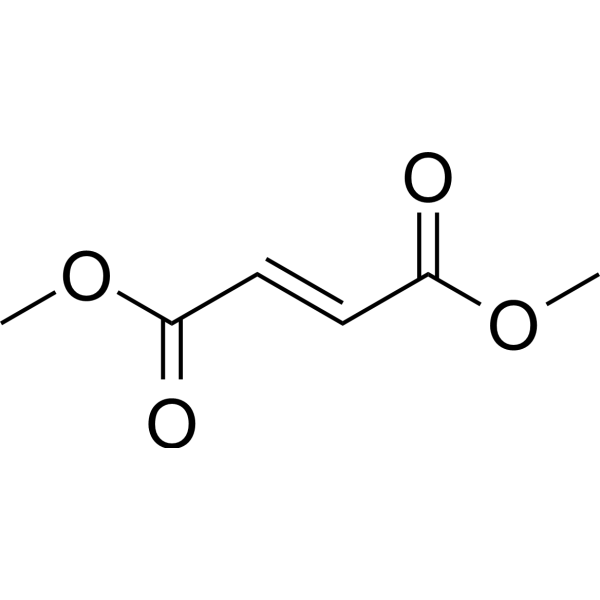
    Dimethyl fumarate
    Maximum Cited Publications
    56 Publications Verification

    Keap1-Nrf2 Reactive Oxygen Species (ROS) HIV Autophagy Endogenous Metabolite Infection Neurological Disease Inflammation/Immunology Cancer
    Dimethyl fumarate (DMF) is an orally active and brain-penetrant Nrf2 activator and induces upregulation of antioxidant gene expression. Dimethyl fumarate induces necroptosis in colon cancer cells through GSH depletion/ROS increase/MAPKs activation pathway, and also induces cell autophagy. Dimethyl fumarate can be used for multiple sclerosis research .
    Dimethyl fumarate
  • HY-N0168
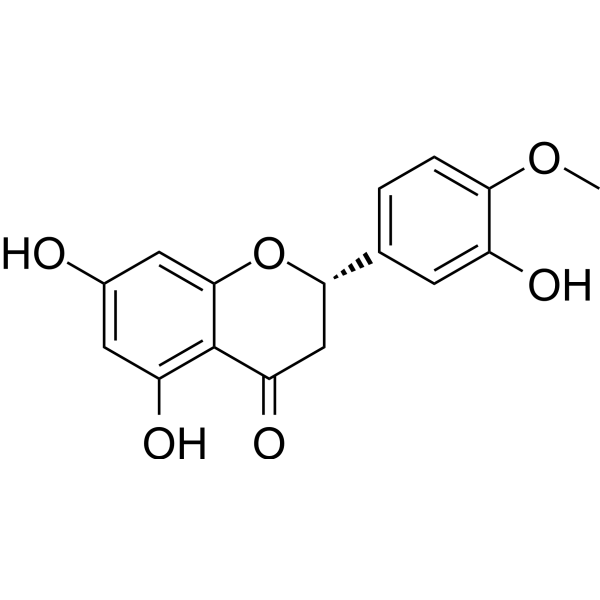
    Hesperetin
    20+ Cited Publications

    p38 MAPK Autophagy Apoptosis Reactive Oxygen Species (ROS) NF-κB Bcl-2 Family Neurological Disease Cancer
    Hesperetin is a natural flavanone that can be found in citrus, and acts as a potent and orally active broad-spectrum inhibitor against human UGT activity. Hesperetin induces apoptosis via p38 MAPK activation. Hesperetin displays a range of bioactivities including antioxidant, anti-inflammatory, and anti-cancer. Hesperetin is found to induce cell-cycle arrest at G2/M phase. Hesperetin can reduce Bcl-2 and enhance BaxM. Hesperetin induces apoptosis through inhibiting NF-κB receptor .
    Hesperetin
  • HY-N0722
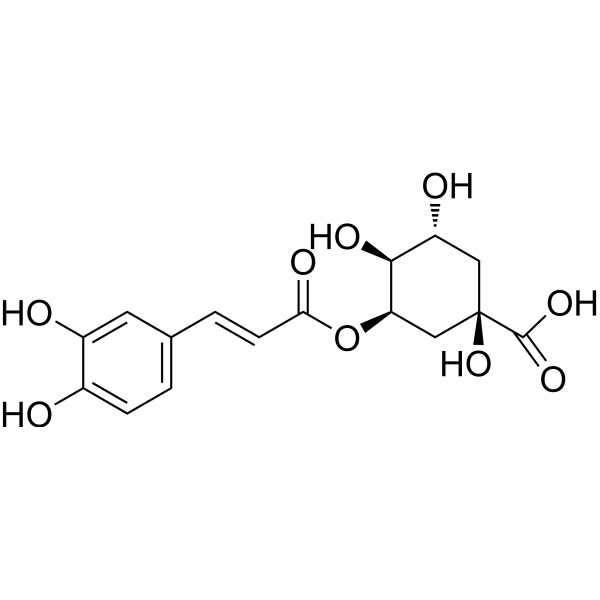
    Neochlorogenic acid
    4 Publications Verification

    trans-5-O-Caffeoylquinic acid

    NF-κB Interleukin Related TNF Receptor COX Inflammation/Immunology Cancer
    Neochlorogenic acid is a natural polyphenolic compound found in dried fruits and other plants. Neochlorogenic acid inhibits the production of TNF-α and IL-1β. Neochlorogenic acid suppresses iNOS and COX-2 protein expression. Neochlorogenic acid also inhibits phosphorylated NF-κB p65 and p38 MAPK activation.
    Neochlorogenic acid
  • HY-N0674
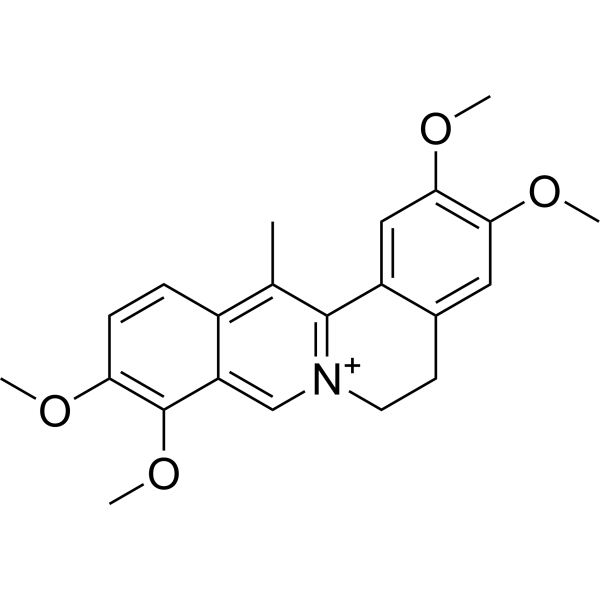
    Dehydrocorydaline
    40+ Cited Publications

    13-Methylpalmatine

    Bcl-2 Family Caspase PARP p38 MAPK Parasite Autophagy Infection Cancer
    Dehydrocorydaline (13-Methylpalmatine) is an alkaloid that regulates protein expression of Bax, Bcl-2; activates caspase-7, caspase-8, and inactivates PARP . Dehydrocorydaline elevates p38 MAPK activation. Anti-inflammatory and anti-cancer activities . Dehydrocorydaline shows strong anti-malarial effects (IC50=38 nM), and low cytotoxicity (cell viability > 90%) using P. falciparum 3D7 strain .
    Dehydrocorydaline
  • HY-125848

    Apoptosis AMPK PPAR p38 MAPK PI3K Akt GSK-3 Reactive Oxygen Species (ROS) SOD Caspase Neurological Disease Metabolic Disease Inflammation/Immunology Cancer
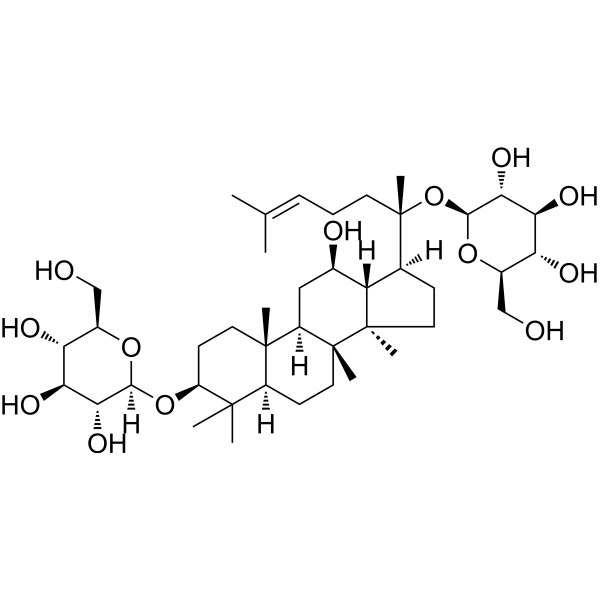
    Ginsenoside F2 is an orally active bioactive compound that participates in the regulation of metabolism and inflammation. Ginsenoside F2 promotes the phosphorylation of AMPK and ACC, binds to PPARγ, inhibits the phosphorylation of MAPK, activates the PI3K/AKT/GSK-3β pathway, reduces GLRX expression, and regulates lipid metabolism. Ginsenoside F2 reduces ROS production and MDA levels, restores SOD activity in cells, and alleviates oxidative stress. Ginsenoside F2 induces cell apoptosis (Apoptosis) and increases the number of cleaved caspase-3-positive cells. Ginsenoside F2 reduces body weight gain, adipose tissue weight and serum lipid levels in obese mice, and activates the hepatic AMPK signaling pathway and the expression of antioxidant enzymes. Ginsenoside F2 alleviates atopic dermatitis in mice by inhibiting inflammation and reshaping the gut microbiota . Ginsenoside F2 is applicable to research related to insulin resistance, obesity, atopic dermatitis, liver cancer, glioblastoma and glioma .
    Ginsenoside F2
  • HY-13106
    Olodanrigan
    4 Publications Verification

    EMA401; PD-126055; (S)-EMA400

    Angiotensin Receptor Cardiovascular Disease Neurological Disease Endocrinology
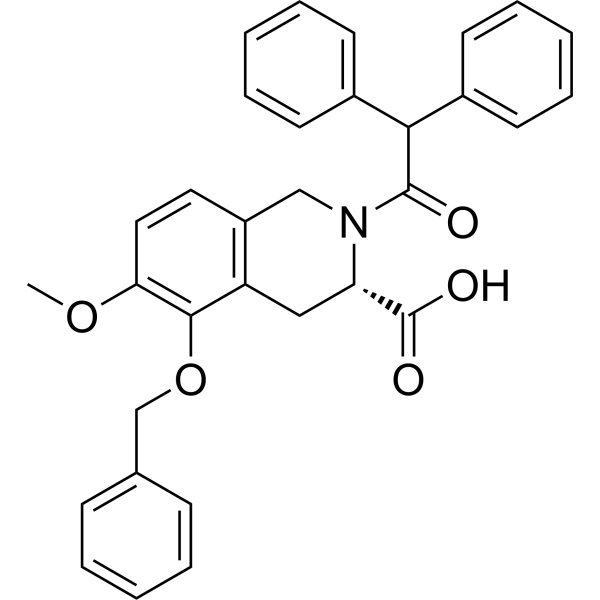
    Olodanrigan (EMA401) is a highly selective, orally active, peripherally restricted angiotensin II type 2 receptor (AT2R) antagonist. It is under development as a neuropathic pain therapeutic agent. Olodanrigan (EMA401) analgesic action appears to involve inhibition of augmented AngII/AT2R induced p38 and p42/p44 MAPK activation, and hence inhibition of DRG neuron hyperexcitability and sprouting of DRG neurons .
    Olodanrigan
  • HY-N0762
    Isobavachin
    5 Publications Verification

    Cytochrome P450 UGT p38 MAPK NF-κB NO Synthase COX Fc Receptor (FcR) RANKL/RANK Keap1-Nrf2 Reactive Oxygen Species (ROS) Apoptosis Autophagy Neurological Disease Metabolic Disease Inflammation/Immunology Cancer
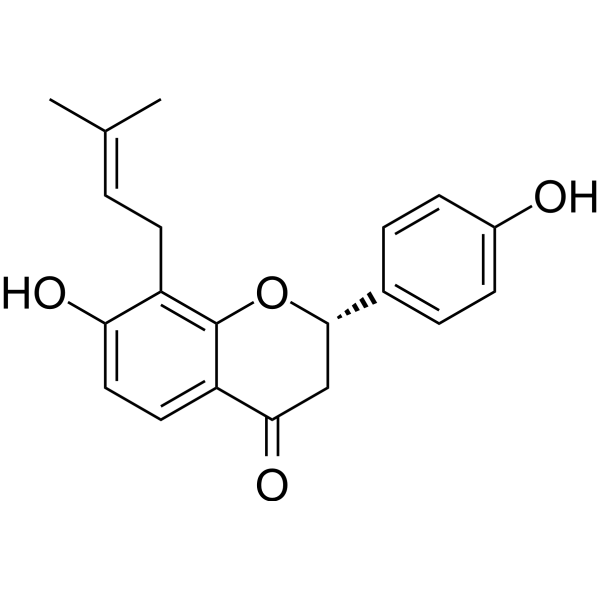
    Isobavachin is an orally active, blood-brain barrier-penetrating prenylated flavonoid present in Psoralea corylifolia. Isobavachin inhibits human CYP2B6, CYP2C9, CYP2C19, UGT1A1, UGT1A9, and UGT2B7. Isobavachin suppresses MAPK activation, NF-κB nuclear translocation, overexpression of iNOS/COX-2, FcεRI-mediated signaling pathways, and RANKL-induced osteoclastogenesis. Isobavachin induces autophagy, cytotoxicity, neuronal differentiation, and NRF2 activation; it alleviates oxidative damage, inflammatory responses, apoptosis, iron accumulation, mitochondrial biogenesis, and mast cell degranulation. Isobavachin is applicable to research related to liver injury, inflammatory diseases, osteoporosis, liver cancer, prostate cancer, glioma, periodontitis-induced bone loss, and Alzheimer's disease .
    Isobavachin
  • HY-16126
    Carboxyamidotriazole
    4 Publications Verification

    L-651582; CAI

    Calcium Channel NF-κB p38 MAPK NO Synthase Cardiovascular Disease Inflammation/Immunology Cancer
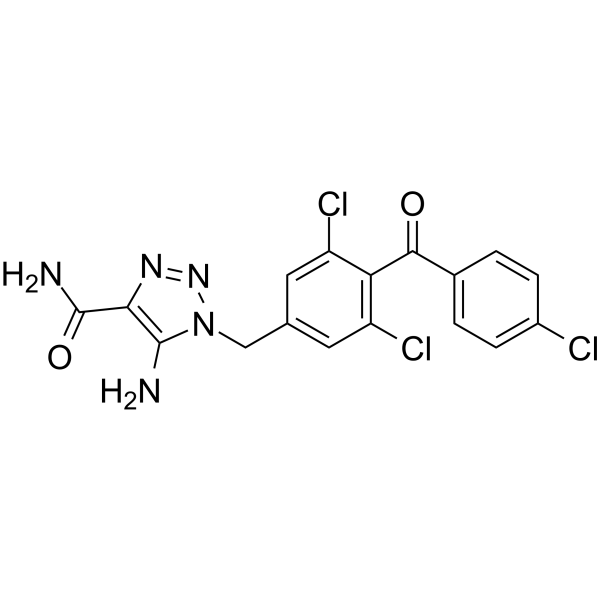
    Carboxyamidotriazole (L-651582) is an orally active cytostatic inhibitor of nonvoltage-operated calcium channels and calcium channel-mediated signaling pathways. Carboxyamidotriazole inhibits NF-κB, MAPK activation and NO production. Carboxyamidotriazole has anti-angiogenic and anti-inflammatory activities. Carboxyamidotriazole has anticancer activity against liver cancer, lung cancer and leukemia .
    Carboxyamidotriazole
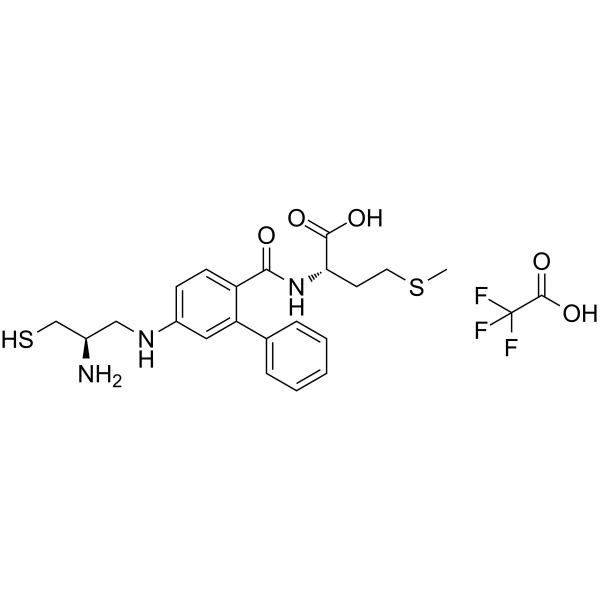
  • HY-15873A

    Farnesyl Transferase Ras p38 MAPK Cancer
    FTI 276 TFA is a farnesyltransferase (FTase) inhibitor with an IC50 of 0.5 nM, and it exhibits selectivity for FTase over geranylgeranyltransferase I (GGTase I). FTI 276 TFA blocks the farnesylation of H-Ras and K-Ras4B, causes inactive Ras-Raf complexes to accumulate in the cytoplasm, and inhibits constitutive MAPK activation. FTI 276 TFA reduces the number, incidence and volume of tumors, and restricts the growth of tumors expressing activated K-ras. FTI 276 TFA can be used in research related to pulmonary adenoma .
    FTI 276 TFA
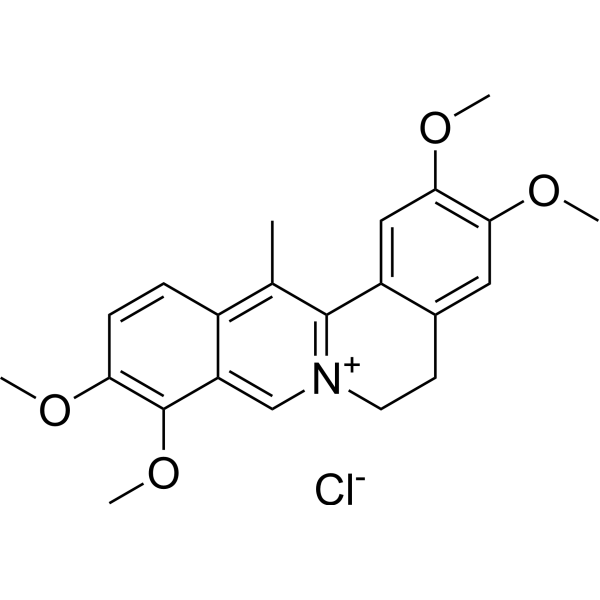
  • HY-N0674A
    Dehydrocorydaline chloride
    40+ Cited Publications

    13-Methylpalmatine chloride

    Bcl-2 Family Caspase PARP p38 MAPK Parasite Autophagy Infection Cancer
    Dehydrocorydaline chloride (13-Methylpalmatine chloride) is an alkaloid that regulates protein expression of Bax, Bcl-2; activates caspase-7, caspase-8, and inactivates PARP . Dehydrocorydaline chloride elevates p38 MAPK activation. Anti-inflammatory and anti-cancer activities . Dehydrocorydaline chloride shows strong anti-malarial effects (IC50?=38 nM), and low cytotoxicity (cell viability?>?90%) using P. falciparum 3D7 strain .
    Dehydrocorydaline chloride
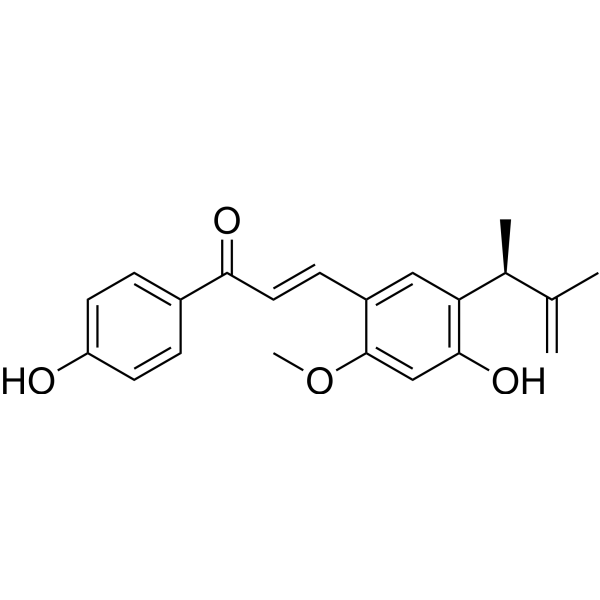
  • HY-N4182
    Licochalcone E
    4 Publications Verification

    Akt p38 MAPK Autophagy Inflammation/Immunology
    Licochalcone E, a flavonoid compound isolated from Glycyrrhiza uralensis, inhibits NF-κB and AP-1 transcriptional activity through the inhibition of AKT and MAPK activation .
    Licochalcone E
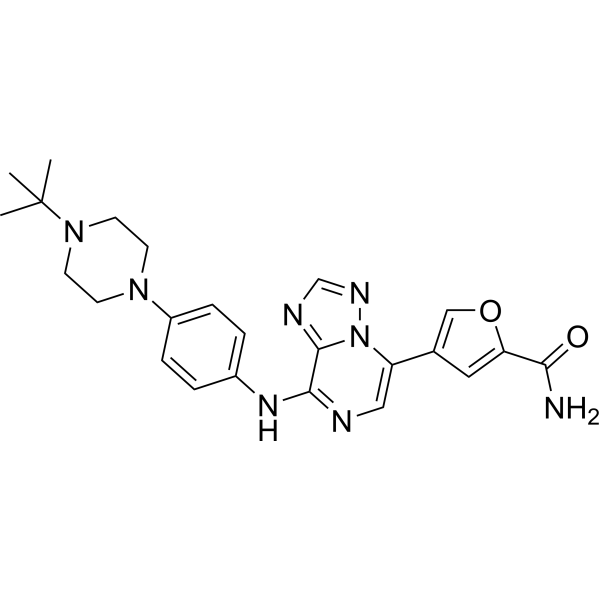
  • HY-136990

    p38 MAPK Cancer
    GLPG0259 is a ATP-competitive inhibitor of MAPK-activated protein kinase 5 (MK5) with oral activity. GLPG0259 reduces inflammation and bone destruction in a mouse model of collagen-induced arthritis. GLPG0259 also inhibited the metastasis of prostate cancer (PCa) cells .
    GLPG0259
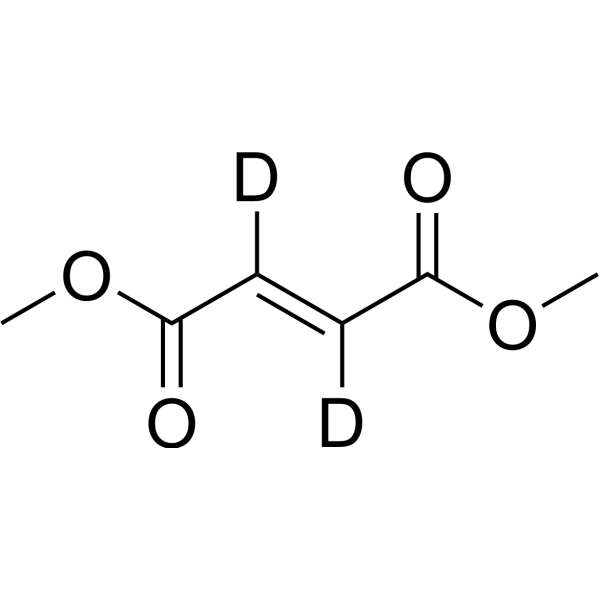
  • HY-17363S1

    Autophagy HIV Keap1-Nrf2 Endogenous Metabolite Reactive Oxygen Species (ROS) Cancer
    Dimethyl fumarate-d2 is the deuterium labeled Dimethyl fumarate . Dimethyl fumarate (DMF) is an orally active and brain-penetrant Nrf2 activator and induces upregulation of antioxidant gene expression. Dimethyl fumarate induces necroptosis in colon cancer cells through GSH depletion/ROS increase/MAPKs activation pathway, and also induces cell autophagy. Dimethyl fumarate can be used for multiple sclerosis research .
    Dimethyl fumarate-d2
  • HY-138875

    p38 MAPK Apoptosis Cardiovascular Disease Cancer
    Tetraacetylphytosphingosine is a sphingolipid metabolite produced by phytosphingosine acetylation. Tetraacetylphytosphingosine exerts its inhibitory action on angiogenesis through the inhibition of MAPK activation and intracellular calcium increase . Tetraacetylphytosphingosine induces apoptosis in HaCaT cells .
    Tetraacetylphytosphingosine
  • HY-118034
    MTBT
    1 Publications Verification

    p38 MAPK Apoptosis Cancer
    MTBT is an anticancer agent and p38 MAPK activator. MTBT can inhibit tumor cell proliferation, induce cell cycle arrest and apoptosis. MTBT increases the phosphorylation of histone H3 serine in cancer cells, thereby arresting the cell cycle in the M phase. The specific inhibitor of p38 MAPK, Adezmapimod (HY-10256), can abrogate the cell cycle arrest induced by MTBT .
    MTBT
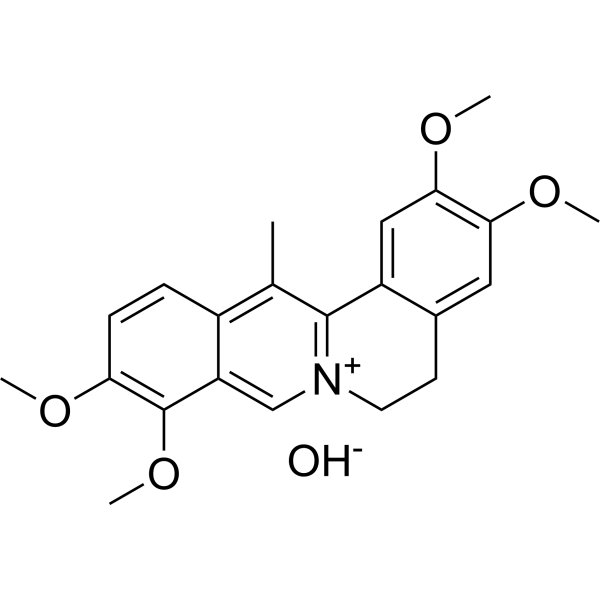
  • HY-N0674B
    Dehydrocorydaline (hydroxyl)
    40+ Cited Publications

    13-Methylpalmatine (hydroxyl)

    Bcl-2 Family Caspase PARP p38 MAPK Parasite Autophagy Infection Inflammation/Immunology Cancer
    Dehydrocorydaline (13-Methylpalmatine) hydroxyl is an alkaloid that regulates protein expression of Bax, Bcl-2; activates caspase-7, caspase-8, and inactivates PARP. Dehydrocorydaline hydroxyl elevates p38 MAPK activation. Anti-inflammatory and anti-cancer activities. Dehydrocorydaline hydroxyl shows strong anti-malarial effects (IC50=38 nM), and low cytotoxicity (cell viability > 90%) using P. falciparum 3D7 strain.
    Dehydrocorydaline (hydroxyl)
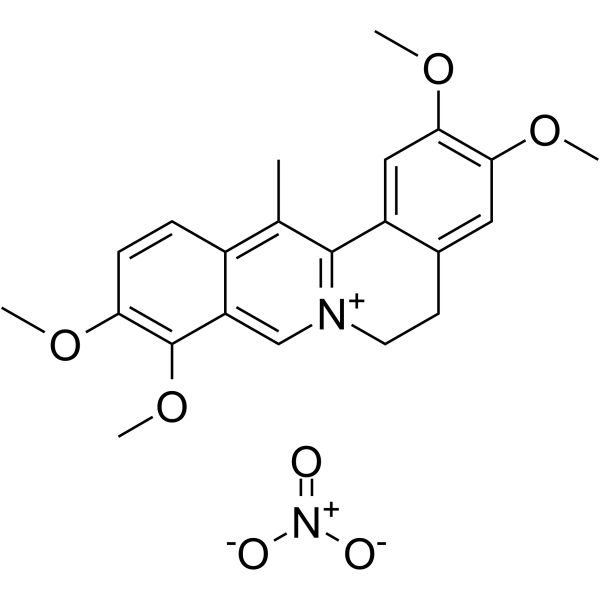
  • HY-N4238
    Dehydrocorydaline nitrate
    40+ Cited Publications

    13-Methylpalmatine nitrate

    Bcl-2 Family Caspase PARP p38 MAPK Parasite Autophagy Infection Cancer
    Dehydrocorydaline nitrate (13-Methylpalmatine nitrate) is an alkaloid. Dehydrocorydaline regulates protein expression of Bax, Bcl-2; activates caspase-7, caspase-8, and inactivates PARP . Dehydrocorydaline nitrate elevates p38 MAPK activation. Anti-inflammatory and anti-cancer activities. . Dehydrocorydaline nitrate shows strong anti-malarial effects (IC50 =38 nM), and low cytotoxicity (cell viability > 90%) using P. falciparum 3D7 strain .
    Dehydrocorydaline nitrate
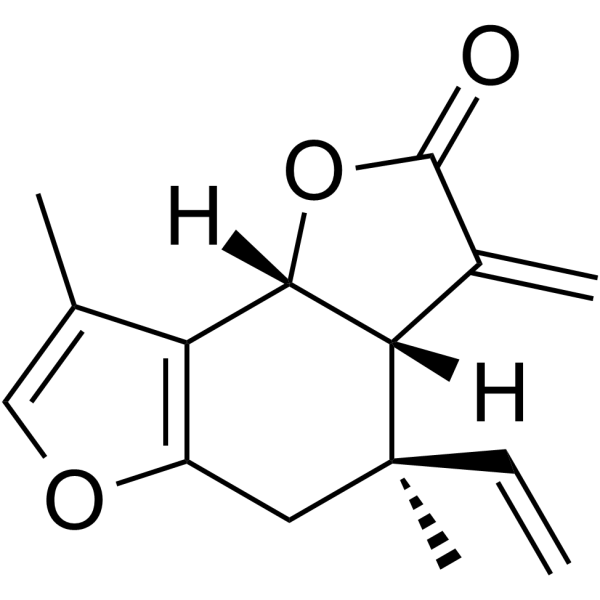
  • HY-N3001
    Isolinderalactone
    1 Publications Verification

    STAT VEGFR Bcl-2 Family Survivin IAP NF-κB Apoptosis Caspase Neurological Disease Inflammation/Immunology Cancer
    Isolinderalactone is a sesquiterpene that exhibits anti-cancer, anti-inflammatory, and neuroprotective effects. Isolinderalactone inhibits VEGF expression and tyrosine phosphorylation of VEGFR2. Isolinderalactone decreases viability and induces apoptosis in U-87 glioblastoma (GBM) cells and colorectal cancer (CRC) cells. Isolinderalactone induces G2/M phase cell cycle arrest, ROS generation, pJNK/p38 MAPK activation, in colorectal cancer (CRC) cells. Isolinderalactone blocks LPS (HY-D1056)-induced NF-κB activation while activating Nrf2-HMOX1 signaling in RAW264.7 macrophages. Isolinderalactone improves cognitive dysfunction in APP/PS1 mice. Isolinderalactone can be used for the study of Glioblastoma multiforme (GBM), colorectal cancer, Alzheimer’s disease and acute lung injury .
    Isolinderalactone
  • HY-N0722R

    trans-5-O-Caffeoylquinic acid (Standard)

    Reference Standards NF-κB Interleukin Related TNF Receptor COX Inflammation/Immunology Cancer
    Neochlorogenic acid (Standard) is the analytical standard of Neochlorogenic acid. This product is intended for research and analytical applications. Neochlorogenic acid is a natural polyphenolic compound found in dried fruits and other plants. Neochlorogenic acid inhibits the production of TNF-α and IL-1β. Neochlorogenic acid suppresses iNOS and COX-2 protein expression. Neochlorogenic acid also inhibits phosphorylated NF-κB p65 and p38 MAPK activation.
    Neochlorogenic acid (Standard)
  • HY-17363R

    Reference Standards Keap1-Nrf2 Reactive Oxygen Species (ROS) HIV Autophagy Endogenous Metabolite Infection Neurological Disease Inflammation/Immunology Cancer
    Dimethyl fumarate (Standard) is the analytical standard of Dimethyl fumarate. This product is intended for research and analytical applications. Dimethyl fumarate (DMF) is an orally active and brain-penetrant Nrf2 activator and induces upregulation of antioxidant gene expression. Dimethyl fumarate induces necroptosis in colon cancer cells through GSH depletion/ROS increase/MAPKs activation pathway, and also induces cell autophagy. Dimethyl fumarate can be used for multiple sclerosis research .
    Dimethyl fumarate (Standard)
  • HY-13106A

    EMA401 sodium; PD-126055 sodium

    Angiotensin Receptor Neurological Disease Endocrinology
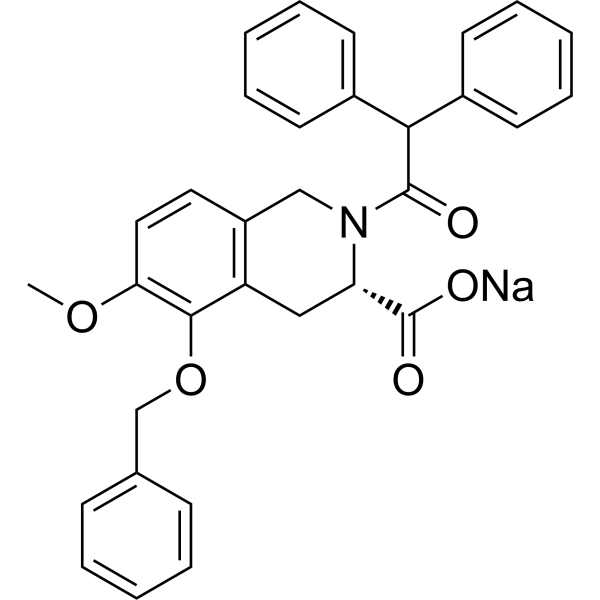
    Olodanrigan (EMA401) sodium is a highly selective, orally active, peripherally restricted angiotensin II type 2 receptor (AT2R) antagonist. Olodanrigan sodium is under development as a neuropathic pain therapeutic agent. Olodanrigan sodium analgesic action appears to involve inhibition of augmented AngII/AT2R induced p38 and p42/p44 MAPK activation, and hence inhibition of DRG neuron hyperexcitability and sprouting of DRG neurons .
    Olodanrigan sodium
  • HY-168012

    Ras Phosphatase Cancer
    Pan-RAS-IN-6 (compound 24) is an inhibitor targeting DUSP6, which reduces MAPK activation in the brain of the NCI-H1373-Luc model (DUSP6), at the same time, it shows significant tumor growth inhibition and tumor regression effects in the NSCLC brain metastasis mouse model. Pan-RAS-IN-6 shows high selectivity and strong inhibitory effects, especially in KRAS mutation-related signaling pathways, demonstrating varying inhibitory activity against different KRAS mutants and interacting proteins. The IC50 values for KRAS G12C, G12D, and G12V are 1.3 nM, 4.7 nM, and 0.3 nM, respectively .
    Pan-RAS-IN-6
  • HY-P10367

    MAPKAPK2 (MK2) Checkpoint Kinase (Chk) AMPK Others
    Ziptide is a substrate for MAPK activated protein kinase 2 (MAPKAPK2, Km = 5 μM), MAPKAPK3 (Km = 30 μM), PARK (Km = 40 μM), checkpoint kinase 1 (Chk1, Km = 5 μM), AMP-activated protein kinase (AMPK, Km = 75 μM), and calcium/calmodulin-dependent protein kinase II (CamKII, Km = 300 μM) .
    Ziptide
  • HY-N0722A

    cis-5-O-Caffeoylquinic acid

    Drug Derivative Inflammation/Immunology Cancer
    (Z)-Neochlorogenic acid is the z-isomer of Neochlorogenic acid (HY-N0722). Neochlorogenic acid is a natural polyphenolic compound found in dried fruits and other plants. Neochlorogenic acid inhibits the production of TNF-α and IL-1β. Neochlorogenic acid suppresses iNOS and COX-2 protein expression. Neochlorogenic acid also inhibits phosphorylated NF-κB p65 and p38 MAPK activation .
    (Z)-Neochlorogenic acid
  • HY-150587

    ERK NF-κB Inflammation/Immunology
    Anti-inflammatory agent 31 (enone 17) is a kind of andrographolide derivatives, is a anti-inflammatory agent. Anti-inflammatory agent 31 inhibits NF-κB activation by upstream blockade of PI3K/Akt and ERK1/2 MAPK activation. Anti-inflammatory agent 31 shows recovery effective of the intracellular GSH levels and protective effect on liver .
    Anti-inflammatory agent 31
  • HY-119234

    CXCR Inflammation/Immunology
    CX4338 is a CXCL8-mediated chemokine inhibitor with the activity of inhibiting CXCR2-mediated cell migration. CX4338 selectively inhibits CXCR2-mediated β-arrestin-2 recruitment and receptor internalization while enhancing CXCR2-mediated MAPK activation. CX4338 also inhibited CXCL8-induced chemotaxis, showing efficacy in CXCR2-overexpressing cells and human neutrophils. In vivo, CX4338 significantly reduced LPS-induced neutrophil numbers in mouse bronchoalveolar lavage fluid. The mechanism of action of CX4338 is to selectively inhibit CXCR2-mediated β-arrestin-2 activation, which is sufficient to inhibit CXCL8-mediated chemotaxis .
    CX4338
  • HY-181931

    Phosphodiesterase (PDE) p38 MAPK LPL Receptor ERK JNK Inflammation/Immunology
    Autotaxin-IN-8 (Compound 14E) is an orally active Autotaxin inhibitor with an IC50 of 14.2 nM against hAutotaxin. Autotaxin-IN-8 inhibits Autotaxin activity, MAPK activation, LPAR1 and p-ERK1/2. Autotaxin-IN-8 reduces the phosphorylation levels of JNK and p38. Autotaxin-IN-8 decreases collagen deposition in a mouse model of pulmonary fibrosis. Autotaxin-IN-8 can be used in research related to pulmonary fibrosis .
    Autotaxin-IN-8

Inquiry Online

Your information is safe with us. * Required Fields.

Salutation


Country or Region *

Applicant Name *


Organization Name *

Department *


Email Address *


Product Name *

Cat. No.


Requested quantity *

Phone Number *


Remarks

Inquiry Online

Inquiry Information

Product Name:
Cat. No.:
Quantity:
MCE Japan Authorized Agent: