1. Search Result
Search Result
Results for "

PMA/MCM-41

" in MedChemExpress (MCE) Product Catalog:

30

Inhibitors & Agonists

1

Fluorescent Dye

5

Peptides

15

Natural
Products

1

Antibodies

1

Click Chemistry

Cat. No. Product Name Target Research Areas Chemical Structure
  • HY-18739
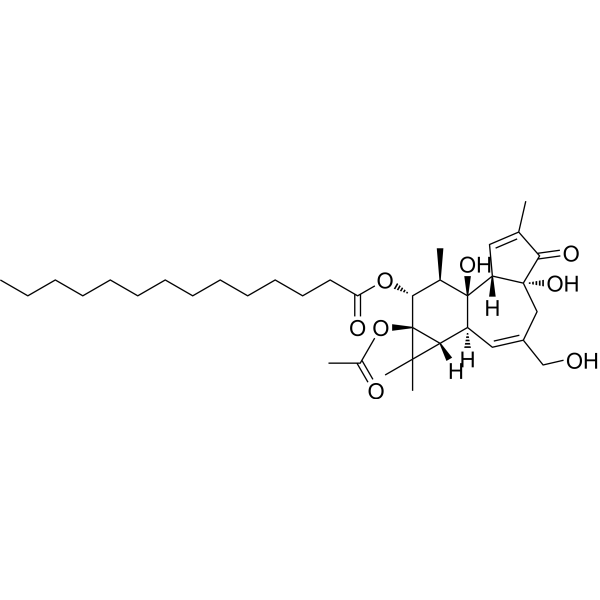
    Phorbol 12-myristate 13-acetate
    Maximum Cited Publications
    726 Publications Verification

    PMA; TPA; Phorbol myristate acetate

    PKC SphK NF-κB Neurological Disease Inflammation/Immunology Cancer
    Phorbol 12-myristate 13-acetate (PMA; TPA; Phorbol myristate acetate), a phorbol ester, is a dual SphK and protein kinase C (PKC) activator . Phorbol 12-myristate 13-acetate is a NF-κB activator. Phorbol 12-myristate 13-acetate induces differentiation in THP-1 cells (Validated by MedChemExpress (MCE)) .
    Phorbol 12-myristate 13-acetate
  • HY-12152
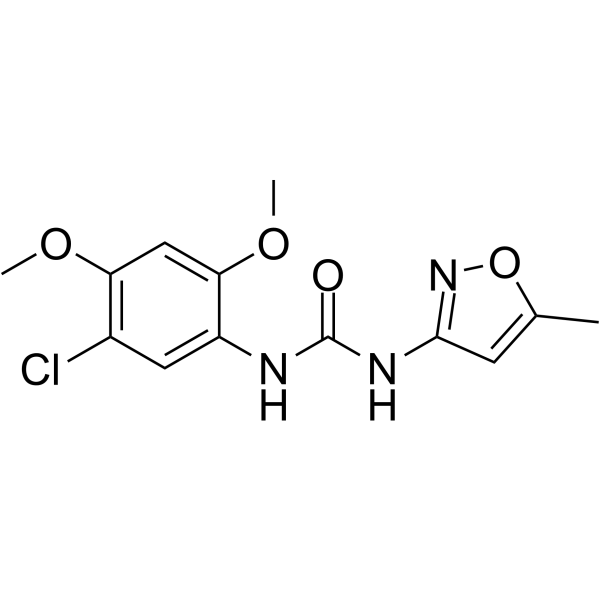
    PNU-120596
    1 Publications Verification

    NSC 216666

    nAChR Neurological Disease Inflammation/Immunology
    PNU-120596 (NSC 216666) is a potent and selective α7 nAChR positive allosteric modulator (PMA) that can cross the blood-brain barrier, with an EC50 of 216 nM. PNU-120596 is inactive against α4β2, α3β4, and α9α10 nAChRs. PNU-120596 has the potential for psychiatric and neurological disorders research .
    PNU-120596
  • HY-N2609
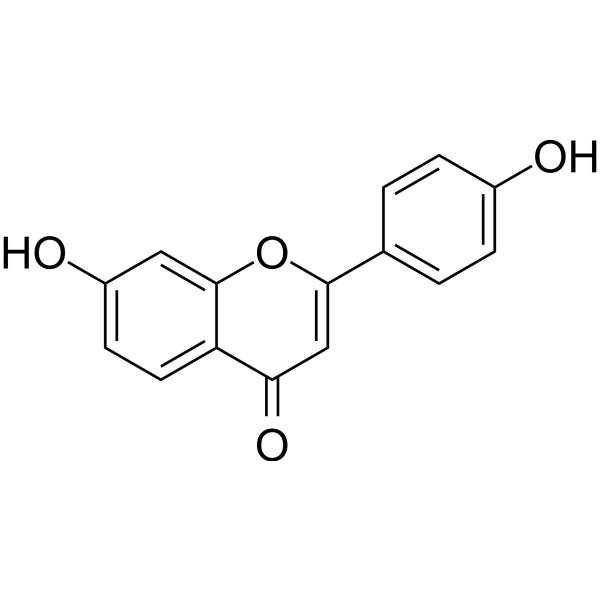
    7,4'-Dihydroxyflavone
    4 Publications Verification

    COX CCR NF-κB Inflammation/Immunology Endocrinology
    7,4'-Dihydroxyflavone (7,4'-DHF) is a flavonoid, which can be isolated from Glycyrrhiza uralensis. 7,4'-Dihydroxyflavone is eotaxin/CCL11 inhibitor and CBR1 inhibitor (IC50=0.28 μM). 7,4'-Dihydroxyflavone has the ability to consistently suppress eotaxin production and prevent dexamethasone (Dex)‐paradoxical adverse effects on eotaxin production . 7,4'-Dihydroxyflavone (7,4'-DHF) inhibits MUC5AC gene expression, mucus production and secretion via regulation of NF-κB, STAT6 and HDAC2.7,4'-Dihydroxyflavone (7,4'-DHF) decreases phorbol 12-myristate 13-acetate (PMA) stimulated NCI-H292 human airway epithelial cell MUC5AC gene expression and mucus production with IC50 value of 1.4 µM .
    7,4'-Dihydroxyflavone
  • HY-18739R

    PMA (Standard); TPA (Standard); Phorbol myristate acetate (Standard)

    PKC SphK NF-κB Reference Standards Inflammation/Immunology
    Phorbol 12-myristate 13-acetate (PMA; TPA; Phorbol myristate acetate) (Standard) is the analytical standard of Phorbol 12-myristate 13-acetate. This product is intended for research and analytical applications.
    Phorbol 12-myristate 13-acetate (Standard)
  • HY-N2497
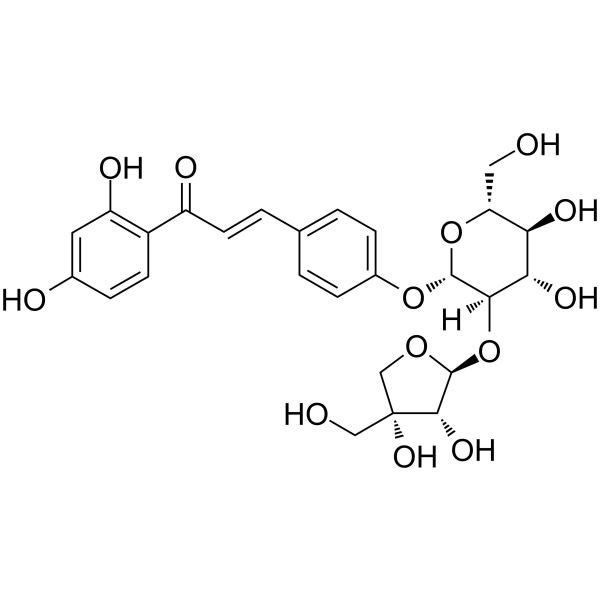
    Isoliquiritin apioside
    2 Publications Verification

    NF-κB MMP p38 MAPK Cancer
    Isoliquiritin apioside significantly decreases PMA-induced increases in MMP9 activities and suppresses PMA-induced activation of MAPK and NF-κB. Isoliquiritin apioside auppresseses invasiveness and angiogenesis of cancer cells and endothelial cells .
    Isoliquiritin apioside
  • HY-D1444
    Propidium monoazide
    1 Publications Verification

    Fluorescent Dye Bacterial Infection
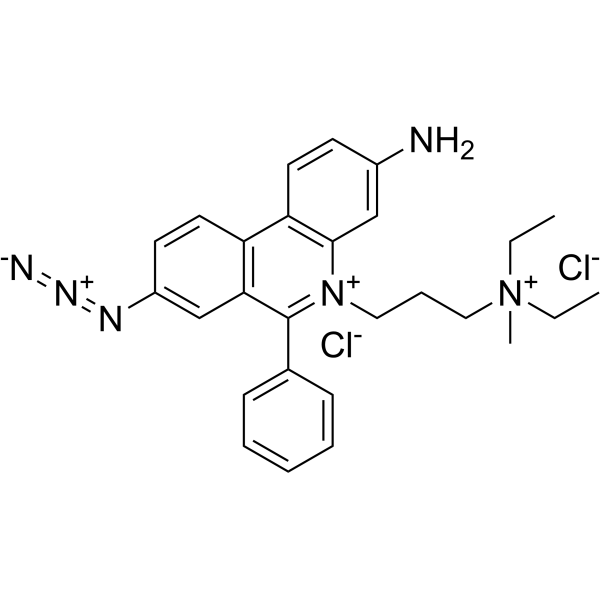
    Propidium monoazide is a cell-impermeant photoreactive DNA-binding dye that preferentially binds to dsDNA. Propidium monoazide (PMA) prevents DNA from dead bacteria from being amplified during the PCR. PMA-PCR enhanced both the specificity and the sensitivity of PCR . Propidium monoazide is a click chemistry reagent, it contains an Azide group and can undergo copper-catalyzed azide-alkyne cycloaddition reaction (CuAAc) with molecules containing Alkyne groups. It can also undergo strain-promoted alkyne-azide cycloaddition (SPAAC) reactions with molecules containing DBCO or BCN groups.
    Propidium monoazide
  • HY-N6862

    MMP Cancer
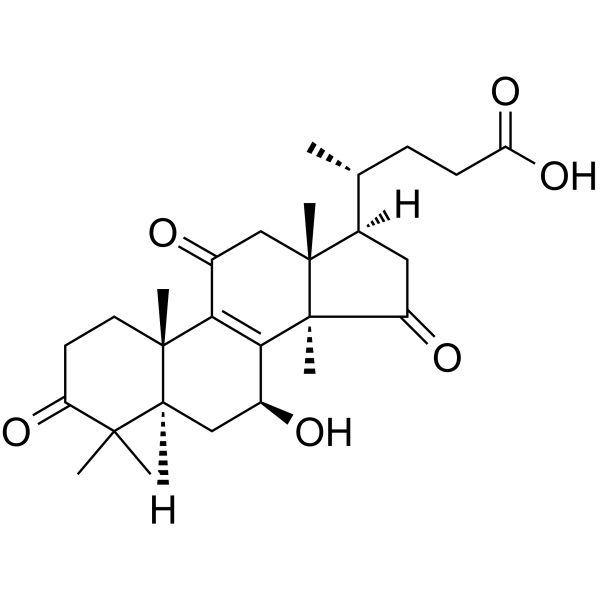
    Lucideric acid A is a natural compound isolated from Ganoderma lucidum, inhibits PMA-induced MMP-9 activity, with anti-invasive effect on hepatoma cells .
    Lucideric acid A
  • HY-N6860

    MMP Cancer
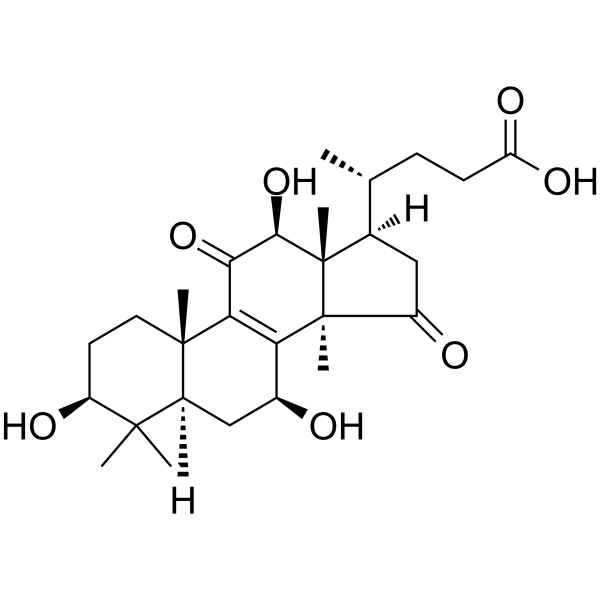
    Lucidenic acid C is a natural compound isolated from Ganoderma lucidum, inhibits PMA-induced MMP-9 activity, with anti-invasive effect on hepatoma cells .
    Lucidenic acid C
  • HY-112653

    8(S)-Hydroxyeicosatetraenoic acid

    PPAR Inflammation/Immunology
    8(S)-HETE (8(S)-Hydroxyeicosatetraenoic acid) is a major lipoxygenase product in PMA-treated murine epidermis. It activates mouse keratinocyte protein kinase C with an IC50 of 100 μM. 8(S)-HETE also activates PPARα selectively at concentrations as low as 0.3 μM. Stereochemical assignment of the (S) enantiomer is based on comparison of chiral HPLC retention times to published results.
    8(S)-HETE
  • HY-118725

    Phospholipase Inflammation/Immunology
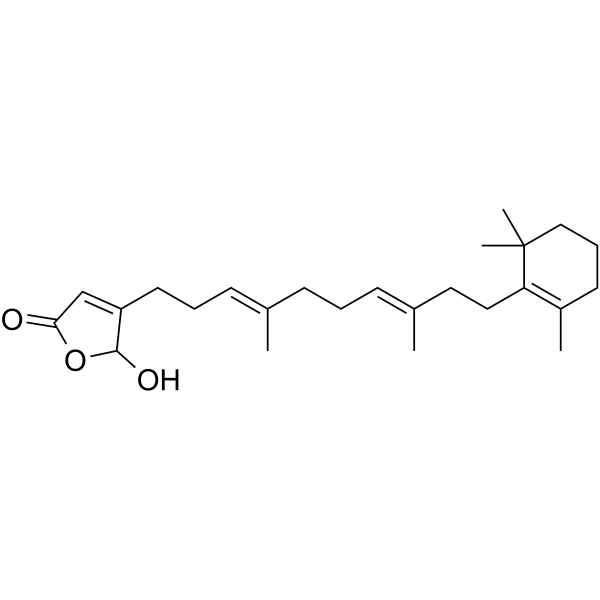
    Luffariellolide is an inhibitor of human synovial fluid phospholipase A2 (HSF-PLA2) (IC50=5 μM). Luffariellolide effectively inhibits phorbol ester (PMA)-induced ear edema (ED50=50 μg/ear) .
    Luffariellolide
  • HY-P5718

    Bacterial Infection
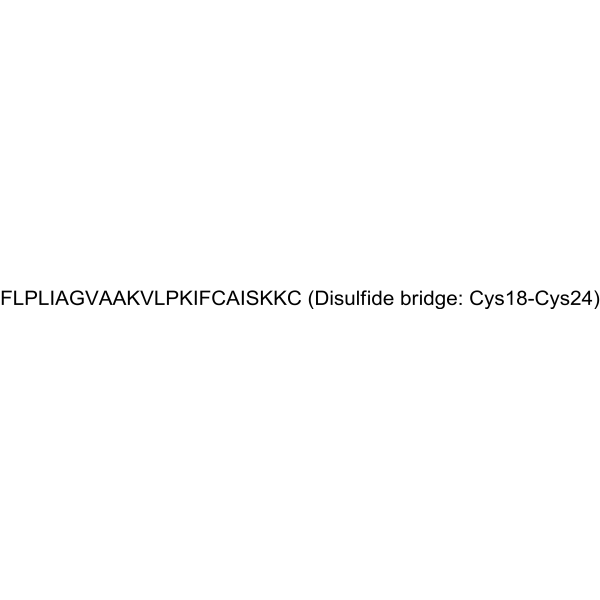
    Brevinin-1PMa is a host-defense peptide that exhibits antimicrobial activity against Staphylococcus aureus and Echerichia coli. Brevinin-1PMa also shows hemolytic activity .
    Brevinin-1PMa
  • HY-P5452

    PKC Others
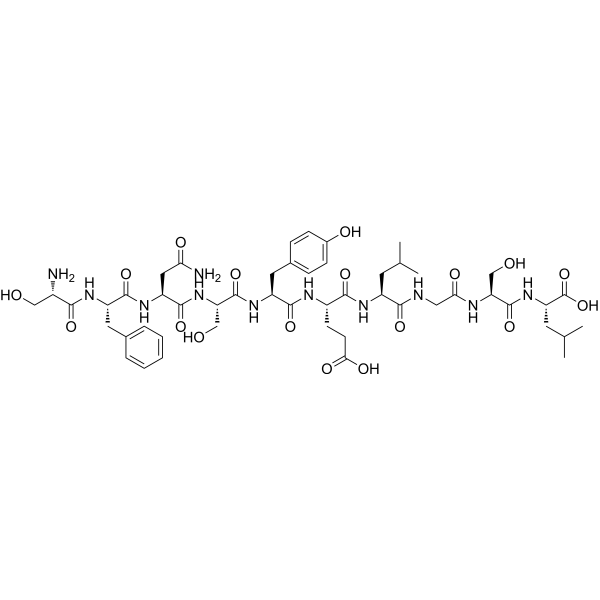
    PKCd (8-17) is a biological active peptide. (This peptide is derived from the V1 domain of protein kinase C (PKC)d. It inhibits phorbol 12-myristate 13-acetate (PMA)-induced PKCd translocation and activation. Inhibition of PKCd reduces ischemia damage in cardiac and cerebral cells, induces proliferation of fibroblasts, and inhibits graft coronary artery disease in mice.)
    PKCd (8-17)
  • HY-P5713

    Bacterial Infection
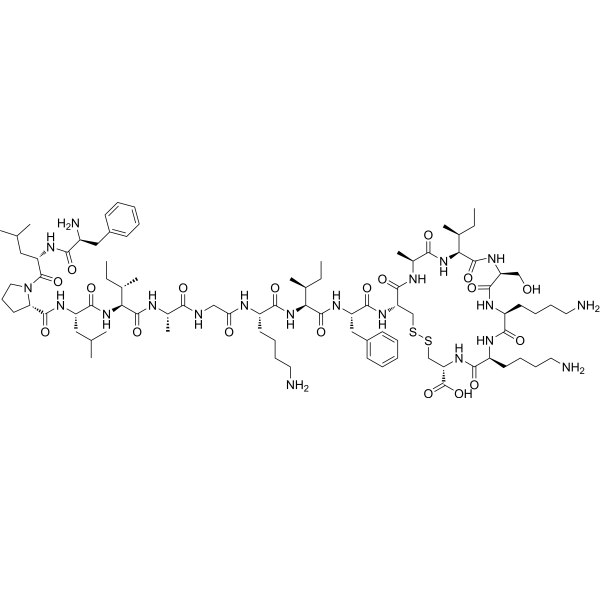
    Des(8-14)brevinin-1PMa is a host-defense peptide that exhibits antimicrobial activity against Staphylococcus aureus and Echerichia coli. Des(8-14)brevinin-1PMa also shows hemolytic activity .
    Des(8-14)brevinin-1PMa
  • HY-N2609R

    COX Reference Standards CCR NF-κB Inflammation/Immunology Endocrinology
    7,4'-Dihydroxyflavone (7,4'-DHF) is a flavonoid, which can be isolated from Glycyrrhiza uralensis. 7,4'-Dihydroxyflavone is eotaxin/CCL11 inhibitor and CBR1 inhibitor (IC50=0.28 μM). 7,4'-Dihydroxyflavone has the ability to consistently suppress eotaxin production and prevent dexamethasone (Dex)‐paradoxical adverse effects on eotaxin production . 7,4'-Dihydroxyflavone (7,4'-DHF) inhibits MUC5AC gene expression, mucus production and secretion via regulation of NF-κB, STAT6 and HDAC2.7,4'-Dihydroxyflavone (7,4'-DHF) decreases phorbol 12-myristate 13-acetate (PMA) stimulated NCI-H292 human airway epithelial cell MUC5AC gene expression and mucus production with IC50 value of 1.4 µM .
    7,4'-Dihydroxyflavone (Standard)
  • HY-169551

    Proton Pump Fungal Infection
    ATPase-IN-5 (compound 11) is a potent inhibitor of Pma1p-ATPase, with the IC50 of 12.7 μM. ATPase-IN-5 plays an important role in anti-fungal research .
    ATPase-IN-5
  • HY-P10048

    JNK Inflammation/Immunology
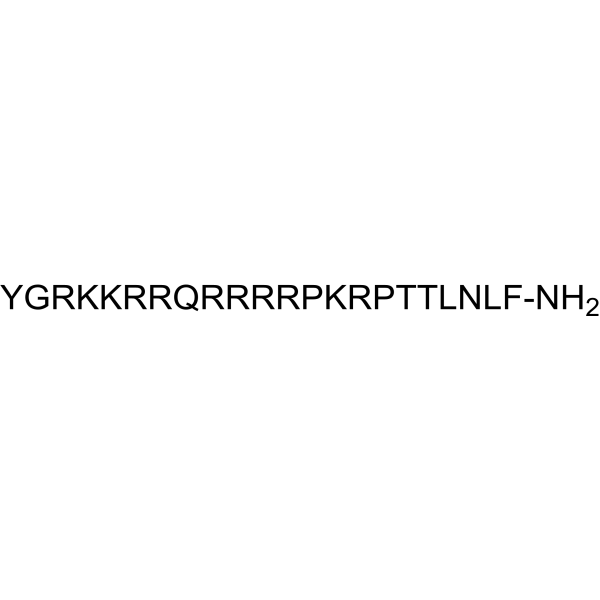
    TAT-JIP inhibits the phosphorylation of endogenous c-jun activated by PHA–PMA .
    TAT-JIP
  • HY-N2497R

    Reference Standards NF-κB MMP p38 MAPK Cancer
    Isoliquiritin apioside (Standard) is the analytical standard of Isoliquiritin apioside. This product is intended for research and analytical applications. Isoliquiritin apioside significantly decreases PMA-induced increases in MMP9 activities and suppresses PMA-induced activation of MAPK and NF-κB. Isoliquiritin apioside auppresseses invasiveness and angiogenesis of cancer cells and endothelial cells .
    Isoliquiritin apioside (Standard)
  • HY-N11934

    Reactive Oxygen Species (ROS) Inflammation/Immunology Cancer
    Piperkadsin A is a potent inhibitor of ROS. Piperkadsin inhibits PMA-induced ROS production in human polymorphonuclear neutrophils with an IC50 of 4.3 μM .
    Piperkadsin A
  • HY-119092

    Sodium Channel Cardiovascular Disease
    Bisaramil is an orally active antiarrhythmic agent. Bisaramil exerts concentration dependent inhibitory effect on PMA-stimulated free radical generation and prolonged the time lag concentration dependently .
    Bisaramil
  • HY-N5051

    Others Inflammation/Immunology
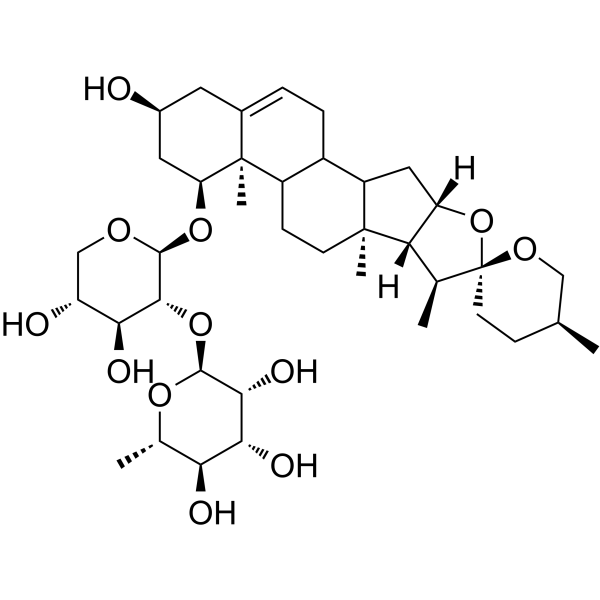
    25(S)-Ruscogenin-1-O-α-L-rhamnopyranosyl (1→2)-β-D-xylopyranoside shows inhibitory activity of neutrophil respiratory burst stimulated by PMA(phorbol myristate acetate) .
    25(S)-Ruscogenin-1-O-α-L-rhamnopyranosyl (1→2)-β-D-xylopyranoside
  • HY-N13177

    Others Inflammation/Immunology
    25(S)Ruscogenin 3-O-α-L-rhamnopyranoside is from the fibrous roots of Ophiopogon japonicus and Liriope spicata var. prolifera. 25(S)Ruscogenin 3-O-α-L-rhamnopyranoside exhibits anti-inflammatory activity by inhibiting neutrophil responses to PMA (HY-18739), with an IC50 value of 1.13 μM .
    25(S)Ruscogenin 3-O-α-L-rhamnopyranoside
  • HY-N14549

    Phosphatase Inflammation/Immunology
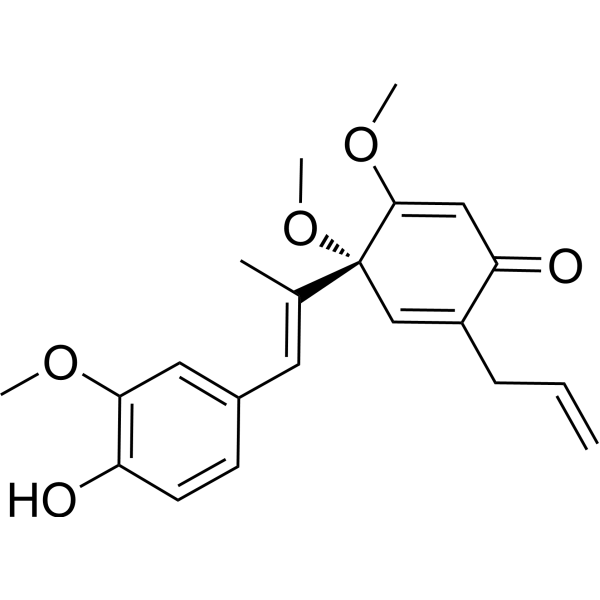
    Cycloepoxydon inhibits the Phorbol 12-myristate 13-acetate (HY-18739) (PMA)-induced NF-KB and AP-1 mediated secreted alkaline phosphatase (SEAP) expression with IC50s of 1-2 μg/mL (4.2-8.4 μM) and 3-5 μg/mL (12.6-21 μM), respectively .
    Cycloepoxydon
  • HY-N7576

    Others Cardiovascular Disease
    Anemarrhenasaponin Ia is a steroidal saponin that can be isolated from the rhizomes of Anemarrhena asphodeloides Bunge. Anemarrhenasaponin Ia inhibits platelet aggregation. Anemarrhenasaponin Ia induces mild concentration-dependent hemolysis. Anemarrhenasaponin Ia inhibits fMLP- and AA-induced superoxide anion production, while enhancing PMA-induced superoxide anion production. Anemarrhenasaponin Ia can be used in studies related to thrombosis .
    Anemarrhenasaponin Ia
  • HY-W723158

    Molecular Glues Cancer
    Epibestatin hydrochloride is a protease inhibitor. Epibestatin stabilizes the 14-3-3/PMA2 complex. Epibestatin hydrochloride can be used in the research of cancer .
    Epibestatin hydrochloride
  • HY-107205

    Biochemical Assay Reagents Others
    Propargyl methacrylate is an effective electrolyte additive used to stabilize the formation of the solid electrolyte interface (SEI) layer on meso-porous carbon microbeads (MCMB) in lithium-ion batteries .
    Propargyl methacrylate
  • HY-116509

    Linoleic acid anilide; LAA

    Drug Derivative Lactate Dehydrogenase Aminotransferases (Transaminases) Cardiovascular Disease
    Linoleylanilide (Linoleic acid anilide) is a Linoleic acid (HY-N0729) derivative. Linoleylanilide slightly inhibits the PMA (HY-18739)-induced expression of CD11b. Linoleylanilide inhibits serum LDH, GOT and GPT activities. Linoleylanilide decreases red cell counts and hemoglobin content .
    Linoleylanilide
  • HY-N18117

    EBV Infection Cancer
    21-Hydroxyisoohchininolide is a salannin-type limonoid. 21-Hydroxyisoohchininolide inhibits lipopolysaccharide (LPS, HY-D1056)-induced nitric oxide production in mouse macrophages. 21-Hydroxyisoohchininolide exhibits cytotoxic activity against leukemia cells and breast cancer cells. 21-Hydroxyisoohchininolide suppresses phorbol 12-myristate 13-acetate (PMA) (HY-18739)-induced activation of Epstein-Barr virus early antigen in lymphocytes. 21-Hydroxyisoohchininolide can be used for the research of leukemia, breast cancer and inflammatory diseases .
    21-Hydroxyisoohchininolide
  • HY-180181

    RAR/RXR Metabolic Disease Cancer
    RXR antagonist 6 (Compound 34) is a selective partial retinoid X receptor (RXR) antagonist. RXR antagonist 6 shows no agonistic activity for any of the human RXRα/β/γ subtypes but it can strongly inhibit the receptor activation induced by full agonists of RXR (such as Bezafibrate (HY-B0637)) with an IC50 of 2.7 μM. RXR antagonist 6 can enhance PMA (HY-18739)-induced THP-1 cell differentiation. RXR antagonist 6 can be used for the research of cancer, metabolic and neurological disease, such as lymphoma .
    RXR antagonist 6
  • HY-138135

    Fidaxomicin metabolite OP-1118

    NF-κB ERK Apoptosis Bacterial Infection
    OP-1118 (Fidaxomicin metabolite OP-1118) is an orally active dual inhibitor of NF-κB and ERK1/2, with low systemic plasma exposure, no accumulation, and primary excretion via feces. By inhibiting the phosphorylation of NF-κB and ERK1/2 and reducing the expression of pro-inflammatory cytokines, OP-1118 exerts significant anti-inflammatory, cytoprotective, anti-apoptotic and antibacterial activities. In Clostridium difficile infection models, OP-1118 effectively blocks toxin-mediated intestinal inflammation, cell rounding, histological damage and apoptosis, and its protective effect can be reversed by PMA (HY-18739) .
    OP-1118
  • HY-P11467

    Bacterial p38 MAPK NF-κB PERK JNK Cardiovascular Disease Infection
    Gy-CATH is an anionic antimicrobial peptide. Gy-CATH activates MAPK and NF-κB signaling pathways (elevated levels of phospho-ERK, -p38, -JNK, -p65, and -IκBα). Gy-CATH upregulates the expression levels of three physiological anticoagulant pathways. Gy-CATH inhibits ADP-, Collagen-, and PMA-induced platelet aggregation. Gy-CATH has no direct antimicrobial activity, but shows significant preventive abilities against mice infected with Staphylococcus aureus, Escherichia coli, and Methicillin (HY-121544)-resistant Staphylococcus aureus. Gy-CATH exhibits potent immunomodulatory activity, enhancing macrophage-and neutrophil-mediated bactericidal functions. Gy-CATH significantly reduces the extent of pulmonary fibrin deposition and prevents thrombosis in mice .
    Gy-CATH

Inquiry Online

Your information is safe with us. * Required Fields.

Salutation


Country or Region *

Applicant Name *


Organization Name *

Department *


Email Address *


Product Name *

Cat. No.


Requested quantity *

Phone Number *


Remarks

Inquiry Online

Inquiry Information

Product Name:
Cat. No.:
Quantity:
MCE Japan Authorized Agent:

