1. Search Result
Search Result
Results for "

PPAR ligands

" in MedChemExpress (MCE) Product Catalog:

43

Inhibitors & Agonists

2

Biochemical Assay Reagents

11

Natural
Products

8

Isotope-Labeled Compounds

1

Oligonucleotides

Cat. No. Product Name Target Research Areas Chemical Structure
  • HY-13956
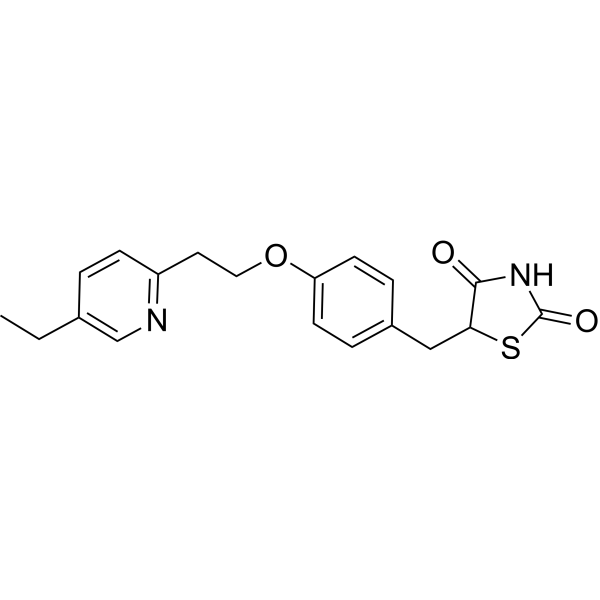
    Pioglitazone
    Maximum Cited Publications
    47 Publications Verification

    U 72107

    PPAR Ferroptosis Metabolic Disease Cancer
    Pioglitazone (U 72107) is an orally active and selective PPARγ (peroxisome proliferator-activated receptor) agonist with high affinity binding to the PPARγ ligand-binding domain with EC50 of 0.93 and 0.99 μM for human and mouse PPARγ, respectively. Pioglitazone can be used in diabetes research .
    Pioglitazone
  • HY-101064

    N-FMOC-leucine; NPC 15199; NSC 334290

    PPAR Calcium Channel Lipase Metabolic Disease Inflammation/Immunology
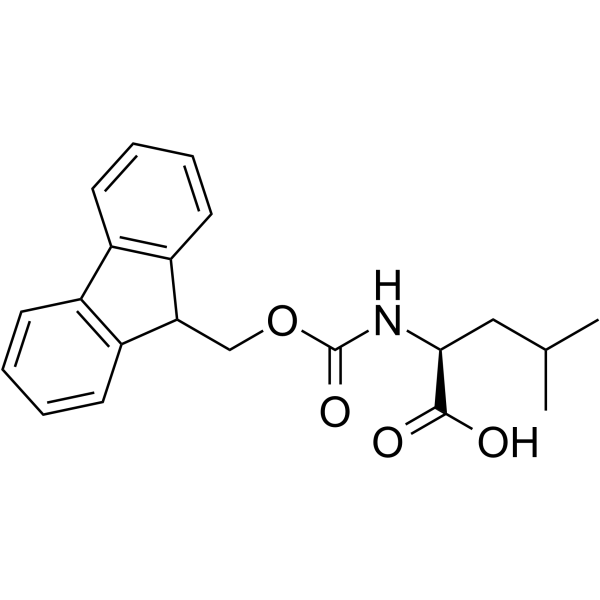
    Fmoc-Leucine (N-FMOC-leucine) is an anti-inflammatory agent that not only promotes extracellular Ca 2+ influx but also facilitates intracellular Ca 2+ release. Fmoc-Leucine is a selective ligand for PPARγ (Ki = 15 μM), exhibiting insulin-sensitizing effects but with weak fatogenic activity. Fmoc-Leucine exhibits unique self-assembly properties and can form transient gels, stable gels, or crystals/2D sheets through different pathways. Fmoc-Leucine can be used in the research of diabetes, colitis, and bladder cancer .
    Fmoc-leucine
  • HY-107737
    1,2-DLPC
    2 Publications Verification

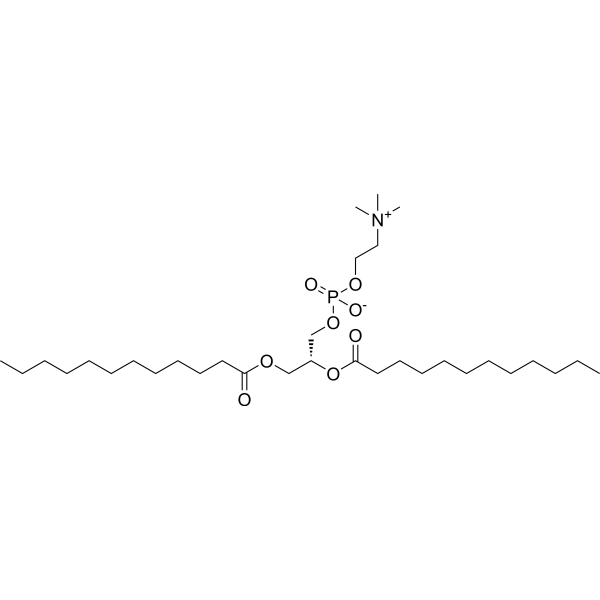
    1,2-Dilauroyl-sn-glycero-3-phosphocholine

    Liposome Apoptosis TNF Receptor PPAR Metabolic Disease
    1,2-DLPC (1,2-Dilauroyl-sn-glycero-3-phosphocholine) is a ligand for LRH-1 agonists. 1,2-DLPC is a phospholipid used in the synthesis of liposomes. 1,2-DLPC enhances fat breakdown and apoptosis in fat cells through a TNFα-dependent pathway, while also inhibiting palmitate-induced insulin resistance through PPARα-mediated inflammation in muscle cells .
    1,2-DLPC
  • HY-N2025
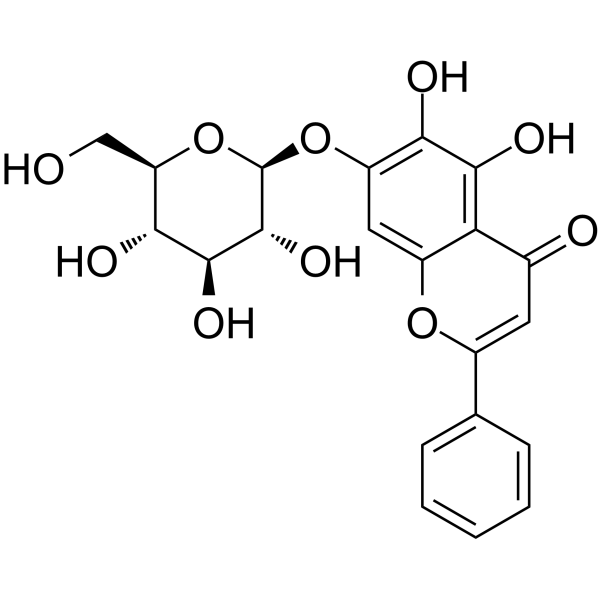
    Oroxin A
    4 Publications Verification

    PPAR Glycosidase Metabolic Disease
    Oroxin A is the major component of an ethanol-water Oroxylum indicum (L.) Kurz (Bignoniaceae) seed extract (OISE). Oroxin A acts as a partial PPARγ agonist that can activate PPARγ transcriptional activation. Oroxin A activates PPARγ by docking into the PPARγ protein ligand-binding domain. Oroxin A also exhibits an inhibitory activity against α-glucosidase and an antioxidant capacity . Oroxin A exerts anti-breast cancer effects by inducing ER stress-mediated senescence .
    Oroxin A
  • HY-113884B

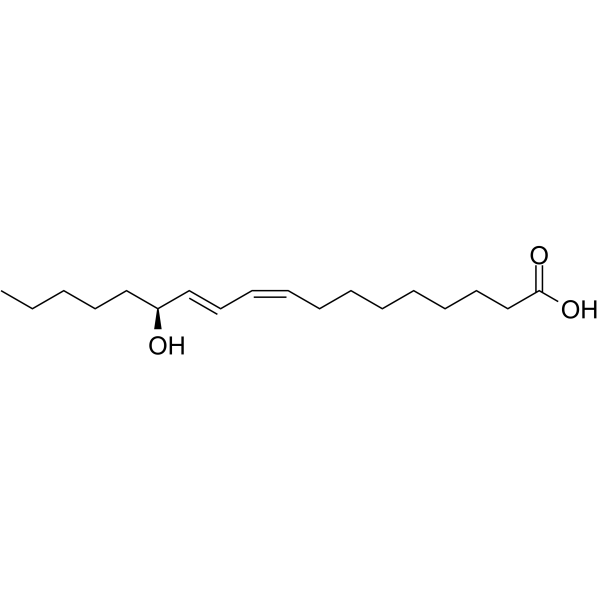
    13(S)-HODE

    PPAR Mitochondrial Metabolism Inflammation/Immunology Cancer
    (S)-Coriolic acid (13(S)-HODE), the product of 15-lipoxygenase (15-LOX) metabolism of linoleic acid, functions as the endogenous ligand to activate PPARγ. (S)-Coriolic acid is an important intracellular signal agent and is involved in cell proliferation and differentiation in various biological systems. (S)-Coriolic acid induces mitochondrial dysfunction and airway epithelial injury .
    (S)-Coriolic acid
  • HY-N2453
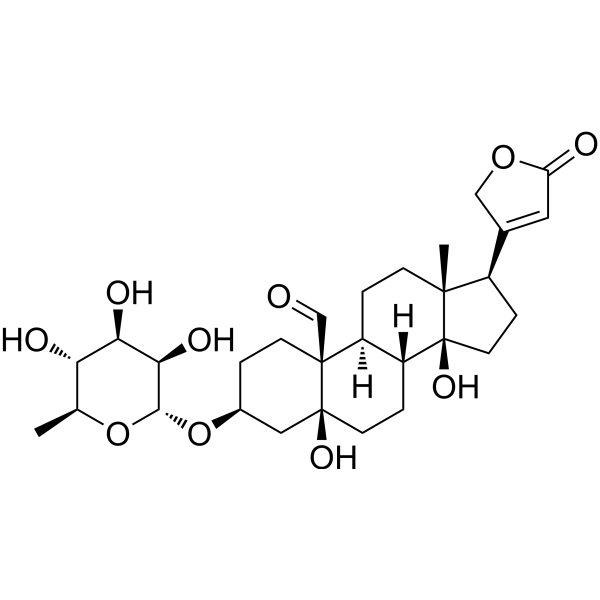
    Convallatoxin
    1 Publications Verification

    PPAR NF-κB P-glycoprotein Inflammation/Immunology Cancer
    Convallatoxin is a cardiac glycoside isolated from Adonis amurensis Regel et Radde. Convallatoxin ameliorates colitic inflammation via activation of PPARγ and suppression of NF-κB. Convallatoxin is a P-glycoprotein (P-gp) substrate and recognized Val982 as an important amino acid involved in its transport. Convallatoxin is an enhancer of ligand-induced MOR endocytosis with high potency and efficacy. Anti-inflammatory and anti-proliferative properties .
    Convallatoxin
  • HY-W014589
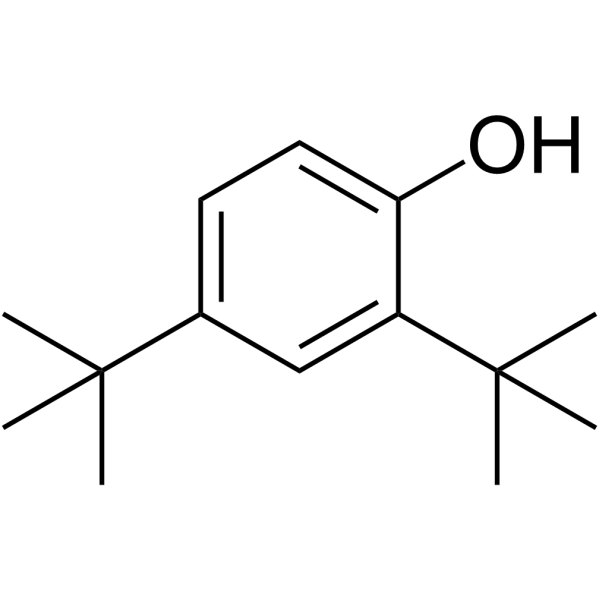
    2,4-Di-tert-butylphenol
    2 Publications Verification

    2,4-DTBP

    Endogenous Metabolite Fungal Apoptosis RAR/RXR Amyloid-β Infection Neurological Disease Inflammation/Immunology Cancer
    2,4-Di-tert-butylphenol (2,4-DTBP) is an orally active RXRα activator and a human estrogen receptor ligand with anti-inflammatory and antioxidant activities, which can induce apoptosis in tumor cells. 2,4-Di-tert-butylphenol can activate the RXRα subtype in LXRα/RXRα, PPARγ/RXRα, and hormone receptor β/RXRα. 2,4-Di-tert-butylphenol also has antiviral and antifungal activities and has the potential to inhibit -induced neurotoxicity. 2,4-Di-tert-butylphenol can be used as an intermediate in the preparation of antioxidants and UV stabilizers, and is also used in the manufacture of drugs and fragrances .
    2,4-Di-tert-butylphenol
  • HY-U00425

    Ligands for Target Protein for PROTAC Estrogen Receptor/ERR Metabolic Disease Cancer
    PROTAC ERRα ligand 1 is a PROTAC target protein ligand. PROTAC ERRα ligand 1 is an orally active ERRα inverse agonist with IC50 values of 0.6 μM for ERRα. PROTAC ERRα ligand 1 shows no significant activity against a panel of other nuclear receptors, including ERα c, ERRγ, ERβ, PPARα, PPARγ, PPARδ, and RXRα. PROTAC ERRα ligand 1 can provide enhanced insulin sensitivity in vivo. PROTAC ERRα ligand 1 can be used for metabolic diseases research, such as type 2 diabetes and obesity .
    PROTAC ERRα ligand 1
  • HY-100277
    Mifobate
    1 Publications Verification

    SR-202

    PPAR Metabolic Disease
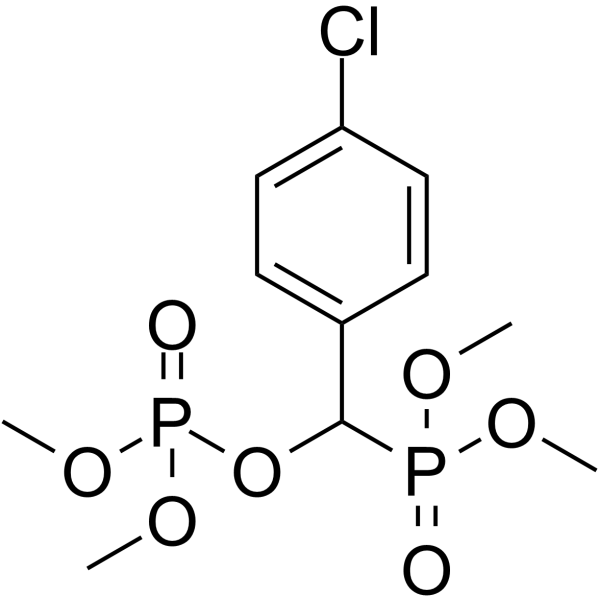
    Mifobate (SR-202) is a potent and specific PPARγ antagonist. Mifobate (SR-202) selectively inhibits Thiazolidinedione (TZD)-induced PPARγ transcriptional activity (IC50=140 μM). Mifobate (SR-202) does not affect basal or ligand-stimulated transcriptional activity of PPARα, PPARβ, or the farnesoid X receptor (FXR). Mifobate (SR-202) shows antiobesity and antidiabetic effects .
    Mifobate
  • HY-100428

    MCC-555; Isaglitazone

    PPAR Metabolic Disease
    Netoglitazone (MCC-555) is an orally active PPARγ ligand with an EC50 of 8 μM. Netoglitazone mediates cell type-specific functional regulation, and modulates the transcriptional activity of PPARγ as a full agonist, partial agonist or antagonist. Netoglitazone induces adipogenesis, inhibits osteoblastogenesis, alters the weight of extramedullary fat depots and enhances insulin sensitivity. Netoglitazone reduces blood glucose levels. Netoglitazone can be used in research related to type 2 diabetes and non-insulin-dependent diabetes mellitus .
    Netoglitazone
  • HY-N0368S
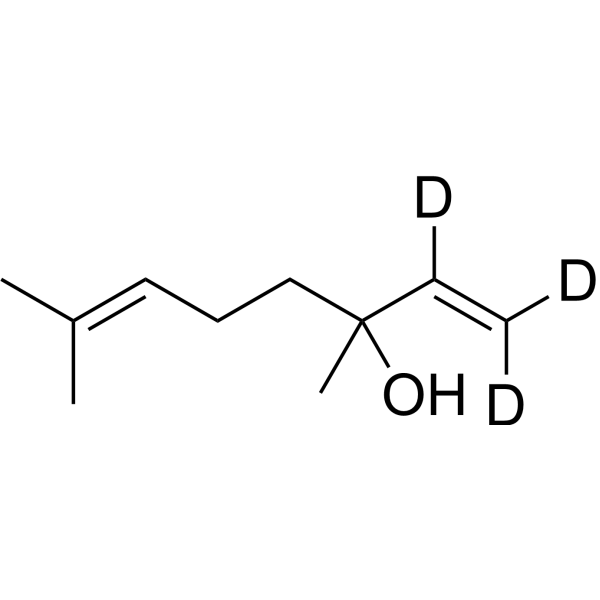
    Linalool-d3
    1 Publications Verification

    Apoptosis iGluR Endogenous Metabolite Cancer
    Linalool-d3 is the deuterium labeled Linalool . Linalool is natural monoterpene in essential olis of coriander, acts as a competitive antagonist of Nmethyl d-aspartate (NMDA) receptor, with anti-tumor, anti-cardiotoxicity activity .Linalool is a PPARα ligand that reduces plasma TG levels and rewires the hepatic transcriptome and plasma metabolome .
    Linalool-d3
  • HY-N4194
    Glabrone
    1 Publications Verification

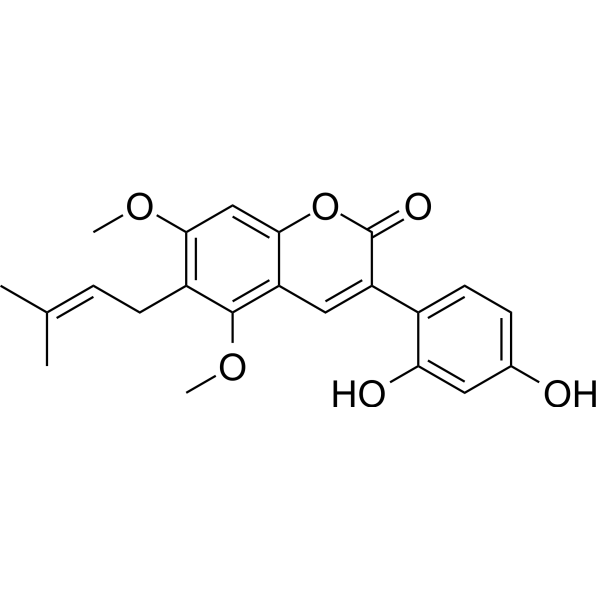
    PPAR Influenza Virus Infection Metabolic Disease
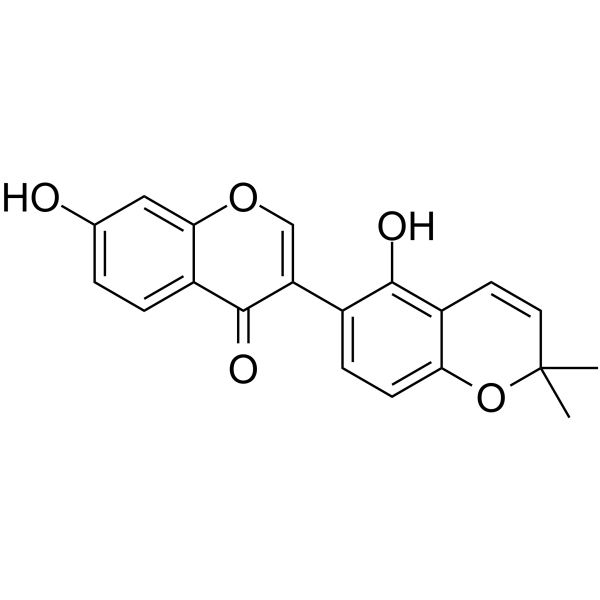
    Glabrone is an isoflavone found in Glycyrrhiza glabra roots. Glabrone exhibits significant PPAR-γ ligand binding activity. Glabrone is a specific UGT1A9 probe substrate, and its metabolites can block influenza virus release by inhibiting neuraminidase (NA). Glabrone can be used to screen for herb-drug interactions and for anti-influenza virus activity .
    Glabrone
  • HY-N3960

    PPAR Bacterial Infection Metabolic Disease
    Glycyrin is a PPAR-γ ligand of licorice. Glycyrin can decrease the blood glucose levels of genetically diabetic mice. Glycyrin also shows antibacterial activity .
    Glycyrin
  • HY-108571

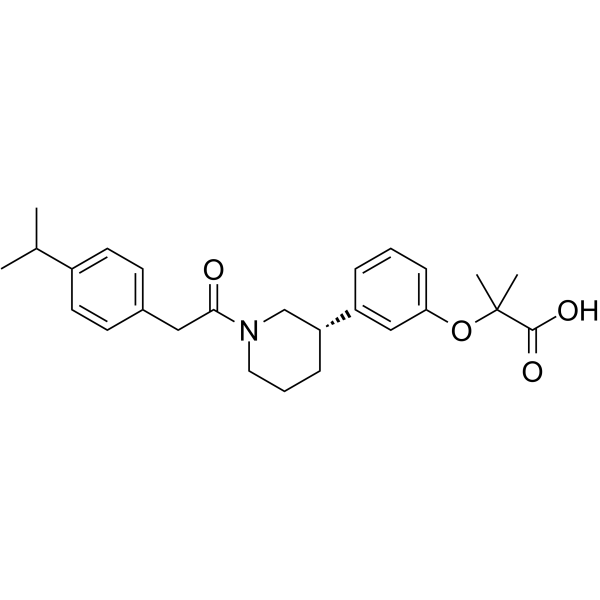
    PPAR Cardiovascular Disease Metabolic Disease
    CP-775146 is a selective PPARα agonist (Ki of 24.5 nM) that binds strongly to the PPARα ligand. CP-775146 has no observable affinity for PPARβ and PPARγ.CP-775146 shows hypolipidemic activity. CP-775146 efficiently alleviates obesity-induced liver damage, prevents lipid accumulation by activating the liver fatty acid β-oxidation pathway .
    CP-775146
  • HY-N0368R
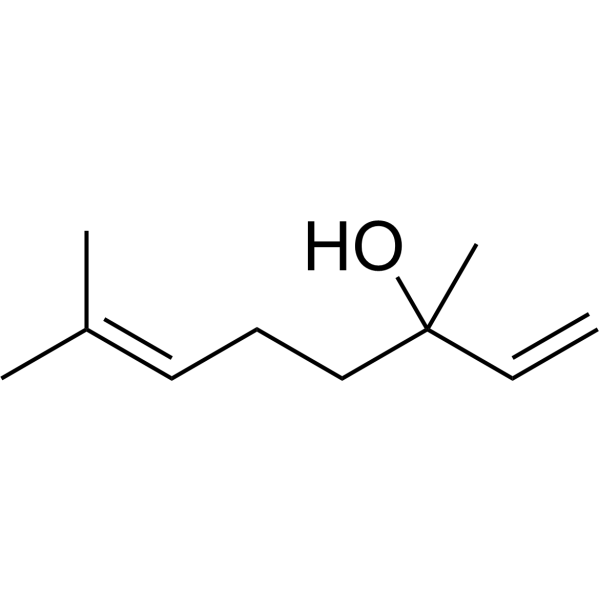
    Linalool (Standard)
    4 Publications Verification

    Reference Standards iGluR Apoptosis Endogenous Metabolite Cardiovascular Disease Cancer
    Linalool (Standard) is the analytical standard of Linalool. This product is intended for research and analytical applications. Linalool is natural monoterpene in essential olis of coriander, acts as a competitive antagonist of Nmethyl d-aspartate (NMDA) receptor, with anti-tumor, anti-cardiotoxicity activity .Linalool is a PPARα ligand that reduces plasma TG levels and rewires the hepatic transcriptome and plasma metabolome .
    Linalool (Standard)
  • HY-W014589R

    2,4-DTBP (Standard)

    Reference Standards Endogenous Metabolite Fungal Apoptosis RAR/RXR Amyloid-β Infection Neurological Disease Inflammation/Immunology Cancer
    2,4-Di-tert-butylphenol (Standard) is the analytical standard of 2,4-Di-tert-butylphenol (HY-W014589). This product is intended for research and analytical applications. 2,4-Di-tert-butylphenol (2,4-DTBP) is an orally active RXRα activator and a human estrogen receptor ligand with anti-inflammatory and antioxidant activities, which can induce apoptosis in tumor cells. 2,4-Di-tert-butylphenol can activate the RXRα subtype in LXRα/RXRα, PPARγ/RXRα, and hormone receptor β/RXRα. 2,4-Di-tert-butylphenol also has antiviral and antifungal activities, and has the potential to inhibit -induced neurotoxicity. 2,4-Di-tert-butylphenol can be used as an intermediate in the preparation of antioxidants and UV stabilizers, and is also used in the manufacture of pharmaceuticals and fragrances .
    2,4-Di-tert-butylphenol (Standard)
  • HY-W749327

    2,4-DTBP-d21

    Isotope-Labeled Compounds RAR/RXR Amyloid-β Fungal Apoptosis Endogenous Metabolite Infection Neurological Disease Inflammation/Immunology Cancer
    2,4-Di-tert-butylphenol-d21 (2,4-DTBP-d21) is the deuterium labeled 2,4-Di-tert-butylphenol (HY-W014589). 2,4-Di-tert-butylphenol (2,4-DTBP) is an orally active RXRα activator and a human estrogen receptor ligand with anti-inflammatory and antioxidant activities, which can induce apoptosis in tumor cells. 2,4-Di-tert-butylphenol can activate the RXRα subtype in LXRα/RXRα, PPARγ/RXRα, and hormone receptor β/RXRα. 2,4-Di-tert-butylphenol also has antiviral and antifungal activities and has the potential to inhibit Aβ-induced neurotoxicity. 2,4-Di-tert-butylphenol can be used as an intermediate in the preparation of antioxidants and UV stabilizers, and is also used in the manufacture of drugs and fragrances .
    2,4-Di-tert-butylphenol-d21
  • HY-13956S1

    Isotope-Labeled Compounds PPAR Ferroptosis Metabolic Disease Cancer
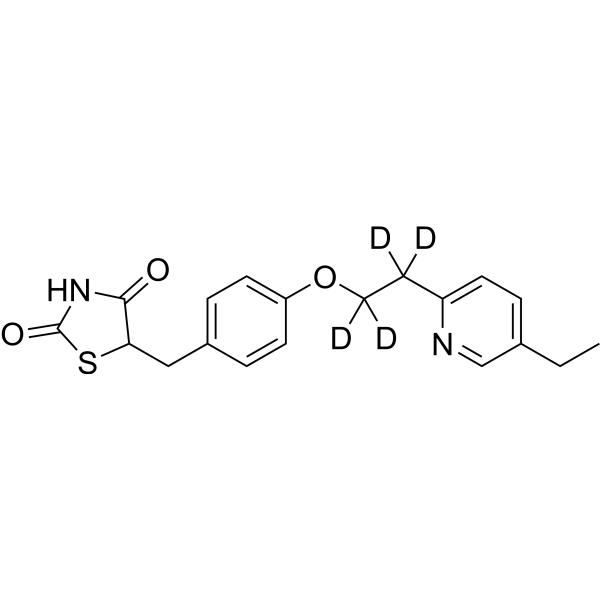
    Pioglitazone-d4 (alkyl) (U 72107-d4 (alkyl)) is the deuterium labeled Pioglitazone. Pioglitazone (U 72107) is a potent and selective PPARγ agonist with high affinity binding to the PPARγ ligand-binding domain with EC50 of 0.93 and 0.99 μM for human and mouse PPARγ, respectively .
    Pioglitazone-d4 (alkyl)
  • HY-121900

    PPAR Metabolic Disease Endocrinology
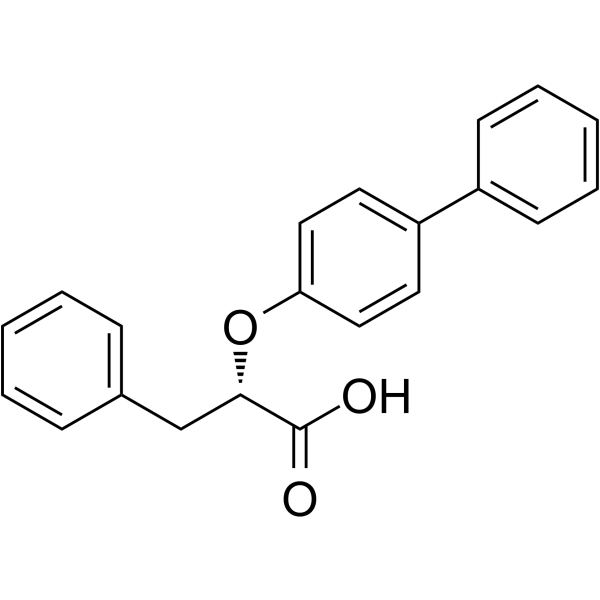
    LT175, a dual PPARα/γ ligand, is an orally active partial agonist against PPARγ(hPPARα:EC50=0.22 μm; mPPARα:EC50=0.26 μm; hPPARγ:EC50=0.48 μm). LT175 interacts with PPARγ and affects the recruitment of the coregulators cyclic-AMP response element-binding protein-binding protein and nuclear corepressor 1 (NCoR1). LT175 interacts with PPARγ in a hydrophobic region called “diphenyl pocket”. LT175 has potent insulin-sensitizing effects and reduced adipogenic properties .
    LT175
  • HY-130319A

    PPAR Cardiovascular Disease Metabolic Disease
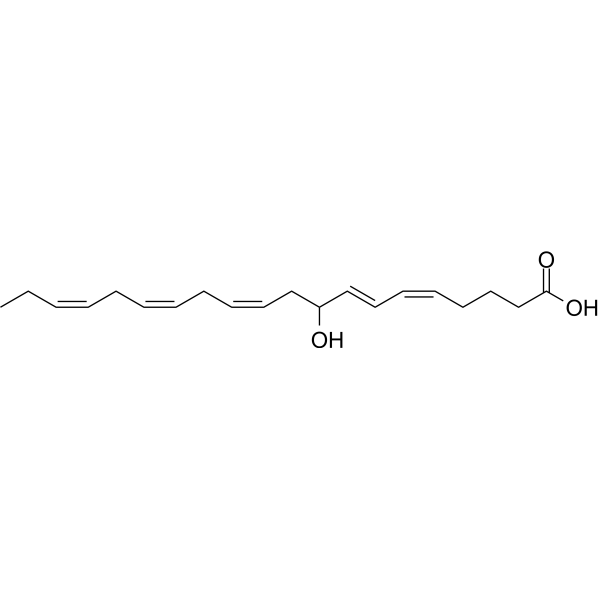
    9-HEPE, a oxidation product of Eicosapentaenoic acid, is a racemic mixture of 9(R)-HEPE and 9(S)-HEPE. 9-HEPE induces fatty acid oxidation, adipogenesis, and glucose uptake via activation of PPARs in vivo .
    9-HEPE
  • HY-13956B

    U 72107 potassium

    PPAR Ferroptosis Metabolic Disease Cancer
    Pioglitazone (U 72107) potassium is an orally active and selective PPARγ (peroxisome proliferator-activated receptor) agonist with high affinity binding to the PPARγ ligand-binding domain with EC50 of 0.93 μM and 0.99 μM for human and mouse PPARγ, respectively. Pioglitazone potassium can be used in diabetes research .
    Pioglitazone potassium
  • HY-13956R

    U 72107 (Standard)

    Reference Standards PPAR Ferroptosis Metabolic Disease Cancer
    Pioglitazone (Standard) is the analytical standard of Pioglitazone. This product is intended for research and analytical applications. Pioglitazone (U 72107) is an orally active and selective PPARγ (peroxisome proliferator-activated receptor) agonist with high affinity binding to the PPARγ ligand-binding domain with EC50 of 0.93 and 0.99 μM for human and mouse PPARγ, respectively. Pioglitazone can be used in diabetes research .
    Pioglitazone (Standard)
  • HY-120188

    PPAR Others
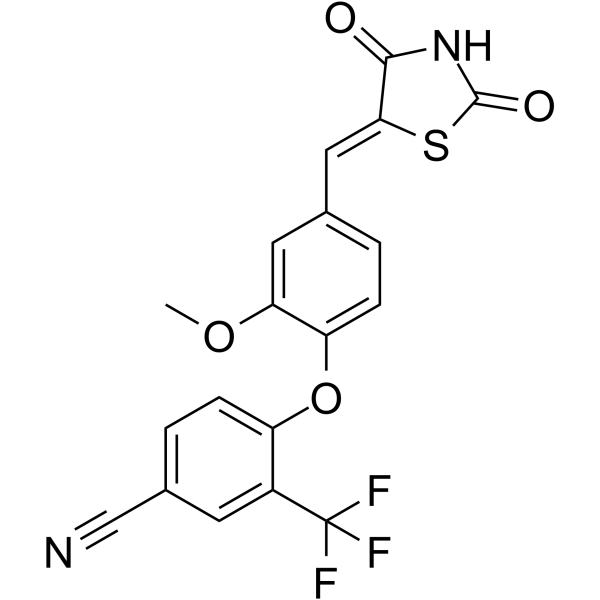
    CC618 is a selective PPARβ/δ antagonist. CC618 covalently modifies conserved Cys249 in the PPARβ/δ ligand-binding pocket via nucleophilic aromatic substitution, converting its thiol moiety to a 5-trifluoromethyl-2-pyridylthioether .
    CC618
  • HY-13956S

    U 72107-d4

    PPAR Ferroptosis Metabolic Disease Cancer
    Pioglitazone-d4 is a deuterium labeled Pioglitazone. Pioglitazone (U 72107) is a potent and selective PPARγ agonist with high affinity binding to the PPARγ ligand-binding domain with EC50 of 0.93 and 0.99 μM for human and mouse PPARγ, respectively .
    Pioglitazone-d4
  • HY-170874

    PPAR Metabolic Disease
    PPARγ modulator-2 (Compound (R)-2n) is the reversible modulator for PPARγ that inhibits PPARγ ligand-binding domain (LBD) with an IC50 of 41 nM. PPARγ modulator-2 reduces blood glucose, improves the glucose tolerance and insulin tolerance, and exhibits anti-diabetic efficacy in db/db mouse models .
    PPARγ modulator-2
  • HY-13956C

    (R)-U 72107

    PPAR Neurological Disease
    (R)-Pioglitazone ((+)-pioglitazone) is the R enantiomer of Pioglitazone (HY-13956). (R)-Pioglitazone is an orally active and selective peroxisome proliferator-activated receptor (PPARγ) agonist with high affinity binding to the PPARγ ligand-binding domain. (R)-Pioglitazone can be used for the research of Alzheimer's disease .
    (R)-Pioglitazone
  • HY-100277R

    SR-202 (Standard)

    Reference Standards PPAR Metabolic Disease
    Mifobate (Standard) is the analytical standard of Mifobate. This product is intended for research and analytical applications. Mifobate (SR-202) is a potent and specific PPARγ antagonist. Mifobate (SR-202) selectively inhibits Thiazolidinedione (TZD)-induced PPARγ transcriptional activity (IC50=140 μM). Mifobate (SR-202) does not affect basal or ligand-stimulated transcriptional activity of PPARα, PPARβ, or the farnesoid X receptor (FXR). Mifobate (SR-202) shows antiobesity and antidiabetic effects .
    Mifobate (Standard)
  • HY-120542

    PPAR Metabolic Disease
    SR 1824 is a non-agonist PPARγ ligand that blocks Cdk5-mediated phosphorylation. SR 1824 has anti-diabetic effects .
    SR 1824
  • HY-N2025R

    Reference Standards PPAR Glycosidase Metabolic Disease
    Oroxin A (Standard) is the analytical standard of Oroxin A. This product is intended for research and analytical applications. Oroxin A is the major component of an ethanol-water Oroxylum indicum (L.) Kurz (Bignoniaceae) seed extract (OISE). Oroxin A acts as a partial PPARγ agonist that can activate PPARγ transcriptional activation. Oroxin A activates PPARγ by docking into the PPARγ protein ligand-binding domain. Oroxin A also exhibits an inhibitory activity against α-glucosidase and an antioxidant capacity . Oroxin A exerts anti-breast cancer effects by inducing ER stress-mediated senescence .
    Oroxin A (Standard)
  • HY-118988

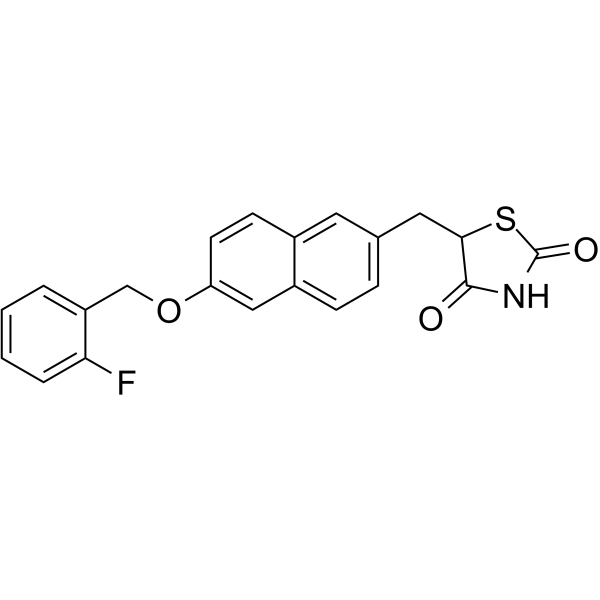
    PPAR Apoptosis Cancer
    CAY10506 is a PPARγ ligand that can induce cell death and ROS production in a PPARγ-dependent manner in vitro. CAY10506 exhibits radiosensitizing effects, enhancing γ-radiations-induced apoptosis and caspase-3-mediated poly (ADP-ribose) polymerase (PARP) cleavage. CAY10506 can be used in cancer research .
    CAY10506
  • HY-124399

    Endogenous Metabolite PPAR Metabolic Disease
    Peroxisome proliferator-activated receptors (PPARs) play an important role in regulating lipid and glucose metabolism, and oleoylethanolamide (OEA) is a natural ligand for PPARα. N-Octadecyl-N'-propyl-sulfamide is an analog of OEA and a potent activator of PPARα, with selective binding affinity for PPARα (EC50=100 nM, compared to 120 nM for OEA). N-Octadecyl-N'-propyl-sulfamide (10 mg/kg; ip) inhibits food intake and reduces body weight gain in rats. At a dose of 1 mg/kg, N-Octadecyl-N'-propyl-sulfamide induces satiety, thereby reducing food intake, body weight, and plasma triglyceride concentrations in free-feeding Wistar rats and obese Zucker (fa/fa) rats.
    N-Octadecyl-N'-propyl-sulfamide
  • HY-122083

    PPAR Metabolic Disease
    T2384 is a peroxisome proliferator-activated receptor γ (PPARγ) ligand. T2384 also is an orally active antidiabetic agent. T2384 reduces the fasting plasma glucose levels and plasma insulin levels .
    T2384
  • HY-W110130

    Octadec-9-enamide

    PPAR Neurological Disease
    (E/Z)-Oleamide (Octadec-9-enamide) is a PPARα ligand in hippocampal nuclei. (E/Z)-Oleamide can be isolated from plant Galium aparine L. (GA). (E/Z)-Oleamide controls hippocampal plasticity via transcriptional activation of CREB, and regulates feeding and sexual behavior in rats .
    (E/Z)-Oleamide
  • HY-100428R

    MCC-555 (Standard); Isaglitazone (Standard)

    Reference Standards PPAR Metabolic Disease
    Netoglitazone (Standard) is the analytical standard of Netoglitazone (HY-100428). This product is intended for research and analytical applications. Netoglitazone (MCC-555) is an orally active PPARγ ligand with an EC50 of 8 μM. Netoglitazone mediates cell type-specific functional regulation, and modulates the transcriptional activity of PPARγ as a full agonist, partial agonist or antagonist. Netoglitazone induces adipogenesis, inhibits osteoblastogenesis, alters the weight of extramedullary fat depots and enhances insulin sensitivity. Netoglitazone reduces blood glucose levels. Netoglitazone can be used in research related to type 2 diabetes and non-insulin-dependent diabetes mellitus .
    Netoglitazone (Standard)
  • HY-124907

    OMS-403

    PPAR Neurological Disease
    AI 3-25755 (OMS-403) is a peroxisome proliferator-activated receptor gamma (PPARγ) agonist. AI 3-25755 can be used for research on opioid abuse and smoking cessation .
    AI 3-25755
  • HY-N2453R

    Reference Standards PPAR NF-κB P-glycoprotein Inflammation/Immunology Cancer
    Convallatoxin (Standard) is the analytical standard of Convallatoxin. This product is intended for research and analytical applications. Convallatoxin is a cardiac glycoside isolated from Adonis amurensis Regel et Radde. Convallatoxin ameliorates colitic inflammation via activation of PPARγ and suppression of NF-κB. Convallatoxin is a P-glycoprotein (P-gp) substrate and recognized Val982 as an important amino acid involved in its transport. Convallatoxin is an enhancer of ligand-induced MOR endocytosis with high potency and efficacy. Anti-inflammatory and anti-proliferative properties .
    Convallatoxin (Standard)
  • HY-W014589S

    2,4-DTBP-d19

    Isotope-Labeled Compounds RAR/RXR Amyloid-β Fungal Apoptosis Endogenous Metabolite Infection Neurological Disease Inflammation/Immunology Cancer
    2,4-Di-tert-butylphenol-d19 (2,4-DTBP-d19) is the deuterium labeled 2,4-Di-tert-butylphenol (HY-W014589). 2,4-Di-tert-butylphenol (2,4-DTBP) is an orally active RXRα activator and a human estrogen receptor ligand with anti-inflammatory and antioxidant activities, which can induce apoptosis in tumor cells. 2,4-Di-tert-butylphenol can activate the RXRα subtype in LXRα/RXRα, PPARγ/RXRα, and hormone receptor β/RXRα. 2,4-Di-tert-butylphenol also has antiviral and antifungal activities and has the potential to inhibit Aβ-induced neurotoxicity. 2,4-Di-tert-butylphenol can be used as an intermediate in the preparation of antioxidants and UV stabilizers, and is also used in the manufacture of drugs and fragrances .
    2,4-Di-tert-butylphenol-d19
  • HY-181652

    PPAR Endocrinology
    PPARδ agonist 13 is a potent, selective and orally active PPARδ agonist with an EC50 values of 0.50 nM. PPARδ agonist 13 binds to the PPARδ ligand-binding pocket and upregulates PPARδ target gene expression. PPARδ agonist 13 inhibits renal fibroblast activation, restores fatty acid oxidation, and attenuates TGF-β1-induced renal fibroblast activation. PPARδ agonist 13 exhibits anti-renal fibrosis effects in a mouse model of unilateral ureteral obstruction. PPARδ agonist 13 can be used for the research of renal fibrosis .
    PPARδ agonist 13
  • HY-180398

    PPAR PGC-1α Metabolic Disease
    PA-082 is a selective PPAR-γ modulator that functions as a partial agonist. PA-082 causes partial recruitment of SRC1, TIF2, SRC3 and full recruitment of PGC1-α to PPARligand-binding domain. PA-082 prevents triglyceride accumulation during de novo adipogenesis and antagonizes Rosiglitazone (HY-17386)-induced lipid accumulation. PA-082 potentiates insulin-stimulated glucose uptake in adipocytes and protects against TNFα-induced insulin resistance. PA-082 can be used for the research of type 2 diabetes .
    PA-082
  • HY-107737R

    1,2-Dilauroyl-sn-glycero-3-phosphocholine (Standard)

    Reference Standards Liposome Apoptosis TNF Receptor PPAR Metabolic Disease
    1,2-DLPC (Standard) is the analytical standard of 1,2-DLPC (HY-107737). This product is intended for research and analytical applications. 1,2-DLPC (1,2-Dilauroyl-sn-glycero-3-phosphocholine) is a ligand for LRH-1 agonists. 1,2-DLPC is a phospholipid used in the synthesis of liposomes. 1,2-DLPC enhances fat breaKdown and apoptosis in fat cells through a TNFα-dependent pathway, while also inhibiting palmitate-induced insulin resistance through PPARα-mediated inflammation in muscle cells .
    1,2-DLPC (Standard)
  • HY-107737S3

    1,2-Dilauroyl-sn-glycero-3-phosphocholine-d9

    Isotope-Labeled Compounds Metabolic Disease
    1,2-DLPC-d9 (1,2-Dilauroyl-sn-glycero-3-phosphocholine-d9) is the deuterium labeled 1,2-DLPC. 1,2-DLPC (1,2-Dilauroyl-sn-glycero-3-phosphocholine) is a ligand for LRH-1 agonists. 1,2-DLPC is a phospholipid used in the synthesis of liposomes. 1,2-DLPC enhances fat breakdown and apoptosis in fat cells through a TNFα-dependent pathway, while also inhibiting palmitate-induced insulin resistance through PPARα-mediated inflammation in muscle cells .
    1,2-DLPC-d9
  • HY-107737S2

    1,2-Dilauroyl-sn-glycero-3-phosphocholine-d46

    Isotope-Labeled Compounds Metabolic Disease
    1,2-DLPC-d46 (1,2-Dilauroyl-sn-glycero-3-phosphocholine-d46) is the deuterium labeled 1,2-DLPC. 1,2-DLPC (1,2-Dilauroyl-sn-glycero-3-phosphocholine) is a ligand for LRH-1 agonists. 1,2-DLPC is a phospholipid used in the synthesis of liposomes. 1,2-DLPC enhances fat breakdown and apoptosis in fat cells through a TNFα-dependent pathway, while also inhibiting palmitate-induced insulin resistance through PPARα-mediated inflammation in muscle cells .
    1,2-DLPC-d46
  • HY-107737S

    1,2-Dilauroyl-sn-glycero-3-phosphocholine-d55

    Isotope-Labeled Compounds Metabolic Disease
    1,2-DLPC-d55 (1,2-Dilauroyl-sn-glycero-3-phosphocholine-d55) is the deuterium labeled 1,2-DLPC. 1,2-DLPC (1,2-Dilauroyl-sn-glycero-3-phosphocholine) is a ligand for LRH-1 agonists. 1,2-DLPC is a phospholipid used in the synthesis of liposomes. 1,2-DLPC enhances fat breakdown and apoptosis in fat cells through a TNFα-dependent pathway, while also inhibiting palmitate-induced insulin resistance through PPARα-mediated inflammation in muscle cells .
    1,2-DLPC-d55

Inquiry Online

Your information is safe with us. * Required Fields.

Salutation


Country or Region *

Applicant Name *


Organization Name *

Department *


Email Address *


Product Name *

Cat. No.


Requested quantity *

Phone Number *


Remarks

Inquiry Online

Inquiry Information

Product Name:
Cat. No.:
Quantity:
MCE Japan Authorized Agent:

