
Search Result
Results for "
Plasmodium berghei
" in MedChemExpress (MCE) Product Catalog:
| Cat. No. |
Product Name |
Target |
Research Areas |
Chemical Structure |
-
- HY-N3075
-
-
-
- HY-B0148
-
|
Risedronate
|
Parasite
Apoptosis
|
Infection
Metabolic Disease
Cancer
|
|
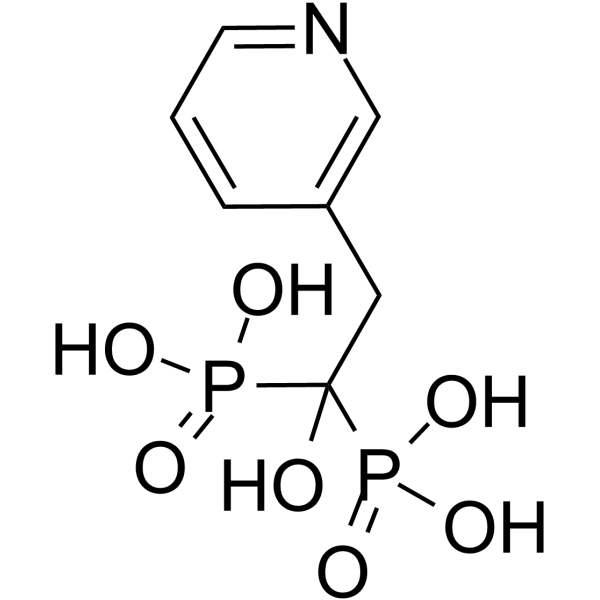
Risedronic acid (Risedronate) is a bisphosphonate and potent antiresorptive agent. Risedronic acid induces Apoptosis. Risedronic acid inhibits the transfer of farnesyl pyrophosphate groups to parasite proteins. Risedronic acid inhibits osteoclast-mediated bone resorption and alters bone metabolism. Risedronic acid inhibits blood-stage Plasmodium falciparum (IC50 of 20.3 μM) .
|
-
-
- HY-N6664
-
|
Arabic gum
|
Environmental Pollutants
Parasite
Apoptosis
PERK
Transmembrane Glycoprotein
|
Infection
Cardiovascular Disease
Neurological Disease
Metabolic Disease
Cancer
|
|
Gum Arabic is an orally active complex branched polysaccharide. Gum Arabic can be isolated from the Acacia senegal tree. Gum Arabic upregulates the expression of maturation markers (CD86, CD40, and CD54), promotes ERK1/2 phosphorylation, and inhibits Apoptosis. Gum Arabic exhibits antimalarial effects against Plasmodium berghei ANKA. Gum Arabic exhibits hepatoprotective, renal, and cardiovascular protective activities. Gum Arabic improves obesity. Gum Arabic is commonly used as a stabilizer and thickener. Gum Arabic can be used in the research of brain tumor imaging .
|
-
-
- HY-131904A
-
|
|
Enolase
Parasite
|
Infection
Cancer
|
|
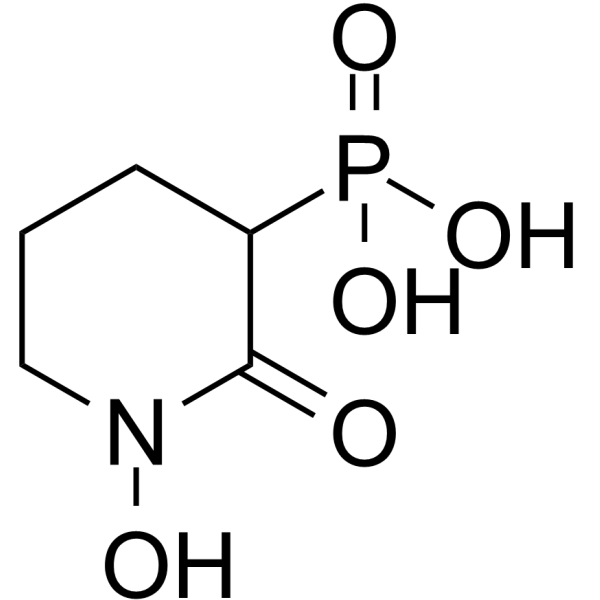
Hex is an enolase inhibitor and antimalarial agent with Ki values of 74.4 nM and 269.4 nM for ENO2 and ENO1, respectively. Hex is a NfENO and TbENO inhibitor with IC50s value of 0.14 μM and 2.1 μM, respectively. Hex has antimalarial activity against Plasmodium falciparum 3D7, Naegleria fowleri trophozoites and Plasmodium berghei ANKA strain. Hex has anti-tumor effects against intracranial tumors .
|
-
-
- HY-76228
-
|
Pyrazole
|
Parasite
iGluR
|
Infection
|
|
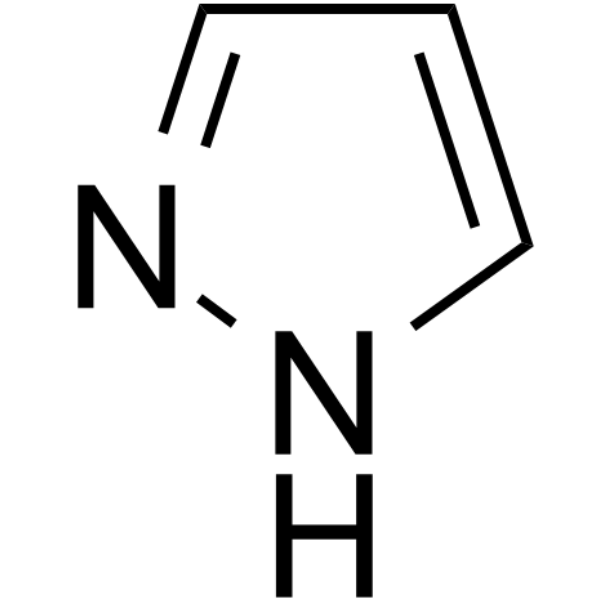
1H-pyrazole (Pyrazole) is a five-membered heterocyclic compound, and its derivatives are orally effective antimalarial and antileishmanial agents with the potential to modulate targets such as alcohol dehydrogenase and NMDA receptors. 1H-pyrazole derivatives exhibit inhibitory effects on Plasmodium berghei in infected mice and on promastigotes of Leishmania aethiopica, respectively. 1H-pyrazole can be used in research related to malaria and leishmaniasis .
|
-
-
- HY-128204
-
AN3661
2 Publications Verification
|
Parasite
|
Infection
|
|
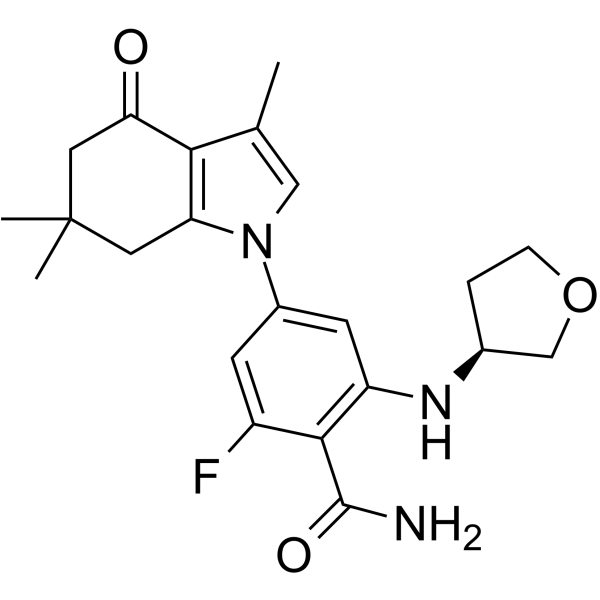
AN3661, a potent antimalarial lead compound, targets a Plasmodium falciparum cleavage and polyadenylation specificity factor homologue subunit 3 (PfCPSF3). AN3661 inhibits Plasmodium falciparum laboratory-adapted strains (mean IC50=32 nM), Ugandan field isolates (mean ex vivo IC50=64 nM), and murine P. berghei and P. falciparum infections .
|
-
-
- HY-42034
-
|
Dihydroquinine
|
Bacterial
Parasite
Reactive Oxygen Species (ROS)
Protein Arginine Deiminase
|
Infection
|
|
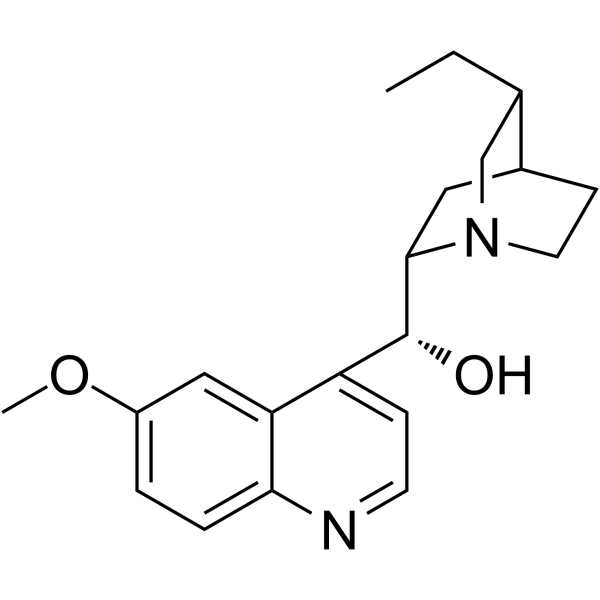
Hydroquinine (Dihydroquinine) is an anti-bacterial agent that inhibits both Gram-positive and Gram-negative bacteria. Hydroquinine inhibits the growth of multidrug-resistant pseudomonas aeruginosa via the suppression of the arginine deiminase pathway genes. Hydroquinine inhibits Plasmodium falciparum and Plasmodium berghei. Hydroquinine displays anti-malarial and demelanizing activities. Hydroquinine effectively induces specific RND-type efflux pump systems in Pseudomonas aeruginosa, particularly the MexCD-OprJ and MexXY efflux pumps. Hydroquinine inhibits Pseudomonas aeruginosa adhesion and biofilm formation. Hydroquinine serves as a precursor for derivatives such as C9 epihydroquinine, 9-acetoxy-10,11-dihydroquinine, and 10,11-dihydroquinine monohydrochloride .
|
-
-
- HY-59132
-
|
|
Drug Intermediate
|
Others
|
|
2-Amino-1-phenylethanol is a pharmaceutical intermediate that can be used for the synthesis of antimalarial agents and β2-adrenergic receptor agonists .
|
-
-
- HY-N1457
-
|
|
P-glycoprotein
Topoisomerase
Apoptosis
DNA/RNA Synthesis
Wnt
β-catenin
Parasite
|
Infection
Metabolic Disease
Cancer
|
|
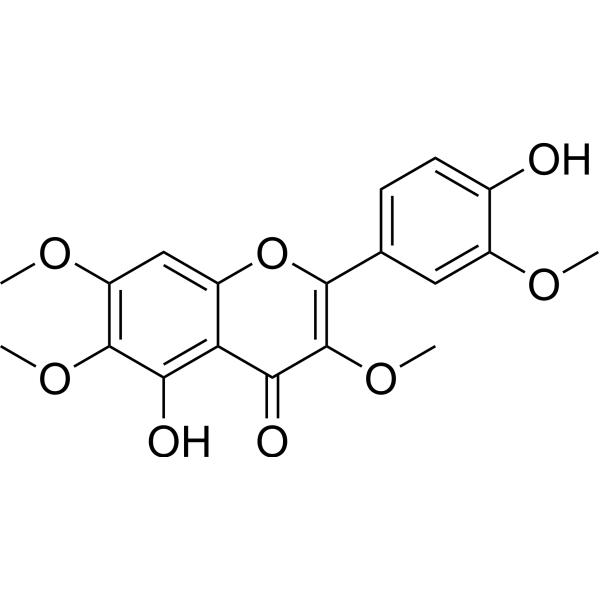
Chrysosplenetin is an orally active polymethoxyflavone. Chrysosplenetin exerts anticancer effects by inhibiting topoisomerase, protecting DNA and inducing apoptosis. Chrysosplenetin acts as an antimalarial sensitizer, reverses Artemisinin (HY-B0094) resistance by inhibiting and downregulating P-glycoprotein, and enhances the efficacy of Artemisinin. Chrysosplenetin promotes bone formation by activating the Wnt/β-catenin pathway and exerts anti-osteoporotic effects .
|
-
-
- HY-A0130
-
|
Sulfametopyrazine; AS-18908
|
Parasite
Bacterial
|
Infection
Inflammation/Immunology
|
|
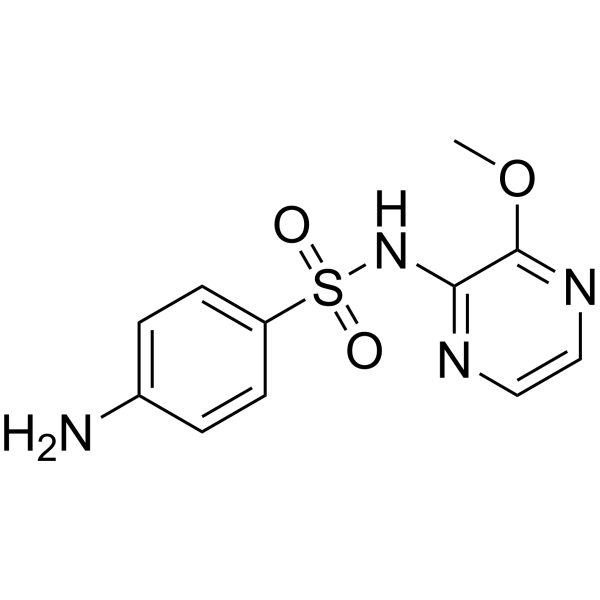
Sulfalene (Sulfametopyrazine) is an orally active antimalarial agent. Sulfalene competes with para-aminobenzoic acid in plasmodial and bacterial folic acid synthesis pathways. Sulfalene reduces trachoma-associated pathological changes. Sulfalene can be used for the research of acute falciparum malaria, Schistosoma mansoni infection, trachoma, chronic bronchitis, and bacteriuria in pregnancy .
|
-
-
- HY-N3075R
-
|
(E)-Phytol (Standard)
|
Reference Standards
Parasite
Bacterial
Keap1-Nrf2
|
Infection
Inflammation/Immunology
|
|
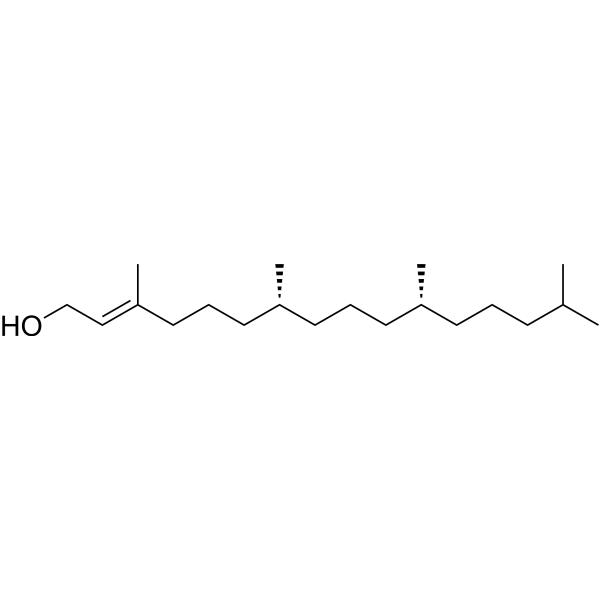
Phytol (Standard) is the analytical standard of Phytol. This product is intended for research and analytical applications. Phytol ((E)-Phytol) is an orally active diterpenoid alcohol that can be extracted from chlorophyll. Phytol has antioxidant, anti-inflammatory, anti-schistosomiasis and antibacterial activities[1][2][3].
|
-
-
- HY-119046
-
|
|
HSP
Parasite
|
Infection
|
|
SNX-0723 is a potent Hsp90 Inhibitor with anti-Plasmodium activity. SNX-0723 shows high binding affinity for HsHsp90 and PfHsp90 with Kis of 4.4 and 47 nM, respectively. SNX-0723 inhibits liver-stage P. berghei ANKA parasites with the EC50 of 3.3 μM .
|
-
-
- HY-17656
-
|
|
Parasite
|
Infection
|
|
C3361 is a moderate specific Plasmodium falciparum hexose transporter 1 (PfHT1) and Plasmodium berghei hexose transporter 1 (PbHT1) inhibitor with Ki values of 8.6 and 9.4 μM. C3361 inhibits TgGT1 with a Ki of 82 μM. C3361 attenuates hepatic (IC50 = 15 μM) and ookinete development of P. berghei. C3361 can suppress the growth of blood-stage parasites. C3361 can be used for the research of infection, such as malaria .
|
-
-
- HY-N2492
-
|
Methyl trans-p-coumarate
|
Apoptosis
Interleukin Related
GSK-3
Parasite
|
Infection
Cancer
|
|
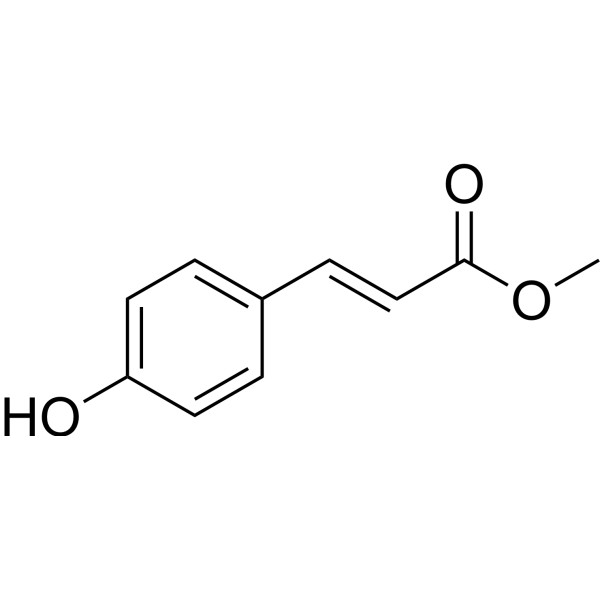
(E)-Methyl 4-coumarate (Methyl 4-hydroxycinnamate) is a phenolic compound and derivative of Cinnamic acid (HY-N0610A). (E)-Methyl 4-coumarate can be found in several plants, such as the leaves of Allium cepa and Morinda citrifolia L. (E)-Methyl 4-coumarate, when combined with Carnosic acid (HY-N0644), induces Apoptosis. (E)-Methyl 4-coumarate inhibits GSK3β activity and modulates inflammatory cytokine levels (increasing IL-10 and decreasing IL-4). (E)-Methyl 4-coumarate combined with Carnosic acid exhibits anticancer effects against acute myeloid leukemia. (E)-Methyl 4-coumarate ameliorates Plasmodium berghei NK65 infection .
|
-
-
- HY-123331
-
|
|
Parasite
|
Infection
|
|
S 82-5455 is a floxacrine derivative that exhibits high activity against drug-susceptible strains of Plasmodium berghei induced in mouse and rat blood .
|
-
-
- HY-W671129
-
|
|
Antibiotic
Fungal
|
Infection
|
|
Frenolicin B is a covalent enzyme inhibitor and an orally active antiparasitic agent, with an IC50 of 0.2 μM against human Prx1. Frenolicin B selectively inhibits Glutaredoxin 3 via covalent modification of the active-site cysteines Cys159/Cys261. Frenolicin B selectively inhibits Peroxiredoxin 1 via covalent modification of the active-site cysteines Cys83/Cys173. Frenolicin B can be used in research related to colon cancer, breast cancer, lung cancer and malaria .
|
-
-
- HY-120462
-
|
|
Dihydroorotate Dehydrogenase
Parasite
|
Infection
|
|
Genz-669178 is an inhibitor for dihydroorotate dehydrogenase (DHODH) with IC50 of 0.015-0.05 μM in Plasmodium spp.. Genz-669178 inhibits P. berghei, P. falciparum strains 3D7 and Dd2 with IC50 of 0.068, 0.008 and 0.01 μM, respectively. Genz-669178 exhibits anti-malarial efficacy in P. berghei-infected mice with ED50 of 13-21 mg/kg/day. Genz-669178 exhibits good pharmacokinetic characteristics in mice .
|
-
-
- HY-174325
-
|
|
Parasite
|
Infection
Inflammation/Immunology
|
|
Antimalarial agent 50 is an antiplasmodial compound. Antimalarial agent 50 has an effect against Plasmodium berghei induced malaria infection in mice model. Antimalarial agent 50 can regulate oxidative stress and significantly reduce the levels of inflammatory factors. Antimalarial agent 50 can be used for the research of the malaria.
|
-
-
- HY-124112
-
|
|
Parasite
|
Infection
|
|
PAM 1392 is active orally against Plasmodium berghei in mice, P. cynofologi and P. knowlesi in monkeys and Trypanosoma cruzi in tissue cultures of mice, and hemolytic streptococci in vitro. PAM 1392 has antimalarial and antitrypanosomal activities, which is proming for rasearch of drug-resistant malaria .
|
-
-
- HY-147371
-
|
|
Parasite
|
Infection
Neurological Disease
|
|
Quinoprazine is a potent inhibitor of Vaccinia virus DNA synthesis with an IC50 value of 10 μM. Quinoprazine has antimalarial activity against Plasmodium berghei and also displays antiprion potency, significantly decreases PrP S c levels - .
|
-
-
- HY-173312
-
|
|
Parasite
|
Infection
|
|
Antimalarial agent 49 is an orally active antimalarial compound. Antimalarial agent 49 inhibits growth of Pf3D7 and PfK1 strains (IC50: 0.84 μM and 0.4 μM respectively). Antimalarial agent 49 has antimalarial activity and inhibits the development of P. berghei liver stages. Antimalarial agent 49 can be used in the study of Plasmodium infection .
|
-
-
- HY-42034R
-
|
Dihydroquinine (Standard)
|
Reference Standards
Bacterial
Parasite
Reactive Oxygen Species (ROS)
Protein Arginine Deiminase
|
Inflammation/Immunology
|
|
Hydroquinine (Standard) is the analytical standard of Hydroquinine. Hydroquinine (Dihydroquinine) is an anti-bacterial agent that inhibits both Gram-positive and Gram-negative bacteria. Hydroquinine inhibits the growth of multidrug-resistant pseudomonas aeruginosa via the suppression of the arginine deiminase pathway genes. Hydroquinine inhibits Plasmodium falciparum and Plasmodium berghei. Hydroquinine displays anti-malarial and demelanizing activities. Hydroquinine effectively induces specific RND-type efflux pump systems in Pseudomonas aeruginosa, particularly the MexCD-OprJ and MexXY efflux pumps. Hydroquinine inhibits Pseudomonas aeruginosa adhesion and biofilm formation. Hydroquinine serves as a precursor for derivatives such as C9 epihydroquinine, 9-acetoxy-10,11-dihydroquinine, and 10,11-dihydroquinine monohydrochloride .
|
-
-
- HY-76228R
-
|
Pyrazole (Standard)
|
Reference Standards
Parasite
iGluR
|
Infection
Inflammation/Immunology
|
|
1H-pyrazole (Standard) is the analytical standard of 1H-pyrazole. This product is intended for research and analytical applications. 1H-pyrazole (Pyrazole) is a five-membered heterocyclic compound, and its derivatives are orally effective antimalarial and antileishmanial agents with the potential to modulate targets such as alcohol dehydrogenase and NMDA receptors. 1H-pyrazole derivatives exhibit inhibitory effects on Plasmodium berghei in infected mice and on promastigotes of Leishmania aethiopica, respectively. 1H-pyrazole can be used in research related to malaria and leishmaniasis .
|
-
-
- HY-147849
-
|
|
Parasite
|
Infection
|
|
JMI-105 is a potent PfFP-2 (Plasmodium falciparum falcipain-2 protease) inhibitor. JMI-105 inhibits the growth of CQ S (3D7; IC50=8.8 µM) and CQ R (RKL-9; IC50=14.3 µM) strains of P. falciparum. JMI-105 significantly decreases parasitemia and prolonged host survival in a murine model with P. berghei ANKA infection. JMI-105 has the potential to be used as an anti-malarial agent .
|
-
-
- HY-A0130R
-
|
Sulfametopyrazine (Standard); AS-18908 (Standard)
|
Reference Standards
Parasite
|
Infection
|
|
Sulfalene (Standard) is the analytical standard of Sulfalene. This product is intended for research and analytical applications. Sulfalene (Sulfametopyrazine; AS-18908) is an orally active antimalarial agent. Sulfalene competes for para-aminobenzoic acid binding in plasmodial folic acid synthesis. Sulfalene, combined with Trimethoprim (HY-B0510), clears parasites, resolves fever, and resists induced resistance against drug-sensitive and drug-resistant Plasmodium falciparum. Sulfalene can be used for the research of acute falciparum malaria and Schistosoma mansoni infection .
|
-
-
- HY-N2492R
-
|
Methyl trans-p-coumarate (Standard)
|
Reference Standards
Apoptosis
Parasite
Interleukin Related
GSK-3
|
Infection
Cancer
|
|
(E)-Methyl 4-coumarate (Standard) is the analytical standard of (E)-Methyl 4-coumarate (HY-N2492). This product is intended for research and analytical applications. (E)-Methyl 4-coumarate (Methyl 4-hydroxycinnamate) is a phenolic compound and derivative of Cinnamic acid (HY-N0610A). (E)-Methyl 4-coumarate can be found in several plants, such as the leaves of Allium cepa and Morinda citrifolia L. (E)-Methyl 4-coumarate, when combined with Carnosic acid (HY-N0644), induces Apoptosis. (E)-Methyl 4-coumarate inhibits GSK3β activity and modulates inflammatory cytokine levels (increasing IL-10 and decreasing IL-4). (E)-Methyl 4-coumarate combined with Carnosic acid exhibits anticancer effects against acute myeloid leukemia. (E)-Methyl 4-coumarate ameliorates Plasmodium berghei NK65 infection .
|
-
-
- HY-181266
-
|
|
Parasite
Aminopeptidase
|
Infection
|
|
Antimalarial agent 55 is an orally potent inhibitor of PfA-M1 and PfA-M17 aminopeptidases from Plasmodium falciparum, with Ki values of 27 nM and 81 nM, respectively. Antimalarial agent 55 exhibits potent nanomolar activity against homologous enzymes from Plasmodium vivax and Plasmodium berghei, with Ki values of 2 nM, 4 nM, 190 nM and 18 nM for Pv-M1, Pb-M1, Pv-M17 and Pb-M17, respectively. Antimalarial agent 55 possesses significant antiplasmodial activity, as well as cross-species inhibitory capacity and broad-spectrum activity that is unaffected by existing drug resistance mechanisms. Antimalarial agent 55 can be used in malaria research .
|
-
-
- HY-18746
-
|
|
Parasite
PI4K
|
Infection
|
|
KAI-407 is an orally active inhibitor of Plasmodium PI4K kinase, which can broadly inhibit multiple stages of the parasite lifecycle. KAI-407 exhibits EC50s of for the blood stage of malignant Plasmodium of 81 nM; for the liver schizonts of P. yoelii of 88 nM; and IC50s for the liver schizonts and dormant bodies of P. cynomolgi of 0.64 μM and 0.69 μM respectively. KAI-407 can prevent Plasmodium berghei infection 100%. KAI-407 can be used for the study of vivax malaria .
|
-
-
- HY-182394
-
|
|
Parasite
|
Infection
|
|
DM-1157 is an orally active asymmetric bisquinoline heme inhibitor with a IC50 of 1.6 μM and a Kd of 1.7 μM. DM-1157 binds to heme dimers in solution, inhibits β-hematin formation, suppresses hemozoin formation in the digestive vacuole of Plasmodium falciparum, accumulates in the digestive vacuole of Plasmodium falciparum, induces enlargement of the digestive vacuole of Plasmodium falciparum, and inhibits the growth of Chloroquine (HY-17589A)-sensitive and resistant Plasmodium falciparum strains. DM-1157 can be used for the research of malaria and Plasmodium falciparum-type malaria .
|
-
-
- HY-186053
-
|
|
Parasite
|
Infection
|
|
Antimalarial agent 56 is an orally active antimalarial agent. Antimalarial agent 56 inhibits the growth of both drug-sensitive and drug-resistant Plasmodium falciparum strains in vitro. Antimalarial agent 56 can be used in malaria research .
|
-
-
- HY-181010
-
|
|
HDAC
Parasite
|
Infection
|
|
HDAC1-IN-12 is a Plasmodium falciparum HDAC1 (PfHDAC1) inhibitor with an IC50 of 4.1 nM against Pf3D7. HDAC1-IN-12 inhibits PfHDAC1, upregulates histone H3 acetylation in P. falciparum parasites, downregulates malaria invasion-related gene expression, and exhibits favorable safety profiles, improved physicochemical properties, and potent in vivo antimalarial activity. HDAC1-IN-12 can be used for the research of malaria .
|
-
| Cat. No. |
Product Name |
Category |
Target |
Chemical Structure |
-
- HY-N3075
-
-
-
- HY-N6664
-
-
-
- HY-76228
-
-
-
- HY-42034
-
-
-
- HY-59132
-
-
-
- HY-N1457
-
-
-
- HY-N3075R
-
-
-
- HY-N2492
-
-
-
- HY-W671129
-
|
|
Structural Classification
Microorganisms
Antibiotics
Other Antibiotics
Source Classification
|
Antibiotic
Fungal
|
|
Frenolicin B is a covalent enzyme inhibitor and an orally active antiparasitic agent, with an IC50 of 0.2 μM against human Prx1. Frenolicin B selectively inhibits Glutaredoxin 3 via covalent modification of the active-site cysteines Cys159/Cys261. Frenolicin B selectively inhibits Peroxiredoxin 1 via covalent modification of the active-site cysteines Cys83/Cys173. Frenolicin B can be used in research related to colon cancer, breast cancer, lung cancer and malaria .
|
-
-
- HY-42034R
-
|
Dihydroquinine (Standard)
|
Alkaloids
Structural Classification
Rubiaceae
Cinchona calisaya Wedd.
Quinoline Alkaloids
Plants
Source Classification
|
Reference Standards
Bacterial
Parasite
Reactive Oxygen Species (ROS)
Protein Arginine Deiminase
|
|
Hydroquinine (Standard) is the analytical standard of Hydroquinine. Hydroquinine (Dihydroquinine) is an anti-bacterial agent that inhibits both Gram-positive and Gram-negative bacteria. Hydroquinine inhibits the growth of multidrug-resistant pseudomonas aeruginosa via the suppression of the arginine deiminase pathway genes. Hydroquinine inhibits Plasmodium falciparum and Plasmodium berghei. Hydroquinine displays anti-malarial and demelanizing activities. Hydroquinine effectively induces specific RND-type efflux pump systems in Pseudomonas aeruginosa, particularly the MexCD-OprJ and MexXY efflux pumps. Hydroquinine inhibits Pseudomonas aeruginosa adhesion and biofilm formation. Hydroquinine serves as a precursor for derivatives such as C9 epihydroquinine, 9-acetoxy-10,11-dihydroquinine, and 10,11-dihydroquinine monohydrochloride .
|
-
-
- HY-76228R
-
|
Pyrazole (Standard)
|
Alkaloids
Structural Classification
Other Alkaloids
Endogenous metabolite
Source Classification
|
Reference Standards
Parasite
iGluR
|
|
1H-pyrazole (Standard) is the analytical standard of 1H-pyrazole. This product is intended for research and analytical applications. 1H-pyrazole (Pyrazole) is a five-membered heterocyclic compound, and its derivatives are orally effective antimalarial and antileishmanial agents with the potential to modulate targets such as alcohol dehydrogenase and NMDA receptors. 1H-pyrazole derivatives exhibit inhibitory effects on Plasmodium berghei in infected mice and on promastigotes of Leishmania aethiopica, respectively. 1H-pyrazole can be used in research related to malaria and leishmaniasis .
|
-
-
- HY-N2492R
-
|
Methyl trans-p-coumarate (Standard)
|
Structural Classification
Monophenols
Morinda citrifolia Linn.
Rubiaceae
Other Phenylpropanoids
Phenols
Phenylpropanoids
Plants
Source Classification
|
Reference Standards
Apoptosis
Parasite
Interleukin Related
GSK-3
|
|
(E)-Methyl 4-coumarate (Standard) is the analytical standard of (E)-Methyl 4-coumarate (HY-N2492). This product is intended for research and analytical applications. (E)-Methyl 4-coumarate (Methyl 4-hydroxycinnamate) is a phenolic compound and derivative of Cinnamic acid (HY-N0610A). (E)-Methyl 4-coumarate can be found in several plants, such as the leaves of Allium cepa and Morinda citrifolia L. (E)-Methyl 4-coumarate, when combined with Carnosic acid (HY-N0644), induces Apoptosis. (E)-Methyl 4-coumarate inhibits GSK3β activity and modulates inflammatory cytokine levels (increasing IL-10 and decreasing IL-4). (E)-Methyl 4-coumarate combined with Carnosic acid exhibits anticancer effects against acute myeloid leukemia. (E)-Methyl 4-coumarate ameliorates Plasmodium berghei NK65 infection .
|
-
| Cat. No. |
Product Name |
|
Classification |
-
- HY-N6664
-
|
Arabic gum
|
|
Emulsifiers
Suspending Agents
|
|
Gum Arabic is an orally active complex branched polysaccharide. Gum Arabic can be isolated from the Acacia senegal tree. Gum Arabic upregulates the expression of maturation markers (CD86, CD40, and CD54), promotes ERK1/2 phosphorylation, and inhibits Apoptosis. Gum Arabic exhibits antimalarial effects against Plasmodium berghei ANKA. Gum Arabic exhibits hepatoprotective, renal, and cardiovascular protective activities. Gum Arabic improves obesity. Gum Arabic is commonly used as a stabilizer and thickener. Gum Arabic can be used in the research of brain tumor imaging .
|
Your information is safe with us. * Required Fields.
Inquiry Information
- Product Name:
- Cat. No.:
- Quantity:
- MCE Japan Authorized Agent:

