1. Search Result
Search Result
Results for "

Skin injury

" in MedChemExpress (MCE) Product Catalog:

25

Inhibitors & Agonists

2

Peptides

8

Natural
Products

1

Click Chemistry

Cat. No. Product Name Target Research Areas Chemical Structure
  • HY-19356
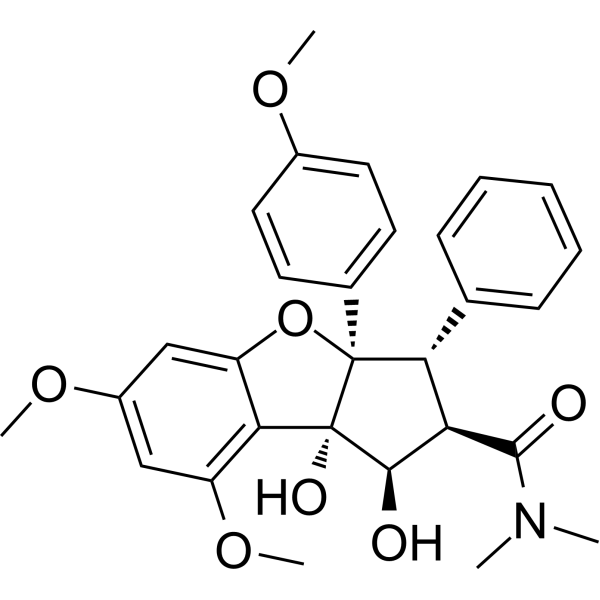
    Rocaglamide
    25+ Cited Publications

    Roc-A

    NF-κB HSP Eukaryotic Initiation Factor (eIF) Inflammation/Immunology Cancer
    Rocaglamide (Roc-A) is isolated from the genus Aglaia and can be used for coughs, injuries, asthma and inflammatory skin diseases. Rocaglamide is a potent inhibitor of NF-κB activation in T-cells. Rocaglamide is a potent and selective heat shock factor 1 (HSF1) activation inhibitor with an IC50 of ~50 nM. Rocaglamide inhibits the function of the translation initiation factor eIF4A. Rocaglamide also has anticancer properties in leukemia .
    Rocaglamide
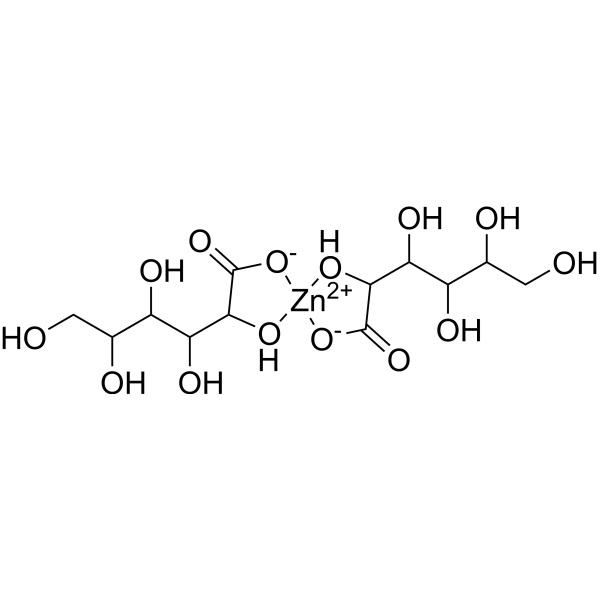
  • HY-W145499
    Zinc Gluconate
    1 Publications Verification

    PPAR NF-κB Toll-like Receptor (TLR) Inflammation/Immunology Cancer
    Zinc Gluconate is a zinc supplement in the form of a gluconate salt, which plays a role in various physiological processes such as immune function, wound healing, and olfaction. Zinc Gluconate has a LD50 of 39.6 mg/kg in mice (Tail vein injection). Zinc Gluconate can be used in the research of inflammation, zinc deficiency, colds, cancer, and nutritional supplements .
    Zinc Gluconate
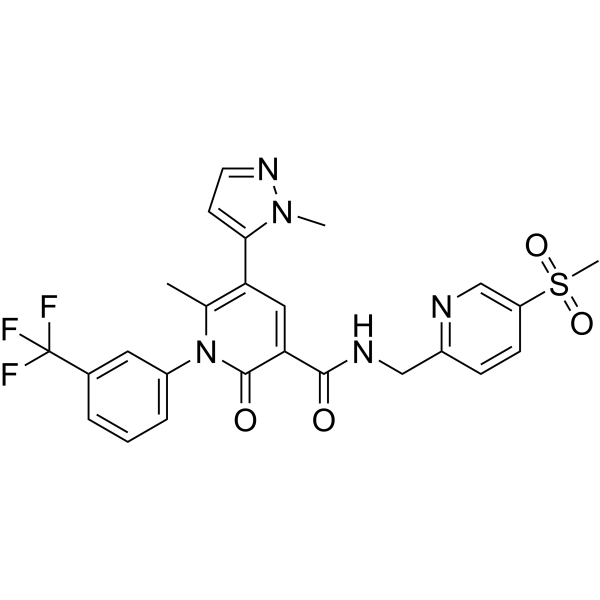
  • HY-148013
    K284-6111
    1 Publications Verification

    Glycosidase Amyloid-β NF-κB COX ERK NO Synthase Interleukin Related Neurological Disease Inflammation/Immunology
    K284-6111 is a high-affinity and orally active CHI3L1 inhibitor, and inhibits CHI3L1 expression. K284-6111 inhibits ERK and NF-κB pathway. K284-6111 suppresses nuclear translocation of p50 and p65, and phosphorylation of IκB. K284-6111 improves memory dysfunction by alleviating amyloidogenesis and neuroinflammation, with the reduction of inflammatory proteins (eg: iNOS, COX-2, GFAP, and Iba-1). K284-6111 reduces atopic-like skin inflammation and inhibits LPS (HY-D1056) -induced liver injury. K284-6111 can be used for the study of Alzheimer's diseases and sepsis like hepatic injury .
    K284-6111
  • HY-106950

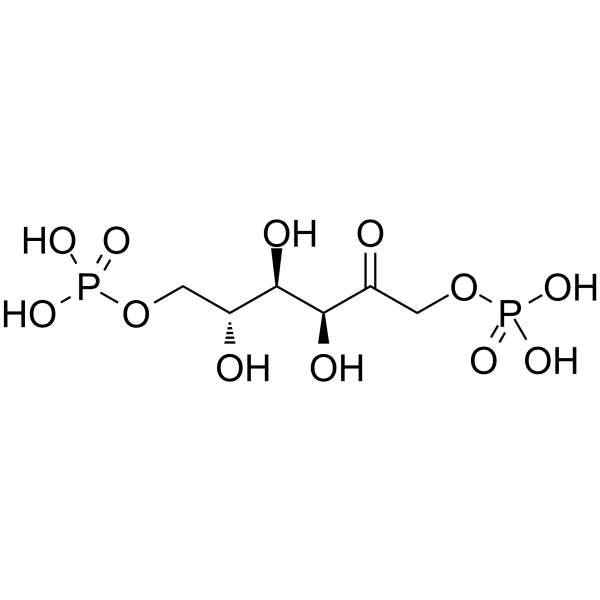
    Diphosphofructose; Esafosfan; FDP

    Toll-like Receptor (TLR) COX Cardiovascular Disease Neurological Disease Metabolic Disease
    Fosfructose is an orally active cyclooxygenase-2 inhibitor and Toll-like receptor 4 modulator. Fosfructose reduces the expression of cyclooxygenase-2, thereby decreasing prostaglandin production. By inhibiting the Toll-like receptor 4 signaling pathway, Fosfructose downregulates LPS-induced adhesion molecule expression. Fosfructose is applicable to research related to ischemic stroke, epilepsy, sepsis, myocardial injury, osteoporosis, and ultraviolet B-induced skin damage .
    Fosfructose
  • HY-171006
    IRF1-IN-1
    1 Publications Verification

    Caspase PARP Pyroptosis Interleukin Related IFNAR Infection Inflammation/Immunology
    IRF1-IN-1 (Compound I-2) is an IRF1 inhibitor. IRF1-IN-1 decreases the recruitment of IRF1 to the promoter of CASP1. IRF1-IN-1 inhibits cell death signaling pathway (i.e., cleavage of Caspase 1, GSDMD, IL-1 and PARP1). IRF1-IN-1 has a protective effect on ionizing radiation-induced inflammatory skin injury .
    IRF1-IN-1
  • HY-N5048

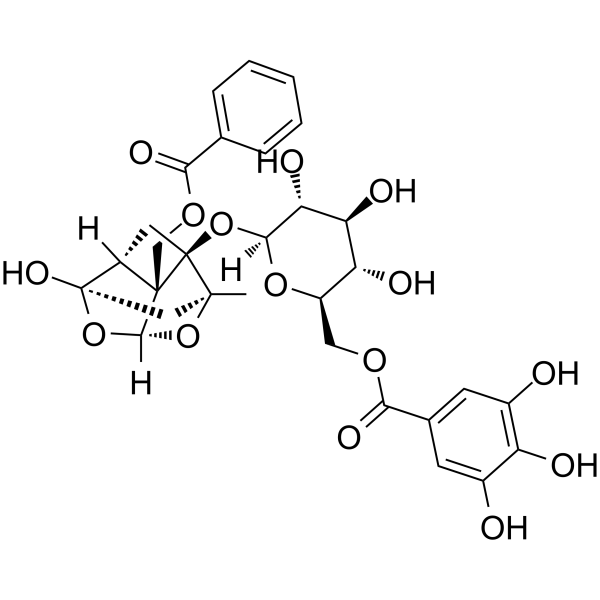
    6'-O-Galloyl paeoniflorin

    NF-κB ERK JNK Nuclear Factor of activated T Cells (NFAT) Keap1-Nrf2 PI3K Akt Reactive Oxygen Species (ROS) Apoptosis DNA/RNA Synthesis Infection Neurological Disease Metabolic Disease Inflammation/Immunology
    Galloylpaeoniflorin (6'-O-Galloyl paeoniflorin) is an orally active galloylated derivative of Paeoniflorin (HY-N0293) found in peony roots with various anti-inflammatory and antioxidant activities. Galloylpaeoniflorin suppresses RANKL-induced activation of ERK, JNK, c-Fos, c-Jun, and NFATc1, and reduces osteoclast-specific gene expression. Galloylpaeoniflorin activates Nrf2 and PI3K/Akt pathways, inhibits NF-κB activation, and scavenges ROS to reduce oxidative DNA, lipid, and protein damage. Galloylpaeoniflorin attenuates neuroinflammation, inhibits apoptosis, reduces Helicobacter pylori-induced gastric mucosa injury and UVB-induced cell damage. Galloylpaeoniflorin can be used for the research of osteoporosis, gastritis, ischemic stroke and skin diseases .
    Galloylpaeoniflorin
  • HY-171007
    IRF1-IN-2
    1 Publications Verification

    Caspase PARP Pyroptosis Interleukin Related Glutathione Peroxidase IFNAR Infection Inflammation/Immunology
    IRF1-IN-2 (Compound I-19) is an IRF1 inhibitor. IRF1-IN-2 decreases the recruitment of IRF1 to the promoter of CASP1. IRF1-IN-2 inhibits cell death signaling pathway (i.e., cleavage of Caspase 1, GSDMD, IL-1 and PARP1; inhibits the Pho of TKB1, upregulates GPX4 and downregulates FACL4). IRF1-IN-2 has a protective effect on ionizing radiation-induced inflammatory skin injury .
    IRF1-IN-2
  • HY-19416
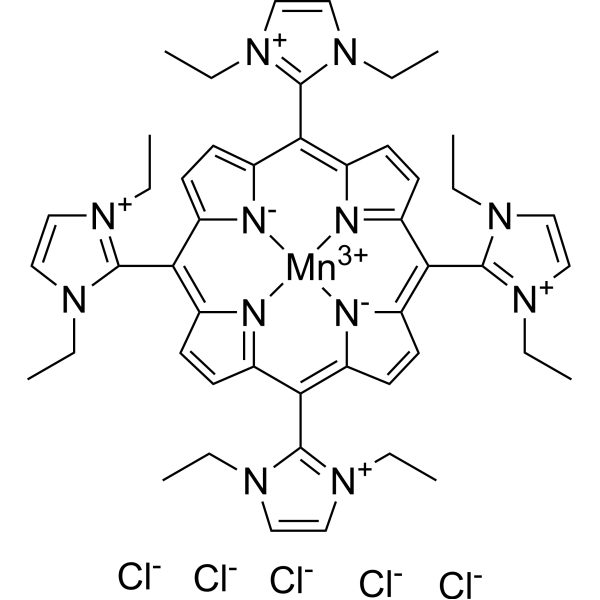
    AEOL-10150 pentachloride
    1 Publications Verification

    Reactive Oxygen Species (ROS) NF-κB Inflammation/Immunology Cancer
    AEOL-10150 pentachloride is a metalloporphyrin-catalyzed antioxidant and a superoxide dismutase mimetic. AEOL-10150 pentachloride scavenges ROS and RNS, and modulates the NF-κB signaling pathway. AEOL-10150 pentachloride has potent antioxidant and anti-inflammatory activities. AEOL-10150 pentachloride effectively mitigates tissue damage caused by radiation and chemical agents such as CEES (HY-W199190). AEOL-10150 pentachloride synergizes with radiotherapy to exert anticancer effects on prostate tumors .
    AEOL-10150 pentachloride
  • HY-12538

    Rutamine

    Apoptosis Autophagy Fungal Parasite Reactive Oxygen Species (ROS) Interleukin Related JAK STAT Infection Inflammation/Immunology Cancer
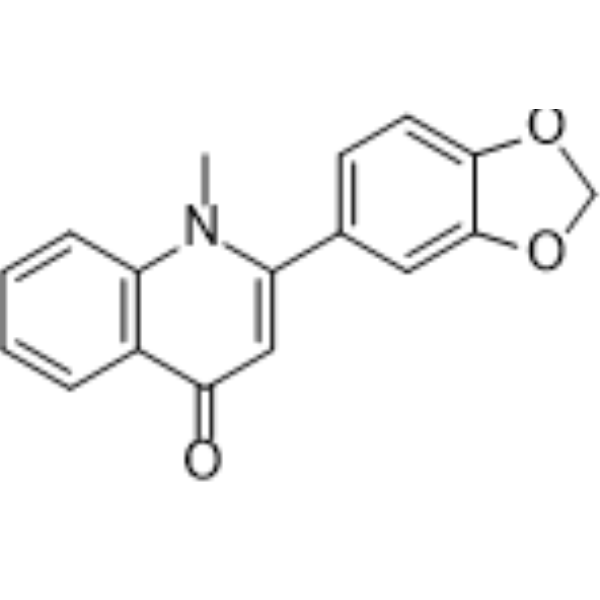
    Graveoline (Rutamine) is an orally active alkaloid with various activities such as antifungal, antiparasitic, anti-inflammatory, and antitumor effects. Graveoline can induce tumor cell apoptosis and autophagy through a reactive oxygen species-mediated pathway. Graveoline has an MIC of 500 μg/mL for Candida albicans. Graveoline can be used in the research of various diseases such as tumors and liver injury .
    Graveoline
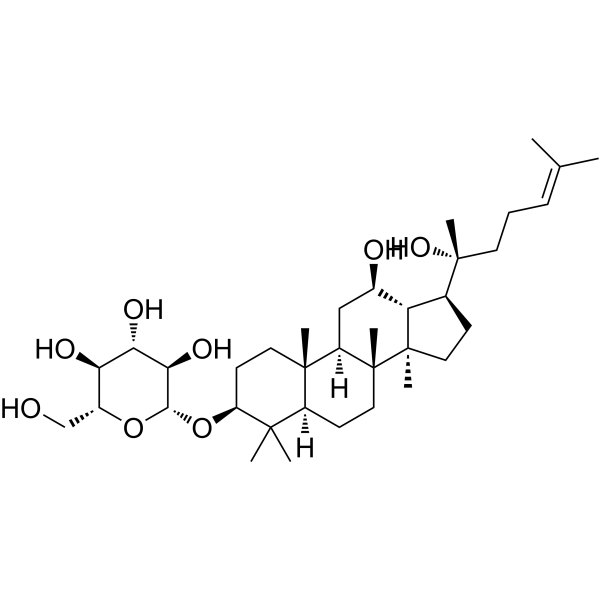
  • HY-N1401
    20(R)-Ginsenoside Rh2
    2 Publications Verification

    MMP Apoptosis HSV DNA/RNA Synthesis NO Synthase Prostaglandin Receptor Reactive Oxygen Species (ROS) Akt Infection Inflammation/Immunology Cancer
    20(R)-Ginsenoside Rh2 is an orally active protopanaxadiol-type saponin with multiple biological activities. 20(R)-Ginsenoside Rh2 exerts a significant inhibitory effect on non-small cell lung cancer and liver cancer by inducing cell cycle arrest and promoting apoptosis. 20(R)-Ginsenoside Rh2 exerts anti-γ-herpesvirus effects by inhibiting viral DNA replication. 20(R)-Ginsenoside Rh2 inhibits inflammatory mediators by reducing the levels of NO, PGE2, and ROS; it can delay skin photoaging by reducing ROS and inhibiting MMP-9/2 activity. 20(R)-Ginsenoside Rh2 accelerates the recovery after muscle injury by activating the Akt1/PKB signaling pathway. 20(R)-Ginsenoside Rh2 can inhibit osteoclast formation and exert an anti-osteoporosis effect .
    20(R)-Ginsenoside Rh2
  • HY-151499A

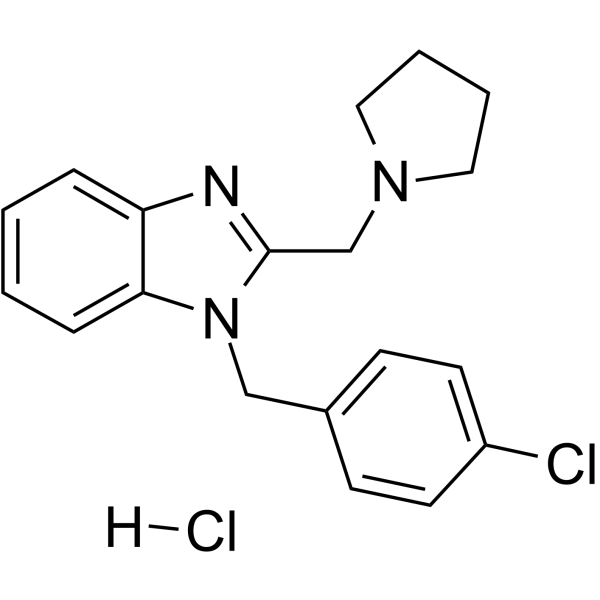
    Monoamine Oxidase Inflammation/Immunology
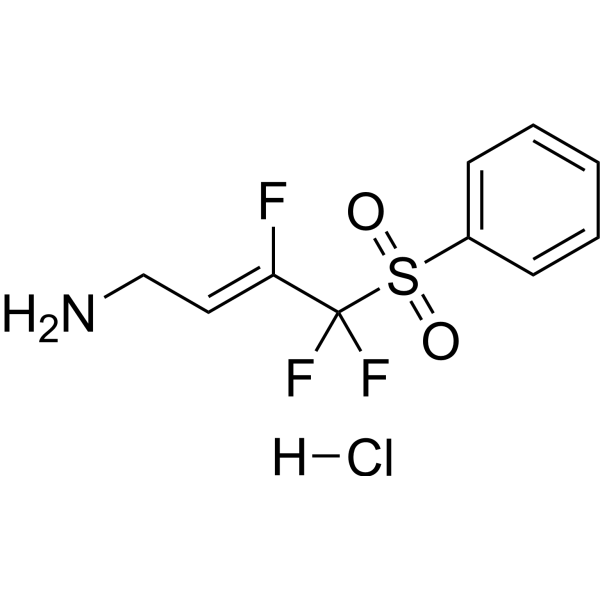
    PXS-6302 hydrochloride is an irreversible lysyl oxidase inhibitor with IC50s of 3.7 μM (Bovine LOX), 3.4 μM (rh LOXL1), 0.4 μM (rh LOXL2), 1.5 μM (rh LOXL3), 0.3 μM (rh LOXL4), respectively. PXS-6302 hydrochloride has readily skin penetrability, reduces collagen deposition and significantly improves scar appearance .
    PXS-6302 hydrochloride
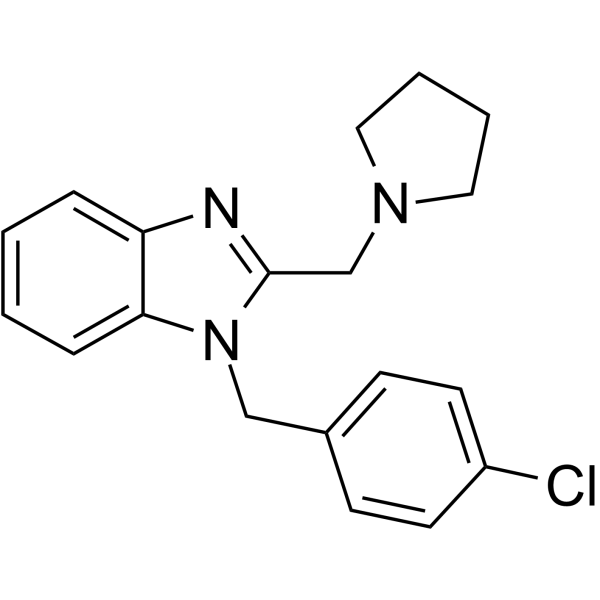
  • HY-151499

    Monoamine Oxidase Others
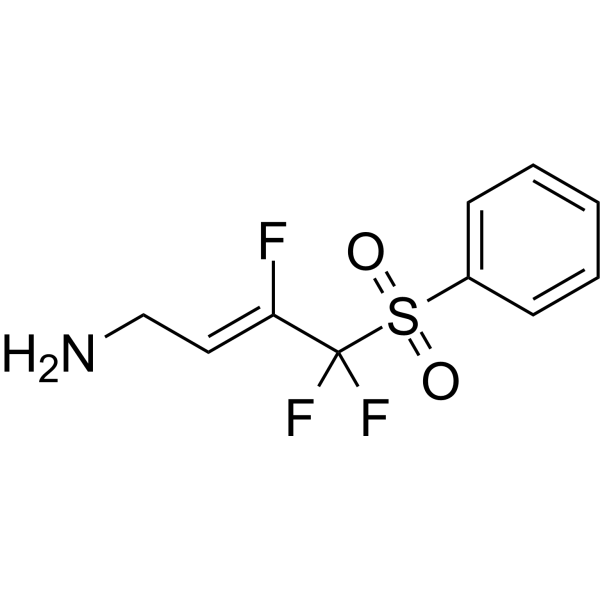
    PXS-6302 is an irreversible lysyl oxidase inhibitor with IC50s of 3.7 μM (Bovine LOX), 3.4 μM (rh LOXL1), 0.4 μM (rh LOXL2), 1.5 μM (rh LOXL3), 0.3 μM (rh LOXL4), respectively. PXS-6302 has readily skin penetrability, reduces collagen deposition and significantly improves scar appearance .
    PXS-6302
  • HY-142026

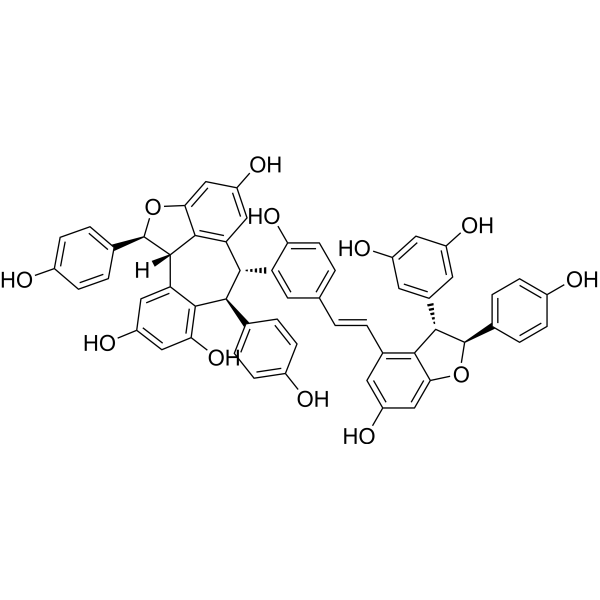
    (+)-Vitisin A

    Caspase ERK NF-κB Influenza Virus PAK LDLR PPAR PCSK9 Androgen Receptor Keap1-Nrf2 Monoamine Oxidase Cholinesterase (ChE) IKK Wnt β-catenin Reactive Oxygen Species (ROS) Apoptosis Cuproptosis Infection Neurological Disease Metabolic Disease Inflammation/Immunology Cancer
    Vitisin A ((+)-Vitisin A) is an orally active natural product with multiple pharmacological activities including anti-inflammatory, anti-tumor, anti-oxidant, anti-pathogenic microorganism, hypoglycemic and lipid-regulating, anti-osteoporotic, neuroprotective and cardiovascular protective effects. Vitisin A exhibits inhibitory effects on human AChE and MAO-B with IC50 values of 1.29 µM and 4.94 µM, respectively. Vitisin A inhibits the ERK, MAPK, NF-κB, STAT1, HMGCR and TRAF6 pathways, downregulates the related phosphorylation and protein expression, while activates the Nrf2/HO-1 pathway and upregulates p21 expression. Vitisin A induces tumor cell apoptosis and cell cycle arrest, inhibits adipogenesis and lipid accumulation, while alleviates oxidative stress, suppresses inflammatory responses, blocks hepatic fibrosis, Cuproptosis and cholesterol synthesis, and increases the expression levels of central BDNF and TrkB. Vitisin A can be used in the research of tumors, infectious diseases, metabolic diseases, bone and joint diseases, liver diseases, skin injuries, as well as neurodegenerative and cognitive dysfunction-related diseases .
    Vitisin A
  • HY-P10886

    Gap Junction Protein Claudin Inflammation/Immunology
    Zifogaptide is a gap junction protein channel regulator. Zifogaptide mimics the PDZ-binding motif at the C-terminal of Claudin C and competitively interferes with the interaction between Claudin–TJP1 (ZO-1) scaffold. Zifogaptide can promote epithelial cell migration, reduce scar formation, and accelerate wound healing. Zifogaptide can be used for radiation dermatitis, skin injuries, etc .
    Zifogaptide
  • HY-151498A

    Monoamine Oxidase Others
    PXS-4787 hydrochloride is a specific and effective pan-LOX (lysyl oxidase) inhibitor for abolishing lysyl oxidase activity. PXS-4787 hydrochloride inhibits LOX with IC50s of 2 μM (Bovine LOX), 3.2 μM (rh LOXL1), 0.6 μM (rh LOXL2), 1.4 μM (rh LOXL3), 0.2 μM (rh LOXL4), respectively. PXS-4787 hydrochloride reduces deposition and crosslinking of collagen I secreted by human fibroblasts .
    PXS-4787 hydrochloride
  • HY-156959

    JAK TRP Channel MetAP Infection Inflammation/Immunology
    Ovalicin is a multi-target inhibitor that targets MetAP2, HRH2, JAK2 and TRPV1, with anti-inflammatory and anti-atopic dermatitis activities. Ovalicin covalently binds to MetAP2 to inhibit its function, thereby blocking the replication of Enterocytozoon bieneusi and Vittaforma corneae. Ovalicin alleviates intestinal injury and prolongs survival in infected mouse models, without showing obvious hepatorenal toxicity. Ovalicin attenuates LPS-induced calcium influx, reduces the infiltration of macrophages and mast cells in the skin, and regulates the expression of inflammation-related genes such as IL-31, effectively relieving allergic symptoms in mouse models. Ovalicin can be used for the research of microsporidiosis and atopic dermatitis .
    Ovalicin
  • HY-132187

    TGF-beta/Smad TRP Channel Apoptosis PAI-1 Cardiovascular Disease Neurological Disease Metabolic Disease Inflammation/Immunology Cancer
    Sphingosylphosphorylcholine is a bioactive lipid and a major component of plasma high-density lipoprotein that binds to OGR1 with a Kd of 33.3 nM. Sphingosylphosphorylcholine triggers delayed phosphorylation of Smad2, upregulates α-SMA expression, and activates TRPM3. Sphingosylphosphorylcholine reduces Apoptosis and upregulates the expression of uPA and its receptor uPA-R. Sphingosylphosphorylcholine exerts anti-apoptotic, anti-cardiac hypertrophy and pro-wound healing effects. Sphingosylphosphorylcholine induces scratching behavior in mice. Sphingosylphosphorylcholine is used in studies related to atopic dermatitis, promyelocytic leukemia, heart failure, myocardial ischemia/reperfusion injury, ovarian cancer, breast cancer, pancreatic cancer, and skin wound healing disorders in genetically impaired healing diabetes .
    Sphingosylphosphorylcholine
  • HY-151498

    Monoamine Oxidase Others
    PXS-4787 is a specific and effective pan-LOX (lysyl oxidase) inhibitor for abolishing lysyl oxidase activity. PXS-4787 inhibits LOX with IC50s of 2 μM (Bovine LOX), 3.2 μM (rh LOXL1), 0.6 μM (rh LOXL2), 1.4 μM (rh LOXL3), 0.2 μM (rh LOXL4), respectively .
    PXS-4787
  • HY-19356B

    Drug Derivative NF-κB HSP Eukaryotic Initiation Factor (eIF) Inflammation/Immunology Cancer
    (+)-Rocaglamide is the dextrorotatory enantiomer of Rocaglamide (HY-19356). Rocaglamide (Roc-A) is isolated from the genus Aglaia and can be used for coughs, injuries, asthma and inflammatory skin diseases. Rocaglamide is a potent inhibitor of NF-κB activation in T-cells. Rocaglamide is a potent and selective heat shock factor 1 (HSF1) activation inhibitor with an IC50 of 50 nM. Rocaglamide inhibits the function of the translation initiation factor eIF4A. Rocaglamide also has anticancer properties in leukemia .
    (+)-Rocaglamide
  • HY-106317

    Glutathione isopropyl ester; YM 737

    Drug Derivative Neurological Disease Inflammation/Immunology Cancer
    Glutathione monoisopropyl ester (Glutathione isopropyl ester) is an ester derivative of glutathione. Glutathione monoisopropyl ester can increase glutathione concentrations in tissues such as the liver, lungs, heart, and brain of mice, exerting a dose-dependent protective effect against liver injury. Glutathione monoisopropyl ester effectively inhibits ultraviolet-induced lipid peroxidation, inflammatory responses, and tumorigenesis in the skin of hairless mice by maintaining epidermal glutathione levels. Glutathione monoisopropyl ester also inhibits the progression of X-ray-induced cataracts in rats .
    Glutathione monoisopropyl ester
  • HY-N1401R

    Reference Standards MMP Apoptosis HSV Infection Inflammation/Immunology Cancer
    20(R)-Ginsenoside Rh2 (Standard) is the analytical standard of 20(R)-Ginsenoside Rh2. This product is intended for research and analytical applications. 20(R)-Ginsenoside Rh2 is an orally active protopanaxadiol-type saponin with multiple biological activities. 20(R)-Ginsenoside Rh2 exerts a significant inhibitory effect on non-small cell lung cancer and liver cancer by inducing cell cycle arrest and promoting apoptosis. 20(R)-Ginsenoside Rh2 exerts anti-γ-herpesvirus effects by inhibiting viral DNA replication. 20(R)-Ginsenoside Rh2 inhibits inflammatory mediators by reducing the levels of NO, PGE2, and ROS; it can delay skin photoaging by reducing ROS and inhibiting MMP-9/2 activity. 20(R)-Ginsenoside Rh2 accelerates the recovery after muscle injury by activating the Akt1/PKB signaling pathway. 20(R)-Ginsenoside Rh2 can inhibit osteoclast formation and exert an anti-osteoporosis effect.
    20(R)-Ginsenoside Rh2 (Standard)
  • HY-181126

    HDAC Neurological Disease Metabolic Disease Inflammation/Immunology
    G194-0712 is a selective histone deacetylase 5 (HDAC5) activator with an EC50 of 7.96 μM and a Kd of 2.53 μM. G194-0712 restores ACTN4-K417 deacetylation and nuclear import, and increases CSTA expression. G194-0712 accelerates wound closure in chronic wound models, reducing wound area and epithelial gap. G194-0712 can be used for the research of chronic skin wounds, such as diabetic wounds, ischemic wounds, radiation injury wounds .
    G194-0712
  • HY-182370

    PROTACs Epigenetic Reader Domain Inflammation/Immunology
    TKP-5 is a PROTAC protein degrader targeting BRD4. TKP-5 can binds to BRD2, BRD3, BRD4 and BRDT, with Kd values of 150 nM, 100 nM and 150 nM for the first three proteins respectively. TKP-5 inhibits the production of thymic stromal lymphopoietin and suppresses the expression of IL-33 mRNA. TKP-5 is applicable to studies related to tape-stripping induced skin injury .
    TKP-5
  • HY-105174AR

    Reference Standards JAK FAK Neurological Disease Metabolic Disease
    BPC 157 acetate (Standard) is the analytical standard of BPC 157 acetate (HY-105174A). This product is intended for research and analytical applications. BPC 157 acetate is the acetate salt form of BPC 157 (HY-105174). BPC 157 acetate is the 15-amino acide fragment of gastric peptide BPC. BPC 157 acetate exhibits wound healing promoting and neuroprotective activity. BPC 157 acetate maintains the integrity of the gastrointestinal mucosa without significant toxicity. BPC 157 acetate counteracts NSAIDs/insulin overdose/copper-induced toxicity. BPC 157 acetate ameliorates specific (over)stimulated/damaged neurotransmitter systems-induced behavioral disorders through serotonergic and dopaminergic systems .
    BPC 157 acetate (Standard)
  • HY-182371

    Epigenetic Reader Domain Ligands for Target Protein for PROTAC Others
    BRD4 ligand 15 (compound 5) is a BRD4 ligand and alkyne-modified chalcone derivative, which serves as a building block for the synthesis of BRD4-targeting PROTAC TKP-5 (HY-182370) .
    BRD4 ligand 15

Inquiry Online

Your information is safe with us. * Required Fields.

Salutation


Country or Region *

Applicant Name *


Organization Name *

Department *


Email Address *


Product Name *

Cat. No.


Requested quantity *

Phone Number *


Remarks

Inquiry Online

Inquiry Information

Product Name:
Cat. No.:
Quantity:
MCE Japan Authorized Agent:

