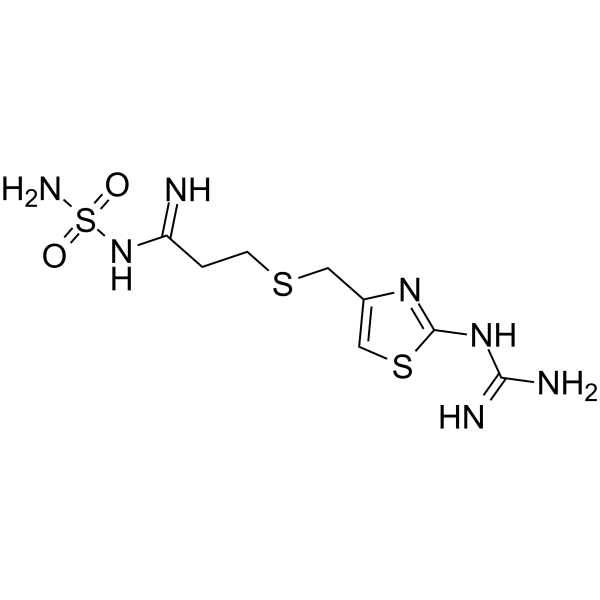
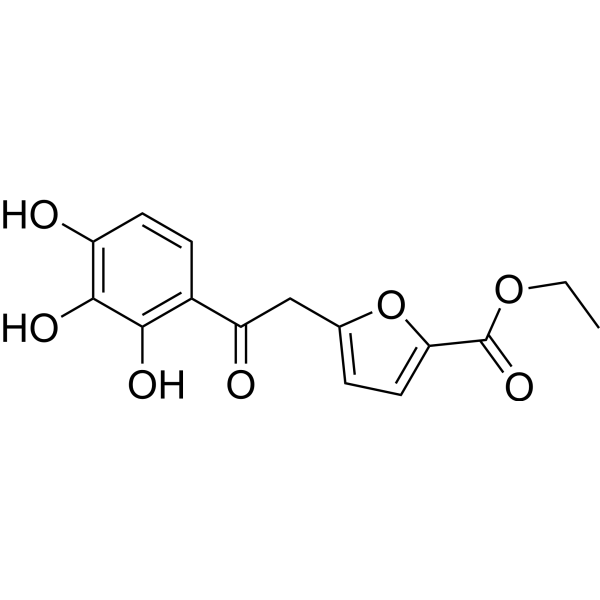
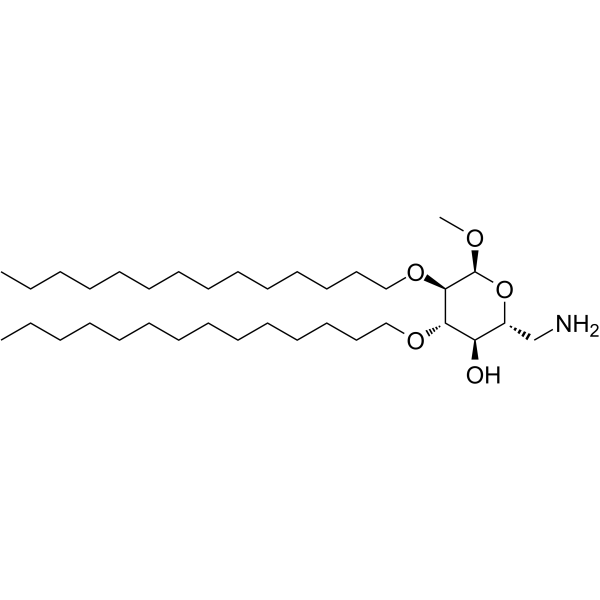
1. Search Result
Search Result
Results for "

TLR antagonist

" in MedChemExpress (MCE) Product Catalog:

50

Inhibitors & Agonists

2

Peptides

1

Natural
Products

8

Oligonucleotides

Targets Recommended:
Cat. No. Product Name Target Research Areas Chemical Structure
  • HY-150751
    ODN TTAGGG
    3 Publications Verification

    ODN A151

    Toll-like Receptor (TLR) AIM2 Pyroptosis Interleukin Related Inflammation/Immunology
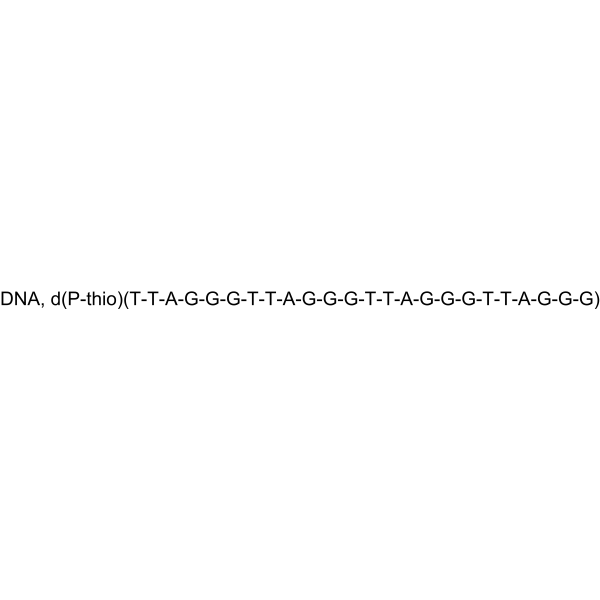
    ODN TTAGGG (ODN A151), an inhibitory oligonucleotide (ODN), is a TLR9, AIM2, and cGAS antagonist. ODN TTAGGG inhibits AIM2 inflammasome activation and cGAS activation through competition with DNA. ODN TTAGGG blocks AIM2-mediated Pyroptosis and inhibits IL-18 production. ODN TTAGGG has immunosuppressive effects and can be used in research on related autoimmune diseases such as lupus erythematosus . ODN TTAGGG sequence: 5'-T-T-A-G-G-G-T-T-A-G-G-G-T-T-A-G-G-G-T-T-A-G-G-G-3'.
    ODN TTAGGG
  • HY-139567
    Afimetoran
    1 Publications Verification

    BMS-986256

    Toll-like Receptor (TLR) NF-κB Apoptosis Inflammation/Immunology
    Afimetoran (BMS-986256) is an orally active, selective, and highly bioavailable TLR7/8 antagonist. Afimetoran (BMS-986256) can inhibit TLR7/8 activation of the NF-κB pathway and reverse TLR7 mediated resistance to steroid induced apoptosis in plasma cell like dendritic cells (pDCs). Afimetoran (BMS-986256) can be used for research on inflammation and autoimmune diseases (systemic lupus erythematosus) .
    Afimetoran
  • HY-112146
    MMG-11
    5 Publications Verification

    Toll-like Receptor (TLR) Inflammation/Immunology
    MMG-11 is a potent and selective human TLR2 antagonist with low cytotoxicity. MMG-11 inhibits both TLR2/1 and TLR2/6 signaling with IC50s of 1.7 µM for Pam3CSK4-induced hTLR2/1 and 5.7 µM for Pam2CSK4-induced hTLR2/6 responses .
    MMG-11
  • HY-12756A
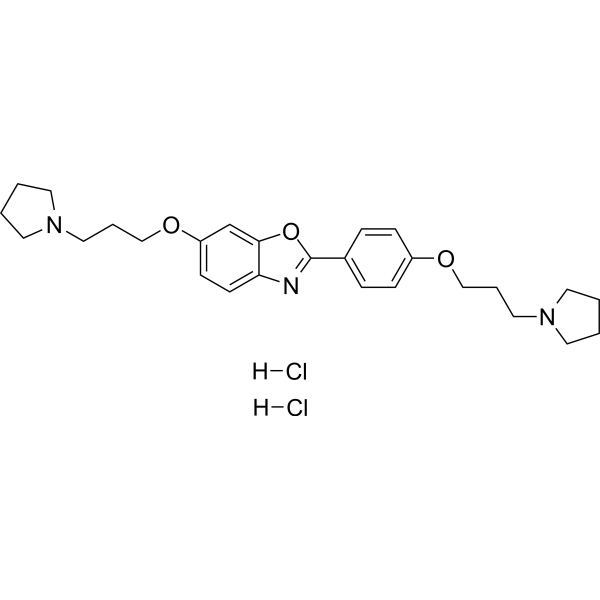
    E6446 dihydrochloride
    5+ Cited Publications

    Toll-like Receptor (TLR) Stearoyl-CoA Desaturase (SCD) Metabolic Disease Inflammation/Immunology
    E6446 dihydrochloride is a potent and orally acitve TLR7 and TLR9 antagonist, used in the research of deleterious inflammatory responses. E6446 dihydrochloride is also a potent SCD1 inhibitor (KD: 4.61 μM), significantly inhibiting adipogenic differentiation and hepatic lipogenesis through SCD1-ATF3 signaling. E6446 dihydrochloride also improves liver pathology in high-fat diet (HFD)-fed mice and may be useful in the study of non-alcoholic fatty liver disease (NAFLD) .
    E6446 dihydrochloride
  • HY-116213
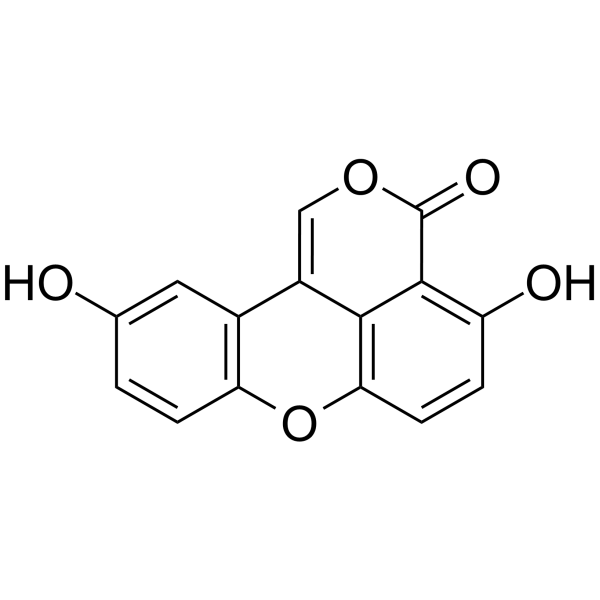
    Sparstolonin B
    5+ Cited Publications

    Toll-like Receptor (TLR) HIV Infection Inflammation/Immunology Cancer
    Sparstolonin B acts as a selective TLR2 and TLR4 antagonist and selectively blocks TLR2- and TLR4-mediated inflammatory signaling. Sparstolonin B has anti-HIV and anticancer activities .
    Sparstolonin B
  • HY-116961
    TH1020
    Maximum Cited Publications
    13 Publications Verification

    Toll-like Receptor (TLR) Bacterial Infection Inflammation/Immunology
    TH1020 is a potent and selective toll-like receptor 5 (TLR5)/flagellin complex antagonist with an IC50 of 0.85 μM. TH1020 inhbits flagellin-induced TLR5 signaling. TH1020 is inactive against TLR2, TLR3, TLR4, TLR7 and TLR8 .
    TH1020
  • HY-125171
    IAXO-102
    5 Publications Verification

    Toll-like Receptor (TLR) Inflammation/Immunology
    IAXO-102 is a TLR4 antagonist which negatively regulates TLR4 signalling. IAXO-102 inhibits MAPK and p65 NF-κB phosphorylation and expression of TLR4 dependent proinflammatory protein. IAXO-102 also prevents experimental abdominal aortic aneurysm development .
    IAXO-102
  • HY-128598
    MD2-TLR4-IN-1
    1 Publications Verification

    Toll-like Receptor (TLR) NF-κB Inflammation/Immunology Cancer
    MD2-TLR4-IN-1 is a myeloid differentiation protein 2/toll-like receptor 4 (MD2-TLR4) complex antagonist. MD2-TLR4-IN-1 inhibits Lipopolysaccharides (HY-D1056) (LPS)-induced expression of TNF-α and IL-6 in macrophages with IC50 values of 0.89 μM and 0.53 μM, respectively. MD2-TLR4-IN-1 can be used for the study of acute lung injury (ALI) .
    MD2-TLR4-IN-1
  • HY-12756
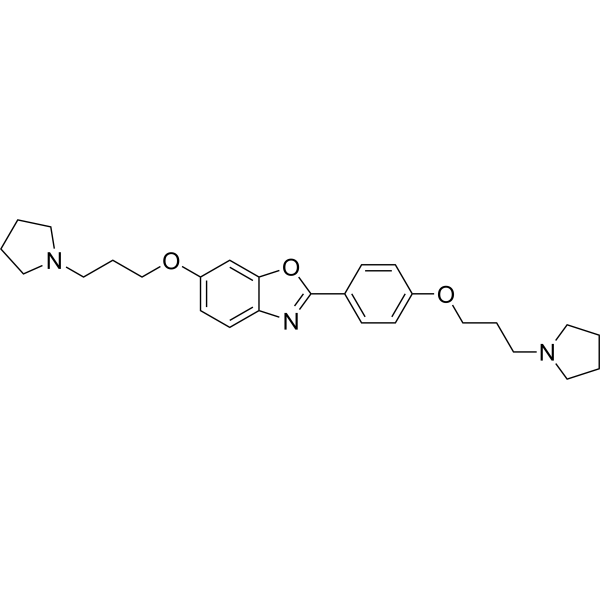
    E6446
    5+ Cited Publications

    Toll-like Receptor (TLR) Stearoyl-CoA Desaturase (SCD) Metabolic Disease Inflammation/Immunology
    E6446 is a potent and orally acitve TLR7 and TLR9 antagonist, used in the research of deleterious inflammatory responses. E6446 is also a potent SCD1 inhibitor (KD: 4.61 μM), significantly inhibiting adipogenic differentiation and hepatic lipogenesis through SCD1-ATF3 signaling. E6446 also improves liver pathology in high-fat diet (HFD)-fed mice and may be useful in the study of non-alcoholic fatty liver disease (NAFLD) .
    E6446
  • HY-112050
    CU-CPT-8m
    2 Publications Verification

    TLR8-specific antagonist

    Toll-like Receptor (TLR) Inflammation/Immunology
    CU-CPT-8m is a specific TLR8 antagonist, with an IC50 of 67 nM.
    CU-CPT-8m
  • HY-150751C
    ODN TTAGGG sodium
    3 Publications Verification

    ODN A151 sodium

    AIM2 Toll-like Receptor (TLR) Inflammation/Immunology
    ODN TTAGGG sodium, inhibitory oligonucleotide (ODN), is a TLR9, AIM2 and cGAS antagonist. ODN TTAGGG sodium is immunosuppressive and inhibits AIM2 inflammasome activation, as well as cGAS activation, by competing with DNA. ODN TTAGGG sodium can be used in the study of lupus erythematosus and other related autoimmune diseases. ODN TTAGGG sequence: 5'-T-T-A-G-G-G-T-T-A-G-G-G-T-T-A-G-G-G-T-T-A-G-G-G-3' .
    ODN TTAGGG sodium
  • HY-112667
    CU-CPT-9a
    5 Publications Verification

    Toll-like Receptor (TLR) Inflammation/Immunology
    CU-CPT-9a is a specific TLR8 antagonist, with an IC50 of 0.5 nM.
    CU-CPT-9a
  • HY-112051
    CU-CPT9b
    1 Publications Verification

    Toll-like Receptor (TLR) Inflammation/Immunology
    CU-CPT9b is a specific TLR8 antagonist, with an IC50 of 0.7 nM. CU-CPT9b shows high binding affinity towards TLR8 with a Kd of 21 nM .
    CU-CPT9b
  • HY-135042
    CAY10614
    1 Publications Verification

    Toll-like Receptor (TLR) Neurological Disease
    CAY10614 is a potent TLR4 antagonist. CAY10614 inhibits the lipid A-induced activation of TLR4, with an IC50 of 1.675 μM. CAY10614 can improve survival of mice in lethal endotoxin shock model .
    CAY10614
  • HY-153460

    Toll-like Receptor (TLR) Inflammation/Immunology
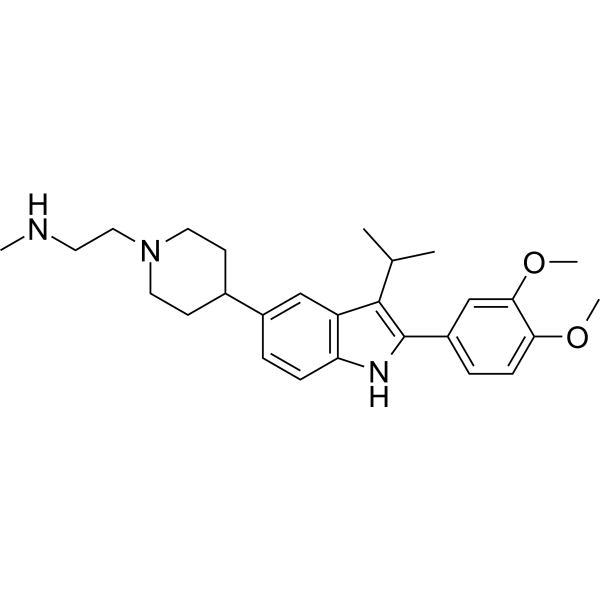
    TLR7/8/9 antagonist 2 is an orally active TLR7/8/9 antagonist. TLR7/8/9 antagonist 2 has inhibitory activities for HEK/hTLR7, HEK/hTLR8 and HEK/hTLR9 with IC50 values of 0.011 μM, 0.029 μM and 0,052 μM, respectively.TLR7/8/9 antagonist 2 has high bioavailability in vivo.TLR7/8/9 antagonist 2 can be used for the research of auto-inflammatory diseases such as systemic lupus erythematosus or lupus nephritis .
    TLR7/8/9 antagonist 2
  • HY-105070A

    E5564

    EBV Toll-like Receptor (TLR) Infection Inflammation/Immunology
    Eritoran tetrasodium (E5564) is a Toll-like receptor 4 (TLR4) antagonist. Eritoran tetrasodium protects mice against lethal influenza virus infection, such as Ebola virus (EBOV), Marburg virus (MARV). Eritoran tetrasodium decreases the level of granulocytosis, may alleviate the severity of the "cytokine storm". Eritoran tetrasodium inhibits pathogenesis of filovirus infection. Eritoran tetrasodium has anti-inflammatory activity .
    Eritoran tetrasodium
  • HY-131945
    CU-115
    2 Publications Verification

    Toll-like Receptor (TLR) Inflammation/Immunology
    CU-115 is a potent TLR8 antagonist (IC50=1.04 µM), and shows selective for TLR8 over TLR7 (IC50=>50 µM). CU-115 decreases TNF-α and IL-1β production activated by R-848 in THP-1 cells .
    CU-115
  • HY-144619

    Toll-like Receptor (TLR) Inflammation/Immunology
    TLR7/8 antagonist 2 (Compound 15) is a potent and orally active agonist of TLR7/8 with IC50s of 4.9 and 0.6 nM, respectively. Inappropriate activation of TLR7 and TLR8 is linked to several autoimmune diseases, such as lupus erythematosus. TLR7/8 antagonist 2 has the potential for the research of autoimmune diseases .
    TLR7/8 antagonist 2
  • HY-18325
    AN-3485
    1 Publications Verification

    Toll-like Receptor (TLR) NF-κB Interleukin Related Inflammation/Immunology Cancer
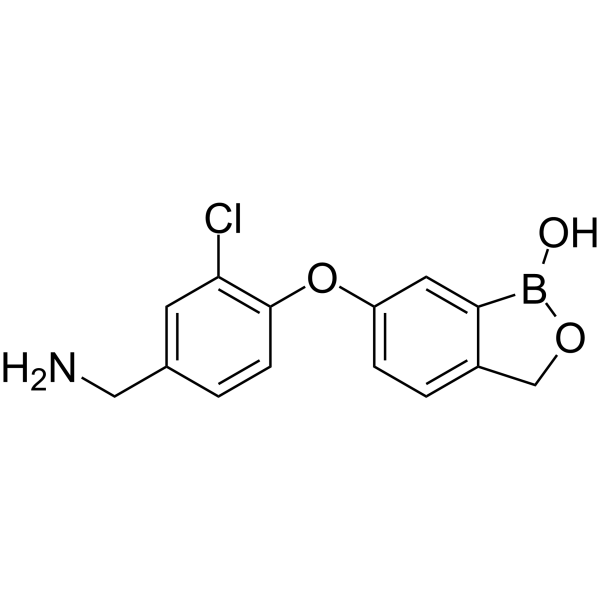
    AN-3485 is a benzoxaborole analogue and an orally active antagonist of the Toll-like pathway. AN-3485 can inhibit TLR-mediated inflammatory cytokine secretion and has significant anti-inflammatory activity. In addition, AN-3485 also has certain anti-tumor activity .
    AN-3485
  • HY-131952
    TLR7/8/9-IN-1
    2 Publications Verification

    Toll-like Receptor (TLR) Inflammation/Immunology
    TLR7/8/9-IN-1 is a potent and orally bioavailable small molecule antagonist (IC50 = 43 nM) of Toll-like receptors 7/8/9 (TLR7/8/9).
    TLR7/8/9-IN-1
  • HY-175533

    Toll-like Receptor (TLR) Neurological Disease Inflammation/Immunology
    TLR2 antagonist-1 is a selective Toll-like receptor 2 (TLR2) antagonist. TLR2 antagonist-1 can effectively inhibit excessive TLR2 activation (IC50 = 11.41 μM) and the production of inflammatory factors. TLR2 antagonist-1 has metabolic stability with a half-life (T1/2) of 16.67 min in mouse liver microsomes. TLR2 antagonist-1 can be used for the researches of inflammation, immunology, and neurological disease .
    TLR2 antagonist-1
  • HY-178037

    Toll-like Receptor (TLR) Interleukin Related TNF Receptor Inflammation/Immunology
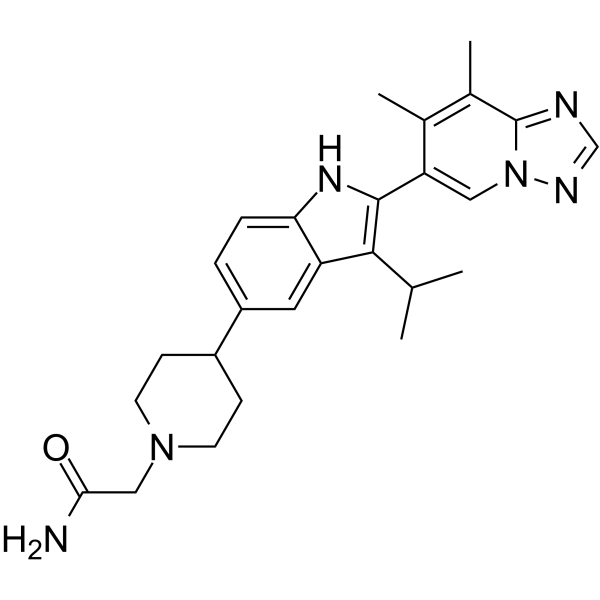
    TLR9 antagonist 1 is a selective hTLR9 antagonist with an IC50 of 0.1 nM against hTLR9. TLR9 antagonist 1 exhibits favorable pharmacokinetic and pharmacodynamic properties. TLR9 antagonist 1 can be used in the research of systemic lupus erythematosus .
    TLR9 antagonist 1
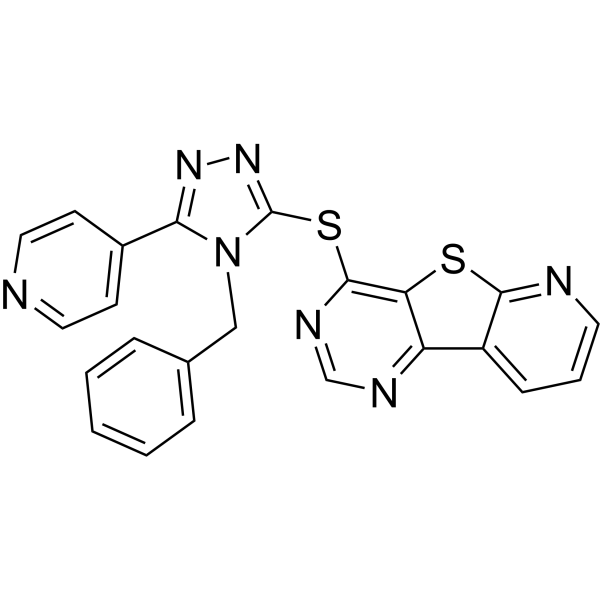
  • HY-145886

    Toll-like Receptor (TLR) Interleukin Related Infection Inflammation/Immunology Cancer
    TLR7/8 antagonist 1 (Compound 16c) is a competitive TLR7/8 antagonist with IC50 values of 3.91 μM and 2.19 μM, respectively. TLR7/8 antagonist 1 reduces agonist-induced production of proinflammatory cytokines, including TNFα, IFNγ and IL-1β .
    TLR7/8 antagonist 1
  • HY-120538

    Toll-like Receptor (TLR) Inflammation/Immunology
    CPG-52364 (compound 2) is a TLR9 antagonist. CPG-52364 inhibits the HEK293-hTLR9 cell with an IC50 value of 4.6 nM .
    CPG-52364
  • HY-101318
    β-Funaltrexamine hydrochloride
    2 Publications Verification

    β-FNA hydrochloride

    Opioid Receptor p38 MAPK STAT NF-κB NO Synthase Toll-like Receptor (TLR) Cardiovascular Disease Neurological Disease
    β-Funaltrexamine (β-FNA) hydrochloride is a blood-brain barrier-permeable, selective and irreversible μ-opioid receptor antagonist with immunomodulatory, anti-inflammatory and neuroprotective activities. β-Funaltrexamine hydrochloride inhibits p38 MAPK and TLR4 signaling by blocking μ-opioid receptors, and reduces the transcriptional activities of NF-κB, AP-1, CREB and Stat. Furthermore, β-Funaltrexamine hydrochloride inhibits iNOS activation and pro-inflammatory microglial polarization, converting microglia to an anti-inflammatory phenotype, thereby downregulating neuroinflammation and ameliorating neuronal degeneration. β-Funaltrexamine hydrochloride is widely applicable to research related to stroke, cerebral ischemia/reperfusion injury and neurodegenerative diseases .
    β-Funaltrexamine hydrochloride
  • HY-173063

    Toll-like Receptor (TLR) NF-κB MyD88 Inflammation/Immunology
    TLR8 antagonist-1 (Compound 10) is a selective TLR8 antagonist. TLR8 antagonist-1 can inhibit TLR8-mediated inflammation and signaling pathways, reduce the recruitment of MyD88, and inhibit the NF-κB and IRF pathways. TLR8 antagonist-1 has anti-inflammatory activity .
    TLR8 antagonist-1
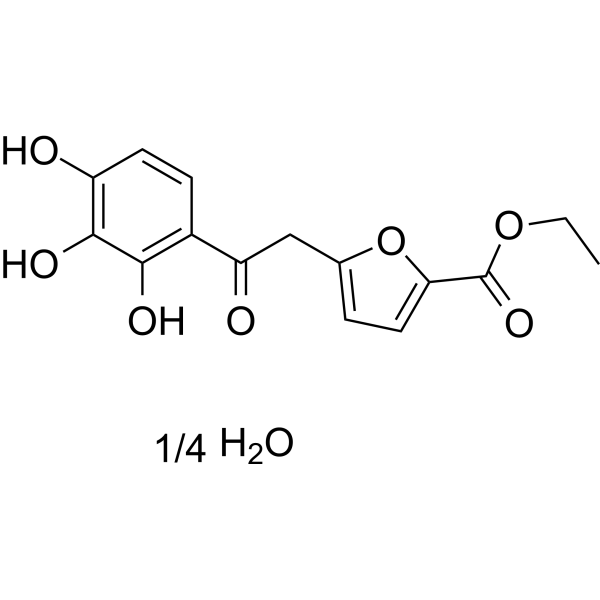
  • HY-112146A
    MMG-11 quarterhydrate
    5 Publications Verification

    Toll-like Receptor (TLR) Inflammation/Immunology
    MMG-11 quarterhydrate is a potent and selective human TLR2 antagonist with low cytotoxicity. MMG-11 quarterhydrate inhibits both TLR2/1 and TLR2/6 signaling with IC50s of 1.7 μM for Pam3CSK4-induced hTLR2/1 and 5.7 μM for Pam2CSK4-induced hTLR2/6 responses .
    MMG-11 quarterhydrate
  • HY-177617

    IMO-8400

    Toll-like Receptor (TLR) Inflammation/Immunology
    Bazlitoran (IMO-8400) is an oligonucleotide-based TLR7/8/9 antagonist. Bazlitoran blocks the activation of Toll-like receptors 7, 8, and 9. Bazlitoran inhibits cytokine responses mediated by Toll-like receptors 7, 8, and 9. Bazlitoran is associated with injection site reactions. Bazlitoran improves moderate-to-severe plaque psoriasis .
    Bazlitoran
  • HY-178037A

    Interleukin Related TNF Receptor Toll-like Receptor (TLR) Inflammation/Immunology
    TLR9 antagonist 1 diformate is a selective hTLR9 antagonist with an IC50 of 0.1 nM against hTLR9. TLR9 antagonist 1 diformate exhibits favorable pharmacokinetic and pharmacodynamic properties. TLR9 antagonist 1 diformate can be used in the research of systemic lupus erythematosus .
    TLR9 antagonist 1 diformate
  • HY-177617A

    IMO-8400 sodium

    Toll-like Receptor (TLR) Inflammation/Immunology
    Bazlitoran sodium (IMO-8400 sodium) is an oligonucleotide-based TLR7/8/9 antagonist. Bazlitoran sodium blocks the activation of Toll-like receptors 7, 8, and 9. Bazlitoran sodium inhibits cytokine responses mediated by Toll-like receptors 7, 8, and 9. Bazlitoran sodium is associated with injection site reactions. Bazlitoran sodium improves moderate-to-severe plaque psoriasis .
    Bazlitoran sodium
  • HY-123789
    T5342126
    1 Publications Verification

    Toll-like Receptor (TLR) Inflammation/Immunology
    T-5342126 is a toll-like receptor 4 (TLR4) antagonist. It reduces LPS-induced production of nitric oxide (NO) in RAW 264.7 cells (IC50=27.8 μM), as well as decreases LPS-induced IL-8, TNF-α, and IL-6 production in isolated human whole blood (IC50s=110.5, 315.6, and 318.4 μM, respectively). T-5342126 (82 mg/kg) reduces ethanol intake and the abundance of ionized calcium-binding adapter molecule 1 (Iba1), a marker of microglial activation, in the central nucleus of the amygdala in ethanol-dependent mice.
    T5342126
  • HY-177623

    CpG-c41

    Toll-like Receptor (TLR) Inflammation/Immunology
    CpG-ODN c41, an oligonucleotide, is an antagonist of TLR9.
    CpG-ODN c41
  • HY-P11052

    HSP Cancer
    A8 peptide is a Hsp72 antagonist. A8 peptide inhibits tumor progression and metastasis as well as enhances the cancer cells' sensitivity to apoptosis induced by chemotherapeutic agents (such as Cisplatin (HY-17394)) by blocking the Hsp72-TLR2 interaction and the subsequent activation of MDSCs. A8 peptide can be used for cancers research .
    A8 peptide
  • HY-118984

    Toll-like Receptor (TLR) Inflammation/Immunology
    CRX-526 is a TLR4 antagonist that can block the interaction of lipopolysaccharide (LPS, HY-D1056) with the immune system, including preventing the expression of pro-inflammatory genes stimulated by LPS, as well as blocking the release of TNF-α induced by LPS. CRX-526 exhibits anti-inflammatory effects in two mouse models of colitis (namely, the dextran sodium sulfate-induced colitis model and the multidrug resistance gene 1a-deficient mouse model) .
    CRX-526
  • HY-124709

    Toll-like Receptor (TLR) Interleukin Related Inflammation/Immunology
    TLR9 antagonist 2 is a highly selective and water-soluble TLR9 antagonist with an IC50 of 13 nM against human TLR9. TLR9 antagonist 2 inhibits CpG-induced production of the pro-inflammatory cytokine IL-6. TLR9 antagonist 2 is applicable for research on systemic, TLR9-mediated uncontrolled inflammatory responses, such as sepsis .
    TLR9 antagonist 2
  • HY-180507

    Toll-like Receptor (TLR) Neurological Disease Inflammation/Immunology Cancer
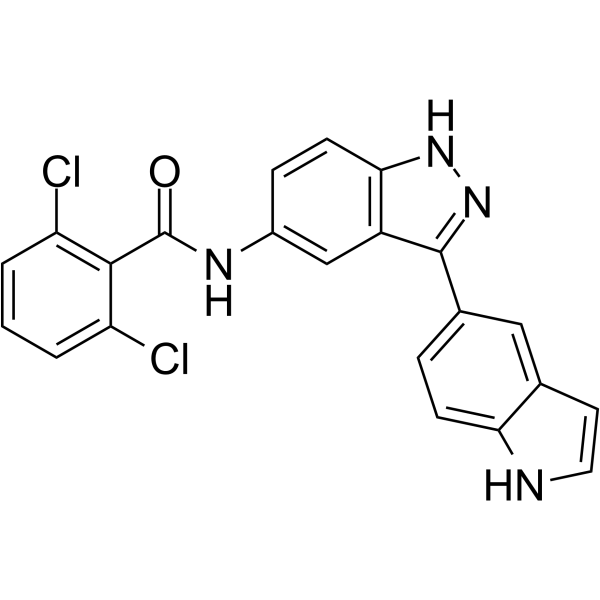
    TLR2/9 antagonist 1 (Compound 24) is a reversible covalent TLR2 (IC₅₀ = 0.5 μM (TLR2/TLR6); IC₅₀ = 0.6 μM (TLR2/TLR1)) and TLR9 (IC₅₀ = 0.32 μM) antagonist. TLR2/9 antagonist 1 has no significant effect on other TLR subtypes. TLR2/9 antagonist 1 can be used for studying central nervous system diseases and malignant tumors caused by inflammation .
    TLR2/9 antagonist 1
  • HY-183276

    Toll-like Receptor (TLR) NF-κB Inflammation/Immunology
    TLR8 antagonist-2 (Compound 35) is a selective TLR8 antagonist with an IC50 of 0.032 μM against hTLR8. TLR8 antagonist-2 potently inhibits TLR8-dependent NF-κB activity in cells stimulated with TL8-506 (HY-20457). TLR8 antagonist-2 can be used in research related to inflammatory and immune diseases .
    TLR8 antagonist-2
  • HY-181796

    Toll-like Receptor (TLR) Interleukin Related Inflammation/Immunology
    TLR7 antagonist-1 (Compound 44#) is an orally active, selective TLR7 antagonist with an IC50 value of 0.3 nM against TLR7. TLR7 antagonist-1 selectively binds to TLR7, inhibits its activation, and downregulates the c-Rel signaling pathway. TLR7 antagonist-1 downregulates the mRNA levels of proinflammatory cytokines IL-1β, IL-6, and TNF-α. TLR7 antagonist-1 alleviates Imiquimod (HY-B0180)-induced psoriasis-like skin lesions. TLR7 antagonist-1 is applicable to research related to psoriasis .
    TLR7 antagonist-1
  • HY-P10208

    Toll-like Receptor (TLR) Infection
    PKH is a TLR4 antagonist. PKH is a novel tripeptide and can be isolated from Akkermansia muciniphila. RKH reduces sepsis-induced inflammatory cell activation and proinflammatory factor overproduction .
    RKH
  • HY-150751A

    Toll-like Receptor (TLR) Inflammation/Immunology
    Biotin-labeled ODN TTAGGG (sodium), a inhibitory oligonucleotide (ODN), is a TLR9, AIM2 and cGAS antagonist. Biotin-labeled ODN TTAGGG (sodium) can be used to evaluate CpG ODN cellular uptake and localization using a biotin detection system and light microscopy.
    Biotin-labeled ODN TTAGGG sodium
  • HY-150751B

    Toll-like Receptor (TLR) Inflammation/Immunology
    FITC-labeled ODN TTAGGG (sodium), a inhibitory oligonucleotide (ODN), is a TLR9, AIM2 and cGAS antagonist. FITC-labeled ODN TTAGGG (sodium) can be used to evaluate CpG ODN cellular uptake and localization by confocal laser-scanning microscopy (excitation 495 nm, emission 520 nm) or flow cytometry.
    FITC-labeled ODN TTAGGG sodium
  • HY-18325A

    Toll-like Receptor (TLR) NF-κB Interleukin Related Inflammation/Immunology Cancer
    AN-3485 hydrochloride is a benzoxaborole analogue and an orally active antagonist of the Toll-like pathway. AN-3485 hydrochloride can inhibit TLR-mediated inflammatory cytokine secretion and has significant anti-inflammatory activity. In addition, AN-3485 hydrochloride also has certain anti-tumor activity .
    AN-3485 hydrochloride
  • HY-12756AR

    Toll-like Receptor (TLR) Stearoyl-CoA Desaturase (SCD) Metabolic Disease Inflammation/Immunology
    E6446 (dihydrochloride) (Standard) is the analytical standard of E6446 (dihydrochloride). This product is intended for research and analytical applications. E6446 dihydrochloride is a potent and orally acitve TLR7 and TLR9 antagonist, used in the research of deleterious inflammatory responses. E6446 dihydrochloride is also a potent SCD1 inhibitor (KD: 4.61 μM), significantly inhibiting adipogenic differentiation and hepatic lipogenesis through SCD1-ATF3 signaling. E6446 dihydrochloride also improves liver pathology in high-fat diet (HFD)-fed mice and may be useful in the study of non-alcoholic fatty liver disease (NAFLD) .
    E6446 dihydrochloride (Standard)
  • HY-175782

    Toll-like Receptor (TLR) NF-κB p38 MAPK Inflammation/Immunology
    SMU-R39 is a TLR7 and TLR8 antagonist with IC50 values of 3.22 μM and 0.24 μM, respectively. SMU-R39 binds to recombinant mTLR7 protein (KD = 2.36 μM) and to recombinant hTLR8 protein (KD = 105 nM). SMU-R39 suppresses downstream NF-κB and MAPK signaling, and reduces secretion/transcription of pro-inflammatory cytokines (TNF-α, IL-1β, IL-6) in PBMCs and THP-1 cells. SMU-R39 demonstrates anti-inflammatory efficacy in Imiquimod (IMQ) (HY-B0180)-induced psoriasis mouse model. SMU-R39 can be used for the study of autoimmune diseases such as psoriasis .
    SMU-R39
  • HY-181884

    Inflammation/Immunology
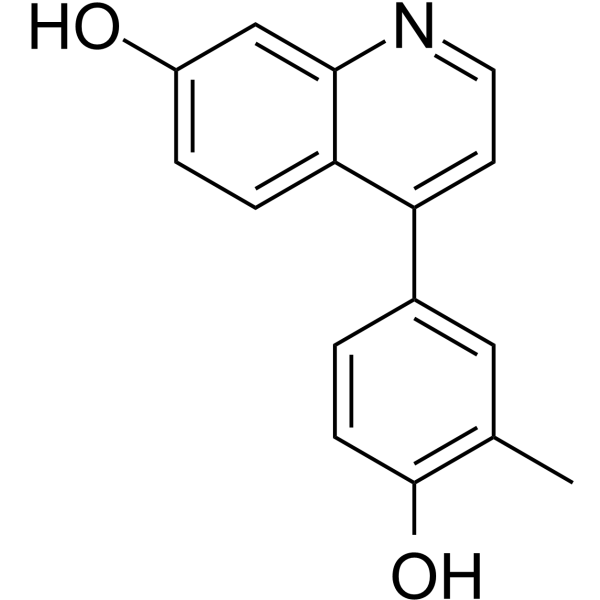
    TLR9-IN-3 is a TLR9 antagonist with an IC50 of 0.4 μM. TLR9-IN-3 shows selectivity for TLR4 and TLR8, and inhibits CD69 activation in human whole blood with a corresponding IC50 of 1.1 μM. TLR9-IN-3 can be used in research related to pulmonary fibrosis .
    TLR9-IN-3
  • HY-177623A

    CpG-c41 sodium

    Toll-like Receptor (TLR) Inflammation/Immunology
    CpG-ODN c41 sodium, an oligonucleotide, is an antagonist of TLR9.
    CpG-ODN c41 sodium
  • HY-157961

    Toll-like Receptor (TLR) Inflammation/Immunology
    E-5531 is an endotoxin antagonist. E-5531 quickly becomes inactive after binding with HDL. E-5531 can block the Toll like receptor 4 (TLR4) signaling pathway. E-5531 can be used for the study of endotoxemia and septic shock .
    E-5531
  • HY-179646

    Toll-like Receptor (TLR) NO Synthase NF-κB TNF Receptor Interleukin Related Neurological Disease
    CIAC101 is a potent and brain-penetrant TLR4 antagonist with an IC50 of 17.0 nM in NO assay. CIAC101 blocks Lipopolysaccharides (HY-D1056) (LPS)-induced NF-κB activation and reduces the expression of pro-inflammatory mediators (iNOS, IL-1β, TNF-α, and IL-6). CIAC101 robust antineuroinflammatory activity with efficacy against drug-evoked neurobehavioral adaptations. CIAC101 can be used for the research of addiction and neurological disease .
    CIAC101
  • HY-160938

    β-FNA

    Opioid Receptor STAT NF-κB Toll-like Receptor (TLR) NO Synthase p38 MAPK Cardiovascular Disease Neurological Disease
    β-Funaltrexamine (β-FNA) is a blood-brain barrier-permeable, selective and irreversible μ-opioid receptor antagonist with immunomodulatory, anti-inflammatory and neuroprotective activities. β-Funaltrexamine inhibits p38 MAPK and TLR4 signaling by blocking μ-opioid receptors, and reduces the transcriptional activities of NF-κB, AP-1, CREB and Stat. Furthermore, β-Funaltrexamine inhibits iNOS activation and pro-inflammatory microglial polarization, converting microglia to an anti-inflammatory phenotype, thereby downregulating neuroinflammation and ameliorating neuronal degeneration. β-Funaltrexamine is widely applicable to research related to stroke, cerebral ischemia/reperfusion injury and neurodegenerative diseases .
    β-Funaltrexamine
  • HY-N19801

    Toll-like Receptor (TLR) NF-κB Interleukin Related TNF Receptor Neurological Disease Inflammation/Immunology
    N-Palmitoyl-D-glucosamine is an orally active TLR4 antagonist. N-Palmitoyl-D-glucosamine stably binds MD-2 with, preventing LPS-induced NF-κB signaling, decreases pro-inflammatory cytokines (IL-1β, TNF-α, and IL-6), increases anti-inflammatory IL-10 and IL-1rα, and normalizes miR-20a-5p, miR-106a-5p, and miR-27a-3p levels. N-Palmitoyl-D-glucosamine decreases allodynia and prevents myelino-axonal degeneration of peripheral nerves. N-Palmitoyl-D-glucosamine can be used for the researches of keratitis and peripheral neuropathy .
    N-Palmitoyl-D-glucosamine

Inquiry Online

Your information is safe with us. * Required Fields.

Salutation


Country or Region *

Applicant Name *


Organization Name *

Department *


Email Address *


Product Name *

Cat. No.


Requested quantity *

Phone Number *


Remarks

Inquiry Online

Inquiry Information

Product Name:
Cat. No.:
Quantity:
MCE Japan Authorized Agent:

