1. Search Result
Search Result
Isoforms Recommended: TRPM8
Results for "

TRPM8

" in MedChemExpress (MCE) Product Catalog:

61

Inhibitors & Agonists

1

Biochemical Assay Reagents

11

Natural
Products

4

Isotope-Labeled Compounds

2

Antibodies

4

Oligonucleotides

Cat. No. 상품명 Target 연구분야 Chemical Structure
  • HY-75161
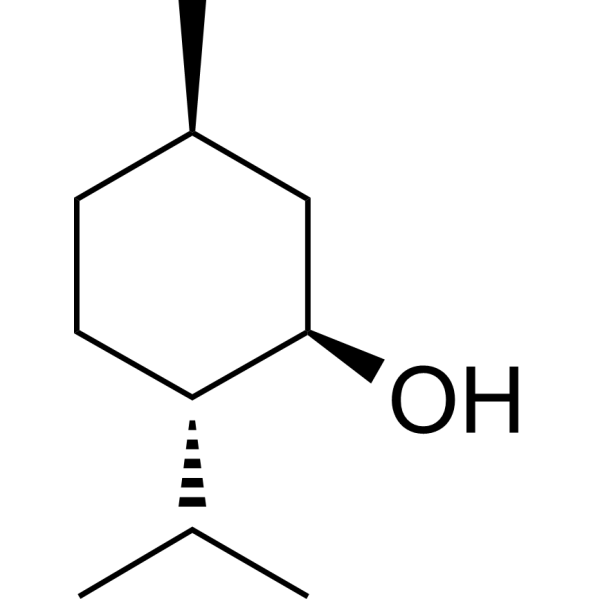
    (-)-Menthol
    4 Publications Verification

    Environmental Pollutants Endogenous Metabolite TRP Channel Cancer
    (-)-Menthol is a key component of peppermint oil that binds and activates transient receptor potential melastatin 8 (TRPM8), a Ca 2+-permeable nonselective cation channel, to increase [Ca 2+]i . Antitumor activity .
    (-)-Menthol
  • HY-11062
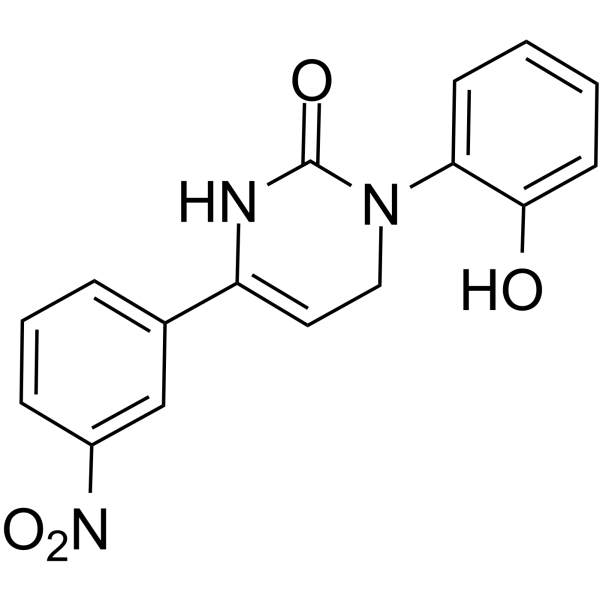
    Icilin
    1 Publications Verification

    AG-3-5

    TRP Channel Neurological Disease Inflammation/Immunology
    Icilin (AG-3-5) is a super-agonist of the transient receptor potential M8 (TRPM8) ion channel. Icilin activates TRPM8 in EGTA in a dose-dependent manner (EC50=1.4 μM). Icilin is a "super-cooling agent" . Icilin attenuates autoimmune neuroinflammation through modulation of the T-cell response .
    Icilin
  • HY-108449
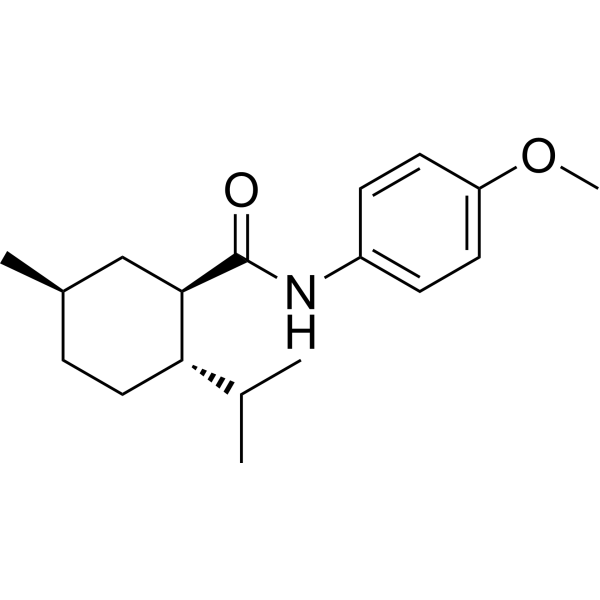
    Acoltremon
    2 Publications Verification

    WS-12; AR-15512; AVX-012

    TRP Channel Neurological Disease
    Acoltremon (WS-12; AR-15512) is a potent and selective TRPM8 agonist, the menthol derivative, as a cooling agent. Acoltremon shows analgesic effect, and can be used in chronic neuropathic pain research .
    Acoltremon
  • HY-B0985
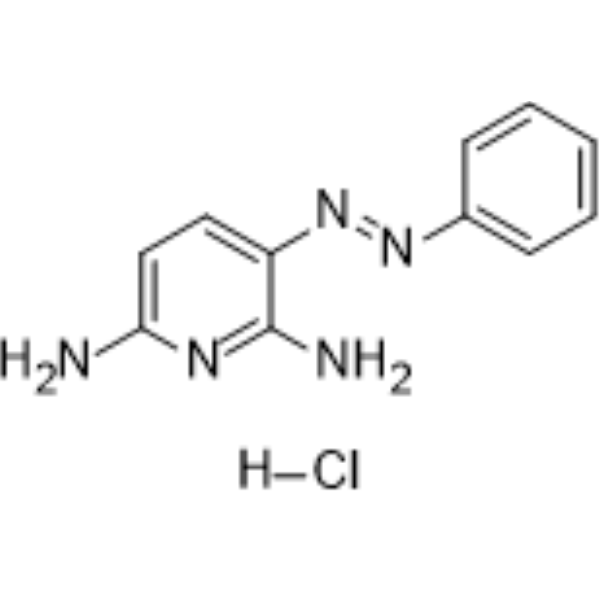
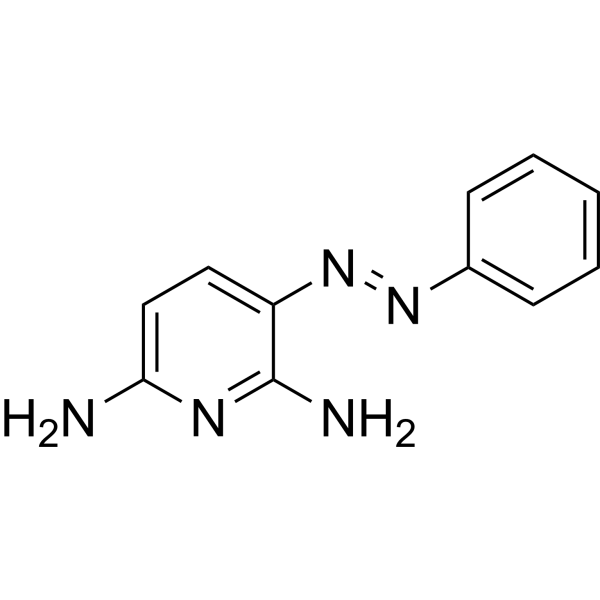
    Phenazopyridine hydrochloride
    2 Publications Verification

    TRP Channel Neurological Disease
    Phenazopyridine hydrochlorideis a competitive SARM1 inhibitor, with IC50 145 μM. Phenazopyridine hydrochlorideis a TRPM8 antagonist. Phenazopyridine hydrochloride has a local anesthetic/analgesic effect. Phenazopyridine hydrochlorideis used to relieve painful symptoms of conditions such as cystitis and urethritis. Phenazopyridine hydrochloridecan promote neuronal differentiation and can also be used in the study of traumatic brain injury, peripheral neuropathy and neurodegenerative diseases .
    Phenazopyridine hydrochloride
  • HY-W014325

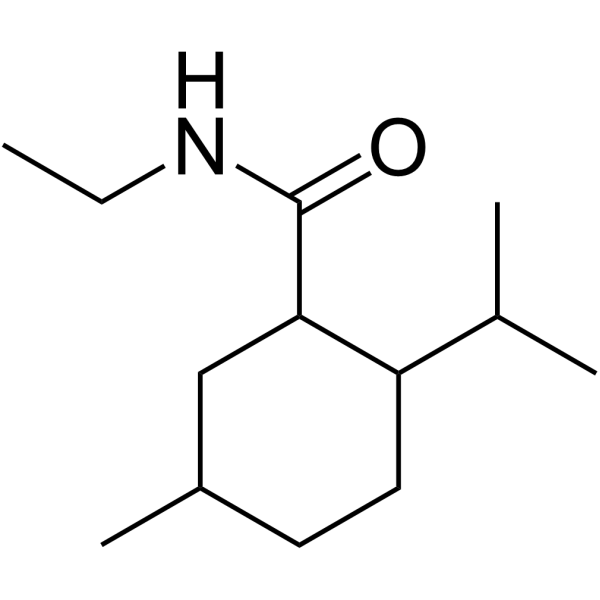
    Framidice 3

    TRP Channel Endogenous Metabolite Neurological Disease Metabolic Disease Cancer
    TRPM8 agonist WS-3 is an specific agonist of TRPM8 with an EC50 of 3.7 μM. TRPM8 agonist WS-3 inhibits epileptic seizures through a TRPM8 dependent mechanism. TRPM8 agonist WS-3 can be used for research on epilepsy and other conditions .
    TRPM8 agonist WS-3
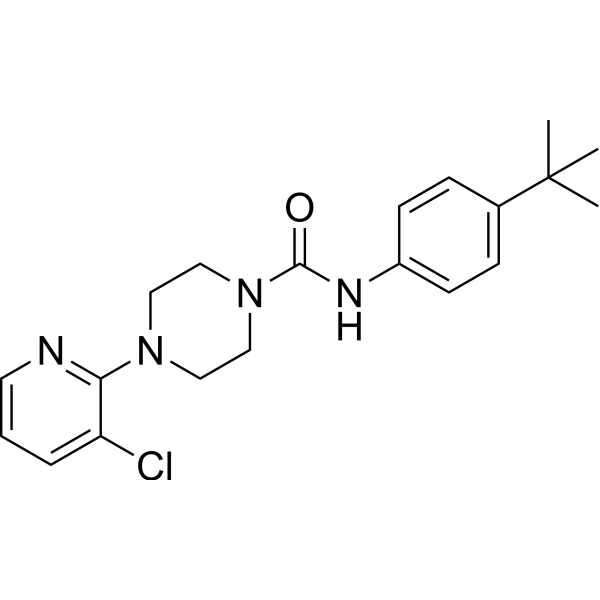
  • HY-19960
    BCTC
    5 Publications Verification

    TRP Channel Insulin Receptor CGRP Receptor Neurological Disease Metabolic Disease Cancer
    BCTC is an orally active current inhibitor of vanilloid receptor type 1 (VR1). BCTC is a transient receptor potential cation channel subfamily M member 8 (TRPM8) and transient receptor potential vanilloid 1 (TRPV1) antagonist. BCTC is an insulin sensitizer and secretor. BCTC has anticancer and analgesic effects .
    BCTC
  • HY-101507
    Zerencotrep
    Maximum Cited Publications
    13 Publications Verification

    Pico145; HC-608

    TRP Channel Cancer
    Pico145 (HC-608) is a remarkable inhibitor of TRPC1/4/5 channels, inhibits (-)-englerin A-activated TRPC4/TRPC5 channels, with IC50s of 0.349 and 1.3 nM in cells, and shows no effect on TRPC3, TRPC6, TRPV1, TRPV4, TRPA1, TRPM2, TRPM8 .
    Zerencotrep
  • HY-18662
    RQ-00203078
    5+ Cited Publications

    TRP Channel Neurological Disease Cancer
    RQ-00203078 is a highly selective, potent and orally active TRPM8 antagonist with IC50s of 5.3 nM and 8.3 nM for rat and human TRPM8 channels, respectively. RQ-00203078 shows little inhibitory action against TRPV1, TRPA1, TRPV4, or TRPM2 channels .
    RQ-00203078
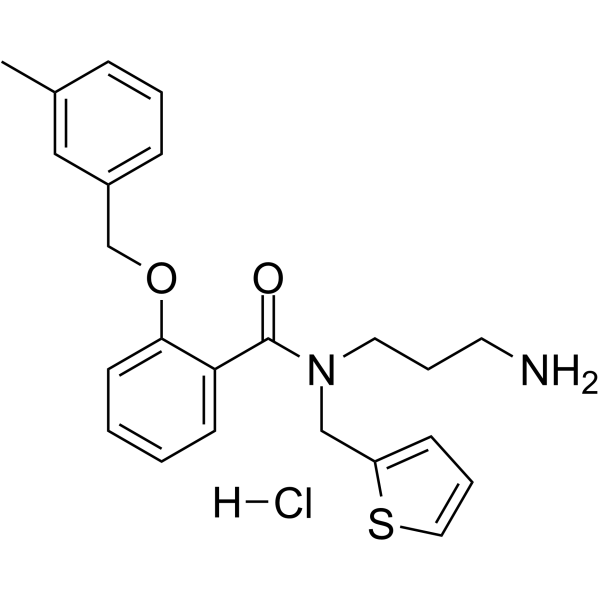
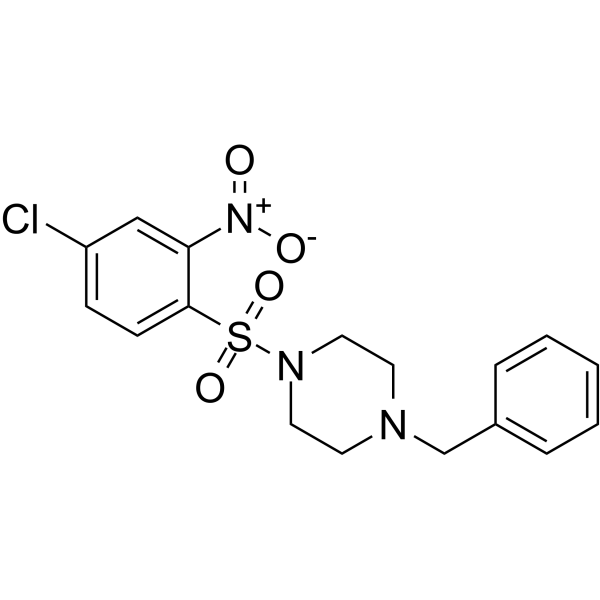
  • HY-112430
    TRPM8 antagonist 2
    1 Publications Verification

    TRP Channel Neurological Disease
    TRPM8 antagonist 2 is a potent and selective TRPM8 antagonist, with an IC50 of 0.2 nM, used in the research of neuropathic pain syndromes.
    TRPM8 antagonist 2
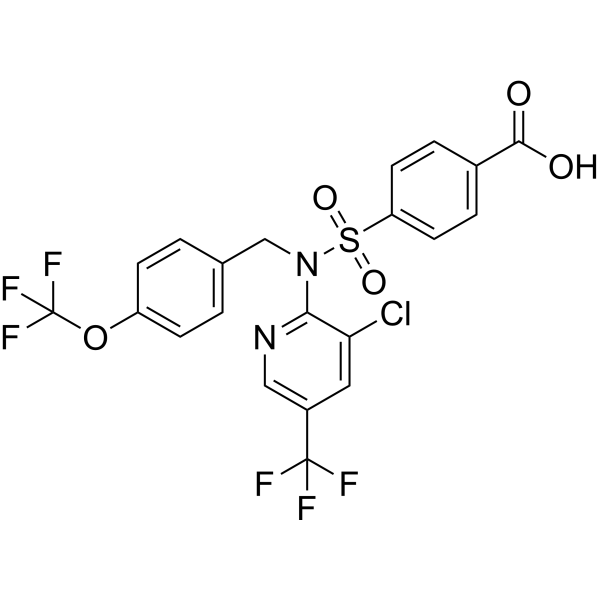
  • HY-165559

    TRP Channel Inflammation/Immunology
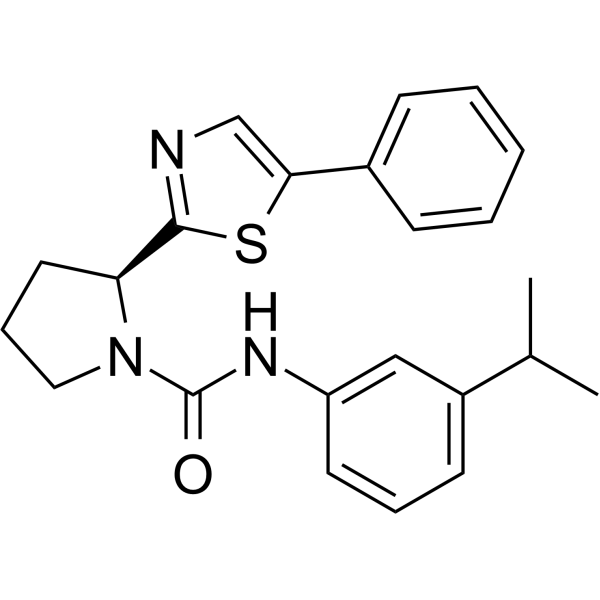
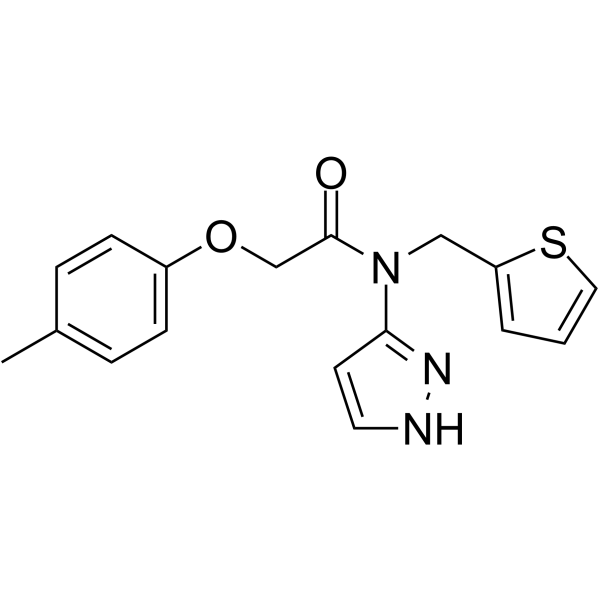
    Trpvicin is a potent and subtype-selective TRPV3 inhibitor with IC50s of 0.41 and 0.22 μM for hTRPV3-WT and hTRPV3-G573S mutant, respectively. Trpvicin exhibits minimal effects on other TRP family members (such as TRPV1/2/4/5/6, TRPA1 and TRPM8). Trpvicin inhibits the TRPV3 channel by stabilizing it in a closed state via VSLD-PD binding. Trpvicin accesses additional binding sites inside the central cavity of the G573S mutant to remodel symmetry and block the channel. Trpvicin inhibits itch and hair loss in mouse models. Trpvicin can be used for study of inflammation and immunology .
    Trpvicin
  • HY-100345
    AMTB hydrochloride
    2 Publications Verification

    TRP Channel Neurological Disease Cancer
    AMTB hydrochloride is a selective TRPM8 channel blocker. AMTB hydrochloride inhibits icilin-induced TRPM8 channel activation with a pIC50 of 6.23. AMTB hydrochloride can be used for the research of the overactive bladder and painful bladder syndrome. AMTB hydrochloride is a non-selective inhibitor of voltage-gated sodium channels (NaV) .
    AMTB hydrochloride
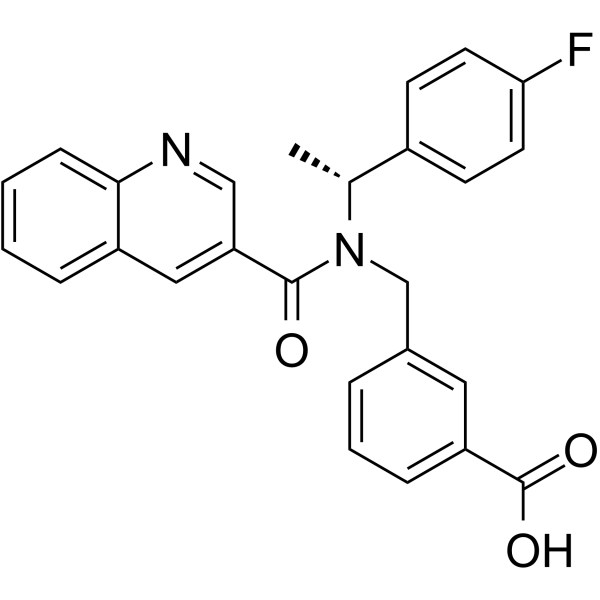
  • HY-115506

    TRP Channel Neurological Disease
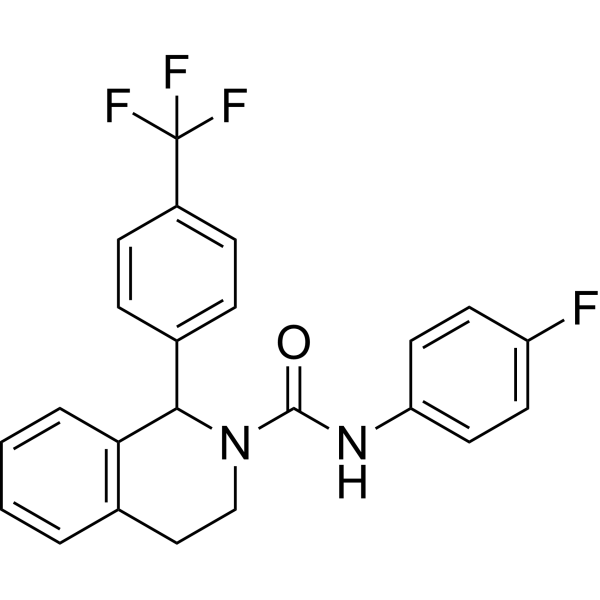
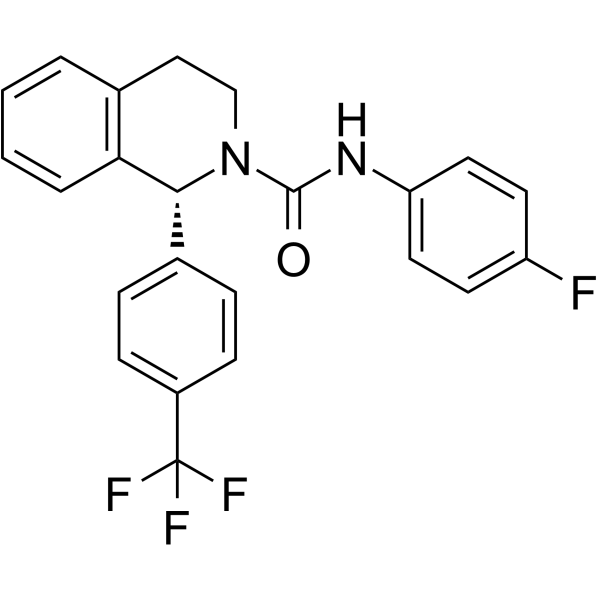
    PF-05105679, a chemical probe, is an orally active and selective TRPM8 antagonist with an IC50 of 103 nM. PF-05105679 has the potential for cold-related pain .
    PF-05105679
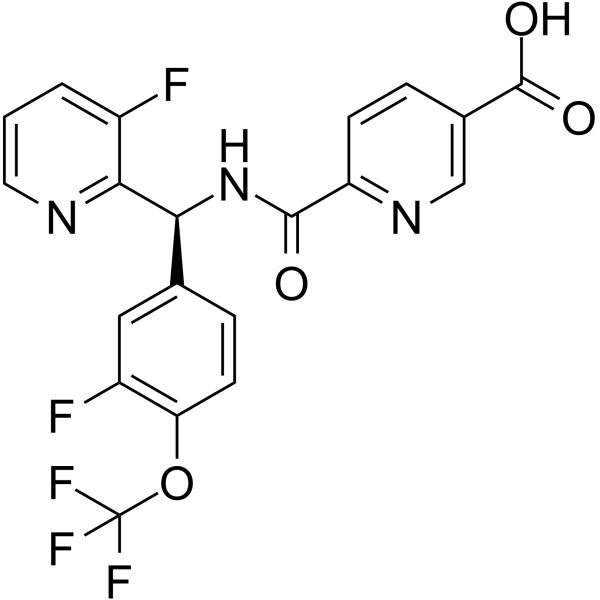
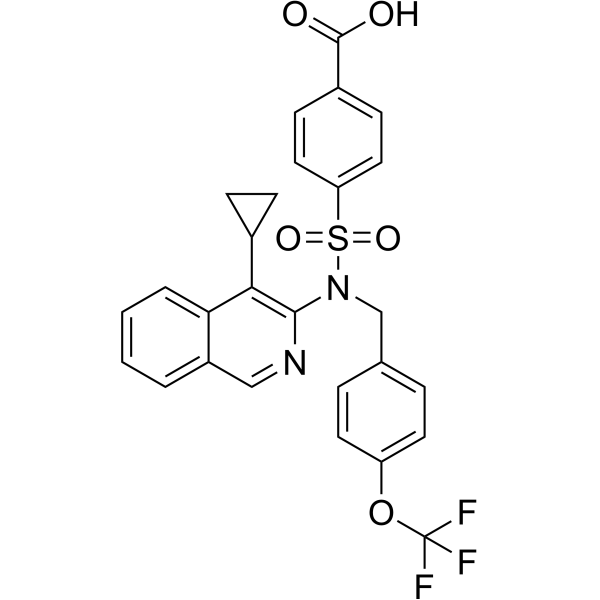
  • HY-112703

    TRP Channel Cardiovascular Disease Neurological Disease
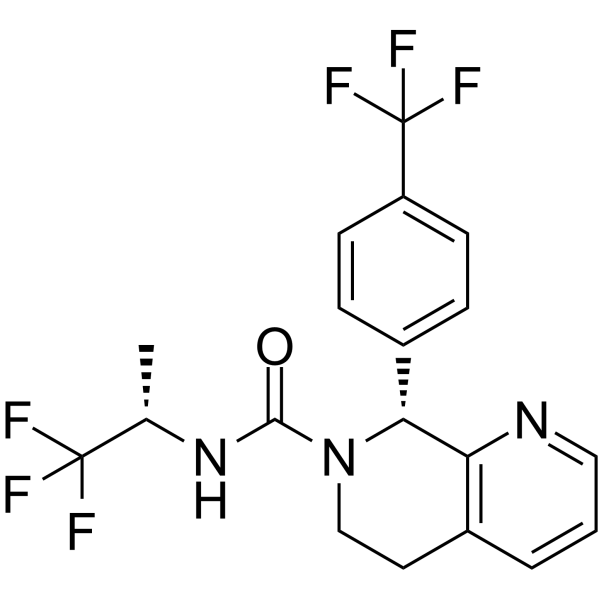
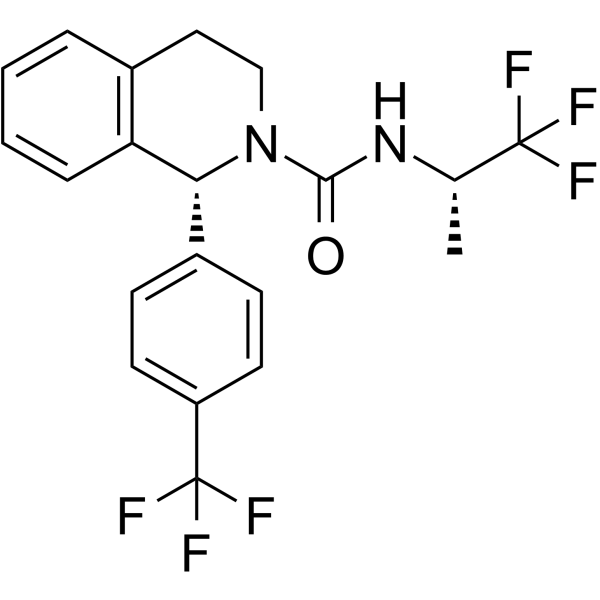
    AMG 333 is an orally active and highly selective TRPM8 antagonist with an IC50 of 13 nM.
    AMG 333
  • HY-N8264
    Moringin
    1 Publications Verification

    TRP Channel Neurological Disease Inflammation/Immunology Cancer
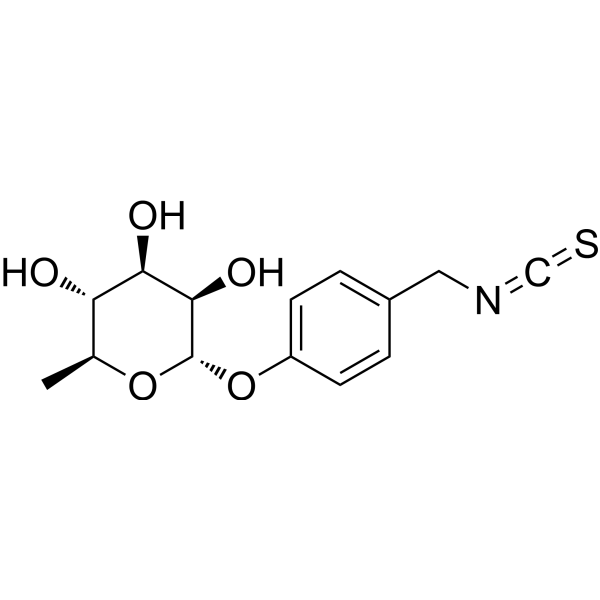
    Moringin is a potent and selective TRPA1 ion channel natural agonist with an EC50 of 3.14 μM. Moringin does not activate or activates very weakly the vanilloids somatosensory channels TRPV1, TRPV2, TRPV3 and TRPV4, and the melastatin cooling receptor TRPM8. Moringin has hypoglycemic, antimicrobial, anti-inflammatory, anticancer and neuroprotection activities .
    Moringin
  • HY-110181
    M8-B
    1 Publications Verification

    TRP Channel Metabolic Disease
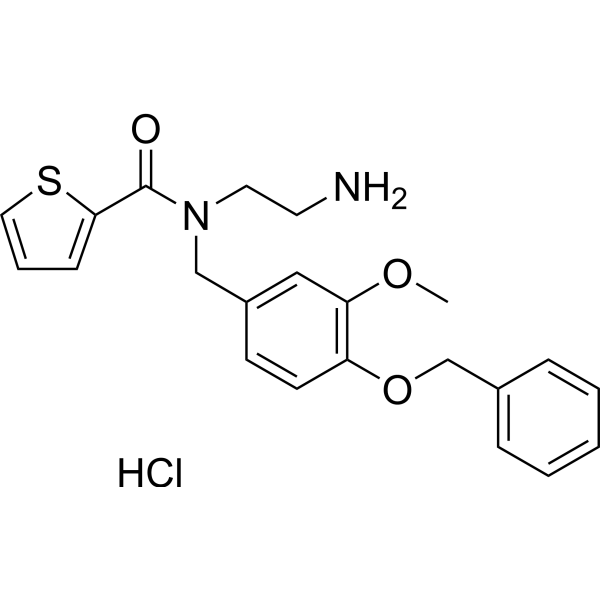
    M8-B is a potent transient receptor potential melastatin-8 (TRPM8) antagonist. M8-B blocks cold-induced and TRPM8-agonist-induced activation TRPM8 channels. M8-B decreases deep body temperature (Tb) .
    M8-B
  • HY-N7144A

    Environmental Pollutants PKC TRP Channel PKA Neurological Disease
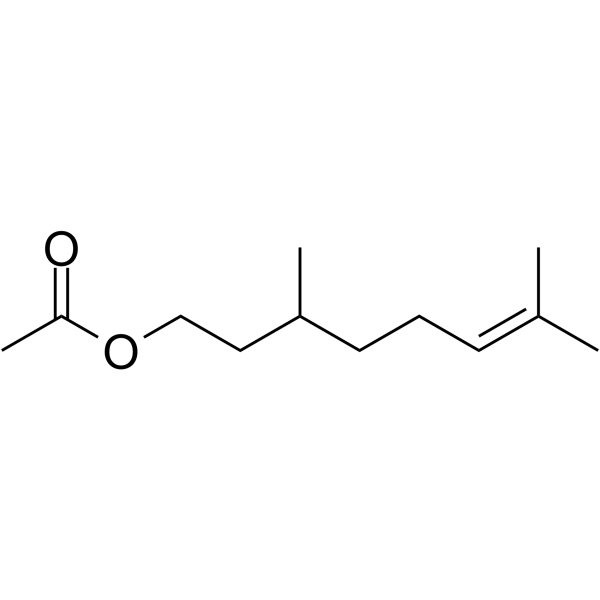
    Citronellyl acetate, a monoterpene product of the secondary metabolism of plants, is an orally active antinociceptive agent. Citronellyl acetate modulates TRPV1, TRPM8, ASIC, glutamate receptors, PKC, and PKA-mediated nociception. Citronellyl acetate can be used for the research of acute pain .
    Citronellyl acetate
  • HY-145124

    TRP Channel Others
    TRPM8 antagonist 3 is a novel TRPM8 blocker with an IC50 value of 11 nM.
    TRPM8 antagonist 3
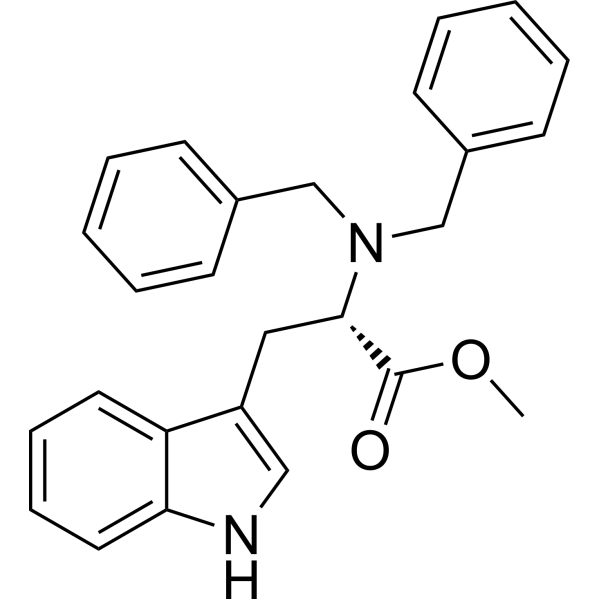
  • HY-109087

    MT-8554

    TRP Channel Cardiovascular Disease Neurological Disease
    Elismetrep (MT-8554) is a TRPM8 antagonist. Elismetrep reduces the frequency of vasomotor symptoms. Elismetrep can be used for study of pain .
    Elismetrep
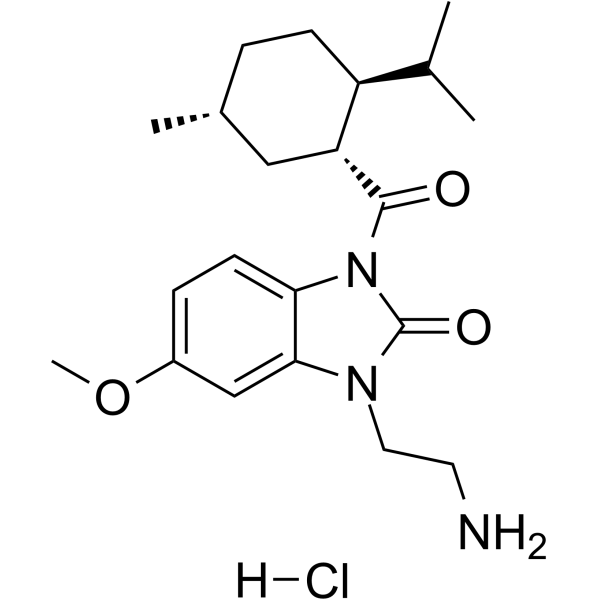
  • HY-16162A
    D-3263 hydrochloride
    1 Publications Verification

    TRP Channel Cancer
    D-3263 hydrochloride is an enteric-coated, orally bioavailable (transient receptor potential melastatin member 8) TRPM8 agonist.
    D-3263 hydrochloride
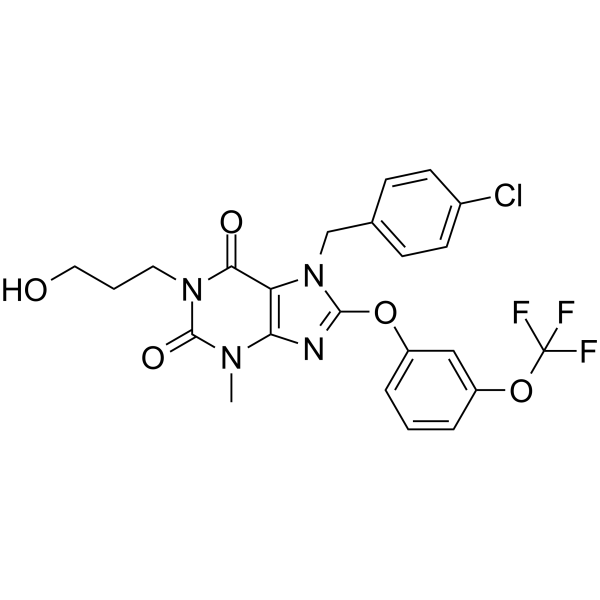
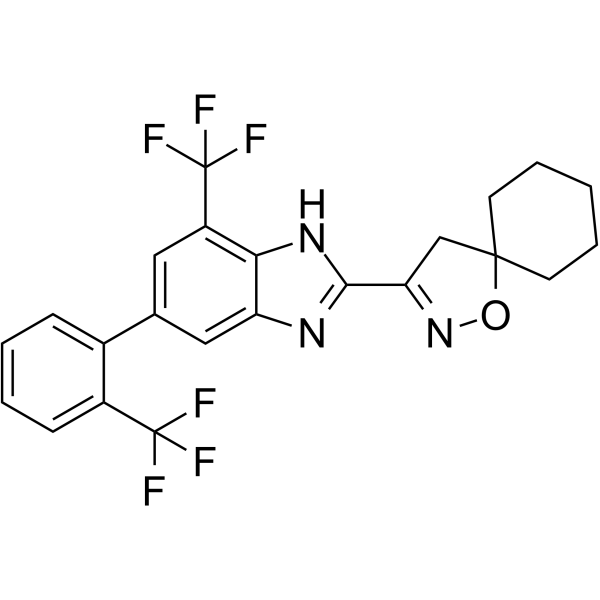
  • HY-110199

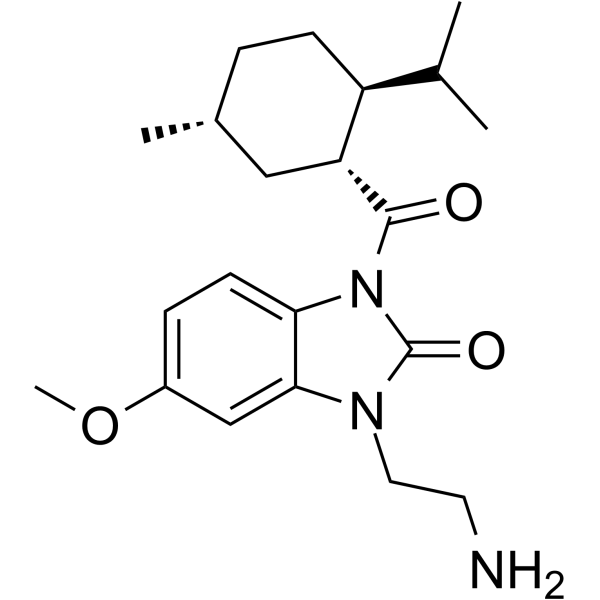
    TRP Channel Neurological Disease
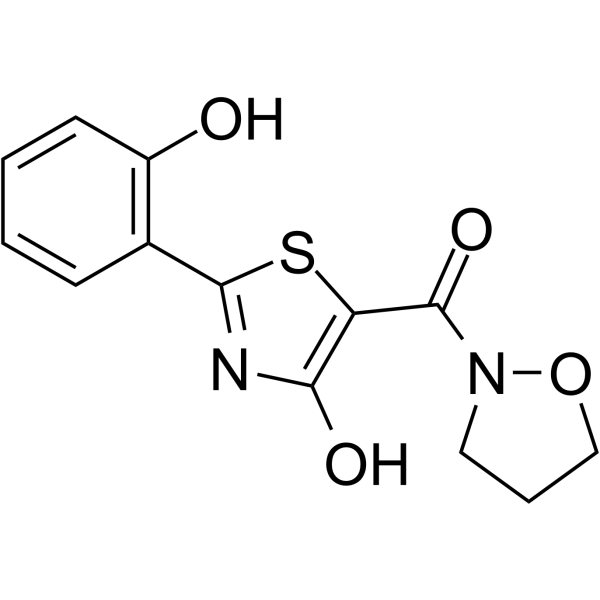
    TC-I 2014 (compound 5) is a potent and orally active Benzimidazole-containing transient receptor potential melastatin 8 (TRPM8) antagonist, with IC50 values of 0.8 nM, 3.0 nM and 4.4 nM for canine, human and rat channels respectively. TC-I 2014 exhibits antiallodynic properties in pain models .
    TC-I 2014
  • HY-19976
    RN-1747
    5 Publications Verification

    TRP Channel Cardiovascular Disease Metabolic Disease
    RN-1747 is a selective TRPV4 channel agonist, with EC50 values of 0.77 μM, 4.0 μM and 4.1 μM for hTRPV4, mTRPV4 and rTRPV4, respectively. RN-1747 acts as an antagonist of TRPM8, with an IC50 of 4 μM. Topical cutaneous administration of RN-1747 induces hypothermia, increases tail heat loss via cutaneous vasodilation, and promotes cold-seeking behavior in rats. Intracerebroventricular administration of RN-1747 does not induce hypothermia in rats .
    RN-1747
  • HY-N7117

    Environmental Pollutants TRP Channel Neurological Disease
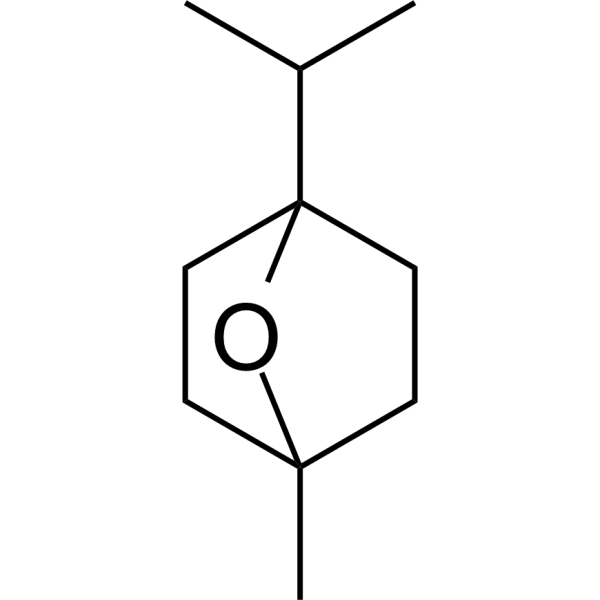
    1,4-Cineole is an oxygenated monoterpene found in eucalyptus oil. 1,4-Cineole is a hTRPM8 and hTRPA1 agonist. 1,4-Cineole can increase intracellular Ca 2+ concentration. 1,4-Cineole exhibits anti-anxiety and anti-depression effects. 1,4-Cineole can be used for the research of neurological disease, such as depression .
    1,4-Cineole
  • HY-B1173
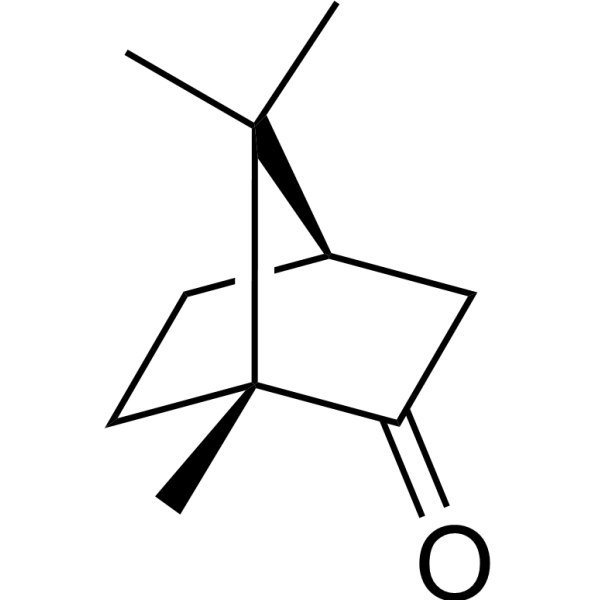
    (+)-Camphor
    1 Publications Verification

    D-(+)-Camphor; (1R)-(+)-Camphor

    Environmental Pollutants Bacterial Neurological Disease Inflammation/Immunology Cancer
    (+)-Camphor (D-(+)-Camphor; (1R)-(+)-Camphor) is an isomer of Camphor. Camphor is an agonist of monoterpenoid transient receptor potential (TRP) channels (such as TRPV1, TRPV3, TRPM8) and an inhibitor of TRPA1 channels. Camphor's derivatives have multiple biological activities, including antibacterial, antiviral, antioxidant, analgesic and anticancer. Camphor can selectively activate cold-sensitive TRP channels and inhibit TRPA1-mediated nociceptive signals. Camphor stimulates the cold-sensing nerve endings in the skin and regulates the activity of ion channels to exert analgesic, anti-inflammatory and anti-itching effects. It also has anti-proliferative and anti-mutagenic activities on tumor cells, which may be related to inhibiting ribosome function or inducing cell apoptosis. Camphor can be absorbed through the skin and (+)-Camphor can be used in the study of muscle and joint pain and inflammation .
    (+)-Camphor
  • HY-108461

    TRP Channel Neurological Disease
    TRPM8-IN-1 (example 14) is an inhibitor of transient receptor potential melastatin-8 (TRPM8) channels, IC50<5 μM .
    TRPM8-IN-1
  • HY-104059
    AMG2850
    1 Publications Verification

    TRP Channel Inflammation/Immunology
    AMG2850 is a potent, orally bioavailable and selective transient receptor potential melastatin 8 (TRPM8) antagonist .
    AMG2850
  • HY-126593

    TRP Channel Others
    Cryosim-3 is a selective TRPM8 receptor agonist. Cryosim-3 increases tear secretion and relieves ocular discomfort in animal models .
    Cryosim-3
  • HY-177763

    TRP Channel Neurological Disease
    TRPM8 receptor agonist-1 (Example 81) is a TRPM8 receptor agonist. TRPM8 receptor agonist-1 can trigger the inward flow of calcium, sodium and other ions within the cell, causing the cell membrane to depolarize and triggering an action potential. TRPM8 receptor agonist-1 can activate signals related to the swallowing reflex and can be used for the research of oropharyngeal dysphagia .
    TRPM8 receptor agonist-1
  • HY-75161R

    Reference Standards TRP Channel Endogenous Metabolite Cancer
    (-)-Menthol (Standard) is the analytical standard of (-)-Menthol. This product is intended for research and analytical applications. (-)-Menthol is a key component of peppermint oil that binds and activates transient receptor potential melastatin 8 (TRPM8), a Ca2+-permeable nonselective cation channel, to increase [Ca2+]i . Antitumor activity .
    (-)-Menthol (Standard)
  • HY-B0985A
    Phenazopyridine
    2 Publications Verification

    TRP Channel Neurological Disease
    Phenazopyridine is a competitive SARM1 inhibitor, with IC50 145 μM. Phenazopyridine is a TRPM8 antagonist. Phenazopyridine has a local anesthetic/analgesic effect. Phenazopyridine is used to relieve painful symptoms of conditions such as cystitis and urethritis. Phenazopyridine can promote neuronal differentiation and can also be used in the study of traumatic brain injury, peripheral neuropathy and neurodegenerative diseases .
    Phenazopyridine
  • HY-160900
    RN-1665
    1 Publications Verification

    TRP Channel Others
    RN-1665 is an orally active TRPV4 antagonist that exhibits excellent selectivity for related TRP receptors such as TRPV1, TRPV3 and TRPM8. RN-1665 is a TRPV4 probe for focus screens, with IC50s of 0.26 μM and 0.39 μM for hTRPV4 and rTRPV4 from human and rat, respectively .
    RN-1665
  • HY-144372

    TRP Channel Neurological Disease
    TRPV1 antagonist 3 (Compound 7q) is a potent TRPV1 antagonist with an IC50 of 2.66 nM against capsaicin. TRPV1 antagonist 3 is mode-selective, oral bioavailable (F = 60%) and CNS-penetrant .
    TRPV1 antagonist 3
  • HY-W014394

    TRP Channel Parasite Infection Cardiovascular Disease
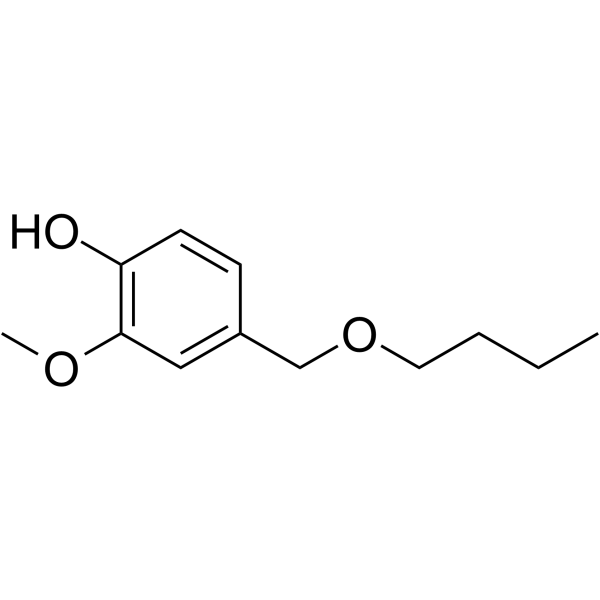
    Vanillyl butyl ether is a major contributor to the characteristic flavor and fragrance of vanilla. Vanillyl butyl ether is one of the eco-friendly and nontoxic substances. Vanillyl butyl ether exhibits mutually inhibitory effects on mammalian TRPV1 and TRPM8 channels. Vanillyl butyl ether shows repellency activity against Tribolium castaneum, T. confusum and L. bostrychophila. Vanillyl butyl ether acts as a mild warming agent, providing a warming sensation and enhancing blood circulation .
    Vanillyl butyl ether
  • HY-126941

    ERK MMP Reactive Oxygen Species (ROS) NF-κB p38 MAPK NOD-like Receptor (NLR) TRP Channel TNF Receptor Interleukin Related Infection Neurological Disease Inflammation/Immunology Endocrinology
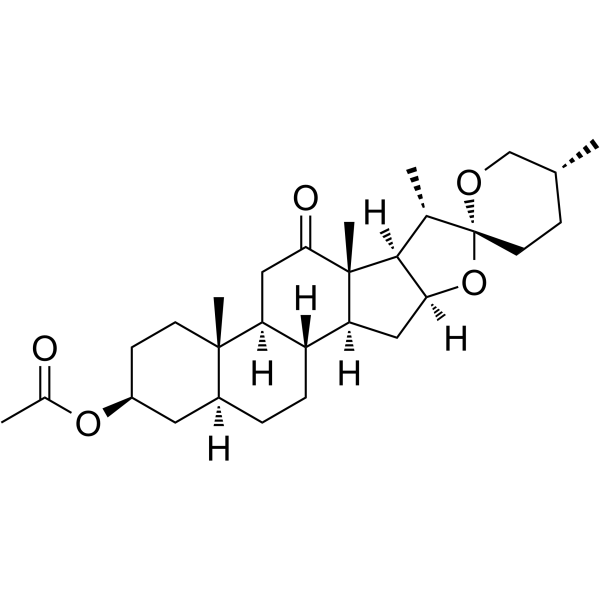
    Hecogenin acetate is an orally active steroid saponin aglycone with extensive biological activities. Hecogenin acetate inhibits the phosphorylation of NF-κB and p38 MAPK signaling pathways, antagonizes TRPA1/TRPM8 channels, inhibits the production of pro-inflammatory cytokines, and has anti-inflammatory and analgesic effects. Hecogenin acetate inhibits the production of ROS and the activation of NLRP3 inflammasome; downregulates the expression of MMP-2, and has neuroprotective and anti-tumor activities. Hecogenin acetate enhances gastric mucosal defense and promotes ulcer healing. Hecogenin acetate can be used in combination with certain antibiotics to regulate bacterial efflux pumps and restore antibiotic sensitivity .
    Hecogenin acetate
  • HY-174846

    Cannabinoid Receptor TRP Channel Drug Intermediate Neurological Disease Inflammation/Immunology
    TRPM8 antagonist 4 prodrug (Compound 8b) is an orally active CB2R agonist (EC50: 51.2 nM) and a weak TRPM8 antagonist. TRPM8 antagonist 4 prodrug is a prodrug of TRPM8 antagonist 4 (HY-174825). TRPM8 antagonist 4 prodrug exhibits anti-inflammatory and analgesic activities and can be used in the research of inflammation-related pain disorders .
    TRPM8 antagonist 4 prodrug
  • HY-174825

    TRP Channel Cannabinoid Receptor Interleukin Related TNF Receptor Inflammation/Immunology
    TRPM8 antagonist 4 is a CB2R partial agonist (EC50=54.2 nM, Ki=3.2 μM) and TRPM8 antagonists (IC50=42.3 nM) with high functional selectivity and good physicochemical properties. TRPM8 antagonist 4 has significant anti-inflammatory and analgesic effects and good safety, reduces the mRNA expression of TNF-α, IL-6, and IL-1β .
    TRPM8 antagonist 4
  • HY-N7536

    TRP Channel Others
    Voacangine is an antagonist for TRPV1 and TRPM8 but as an agonist for TRPA1 (EC50=8 μM). Voacangine competitively blockes capsaicin binding to TRPV1 (IC50=50 μM). Voacangine competitively inhibits the binding of menthol to TRPM8 (IC50=9 μM) and it shows noncompetitive inhibition against icilin (IC50=7 μM). Voacangine selectively abrogates chemical agonist-induced TRPM8 activation and did not affect cold-induced activation. Voacangine is an alkaloid isolated from the root bark of Voacanga africana .
    Voacangine
  • HY-W014325R

    Framidice 3 (Standard)

    Reference Standards TRP Channel Endogenous Metabolite Neurological Disease Metabolic Disease Cancer
    TRPM8 agonist WS-3 (Standard) is the analytical standard of TRPM8 agonist WS-3. This product is intended for research and analytical applications. TRPM8 agonist WS-3 is an specific agonist of TRPM8 with an EC50 of 3.7 μM. TRPM8 agonist WS-3 inhibits epileptic seizures through a TRPM8 dependent mechanism. TRPM8 agonist WS-3 can be used for research on epilepsy and other conditions .
    TRPM8 agonist WS-3 (Standard)
  • HY-130074

    TRP Channel Neurological Disease
    FEMA 4809 is a TRPM8 receptor agonist (EC50=0.2 nM) for use as a cooling agent. TRPM8 is the ion channel responsible for the cool perception .
    FEMA 4809
  • HY-RS15118

    Small Interfering RNA (siRNA) Others

    TRPM8 Human Pre-designed siRNA Set A contains three designed siRNAs for TRPM8 gene (Human), as well as a negative control, a positive control, and a FAM-labeled negative control.

    TRPM8 Human Pre-designed siRNA Set A
    TRPM8 Human Pre-designed siRNA Set A
  • HY-108449S

    WS-12-d3; AR-15512-d3; AVX-012-d3

    Isotope-Labeled Compounds TRP Channel Neurological Disease
    Acoltremon-d3 (WS-12-d3) is the deuterium labeled Acoltremon (HY-108449). Acoltremon is a potent and selective TRPM8 agonist, the menthol derivative, as a cooling agent. Acoltremon shows analgesic effect, and can be used in chronic neuropathic pain research .
    Acoltremon-d3
  • HY-RS16771

    Small Interfering RNA (siRNA) Others

    Trpm8 Mouse Pre-designed siRNA Set A contains three designed siRNAs for Trpm8 gene (Mouse), as well as a negative control, a positive control, and a FAM-labeled negative control.

    Trpm8 Mouse Pre-designed siRNA Set A
    Trpm8 Mouse Pre-designed siRNA Set A
  • HY-RS23211

    Small Interfering RNA (siRNA) Others

    Trpm8 Rat Pre-designed siRNA Set A contains three designed siRNAs for Trpm8 gene (Rat), as well as a negative control, a positive control, and a FAM-labeled negative control.

    Trpm8 Rat Pre-designed siRNA Set A
    Trpm8 Rat Pre-designed siRNA Set A
  • HY-N1369S1

    Calcium Channel Isotope-Labeled Compounds Neurological Disease
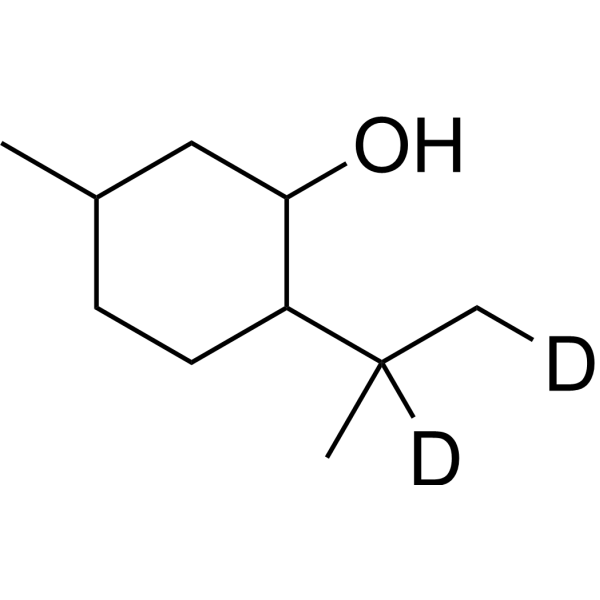
    Menthol-d2 is deuterated labeled Menthol (HY-N1369). Menthol is an analgesic and TRPM8 modulator. TRPM8 is a cold temperature sensing ion channel, and Menthol can regulate TRPM8 to exert analgesic and anti-irritation mechanisms. Menthol stimulates cold receptors and produces a cooling sensation by inhibiting Ca++ currents in neuronal cell membranes .
    Menthol-d2
  • HY-104061

    TRP Channel Others
    AMG8788 is a potent, selective, orally active antagonist of TRPM8 with an IC50 of 63.2 nM .
    AMG8788
  • HY-117372

    TRP Channel Metabolic Disease
    DFL23448 is a selective transient receptor potential melastatin-8 (TRPM8) antagonist. DFL23448 shows IC50 values of 10 and 21 nM in hTRPM8 human embryonic kidney 293 cells activated by Cooling Agent 10 or cold. DFL23448 has limited activity (IC50 >10 μM) at transient receptor potential vanilloids TRPV1, TRPA1, or TRPV4 or at various G protein-coupled receptors. DFL23448 can modify bladder function and reduce bladder overactivity in awake rats .
    DFL23448
  • HY-178393

    TRP Channel Neurological Disease Metabolic Disease
    TRPM2-IN-2 is a potent and selective TRPM2 inhibitor (IC50 = 0.66 μM) with minimal activity against TRPM8 and TRPV1 (IC50 >10 μM). TRPM2-IN-2 exhibits robust neuroprotective effects in both in vitro oxygen-glucose deprivation/reperfusion (OGD/R) model and in vivo transient middle cerebral artery occlusion (tMCAO) mouse model. TRPM2-IN-2 can be used for ischemic stroke research .
    TRPM2-IN-2
  • HY-178236

    TRP Channel Metabolic Disease
    TRPM5 agonist-1 is an orally active TRPM5 agonist with a pEC50 of 8.1. TRPM5 agonist-1 shows excellent selectivity (> 100-fold) versus related cation channels (TRPM8, TRPV1, TRPV4, TRPA1, TRPM4). TRPM5 agonist-1 exhibits locally acting stimulatory effect on gastrointestinal transit in mice. TRPM5 agonist-1 can be used for research on promoting gastric motility .
    TRPM5 agonist-1
  • HY-N9484S

    Drug Metabolite Isotope-Labeled Compounds Others
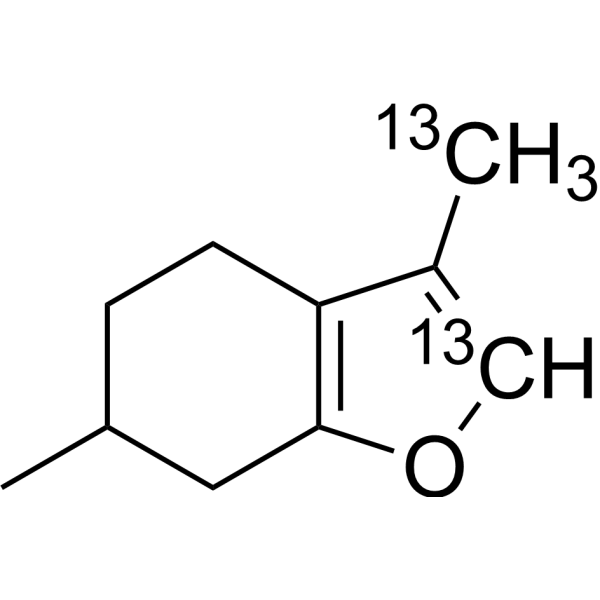
    Menthofuran- 13C2 is 13C labeled Menthol (HY-N1369). Menthol is an analgesic and TRPM8 modulator. TRPM8 is a cold temperature sensing ion channel, and Menthol can regulate TRPM8 to exert analgesic and anti-irritation mechanisms. Menthol stimulates cold receptors and produces a cooling sensation by inhibiting Ca ++ currents in neuronal cell membranes. Menthol also improves oral nicotine rejection in mice .
    Menthofuran-13C2
  • HY-B1173R

    D-(+)-Camphor (Standard); (1R)-(+)-Camphor (Standard)

    Reference Standards Bacterial Neurological Disease Inflammation/Immunology Cancer
    (+)-Camphor (Standard) is the analytical standard of (+)-Camphor. This product is intended for research and analytical applications. (+)-Camphor (D-(+)-Camphor; (1R)-(+)-Camphor) is an isomer of Camphor. Camphor is an agonist of monoterpenoid transient receptor potential (TRP) channels (such as TRPV1, TRPV3, TRPM8) and an inhibitor of TRPA1 channels. Camphor's derivatives have multiple biological activities, including antibacterial, antiviral, antioxidant, analgesic and anticancer. Camphor can selectively activate cold-sensitive TRP channels and inhibit TRPA1-mediated nociceptive signals. Camphor stimulates the cold-sensing nerve endings in the skin and regulates the activity of ion channels to exert analgesic, anti-inflammatory and anti-itching effects. It also has anti-proliferative and anti-mutagenic activities on tumor cells, which may be related to inhibiting ribosome function or inducing cell apoptosis. Camphor can be absorbed through the skin and (+)-Camphor can be used in the study of muscle and joint pain and inflammation .
    (+)-Camphor (Standard)
  • HY-104062

    TRP Channel Others
    AMG9678 is a potent, selective, orally active antagonist of TRPM8 with an IC50 of 31.2 nM .
    AMG9678

온라인 문의

Your information is safe with us. * Required Fields.

호칭


Country or Region *

고객명 *


회사명 *

Department *


메일주소 *


상품명 *

Cat. No.


Requested quantity *

전화번호 *


비고

온라인 문의

Inquiry Information

상품명:
Cat. No.:
수량:
MCE Japan Authorized Agent: