Search Result
Results for "
Trim Inhibitors
" in MedChemExpress (MCE) Product Catalog:
-
- HY-160412
-
|
SAR-441566; TNFα activity modulator 3
|
TNF Receptor
|
Inflammation/Immunology
|
|
Balinatunfib (SAR-441566) is an orally active inhibitor of TNFR1 signaling. By binding to the central pocket of the soluble TNFα (sTNFα) trimer, Balinatunfib stabilizes an asymmetric conformation, blocking its binding to TNFR1 (without affecting TNFR2) and thus inhibiting downstream pathways. Balinatunfib has anti-inflammatory activity, and can be used in the study of autoimmune diseases .
|
-

-
- HY-133122
-
|
|
TNF Receptor
|
Inflammation/Immunology
Cancer
|
|
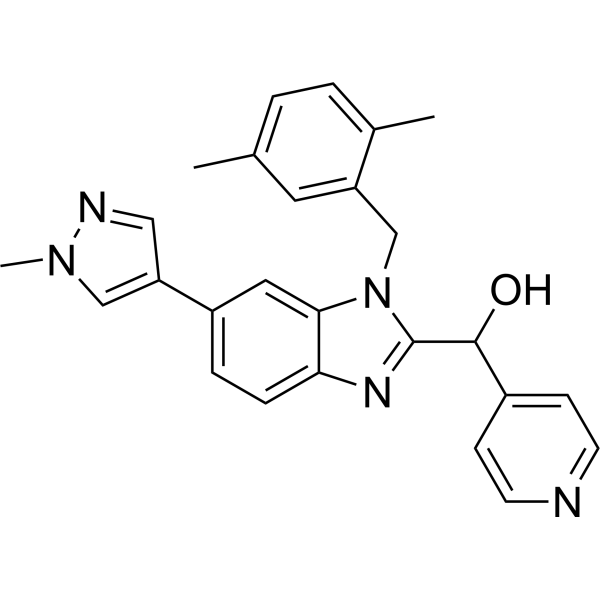
UCB-9260, an orally active compound, inhibits TNF signaling by stabilising an asymmetric form of the trimer. UCB-9260 is selective for TNF over other superfamily members, and binds TNF with a similar Kd of 13 nM .
|
-
-
- HY-134471
-
|
|
TNF Receptor
|
Inflammation/Immunology
Cancer
|
|
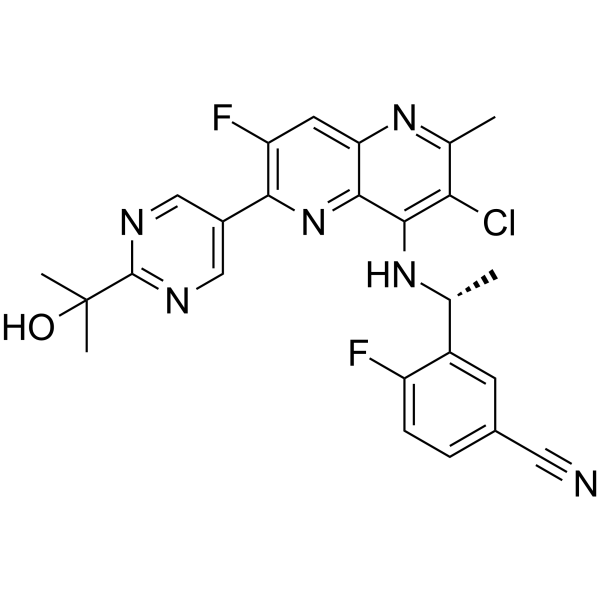
TNF-α-IN-2 is a potent and orally active inhibitor of tumor necrosis factor alpha (TNFα), with an IC50 of 25 nM in the HTRF assay. TNF-α-IN-2 distorts the TNFα trimer upon binding, leading to aberrant signaling when the trimer binds to TNFR1. TNF-α-IN-2 can be used for the research of rheumatoid arthritis .
|
-
-
- HY-111255
-
SPD304
Maximum Cited Publications
7 Publications Verification
|
TNF Receptor
|
Cancer
|
|
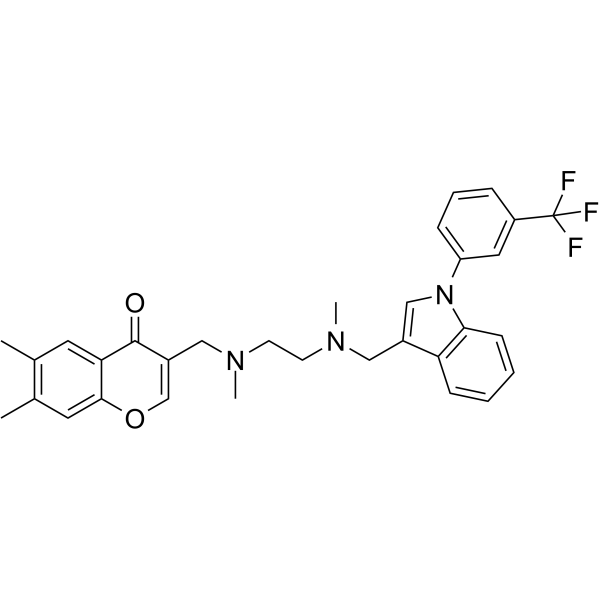
SPD304 is a selective TNF-α inhibitor, which promotes dissociation of TNF trimers and therefore blocks the interaction of TNF and its receptor. SPD304 has an IC50 of 22 μM for inhibiting in vitro TNF receptor 1 (TNFR1) binding to TNF-α .
|
-
-
- HY-115497
-
BRD5529
4 Publications Verification
|
E1/E2/E3 Enzyme
|
Infection
Inflammation/Immunology
|
|
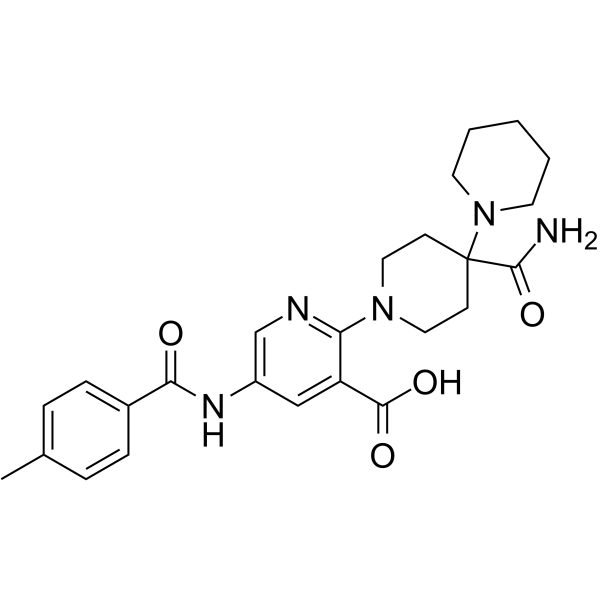
BRD5529 is an effective dose-dependent CARD9-TRIM62 protein–protein interaction (PPI) inhibitor with an IC50 value of 8.6 μM. BRD5529 has potency and complete inhibition of CARD9 ubiquitinylation in vitro, also has favorable solubility. BRD5529 can be used for the research of inflammatory bowel disease (IBD) such as Crohn’s disease (CD) and ulcerative colitis (UC) .
|
-
-
- HY-119264
-
|
|
Molecular Glues
Ras
Apoptosis
HIF/HIF Prolyl-Hydroxylase
|
Cancer
|
|
PRLX-93936 is a molecular Glues that binds to and reprograms the TRIM21 ubiquitin ligase to degrade nuclear pore complexes. PRLX-93936 binds to TRIM21, forms a ternary complex with TRIM21 and NUP98, and mediates the ubiquitination and proteasomal degradation of NUP98 and other nuclear pore complex proteins. PRLX-93936 induces the loss of short-lived cytoplasmic mRNA transcripts, triggers cancer cell apoptosis (Apoptosis), and inhibits the activated Ras pathway. PRLX-93936 inhibits HIF-1 under hypoxic conditions (IC50 = 0.09 μM in cell-based reporter gene assay). PRLX-93936 suppresses tumor growth in mouse models and improves survival rates in mouse models of multiple myeloma. PRLX-93936 is applicable to research related to pancreatic cancer and multiple myeloma .
|
-

-
- HY-102000B
-
|
ASIS-P040 hydrochloride
|
Epigenetic Reader Domain
|
Cancer
|
|
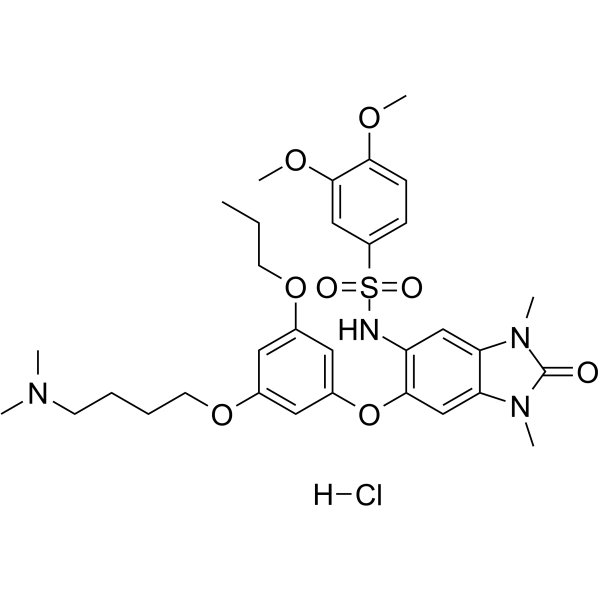
IACS-9571 (ASIS-P040) hydrochloride is a potent and selective inhibitor of TRIM24 and BRPF1, with an IC50 of 8 nM for TRIM24, and Kds of 31 nM and 14 nM for TRIM24 and BRPF1, respectively .
|
-
-
- HY-128481
-
|
|
STING
|
Inflammation/Immunology
Cancer
|
|
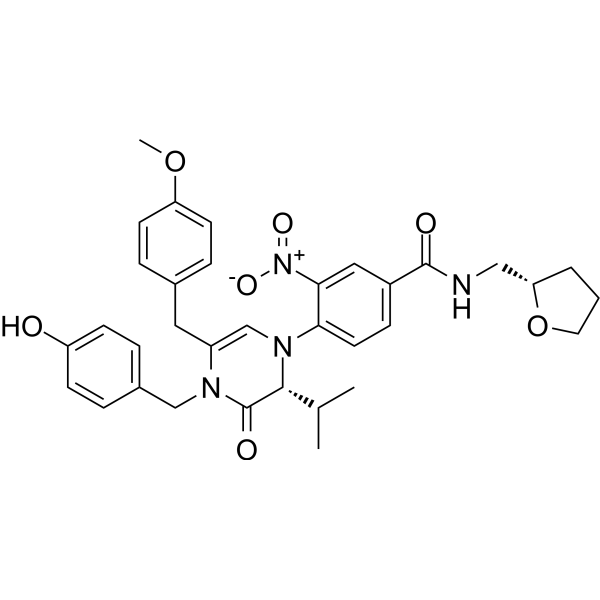
SB24011 is a STING modulator and a TRIM29-STING protein-protein interaction inhibitor. SB24011 blocks TRIM29-induced K48-linked specific ubiquitination by binding to STING, thereby upregulating intracellular STING protein levels. SB24011 enhances inflammatory cytokine expression and STING-mediated immune responses, and exhibits abscopal antitumor activity that promotes tumor regression and activates T cell infiltration. When combined with STING agonists or anti-PD1 antibodies, SB24011 synergistically enhances antitumor responses. SB24011 is suitable for research related to colon cancer and melanoma .
|
-
-
- HY-172737
-
|
|
Polo-like Kinase (PLK)
|
Cancer
|
|
RP-1664 is a selective and orally active PLK4 inhibitor with an IC50 of 3 nM. RP-1664 demonstrates exquisite selectivity over related kinases, including AURKA/B and PLK1. RP-1664 disrupts centriole biogenesis in cancer cells and leads an accumulation of PLK4 and p21 protein. RP-1664 demonstrates increased sensitivity in TRIM37-high-expressing cells or tumors. RP-1664 exhibits anti-tumor activity in breast cancer and neuroblastoma research [1][2].
|
-

-
- HY-156454
-
|
|
TNF Receptor
|
Inflammation/Immunology
|
|
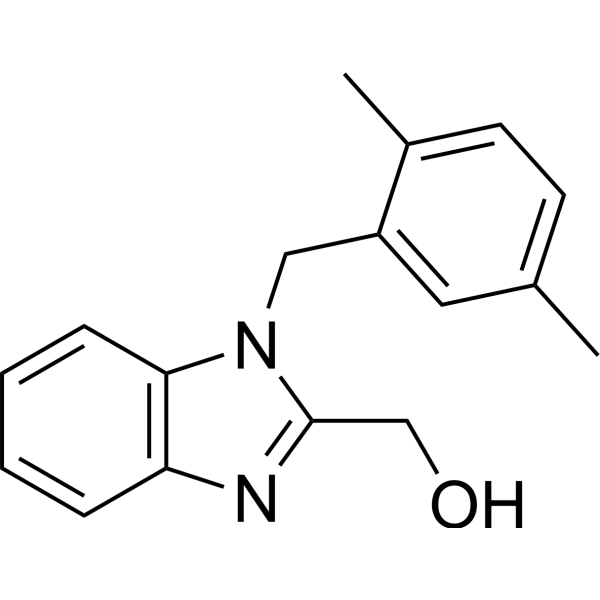
UCB-6876 is a TNFα inhibitor. UCB-6876 specifically binds to the asymmetric crystalline form of TNF-α trimer with a KD of 22 μM. UCB-6876 is applicable to research related to autoimmune diseases (rheumatoid arthritis and Crohn's disease) .
|
-
-
- HY-N3415
-
|
|
Apoptosis
Autophagy
Caspase
Ferroptosis
SARS-CoV
|
Neurological Disease
Inflammation/Immunology
Cancer
|
|
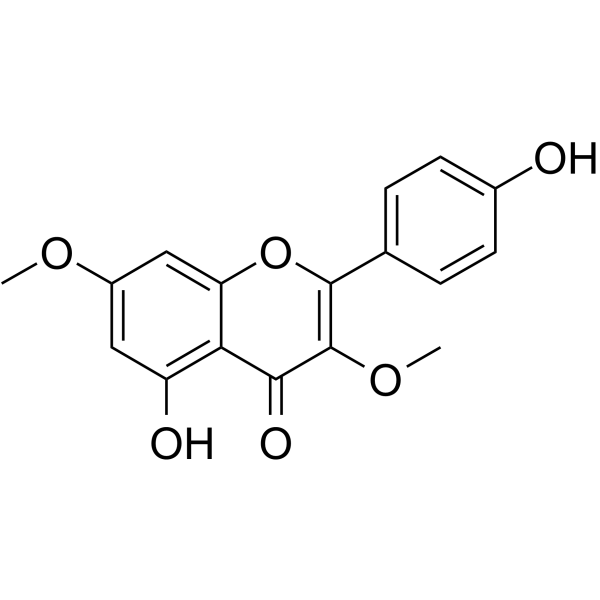
Kumatakenin is an orally active apoptosis inducer and autophagy inhibitor, with a Kd value of 2.94 μM for mouse ATG5. Kumatakenin increases the activities of caspase-3, caspase-8 and caspase-9, thereby inducing caspase-dependent apoptosis in ovarian cancer cells. Kumatakenin reduces the expression of chemokines and pro-oncogenic factors in ovarian cancer cells, and inhibits M2 macrophage polarization. Kumatakenin inactivates TRIM65 function, reduces the expression and stability of FASN, and thus inhibits the proliferation, migration, invasion and tumor progression of esophageal cancer cells. Kumatakenin interacts with ATG5 to reduce its protein level, decrease LC3 level, and reduce the number of autophagosomes in the hippocampus. Kumatakenin binds to Eno3 to upregulate its expression, reduce the stability and expression level of IRP1 mRNA, inhibit ferroptosis, alleviate intestinal inflammation, and restore epithelial barrier function. Kumatakenin enhances the efficacy of antibiotics against pathogenic bacteria, inhibits SARS-CoV-2 replication, and reduces cytokine production. Kumatakenin is applicable to research related to ovarian cancer, esophageal cancer, depression and colitis .
|
-
-
- HY-124012
-
|
|
DNA/RNA Synthesis
Apoptosis
|
Cancer
|
|
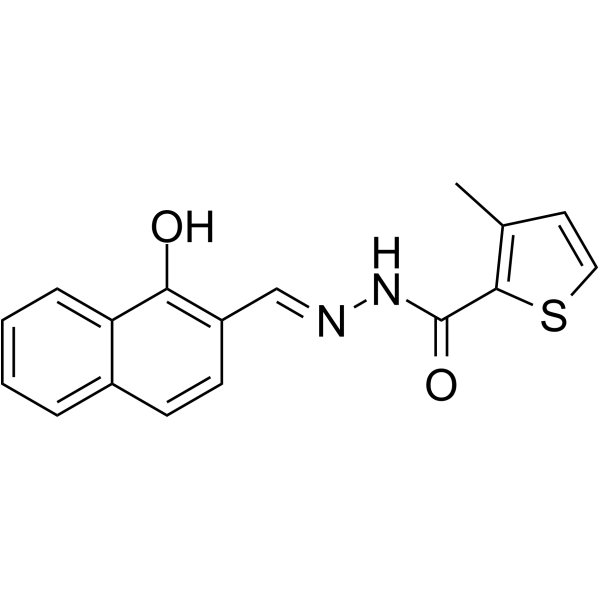
PCNA-I1 is a selective small molecule inhibitor targeting proliferating cell nuclear antigen (PCNA) with anticancer activity. PCNA-I1 can stabilize the PCNA trimer structure (Kd=0.14-0.41μM), reduce its binding to chromatin, induce tumor cell cycle arrest, inhibit DNA replication and repair, and enhance the anti-tumor effect of DNA damaging agents. PCNA-I1 can be used in the study of targeted therapy for prostate cancer, lung cancer and other tumors .
|
-
-
- HY-12518
-
OF-1
4 Publications Verification
|
Epigenetic Reader Domain
|
Cancer
|
|
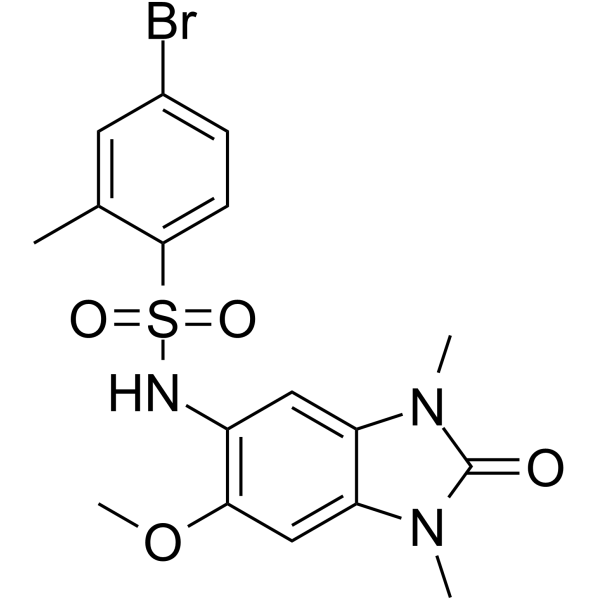
OF-1, a chemical probe, is a potent pan-BRPF bromodomain (BRD) inhibitor, with IC50 values of 270 nM, 1.2 μM for TRIM24 and BRPF1B, respectively .
|
-
-
- HY-119264A
-
|
|
Molecular Glues
Apoptosis
Ras
HIF/HIF Prolyl-Hydroxylase
|
Cancer
|
|
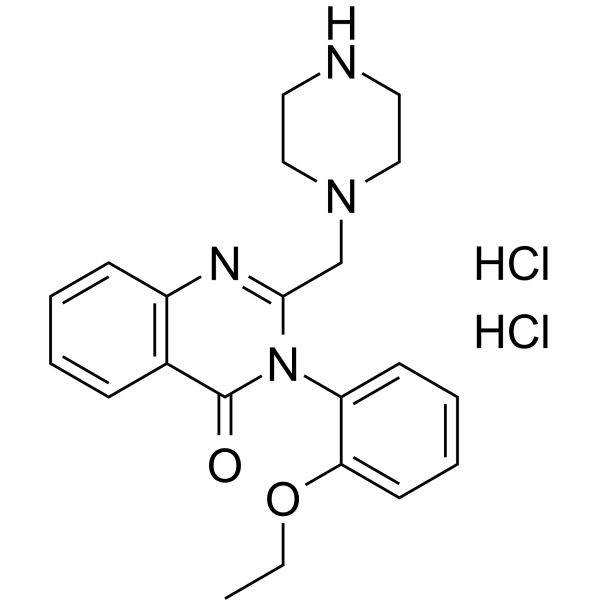
PRLX-93936 dihydrochloride is a molecular Glues that binds to and reprograms the TRIM21 ubiquitin ligase to degrade nuclear pore complexes. PRLX-93936 dihydrochloride binds to TRIM21, forms a ternary complex with TRIM21 and NUP98, and mediates the ubiquitination and proteasomal degradation of NUP98 and other nuclear pore complex proteins. PRLX-93936 dihydrochloride induces the loss of short-lived cytoplasmic mRNA transcripts, triggers cancer cell apoptosis (Apoptosis), and inhibits the activated Ras pathway. PRLX-93936 dihydrochloride inhibits HIF-1 under hypoxic conditions (IC50 = 0.09 μM in cell-based reporter gene assay). PRLX-93936 dihydrochloride suppresses tumor growth in mouse models and improves survival rates in mouse models of multiple myeloma. PRLX-93936 dihydrochloride is applicable to research related to pancreatic cancer and multiple myeloma .
|
-
-
- HY-111255A
-
|
|
TNF Receptor
|
Inflammation/Immunology
Cancer
|
|
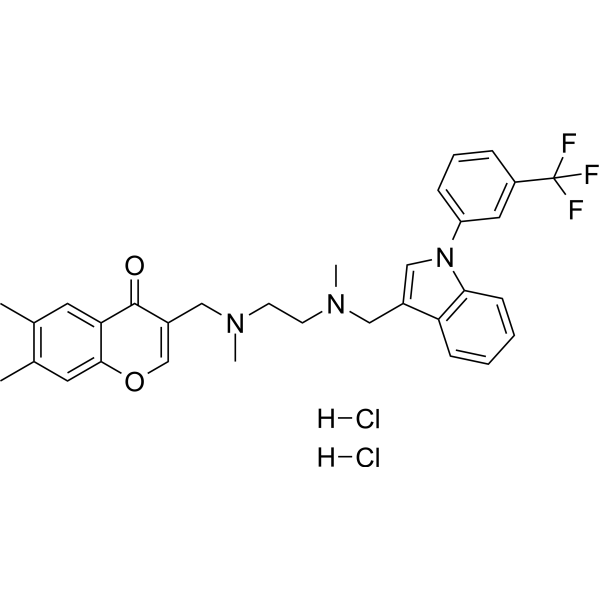
SPD304 dihydrochloride is a selective TNF-α inhibitor, which promotes dissociation of TNF trimers and therefore blocks the interaction of TNF and its receptor. SPD304 has an IC50 of 22 μM for inhibiting in vitro TNF receptor 1 (TNFR1) binding to TNF-α .
|
-
-
- HY-139324
-
|
|
GSK-3
Amyloid-β
|
Neurological Disease
Cancer
|
|
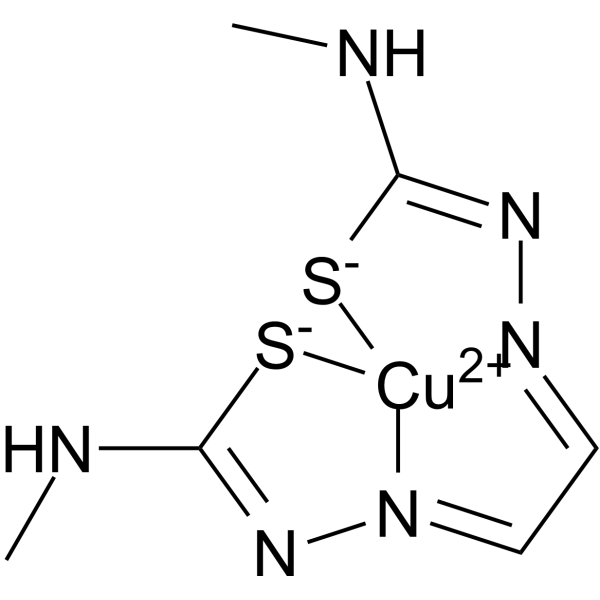
Cu(II)GTSM, a cell-permeable Cu-complex, significantly inhibits GSK3β. Cu(II)GTSM inhibits Amyloid-β oligomers (AβOs) and decreases tau phosphorylation. Cu(II)GTSM also decreases the abundance of Amyloid-β trimers. Cu(II)GTSM is a potential anticancer and antimicrobial agent .
|
-
-
- HY-N3540
-
|
|
Others
|
Inflammation/Immunology
|
|
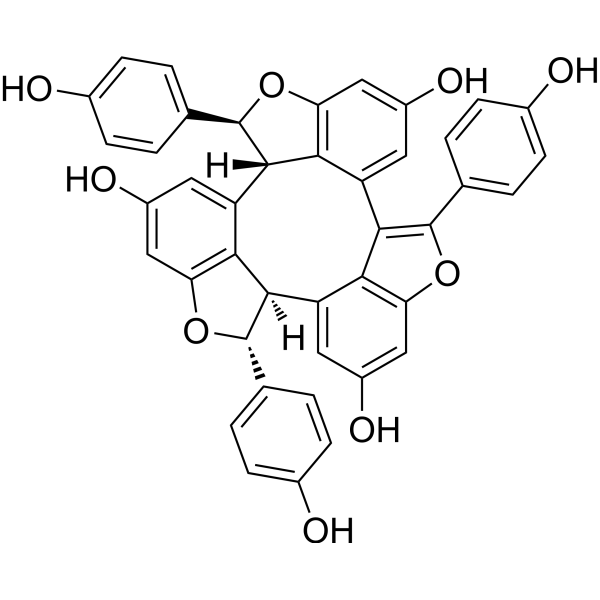
Caraphenol A is a resveratrol trimer and is able to transiently reduce interferon-induced transmembrane (IFITM) protein expression. Caraphenol A safely enhances lentiviral vector gene delivery to hematopoietic stem and progenitor cells . Caraphenol A also inhibits human cystathionine β-synthase (hCBS) and human cystathionine γ- lyase (hCSE) with IC50s of 5.9 μM and 12.1 μM, respectively .
|
-
-
- HY-143332
-
|
|
Epigenetic Reader Domain
|
Cancer
|
|
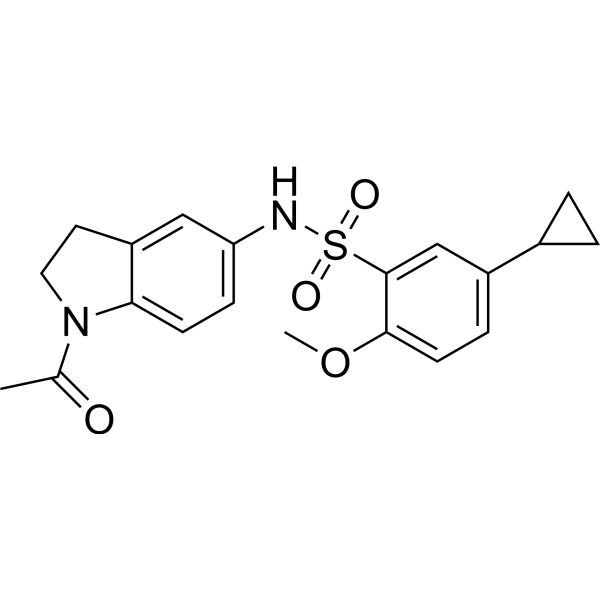
TRIM24/BRPF1-IN-2 (compound 20l) is a potent TRIM24/BRPF1 dual inhibitor, with IC50 values of 0.98 and 1.16 μM, respectively. TRIM24/BRPF1-IN-2 shows TRIM24/BRPF1 bromodomain binding affinity. TRIM24/BRPF1-IN-2 can be used for prostate cancer research .
|
-
-
- HY-101316
-
|
|
NO Synthase
|
Neurological Disease
|
|
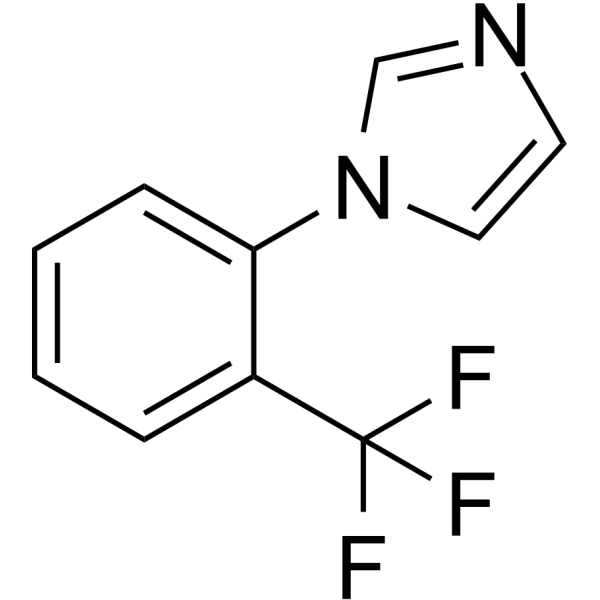
TRIM is a potent nitric oxide synthase inhibitor. TRIM inhibits mouse cerebellar nNOS and rat lung iNOS in vitro with IC50 values of 28.2 and 27.0 µM, respectively. Antidepressant- and anxiolytic-like effects .
|
-
-
- HY-102000
-
|
ASIS-P040
|
Epigenetic Reader Domain
|
Cancer
|
|
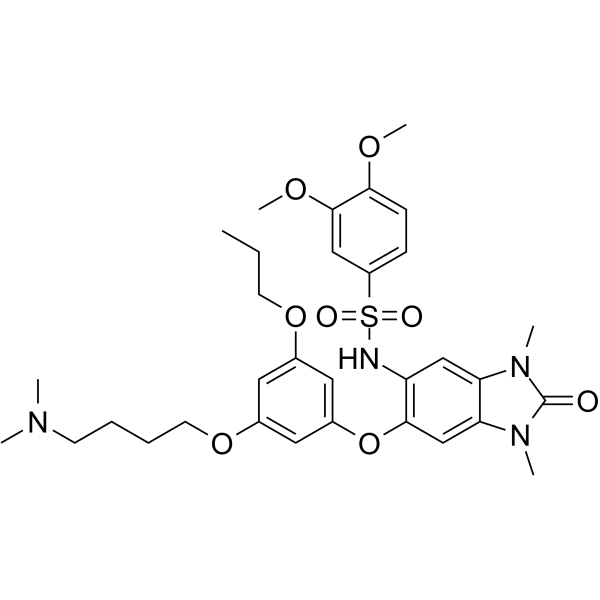
IACS-9571 is a potent and selective inhibitor of TRIM24 and BRPF1, with IC50 of 8 nM for TRIM24, and Kds of 31 nM and 14 nM for TRIM24 and BRPF1, respectively.
|
-
-
- HY-122626
-
|
|
Epigenetic Reader Domain
|
Cancer
|
|
BRPF1B/TRIM24-IN-1 (compound 34) is a potent TRIM24/BRPF1/BRPF2 inhibitor, with IC50 values of 0.43, 0.34, 1.75 μM, respectively. BRPF1B/TRIM24-IN-1 binds the TRIM24 bromodomain with a KD of 222 nM and has a KD for the BRPF1 bromodomain of 137 nM and for BRD1 of 1130 nM .
|
-

-
- HY-159082
-
-

-
- HY-138165
-
|
|
E1/E2/E3 Enzyme
|
Others
|
|
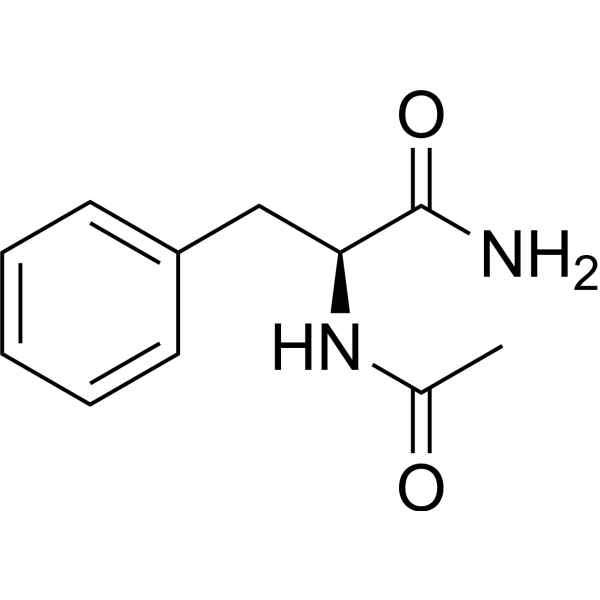
Ac-Phe-NH2 is a non-competitive inhibitor of polyubiquitin chain elongation at Ki value of 8 mM by destabilizing the active trimer .
|
-
-
- HY-162119
-
|
|
Phosphatase
|
Cancer
|
|
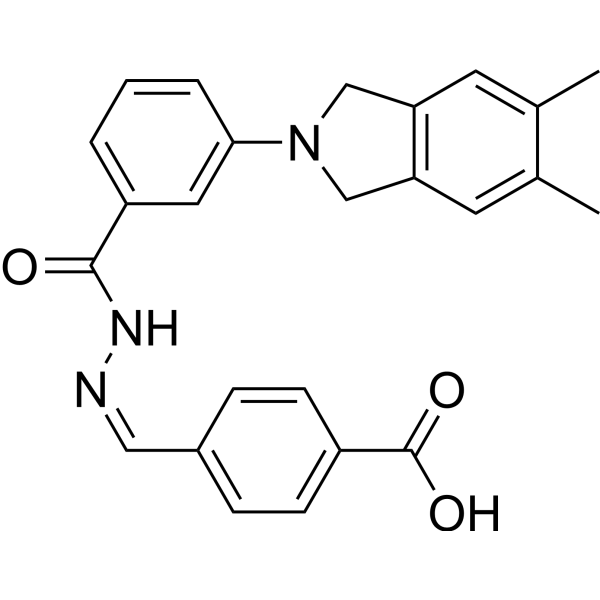
PRL-IN-1 (compound 43) is a phosphatase of regenerating liver (PRL) inhibitor that directly binds the PRL1 trimer interface and obstructs PRL1 trimerization. PRL-IN-1 shows potent anticancer activities .
|
-
-
- HY-102000A
-
|
ASIS-P040 TFA
|
Epigenetic Reader Domain
|
Cancer
|
|
IACS-9571 (trifluoroacetate) is a potent and selective inhibitor of TRIM24 and BRPF1, with IC50 of 8 nM for TRIM24, and Kd of 31 nM and 14 nM for TRIM24 and BRPF1, respectively.
|
-

-
- HY-N9867
-
|
|
TNF Receptor
|
Inflammation/Immunology
|
|
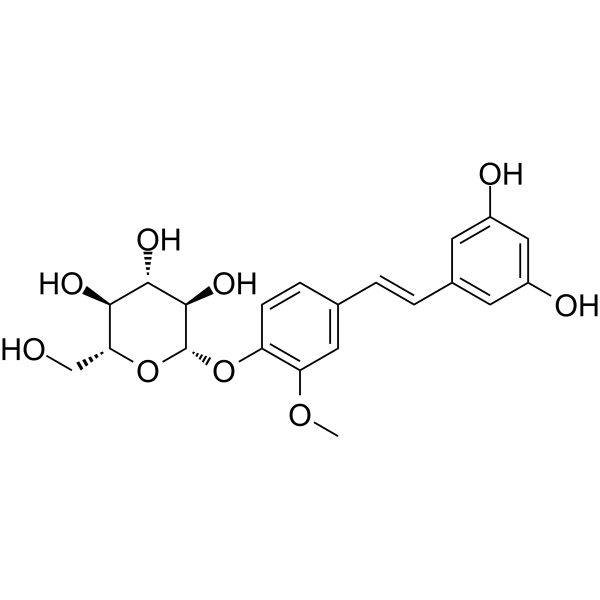
Gnetifolin E is a resveratrol trimer derivative that can be isolated from Gnetum brunonianum. Gnetifolin E has anti-inflammatory activity, and inhibits TNF-α .
|
-
-
- HY-177815
-
|
|
Influenza Virus
|
Infection
|
|
R-1 sodium is a RNA aptamer that bind to Non-structural protein 1 (NS1) (Kd = 1.62 ± 0.30 nM). R-1 sodium inhibits the interaction of NS1 with tripartite motif-containing protein 25 (TRIM25), and suppression of NS1 enabled retinoic acid inducible gene I (
|
-

-
- HY-177890
-
|
|
LXR
RAR/RXR
Wnt
β-catenin
|
Cancer
|
|
UAB116 is a Liver X Receptor (LXR)/Retinoid X Receptor (RXR) agonist. UAB116 can decreases metastatic phenotype in hepatoblastoma by inhibiting the Wnt/β-Catenin pathway via upregulation of TRIM29. UAB116 can reduce proliferation, stemness and invasiveness of metastatic hepatoblastoma cells .
|
-

-
- HY-177816
-
|
|
Influenza Virus
|
Infection
|
|
R-2 sodium is a RNA aptamer that bind to Non-structural protein 1 (NS1) (Kd = 1.92 ± 0.27 nM). R-2 sodium inhibits the interaction of NS1 with tripartite motif-containing protein 25 (TRIM25), and suppression of NS1 enabled retinoic acid inducible gene I (
|
-

-
- HY-129133
-
|
|
Drug Isomer
|
Others
|
|
cis-Miyabenol C is an isomer of the resveratrol trimer Miyabenol C, which can be isolated from grape herbs. Miyabenol C is an inhibitor of β-amyloid (Aβ) and amyloid β precursor protein (APP) in Alzheimer's disease model mice, and inhibit β-secretase activity without changing the protein level of β-secretase BACE1 .
|
-

-
- HY-122204
-
|
|
HIV
|
Infection
|
|
5M038 is an inhibitor of HIV envelope-mediated fusion with potent inhibitory activity against gp41-mediated membrane fusion. 5M038 prevents the formation of the gp41 post-fusion conformation and inhibits envelope-mediated membrane fusion in cell-cell fusion and viral infectivity assays. 5M038 has shown broad fusion inhibition in tests against multiple HIV-1 subtypes, including M and T strains. 5M038 targets a highly conserved hydrophobic pocket and binds to the gp41 trimer, thereby exerting its inhibitory effect .
|
-

-
- HY-180548
-
|
|
E1/E2/E3 Enzyme
|
Infection
Inflammation/Immunology
|
|
MRC37 is a potent and selective small-molecule ligand of TRIM21 that binds the PRYSPRY domain of TRIM21. MRC37 inhibits the natural antiviral function of TRIM21 by preventing antibody neutralisation of adenovirus 5 (Adv5). MRC37 is also capable of inhibiting Trim-Away, a targeted protein degradation technology where TRIM21 is recruited to specific proteins via electroporated antibodies .
|
-

-
- HY-183638
-
-

-
- HY-183624
-
|
|
Others
|
Cancer
|
|
Trimer44NMe is a polyamine transport inhibitor (PTI). Trimer44NMe inhibits the polyamine transport of putrescine (Put), spermidine (Spd), and spermine (Spm). Trimer44NMe can be used for research of Pancreatic ductal adenocarcinoma (PDAC) .
|
-

-
- HY-102000BR
-
|
ASIS-P040 hydrochloride (Standard)
|
Reference Standards
Epigenetic Reader Domain
|
Cancer
|
|
IACS-9571 hydrochloride (Standard) is the analytical standard of IACS-9571 hydrochloride (HY-102000B). This product is intended for research and analytical applications. IACS-9571 (ASIS-P040) hydrochloride is a potent and selective inhibitor of TRIM24 and BRPF1, with an IC50 of 8 nM for TRIM24, and Kds of 31 nM and 14 nM for TRIM24 and BRPF1, respectively .
|
-

-
- HY-181157
-
|
|
Histone Methyltransferase
|
Cancer
|
|
T/E PPI-IN-1 (Compound C87) is a TRIM28-EZH2 interaction inhibitor targeting reactive cysteines at the interface. T/E PPI-IN-1 can be used for the research of cancer .
|
-

-
- HY-P992382
-
|
|
Interleukin Related
|
Neurological Disease
Inflammation/Immunology
|
|
IC 100 is a humanized IgG4κ monoclonal antibody targeting apoptosis-associated speck-like protein (ASC) with blood-brain barrier permeability. IC 100 specifically inhibits ASC after being endocytosed via its Fc segment, blocks ASC polymerization and inflammasome activation, suppresses IL-1β release, forms complexes with ASC and TRIM21, and evades TRIM21-mediated proteasomal degradation. IC 100 alleviates symptoms associated with autoimmune encephalomyelitis, reduces immune cell infiltration and microglial activation in the mouse EAE model. IC 100 is suitable for research on neuroinflammatory and inflammasome-related diseases such as multiple sclerosis. Isotype comparison: HY-P99003 .
|
-

-
- HY-180129
-
|
|
SARS-CoV
|
Infection
|
|
SARS-CoV-2-IN-120 (Compound S22) is a SARS-CoV-2-specific entry inhibitor. SARS-CoV-2-IN-120 binds and trimerizes within the apex cavity of the SARS2 spike trimer. SARS-CoV-2-IN-120 blocks RBD-ACE2 interaction. SARS-CoV-2-IN-120 neutralizes BA.2 and subsequent Omicron variants. SARS-CoV-2-IN-120 inhibits SARS-CoV-2 replication in mice .
|
-

-
- HY-183629
-
|
|
Zinc Finger Protein
Apoptosis
|
Cardiovascular Disease
Cancer
|
|
ZNF281-IN-1 is a ZNF281 inhibitor. ZNF281-IN-1 disrupts the binding of transcriptionally active DNA-bound ZNF281 to the promoters of target genes including TRIM35 and ZEB1. ZNF281-IN-1 inhibits tumor cell proliferation, stabilizes P53 and upregulates PUMA to induce apoptosis, while triggering cellular senescence. ZNF281-IN-1 completely prevents Doxorubicin (HY-15142A)-induced cardiotoxicity (AIC), and enhances rather than impairs the antitumor efficacy of Doxorubicin. ZNF281-IN-1 completely blocks the distant metastasis of melanoma to the lungs. ZNF281-IN-1 can be used in the research of cardiotoxicity, lung cancer and metastatic melanoma .
|
-

-
- HY-181657
-
|
|
EGFR
TNF Receptor
Interleukin Related
Apoptosis
|
Cancer
|
|
EGFR-IN-200 is an inhibitor targeting EGFR, TNF-α, and the IL-6/GP130 complex, which potently targets human EGFR (IC50=0.03 μM), TNF-α (IC50=3.1 μM), and the IL-6/GP130 complex (IC50=1.6 μM). EGFR-IN-200 binds to the ATP pocket of EGFR, the trimer interface of TNF-α, and the cytokine-receptor interface of IL-6/GP130, induces G2/M cell cycle arrest, apoptosis, and antiproliferative activity. EGFR-IN-200 exhibits high gastrointestinal absorbability, low BBB permeability, and complies with the Lipinski's rule. EGFR-IN-200 can be used for the research of lung cancer and breast adenocarcinoma .
|
-

| 製品番号 |
製品名 |
Target |
研究分野 |
Image |
-
- HY-P992382
-
|
|
Interleukin Related
|
Neurological Disease
Inflammation/Immunology
|
|
IC 100 is a humanized IgG4κ monoclonal antibody targeting apoptosis-associated speck-like protein (ASC) with blood-brain barrier permeability. IC 100 specifically inhibits ASC after being endocytosed via its Fc segment, blocks ASC polymerization and inflammasome activation, suppresses IL-1β release, forms complexes with ASC and TRIM21, and evades TRIM21-mediated proteasomal degradation. IC 100 alleviates symptoms associated with autoimmune encephalomyelitis, reduces immune cell infiltration and microglial activation in the mouse EAE model. IC 100 is suitable for research on neuroinflammatory and inflammasome-related diseases such as multiple sclerosis. Isotype comparison: HY-P99003 .
|
-

(5)
| 製品番号 |
製品名 |
Category |
Target |
構造式 |
-
- HY-N3415
-
|
|
Flavonols
Structural Classification
Flavonoids
Classification of Application Fields
Phenols
Polyphenols
Myrtaceae
Plants
Syzygium aromaticum
Disease Research Fields
Source Classification
Cancer
|
Apoptosis
Autophagy
Caspase
Ferroptosis
SARS-CoV
|
|
Kumatakenin is an orally active apoptosis inducer and autophagy inhibitor, with a Kd value of 2.94 μM for mouse ATG5. Kumatakenin increases the activities of caspase-3, caspase-8 and caspase-9, thereby inducing caspase-dependent apoptosis in ovarian cancer cells. Kumatakenin reduces the expression of chemokines and pro-oncogenic factors in ovarian cancer cells, and inhibits M2 macrophage polarization. Kumatakenin inactivates TRIM65 function, reduces the expression and stability of FASN, and thus inhibits the proliferation, migration, invasion and tumor progression of esophageal cancer cells. Kumatakenin interacts with ATG5 to reduce its protein level, decrease LC3 level, and reduce the number of autophagosomes in the hippocampus. Kumatakenin binds to Eno3 to upregulate its expression, reduce the stability and expression level of IRP1 mRNA, inhibit ferroptosis, alleviate intestinal inflammation, and restore epithelial barrier function. Kumatakenin enhances the efficacy of antibiotics against pathogenic bacteria, inhibits SARS-CoV-2 replication, and reduces cytokine production. Kumatakenin is applicable to research related to ovarian cancer, esophageal cancer, depression and colitis .
|
-
-
- HY-N3540
-
|
|
Leguminosae
Phenols
Polyphenols
Plants
Caragana sinica (Buchoz) Rehd.
|
Others
|
|
Caraphenol A is a resveratrol trimer and is able to transiently reduce interferon-induced transmembrane (IFITM) protein expression. Caraphenol A safely enhances lentiviral vector gene delivery to hematopoietic stem and progenitor cells . Caraphenol A also inhibits human cystathionine β-synthase (hCBS) and human cystathionine γ- lyase (hCSE) with IC50s of 5.9 μM and 12.1 μM, respectively .
|
-
-
- HY-N9867
-
-
-
- HY-129133
-
|
|
Vitis vinifera cv. Zalema
Phenols
Plants
Vitaceae
Source Classification
|
Drug Isomer
|
|
cis-Miyabenol C is an isomer of the resveratrol trimer Miyabenol C, which can be isolated from grape herbs. Miyabenol C is an inhibitor of β-amyloid (Aβ) and amyloid β precursor protein (APP) in Alzheimer's disease model mice, and inhibit β-secretase activity without changing the protein level of β-secretase BACE1 .
|
-
-
- HY-177815
-
|
|
|
Aptamers
|
|
R-1 sodium is a RNA aptamer that bind to Non-structural protein 1 (NS1) (Kd = 1.62 ± 0.30 nM). R-1 sodium inhibits the interaction of NS1 with tripartite motif-containing protein 25 (TRIM25), and suppression of NS1 enabled retinoic acid inducible gene I (
|
-
- HY-177816
-
|
|
|
Aptamers
|
|
R-2 sodium is a RNA aptamer that bind to Non-structural protein 1 (NS1) (Kd = 1.92 ± 0.27 nM). R-2 sodium inhibits the interaction of NS1 with tripartite motif-containing protein 25 (TRIM25), and suppression of NS1 enabled retinoic acid inducible gene I (
|
入力情報は安全に管理されます. ※ 必須入力項目.
Inquiry Information
- 製品名:
- 製品番号:
- 数量:
- MCE 日本正規代理店:





