From 11:00 pm to 12:00 pm EST ( 8:00 pm to 9:00 pm PST ) on January 6th, the website will be under maintenance. We are sorry for the inconvenience. Please arrange your schedule properly.
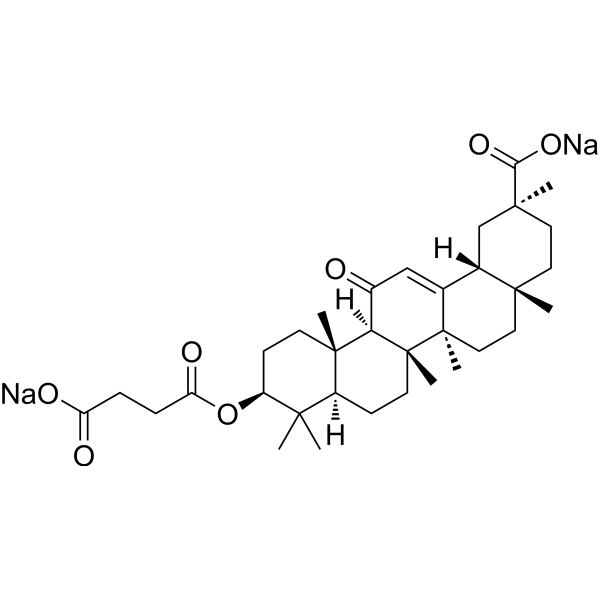
Carbenoxolone disodium is the active metabolite of Glycyrrhizic acid (HY-N0184) and the inhibitor of human 11β-HSD and bacterial 3α, 20β-HSD . Carbenoxolone disodium is an uncoupling agent for gap junctions and a potent inhibitor of Vaccinia virus replication . Carbenoxolone disodium is used for the study of peptic, esophageal and oral ulceration and inflammation. Carbenoxolone disodium inhibits Vaccinia virus replication.
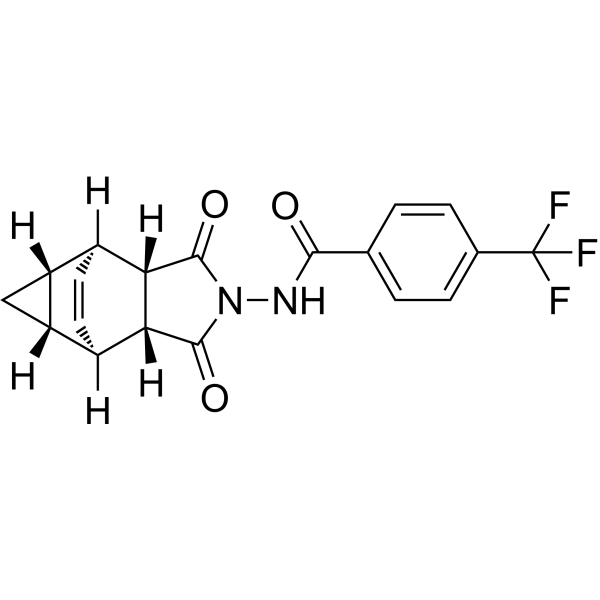
Tecovirimat (ST-246) is an orally bioavailable and selective compound against orthopoxviruses including vaccinia, monkeypox, camelpox, cowpox, ectromelia (mousepox), smallpox and variola viruses. Tecovirimat is evaluated against vaccinia, cowpox virus, ectromelia virus with EC50 values of 0.01 μM, 0.48 μM and 0.05 μM, respectively. Tecovirimat targets the orthopoxvirus protein VP37 which is necessary for membrane envelopment of intracellular mature virus particles to form enveloped virus. Tecovirimat exerts antiviral activity on the target of the cowpox virusV061 gene, which is homologous to vaccinia virusF13L, encoding a major envelope protein (p37) required for production of extracellular virus .
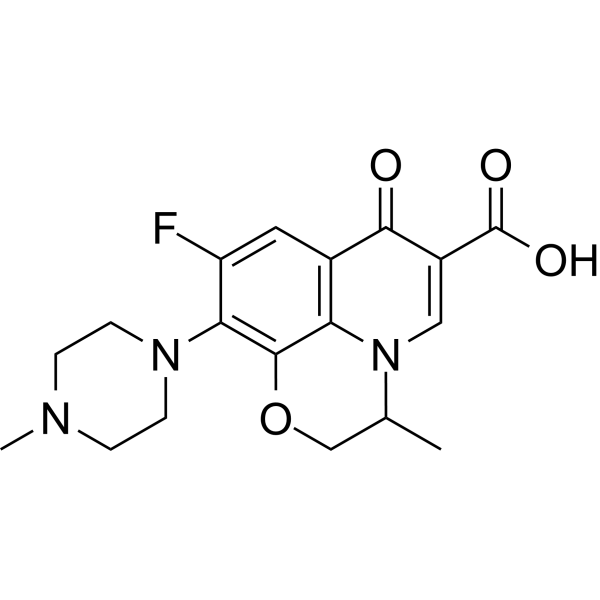
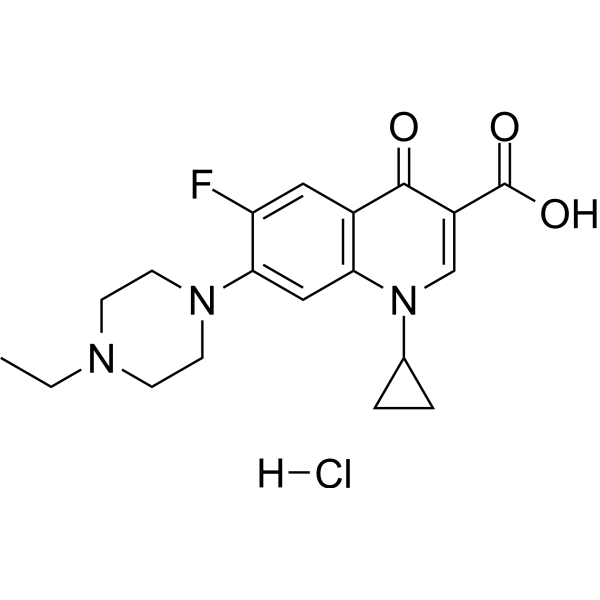
Ofloxacin (Hoe-280) is a fluoroquinolone whose primary mechanism of action is inhibition of bacterial DNA gyrase. Ofloxacin shows inhibitory activity against vaccinia virus (VV).
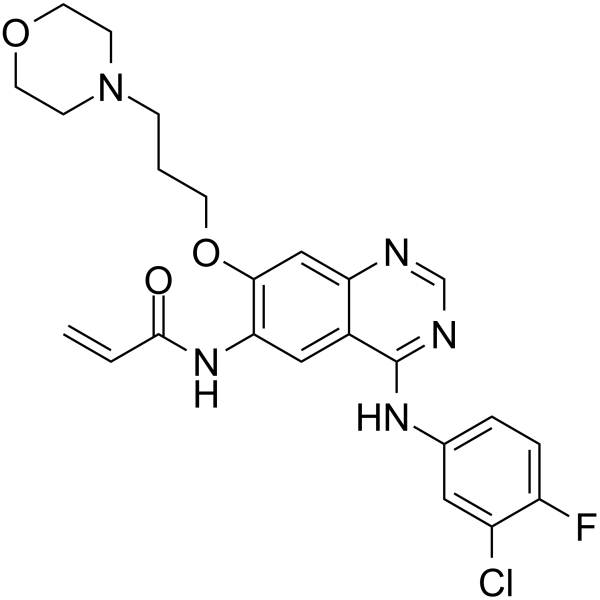
Canertinib (CI-1033;PD-183805) is a potent and irreversible EGFR inhibitor; inhibits cellular EGFR and ErbB2 autophosphorylation with IC50s of 7.4 and 9 nM. Canertinib is active against vaccinia virus respiratory infection in mice .
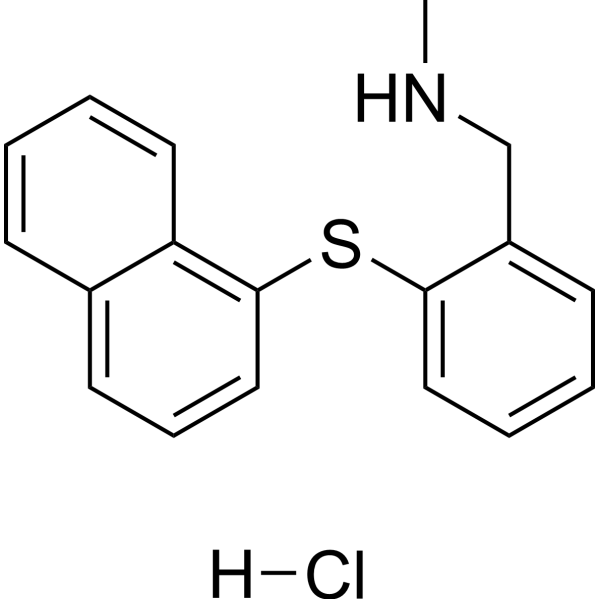
IFN alpha-IFNAR-IN-1 hydrochloride is a nonpeptidic, low-molecular-weight inhibitor of the interaction between IFN-α and IFNAR. IFN alpha-IFNAR-IN-1 hydrochloride inhibits modified Vaccinia virus ankara (MVA)-induced IFN-α responses in murine bone-marrow-derived, Flt3- L-differentiated pDC cultures (BM-pDCs) (IC50=2-8 μM) .
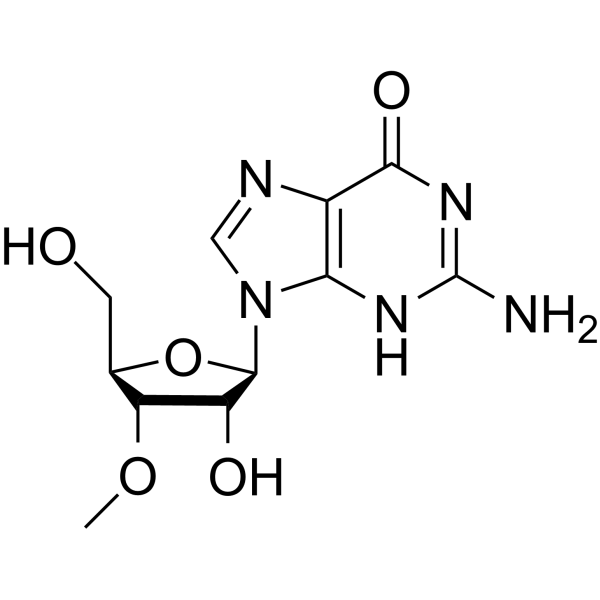
3'-O-Methylguanosine is a methylated nucleoside analog and RNA chain terminator. 3'-O-Methylguanosine can inhibit the synthesis of early vaccinia virus-specific RNA .
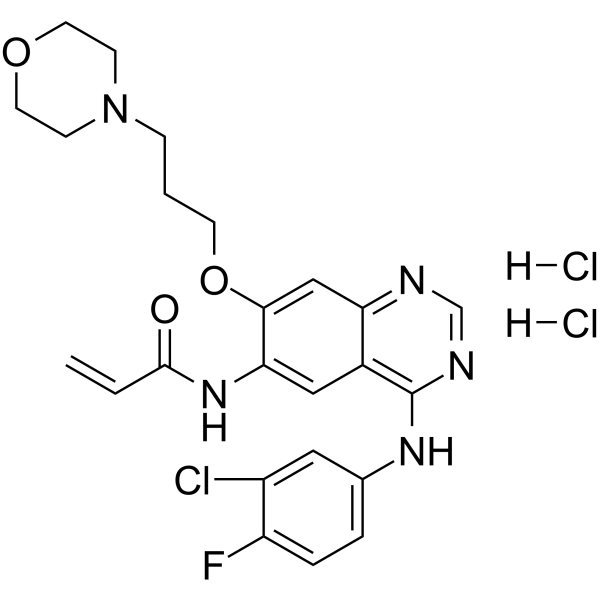
Canertinib dihydrochloride (CI-1033 dihydrochloride) is a potent and irreversible EGFR inhibitor; inhibits cellular EGFR and ErbB2 autophosphorylation with IC50s of 7.4 and 9 nM. Canertinib dihydrochloride is active against vaccinia virus respiratory infection in mice .
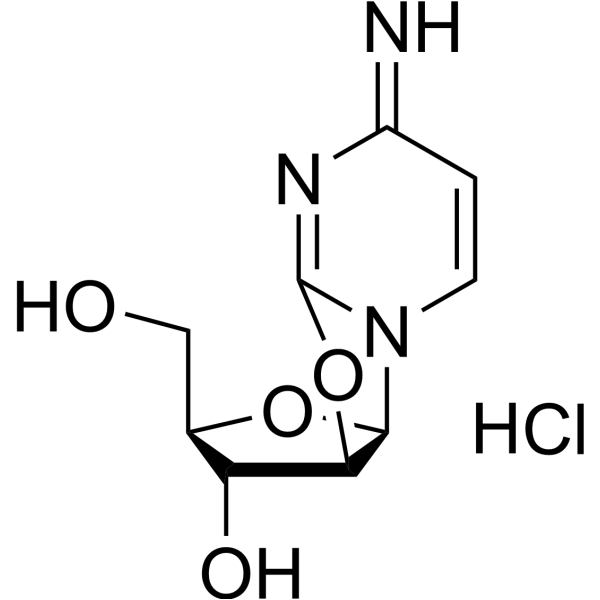
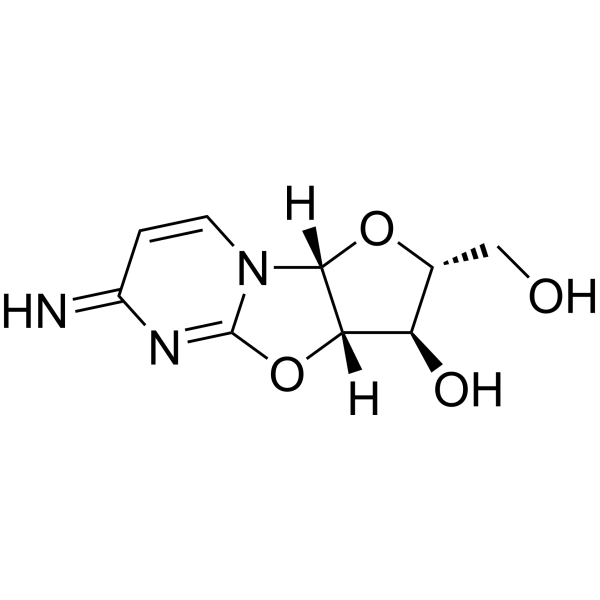
Ancitabine hydrochloride is a cytarabine derivative that inhibits viral replication. Ancitabine hydrochloride blocks vaccinia virus DNA replication, the progression of viral protein synthesis from early to late stages, and one-step growth of vaccinia virus. Ancitabine hydrochloride is applicable to research related to vaccinia virus infection, leukemia, human cytomegalovirus infection and colorectal cancer .
Enrofloxacin monohydrochloride (BAY Vp 2674 monohydrochloride) is an effective antibiotic with an MIC90 of 0.312 μg/mL for Mycoplasma bovis. Enrofloxacin monohydrochloride shows inhibitory activity against vaccinia virus (VV).
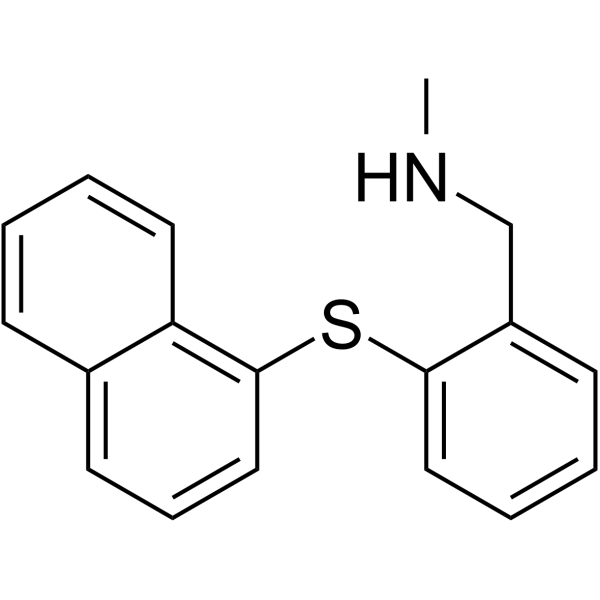
BEPP hydrochloride is a double-stranded RNA-dependent protein kinase (PKR) modulator. BEPP hydrochloride enhances the phosphorylation levels of PKR and eIF2α, activates caspase-3, upregulates the pro-apoptotic protein BAX, and downregulates the anti-apoptotic protein Bcl-2. BEPP hydrochloride inhibits vaccinia virus replication and exhibits selective cytotoxicity in cells expressing PKR. BEPP hydrochloride can be used in research related to cancer and viral infections .
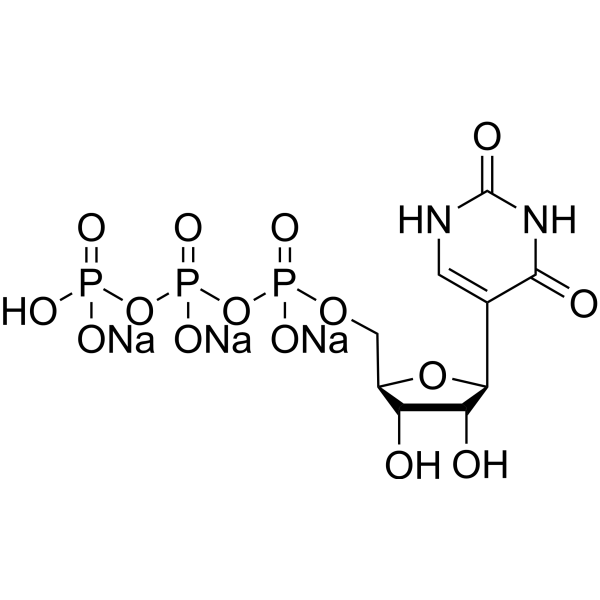
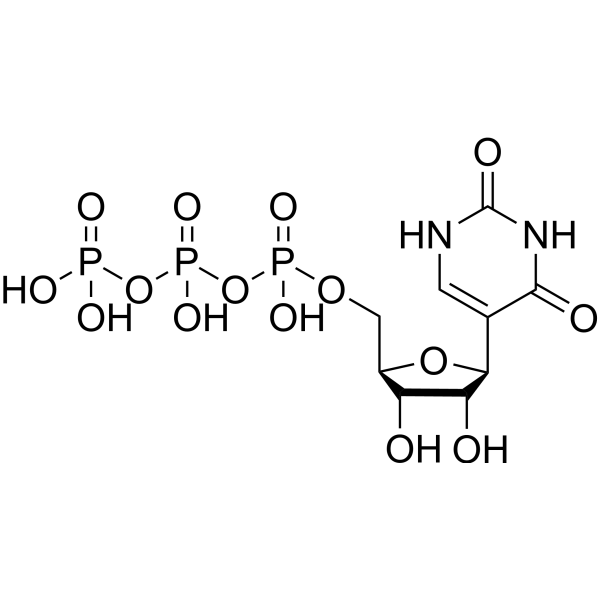
Pseudouridine 5'-triphosphate (Pseudo-UTP) trisodium solution (100 mM) is a modified ribonucleoside triphosphate and uracil base-modified UTP derivative. Pseudouridine 5'-triphosphate trisodium solution (100 mM) enhances translational properties and stability of mRNA, reduces innate immune responses in mammalian cells, and inhibits signal-dependent transcription termination of vaccinia virus early gene transcription while supporting transcription elongation. Pseudouridine 5'-triphosphate trisodium solution (100 mM) can be used for the research of vaccinia virus infection .
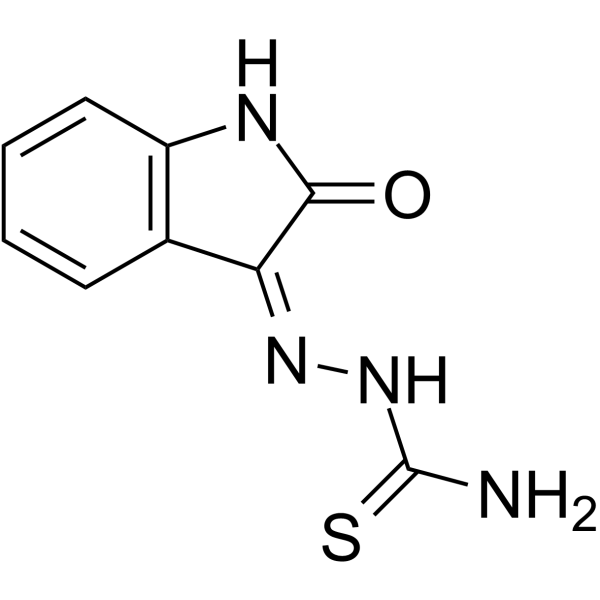
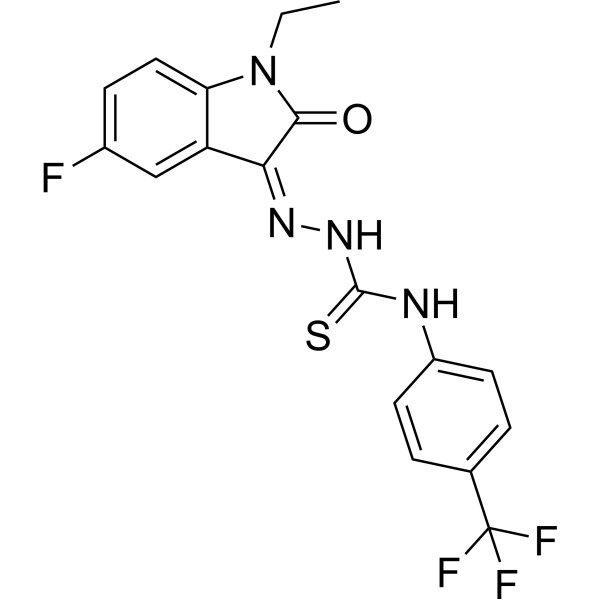
Isatin-β-thiosemicarbazone is a potent anti-poxvirus agent (including monkeypox virus, orthopoxvirus, vaccinia virus, etc). Isatin-β-thiosemicarbazone also is a potent herpes simplex virus (HSV) inhibitor. Isatin-β-thiosemicarbazone exhibits
ITGB3-IN-1 is an orally active integrin subunit beta 3 ITGB3 inhibitor with a Kd of 7.26 μM. ITGB3-IN-1 exhibits potent anti-orthopoxvirus effects with an EC50 for vaccinia virus (VACV) of 1.82 μM. ITGB3-IN-1 inhibits hERG with an IC50 of 1.13 μM. ITGB3-IN-1 can be used for the study of orthopoxvirus .
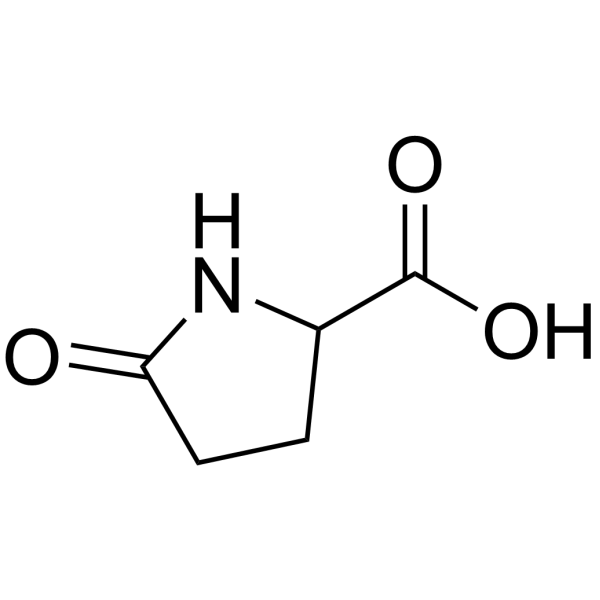
DL-Pyroglutamic acid (CAE) as an inactivator of hepatitis B surface, inactivates vaccinia virus, herpes simplex virus, and influenza virus except poliovirus. DL-Pyroglutamic acid is also a possible inhibitor of GABA transaminase, increases GABA amount with antiepileptic action .
dsVACV-70mer (sodium) is a 70 bp double-stranded oligonucleotide containing viral DNA motifs derived from vaccinia virus DNA. dsVACV-70mer (sodium) has potently induces IFN-β via a STING-dependent manner .
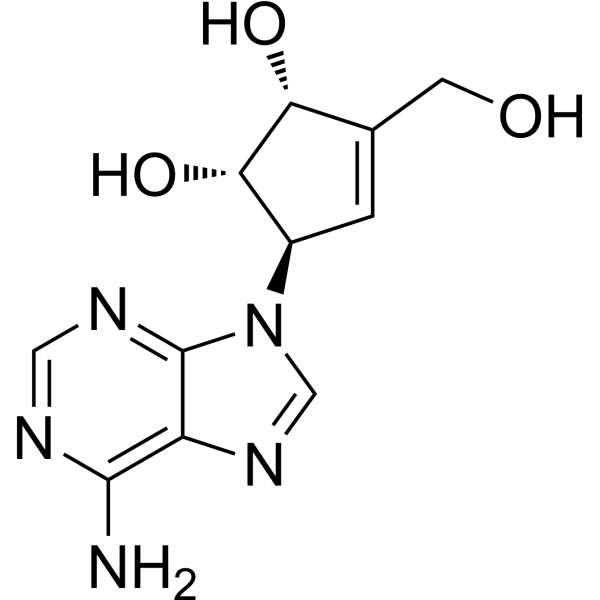
Neplanocin A ((-)-Neplanocin A) is an antitumor antibiotic with significant antitumor activity against murine L1210 leukemia. Neplanocin A is also an irreversible inhibitor of AdoHcy hydrolase (Ki=8.39 nM). Neplanocin A also has antiviral activity and is effective against vaccinia virus. Neplanocin A is obtained from Ampulariella regularis .
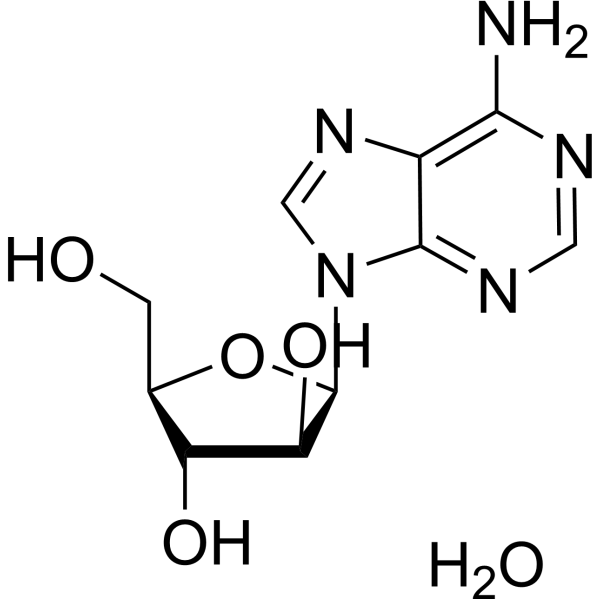
Vidarabine monohydrate is a Purine nucleoside derivative and Antiviral agent. The triphosphate derivative of Vidarabine monohydrate competitively inhibits DNA polymerase, incorporates into the terminus of elongating DNA molecules, and interferes with the early steps of viral DNA synthesis. Vidarabine monohydrate inhibits the replication of herpes simplex virus, varicella-zoster virus, cytomegalovirus, Epstein-Barr virus and vaccinia virus, reduces viral shedding, and accelerates skin healing. Vidarabine monohydrate is metabolized to arabinosyl hypoxanthine, causes minimal impairment of corneal wound healing in rabbit models, and is associated with recurrence of herpes simplex encephalitis. Vidarabine monohydrate can be used in the research of herpetic keratoconjunctivitis, herpes simplex encephalitis, herpetic uveitis, and chronic active hepatitis associated with hepatitis B virus .
Pseudouridine 5'-triphosphate (Pseudo-UTP) is a modified ribonucleoside triphosphate and uracil base-modified UTP derivative. Pseudouridine 5'-triphosphate enhances translational properties and stability of mRNA, reduces innate immune responses in mammalian cells, and inhibits signal-dependent transcription termination of vaccinia virus early gene transcription while supporting transcription elongation. Pseudouridine 5'-triphosphate can be used for the research of vaccinia virus infection .
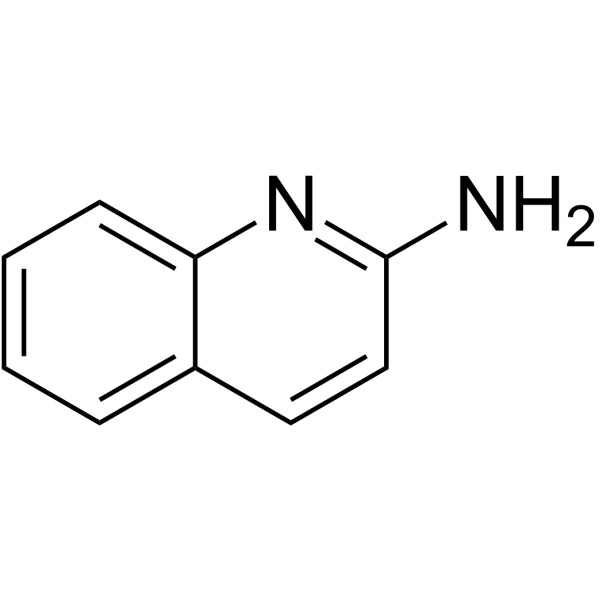
2-Aminoquinoline (2-Quinolinamine) is a promising compound as bioavailable nNOS inhibitor but suffers from low human nNOS inhibition, low selectivity versus human eNOS, and significant binding to other CNS targets. 2-Aminoquinoline exhibits antiviral activity against the vaccinia virus. 2-Aminoquinoline has the potential for the research of antineurodegenerative agents .
IFN alpha-IFNAR-IN-1 is a nonpeptidic, low-molecular-weight inhibitor of the interaction between IFN-α and IFNAR. IFN alpha-IFNAR-IN-1 inhibits modified Vaccinia virus ankara (MVA)-induced IFN-α responses in murine bone-marrow-derived, Flt3- L-differentiated pDC cultures (BM-pDCs) (IC50=2-8 μM) .
Tecovirimat (ST-246) monohydrate is the monohydrate form of Tecovirimat (HY-14805). Tecovirimat monohydrate is an orally bioavailable and selective compound against orthopoxviruses [including vaccinia, monkeypox, camelpox, cowpox, ectromelia (mousepox), smallpox and variola viruses]. Tecovirimat monohydrate is evaluated against vaccinia, cowpox virus, ectromelia virus with EC50 values of 0.01 μM, 0.48 μM and 0.05 μM, respectively. Tecovirimat monohydrate targets the orthopoxvirus protein VP37 which is necessary for membrane envelopment of intracellular mature virus particles to form enveloped virus. Tecovirimat monohydrate exerts antiviral activity on the target of the cowpox virusV061 gene, which is homologous to vaccinia virusF13L, encoding a major envelope protein (p37) required for production of extracellular virus. Tecovirimat monohydrate could be used in the study for orthopoxvirus-induced diseases .
Ofloxacin (Standard) is the analytical standard of Ofloxacin. This product is intended for research and analytical applications. Ofloxacin (Hoe-280) is a fluoroquinolone whose primary mechanism of action is inhibition of bacterial DNA gyrase. Ofloxacin shows inhibitory activity against vaccinia virus (VV).
Anti-Mouse CD69 Antibody (CD69.2.2) is a mouse-derived IgG1 κ type antibody inhibitor, targeting to mouse CD69. Anti-Mouse CD69 Antibody (CD69.2.2) causes CD69 to be internalized but does not deplete CD69 + cells. Anti-Mouse CD69 Antibody (CD69.2.2) can be used for the researches of cancer, infection, inflammation and immunology, such as RMA-S tumor, arthritis and vaccinia virus (VACV) infection .
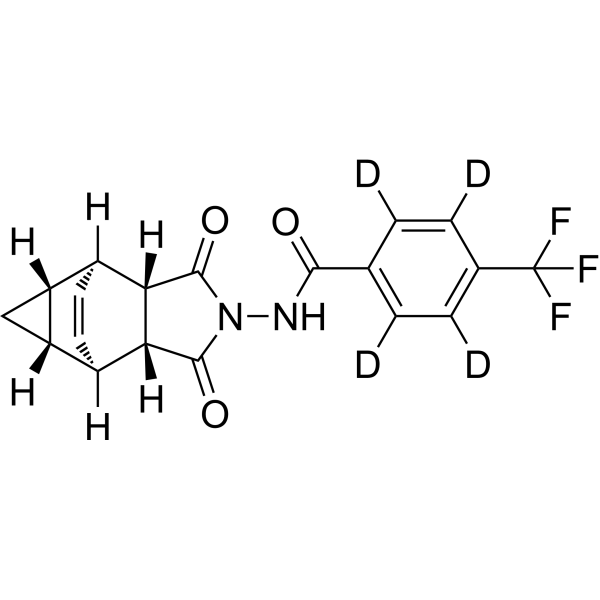
Tecovirimat-d4 (ST-246-d4) is a deuterium-labelled Tecovirimat (HY-14805). Tecovirimat is an orally bioavailable and selective compound against orthopoxviruses [including vaccinia, monkeypox, camelpox, cowpox, ectromelia (mousepox), smallpox and variola viruses]. Tecovirimat is evaluated against vaccinia, cowpox virus, ectromelia virus with EC50 values of 0.01 μM, 0.48 μM and 0.05 μM, respectively. Tecovirimat targets the orthopoxvirus protein VP37 which is necessary for membrane envelopment of intracellular mature virus particles to form enveloped virus. Tecovirimat exerts antiviral activity on the target of the cowpox virusV061 gene, which is homologous to vaccinia virusF13L, encoding a major envelope protein (p37) required for production of extracellular virus. Tecovirimat could be used in the study for orthopoxvirus-induced diseases .
Ancitabine is a cytarabine derivative that inhibits viral replication. Ancitabine blocks vaccinia virus DNA replication, the progression of viral protein synthesis from early to late stages, and one-step growth of vaccinia virus. Ancitabine is applicable to research related to vaccinia virus infection, leukemia, human cytomegalovirus infection and colorectal cancer .
Vaccinia virus capping enzyme is a transcription initiation factor. Vaccinia virus capping enzyme is a heterodimer of D1 (844 aa) and D12 (287 aa) polypeptides that executes all three steps in m7GpppRNA synthesis. Vaccinia virus capping enzyme has been used widely as a reagent for capping and cap-labeling RNAs in vitro .
Orthopoxviruses-IN-1 (Compound 4) is a potent p37 protein inhibitor (IC50= 0.017 µM against Vaccinia virus (VACV)). Orthopoxviruses-IN-1 is promising for research of orthopoxvirus-related diseases, including variola virus (smallpox) and monkeypox .
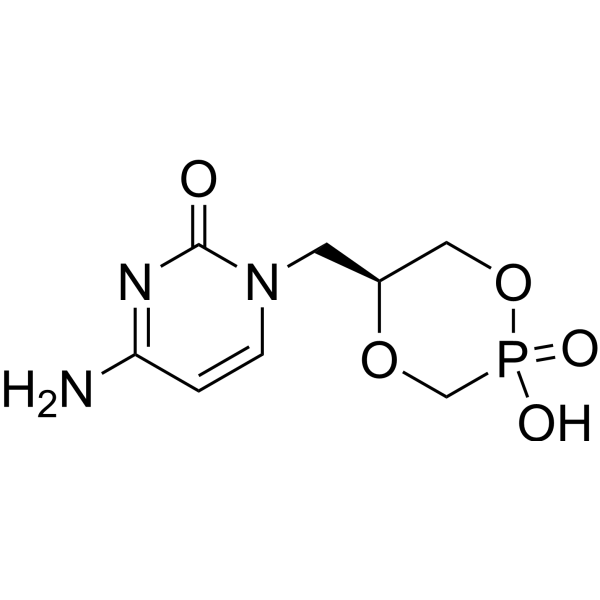
Cyclic HPMPC is a potent antiviral agent. Cyclic HPMPC can increase arterial oxygen saturation levels in lethal vaccinia virus (IHD strain)-infected mice. Cyclic HPMPC improves the outcome of congenital guinea pig cytomegalovirus (GPCMV) infection and decreases viral replication in guinea pig model .
3'-O-Methylguanosine (Standard) is an analytical standard of 3'-O-Methylguanosine (HY-W091784). This product is intended for research and analytical applications. 3'-O-Methylguanosine is a methylated nucleoside analog and RNA chain terminator. 3'-O-Methylguanosine can inhibit the synthesis of early vaccinia virus-specific RNA .
2-Aminoquinoline (2-Quinolinamine) is a promising compound as bioavailable nNOS inhibitor but suffers from low human nNOS inhibition, low selectivity versus human eNOS, and significant binding to other CNS targets. 2-Aminoquinoline exhibits antiviral activity against the vaccinia virus. 2-Aminoquinoline has the potential for the research of antineurodegenerative agents .
HSV-1/HSV-2-IN-1 (compound 7d) is a HSV-1 and HSV-2 inhibitor, with EC50s of 7.6, 7.6, 4, and 12 μM for HSV-1 (KOS), HSV-2 (G), HSV-1 TK - KOS ACV r and vaccinia virus in human embryonic lung fibroblast cell cultures .
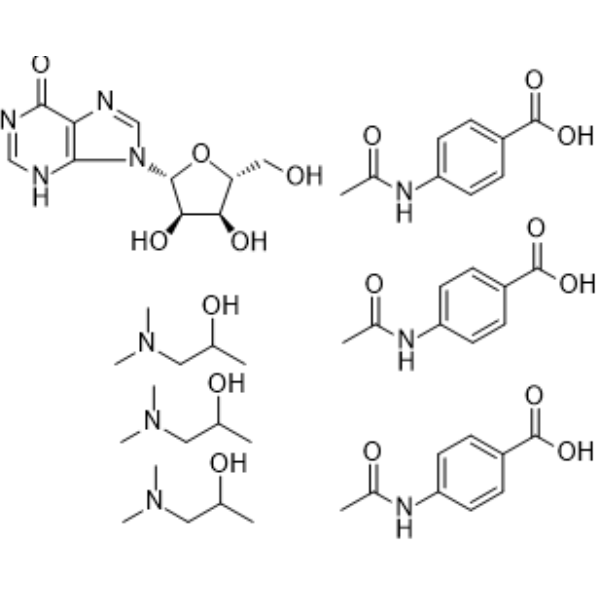
Inosine pranobex (Standard) is the analytical standard of Inosine pranobex. This product is intended for research and analytical applications. Inosine pranobex is an orally active immunomodulator. Inosine pranobex has broad-spectrum antiviral activity. Inosine pranobex inhibits human immunodeficiency virus (HIV), herpes simplex virus (HSV), vaccinia virus (VACV), human tumor virus (HPV), Cytomegalovirus, influenza virus (INFV), parainfluenza virus (PIV), and Epstein-Barr virus .
Ancitabine hydrochloride (Standard) is the analytical standard of Ancitabine hydrochloride. This product is intended for research and analytical applications. Ancitabine hydrochloride is a cytarabine derivative that inhibits viral replication. Ancitabine hydrochloride blocks vaccinia virus DNA replication, the progression of viral protein synthesis from early to late stages, and one-step growth of vaccinia virus. Ancitabine hydrochloride is applicable to research related to vaccinia virus infection, leukemia, human cytomegalovirus infection and colorectal cancer .
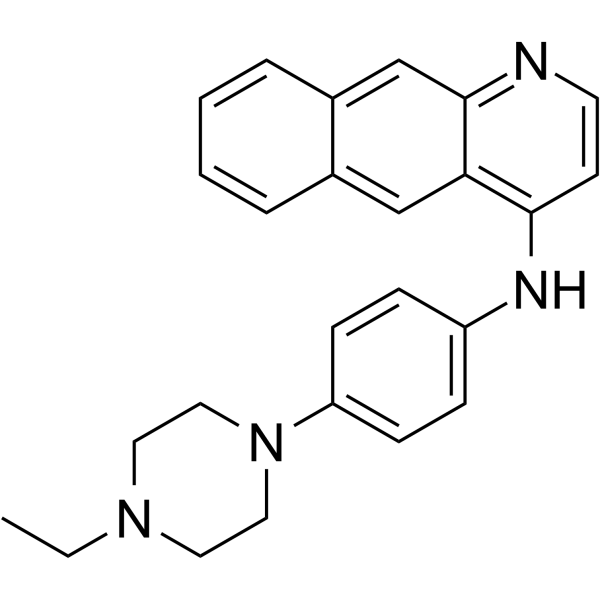
Quinoprazine is a potent inhibitor of Vaccinia virus DNA synthesis with an IC50 value of 10 μM. Quinoprazine has antimalarial activity against Plasmodium berghei and also displays antiprion potency, significantly decreases PrP S c levels - .
ssVACV-70mer sodium is a 70 bp single-stranded oligonucleotide containing viral DNA motifs that derive from the vaccinia virus DNA. Unlike its double-stranded counterpart dsVACV 70mer, ssVACV 70mer is not IFN-inducer .
Enrofloxacin (monohydrochloride) (Standard) is the analytical standard of Enrofloxacin (monohydrochloride). This product is intended for research and analytical applications. Enrofloxacin monohydrochloride (BAY Vp 2674 monohydrochloride) is an effective antibiotic with an MIC90 of 0.312 μg/mL for Mycoplasma bovis. Enrofloxacin monohydrochloride shows inhibitory activity against vaccinia virus (VV).
Canertinib (dihydrochloride) (Standard) is the analytical standard of Canertinib (dihydrochloride). This product is intended for research and analytical applications. Canertinib dihydrochloride (CI-1033 dihydrochloride) is a potent and irreversible EGFR inhibitor; inhibits cellular EGFR and ErbB2 autophosphorylation with IC50s of 7.4 and 9 nM. Canertinib dihydrochloride is active against vaccinia virus respiratory infection in mice .
Canertinib (Standard) is the analytical standard of Canertinib. This product is intended for research and analytical applications. Canertinib (CI-1033;PD-183805) is a potent and irreversible EGFR inhibitor; inhibits cellular EGFR and ErbB2 autophosphorylation with IC50s of 7.4 and 9 nM. Canertinib is active against vaccinia virus respiratory infection in mice .
Anti-H3L Antibody (NAL_A185) is a neutralizing antibody targeting the H3L envelope protein of vaccinia virus (CV) belonging to the genus Orthopoxvirus. By binding to the H3L protein of intracellular mature virions, Anti-H3L Antibody (NAL_A185) blocks the binding of the virus to host cells, thereby neutralizing viral infectivity. Anti-H3L Antibody (NAL_A185) not only protects BALB/c mice from intranasal challenge with the lethal vaccinia virusWR strain, reducing weight loss and mortality, but also exhibits complement-dependent neutralizing activity against monkeypox virus. Among these properties, NAL_A185 is an immune target induced by the smallpox vaccine Dryvax; it elicits a robust recall antibody response and induces high-titer neutralizing antibodies in mice. Anti-H3L Antibody (NAL_A185) can be used for studies related to vaccinia virus infection, monkeypox and monkeypox disease .
Monkeypox virus resolvase-IN-1 (compound 5-1) is a potent monkeypox virus resolvase (Mpr) inhibitor with an IC50 of 36 nM. Monkeypox virus resolvase-IN-1 exhibits antiviral activity in vaccinia virus (VACV), a model orthopoxvirus, with an EC50 of 3.2 nM. Monkeypox virus resolvase-IN-1 can be used for antiviral research .
ZW-2038 is a potent and selective antiviral compound against vaccinia virus (VACV), monkeypox virus (MPXV), and cowpox virus (CPXV). ZW-2038 suppresses VACV DNA replication and downstream post-replicative gene expression, albeit without inhibiting MPXV resolvase (Mpr). ZW-2038 demonstrates potent antiviral activity in complex human and animal tissue models. ZW-2038 can be used for orthopoxviruses infection research .
Antiviral agent 74 is an antiviral agent consisting of Cidofovir (HY-17438) prodrug and lipid chain. Antiviral agent 74 can inhibit the activity of viral DNA polymerase by transforming into Cidofovir.Antiviral agent 74 demonstrates potent antiviral activity against vacciniavirus (VACV) (EC50 = 0.156 μM) comparable to Brincidofovir (HY-14532). Antiviral agent 74 shows superior potency against monkeypox virus (MPXV) with an EC50 vales of 0.202 μM. Antiviral agent 74 can be used for the research of virus infection .
PS1097 is a broad-spectrum antiviral inhibitor with a BVDV RdRpIC50 of 0.64 μM. PS1097 selectively reduces RTN3 protein levels, causes partial RTN3 mRNA reduction, and leaves other endoplasmic reticulum-resident proteins unaffected. PS1097 inhibits replication of Zika virus and multiple viruses that use the endoplasmic reticulum as a replication hub. PS1097 inhibits BVDV RdRp enzymatic activity and exerts activity against Bovine Viral Diarrhea Virus. PS1097 can be used for the research of zika virus infection, usutu virus infection, west nile virus infection, COVID-19, coxsackie b virus 5 infection, chikungunya virus infection, vaccinia virus infection .
Orthopoxvirus is a genus of viruses in the family Poxviridae and subfamily Chordopoxvirinae. The orthopoxvirus genus consists of 12 viruses including variola virus, vaccinia virus (VV), cowpox viruses (CV), monkeypox virus, and camelpox virus. Smallpox has been eradicated worldwide in 1980, but some other orthopoxvirus, such as monkeypox virus, are still threats to human health.
There are not many drugs available for orthopoxvirus treatment. The only product currently available for treatment of complications of Orthopoxvirus infection is vaccinia immunoglobulin (VIG). In 2021, brincidofovir was approved by FDA for the treatment of smallpox and tecovirimat was approved by EMA for the treatment of monkeypox in 2022. A few active compounds including interferon and interferon inducers, and a variety of nucleosides or nucleotides have been reported to have activity against orthopoxvirus.
MCE carefully prepared a unique collection of 37 compounds reported with the anti- orthopoxvirus activity which can be used for drug screening and other research about orthopoxvirus.
Pseudouridine 5'-triphosphate (Pseudo-UTP) trisodium solution (100 mM) is a modified ribonucleoside triphosphate and uracil base-modified UTP derivative. Pseudouridine 5'-triphosphate trisodium solution (100 mM) enhances translational properties and stability of mRNA, reduces innate immune responses in mammalian cells, and inhibits signal-dependent transcription termination of vaccinia virus early gene transcription while supporting transcription elongation. Pseudouridine 5'-triphosphate trisodium solution (100 mM) can be used for the research of vaccinia virus infection .
Pseudouridine 5'-triphosphate (Pseudo-UTP) is a modified ribonucleoside triphosphate and uracil base-modified UTP derivative. Pseudouridine 5'-triphosphate enhances translational properties and stability of mRNA, reduces innate immune responses in mammalian cells, and inhibits signal-dependent transcription termination of vaccinia virus early gene transcription while supporting transcription elongation. Pseudouridine 5'-triphosphate can be used for the research of vaccinia virus infection .
B8R 20-27 is a biological active peptide. (This is amino acids 20 to 27 fragment of B8R, a vaccinia virus (VV) gene that encodes a secreted protein related to gamma interferon receptor. B8R binding to IFN-g neutralizes its antiviral activity.)
Anti-Mouse CD69 Antibody (CD69.2.2) is a mouse-derived IgG1 κ type antibody inhibitor, targeting to mouse CD69. Anti-Mouse CD69 Antibody (CD69.2.2) causes CD69 to be internalized but does not deplete CD69 + cells. Anti-Mouse CD69 Antibody (CD69.2.2) can be used for the researches of cancer, infection, inflammation and immunology, such as RMA-S tumor, arthritis and vaccinia virus (VACV) infection .
Anti-H3L Antibody (NAL_A185) is a neutralizing antibody targeting the H3L envelope protein of vaccinia virus (CV) belonging to the genus Orthopoxvirus. By binding to the H3L protein of intracellular mature virions, Anti-H3L Antibody (NAL_A185) blocks the binding of the virus to host cells, thereby neutralizing viral infectivity. Anti-H3L Antibody (NAL_A185) not only protects BALB/c mice from intranasal challenge with the lethal vaccinia virusWR strain, reducing weight loss and mortality, but also exhibits complement-dependent neutralizing activity against monkeypox virus. Among these properties, NAL_A185 is an immune target induced by the smallpox vaccine Dryvax; it elicits a robust recall antibody response and induces high-titer neutralizing antibodies in mice. Anti-H3L Antibody (NAL_A185) can be used for studies related to vaccinia virus infection, monkeypox and monkeypox disease .
Ofloxacin (Hoe-280) is a fluoroquinolone whose primary mechanism of action is inhibition of bacterial DNA gyrase. Ofloxacin shows inhibitory activity against vaccinia virus (VV).
3'-O-Methylguanosine is a methylated nucleoside analog and RNA chain terminator. 3'-O-Methylguanosine can inhibit the synthesis of early vaccinia virus-specific RNA .
Ancitabine hydrochloride is a cytarabine derivative that inhibits viral replication. Ancitabine hydrochloride blocks vaccinia virus DNA replication, the progression of viral protein synthesis from early to late stages, and one-step growth of vaccinia virus. Ancitabine hydrochloride is applicable to research related to vaccinia virus infection, leukemia, human cytomegalovirus infection and colorectal cancer .
Neplanocin A ((-)-Neplanocin A) is an antitumor antibiotic with significant antitumor activity against murine L1210 leukemia. Neplanocin A is also an irreversible inhibitor of AdoHcy hydrolase (Ki=8.39 nM). Neplanocin A also has antiviral activity and is effective against vaccinia virus. Neplanocin A is obtained from Ampulariella regularis .
Ofloxacin (Standard) is the analytical standard of Ofloxacin. This product is intended for research and analytical applications. Ofloxacin (Hoe-280) is a fluoroquinolone whose primary mechanism of action is inhibition of bacterial DNA gyrase. Ofloxacin shows inhibitory activity against vaccinia virus (VV).
3'-O-Methylguanosine (Standard) is an analytical standard of 3'-O-Methylguanosine (HY-W091784). This product is intended for research and analytical applications. 3'-O-Methylguanosine is a methylated nucleoside analog and RNA chain terminator. 3'-O-Methylguanosine can inhibit the synthesis of early vaccinia virus-specific RNA .
Enrofloxacin (monohydrochloride) (Standard) is the analytical standard of Enrofloxacin (monohydrochloride). This product is intended for research and analytical applications. Enrofloxacin monohydrochloride (BAY Vp 2674 monohydrochloride) is an effective antibiotic with an MIC90 of 0.312 μg/mL for Mycoplasma bovis. Enrofloxacin monohydrochloride shows inhibitory activity against vaccinia virus (VV).
Protein L1/VACWR088 is a crucial part of the entry fusion complex (EFC) comprising 11 proteins. It facilitates the entry of the virion core into the host cytoplasm through a two-step process involving lipid mixing and pore formation. All EFC proteins, except OPG095/L1 and OPG053/F9, contribute to the assembly or stability of the complex. Protein L1/VACWR088, Vaccinia virus (sf9, His, myc) is the recombinant Virus-derived protein L1/VACWR088, expressed by sf9 insect cells , with N-His, C-Myc labeled tag.
Protein L1/L1R is part of the entry fusion complex (EFC) composed of 11 proteins. This complex facilitates the entry of the virion core into the host cytoplasm through a two-step process: lipid mixing of viral and cellular membranes, followed by pore formation. The assembly or stability of the EFC relies on all proteins except OPG095 and OPG053. Protein L1/L1R, Vaccinia virus (sf9, His, myc) is the recombinant Virus-derived protein L1/L1R, expressed by sf9 insect cells , with N-His, C-Myc labeled tag.
B18R protein functions as a potent antagonist against the antiviral effects of host IFN-alpha/beta and key IFN-inducible proteins, such as OAS1 involved in viral RNA degradation. It acts as a soluble IFN-alpha receptor, effectively impeding the interaction between host IFN-alpha and its receptor. The protein's ability to interact with host IFNA1 underscores its role in modulating the host's immune response against viral infections. B18R Protein, Vaccinia virus (HEK293, His) is the recombinant Virus-derived B18R protein, expressed by HEK293 , with C-6*His labeled tag.
Tecovirimat-d4 (ST-246-d4) is a deuterium-labelled Tecovirimat (HY-14805). Tecovirimat is an orally bioavailable and selective compound against orthopoxviruses [including vaccinia, monkeypox, camelpox, cowpox, ectromelia (mousepox), smallpox and variola viruses]. Tecovirimat is evaluated against vaccinia, cowpox virus, ectromelia virus with EC50 values of 0.01 μM, 0.48 μM and 0.05 μM, respectively. Tecovirimat targets the orthopoxvirus protein VP37 which is necessary for membrane envelopment of intracellular mature virus particles to form enveloped virus. Tecovirimat exerts antiviral activity on the target of the cowpox virusV061 gene, which is homologous to vaccinia virusF13L, encoding a major envelope protein (p37) required for production of extracellular virus. Tecovirimat could be used in the study for orthopoxvirus-induced diseases .
Pseudouridine 5'-triphosphate (Pseudo-UTP) trisodium solution (100 mM) is a modified ribonucleoside triphosphate and uracil base-modified UTP derivative. Pseudouridine 5'-triphosphate trisodium solution (100 mM) enhances translational properties and stability of mRNA, reduces innate immune responses in mammalian cells, and inhibits signal-dependent transcription termination of vaccinia virus early gene transcription while supporting transcription elongation. Pseudouridine 5'-triphosphate trisodium solution (100 mM) can be used for the research of vaccinia virus infection .
Pseudouridine 5'-triphosphate (Pseudo-UTP) is a modified ribonucleoside triphosphate and uracil base-modified UTP derivative. Pseudouridine 5'-triphosphate enhances translational properties and stability of mRNA, reduces innate immune responses in mammalian cells, and inhibits signal-dependent transcription termination of vaccinia virus early gene transcription while supporting transcription elongation. Pseudouridine 5'-triphosphate can be used for the research of vaccinia virus infection .
Inquiry Online
Your information is safe with us. * Required Fields.
Western blot analysis of extracts from THP-1(lane 2(20μg), Jurkat (lane 3(20μg) and NIH3T3(lane 4(20μg) using FOXO1A (HY-P80132) Rabbit mAb. Proteins were transferred
to a PVDF membrane and blocked with 5% non-fat milk in TBST for 2 hour at room temperature. The primary antibody (1/1000) and Loading control antibody (Beta Actin, HY-P80438, 1/10000) was
used in 5% non-fat milk in TBST at 4°C overnight. Goat Anti-Mouse/Rabbit IgG-HRP Secondary Antibody (1/10000) was used for 1 hour at room temperature.
Western blot analysis of extracts from THP-1(lane 2(20μg), Jurkat (lane 3(20μg) and NIH3T3(lane 4(20μg) using FOXO1A (HY-P80132) Rabbit mAb. Proteins were transferred
to a PVDF membrane and blocked with 5% non-fat milk in TBST for 2 hour at room temperature. The primary antibody (1/1000) and Loading control antibody (Beta Actin, HY-P80438, 1/10000) was
used in 5% non-fat milk in TBST at 4°C overnight. Goat Anti-Mouse/Rabbit IgG-HRP Secondary Antibody (1/10000) was used for 1 hour at room temperature.
Western blot analysis of extracts from THP-1(lane 2(20μg), Jurkat (lane 3(20μg) and NIH3T3(lane 4(20μg) using FOXO1A (HY-P80132) Rabbit mAb. Proteins were transferred
to a PVDF membrane and blocked with 5% non-fat milk in TBST for 2 hour at room temperature. The primary antibody (1/1000) and Loading control antibody (Beta Actin, HY-P80438, 1/10000) was
used in 5% non-fat milk in TBST at 4°C overnight. Goat Anti-Mouse/Rabbit IgG-HRP Secondary Antibody (1/10000) was used for 1 hour at room temperature.
Western blot analysis of extracts from THP-1(lane 2(20μg), Jurkat (lane 3(20μg) and NIH3T3(lane 4(20μg) using FOXO1A (HY-P80132) Rabbit mAb. Proteins were transferred
to a PVDF membrane and blocked with 5% non-fat milk in TBST for 2 hour at room temperature. The primary antibody (1/1000) and Loading control antibody (Beta Actin, HY-P80438, 1/10000) was
MedchemExpress Validation 03
Western blot analysis of extracts from THP-1(lane 2(20μg), Jurkat (lane 3(20μg) and NIH3T3(lane 4(20μg) using FOXO1A (HY-P80132) Rabbit mAb. Proteins were transferred
MedchemExpress Validation 04
Western blot analysis of extracts from THP-1(lane 2(20μg), Jurkat (lane 3(20μg) and NIH3T3(lane 4(20μg) using FOXO1A (HY-P80132) Rabbit mAb. Proteins were transferred
to a PVDF membrane and blocked with 5% non-fat milk in TBST for 2 hour at room temperature. The primary antibody (1/1000) and Loading control antibody (Beta Actin, HY-P80438, 1/10000) was
used in 5% non-fat milk in TBST at 4°C overnight. Goat Anti-Mouse/Rabbit IgG-HRP Secondary Antibody (1/10000) was used for 1 hour at room temperature.
MedchemExpress Validation
Western blot analysis of extracts from THP-1(lane 2(20μg), Jurkat (lane 3(20μg) and NIH3T3(lane 4(20μg) using FOXO1A (HY-P80132) Rabbit mAb. Proteins were transferred
to a PVDF membrane and blocked with 5% non-fat milk in TBST for 2 hour at room temperature. The primary antibody (1/1000) and Loading control antibody (Beta Actin, HY-P80438, 1/10000) was
used in 5% non-fat milk in TBST at 4°C overnight. Goat Anti-Mouse/Rabbit IgG-HRP Secondary Antibody (1/10000) was used for 1 hour at room temperature.
Western blot analysis of extracts from THP-1(lane 2(20μg), Jurkat (lane 3(20μg) and NIH3T3(lane 4(20μg) using FOXO1A (HY-P80132) Rabbit mAb. Proteins were transferred
to a PVDF membrane and blocked with 5% non-fat milk in TBST for 2 hour at room temperature. The primary antibody (1/1000) and Loading control antibody (Beta Actin, HY-P80438, 1/10000) was
used in 5% non-fat milk in TBST at 4°C overnight. Goat Anti-Mouse/Rabbit IgG-HRP Secondary Antibody (1/10000) was used for 1 hour at room temperature.
MedchemExpress Validation
Western blot analysis of extracts from THP-1(lane 2(20μg), Jurkat (lane 3(20μg) and NIH3T3(lane 4(20μg) using FOXO1A (HY-P80132) Rabbit mAb. Proteins were transferred
to a PVDF membrane and blocked with 5% non-fat milk in TBST for 2 hour at room temperature. The primary antibody (1/1000) and Loading control antibody (Beta Actin, HY-P80438, 1/10000) was
used in 5% non-fat milk in TBST at 4°C overnight. Goat Anti-Mouse/Rabbit IgG-HRP Secondary Antibody (1/10000) was used for 1 hour at room temperature.
MedchemExpress Validation
Western blot analysis of extracts from THP-1(lane 2(20μg), Jurkat (lane 3(20μg) and NIH3T3(lane 4(20μg) using FOXO1A (HY-P80132) Rabbit mAb. Proteins were transferred
to a PVDF membrane and blocked with 5% non-fat milk in TBST for 2 hour at room temperature. The primary antibody (1/1000) and Loading control antibody (Beta Actin, HY-P80438, 1/10000) was
used in 5% non-fat milk in TBST at 4°C overnight. Goat Anti-Mouse/Rabbit IgG-HRP Secondary Antibody (1/10000) was used for 1 hour at room temperature.
MedchemExpress Validation
Western blot analysis of extracts from THP-1(lane 2(20μg), Jurkat (lane 3(20μg) and NIH3T3(lane 4(20μg) using FOXO1A (HY-P80132) Rabbit mAb. Proteins were transferred
to a PVDF membrane and blocked with 5% non-fat milk in TBST for 2 hour at room temperature. The primary antibody (1/1000) and Loading control antibody (Beta Actin, HY-P80438, 1/10000) was
used in 5% non-fat milk in TBST at 4°C overnight. Goat Anti-Mouse/Rabbit IgG-HRP Secondary Antibody (1/10000) was used for 1 hour at room temperature.
MedchemExpress Validation
Western blot analysis of extracts from THP-1(lane 2(20μg), Jurkat (lane 3(20μg) and NIH3T3(lane 4(20μg) using FOXO1A (HY-P80132) Rabbit mAb. Proteins were transferred
to a PVDF membrane and blocked with 5% non-fat milk in TBST for 2 hour at room temperature. The primary antibody (1/1000) and Loading control antibody (Beta Actin, HY-P80438, 1/10000) was
used in 5% non-fat milk in TBST at 4°C overnight. Goat Anti-Mouse/Rabbit IgG-HRP Secondary Antibody (1/10000) was used for 1 hour at room temperature.
MedchemExpress Validation
Western blot analysis of extracts from THP-1(lane 2(20μg), Jurkat (lane 3(20μg) and NIH3T3(lane 4(20μg) using FOXO1A (HY-P80132) Rabbit mAb. Proteins were transferred
to a PVDF membrane and blocked with 5% non-fat milk in TBST for 2 hour at room temperature. The primary antibody (1/1000) and Loading control antibody (Beta Actin, HY-P80438, 1/10000) was
used in 5% non-fat milk in TBST at 4°C overnight. Goat Anti-Mouse/Rabbit IgG-HRP Secondary Antibody (1/10000) was used for 1 hour at room temperature.
MedchemExpress Validation
Western blot analysis of extracts from THP-1(lane 2(20μg), Jurkat (lane 3(20μg) and NIH3T3(lane 4(20μg) using FOXO1A (HY-P80132) Rabbit mAb. Proteins were transferred
to a PVDF membrane and blocked with 5% non-fat milk in TBST for 2 hour at room temperature. The primary antibody (1/1000) and Loading control antibody (Beta Actin, HY-P80438, 1/10000) was
used in 5% non-fat milk in TBST at 4°C overnight. Goat Anti-Mouse/Rabbit IgG-HRP Secondary Antibody (1/10000) was used for 1 hour at room temperature.
MedChemExpress values your privacy and your trust is important to us. We use cookies to enhance your website experience. Some cookies are necessary to run the website.
Privacy and Cookie Policy