Delivery of temperature sensitive items including proteins and kits will be paused on 6/19 for the Juneteenth holiday. For urgent orders please contact customer service.
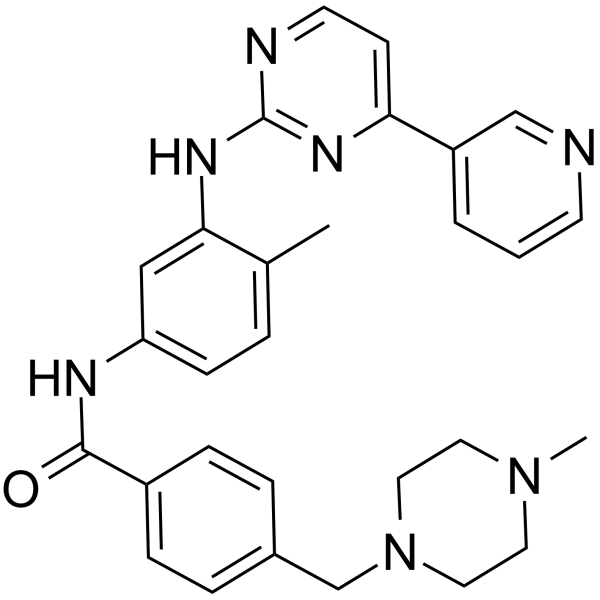
Imatinib (STI571) is an orally bioavailable tyrosinekinases inhibitor that selectively inhibits BCR/ABL, v-Abl, PDGFR and c-kitkinase activity. Imatinib (STI571) works by binding close to the ATP binding site, locking it in a closed or self-inhibited conformation, therefore inhibiting the enzyme activity of the protein semicompetitively . Imatinib also is an inhibitor of SARS-CoV and MERS-CoV .
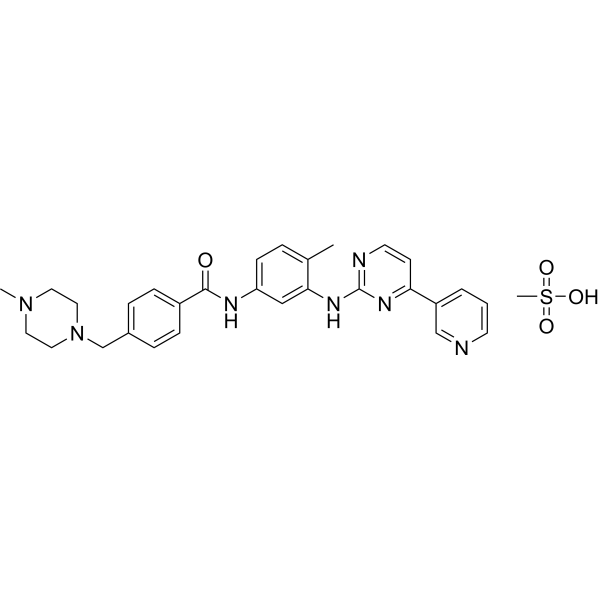
Imatinib Mesylate (STI571 Mesylate) is an orally active tyrosinekinases inhibitor that inhibits c-Kit, Bcr-Abl, and PDGFR (IC50=100 nM) tyrosinekinases.
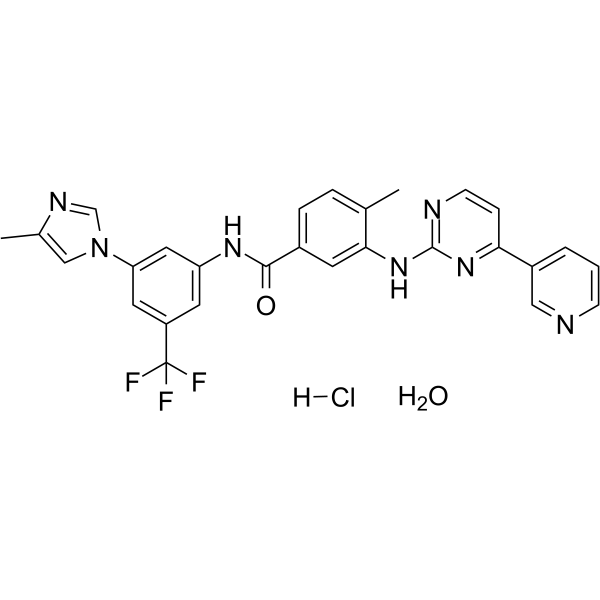
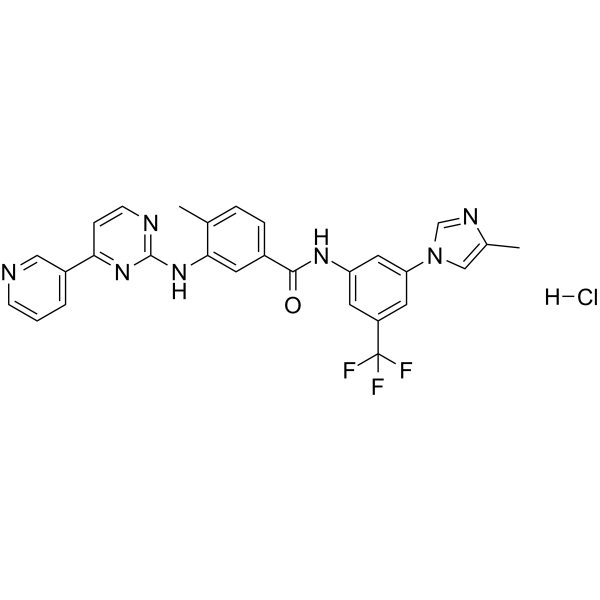
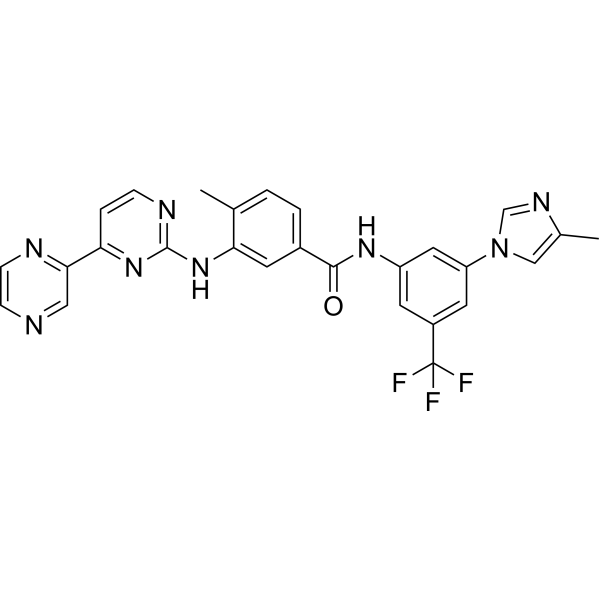
Nilotinib monohydrochloride monohydrate is a second generation tyrosinekinase inhibitor (TKI), is significantly potent against BCR-ABL, and is active against many BCR-ABL mutants.
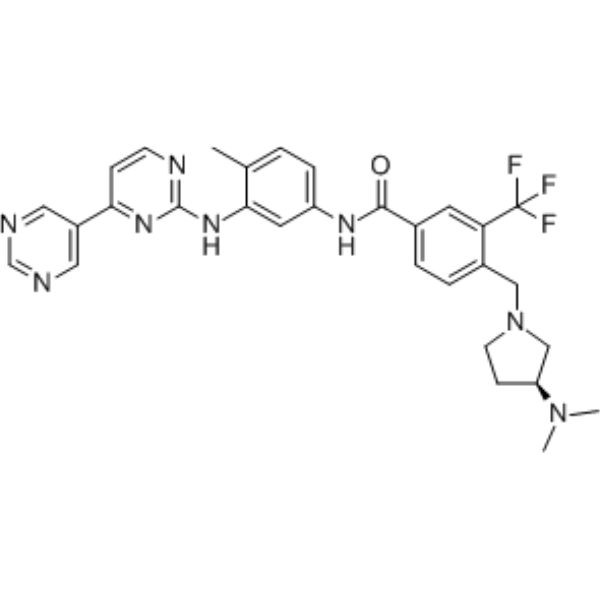
Bafetinib is an orally active Lyn/Bcr-Abltyrosinekinase inhibitor. Bafetinib enhances the activity of several pro-apoptotic Bcl-2 homology (BH) 3-pure proteins (Bim, Bad, Bmf, and Bik) through intrinsic apoptotic pathways regulated by the Bcl-2 family, and induces apoptosis of Ph + leukemia cells. Bafetinib has antitumor activity .
Radotinib (IY-5511) is an orally active and BBB-permeable selective tyrosinekinaseBcr-Abl1 inhibitor with an IC50 of 34 nM. Radotinib has anti-prion and anti-tumor activities. Radotinib can inhibit the proliferation, induce cell cycle arrest and apoptosis of tumor cells . Radotinib can be used in the research of cancer such as chronic myeloid leukemia and multiple myeloma, as well as neurodegenerative diseases such as prion diseases .
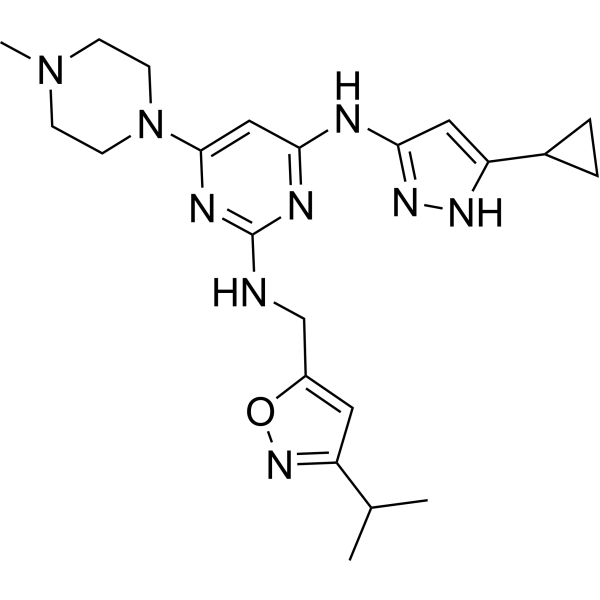
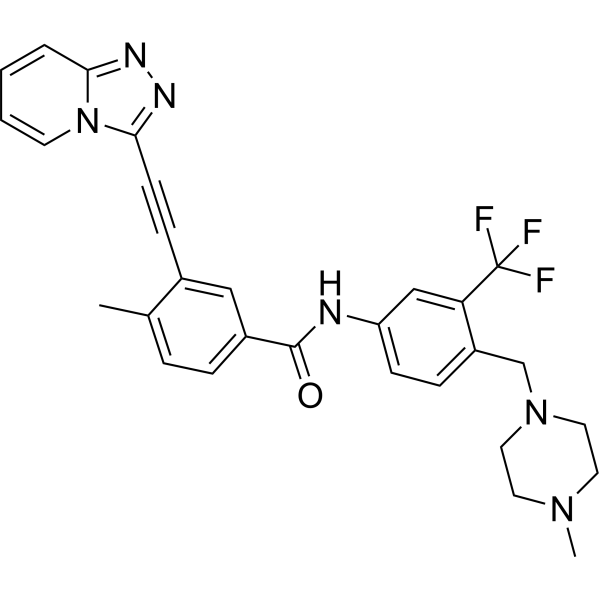
Vamotinib (PF-114) is a potent, selective and orally active tyrosinekinase inhibitor. Vamotinib inhibits the autophosphorylation of BCR/ABL and BCR/ABL-T315I. Vamotinib induces apoptosis. Vamotinib shows anti-proliferative and anti-tumor activity. Vamotinib has the potential for the research of resistant philadelphia chromosome-positive (Ph+) leukemia. Vamotinib inhibits ABL series kinases with IC50s of 0.49 nM (ABL), 0.78 nM (ABLT315I), 9.5 nM (ABLE255K), 2.0 nM (ABLF317I), 7.4 nM (ABLG250E), 1.0 nM (ABLH396P), 2.8 nM (ABLM351T), 12 nM (ABLQ252H), and 4.1 nM (ABLY253F), respectively . Vamotinib is a click chemistry reagent, it contains an Alkyne group and can undergo copper-catalyzed azide-alkyne cycloaddition (CuAAc) with molecules containing Azide groups.
PD173952 is a tyrosinekinases inhibitor with IC50s of 0.3, 1.7 and 6.6 nM against Lyn, Abl and Csk, respectively. PD173952 is also a potent Myt1kinase inhibitor with a Ki of 8.1 nM. PD173952 induces apoptosis .
Risvodetinib (IkT-148009) is an orally active, selective and brain-penetrant protein tyrosinekinase inhibitor, displaying excellent target efficacy against c-Abl1, c-Abl2/Arg with IC50 values of 33 nM, 14 nM, respectively. Risvodetinib suppresses c-Abl activation and substantially protects dopaminergic neurons from degeneration in mouse models of both inherited and sporadic Parkinson’s disease (PD), which is promising for research in the field of PD .
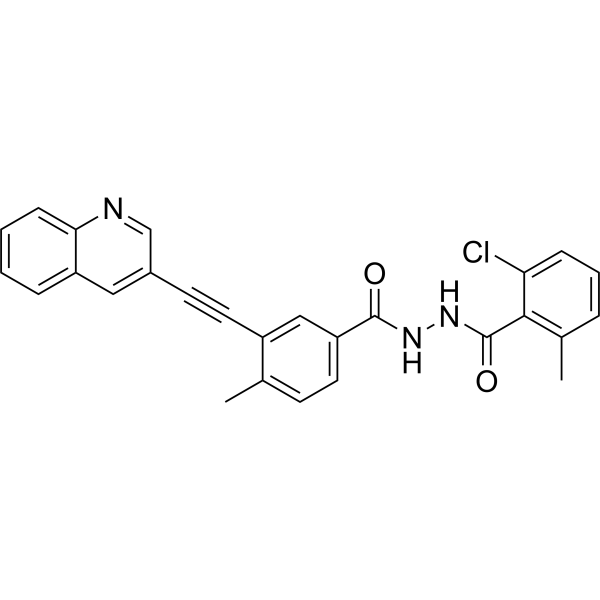
Vodobatinib (K0706) is a potent, third generation and orally active Bcr-Abl1 tyrosinekinase inhibitor with an IC50 of 7 nM. Vodobatinib exhibits activity against most BCR-ABL1 point mutants, and has no activity against BCR-ABL1T315I. Vodobatinib can be used for chronic myeloid leukemia (CML) research . Vodobatinib is a click chemistry reagent, it contains an Alkyne group and can undergo copper-catalyzed azide-alkyne cycloaddition (CuAAc) with molecules containing Azide groups.
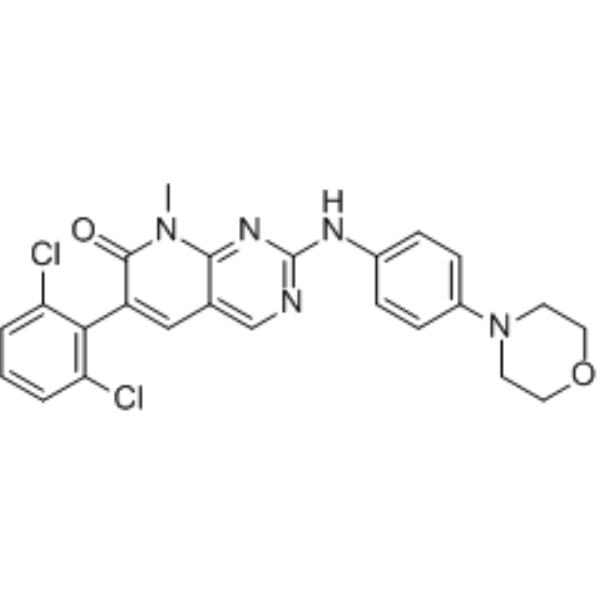
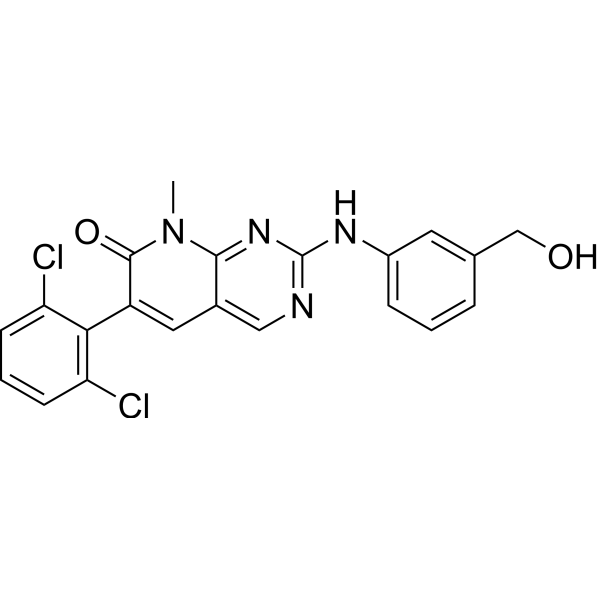
PD166326 is an orally active tyrosinekinase inhibitor with a IC50 of 8 nM against abltyrosinekinase and a IC50 of 6 nM against srctyrosinekinase. PD166326 blocks Bcr/Ablkinase activity. PD166326 inhibits Bcr/Abl-dependent proliferation and cell cycle progression. PD166326 reduces peripheral blood granulocytosis, alleviates splenomegaly and prolongs survival in a mouse model of chronic myeloid leukemia. PD166326 can be used in research related to chronic myeloid leukemia .
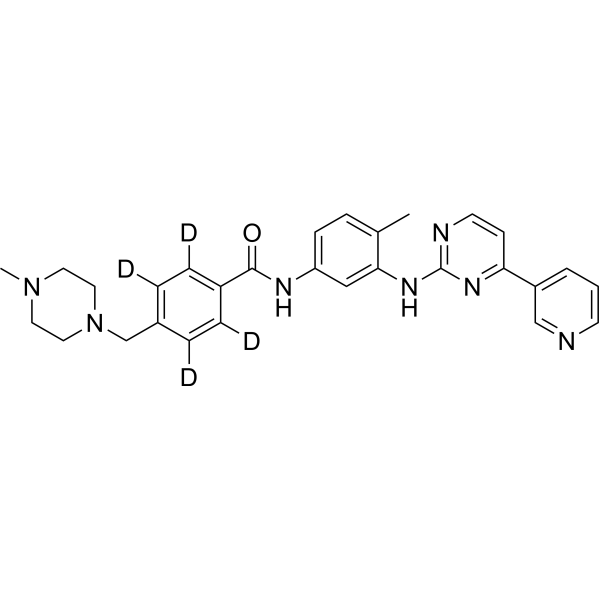
Imatinib-d4 (STI571-d4) is a deuterium labeled Imatinib (STI571). Imatinib is an orally bioavailable tyrosinekinases inhibitor that selectively inhibits BCR/ABL, v-Abl, PDGFR and c-kit kinase activity .
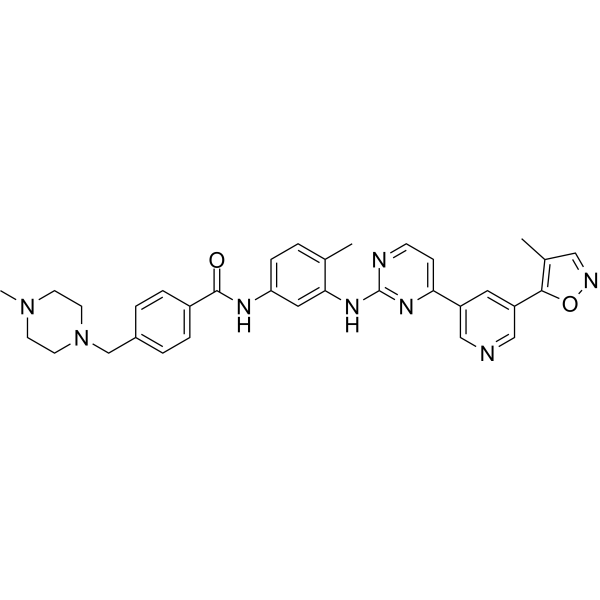
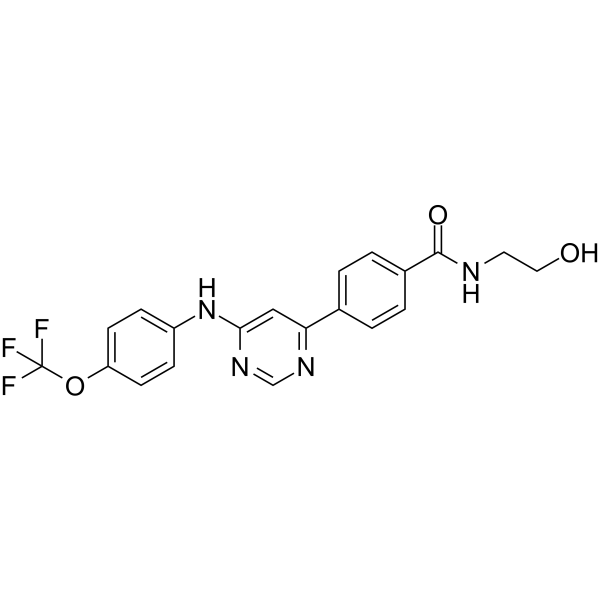
Multi-kinase inhibitor 1 is a potent multi-kinase inhibitor. Multi-kinase inhibitor 1 has the potential for diseases or disorders associated with abnormal or deregulated tyrosinekinase activity, particularly diseases associated with the activity of PDGF-R, c-Kit and Bcr-abl .
Abl protein tyrosinekinase substrate is a biological active peptide. (Abltide is a peptide substrate for AblKinase (Abl protein tyrosinekinase), a partner in the gag-Abl fusion protein of the Abelson murine leukemia virus. Used in Western blot and kinase assay.)
Abl Cytosolic Substrate is a substrate for Abelson tyrosinekinase (Abl ). Abl Protein TyrosineKinase (AbI) is a truncated form of the v-AbI Protein TyrosineKinase, a partner in the Gag-Abl fusion protein of the Abelson murine leukemia virus .
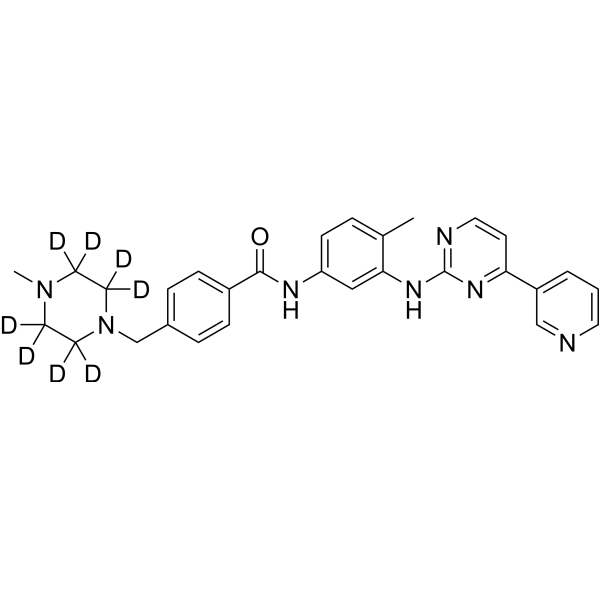
Imatinib-d8 is a deuterium labeled Imatinib (STI571). Imatinib is an orally bioavailable tyrosinekinases inhibitor that selectively inhibits BCR/ABL, v-Abl, PDGFR and c-kit kinase activity .
S116836, a potent, orally active BCR-ABLtyrosinekinase inhibitor, blocks both wild-type as well as T315I Bcr-Abl. S116836 arrests the cells in the G0/G1 phase of cell cycle, induces apoptosis, increases ROS production, and decreases GSH production in BaF3/WT and BaF3/T315I cells. S116836 also inhibits SRC, LYN, HCK, LCK and BLK, and receptor tyrosinekinases such as FLT3, TIE2, KIT, PDGFR-β. Antitumor activies . S116836 is a click chemistry reagent, it contains an Alkyne group and can undergo copper-catalyzed azide-alkyne cycloaddition (CuAAc) with molecules containing Azide groups.
AG957 (Tyrphostin AG957;NSC 654705) is a tyrosinekinase inhibitor with anti-BCR/ABLtyrosinekinase activity . AG957 is a bcr/ablkinase inhibitor with an IC50 of 2.9 μM for p210 bcr/abl autokinase activity .
Nilotinib (AMN107) hydrochloride dihydrate is an orally active Bcr-Abltyrosinekinase inhibitor with antineoplastic activity and can be used in studies of chronic myelogenous leukaemia .
Imatinib (Standard) is the analytical standard of Imatinib. This product is intended for research and analytical applications. Imatinib (STI571) is an orally bioavailable tyrosinekinases inhibitor that selectively inhibits BCR/ABL, v-Abl, PDGFR and c-kitkinase activity. Imatinib (STI571) works by binding close to the ATP binding site, locking it in a closed or self-inhibited conformation, therefore inhibiting the enzyme activity of the protein semicompetitively . Imatinib also is an inhibitor of SARS-CoV and MERS-CoV .
PP487 is a selective dual inhibitor of Tyrosinekinase/PI3-K, with IC50 values of 0.017 μM, 0.072 μM, 0.004 μM, 0.01 μM, 0.55 μM, 0.22 μM, and < 0.01 μM against DNA-PK, mTOR, Hck, Src, EGFR, EphB4, and PDGFR, respectively. PP487 can be used in cancer research .
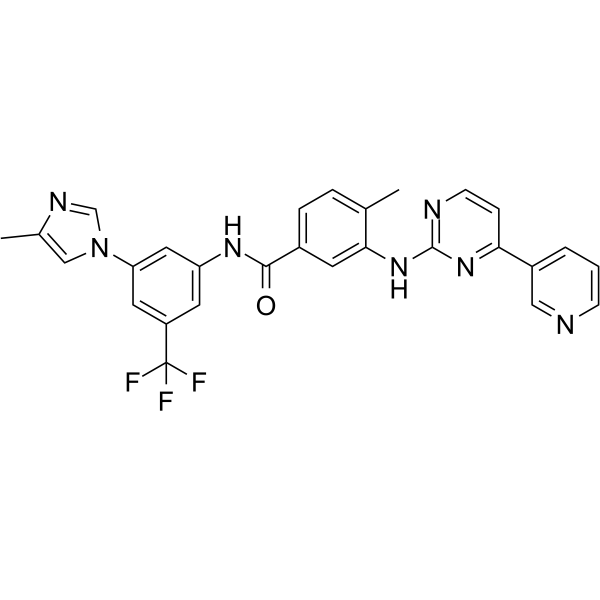
Nilotinib (Standard) is the analytical standard of Nilotinib. This product is intended for research and analytical applications. Nilotinib is an orally available Bcr-Abltyrosinekinase inhibitor with antineoplastic activity.
Nilotinib (AMN107) hydrochloride is an orally active Bcr-Abltyrosinekinase inhibitor with antineoplastic activity and can be used in studies of chronic myelogenous leukaemia .
Imatinib (Mesylate) (Standard) is the analytical standard of Imatinib (Mesylate). This product is intended for research and analytical applications. Imatinib Mesylate (STI571 Mesylate) is an orally active tyrosinekinases inhibitor that inhibits c-Kit, Bcr-Abl, and PDGFR (IC50=100 nM) tyrosinekinases.
BCR-ABL1-IN-2 (compound 8) is a potent BCR-ABL1 tyrosinekinase inhibitor. BCR-ABL1-IN-2 exhibits activity in Imatinib (HY-15463) resistant K562/DOX cells with LC50 of 5.29 μM. BCR-ABL1-IN-2 shows no significant toxicity in nontumor cells. BCR-ABL1-IN-2 can be used for chronic myeloid leukemia research .
Imatinib- 13C,d3 (STI571- 13C,d3) is 13C labeled Imatinib. Imatinib (STI571) is an orally bioavailable tyrosinekinases inhibitor that selectively inhibits BCR/ABL, v-Abl, PDGFR and c-kitkinase activity. Imatinib (STI571) works by binding close to the ATP binding site, locking it in a closed or self-inhibited conformation, therefore inhibiting the enzyme activity of the protein semicompetitively . Imatinib also is an inhibitor of SARS-CoV and MERS-CoV .
AG957 (Standard) is the analytical standard of AG957. This product is intended for research and analytical applications. AG957 (Tyrphostin AG957;NSC 654705) is a tyrosinekinase inhibitor with anti-BCR/ABLtyrosinekinase activity . AG957 is a bcr/ablkinase inhibitor with an IC50 of 2.9 μM for p210bcr/abl autokinase activity .
Tyrosinekinase-IN-9 (Compound B) is the inhibitor for c-Abl. Tyrosinekinase-IN-9 can be used in research of neurodegenerative diseases including Alzheimer’s and Parkinson’s disease .
Tyrosinekinase-IN-8 (compound 4e) is a BCR‐ABL1tyrosinekinase inhibitor (TKI). Tyrosinekinase-IN-8 shows anti-proliferative activity against K562 cells, a chronic myeloid leukemia (CML) cell line (CC50=0.8 µM). Tyrosinekinase-IN-8 can be used in the study of chronic leukemia .
Nilotinib (monohydrochloride monohydrate) (Standard) is the analytical standard of Nilotinib (monohydrochloride monohydrate). This product is intended for research and analytical applications. Nilotinib monohydrochloride monohydrate is a second generation tyrosinekinase inhibitor (TKI), is significantly potent against BCR-ABL, and is active against many BCR-ABL mutants.
Tyrphostin AG1112 is a potent inhibitors of CK II. Tyrphostin AG1112 inhibits p210 bcr-abltyrosinekinase, with IC50 values of 2, 15, 20 μM in p210 bcr-abl, EGFR and PDGFR cells, respectively .
DB07107 is a potent agent resistant T315I mutant Bcr-Abltyrosinekinase inhibitor. DB07107 is also a potent Akt1 inhibitor with an IC50 value of 360 nM .
Imatinib-d3 (hydrochloride) is the deuterium labeled Imatinib. Imatinib (STI571) is an orally bioavailable tyrosinekinases inhibitor that selectively inhibits BCR/ABL, v-Abl, PDGFR and c-kit kinase activity. Imatinib (STI571) works by binding close to the ATP binding site, locking it in a closed or self-inhibited conformation, therefore inhibiting the enzyme activity of the protein semicompetitively. Imatinib also is an inhibitor of SARS-CoV and MERS-CoV.
TG-100435 is a multitargeted, orally active protein tyrosinekinase inhibitor, with Ki of 13 to 64 nM for Src, Lyn, Abl, Yes, Lck, and EphB4. TG-100435 plays an important role in cancer research .
Imatinib Impurity E is the impurity of Imatinib. Imatinib is an orally bioavailable tyrosinekinases inhibitor that selectively inhibits BCR/ABL, v-Abl, PDGFR and c-kitkinase activity. Imatinib (STI571) works by binding close to the ATP binding site, locking it in a closed or self-inhibited conformation, therefore inhibiting the enzyme activity of the protein semicompetitively . Imatinib also is an inhibitor of SARS-CoV and MERS-CoV .
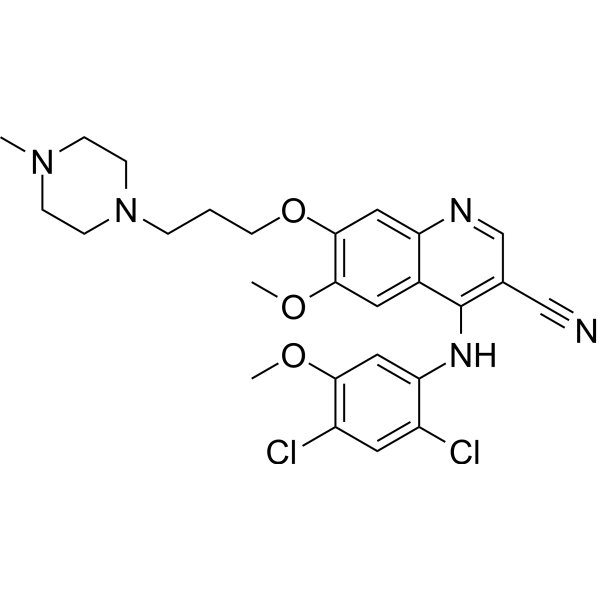
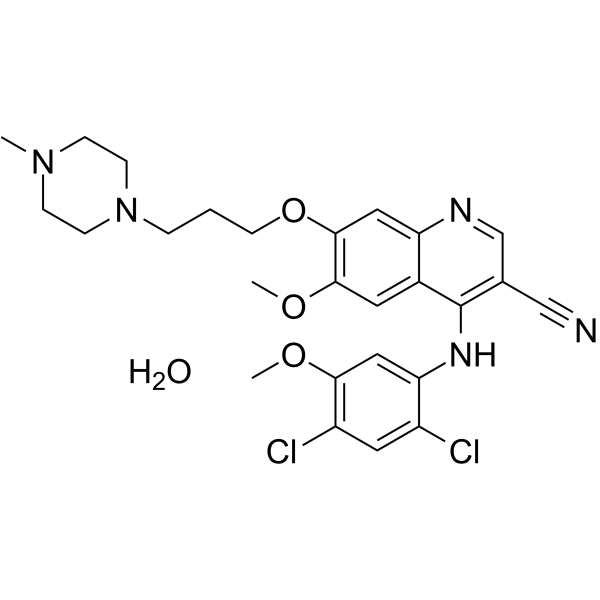
Bosutinib (Standard) (SKI-606 (Standard)) hydrate is the analytical standard of Bosutinib hydrate (HY-10158A). This product is intended for research and analytical applications. Bosutinib hydrate is an oraly activel Src/Abltyrosinekinase inhibito with IC50s of 1.2 nM and 1 nM, respectively.
Bosutinib- 13C,d3 (SKI-606- 13C,d3) is 13C labeled Bosutinib. Bosutinib is an orally active Src/Abltyrosinekinase inhibitor with IC50 of 1.2 nM and 1 nM, respectively .
Debio 0617B, a multi-kinase inhibitor, reduces maintenance and self-renewal of primary human AML CD34 + stem/progenitor cells. Debio 0617B has a unique profile targeting key kinases upstream of STAT3/STAT5 signaling such as JAK, SRC, ABL, and class III/V receptor tyrosinekinases (TKs). Debio 0617B has documented efficacy in STAT3-driven solid tumors .
Bafetinib (Standard) is the analytical standard of Bafetinib. This product is intended for research and analytical applications. Bafetinib is an orally active Lyn/Bcr-Abltyrosinekinase inhibitor. Bafetinib enhances the activity of several pro-apoptotic Bcl-2 homology (BH) 3-pure proteins (Bim, Bad, Bmf, and Bik) through intrinsic apoptotic pathways regulated by the Bcl-2 family, and induces apoptosis of Ph+ leukemia cells. Bafetinib has antitumor activity .
Radotinib-d6 is deuterium labeled Radotinib (HY-15728). Radotinib (IY-5511) is an orally active and BBB-permeable selective tyrosinekinaseBcr-Abl1 inhibitor with an IC50 of 34 nM. Radotinib has anti-prion and anti-tumor activities. Radotinib can inhibit the proliferation, induce cell cycle arrest and apoptosis of tumor cells . Radotinib can be used in the research of cancer such as chronic myeloid leukemia and multiple myeloma, as well as neurodegenerative diseases such as prion diseases .
EphB4-IN-2 is a tyrosinekinase inhibitor targeting the Eph family and Src family. EphB4-IN-2 binds to the ATP-binding site of the kinase domain of EphB4, and exhibits high affinity for tyrosinekinases with threonine as the gatekeeper residue, such as Abl, Lck and Src. EphB4-IN-2 can be used in research related to tumor-associated angiogenesis .
Multi-kinase inhibitor 1 (Standard) is the analytical standard of Multi-kinase inhibitor 1 (HY-103032). This product is intended for research and analytical applications. Multi-kinase inhibitor 1 is a potent multi-kinase inhibitor. Multi-kinase inhibitor 1 has the potential for diseases or disorders associated with abnormal or deregulated tyrosinekinase activity, particularly diseases associated with the activity of PDGF-R, c-Kit and Bcr-abl .
Radotinib (IY-5511) dihydrochloride is an orally active and BBB-permeable selective tyrosinekinaseBcr-Abl1 inhibitor with an IC50 of 34 nM. Radotinib dihydrochloride has anti-prion and anti-tumor activities. Radotinib dihydrochloride can inhibit the proliferation, induce cell cycle arrest and apoptosis of tumor cells . Radotinib dihydrochloride can be used in the research of cancer such as chronic myeloid leukemia and multiple myeloma, as well as neurodegenerative diseases such as prion diseases .
EphB4-IN-1 is a selective EphB4tyrosinekinase inhibitor with IC50 values of 0.16-0.30 μM. EphB4-IN-1 binds to the ATP binding site of EphB4 in a DFG-in conformation, forming four stable intermolecular hydrogen bonds. EphB4-IN-1 also inhibits Src, Abl1, Lck, and EGFRkinases. EphB4-IN-1 inhibits EphB4 autophosphorylation. EphB4-IN-1 can be used for the research of cancer, such as non small cell lung cancer .
IM-12 GMP is IM-12 (HY-12292) produced by using GMP guidelines. GMP small molecules works appropriately as an auxiliary reagent for cell therapy manufacture. IM-12 is an orally active anti-inflammatory agent that targets and inhibits the NF-κB and STAT3 signaling pathways. IM-12 activates the Wnt signaling pathway and promotes the nuclear translocation of β-catenin by inhibiting GSK3β, while also blocking the tyrosinekinase activity of p210BCR/ABL. IM-12 reduces the levels of IL-6, IL-17, NO, prostaglandin E2, iNOS and COX-2, and induces ER stress, Ca 2+ release, autophagy and apoptosis. IM-12 is heat-sensitive and does not induce autophagy in IM-resistant p210BCR/ABLT315I mutant cells. IM-12 is also a component of the 5iLA medium used for naive pluripotent stem cell research. IM-12 has been applied in studies related to carrageenan (HY-125474)-induced hind paw edema, TNBS-induced colitis, and acute and chronic myeloid leukemia .
Abl protein tyrosinekinase substrate is a biological active peptide. (Abltide is a peptide substrate for AblKinase (Abl protein tyrosinekinase), a partner in the gag-Abl fusion protein of the Abelson murine leukemia virus. Used in Western blot and kinase assay.)
Abl Cytosolic Substrate is a substrate for Abelson tyrosinekinase (Abl ). Abl Protein TyrosineKinase (AbI) is a truncated form of the v-AbI Protein TyrosineKinase, a partner in the Gag-Abl fusion protein of the Abelson murine leukemia virus .
ABL1, Human (GST) is a non-receptor tyrosine-protein kinase. ABL1, Human is implicated in a wide range of cellular processes, including regulation of cell growth and survival, oxidative stress and DNA-damage responses, actin dynamics and cell migration, transmission of information about the cellular environment through integrin signaling.
ABL1 is a non-receptor tyrosine protein kinase that coordinates key cellular processes for growth and survival. It affects cytoskeletal remodeling, cell motility, and receptor endocytosis. ABL1 Protein, Human (sf9) is the recombinant human-derived ABL1, expressed by Sf9 insect cells, with tag-free. The total length of ABL1 Protein, Human (sf9) is 1104 a.a..
ABL1 is a non-receptor tyrosine protein kinase that coordinates key cellular processes for growth and survival. It affects cytoskeletal remodeling, cell motility, and receptor endocytosis. ABL1 Protein, Human (sf9, GST) is the recombinant human-derived ABL1 protein, expressed by Sf9 insect cells , with N-GST labeled tag.
Imatinib-d4 (STI571-d4) is a deuterium labeled Imatinib (STI571). Imatinib is an orally bioavailable tyrosinekinases inhibitor that selectively inhibits BCR/ABL, v-Abl, PDGFR and c-kit kinase activity .
Imatinib-d8 is a deuterium labeled Imatinib (STI571). Imatinib is an orally bioavailable tyrosinekinases inhibitor that selectively inhibits BCR/ABL, v-Abl, PDGFR and c-kit kinase activity .
Imatinib- 13C,d3 (STI571- 13C,d3) is 13C labeled Imatinib. Imatinib (STI571) is an orally bioavailable tyrosinekinases inhibitor that selectively inhibits BCR/ABL, v-Abl, PDGFR and c-kitkinase activity. Imatinib (STI571) works by binding close to the ATP binding site, locking it in a closed or self-inhibited conformation, therefore inhibiting the enzyme activity of the protein semicompetitively . Imatinib also is an inhibitor of SARS-CoV and MERS-CoV .
Imatinib-d3 (hydrochloride) is the deuterium labeled Imatinib. Imatinib (STI571) is an orally bioavailable tyrosinekinases inhibitor that selectively inhibits BCR/ABL, v-Abl, PDGFR and c-kit kinase activity. Imatinib (STI571) works by binding close to the ATP binding site, locking it in a closed or self-inhibited conformation, therefore inhibiting the enzyme activity of the protein semicompetitively. Imatinib also is an inhibitor of SARS-CoV and MERS-CoV.
Bosutinib- 13C,d3 (SKI-606- 13C,d3) is 13C labeled Bosutinib. Bosutinib is an orally active Src/Abltyrosinekinase inhibitor with IC50 of 1.2 nM and 1 nM, respectively .
Radotinib-d6 is deuterium labeled Radotinib (HY-15728). Radotinib (IY-5511) is an orally active and BBB-permeable selective tyrosinekinaseBcr-Abl1 inhibitor with an IC50 of 34 nM. Radotinib has anti-prion and anti-tumor activities. Radotinib can inhibit the proliferation, induce cell cycle arrest and apoptosis of tumor cells . Radotinib can be used in the research of cancer such as chronic myeloid leukemia and multiple myeloma, as well as neurodegenerative diseases such as prion diseases .
IM-12 GMP is IM-12 (HY-12292) produced by using GMP guidelines. GMP small molecules works appropriately as an auxiliary reagent for cell therapy manufacture. IM-12 is an orally active anti-inflammatory agent that targets and inhibits the NF-κB and STAT3 signaling pathways. IM-12 activates the Wnt signaling pathway and promotes the nuclear translocation of β-catenin by inhibiting GSK3β, while also blocking the tyrosinekinase activity of p210BCR/ABL. IM-12 reduces the levels of IL-6, IL-17, NO, prostaglandin E2, iNOS and COX-2, and induces ER stress, Ca 2+ release, autophagy and apoptosis. IM-12 is heat-sensitive and does not induce autophagy in IM-resistant p210BCR/ABLT315I mutant cells. IM-12 is also a component of the 5iLA medium used for naive pluripotent stem cell research. IM-12 has been applied in studies related to carrageenan (HY-125474)-induced hind paw edema, TNBS-induced colitis, and acute and chronic myeloid leukemia .
Inquiry Online
Your information is safe with us. * Required Fields.
Western blot analysis of extracts from THP-1(lane 2(20μg), Jurkat (lane 3(20μg) and NIH3T3(lane 4(20μg) using FOXO1A (HY-P80132) Rabbit mAb. Proteins were transferred
to a PVDF membrane and blocked with 5% non-fat milk in TBST for 2 hour at room temperature. The primary antibody (1/1000) and Loading control antibody (Beta Actin, HY-P80438, 1/10000) was
used in 5% non-fat milk in TBST at 4°C overnight. Goat Anti-Mouse/Rabbit IgG-HRP Secondary Antibody (1/10000) was used for 1 hour at room temperature.
Western blot analysis of extracts from THP-1(lane 2(20μg), Jurkat (lane 3(20μg) and NIH3T3(lane 4(20μg) using FOXO1A (HY-P80132) Rabbit mAb. Proteins were transferred
to a PVDF membrane and blocked with 5% non-fat milk in TBST for 2 hour at room temperature. The primary antibody (1/1000) and Loading control antibody (Beta Actin, HY-P80438, 1/10000) was
used in 5% non-fat milk in TBST at 4°C overnight. Goat Anti-Mouse/Rabbit IgG-HRP Secondary Antibody (1/10000) was used for 1 hour at room temperature.
Western blot analysis of extracts from THP-1(lane 2(20μg), Jurkat (lane 3(20μg) and NIH3T3(lane 4(20μg) using FOXO1A (HY-P80132) Rabbit mAb. Proteins were transferred
to a PVDF membrane and blocked with 5% non-fat milk in TBST for 2 hour at room temperature. The primary antibody (1/1000) and Loading control antibody (Beta Actin, HY-P80438, 1/10000) was
used in 5% non-fat milk in TBST at 4°C overnight. Goat Anti-Mouse/Rabbit IgG-HRP Secondary Antibody (1/10000) was used for 1 hour at room temperature.
Western blot analysis of extracts from THP-1(lane 2(20μg), Jurkat (lane 3(20μg) and NIH3T3(lane 4(20μg) using FOXO1A (HY-P80132) Rabbit mAb. Proteins were transferred
to a PVDF membrane and blocked with 5% non-fat milk in TBST for 2 hour at room temperature. The primary antibody (1/1000) and Loading control antibody (Beta Actin, HY-P80438, 1/10000) was
MedchemExpress Validation 03
Western blot analysis of extracts from THP-1(lane 2(20μg), Jurkat (lane 3(20μg) and NIH3T3(lane 4(20μg) using FOXO1A (HY-P80132) Rabbit mAb. Proteins were transferred
MedchemExpress Validation 04
Western blot analysis of extracts from THP-1(lane 2(20μg), Jurkat (lane 3(20μg) and NIH3T3(lane 4(20μg) using FOXO1A (HY-P80132) Rabbit mAb. Proteins were transferred
to a PVDF membrane and blocked with 5% non-fat milk in TBST for 2 hour at room temperature. The primary antibody (1/1000) and Loading control antibody (Beta Actin, HY-P80438, 1/10000) was
used in 5% non-fat milk in TBST at 4°C overnight. Goat Anti-Mouse/Rabbit IgG-HRP Secondary Antibody (1/10000) was used for 1 hour at room temperature.
MedchemExpress Validation
Western blot analysis of extracts from THP-1(lane 2(20μg), Jurkat (lane 3(20μg) and NIH3T3(lane 4(20μg) using FOXO1A (HY-P80132) Rabbit mAb. Proteins were transferred
to a PVDF membrane and blocked with 5% non-fat milk in TBST for 2 hour at room temperature. The primary antibody (1/1000) and Loading control antibody (Beta Actin, HY-P80438, 1/10000) was
used in 5% non-fat milk in TBST at 4°C overnight. Goat Anti-Mouse/Rabbit IgG-HRP Secondary Antibody (1/10000) was used for 1 hour at room temperature.
Western blot analysis of extracts from THP-1(lane 2(20μg), Jurkat (lane 3(20μg) and NIH3T3(lane 4(20μg) using FOXO1A (HY-P80132) Rabbit mAb. Proteins were transferred
to a PVDF membrane and blocked with 5% non-fat milk in TBST for 2 hour at room temperature. The primary antibody (1/1000) and Loading control antibody (Beta Actin, HY-P80438, 1/10000) was
used in 5% non-fat milk in TBST at 4°C overnight. Goat Anti-Mouse/Rabbit IgG-HRP Secondary Antibody (1/10000) was used for 1 hour at room temperature.
MedchemExpress Validation
Western blot analysis of extracts from THP-1(lane 2(20μg), Jurkat (lane 3(20μg) and NIH3T3(lane 4(20μg) using FOXO1A (HY-P80132) Rabbit mAb. Proteins were transferred
to a PVDF membrane and blocked with 5% non-fat milk in TBST for 2 hour at room temperature. The primary antibody (1/1000) and Loading control antibody (Beta Actin, HY-P80438, 1/10000) was
used in 5% non-fat milk in TBST at 4°C overnight. Goat Anti-Mouse/Rabbit IgG-HRP Secondary Antibody (1/10000) was used for 1 hour at room temperature.
MedchemExpress Validation
Western blot analysis of extracts from THP-1(lane 2(20μg), Jurkat (lane 3(20μg) and NIH3T3(lane 4(20μg) using FOXO1A (HY-P80132) Rabbit mAb. Proteins were transferred
to a PVDF membrane and blocked with 5% non-fat milk in TBST for 2 hour at room temperature. The primary antibody (1/1000) and Loading control antibody (Beta Actin, HY-P80438, 1/10000) was
used in 5% non-fat milk in TBST at 4°C overnight. Goat Anti-Mouse/Rabbit IgG-HRP Secondary Antibody (1/10000) was used for 1 hour at room temperature.
MedchemExpress Validation
Western blot analysis of extracts from THP-1(lane 2(20μg), Jurkat (lane 3(20μg) and NIH3T3(lane 4(20μg) using FOXO1A (HY-P80132) Rabbit mAb. Proteins were transferred
to a PVDF membrane and blocked with 5% non-fat milk in TBST for 2 hour at room temperature. The primary antibody (1/1000) and Loading control antibody (Beta Actin, HY-P80438, 1/10000) was
used in 5% non-fat milk in TBST at 4°C overnight. Goat Anti-Mouse/Rabbit IgG-HRP Secondary Antibody (1/10000) was used for 1 hour at room temperature.
MedchemExpress Validation
Western blot analysis of extracts from THP-1(lane 2(20μg), Jurkat (lane 3(20μg) and NIH3T3(lane 4(20μg) using FOXO1A (HY-P80132) Rabbit mAb. Proteins were transferred
to a PVDF membrane and blocked with 5% non-fat milk in TBST for 2 hour at room temperature. The primary antibody (1/1000) and Loading control antibody (Beta Actin, HY-P80438, 1/10000) was
used in 5% non-fat milk in TBST at 4°C overnight. Goat Anti-Mouse/Rabbit IgG-HRP Secondary Antibody (1/10000) was used for 1 hour at room temperature.
MedchemExpress Validation
Western blot analysis of extracts from THP-1(lane 2(20μg), Jurkat (lane 3(20μg) and NIH3T3(lane 4(20μg) using FOXO1A (HY-P80132) Rabbit mAb. Proteins were transferred
to a PVDF membrane and blocked with 5% non-fat milk in TBST for 2 hour at room temperature. The primary antibody (1/1000) and Loading control antibody (Beta Actin, HY-P80438, 1/10000) was
used in 5% non-fat milk in TBST at 4°C overnight. Goat Anti-Mouse/Rabbit IgG-HRP Secondary Antibody (1/10000) was used for 1 hour at room temperature.
MedchemExpress Validation
Western blot analysis of extracts from THP-1(lane 2(20μg), Jurkat (lane 3(20μg) and NIH3T3(lane 4(20μg) using FOXO1A (HY-P80132) Rabbit mAb. Proteins were transferred
to a PVDF membrane and blocked with 5% non-fat milk in TBST for 2 hour at room temperature. The primary antibody (1/1000) and Loading control antibody (Beta Actin, HY-P80438, 1/10000) was
used in 5% non-fat milk in TBST at 4°C overnight. Goat Anti-Mouse/Rabbit IgG-HRP Secondary Antibody (1/10000) was used for 1 hour at room temperature.
MedChemExpress values your privacy and your trust is important to us. We use cookies to enhance your website experience. Some cookies are necessary to run the website.
Privacy and Cookie Policy

