Search Result
Results for "
activated RAW 264.7 cells
" in MedChemExpress (MCE) Product Catalog:
| Cat. No. |
Product Name |
Target |
Research Areas |
Chemical Structure |
-
- HY-N0515
-
|
|
PPAR
NF-κB
Calcium Channel
Reactive Oxygen Species (ROS)
ERK
|
Cardiovascular Disease
Metabolic Disease
Inflammation/Immunology
|
|
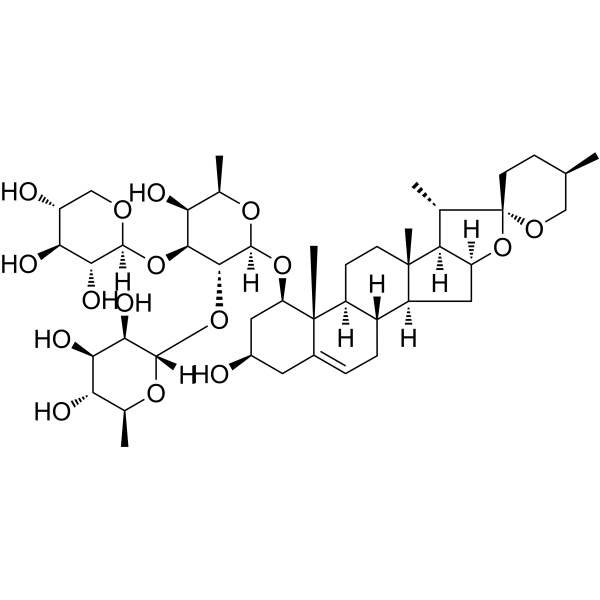
Ophiopogonin D can be isolated from the tubers of Ophiopogon japonicus, is a rare naturally occurring C29 steroidal glycoside. Ophiopogonin D is a CYP2J3 inducer that significantly inhibits Ang II induced NF-κB nuclear translocation, IκBα down-regulation, intracellular Ca 2+ overload and activation of pro-inflammatory cytokines by increasing the expression of CYP2J2/EETs and PPARα in human umbilical vein endothelial cells (HUVECs). Ophiopogonin D can inhibit isteoclastic differentiation in RAW264.7 cells. Ophiopogonin D has protective effect as an antioxidant in H2O2-induced endothelial injury. Ophiopogonin D blocks ERK signaling cascades. Ophiopogonin D alleviates high-fat diet-induced metabolic syndrome and changes the structure of gut microbiota in mice. Ophiopogonin D has been used against inflammatory, metabolic and cardiovascular diseases .
|
-
-
- HY-N0569
-
-
-
- HY-N0634
-
|
Cimitin
|
NF-κB
|
Inflammation/Immunology
|
|
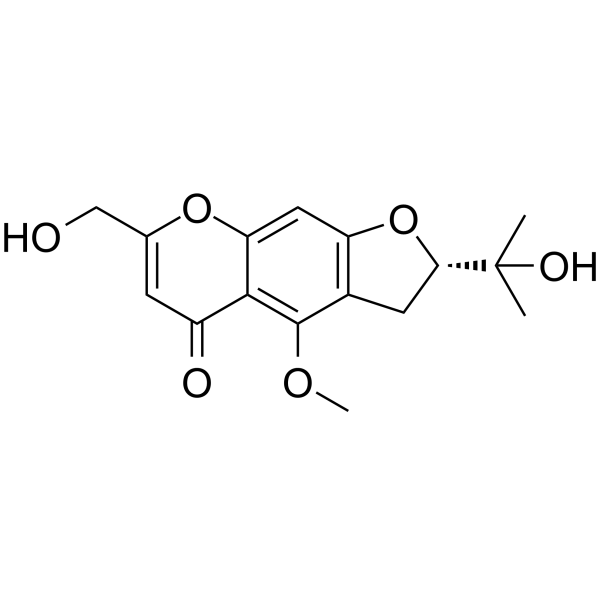
Cimifugin (Cimitin) is a bioactive component of Cimicifuga racemosa, a Chinese herb. Cimifugin suppresses allergic inflammation by reducing epithelial derived initiative key factors via regulating tight junctions . Cimifugin reduces the migration and chemotaxis of RAW264.7 cells and inhibits the release of inflammatory factors and activation of MAPKs and NF-κB signaling pathways induced by LPS .
|
-
-
- HY-107825
-
|
|
Endogenous Metabolite
Bacterial
Cholinesterase (ChE)
|
Cardiovascular Disease
Metabolic Disease
Inflammation/Immunology
Cancer
|
|
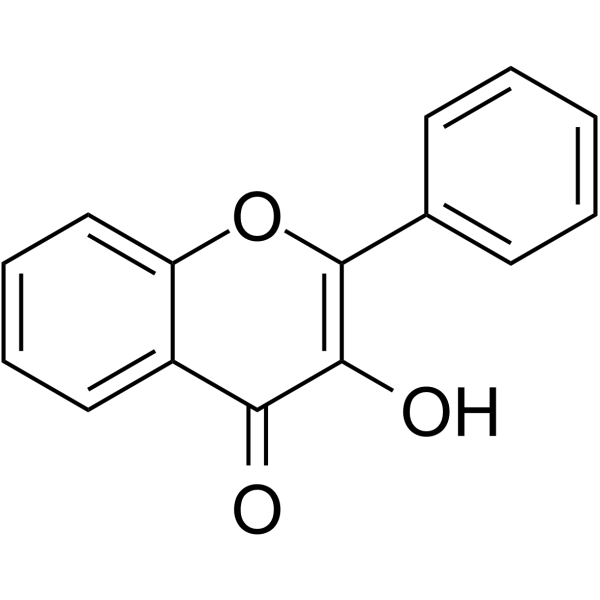
Flavonol is a cholinesterase (ChE) inhibitor, with an IC50 value of 120 μM and a Ki value of 74 μM. Flavonol has antioxidant, free radical-scavenging, antibacterial properties, and immune modulation functions. Flavonol inhibits the PriA helicase of Staphylococcus aureus. Flavonol can suppress the production of NO in LPS-activated RAW 264.7 cells by inhibiting the expression of the iNOS enzyme. Flavonol shows protective and analgesic effects in mice through various neuronal pathways. Flavonol can be used in research related to tumors and atherosclerosis diseases .
|
-
-
- HY-172208
-
|
|
PROTACs
Cyclic GMP-AMP Synthase
|
Inflammation/Immunology
|
|
PROTAC cGAS degrader-1 is a potent and selective cGAS PROTAC degrader, with DC50 values of 0.9 μM and 4.6 μM in THP-1 and RAW 264.7 cells, respectively. PROTAC cGAS degrader-1 induces proteasome-mediated degradation of cGAS, inhibits the cGAS signaling pathway, and attenuates double-stranded DNA-induced activation of cGAS in human and mouse cells. PROTAC cGAS degrader-1 is applicable to research related to ulcerative colitis .
|
-
-
- HY-N11058
-
|
|
Lipoxygenase
NO Synthase
|
Inflammation/Immunology
|
|
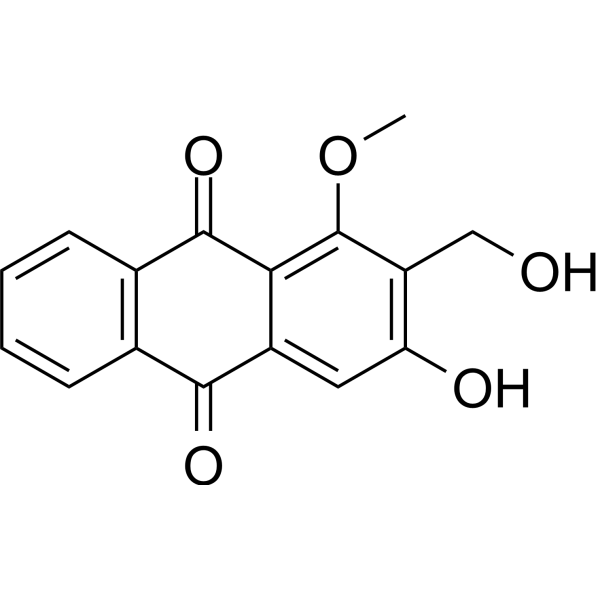
Damnacanthol is a natural product that can be isolated from Damnacanthus major . Damnacanthol has anti-15-lipoxygenase activity and can inhibit nitric oxide production in LPS-activated macrophages RAW 264.7 cells .
|
-
-
- HY-124478
-
|
Ethyl 2,5-dihydroxybenzoate
|
Phosphatase
|
Metabolic Disease
|
|
Ethyl gentisate (Ethyl 2,5-dihydroxybenzoate) is a dual modulator for cell differentiation, that enhances the osteogenic differentiation of human mesenchymal stem cells (hMSCs) and alkaline phosphatase activity, inhibits RANKL-activated osteoclastogenesis in RAW264.7 cells, and balances the bone remodeling process .
|
-
-
- HY-W753791
-
|
|
TNF Receptor
JNK
|
Neurological Disease
Inflammation/Immunology
|
|
(±)-Perillaldehyde has an antidepressant effect by modulating the olfactory nervous system in a mouse model of stress-induced depression. (±)-Perillaldehyde also has anti-inflammatory activity, inducing JNK activation in RAW264.7 cells and inhibiting the expression of TNF-α, with an IC50 of 171.7 μM .
|
-
-
- HY-N3001
-
|
|
STAT
VEGFR
Bcl-2 Family
Survivin
IAP
NF-κB
Apoptosis
Caspase
|
Neurological Disease
Inflammation/Immunology
Cancer
|
|
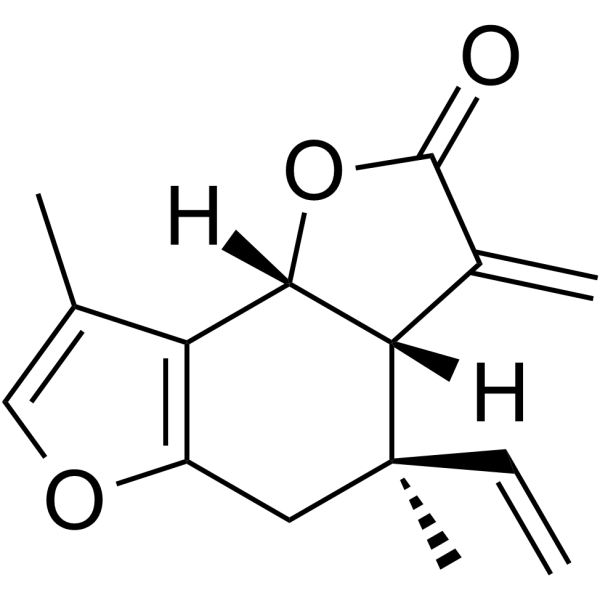
Isolinderalactone is a sesquiterpene that exhibits anti-cancer, anti-inflammatory, and neuroprotective effects. Isolinderalactone inhibits VEGF expression and tyrosine phosphorylation of VEGFR2. Isolinderalactone decreases viability and induces apoptosis in U-87 glioblastoma (GBM) cells and colorectal cancer (CRC) cells. Isolinderalactone induces G2/M phase cell cycle arrest, ROS generation, pJNK/p38 MAPK activation, in colorectal cancer (CRC) cells. Isolinderalactone blocks LPS (HY-D1056)-induced NF-κB activation while activating Nrf2-HMOX1 signaling in RAW264.7 macrophages. Isolinderalactone improves cognitive dysfunction in APP/PS1 mice. Isolinderalactone can be used for the study of Glioblastoma multiforme (GBM), colorectal cancer, Alzheimer’s disease and acute lung injury .
|
-
-
- HY-N0569R
-
|
|
Reference Standards
NO Synthase
COX
TNF Receptor
Interleukin Related
|
Inflammation/Immunology
|
|
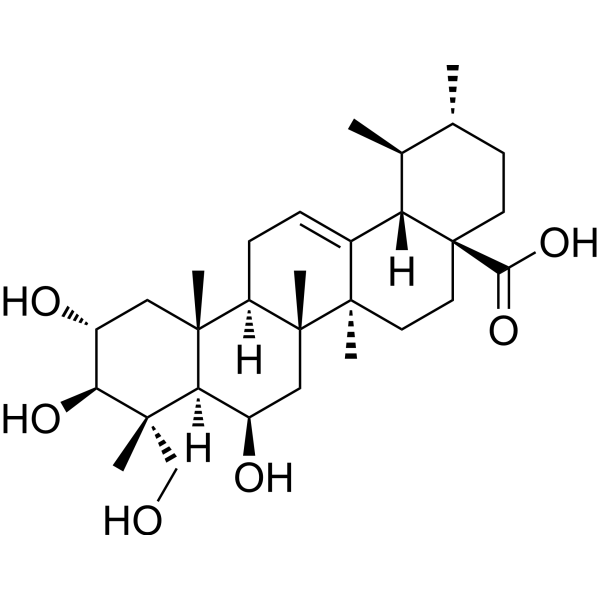
Madecassic acid (Standard) is the analytical standard of Madecassic acid. This product is intended for research and analytical applications. Madecassic acid is isolated from Centella asiatica (Umbelliferae). Madecassic acid has anti-inflammatory properties caused by iNOS, COX-2, TNF-alpha, IL-1beta, and IL-6 inhibition via the downregulation of NF-κB activation in RAW 264.7 macrophage cells .
|
-
-
- HY-168207
-
|
|
Toll-like Receptor (TLR)
NF-κB
|
Inflammation/Immunology
|
|
TH023 is an inhibitor for the TLR4 signaling pathway, that targets especially the formation of TLR4 homodimer. TH023 inhibits secreted embryonic alkaline phosphatase in cell HEK-Blue hTLR4 with an IC50 of 0.354 μM, and inhibits the NO expression in RAW264.7 with an IC50 of 1.61μM. TH023 also inhibits the activation of NF-κB, reduces the nuclear translocation of NF-κB p65. TH023 exhibits anti-inflammatory efficacy in LPS (HY-D1056)-induced mouse acute sepsis model, and ameliorates the mouse lung injury .
|
-
-
- HY-123789
-
|
|
Toll-like Receptor (TLR)
|
Inflammation/Immunology
|
|
T-5342126 is a toll-like receptor 4 (TLR4) antagonist. It reduces LPS-induced production of nitric oxide (NO) in RAW 264.7 cells (IC50=27.8 μM), as well as decreases LPS-induced IL-8, TNF-α, and IL-6 production in isolated human whole blood (IC50s=110.5, 315.6, and 318.4 μM, respectively). T-5342126 (82 mg/kg) reduces ethanol intake and the abundance of ionized calcium-binding adapter molecule 1 (Iba1), a marker of microglial activation, in the central nucleus of the amygdala in ethanol-dependent mice.
|
-
-
- HY-N0515R
-
|
|
Reference Standards
PPAR
NF-κB
Calcium Channel
ERK
Reactive Oxygen Species (ROS)
|
Cardiovascular Disease
Metabolic Disease
Inflammation/Immunology
|
|
Ophiopogonin D (Standard) is the analytical standard of Ophiopogonin D. This product is intended for research and analytical applications. Ophiopogonin D can be isolated from the tubers of Ophiopogon japonicus, is a rare naturally occurring C29 steroidal glycoside. Ophiopogonin D is a CYP2J3 inducer that significantly inhibits Ang II induced NF-κB nuclear translocation, IκBα down-regulation, intracellular Ca2+ overload and activation of pro-inflammatory cytokines by increasing the expression of CYP2J2/EETs and PPARα in human umbilical vein endothelial cells (HUVECs). Ophiopogonin D can inhibit isteoclastic differentiation in RAW264.7 cells. Ophiopogonin D has protective effect as an antioxidant in H2O2-induced endothelial injury. Ophiopogonin D blocks ERK signaling cascades. Ophiopogonin D alleviates high-fat diet-induced metabolic syndrome and changes the structure of gut microbiota in mice. Ophiopogonin D has been used against inflammatory, metabolic and cardiovascular diseases .
|
-
-
- HY-118816
-
|
11-epi PGF2α-EA; 11β-PGF2α-EA; 11β-Prostamide F2α
|
Drug Metabolite
|
Metabolic Disease
|
|
11β-Prostaglandin F2α ethanolamide (11β-PGF2α-EA) is the theoretical hepatic metabolite of PGD2-EA, produced during COX-2 metabolism of the endogenous cannabinoid AEA which is found in brain, liver, and other mammalian tissues.1 AEA can be used directly by COX-2 and specific PG synthase to produce ethanolamide congeners of the classical PGs. PGD2-EA is formed in activated RAW 264.7 cells treated with AEA.
|
-
-
- HY-N4155
-
|
|
EBV
HIV Protease
HSV
|
Infection
Cancer
|
|
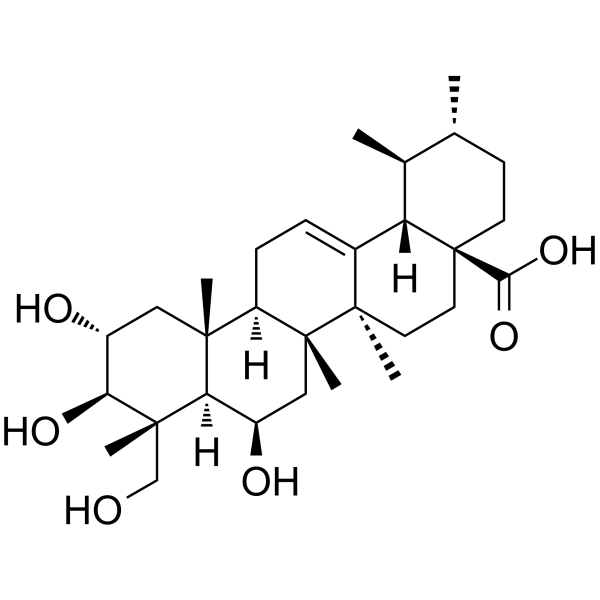
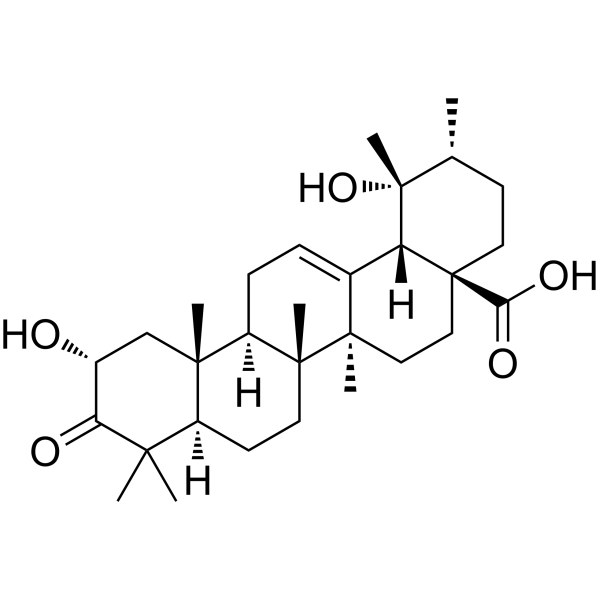
2α,19α-Dihydroxy-3-oxo-urs-12-en-28-oic acid, a natural ursane-type triterpene, is a potent inhibitor of HIV protease (HIV Protease). 2α,19α-Dihydroxy-3-oxo-urs-12-en-28-oic acid is also an inhibitor of the activation of Epstein-Barr virus early antigen (EBV-EA). 2α,19α-Dihydroxy-3-oxo-urs-12-en-28-oic acid displays an inhibitory activity against nitric oxide production in Lipopolysaccharide (Lipopolysaccharides)-activated RAW 264.7 cells .
|
-
-
- HY-N3211
-
|
cis-N-(4-Hydroxyphenethyl) ferulamide; cis-N-Feruloyltyramine
|
NO Synthase
|
Inflammation/Immunology
|
|
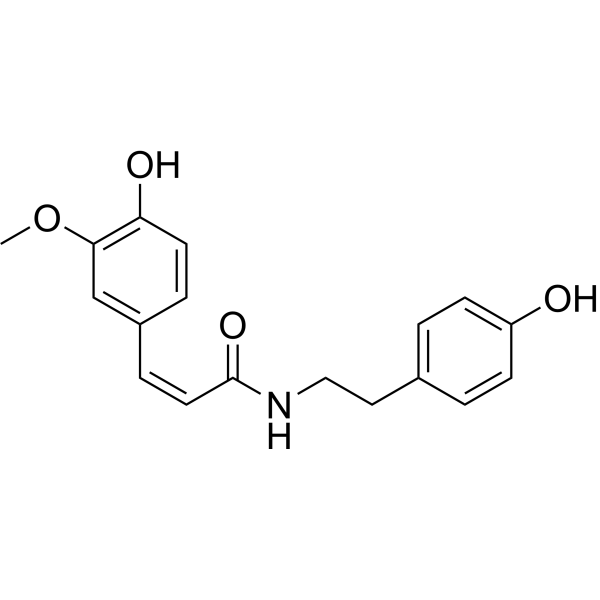
N-cis-Feruloyl tyramine (cis-N-(4-Hydroxyphenethyl) ferulamide) is a natural phenolic compound, exhibits modest inhibitory activity on LPS-activated NO production in RAW 264.7 cells .
|
-
-
- HY-N10114
-
|
|
Others
|
Inflammation/Immunology
|
|
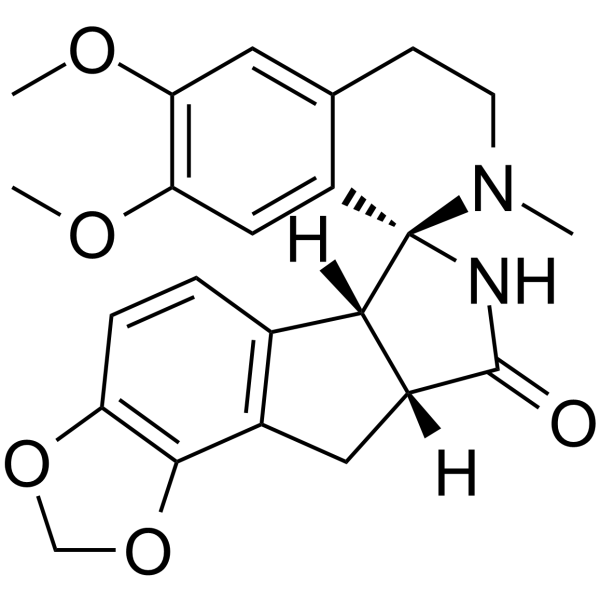
Hyperectumine exhibits moderate anti-inflammatory activity via suppression of LPS-activated inflammatory mediators in RAW 264.7 macrophage cells.
|
-
-
- HY-N10062
-
|
|
RANKL/RANK
|
Others
|
|
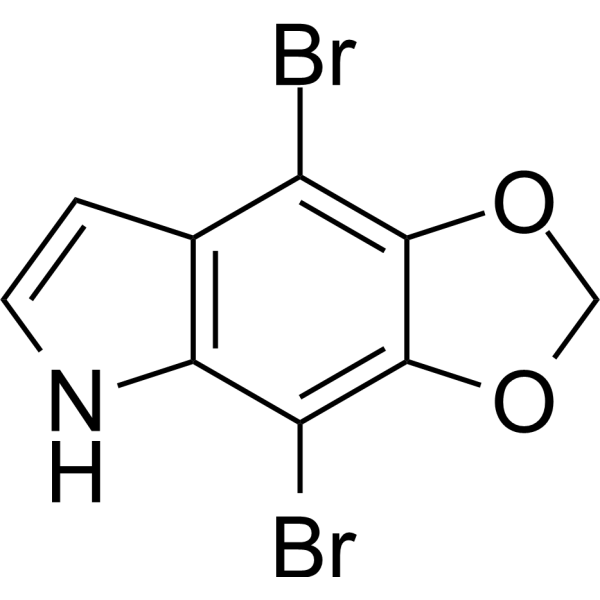
Amakusamine inhibits the receptor activator of nuclear factor-κB ligand (RANKL)-induced formation of multinuclear osteoclasts with an IC50 value of 10.5 μM in RAW264.7 cells.
|
-
-
- HY-161043
-
|
|
Pyroptosis
|
Inflammation/Immunology
|
|
ECDD-S16 is a potent inhibitor of pyroptosis. ECDD-S16 inhibits surface and endosomal TLR ligands activated pyroptosis in Raw264.7 cells .
|
-
-
- HY-176126
-
|
|
STING
|
Inflammation/Immunology
|
|
STING agonist-42 (compound 8a) is a potent STING agonist. STING agonist-42 activates STING in THP1 and RAW 264.7 cells with EC50s of 0.06 and 14.15 μM, respectively .
|
-
-
- HY-124508
-
-
-
- HY-N3548
-
|
|
NF-κB
|
Inflammation/Immunology
|
|
Catalpalactone has anti-inflammatory effect. Catalpalactone inhibits LPS-induced NO production and iNOS expression in RAW264.7 cells, and also inhibits IRF3, NF-κB, and IFN-β/STAT-1 activation. Catalpalactone also inhibits dopamine biosynthesis by reducing tyrosine hydroxylase (TH) and aromatic-l-amino acid decarboxylase (AADC) activities .
|
-
-
- HY-N2939
-
|
|
Others
|
Others
|
|
Bis-5,5-Nortrachelogenin is isolated from active extract of root of Wikstroemia indica. Bis-5,5-Nortrachelogenin inhibits nitric oxide (NO) production in a lipopolysaccharide (LPS) and recombinant mouse interferon-γ(IFN-γ) activated murine macrophage-like cell line, RAW 264.7 with an IC50 value of 48.6 mM .
|
-
-
- HY-N0634R
-
|
Cimitin (Standard)
|
Reference Standards
NF-κB
|
Inflammation/Immunology
|
|
Cimifugin (Standard) is the analytical standard of Cimifugin. This product is intended for research and analytical applications. Cimifugin (Cimitin) is a bioactive component of Cimicifuga racemosa, a Chinese herb. Cimifugin suppresses allergic inflammation by reducing epithelial derived initiative key factors via regulating tight junctions . Cimifugin reduces the migration and chemotaxis of RAW264.7 cells and inhibits the release of inflammatory factors and activation of MAPKs and NF-κB signaling pathways induced by LPS .
|
-
-
- HY-P11183
-
|
|
Bacterial
Toll-like Receptor (TLR)
TNF Receptor
Interleukin Related
JNK
NF-κB
|
Infection
Inflammation/Immunology
|
|
Cathelicidin-PY is an antimicrobial peptide exhibiting strong antimicrobial property. Cathelicidin-PY inhibits the activation of TLR4 inflammatory response pathways induced by lipopolysaccharide (LPS) (HY-D1056). Cathelicidin-PY possesses strong antimicrobial and anti-inflammatory activities and low cytotoxic ability against RAW 264.7 cells. Cathelicidin-PY can be used for antimicrobial and anti-inflammatory research .
|
-
-
- HY-N16431
-
|
|
AMPK
Nuclear Factor of activated T Cells (NFAT)
Interleukin Related
Endogenous Metabolite
|
Metabolic Disease
Inflammation/Immunology
|
|
NFAT-133 is an aromatic polyketide with immunosuppressive and antidiabetic activity. NFAT-133 activates the AMPK pathway, promoting glucose uptake in L6 muscle fibers, thereby resisting diabetes. NFAT-133 inhibits the transcriptional activity of activated T-cell nuclear factor (NFAT), thereby suppressing the expression of IL-2 and the proliferation of T cells, demonstrating an immunosuppressive effect. NFAT-133 does not exhibit antibacterial activity or cytotoxicity, but it can weaken the production of NO in RAW264.7 cells induced by Lipopolysaccharide (LPS) (HY-D1056) .
|
-
-
- HY-170228
-
|
|
c-Kit
|
Inflammation/Immunology
|
|
Kit-IN-9 (Compound D9) is an inhibitor of c-Kit. c-Kit-IN-9 inhibits the inflammatory responses in J774A.1, RAW264.7, MPMs cells and lung tissues by blocking the activation of the NF-κB pathway induced by LPS (HY-D1056). Meanwhile, c-Kit-IN-9 exhibits good anti-inflammatory activities in acute lung injury and sepsis mouse models. c-Kit-IN-9 can be used in the research of acute lung injury and related inflammatory diseases .
|
-
-
- HY-107825R
-
|
|
Endogenous Metabolite
Bacterial
Cholinesterase (ChE)
Reference Standards
|
Cardiovascular Disease
Metabolic Disease
Inflammation/Immunology
Cancer
|
|
Flavonol (Standard) is the analytical standard of Flavonol. This product is intended for research and analytical applications. Flavonol is a cholinesterase (ChE) inhibitor, with an IC50 value of 120 μM and a Ki value of 74 μM. Flavonol has antioxidant, free radical-scavenging, antibacterial properties, and immune modulation functions. Flavonol inhibits the PriA helicase of Staphylococcus aureus. Flavonol can suppress the production of NO in LPS-activated RAW 264.7 cells by inhibiting the expression of the iNOS enzyme. Flavonol shows protective and analgesic effects in mice through various neuronal pathways. Flavonol can be used in research related to tumors and atherosclerosis diseases .
|
-
-
- HY-173388
-
|
|
Toll-like Receptor (TLR)
JNK
NF-κB
NO Synthase
COX
|
Inflammation/Immunology
|
|
TLR4-IN-2 (Compound Racemic-11k) is inhibitors of TLR4, JNK, and NF-κB. TLR4-IN-2 inhibits NO production in LPS-stimulated RAW264.7 cells with an IC50 value of 23.2 µM. TLR4-IN-2 exerts anti-inflammatory activity by inhibiting TLR4 expression, reducing JNK phosphorylation, thereby suppressing the activation of NF-κB, blocking the transcription of inflammation-related genes, reducing the expression of iNOS and COX-2, and decreasing the production of inflammatory mediators such as NO, PGE 2, and TNF-α. TLR4-IN-2 is promising for research of inflammatory diseases, such as rheumatoid arthritis and various inflammatory disorders .
|
-
-
- HY-171895
-
|
12-Nitro-9-cis,12-cis-octadecadienoic acid
|
PPAR
Interleukin Related
NF-κB
TNF Receptor
|
Inflammation/Immunology
|
|
12-Nitrolinoleate (12-Nitro-9-cis,12-cis-octadecadienoic acid) is an activator for peroxisome proliferator-activated receptor γ (PPARγ). 12-Nitrolinoleate is a nitrated form of linoleic acid. 12-Nitrolinoleate can be formed upon exposure to acidified nitrate and found in human red blood cells and plasma. 12-Nitrolinoleate can activate PPARγ-dependent gene expression in MCF-7 cells expressing PPARγ with an EC50 = 0.045 μM. 12-Nitrolinoleate is able to inhibit LPS (HY-D1056)-induced NF-κB transcription in RAW 264.7 cells. 12-Nitrolinoleate can inhibit IL-6, TNF-α and CCL2 induced by LPS .
|
-
-
- HY-173518
-
|
|
Heme Oxygenase (HO)
Reactive Oxygen Species (ROS)
NO Synthase
COX
Interleukin Related
|
Inflammation/Immunology
|
|
SIN 14, a derivative of Sinomenine (HY-15122), is an orally active HO-1 activator (KD = 17.2 μM). SIN 14 binds to the catalytic core domain of HO-1 and induces HO-1 activation in catalysis. SIN 14 significantly increases HO-1 stability. SIN 14 has anti-inflammatory effects and inhibits M1 macrophage polarization while promoting M2 polarization in LPS (Lipopolysaccharides)(HY-D1056)-induced RAW264.7 cells. SIN 14 inhibits inflammatory mediator production (eg: NO, IL-6, IL-1β and CCL2, inhibits production of ROS and down-regulates the expression of COX-2 and iNOS. SIN 14 can inhibit RA-related inflammatory edema in collagen-induced arthritis (ClA) mice .
|
-
-
- HY-168384
-
|
|
STING
TNF Receptor
Interleukin Related
CD28
|
Inflammation/Immunology
|
|
M04 is an agonist of STING. It induces the expression of the IFN reporter gene in HEK293T cells expressing wild-type human STING, but does not induce this expression in HEK293T cells expressing the R71H-G230A-R293Q (HAQ) STING variant or in mouse RAW 264.7 cells, indicating that its activity is dependent on allelic and species variations. M04 induces the production of TNF-α, IL-10, IL-1β, and IL-12p70 in human peripheral blood mononuclear cells (PBMCs). At a concentration of 50 µM, M04 stimulates dendritic cells isolated from PBMCs to express the MHC class II cell surface receptor HLA-DR and co-stimulatory molecules CD40, CD80, and CD86, and also enhances their ability to activate T cells in an ex vivo assay. M04 can be used in research on inflammatory immune diseases .
|
-
-
- HY-172619
-
|
|
NF-κB
|
Inflammation/Immunology
|
|
BS-153 is a novel synthetic oxazolidinone agent with anti-inflammatory activities by blocking the activation of the NF-κB/PKCθ pathway. BS-153 inhibits the expression levels of iNOS and COX-2 and pro-inflammatory cytokines (TNF-α, IL-1β, and IL-6) on LPS-stimulated RAW264.7 cells .
|
-
-
- HY-N2739
-
-
| Cat. No. |
Product Name |
Target |
Research Area |
| Cat. No. |
Product Name |
Category |
Target |
Chemical Structure |
-
- HY-N0515
-
-
-
- HY-N0569
-
-
-
- HY-N0634
-
-
-
- HY-107825
-
-
-
- HY-N11058
-
-
-
- HY-N3001
-
-
-
- HY-N0569R
-
-
-
- HY-N0515R
-
|
|
Ophiopogon japonicus (L. f.) Ker-Gawl.
Liliaceae
Plants
Steroids
Source Classification
|
Reference Standards
PPAR
NF-κB
Calcium Channel
ERK
Reactive Oxygen Species (ROS)
|
|
Ophiopogonin D (Standard) is the analytical standard of Ophiopogonin D. This product is intended for research and analytical applications. Ophiopogonin D can be isolated from the tubers of Ophiopogon japonicus, is a rare naturally occurring C29 steroidal glycoside. Ophiopogonin D is a CYP2J3 inducer that significantly inhibits Ang II induced NF-κB nuclear translocation, IκBα down-regulation, intracellular Ca2+ overload and activation of pro-inflammatory cytokines by increasing the expression of CYP2J2/EETs and PPARα in human umbilical vein endothelial cells (HUVECs). Ophiopogonin D can inhibit isteoclastic differentiation in RAW264.7 cells. Ophiopogonin D has protective effect as an antioxidant in H2O2-induced endothelial injury. Ophiopogonin D blocks ERK signaling cascades. Ophiopogonin D alleviates high-fat diet-induced metabolic syndrome and changes the structure of gut microbiota in mice. Ophiopogonin D has been used against inflammatory, metabolic and cardiovascular diseases .
|
-
-
- HY-N4155
-
|
|
Rosaceae
Rosa cymosa (L.) Tratt.
Plants
|
EBV
HIV Protease
HSV
|
|
2α,19α-Dihydroxy-3-oxo-urs-12-en-28-oic acid, a natural ursane-type triterpene, is a potent inhibitor of HIV protease (HIV Protease). 2α,19α-Dihydroxy-3-oxo-urs-12-en-28-oic acid is also an inhibitor of the activation of Epstein-Barr virus early antigen (EBV-EA). 2α,19α-Dihydroxy-3-oxo-urs-12-en-28-oic acid displays an inhibitory activity against nitric oxide production in Lipopolysaccharide (Lipopolysaccharides)-activated RAW 264.7 cells .
|
-
-
- HY-N3211
-
-
-
- HY-N10114
-
-
-
- HY-N10062
-
-
-
- HY-124508
-
-
-
- HY-N3548
-
|
|
Natural Products
Catalpa ovata G. Don
Plants
Bignoniaceae
Source Classification
|
NF-κB
|
|
Catalpalactone has anti-inflammatory effect. Catalpalactone inhibits LPS-induced NO production and iNOS expression in RAW264.7 cells, and also inhibits IRF3, NF-κB, and IFN-β/STAT-1 activation. Catalpalactone also inhibits dopamine biosynthesis by reducing tyrosine hydroxylase (TH) and aromatic-l-amino acid decarboxylase (AADC) activities .
|
-
-
- HY-N2939
-
-
-
- HY-N0634R
-
|
Cimitin (Standard)
|
Structural Classification
Ranunculaceae
Coumarins
Phenylpropanoids
Plants
Cimicifuga racemosa (L.) Nutt.
|
Reference Standards
NF-κB
|
|
Cimifugin (Standard) is the analytical standard of Cimifugin. This product is intended for research and analytical applications. Cimifugin (Cimitin) is a bioactive component of Cimicifuga racemosa, a Chinese herb. Cimifugin suppresses allergic inflammation by reducing epithelial derived initiative key factors via regulating tight junctions . Cimifugin reduces the migration and chemotaxis of RAW264.7 cells and inhibits the release of inflammatory factors and activation of MAPKs and NF-κB signaling pathways induced by LPS .
|
-
-
- HY-N16431
-
|
|
Natural Products
Microorganisms
Source Classification
|
AMPK
Nuclear Factor of activated T Cells (NFAT)
Interleukin Related
Endogenous Metabolite
|
|
NFAT-133 is an aromatic polyketide with immunosuppressive and antidiabetic activity. NFAT-133 activates the AMPK pathway, promoting glucose uptake in L6 muscle fibers, thereby resisting diabetes. NFAT-133 inhibits the transcriptional activity of activated T-cell nuclear factor (NFAT), thereby suppressing the expression of IL-2 and the proliferation of T cells, demonstrating an immunosuppressive effect. NFAT-133 does not exhibit antibacterial activity or cytotoxicity, but it can weaken the production of NO in RAW264.7 cells induced by Lipopolysaccharide (LPS) (HY-D1056) .
|
-
-
- HY-107825R
-
|
|
Flavonols
Structural Classification
Flavonoids
Endogenous metabolite
Source Classification
|
Endogenous Metabolite
Bacterial
Cholinesterase (ChE)
Reference Standards
|
|
Flavonol (Standard) is the analytical standard of Flavonol. This product is intended for research and analytical applications. Flavonol is a cholinesterase (ChE) inhibitor, with an IC50 value of 120 μM and a Ki value of 74 μM. Flavonol has antioxidant, free radical-scavenging, antibacterial properties, and immune modulation functions. Flavonol inhibits the PriA helicase of Staphylococcus aureus. Flavonol can suppress the production of NO in LPS-activated RAW 264.7 cells by inhibiting the expression of the iNOS enzyme. Flavonol shows protective and analgesic effects in mice through various neuronal pathways. Flavonol can be used in research related to tumors and atherosclerosis diseases .
|
-
-
- HY-N2739
-
-
| Cat. No. |
Product Name |
|
Classification |
-
- HY-176126
-
|
|
|
Alkynes
|
|
STING agonist-42 (compound 8a) is a potent STING agonist. STING agonist-42 activates STING in THP1 and RAW 264.7 cells with EC50s of 0.06 and 14.15 μM, respectively .
|
Your information is safe with us. * Required Fields.
Inquiry Information
- Product Name:
- Cat. No.:
- Quantity:
- MCE Japan Authorized Agent:

