Search Result
Results for "
artemisinin
" in MedChemExpress (MCE) Product Catalog:
-
- HY-B0094
-
Artemisinin
Maximum Cited Publications
32 Publications Verification
Qinghaosu; NSC 369397
|
HCV
Parasite
Akt
Ferroptosis
|
Infection
Neurological Disease
Metabolic Disease
Inflammation/Immunology
Cancer
|
|
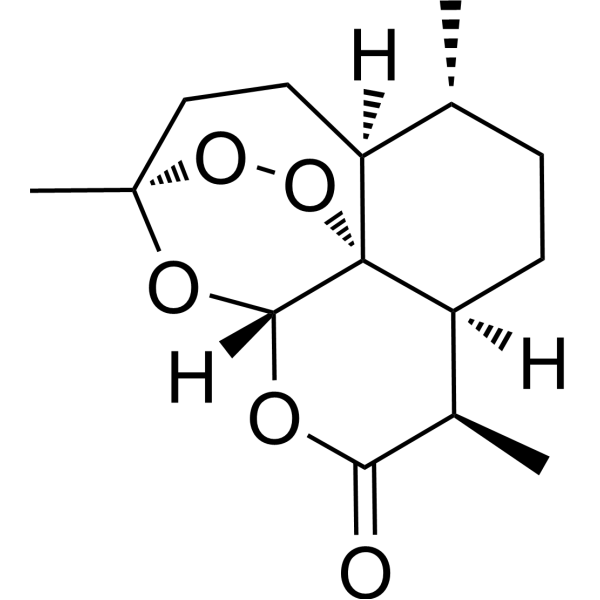
Artemisinin (Qinghaosu), a sesquiterpene lactone, is an anti-malarial agent isolated from the aerial parts of Artemisia annua L. plants . Artemisinin inhibits AKT signaling pathway by decreasing pAKT in a dose-dependent manner. Artemisinin reduces cancer cell proliferation, migration, invasion, tumorigenesis and metastasis and has neuroprotective effects .
|
-
-
- HY-N1984
-
|
Qing Hao acid; Artemisinic acid; Arteannuic acid
|
JNK
Interleukin Related
|
Infection
Metabolic Disease
Inflammation/Immunology
Cancer
|
|
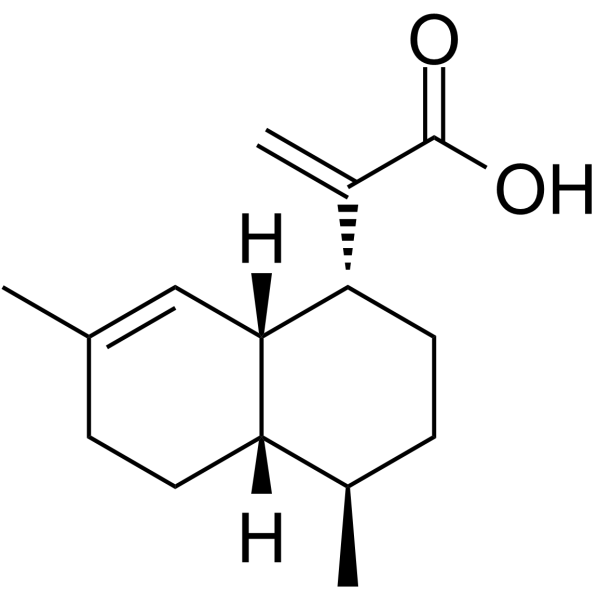
Artemisinic acid (Qing Hao acid) is a sesquiterpene that can be isolated from Artemisia annua L. Artemisinic acid is also an important precursor for the synthesis of Artemisinin (HY-B0094). Artemisinic acid has various pharmacological activities, such as antimalarial activity, antitumor activity, antipyretic effect, antibacterial activity, allelopathic effect, and anti-adipogenic effect .
|
-
-
- HY-16762
-
|
OZ439
|
Parasite
Ferroptosis
SARS-CoV
|
Infection
|
|
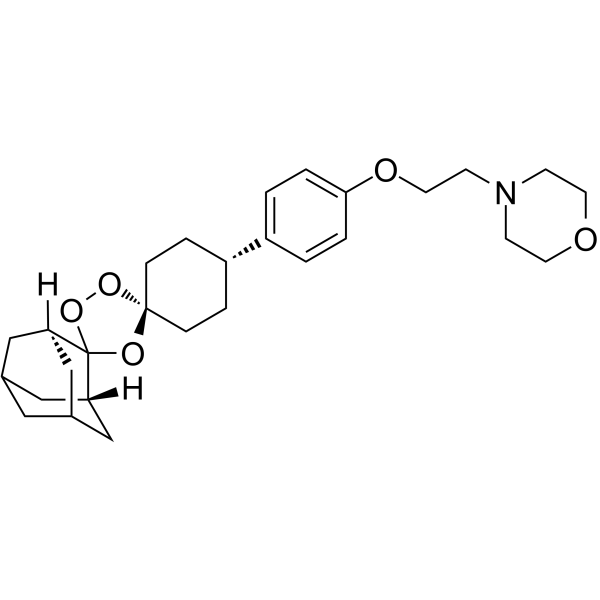
Artefenomel (OZ439) is an orally active, synthetic anti-malarial compound containing an artemisinin pharmacophore with a mechanism of action similar to that of artemisinin. Artefenomel has antiviral activity against SARS-CoV-2 .
|
-
-
- HY-B1896B
-
|
|
Parasite
|
Infection
|
|
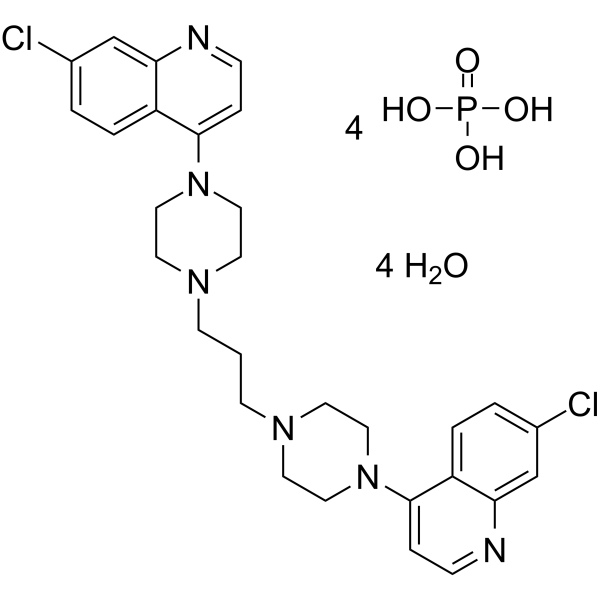
Piperaquine tetraphosphate tetrahydrate is a bisquinoline antimalarial agent. Piperaquine tetraphosphate tetrahydrate can be used in antimalarial research in combination with Artemisinin .
|
-
-
- HY-N1457
-
|
|
P-glycoprotein
Topoisomerase
Apoptosis
DNA/RNA Synthesis
Wnt
β-catenin
Parasite
|
Infection
Metabolic Disease
Cancer
|
|
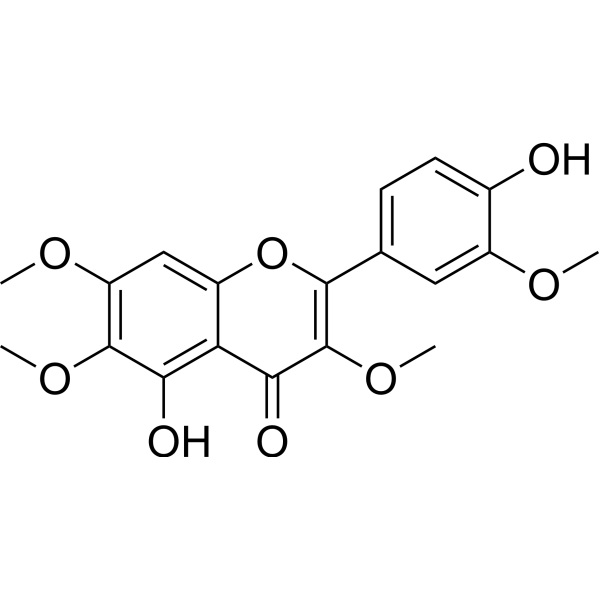
Chrysosplenetin is an orally active polymethoxyflavone. Chrysosplenetin exerts anticancer effects by inhibiting topoisomerase, protecting DNA and inducing apoptosis. Chrysosplenetin acts as an antimalarial sensitizer, reverses Artemisinin (HY-B0094) resistance by inhibiting and downregulating P-glycoprotein, and enhances the efficacy of Artemisinin. Chrysosplenetin promotes bone formation by activating the Wnt/β-catenin pathway and exerts anti-osteoporotic effects .
|
-
-
- HY-B0094R
-
|
Qinghaosu (Standard); NSC 369397 (Standard)
|
Reference Standards
HCV
Parasite
Akt
Ferroptosis
|
Infection
Neurological Disease
Cancer
|
|
Artemisinin (Standard) is the analytical standard of Artemisinin. This product is intended for research and analytical applications. Artemisinin (Qinghaosu), a sesquiterpene lactone, is an anti-malarial agent isolated from the aerial parts of Artemisia annua L. plants . Artemisinin inhibits AKT signaling pathway by decreasing pAKT in a dose-dependent manner. Artemisinin reduces cancer cell proliferation, migration, invasion, tumorigenesis and metastasis and has neuroprotective effects .
|
-

-
- HY-B1896A
-
|
|
Parasite
|
Infection
|
|
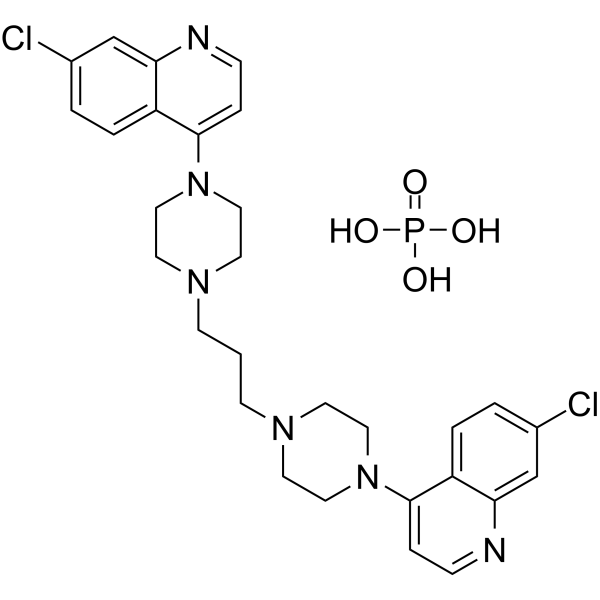
Piperaquine phosphate is a bisquinoline antimalarial agent. Piperaquine phosphate can be used in antimalarial research in combination with Artemisinin .
|
-
-
- HY-122550
-
|
|
Keap1-Nrf2
Topoisomerase
Apoptosis
|
Cancer
|
|
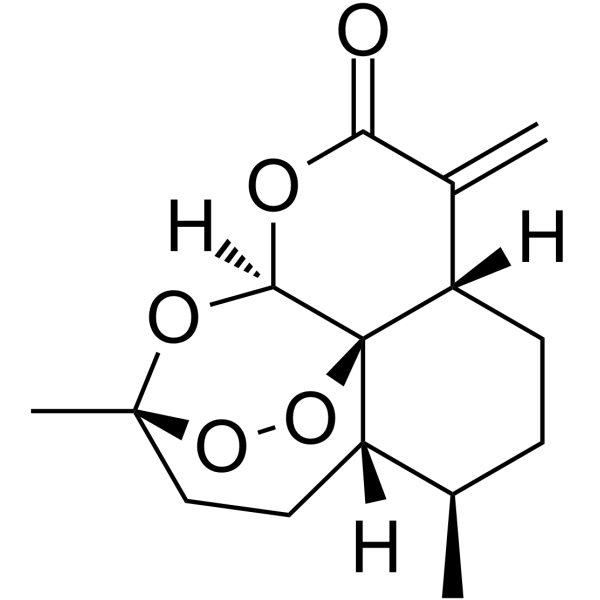
Artemisitene, a natural derivative of Artemisinin, is a Nrf2 activator with antioxidant and anticancer activities. Artemisitene activates Nrf2 by decreasing Nrf2 ubiquitination and increasing its stability .
|
-
-
- HY-137553
-
|
SM934 free base
|
NOD-like Receptor (NLR)
|
Inflammation/Immunology
|
|
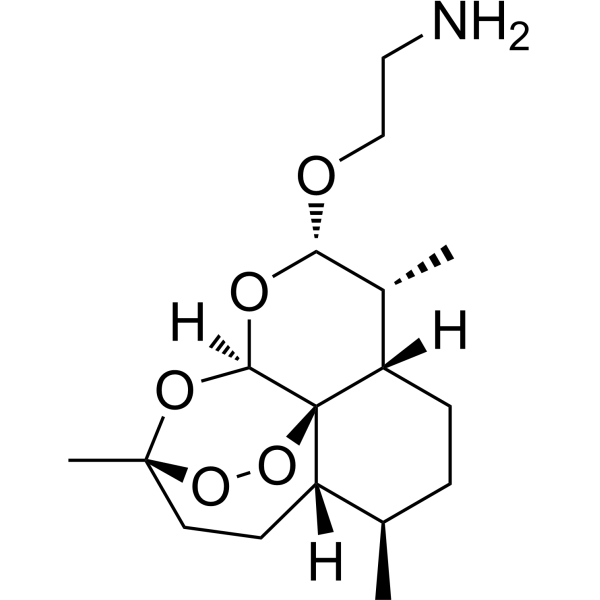
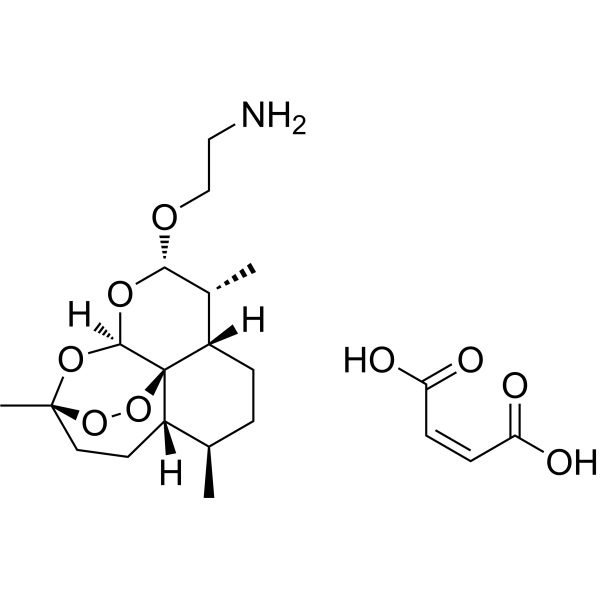
β-Aminoarteether (SM934 free base) is an Artemisinin derivative with orally active. β-Aminoarteether can be used for inflammation and autoimmune disease research, such as lupus diseases .
|
-
-
- HY-N4106
-
|
Dihydroqinghao acid
|
Parasite
Ferroptosis
|
Infection
|
|
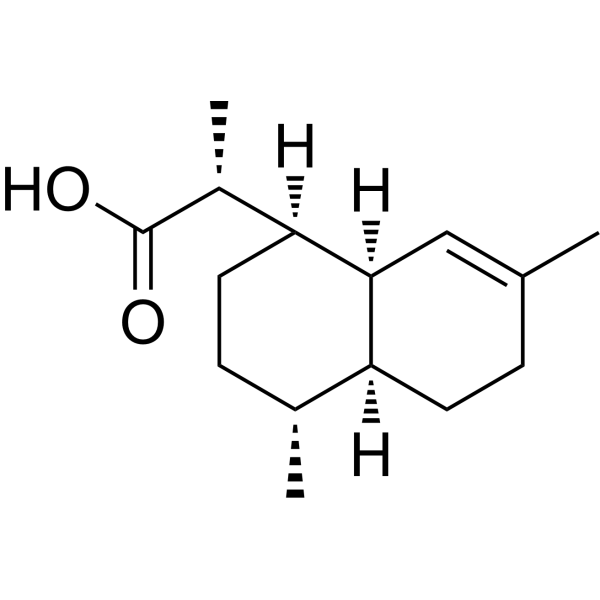
Dihydroartemisinic acid (Dihydroqinghao acid) is a biosynthetic precursor to the antimalarial agent Artemisinin (HY-B0094) .
|
-
-
- HY-149428
-
AD4
1 Publications Verification
|
PROTACs
|
Cancer
|
|
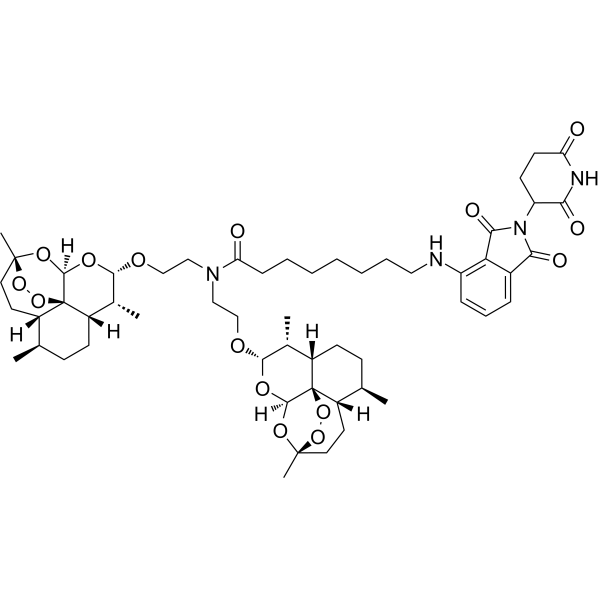
AD4 is an artemisinin derivative that is a proteolytic targeting chimera (PROTAC) targeting PCLAF. AD4 can effectively degrade PCLAF in RS4;11 cells (IC50: 0.6 nM), thereby activating the p21/Rb axis and exerting anti-tumor activity. AD4 also prolonged survival of RS4;11-transplanted NOD/SCID mice, with in vivo efficacy .
|
-
-
- HY-N1667
-
|
|
Parasite
|
Infection
|
|
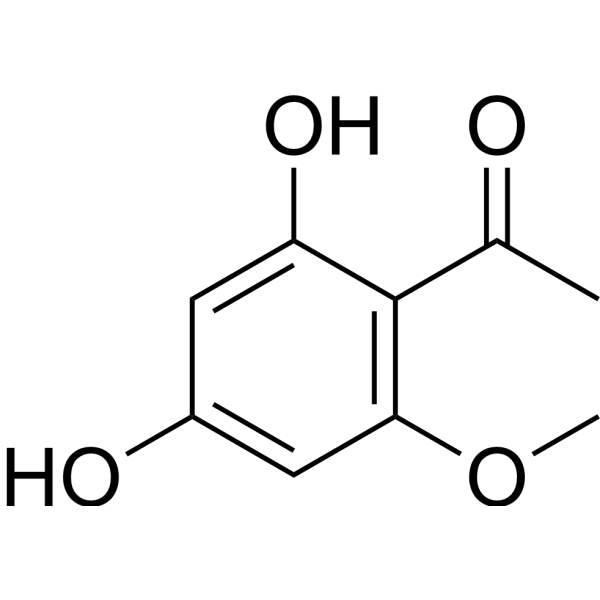
2',4'-Dihydroxy-6'-Methoxyacetophenone is a phenolic acetophenone from Artemisia annua. Artemisia annua is an analog of Artemisinin that is effective in the research of malaria .
|
-
-
- HY-W129233
-
|
Dihydroartemisinin (α,β mixture)
|
Parasite
Autophagy
Apoptosis
|
Infection
Cancer
|
|
Dihydroartemisinin (mixture of α and β isomers) is an anti-malaria and anticancer agent, as well as an active metabolite of artemisinin and its derivatives. Dihydroartemisinin exerts anticancer effects through various molecular mechanisms, such as inhibiting proliferation, inducing apoptosis, inhibiting tumor metastasis and angiogenesis, promoting immune function, inducing autophagy and endoplasmic reticulum stress .
|
-

-
- HY-135578
-
|
|
Parasite
|
Infection
|
|
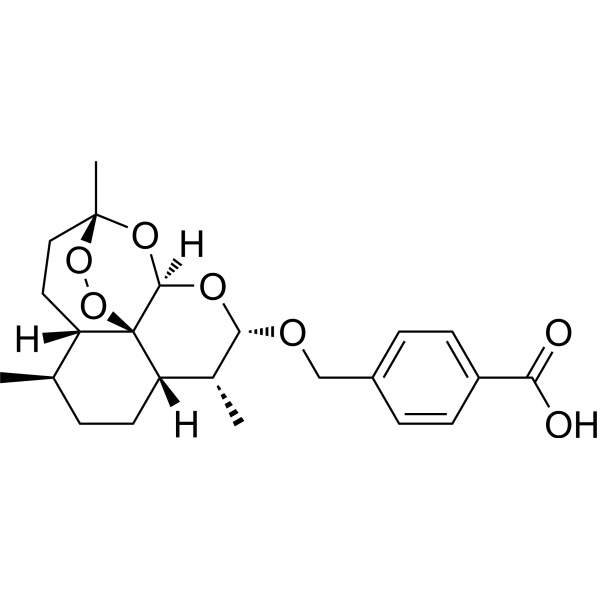
Artelinic acid, a derivative of Artemisinin, is an antimalarial agent for the treatment of multidrug resistant strains of Plasmodium falciparum. Artelinic acid can be administered by various routes of administration, including intravenous, intramuscular and oral routes .
|
-
-
- HY-111817
-
|
|
Parasite
|
Infection
|
|
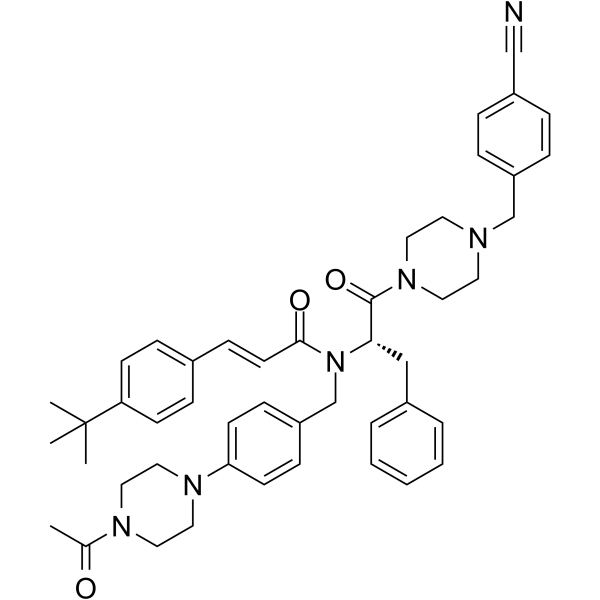
ACT-451840 is an orally active, potent and low-toxicity compound, showing activity against sensitive and resistant plasmodium falciparum strains. ACT-451840 targets all asexual blood stages of the parasite, has a rapid onset of action. ACT-451840 behaves in a way similar to artemisinin derivatives, with very rapid onset of action and elimination of parasite. ACT-451840 can be used for the research of malarial .
|
-
-
- HY-N9551
-
|
|
Cytochrome P450
Parasite
COX
Lipoxygenase
|
Infection
Neurological Disease
Cancer
|
|
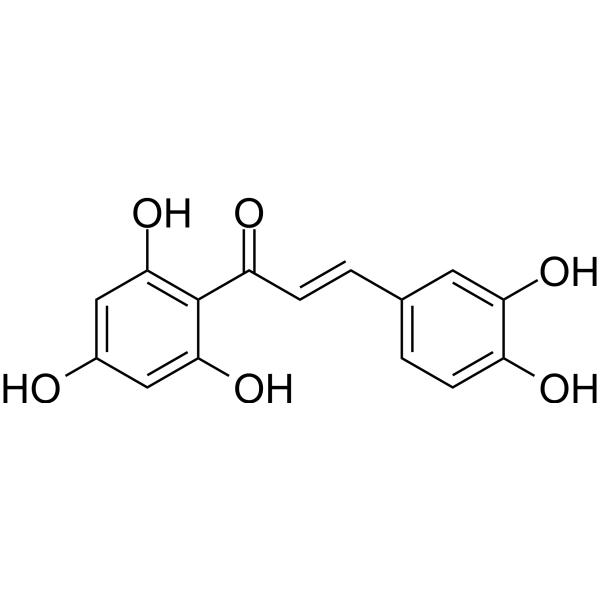
Eriodictyol chalcone is an antioxidant that inhibits multiple key enzymes including 5-LOX (IC50=0.043 μM), aromatase/CYP19A1 (IC50=2.8 μM), PTPase 1B (IC50=1.26 μM), and COX (IC50=34 μM). Eriodictyol chalcone exhibits excellent free radical scavenging activity. Eriodictyol chalcone not only inhibits the growth of plasmodia and enhances the efficacy of Artemisinin (HY-B0094), but also reduces depression-like behaviors in animal models. Eriodictyol chalcone serves as a biosynthetic precursor for Aureusidin (HY-N9834). Eriodictyol chalcone is a potential dietary supplement and herbicide, and it can be applied to research on malaria, depression, breast cancer and other related diseases .
|
-
-
- HY-B0094S
-
|
Qinghaosu-d3; NSC 369397-d3
|
Akt
Ferroptosis
HCV
Parasite
|
Infection
Neurological Disease
Cancer
|
|
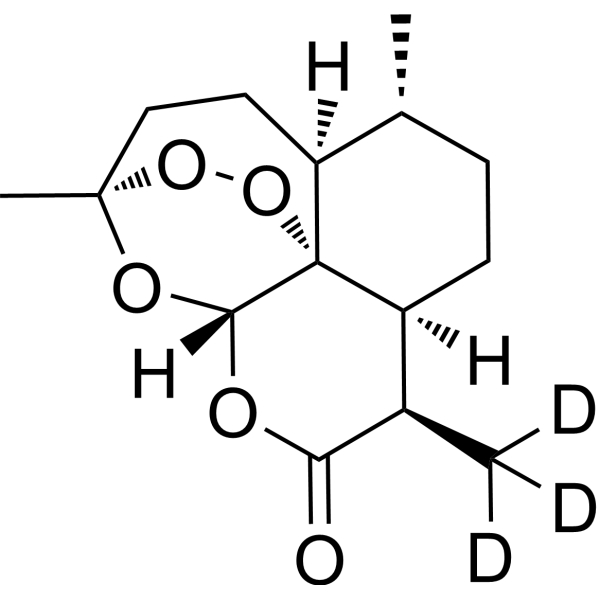
Artemisinin-d3 is the deuterium labeled Artemisinin. Artemisinin (Qinghaosu), a sesquiterpene lactone, is an anti-malarial agent isolated from the aerial parts of Artemisia annua L. plants . Artemisinin inhibits AKT signaling pathway by decreasing pAKT in a dose-dependent manner. Artemisinin reduces cancer cell proliferation, migration, invasion, tumorigenesis and metastasis and has neuroprotective effects .
|
-
-
- HY-W587751
-
|
Amorpha-4,11-diene-12-ol
|
Drug Intermediate
|
Infection
|
|
Arteannuic alcohol (Amorpha-4,11-diene-12-ol) is a precursor substance in the biosynthetic pathway of Artemisinin (HY-B0094). Alcohol dehydrogenase catalyzes the dehydrogenation reaction of chlorogenic alcohol to produce artemisinic aldehyde .
|
-

-
- HY-W585869
-
|
|
Parasite
|
Infection
|
|
Amorphadiene is the precursor to the antimalarial agent artemisinin, which is produced through the amorphadiene synthase (ADS)-catalyzed cyclization of farnesyl pyrophosphate (FPP) yeast .
|
-

-
- HY-175498
-
|
|
SARS-CoV
|
Infection
|
|
RLA-3107 is an artemisinin regioisomer that blocks ion channels, thereby preventing cations from entering the host cytoplasm. RLA-3107 is also a viroporin inhibitor .
|
-

-
- HY-B1896
-
|
|
Parasite
|
Infection
|
|
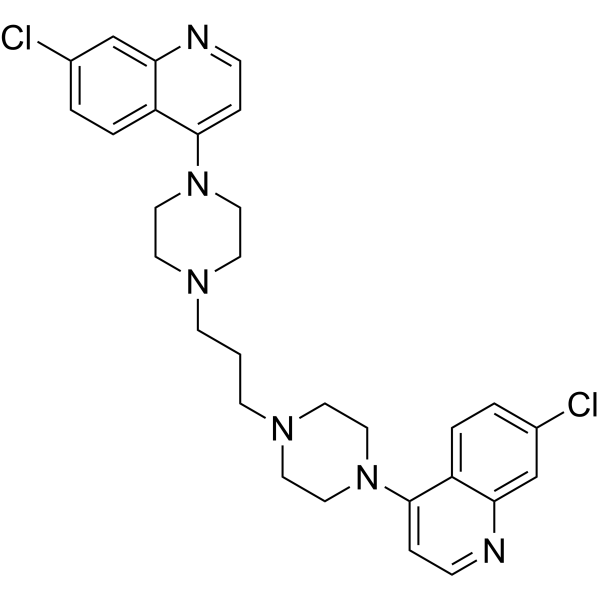
Piperaquine is a bisquinoline antimalarial agent. Piperaquine can be used in antimalarial research in combination with Artemisinin .
|
-
-
- HY-137553A
-
|
SM934
|
NOD-like Receptor (NLR)
|
Inflammation/Immunology
|
|
β-Aminoarteether maleate (SM934) is an Artemisinin derivative with orally active. β-Aminoarteether maleate can be used for inflammation and autoimmune disease research, such as lupus diseases .
|
-
-
- HY-N1667R
-
|
|
Reference Standards
Parasite
|
Infection
|
|
2',4'-Dihydroxy-6'-Methoxyacetophenone is a phenolic acetophenone from Artemisia annua. Artemisia annua is an analog of Artemisinin that is effective in the research of malaria .
|
-

-
- HY-N8801
-
|
|
Others
|
Others
|
|
Anhydrodihydro artemisinin is a Sesquiterpene product .
|
-

-
- HY-N1984R
-
|
Qing Hao acid (Standard); Artemisinic acid (Standard); Arteannuic acid (Standard)
|
Reference Standards
JNK
Interleukin Related
|
Infection
Metabolic Disease
Inflammation/Immunology
Cancer
|
|
Artemisic acid (Standard) (Qing Hao acid (Standard)) is the analytical standard of Artemisic acid (HY-N1984). This product is intended for research and analytical applications. Artemisinic acid (Qing Hao acid) is a sesquiterpene that can be isolated from Artemisia annua L. Artemisinic acid is also an important precursor for the synthesis of Artemisinin (HY-B0094). Artemisinic acid has various pharmacological activities, such as antimalarial activity, antitumor activity, antipyretic effect, antibacterial activity, allelopathic effect, and anti-adipogenic effect .
|
-

-
- HY-B0094S3
-
|
Qinghaosu-13C,d4; NSC 369397-13C,d4
|
Ferroptosis
Akt
Parasite
HCV
Isotope-Labeled Compounds
|
Infection
Neurological Disease
Cancer
|
|
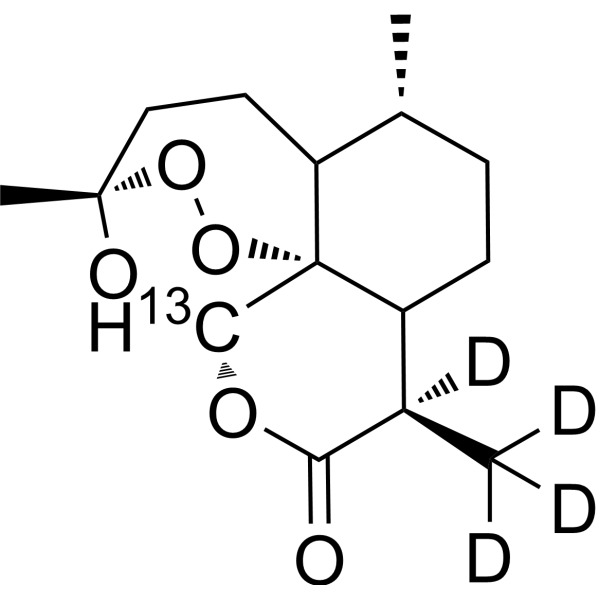
Artemisinin- 13C,d4 is 13C and deuterated labeled Artemisinin (HY-B0094). Artemisinin (Qinghaosu), a sesquiterpene lactone, is an anti-malarial agent isolated from the aerial parts of Artemisia annua L. plants . Artemisinin inhibits AKT signaling pathway by decreasing pAKT in a dose-dependent manner. Artemisinin reduces cancer cell proliferation, migration, invasion, tumorigenesis and metastasis and has neuroprotective effects .
|
-
-
- HY-16762R
-
|
OZ439 (Standard)
|
Parasite
Ferroptosis
SARS-CoV
Reference Standards
|
Infection
|
|
Artefenomel (Standard) is the analytical standard of Artefenomel. This product is intended for research and analytical applications. Artefenomel (OZ439) is an orally active, synthetic anti-malarial compound containing an artemisinin pharmacophore with a mechanism of action similar to that of artemisinin. Artefenomel has antiviral activity against SARS-CoV-2 .
|
-

-
- HY-B1896AR
-
|
|
Parasite
Reference Standards
|
Infection
|
|
Piperaquine (phosphate) (Standard) is the analytical standard of Piperaquine (phosphate). This product is intended for research and analytical applications. Piperaquine phosphate is a bisquinoline antimalarial agent. Piperaquine phosphate can be used in antimalarial research in combination with Artemisinin .
|
-

-
- HY-B1896BR
-
|
|
Parasite
Reference Standards
|
Infection
|
|
Piperaquine (tetraphosphate tetrahydrate) (Standard) is the analytical standard of Piperaquine (tetraphosphate tetrahydrate). This product is intended for research and analytical applications. Piperaquine tetraphosphate tetrahydrate is a bisquinoline antimalarial agent. Piperaquine tetraphosphate tetrahydrate can be used in antimalarial research in combination with Artemisinin .
|
-

-
- HY-N18336
-
|
|
Drug Derivative
|
Others
|
|
Artemisinin G is a sesquiterpene and decomposition product of artemisinin.Artemisinin G can be found in the dry leaves of Artemisia annua L. (Compositae) .
|
-

-
- HY-106848
-
|
Ro 42-1611
|
Parasite
|
Infection
|
|
Arteflene is a synthetic structural analogue of artemisinin. Arteflene has antimalarial activity .
|
-

-
- HY-172131
-
|
|
Parasite
|
Infection
|
|
Emoquine-1 is an orally active and potent antimalarial drug. Emoquine-1 is efficient against multidrug-resistant Plasmodium parasites, including the Artemisinin-resistant quiescent stage. Emoquine-1 is active against proliferative P. falciparum with IC50 values of 20-55 nM. Emoquine-1 is a candidate to fight Plasmodium parasites resistant to artemisinin-based combination therapies (ACTs) with a capacity to eliminate persistent parasites .
|
-

-
- HY-B1896S
-
|
|
Parasite
|
Infection
|
|
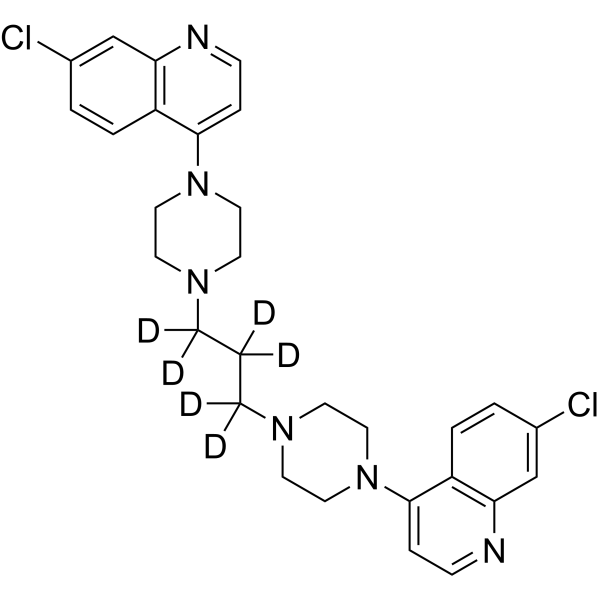
Piperaquine-d6 is the deuterium labeled Piperaquine . Piperaquine is a bisquinoline antimalarial agent. Piperaquine can be used in antimalarial research in combination with Artemisinin .
|
-
-
- HY-118865S
-
|
|
Isotope-Labeled Compounds
Parasite
|
Infection
|
|
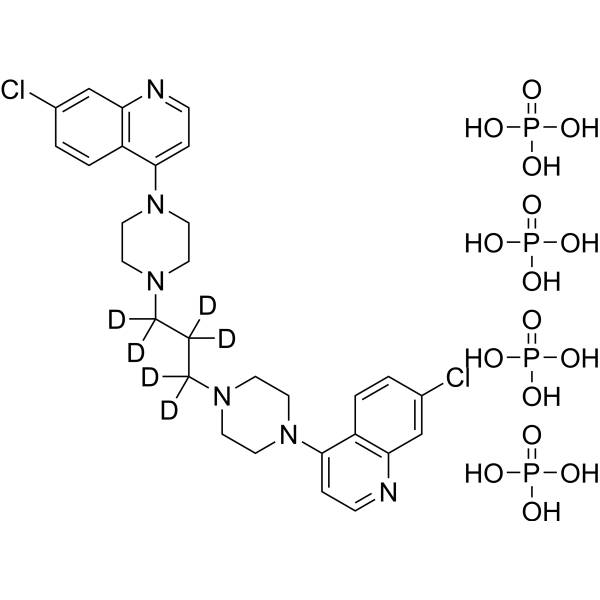
Piperaquine-d6 (tetraphosphate) is the deuterium labeled Piperaquine tetraphosphate. Piperaquine tetraphosphate is a bisquinoline antimalarial agent. Piperaquine phosphate can be used in antimalarial research in combination with Artemisinin .
|
-
-
- HY-132931
-
|
|
Parasite
|
Infection
|
|
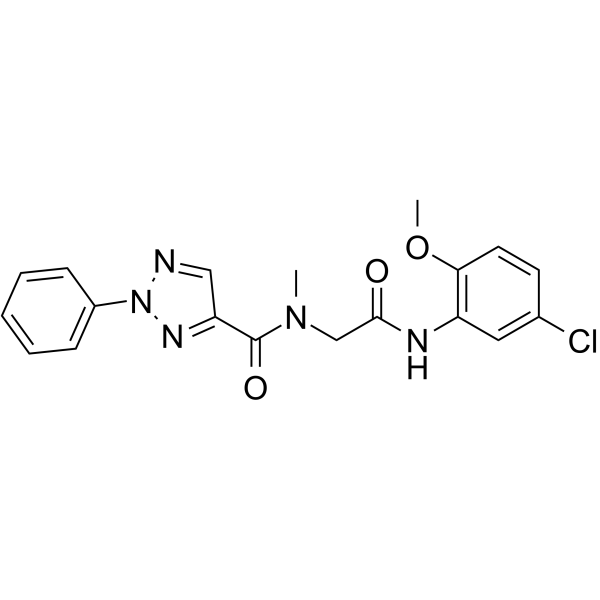
TCMDC-125457 is potent in inducing calcium redistribution but minimally inhibits heme crystallization. TCMDC-125457 demonstrated high efficacy when pulsed in a single-dose combination with artesunate against tightly synchronized artemisinin-resistant ring-stage parasites.
|
-
-
- HY-170999
-
|
|
Caspase
Apoptosis
Ferroptosis
|
Cancer
|
|
Antitumor agent-196 (Compound 6a (β, β, β)) is an artemisinin-based oligomer with anticancer activity, showing an IC50 of 90 nM against MCF-7 breast cancer cells.
Antitumor agent-196 promotes Apoptosis by regulating the Bax-caspase 3 signaling pathway, and induces Ferroptosis through the modulation of key signaling molecules, including GPX4.
Antitumor agent-196 holds promising potential for further research in the field of cancer therapy .
|
-

-
- HY-175221
-
|
|
Apoptosis
Autophagy
|
Cancer
|
|
WHN-11 is an amino-Artemisinin (HY-B0094) derivative with anti-cancer activity against various cancer cell lines. WHN-11 deprives the cell of ATP, activates autophagy, and causes subsequent cell death by apoptosis. WHN-11 alters cellular protein homeostasis pathways to induce mitochondrial fission and dysfunction. WHN-11's anti-cancer activity is independent of substantive ROS production. WHN-11 can be used for the study of triple-negative breast cancer (TNBC) .
|
-

-
- HY-111817A
-
|
|
Parasite
|
Infection
|
|
(Rac)-ACT-451840 is an isomer of ACT-451840 that exhibits significant antimalarial effects. (Rac)-ACT-451840 exhibits significant antimalarial activity against P. berghei-infected mice at a dose of 20 mg/kg (ED90=13 mg/kg), and has an inhibitory effect at a dose of 300 mg/kg. The ED90 of (Rac)-ACT-451840 in the P. falciparum humanized immunodeficient mouse model is 3.7 mg/kg. (Rac)-ACT-451840 is similar to artemisinin, with a rapid onset of action but requires repeated high doses.
|
-

-
- HY-139288
-
|
Co-artemether
|
Parasite
|
Infection
|
|
Artemether-lumefantrine (Co-artemether) is an Artemisinin (HY-B0094)-derived combination antimalarial. Artemether-lumefantrine is effective against malaria caused by P. falciparum .
|
-

-
- HY-183683
-
|
|
Proteasome
Apoptosis
|
Cancer
|
|
DQ-9 is a selective immunoproteasome β5i inhibitor (IC50=0.0019 μM). DQ-9 generates additional inhibitory substances via iron-mediated intracellular activation, and induces oxidative stress, carbon-centered free radicals and macromolecular damage through its artemisinin domain. DQ-9 induces apoptosis in leukemia and multiple myeloma cells. DQ-9 exhibits selective cytotoxicity against leukemia and multiple myeloma cells by elevating the labile iron pool. DQ-9 can be used in the research of hematological malignancies (leukemia, multiple myeloma, mantle cell lymphoma, acute myeloid leukemia) .
|
-

-
- HY-182685
-
|
|
Acetyl-CoA synthetase
Parasite
|
Infection
|
|
MMV693183 is an orally active inhibitor of Plasmodium falciparum acetyl-CoA synthetase (AcAS), with an IC50 of 300 nM against Plasmodium falciparum. MMV693183 exhibits potent inhibitory activity against clinical isolates of malaria parasites, including Artemisinin (HY-B0094)-resistant strains. MMV693183 is metabolized in vivo into the active antimetabolite CoA-MMV693183, which exerts effects of killing asexual blood-stage parasites and blocking transmission to Anopheles mosquitoes by binding to and inhibiting the function of acetyl-CoA synthetase, thereby reducing the levels of acetyl-CoA and 4'-phosphopantetheine. In humanized mouse models, MMV693183 shows favorable in vivo efficacy, drug-like properties, and no significant cytotoxicity or off-target activity against human cells. MMV693183 is widely used in malaria-related research as a parasiticide and metabolic disruptor .
|
-

-
- HY-165396
-
|
|
Bacterial
|
Infection
|
|
HC103A is an Antibacterial agent and a DosS/DosT histidine sensor kinase inhibitor, with an IC50 of 0.5 μM against DosS and ~5 μM against DosT of *Mycobacterium tuberculosis*. HC103A inhibits the autophosphorylation of DosS/DosT. HC103A suppresses hypoxia-induced triacylglycerol synthesis and the viability of Mtb. HC103A can be used in the research of tuberculosis .
|
-

-
- HY-L065
-
|
|
3,255 compounds
|
|
Chinese herbal therapy is an important part of Traditional Chinese Medicine (TCM). It has been used for centuries in China, where herbs are considered fundamental therapy for many acute and chronic conditions. Many studies indicated TCM exerted an overall regulatory effect via multi-component and multi-target network. Active components from Traditional Chinese Medicine possess many medicinal properties such as antioxidant, anti-cancer, and anti-bacterial effects, which makes it an important source of new drugs. Nearly 200 modern medicines have been developed either directly or indirectly from the plants used as medicines in China. For example, artemisinin, used in multidrug resistant malaria, was first isolated from the Chinese herb Artemisia annua L. Today, scientists continue to identify compounds in Chinese herbal remedies that may be useful in the development of new therapeutic agents applicable in Western medicine.
MCE designs a unique collection of 3,255 active compounds of Chinese Herbal Medicines. MCE Traditional Chinese Medicine Active Compound Library is a useful tool for discovery new drugs from TCM.
|
| 製品番号 |
製品名 |
Category |
Target |
構造式 |
-
- HY-B0094S
-
|
|
|
Artemisinin-d3 is the deuterium labeled Artemisinin. Artemisinin (Qinghaosu), a sesquiterpene lactone, is an anti-malarial agent isolated from the aerial parts of Artemisia annua L. plants . Artemisinin inhibits AKT signaling pathway by decreasing pAKT in a dose-dependent manner. Artemisinin reduces cancer cell proliferation, migration, invasion, tumorigenesis and metastasis and has neuroprotective effects .
|
-
-
- HY-B0094S3
-
|
|
|
Artemisinin- 13C,d4 is 13C and deuterated labeled Artemisinin (HY-B0094). Artemisinin (Qinghaosu), a sesquiterpene lactone, is an anti-malarial agent isolated from the aerial parts of Artemisia annua L. plants . Artemisinin inhibits AKT signaling pathway by decreasing pAKT in a dose-dependent manner. Artemisinin reduces cancer cell proliferation, migration, invasion, tumorigenesis and metastasis and has neuroprotective effects .
|
-
-
- HY-B1896S
-
|
|
|
Piperaquine-d6 is the deuterium labeled Piperaquine . Piperaquine is a bisquinoline antimalarial agent. Piperaquine can be used in antimalarial research in combination with Artemisinin .
|
-
-
- HY-118865S
-
|
|
|
Piperaquine-d6 (tetraphosphate) is the deuterium labeled Piperaquine tetraphosphate. Piperaquine tetraphosphate is a bisquinoline antimalarial agent. Piperaquine phosphate can be used in antimalarial research in combination with Artemisinin .
|
-
入力情報は安全に管理されます. ※ 必須入力項目.
Inquiry Information
- 製品名:
- 製品番号:
- 数量:
- MCE 日本正規代理店:





