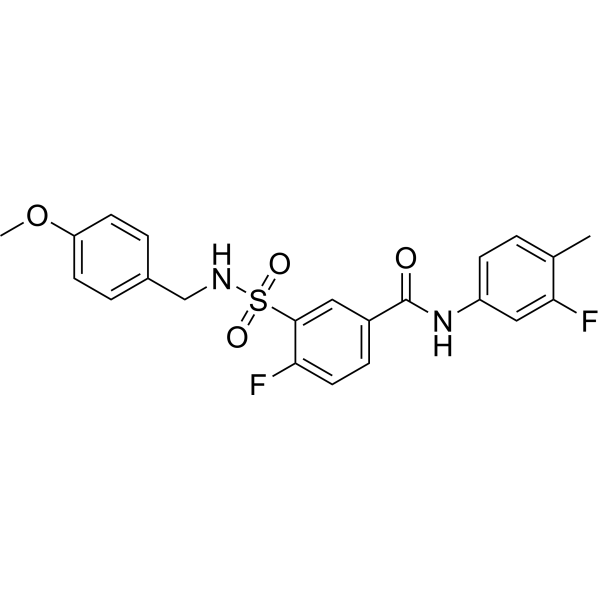
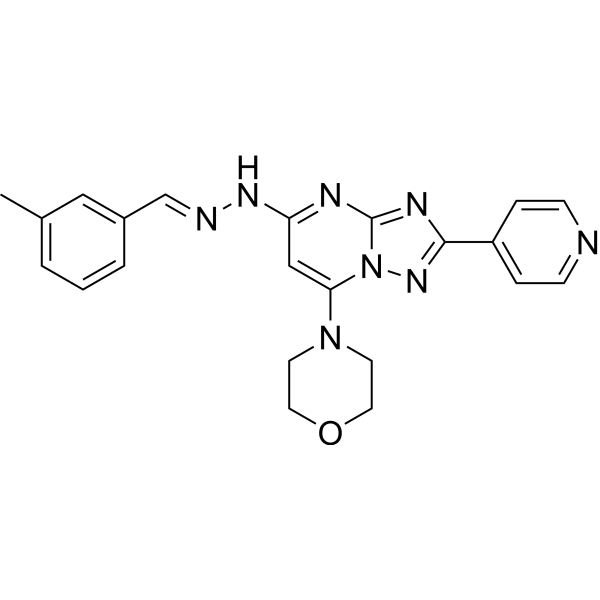
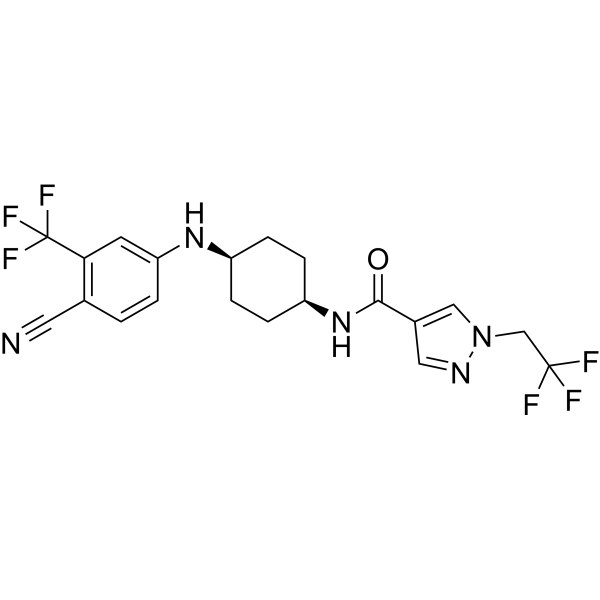
1. Search Result
Search Result
Results for "

autoimmune+disorders

" in MedChemExpress (MCE) Product Catalog:

53

Inhibitors & Agonists

1

Screening Libraries

4

Peptides

1

Inhibitory Antibodies

2

Natural
Products

3

Isotope-Labeled Compounds

2

Oligonucleotides

Cat. No. Product Name Target Research Areas Chemical Structure
  • HY-19569
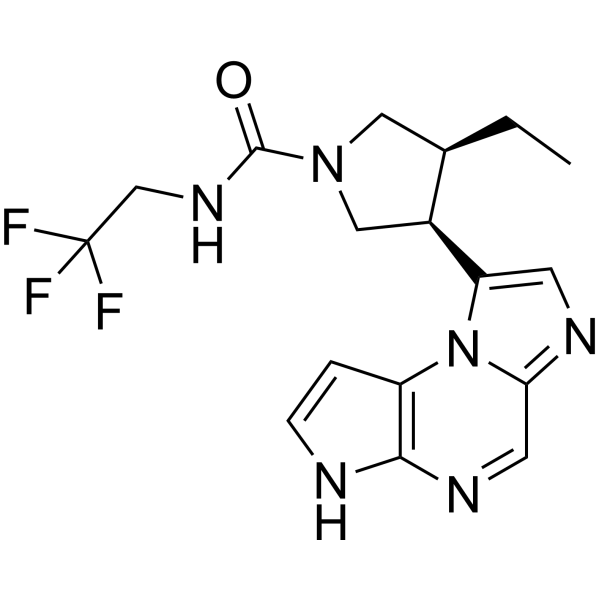
    Upadacitinib
    Maximum Cited Publications
    26 Publications Verification

    ABT-494

    JAK Inflammation/Immunology
    Upadacitinib (ABT-494) is a potent, orally active and selective Janus kinase 1 (JAK1) inhibitor (IC50=43 nM). Upadacitinib (ABT-494) displays approximately 74 fold selective for JAK1 over JAK2 (200 nM) in cellular assays dependent on specific, relevant cytokines. Upadacitinib (ABT-494) can be used for several autoimmune disorders research .
    Upadacitinib
  • HY-168625

    Molecular Glues Inflammation/Immunology
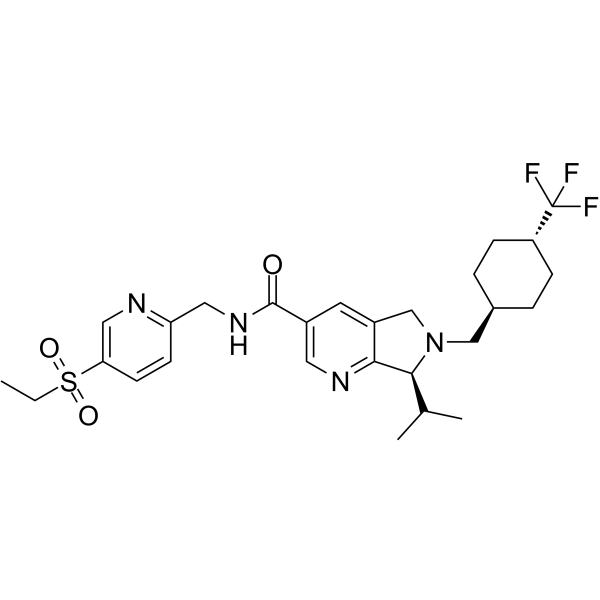
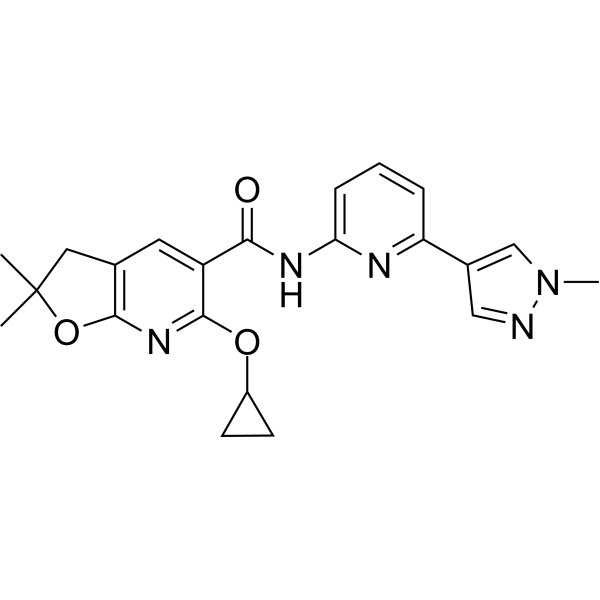
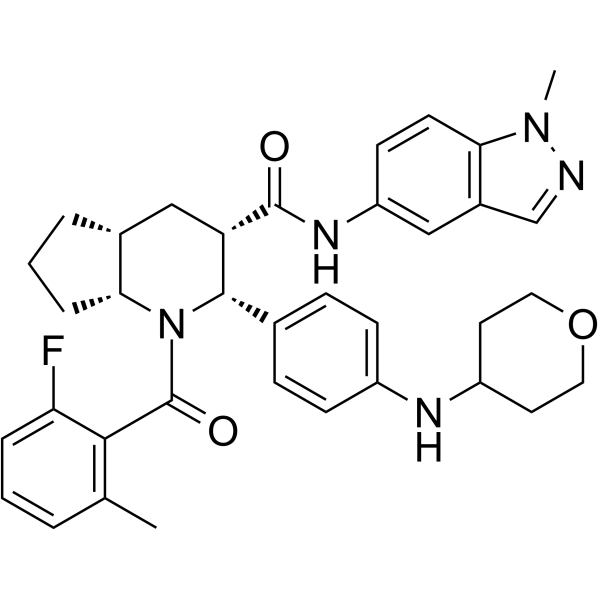
    VAV1 degrader-3 (Example 185) is an orally active VAV1 molecular glue degrader (DC50: 7 nM). VAV1 degrader-3 reduces immune cell activation, immune cell proliferation and the production of various cytokines. VAV1 degrader-3 can be used for research of inflammatory or autoimmune disorder. VAV1 degrader-3 inhibits disease progression in experimntal autoimmune encephalomyelitis (EAE) mouse model, Collagen-induced arthritis (CIA) mouse model, etc. .
    VAV1 degrader-3
  • HY-32343
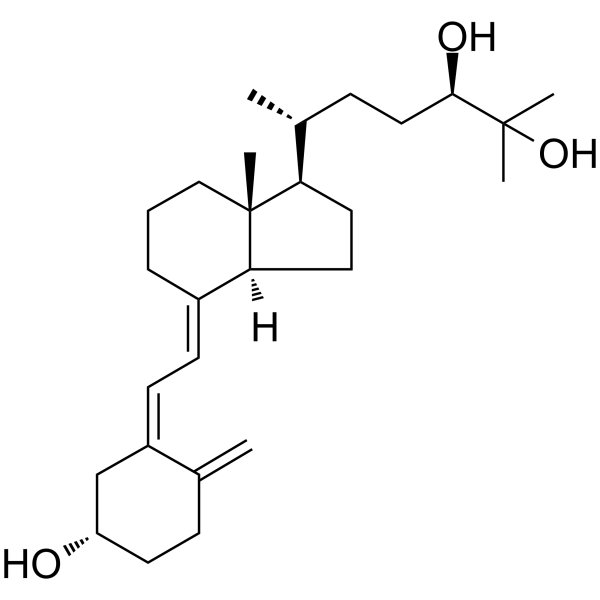
    Secalciferol
    5+ Cited Publications

    (24R)-24,25-Dihydroxyvitamin D3

    Endogenous Metabolite VD/VDR Metabolic Disease Inflammation/Immunology
    Secalciferol ((24R)-24,25-Dihydroxyvitamin D3) is the major active metabolite of Vitamin D. Secalciferol activates vitamin D receptor (VDR) with an EC50 value of 150 nM. Secalciferol is involved in a wide range of biological functions such as calcium homeostasis, cellular differentiation and proliferation processes, as well as other functions related to the immune system, which is promising for research of rickets, osteomalacia, hypercalcemia and autoimmune disorders .
    Secalciferol
  • HY-14908
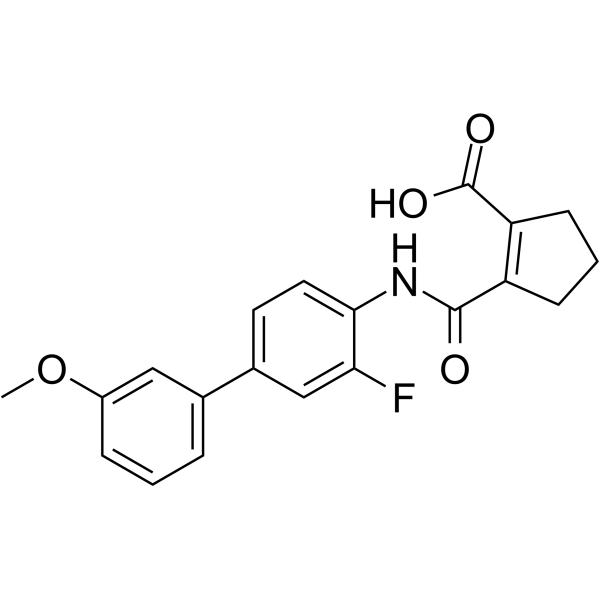
    Vidofludimus
    4 Publications Verification

    4sc-101; SC12267

    Dihydroorotate Dehydrogenase Interleukin Related FXR Infection Inflammation/Immunology
    Vidofludimus is an orally active inhibitor for dihydroorotate dehydrogenase (DHODH) and also is a novel modulator for farnesoid X receptor (FXR). Vidofludimus, as an immunomodulatory agent, can be used for the research of autoimmune disorders such as inflammatory bowel disease (IBD). Vidofludimus also can be used for the research of fatty liver by targeting FXR .
    Vidofludimus
  • HY-19569R
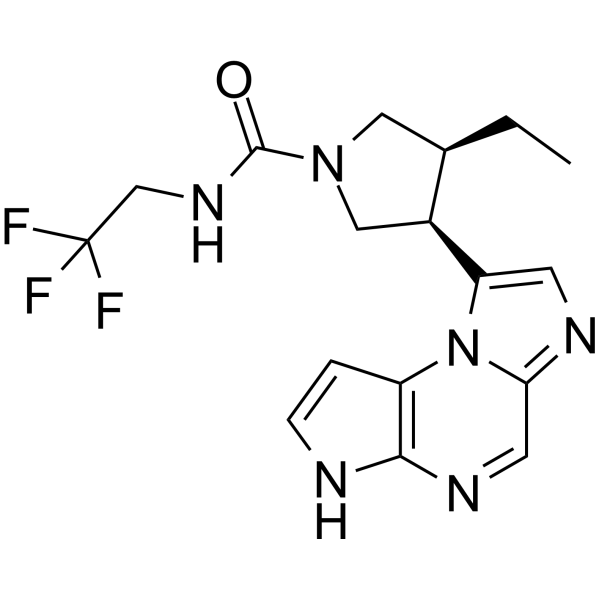
    Upadacitinib (Standard)
    1 Publications Verification

    ABT-494 (Standard)

    Reference Standards JAK Inflammation/Immunology
    Upadacitinib (Standard) is the analytical standard of Upadacitinib. This product is intended for research and analytical applications. Upadacitinib (ABT-494) is a potent, orally active and selective Janus kinase 1 (JAK1) inhibitor (IC50=43 nM). Upadacitinib (ABT-494) displays approximately 74 fold selective for JAK1 over JAK2 (200 nM) in cellular assays dependent on specific, relevant cytokines. Upadacitinib (ABT-494) can be used for several autoimmune disorders research .
    Upadacitinib (Standard)
  • HY-151108
    IDO1/TDO-IN-4
    1 Publications Verification

    Indoleamine 2,3-Dioxygenase (IDO) Neurological Disease Inflammation/Immunology
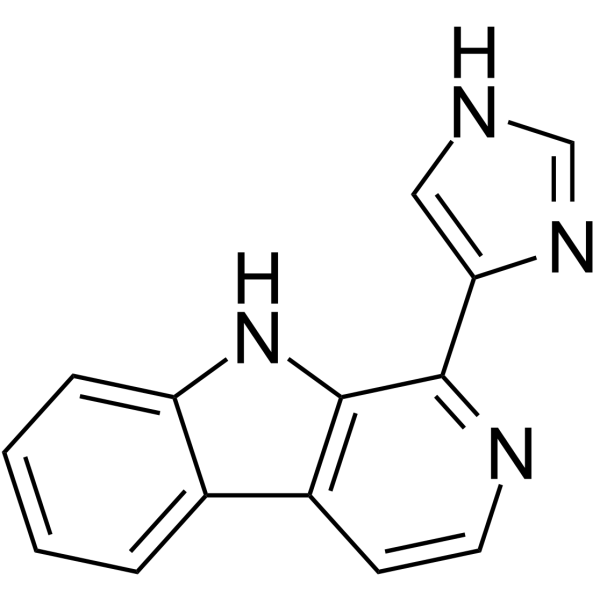
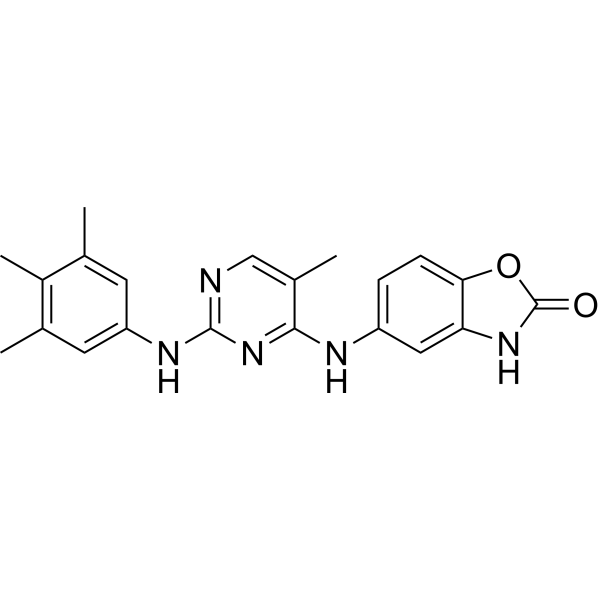
    IDO1/TDO-IN-4 is a potent IDO1/TDO dual inhibitor, with IC50 values of 3.53 μM (IDO1) and 1.15 μM (TDO). IDO1/TDO-IN-4 forms hydrogen bond with IDO1, and π−π stacking interaction with TDO. IDO1/TDO-IN-4 can be used in the research of depression, and depression-induced infectious, metabolic, and autoimmune disorders .
    IDO1/TDO-IN-4
  • HY-176860

    Molecular Glues NEKs NOD-like Receptor (NLR) Caspase Interleukin Related Cardiovascular Disease Neurological Disease Inflammation/Immunology
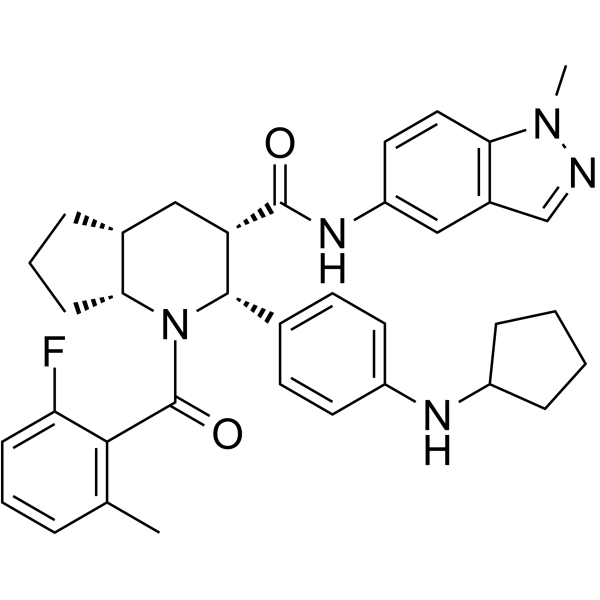
    NEK7 degrader-1 is a NEK7 molecular glue degrader with a DC50 of 9  nM. NEK7 degrader-1 dose-dependently inhibits caspase-1 activity and IL-Ιβ release in macrophages in response to NLRP3 inflammasome activation. NEK7 degrader-1 can be used for autoinflammatory and autoimmune disorders like multiple sclerosis, neurodegeneraive diseases like Alzheimer's disease and cardiovascular and melabolic disorders like pericarditis and Type 2 diabetes research .
    NEK7 degrader-1
  • HY-75385

    CDP323; UCB1184197

    Integrin Inflammation/Immunology
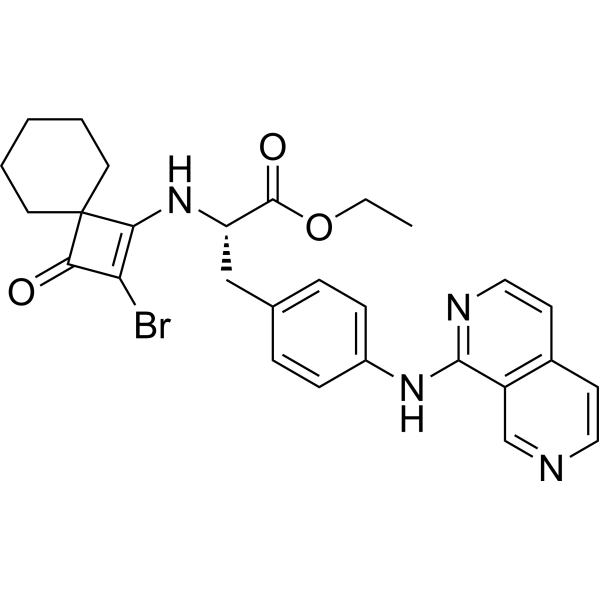
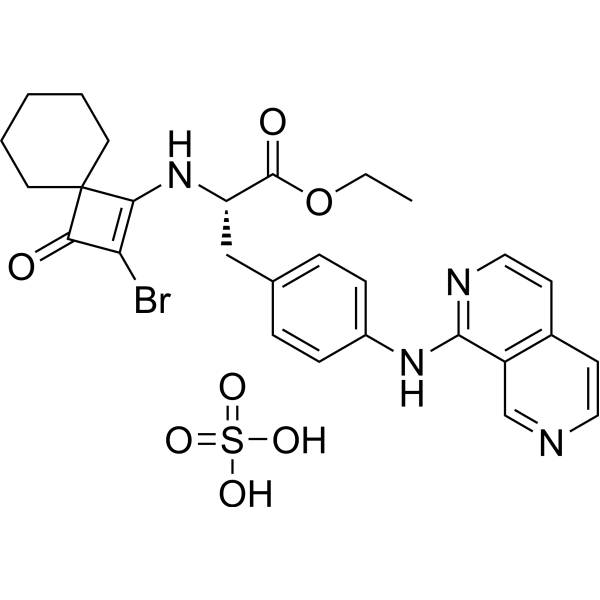
    Zaurategrast ethyl ester (CDP323), the ethyl ester proagent of CT7758 , is a α4β1/α4β7 integrin antagonist used for the treatment of inflammatory and autoimmune disorders .
    Zaurategrast ethyl ester
  • HY-137298

    LTA4H-IN-1

    Aminopeptidase Inflammation/Immunology
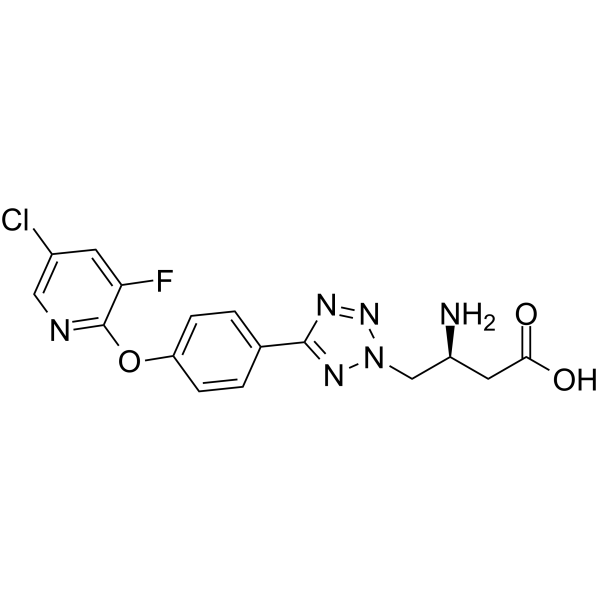
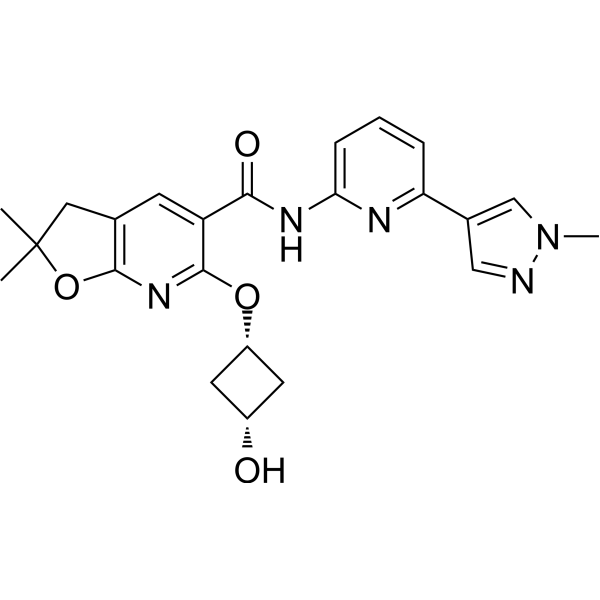
    LTA4H-IN-1 is a potent inhibitor of leukotriene A4 hydrolase (LTA4H) extracted from patent WO2015092740A1, example 29, has an IC50 of 2 nM. LTA4H-IN-1 can be used for the research of inflammatory and autoimmune disorders .
    LYS006
  • HY-109854A

    (R)-Lisophylline

    STAT Metabolic Disease Inflammation/Immunology
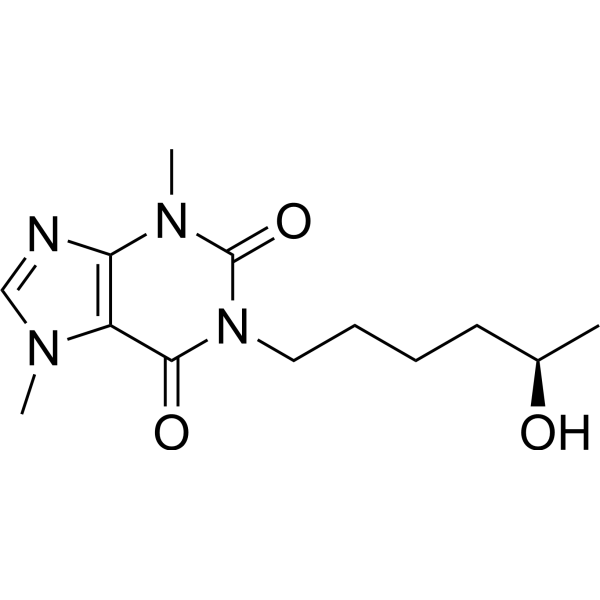
    (R)-Lisofylline ((R)-Lisophylline) is a (R)-enantiomer of the metabolite of Pentoxifylline with anti-inflammatory properties. (R)-Lisofylline is a lysophosphatidic acid acyltransferase inhibitor with an IC50 of 0.6 μM and interrupts IL-12 signaling-mediated STAT4 activation. (R)-Lisofylline has the potential for type 1 diabetes, autoimmune disorders research .
    (R)-Lisofylline
  • HY-15509A
    Semapimod tetrahydrochloride
    4 Publications Verification

    CNI-1493; CPSI-2364 tetrahydrochloride

    TNF Receptor Interleukin Related p38 MAPK Inflammation/Immunology Cancer
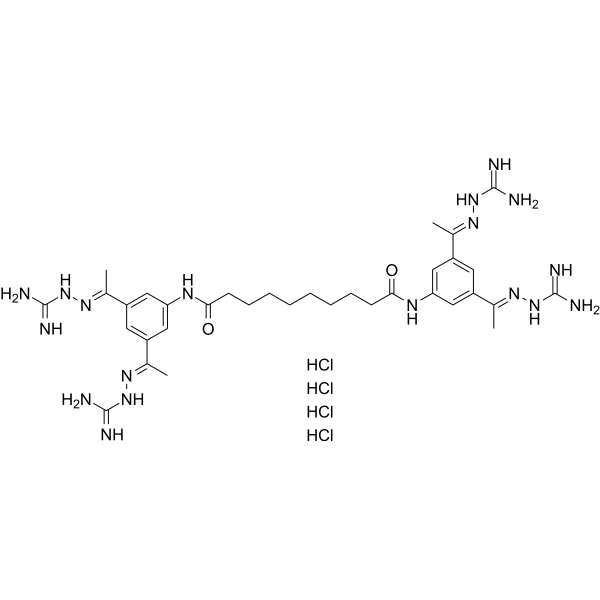
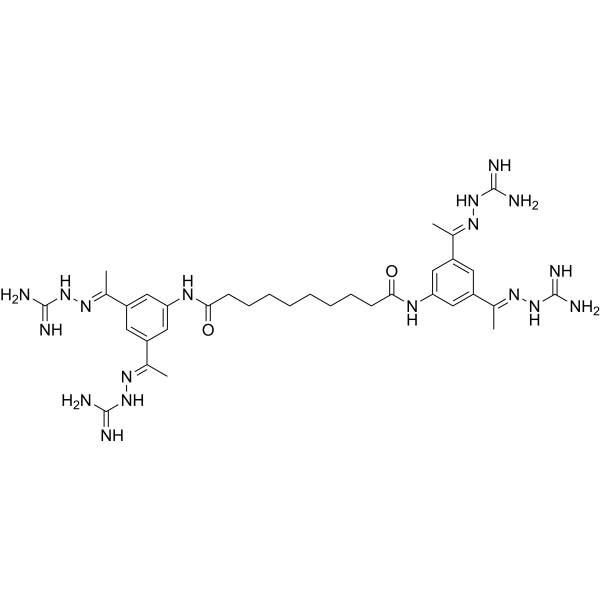
    Semapimod tetrahydrochloride (CNI-1493), an inhibitor of proinflammatory cytokine production, can inhibit TNF-α, IL-1β, and IL-6. Semapimod tetrahydrochloride inhibits TLR4 signaling (IC50≈0.3 μM). Semapimod tetrahydrochloride inhibits p38 MAPK and nitric oxide production in macrophages. Semapimod tetrahydrochloride has potential in a variety of inflammatory and autoimmune disorders .
    Semapimod tetrahydrochloride
  • HY-103620

    ROCK Inflammation/Immunology Cancer
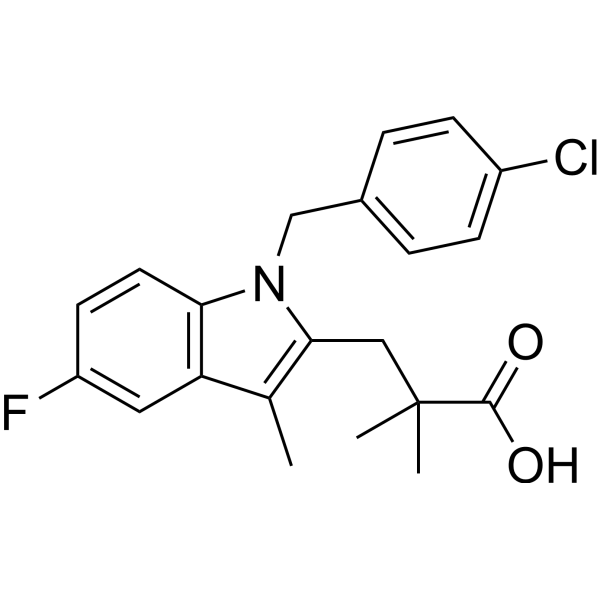
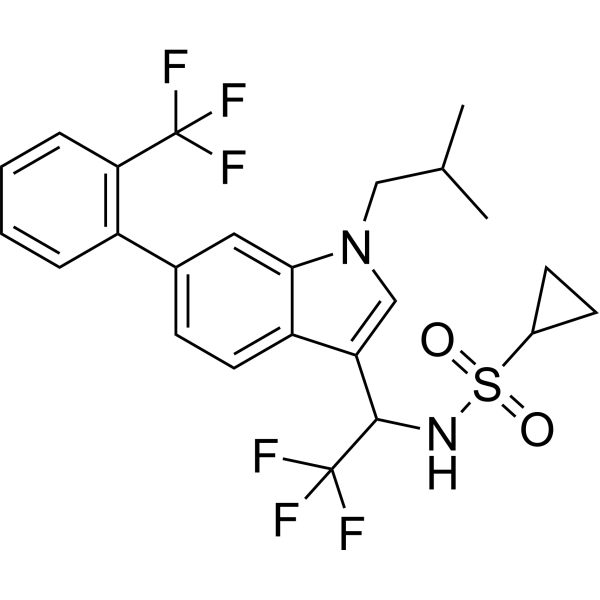
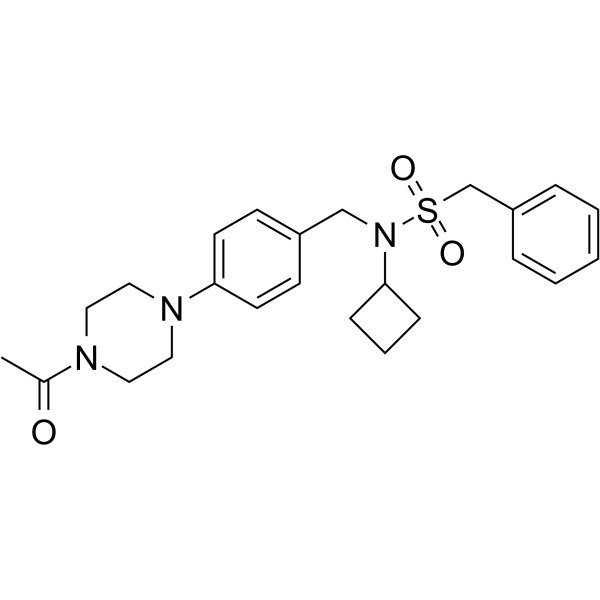
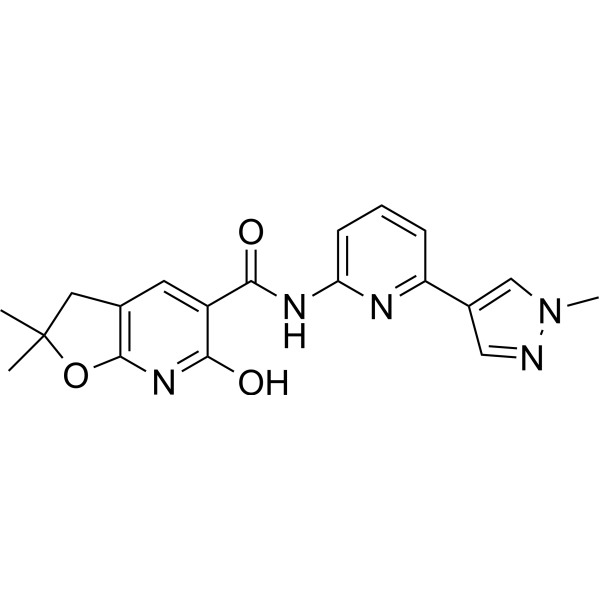
    ROCK2-IN-2 (Example 2) is a ROCK2 inhibitor that can be used for the study of multiple medical disorders, such as fibrosis, inflammatory disorders, autoimmune disorders, and cardiovascular disorders .
    ROCK2-IN-2
  • HY-108944

    SHP2 SHP1 Phosphatase Inflammation/Immunology
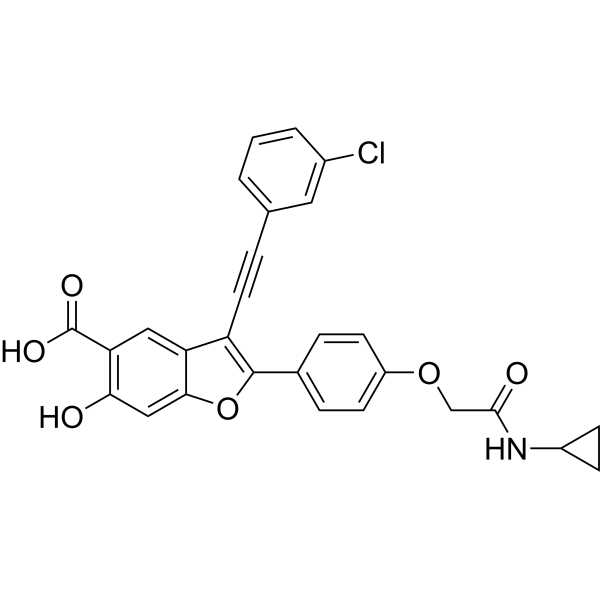
    LYP-IN-1 is a potent, selective and specific LYP inhibitor with a Ki and an IC50 of 110 nM and 0.259 μM, respectively. LYP-IN-1 also has selectivity for a large panel of PTPs, such as SHP1 (IC50=5 μM) and SHP2 (IC50=2.5 μM). LYP-IN-1 exhibits highly efficacious cellular activity in T- and mast cells. LYP-IN-1 can be used for the study of autoimmune disorders . LYP-IN-1 is a click chemistry reagent, it contains an Alkyne group and can undergo copper-catalyzed azide-alkyne cycloaddition (CuAAc) with molecules containing Azide groups.
    LYP-IN-1
  • HY-145997

    Mas-related G-protein-coupled Receptor (MRGPR) Inflammation/Immunology
    MRGPRX4 modulator-1 (compound 31-2) is a potent mas-related g-protein receptor X4 (MRGPR X4) modulator, with antagonist activity of IC50 < 100 nM for MRGPR4. MRGPRX4 modulator-1 can be used for researching MRGPR X4 dependent diseases such as itch, pain, and autoimmune disorders .
    MRGPRX4 modulator-1
  • HY-W181102

    Calcineurin Cardiovascular Disease Neurological Disease Inflammation/Immunology
    NFAT Inhibitor-2 is a potent inhibitor of calcineurin NFAT signalling. Calcineurin is a serine/threonine protein phosphatase regulated by Ca2+ and calmodulin. NFAT Inhibitor-2 has the potential for the research of inflammatory disease, an autoimmune disorder, a cardiovascular disease, a neurodegenerative disease, a disease occurring with uncontrolled cell proliferation and/or differentiation, an angiogenesis-related disease, an allergy, anaphylaxis and alopecia (extracted from patent WO2016207212A1, compound 17) .
    NFAT Inhibitor-2
  • HY-W727879
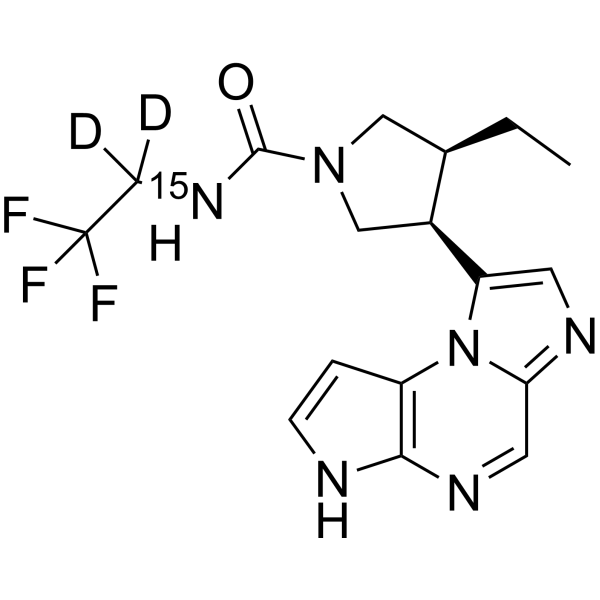
    Upadacitinib-15N,d2
    1 Publications Verification

    ABT-494-15N,d2

    Isotope-Labeled Compounds Others
    Upadacitinib- 15N,d2 (ABT-494- 15N,d2) is the deuterium-labeled Upadacitinib (HY-19569). Upadacitinib- 15N,d2 (ABT-494) is a potent, orally active and selective Janus kinase 1 (JAK1) inhibitor (IC50=43 nM). Upadacitinib- 15N,d2 (ABT-494) displays approximately 74 fold selective for JAK1 over JAK2 (200 nM) in cellular assays dependent on specific, relevant cytokines. Upadacitinib- 15N,d2 (ABT-494) can be used for several autoimmune disorders research .
    Upadacitinib-15N,d2
  • HY-154956

    PIKfyve Inflammation/Immunology Cancer
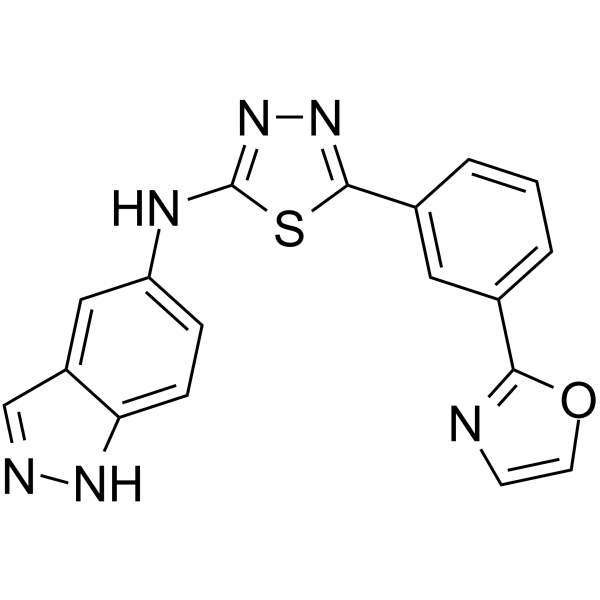
    PIKfyve-IN-2 is a potent PIKfyve kinase inhibitor and can be used for cancers, autoimmune disorders research .
    PIKfyve-IN-2
  • HY-160540

    Mas-related G-protein-coupled Receptor (MRGPR) Inflammation/Immunology
    MRGPRX2 modulator-1 (example 17) is a mas-related g-protein receptor x2 (MRGPRX2) modulator. MRGPRX2 modulator-1 can be used for the research of inflammation, pain and autoimmune disorders .
    MRGPRX2 modulator-1
  • HY-117433S

    DNA Alkylator/Crosslinker Apoptosis Reactive Oxygen Species (ROS) Drug Metabolite Inflammation/Immunology
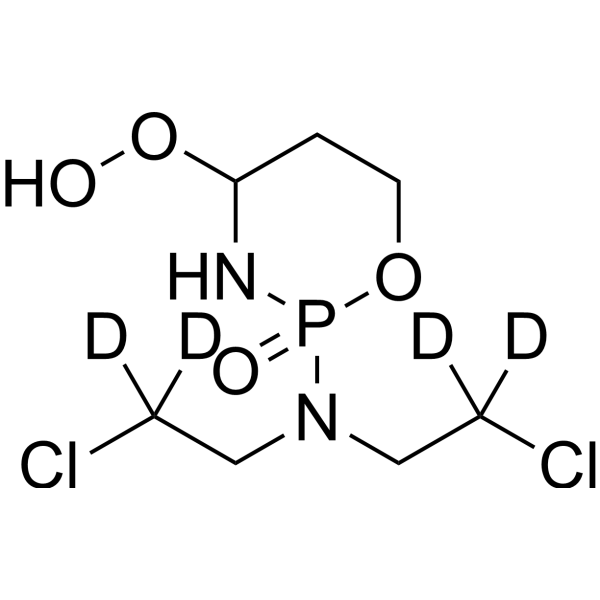
    4-Hydroperoxy Cyclophosphamide-d4 is the deuterium labeled 4-Hydroperoxy cyclophosphamide. 4-Hydroperoxy cyclophosphamide is the active metabolite form of the proagent Cyclophosphamide. 4-Hydroperoxy cyclophosphamide crosslinks DNA and induces T cell apoptosis independent of death receptor activation, but activates mitochondrial death pathways through production of reactive oxygen species (ROS). 4-Hydroperoxy cyclophosphamide has the potential for lymphomas and autoimmune disorders .
    4-Hydroperoxy Cyclophosphamide-d4
  • HY-44062

    Histone Methyltransferase Inflammation/Immunology Cancer
    G9a-IN-1 (Compound 113) is a G9a protein inhibitor. G9A/EHMT2 is a nuclear histone lysine methyltransferase that catalyzes histone H3 lysine 9 dimethylation (H3K9me2), which is a reversible modification generally associated with transcriptional gene silencing. G9a-IN-1 can be used for the research of autoimmune disorders or cancer .
    G9a-IN-1
  • HY-177433

    Molecular Glues NEKs Cardiovascular Disease Neurological Disease Metabolic Disease Inflammation/Immunology
    NEK7 degrader-4 is a NEK7 molecular glue degrader with a DC50 of 9  nM. NEK7 degrader-4 can be used for autoinflammatory and autoimmune disorders like multiple sclerosis, neurodegeneraive diseases like Alzheimer's disease and cardiovascular and melabolic disorders like pericarditis and Type 2 diabetes research .
    NEK7 degrader-4
  • HY-105037A

    IPP-201101 TFA

    Autophagy Inflammation/Immunology
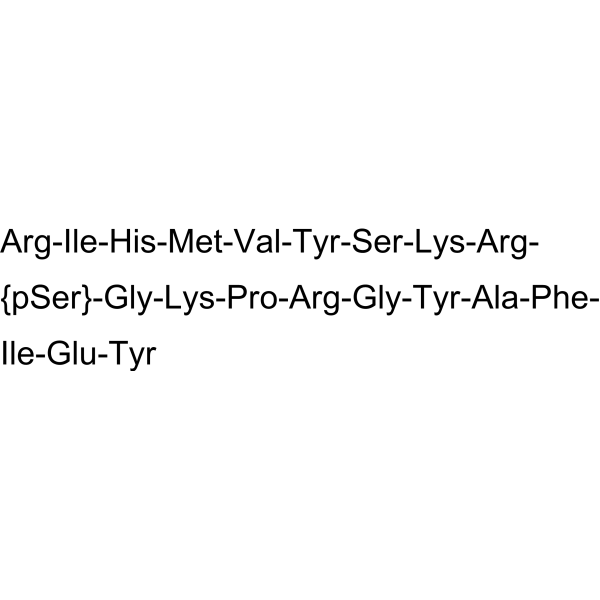
    Forigerimod TFA (IPP-201101 TFA) is a CD4 T-cell modulator. Forigerimod TFA is a 21-amino-acid fragment of U1 small nuclear ribonucleoprotein 70 kDa that is phosphorylated at Ser140. Forigerimod TFA can potently inhibit autophagy. Forigerimod can be used for the research of autoimmune disorders, such as systemic lupus erythematosus (SLE) .
    Forigerimod TFA
  • HY-19569A

    ABT-494 tartrate tetrahydrate

    JAK Inflammation/Immunology
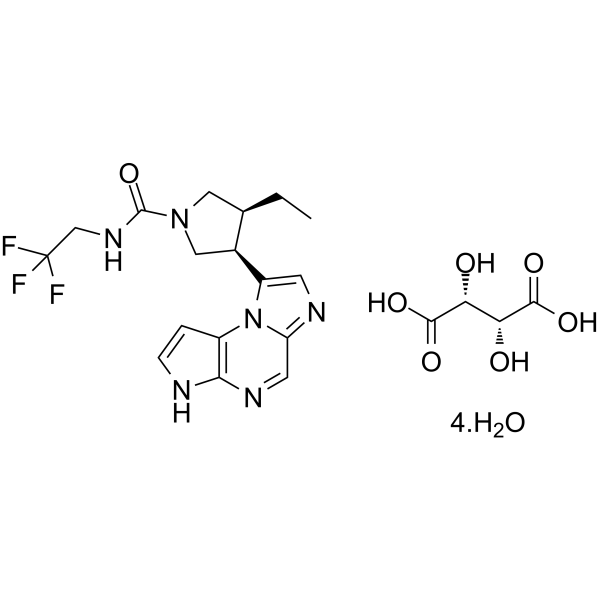
    Upadacitinib (ABT-494) tartrate tetrahydrate is a potent, orally active and selective Janus kinase 1 (JAK1) inhibitor (IC50=43 nM). Upadacitinib tartrate tetrahydrate displays approximately 74 fold selective for JAK1 over JAK2 (200 nM) in cellular assays dependent on specific, relevant cytokines. Upadacitinib tartrate tetrahydrate can be used for several autoimmune disorders research .
    Upadacitinib tartrate tetrahydrate
  • HY-19569S1

    ABT-494-d5

    Isotope-Labeled Compounds JAK Inflammation/Immunology
    Upadacitinib-d5 (ABT-494-d5) is the deuterium labeled Upadacitinib (HY-19569). Upadacitinib (ABT-494) is a potent, orally active and selective JAK1 inhibitor (IC50 = 43 nM). Upadacitinib (ABT-494) displays approximately 74 fold selective for JAK1 over JAK2 (200 nM) in cellular assays dependent on specific, relevant cytokines. Upadacitinib (ABT-494) can be used for several autoimmune disorders research .
    Upadacitinib-d5
  • HY-103637

    VTP-43742

    ROR Inflammation/Immunology
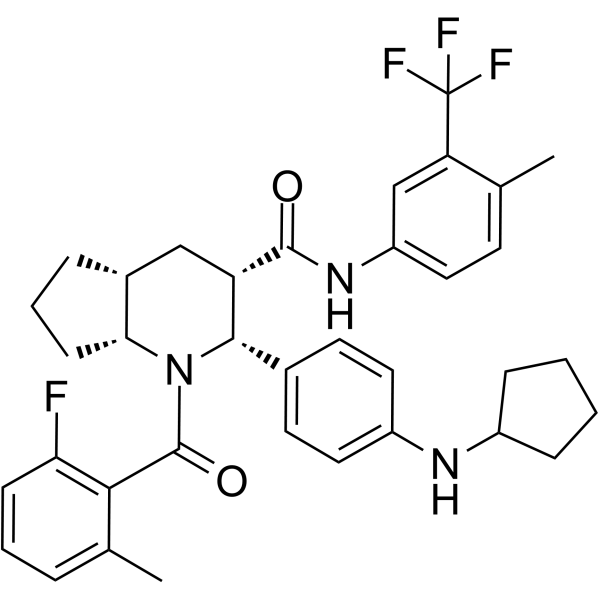
    Vimirogant (VTP-43742) is a potent, selective, and orally active RORγt inhibitor (Ki=3.5 nM; IC50=17 nM). Vimirogant exhibits >1000-fold selectivity versus the RORα and RORβ isotypes. Vimirogant inhibits Th17 differentiation and IL-17A secretion from mouse splenocytes (IC50=57 nM) without affecting Th1, Th2, or Treg cell differentiation. Vimirogant has the potential for autoimmune disorders research .
    Vimirogant
  • HY-108564

    Prostaglandin Receptor Cardiovascular Disease
    L 655240 is thromboxane antagonist. L 655240 attenuates early ischemia- and reperfusion-induced arrhythmias in a canine model of coronary artery occlusion. L 655240 also involves in cancer and autoimmune disorders .
    L 655240
  • HY-172608

    TNF Receptor Inflammation/Immunology
    TNF-α-IN-24 (Example 15) is a TNF-α inhibitor with an IC50 of 4.1 nM. TNF-α-IN-24 can be used in study of inflammatory and autoimmune disorders such as rheumatoid arthritis and Crohn’s disease .
    TNF-α-IN-24
  • HY-P991074

    Fc Receptor (FcR) Inflammation/Immunology
    GMA-161 is a humanized IgG1 antibody that targets Fcγ receptor III (CD16). GMA-161 has the potential for the study of autoimmune disorders. The isotype control for GMA-161 can refer to Human IgG1 kappa, Isotype Control (HY-P99001) .
    GMA-161
  • HY-105037

    IPP-201101

    Autophagy Inflammation/Immunology
    Forigerimod (IPP-201101) is a CD4 T-cell modulator. Forigerimod is a 21-amino-acid fragment of U1 small nuclear ribonucleoprotein 70 kDa that is phosphorylated at Ser140. Forigerimod can potently inhibit autophagy. Forigerimod can be used for the research of autoimmune disorders, such as systemic lupus erythematosus (SLE) .
    Forigerimod
  • HY-15509

    CNI-1493 free base; CPSI-2364

    Interleukin Related TNF Receptor p38 MAPK Inflammation/Immunology Cancer
    Semapimod, an inhibitor of proinflammatory cytokine production, can inhibit TNF-α, IL-1β, and IL-6. Semapimod inhibits TLR4 signaling (IC50≈0.3 μM). Semapimod inhibits p38 MAPK and nitric oxide production in macrophages. Semapimod has potential in a variety of inflammatory and autoimmune disorders .
    Semapimod
  • HY-103637A
    Vimirogant hydrochloride
    1 Publications Verification

    VTP-43742 hydrochloride

    ROR Inflammation/Immunology
    Vimirogant (VTP-43742) hydrochloride is a potent, selective, and orally active RORγt inhibitor (Ki=3.5 nM; IC50=17 nM). Vimirogant hydrochloride exhibits >1000-fold selectivity versus the RORα and RORβ isotypes. Vimirogant hydrochloride inhibits Th17 differentiation and IL-17A secretion from mouse splenocytes (IC50=57 nM) without affecting Th1, Th2, or Treg cell differentiation. Vimirogant hydrochloride has the potential for autoimmune disorders research .
    Vimirogant hydrochloride
  • HY-156458

    REV-ERB Inflammation/Immunology
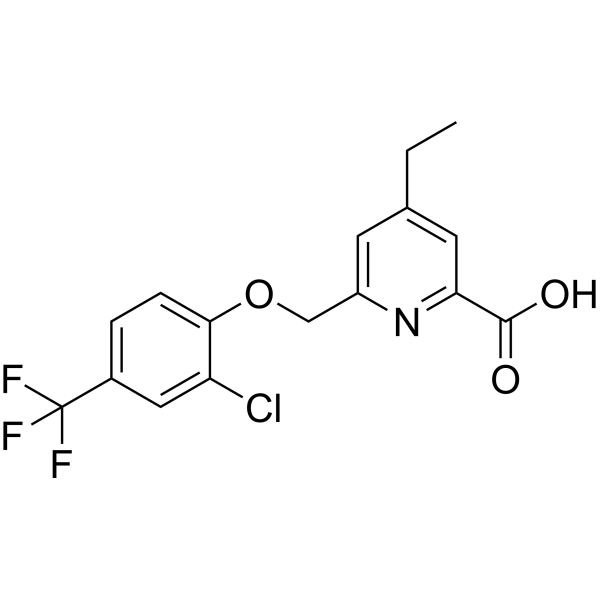
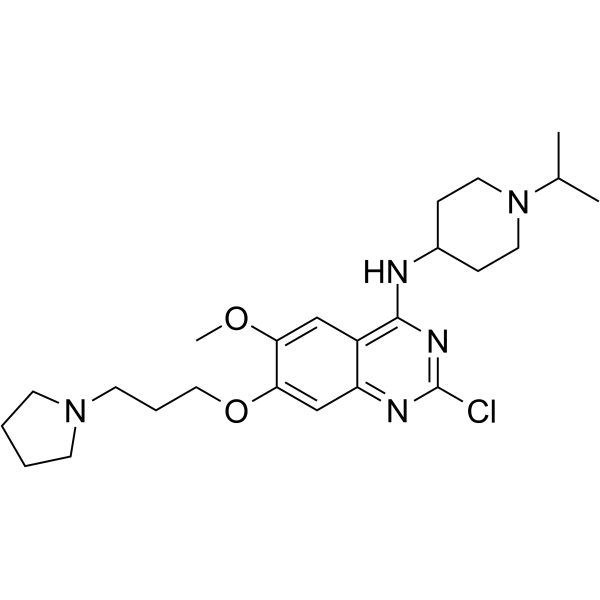
    SR-29065 is a selective REV-ERBα agonist, can be used for autoimmune disorders research .
    SR-29065
  • HY-155519

    IRAK Inflammation/Immunology
    IRAK4-IN-26 (Compound 21) is a IRAK4 inhibitor (IC50: 6.2 nM). IRAK4-IN-26 displays an oral bioavailability of 21%. IRAK4-IN-26 can be used for research of inflammatory and autoimmune disorders .
    IRAK4-IN-26
  • HY-75385A

    CDP323 sulfate; UCB1184197 sulfate

    Integrin Inflammation/Immunology
    Zaurategrast ethyl ester sulfate (CDP323 sulfate), the ethyl ester proagent of CT7758 , is a α4β1/α4β7 integrin antagonist used for the treatment of inflammatory and autoimmune disorders .
    Zaurategrast ethyl ester sulfate
  • HY-14908A

    4sc-101 hemicalcium; SC12267 hemicalcium

    Dihydroorotate Dehydrogenase Interleukin Related FXR Infection Inflammation/Immunology
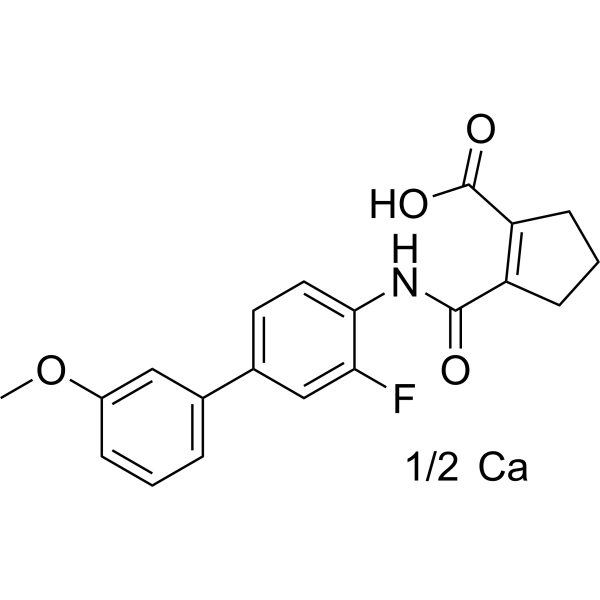
    Vidofludimus (4sc-101; SC12267) hemicalcium is an orally active inhibitor for dihydroorotate dehydrogenase (DHODH) and also is a novel modulator for farnesoid X receptor (FXR). Vidofludimus hemicalcium, as an immunomodulatory agent, can be used for the research of autoimmune disorders such as inflammatory bowel disease (IBD). Vidofludimus hemicalcium also can be used for the research of fatty liver by targeting FXR .
    Vidofludimus hemicalcium
  • HY-176874

    Phosphodiesterase (PDE) Inflammation/Immunology Cancer
    Enpp-1-IN-29 (Compound 1) is a highly selective ectonucleotide pyrophosphatase/phosphodiesterase 1 (ENPP1) inhibitor (IC50=0.05 nM). Enpp-1-IN-29 is promising for research of ENPP1-overexpressing cancers (e.g., breast cancer, head/neck cancer, metastatic chromosome-unstable tumors) and immune-related diseases (e.g., autoimmune disorders, tumor immune evasion) .
    Enpp-1-IN-29
  • HY-N10768

    IKK NF-κB Inflammation/Immunology
    1-Dehydro-[10]-gingerdione directly inhibits IKKβ activity by targeting the activation loop of IKKβ, thus disrupting IKKβ-catalysed IκBα phosphorylation in macrophages stimulated with agonists. 1-Dehydro-[10]-gingerdione inhibits LPS (HY-D1056)-induced NF-κB transcriptional activity. 1-Dehydro-[10]-gingerdione has the potential for NF-κB-associated inflammation and autoimmune disorders research .
    1-Dehydro-[10]-gingerdione
  • HY-128450

    JAK STAT Inflammation/Immunology Cancer
    JAK-STAT-IN-1 (compound 1) is a selective JAK-STAT inhibitor. JAK-STAT-IN-1 can be used for the research of autoimmune disorder .
    JAK-STAT-IN-1
  • HY-147533

    ROR Inflammation/Immunology
    RORγt inverse agonist 30 (Compound 1) is a potent RORγt inverse agonist with the IC50 of 46 nM. Targeting the nuclear receptor RORγt is effective in autoimmune disorders .
    RORγt inverse agonist 30
  • HY-169576

    LRRK2 Neurological Disease Inflammation/Immunology
    LRRK2-IN-16 (compound 25) is a LRRK2 kinase inhibitor with an IC50 < 5 μM. LRRK2-IN-16 can be utilized in neurodegenerative disorders and autoimmune disorders research .
    LRRK2-IN-16
  • HY-18228

    JAK Inflammation/Immunology
    CP-352664 is a JAK inhibitor. CP-352664 has a inhibitoinhibits JAK3 with an EC50 value of 210 nM. CP-352664 is promising for research of organ transplant rejection and autoimmune disorders such as rheumatoid arthritis .
    CP-352664
  • HY-149345

    IRAK Inflammation/Immunology
    IRAK4-IN-24 (compound 16) is a potent IRAK4 inhibitor, with high clearance (Cl) and poor oral bioavailability. IRAK4-IN-24 can be used for research in inflammatory and autoimmune disorders.
    IRAK4-IN-24
  • HY-169678

    G Protein-coupled Receptor Kinase (GRK) Inflammation/Immunology Cancer
    GRK6-IN-5 is a GRK6 polypeptide inhibitor, with IC50 value of 4.48 μΜ. GRK6-IN-5 can be used to study hematological malignancies, inflammation diseases, and autoimmune disorders .
    GRK6-IN-5
  • HY-174633

    mRNA Inflammation/Immunology
    Human IL17A mRNA encodes the human interleukin 17A (IL17A) protein, a member of the IL-17 receptor family. IL17A plays a pivotal role in various infectious diseases, inflammatory and autoimmune disorders, and cancer.
    Human IL17A mRNA
  • HY-137298A

    Aminopeptidase Metabolic Disease Inflammation/Immunology
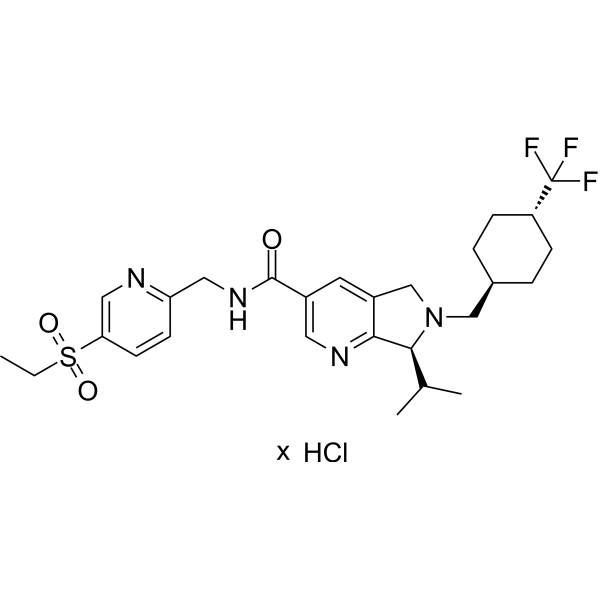
    LYS006 hydrochloride is a potent inhibitor of leukotriene A4 hydrolase (LTA4H) extracted from patent WO2015092740A1, example 29, has an IC50 of 2 nM. LYS006 hydrochloride can be used for the research of inflammatory and autoimmune disorders .
    LYS006 hydrochloride
  • HY-128231

    G Protein-coupled Receptor Kinase (GRK) Inflammation/Immunology Cancer
    GRK6-IN-4 is a G protein coupled receptor 6 kinase (GRK6) inhibitor with an IC50 of 1.56 μM. GRK6-IN-4 can be utilized in research related to hematological malignancies, inflammatory diseases, and autoimmune disorders .
    GRK6-IN-4
  • HY-48869

    PI3K Cardiovascular Disease Neurological Disease Inflammation/Immunology Cancer
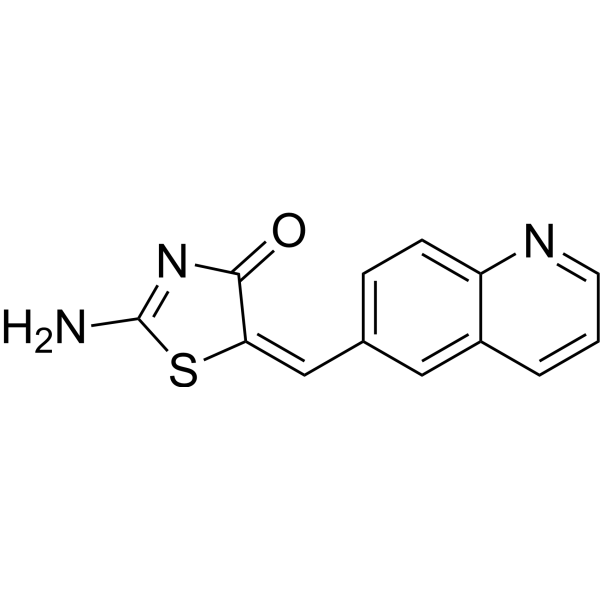
    PI3K-IN-46 (Intermediate 4) is an intermediate in the synthesis of PI3K inhibitor (2-imino-azolinone-vinyl fused-benzene derivative) that can be used for the research of autoimmune disorders, cardiovascular diseases, and neurodegenerative diseases .
    PI3K-IN-46
  • HY-P5931

    Potassium channel toxin alpha-KTx 6.13; SPX; α-KTx6.13

    Potassium Channel Inflammation/Immunology Cancer
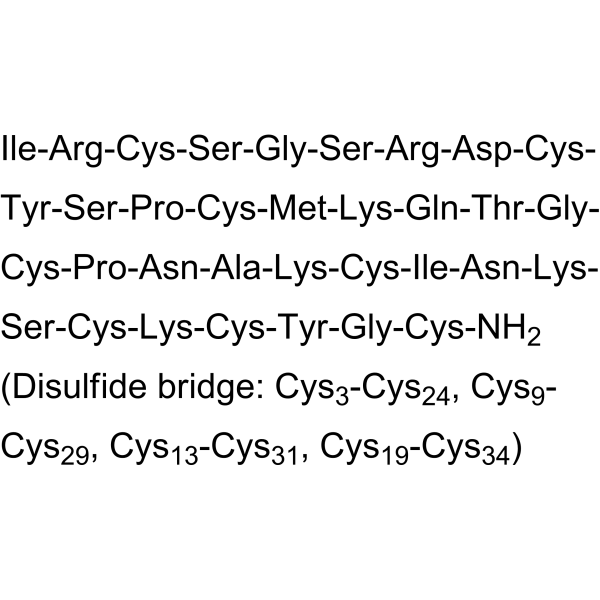
    Spinoxin isolated from the venom of scorpion Heterometrus spinifer, is a 34-residue peptide neurotoxin cross-linked by four disulfide bridges. Spinoxin is a potent inhibitor of Kv1.3 potassium channel (IC50 = 63 nM), considering to be valid molecular targets in the diagnostics and therapy of various autoimmune disorders and cancers .
    Spinoxin
  • HY-147585

    Complement System Inflammation/Immunology
    C5aR-IN-1 is a potent inhibitor of C5aR. Increased level of C5a has been associated with disorders such as autoimmune disorders and inflammatory disorders. C5aR-IN-1 has the potential for the research of inflammation diseases (extracted from patent WO2022028586A1, compound 47) .
    C5aR-IN-1
  • HY-147587

    Complement System Inflammation/Immunology
    C5aR-IN-3 is a potent inhibitor of C5aR. Increased level of C5a has been associated with disorders such as autoimmune disorders and inflammatory disorders. C5aR-IN-3 has the potential for the research of inflammation diseases (extracted from patent WO2022028586A1, compound 89) .
    C5aR-IN-3

Inquiry Online

Your information is safe with us. * Required Fields.

Salutation


Country or Region *

Applicant Name *


Organization Name *

Department *


Email Address *


Product Name *

Cat. No.


Requested quantity *

Phone Number *


Remarks

Inquiry Online

Inquiry Information

Product Name:
Cat. No.:
Quantity:
MCE Japan Authorized Agent: