Search Result
Results for "
bacterial pneumonia
" in MedChemExpress (MCE) Product Catalog:
1
Biochemical Assay Reagents
14
Isotope-Labeled Compounds
| Cat. No. |
Product Name |
Target |
Research Areas |
Chemical Structure |
-
- HY-B0441
-
|
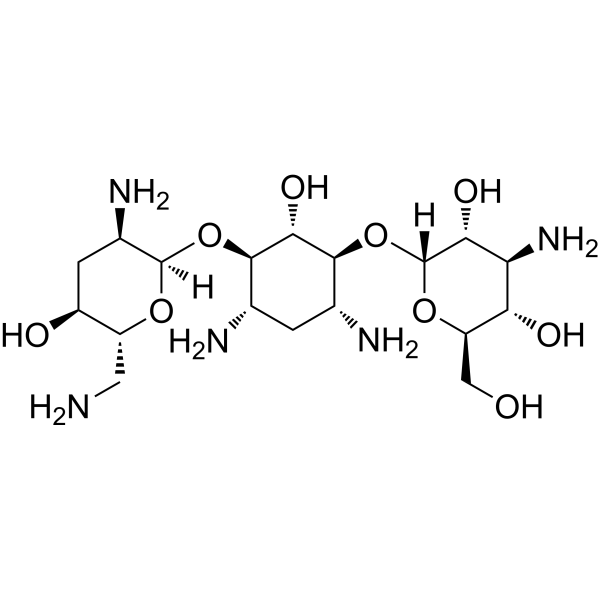
Nebramycin Factor 6; Deoxykanamycin B
|
Bacterial
Antibiotic
|
Infection
Cancer
|
|
Tobramycin (Nebramycin Factor 6) is a parenterally administered, broad spectrum aminoglycoside antibiotic that is widely used in the treatment of moderate to severe bacterial infections due to sensitive organisms .Tobramycin can be used to pneumonia research caused by Pseudomonas aeruginosa .
|
-
-
- HY-66011A
-
|
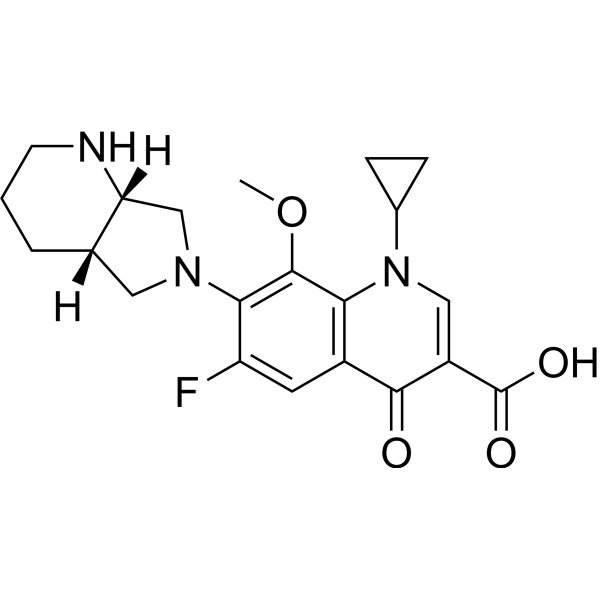
BAY 12-8039 free base
|
Bacterial
Antibiotic
|
Infection
Cancer
|
|
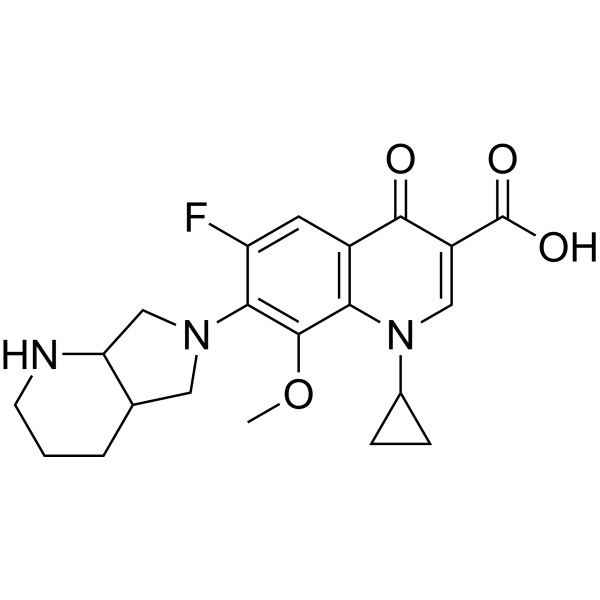
Moxifloxacin is an orally active 8-methoxyquinolone antimicrobial for use in the treatment of acute bacterial sinusitis, acute bacterial exacerbations of chronic bronchitis, and community-acquired pneumonia .
|
-
-
- HY-66011
-
|
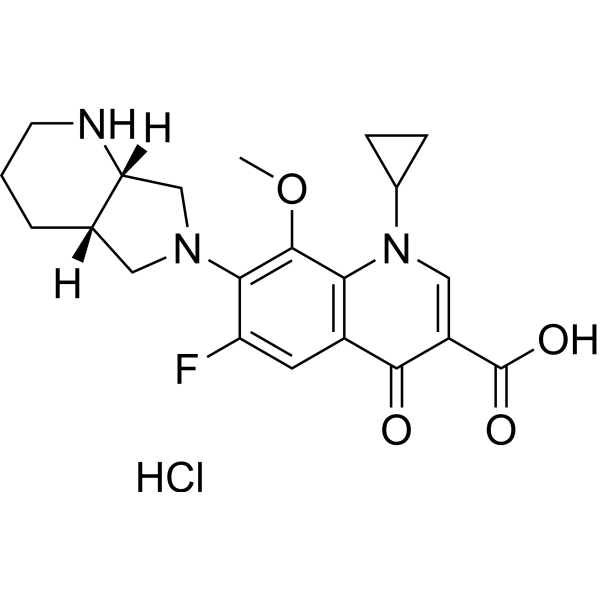
BAY 12-8039
|
Bacterial
Antibiotic
|
Infection
Cancer
|
|
Moxifloxacin Hydrochloride (BAY 12-8039) is an oral 8-methoxyquinolone antimicrobial for use in the treatment of acute bacterial sinusitis, acute bacterial exacerbations of chronic bronchitis, and community-acquired pneumonia .
|
-
-
- HY-B0200
-
|
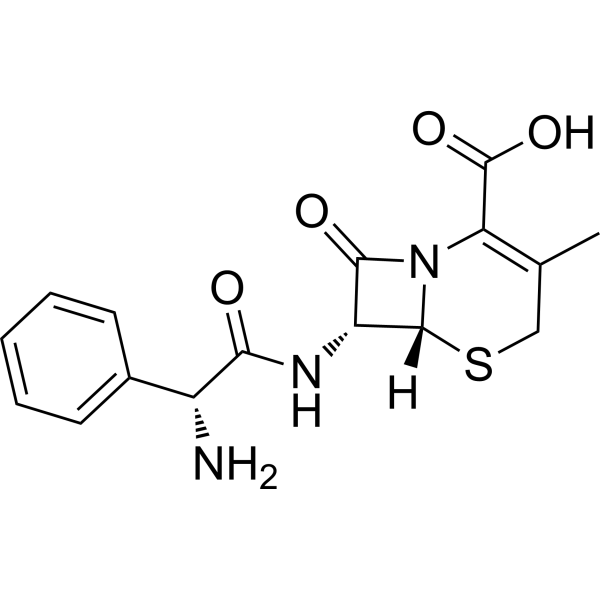
Cefalexin; Cephacillin
|
Penicillin-binding protein (PBP)
Antibiotic
Bacterial
|
Infection
Cancer
|
|
Cephalexin (Cefalexin) is a potent, orally active semisynthetic cephalosporin antibiotic with a broad antibacterial spectrum. Cephalexin has antibacterial activity against a wide variety of gram-positive and gram-negative bacteria. Cephalexin targets penicillin-binding proteins (PBPs) to inhibit bacterial cell wall assembly. Cephalexin is used for the research of pneumonia, strep throat, and bacterial endocarditis, et al .
|
-
-
- HY-15662
-
|
Tulathromycin; CP 472295
|
Antibiotic
Bacterial
|
Infection
|
|
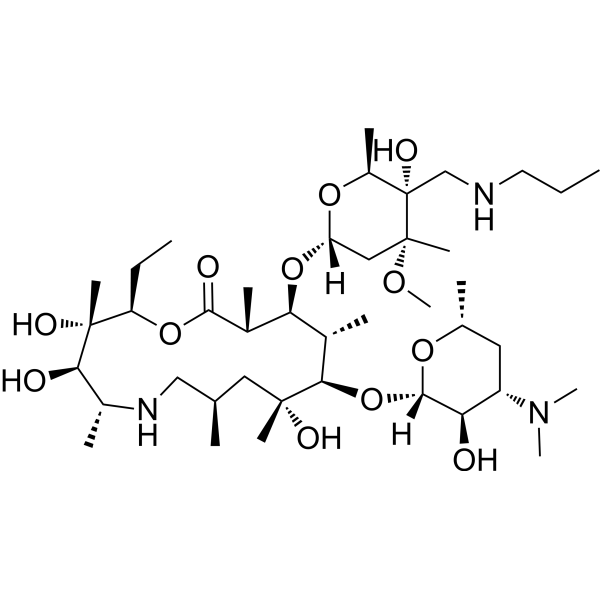
Tulathromycin A (Tulathromycin), a macrolide antibiotic, inhibits protein synthesis (IC50=0.26 µM) by targeting bacterial ribosome. Tulathromycin A is used for the research of respiratory disease in cattle and swine. Immunomodulatory effects .
|
-
-
- HY-B0200B
-
|
Cefalexin hydrate; Cephacillin hydrate
|
Penicillin-binding protein (PBP)
Antibiotic
Bacterial
|
Infection
Cancer
|
|
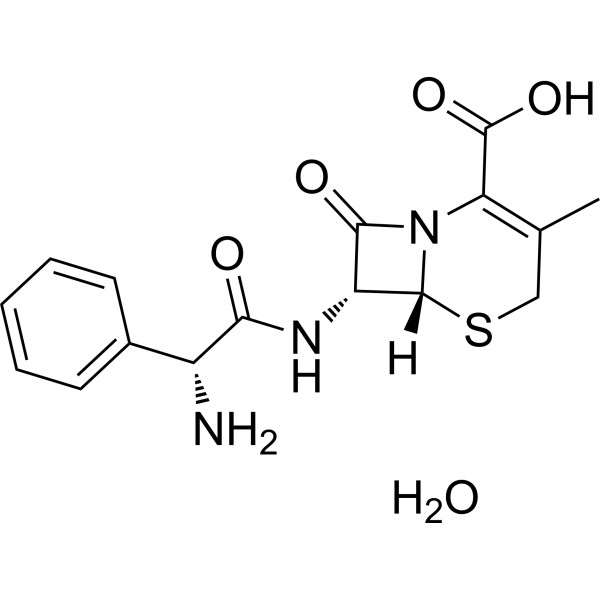
Cephalexin (Cefalexin) monohydrate is a potent, orally active new semisynthetic cephalosporin antibiotic with a broad antibacterial spectrum. Cephalexin (Cefalexin) monohydrate has antibacterial activity against a wide variety of gram-positive and gram-negative bacteria. Cephalexin (Cefalexin) monohydrate targets penicillin-binding proteins (PBPs) to inhibit bacterial cell wall assembly. Cephalexin (Cefalexin) monohydrate is used for the research of pneumonia, strep throat, and bacterial endocarditis, et al .
|
-
-
- HY-164036
-
|
|
Antibiotic
Bacterial
|
Infection
|
|
Lolamicin is an orally effective inhibitor that specifically targets the Gram-negative bacteria lipoprotein transport system LolCDE complex. It selectively inhibits the transmembrane transport of outer membrane lipoproteins by competitively binding to lipoprotein binding sites. Lolamicin destroys the integrity of the bacterial outer membrane, leading to cell death, and has both bactericidal and antibacterial activity. It has significant effects on multidrug-resistant Enterobacteriaceae pathogens (such as Escherichia coli and Klebsiella pneumoniae). Lolamicin can be used to inhibit the study of acute pneumonia, sepsis and other infections caused by Gram-negative bacteria .
|
-

-
- HY-16908A
-
|
BC-3781 acetate
|
Bacterial
Antibiotic
|
Infection
Inflammation/Immunology
|
|
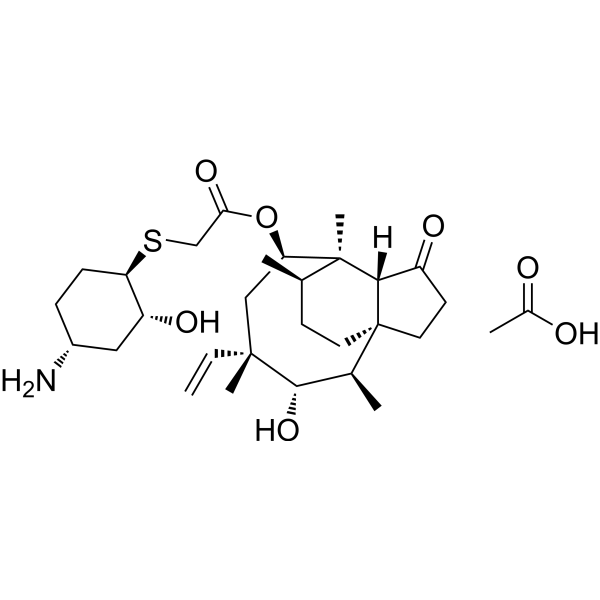
Lefamulin (BC-3781) acetate is an orally active antibiotic. Lefamulin acetate inhibits protein synthesis by binding to the peptidyl transferase center of the 50S bacterial ribosome. Lefamulin acetate has anti-inflammatory activity. Lefamulin acetate can be used in the research of bacterial infections, such as bacterial pneumonia .
|
-
-
- HY-14865
-
Omadacycline
Maximum Cited Publications
32 Publications Verification
PTK 0796; Amadacycline
|
Bacterial
Antibiotic
|
Infection
|
|
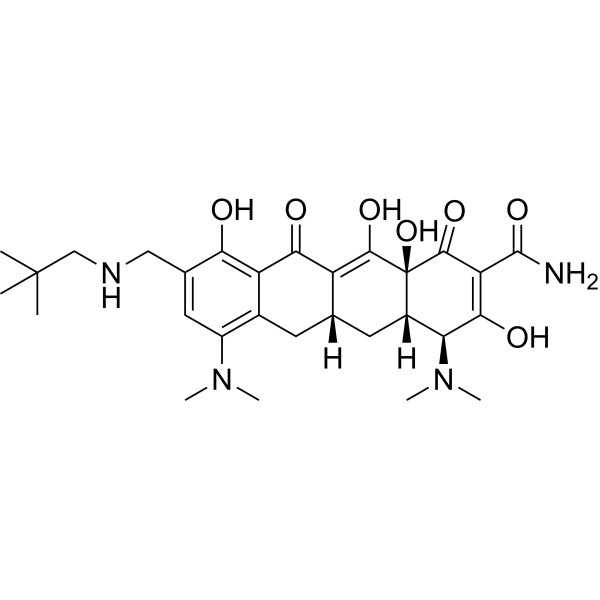
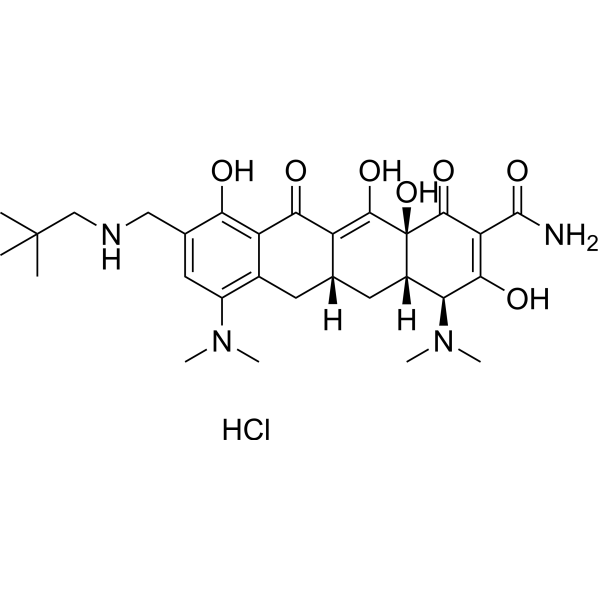
Omadacycline (PTK 0796), a first-in-class orally active aminomethylcycline antibacterial, is a member of the tetracycline class of antibiotics. Omadacycline acts through the inhibition of bacterial protein synthesis by binding to the 30S ribosomal subunit. Omadacycline possesses broad-spectrum antibacterial activity against aerobic and anaerobic Gram-positive and Gram-negative bacteria, as well as atypical bacteria. Omadacycline can be used for the research of acute bacterial skin and skin-structure infections, community-acquired pneumonia, and urinary tract infections .
|
-
-
- HY-B0441A
-
|
Nebramycin Factor 6 sulfate; Deoxykanamycin B sulfate
|
Bacterial
Antibiotic
|
Infection
|
|
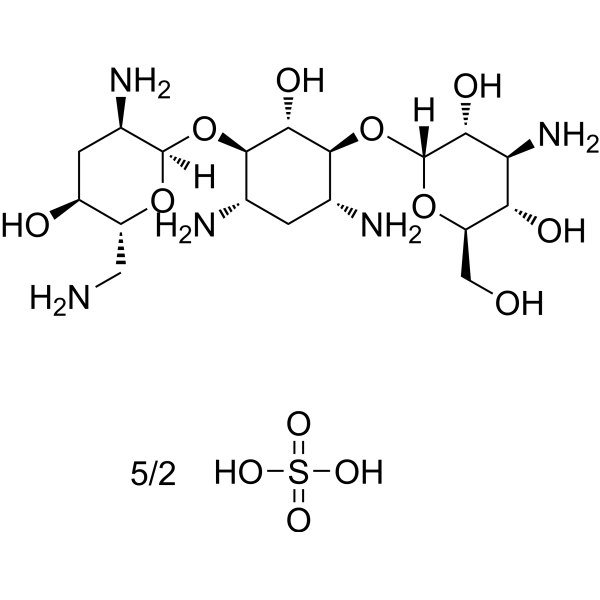
Tobramycin (Nebramycin Factor 6) sulfate is a parenterally administered, broad spectrum aminoglycoside antibiotic that is widely used in the treatment of moderate to severe bacterial infections due to sensitive organisms. Tobramycin sulfate can be used to pneumonia research caused by Pseudomonas aeruginosa .
|
-
-
- HY-14865B
-
|
PTK 0796 tosylate; Amadacycline tosylate
|
Bacterial
Antibiotic
|
Infection
|
|
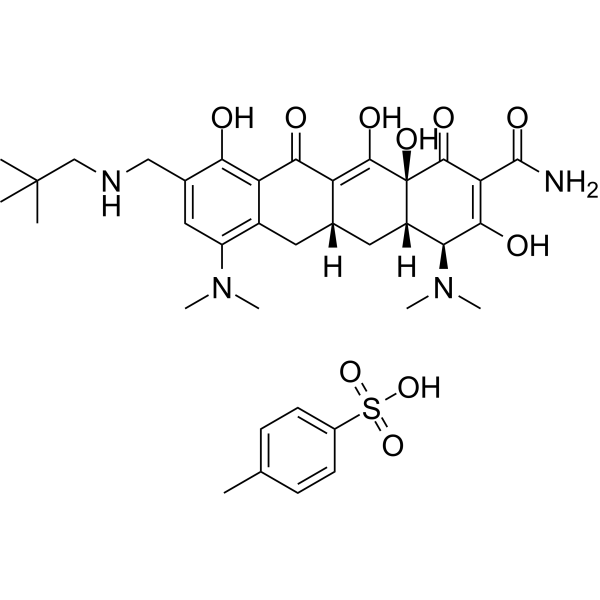
Omadacycline (PTK 0796) tosylate, a first-in-class orally active aminomethylcycline antibacterial, is a member of the tetracycline class of antibiotics. Omadacycline tosylate acts through the inhibition of bacterial protein synthesis by binding to the 30S ribosomal subunit. Omadacycline tosylate possesses broad-spectrum antibacterial activity against aerobic and anaerobic Gram-positive and Gram-negative bacteria, as well as atypical bacteria. Omadacycline tosylate can be used for the research of acute bacterial skin and skin-structure infections, community-acquired pneumonia, and urinary tract infections .
|
-
-
- HY-B0200A
-
|
Cefalexin hydrochloride; Cephacillin hydrochloride
|
Penicillin-binding protein (PBP)
Bacterial
Antibiotic
|
Infection
Cancer
|
|
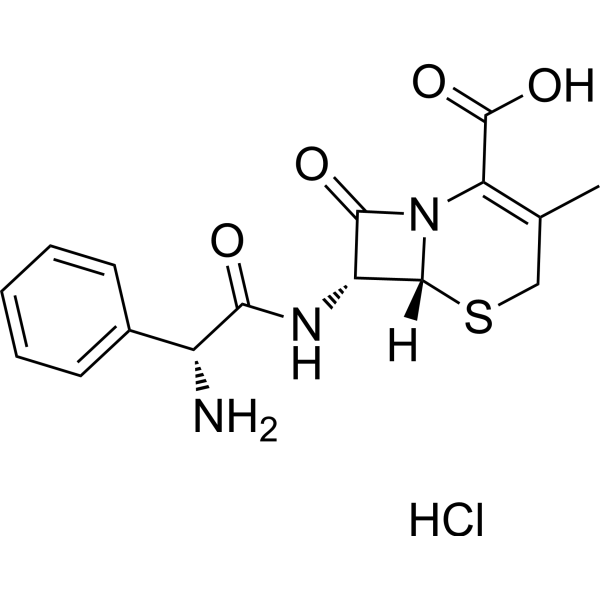
Cephalexin (Cefalexin) hydrochloride is a potent, orally active new semisynthetic cephalosporin antibiotic with a broad antibacterial spectrum. Cephalexin (Cefalexin) hydrochloride has antibacterial activity against a wide variety of gram-positive and gram-negative bacteria. Cephalexin (Cefalexin) hydrochloride targets penicillin-binding proteins (PBPs) to inhibit bacterial cell wall assembly. Cephalexin (Cefalexin) hydrochloride is used for the research of pneumonia, strep throat, and bacterial endocarditis, et al .
|
-
-
- HY-16764
-
|
JNJ-Q2
|
Bacterial
Antibiotic
|
Infection
Inflammation/Immunology
|
|
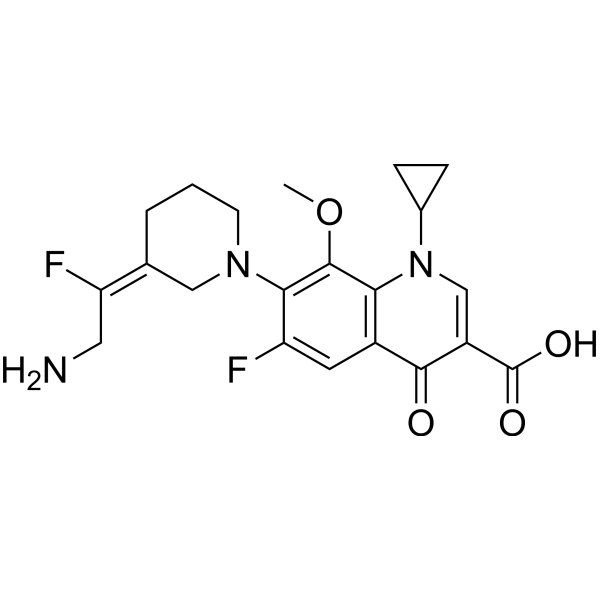
Avarofloxacin (JNJ-Q2) is a broad-spectrum fluoroquinolone antibacterial agent being developed for the treatment of acute bacterial skin and skin-structure infections and community-acquired pneumonia with oral activity. Avarofloxacin (JNJ-Q2) is an aminoethylidenylpiperidine fluoroquinolone that demonstrates antibacterial effect against numerous Gram-positive bacteria with a mean 0.12 mg/L MIC90 value. Avarofloxacin (JNJ-Q2) has potential for treatment of methicillin-resistant Staphylococcus aureus (MRSA) infections .
|
-
-
- HY-14865C
-
|
PTK0796 hydrochloride; Amadacycline hydrochloride
|
Bacterial
Antibiotic
|
Infection
|
|
Omadacycline (PTK 0796) hydrochloride, a first-in-class orally active aminomethylcycline antibacterial, is a member of the tetracycline class of antibiotics. Omadacycline hydrochloride acts through the inhibition of bacterial protein synthesis by binding to the 30S ribosomal subunit. Omadacycline hydrochloride possesses broad-spectrum antibacterial activity against aerobic and anaerobic Gram-positive and Gram-negative bacteria, as well as atypical bacteria. Omadacycline hydrochloride can be used for the research of acute bacterial skin and skin-structure infections, community-acquired pneumonia, and urinary tract infections .
|
-
-
- HY-P2460
-
|
|
Bacterial
Fungal
Interleukin Related
TNF Receptor
|
Infection
Inflammation/Immunology
|
|
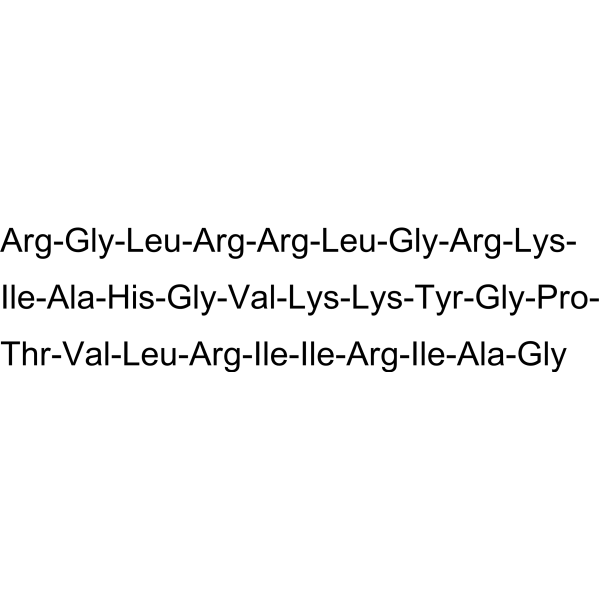
SMAP‑29 is a cathelicidin antimicrobial peptide with LPS‑binding and anti‑inflammatory properties. SMAP‑29 exerts broad‑spectrum antimicrobial activity against bacteria, fungi and multidrug‑resistant isolates. SMAP‑29 kills pathogens by permeabilizing bacterial membranes, inducing depolarization and cell lysis, and also inhibits inflammatory cytokines while reducing lethality in septic shock and pneumonia models. SMAP-29 can be used for research on bacterial infections, drug-resistant infections, septic shock .
|
-
-
- HY-P3078
-
|
|
Bacterial
Antibiotic
|
Infection
|
|
Amphomycin is a lipopeptide antibiotic that inhibits peptidoglycan synthesis and blocks cell wall development. Amphomycin exhibits potent antibacterial activities against methicillin-resistant S. aureus (MRSA), vancomycin-resistant enterococci (VRE), penicillin-gentamicin-erythromycin-resistant S. pneumonia, and linezolid-quinupristin-dalfopristin-resistant enterococci .
|
-
-
- HY-W011117
-
|
|
Bacterial
DNA/RNA Synthesis
Antibiotic
|
Infection
|
|
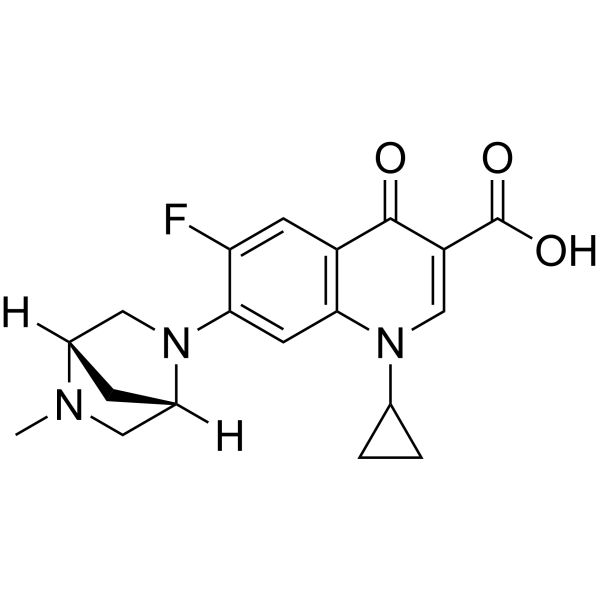
Danofloxacin is an orally active quinolone antibiotic. Danofloxacin targets bacterial DNA gyrase and inhibits bacterial DNA replication, transcription and growth. Danofloxacin can be used for various bacterial infections caused by Escherichia coli, Mycoplasma and other pathogens .
|
-
-
- HY-P2866
-
|
|
Endogenous Metabolite
Bacterial
|
Infection
Inflammation/Immunology
|
|
β-N-Acetylhexosaminidase, Streptococcus pneumoniae is a cell surface virulence factor of Streptococcus pneumoniae, which contains two synergistically acting GH20 domains (with higher activity in GH20-2). β-N-Acetylhexosaminidase, Streptococcus pneumoniae specifically recognizes and hydrolyzes substrates with β(1,2) glycosidic bonds via Trp-443 and Tyr-482 residues. β-N-Acetylhexosaminidase, Streptococcus pneumoniae catalyzes the hydrolysis of β(1,2)-linked N-acetylglucosamine groups and related disaccharides, and promotes persistent colonization of bacteria in the airway by modifying host defense molecules and releasing monosaccharides for bacterial growth. β-N-Acetylhexosaminidase, Streptococcus pneumoniae can be used in studies related to Streptococcus pneumoniae infection, acute pneumonia, otitis media and meningitis .
|
-

-
- HY-B1824
-
|
HR-810 sulfate
|
Bacterial
Antibiotic
|
Infection
|
|
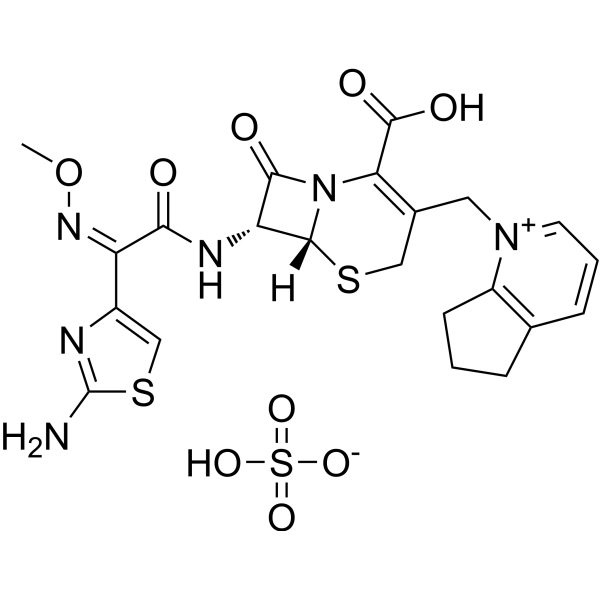
Cefpirome (HR-810) sulfate is a cephalosporin antibiotic that can cross cell membranes and the blood-brain barrier. Cefpirome sulfate binds to penicillin-binding proteins with high affinity, thereby inhibiting bacterial cell wall synthesis. Cefpirome sulfate exhibits bactericidal and growth-inhibitory activities against Gram-negative bacteria, Gram-positive bacteria, and susceptible anaerobic bacteria (including some β-lactamase-producing strains) .
|
-
-
- HY-16908
-
|
BC-3781
|
Bacterial
Antibiotic
|
Infection
|
|
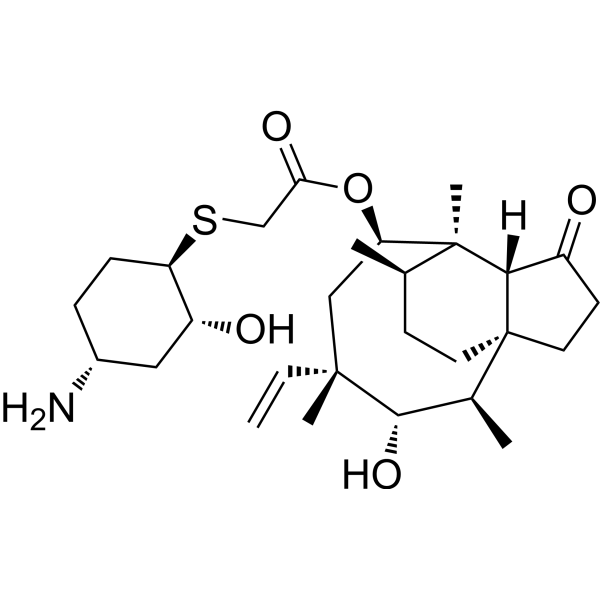
Lefamulin (BC-3781) is an orally active antibiotic. Lefamulin inhibits protein synthesis by binding to the peptidyl transferase center of the 50S bacterial ribosome. Lefamulin has anti-inflammatory activity. Lefamulin can be used in the research of bacterial infections, such as bacterial pneumonia .
|
-
-
- HY-10004
-
|
Faropenem medoxil
|
Antibiotic
Bacterial
|
Infection
|
|
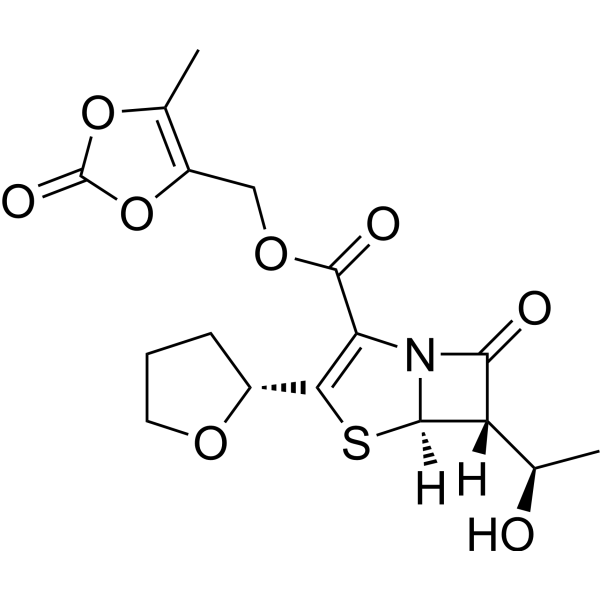
Faropenem daloxate (Faropenem medoxil) is an orally active beta-lactam antibiotic. Faropenem daloxate has excellent in vitro activity against Streptococcus pneumonia, Haemophilus influenza, and other key pathogens implicated in acute bacterial rhino sinusitis. Faropenem daloxate can be studied in research for respiratory pathogens and acute bacterial sinusitis .
|
-
-
- HY-14956
-
|
TG-873870
|
Antibiotic
Bacterial
|
Infection
Inflammation/Immunology
|
|
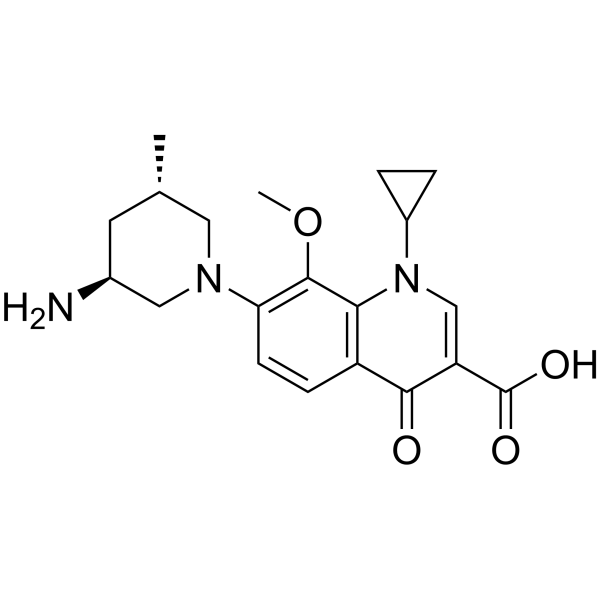
Nemonoxacin (TG-873870) is an orally active and potent broad-spectrum antibiotic. Nemonoxacin shows good inhibitory activity against different species of staphylococci, streptococci, and enterococci, Neisseria gonorrhoeae, and Haemophilus influenza. Nemonoxacin can be used in the study of bacterial infections and community-acquired pneumonia .
|
-
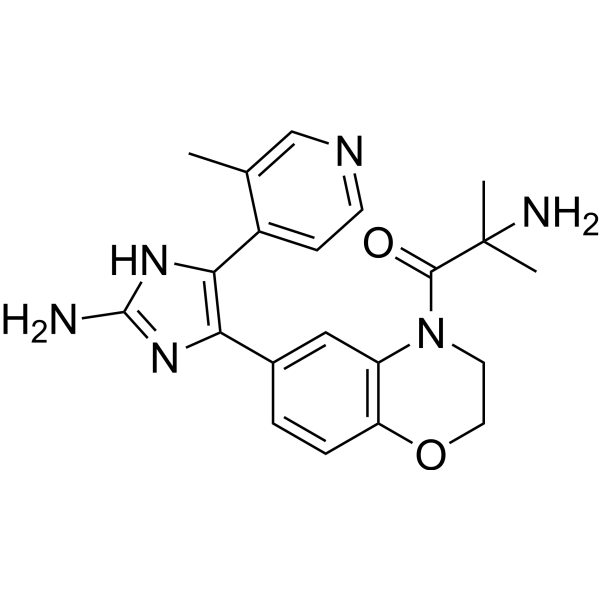
-
- HY-157536
-
|
|
Bacterial
|
Infection
Inflammation/Immunology
|
|
SMT-738 is a bacterial bactericide. SMT-738 targets the small molecules responsible for lipoprotein transport in Enterobacteriaceae, causing abnormal lipoprotein localization and bacterial cell death. SMT-738 inhibits the growth of E. coli and K. pneumoniae. SMT-738 reduces bacterial loads in mouse models of urinary tract infection, bloodstream infection, and pulmonary infection caused by Enterobacterales. SMT-738 can be used in the research of Enterobacteriaceae infections, urinary tract infections, bloodstream infections, and pneumonia .
|
-
-
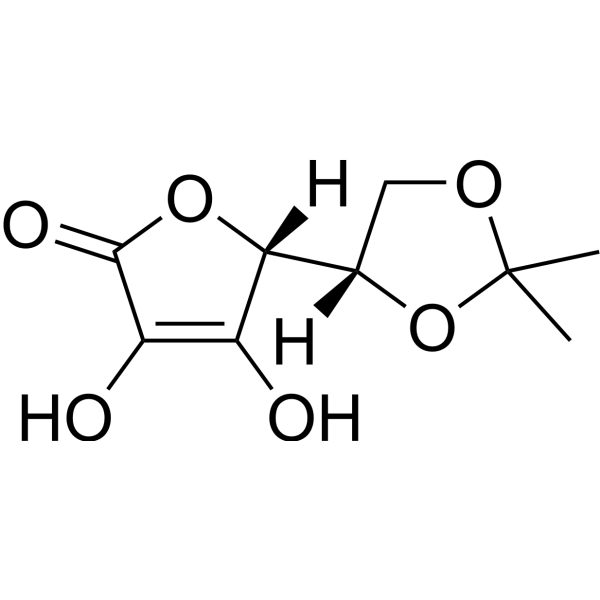
- HY-W014141
-
|
L-Ascorbic acid 5,6-acetonide
|
Biochemical Assay Reagents
|
Infection
|
|
5,6-O-Isopropylidene-L-ascorbic acid (L-Ascorbic acid 5,6-acetonide) is an organic compound and a derivative of L-ascorbic acid (vitamin C). 5,6-O-Isopropylidene-L-ascorbic acid inhibits biofilm formation by pathogenic bacteria. 5,6-O-Isopropylidene-L-ascorbic acid is applicable to studies related to bacterial infections .
|
-
-
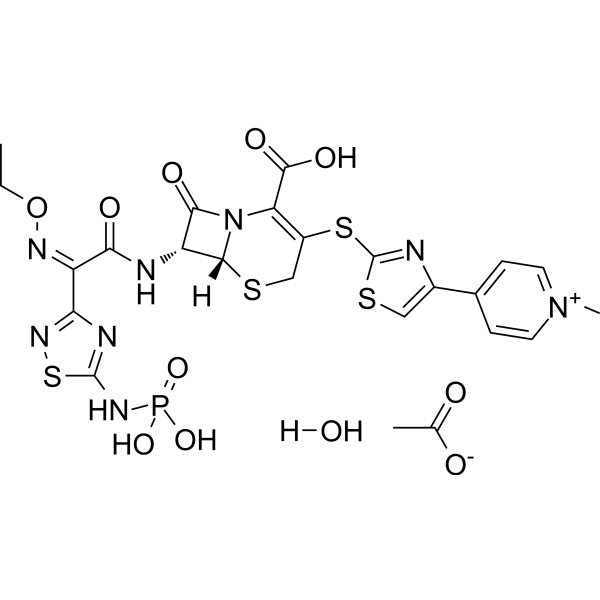
- HY-14737A
-
|
TAK-599 hydrate; PPI0903 hydrate
|
Antibiotic
Bacterial
|
Infection
|
|
Ceftaroline fosamil hydrate is a potent cephalosporin antibiotic. Ceftaroline fosamil hydrateshows broad-spectrum activity against Gram-positive pathogens, including methicillin-resistant Staphylococcus aureus (MRSA) and multidrug-resistant Streptococcus pneumoniae, and common Gram-negative organisms. Ceftaroline fosamil hydrate has anti-infective activity, and can be used for the research of complicated skin and skin structure infections (cSSSIs) and community-acquired bacterial pneumonia (CABP) .
|
-
-
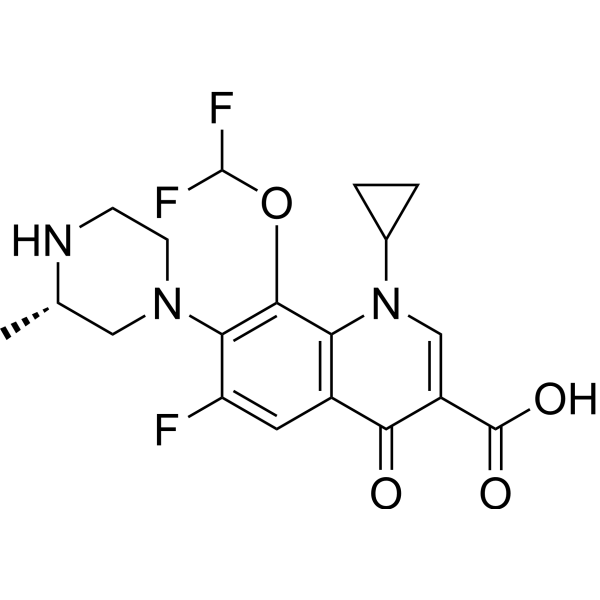
- HY-116228
-
|
Caderofloxacin; CS-940
|
Bacterial
|
Infection
|
|
Cadrofloxacin (Caderofloxacin; CS-940) is an orally active antibacterial agent with significant bactericidal activity against quinolone-resistant Staphylococcus aureus, Gram-positive bacteria, Gram-negative bacteria and anaerobic bacteria. Cadrofloxacin effectively improves systemic infection and experimental Klebsiella pneumoniae pneumonia in mice. Cadrofloxacin can be widely used in research related to systemic bacterial infections and bacterial pneumonia .
|
-
-
- HY-19964
-
|
Potassium clavulanate:cellulose (1:1)
|
Beta-lactamase
Bacterial
Antibiotic
|
Infection
|
|
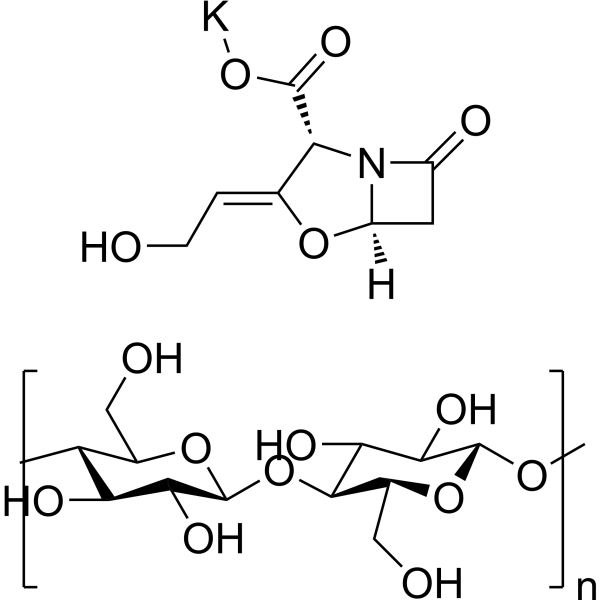
Potassium clavulanate cellulose (Potassium clavulanate:cellulose (1:1)) is a mixture of potassium clavulanate and cellulose, is a bacterial β-lactamase inhibitor. Clavulanate potassium is a form of Clavulanic acid. Clavulanate potassium fights bacteria that resistant to penicillins and other antibiotics. Potassium clavulanate with the combination of amoxicillin can be used for the research of different infections caused by bacteria, such as sinusitis, pneumonia, ear infections, bronchitis, urinary tract infections, and infections of the skin .
|
-
-
- HY-66011AS
-
|
BAY 12-8039-d4 free base
|
Isotope-Labeled Compounds
Bacterial
Antibiotic
|
Infection
|
|
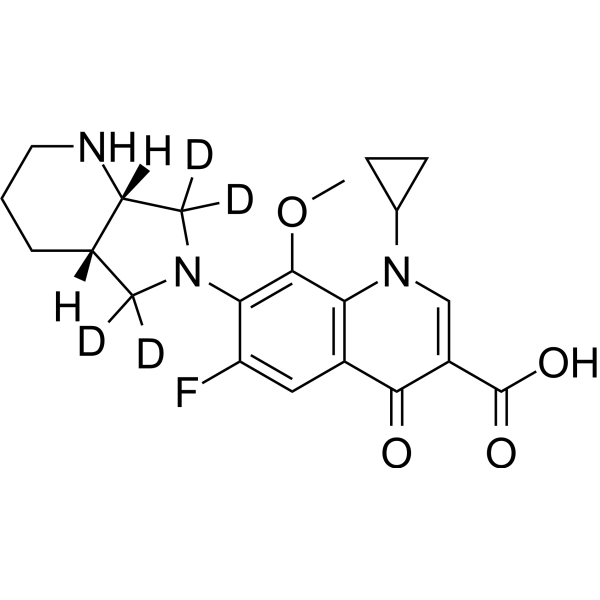
Moxifloxacin-d4 is the deuterium labeled Moxifloxacin. Moxifloxacin is an orally active 8-methoxyquinolone antimicrobial for use in the treatment of acute bacterial sinusitis, acute bacterial exacerbations of chronic bronchitis, and community-acquired pneumonia .
|
-
-
- HY-66011AR
-
|
BAY 12-8039 free base (Standard)
|
Reference Standards
Bacterial
Antibiotic
|
Infection
Cancer
|
|
Moxifloxacin (Standard) is the analytical standard of Moxifloxacin. This product is intended for research and analytical applications. Moxifloxacin is an orally active 8-methoxyquinolone antimicrobial for use in the treatment of acute bacterial sinusitis, acute bacterial exacerbations of chronic bronchitis, and community-acquired pneumonia .
|
-

-
- HY-B0200R
-
|
Cefalexin (Standard); Cephacillin (Standard)
|
Penicillin-binding protein (PBP)
Reference Standards
Antibiotic
Bacterial
|
Infection
Cancer
|
|
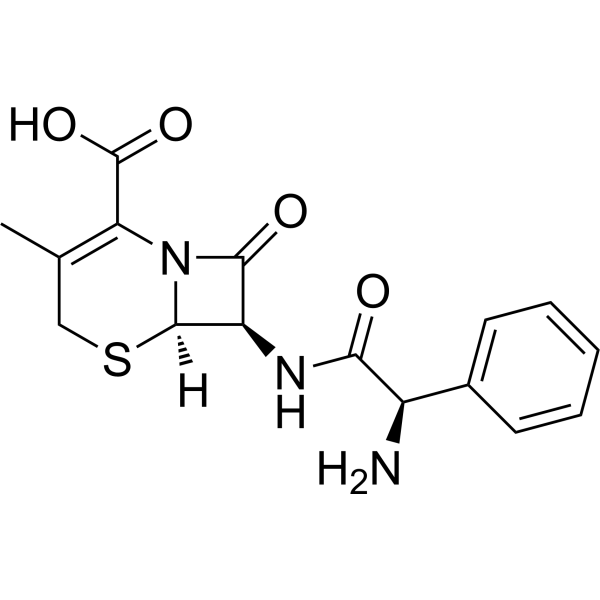
Cephalexin (Standard) is the analytical standard of Cephalexin. This product is intended for research and analytical applications. Cephalexin (Cefalexin) is a potent, orally active semisynthetic cephalosporin antibiotic with a broad antibacterial spectrum. Cephalexin has antibacterial activity against a wide variety of gram-positive and gram-negative bacteria. Cephalexin targets penicillin-binding proteins (PBPs) to inhibit bacterial cell wall assembly. Cephalexin is used for the research of pneumonia, strep throat, and bacterial endocarditis, et al .
|
-
-
- HY-106410A
-
|
DW-224a
|
Bacterial
Topoisomerase
Antibiotic
|
Infection
|
|
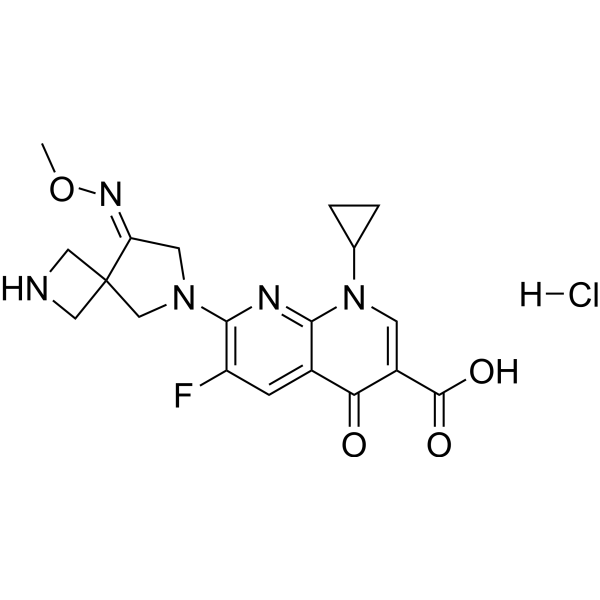
Zabofloxacin hydrochloride (DW-224a) is a potent and seletive inhibitor of the bacterial type II and IV topoisomerases. Zabofloxacin hydrochloride has excellent activity against gram-positive pathogens including Steptococcus aureus, Streptococcus pyogenes and S.pneumonia. Zabofloxacin hydrochloride is a novel fluoronaphthyridone quinolone that is considered as an alternative antibiotic for treatment of quinolone-susceptible (QSSP) and quinolone-resistant gonorrhea (QRSP) .
|
-
-
- HY-B0200S
-
|
Cefalexin-d5; Cephacillin-d5
|
Antibiotic
Bacterial
|
Infection
|
|
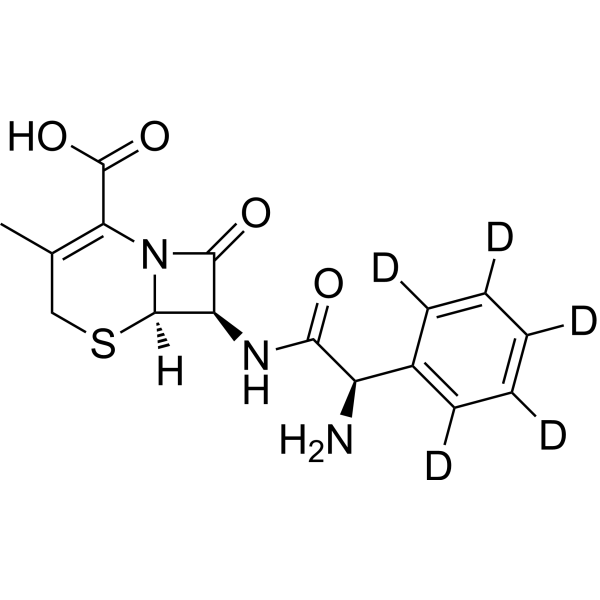
Cephalexin-d5 is deuterium labeled Cephalexin. Cephalexin (Cefalexin; Cephacillin) is a potent, orally active and the first-generation?cephalosporin antibiotic. Cephalexin kills?gram-positive?and some?gram-negative bacteria?by disrupting the growth of the bacterial cell wall. Cephalexin monohydrate is used for the research of?pneumonia,?strep throat, and bacterial endocarditis, et al .
|
-
-
- HY-66011AS4
-
|
BAY 12-8039-13C,d3
|
Isotope-Labeled Compounds
|
Cancer
|
|
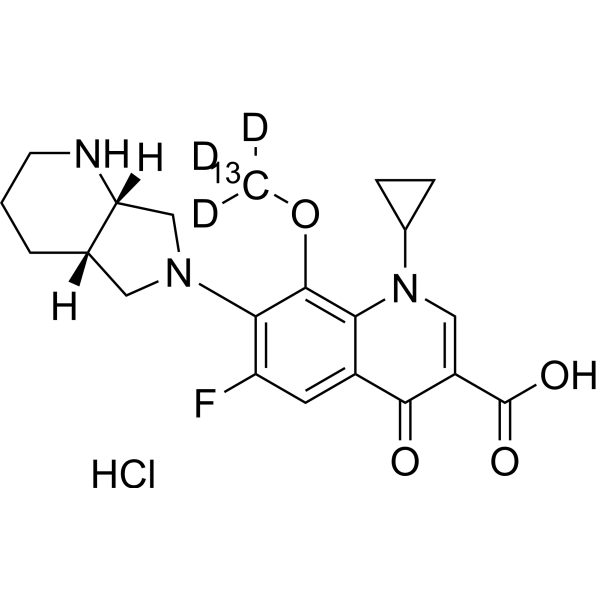
Moxifloxacin- 13C,d3 hydrochloride (BAY 12-8039- 13C,d3) is 13C and deuterated labeled Moxifloxacin (HY-66011A). Moxifloxacin is an orally active 8-methoxyquinolone antimicrobial for use in the treatment of acute bacterial sinusitis, acute bacterial exacerbations of chronic bronchitis, and community-acquired pneumonia.
|
-
-
- HY-W653936
-
|
|
Isotope-Labeled Compounds
Bacterial
Antibiotic
Penicillin-binding protein (PBP)
|
Cancer
|
|
Cephalexin-d5 (hydrate) is deuterium labeled Cephalexin (monohydrate). Cephalexin (Cefalexin) monohydrate is a potent, orally active new semisynthetic cephalosporin antibiotic with a broad antibacterial spectrum. Cephalexin (Cefalexin) monohydrate has antibacterial activity against a wide variety of gram-positive and gram-negative bacteria. Cephalexin (Cefalexin) monohydrate targets penicillin-binding proteins (PBPs) to inhibit bacterial cell wall assembly. Cephalexin (Cefalexin) monohydrate is used for the research of pneumonia, strep throat, and bacterial endocarditis, et al .
|
-

-
- HY-139554
-
|
KBP-7072
|
Antibiotic
Bacterial
|
Infection
|
|
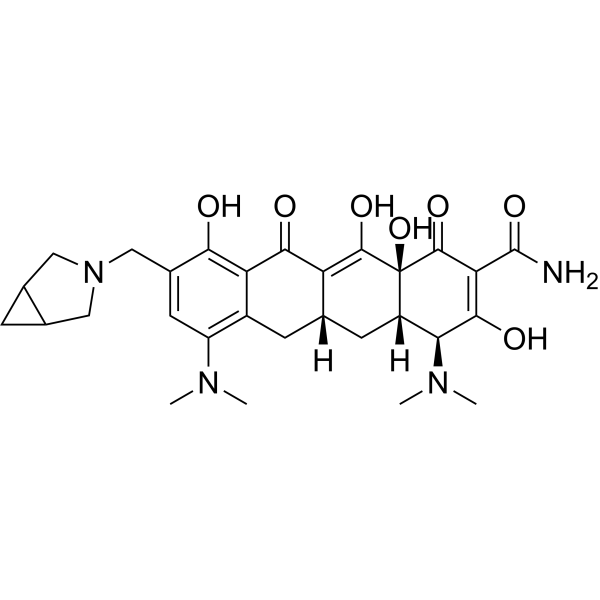
Zifanocycline (KBP-7072) is a semisynthetic third-generation aminomethylcycline antibiotic that inhibits the normal function of the bacterial ribosome. Zifanocycline exhibits a broad spectrum of in vitro antibacterial activity against Gram-positive and Gram-negative bacteria, including many multidrug-resistant pathogens. Zifanocycline is available in both oral and injectable formulations. Zifanocycline can be used for the research of acute bacterial skin and skin structure infections, community-acquired bacterial pneumonia, and complicated intra-abdominal infections .
|
-
-
- HY-66011AS2
-
|
BAY 12-8039-d3
|
Bacterial
Antibiotic
|
Infection
Cancer
|
|
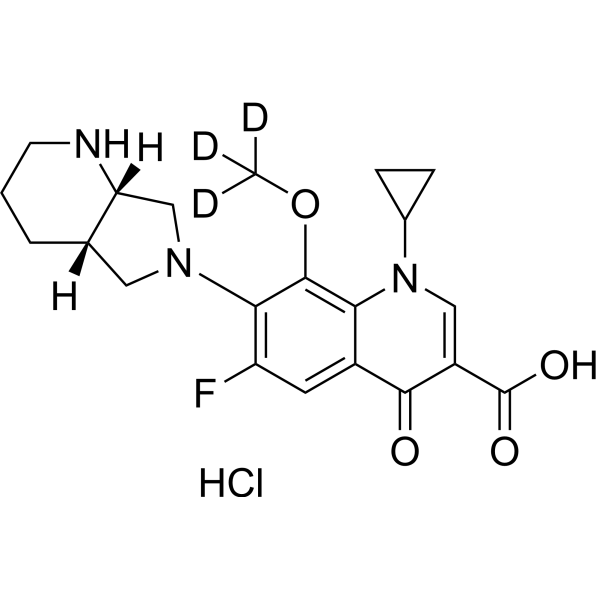
Moxifloxacin-d3 (hydrochloride) is the deuterium labeled Moxifloxacin hydrochloride. Moxifloxacin hydrochloride is an orally active 8-methoxyquinolone antimicrobial for use in the treatment of acute bacterial sinusitis, acute bacterial exacerbations of chronic bronchitis, and community-acquired pneumonia .
|
-
-
- HY-66011B
-
|
(Rac)-BAY 12-8039 free base
|
Bacterial
Antibiotic
|
Infection
|
|
(Rac)-Moxifloxacin ((Rac)-BAY 12-8039 free base) is the isoform of Moxifloxacin Hydrochloride (HY-66011), which is an oral 8-methoxyquinolone antimicrobial for use in the treatment of acute bacterial sinusitis, acute bacterial exacerbations of chronic bronchitis, and community-acquired pneumonia .
|
-
-
- HY-108971
-
|
|
Antibiotic
Bacterial
|
Infection
|
|
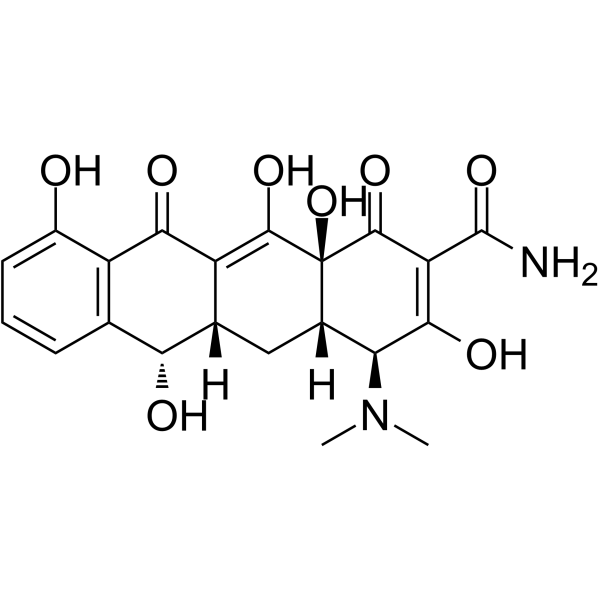
Demecycline, a tetracycline antibiotic, is the C6-demethylated derivative of Tetracycline (HY-A0107) against bacterial infections including pneumonia and other respiratory tract infections .
|
-
-
- HY-B0200C
-
|
Cefalexin hydrochloride monohydrate; Cephacillin hydrochloride monohydrate
|
Penicillin-binding protein (PBP)
Antibiotic
Bacterial
|
Infection
Cancer
|
|
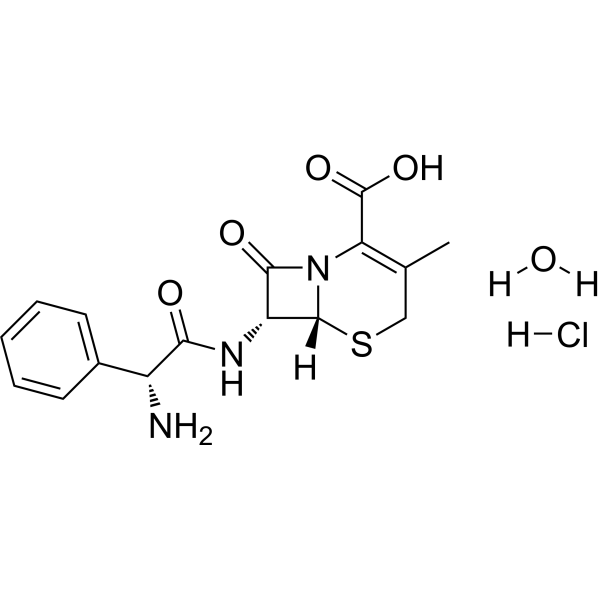
Cephalexin (Cefalexin) hydrochloride monohydrate is a potent, orally active new semisynthetic cephalosporin antibiotic with a broad antibacterial spectrum. Cephalexin (Cefalexin) hydrochloride monohydrate has antibacterial activity against a wide variety of gram-positive and gram-negative bacteria. Cephalexin (Cefalexin) hydrochloride monohydrate targets penicillin-binding proteins (PBPs) to inhibit bacterial cell wall assembly. Cephalexin (Cefalexin) hydrochloride monohydrate is used for the research of pneumonia, strep throat, and bacterial endocarditis, et al .
|
-
-
- HY-B0200D
-
|
Cefalexin (lysine); Cephacillin (lysine)
|
Penicillin-binding protein (PBP)
Bacterial
Antibiotic
|
Infection
Cancer
|
|
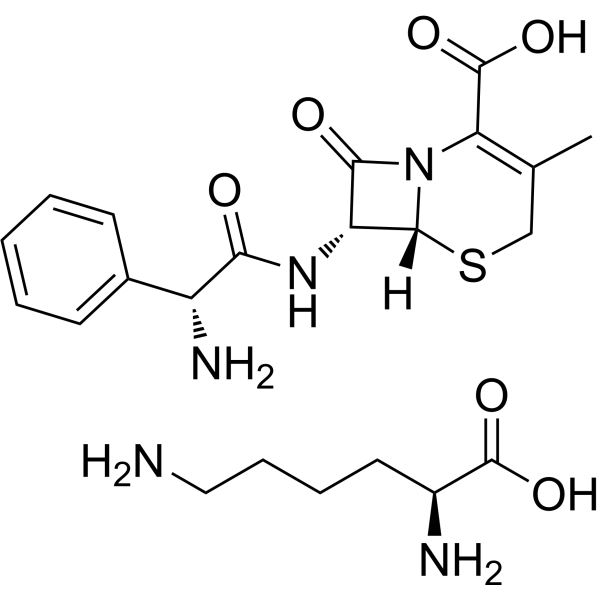
Cephalexin (Cefalexin) lysine is a potent, orally active new semisynthetic cephalosporin antibiotic with a broad antibacterial spectrum. Cephalexin lysine has antibacterial activity against a wide variety of gram-positive and gram-negative bacteria. Cephalexin lysine targets penicillin-binding proteins (PBPs) to inhibit bacterial cell wall assembly. Cephalexin lysine is used for the research of pneumonia, strep throat, and bacterial endocarditis, et al .
|
-
-
- HY-P10559
-
|
|
Bacterial
|
Infection
|
|
(RXR)4XB is a cell-penetrating peptide, that binds the phosphorodiamidate morpholino oligomers (PMOs), forms peptide-conjugated PMOs (PPMOs), and improves the delivery of PMO into bacterial cells. (RXR)4XB-PMO conjugate prevents the formation of biofilms, inhibits Pseudomonas aeruginosa with MIC50 of 0.5 to 16 μM, and reduces the bacterial burden in mouse acute pneumonia models .
|
-

-
- HY-14956S
-
|
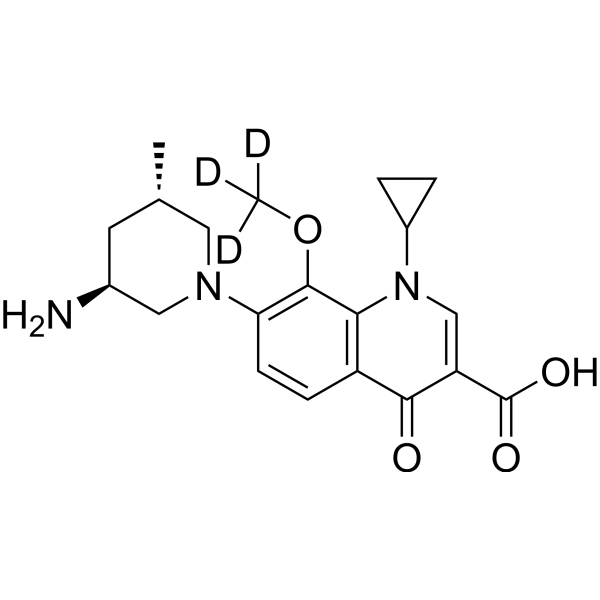
TG-873870-d3
|
Bacterial
|
Inflammation/Immunology
|
|
Nemonoxacin-d3 is the deuterium labeled Nemonoxacin. Nemonoxacin (TG-873870) is an orally active and potent broad-spectrum antibiotic. Nemonoxacin shows good inhibitory activity against different species of staphylococci, streptococci, and enterococci, Neisseria gonorrhoeae, and Haemophilus influenza. Nemonoxacin can be used in the study of bacterial infections and community-acquired pneumonia .
|
-
-
- HY-106410
-
|
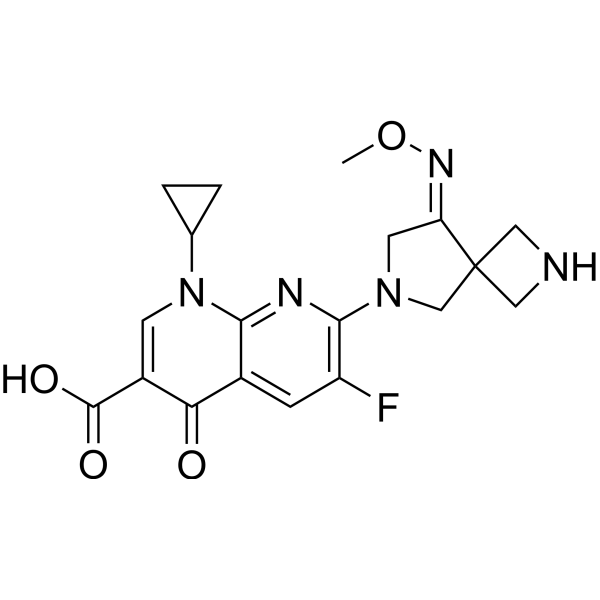
DW-224a Free base
|
Bacterial
Topoisomerase
Antibiotic
|
Infection
|
|
Zabofloxacin (DW-224a Free base) is a potent and seletive inhibitor of the bacterial type II and IV topoisomerases. Zabofloxacin has excellent activity against gram-positive pathogens including Steptococcus aureus, Streptococcus pyogenes and S.pneumonia. Zabofloxacin is a novel fluoronaphthyridone quinolone that is considered as an alternative antibiotic for treatment of quinolone-susceptible (QSSP) and quinolone-resistant gonorrhea (QRSP) .
|
-
-
- HY-14865BR
-
|
PTK 0796 tosylate (Standard); Amadacycline tosylate (Standard)
|
Reference Standards
Bacterial
Antibiotic
|
Infection
|
|
Omadacycline (tosylate) (Standard) is the analytical standard of Omadacycline (tosylate). This product is intended for research and analytical applications. Omadacycline (PTK 0796) tosylate, a first-in-class orally active aminomethylcycline antibacterial, is a member of the tetracycline class of antibiotics. Omadacycline tosylate acts through the inhibition of bacterial protein synthesis by binding to the 30S ribosomal subunit. Omadacycline tosylate possesses broad-spectrum antibacterial activity against aerobic and anaerobic Gram-positive and Gram-negative bacteria, as well as atypical bacteria. Omadacycline tosylate can be used for the research of acute bacterial skin and skin-structure infections, community-acquired pneumonia, and urinary tract infections .
|
-

-
- HY-66011R
-
|
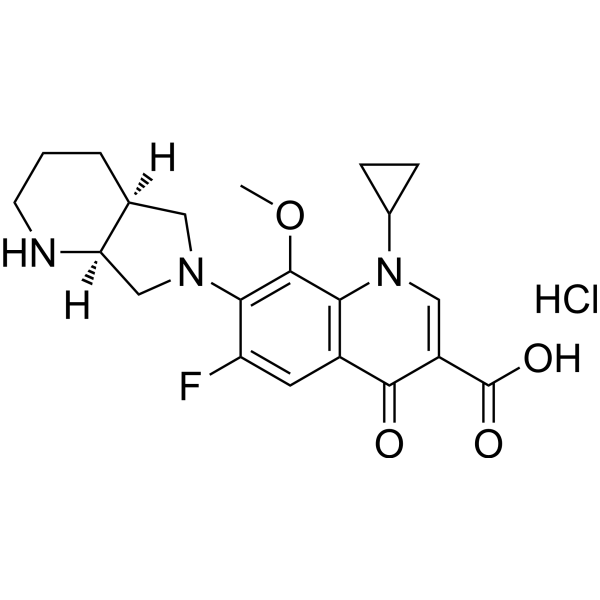
BAY 12-8039 (Standard)
|
Reference Standards
Bacterial
Antibiotic
|
Infection
Cancer
|
|
Moxifloxacin (Hydrochloride) (Standard) is the analytical standard of Moxifloxacin (Hydrochloride). This product is intended for research and analytical applications. Moxifloxacin Hydrochloride (BAY 12-8039) is an oral 8-methoxyquinolone antimicrobial for use in the treatment of acute bacterial sinusitis, acute bacterial exacerbations of chronic bronchitis, and community-acquired pneumonia .
|
-
-
- HY-B0200BS
-
|
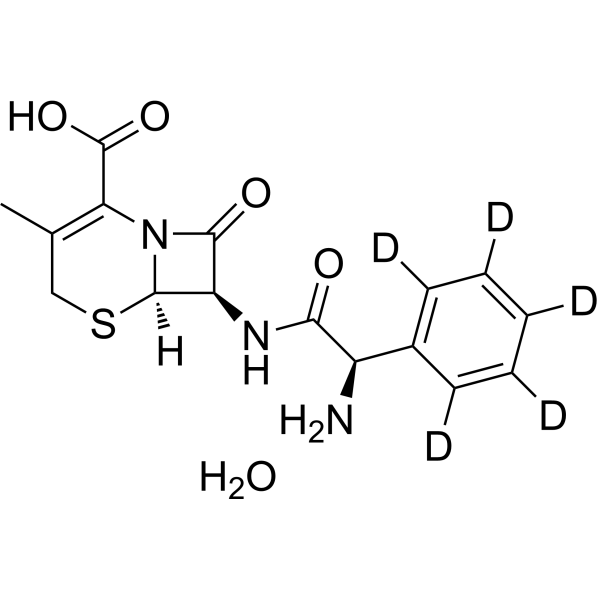
Cefalexin hydrate-d5; Cephacillin hydrate-d5
|
Isotope-Labeled Compounds
Antibiotic
Bacterial
|
Infection
|
|
Cephalexin-d5 (monohydrate) is the deuterium labeled Cephalexin monohydrate. Cephalexin monohydrate is a potent, orally active and the first-generation?cephalosporin antibiotic. Cephalexin monohydrate kills?gram-positive?and some?gram-negative bacteria?by disrupting the growth of the bacterial cell wall. Cephalexin monohydrate is used for the research of?pneumonia,?strep throat, and bacterial endocarditis, et al .
|
-
-
- HY-15662R
-
|
Tulathromycin (Standard); CP 472295 (Standard)
|
Reference Standards
Antibiotic
Bacterial
|
Infection
|
|
Tulathromycin A (Standard) is the analytical standard of Tulathromycin A. This product is intended for research and analytical applications. Tulathromycin A (Tulathromycin), a macrolide antibiotic, inhibits protein synthesis (IC50=0.26 μM) by targeting bacterial ribosome. Tulathromycin A is used for the research of respiratory disease in cattle and swine. Immunomodulatory effects .
|
-

-
- HY-P10559A
-
|
|
Bacterial
|
Infection
|
|
(RXR)4XB TFA is a cell-penetrating peptide, that binds the phosphorodiamidate morpholino oligomers (PMOs), forms peptide-conjugated PMOs (PPMOs), and improves the delivery of PMO into bacterial cells. (RXR)4XB TFA-PMO conjugate prevents the formation of biofilms, inhibits Pseudomonas aeruginosa with MIC50 of 0.5 to 16 μM, and reduces the bacterial burden in mouse acute pneumonia models .
|
-

-
- HY-B0441R
-
|
Nebramycin Factor 6 (Standard); Deoxykanamycin B (Standard)
|
Reference Standards
Bacterial
Antibiotic
|
Infection
Cancer
|
|
Tobramycin (Standard) is the analytical standard of Tobramycin. This product is intended for research and analytical applications. Tobramycin (Nebramycin Factor 6) is a parenterally administered, broad spectrum aminoglycoside antibiotic that is widely used in the treatment of moderate to severe bacterial infections due to sensitive organisms .Tobramycin can be used to pneumonia research caused by Pseudomonas aeruginosa .
|
-

-
- HY-16908AR
-
|
BC-3781 acetate (Standard)
|
Reference Standards
Bacterial
Antibiotic
|
Infection
Inflammation/Immunology
|
|
Lefamulin (acetate) (Standard) is the analytical standard of Lefamulin (acetate). This product is intended for research and analytical applications. Lefamulin (BC-3781) acetate is an orally active antibiotic. Lefamulin acetate inhibits protein synthesis by binding to the peptidyl transferase center of the 50S bacterial ribosome. Lefamulin acetate has anti-inflammatory activity. Lefamulin acetate can be used in the research of bacterial infections, such as bacterial pneumonia[1].
|
-

- HY-19647
-
|
FCE 22891; RIPM-AC; Ritipenem acetoxymethyl ester
|
Beta-lactamase
Antibiotic
Bacterial
|
Infection
|
|
Ritipenem acoxil (FCE 22891; RIPM-AC) is an oral active beta-lactamase antibiotic and can be used for study of bacterial pneumonia .
|
-

- HY-14865A
-
|
PTK 0796 mesylate; Amadacycline mesylate
|
Bacterial
Antibiotic
|
Infection
|
|
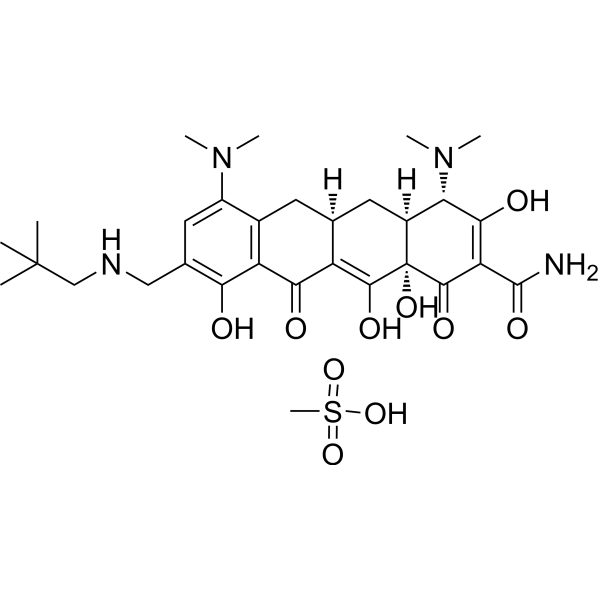
Omadacycline (PTK 0796) mesylate, a first-in-class orally active aminomethylcycline antibacterial, is a member of the tetracycline class of antibiotics. Omadacycline mesylate acts through the inhibition of bacterial protein synthesis by binding to the 30S ribosomal subunit. Omadacycline mesylate possesses broad-spectrum antibacterial activity against aerobic and anaerobic Gram-positive and Gram-negative bacteria, as well as atypical bacteria. Omadacycline mesylate can be used for the research of acute bacterial skin and skin-structure infections, community-acquired pneumonia, and urinary tract infections .
|
-
- HY-14865CR
-
|
PTK0796 hydrochloride (Standard); Amadacycline hydrochloride (Standard)
|
Reference Standards
Bacterial
Antibiotic
|
Infection
|
|
Omadacycline (hydrochloride) (Standard) is the analytical standard of Omadacycline (hydrochloride). This product is intended for research and analytical applications. Omadacycline (PTK 0796) hydrochloride, a first-in-class orally active aminomethylcycline antibacterial, is a member of the tetracycline class of antibiotics. Omadacycline hydrochloride acts through the inhibition of bacterial protein synthesis by binding to the 30S ribosomal subunit. Omadacycline hydrochloride possesses broad-spectrum antibacterial activity against aerobic and anaerobic Gram-positive and Gram-negative bacteria, as well as atypical bacteria. Omadacycline hydrochloride can be used for the research of acute bacterial skin and skin-structure infections, community-acquired pneumonia, and urinary tract infections[1][2][3][4].
|
-

- HY-14865R
-
|
PTK 0796 (Standard); Amadacycline (Standard)
|
Reference Standards
Bacterial
Antibiotic
|
Infection
|
|
Omadacycline (Standard) is the analytical standard of Omadacycline. This product is intended for research and analytical applications. Omadacycline (PTK 0796), a first-in-class orally active aminomethylcycline antibacterial, is a member of the tetracycline class of antibiotics. Omadacycline acts through the inhibition of bacterial protein synthesis by binding to the 30S ribosomal subunit. Omadacycline possesses broad-spectrum antibacterial activity against aerobic and anaerobic Gram-positive and Gram-negative bacteria, as well as atypical bacteria. Omadacycline can be used for the research of acute bacterial skin and skin-structure infections, community-acquired pneumonia, and urinary tract infections .
|
-

- HY-135398
-
|
|
Bacterial
|
Infection
Inflammation/Immunology
|
|
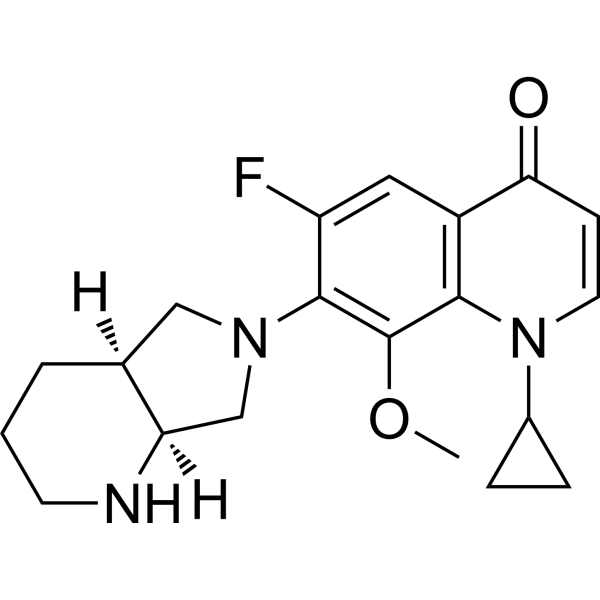
Decarboxy Moxifloxacin (compound 8) is a decarboxylated compound of Moxifloxacin. Moxifloxacin is an orally active 8-methoxyquinolone antimicrobial for use in acute bacterial sinusitis, acute bacterial exacerbations of chronic bronchitis, and community-acquired pneumonia .
|
-
- HY-W741028
-
|
|
Antibiotic
Bacterial
|
Others
|
|
Moxifloxacin N-sulfate disodium is an anionic sulfonate derivative of Moxifloxacin (HY-66011A). Moxifloxacin is an 8-methoxyquinolone antibacterial antibiotic used in the research of acute bacterial sinusitis, acute bacterial exacerbations of chronic bronchitis, and infectious pneumonia .
|
-

- HY-W748099
-
|
|
Antibiotic
Bacterial
|
Infection
|
|
Tetranor-Misoprostol is a derivative of Moxifloxacin (HY-66011A) and the active metabolite of a prostaglandin E1 analog. Moxifloxacin is an 8-methoxyquinolone antibacterial antibiotic used in the research of acute bacterial sinusitis, acute bacterial exacerbations of chronic bronchitis, and infectious pneumonia .
|
-

- HY-66011S
-
|
rac cis-BAY 12-8039-d4
|
Isotope-Labeled Compounds
Bacterial
Antibiotic
|
Infection
|
|
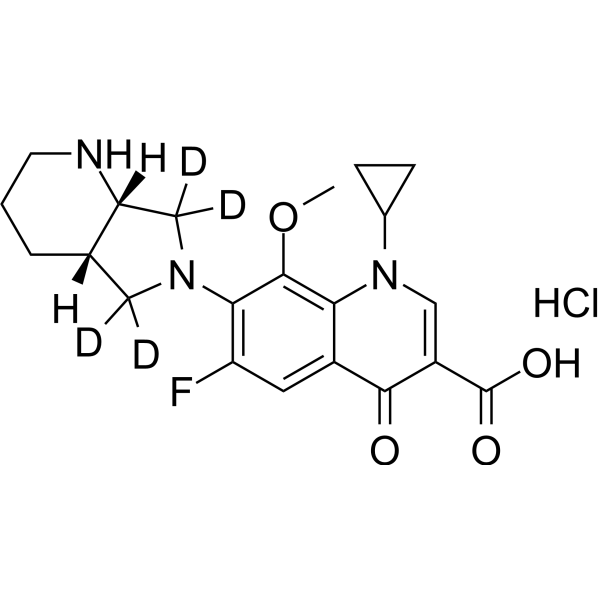
rac cis-Moxifloxacin-d4 (hydrochloride) is the deuterium labeled Moxifloxacin hydrochloride. Moxifloxacin Hydrochloride (BAY 12-8039) is an oral 8-methoxyquinolone antimicrobial for use in the treatment of acute bacterial sinusitis, acute bacterial exacerbations of chronic bronchitis, and community-acquired pneumonia .
|
-
- HY-174980
-
|
|
Bacterial
|
Infection
|
|
KPC-2-IN-3 (Compound 3b) is a KPC-2 inhibitor with IC50 of 0.533 μM and Kiof 0.194 μM. KPC-2-IN-3 has an antimicrobial activity against carbapenem-resistant K. pneumonia K47-25 and reduces bacterial count with a postantibiotic effect in synergy with Meropenem (HY-13678). KPC-2-IN-3 significantly reduces lung bacterial load in a murine pneumonia model .
|
-

- HY-66011AS6
-
|
BAY 12-8039-d4
|
Isotope-Labeled Compounds
|
Others
|
|
Moxifloxacin-d4 hydrochloride (BAY 12-8039-d4) is the hydrochloride salt form of deuterium labeled Moxifloxacin (Moxifloxacin). Moxifloxacin is an orally active antimicrobial, that can be used in the research of acute bacterial sinusitis, acute bacterial exacerbations of chronic bronchitis, and community-acquired pneumonia .
|
-

- HY-66011AS5
-
|
BAY 12-8039-d5 free base
|
Isotope-Labeled Compounds
Antibiotic
Bacterial
|
Infection
Cancer
|
|
Moxifloxacin-d5 (BAY 12-8039-d5 (free base)) is deuterium labeled Moxifloxacin. Moxifloxacin is an orally active 8-methoxyquinolone antimicrobial for use in the treatment of acute bacterial sinusitis, acute bacterial exacerbations of chronic bronchitis, and community-acquired pneumonia .
|
-

- HY-66011AS3
-
|
BAY 12-8039-d3-1
|
Isotope-Labeled Compounds
Bacterial
Antibiotic
|
Infection
|
|
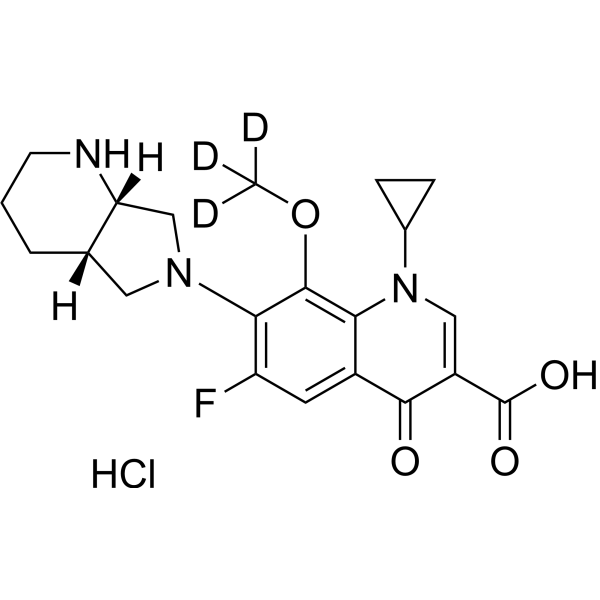
Moxifloxacin-d3-1 hydrochloride (BAY 12-8039-d3-1) is a deuterium labeled Moxifloxacin (HY-66011A). Moxifloxacin is an orally active 8-methoxyquinolone antimicrobial for use in the treatment of acute bacterial sinusitis, acute bacterial exacerbations of chronic bronchitis, and community-acquired pneumonia .
|
-
- HY-139554A
-
|
KBP-7072 TFA
|
Bacterial
|
Infection
|
|
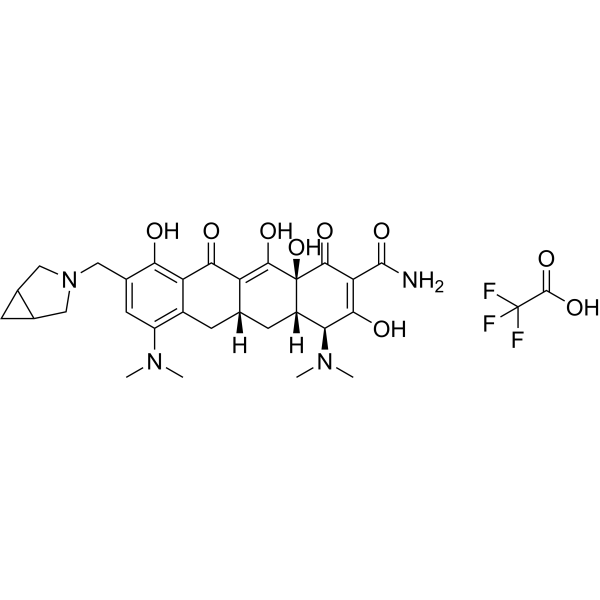
Zifanocycline (KBP-7072) TFA is an orally active, semi-synthetic aminomethylcycline antibiotic that inhibits the normal function of bacterial ribosomes. Zifanocycline TFA has broad spectrum in vitro antimicrobial activity against Gram-positive and Gram-negative bacteria, including many multidrug-resistant pathogens. Zifanocycline TFA is indicated for the study of acute bacterial skin and skin structure infections, community-acquired bacterial pneumonia, and complicated intra-abdominal infections .
|
-
- HY-161404
-
|
|
Bacterial
|
Infection
|
|
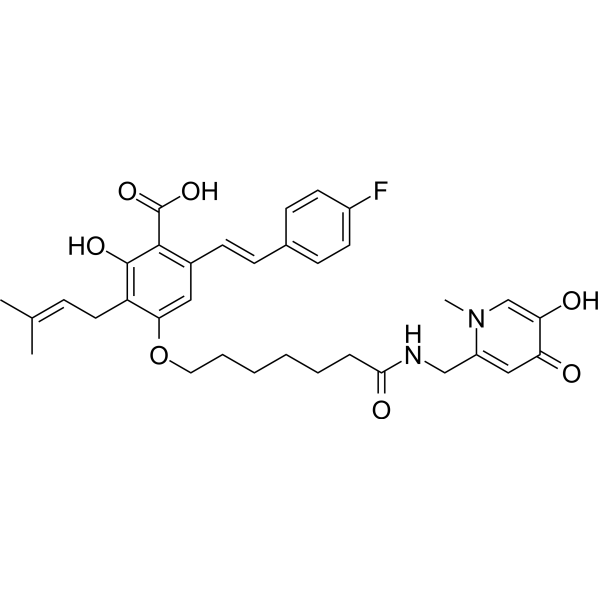
Antibacterial agent 202 (compound 45c) is a low cytotoxicity bacterial inhibitor with good activity against Gram-negative bacteria, including Escherichia coli, Klebsiella pneumonia, especially Pseudomonas aeruginosa, (MIC (minimum inhibitory concentration)=7.8-31.25 μM). Antibacterial agent 202 can exert antibacterial activity by destroying the integrity of cell membranes and can be used in the research of bacterial infections .
|
-
- HY-66011BS
-
|
(Rac)-BAY 12-8039-d4 free base
|
Isotope-Labeled Compounds
Antibiotic
Bacterial
|
Infection
|
|
(Rac)-Moxifloxacin-d4 ((Rac)-BAY 12-8039-d4 (free base)) is deuterium labeled (Rac)-Moxifloxacin. (Rac)-Moxifloxacin ((Rac)-BAY 12-8039 free base) is the isoform of Moxifloxacin Hydrochloride (HY-66011), which is an oral 8-methoxyquinolone antimicrobial for use in the treatment of acute bacterial sinusitis, acute bacterial exacerbations of chronic bronchitis, and community-acquired pneumonia .
|
-

- HY-16764A
-
|
JNJ-Q2 hydrochloride
|
Bacterial
|
Infection
Inflammation/Immunology
|
|
Acorafloxacin hydrochloride (JNJ-Q2 hydrochloride) is a broad-spectrum fluoroquinolone anti-bacterial drug being developed for the treatment of acute bacterial skin and skin-structure infections and community-acquired pneumonia . Acorafloxacin hydrochloride is an aminoethylidenylpiperidine fluoroquinolone that demonstrates antibacterial effect against numerous Gram-positive bacteria with a mean 0.12 mg/L MIC90 value . Acorafloxacin hydrochloride has potential for study of methicillin-resistant Staphylococcus aureus (MRSA) infections .
|
-

- HY-139554AR
-
|
KBP-7072 TFA (Standard)
|
Bacterial
Antibiotic
Reference Standards
|
Infection
|
|
Zifanocycline (TFA) (Standard) is the analytical standard of Zifanocycline (TFA). This product is intended for research and analytical applications. Zifanocycline (KBP-7072) TFA is an orally active, semi-synthetic aminomethylcycline antibiotic that inhibits the normal function of bacterial ribosomes. Zifanocycline TFA has broad spectrum in vitro antimicrobial activity against Gram-positive and Gram-negative bacteria, including many multidrug-resistant pathogens. Zifanocycline TFA is indicated for the study of acute bacterial skin and skin structure infections, community-acquired bacterial pneumonia, and complicated intra-abdominal infections[1][2].
|
-

- HY-10004R
-
|
Faropenem medoxil (Standard)
|
Reference Standards
Antibiotic
Bacterial
|
Infection
|
|
Faropenem daloxate (Faropenem medoxil) (Standard) is the analytical standard of Faropenem daloxate (Faropenem medoxil). This product is intended for research and analytical applications. Faropenem daloxate is an orally active beta-lactam antibiotic. Faropenem daloxate has excellent in vitro activity against Streptococcus pneumonia, Haemophilus influenza, and other key pathogens implicated in acute bacterial rhino sinusitis. Faropenem daloxate can be studied in research for respiratory pathogens and acute bacterial sinusitis .
|
-

- HY-B0200AR
-
|
Cefalexin hydrochloride (Standard); Cephacillin hydrochloride (Standard)
|
Penicillin-binding protein (PBP)
Reference Standards
Bacterial
Antibiotic
|
Infection
Cancer
|
|
Cephalexin (hydrochloride) (Standard) is the analytical standard of Cephalexin (hydrochloride). This product is intended for research and analytical applications. Cephalexin (Cefalexin) hydrochloride is a potent, orally active new semisynthetic cephalosporin antibiotic with a broad antibacterial spectrum. Cephalexin (Cefalexin) hydrochloride has antibacterial activity against a wide variety of gram-positive and gram-negative bacteria. Cephalexin (Cefalexin) hydrochloride targets penicillin-binding proteins (PBPs) to inhibit bacterial cell wall assembly. Cephalexin (Cefalexin) hydrochloride is used for the research of pneumonia, strep throat, and bacterial endocarditis, et al[1][2].
|
-

- HY-B0200BR
-
|
Cefalexin hydrate (Standard); Cephacillin hydrate (Standard)
|
Penicillin-binding protein (PBP)
Reference Standards
Antibiotic
Bacterial
|
Infection
Cancer
|
|
Cephalexin (monohydrate) (Standard) is the analytical standard of Cephalexin (monohydrate). This product is intended for research and analytical applications. Cephalexin (Cefalexin) monohydrate is a potent, orally active new semisynthetic cephalosporin antibiotic with a broad antibacterial spectrum. Cephalexin (Cefalexin) monohydrate has antibacterial activity against a wide variety of gram-positive and gram-negative bacteria. Cephalexin (Cefalexin) monohydrate targets penicillin-binding proteins (PBPs) to inhibit bacterial cell wall assembly. Cephalexin (Cefalexin) monohydrate is used for the research of pneumonia, strep throat, and bacterial endocarditis, et al .
|
-

- HY-125643R
-
|
|
Reference Standards
Drug Metabolite
|
Cardiovascular Disease
|
|
Tobramycin (Standard) is the analytical standard of Tobramycin. This product is intended for research and analytical applications. Tobramycin (Nebramycin Factor 6) is a parenterally administered, broad spectrum aminoglycoside antibiotic that is widely used in the treatment of moderate to severe bacterial infections due to sensitive organisms .Tobramycin can be used to pneumonia research caused by Pseudomonas aeruginosa .
|
-

- HY-14956S1
-
|
TG-873870-d3-1
|
Bacterial
|
Inflammation/Immunology
|
|
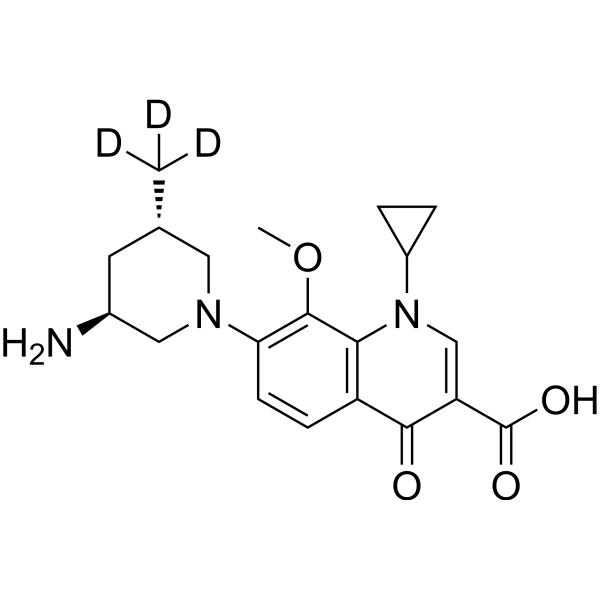
Nemonoxacin-d3-1 is the deuterium labeled Nemonoxacin. Nemonoxacin (TG-873870) is an orally active and potent broad-spectrum antibiotic. Nemonoxacin shows good inhibitory activity against different species of staphylococci, streptococci, and enterococci, Neisseria gonorrhoeae, and Haemophilus influenza. Nemonoxacin can be used in the study of bacterial infections and community-acquired pneumonia .
|
-
- HY-14956S2
-
|
TG-873870-d4
|
Bacterial
|
Inflammation/Immunology
|
|
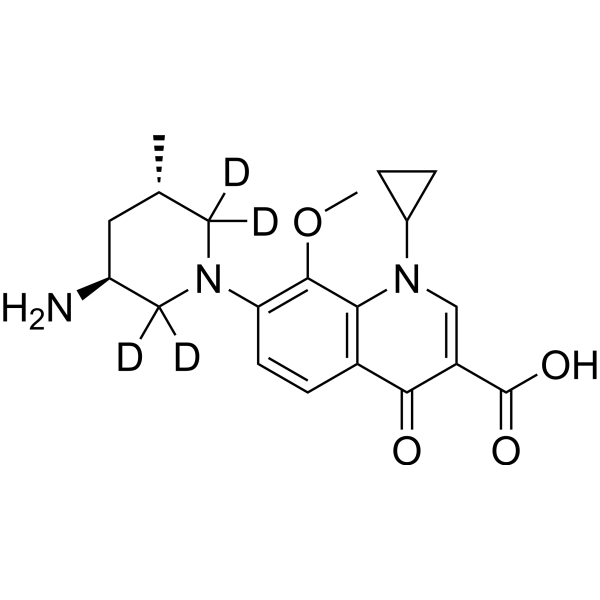
Nemonoxacin-d4 is the deuterium labeled Nemonoxacin. Nemonoxacin (TG-873870) is an orally active and potent broad-spectrum antibiotic. Nemonoxacin shows good inhibitory activity against different species of staphylococci, streptococci, and enterococci, Neisseria gonorrhoeae, and Haemophilus influenza. Nemonoxacin can be used in the study of bacterial infections and community-acquired pneumonia .
|
-
- HY-113718
-
|
|
Bacterial
Topoisomerase
DNA/RNA Synthesis
|
Infection
|
|
DS21412020 is a fluoroquinolone antibacterial agent. DS21412020 inhibits bacterial DNA gyrase (GyrA) and topoisomerase IV, leading to DNA breaks. DS21412020 exhibits significant activity against Gram-positive bacteria such as Staphylococcus aureus (MIC = 0.006 μg/mL), Streptococcus pneumoniae (MIC = 0.05 μg/mL), and Methicillin (HY-121544)-resistant Staphylococcus aureus (MIC = 0.2 μg/mL), and Gram-negative bacteria such as Escherichia coli (MIC = 0.006 μg/mL) and Pseudomonas aeruginosa (MIC = 0.78 μg/mL). DS21412020 significantly reduces bacterial load in mouse pneumonia and MRSA infection models. DS21412020 can be used in the development of next-generation quinolone antibiotics .
|
-

- HY-131050
-
|
|
Bacterial
Fungal
|
Infection
|
|
Aspergillus niger-IN-1 (Compound 17), a derivative of thiazolidine-2,4-dione, acts as an antimicrobial agent. Aspergillus niger-IN-1 exhibited antimicrobial activity against various bacterial and fungal strains, including Bacillus subtilis, Staphylococcus aureus, Klebsiella pneumonia, Escherichia coli, Salmonella typhi, Candida albicans and Aspergillus niger, with MIC values of 11.3, 5.65, 11.3, 5.65, 5.65, 5.65, and 5.65 μM/mL, respectively .
|
-

- HY-136943
-
|
|
Antibiotic
Parasite
Bacterial
|
Infection
|
|
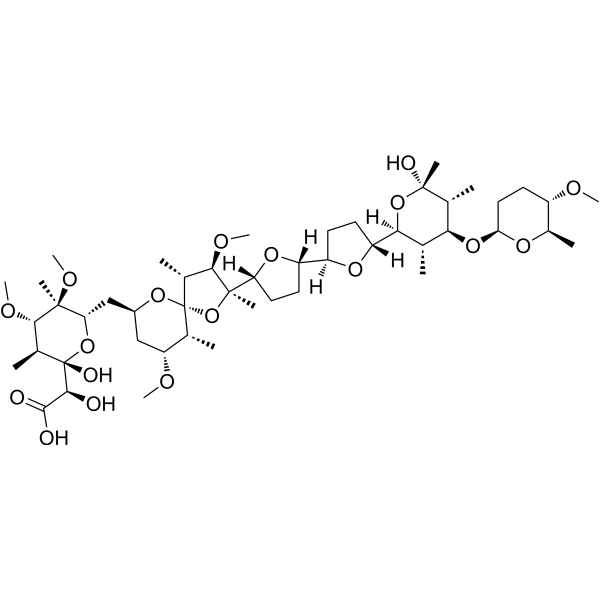
K-41 is an orally active antibiotic. K-41 can be obtained from Streptomyces hygroscopicus. K-41 has antibacterial and antiplasmodial activity .
|
-
- HY-P11242
-
|
|
Bacterial
NF-κB
p38 MAPK
JNK
ERK
TNF Receptor
Interleukin Related
|
Infection
|
Cm-CATH2 is an antimicrobial peptide discovered from Chelonia mydas. Cm-CATH2 has a potent, broad-spectrum and rapid bactericidal ability by rapidly destroying the integrity of bacterial cell membranes. It shows strong activity against Gram-positive bacteria (such as VREF, Staphylococcus aureus), Gram-negative bacteria (such as Escherichia coli, Klebsiella pneumoniae), and fungi (such as Candida albicans) with MICs ranges from 1.17 to 18.75 μg/mL. Cm-CATH2 is also effective against various aquatic pathogenic bacteria. Cm-CATH2 not only inhibits biofilm formation but can also remove the formed biofilms. Cm-CATH2 has immunomodulatory functions and chemotactic effects on immune cells, and can inhibit the production of pro-inflammatory cytokines by macrophages stimulated by LPS (HY-D1056). Cm-CATH2 prevents the activation of NF-κB by inhibiting the degradation of IκBα, and also inhibits the phosphorylation of MAPK signaling pathways (p38, JNK, ERK). Cm-CATH2 demonstrates strong anti-infective ability in mouse peritonitis models and pneumonia models .
|
-

- HY-17626A
-
|
WCK-2349 mesylate
|
Antibiotic
Bacterial
|
Infection
|
|
Alalevonadifloxacin (WCK-2349) mesylate is an orally active antibiotic targeting Gram-positive and Gram-negative bacteria. Alalevonadifloxacin mesylate is promising for research of acute bacterial skin and skin structure infections and hospital-acquired pneumonia caused by MRSA and other pathogens .
|
-

- HY-N17621
-
|
|
Bacterial
|
Infection
|
|
Chinenol A is an antibacterial agent that can be found in the aerial part of Helwingia chinensis. Chinenol A can be used for the research of bacterial infections (staphylococcus aureus infection, mycobacterium tuberculosis infection, streptococcus pneumonia infection) .
|
-

- HY-182417
-
|
|
Bacterial
Topoisomerase
|
Infection
|
|
PD 0305970 is an orally active bacterial gyrase and topoisomerase inhibitor. PD 0305970 shows exceptional activity against gram-positive and fastidious organisms and more modest activity against gram-negative species. PD 0305970 shows low spontaneous resistance frequencies. PD 0305970 shows antibacterial efficacy in murine streptococcal sepsis and pneumococcal pneumonia models. PD 0305970 can be used for the research of bacterial infection .
|
-

- HY-116228A
-
|
Caderofloxacin (hydrochloride); CS-940 (hydrochloride)
|
Bacterial
|
Infection
|
|
Cadrofloxacin (Caderofloxacin; CS-940) hydrochloride is an orally active antibacterial agent with significant bactericidal activity against quinolone-resistant Staphylococcus aureus, Gram-positive bacteria, Gram-negative bacteria and anaerobic bacteria. Cadrofloxacin hydrochloride effectively improves systemic infection and experimental Klebsiella pneumoniae pneumonia in mice. Cadrofloxacin hydrochloride can be widely used in research related to systemic bacterial infections and bacterial pneumonia .
|
-

- HY-P11616
-
|
|
Bacterial
TNF Receptor
|
Infection
|
|
WK2 is an antibacterial agent. WK2 reduces serum TNF-α production induced by Bacterial infection. WK2 reduces wound size and promotes tissue repair in a skin wound infection model. WK2 exerts anti-inflammatory effects in a pneumonia model. WK2 can be used for research on infectious diseases such as pneumonia caused by bacterial infection .
|
-

- HY-178368
-
|
|
Bacterial
|
Infection
|
|
Antibacterial agent 293 (Compound 5) is an antibacterial agent, exhibiting potent anti-Gram-negative bacterial activity. Antibacterial agent 293 shows activity against Escherichia coli, Acinetobacter baumannii and Klebsiella pneumonia. Antibacterial agent 293 can be used for the research of diseases related to Gram-negative bacterial infections .
|
-

- HY-B0441B
-
|
Nebramycin Factor 6 monosulfate; Deoxykanamycin B monosulfate
|
Bacterial
Antibiotic
|
Infection
|
|
Tobramycin (Nebramycin Factor 6) monosulfate is a parenterally administered, broad spectrum aminoglycoside antibiotic that is widely used in the treatment of moderate to severe bacterial infections due to sensitive organisms. Tobramycin monosulfate can be used to pneumonia research caused by Pseudomonas aeruginosa .
|
-

- HY-181107
-
|
|
Bacterial
DNA/RNA Synthesis
Cytochrome P450
|
Infection
|
|
DNA Gyrase/ribosomes-IN-1 is a bacterial ribosome and DNA gyrase inhibitor, with IC50 values of 1.11 μM and 3.31 μM, respectively. DNA Gyrase/ribosomes-IN-1 also inhibits CYP3A4, with an IC50 of 18.5 μM, and exhibits stability in mouse plasma and liver microsomes. DNA Gyrase/ribosomes-IN-1 inhibits bacterial protein synthesis by interacting with ribosomal RNA and associated sites. DNA Gyrase/ribosomes-IN-1 suppresses bacterial DNA replication by interacting with the gyrase complex. DNA Gyrase/ribosomes-IN-1 restores activity against macrolide-resistant, erm-mediated Gram-positive pathogens and enhances activity against Gram-negative bacteria such as Haemophilus influenzae and Moraxella catarrhalis. DNA Gyrase/ribosomes-IN-1 can be used in research on community-acquired bacterial pneumonia .
|
-

- HY-106410AR
-
|
DW-224a (Standard)
|
Reference Standards
Bacterial
Topoisomerase
Antibiotic
|
Infection
|
|
Zabofloxacin hydrochloride (Standard) is the analytical standard of Zabofloxacin hydrochloride (HY-106410A). This product is intended for research and analytical applications. Zabofloxacin hydrochloride (DW-224a) is a potent and seletive inhibitor of the bacterial type II and IV topoisomerases. Zabofloxacin hydrochloride has excellent activity against gram-positive pathogens including Steptococcus aureus, Streptococcus pyogenes and S.pneumonia. Zabofloxacin hydrochloride is a novel fluoronaphthyridone quinolone that is considered as an alternative antibiotic for treatment of quinolone-susceptible (QSSP) and quinolone-resistant gonorrhea (QRSP) .
|
-

- HY-180767
-
|
|
Drug Derivative
Bacterial
Topoisomerase
|
Infection
Cancer
|
|
Azithromycin-amide-C3-amide-quinoxaline (Compound 5f) is an Azithromycin (HY-17506) derivative and antibacterial agent. Azithromycin-amide-C3-amide-quinoxaline inhibits topoisoisomerase I with an IC50 of 120.7 μM. Azithromycin-amide-C3-amide-quinoxaline interacts with 70S E. coli ribosome with a Kd of 0.8 nM. Azithromycin-amide-C3-amide-quinoxaline inhibits bacterial translation with an IC50 of 0.7 μM. Azithromycin-amide-C3-amide-quinoxaline shows antibacterial potency against S. pneumonia ATCC 49619, S. aureus ATCC 29213, E. faecalis ATCC 29212 with MICs of 0.06 μg/mL, 2 μg/mL, 0.5 μg/mL, respectively. Azithromycin-amide-C3-amide-quinoxaline exhibits anticancer activity against prostate cancer, colon cancer .
|
-

| Cat. No. |
Product Name |
Type |
-
- HY-W014141
-
|
L-Ascorbic acid 5,6-acetonide
|
Biochemical Assay Reagents
|
|
5,6-O-Isopropylidene-L-ascorbic acid (L-Ascorbic acid 5,6-acetonide) is an organic compound and a derivative of L-ascorbic acid (vitamin C). 5,6-O-Isopropylidene-L-ascorbic acid inhibits biofilm formation by pathogenic bacteria. 5,6-O-Isopropylidene-L-ascorbic acid is applicable to studies related to bacterial infections .
|
| Cat. No. |
Product Name |
Target |
Research Area |
-
- HY-P2460
-
|
|
Bacterial
Fungal
Interleukin Related
TNF Receptor
|
Infection
Inflammation/Immunology
|
|
SMAP‑29 is a cathelicidin antimicrobial peptide with LPS‑binding and anti‑inflammatory properties. SMAP‑29 exerts broad‑spectrum antimicrobial activity against bacteria, fungi and multidrug‑resistant isolates. SMAP‑29 kills pathogens by permeabilizing bacterial membranes, inducing depolarization and cell lysis, and also inhibits inflammatory cytokines while reducing lethality in septic shock and pneumonia models. SMAP-29 can be used for research on bacterial infections, drug-resistant infections, septic shock .
|
-
- HY-P3078
-
|
|
Bacterial
Antibiotic
|
Infection
|
|
Amphomycin is a lipopeptide antibiotic that inhibits peptidoglycan synthesis and blocks cell wall development. Amphomycin exhibits potent antibacterial activities against methicillin-resistant S. aureus (MRSA), vancomycin-resistant enterococci (VRE), penicillin-gentamicin-erythromycin-resistant S. pneumonia, and linezolid-quinupristin-dalfopristin-resistant enterococci .
|
-
- HY-P10559
-
|
|
Bacterial
|
Infection
|
|
(RXR)4XB is a cell-penetrating peptide, that binds the phosphorodiamidate morpholino oligomers (PMOs), forms peptide-conjugated PMOs (PPMOs), and improves the delivery of PMO into bacterial cells. (RXR)4XB-PMO conjugate prevents the formation of biofilms, inhibits Pseudomonas aeruginosa with MIC50 of 0.5 to 16 μM, and reduces the bacterial burden in mouse acute pneumonia models .
|
-
- HY-P10559A
-
|
|
Bacterial
|
Infection
|
|
(RXR)4XB TFA is a cell-penetrating peptide, that binds the phosphorodiamidate morpholino oligomers (PMOs), forms peptide-conjugated PMOs (PPMOs), and improves the delivery of PMO into bacterial cells. (RXR)4XB TFA-PMO conjugate prevents the formation of biofilms, inhibits Pseudomonas aeruginosa with MIC50 of 0.5 to 16 μM, and reduces the bacterial burden in mouse acute pneumonia models .
|
-
- HY-P11242
-
|
|
Bacterial
NF-κB
p38 MAPK
JNK
ERK
TNF Receptor
Interleukin Related
|
Infection
|
Cm-CATH2 is an antimicrobial peptide discovered from Chelonia mydas. Cm-CATH2 has a potent, broad-spectrum and rapid bactericidal ability by rapidly destroying the integrity of bacterial cell membranes. It shows strong activity against Gram-positive bacteria (such as VREF, Staphylococcus aureus), Gram-negative bacteria (such as Escherichia coli, Klebsiella pneumoniae), and fungi (such as Candida albicans) with MICs ranges from 1.17 to 18.75 μg/mL. Cm-CATH2 is also effective against various aquatic pathogenic bacteria. Cm-CATH2 not only inhibits biofilm formation but can also remove the formed biofilms. Cm-CATH2 has immunomodulatory functions and chemotactic effects on immune cells, and can inhibit the production of pro-inflammatory cytokines by macrophages stimulated by LPS (HY-D1056). Cm-CATH2 prevents the activation of NF-κB by inhibiting the degradation of IκBα, and also inhibits the phosphorylation of MAPK signaling pathways (p38, JNK, ERK). Cm-CATH2 demonstrates strong anti-infective ability in mouse peritonitis models and pneumonia models .
|
-
- HY-P11616
-
|
|
Bacterial
TNF Receptor
|
Infection
|
|
WK2 is an antibacterial agent. WK2 reduces serum TNF-α production induced by Bacterial infection. WK2 reduces wound size and promotes tissue repair in a skin wound infection model. WK2 exerts anti-inflammatory effects in a pneumonia model. WK2 can be used for research on infectious diseases such as pneumonia caused by bacterial infection .
|
| Cat. No. |
Product Name |
Category |
Target |
Chemical Structure |
| Cat. No. |
Product Name |
Chemical Structure |
-
- HY-66011AS
-
|
|
|
Moxifloxacin-d4 is the deuterium labeled Moxifloxacin. Moxifloxacin is an orally active 8-methoxyquinolone antimicrobial for use in the treatment of acute bacterial sinusitis, acute bacterial exacerbations of chronic bronchitis, and community-acquired pneumonia .
|
-
-
- HY-B0200S
-
|
|
|
Cephalexin-d5 is deuterium labeled Cephalexin. Cephalexin (Cefalexin; Cephacillin) is a potent, orally active and the first-generation?cephalosporin antibiotic. Cephalexin kills?gram-positive?and some?gram-negative bacteria?by disrupting the growth of the bacterial cell wall. Cephalexin monohydrate is used for the research of?pneumonia,?strep throat, and bacterial endocarditis, et al .
|
-
-
- HY-66011AS4
-
|
|
|
Moxifloxacin- 13C,d3 hydrochloride (BAY 12-8039- 13C,d3) is 13C and deuterated labeled Moxifloxacin (HY-66011A). Moxifloxacin is an orally active 8-methoxyquinolone antimicrobial for use in the treatment of acute bacterial sinusitis, acute bacterial exacerbations of chronic bronchitis, and community-acquired pneumonia.
|
-
-
- HY-W653936
-
|
|
|
Cephalexin-d5 (hydrate) is deuterium labeled Cephalexin (monohydrate). Cephalexin (Cefalexin) monohydrate is a potent, orally active new semisynthetic cephalosporin antibiotic with a broad antibacterial spectrum. Cephalexin (Cefalexin) monohydrate has antibacterial activity against a wide variety of gram-positive and gram-negative bacteria. Cephalexin (Cefalexin) monohydrate targets penicillin-binding proteins (PBPs) to inhibit bacterial cell wall assembly. Cephalexin (Cefalexin) monohydrate is used for the research of pneumonia, strep throat, and bacterial endocarditis, et al .
|
-
-
- HY-66011AS2
-
|
|
|
Moxifloxacin-d3 (hydrochloride) is the deuterium labeled Moxifloxacin hydrochloride. Moxifloxacin hydrochloride is an orally active 8-methoxyquinolone antimicrobial for use in the treatment of acute bacterial sinusitis, acute bacterial exacerbations of chronic bronchitis, and community-acquired pneumonia .
|
-
-
- HY-14956S
-
|
|
|
Nemonoxacin-d3 is the deuterium labeled Nemonoxacin. Nemonoxacin (TG-873870) is an orally active and potent broad-spectrum antibiotic. Nemonoxacin shows good inhibitory activity against different species of staphylococci, streptococci, and enterococci, Neisseria gonorrhoeae, and Haemophilus influenza. Nemonoxacin can be used in the study of bacterial infections and community-acquired pneumonia .
|
-
-
- HY-B0200BS
-
|
|
|
Cephalexin-d5 (monohydrate) is the deuterium labeled Cephalexin monohydrate. Cephalexin monohydrate is a potent, orally active and the first-generation?cephalosporin antibiotic. Cephalexin monohydrate kills?gram-positive?and some?gram-negative bacteria?by disrupting the growth of the bacterial cell wall. Cephalexin monohydrate is used for the research of?pneumonia,?strep throat, and bacterial endocarditis, et al .
|
-
-
- HY-66011S
-
|
|
|
rac cis-Moxifloxacin-d4 (hydrochloride) is the deuterium labeled Moxifloxacin hydrochloride. Moxifloxacin Hydrochloride (BAY 12-8039) is an oral 8-methoxyquinolone antimicrobial for use in the treatment of acute bacterial sinusitis, acute bacterial exacerbations of chronic bronchitis, and community-acquired pneumonia .
|
-
-
- HY-66011AS6
-
|
|
|
Moxifloxacin-d4 hydrochloride (BAY 12-8039-d4) is the hydrochloride salt form of deuterium labeled Moxifloxacin (Moxifloxacin). Moxifloxacin is an orally active antimicrobial, that can be used in the research of acute bacterial sinusitis, acute bacterial exacerbations of chronic bronchitis, and community-acquired pneumonia .
|
-
-
- HY-66011AS5
-
|
|
|
Moxifloxacin-d5 (BAY 12-8039-d5 (free base)) is deuterium labeled Moxifloxacin. Moxifloxacin is an orally active 8-methoxyquinolone antimicrobial for use in the treatment of acute bacterial sinusitis, acute bacterial exacerbations of chronic bronchitis, and community-acquired pneumonia .
|
-
-
- HY-66011AS3
-
|
|
|
Moxifloxacin-d3-1 hydrochloride (BAY 12-8039-d3-1) is a deuterium labeled Moxifloxacin (HY-66011A). Moxifloxacin is an orally active 8-methoxyquinolone antimicrobial for use in the treatment of acute bacterial sinusitis, acute bacterial exacerbations of chronic bronchitis, and community-acquired pneumonia .
|
-
-
- HY-66011BS
-
|
|
|
(Rac)-Moxifloxacin-d4 ((Rac)-BAY 12-8039-d4 (free base)) is deuterium labeled (Rac)-Moxifloxacin. (Rac)-Moxifloxacin ((Rac)-BAY 12-8039 free base) is the isoform of Moxifloxacin Hydrochloride (HY-66011), which is an oral 8-methoxyquinolone antimicrobial for use in the treatment of acute bacterial sinusitis, acute bacterial exacerbations of chronic bronchitis, and community-acquired pneumonia .
|
-
-
- HY-14956S1
-
|
|
|
Nemonoxacin-d3-1 is the deuterium labeled Nemonoxacin. Nemonoxacin (TG-873870) is an orally active and potent broad-spectrum antibiotic. Nemonoxacin shows good inhibitory activity against different species of staphylococci, streptococci, and enterococci, Neisseria gonorrhoeae, and Haemophilus influenza. Nemonoxacin can be used in the study of bacterial infections and community-acquired pneumonia .
|
-
-
- HY-14956S2
-
|
|
|
Nemonoxacin-d4 is the deuterium labeled Nemonoxacin. Nemonoxacin (TG-873870) is an orally active and potent broad-spectrum antibiotic. Nemonoxacin shows good inhibitory activity against different species of staphylococci, streptococci, and enterococci, Neisseria gonorrhoeae, and Haemophilus influenza. Nemonoxacin can be used in the study of bacterial infections and community-acquired pneumonia .
|
-
Your information is safe with us. * Required Fields.
Inquiry Information
- Product Name:
- Cat. No.:
- Quantity:
- MCE Japan Authorized Agent:








