Search Result
Results for "
binding+assay
" in MedChemExpress (MCE) Product Catalog:
6
Biochemical Assay Reagents
5
Isotope-Labeled Compounds
| Cat. No. |
Product Name |
Target |
Research Areas |
Chemical Structure |
-
- HY-145817A
-
|
RP-6306
|
Wee1
|
Cancer
|
|
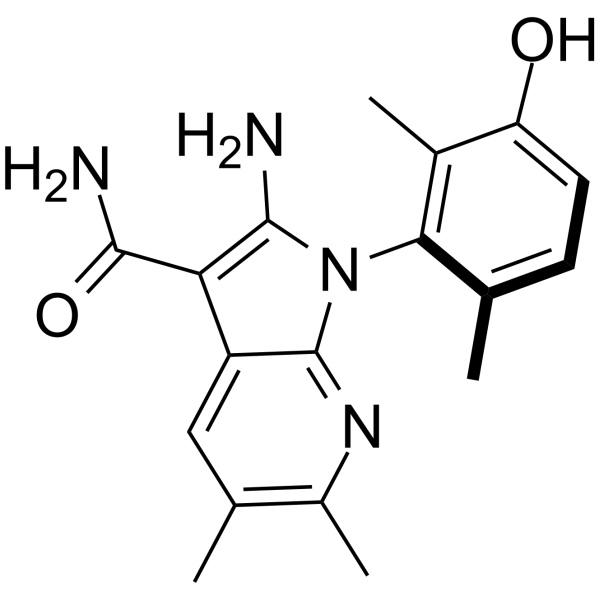
lunresertib (RP-6306) is a potent, selective and orally active PKMYT1 inhibitor with an IC50 of 14 nM. lunresertib shows a high degree of selectivity over other kinases in cellular binding assays. lunresertib shows anticancer effects .
|
-
-
- HY-15682
-
TTNPB
5 Publications Verification
Ro 13-7410; Arotinoid acid; AGN191183
|
RAR/RXR
Autophagy
Apoptosis
|
Cancer
|
|
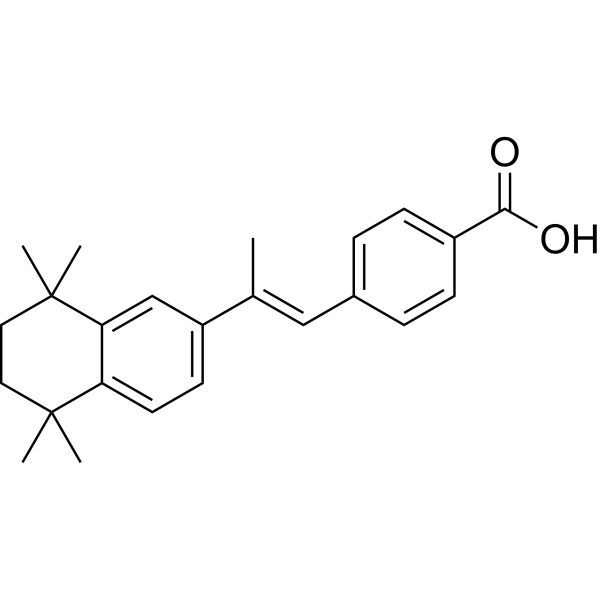
TTNPB is a highly potent RAR agonist. Competitive binding assays using human RARs yield IC50s of α=5.1 nM, β= 4.5 nM, and γ=9.3 nM, respectively.
|
-
-
- HY-13928
-
-
-
- HY-10569
-
|
ACT-128800
|
LPL Receptor
|
Inflammation/Immunology
|
|
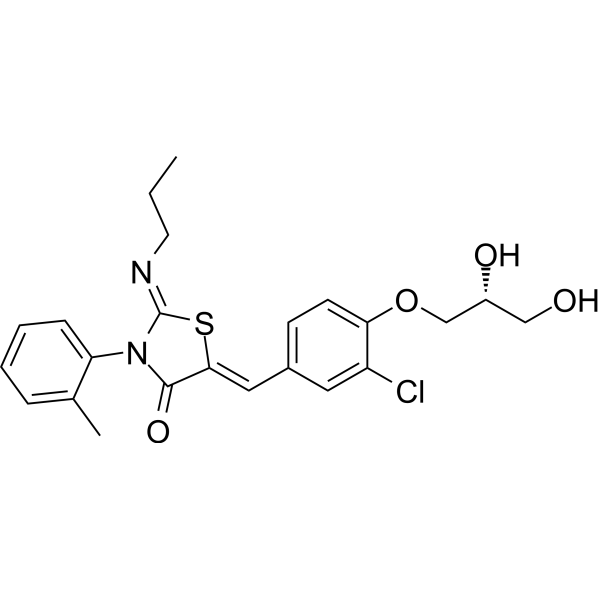
Ponesimod (ACT-128800) is a potent, selective and orally active agonist of S1P1, with an IC50 of 6 nM in a radioligand binding assay. Ponesimod activates S1P1-mediated signal transduction with high potency (EC50=5.7 nM). Ponesimod can protect against lymphocyte-mediated tissue inflammation .
|
-
-
- HY-16582A
-
|
Erismodegib; LDE225; NVP-LDE225
|
Smo
|
Cancer
|
|
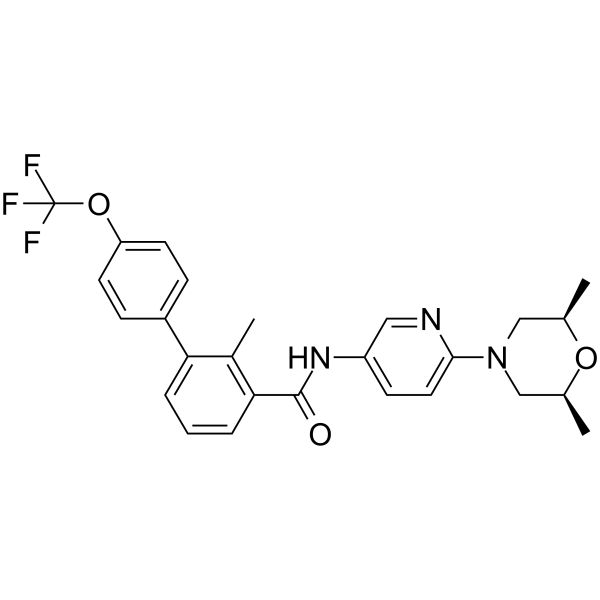
Sonidegib (Erismodegib) is a potent and selective Smo antagonist with IC50 of 1.3 nM and 2.5 nM for mouse and human Smo in binding assay, respectively .
|
-
-
- HY-10858
-
|
|
sFRP-1
Wnt
|
Cancer
|
|
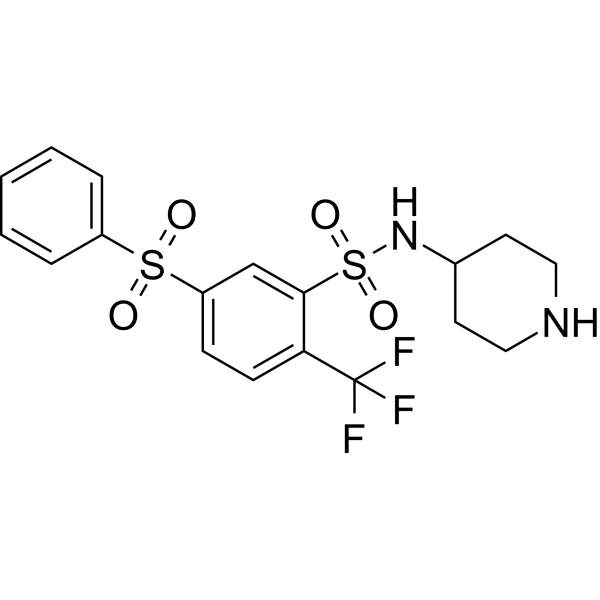
WAY 316606 is an inhibitor of the secreted protein sFRP-1, an endogenous antagonist of the secreted glycoprotein Wnt. The affinity of WAY-316606 for sFRP-1 is determined using the FP binding assay with IC50 of 0.5 μM .
|
-
-
- HY-D1314
-
|
6-FAM azide
|
Fluorescent Dye
|
Others
|
|
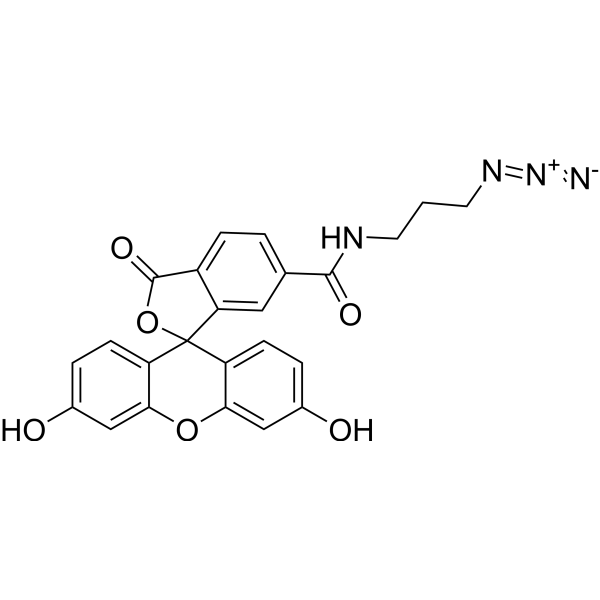
FAM azide, 6-isomer (6-FAM azide) is a 6-carboxyfluorescein derivative with an azide functional group and coupling partner in copper-catalyzed azide-alkyne cycloaddition. FAM azide, 6-isomer participates in synthesis of fluorescently tagged disparlure enantiomers for pheromone-binding protein binding assays. FAM azide, 6-isomer is widely used for labeling oligonucleotides (Ex/Em = 493/517 nm) .
|
-
-
- HY-126077
-
MTI-31
1 Publications Verification
LXI-15029
|
mTOR
|
Inflammation/Immunology
Cancer
|
|
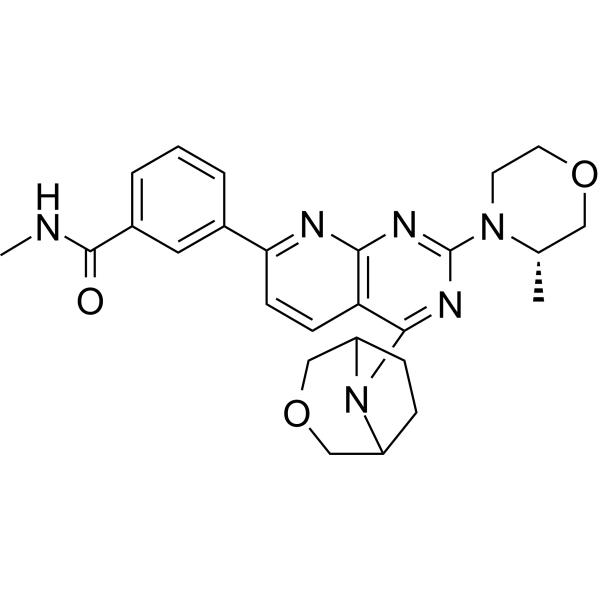
MTI-31 (LXI-15029) is a potent, orally active and highly selective inhibitor of mTORC1 and mTORC2. MTI-31 is selective for mTOR (Kd: 0.20 nM) versus PIK3CA, PIK3CB and PIK3G with >5,000 fold selectivity in mTOR binding assays. MTI-31 shows an IC50 of 39 nM for mTOR in LANCE assay of mTOR substrate phosphorylation with 100 μM ATP. MTI-31 can be used for the research of breast cancer .
|
-
-
- HY-16582
-
|
Erismodegib diphosphate; LDE225 diphosphate; NVP-LDE225 diphosphate
|
Smo
|
Cancer
|
|
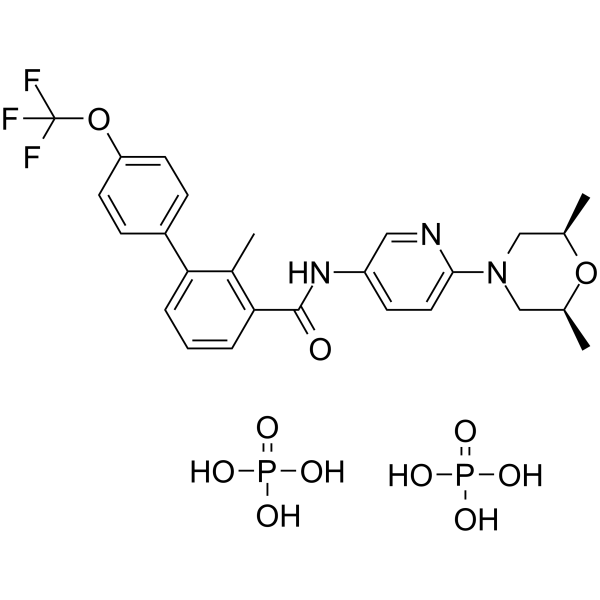
Sonidegib diphosphate (Erismodegib diphosphate) is a potent and selective Smo antagonist with IC50 of 1.3 nM and 2.5 nM for mouse and human Smo in binding assay, respectively .
|
-
-
- HY-P0179
-
-

-
- HY-10037
-
|
MK-591
|
FLAP
Apoptosis
|
Inflammation/Immunology
|
|
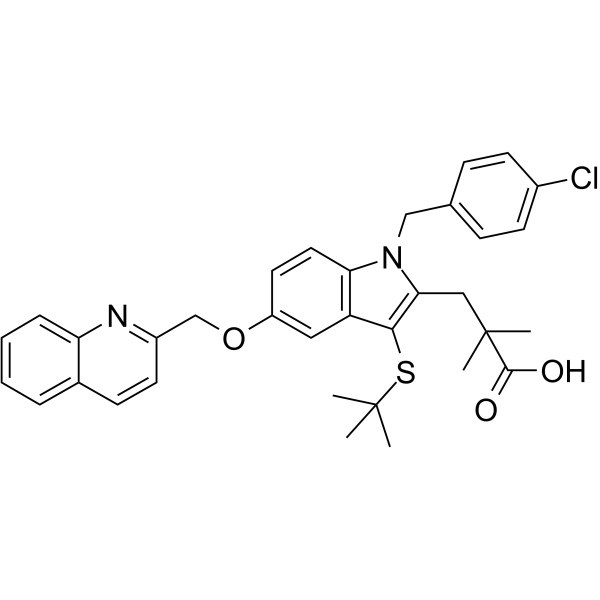
Quiflapon (MK-591) is a selective and specific 5-lipoxygenase-activating protein (FLAP) inhibitor with an IC50 of 1.6 nM in a FLAP binding assay. Quiflapon is also a potent and orally active Leukotriene biosynthesis (LT) inhibitor, shows IC50 values of 3.1 and 6.1 nM in intact human and elicited rat PMNLs, respectively. Quiflapon induces cell apoptosis .
|
-
-
- HY-152231
-
|
|
Fluorescent Dye
Ligands for E3 Ligase
|
Others
|
|
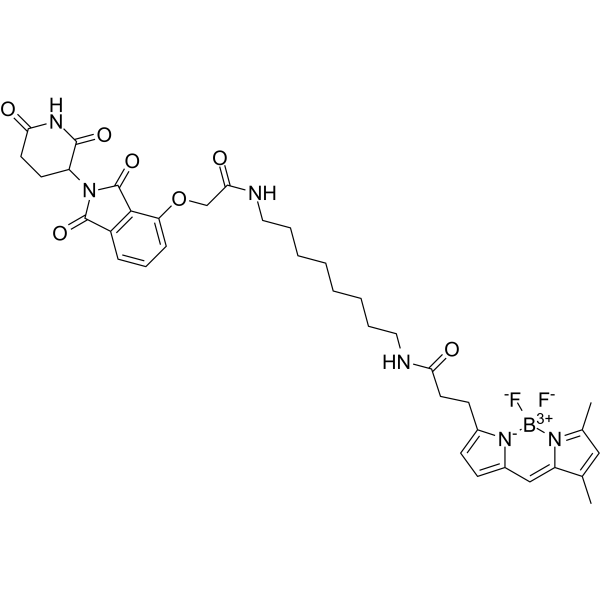
BODIPY FL thalidomide is a high-affinity and selective human cereblon (CRBN)-targeting fluorescent probe with a Kd of 3.6 nM. BODIPY FL thalidomide enables use as a probe in time-resolved fluorescence resonance energy transfer (TR-FRET) binding assays for cereblon ligands. BODIPY FL thalidomide supports development of highly sensitive, selective, stable cereblon TR-FRET binding assays (Ex/Em = 502/510 nm) .
|
-
-
- HY-136379
-
|
Cdc42-IN-1
|
Ras
|
Cancer
|
|
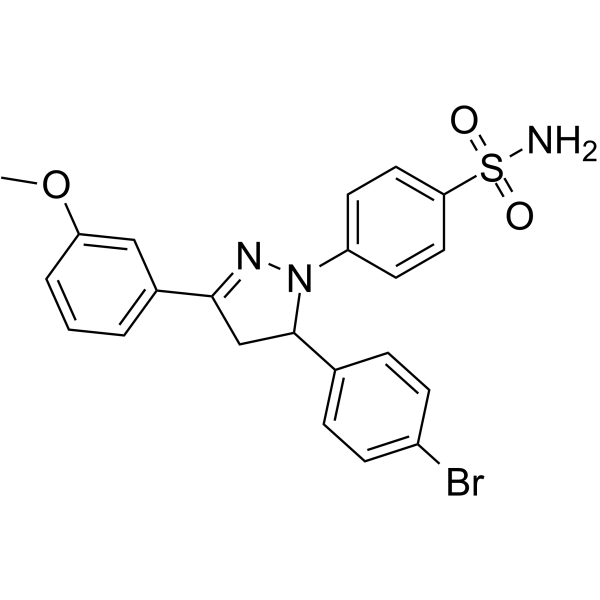
CID44216842 (Cdc42-IN-1) is a potent Cdc42-selective guanine nucleotide binding lead inhibitor. The EC50s for Cdc42 WT and Cdc42Q61L mutant are 1.0 and 1.2 μM in GTP binding assay, respectively. The EC50s for Cdc42 WT and Cdc42Q61L mutant are 0.3 and 0.5 μM in GDP binding assay, respectively. Use as a molecular probe .
|
-
-
- HY-B1486
-
|
Ba 39089
|
Adrenergic Receptor
|
Cardiovascular Disease
|
|
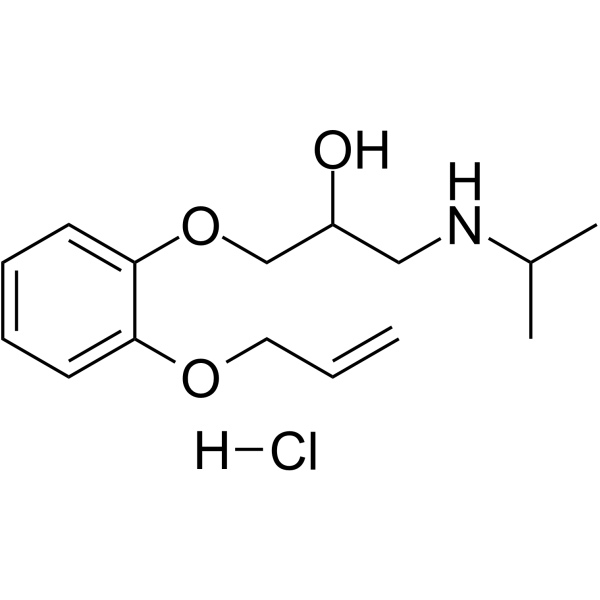
Oxprenolol hydrochloride (Ba 39089) is an orally bioavailable β-adrenergic receptor (β-AR) antagonist with a Ki of 7.10 nM in a radioligand binding assay using rat heart muscle .
|
-
-
- HY-12220A
-
|
HMTase Inhibitor IX TFA
|
WDR5
|
Cancer
|
|
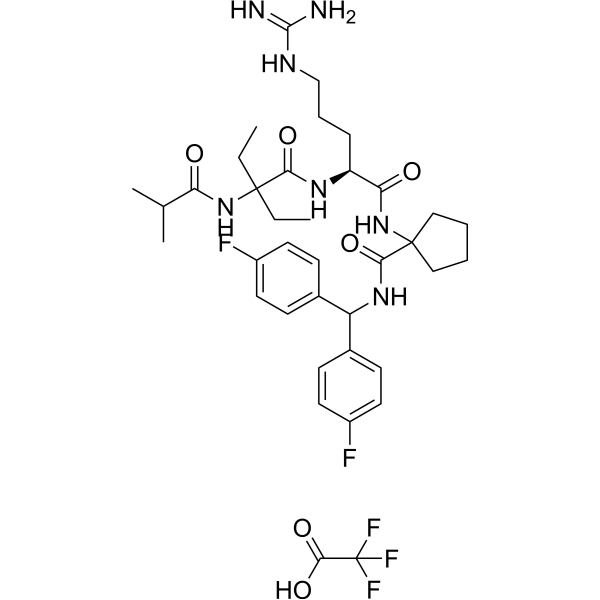
MM-102 TFA (HMTase Inhibitor IX TFA) is a potent WDR5/MLL interaction inhibitor, achieves IC50 = 2.4 nM with an estimated Ki < 1 nM in WDR5 binding assay, which is >200 times more potent than the ARA peptide.
|
-
-
- HY-P1096
-
|
|
Cholecystokinin Receptor
|
Metabolic Disease
|
|
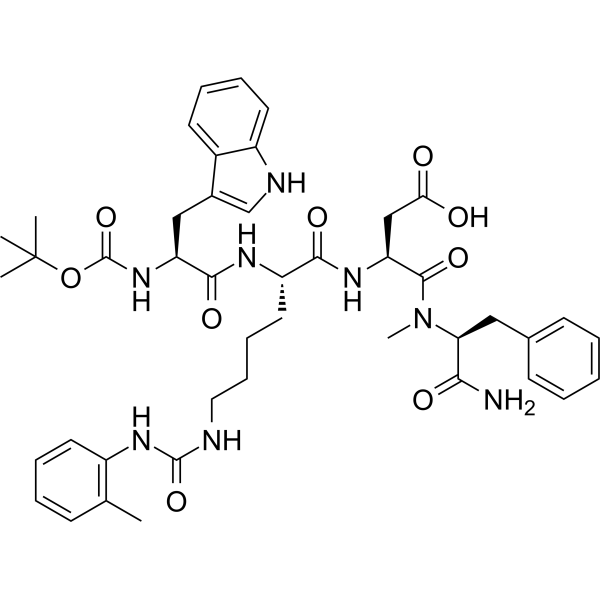
A71623, a CCK-4-based peptide, is a potent and highly selective CCK-A full agonist. The IC50s for A-71623 are 3.7 nM in guinea pig pancreas (CCK-A) and 4500 nM in cerebral cortex (CCK-B) in radioligand binding assays, respectively .
|
-
-
- HY-120635
-
|
|
PD-1/PD-L1
|
Inflammation/Immunology
Cancer
|
|
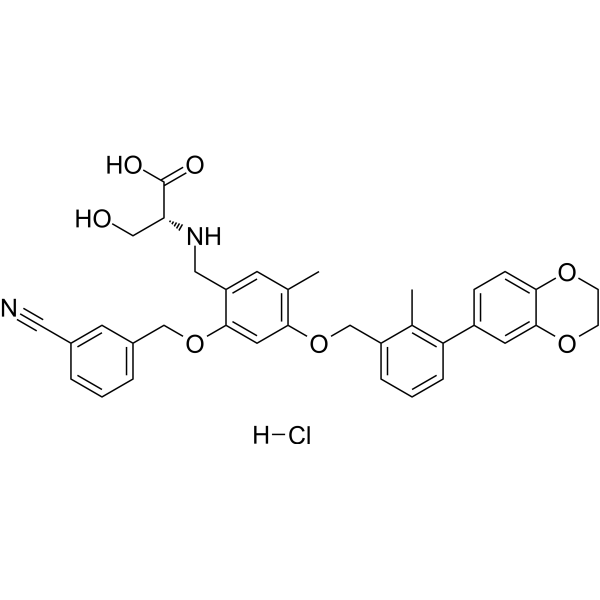
BMS-1001 is an orally active human PD-L1/PD-1 immune checkpoint inhibitor. BMS-1001 exhibits low-toxicity in cells. The IC50 value of BMS-1001 in a homogeneous time-resolved fluorescence (HTRF) binding assay is 2.25 nM .
|
-
-
- HY-13466
-
-
-
- HY-19381
-
-
-
- HY-16999
-
|
|
MDM-2/p53
E1/E2/E3 Enzyme
Apoptosis
|
Cancer
|
|
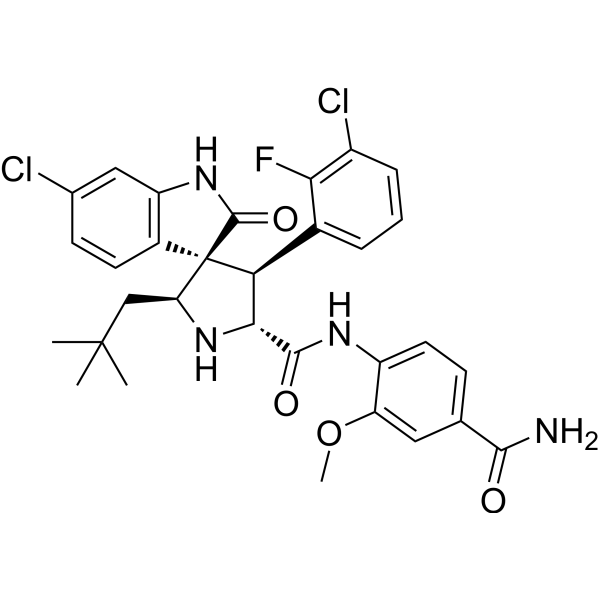
RO8994 (Compound 4) is an orally active, highly potent and selective spiroindolinone p53-MDM2 inhibitor with an IC50 value of 5 nM (HTRF binding assays) and 20 nM (MTT proliferation assays). RO8994 induces up-regulation of p53 expression and Apoptosis in wild-type p53 cancer cells. RO8994 also inhibits tumor growth in the tumor xenograft model .
|
-
-
- HY-112157
-
|
|
Beta-secretase
|
Neurological Disease
|
|
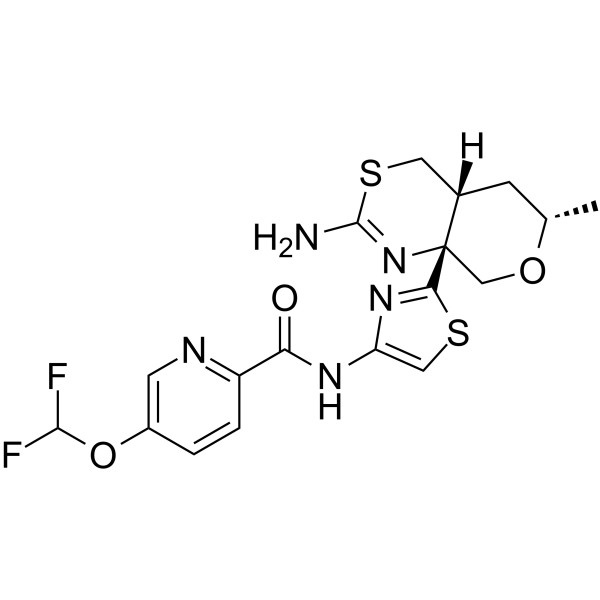
PF-06751979 is a potent, brain penetrant, β-site amyloid precursor protein cleaving enzyme 1 (BACE1) inhibitor with an IC50 of 7.3 nM in BACE1 binding assay.
|
-
-
- HY-14460
-
|
|
FLAP
|
Inflammation/Immunology
|
|
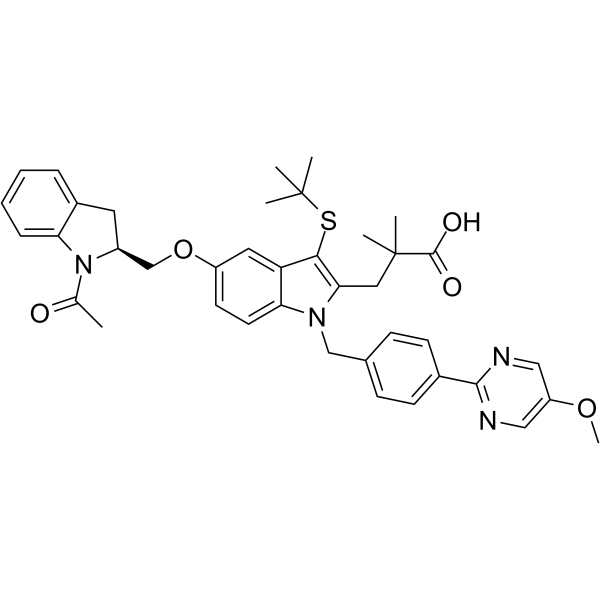
AM679 is a potent, selective 5-lipoxygenase-activating protein (FLAP) inhibitor with an IC50 of 2 nM in a human FLAP membrane binding assay. AM679 markedly reduces the respiratory syncytial virus-driven ocular pathology as well as the synthesis of cysteinyl leukotrienes (CysLTs) in the eye .
|
-
-
- HY-D2415
-
|
|
Fluorescent Dye
|
Others
|
|
BODIPY-FL staurosporine (Compound 8a) is a fluorescence probe based on staurosporine, exhibiting high specificity towards tyrosine kinases (TK) and tyrosine kinase-like (TKL) family kinases. BODIPY-FL staurosporine has the potential to develop binding assays for kinases that are not recommended for use with Kinase Tracer 236, such as PIM3, CDC42BPG, MAP2K7, TXK, and SIK3. BODIPY-FL staurosporine can be a powerful tool for analyzing kinase selectivity in kinase drug discovery .
|
-

-
- HY-174962A
-
|
|
Biochemical Assay Reagents
|
Others
|
|
mPEG2000-Biotin is a biotin-conjugated PEG derivative used for biotinylation of biomolecules or other surfaces. Biotin can be detected by biotin/streptavidin binding assays and is widely used for molecular target detection .
|
-

-
- HY-10858A
-
|
|
sFRP-1
Wnt
|
Cancer
|
|
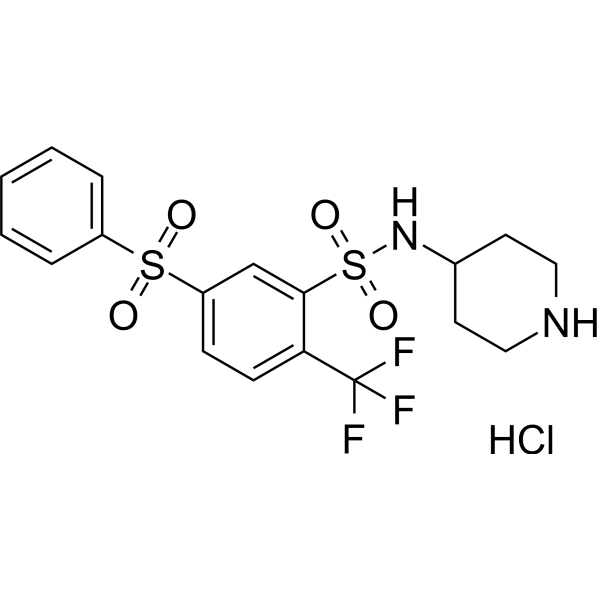
WAY 316606 hydrochloride is an inhibitor of the secreted protein sFRP-1, an endogenous antagonist of the secreted glycoprotein Wnt. The affinity of WAY-316606 for sFRP-1 is determined using the FP binding assay with IC50 of 0.5 μM .
|
-
-
- HY-119366
-
|
|
ROR
|
Inflammation/Immunology
|
|
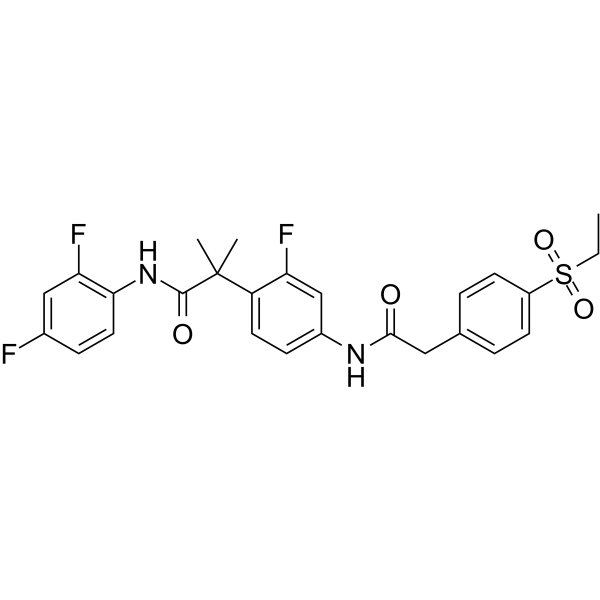
S18-000003 is a potent, selective and orally active inhibitor of retinoic acid receptor-related orphan receptor-gamma-t (RORγt), with an IC50 of <30 nM towards human RORγt in competitive binding assays. S18-000003 shows selectivity for RORγt over other ROR family members (IC50>10 μM). S18-000003 can be used for the research of psoriasis with low risk of thymic aberrations .
|
-
-
- HY-169311
-
|
|
Ras
|
Cancer
|
|
KRAS inhibitor-37 (compound 2) is a potent KRAS inhibitor with KDs of 0.004 nM, 0.041 nM, 0.019 nM and 0.144 nM for KRAS wild type, KRAS G12D, KRAS G12C and KRAS G12V by SPR binding assay, respectively. KRAS inhibitor-37 inhibits cell proliferation with IC50s of <2 nM-14 nM for H358, SW620, PANC08.13 cells, respectively. KRAS inhibitor-37 has the potential for cancer research .
|
-

-
- HY-123434
-
-

-
- HY-128111
-
|
|
Transmembrane Glycoprotein
|
Neurological Disease
|
|
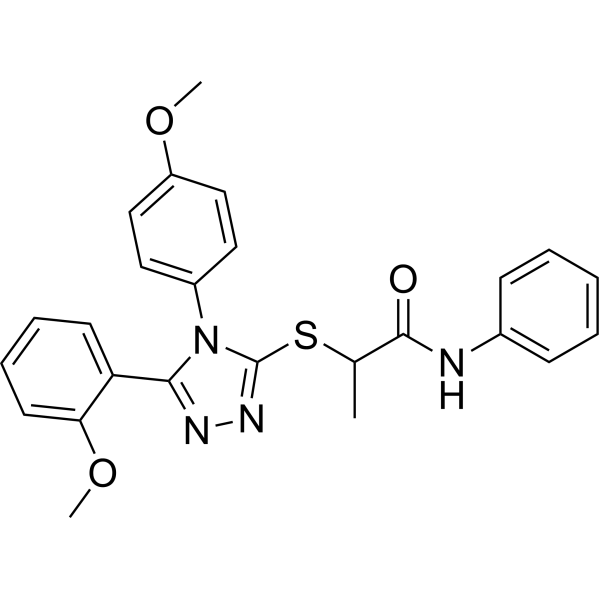
ASN02563583, a compound that regulates the activity of the GPR17 receptor, has a IC50 value of 0.64 nM in [35S]GTPγS binding assay. ASN02563583 can be used in the study of neurological diseases .
|
-
-
- HY-P5367
-
|
PMDM6-F
|
Fluorescent Dye
|
Others
|
|
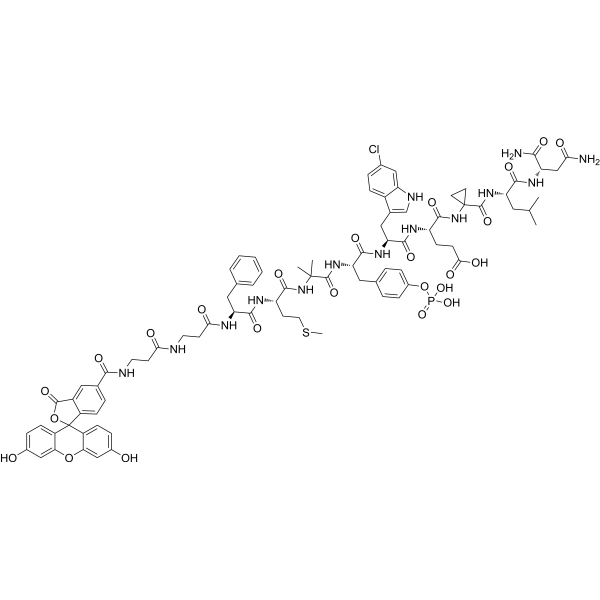
5-FAM-PMDM6 (PMDM6-F) is a biological active peptide. (PMDM6-F is a fluorescent-labeled probe for MDM2-binding assay.)
|
-
-
- HY-B1486AS
-
-
-
- HY-120647
-
|
|
PD-1/PD-L1
|
Inflammation/Immunology
Cancer
|
|
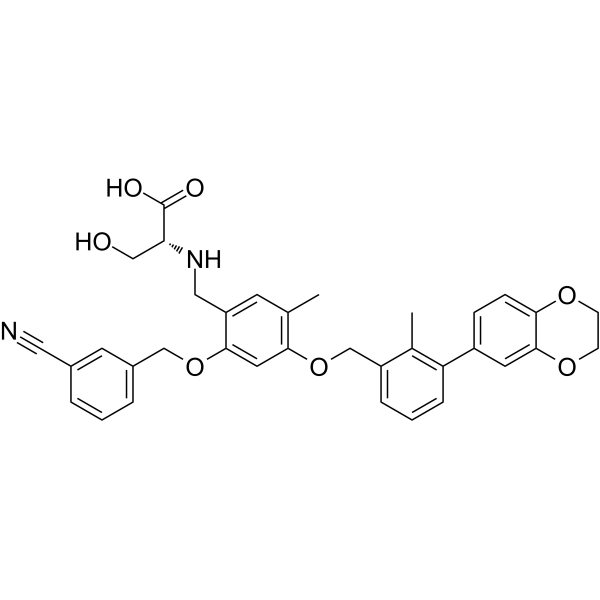
BMS-1001 is an orally active human PD-L1/PD-1 immune checkpoint inhibitor. BMS-1001 exhibits low-toxicity in cells. The IC50 value of BMS-1001 in a homogeneous time-resolved fluorescence (HTRF) binding assay is 2.25 nM .
|
-
-
- HY-175250
-
|
|
TNF Receptor
|
Inflammation/Immunology
|
|
TNF-α-IN-25 is an orally active TNF-α inhibitor. TNF-α-IN-25 shows Fluorescence Polarization (FP) assay IC50 of 103 nM in FP binding assays and L929 assay IC50 of 505 nM in cell-based assays. TNF-α-IN-25 inhibits paw swelling in the glucose-6-phosphate isomerase (GPI) arthritis model. TNF-α-IN-25 can be used for the study of arthritis .
|
-

-
- HY-B1486A
-
|
Ba 39089 free base
|
Adrenergic Receptor
|
Cardiovascular Disease
|
|
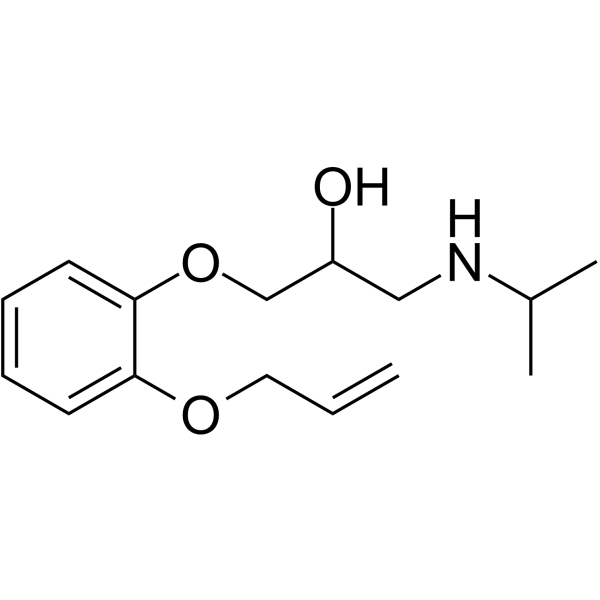
Oxprenolol (Ba 39089 free base) is an orally bioavailable β-adrenergic receptor (β-AR) antagonist with a Ki of 7.10 nM in a radioligand binding assay using rat heart muscle .
|
-
-
- HY-16582AR
-
|
Erismodegib (Standard); LDE225 (Standard); NVP-LDE225 (Standard)
|
Smo
Reference Standards
|
Cancer
|
|
Sonidegib (Standard) is the analytical standard of Sonidegib. This product is intended for research and analytical applications. Sonidegib (Erismodegib) is a potent and selective Smo antagonist with IC50 of 1.3 nM and 2.5 nM for mouse and human Smo in binding assay, respectively .
|
-

-
- HY-144397
-
|
|
Glucocorticoid Receptor
|
Inflammation/Immunology
|
|
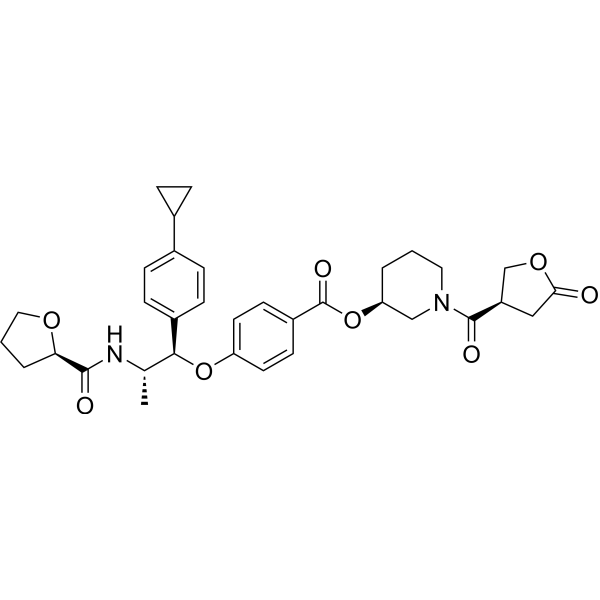
LEO 134310 is a selective, non-steroidal glucocorticoid receptor (GR) agonist optimized for topical research., LEO 134310 showed high affinity (EC50 of 14 nM) in a GR binding assay. LEO 134310 can be used for skin diseases .
|
-
-
- HY-B1486S
-
|
Ba 39089-d7
|
Adrenergic Receptor
|
Cardiovascular Disease
|
|
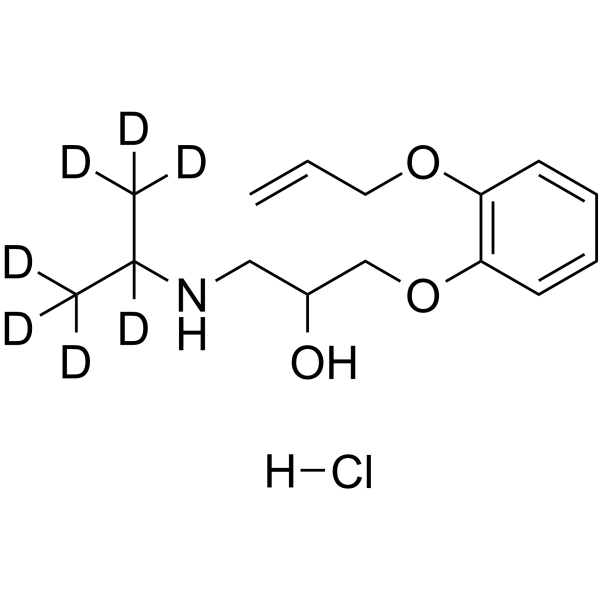
Oxprenolol-d7 (hydrochloride) is the deuterium labeled Oxprenolol hydrochloride. Oxprenolol hydrochloride (Ba 39089) is an orally bioavailable β-adrenergic receptor (β-AR) antagonist with a Ki of 7.10 nM in a radioligand binding assay using rat heart muscle .
|
-
-
- HY-14442
-
-
-
- HY-13928R
-
-

-
- HY-114678
-
|
|
5-HT Receptor
|
Neurological Disease
|
|
LY302148 is a receptor ligand for 5-HT1F. Compared to the Emax of 5-HT, LY302148 behaves as a partial agonist for the 5-HT1F receptor. In the [ 35S]GTPγS binding assay targeting human 5-HT1F receptors, LY302148 exhibits good potency with an EC50 value of 5.23 nM. LY302148 can be used in the research of migraine .
|
-

-
- HY-P4863
-
|
|
CGRP Receptor
|
Neurological Disease
Metabolic Disease
|
|
Biotinyl-Amylin (human) is a biotin-labeled derivative of Amylin, amide, human (HY-P1070). Biotinyl-Amylin (human) acts as a competitive agonist for the Calcitonin Receptor (CTR) and for the Amylin receptors (AMY1, AMY2, and AMY3) formed by the association of CTR with RAMP1/2/3. By mimicking endogenous human amylin, Biotinyl-Amylin (human) binds to and activates CTR and AMY receptors, thereby initiating downstream signaling pathways involving cAMP, CREB, and ERK1/2, while retaining high-affinity receptor binding and activation capabilities. Biotinyl-Amylin (human) is primarily utilized in studies investigating the metabolic regulatory mechanisms underlying obesity and diabetes; it is also applicable to pharmacological research, receptor localization studies, and ligand-binding assays related to Amylin receptors in the context of Alzheimer's disease .
|
-

-
- HY-116161
-
|
|
Drug Intermediate
|
Cardiovascular Disease
Others
|
|
15(R)-17-phenyl trinor Prostaglandin F2α isopropyl ester (15(R)-17-phenyl trinor PGF2α isopropyl ester) is the latanoprost-related isomer containing both a double bond at 13,14 and an inverted (β) hydroxyl group at C-15. Similar to 15(S)-latanoprost, 15(R)-17-phenyl trinor PGF2α isopropyl ester is a potential impurity in most commercial preparations of the latanoprost bulk drug product. The IC50 values for the free acid forms of 15(S)-17-phenyl trinor PGF2α and 15(R)-17-phenyl trinor PGF2α were determined to be 0.71 nM and 30 nM, respectively, in a FP receptor binding assay using the cat iris sphincter muscle.1 A 3 μg dose of 15(R)-17-phenyl trinor PGF2α caused a 1.9 mmHg reduction of IOP in normotensive cynomolgus monkeys.
|
-

-
- HY-P0179A
-
-

-
- HY-16582AS
-
|
Erismodegib-d4; LDE225-d4; NVP-LDE225-d4
|
Isotope-Labeled Compounds
|
Others
|
|
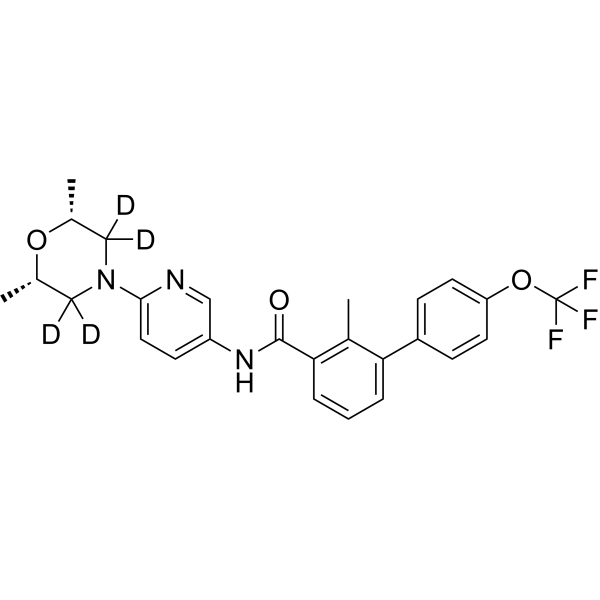
Sonidegib-d4 is a isotope of Sonidegib. Sonidegib is a potent and selective Smo antagonist with IC50 of 1.3 nM and 2.5 nM for mouse and human Smo in binding assay, respectively .
|
-
-
- HY-U00423
-
-
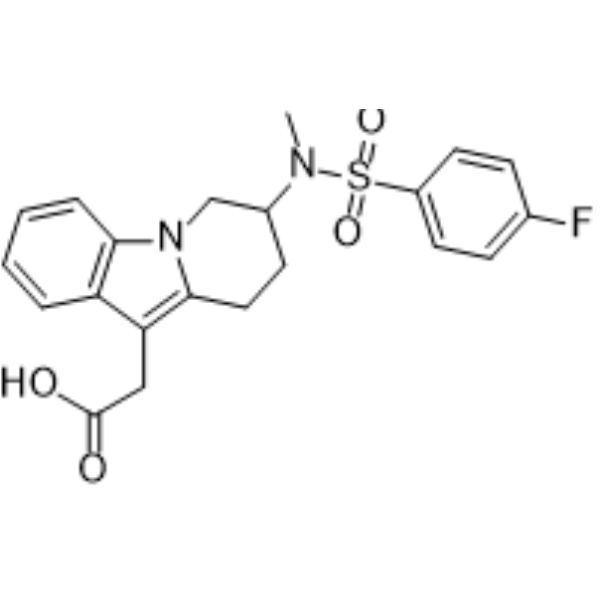
-
- HY-174962B
-
|
|
Biochemical Assay Reagents
|
Others
|
|
mPEG5000-Biotin is a biotin-conjugated PEG derivative used for biotinylation of biomolecules or other surfaces. Biotin can be detected by biotin/streptavidin binding assays and is widely used for molecular target detection .
|
-

-
- HY-174962
-
|
|
Biochemical Assay Reagents
|
Others
|
|
mPEG1000-Biotin is a biotin-conjugated PEG derivative used for biotinylation of biomolecules or other surfaces. Biotin can be detected by biotin/streptavidin binding assays and is widely used for molecular target detection .
|
-

-
- HY-120134
-
|
|
Angiotensin Receptor
|
Cardiovascular Disease
|
|
BMS 183920 is a diacidic and potent angiotensin II receptor antagonist, with a Ki value of 2.9 nM in the rat adrenal cortex binding assay and a KB value of 0.061 nM in the rabbit aorta functional assay. BMS 183920 can be used for research of antihypertensive .
|
-

-
- HY-B1486R
-
|
Ba 39089 (Standard)
|
Reference Standards
Adrenergic Receptor
|
Cardiovascular Disease
|
|
Oxprenolol (hydrochloride) (Standard) is the analytical standard of Oxprenolol (hydrochloride). This product is intended for research and analytical applications. Oxprenolol hydrochloride (Ba 39089) is an orally bioavailable β-adrenergic receptor (β-AR) antagonist with a Ki of 7.10 nM in a radioligand binding assay using rat heart muscle .
|
-

-
- HY-W008226R
-
|
2,4,6-trihydroxyacetophenone (Standard); 1-(2,4,6-Trihydroxyphenyl)ethanone (Standard)
|
Reference Standards
Cytochrome P450
Bacterial
Antibiotic
|
Infection
Metabolic Disease
|
|
Oxprenolol (hydrochloride) (Standard) is the analytical standard of Oxprenolol (hydrochloride). This product is intended for research and analytical applications. Oxprenolol hydrochloride (Ba 39089) is an orally bioavailable β-adrenergic receptor (β-AR) antagonist with a Ki of 7.10 nM in a radioligand binding assay using rat heart muscle .
|
-

- HY-116065
-
|
|
5-HT Receptor
|
Neurological Disease
|
|
CUMI-101 (compound 8) is a 5-HT1AR agonist (Ki=0.15 nM) with an EC50 of 0.1 nM in the [35S]GTPγS binding assay. CUMI-101 can be used in the research of neurological diseases .
|
-

- HY-15682R
-
|
Ro 13-7410 (Standard); Arotinoid acid (Standard); AGN191183 (Standard)
|
Reference Standards
RAR/RXR
Autophagy
Apoptosis
|
Cancer
|
|
TTNPB (Standard) is the analytical standard of TTNPB. This product is intended for research and analytical applications. TTNPB is a highly potent RAR agonist. Competitive binding assays using human RARs yield IC50s of α=5.1 nM, β= 4.5 nM, and γ=9.3 nM, respectively.
|
-

- HY-147366
-
|
|
Lipocalin Family
|
Metabolic Disease
|
|
RBP4 ligand-1 is a non-retinoid ligands for (RBP4) retinol-binding protein 4. The hRBP4SPA IC50 and RBP4-TTR FRET IC50 values are 0.23±0.11 and 0.13±0.12 μM in the radioligand binding assay and FRET assay, respectively .
|
-
- HY-120760
-
|
|
Lipoxygenase
|
Others
|
|
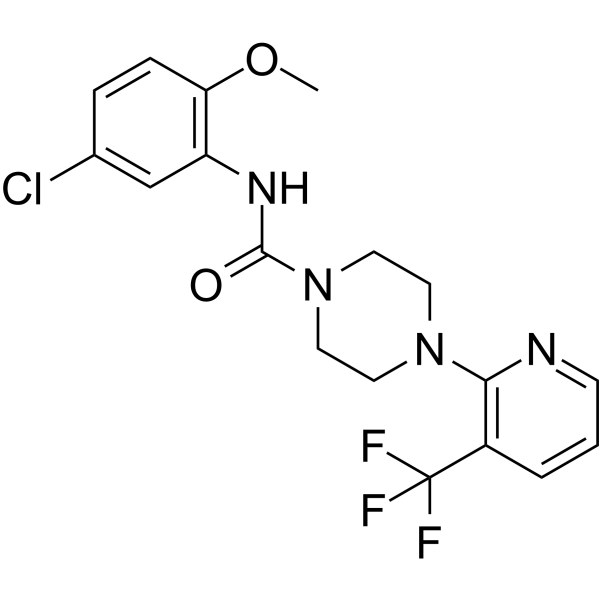
L-691831 is a ligand for 5-lipoxygenase activating protein binding assays that has utility as a tool for studying 5-lipoxygenase activating protein (FLAP) related activities. L-691831 can be used to measure the affinity of FLAP on the leukocyte membrane for leukotriene synthesis inhibitors, with binding being correlated with inhibition of leukotriene synthesis.
|
-

- HY-11051
-
|
|
Opioid Receptor
|
Inflammation/Immunology
|
|
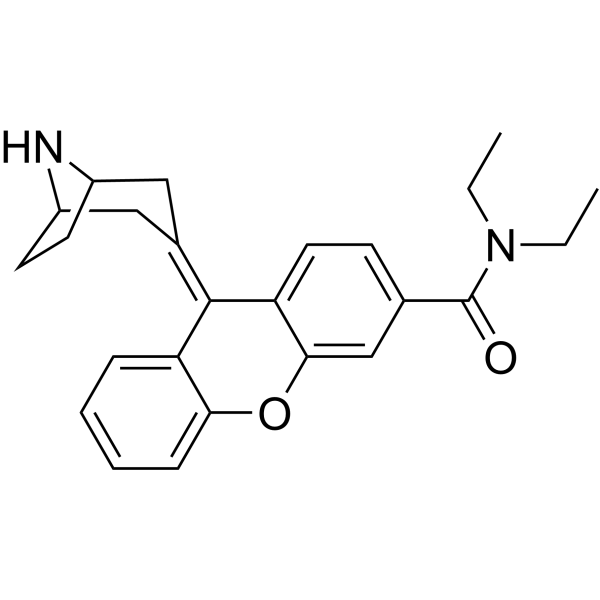
JNJ-20788560 is a selective and orally active delta opioid receptor agonist with an affinity of 2.0 nM for DOR (rat brain cortex binding assay). JNJ-20788560 also is a potent and efficacious antihyperalgesic agent that does not produce respiratory depression, pharmacologic tolerance, or physical dependence. JNJ-20788560 can be used for the research of the relief of inflammatory hyperalgesia .
|
-
- HY-151968
-
|
|
Ras
|
Cancer
|
|
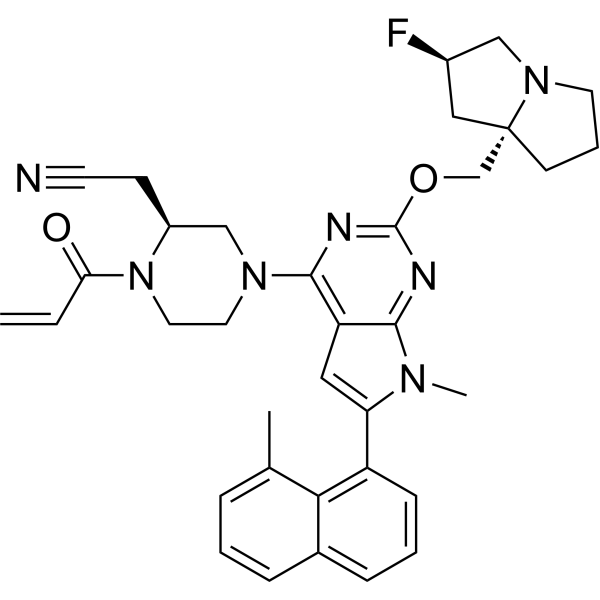
KRAS G12C inhibitor 57 (Compound 50) is a potent, selective, covalent and orally active KRAS G12C inhibitor with an IC50 of 0.21 μM in KRAS G12C/SOS1 binding assay. KRAS G12C inhibitor 57 induces cancer cell apoptosis .
|
-
- HY-N8295
-
|
Kitasamycin A13
|
Antibiotic
|
Infection
|
|
Leucomycin A13 is a macrolide antibiotic and a component of the leucomycin complex originally isolated from S. kitasatoensis. It is active against B. subtilis, S. aureus, M. luteus, and E. coli with MIC values of 0.16, 0.16, 0.08 and >10 μg/mL, respectively. It binds to ribosomes with an IC50 value of 1.2 μM in a radioligand binding assay.
|
-

- HY-126115
-
|
15-epi Latanoprost
|
Prostaglandin Receptor
|
Cardiovascular Disease
Others
|
|
15(S)-Latanoprost is an analog of latanoprost in which the hydroxyl at carbon 15 is inverted relative to latanoprost. The IC50 values for the free acid forms of latanoprost and 15(S)-latanoprost were determined to be 3.6 nM and 24 nM, respectively, in a FP receptor binding assay using the cat iris sphincter muscle. A 3 μg dose of 15(S)-latanoprost caused a 1 mmHg reduction of IOP in normotensive cynomolgus monkeys.
|
-

- HY-10569R
-
|
ACT-128800 (Standard)
|
Reference Standards
LPL Receptor
|
Inflammation/Immunology
|
|
Ponesimod (Standard) is the analytical standard of Ponesimod. This product is intended for research and analytical applications. Ponesimod (ACT-128800) is a potent, selective and orally active agonist of S1P1, with an IC50 of 6 nM in a radioligand binding assay. Ponesimod activates S1P1-mediated signal transduction with high potency (EC50=5.7 nM). Ponesimod can protect against lymphocyte-mediated tissue inflammation .
|
-

- HY-10037R
-
|
MK-591 (Standard)
|
Reference Standards
FLAP
Apoptosis
|
Inflammation/Immunology
|
|
Quiflapon (Standard) is the analytical standard of Quiflapon. This product is intended for research and analytical applications. Quiflapon (MK-591) is a selective and specific 5-lipoxygenase-activating protein (FLAP) inhibitor with an IC50?of 1.6 nM in a FLAP binding assay. Quiflapon is also a potent and orally active?Leukotriene biosynthesis (LT)?inhibitor, shows IC50?values of 3.1 and 6.1 nM in intact human and elicited rat PMNLs, respectively. Quiflapon induces cell apoptosis .
|
-

- HY-10569S
-
|
ACT-128800-d4
|
Isotope-Labeled Compounds
LPL Receptor
|
Others
|
|
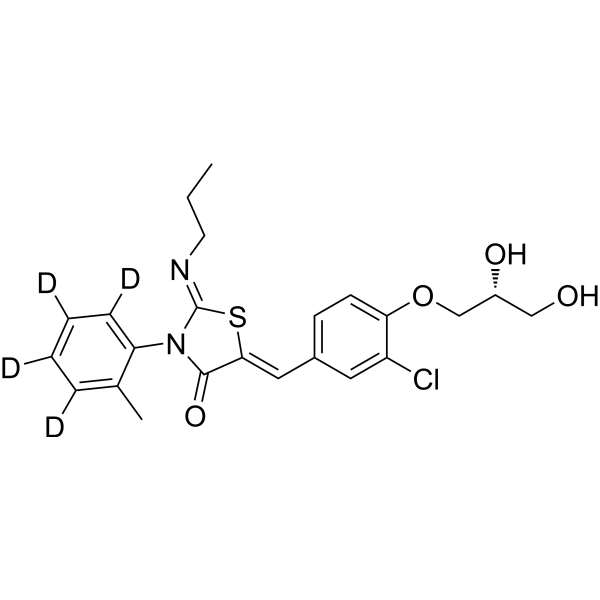
Ponesimod-d4 (ACT-128800-d4) is the deuterium labeled Ponesimod (HY-10569) . Ponesimod (ACT-128800) is a potent, selective and orally active agonist of S1P1, with an IC50 of 6 nM in a radioligand binding assay. Ponesimod activates S1P1-mediated signal transduction with high potency (EC50=5.7 nM). Ponesimod can protect against lymphocyte-mediated tissue inflammation .
|
-
- HY-126115R
-
|
15-epi Latanoprost (Standard)
|
Prostaglandin Receptor
Reference Standards
|
Cardiovascular Disease
Others
|
|
15(S)-Latanoprost (Standard) is the analytical standard of 15(S)-Latanoprost. This product is intended for research and analytical applications. 15(S)-Latanoprost is an analog of latanoprost in which the hydroxyl at carbon 15 is inverted relative to latanoprost. The IC50 values for the free acid forms of latanoprost and 15(S)-latanoprost were determined to be 3.6 nM and 24 nM, respectively, in a FP receptor binding assay using the cat iris sphincter muscle. A 3 μg dose of 15(S)-latanoprost caused a 1 mmHg reduction of IOP in normotensive cynomolgus monkeys.
|
-

- HY-10569S1
-
|
ACT-128800-d7
|
Isotope-Labeled Compounds
|
Others
|
|
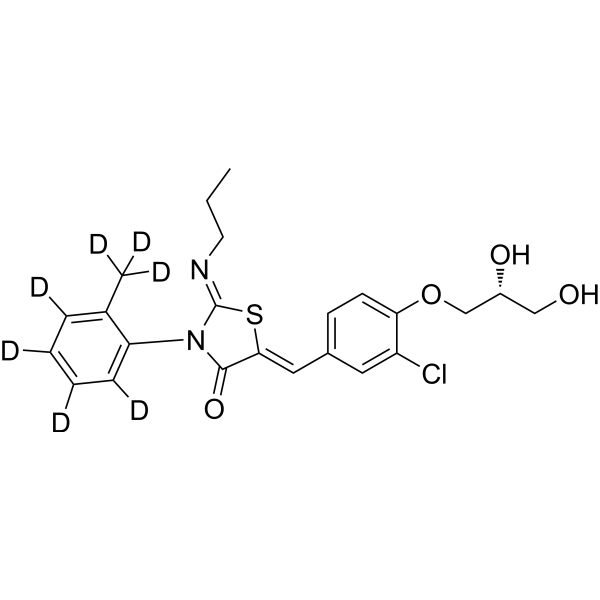
Ponesimod-d7 (ACT-128800-d7) is the deuterium-labeled Ponesimod (HY-10569). Ponesimod-d7 (ACT-128800) is a potent, selective and orally active agonist of S1P1, with an IC50 of 6 nM in a radioligand binding assay. Ponesimod-d7 activates S1P1-mediated signal transduction with high potency (EC50=5.7 nM). Ponesimod-d7 can protect against lymphocyte-mediated tissue inflammation .
|
-
- HY-W806047
-
|
|
Epigenetic Reader Domain
|
Cancer
|
|
BRD4 Inhibitor-37 is a compound with anticancer activity that has inhibitory activity against BRD4. BRD4 Inhibitor-37 has an IC50 of approximately 0.05-0.1 μM in binding assays and shows a GI50 of 0.1-0.3 μM in cell-based assays. The effect of BRD4 Inhibitor-37 on c-Myc, a downstream protein of BRD4, has been validated, demonstrating its ability to intervene in this signaling pathway. BRD4 Inhibitor-37 exhibits selectivity among five different bromodomain proteins, enhancing its potential as a BET protein inhibitor .
|
-

- HY-N8501
-
|
|
Bacterial
|
Infection
|
|
Emestrin is a mycotoxin originally isolated from E. striata that has antimicrobial, immunomodulatory, and cytotoxic activities. It is active against the fungi C. albicans and C. neoformans, as well as the bacteria E. coli, S. aureus, and methicillin-resistant S. aureus (MRSA; IC50s=3.94, 0.6, 2.21, 4.55, and 2.21 μg/mL, respectively).2 Emestrin is a chemokine (C-C motif) receptor 2 (CCR2) antagonist (IC50=5.4 μM in a radioligand binding assay using isolated human monocytes).3 Emestrin (0.1 μg/mL) induces apoptosis in HL-60 cells. It induces heart, thymus, and liver tissue necrosis in mice when administered at doses ranging from 18 to 30 mg/kg.
|
-

- HY-118156
-
|
|
Others
|
Others
|
|
L-699333 is a 5-lipoxygenase (5-LO) inhibitor belonging to the thieno[2,3,4-cd]indole class. This compound has a 2-ethoxybutyric acid side chain and is a potent inhibitor of the biosynthesis of 5-HPETE and LTB4 produced from human 5-LO, with ICm values of 22 nM, 7 nM, and 3.8 pM for human neutrophils and whole blood, respectively. L-699333 has shown anti-inflammatory and antiasthmatic effects in a variety of animal models, including rat pleurisy models, antigen-induced wheezing models, and awake macaque and sheep asthma models. Its inhibition of 5-LO is highly selective, with higher ICm values or stronger competitive inhibition in FLAP binding assays compared to inhibition of human 15-LO, porcine 12-LO, and ram epididymal cyclooxygenase. The racemic enantiomer 14g of L-699333 is the most potent enantiomer to date, with inhibitory effects similar to those of the known MK-0591, which has been shown in clinical trials to inhibit the biochemical effects of LTB4 biosynthesis in vitro and LTE4 excretion in urine.
|
-

- HY-W1123937A
-
|
|
Biochemical Assay Reagents
|
Others
|
|
Biotin-PEG2000-CHO is a biotin-conjugated PEG derivative that can be used to biotinylate biomolecules or other surfaces. Biotin can be easily detected by biotin/streptavidin binding assay and is widely used in molecular targeted detection .
|
-

- HY-W1123937B
-
|
|
Biochemical Assay Reagents
|
Others
|
|
Biotin-PEG3400-CHO is a biotin-conjugated PEG derivative that can be used to biotinylate biomolecules or other surfaces. Biotin can be easily detected by biotin/streptavidin binding assay and is widely used in molecular targeted detection .
|
-

- HY-W1123937
-
|
|
Biochemical Assay Reagents
|
Others
|
|
Biotin-PEG1000-CHO is a biotin-conjugated PEG derivative that can be used to biotinylate biomolecules or other surfaces. Biotin can be easily detected by biotin/streptavidin binding assay and is widely used in molecular targeted detection .
|
-

- HY-11024
-
|
|
P2Y Receptor
|
Cardiovascular Disease
|
|
ADP receptor-IN-1 (compound 21) is a platelet ADP receptor inhibitor. ADP receptor-IN-1 shows both IC50 values <10 μM at a platelet ADP receptor binding assay and aggregation using a platelet-rich plasma assay .
|
-

- HY-10858R
-
|
|
Reference Standards
sFRP-1
Wnt
|
Cancer
|
|
WAY 316606 (Standard) is the analytical standard of WAY 316606 (HY-10858). This product is intended for research and analytical applications. WAY 316606 is an inhibitor of the secreted protein sFRP-1, an endogenous antagonist of the secreted glycoprotein Wnt. The affinity of WAY-316606 for sFRP-1 is determined using the FP binding assay with IC50 of 0.5 μM .
|
-

- HY-182702
-
|
|
TREM receptor
Syk
|
Neurological Disease
|
|
As48 is a selective TREM2 agonist with a KD value of 12.48 μM in TRIC binding assay. As48 binds near the TREM2 cleavage region, forms hydrogen bonds with Gly68, reduces conformational flexibility in regions 58-102, restricts protease accessibility to the cleavage site. As48 activates SYK phosphorylation, enhances microglial phagocytosis, and induces downstream calcium signaling in TREM2-expressing cells. As48 inhibits TREM2 ectodomain shedding without affecting ADAM10/17 protease activities. As48 can be used for the research of Alzheimer's disease .
|
-

- HY-181533
-
|
|
Ligands for E3 Ligase
IAP
|
Cancer
|
|
IAP ligand 9 is an ASX-series, non-peptidic SMAC mimetic and IAP binder with high cell permeability. IAP ligand 9 selectively targets cIAP1-BIR3, XIAP-BIR3, exhibits extremely weak binding affinity for XIAP-BIR2, with a KD of 100 nM for cIAP1-BIR3 and 10 nM for XIAP-BIR2. IAP ligand 9 can be used to synthesize IAP-recruiting protein degraders (IPD), and can calibrate the cell permeability and cellular-level target binding assays of the IPD molecule SNIPER (TEAD)-1 (HY-181607). IAP ligand 9 and its series of degraders can be used in the research of solid tumors such as malignant pleural mesothelioma associated with abnormal activation of the Hippo pathway .
|
-

| Cat. No. |
Product Name |
Type |
-
- HY-D1314
-
|
6-FAM azide
|
Fluorescent Dye
|
|
FAM azide, 6-isomer (6-FAM azide) is a 6-carboxyfluorescein derivative with an azide functional group and coupling partner in copper-catalyzed azide-alkyne cycloaddition. FAM azide, 6-isomer participates in synthesis of fluorescently tagged disparlure enantiomers for pheromone-binding protein binding assays. FAM azide, 6-isomer is widely used for labeling oligonucleotides (Ex/Em = 493/517 nm) .
|
-
- HY-D2415
-
|
|
Fluorescent Dye
|
|
BODIPY-FL staurosporine (Compound 8a) is a fluorescence probe based on staurosporine, exhibiting high specificity towards tyrosine kinases (TK) and tyrosine kinase-like (TKL) family kinases. BODIPY-FL staurosporine has the potential to develop binding assays for kinases that are not recommended for use with Kinase Tracer 236, such as PIM3, CDC42BPG, MAP2K7, TXK, and SIK3. BODIPY-FL staurosporine can be a powerful tool for analyzing kinase selectivity in kinase drug discovery .
|
| Cat. No. |
Product Name |
Type |
-
- HY-174962A
-
|
|
Biochemical Assay Reagents
|
|
mPEG2000-Biotin is a biotin-conjugated PEG derivative used for biotinylation of biomolecules or other surfaces. Biotin can be detected by biotin/streptavidin binding assays and is widely used for molecular target detection .
|
-
- HY-174962B
-
|
|
Biochemical Assay Reagents
|
|
mPEG5000-Biotin is a biotin-conjugated PEG derivative used for biotinylation of biomolecules or other surfaces. Biotin can be detected by biotin/streptavidin binding assays and is widely used for molecular target detection .
|
-
- HY-174962
-
|
|
Biochemical Assay Reagents
|
|
mPEG1000-Biotin is a biotin-conjugated PEG derivative used for biotinylation of biomolecules or other surfaces. Biotin can be detected by biotin/streptavidin binding assays and is widely used for molecular target detection .
|
-
- HY-W1123937A
-
|
|
Biochemical Assay Reagents
|
|
Biotin-PEG2000-CHO is a biotin-conjugated PEG derivative that can be used to biotinylate biomolecules or other surfaces. Biotin can be easily detected by biotin/streptavidin binding assay and is widely used in molecular targeted detection .
|
-
- HY-W1123937B
-
|
|
Biochemical Assay Reagents
|
|
Biotin-PEG3400-CHO is a biotin-conjugated PEG derivative that can be used to biotinylate biomolecules or other surfaces. Biotin can be easily detected by biotin/streptavidin binding assay and is widely used in molecular targeted detection .
|
-
- HY-W1123937
-
|
|
Biochemical Assay Reagents
|
|
Biotin-PEG1000-CHO is a biotin-conjugated PEG derivative that can be used to biotinylate biomolecules or other surfaces. Biotin can be easily detected by biotin/streptavidin binding assay and is widely used in molecular targeted detection .
|
| Cat. No. |
Product Name |
Target |
Research Area |
-
- HY-P0179
-
-
- HY-P1096
-
|
|
Cholecystokinin Receptor
|
Metabolic Disease
|
|
A71623, a CCK-4-based peptide, is a potent and highly selective CCK-A full agonist. The IC50s for A-71623 are 3.7 nM in guinea pig pancreas (CCK-A) and 4500 nM in cerebral cortex (CCK-B) in radioligand binding assays, respectively .
|
-
- HY-P5367
-
|
PMDM6-F
|
Fluorescent Dye
|
Others
|
|
5-FAM-PMDM6 (PMDM6-F) is a biological active peptide. (PMDM6-F is a fluorescent-labeled probe for MDM2-binding assay.)
|
-
- HY-P4863
-
|
|
CGRP Receptor
|
Neurological Disease
Metabolic Disease
|
|
Biotinyl-Amylin (human) is a biotin-labeled derivative of Amylin, amide, human (HY-P1070). Biotinyl-Amylin (human) acts as a competitive agonist for the Calcitonin Receptor (CTR) and for the Amylin receptors (AMY1, AMY2, and AMY3) formed by the association of CTR with RAMP1/2/3. By mimicking endogenous human amylin, Biotinyl-Amylin (human) binds to and activates CTR and AMY receptors, thereby initiating downstream signaling pathways involving cAMP, CREB, and ERK1/2, while retaining high-affinity receptor binding and activation capabilities. Biotinyl-Amylin (human) is primarily utilized in studies investigating the metabolic regulatory mechanisms underlying obesity and diabetes; it is also applicable to pharmacological research, receptor localization studies, and ligand-binding assays related to Amylin receptors in the context of Alzheimer's disease .
|
-
- HY-P0179A
-
| Cat. No. |
Product Name |
Category |
Target |
Chemical Structure |
-
- HY-W008226R
-
-
-
- HY-N8501
-
|
|
Structural Classification
Natural Products
Microorganisms
Source Classification
|
Bacterial
|
|
Emestrin is a mycotoxin originally isolated from E. striata that has antimicrobial, immunomodulatory, and cytotoxic activities. It is active against the fungi C. albicans and C. neoformans, as well as the bacteria E. coli, S. aureus, and methicillin-resistant S. aureus (MRSA; IC50s=3.94, 0.6, 2.21, 4.55, and 2.21 μg/mL, respectively).2 Emestrin is a chemokine (C-C motif) receptor 2 (CCR2) antagonist (IC50=5.4 μM in a radioligand binding assay using isolated human monocytes).3 Emestrin (0.1 μg/mL) induces apoptosis in HL-60 cells. It induces heart, thymus, and liver tissue necrosis in mice when administered at doses ranging from 18 to 30 mg/kg.
|
-
| Cat. No. |
Product Name |
Chemical Structure |
-
- HY-B1486AS
-
|
|
|
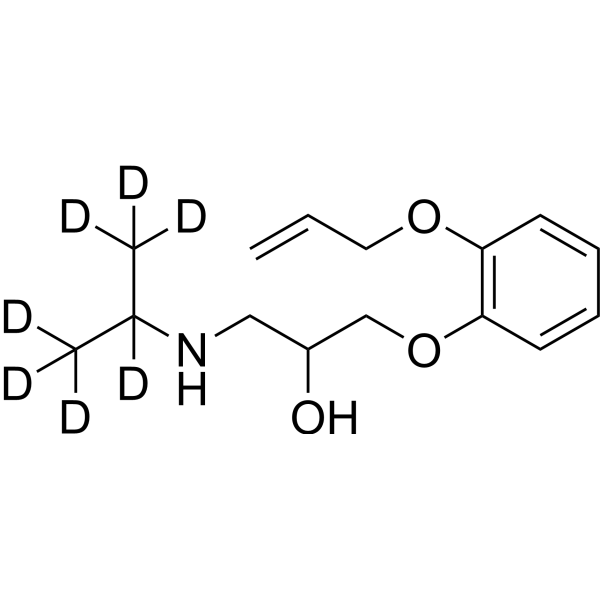
Oxprenolol-d7 is the deuterium labeled Oxprenolol. Oxprenolol (Ba 39089 free base) is an orally bioavailable β-adrenergic receptor (β-AR) antagonist with a Ki of 7.10 nM in a radioligand binding assay using rat heart muscle .
|
-
-
- HY-B1486S
-
|
|
|
Oxprenolol-d7 (hydrochloride) is the deuterium labeled Oxprenolol hydrochloride. Oxprenolol hydrochloride (Ba 39089) is an orally bioavailable β-adrenergic receptor (β-AR) antagonist with a Ki of 7.10 nM in a radioligand binding assay using rat heart muscle .
|
-
-
- HY-16582AS
-
|
|
|
Sonidegib-d4 is a isotope of Sonidegib. Sonidegib is a potent and selective Smo antagonist with IC50 of 1.3 nM and 2.5 nM for mouse and human Smo in binding assay, respectively .
|
-
-
- HY-10569S
-
|
|
|
Ponesimod-d4 (ACT-128800-d4) is the deuterium labeled Ponesimod (HY-10569) . Ponesimod (ACT-128800) is a potent, selective and orally active agonist of S1P1, with an IC50 of 6 nM in a radioligand binding assay. Ponesimod activates S1P1-mediated signal transduction with high potency (EC50=5.7 nM). Ponesimod can protect against lymphocyte-mediated tissue inflammation .
|
-
-
- HY-10569S1
-
|
|
|
Ponesimod-d7 (ACT-128800-d7) is the deuterium-labeled Ponesimod (HY-10569). Ponesimod-d7 (ACT-128800) is a potent, selective and orally active agonist of S1P1, with an IC50 of 6 nM in a radioligand binding assay. Ponesimod-d7 activates S1P1-mediated signal transduction with high potency (EC50=5.7 nM). Ponesimod-d7 can protect against lymphocyte-mediated tissue inflammation .
|
-
| Cat. No. |
Product Name |
|
Classification |
-
- HY-D1314
-
|
6-FAM azide
|
|
Labeling and Fluorescence Imaging
Azide
|
|
FAM azide, 6-isomer (6-FAM azide) is a 6-carboxyfluorescein derivative with an azide functional group and coupling partner in copper-catalyzed azide-alkyne cycloaddition. FAM azide, 6-isomer participates in synthesis of fluorescently tagged disparlure enantiomers for pheromone-binding protein binding assays. FAM azide, 6-isomer is widely used for labeling oligonucleotides (Ex/Em = 493/517 nm) .
|
Your information is safe with us. * Required Fields.
Inquiry Information
- Product Name:
- Cat. No.:
- Quantity:
- MCE Japan Authorized Agent:








