1. Search Result
Search Result
Results for "

brain+tumor

" in MedChemExpress (MCE) Product Catalog:

32

Inhibitors & Agonists

4

Screening Libraries

3

Fluorescent Dyes

3

Peptides

1

Inhibitory Antibodies

3

Natural
Products

2

Isotope-Labeled Compounds

1

Oligonucleotides

Cat. No. Product Name Target Research Areas Chemical Structure
  • HY-D0001
    Alcian Blue 8GX
    4 Publications Verification

    Fluorescent Dye Others
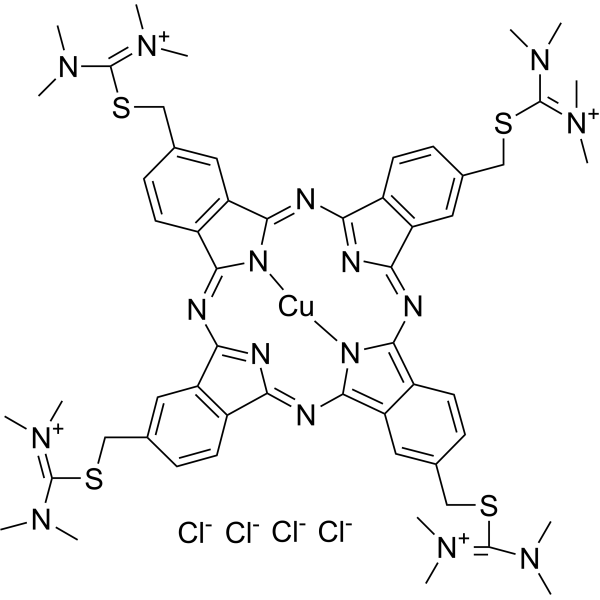
    Alcian Blue 8GX is a commonly used phthalocyanine dye that binds to glycoproteins and glycosaminoglycans. Alcian Blue 8GX has a wide range of applications in biological staining, including proteins in brain tumors and DNA in cells and tissues .
    Alcian Blue 8GX
  • HY-100575
    Acriflavine
    5+ Cited Publications

    Acriflavinium chloride 3,6-Acridinediamine mix

    Environmental Pollutants Fluorescent Dye Monocarboxylate Transporter Bacterial Fungal HIF/HIF Prolyl-Hydroxylase SARS-CoV Infection Cancer
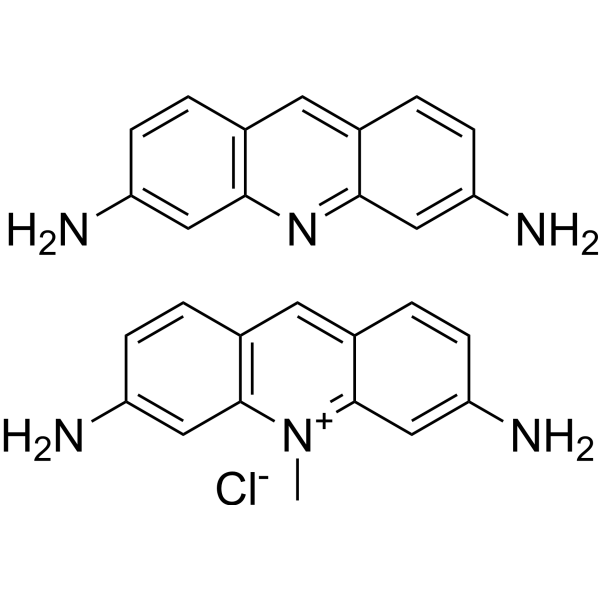
    Acriflavine (Acriflavinium chloride) is a fluorescent acridine dye that can be used to label nucleic acid. Acriflavine is an antiseptic agent. Acriflavine is a potent HIF-1 inhibitor that prevents the dimerization of HIF-1α and HIF-1β subunits. Acriflavine inhibits the interaction between monocarboxylate transporter 4 (MCT4) and Basigin. Acriflavine is used in cancer research, such as breast cancer, brain tumor and chronic myeloid leukemia. Acriflavine is a potent papain-like protease (PLpro) inhibitor, which inhibits SARS-CoV-2 .
    Acriflavine
  • HY-12624
    Narazaciclib
    2 Publications Verification

    ON123300

    CDK AMPK PDGFR Cancer
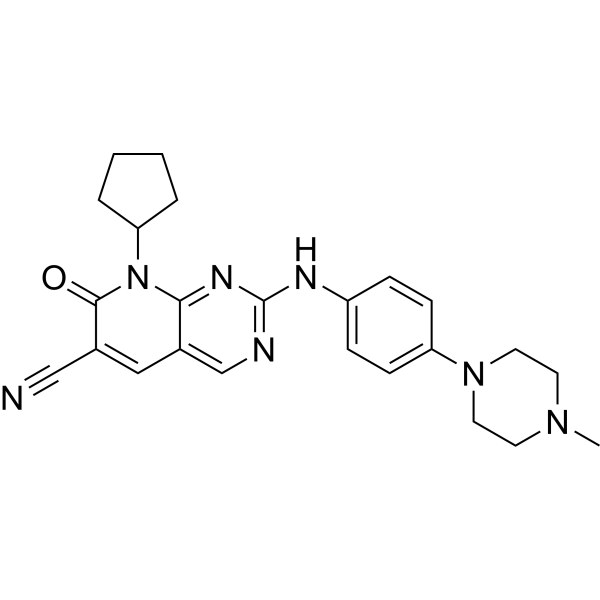
    Narazaciclib (ON123300), a strong and brain-penetrant multi-kinase inhibitor, inhibits CDK4 (IC50=3.9 nM), Ark5 (IC50=5 nM), PDGFRβ (IC50=26 nM), FGFR1 (IC50=26 nM), RET (IC50=9.2 nM), and FYN (IC50=11 nM). Single agent Narazaciclib causes a dose-dependent suppression of phosphorylation of Akt as well as activation of Erk in brain tumors . Narazaciclib inhibits CDK6 with an IC50 of 9.82 nM .
    Narazaciclib
  • HY-N6664

    Arabic gum

    Environmental Pollutants Parasite Apoptosis PERK Transmembrane Glycoprotein Infection Cardiovascular Disease Neurological Disease Metabolic Disease Cancer
    Gum Arabic is an orally active complex branched polysaccharide. Gum Arabic can be isolated from the Acacia senegal tree. Gum Arabic upregulates the expression of maturation markers (CD86, CD40, and CD54), promotes ERK1/2 phosphorylation, and inhibits Apoptosis. Gum Arabic exhibits antimalarial effects against Plasmodium berghei ANKA. Gum Arabic exhibits hepatoprotective, renal, and cardiovascular protective activities. Gum Arabic improves obesity. Gum Arabic is commonly used as a stabilizer and thickener. Gum Arabic can be used in the research of brain tumor imaging .
    Gum arabic
  • HY-105155

    RMP 7

    Bradykinin Receptor Cancer
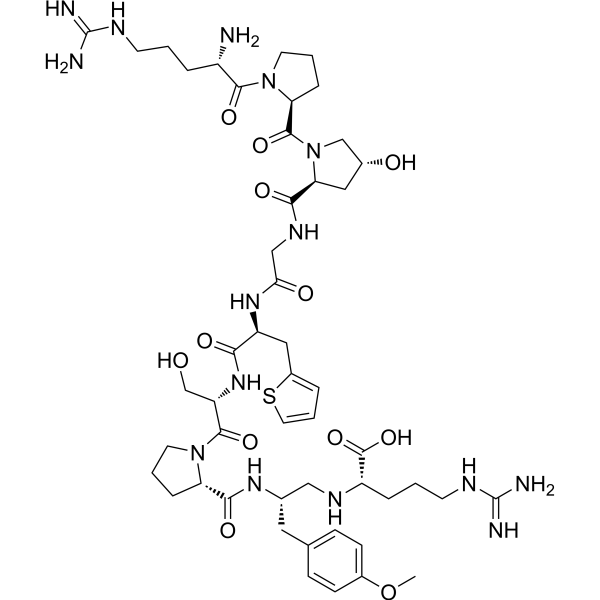
    Lobradimil (RMP 7), a synthetic bradykinin analog, is a potent and selective bradykinin B2 receptor agonist (Ki: 0.54 nM). Lobradimil increases the permeability of the BBB. Lobradimil can be used in the research of brain tumors .
    Lobradimil
  • HY-15649
    UNC1215
    4 Publications Verification

    Histone Methyltransferase Apoptosis Cancer
    UNC1215, a chemical probe, is a potent and selective inhibitor for the methyllysine (Kme) reading domain function of L3MBTL3 with a Kd value of 120 nM and an IC50 of 40 nM. UNC1215 has the potential to treat malignant brain tumor.
    UNC1215
  • HY-W088075
    Acriflavine hydrochloride
    Maximum Cited Publications
    7 Publications Verification

    Acriflavinium chloride hydrochloride

    Fluorescent Dye HIF/HIF Prolyl-Hydroxylase Bacterial SARS-CoV Monocarboxylate Transporter Fungal Infection Cancer
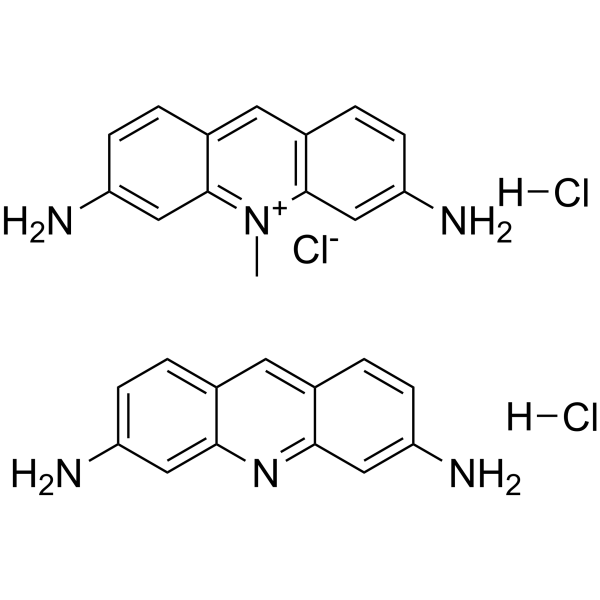
    Acriflavine (Acriflavinium chloride) hydrochloride is a fluorescent acridine dye that can be used to label nucleic acid. Acriflavine hydrochloride is an antiseptic agent. Acriflavine hydrochloride is a potent HIF-1 inhibitor that prevents the dimerization of HIF-1α and HIF-1β subunits. Acriflavine hydrochloride inhibits the interaction between monocarboxylate transporter 4 (MCT4) and Basigin. Acriflavine hydrochloride is used in cancer research, such as breast cancer, brain tumor and chronic myeloid leukemia. Acriflavine hydrochloride is a potent papain-like protease (PLpro) inhibitor, which inhibits SARS-CoV-2 .
    Acriflavine hydrochloride
  • HY-132806

    RG-7816; RO-7017773

    GABA Receptor Neurological Disease
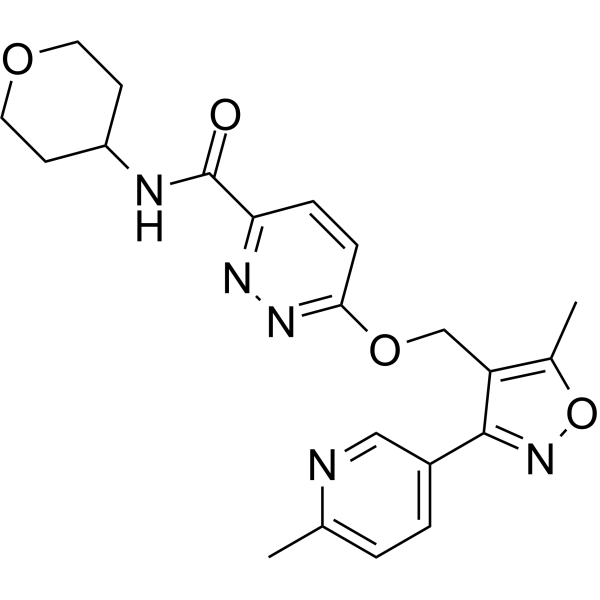
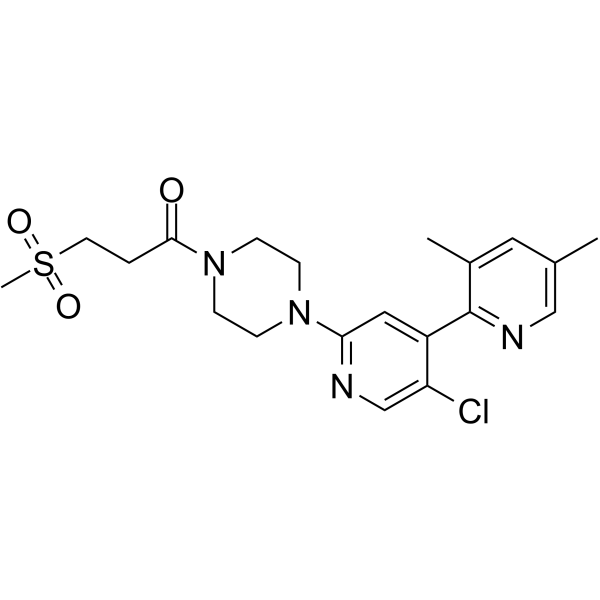
    Alogabat is a positive allosteric modulator (PAM) and agonist (Ki <100 nM) of the GABAA α5 receptor, targeting the α5β3γ2 subunit with a Ki of 8.7 nM. Alogabat increases the expression level of α5β3γ2 in oocytes (1.97-fold). GABAA has been implicated in cognitive impairment associated with central nervous system (CNS) disorders, brain cancer (including brain tumors such as medulloblastoma), and can be used in the study of mild cognitive impairment (MCI), amnestic MCI (aMCI), age-associated memory impairment (AAMI), age-related cognitive decline (ARCD), dementia, Alzheimer's disease (AD), prodromal AD, post-traumatic stress disorder (PTSD), schizophrenia, bipolar disorder, amyotrophic lateral sclerosis (ALS), cognitive impairment associated with cancer treatment, mental retardation, Parkinson's disease (PD), autism spectrum disorder, fragile X, Rett syndrome, obsessive-compulsive behavior, and substance addiction .
    Alogabat
  • HY-122607

    Mitochondrial Metabolism TSPO Inflammation/Immunology Cancer
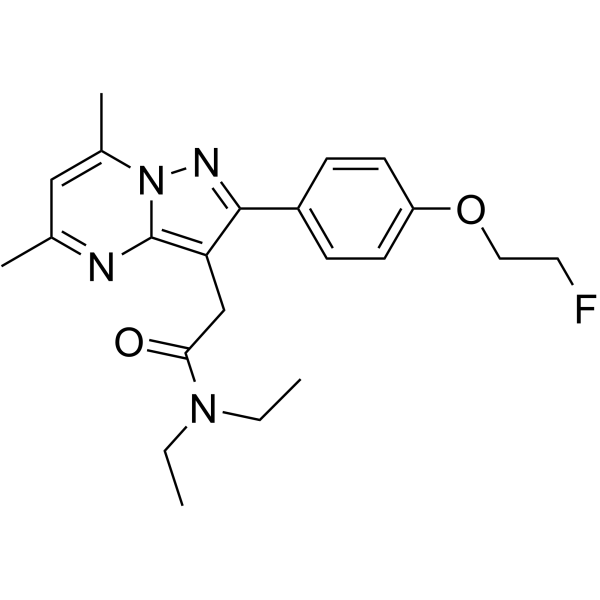
    DPA-714 is a high affinity translocator protein (TSPO) ligand (Ki=7 nM), which is designed with a fluorine atom in its structure, allowing labelling with fluorine -18 and in vivo imaging using positron emission tomography. 18FDPA-714 successfully evaluates for the specific imaging of inflammation in various models of neuroinflammation and in a brain tumor model .
    DPA-714
  • HY-153863

    PROTACs MEK Raf Cancer
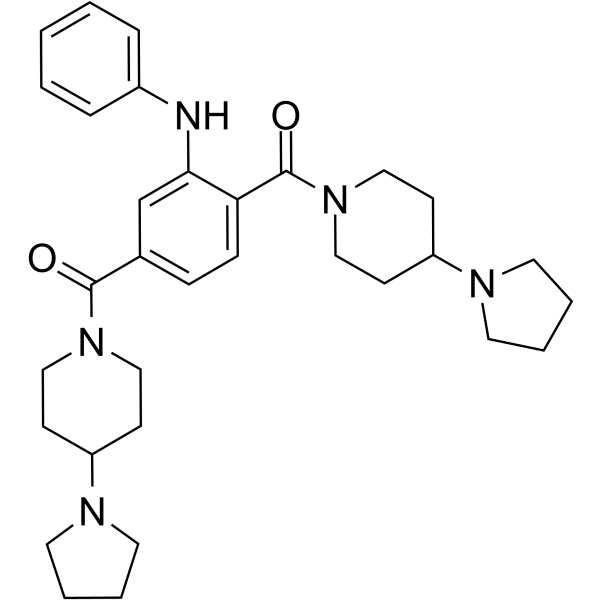
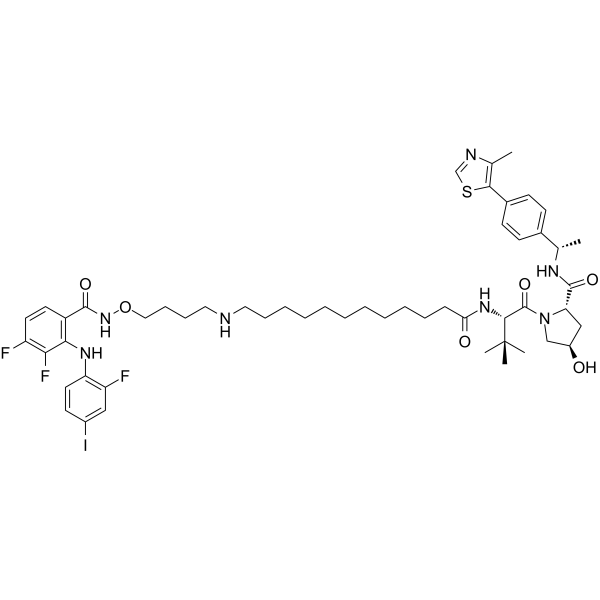
    MS934 is a novel improved VHL-recruiting MEK 1/2 PROTAC degrader. MS934 also degrades CRAF. MS934 can be used for the research of variety of human cancers, such as melanoma, nonsmall cell lung cancer (NSCLC), colorectal cancer, primary brain tumors, and hepatocellular carcinoma (Pink: Target protein ligand (HY-168288); Black: linker (HY-168289); Blue: E3 ligase ligand (HY-112078)) .
    MS934
  • HY-136201

    Biochemical Assay Reagents Cancer
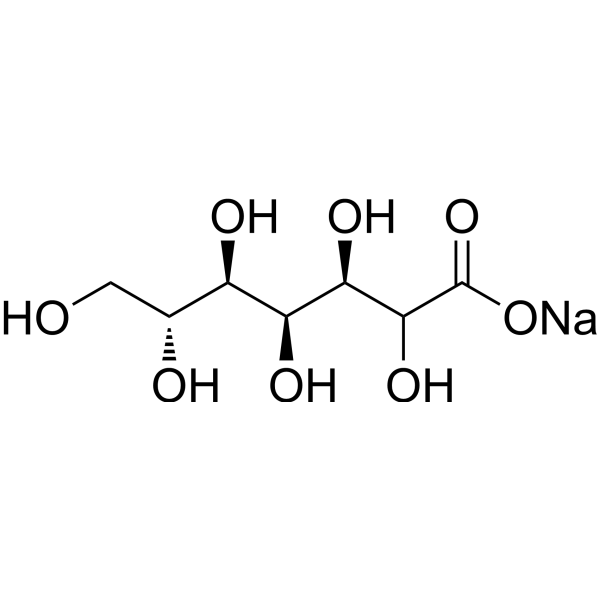
    Sodium Glucoheptonate is used as a kit for radio-labeling with Tc-99m. Tc-99m glucoheptonate is kidney- and brain-imaging agent, and can be used in brain-tumor detection .
    Sodium Glucoheptonate
  • HY-164496

    DNA/RNA Synthesis Cancer
    KL-50 is a selective toxin toward tumors that lack the DNA repair protein O 6-methylguanine-DNA-methyltransferase (MGMT), which reverses the formation of O 6-alkylguanine lesions. KL-50 activates DNA damage response pathways and cycle arrest in MGMT-cells, independent of mismatch repair (MMR). KL-50 is promising for research of brain tumors that lack the DNA repair protein MGMT .
    KL-50
  • HY-P10427

    CXCR Dengue Virus Neurological Disease Inflammation/Immunology Cancer
    DV1 is a CXCR4 inhibitor with anti-proteolytic properties that specifically blocks the binding of SDF-1α to its receptor. DV1 inhibits the migration of breast cancer cells and enables the targeted delivery of avidin-PLGA nanoparticles to CXCR4-expressing cancer cells. DV1 not only effectively suppresses the progression of metastatic breast cancer in mouse models, but also preferentially accumulates in brain tumor tissues rather than normal brain tissues, showing potential for inhibiting intracranial tumor metastasis. As a humoral immune stimulant, DV1 induces the production of specific IgG, neutralizing antibodies and cellular immune responses, thereby providing the host with protection against lethal challenges. DV1 has been applied to studies on CXCR4-expressing cancers, glioblastoma, dengue fever and other related diseases .
    DV1
  • HY-P991571

    GC-1118A

    EGFR PERK Akt Cancer
    GC1118 (GC-1118A) is a fully human anti-EGFR monoclonal antibody with binding affinity of 0.16 nM (KD) to EGFR. GC1118 displays potent inhibitory effects on high- and low-affinity EGFR ligand-induced signaling. GC1118 shows potent anti proliferative activity in KRAS wild-type and KRAS mutant cells. GC1118 can reach the tumor by crossing both BBB (blood-brain barrier) and BTB (brain-tumor barrier) and shows superior anti-tumor effects in various mice xenograft models. GC1118 can be used for the researches of cancer, such as colorectal cancer .
    GC1118
  • HY-13459

    Smo Cancer
    PF-5274857 is a potent, selective, orally active and brain-penetrant antagonist of Smo, with an IC50 of 5.8 nM and Ki of 4.6 nM. PF-5274857 has potential for research of tumor types including brain tumors and brain metastasis driven by an activated Hh pathway .
    PF-5274857
  • HY-P10427A

    CXCR Dengue Virus Infection
    DV1 TFA is a CXCR4 inhibitor with anti-proteolytic properties that specifically blocks the binding of SDF-1α to its receptor. DV1 TFA inhibits the migration of breast cancer cells and enables the targeted delivery of avidin-PLGA nanoparticles to CXCR4-expressing cancer cells. DV1 TFA not only effectively suppresses the progression of metastatic breast cancer in mouse models, but also preferentially accumulates in brain tumor tissues rather than normal brain tissues, showing potential for inhibiting intracranial tumor metastasis. As a humoral immune stimulant, DV1 TFA induces the production of specific IgG, neutralizing antibodies and cellular immune responses, thereby providing the host with protection against lethal challenges. DV1 TFA has been applied to studies on CXCR4-expressing cancers, glioblastoma, dengue fever and other related diseases .
    DV1 TFA
  • HY-124698

    Isocitrate Dehydrogenase (IDH) Cancer
    MRK-A is a selective, blood-brain-barrier permeable mutant IDH1 inhibitor with an IC50 value of 5 nM. MRK-A inhibits 2-HG production. MRK-A has anti-cancer activity against brain tumors .
    MRK-A
  • HY-170907

    HDAC DNA/RNA Synthesis RAD51 Cancer
    HDAC-IN-85 (Compound 1) is a BBB-permeable HDAC inhibitor. HDAC-IN-85 has an inhibitory effect on brain tumor cell lines. HDAC-IN-85 can induce acetylation, leading to DNA double-strand breaks, and induce the ubiquitination of RAD51, disrupting the DNA repair process. HDAC-IN-85 can be used in the research of glioblastoma .
    HDAC-IN-85
  • HY-145949

    Drug Metabolite Infection
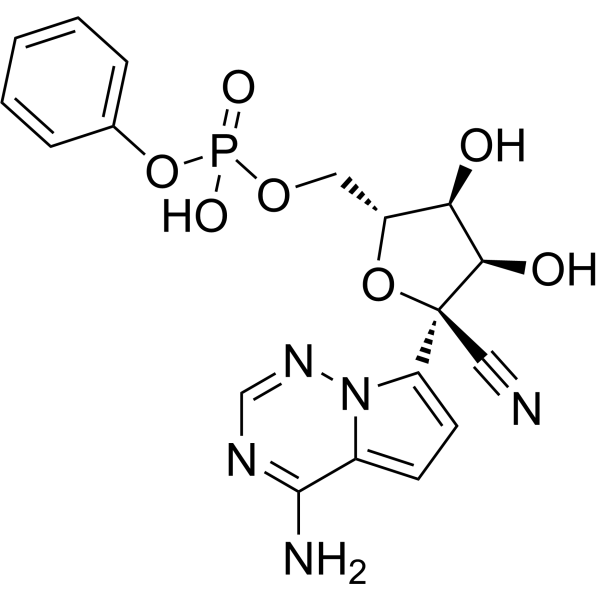
    Remdesivir de(ethylbutyl 2-aminopropanoate) is an impurity of Remdesivir. Remdesivir, a nucleoside analogue with effective antiviral activity, has EC50s of 74 nM for SARS-CoV and MERS-CoV in HAE cells, and 30 nM for murine hepatitis virus in delayed brain tumor cells. Remdesivir is highly effective in the control of SARS-CoV-2 (COVID-19) infection in vitro .
    Remdesivir de(ethylbutyl 2-aminopropanoate)
  • HY-119398

    Amyloid-β Cholinesterase (ChE) Apoptosis Neurological Disease Cancer
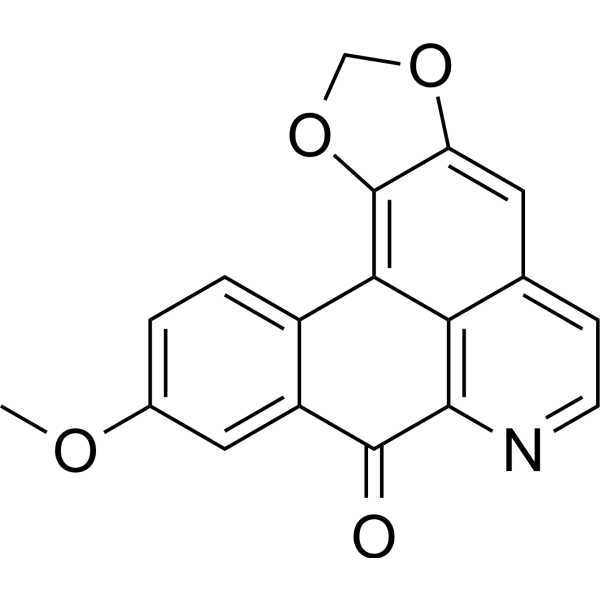
    Lanuginosine is an alkaloid. Lanuginosine can be isolated from the stems of Xylopia laevigata (Annonaceae) and the leaves of Magnolia grandiflora. Lanuginosine induces Apoptosis. Lanuginosine inhibits AChE (IC50: 10.9 μM). Lanuginosine inhibits aggregation. Lanuginosine exhibits anticancer activity against hepatocellular carcinoma, human promyelocytic leukemia, human chronic myeloid leukemia, melanoma, and brain tumors. Lanuginosine can be used in the research of Alzheimer's disease .
    Lanuginosine
  • HY-136201R

    Biochemical Assay Reagents Reference Standards Cancer
    Sodium Glucoheptonate (Standard) is the analytical standard of Sodium Glucoheptonate. This product is intended for research and analytical applications. Sodium Glucoheptonate is used as a kit for radio-labeling with Tc-99m. Tc-99m glucoheptonate is kidney- and brain-imaging agent, and can be used in brain-tumor detection[1][2].
    Sodium Glucoheptonate (Standard)
  • HY-16477A

    ME2906 free acid; Mono-L-aspartyl chlorin e6 free acid; NPe6 free acid

    Photosensitizer Cancer
    Talaporfin sodium, can be used in intraoperative photodynamic therapy (PDT) with a 664-nm semiconductor laser, was evaluated for efficacy and safety in treating primary malignant parenchymal brain tumors .
    Talaporfin
  • HY-153432

    Cholinesterase (ChE) Neurological Disease Cancer
    TRV-7019 is a BBB-penetrable radioligand for brain imaging that target butyrylcholinesterase. TRV-7019 can be used for the diagnosis of an amyloid disease, multiple sclerosis, a brain tumor, or butyrylcholinesterase activity .
    TRV-7019
  • HY-N15588

    (2'S, 3'R)-3'-Hydroxymarmesin

    MMP Cancer
    Smyrindiol is a compound found in Dorstenia turbinate. Smyrindiol exerts anti-inflammatory and antimicrobial activities by inhibiting the secretion of tumor-associated proteases (MMP-2). Smyrindiol can be used in the study of brain tumors such as glioblastoma .
    Smyrindiol
  • HY-114586

    Angiotensin Receptor Cancer
    L-158809 is an angiotensin type 1 (AT1) receptor antagonist that prevents or ameliorates fractionated whole-brain irradiation-induced cognitive impairment. L-158809 is promising for research of brain tumor .
    L-158809
  • HY-13459A

    Smo Cancer
    PF-5274857 hydrochloride is a potent, selective, orally active and brain-penetrant antagonist of Smo, with an IC50 of 5.8 nM and Ki of 4.6 nM. PF-5274857 hydrochloride has potential for research of tumor types including brain tumors and brain metastasis driven by an activated Hh pathway .
    PF-5274857 hydrochloride
  • HY-W769206

    ME2906 free acid-13C4,15N; Mono-L-aspartyl chlorin e6 free acid-13C4,15N; NPe6 free acid-13C4,15N

    Isotope-Labeled Compounds Photosensitizer Cancer
    Talaporfin- 13C4, 15N (ME2906 (free acid)- 13C4, 15N) is the 13C- and 15N-labeled Talaporfin (HY-16477A). Talaporfin sodium, can be used in intraoperative photodynamic therapy (PDT) with a 664-nm semiconductor laser, was evaluated for efficacy and safety in treating primary malignant parenchymal brain tumors .
    Talaporfin-13C4,15N
  • HY-122607R

    Mitochondrial Metabolism Inflammation/Immunology Cancer
    DPA-714 (Standard) is the analytical standard of DPA-714. This product is intended for research and analytical applications. DPA-714 is a high affinity translocator protein (TSPO) ligand (Ki=7 nM), which is designed with a fluorine atom in its structure, allowing labelling with fluorine -18 and in vivo imaging using positron emission tomography. 18FDPA-714 successfully evaluates for the specific imaging of inflammation in various models of neuroinflammation and in a brain tumor model .
    DPA-714 (Standard)
  • HY-155577

    Monoamine Oxidase HSP Cancer
    MAO A/HSP90-IN-1 (4-b) is a MAO A/HSP90 dual inhibitor with IC50 value of 1.77 μM and 0.019 μM in Glioblastoma (GBM) GL26 cells and HSP90α, respectively. MAO A/HSP90-IN-1 (4-b) can inhibit MAO A activity, HSP90 binding and the expression of HER2 and phospho-Akt to inhibit the growth of GBM, they also reduce PD-L1 expression, which inhibits T cell activation. MAO A/HSP90-IN-1 (4-b) have potential to inhibit tumor immune escape. MAO A/HSP90-IN-1 (4-b) can be used for brain tumor-related diseases research .
    MAO A/HSP90-IN-1
  • HY-122607S

    Isotope-Labeled Compounds Mitochondrial Metabolism TSPO Inflammation/Immunology Cancer
    DPA-714-d10 is the deuterium labeled DPA-714 (HY-122607). DPA-714 is a high affinity translocator protein (TSPO) ligand (Ki=7 nM), which is designed with a fluorine atom in its structure, allowing labelling with fluorine -18 and in vivo imaging using positron emission tomography. 18FDPA-714 successfully evaluates for the specific imaging of inflammation in various models of neuroinflammation and in a brain tumor model.
    DPA-714-d10
  • HY-180392

    DNA/RNA Synthesis Cancer
    IAG-10 is a selective DNA polymerase kappa (hpol κ) inhibitor with an IC50 value of 7.2 μM. IAG-10 exerts its function by disrupting the formation of the binary complex between the enzyme and DNA. IAG-10 enhances the antiproliferative and DNA-damaging activities of Temozolomide (HY-17364) in tumor cells with functional hpol κ expression. IAG-10 can be used in the research of cancers such as malignant brain tumors .
    IAG-10
  • HY-100575R

    Acriflavinium chloride 3,6-Acridinediamine mix (Standard)

    Fluorescent Dye Reference Standards HIF/HIF Prolyl-Hydroxylase Bacterial SARS-CoV Monocarboxylate Transporter Fungal Infection Cancer
    Acriflavine (Standard) is the analytical standard of Acriflavine (HY-100575). This product is intended for research and analytical applications. Acriflavine (Acriflavinium chloride) is a fluorescent acridine dye that can be used to label nucleic acid. Acriflavine is an antiseptic agent. Acriflavine is a potent HIF-1 inhibitor that prevents the dimerization of HIF-1α and HIF-1β subunits. Acriflavine inhibits the interaction between monocarboxylate transporter 4 (MCT4) and Basigin. Acriflavine is used in cancer research, such as breast cancer, brain tumor and chronic myeloid leukemia. Acriflavine is a potent papain-like protease (PLpro) inhibitor, which inhibits SARS-CoV-2 .
    Acriflavine (Standard)

Inquiry Online

Your information is safe with us. * Required Fields.

Salutation


Country or Region *

Applicant Name *


Organization Name *

Department *


Email Address *


Product Name *

Cat. No.


Requested quantity *

Phone Number *


Remarks

Inquiry Online

Inquiry Information

Product Name:
Cat. No.:
Quantity:
MCE Japan Authorized Agent: