1. Search Result
Search Result
Results for "

breast+carcinoma

" in MedChemExpress (MCE) Product Catalog:

30

Inhibitors & Agonists

1

Inhibitory Antibodies

6

Natural
Products

4

Recombinant Proteins

2

Isotope-Labeled Compounds

5

Antibodies

1

Click Chemistry

Cat. No. Product Name Target Research Areas Chemical Structure
  • HY-12723
    Apomorphine
    Maximum Cited Publications
    10 Publications Verification

    (-)-Apomorphine

    Dopamine Receptor Monoamine Oxidase Reactive Oxygen Species (ROS) JNK ERK Amyloid-β Tau Protein MMP Neurological Disease Inflammation/Immunology Endocrinology Cancer
    Apomorphine ((-)-Apomorphine) is a potent dopamine receptor agonist. Apomorphine also inhibit MAO-A and MAO-B. Apomorphine exerts neuroprotective effect and can relax rat corpus cavernosum. Apomorphine can inhibit ROS production, DNA fragmentation and inibit JNK and ERK1/2 phosphorylation. Apomorphine can enhance degradation of intracellular Aβ40 and Aβ42, reduces tau protein levels and inhibit MMP-9 expression. Apomorphine is a highly potent radical scavenger and iron chelator. Apomorphine can be used for the researches of dementia, parkinson's disease, alzheimer disease, breast carcinoma, and erectile dysfunction .
    Apomorphine
  • HY-13593
    Chlorambucil
    4 Publications Verification

    CB-1348; WR-139013

    DNA Alkylator/Crosslinker Neurological Disease Cancer
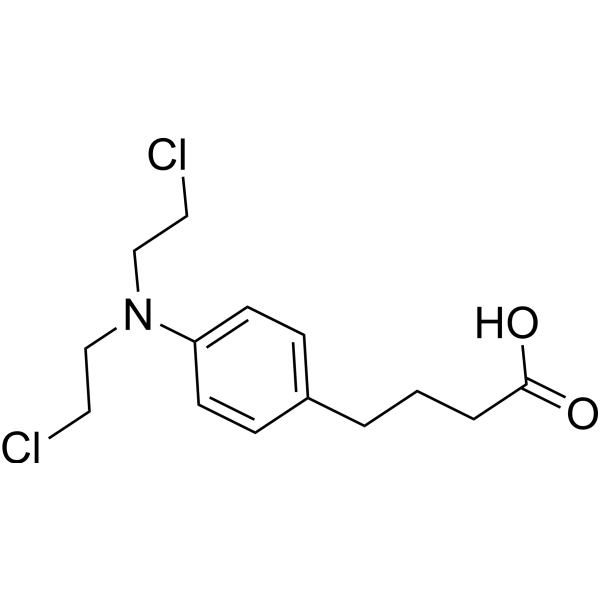
    Chlorambucil (CB-1348), an orally active antineoplastic agent, is a CNS-penetrant bifunctional alkylating agent belonging to the nitrogen mustard group. Chlorambucil can be used for the research of lymphocytic leukemia, ovarian and breast carcinomas, and Hodgkin’s disease .
    Chlorambucil
  • HY-113041

    PGA2; Medullin

    Apoptosis Caspase PARP ERK MDM-2/p53 JNK HSV Infection Cancer
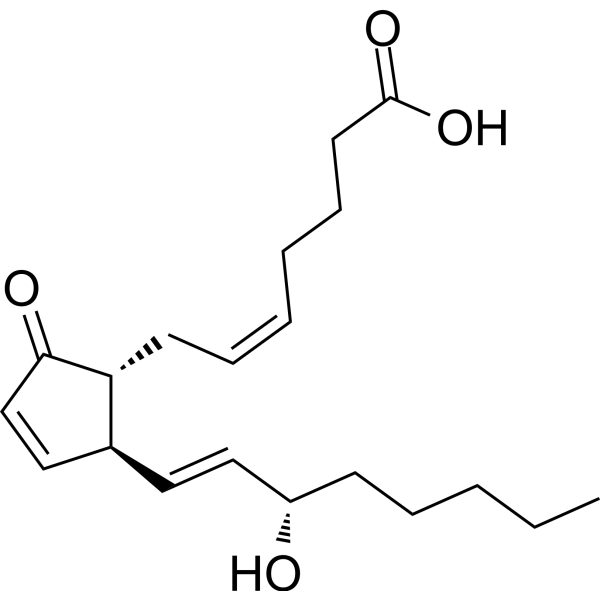
    Prostaglandin A2 (PGA2) is a Cyclopentenone prostaglandin. Prostaglandin A2 induces Caspase-dependent Apoptosis, activates p53. Prostaglandin A2 activates ERK2 and JNK1/SAPK. Prostaglandin A2 shows antiviral activity against HSV-1. Prostaglandin A2 has anti-tumor effects. Prostaglandin A2 can be used for the research of colorectal cancer, colorectal carcinoma, breast carcinoma, and herpetic keratitis .
    Prostaglandin A2
  • HY-108262

    7-epi-Hydroxystaurosporine

    PKC PKA Cancer
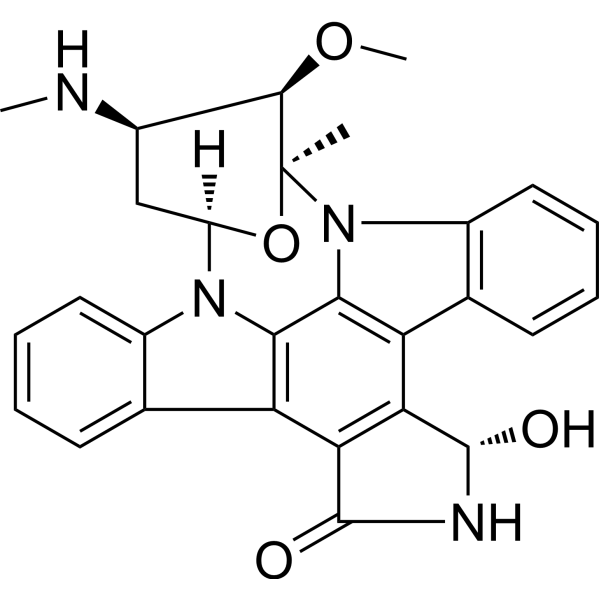
    UCN-02 (7-epi-Hydroxystaurosporine) is a selective protein kinase C (PKC) inhibitor with a PKC IC50 value of 62 nM and a PKA IC50 value of 0.25 μM. UCN-02 can be produced by Streptomyces strain N-126. UCN-02 can be used for the research of breast carcinoma .
    UCN-02
  • HY-119715

    CDK Apoptosis Inflammation/Immunology Cancer
    AG-012986 is a pan-CDK inhibitor with Ki values of 44 nM (CDK1), 9.2 nM (CDK4), 94 nM (CDK2), and IC50 values of 22 nM (CDK5), 4 nM (CDK9). AG-012986 causes apoptosis of T-cells by targeting upstream kinases in the p38 Mitogen-activated protein kinase (MAPK) pathway and impairing cellular survival. AG-012986 induces cell cycle arrest, retinoblastoma protein hypophosphorylation, and reduces Ki-67 expression. AG-012986 exerts antiproliferative activity in tumor cells, demonstrates antitumor efficacy in human xenograft models, and causes retinal and peripheral neurotoxicity, plus immune cell toxicity. AG-012986 can be used for the research of colon carcinoma, non-small cell lung carcinoma, lung carcinoma, breast carcinoma, ovarian tumor, pancreatic carcinoma, osteosarcoma, lymphoma, leukemia, retinotoxicity .
    AG-012986
  • HY-154825

    20(OH)D3; 20S-Hydroxyvitamin D3

    VD/VDR Aryl Hydrocarbon Receptor NF-κB Cytochrome P450 Inflammation/Immunology Cancer
    20-Hydroxyvitamin D3 (20(OH)D3), a product of vitamin D3 hydroxylation, is a noncalcemic immunomodulator. 20-Hydroxyvitamin D3 binds to vitamin D receptor (VDR), activates VDR and aryl hydrocarbon receptor (AhR) signaling, stimulates CYP24A1 expression, and drives VDR nuclear translocation. 20-Hydroxyvitamin D3 inhibits NF-κB activity via IκBα upregulation. 20-Hydroxyvitamin D3 acts as a substrate for CYP27B1 and rat CYP24A1, undergoing hydroxylation to form dihydroxy-derivatives. 20-Hydroxyvitamin D3 inhibits cell proliferation, colony formation, migration, and tumor growth, and induces cell differentiation in cancer cells. 20-Hydroxyvitamin D3 can be used for the research of inflammatory and autoimmune diseases, melanoma, breast carcinomas, and hepatocarcinoma .
    20-Hydroxyvitamin D3
  • HY-118783

    (±)-2-Hexyl-4-pentynoic acid

    HDAC HSP Neurological Disease Cancer
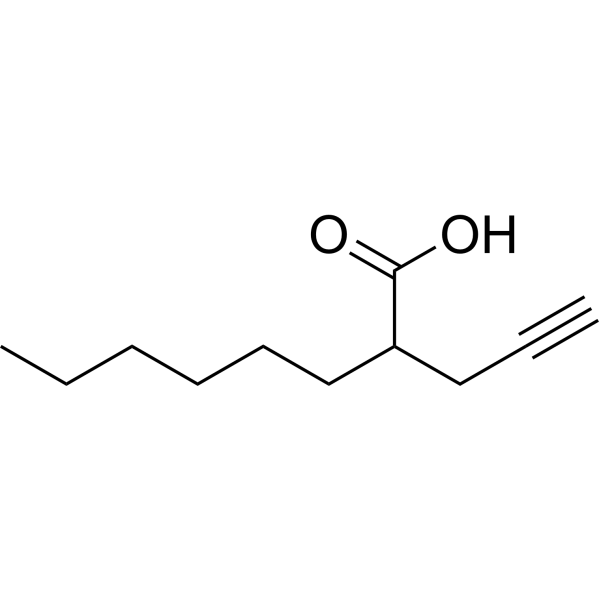
    2-Hexyl-4-pentynoic acid ((±)-2-Hexyl-4-pentynoic acid), a Valproic acid (HY-10585) derivative, exhibits potential roles of HDAC inhibition (IC50 = 13 μM) and HSP70 induction. 2-Hexyl-4-pentynoic acid causes histone hyperacetylation and protect against glutamate-induced excitotoxicity in cultured neurons. 2-Hexyl-4-pentynoic acid can be used for the study of breast carcinoma. 2-Hexyl-4-pentynoic acid is a click chemistry reagent, it contains an Alkyne group and can undergo copper-catalyzed azide-alkyne cycloaddition (CuAAc) with molecules containing Azide groups .
    2-Hexyl-4-pentynoic acid
  • HY-137931

    Cytochrome P450 Cancer
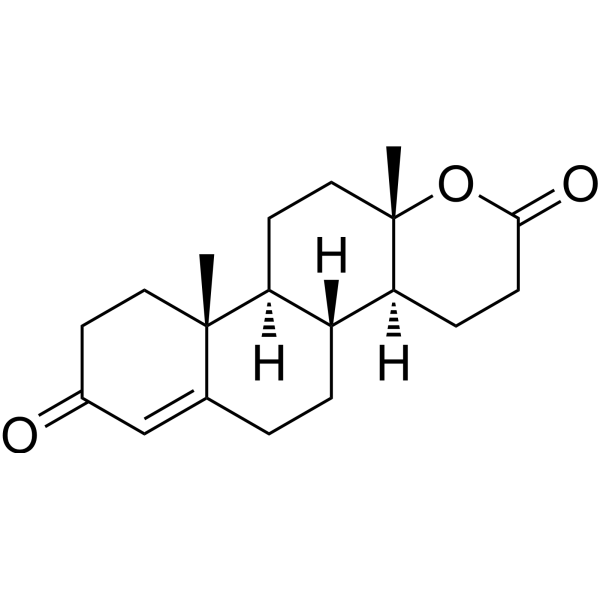
    Testololactone is an aromatase inhibitor. Testololactone can be used for research of breast carcinoma .
    Testololactone
  • HY-N1833

    Others Cancer
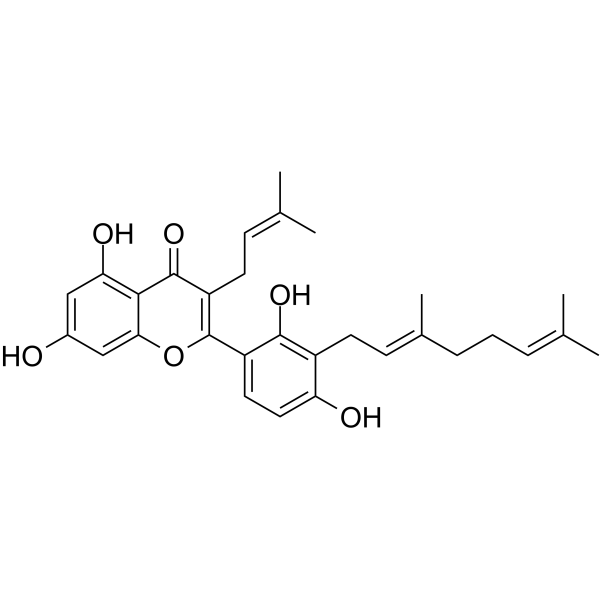
    3'-Geranyl-3-prenyl-2',4',5,7-tetrahydroxyflavone displays cytotoxicity of 1.32, 3.92 and 5.22 μm against the human cervical carcinoma HeLa, human breast carcinoma MCF-7, and human hepatocarcinoma Hep3B cells .
    3'-Geranyl-3-prenyl-2',4',5,7-tetrahydroxyflavone
  • HY-W778423

    Dihydroxy Oxaliplatin-Pt(IV)

    Drug Intermediate Cancer
    [Pt(DACH)(OH)2(ox)] is a Pt(IV) derivative of Oxaliplatin (HY-17371) with two axial hydroxido ligands, used as a precursor for synthesizing Pt(IV)-HDAC inhibitor prodrugs. [Pt(DACH)(OH)2(ox)] exerts cytotoxic activity against human cancer cells and accumulates in cancer cells for nuclear internalization and nuclear DNA platination. [Pt(DACH)(OH)2(ox)] can be used for the research of lung carcinoma, breast carcinoma, pancreatic carcinoma, colon carcinoma .
    [Pt(DACH)(OH)2(ox)]
  • HY-175857

    HDAC Apoptosis Cancer
    HDAC-IN-92 is a pan-HDAC inhibitor with an IC50 of 12.58 µM in A2780 cells. HDAC-IN-92 demonstrates broad-spectrum, notable cytotoxic activity against a range of human cancer cell lines, including ovarian, liver, and breast carcinomas. HDAC-IN-92 causes apoptosis and demonstrates a notable decrease in tumor cell colony formation. HDAC-IN-92 inhibits the formation of blood vessels in the chick chorioallantoic membrane (CAM). HDAC-IN-92 exhibits anti-tumor effect in a 4T1 tumor-bearing mouse model. HDAC-IN-92 can be used for research targeting solid tumor .
    HDAC-IN-92
  • HY-113627A

    Antibiotic Bacterial Apoptosis Infection Inflammation/Immunology Cancer
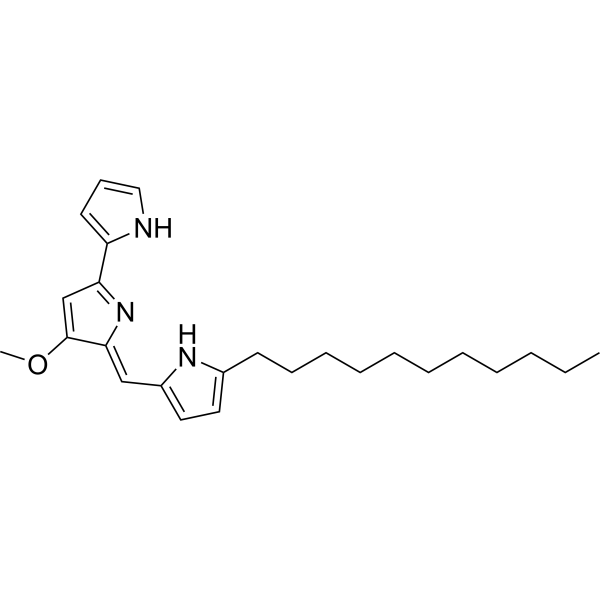
    Undecylprodigiosin hydrochloride, a member of the family of prodiginines, is a potent antibiotic. Undecylprodigiosin hydrochloride can selectively induce apoptosis in human breast carcinoma cells independent of p53. Undecylprodigiosin hydrochloride shows immunosuppressive, anticancer properties and antimicrobial activities .
    Undecylprodigiosin hydrochloride
  • HY-113627

    Antibiotic Bacterial Apoptosis Infection Inflammation/Immunology Cancer
    Undecylprodigiosin, a member of the family of prodiginines, is a potent antibiotic. Undecylprodigiosin can selectively induce apoptosis in human breast carcinoma cells independent of p53. Undecylprodigiosin shows immunosuppressive, anticancer properties and antimicrobial activities .
    Undecylprodigiosin
  • HY-N11438

    Estrogen Receptor/ERR Cancer
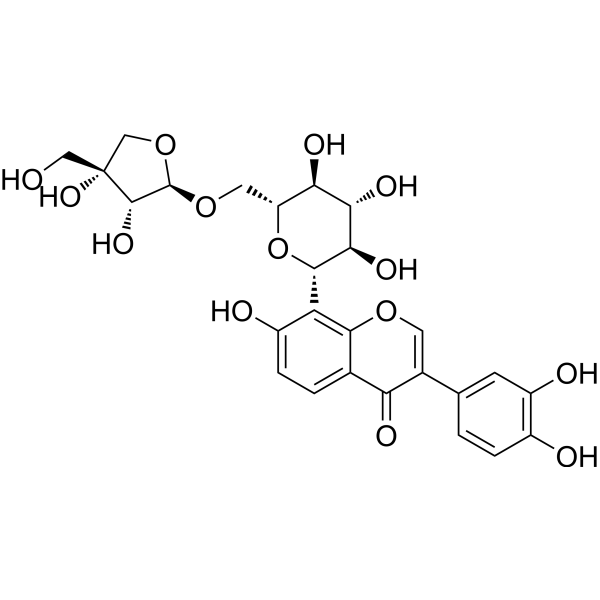
    3'-Hydroxymirificin (compound 3) is a naural compound that can be isolated from Pueraria lobata roots. 3'-Hydroxymirificin (compound 3) possesses estrogenic activity and anti-proliferation of MCF-7 human breast carcinoma cells .
    3'-Hydroxymirificin
  • HY-N6885

    Others Cancer
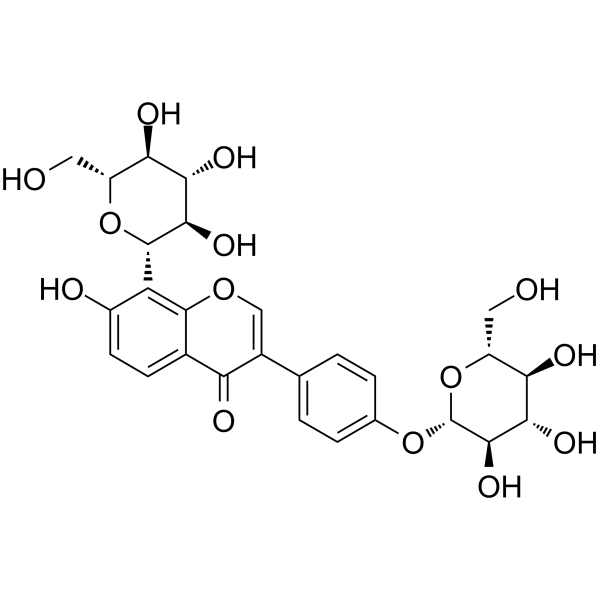
    Puerarin-4'-O-β-D-glucopyranoside (compound 8) is a isoflavone from Pueraria lobata root (PLR). Puerarin-4'-O-β-D-glucopyranoside has estrogenic activity and anti-proliferation of MCF-7 human breast carcinoma cells .
    Puerarin-4'-O-β-D-glucopyranoside
  • HY-13593S

    CB-1348-d8; WR-139013-d8

    Isotope-Labeled Compounds DNA Alkylator/Crosslinker Cancer
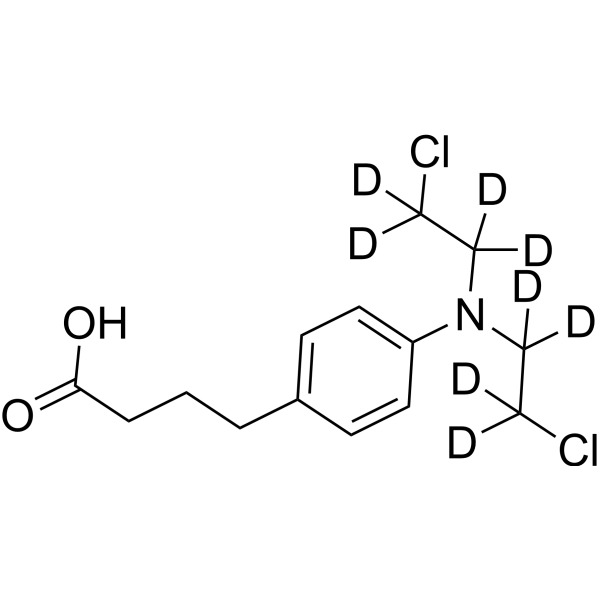
    Chlorambucil-d8 is the deuterium labeled Chlorambucil. Chlorambucil (CB-1348), an orally active antineoplastic agent, is a bifunctional alkylating agent belonging to the nitrogen mustard group. Chlorambucil can be used for the research of lymphocytic leukemia, ovarian and breast carcinomas, and Hodgkin’s disease .
    Chlorambucil-d8
  • HY-13593S1

    CB-1348-d8-1; WR-139013-d8-1

    Isotope-Labeled Compounds DNA Alkylator/Crosslinker Cancer
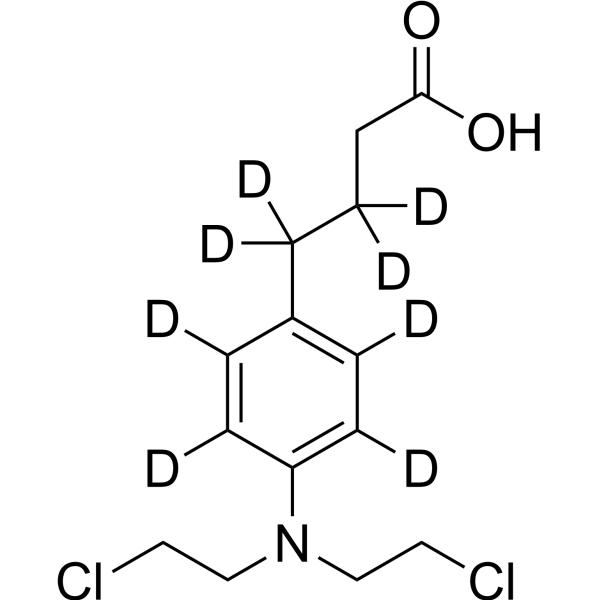
    Chlorambucil-d8-1 is the deuterium labeled Chlorambucil. Chlorambucil (CB-1348), an orally active antineoplastic agent, is a bifunctional alkylating agent belonging to the nitrogen mustard group. Chlorambucil can be used for the research of lymphocytic leukemia, ovarian and breast carcinomas, and Hodgkin’s disease .
    Chlorambucil-d8-1
  • HY-13593R

    CB-1348 (Standard); WR-139013 (Standard)

    Reference Standards DNA Alkylator/Crosslinker Cancer
    Chlorambucil (Standard) is the analytical standard of Chlorambucil. This product is intended for research and analytical applications. Chlorambucil (CB-1348), an orally active antineoplastic agent, is a bifunctional alkylating agent belonging to the nitrogen mustard group. Chlorambucil can be used for the research of lymphocytic leukemia, ovarian and breast carcinomas, and Hodgkin’s disease .
    Chlorambucil (Standard)
  • HY-175302

    Trk Receptor Apoptosis Cancer
    TRK-IN-32 is a potent TRK inhibitor. TRK-IN-32 potently inhibits TRK WT, TRK G595R and TRK G667C with IC50 values of 0.08 nM, 2.14 nM and 0.68 nM, respectively. TRK-IN-32 also demonstrates antiproliferative activity against a panel of Ba/F3 cell lines transformed with wild type, xDFG, solvent-front as well as gatekeeper mutant TRK fusion proteins. TRK-IN-32 induces apoptosis of Ba/F3-TRKA WT and Ba/F3-TRKA G667C cells.TRK-IN-32 can be used for the study of various cancers (such as thyroid cancer, secretory breast carcinoma) .
    TRK-IN-32
  • HY-W050026A

    NSC 203800 sodium; Phenylacetyl-L-glutamine sodium

    Endogenous Metabolite Biochemical Assay Reagents Cancer
    Phenylacetylglutamine (sodium) can be obtained from the hydrolysis of Antineoplaston A10. Phenylacetylglutamine (sodium) exhibits antineoplastic activity in breast carcinoma tissue culture. Phenylacetylglutamine (sodium) exerts low actue and chronic toxicity in mouse model. Phenylacetylglutamine (sodium) can be studied in research on breast cancer .
    Phenylacetylglutamine sodium
  • HY-181064

    Epigenetic Reader Domain Cancer
    FWG-33B is an activator of TRMT112:METTL5 complex with an IC50 value of 0.47 μM. FWG-33B can be used for the research of breast carcinoma, hepatocellular carcinoma, nasopharyngeal carcinoma .
    FWG-33B
  • HY-183271

    Microtubule/Tubulin Cancer
    Tubulin-IN-67 is a tubulin inhibitor. Tubulin-IN-67 binds to the colchicine-binding site of tubulin, inhibiting tubulin polymerization. Tubulin-IN-67 arrests cancer cell cycle at the G2/M phase and triggers apoptosis in cancer cells. Tubulin-IN-67 can be used for the research of hepatocellular carcinoma, cervical carcinoma, breast carcinoma .
    Tubulin-IN-67
  • HY-181166

    EGFR Apoptosis Cancer
    EGFR-IN-194 is a potent EGFR tyrosine kinase inhibitor with an IC50 of 54.3 nM against human EGFR. EGFR-IN-194 induces apoptosis, inhibits migration in cancer cells, selectively promotes invasion in cancer cells, and exhibits antiproliferative effects across multiple cancer cell lines. EGFR-IN-194 can be used for the research of prostate adenocarcinoma, non-small cell lung carcinoma, breast carcinoma, chronic myeloid leukemia .
    EGFR-IN-194
  • HY-183698

    CDK Cancer
    CDK9-IN-51 is a CDK9 inhibitor. CDK9-IN-51 binds stably to purified CDK9 protein via interactions with key active-site residues Cys106, Asp109, and Phe103. CDK9-IN-51 exhibits antiproliferative activity against multiple cancer cells. CDK9-IN-51 can be used for the research of cancer, such as lung carcinoma, cervical carcinoma and breast carcinoma .
    CDK9-IN-51
  • HY-183319

    Apoptosis Mitochondrial Metabolism Cancer
    Anticancer agent 320 is a potent broad-spectrum anticancer agent, with low toxicity toward noncancerous cells. Anticancer agent 320 induces cell cycle arrest, DNA double-strand breaks, and early apoptosis. Anticancer agent 320 disrupts mitochondrial function in cancer cells. Anticancer agent 320 inhibits proliferation of lung, colon, and breast cancer cells. Anticancer agent 320 can be used for the research of lung carcinoma, colon carcinoma, breast carcinoma .
    Anticancer agent 320
  • HY-P992322

    ADC Antibody Carbonic Anhydrase Cancer
    BAY-79-4620 Antibody is a potent and selective CAIX antibody with a human CAIX Kd of 3.6 nM. BAY-79-4620 Antibody yields antibody-drug conjugate (ADC) through conjugating with Monomethyl auristatin E (HY-15162) via a self-immolative enzyme-cleavable linker. BAY-79-4620 Antibody can be used for the research of cervical carcinoma, non-small cell lung carcinoma, breast carcinoma, pancreatic carcinoma, gastric carcinoma, prostate carcinoma .
    BAY-79-4620 Antibody
  • HY-N19818

    Phosphatase NF-κB Pregnane X Receptor (PXR) Cancer
    Glycybridin C is a Protein tyrosine phosphatase 1B (PTP1B) inhibitor and pregnane X receptor (PXR) ligand. Glycybridin C inhibits insulin and leptin signaling pathway negative regulation, LPS (HY-D1056)-induced NF-κB transcriptional activity. Glycybridin C forms hydrophobic and π-π stacking interactions with Met243, Phe288, Tyr306, and His407 residues of PXR. Glycybridin C can be used for the research of hepatocellular carcinoma, colorectal adenocarcinoma, breast carcinoma .
    Glycybridin C
  • HY-181766

    EGFR VEGFR COX Microtubule/Tubulin Apoptosis Neurological Disease Cancer
    EGFR/VEGFR2-IN-11 is an EGFR/VEGFR2 inhibitor with IC50 values of 0.62 μM (human EGFR), 2.26 μM (human VEGFR-2), 17.38 μM (human COX-2), and 19.31 μM (human tubulin). EGFR/VEGFR2-IN-11 inhibits COX-2 activity and tubulin polymerization. EGFR/VEGFR2-IN-11 induces cell cycle arrest and apoptosis. EGFR/VEGFR2-IN-11 exerts selective and antiproliferative activity against human cancer cells. EGFR/VEGFR2-IN-11 can be used for the research of colon carcinoma, breast carcinoma, leukemia, lymphoma, glioblastoma .
    EGFR/VEGFR2-IN-11
  • HY-12723R

    (-)-Apomorphine (Standard)

    Reference Standards Dopamine Receptor Monoamine Oxidase Reactive Oxygen Species (ROS) JNK ERK Amyloid-β Tau Protein MMP Neurological Disease Inflammation/Immunology Endocrinology Cancer
    Apomorphine ((-)-Apomorphine) (Standard) is the analytical standard of Apomorphine (HY-12723). This product is intended for research and analytical applications. Apomorphine is a potent dopamine receptor agonist. Apomorphine also inhibit MAO-A and MAO-B. Apomorphine exerts neuroprotective effect and can relax rat corpus cavernosum. Apomorphine can inhibit ROS production, DNA fragmentation and inibit JNK and ERK1/2 phosphorylation. Apomorphine can enhance degradation of intracellular Aβ40 and Aβ42, reduces tau protein levels and inhibit MMP-9 expression. Apomorphine is a highly potent radical scavenger and iron chelator. Apomorphine can be used for the researches of dementia, parkinson's disease, alzheimer disease, breast carcinoma, and erectile dysfunction .
    Apomorphine (Standard)
  • HY-182470

    CDK
    AG-012986 (dihydrochloride) is a pan-CDK inhibitor with Ki values of 44 nM (CDK1), 9.2 nM (CDK4), 94 nM (CDK2), and IC50 values of 22 nM (CDK5), 4 nM (CDK9). AG-012986 (dihydrochloride) causes apoptosis of T-cells by targeting upstream kinases in the p38 Mitogen-activated protein kinase (MAPK) pathway and impairing cellular survival. AG-012986 (dihydrochloride) induces cell cycle arrest, retinoblastoma protein hypophosphorylation, and reduces Ki-67 expression. AG-012986 (dihydrochloride) exerts antiproliferative activity in tumor cells, demonstrates antitumor efficacy in human xenograft models, and causes retinal and peripheral neurotoxicity, plus immune cell toxicity. AG-012986 (dihydrochloride) can be used for the research of colon carcinoma, non-small cell lung carcinoma, lung carcinoma, breast carcinoma, ovarian tumor, pancreatic carcinoma, osteosarcoma, lymphoma, leukemia, retinotoxicity .
    AG-012986 dihydrochloride

Inquiry Online

Your information is safe with us. * Required Fields.

Salutation


Country or Region *

Applicant Name *


Organization Name *

Department *


Email Address *


Product Name *

Cat. No.


Requested quantity *

Phone Number *


Remarks

Inquiry Online

Inquiry Information

Product Name:
Cat. No.:
Quantity:
MCE Japan Authorized Agent: