1. Search Result
Search Result
Results for "

calcium+signaling

" in MedChemExpress (MCE) Product Catalog:

42

Inhibitors & Agonists

1

Screening Libraries

3

Biochemical Assay Reagents

7

Peptides

1

Inhibitory Antibodies

4

Natural
Products

Cat. No. Product Name Target Research Areas Chemical Structure
  • HY-Y0537E
    Potassium chloride, for cell culture
    1 Publications Verification

    Environmental Pollutants Calcium Channel Potassium Channel Biochemical Assay Reagents Neurological Disease
    Potassium chloride, for cell culture is potassium chloride that can be used for cell culture. Potassium chloride, for cell culture increases extracellular potassium ion concentration to induce cellular depolarization, thereby activating voltage-gated calcium channels and regulating intracellular calcium signaling. Potassium chloride, for cell culture upregulates Brn-5. Potassium chloride, for cell culture inhibits the proliferation of neurons and some plant cells .
    Potassium chloride, for cell culture
  • HY-P1416
    Foxy-5
    Maximum Cited Publications
    7 Publications Verification

    Wnt Cancer
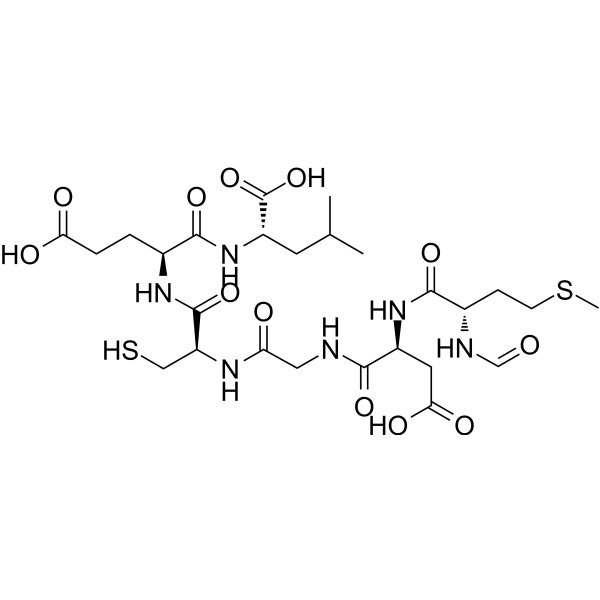
    Foxy-5, a WNT5A agonist, is a mimicking peptide of WNT5A which is a non-canonical member of the Wnt family. Foxy-5 triggers cytosolic free calcium signaling without affecting β-catenin activation and it impairs the migration and invasion of epithelial cancer cells. Foxy-5 effectively reduces the metastatic spread of WNT5A-low prostate cancer cells in an orthotopic mouse model .
    Foxy-5
  • HY-137255

    3-Sulfotaurolithocholic acid disodium

    GPR39 Inflammation/Immunology
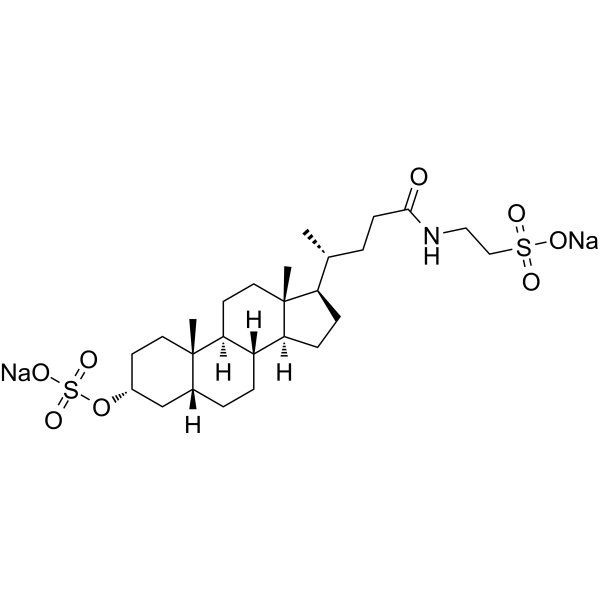
    Taurolithocholic acid 3-sulfate disodium is a GPR39 agonist with EC50s of 71.6  and 69.4 (absence of Zn 2+) and 9 and 9.6 μM (presence of Zn 2+) in M39-20 and hGPR39-2 cells, respectively. Taurolithocholic acid 3-sulfate disodium stimulates GPR39 receptors to initiate intracellular calcium signaling, independent of Zn 2+ binding sites H17 and H19. Taurolithocholic acid 3-sulfate disodium can be used for the research of gallbladder disease .
    Taurolithocholic acid 3-sulfate disodium
  • HY-109804
    CORM-401
    Maximum Cited Publications
    12 Publications Verification

    Reactive Oxygen Species (ROS) Inflammation/Immunology
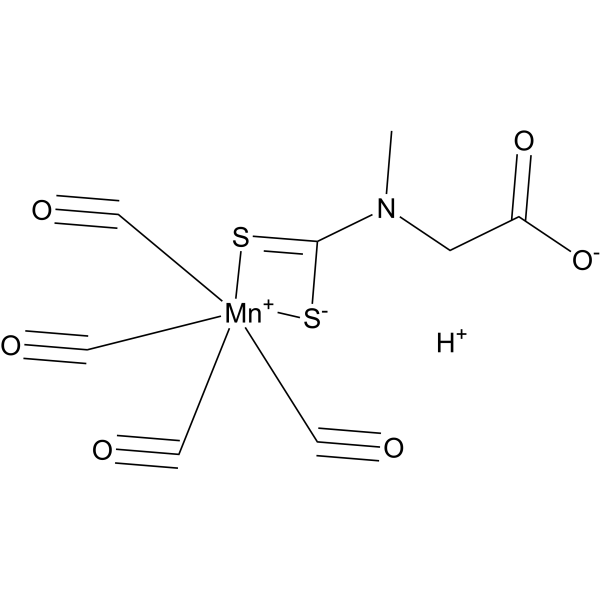
    CORM-401 is an oxidant-sensitive CO-releasing molecule. CORM-401 induces NO increase in the regulation of endothelial calcium signalling. CORM-401 reduces TNF-α/CHX and H2O2-induced ROS production. CORM-401 uncouples mitochondrial respiration and inhibits glycolysis .
    CORM-401
  • HY-113238A

    Sulfolithocholic acid disodium; LCAS disodium

    GPR39 ROR Metabolic Disease Inflammation/Immunology
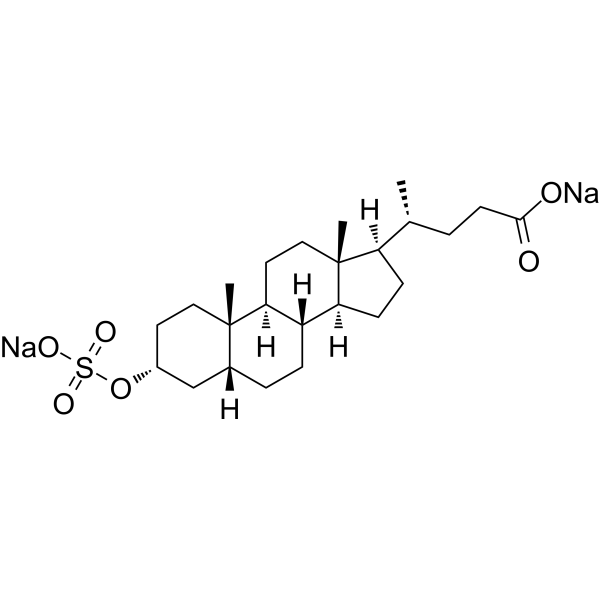
    Lithocholic acid 3-sulfate disodium is a GPR39 agonist, with EC50 values of 41 μM and 42.4 μM in M39-20 and hGPR39-2 cells, respectively, in the absence of Zn 2+, and 0.88 μM and 0.97 μM in the presence of Zn 2+. Lithocholic acid 3-sulfate disodium acts as a RORγt ligand. Lithocholic acid 3-sulfate disodium stimulates the GPR39 receptor to initiate intracellular calcium signaling, independent of the Zn 2+-binding sites H17 and H19. LCA-3-S selectively inhibits Th17 cell differentiation by targeting RORγt. Lithocholic acid 3-sulfate disodium can be used in the research of cholestatic liver diseases .
    Lithocholic acid 3-sulfate disodium
  • HY-111919
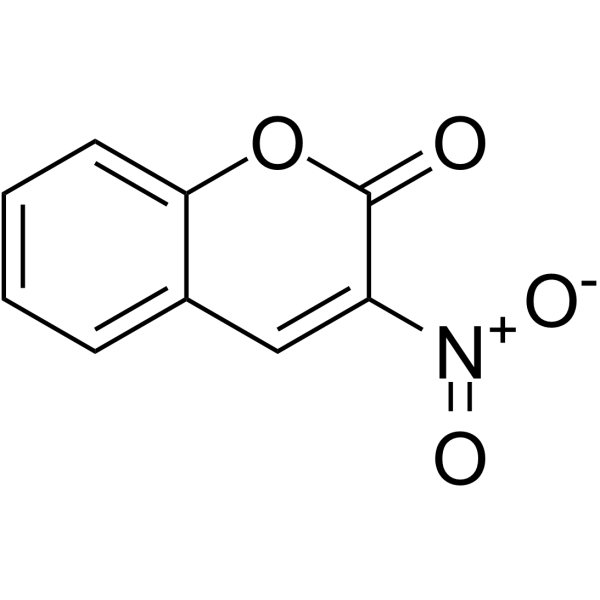
    3-Nitrocoumarin
    3 Publications Verification

    Phospholipase Fungal Infection
    3-Nitrocoumarin is an inhibitor for phospholipase C that blocks the generation of inositol triphosphate (IP3), thereby affecting the calcium signaling pathway .
    3-Nitrocoumarin
  • HY-P10849

    Calcium Channel Others
    IP3RPEP6 is an IP3R competitive inhibitor. IP3RPEP6 has the IC50 values of 9.0 μM, 3.9 μM and 4.3 μM for IP3R1, IP3R2 and IP3R3, respectively. IP3RPEP6 does not affect the Ryanodine receptor and Cx43 hemichannels. IP3RPEP6 regulates calcium signaling within cells .
    IP3RPEP6
  • HY-N6036
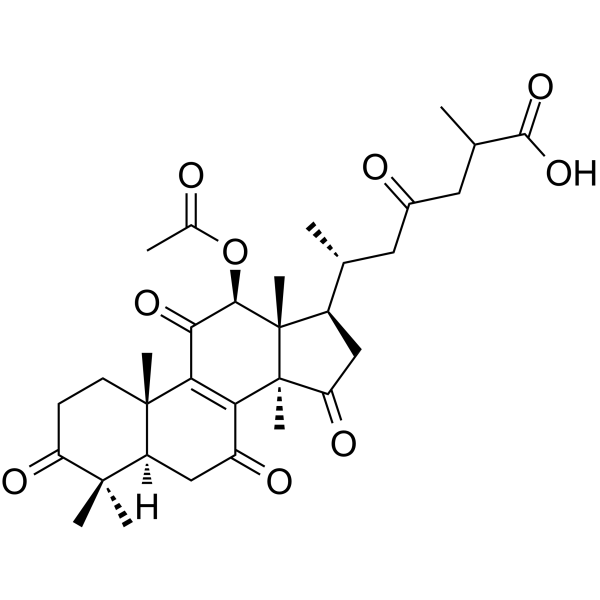
    Ganoderic acid F
    1 Publications Verification

    Others Cancer
    Ganoderic acid F is a ganoderic acid. Ganoderic acid F exhibits antitumor and antimetastatic activities through inhibition of angiogenesis and alteration of proteins involving cell proliferation and/or cell death, carcinogenesis, oxidative stress, calcium signaling, and endoplasmic reticulum stress .
    Ganoderic acid F
  • HY-W587861
    5β-Dihydroprogesterone
    1 Publications Verification

    5βDHP

    Oxytocin Receptor Endocrinology
    5β-Dihydroprogesterone (5βDHP) is the metabolite of Progesterone (HY-N0437). 5β-Dihydroprogesterone binds to oxytocin receptor, reduces the Oxytocin (HY-17571)-induced calcium signal transduction, thereby exhibiting the tocolytic activity .
    5β-Dihydroprogesterone
  • HY-103316

    Calcium Channel Cardiovascular Disease Inflammation/Immunology
    trans-Ned 19 is a NAADP antagonist and TPC blocker. trans-Ned 19 suppresses the calcium signal and the rat aorta relaxation in response to low histamine concentrations. trans-Ned 19 increases the spontaneous acrosome reaction rate, alleviates anti-CD3 mAb-induced intestinal inflammation, and improves kidney damage in mice with nephrotoxic serum nephritis .
    trans-Ned 19
  • HY-138668

    TRP Channel Neurological Disease
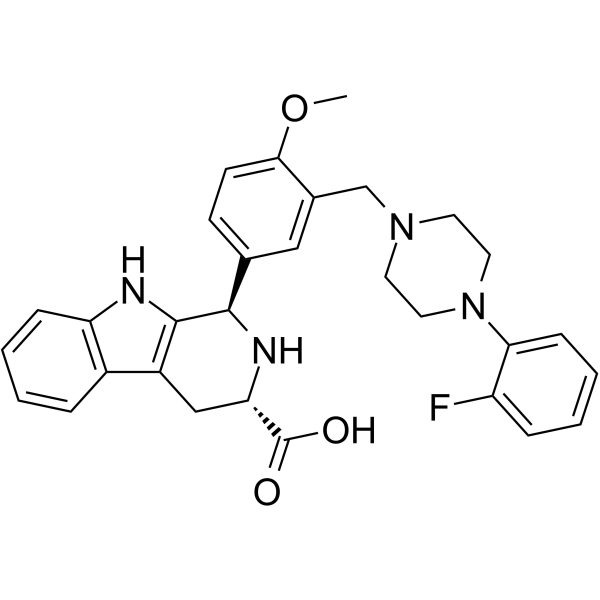
    JW-65 is a selective TRPC3 channel inhibitor with favorable blood-brain barrier penetration. JW-65 directly binds to human TRPC3 protein and modulates calcium signaling to reduce seizure susceptibility. JW-65 reduces seizure incidence, severity, and duration while prolonging seizure latency in multiple seizure models. JW-65 alleviates Aβ‑induced neuronal damage. JW-65 serves as a valuable tool for research on epilepsy, seizure disorders, and Alzheimer’s disease .
    JW-65
  • HY-N13250

    Apoptosis AMPK Elastase Bcl-2 Family Interleukin Related Caspase PI3K Akt SOD Cardiovascular Disease
    Hawthorn Extract is an orally active hawthorn extract. Hawthorn Extract decreases Bax expression and increases Bcl-2 expression in the aorta. Hawthorn Extract regulates the AMPK signaling pathway, induces apoptosis, enhances the hepatic antioxidant system, and ameliorates symptoms of liver injury, inflammation and cancer. Hawthorn Extract reduces plasma levels of pro-inflammatory factors, increases plasma levels of anti-inflammatory adiponectin, and alleviates atherosclerotic plaque lesions in the aorta. Hawthorn Extract improves symptoms associated with chronic heart failure . Hawthorn Extract inhibits FMLP-induced superoxide anion production, Elastase release, ILB4 generation and calcium signaling in neutrophils, and also reduces LPS-induced cytokine production in neutrophils. Hawthorn Extract induces autophagy and inhibits the proliferation of intestinal stem cells. Hawthorn Extract can be used in research related to atherosclerosis, hepatitis, alcoholic liver disease, non-alcoholic fatty liver disease, hepatocellular carcinoma, chronic heart failure and hypotension .
    Hawthorn Extract
  • HY-P1416A
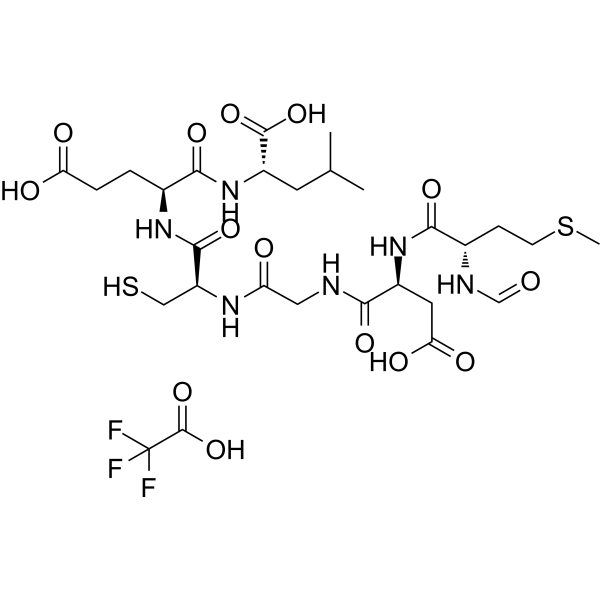
    Foxy-5 TFA
    Maximum Cited Publications
    7 Publications Verification

    Wnt Cancer
    Foxy-5 TFA, a WNT5A agonist, is a mimicking peptide of WNT5A which is a non-canonical member of the Wnt family. Foxy-5 TFA triggers cytosolic free calcium signaling without affecting β-catenin activation and it impairs the migration and invasion of epithelial cancer cells. Foxy-5 TFA effectively reduces the metastatic spread of WNT5A-low prostate cancer cells in an orthotopic mouse model .
    Foxy-5 TFA
  • HY-W587430

    Glycolithocholate sulfate disodium; Sulfolithocholylglycine disodium; SLCG disodium

    HIV GPR39 Infection Inflammation/Immunology
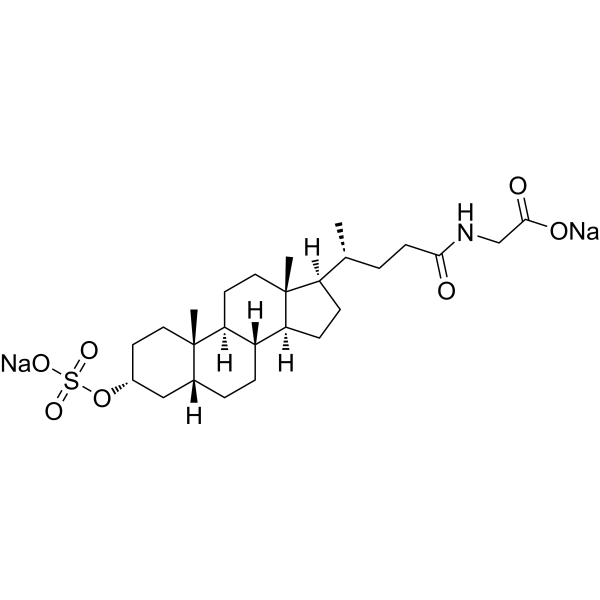
    Glycolithocholic acid 3-sulfate disodium is a GPR39 agonist with EC50s of 47.9  and 66.8 μM (absence of Zn 2+) and 8 and 8.7 μM (presence of Zn 2+) in M39-20 and hGPR39-2 cells, respectively. Glycolithocholic acid 3-sulfate disodium stimulates GPR39 receptors to initiate intracellular calcium signaling, independent of Zn 2+ binding sites H17 and H19. Glycolithocholic acid 3-sulfate disodium also inhibits replication of HIV-1 in vitro. Glycolithocholic acid 3-sulfate disodium can be used for the research of HIV infection and gallbladder disease .
    Glycolithocholic acid 3-sulfate disodium
  • HY-177303

    CaSR SARS-CoV Infection Metabolic Disease Endocrinology
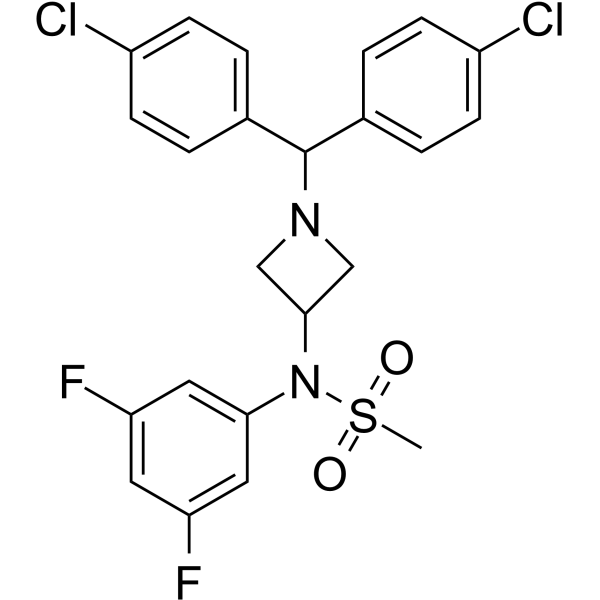
    AXT-914 is a Calcium-sensing receptor (CaSR) inhibitor. AXT-914 has antiviral activity against the coronavirus HCoV 229E and SARS-CoV2. AXT914 reduces cytosolic calcium signalling activity of CaSR mutations. AXT-914 can be used for Bartter syndrome type 5 and autosomal dominant hypocalcemia (ADH) and coronavirus infections research .
    AXT-914
  • HY-14788

    AVE1625

    Cannabinoid Receptor Metabolic Disease
    Drinabant (AVE1625) is an orally active CB1 receptor antagonist. Drinabant (AVE1625) inhibits the agonist-stimulated calcium signal with IC50 values of 25 nM and 10 nM for the hCB1-R and rCB1-R, respectively, and is ineffective for the hCB2-R .
    Drinabant
  • HY-P10815

    Apoptosis Calcium Channel Others
    IP3RCYT is an IP3R inhibitory peptide, which can inhibit the binding of cytochrome C to IP3R with an IC50 about 100 nM. IP3RCYT regulates calcium signaling within cells. P3RCYT inhibits apoptosis in HeLa and Jurkat cells treated with Staurosporine (HY-15141) or Membrane-bound Fas ligand (FasL) .
    IP3RCYT
  • HY-175087

    Ins(1,2,4,5,6)P5 sodium salt; 1,2,4,5,6-IP5 sodium salt

    Calcium Channel Others
    D-myo-Inositol-1,2,4,5,6-pentaphosphate (Ins(1,2,4,5,6)P5) sodium salt is one of several different inositol oligophosphate isomers involved in signal transduction. In human Jurkat T lymphocytes, Ins(1,2,4,5,6)P5 (sodium salt) is phosphorylated to InsP6 by 1/3 kinase. D-myo-Inositol-1,2,4,5,6-pentaphosphate sodium salt is involved in calcium signaling .
    D-myo-Inositol-1,2,4,5,6-pentaphosphate sodium salt
  • HY-111527

    Calcium Channel Neurological Disease
    PPZ2 is a diacylglycerol (DAG)-activated TRPC3/TRPC6/TRPC7 channel activator with activity in promoting neuronal development and survival. PPZ2 activates recombinant TRPC3/TRPC6/TRPC7 channels in a dose-dependent manner without affecting other TRPC channels. PPZ2 elicits cation currents and calcium ion (Ca(2+)) influx in cultured central neurons. PPZ2 is able to induce BDNF-like neurite outgrowth and neuroprotection, an effect that disappears after TRPC3/TRPC6/TRPC7 knockdown or inhibition. PPZ2 also increases the activation of the calcium-dependent transcription factor cAMP response element binding protein. The effects of PPZ2 suggest that calcium signaling mediated by activation of DAG-activated TRPC channels plays an important role in its neurotrophic effects .
    PPZ2
  • HY-118170

    Chloride Channel Others
    T16A(inh)-C01 is an inhibitor of TMEM16A (ANO1). T16A(inh)-C01 blocks chloride channel mediated by ANO1 with an IC50 of 8.4 μM, without interfering with calcium signaling .
    T16A(inh)-C01
  • HY-P1409A
    ADWX 1 TFA
    1 Publications Verification

    Potassium Channel Inflammation/Immunology
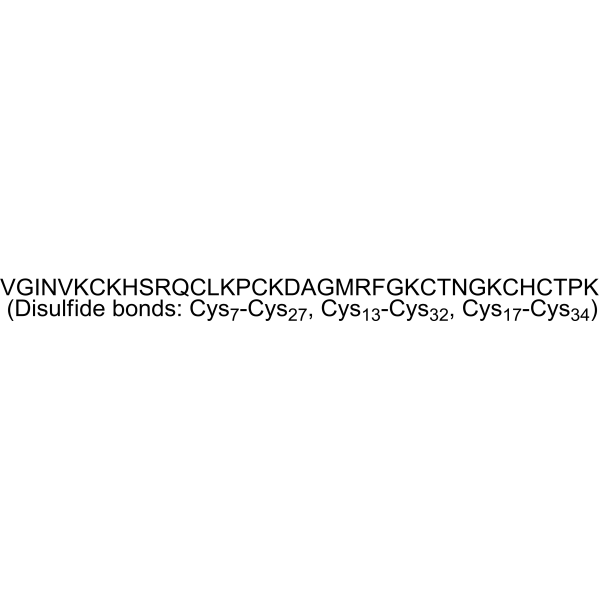
    ADWX 1 TFA is a new peptide inhibitor that is potent and selective for Kv1.3 with an IC50 value of 1.89 pM. ADWX 1 inhibits Kv1.3 channel activity specifically to inhibit both the initial calcium signaling and NF-κB activation. ADWX 1 TFA ameliorates the disease in rats of experimental autoimmune encephalomyelitis (EAE) models. ADWX 1 TFA can be used to study T cell-mediated autoimmune diseases .
    ADWX 1 TFA
  • HY-P11540

    Cholecystokinin Receptor MMP Amyloid-β Neurological Disease
    CCKBR agonist-1 (Compound 3r1) is a Gq-protein-preferring cholecystokinin B receptor (CCKBR) agonist with an EC50 of 35 pM. CCKBR agonist-1 significantly increases the survival rate of neurons, with an EC50 of 37 pM. CCKBR agonist-1 can improve the cognitive decline in mice by upregulating α-secretase (ADAM10) and calcium signaling molecule PLCB4, reduce the number of amyloid β () plaques, and promote long-term potentiation (LTP). CCKBR agonist-1 can be used for the study of Alzheimer's disease .
    CCKBR agonist-1
  • HY-134261

    8-Bromoadenosine-5'-O-diphosphoribose

    TRP Channel CaMK Metabolic Disease Cancer
    8-Br-ADPR (8-Bromoadenosine-5'-O-diphosphoribose) is a TRPM2 inhibitor and ADPR signaling pathway antagonist. 8-Br-ADPR inhibits glucagon-mediated nuclear calcium signaling and downstream CaMKII/CREB phosphorylation by blocking ADPR-induced TRPM2 activation. 8-Br-ADPR significantly reduces gluconeogenic gene expression and blood glucose levels in diabetic models. 8-Br-ADPR effectively blocks ADPR-mediated calcium signal transduction in NK cells, inhibits immune synapse formation, granzyme B release and cytolytic activity against melanoma cells. 8-Br-ADPR is widely used in studies related to diseases such as diabetes, melanoma and lymphoma .
    8-Br-ADPR
  • HY-124681

    Neuromedin U Receptor (NMUR) Metabolic Disease
    NY0116 is a neuromedin U receptor 2 (NMUR2) agonist with EC50 values of 27.76 μM for hNMUR1 and 13.61 μM for hNMUR2. NY0116 decreases cAMP while stimulating calcium signaling in stably expressing NMUR2 HEK293 cells .
    NY0116
  • HY-134261A

    8-Bromoadenosine-5'-O-diphosphoribose disodium

    CaMK TRP Channel Metabolic Disease Inflammation/Immunology Cancer
    8-Br-ADPR disodium (8-Bromoadenosine-5'-O-diphosphoribose) is a TRPM2 inhibitor and ADPR signaling pathway antagonist. 8-Br-ADPR disodium inhibits glucagon-mediated nuclear calcium signaling and downstream CaMKII/CREB phosphorylation by blocking ADPR-induced TRPM2 activation. 8-Br-ADPR disodium significantly reduces gluconeogenic gene expression and blood glucose levels in diabetic models. 8-Br-ADPR disodium effectively blocks ADPR-mediated calcium signal transduction in NK cells, inhibits immune synapse formation, granzyme B release and cytolytic activity against melanoma cells. 8-Br-ADPR disodium is widely used in studies related to diseases such as diabetes, melanoma and lymphoma .
    8-Br-ADPR disodium
  • HY-P991651

    Fc Receptor (FcR) Inflammation/Immunology
    MEDI4212 is a humanized IgG1λ monoclonal antibody inhibitor targeting IgE. MEDI4212 potently inhibits human IgE-mediated functional responses through its receptor FcεRI, such as calcium signaling, β-hexosaminidase release and phagocytosis. MEDI4212 prevents the binding of IgE to CD23 with an IC50 of 8 nM. MEDI4212 can be used severe asthma research .
    MEDI4212
  • HY-N11775

    Plebeiolide D

    NF-κB Akt Nuclear Factor of activated T Cells (NFAT) Phosphatase Metabolic Disease
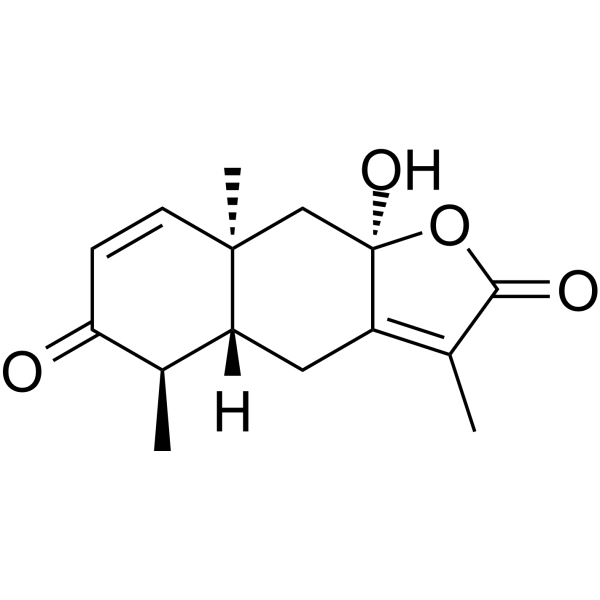
    Eudebeiolide B is a compound that can be isolated from Salvia plebeia R. Br. Eudebeiolide B inhibits osteoclastogenesis by regulating RANKL-induced NF-κB, c-Fos and calcium signaling. Eudebeiolide B can be used for osteoclast-related diseases research .
    Eudebeiolide B
  • HY-177726

    P2Y Receptor Inflammation/Immunology
    UTPU trisodium (Compound 19) is a selective P2Y6R agonist with an EC50 of 0.4 μM. UTPU trisodium can activate the intracellular calcium signaling pathway mediated by P2Y6. UTPU trisodium can be used for the research of inflammation .
    UTPU trisodium
  • HY-N6036R

    Reference Standards Others Cancer
    Ganoderic acid F (Standard) is the analytical standard of Ganoderic acid F. This product is intended for research and analytical applications. Ganoderic acid F is a ganoderic acid. Ganoderic acid F exhibits antitumor and antimetastatic activities through inhibition of angiogenesis and alteration of proteins involving cell proliferation and/or cell death, carcinogenesis, oxidative stress, calcium signaling, and endoplasmic reticulum stress .
    Ganoderic acid F (Standard)
  • HY-137626

    P2Y Receptor Others
    Sp-ATPαS is a regulator of ATP-binding proteins. Sp-ATPαS is a competitive antagonist of the human P2Y1 receptor, which can inhibit the calcium signal induced by ADP. Sp-ATPαS is metabolically more stable than ATP . Sp-ATPαS can be used to study the binding patterns of metals and nucleotides in enzymatic reactions.
    Sp-ATPαS
  • HY-171899A

    GroPI(4,5)P2 trisodium; GPIP2 trisodium

    Calcium Channel Others
    Glycerophosphoinositol 4,5-diphosphate (GroPI(4,5)P2) trisodium is a slowly metabolized analog of InsP3. Glycerophosphoinositol 4,5-diphosphate trisodium has an EC50 of 1.228 μM for inducing calcium release, with a degradation time constant of 13 seconds. Glycerophosphoinositol 4,5-diphosphate trisodium can be used to study the effect of InsP3 degradation on calcium signal recovery .
    Glycerophosphoinositol 4,5-diphosphate trisodium
  • HY-P1409

    Potassium Channel Inflammation/Immunology
    ADWX 1 is a new peptide inhibitor that is potent and selective for Kv1.3 with an IC50 value of 1.89 pM. ADWX 1 inhibits Kv1.3 channel activity specifically to inhibit both the initial calcium signaling and NF-κB activation. ADWX 1 ameliorates the disease in rats of experimental autoimmune encephalomyelitis (EAE) models. ADWX 1 can be used to study T cell-mediated autoimmune diseases .
    ADWX 1
  • HY-176712

    GSNOR Apoptosis Neurological Disease
    GSNOR-IN-1, a prodrug of GSNOR-IN-2 (HY-176275), is a BBB-penetrable S-nitrosoglutathione reductase (GSNOR) inhibitor. GSNOR-IN-1 has significant protective activity against OGD/R-induced injury. GSNOR-IN-1 regulates calcium signaling and synaptic function via Clstn1 S-nitrosation and inhibits neuronal apoptosis. GSNOR-IN-1 significantly reduces infarct volume while improving neurological deficits in ischemic stroke rat models. GSNOR-IN-1 has neuroprotective activity, promising for ischemic stroke research .
    GSNOR-IN-1
  • HY-108514

    Sigma Receptor Neurological Disease Cancer
    (±)-PPCC hemioxalate is a compound that has the ability to regulate the activity of the sigma-1 receptor. (±)-PPCC hemioxalate can selectively bind sigma-1 protein (s1), and then activate s1 receptor leading to dissociation of s1-BIP complex to regulate ER-mitochondrial calcium signaling, which plays an important role in cell bioenergy and cell survival. (±)-PPCC hemioxalate can be used to study sigma-1 receptors in cocaine addiction, forgetting, pain, depression, Alzheimer's disease, stroke, and cancer .
    (±)-PPCC hemioxalate
  • HY-118030

    Calcium Channel Neurological Disease
    RQ-00311651 is a T-type calcium channel blocker that specifically targets the Cav3.2 isoform with a role in neuropathic and visceral pain. RQ-00311651 significantly inhibits T currents in HEK293 cells expressing human Cav3.1 or Cav3.2. RQ-00311651 also inhibited high potassium-induced calcium signaling. RQ-00311651 also inhibits antiallergic properties in rats and mice with neuropathic pain induced by spinal nerve injury or Paclitaxel (HY-B0015). Oral and intraperitoneal injection (10-20 mg/kg) inhibits Cerulein (HY-A0190)-induced acute pancreatitis and cyclophosphamide-induced cystitis in mice .
    RQ-00311651
  • HY-172570

    Ins(1,2,3,5,6)-P5 tetrasodium; 1,2,3,5,6-IP5 tetrasodium

    Calcium Channel Others
    D-myo-inositol-1,2,3,5-tetraphosphate (Ins(1,2,3,5,6)-P5) tetrasodium is one of the Inositol phosphate isomers and can act as a soluble second messenger to participate in cellular calcium signaling .
    D-myo-Inositol-1,2,3,5-tetraphosphate tetrasodium
  • HY-145156

    GLP Receptor Metabolic Disease
    CHU-128 is an effective and selective GLP-1R agonist. CHU-128 exhibits strong signal specificity and can activate the Gs/cAMP pathway, but it cannot activate the Gq/calcium signal, ERK phosphorylation, or recruit β-inhibitory proteins. CHU-128 can be used for research on type 2 diabetes .
    CHU-128
  • HY-137626A

    P2Y Receptor Others
    Sp-ATPαS tetrasodium is a thiophosphonate analogue of ATP. Sp-ATPαS tetrasodium is a competitive antagonist of the human P2Y1 receptor and can inhibit the calcium signal induced by ADP. Sp-ATPαS tetrasodium has higher metabolic stability than ATP. Sp-ATPαS tetrasodium can be used to study the binding mode of metal-nucleotide in enzymatic reactions .
    Sp-ATPαS tetrasodium solution (100mM)
  • HY-103316R

    Reference Standards Calcium Channel Cardiovascular Disease Inflammation/Immunology
    trans-Ned 19 (Standard) is the analytical standard of trans-Ned 19 (HY-103316). This product is intended for research and analytical applications. trans-Ned 19 is a NAADP antagonist and TPC blocker. trans-Ned 19 suppresses the calcium signal and the rat aorta relaxation in response to low histamine concentrations. trans-Ned 19 increases the spontaneous acrosome reaction rate, alleviates anti-CD3 mAb-induced intestinal inflammation, and improves kidney damage in mice with nephrotoxic serum nephritis .
    trans-Ned 19 (Standard)
  • HY-182702

    TREM receptor Syk Neurological Disease
    As48 is a selective TREM2 agonist with a KD value of 12.48 μM in TRIC binding assay. As48 binds near the TREM2 cleavage region, forms hydrogen bonds with Gly68, reduces conformational flexibility in regions 58-102, restricts protease accessibility to the cleavage site. As48 activates SYK phosphorylation, enhances microglial phagocytosis, and induces downstream calcium signaling in TREM2-expressing cells. As48 inhibits TREM2 ectodomain shedding without affecting ADAM10/17 protease activities. As48 can be used for the research of Alzheimer's disease .
    As48
  • HY-182573

    Protease Activated Receptor (PAR) Cardiovascular Disease
    RWJ-58259 is a selective PAR-1 inhibitor with an IC50 value of 0.15 μM. RWJ-58259 binds selectively to PAR-1, blocks the binding of tethered ligands, interferes with calcium mobilization and PAR-1-related cellular functions, and exhibits no PAR-1 agonist activity or thrombin proteolytic inhibitory activity. RWJ-58259 inhibits thrombin-induced platelet aggregation, calcium signaling and vascular smooth muscle cell proliferation, reduces neointimal thickness and arterial stenosis, and alleviates vascular occlusion and platelet deposition. RWJ-58259 can be used in the research of thrombotic diseases and vascular injury associated with acute coronary intervention .
    RWJ-58259
  • HY-165459

    MK-056

    TRP Channel Infection Inflammation/Immunology
    KJM429 (MK-056) is a high-affinity ligand for the rat vanilloid receptor rTRPV1 (Ki=30-63 nM) with a unique dual regulatory function. KJM429 acts as a competitive antagonist to inhibit TRPV1 receptor activation induced by Capsaicin (HY-10448), resiniferatoxin, thermal stimulation and weak acid (pH 6.0), and switches to a TRPV1 agonist under strong acid conditions (pH<5.5). KJM429 effectively blocks calcium influx induced by Capsaicin and partial thermal stimulation, and triggers calcium uptake under low pH conditions, with minimal effects on non-TRPV1-mediated calcium signaling. KJM429 can be used for research on the mechanisms of pain-related diseases such as postherpetic neuralgia, diabetic neuropathy, cluster headache, osteoarthritis and pruritus .
    KJM429

Inquiry Online

Your information is safe with us. * Required Fields.

Salutation


Country or Region *

Applicant Name *


Organization Name *

Department *


Email Address *


Product Name *

Cat. No.


Requested quantity *

Phone Number *


Remarks

Inquiry Online

Inquiry Information

Product Name:
Cat. No.:
Quantity:
MCE Japan Authorized Agent: