1. Search Result
Search Result
Results for "

cancer diagnosis

" in MedChemExpress (MCE) Product Catalog:

44

Inhibitors & Agonists

2

Screening Libraries

5

Fluorescent Dyes

1

Biochemical Assay Reagents

3

Peptides

1

Inhibitory Antibodies

8

Natural
Products

1

Isotope-Labeled Compounds

4

Oligonucleotides

Targets Recommended:
Cat. No. Product Name Target Research Areas Chemical Structure
  • HY-D1711

    IR-808

    Fluorescent Dye Cancer
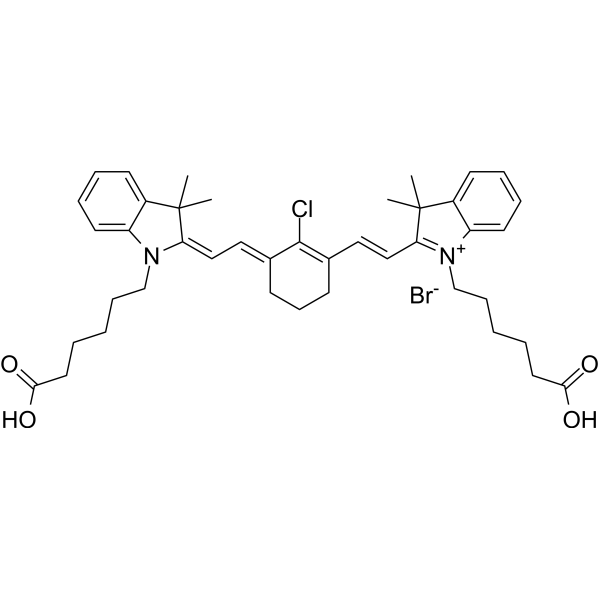
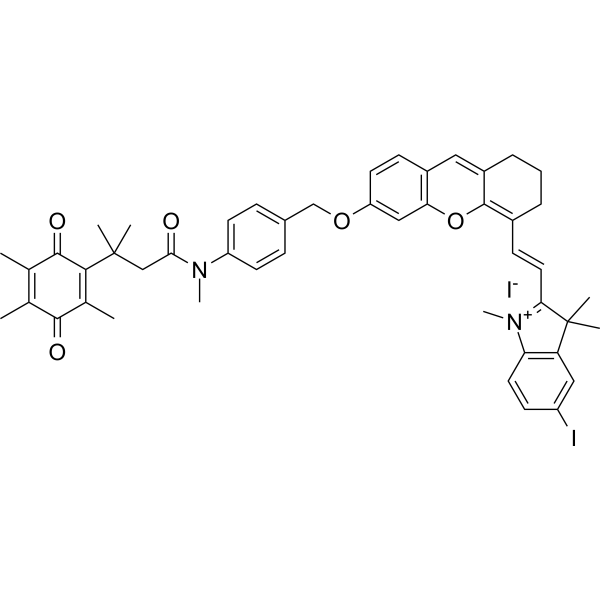
    MHI-148 is a near-infrared heptamethine cyanine dye with tumor-targeting properties for cancer detection, diagnosis and research. MHI-148 is immediately taken up and accumulated by lysosomes and mitochondria of tumor cells, but not in lysosomes and mitochondria of normal cells .
    MHI-148
  • HY-W040047

    Endogenous Metabolite Metabolic Disease
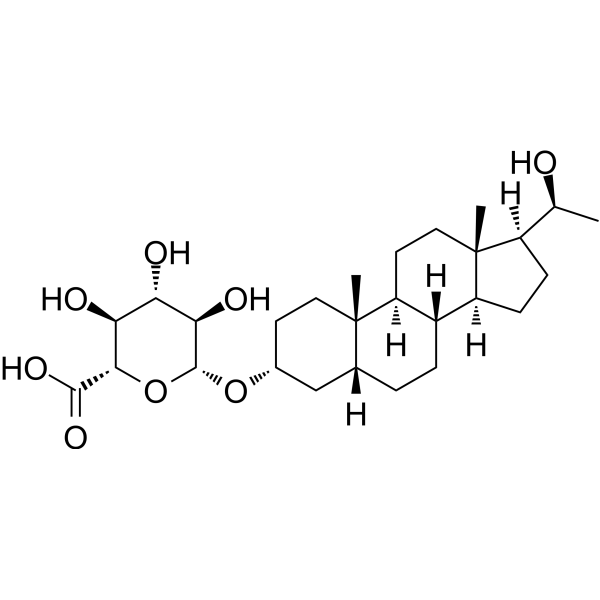
    Pregnanediol 3-glucuronide is the main terminal metabolite of Progesterone (HY-N0437). Pregnanediol 3-glucuronide is the metabolite of Progesterone produced in the liver through hydroxylation and glucuronidation, with high hydrophilicity and easy excretion through urine. A decrease in the level of Pregnanediol 3-glucuronide is associated with an increased risk of thyroid cancer, while an increase is associated with the state of pregnancy. Pregnanediol 3-glucuronide is of great significance in the monitoring of female reproductive health, pregnancy assessment, and the diagnosis of endocrine diseases .
    Pregnanediol 3-glucuronide
  • HY-W342604
    N-Acetylputrescine
    1 Publications Verification

    NAP

    Endogenous Metabolite Neurological Disease Cancer
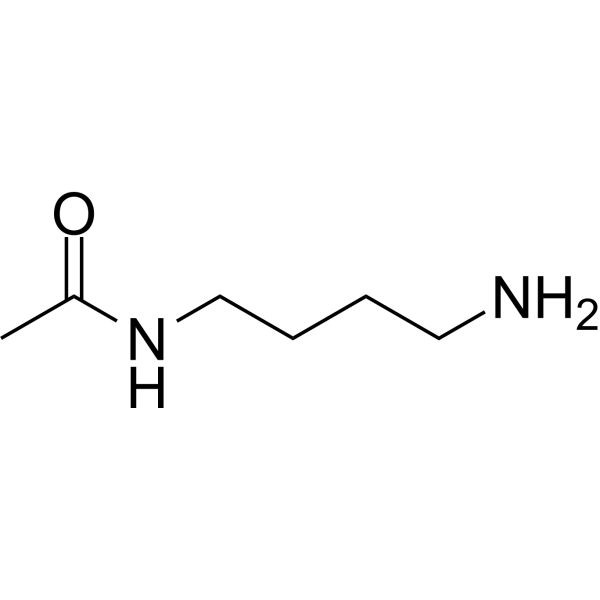
    N-Acetylputrescine is a polyamine metabolite that regulates cell proliferation and signal transduction mainly by participating in polyamine acetylation modification. N-Acetylputrescine may reduce the positive charge of polyamines, affect protein-nucleic acid interactions, and promote cell growth. The concentration changes of N-Acetylputrescine can help disease diagnosis (such as early screening and efficacy evaluation of lung cancer) and microbial cell wall structure research. N-Acetylputrescine can be used as a potential biomarker for the progression of squamous cell carcinoma of the lung (SCCL) and Parkinson's disease (PD) .
    N-Acetylputrescine
  • HY-134990
    Hematoporphyrin monomethyl ether
    2 Publications Verification

    Apoptosis Cancer
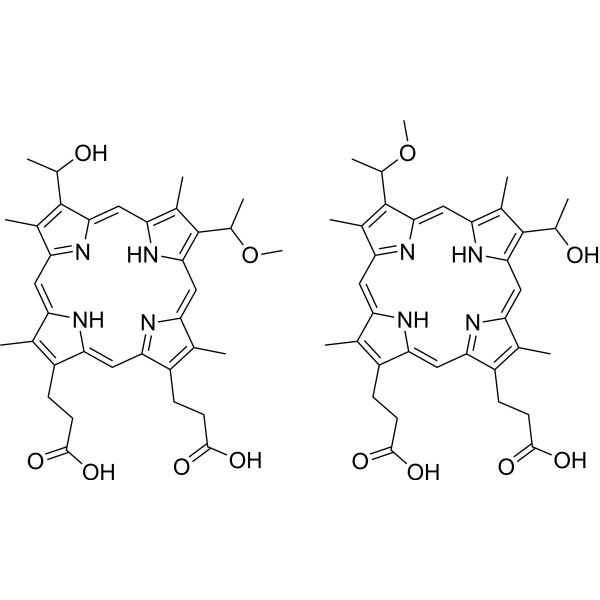
    Hematoporphyrin monomethyl ether, second generation of porphyrin-related photosensitizer, is characterized by its single form, high yield of singlet oxygen, high selectivity, and low toxicity, which has been widely used in the diagnosis and research of various tumors, including lung cancer, bladder cancer, and nevus flammeus and brain glioma .
    Hematoporphyrin monomethyl ether
  • HY-113100
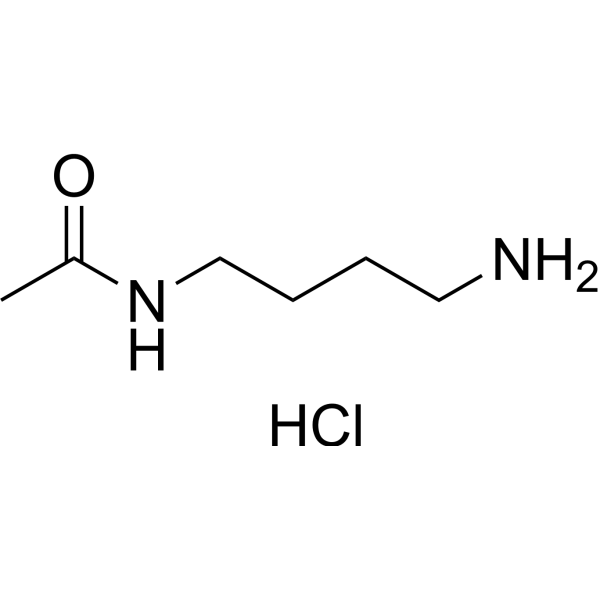
    N-Acetylputrescine hydrochloride
    1 Publications Verification

    Endogenous Metabolite Neurological Disease Cancer
    N-Acetylputrescine hydrochloride is a polyamine metabolite that regulates cell proliferation and signal transduction mainly by participating in polyamine acetylation modification. N-Acetylputrescine hydrochloride may reduce the positive charge of polyamines, affect protein-nucleic acid interactions, and promote cell growth. The concentration changes of N-Acetylputrescine hydrochloride can help disease diagnosis (such as early screening and efficacy evaluation of lung cancer) and microbial cell wall structure research. N-Acetylputrescine hydrochloride can be used as a potential biomarker for the progression of squamous cell carcinoma of the lung (SCCL) and Parkinson's disease (PD) .
    N-Acetylputrescine hydrochloride
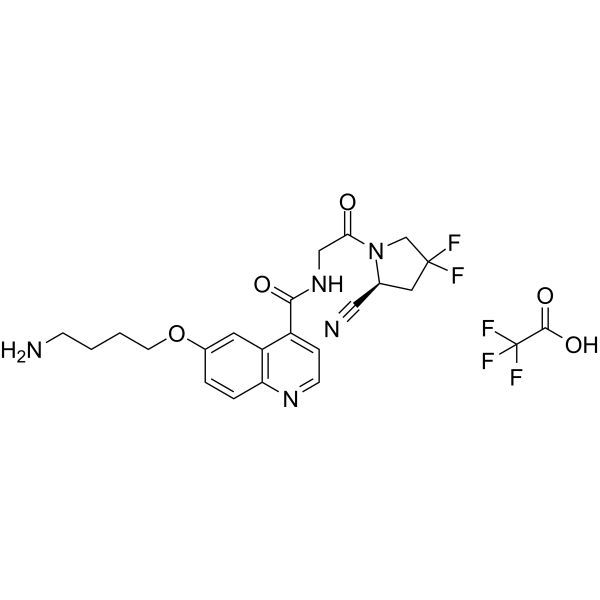
  • HY-153552A

    FAP Cancer
    NH2-UAMC1110 TFA is an aminobutoxy derivative of the fibroblast activation protein (FAP) inhibitor UAMC1110 (HY-100684), and is a precursor compound for the synthesis of FAP inhibitor probes, not directly used in bioactivity experiments. For example, NH2-UAMC1110 TFA is involved in the synthesis of the radiotracer FAPI-QS, which exhibits high tumor selectivity and high dose effect, and has been used in tumor diagnosis. NH2-UAMC1110 TFA structurally incorporates an active amino group, allowing it to form covalent bonds with various molecules (such as DOTA, DATA5m, radionuclide chelators, etc.) to synthesize molecular imaging probes or targeted compounds with the ability to target FAP. NH2-UAMC1110 TFA specifically binds to the FAP active site, inhibiting its proline-selective serine protease activity (including dipeptidyl peptidase and endopeptidase activity), blocking FAP-mediated tissue remodeling-related processes. Its key activity is high targeting and high affinity, and its core function is to act as a targeting module coupled with bifunctional chelators (such as DOTA, DATA5m). NH2-UAMC1110 TFA can be applied to diagnostic imaging studies of tumors expressing FAP (such as colorectal cancer, pancreatic cancer, etc.), and also provides molecular tools for targeted research of FAP-related diseases with high FAP expression, such as fibrosis and arthritis .
    NH2-UAMC1110 TFA
  • HY-W587488

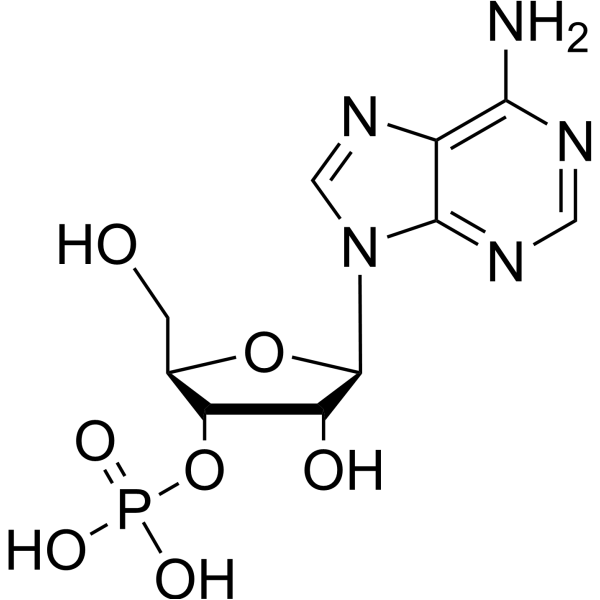
    3′-AMP

    Nucleoside Antimetabolite/Analog Cyclic GMP-AMP Synthase Cancer
    Adenosine 3’-monophosphate (3’-AMP) is a nucleotide. Adenosine 3’-monophosphate is a cyclic AMP production agonist. Adenosine 3’-monophosphate increases cyclic AMP levels concentration-dependently in NG108-15 cells. Adenosine 3’-monophosphate can be used in the determination of acid phosphatase activity of human serum, which is estabilished as a laboratory procedure in the diagnosis of prostate cancer, metastatic mammary cancer and Gaucher’s disease. Adenosine 3’-monophosphate inhibits human aortic and coronary vascular smooth muscle cell proliferation via A2B receptors .
    Adenosine 3′-monophosphate
  • HY-153552

    FAP Cancer
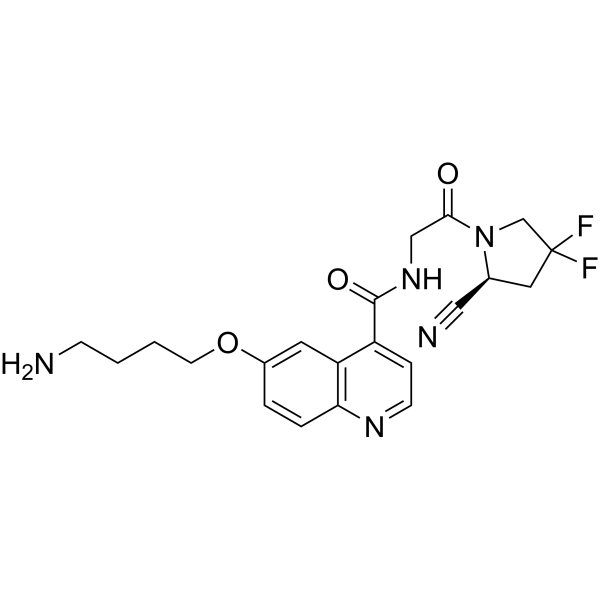
    NH2-UAMC1110 is an aminobutoxy derivative of the fibroblast activation protein (FAP) inhibitor UAMC1110 (HY-100684), and is a precursor compound for the synthesis of FAP inhibitor probes, not directly used in bioactivity experiments. For example, NH2-UAMC1110 is involved in the synthesis of the radiotracer FAPI-QS, which exhibits high tumor selectivity and high dose-response, and has been used for tumor diagnosis. NH2-UAMC1110 introduces an active amino group into its structure, enabling it to form covalent bonds with various molecules (such as DOTA, DATA5m, radionuclide chelators, etc.), thereby synthesizing molecular imaging probes or targeted compounds with the ability to target FAP. NH2-UAMC1110 specifically binds to the FAP active site, inhibiting its proline-selective serine protease activity (including dipeptidyl peptidase and endopeptidase activity), blocking FAP-mediated tissue remodeling processes. Its key activity is high targeting and high affinity, and its core function is to be coupled with bifunctional chelators (such as DOTA, DATA5m) as a targeting module. NH2-UAMC1110 can be applied to diagnostic imaging studies of tumors expressing FAP (such as colorectal cancer, pancreatic cancer, etc.), and also provides molecular tools for targeted research of FAP-related diseases with high FAP expression, such as fibrosis and arthritis .
    NH2-UAMC1110
  • HY-D1456

    Pyruvate Kinase Cancer
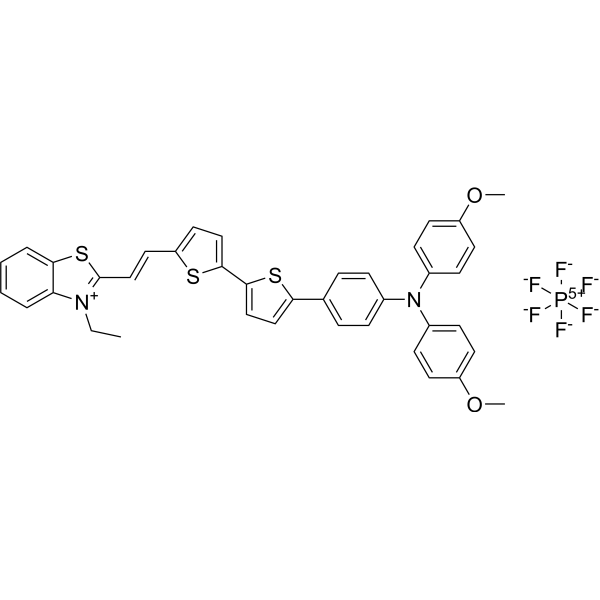
    TEPC466 is a novel TEPP-46-based aggregation-induced emission (AIE) probe. TEPC466 shows a high degree of selectivity and sensitivity for the detection of PKM2 protein via the AIE effect. EPC466 can be used for the detection of PKM2. TEPC466 is successfully applied in imaging the PKM2 protein in colorectal cancer cells with low toxicity. TEPC466 is a useful tool for cancer diagnosis and research .
    TEPC466
  • HY-116972

    SR 2508

    Biochemical Assay Reagents Cancer
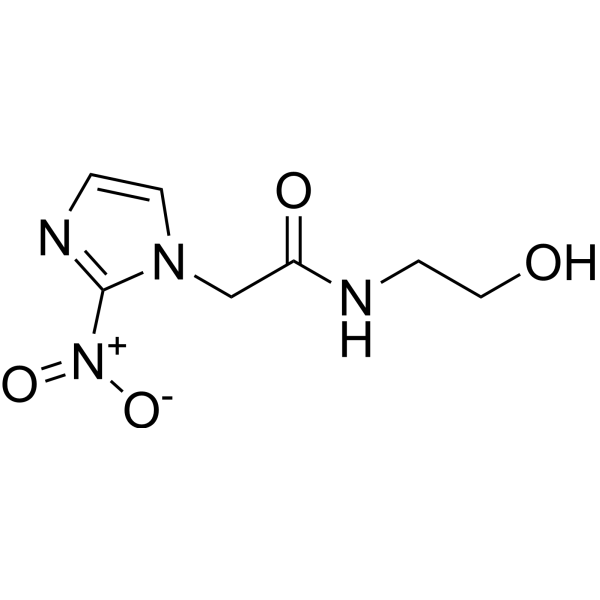
    Etanidazole (SR 2508), a 2-nitroimidazole compound, is a hypoxic radiosensitizer used in cancer diagnosis and chemotherapy research .
    Etanidazole
  • HY-W041171
    3-Chloro-L-tyrosine
    1 Publications Verification

    3-Chlorotyrosine

    Glutathione Peroxidase Others
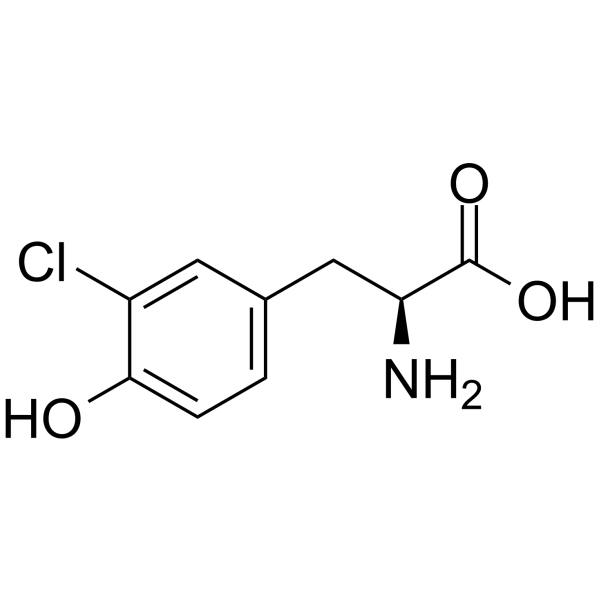
    3-Chloro-L-tyrosine is a specific biomarker in myeloperoxidase-catalyzed oxidation. 3-Chloro-L-tyrosine can be used as a molecular marker for oxidative stress and inflammation to determine whether myeloperoxidase-mediated tyrosine chlorination occurs. 3-Chloro-L-tyrosine is therefore used in the diagnosis of chlorine poisoning in forensic toxicology and in the auxiliary diagnosis of inflammation such as colorectal cancer .
    3-Chloro-L-tyrosine
  • HY-154790

    Neu5Aca2-6GalNAc-a-Ser/Thr

    Ser/Thr Protease Cancer
    STn/sialyl-Tn is a sialic acid associated with breast cancer and its expression is closely related to HER2-pos. STn/sialyl-Tn can be used as a marker to count cells in malignant nipple discharge (PND) .
    STn/sialyl-Tn
  • HY-W854659
    Chlorin e6 trisodium
    15+ Cited Publications

    Ce6 trisodium

    Photosensitizer Cancer
    Chlorin e6 Ce6 (trisodium) is a water-soluble derivative of chlorophyll, belonging to the chlorin class of photosensitizers with an absorption wavelength range of 600-670 nm. Chlorin e6 trisodium emits characteristic red fluorescence upon light excitation, enabling real-time identification of tumor boundaries and progression. Chlorin e6 trisodium can be used for the study of photodynamic therapy (PDT) of cancers (bladder cancer) and fluorescence diagnosis of neoplastic lesions .
    Chlorin e6 trisodium
  • HY-D2315

    Fluorescent Dye Cancer
    Probe-Cys is a water-soluble and selective near-infrared fluorescent probe for Cysteine (Cys) (λex= 680 nm, λem=710 nm) that is not interfered by Hcy, GSH, and HS-. Probe-Cys can react with the stimulant DTT (HY-15917) and the NEM (HY-D0843) in HepG2 cells and zebrafish for the detection of endogenous Cys. Probe-Cys can also be used for imaging Cys in Arabidopsis thaliana. Probe-Cys provides a method for cancer diagnosis and exploration of plant sulfur metabolism .
    Probe-Cys
  • HY-162811

    LAG-3 Cancer
    LAG-3 biner 1 (compound 3) is a small molecule ligand (Kd=1.23 μM) for the immune checkpoint lymphocyte activation gene 3 (LAG-3). LAG-3 biner 1 can be used in the research of cancer diagnosis targeting LAG-3 .
    LAG-3 biner 1
  • HY-118774

    Endogenous Metabolite Inflammation/Immunology
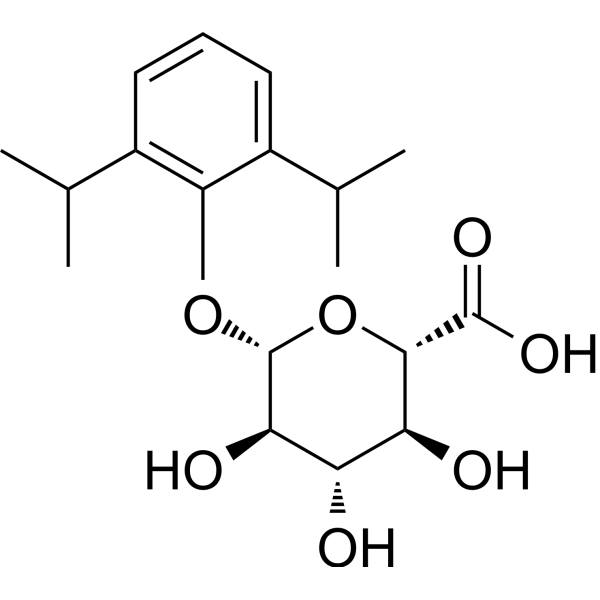
    Propofol β-D-glucuronide is a metabolite of Propofol sulfate and can be used for diagnosis to distinguish colorectal cancer from healthy individuals .
    Propofol β-D-glucuronide
  • HY-170779

    FAP Cancer
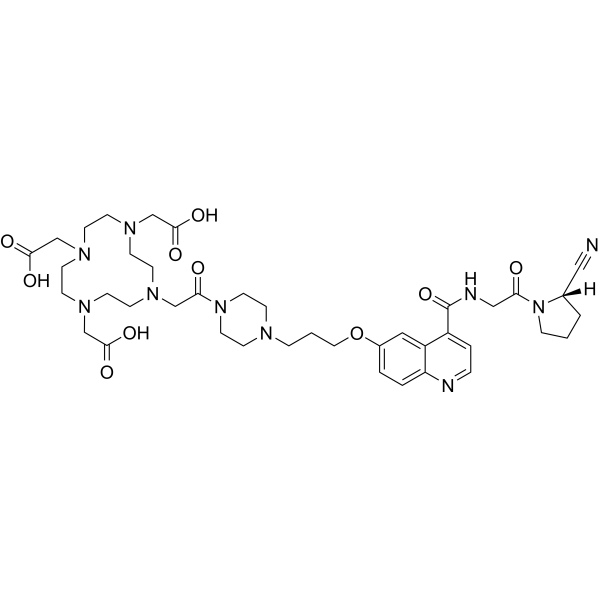
    DOTA-NI-FAPI-04 is a FAP inhibitor (IC50 = 7.44 nM). By integrating FAP targeting with hypoxia-sensitive groups (nitroimidazole), DOTA-NI-FAPI-04 significantly enhances tumor uptake and retention capabilities. DOTA-NI-FAPI-04 chelates metallic isotopes (such as 68Ga and 177Lu) through DOTA to produce radioactive probes ([68Ga]Ga/DOTA-NI-FAPI-04 and [177Lu]Lu/DOTA-NI-FAPI-04), which can be used for research in tumor diagnostics and therapeutic agents. DOTA-NI-FAPI-04 holds dual targeting potential in the fields of cancer imaging, tumor microenvironment analysis, and radionuclide therapy, particularly suitable for scenarios where the tumor stroma and hypoxic regions synergistically interact .
    DOTA-NI-FAPI-04
  • HY-160052

    Interleukin Related Inflammation/Immunology Cancer
    IL-6 aptamer sodium is an aptamer that specifically binds to IL-6, and can serve as a biological recognition receptor for high-sensitivity detection. IL-6 aptamer sodium enables label-free specific detection through changes in electrical signals of carbon nanotube microarrays or alterations in capacitive impedance on the surface of gold sensors. IL-6 aptamer sodium still maintains high selectivity even below the gray zone threshold for cancer diagnosis, and shows no significant non-specific binding to bovine serum albumin. IL-6 aptamer sodium can form an ordered self-assembled monolayer with 6-mercapto-1-hexanol on gold surfaces, making it suitable for reagent-free capacitive impedance biosensing platforms. IL-6 aptamer sodium is widely used in research related to fields such as cancer, inflammatory diseases, myeloma, liver cancer and glioma .
    IL-6 aptamer sodium
  • HY-129371

    ADC Linker Cancer
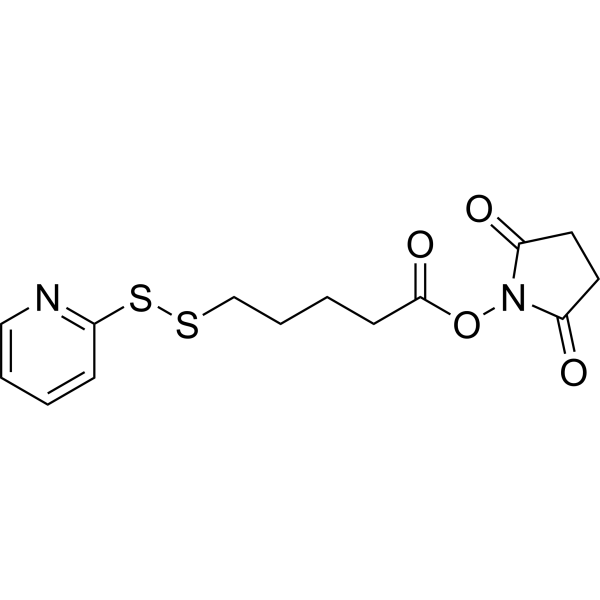
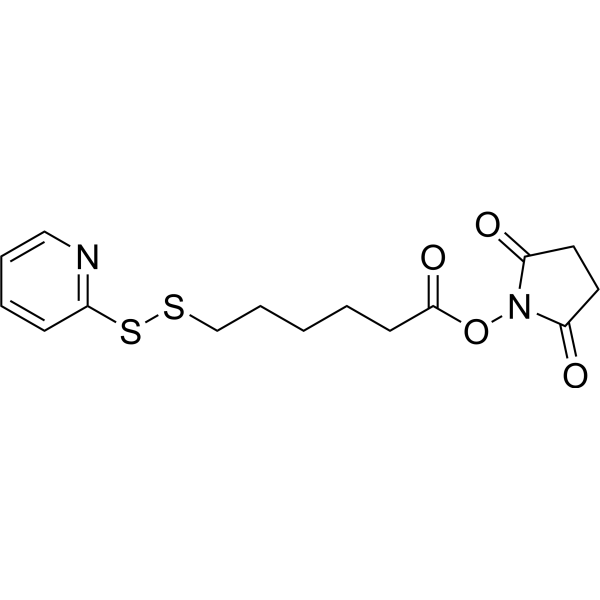
    SPDV is a cleavable ADC linker used for diagnosis and treatment of cancer or B cell proliferative diseas.
    SPDV
  • HY-175229

    PSMA Cancer
    PSMA ligand 1 (Compound 1c) is a PSMA ligand with an IC50 of 26.74 nM. The [ 18F]-labeled PSMA ligand 1 can serve as a PSMA PET tracer and is used in research on the diagnosis of prostate cancer .
    PSMA ligand 1
  • HY-128642

    FAP Cancer
    FAPI-2 is a quinoline-based fibroblast activation protein (FAP)-targeting ligand that can be labeled as 68Ga-FAPI-2 and used as a PET tracer for cancer diagnosis. FAPI-2 has advantages such as fast tracer kinetics, no need for fasting preparation, and being unaffected by blood glucose .
    FAPI-2
  • HY-164364A

    FAP Cancer
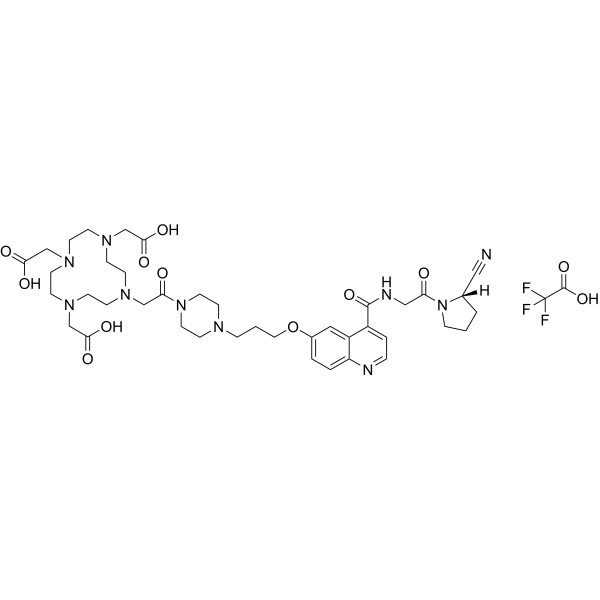
    DOTAGA.(SA.FAPi)2 TFA is a potent dimeric fibroblast-activation protein inhibitor (FAPi). DOTAGA.(SA.FAPi)2 TFA has the potential for cancer diagnosis research .
    DOTAGA.(SA.FAPi)2 TFA
  • HY-174808

    PSMA Radionuclide-Drug Conjugates (RDCs) Cancer
    SC691 is a PSMA inhibitor. SC691 can be labeled with 68Ga(III). SC691 can be used for imaging diagnosis of prostate cancer .
    SC691
  • HY-171954

    Liposome Cancer
    9C-SCC-10 is a crown-like biodegradable ionizable lipid. 9C-SCC-10 an be used to prepare lipid nanoparticles for delivering mRNA and targeting lung tissue. 9C-SCC-10 can be used for early detection and diagnosis of lung cancer .
    9C-SCC-10
  • HY-128642A

    FAP Cancer
    FAPI-2 TFA is a quinoline-based fibroblast activation protein (FAP)-targeting ligand that can be labeled as 68Ga-FAPI-2 and used as a PET tracer for cancer diagnosis. FAPI-2 TFA has advantages such as fast tracer kinetics, no need for fasting preparation, and being unaffected by blood glucose .
    FAPI-2 TFA
  • HY-149203

    Fluorescent Dye Others
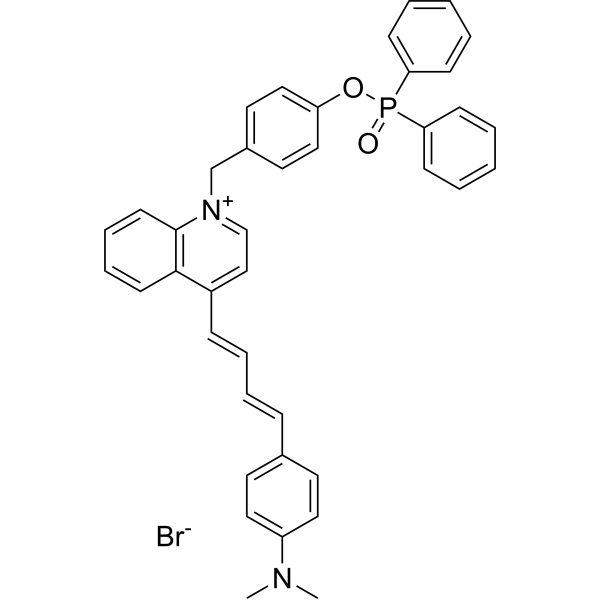
    MQA-P is a multifunctional near-infrared (NIR) fluorescent probe for simultaneously detecting ONOO -, viscosity, and polarity within mitochondria. MQA-P exhibits a remarkable turn-on response to ONOO -em=645 nm) and is highly sensitive to viscosity/polarity in the NIR channel with λem>704 nm. MQA-P exhibits excited-state intramolecular charge transfer (ESICT) feature that is highly polarity-sensitive by engineering N,N-dimethylamino as the electron donor and a quinoline cationic unit as the electron acceptor. MQA-P is used for ferroptosis or cancer diagnosis in vitro and in vivo via dual-channel images .
    MQA-P
  • HY-129374

    ADC Linker Cancer
    SPDH is a cleavable ADC linker used for diagnosis and treatment of cancer or B cell proliferative diseas.
    SPDH
  • HY-P991533

    Anaplastic lymphoma kinase (ALK) Cancer
    DLX-521 is an antibody that inhibits ALK. DLX-521 can be used in diagnosis and research for lung cancer .
    DLX-521
  • HY-W041171R

    3-Chlorotyrosine (Standard)

    Glutathione Peroxidase Reference Standards Others
    3-Chloro-L-tyrosine is a specific biomarker in myeloperoxidase-catalyzed oxidation. 3-Chloro-L-tyrosine can be used as a molecular marker for oxidative stress and inflammation to determine whether myeloperoxidase-mediated tyrosine chlorination occurs. 3-Chloro-L-tyrosine is therefore used in the diagnosis of chlorine poisoning in forensic toxicology and in the auxiliary diagnosis of inflammation such as colorectal cancer .
    3-Chloro-L-tyrosine (Standard)
  • HY-158251

    PARP Cancer
    BIBD-300 is a PARP-1 imaging agent with high affinity for PARP-1. BIBD-300 can accurately localize C6 and U87MG tumors, which can be used for research in the diagnosis of breast cancer, prostate cancer, glioma, and liver cancer .
    BIBD-300
  • HY-160063

    Fluorescent Dye DNA Alkylator/Crosslinker Cancer
    SW1 aptamer sodium is a high-affinity DNA aptamer (Kd: 123.62 nM) that targets liver cancer SMMC-7721 cells and targets intracellular components within the nucleus. SW1 aptamer sodium can also identify various other types of cancer cells and tissues, serving as an effective molecular probe for clinical cancer diagnosis .
    SW1 aptamer sodium
  • HY-171852

    Biochemical Assay Reagents Cancer
    Iodoquine is an analog of chloroquine. Iodoquine exhibits high uptake in tumor cells and can localize to cells with high ALDH1 content, including cancer stem cells. With low uptake in normal brain tissue, iodoquine can be used in research related to tumor diagnosis or as a radiotracer .
    Iodoquine
  • HY-155486

    Fluorescent Dye Cancer
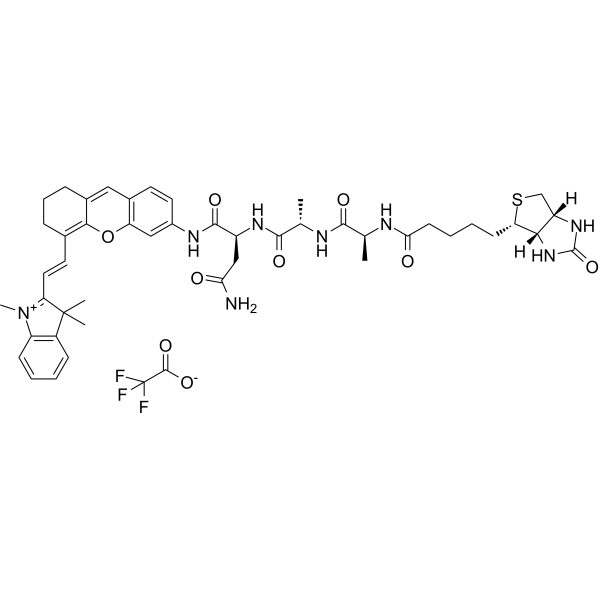
    HCy-AAN-Bio is a tumor-targeted hemicyanine (HCy) probe for Fluorescent/photoacoustic (FL/PA) imaging of legumain in vivo. Legumain can specifically cleave HCy-AAN-Bio with the generation of FL/PA signal. HCy-AAN-Bio is a powerful tool for early diagnosis of associated cancer .
    HCy-AAN-Bio
  • HY-118774R

    Reference Standards Endogenous Metabolite Inflammation/Immunology
    Propofol β-D-glucuronide (Standard) is the analytical standard of Propofol β-D-glucuronide. This product is intended for research and analytical applications. Propofol β-D-glucuronide is a metabolite of Propofol sulfate and can be used for diagnosis to distinguish colorectal cancer from healthy individuals .
    Propofol β-D-glucuronide (Standard)
  • HY-D1468

    Reactive Oxygen Species (ROS) Cancer
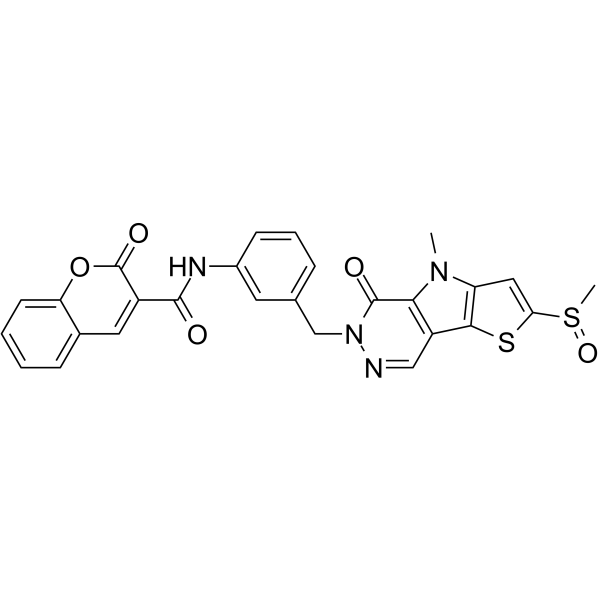
    Phototherapeutic agent-1 is a multi-modal light diagnosis agent with aggregation-induced emission properties. have certain Phototherapeutic agent-1 has certain reactive oxygen species (ROS) generation capacity in illumination condition. Phototherapeutic agent-1 can effectively kill cancer cells and tumor tissue .
    Phototherapeutic agent-1
  • HY-150971

    Pyroptosis Cancer
    ICy-Q is a quinone oxidoreductase 1 (NQO-1)-activated near-infrared (NIR) reagent which can react with NQO-1 to release the reduction product ICy-OH. ICy-OH selectively induces pancreatic cancer cell death through the pyroptosis pathway. ICy-Q can be used as an effective tool for rapid and accurate diagnosis of intraoperative pathological sections .
    ICy-Q
  • HY-149203A

    Fluorescent Dye Others
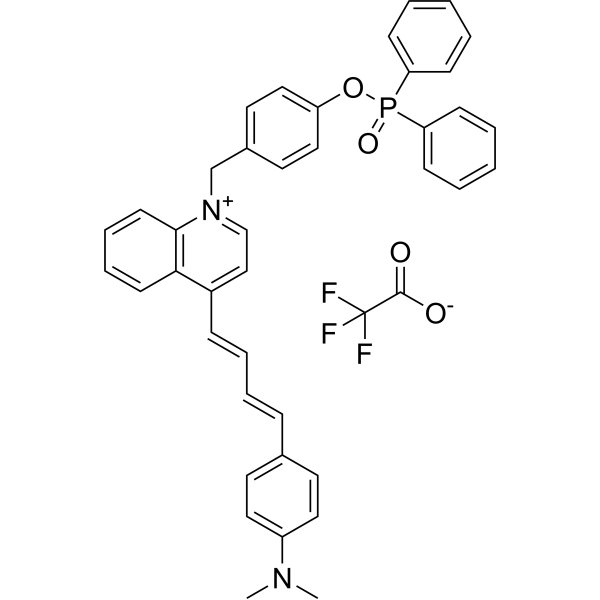
    MQA-P is a multifunctional near-infrared (NIR) fluorescent probe that simultaneously detects ONOO -, viscosity, and polarity within mitochondria. MQA-P exhibits significant response to ONOO -, λem=645 nm; and NIR channel at λem>704 nm Medium is highly sensitive to viscosity/polarity. MQA-P possesses excited-state intramolecular charge transfer (ESICT) properties that are highly sensitive to polarity by designing the N,N-dimethylamino group as the electron donor and the quinoline cation unit as the electron acceptor. MQA-P is used for ferroptosis or cancer diagnosis in vitro and in vivo via dual-channel images .
    MQA-P TFA
  • HY-113100R

    Reference Standards Endogenous Metabolite Neurological Disease Cancer
    N-Acetylputrescine hydrochloride (Standard) is the analytical standard for N-Acetylputrescine hydrochloride (HY-113100). This product is intended for research and analytical applications. N-Acetylputrescine hydrochloride is a polyamine metabolite that regulates cell proliferation and signal transduction mainly by participating in polyamine acetylation modification. N-Acetylputrescine hydrochloride may reduce the positive charge of polyamines, affect protein-nucleic acid interactions, and promote cell growth. The concentration changes of N-Acetylputrescine hydrochloride can help disease diagnosis (such as early screening and efficacy evaluation of lung cancer) and microbial cell wall structure research. N-Acetylputrescine hydrochloride can be used as a potential biomarker for the progression of squamous cell carcinoma of the lung (SCCL) and Parkinson's disease (PD) .
    N-Acetylputrescine hydrochloride (Standard)
  • HY-P11577

    MMP Biochemical Assay Reagents Cancer
    TGGGPLGVARGKGGC is a polypeptide that can be specifically cleaved by MMP-9. TGGGPLGVARGKGGC modifies manganese dioxide supraparticles. TGGGPLGVARGKGGC can be used in the research of early cancer diagnosis .
    TGGGPLGVARGKGGC
  • HY-13616

    EC 20

    Biochemical Assay Reagents Folate Receptor (FR) Cancer
    Etarfolatide (EC 20) is a valuable noninvasive imaging agent. Etarfolatide identifies folate receptor expression. Etarfolatide can be used in research on ovarian cancer and disease diagnosis after being radiolabeled .
    Etarfolatide
  • HY-W707484

    SR 2508-d4

    Isotope-Labeled Compounds Biochemical Assay Reagents Cancer
    Etanidazole-d4 (SR 2508-d4) is the deuterium labeled Etanidazole (HY-116972). Etanidazole (SR 2508), a 2-nitroimidazole compound, is a hypoxic radiosensitizer used in?cancer?diagnosis and chemotherapy research.
    Etanidazole-d4
  • HY-181816

    PD-1/PD-L1 Cancer
    PD-1/PD-L1-IN-60 is the counterpart of the small-molecule immuno-probe [ 18F] LG‑8, and the two together enable integrated immuno-diagnosis and therapy. PD-1/PD-L1-IN-60 exhibits potent anti-tumor activity in mouse models of melanoma and lung cancer with high PD‑L1 uptake. PD-1/PD-L1-IN-60 can be used for relevant research on melanoma and lung cancer .
    PD-1/PD-L1-IN-60
  • HY-P11590

    EGFR Cancer
    WGYRGFYC (WC8) is a selective HER2-targeting peptide that binds specifically to HER2 by mimicking the antigen-binding site of trastuzumab. The DOTA precursor of WGYRGFYC has a KD of 61.20 nM for HER2. WGYRGFYC enables specific and highly sensitive detection of HER2 expression in HER2-positive breast cancer cells and tumor tissues, and monitors the dynamic downregulation of HER2 expression. WGYRGFYC rapidly distributes to target tissues and is efficiently cleared from non-target tissues via the kidneys, generating an ideal tumor-to-background ratio in imaging; it is a component of the PET radiotracer Ga-DOTA-WC8. WGYRGFYC exhibits no significant cytotoxicity in breast cancer cells, and can be used for non-invasive imaging diagnosis and therapeutic efficacy evaluation of HER2-positive breast cancer .
    WGYRGFYC
  • HY-D3186

    Fluorescent Dye Glycosidase Cancer
    HMRef-βGal is a fluorescent probe and a substrate responsive to β-galactosidase (β-galactosidase) (Ex/Em=498 nm/505-600 nm). After being cleaved by β-galactosidase, HMRef-βGal triggers significant fluorescence enhancement via intramolecular spirocyclic function regulation. HMRef-βGal generates bright fluorescence in cancer cells with elevated β-galactosidase activity, enabling visualization of tiny peritoneal metastases in mouse models. HMRef-βGal exhibits low in vitro cytotoxicity and low acute in vivo toxicity in mice. HMRef-βGal can be used for preclinical fluorescence-guided diagnosis and cytoreductive surgery of peritoneal metastases, including compatibility with real-time naked-eye detection and endoscopic imaging, as well as for studies related to peritoneal metastases of ovarian cancer .
    HMRef-βGal

Inquiry Online

Your information is safe with us. * Required Fields.

Salutation


Country or Region *

Applicant Name *


Organization Name *

Department *


Email Address *


Product Name *

Cat. No.


Requested quantity *

Phone Number *


Remarks

Inquiry Online

Inquiry Information

Product Name:
Cat. No.:
Quantity:
MCE Japan Authorized Agent: