1. Search Result
Search Result
Results for "

central inhibitory

" in MedChemExpress (MCE) Product Catalog:

35

Inhibitors & Agonists

1

Screening Libraries

4

Peptides

6

Natural
Products

Cat. No. Product Name Target Research Areas Chemical Structure
  • HY-N0067
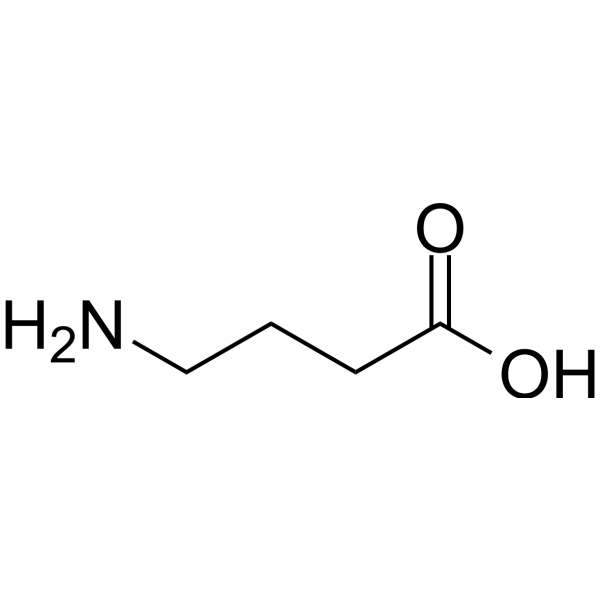
    γ-Aminobutyric acid
    5 Publications Verification

    4-Aminobutyric acid

    Environmental Pollutants Endogenous Metabolite GABA Receptor Neurological Disease Metabolic Disease
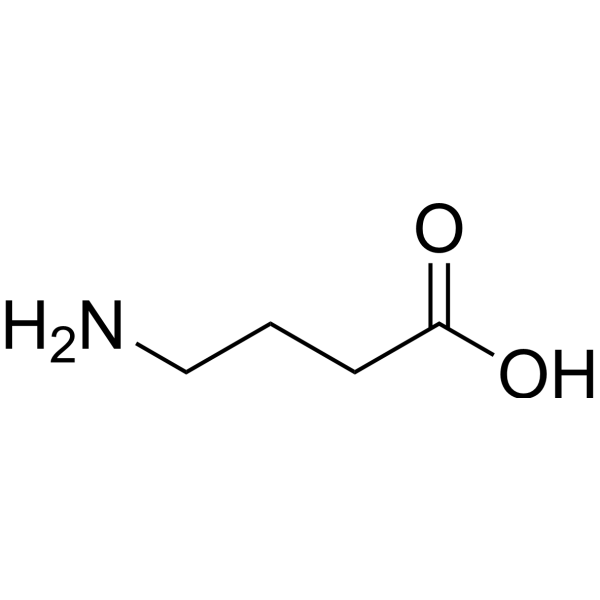
    γ-Aminobutyric acid (4-Aminobutyric acid) is a major inhibitory neurotransmitter in the adult mammalian brain, binding to the ionotropic GABA receptors (GABAA receptors) and metabotropic receptors (GABAB receptors. γ-Aminobutyric acid shows calming effect by blocking specific signals of central nervous system .
    γ-Aminobutyric acid
  • HY-P1333
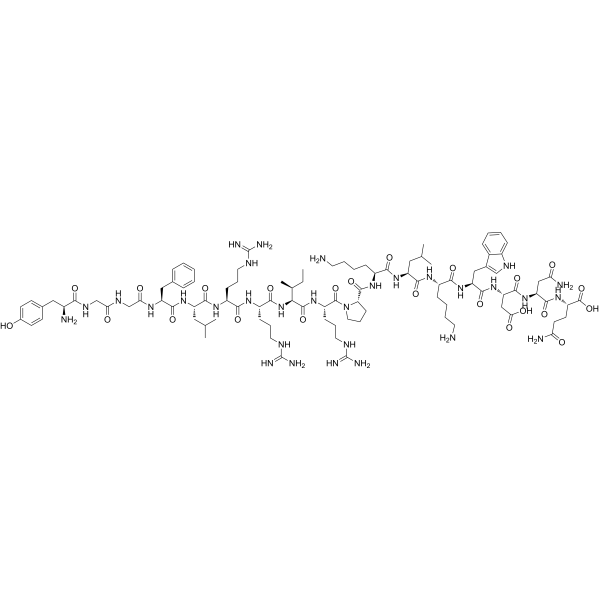
    Dynorphin A
    1 Publications Verification

    Opioid Receptor Apoptosis Caspase Endogenous Metabolite Neurological Disease
    Dynorphin A is an endogenous opioid peptide involved in inhibitory neurotransmission in the central nervous system (CNS). Dynorphin A is a highy potent kappa opioid receptor (KOR) agonist, and is also an agonist for other opioid receptors, such as mu (MOR) and delta (DOR). Dynorphin A can induce neuronal death, and can be used in the research of neurological disease .
    Dynorphin A
  • HY-107523
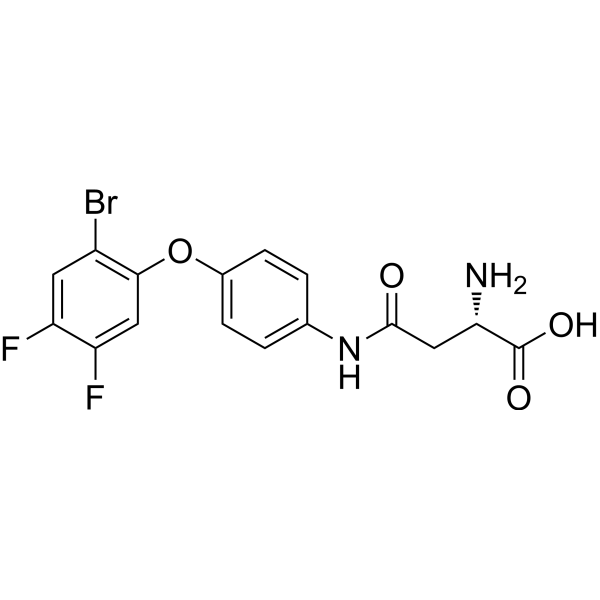
    WAY-213613
    3 Publications Verification

    EAAT Neurological Disease
    WAY-213613 is a potent and selective human EAAT2 inhibitor. WAY-213613 has potent EAAT2 inhibitory activity with an IC50 value of 85 nM. WAY-213613 can be used for the research of central nervous system
    WAY-213613
  • HY-N0067R
    γ-Aminobutyric acid (Standard)
    5 Publications Verification

    4-Aminobutyric acid (Standard)

    Endogenous Metabolite GABA Receptor Reference Standards Neurological Disease
    γ-Aminobutyric acid (Standard) is the analytical standard of γ-Aminobutyric acid. This product is intended for research and analytical applications. γ-Aminobutyric acid (4-Aminobutyric acid) is a major inhibitory neurotransmitter in the adult mammalian brain, binding to the ionotropic GABA receptors (GABAA receptors) and metabotropic receptors (GABAB receptors. γ-Aminobutyric acid shows calming effect by blocking specific signals of central nervous system .
    γ-Aminobutyric acid (Standard)
  • HY-144987
    RBN013209
    1 Publications Verification

    CD38 LAG-3 Tim3 PD-1/PD-L1 Inflammation/Immunology Cancer
    RBN013209 is an orally active small molecule inhibitor of CD38 with an IC50 of 0.01 to 0.1 μM for human CD38. RBN013209 prevents the conversion of extracellular NAD + to ADPR or cADPR in tumor cells and PBMCs. RBN013209 can be used in the study of tumor. In addition, RBN013209 enables CAR-T cells to maintain the naive state and central memory state, and decreases the expression of cell activation markers and exhaustion-related inhibitory receptors .
    RBN013209
  • HY-147294

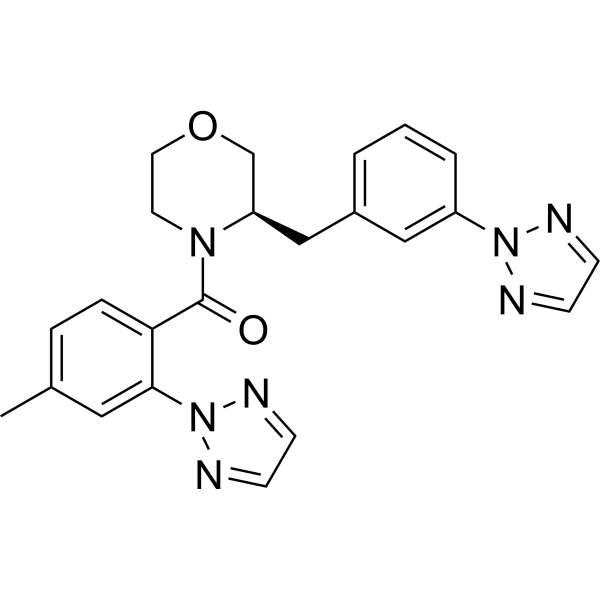
    ACT-539313

    Orexin Receptor (OX Receptor) Cytochrome P450 Neurological Disease
    Nivasorexant (ACT-539313) is an orally active, blood-brain barrier penetrant, selective orexin OX1R inhibitor. Nivasorexant specifically blocks central OX1Rs without affecting OX2Rs, and exhibits competitive inhibitory activity against CYP2C8, CYP2C9, CYP2C19 and CYP3A4 (IC50 values are 25 μM, 8.6 μM, 1.6 μM, 19 μM/44 μM, respectively). Nivasorexant significantly reduces binge-like eating behavior of highly palatable food in rat models and has long-acting properties. Nivasorexant shows no relevant off-target activity against over 130 selected proteins, exhibits favorable safety profiles, and can be used for studies related to binge eating disorder .
    Nivasorexant
  • HY-B1427

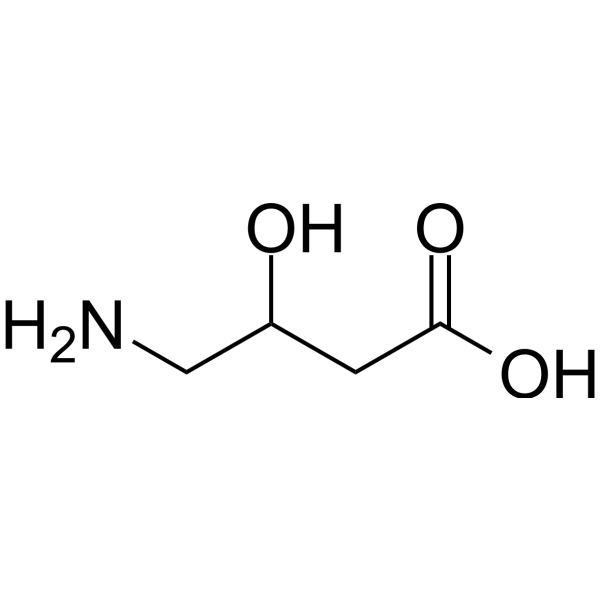
    Gamma-amino-beta-hydroxybutyric acid

    Drug Derivative Neurological Disease
    Gamibetal (Gamma-amino-beta-hydroxybutyric acid) is γ-amino-β-hydroxybutyric acid (GABOB), a hydroxylated derivative of GABA (γ-aminobutyric acid). Gamibetal exhibits central inhibitory and anticonvulsant activities. Gamibetal can be used in research on epilepsy, neuralgia, and other conditions .
    Gamibetal
  • HY-107648
    McN-A-343
    2 Publications Verification

    mAChR Neurological Disease Inflammation/Immunology
    McN-A-343 is a selective M1 muscarinic agonist that stimulates muscarinic transmission in sympathetic ganglia. McN-A-343 produces a significant inhibitory effect on Muscarine (HY-121404)-evoked catecholamine secretion from the isolated perfused rat adrenal gland. McN-A-343 is involved in the regulation of neuronal firing and activates enteroendocrine L cells to release glucagon-like peptide 1 (GLP-1) and modulates the secretion of α-melanocyte stimulating hormone (α-MSH) from the pituitary gland in the central nervous system. McN-A-343 reduces colonic inflammation and oxidative stress in Acetic acid (HY-Y0319)-induced ulcerative colitis (UC) mice. McN-A-343 can be used for the study of ulcerative colitis .
    McN-A-343
  • HY-107523A
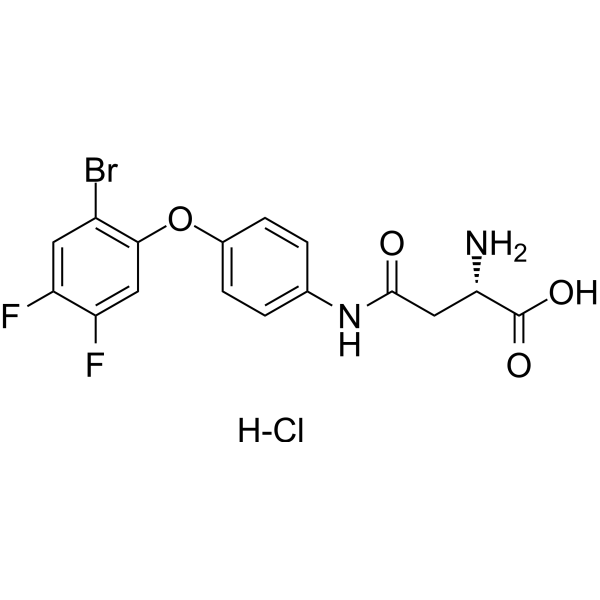
    WAY-213613 hydrochloride
    3 Publications Verification

    EAAT Neurological Disease
    WAY-213613 (hydrochloride) is a potent and selective human EAAT2 inhibitor. WAY-213613 has potent EAAT2 inhibitory activity with an IC50 value of 85 nM. WAY-213613 can be used for the research of central nervous system .
    WAY-213613 hydrochloride
  • HY-145777

    Methionine Adenosyltransferase (MAT) Neurological Disease Cancer
    AGI-43192 is a potent and orally active inhibitor of methionine adenosyltransferase 2A (MAT2A) that limitedly penetrates the blood-brain barrier. AGI-43192 exhibits inhibitory activitity against MAT2A and S-adenosyl methionine (SAM) in HCT-116 MTAP-null cells with IC50s of 32 and 14 nM. AGI-43192 can significantly inhibit the proliferation of HCT-116 cells and tumor growth. AGI-43192 can be used to study the role of SAM regulation in the central nervous system (CNS) and colon cancer .
    AGI-43192
  • HY-145778

    Methionine Adenosyltransferase (MAT) Neurological Disease Cancer
    AGI-41998 is a potent and orally active inhibitor of methionine adenosyltransferase 2A (MAT2A) that effectively penetrates the blood-brain barrier. AGI-41998 exhibits inhibitory activities against MAT2A and S-adenosyl methionine (SAM) in HCT-116 MTAP-null cells with IC50s of 22 nM and 34 nM. AGI-41998 can significantly inhibit the proliferation of HCT-116 cells and tumor growth. AGI-41998 can be used to study the role of SAM regulation in the central nervous system (CNS) and colon cancer .
    AGI-41998
  • HY-142026

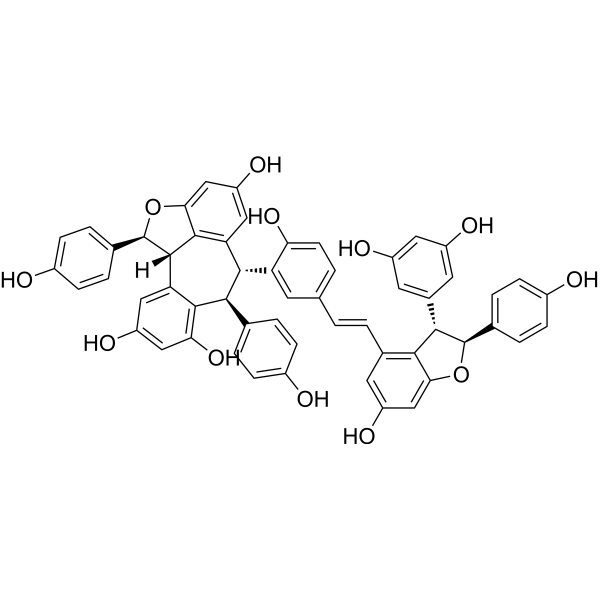
    (+)-Vitisin A

    Caspase ERK NF-κB Influenza Virus PAK LDLR PPAR PCSK9 Androgen Receptor Keap1-Nrf2 Monoamine Oxidase Cholinesterase (ChE) IKK Wnt β-catenin Reactive Oxygen Species (ROS) Apoptosis Cuproptosis Infection Neurological Disease Metabolic Disease Inflammation/Immunology Cancer
    Vitisin A ((+)-Vitisin A) is an orally active natural product with multiple pharmacological activities including anti-inflammatory, anti-tumor, anti-oxidant, anti-pathogenic microorganism, hypoglycemic and lipid-regulating, anti-osteoporotic, neuroprotective and cardiovascular protective effects. Vitisin A exhibits inhibitory effects on human AChE and MAO-B with IC50 values of 1.29 µM and 4.94 µM, respectively. Vitisin A inhibits the ERK, MAPK, NF-κB, STAT1, HMGCR and TRAF6 pathways, downregulates the related phosphorylation and protein expression, while activates the Nrf2/HO-1 pathway and upregulates p21 expression. Vitisin A induces tumor cell apoptosis and cell cycle arrest, inhibits adipogenesis and lipid accumulation, while alleviates oxidative stress, suppresses inflammatory responses, blocks hepatic fibrosis, Cuproptosis and cholesterol synthesis, and increases the expression levels of central BDNF and TrkB. Vitisin A can be used in the research of tumors, infectious diseases, metabolic diseases, bone and joint diseases, liver diseases, skin injuries, as well as neurodegenerative and cognitive dysfunction-related diseases .
    Vitisin A
  • HY-Z16070

    Drug Derivative Cardiovascular Disease Neurological Disease
    Hydronopol is a saturated alcohol terpene derivative. Hydronopol shows central inhibitory, anticonvulsant, analgesic, anticholinergic and antihypertensive activities. Hydronopol can be used for the researches of neurological and cardiovascular disease .
    Hydronopol
  • HY-P5485

    Bacterial Others
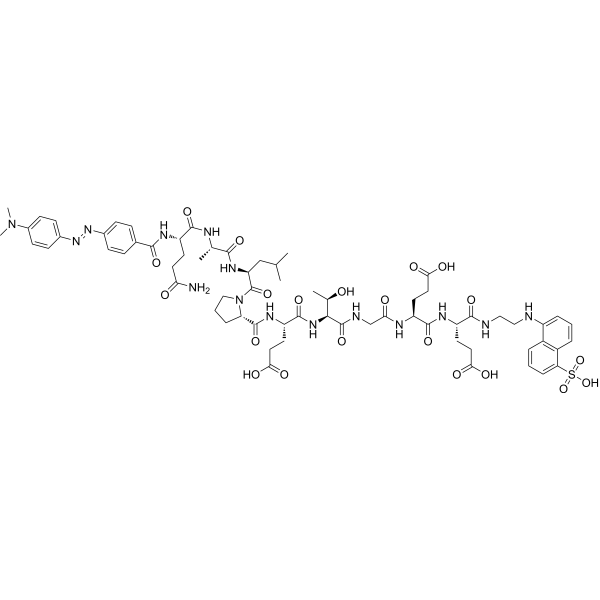
    Dabcyl-QALPETGEE-Edans is a synthetic peptide substrate for fluorescence resonance energy transfer (FRET) detection of Sortase A (SrtA) enzymatic activity. Dabcyl-QALPETGEE-Edans is labeled at both ends with the fluorescent group Edans (donor) and the quencher Dabcyl (acceptor), respectively. Dabcyl-QALPETGEE-Edans's central sequence contains a conserved motif specifically recognized by SrtA. Dabcyl-QALPETGEE-Edans demonstrates high sensitivity in vitro assays, enabling precise determination of the half-maximal inhibitory concentration of SrtA .
    Dabcyl-QALPETGEE-Edans
  • HY-77721

    Drug Intermediate Neurological Disease
    Diethyl benzylmalonate is a drug intermediate that can be used for the synthesis of central inhibitory agents .
    Diethyl benzylmalonate
  • HY-U00031

    EN3324

    Opioid Receptor Neurological Disease
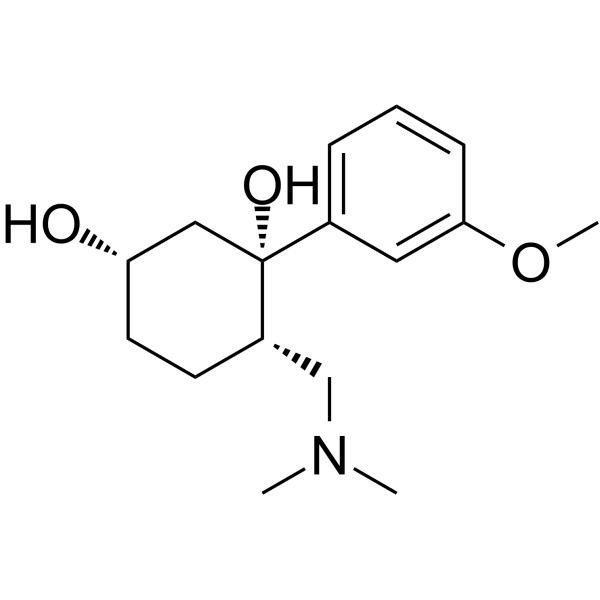
    Axomadol (EN3324) is a centrally active analgesic agent with opioid agonistic properties and inhibitory effects on the reuptake of monoamines .
    Axomadol
  • HY-122281

    Cannabinoid Receptor Others
    JTE 7-31 selectively acts on peripheral cannabinoid receptors, minimizing central nervous system side effects. They exhibit potent immunomodulatory, anti-inflammatory and anti-allergic properties, as well as inhibitory effects on nephritis .
    JTE 7-31
  • HY-106888

    Endogenous Metabolite Neurological Disease
    CS-722 Free base is a synthesized centrally acting muscle relaxant, and has a muscle relaxant activity and depressant effectson the spinal reflex . CS-722 Free base inhibits spontaneous inhibitory postsynaptic currents and excitatory postsynaptic currents in hippocampal cultures probably by an inhibition of both sodium and calcium currents .
    CS-722 Free base
  • HY-120428

    mGluR Neurological Disease
    VU0410425 is an mGlu1 negative allosteric modulator. VU0410425 exhibits potent inhibitory activity for rat mGlu1 with an IC50 value of 140 nM. VU0410425 can be used for the research of central nervous system disorders .
    VU0410425
  • HY-172129

    HDAC Neurological Disease
    HDAC6-IN-52 (EX.1) is a potent inhibitor of HDAC6, with the inhibitory rate of 100% at 10 μM. HDAC6-IN-52 plays an important role in central nervous system diseases including neurodegenerative diseases such as Alzheimer’s disease andprogressive supranuclear palsy .
    HDAC6-IN-52
  • HY-P1333A

    Opioid Receptor Apoptosis Caspase Endogenous Metabolite Neurological Disease
    Dynorphin A TFA is an endogenous opioid peptide involved in inhibitory neurotransmission in the central nervous system (CNS). Dynorphin A TFA is a highy potent kappa opioid receptor (KOR) agonist, and is also an agonist for other opioid receptors, such as mu (MOR) and delta (DOR). Dynorphin A TFA can induce neuronal death, and can be used in the research of neurological disease .
    Dynorphin A TFA
  • HY-11084

    Endogenous Metabolite Neurological Disease
    SNAP-7941 is a selective antagonist with anxiolytic, antidepressant and appetite suppressant activities. SNAP-7941 showed promising biological activity in initial animal studies. SNAP-7941 targets the melanin concentrating hormone receptor MCH1 and has significant inhibitory potential. SNAP-7941 was shown to inhibit the centrally induced MCH-induced drinking effect in in vivo studies .
    SNAP-7941
  • HY-W055872R

    Antibiotic Reference Standards Infection
    γ-Aminobutyric acid (Standard) is the analytical standard of γ-Aminobutyric acid. This product is intended for research and analytical applications. γ-Aminobutyric acid (4-Aminobutyric acid) is a major inhibitory neurotransmitter in the adult mammalian brain, binding to the ionotropic GABA receptors (GABAA receptors) and metabotropic receptors (GABAB receptors. γ-Aminobutyric acid shows calming effect by blocking specific signals of central nervous system .
    Erythromycylamine (Standard)
  • HY-P1625

    Dynorphin A ethylamide (1-9)

    Opioid Receptor Neurological Disease
    Daeatal (Dynorphin A ethylamide (1-9)) is an ethylamine-modified dynorphin fragment that can be used in the study of analgesia, addiction, depression, etc. Dynorphin A is an endogenous opioid peptide involved in inhibitory neurotransmission in the central nervous system (CNS). Dynorphin A is a highy potent kappa opioid receptor (KOR) agonist, and is also an agonist for other opioid receptors, such as mu (MOR) and delta (DOR). Dynorphin A can induce neuronal death, and can be used in the research of neurological disease .
    Daeatal
  • HY-162373

    Amylases Glycosidase P-glycoprotein Metabolic Disease
    α-Amylase/α-Glucosidase-IN-10 (compound 5d) is an α-amylase and α-glucosidase inhibitor (IC50: 30.39 μM and 65.1 μM) with potential diabetes inhibitory effects. α-Amylase/α-Glucosidase-IN-10 exhibits high gastrointestinal (GI) absorption in ADMET (Absorption, Distribution, Metabolism, Excretion and Toxicity) prediction. While α-Amylase/α-Glucosidase-IN-10 acts as a substrate for P-gp and does not cross the blood-brain barrier (BBB), there may be a risk of central nervous system side effects .
    α-Amylase/α-Glucosidase-IN-10
  • HY-116142

    iGluR Neurological Disease
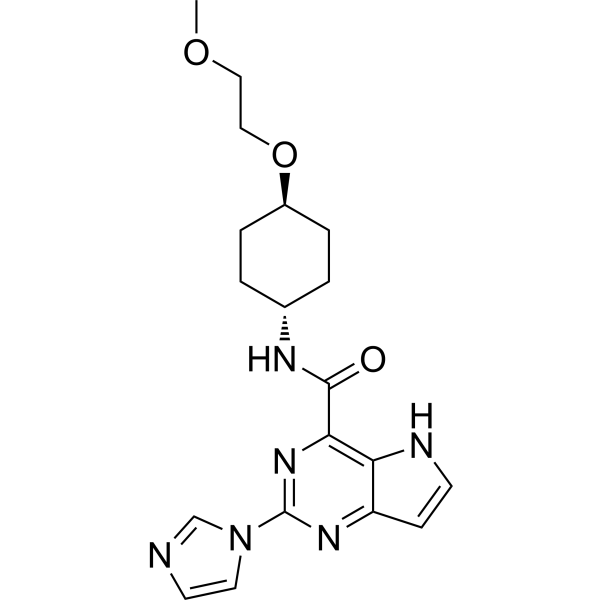
    CP-283097 is an orally active and conformationally restricted and NR2B subtype-selective NMDA antagonist. CP-283097 efficiently competitively inhibits the binding of [³H]CP-101,606 to the rat meninges, with an IC50 value of 18 nM. CP-283097 exhibits nearly complete inhibition of the current mediated by the NR2B receptor (IC50 = 206 nM), while the inhibitory effect on the NR2A or NR2C receptors is very weak. CP-283097 demonstrates excellent central nervous system permeability and in vivo efficacy in animal models. CP-283097 can be used for neurological diseases related to excessive activation of NMDA receptors .
    CP-283097
  • HY-B1067B

    Phenazoline phosphate

    Histamine Receptor Neurological Disease Endocrinology
    Antazoline phosphate is an H1 receptor antagonist that affects the activity of the central nervous system, has a potent antiarrhythmic effect . Antazoline phosphate is a histamine H1 receptor antagonist with anticholinergic and antiviral properties. Antazoline phosphate can prevent histamine from acting on target cells through a reversible competition effect on histamine receptor sites of these cells. Antazoline phosphate can exert an antiallegic effect and prevent the occurrence of physiological reactions from the effect of blocking as well as inhibiting H1 receptor. Antazoline phosphate can effectively reduce HBV DNA in the extracellular supernatant in a dose-dependent manner, with EC50 of 2.910 μmol/L in HepAD38 cells. Antazoline phosphate also has a significant inhibitory effect on HBV DNA in the extracellular supernatant of Huh7 cells (EC50 = 2.349 μmol/L). Antazoline phosphate has anti-arrhythmic effect in acute myocardial infarctions. Antazoline phosphate can be studied in research for cardiovascular diseases, and HBV .
    Antazoline phosphate
  • HY-U00031A

    EN3324 hydrochloride

    Endogenous Metabolite Neurological Disease
    Axomadol hydrochloride is a centrally active analgesic agent with opioid agonistic properties and inhibitory effects on the reuptake of monoamines .
    Axomadol hydrochloride
  • HY-105203

    Others Neurological Disease
    MS-322 is an orally active centrally acting muscle relaxant. MS-322 can dose-dependently inhibit spinal reflex potentials, reduce neuronal excitability and muscle afferent discharges, and so on in rats. In addition, MS-322 has relatively weak inhibitory effects on other central nervous system pathways and no effect on the neuromuscular junction .
    MS-322
  • HY-N18341

    GABA Receptor Drug Derivative Neurological Disease
    Ginkgolide M (GM) is a ginkgolide that can be isolated from Ginkgo biloba. Ginkgolide M acts as an inhibitor of ligand-gated ion channels in the central nervous system and exerts inhibitory effects on the GABAA receptor. Ginkgolide M can be used for the research of neurodegenerative diseases such as Alzheimer's disease .
    Ginkgolide M
  • HY-106888A

    Endogenous Metabolite Neurological Disease
    CS-722 is a centrally acting muscle relaxant, and has a muscle relaxant activity and depressant effectson the spinal reflex[1]. CS-722 inhibits spontaneous inhibitory postsynaptic currents and excitatory postsynaptic currents in hippocampal cultures probably by an inhibition of both sodium and calcium currents .
    CS-722
  • HY-180382

    Cholinesterase (ChE) Cardiovascular Disease
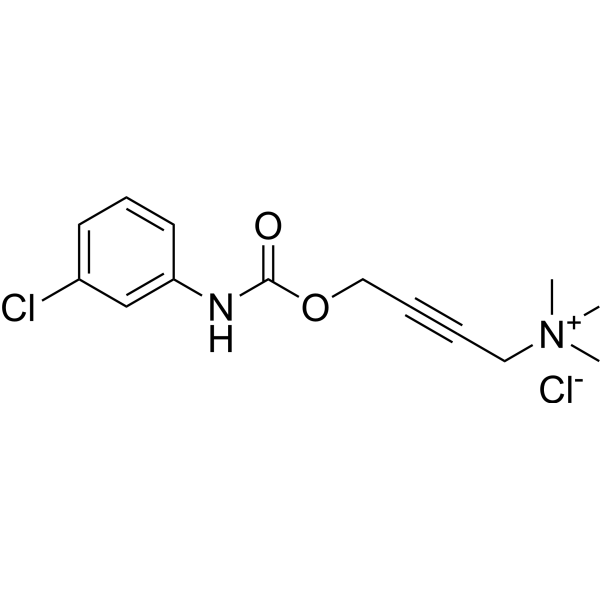
    Trimethidinium methosulfate is an orally active ganglionic blocker with central antihypertensive activity. Trimethidinium methosulfate inhibits the conduction of sympathetic ganglia and reduces vascular contraction. Trimethidinium methosulfate acts on the cerebrovascular motor center and lowers peripheral vascular resistance. Trimethidinium methosulfate has cholinergic nerve inhibitory side effects, but they are relatively mild. Trimethidinium methosulfate can be used in hypertension research .
    Trimethidinium methosulfate
  • HY-W683409

    1064 Th

    Adrenergic Receptor Cardiovascular Disease Neurological Disease
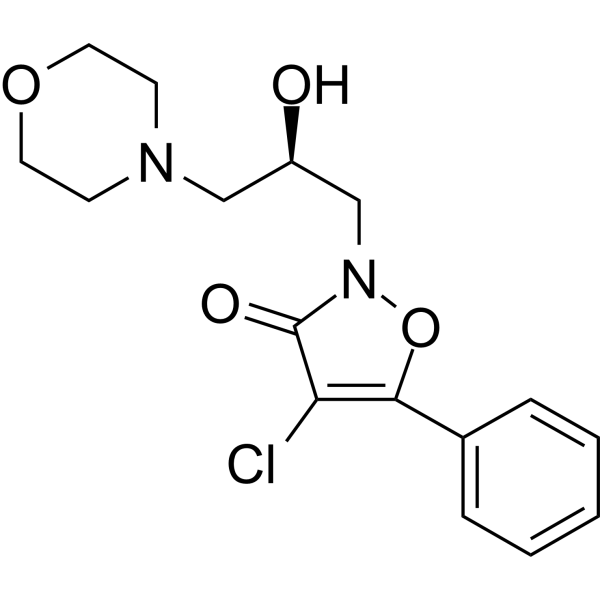
    Dimorpholamine (1064 Th) is a central nervous system stimulant. Dimorpholamine can increase the excitatory and inhibitory junction potentials at the neuromuscular junctions of crayfish. Dimorpholamine can also exert epinephrine-like pressor effects by promoting the release of catecholamines (mainly epinephrine) from the adrenal medulla. Dimorpholamine can be used in the research of respiratory failure as well as neurological and cardiovascular system diseases .
    Dimorpholamine
  • HY-107523AR

    Reference Standards EAAT Neurological Disease
    WAY-213613 hydrochloride (Standard) is the analytical standard of WAY-213613 (hydrochloride) (HY-107523A). This product is intended for research and analytical applications. WAY-213613 (hydrochloride) is a potent and selective human EAAT2 inhibitor. WAY-213613 has potent EAAT2 inhibitory activity with an IC50 value of 85 nM. WAY-213613 can be used for the research of central nervous system .
    WAY-213613 hydrochloride (Standard)
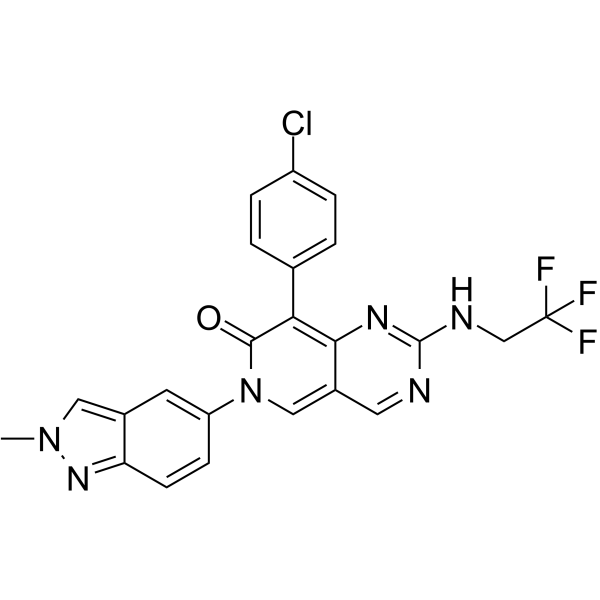
  • HY-182365

    Histone Demethylase Neurological Disease Inflammation/Immunology
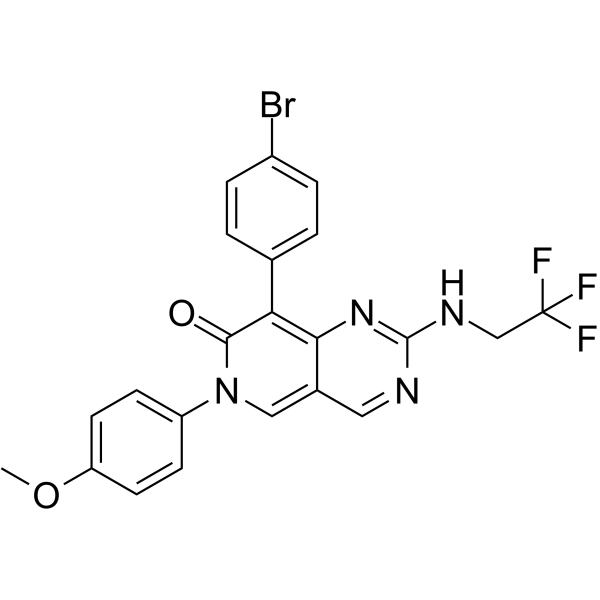
    EED-IN-4 is an orally active, EZH2-selective immunomodulator and EED-H3K27me3 inhibitor (EED, IC50=28.21 nM) with anti-inflammatory activity. In mouse models, EED-IN-4 preferentially and persistently accumulates in lymph nodes after oral administration. By reducing the H3K27me3 level of dendritic cells and inhibiting their migration, EED-IN-4 reduces the infiltration of immune cells into the central nervous system and effectively alleviates spinal cord inflammation. EED-IN-4 shows weak inhibitory activity against hERG channels and is non-mutagenic, with no obvious toxicity observed upon long-term oral administration. EED-IN-4 can be used for the research of multiple sclerosis .
    EED-IN-4

Inquiry Online

Your information is safe with us. * Required Fields.

Salutation


Country or Region *

Applicant Name *


Organization Name *

Department *


Email Address *


Product Name *

Cat. No.


Requested quantity *

Phone Number *


Remarks

Inquiry Online

Inquiry Information

Product Name:
Cat. No.:
Quantity:
MCE Japan Authorized Agent:

