Search Result
Results for "
conjugated metabolites
" in MedChemExpress (MCE) Product Catalog:
9
Isotope-Labeled Compounds
| Cat. No. |
Product Name |
Target |
Research Areas |
Chemical Structure |
-
- HY-N1424
-
-
-
- HY-116374
-
|
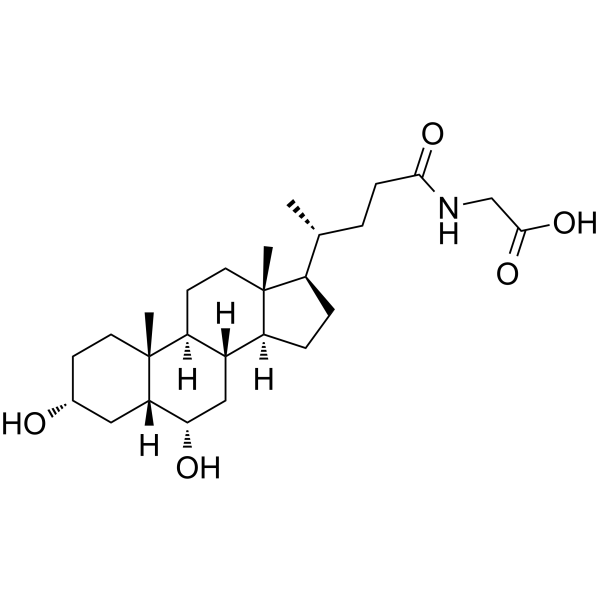
Lithocholylglycine
|
Endogenous Metabolite
|
Inflammation/Immunology
|
|
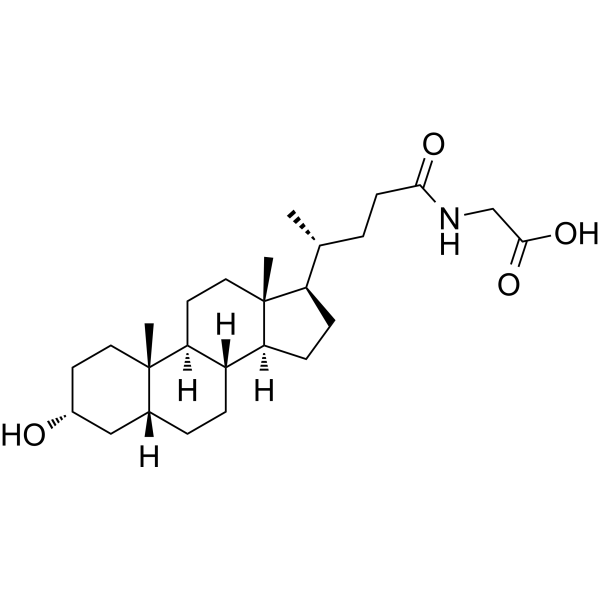
Glycolithocholic acid (Lithocholylglycine), an endogenous metabolite, is a glycine-conjugated secondary bile acid. Glycolithocholic acid can be used to diagnose ulcerative colitis (UC), non-alcoholic steatohepatitis (NASH) and primary sclerosing cholangitis (PSC) .
|
-
-
- HY-126995
-
|
|
Endogenous Metabolite
|
Metabolic Disease
|
|
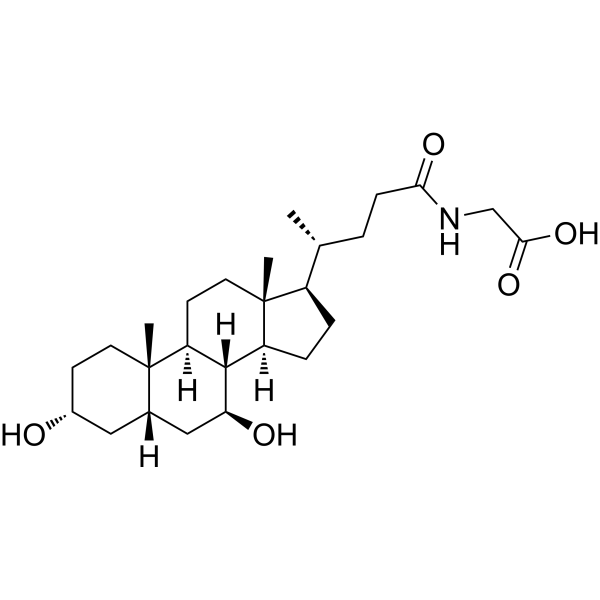
Glycohyodeoxycholic acid is a glycine-conjugated bile acid and also a metabolite of Hyodeoxycholic acid (HY-N0169). The serum level of Glycohyodeoxycholic acid is negatively correlated with the severity of non-alcoholic fatty liver disease. Glycohyodeoxycholic acid can be used in research related to non-alcoholic fatty liver disease .
|
-
-
- HY-125934
-
|
|
Endogenous Metabolite
|
Cancer
|
|
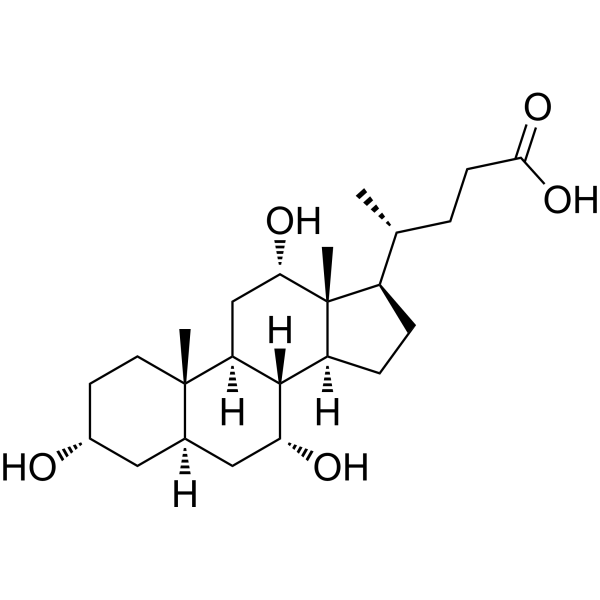
Allocholic acid is a typically fetal bile acid found in vertebrates and reappears during liver regeneration and carcinogenesis, besides it is also a conjugate acid of allocholate and an isomer of cholic acid. Allocholic acid is a potent and specific stimulant of the adult olfactory system, it has a role as a marine metabolite, a rat metabolite and a human metabolite .
|
-
-
- HY-126687
-
|
|
Drug-Linker Conjugates for ADC
|
Cancer
|
|
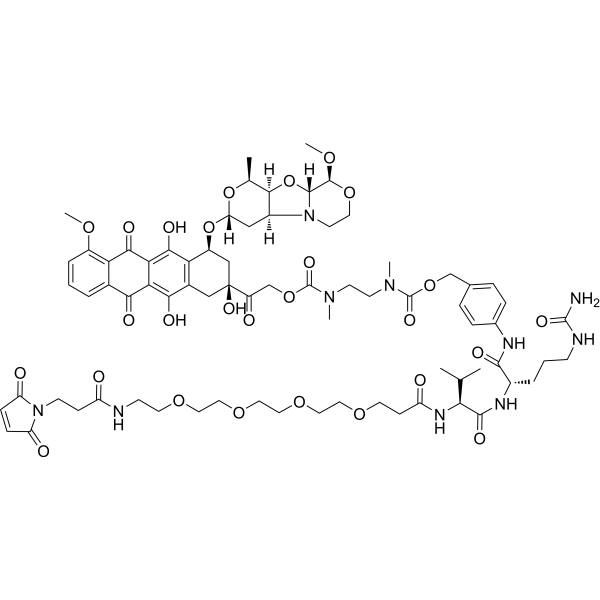
Mal-PEG4-VC-PAB-DMEA-PNU-159682, a agent-linker conjugate for ADC, consists the ADC linker Mal-PEG4-VC-PAB and a potent ADC cytotoxin DMEA-PNU-159682. DMEA-PNU-159682 includes metabolites of nemorubicin (MMDX) from liver microsomes and ADC cytotoxin PNU-159682 .
|
-
-
- HY-101982
-
|
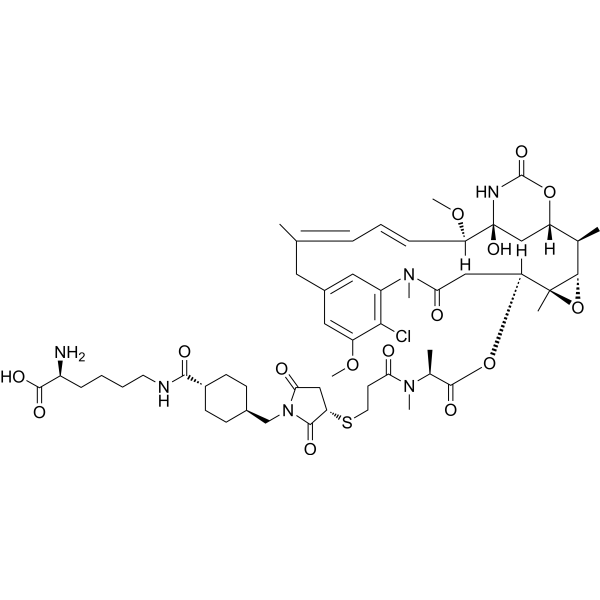
Lys-Nε-MCC-DM1
|
Drug-Linker Conjugates for ADC
|
Cancer
|
|
Lys-SMCC-DM1 (Lys-Nε-MCC-DM1) is a agent-linker conjugates for ADC that can inhibit tubulin polymerization. Lys-SMCC-DM1 is the active metabolite of T-DM1. T-DM1 is a HER2-targeting ADC with a tubulin polymerization inhibitor DM1. Lys-SMCC-DM1 can be used in the research of breast cancer .
|
-
-
- HY-77641
-
|
|
Endogenous Metabolite
|
Metabolic Disease
|
|
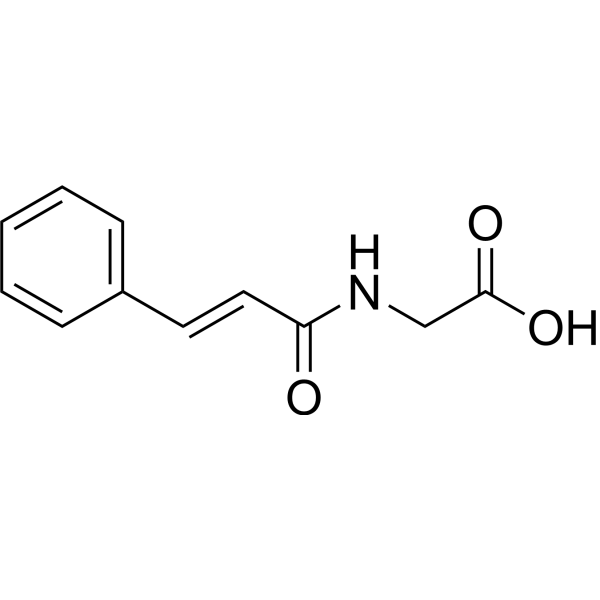
Cinnamoylglycine is a human urinary metabolite and PPG analog. Cinnamoylglycine is a conjugate of cinnamic acid and glycine. Cinnamoylglycine is used as a urine marker. Cinnamoylglycine can be used in adipogenic differentiation studies .
|
-
-
- HY-153013
-
|
|
Drug-Linker Conjugates for ADC
|
Cancer
|
|
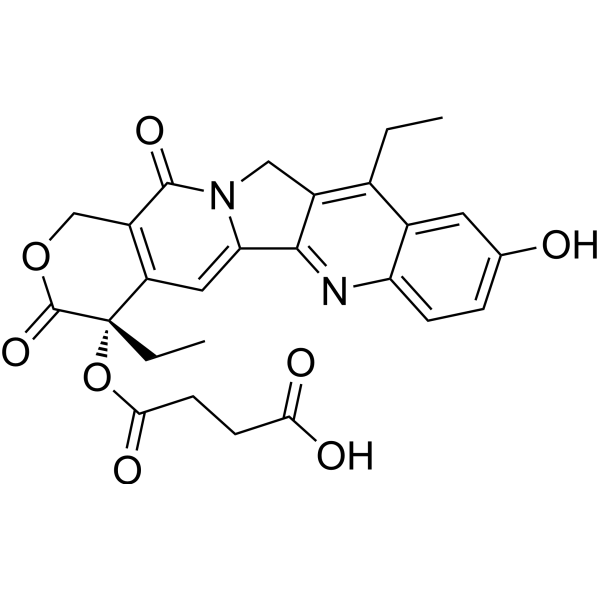
SN38-COOH is used for the synthesis of antibody-drug conjugates (ADCs). SN-38 is an active metabolite of the Topoisomerase I inhibitor Irinotecan. SN-38 inhibits DNA and RNA synthesis .
|
-
-
- HY-137522
-
|
3'-Azido-3'-deoxythymidine β-D-glucuronide sodium
|
Drug Metabolite
|
Others
|
|
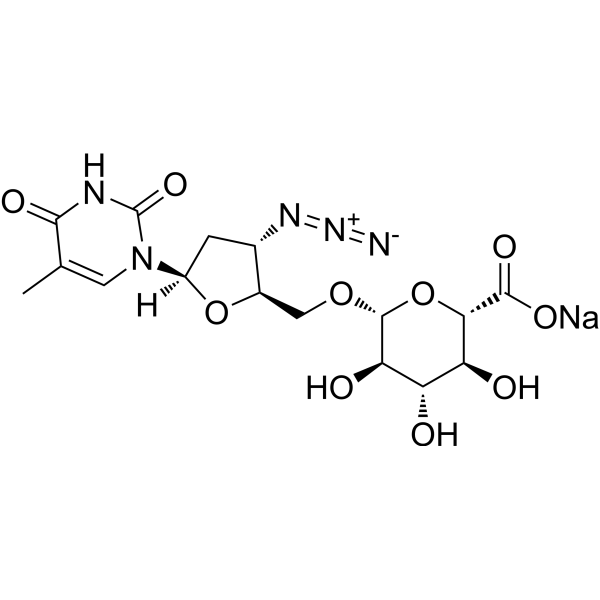
Zidovudine O-β-D-glucuronide (3'-Azido-3'-deoxythymidine β-D-glucuronide) sodium is the glucuronide conjugate and metabolite of Zidovudine (HY-17413), which can be used to detect UGT2B7 activity. As a substrate, Zidovudine O-β-D-glucuronide sodium undergoes deconjugation via hydrolysis by immobilized β-glucuronidase to produce Zidovudine .
|
-
-
- HY-W008646
-
|
|
SOD
Apoptosis
NO Synthase
|
Cardiovascular Disease
Neurological Disease
|
|
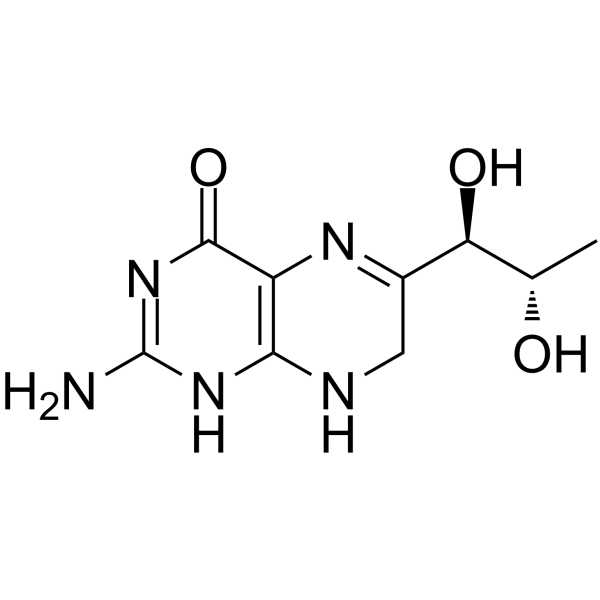
7,8-Dihydro-L-biopterin is a NOS uncoupling inducer with blood-brain barrier permeability, and it is a reduced non-conjugated pteridine. 7,8-Dihydro-L-biopterin is the main metabolite of 4-amino-tetrahydro-L-biopterin, and it undergoes photooxidation to form biopterin. 7,8-Dihydro-L-biopterin promotes the conversion of nitric oxide synthase to a superoxide-producing form, thereby increasing oxidative stress levels in the renal outer medulla and inducing apoptosis. 7,8-Dihydro-L-biopterin is sensitive to the inhibitory effect of SOD, and it can be applied to research related to salt-sensitive hypertension, moderate to severe traumatic brain injury, and neurodegenerative diseases .
|
-
-
- HY-139909A
-
|
|
Drug-Linker Conjugates for ADC
|
Cancer
|
|
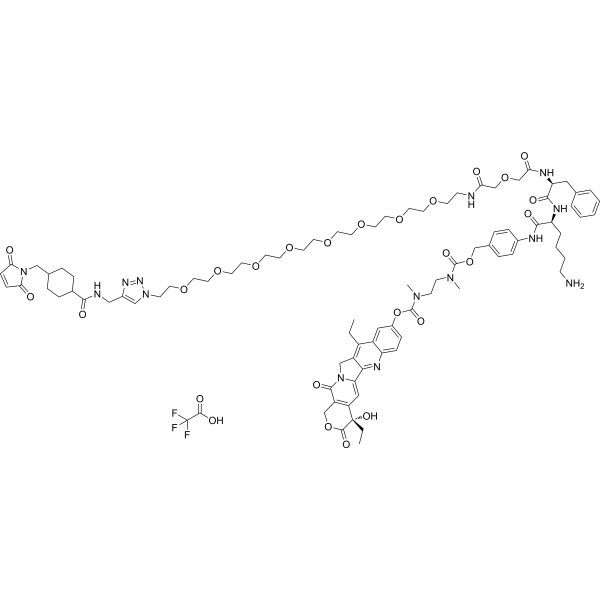
CL2E-SN-38 TFA, a highly releasable and structurally stable antibody-SN-38-conjugate, is a part of the antibody drug conjugate (ADC). SN-38, the active metabolite of Irinotecan from camptothecins, is an Topoisomerase I inhibitor .
|
-
-
- HY-136170
-
MC-SN38
2 Publications Verification
|
Drug-Linker Conjugates for ADC
|
Cancer
|
|
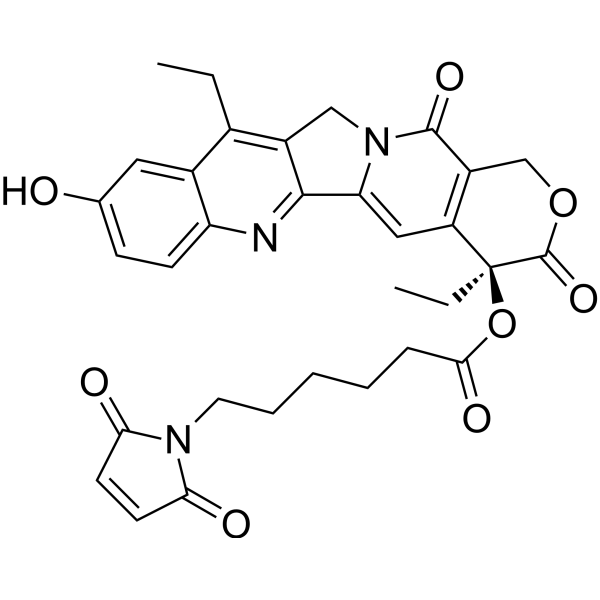
MC-SN38 is a agent-linker conjugate composed of a potent microtubule-disrupting agent SN38 and a non-cleavable MC linker to make antibody agent conjugate (ADC). SN-38, an active metabolite of the Topoisomerase I inhibitor Irinotecan, inhibits DNA synthesis and causes frequent DNA single-strand breaks .
|
-
-
- HY-W041019
-
|
|
Endogenous Metabolite
|
Metabolic Disease
|
|
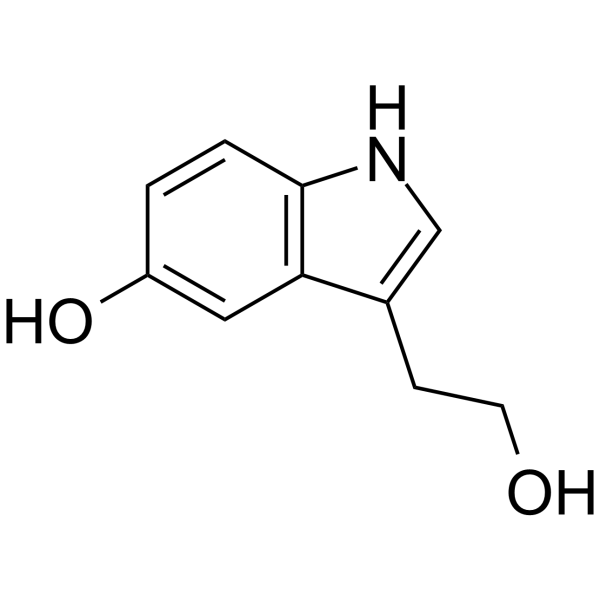
5-Hydroxytryptophol is a mammalian serotonin metabolite that can be used as a sensitive biomarker for recent alcohol intake. 5-Hydroxytryptophol is formed by alcohol-induced changes in the serotonin metabolic pathway and is excreted in the urine as a glucuronic acid conjugate. 5-Hydroxytryptophol is elevated in urine excretion and can be used clinically to monitor alcohol intake in scenarios such as alcohol relapse .
|
-
-
- HY-W747072
-
|
3-Sulfocholyl Taurine; TCA3S
|
Drug Metabolite
|
Neurological Disease
Metabolic Disease
|
|
3-Sulfo-taurocholic Acid Disodium Salt (3-Sulfocholyl Taurine; TCA3S) is a metabolite of the conjugated bile acid taurocholic acid. Plasma levels of 3-Sulfo-taurocholic Acid Disodium Salt are elevated in wild-type and Sortilin 1 (Sort1) knockout mice at 6 hours following bile duct ligation (BDL) and are further elevated in Sort1 knockout mice at 24 hours post-BDL.
|
-
-
- HY-124370
-
|
9Z,11E-CLA; Methyl 9(Z),11(E)-octadecadienoate; (9Z,11E)-SFE 19:2
|
Endogenous Metabolite
|
Cardiovascular Disease
Cancer
|
|
9 (Z),11 (E)-Conjugated linoleic acid methyl ester (9Z,11E-CLA; Methyl 9 (Z),11 (E)-octadecadienoate; (9Z,11E)-SFE 19:2) is an isomer of Linoleic acid (HY-N0729), and is a conjugated linoleic acid mainly found in meat and dairy products. Conjugated linoleic acid is a bioactive fatty acid that improves body composition, enhances immune system function, and exhibits anti-cancer and anti-atherosclerotic effects .
|
-
-
- HY-126691
-
|
|
Drug-Linker Conjugates for ADC
|
Cancer
|
|
DBCO-PEG4-VC-PAB-DMEA-PNU-159682, a agent-linker conjugate for ADC, consists the ADC linker DBCO-PEG4-VC-PAB and a potent ADC cytotoxin DMEA-PNU-159682. DMEA-PNU-159682 includes metabolites of nemorubicin (MMDX) from liver microsomes and ADC cytotoxin PNU-159682. DBCO-PEG4-VC-PAB-DMEA-PNU-159682 is a click chemistry reagent, it contains a DBCO group that can undergo strain-promoted alkyne-azide cycloaddition (SPAAC) with molecules containing Azide groups.
|
-
-
- HY-41121
-
|
Boc-Ala-OH
|
Amino Acid Derivatives
|
Cancer
|
|
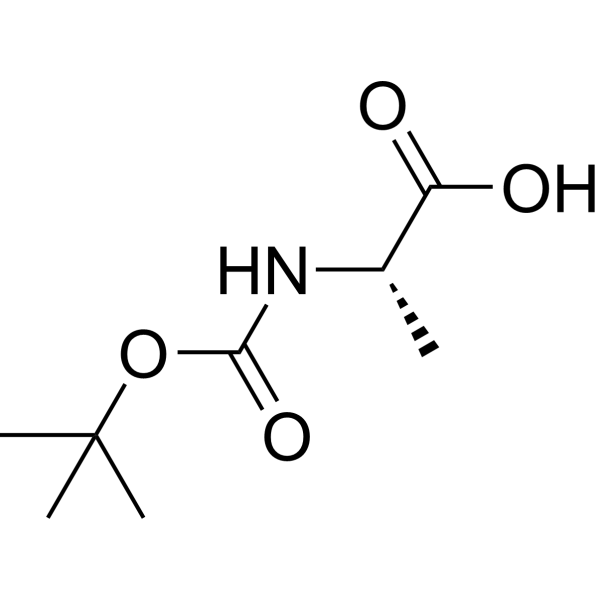
Boc-L-Ala-OH (Boc-Ala-OH) is a single N-protected amino acid ligand and a protected L-alanine derivative. Boc-L-Ala-OH promotes Pd (II)-catalyzed enantioselective C-H alkenylation and kinetic resolution. Boc-L-Ala-OH serves as a coupling reagent for the synthesis of liver-targeted glycogen phosphorylase inhibitors and P6A metabolites, and also acts as a negative control in synthesis studies of betulinic acid amino acid esters. Boc-L-Ala-OH is applicable to research on epidermoid squamous cell carcinoma .
|
-
-
- HY-W041895S1
-
|
|
Endogenous Metabolite
|
Others
|
|
DL-Glutamic acid-d3 is the deuterium labeled DL-Glutamic acid. DL-Glutamic acid is the conjugate acid of Glutamic acid, which acts as a fundamental metabolite. Comparing with the second phase of polymorphs α and β L-Glutamic acid, DL-Glutamic acid presents better stability .
|
-
-
- HY-N7755
-
|
|
Endogenous Metabolite
ATP-binding cassette (ABC) transporters
OAT
|
Others
|
|
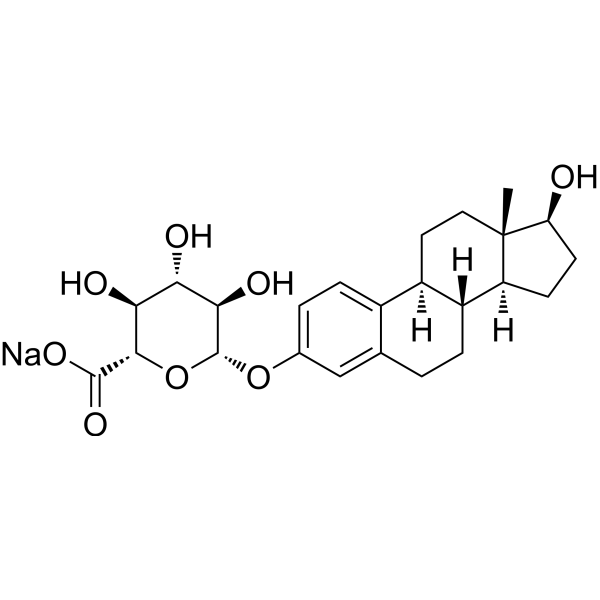
Estradiol 3-glucuronide sodium is an estrogen metabolite, which is a glucuronide conjugate formed by the catalysis of uridine diphosphate glucuronosyltransferase in tissues such as the liver from Estradiol (HY-B0141). Estradiol 3-glucuronide sodium is a potent substrate of Mrp2, with an S50 of 55.7 μM. Estradiol 3-glucuronide sodium achieves hepatobiliary transport in hepatocytes through basolateral uptake via OATP1B1, OATP1B3 and OATP2B1, as well as apical efflux via MRP2 and BCRP .
|
-
-
- HY-130082
-
|
|
ADC Payload
Microtubule/Tubulin
|
Cancer
|
|
DM4-SMe is a metabolite of antibody-maytansin conjugates (AMCs) and a tubulin inhibitor, and also a cytotoxic moiety of antibody-drug conjugates (ADCs), which can be linked to antibody through disulfide bond or stable thioether bond. DM4-SMe inhibits KB cells with an IC50 of 0.026 nM. DM4-SMe is a highly toxic metabolite that can be oxidized and detoxified by human liver microsomes .
|
-
-
- HY-W585842
-
|
|
Endogenous Metabolite
ATP-binding cassette (ABC) transporters
OAT
|
Others
|
|
Estradiol 3-glucuronide is an estrogen metabolite, which is a glucuronide conjugate formed from Estradiol (HY-B0141) via catalysis by uridine diphosphate glucuronosyltransferases in tissues such as the liver. Estradiol 3-glucuronide is a potent substrate of Mrp2, with an S50 value of 55.7 μM. Estradiol 3-glucuronide achieves hepatobiliary transport in hepatocytes through basolateral uptake via OATP1B1, OATP1B3 and OATP2B1, as well as apical efflux via MRP2 and BCRP .
|
-
-
- HY-148225
-
|
|
Drug Metabolite
|
Cancer
|
|
Fulvestrant 3-β-D-Glucuronide, a metabolite, is glucuronide and sulfate conjugates of Fulvestrant (HY-13636), a pure anti-estrogenic steroid. Fulvestrant 3-β-D-Glucuronide can be used for the research of breast cancer .
|
-
-
- HY-N1424S
-
-
-
- HY-153043
-
|
|
Drug Metabolite
|
Cancer
|
|
DM-CO-(CH2)5-SMe is an anticancer agent derived from antibody-drug conjugates (ADC) metabolite with cytotoxicity to H1703, H1975, COLO704 and Colo720E cells .
|
-
-
- HY-113095
-
γ-CEHC
1 Publications Verification
|
Drug Metabolite
Endogenous Metabolite
|
Others
|
|
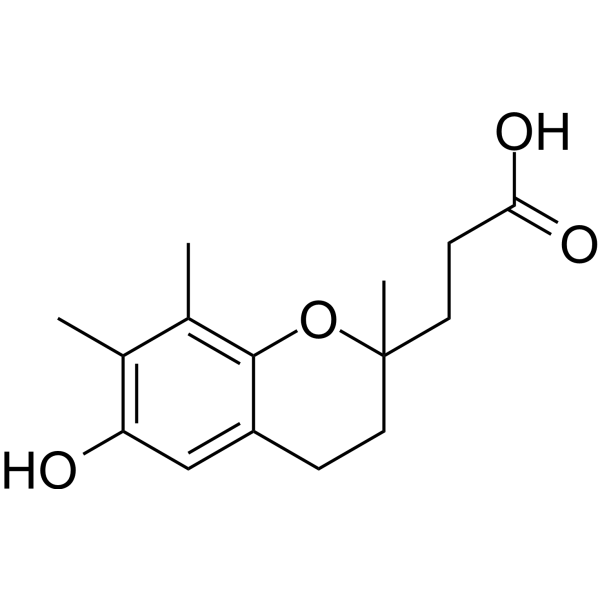
γ-CEHC is a γ-tocopherol (HY-N7148) metabolite. γ-CEHC is mainly excreted into the urine rather than into the bile. γ-CEHC is present in conjugated form in human urine, mainly as glucuronide .
|
-
-
- HY-173243A
-
|
|
Drug-Linker Conjugates for ADC
|
Cancer
|
|
Val-Ala-PAB-SN38 TFA is a drug-linker conjugate for ADC, composed of ADC linker Val-Ala-PAB (HY-125933) and SN38 (HY-13704), which is the active metabolite of the Topoisomerase I inhibitor Irinotecan (HY-16562) .
|
-
-
- HY-N1424R
-
|
GUDCA (Standard); Ursodeoxycholylglycine (Standard)
|
Reference Standards
Endogenous Metabolite
|
Neurological Disease
|
|
Glycoursodeoxycholic acid (Standard) is the analytical standard of Glycoursodeoxycholic acid. This product is intended for research and analytical applications. Glycoursodeoxycholic acid, a acyl glycine and a bile acid-glycine conjugate, is a metabolite of ursodeoxycholic acid.
|
-
-
- HY-W588194
-
|
|
Drug Metabolite
|
Neurological Disease
Metabolic Disease
|
|
Cotinine N-β-D-Glucuronide is a glucuronide conjugate of the tobacco metabolite Cotinine (HY-B1178). Cotinine N-β-D-Glucuronide is promising for research of tobacco carcinogen metabolism and cognitive function .
|
-
-
- HY-W196803
-
|
Propyl Disulfide; DPDS
|
Environmental Pollutants
Cytochrome P450
|
Others
|
|
Dipropyl disulfide is oxidized to dipropyl thiosulfinate (DPDSO) by rat microsomes. Both flavincontaining monooxygenases (FMO) and cytochrome P450 enzymes (CYPs) are involved in dipropyl disulfide oxidation. Dipropyl disulfide forms two metabolites: propylglutathione sulfide conjugate and propylthiol .
|
-
-
- HY-W041895S
-
|
|
Isotope-Labeled Compounds
Endogenous Metabolite
|
Others
|
|
DL-Glutamic acid-d5 is the deuterium labeled DL-Glutamic acid. DL-Glutamic acid is the conjugate acid of Glutamic acid, which acts as a fundamental metabolite. Comparing with the second phase of polymorphs α and β L-Glutamic acid, DL-Glutamic acid presents better stability .
|
-
-
- HY-116374S
-
-
-
- HY-126995R
-
|
|
Reference Standards
Endogenous Metabolite
|
Metabolic Disease
|
|
Glycohyodeoxycholic acid (Standard) is the analytical standard of Glycohyodeoxycholic acid. This product is intended for research and analytical applications. Glycohyodeoxycholic acid is a glycine-conjugated bile acid and also a metabolite of Hyodeoxycholic acid (HY-N0169). The serum level of Glycohyodeoxycholic acid is negatively correlated with the severity of non-alcoholic fatty liver disease. Glycohyodeoxycholic acid can be used in research related to non-alcoholic fatty liver disease.
|
-
-
- HY-W008646R
-
|
|
Reference Standards
SOD
Apoptosis
NO Synthase
|
Others
|
|
NADH (disodium salt) (Standard) is the analytical standard of NADH (disodium salt). This product is intended for research and analytical applications. 7,8-Dihydro-L-biopterin is a NOS uncoupling inducer with blood-brain barrier permeability, and it is a reduced non-conjugated pteridine. 7,8-Dihydro-L-biopterin is the main metabolite of 4-amino-tetrahydro-L-biopterin, and it undergoes photooxidation to form biopterin. 7,8-Dihydro-L-biopterin promotes the conversion of nitric oxide synthase to a superoxide-producing form, thereby increasing oxidative stress levels in the renal outer medulla and inducing apoptosis. 7,8-Dihydro-L-biopterin is sensitive to the inhibitory effect of SOD, and it can be applied to research related to salt-sensitive hypertension, moderate to severe traumatic brain injury, and neurodegenerative diseases .
|
-
-
- HY-139909
-
|
|
Drug-Linker Conjugates for ADC
|
Cancer
|
|
CL2E-SN-38, a highly releasable and structurally stable antibody-SN-38-conjugate, is a part of the antibody drug conjugate (ADC). SN-38, the active metabolite of Irinotecan from camptothecins, is an Topoisomerase I inhibitor .
|
-
-
- HY-77641S
-
|
|
Isotope-Labeled Compounds
Endogenous Metabolite
|
Metabolic Disease
|
|
Cinnamoylglycine-d2 is the deuterium labeled Cinnamoylglycine. Cinnamoylglycine is a glycine conjugate of cinnamic acid and a urinary metabolite in human. Cinnamoylglycine is used as a potential urinary biomarker indicating intact or disrupted colonization resistance during and after antibiotic treatment .
|
-
-
- HY-W751418
-
|
(Z)-2-tetracos-15-enamidoethanesulfonic acid
|
FAAH
|
Neurological Disease
|
|
N-Nervonoyl taurine ((Z)-2-tetracos-15-enamidoethanesulfonic acid) is a fatty acid-taurine conjugate derived from nervonic acid. N-Nervonoyl taurine is a substrate of fatty acid amide hydrolase (FAAH) discovered during metabolite profiling .
|
-
-
- HY-116374R
-
|
Lithocholylglycine (Standard)
|
Endogenous Metabolite
Reference Standards
|
Inflammation/Immunology
|
|
Glycolithocholic acid (Standard) is the analytical standard of Glycolithocholic acid. This product is intended for research and analytical applications. Glycolithocholic acid (Lithocholylglycine), an endogenous metabolite, is a glycine-conjugated secondary bile acid. Glycolithocholic acid can be used to diagnose ulcerative colitis (UC), non-alcoholic steatohepatitis (NASH) and primary sclerosing cholangitis (PSC) .
|
-
-
- HY-126689
-
|
|
Drug-Linker Conjugates for ADC
|
Cancer
|
|
Mal-Phe-C4-VC-PAB-DMEA-PNU-159682, a agent-linker conjugate for ADC, consists the ADC linker Mal-Phe-C4-VC-PAB and a potent ADC cytotoxin DMEA-PNU-159682. DMEA-PNU-159682 includes metabolites of nemorubicin (MMDX) from liver microsomes and ADC cytotoxin PNU-159682 .
|
-
-
- HY-129756
-
|
N-Phenylthioacetamide
|
Biochemical Assay Reagents
|
Metabolic Disease
|
|
Thioacetanilide (N-Phenylthioacetamide) is a sulfur-containing thioamide derivative of acetanilide. Thioacetanilide displays a solvent‑dependent Z/E isomeric distribution, preferring the E conformation in polar hydrogen‑bonding solvents and the Z conformation in halogenated solvents. Thioacetanilide serves as a substrate for metabolic desulfurization and aromatic hydroxylation. Thioacetanilide is mainly metabolized via desulfurization and 4‑hydroxylation of the aromatic ring in Rattus norvegicus, and the released sulfur integrates into the total body sulfur pool. Thioacetanilide is well absorbed in rats, and more than 90% of the dose is excreted in urine as conjugated metabolites after oral administration .
|
-
-
- HY-157338
-
|
|
ADC Linker
Kinesin
|
Cancer
|
|
NHS-Ala-Ala-Asn-active metabolite is a cleavable antibody-drug conjugate (ADC) linker for synthesis of kinesin spindle protein (KSP)inhibitor .
|
-
-
- HY-173243
-
|
|
Drug-Linker Conjugates for ADC
|
Cancer
|
|
Val-Ala-PAB-SN38 is a drug-linker conjugate for ADC, composed of ADC linker Val-Ala-PAB (HY-125933) and SN38 (HY-13704), which is the active metabolite of the Topoisomerase I inhibitor Irinotecan (HY-16562) .
|
-
-
- HY-N15364
-
|
|
Endogenous Metabolite
|
Metabolic Disease
|
|
Imidazoleacetic acid riboside is a metabolite of histamine, belonging to the riboside conjugates of imidazoleacetic acid. Imidazoleacetic acid riboside is generated by dephosphorylation of imidazoleacetic acid ribonucleotide in rats. Imidazoleacetic acid riboside can be detected in the kidney and brain tissue after administration of labeled histamine or histidine, and exists as a urinary metabolite of histamine in both rats and humans. Imidazoleacetic acid riboside is not only excreted in urine, but also can be used to capture and isolate ribose for studying the metabolic pathways of ribose synthesis from glucose or glucuronolactone via the pentose phosphate pathway or the C-6 oxidation pathway in vivo .
|
-
-
- HY-137522S
-
|
3'-Azido-3'-deoxythymidine β-D-glucuronide-d3 sodium
|
Isotope-Labeled Compounds
Drug Metabolite
|
Others
|
|
Zidovudine O-β-D-glucuronide-d3 sodium (3'-Azido-3'-deoxythymidine β-D-glucuronide-d3 sodium) is a deuterium labeled Zidovudine O-β-D-glucuronide sodium (HY-137522). Zidovudine O-β-D-glucuronide (3'-Azido-3'-deoxythymidine β-D-glucuronide) sodium is the glucuronide conjugate and metabolite of Zidovudine (HY-17413), which can be used to detect UGT2B7 activity. As a substrate, Zidovudine O-β-D-glucuronide sodium undergoes deconjugation via hydrolysis by immobilized β-glucuronidase to produce Zidovudine .
|
-
-
- HY-179875
-
|
|
Endogenous Metabolite
|
Metabolic Disease
|
|
N-Cholyl-L-leucine is a bile acid-amino acid conjugate, mainly produced by intestinal microorganisms. N-Cholyl-L-leucine can be used as a biomarker for premature infants and is also employed in the study of bile acid metabolism .
|
-
-
- HY-W777199
-
|
|
Drug Metabolite
|
Others
|
|
Tianeptine metabolite MC5 sodium salt is a major active metabolite of tianeptine. Tianeptine and MC5 metabolite are eliminated with bile as glucuronide and glutamine conjugates .
|
-
-
- HY-W653947
-
|
Ursodeoxycholylglycine-d5
|
Isotope-Labeled Compounds
Endogenous Metabolite
|
Neurological Disease
|
|
Glycoursodeoxycholic acid-d5 (Ursodeoxycholylglycine-d5) is the deuterium labeled Glycoursodeoxycholic acid (HY-N1424). Glycoursodeoxycholic acid, a acyl glycine and a bile acid-glycine conjugate, is a metabolite of ursodeoxycholic acid.
|
-
-
- HY-W196803R
-
|
Propyl Disulfide (Standard); DPDS (Standard)
|
Cytochrome P450
Reference Standards
|
Others
|
|
Dipropyl disulfide is oxidized to dipropyl thiosulfinate (DPDSO) by rat microsomes. Both flavincontaining monooxygenases (FMO) and cytochrome P450 enzymes (CYPs) are involved in dipropyl disulfide oxidation. Dipropyl disulfide forms two metabolites: propylglutathione sulfide conjugate and propylthiol .
|
-
-
- HY-77641R
-
|
|
Reference Standards
Endogenous Metabolite
|
Metabolic Disease
|
|
Cinnamoylglycine (Standard) is the analytical standard of Cinnamoylglycine. This product is intended for research and analytical applications. Cinnamoylglycine is a glycine conjugate of cinnamic acid and a urinary metabolite in human. Cinnamoylglycine is used as a potential urinary biomarker indicating intact or disrupted colonization resistance during and after antibiotic treatment .
|
-
-
- HY-16158R
-
|
Wy-4508 (Standard); Aminocyclohexylpenicillin (Standard); Ciclacillin (Standard)
|
Reference Standards
Bacterial
Antibiotic
|
Infection
|
|
DL-Glutamic acid (Standard) is the analytical standard of DL-Glutamic acid. This product is intended for research and analytical applications. DL-Glutamic acid is the conjugate acid of Glutamic acid, which acts as a fundamental metabolite. Comparing with the second phase of polymorphs α and β L-Glutamic acid, DL-Glutamic acid presents better stability .
|
-
-
- HY-143421
-
|
CMG
|
Drug Metabolite
|
Cancer
|
|
Curcumin monoglucuronide is known as a glucuronic acid conjugate, which is one of the in vivo metabolites of curcumin. Curcumin monoglucuronide is used for research on the metabolism of curcumin and examination of its development as a pharmaceutical. Curcumin monoglucuronide has the potential for the research of cancer disease (extracted from patent WO2022004873A1) .
|
-
- HY-W041895R
-
|
|
Reference Standards
Endogenous Metabolite
|
Others
|
|
DL-Glutamic acid (Standard) is the analytical standard of DL-Glutamic acid. This product is intended for research and analytical applications. DL-Glutamic acid is the conjugate acid of Glutamic acid, which acts as a fundamental metabolite. Comparing with the second phase of polymorphs α and β L-Glutamic acid, DL-Glutamic acid presents better stability .
|
-
- HY-W750488
-
|
Lithocholylglycine-d5
|
Isotope-Labeled Compounds
Endogenous Metabolite
|
Inflammation/Immunology
|
|
Glycolithocholic acid-d5 (Lithocholylglycine-d5) is the deuterium labeled Glycolithocholic acid (HY-116374). Glycolithocholic acid (Lithocholylglycine), an endogenous metabolite, is a glycine-conjugated secondary bile acid. Glycolithocholic acid can be used to diagnose ulcerative colitis (UC), non-alcoholic steatohepatitis (NASH) and primary sclerosing cholangitis (PSC) .
|
-
- HY-W041019R
-
|
|
Reference Standards
Endogenous Metabolite
|
Metabolic Disease
|
|
5-Hydroxytryptophol is a mammalian serotonin metabolite that can be used as a sensitive biomarker for recent alcohol intake. 5-Hydroxytryptophol is formed by alcohol-induced changes in the serotonin metabolic pathway and is excreted in the urine as a glucuronic acid conjugate. 5-Hydroxytryptophol is elevated in urine excretion and can be used clinically to monitor alcohol intake in scenarios such as alcohol relapse .
|
-
- HY-150159S
-
|
|
Isotope-Labeled Compounds
Drug Metabolite
|
Neurological Disease
Metabolic Disease
|
|
Cotinine-d3 N-β-D-Glucuronide is the deuterium labeled Cotinine N-β-D-Glucuronide (HY-W588194). Cotinine N-β-D-Glucuronide is a glucuronide conjugate of the tobacco metabolite Cotinine (HY-B1178). Cotinine N-β-D-Glucuronide is promising for research of tobacco carcinogen metabolism and cognitive function .
|
-
- HY-N15717
-
|
|
Drug Metabolite
|
Others
|
|
(erythro) 1′,2′-Dihydroxyasarone is a metabolite of Beta-asarone (HY-N1501) and can also be isolated from the roots of Acorus tatarinowii. (erythro) 1′,2′-Dihydroxyasarone can form glucuronic acid conjugates in vivo and be excreted in urine. (erythro) 1′,2′-Dihydroxyasarone can serve as a marker for the metabolism and toxic risk assessment of Beta-asarone .
|
-
- HY-137522A
-
|
3'-Azido-3'-deoxythymidine β-D-glucuronide
|
Drug Metabolite
|
Others
|
|
Zidovudine O-β-D-glucuronide (3'-Azido-3'-deoxythymidine β-D-glucuronide) is the glucuronide conjugate and metabolite of Zidovudine (HY-17413), which can be used to detect UGT2B7 activity. As a substrate, Zidovudine O-β-D-glucuronide undergoes deconjugation via hydrolysis by immobilized β-glucuronidase to produce Zidovudine .
|
-
- HY-115004
-
|
|
FAAH
|
Neurological Disease
|
|
MM-433593 is a potent and selective inhibitor of fatty acid amide hydrolase-1 (FAAH-1) that is orally administered to inhibit pain, inflammation, and related disorders. Pharmacokinetic studies of MM-433593 in macaques revealed a biphasic elimination profile with a rapid distribution phase and a slower elimination phase, with a systemic clearance of 8-11 mL/min/kg. MM-433593 exhibits moderate oral bioavailability (14-21%) and its metabolism primarily involves oxidation of the methyl group on the indole ring, resulting in a variety of sulfate, glucuronide, or glutathione-conjugated metabolites .
|
-
- HY-W753832
-
|
|
Drug Derivative
|
Others
|
|
Spirotetramat-enol-glucoside is a Spirotetramat (HY-120253) metabolite Spirotetramat-enol and glucoside conjugate. Spirotetramat is an insecticide .
|
-
- HY-W014277
-
|
|
Drug Metabolite
|
Others
|
|
2,6-Diisopropylnaphthalene is a substituted naphthalene compound, metabolite precursor and potato sprout inhibitor. 2,6-Diisopropylnaphthalene is metabolized in rats only via oxidation of its isopropyl chains, producing five major unconjugated urinary metabolites, glucuronide conjugates of these metabolites, while a small amount of the parent drug is excreted in urine. 2,6-Diisopropylnaphthalene inhibits sprouting of stored potato tubers; when used alone, it only provides a short-term sprout-inhibiting effect .
|
-
- HY-130498
-
|
|
Drug Metabolite
|
Others
|
|
DDOH is an effective metabolite of DTT. DDOH can combine with palmitic acid to form conjugates .
|
-
- HY-N15827
-
|
|
Endogenous Metabolite
|
Others
|
|
Glyco-ω-muricholanoic acid is an endogenous metabolite and a glycine conjugated bile acid (BA) of ω-Muricholanoic Acid.
|
-
- HY-185226
-
|
|
Drug Metabolite
|
Cancer
|
|
γ-Linolenic acid NHS ester is a lipid metabolite of γ-Linolenic acid (GLA) (HY-N7140), which can serve as a synthetic intermediate or probe labeling reagent for the preparation of GLA conjugates. In practical applications, γ-Linolenic acid NHS ester can be conjugated with taxanes and polysaccharides to form dual-type conjugates for drug delivery purposes .
|
-
- HY-150162
-
|
T4-Glc
|
Drug Metabolite
|
Others
|
|
Thyroxine 4'-O-β-D-glucuronide (T4-Glc) is a conjugate of Thyroxine (T4) and Glucuronic acid. Thyroxine 4'-O-β-D-glucuronide is a major metabolite of Thyroxine (HY-18341) .
|
-
- HY-133005
-
|
4-Desacetylvinblastine; Desacetylvincaleukoblastine
|
Drug Metabolite
|
Cancer
|
|
Desacetylvinblastine (4-Desacetylvinblastine) is the major metabolite of Vinblastine (HY-13780) and a cytotoxic agent. When used alone, desacetylvinblastine has poor anti-tumor effects, but it can exert significant anti-tumor activity when in the presence of specific conjugates .
|
-
- HY-167770
-
|
|
Drug Metabolite
|
Metabolic Disease
|
|
Chrysin 7-sulfate is a conjugated metabolite of Chrysin (HY-14589). Chrysin 7-sulfate can strongly displace the Site I marker warfarin from human serum albumin. Chrysin 7-sulfate can effectively displace Ochratoxin A (OTA) (HY-N6788) from albumin both in vitro and in vivo .
|
-
- HY-N19800
-
|
|
Drug Metabolite
|
Metabolic Disease
|
|
Anhydroicaritin-3,7-di-O-glucuronide is a diglucuronide metabolite of icaritin. Anhydroicaritin-3,7-di-O-glucuronide is also a conjugated metabolite derived from prenylated flavonoids of the genus *Epimedium* in rats. In an in vitro microsomal system, Anhydroicaritin-3,7-di-O-glucuronide is mainly catalyzed by UGT1A1 and UGT1A8. Anhydroicaritin-3,7-di-O-glucuronide is generated via sequential glucuronidation at the 3-OH and 7-OH sites of icaritin, or via further conversion from monoglucuronides of icaritin .
|
-
- HY-182012
-
|
|
Drug Derivative
|
Cardiovascular Disease
|
|
DT-678 is an orally active antiplatelet and antithrombotic inhibitor. DT-678 is a conjugate formed by linking the active metabolite of Clopidogrel (HY-15283) with 3-nitropyridine-2-thiol via a mixed disulfide bond. DT-678 does not rely on CYP2C19 for activation, and directly releases active substances via thiol exchange reactions in vivo, exhibiting superior efficacy over Clopidogrel. DT-678 can be used in research related to acute coronary syndrome and thrombosis .
|
-
- HY-176968
-
|
AspCA
|
Drug Derivative
|
Inflammation/Immunology
|
|
N-Cholyl-L-aspartic acid (AspCA) is a N-cholyl Amino Acid (HY-168761) derivative. N-Cholyl-L-aspartic acid can be used for the study of inflammatory bowel disease (IBD) .
|
-
- HY-101982R
-
|
Lys-Nε-MCC-DM1 (Standard)
|
Reference Standards
Drug-Linker Conjugates for ADC
|
Cancer
|
|
Lys-SMCC-DM1 (Standard) is the analytical standard of Lys-SMCC-DM1 (HY-101982). This product is intended for research and analytical applications. Lys-SMCC-DM1 (Lys-Nε-MCC-DM1) is a agent-linker conjugates for ADC that can inhibit tubulin polymerization. Lys-SMCC-DM1 is the active metabolite of T-DM1. T-DM1 is a HER2-targeting ADC with a tubulin polymerization inhibitor DM1. Lys-SMCC-DM1 can be used in the research of breast cancer .
|
-
| Cat. No. |
Product Name |
Target |
Research Area |
-
- HY-41121
-
|
Boc-Ala-OH
|
Amino Acid Derivatives
|
Cancer
|
|
Boc-L-Ala-OH (Boc-Ala-OH) is a single N-protected amino acid ligand and a protected L-alanine derivative. Boc-L-Ala-OH promotes Pd (II)-catalyzed enantioselective C-H alkenylation and kinetic resolution. Boc-L-Ala-OH serves as a coupling reagent for the synthesis of liver-targeted glycogen phosphorylase inhibitors and P6A metabolites, and also acts as a negative control in synthesis studies of betulinic acid amino acid esters. Boc-L-Ala-OH is applicable to research on epidermoid squamous cell carcinoma .
|
| Cat. No. |
Product Name |
Category |
Target |
Chemical Structure |
-
- HY-N1424
-
-
-
- HY-116374
-
-
-
- HY-126995
-
-
-
- HY-125934
-
-
-
- HY-77641
-
-
-
- HY-W008646
-
|
|
Structural Classification
Natural Products
Human Gut Microbiota Metabolites
Classification of Application Fields
Other Diseases
Endogenous metabolite
Disease Research Fields
Source Classification
|
SOD
Apoptosis
NO Synthase
|
|
7,8-Dihydro-L-biopterin is a NOS uncoupling inducer with blood-brain barrier permeability, and it is a reduced non-conjugated pteridine. 7,8-Dihydro-L-biopterin is the main metabolite of 4-amino-tetrahydro-L-biopterin, and it undergoes photooxidation to form biopterin. 7,8-Dihydro-L-biopterin promotes the conversion of nitric oxide synthase to a superoxide-producing form, thereby increasing oxidative stress levels in the renal outer medulla and inducing apoptosis. 7,8-Dihydro-L-biopterin is sensitive to the inhibitory effect of SOD, and it can be applied to research related to salt-sensitive hypertension, moderate to severe traumatic brain injury, and neurodegenerative diseases .
|
-
-
- HY-W041019
-
-
-
- HY-113095
-
-
-
- HY-N1424R
-
-
-
- HY-126995R
-
-
-
- HY-W008646R
-
|
|
Structural Classification
Natural Products
Human Gut Microbiota Metabolites
Microorganisms
Endogenous metabolite
Source Classification
|
Reference Standards
SOD
Apoptosis
NO Synthase
|
|
NADH (disodium salt) (Standard) is the analytical standard of NADH (disodium salt). This product is intended for research and analytical applications. 7,8-Dihydro-L-biopterin is a NOS uncoupling inducer with blood-brain barrier permeability, and it is a reduced non-conjugated pteridine. 7,8-Dihydro-L-biopterin is the main metabolite of 4-amino-tetrahydro-L-biopterin, and it undergoes photooxidation to form biopterin. 7,8-Dihydro-L-biopterin promotes the conversion of nitric oxide synthase to a superoxide-producing form, thereby increasing oxidative stress levels in the renal outer medulla and inducing apoptosis. 7,8-Dihydro-L-biopterin is sensitive to the inhibitory effect of SOD, and it can be applied to research related to salt-sensitive hypertension, moderate to severe traumatic brain injury, and neurodegenerative diseases .
|
-
-
- HY-W751418
-
|
(Z)-2-tetracos-15-enamidoethanesulfonic acid
|
Natural Products
Endogenous metabolite
Source Classification
|
FAAH
|
|
N-Nervonoyl taurine ((Z)-2-tetracos-15-enamidoethanesulfonic acid) is a fatty acid-taurine conjugate derived from nervonic acid. N-Nervonoyl taurine is a substrate of fatty acid amide hydrolase (FAAH) discovered during metabolite profiling .
|
-
-
- HY-116374R
-
-
-
- HY-N15364
-
|
|
Structural Classification
Ketones, Aldehydes, Acids
Endogenous metabolite
Source Classification
|
Endogenous Metabolite
|
|
Imidazoleacetic acid riboside is a metabolite of histamine, belonging to the riboside conjugates of imidazoleacetic acid. Imidazoleacetic acid riboside is generated by dephosphorylation of imidazoleacetic acid ribonucleotide in rats. Imidazoleacetic acid riboside can be detected in the kidney and brain tissue after administration of labeled histamine or histidine, and exists as a urinary metabolite of histamine in both rats and humans. Imidazoleacetic acid riboside is not only excreted in urine, but also can be used to capture and isolate ribose for studying the metabolic pathways of ribose synthesis from glucose or glucuronolactone via the pentose phosphate pathway or the C-6 oxidation pathway in vivo .
|
-
-
- HY-77641R
-
-
-
- HY-W041895R
-
-
-
- HY-W041019R
-
-
-
- HY-N15717
-
|
|
Natural Products
Araceae
Acorus gramineus Soland.
Plants
Source Classification
|
Drug Metabolite
|
|
(erythro) 1′,2′-Dihydroxyasarone is a metabolite of Beta-asarone (HY-N1501) and can also be isolated from the roots of Acorus tatarinowii. (erythro) 1′,2′-Dihydroxyasarone can form glucuronic acid conjugates in vivo and be excreted in urine. (erythro) 1′,2′-Dihydroxyasarone can serve as a marker for the metabolism and toxic risk assessment of Beta-asarone .
|
-
-
- HY-N15827
-
|
|
Lipid
|
Endogenous Metabolite
|
|
Glyco-ω-muricholanoic acid is an endogenous metabolite and a glycine conjugated bile acid (BA) of ω-Muricholanoic Acid.
|
-
-
- HY-N19800
-
|
|
Structural Classification
Flavonols
Flavonoids
Endogenous metabolite
Source Classification
|
Drug Metabolite
|
|
Anhydroicaritin-3,7-di-O-glucuronide is a diglucuronide metabolite of icaritin. Anhydroicaritin-3,7-di-O-glucuronide is also a conjugated metabolite derived from prenylated flavonoids of the genus *Epimedium* in rats. In an in vitro microsomal system, Anhydroicaritin-3,7-di-O-glucuronide is mainly catalyzed by UGT1A1 and UGT1A8. Anhydroicaritin-3,7-di-O-glucuronide is generated via sequential glucuronidation at the 3-OH and 7-OH sites of icaritin, or via further conversion from monoglucuronides of icaritin .
|
-
| Cat. No. |
Product Name |
Chemical Structure |
-
- HY-W041895S1
-
|
|
|
DL-Glutamic acid-d3 is the deuterium labeled DL-Glutamic acid. DL-Glutamic acid is the conjugate acid of Glutamic acid, which acts as a fundamental metabolite. Comparing with the second phase of polymorphs α and β L-Glutamic acid, DL-Glutamic acid presents better stability .
|
-
-
- HY-N1424S
-
|
|
|
Glycoursodeoxycholic acid-d4 (Ursodeoxycholylglycine-d4) is the deuterium labeled Glycoursodeoxycholic acid. Glycoursodeoxycholic acid, a acyl glycine and a bile acid-glycine conjugate, is a metabolite of ursodeoxycholic acid .
|
-
-
- HY-W041895S
-
|
|
|
DL-Glutamic acid-d5 is the deuterium labeled DL-Glutamic acid. DL-Glutamic acid is the conjugate acid of Glutamic acid, which acts as a fundamental metabolite. Comparing with the second phase of polymorphs α and β L-Glutamic acid, DL-Glutamic acid presents better stability .
|
-
-
- HY-116374S
-
|
|
|
Glycolithocholic acid-d4 is the deuterium labeled Glycolithocholic acid. Glycolithocholic acid, an endogenous metabolite, is a glycine-conjugated secondary bile acid and can be used to diagnose ulcerative colitis (UC), non-alcoholic steatohepatitis (NASH) and primary sclerosing cholangitis (PSC) .
|
-
-
- HY-77641S
-
|
|
|
Cinnamoylglycine-d2 is the deuterium labeled Cinnamoylglycine. Cinnamoylglycine is a glycine conjugate of cinnamic acid and a urinary metabolite in human. Cinnamoylglycine is used as a potential urinary biomarker indicating intact or disrupted colonization resistance during and after antibiotic treatment .
|
-
-
- HY-137522S
-
|
|
|
Zidovudine O-β-D-glucuronide-d3 sodium (3'-Azido-3'-deoxythymidine β-D-glucuronide-d3 sodium) is a deuterium labeled Zidovudine O-β-D-glucuronide sodium (HY-137522). Zidovudine O-β-D-glucuronide (3'-Azido-3'-deoxythymidine β-D-glucuronide) sodium is the glucuronide conjugate and metabolite of Zidovudine (HY-17413), which can be used to detect UGT2B7 activity. As a substrate, Zidovudine O-β-D-glucuronide sodium undergoes deconjugation via hydrolysis by immobilized β-glucuronidase to produce Zidovudine .
|
-
-
- HY-W653947
-
|
|
|
Glycoursodeoxycholic acid-d5 (Ursodeoxycholylglycine-d5) is the deuterium labeled Glycoursodeoxycholic acid (HY-N1424). Glycoursodeoxycholic acid, a acyl glycine and a bile acid-glycine conjugate, is a metabolite of ursodeoxycholic acid.
|
-
-
- HY-W750488
-
|
|
|
Glycolithocholic acid-d5 (Lithocholylglycine-d5) is the deuterium labeled Glycolithocholic acid (HY-116374). Glycolithocholic acid (Lithocholylglycine), an endogenous metabolite, is a glycine-conjugated secondary bile acid. Glycolithocholic acid can be used to diagnose ulcerative colitis (UC), non-alcoholic steatohepatitis (NASH) and primary sclerosing cholangitis (PSC) .
|
-
-
- HY-150159S
-
|
|
|
Cotinine-d3 N-β-D-Glucuronide is the deuterium labeled Cotinine N-β-D-Glucuronide (HY-W588194). Cotinine N-β-D-Glucuronide is a glucuronide conjugate of the tobacco metabolite Cotinine (HY-B1178). Cotinine N-β-D-Glucuronide is promising for research of tobacco carcinogen metabolism and cognitive function .
|
-
| Cat. No. |
Product Name |
|
Classification |
-
- HY-137522
-
|
3'-Azido-3'-deoxythymidine β-D-glucuronide sodium
|
|
Azide
|
|
Zidovudine O-β-D-glucuronide (3'-Azido-3'-deoxythymidine β-D-glucuronide) sodium is the glucuronide conjugate and metabolite of Zidovudine (HY-17413), which can be used to detect UGT2B7 activity. As a substrate, Zidovudine O-β-D-glucuronide sodium undergoes deconjugation via hydrolysis by immobilized β-glucuronidase to produce Zidovudine .
|
-
- HY-126691
-
|
|
|
DBCO
ADC Synthesis
|
|
DBCO-PEG4-VC-PAB-DMEA-PNU-159682, a agent-linker conjugate for ADC, consists the ADC linker DBCO-PEG4-VC-PAB and a potent ADC cytotoxin DMEA-PNU-159682. DMEA-PNU-159682 includes metabolites of nemorubicin (MMDX) from liver microsomes and ADC cytotoxin PNU-159682. DBCO-PEG4-VC-PAB-DMEA-PNU-159682 is a click chemistry reagent, it contains a DBCO group that can undergo strain-promoted alkyne-azide cycloaddition (SPAAC) with molecules containing Azide groups.
|
Your information is safe with us. * Required Fields.
Inquiry Information
- Product Name:
- Cat. No.:
- Quantity:
- MCE Japan Authorized Agent:

