1. Search Result
Search Result
Results for "

covalent adducts

" in MedChemExpress (MCE) Product Catalog:

45

Inhibitors & Agonists

2

Fluorescent Dyes

1

Biochemical Assay Reagents

1

Peptides

7

Natural
Products

4

Isotope-Labeled Compounds

2

Click Chemistry

Cat. No. Product Name Target Research Areas Chemical Structure
  • HY-113466
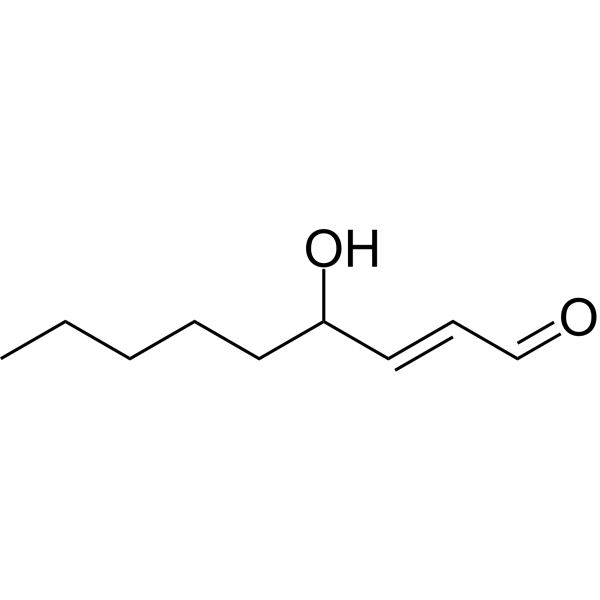
    4-Hydroxynonenal
    15+ Cited Publications

    4-HNE

    Aldehyde Dehydrogenase (ALDH) Endogenous Metabolite Cardiovascular Disease Neurological Disease Cancer
    4-Hydroxynonenal (4-HNE) is an α,β unsaturated hydroxyalkenal and an oxidative/nitrosative stress biomarker. 4-Hydroxynonenal is a substrate and an inhibitor of acetaldehyde dehydrogenase 2 (ALDH2). 4-Hydroxynonenal can modulate a number of signaling processes mainly through forming covalent adducts with nucleophilic functional groups in proteins, nucleic acids, and membrane lipids. 4-Hydroxynonenal plays an important role in cancer through mitochondria .
    4-Hydroxynonenal
  • HY-13509
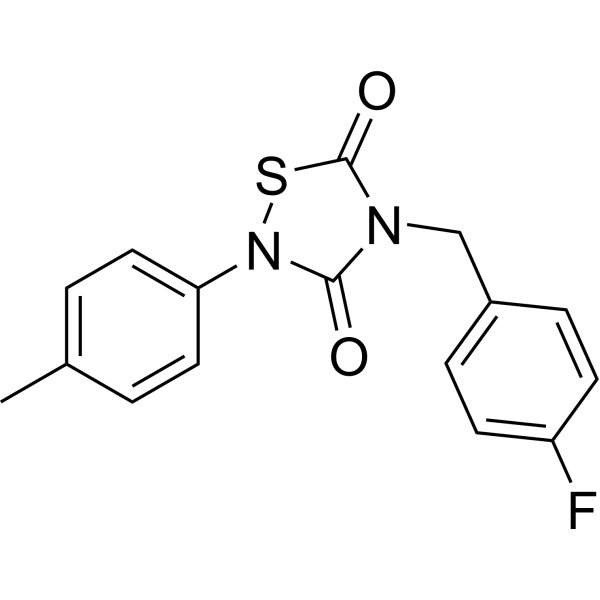
    CCG-50014
    2 Publications Verification

    RGS Protein Inflammation/Immunology
    CCG-50014 is the most potent against the regulator of G-protein signaling protein type 4 (RGS4) (IC50 =30 nM) and is >20-fold selective for RGS4 over other RGS proteins. CCG-50014 binds covalently to the RGS, forming an adduct on two cysteine residues located in an allosteric regulatory site . CCG50014, reduces nociceptive responses and enhances opioid-mediated analgesic effects in the mouse formalin test .
    CCG-50014
  • HY-13568

    LRCL 3794

    Cytochrome P450 COX Lipoxygenase PGE synthase Inflammation/Immunology
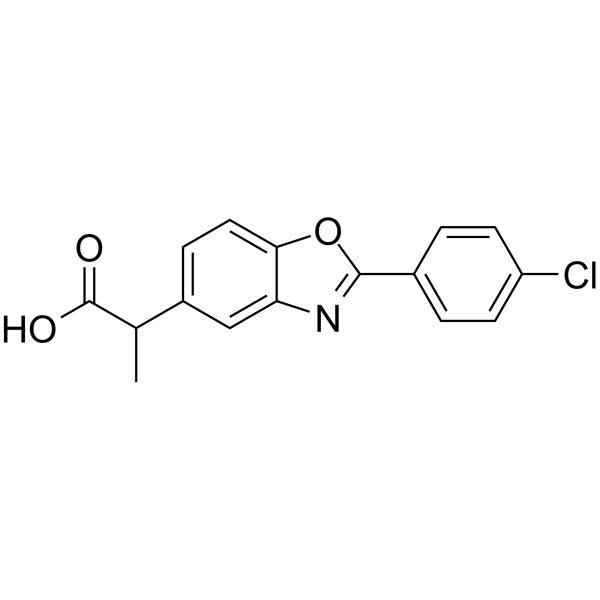
    Benoxaprofen (LRCL 3794) is a nonsteroidal anti-inflammatory agent that blocks the biosynthesis of inflammatory mediators such as leukotrienes and prostaglandins by inhibiting 5-LOX, PGH2 synthase and cytochrome P-450. Benoxaprofen exhibits significant toxicity: it not only alters cellular redox status, uncouples oxidative phosphorylation and disrupts calcium ion homeostasis, but also causes liver injury through the formation of covalent adducts between its active metabolites and hepatic proteins. Benoxaprofen shows strong phototoxicity under ultraviolet irradiation, and induces erythrocyte lysis, mast cell degranulation and histamine release. Benoxaprofen is widely used in studies of urticaria and related phototoxic mechanisms .
    Benoxaprofen
  • HY-B0306

    Protionamide

    Bacterial Infection
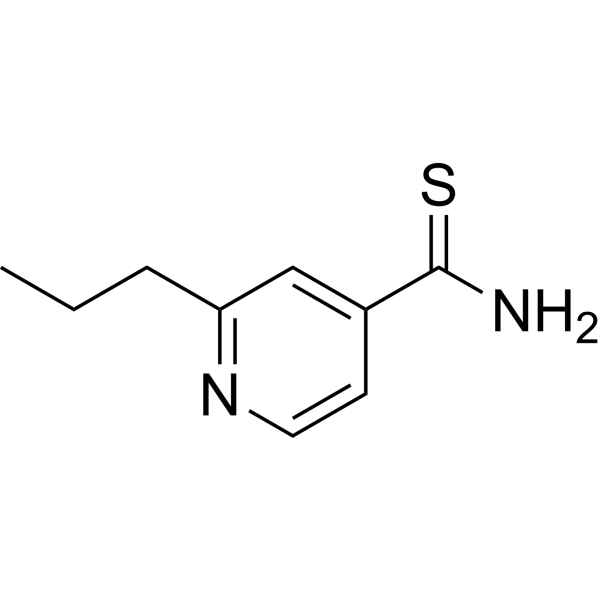
    Prothionamide is an orally active thioamide antibacterial agent. Prothionamide is a substrate of OCT1 with a Km value of 805.8 μM. Prothionamide reacts with NAD to form a covalent adduct, with the adduct being a tight-binding inhibitor of Mycobacterium tuberculosis and Mycobacterium leprae InhA. Prothionamide can effectively inhibit the growth of Mycobacterium tuberculosis (MIC = ~0.5 µg/mL) and Mycobacterium leprae. Prothionamide is used in the research of tuberculosis and leprosy .
    Prothionamide
  • HY-141452

    Malondialdehyde

    Endogenous Metabolite Neurological Disease
    Propanedial (Malondialdehyde) (13.88 mM in water) is one of the final products of lipid peroxidation. Propanedial causes protein inactivation, DNA damage and cross-linking by forming stable covalent adducts with biological macromolecules, which is the main mechanism for its cytotoxicity and genotoxicity. Propanedial production increases with the elevation of free radicals. Propanedial is a key biomarker for evaluating the level of cellular oxidative stress [1][2][3].
    Propanedial (13.88 mM in water)
  • HY-W089800

    trans-2-Nonen-1-al

    COX Lipoxygenase Apoptosis Cardiovascular Disease Inflammation/Immunology
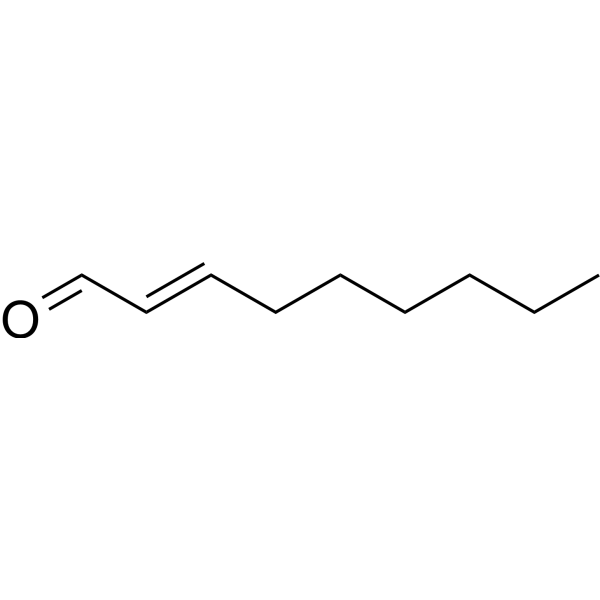
    trans-2-Nonenal (trans-2-Nonen-1-al) is an endogenous peroxidation product of polyunsaturated fatty acids, acting as an inhibitor of COX and 12-LOX, as well as an inducer of apoptosis. trans-2-Nonenal is also a malodorous compound secreted by the human body, and its content gradually increases with aging. trans-2-Nonenal inhibits the activities of multiple enzymes such as platelet membrane-bound PTPase, preferentially covalently modifies proteins at lysine residues to form immunogenic adducts, and regulates platelet Arachidonic acid (HY-109590) metabolism. trans-2-Nonenal also exhibits significant cytotoxicity, reduces the viability of keratinocytes, promotes their apoptosis, and effectively decreases the thickness of epidermal models and the number of proliferating cells. trans-2-Nonenal is commonly used in studies of thrombotic, atherosclerotic diseases, renal adenocarcinoma, etc. .
    trans-2-Nonenal
  • HY-172615

    Molecular Glues Epigenetic Reader Domain Cancer
    AMPTX-1 is a selective, orally active, covalent reversible BRD9 molecular glue degrader with a DC50 of 0.05 nM. AMPTX-1 selectively recruits BRD9 to the E3 ligase DCAF16. AMPTX-1 forms a ternary complex with BRD9 and a reversible covalent adduct with Cys58 on the surface of DCAF16. AMPTX-1 mediates BRD9 degradation via the proteasome and Cullin RING E3 ligase pathways. AMPTX-1 can be used in the research of solid tumors and hematological malignancies .
    AMPTX-1
  • HY-141677

    Histone Demethylase Cancer
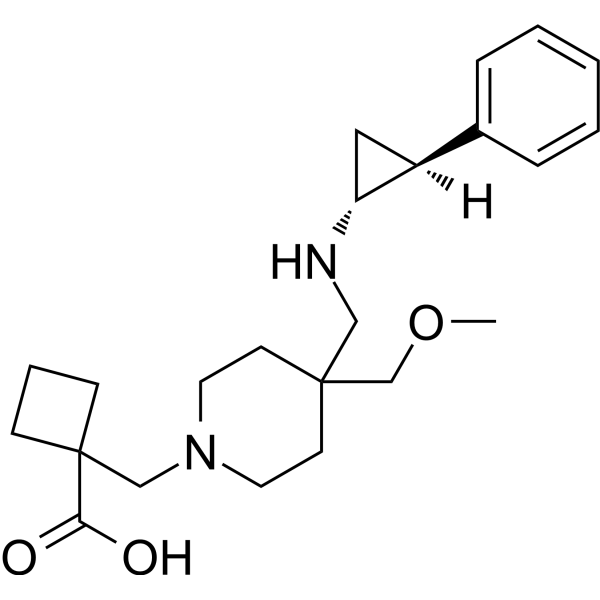
    INCB059872 is a potent, orally active, selective and irreversible Lysine-Specific Demethylase 1 (LSD1) inhibitor that achieves inhibitory activity through the formation of covalent FAD-adducts. INCB059872 can inhibit cell proliferation and induce cell differentiation by upregulating the expression of myeloid differentiation markers CD86 and CD11b. INCB059872 can be used for the research of myeloid leukemia .
    INCB059872
  • HY-U00279

    DNA/RNA Synthesis Cancer
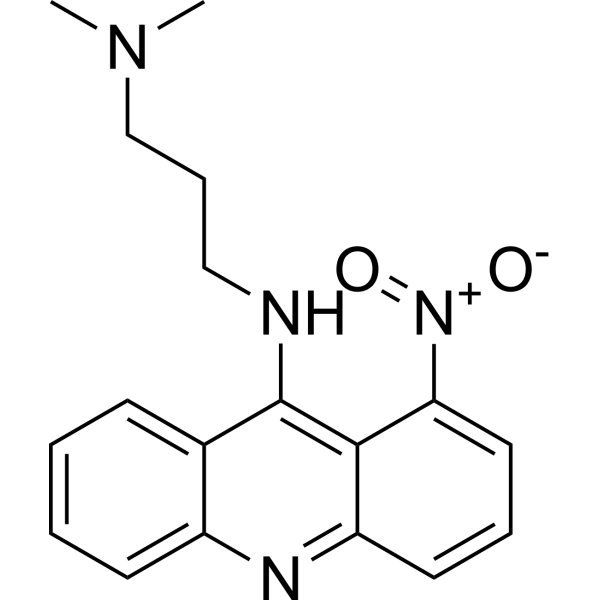
    Nitracrine inhibits RNA synthesis and covalently, reversibly binds to DNA but also forms covalent adducts with DNA in vivo. Nitracrine, a 1-nitroacridine derivative, is a potent hypoxia-selective agent in vitro and antitumor agent. Nitracrine has cytotoxicity towards most cells .
    Nitracrine
  • HY-132197
    CBP/p300-IN-12
    1 Publications Verification

    Epigenetic Reader Domain Histone Acetyltransferase Cancer
    CBP/p300-IN-12 is a potent and selective covalent histone acetyltransferases p300 (IC50 of 166 nM) and CBP inhibitor. CBP/p300-IN-12 decreases the levels of H3K27Ac of PC-3 cells (EC50 of 37 nM). CBP/p300-IN-12 forms a covalent adduct with C1450 .
    CBP/p300-IN-12
  • HY-171036

    Endogenous Metabolite Metabolic Disease
    GAPDH-IN-1 (Compound F8) is a GAPDH inhibitor (IC50 of 39.31 μM for GAPDH enzymatic activity). GAPDH-IN-1 forms a covalent adduct with an aspartic acid in the active site to displace NAD +, a cofactor of the enzyme, with concomitant enhancement of the cysteine-reactive probe reaction with the catalytic cysteine .
    GAPDH-IN-1
  • HY-171213

    Toll-like Receptor (TLR) Neurological Disease
    NB-3 is a nicotinamide adenine dinucleotide (NAD) hydrolase SARM1 inhibitor. NB-3 intercepts NAD hydrolysis and undergoes covalent conjugation with the reaction product adenosine diphosphate ribose (ADPR). The resulting small-molecule ADPR adducts are highly potent and confer compelling neuroprotection in neurological injury .
    NB-3
  • HY-N1282

    Glutathione S-transferase Cytochrome P450 Cancer
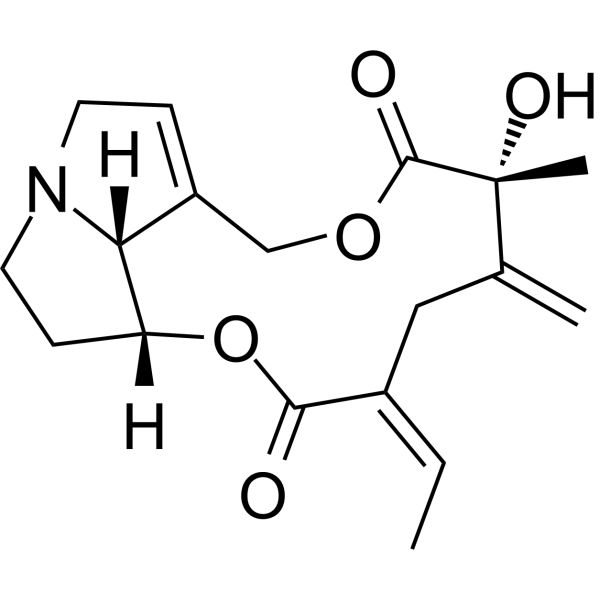
    Seneciphylline is an orally effective hepatotoxic inducer. Seneciphylline is metabolized by CYP450 enzymes into active intermediates, which covalently bind to intracellular biomacromolecules such as proteins and DNA to form adducts, which in turn trigger a series of toxic reactions, such as inducing cell apoptosis and damaging mitochondrial function. Seneciphylline can be used in hepatotoxicity research[1][2].
    Seneciphylline
  • HY-N10686

    Carboxylesterase (CES) Cancer
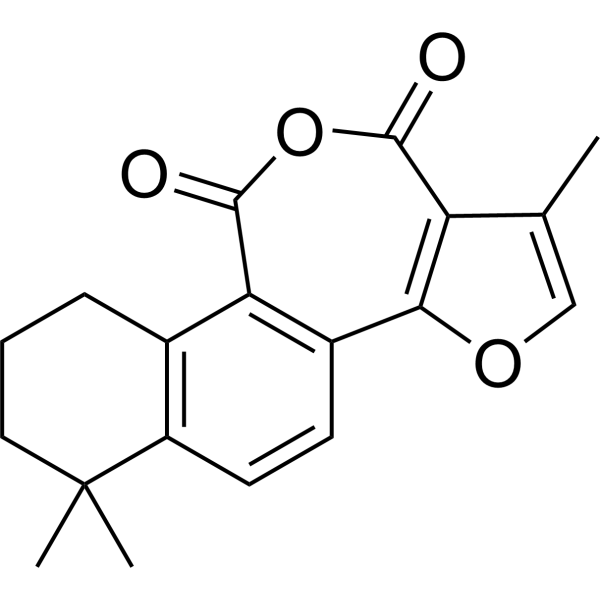
    Tanshinone IIA anhydride, present in root extracts of Salvia miltiorrhiza, acts as an inhibitor of human carboxylesterase (CE). Tanshinone IIA anhydride has a Ki value of 1.9 nM against hCE1 and a Ki value of 1.4 nM against hiCE. Tanshinone IIA anhydride forms a stable covalent complex with serine Ser221 at the active site of hCE1, blocking the catalytic cycle of carboxylesterase, and the activity of the inactivated enzyme cannot recover spontaneously. Tanshinone IIA anhydride is applicable in metabolism-related studies .
    Tanshinone IIA anhydride
  • HY-113466S

    4-HNE-d3

    Isotope-Labeled Compounds Aldehyde Dehydrogenase (ALDH) Endogenous Metabolite Cardiovascular Disease Neurological Disease Cancer
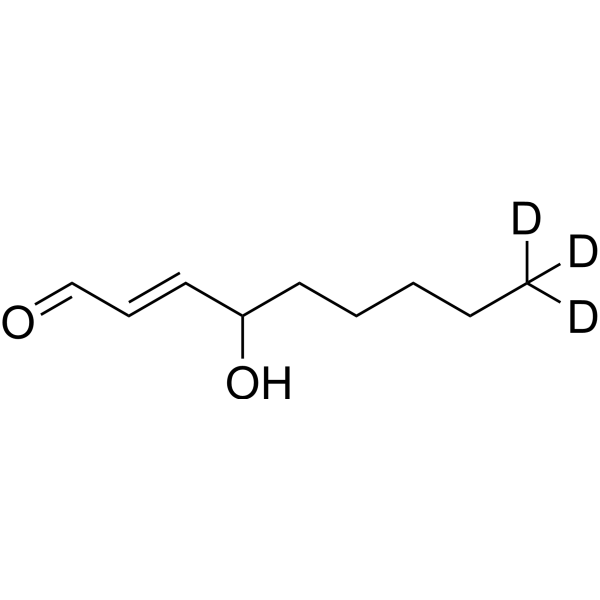
    4-Hydroxynonenal-d3 is the deuterium labeled 4-Hydroxynonenal. 4-Hydroxynonenal (4-HNE) is an α,β unsaturated hydroxyalkenal and an oxidative/nitrosative stress biomarker. 4-Hydroxynonenal is a substrate and an inhibitor of acetaldehyde dehydrogenase 2 (ALDH2). 4-Hydroxynonenal can modulate a number of signaling processes mainly through forming covalent adducts with nucleophilic functional groups in proteins, nucleic acids, and membrane lipids. 4-Hydroxynonenal plays an important role in cancer through mitochondria .
    4-Hydroxynonenal-d3
  • HY-126256A

    Histone Methyltransferase Cancer
    PRMT5 IN-1 hydrochloride (compound 9), a hemiaminal, is a potent, selective protein arginine methyltransferase 5 (PRMT5) inhibitor with an IC50 of 11 nM for PRMT5/MEP50. PRMT5 IN-1 hydrochloride can be converted to aldehydes and react with C449 to form covalent adducts under physiological conditions .
    PRMT5-IN-1 hydrochloride
  • HY-107767

    DC 81

    Antibiotic Apoptosis DNA/RNA Synthesis Cancer
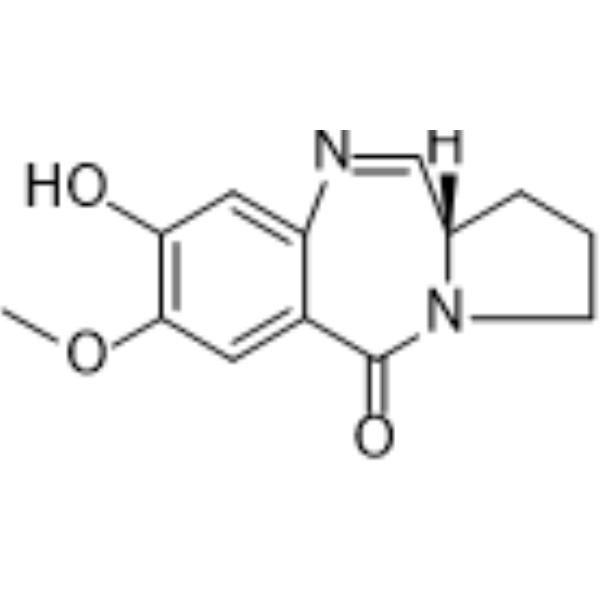
    Antibiotic DC 81 (DC 81), an antitumor antibiotic produced by Streptomyces species, is a PBD (pyrrolo[2,1-c][1,4]benzodiazepine). Antibiotic DC 81 is potent inhibitor of nucleic acid synthesis. Antibiotic DC 81 can recognize and bind to specific sequences of DNA and form a labile covalent adduct .
    Antibiotic DC 81
  • HY-141677A

    Histone Demethylase Cancer
    INCB059872 dihydrochloride is a potent, orally active, selective and irreversible Lysine-Specific Demethylase 1 (LSD1) inhibitor that achieves inhibitory activity through the formation of covalent FAD-adducts. INCB059872 dihydrochloride can inhibit cell proliferation and induce cell differentiation by upregulating the expression of myeloid differentiation markers CD86 and CD11b. INCB059872 dihydrochloride can be used for the research of myeloid leukemia .
    INCB059872 dihydrochloride
  • HY-N12851

    (E)-4-Oxo-2-hexenal

    Bacterial Apoptosis Infection
    4-OHE ((E)-4-Oxo-2-hexenal) is a mutagen formed by omega-3 lipid peroxidation. 4-OHE reacts with deoxyguanosine, deoxycytidine and 5-methyldeoxycytidine to form covalent adducts. 4-OHE induces apoptosis and exhibits genotoxicity. 4-OHE inhibits the growth of Gram-positive and Gram-negative bacteria, which correlates with its electrophilic reactivity towards nucleophilic biomolecules. 4-OHE is a chemical defense component of Dolycoris baccarum (sloe bug), and acts as a deterrent and toxin against insect predators .
    4-OHE
  • HY-175756

    Molecular Glues SWI/SNF Complex Cancer
    SMARCA2/4 degrader-1 is a SMARCA2/4 molecular glue degrader with a DCAF16 EC50 of 110 nM. SMARCA2/4 degrader-1 covalently adducts at cysteine to form a ternary complex with SMARCA2/4 and recruits CUL4 DCAF16 and CRL1 FBXO22 E3 ligase complexes. SMARCA2/4 degrader-1 induces ubiquitination and proteasomal degradation of SMARCA2/4. SMARCA2/4 degrader-1 can be used for research of SMARCA4-deficient malignancies, non-small cell lung cancer (NSCLC), and colorectal cancer .
    SMARCA2/4 degrader-1
  • HY-12455

    ADC Payload Antibiotic DNA Alkylator/Crosslinker Apoptosis Caspase Cancer
    Duocarmycin A is an antitumor antibiotic and DNA alkylating agent with broad-spectrum antibacterial activity, which can serve as a payload for synthesizing antibody-drug conjugates (ADCs). Duocarmycin A selectively binds to the AT-rich minor groove of DNA, forms covalent adducts by alkylating the adenine N3 residue, thereby disrupting DNA structure and inhibiting its replication and transcription. Duocarmycin A induces apoptosis, sub-G1 phase accumulation and chromatin condensation, reduces the levels of pro-caspase-3/9, and induces p53-independent p21 expression. Duocarmycin A is widely used in the research of various malignancies, including leukemia, sarcoma, glioblastoma, as well as multiple solid tumor models such as lung cancer, breast cancer, and colorectal cancer .
    Duocarmycin A
  • HY-D2871

    Biochemical Assay Reagents Neurological Disease
    DAyne is a Dopamine (DA)-mimetic probe. DAyne covalently binds to proteins modified by dopamine oxidation products (e.g., dopaquinone, DQ) to form adducts. DAyne is promising for research of Parkinson’s disease (PD), particularly neurotoxicity, protein modification, and related pathways (e.g., endoplasmic reticulum stress, cytoskeletal instability) caused by dopamine dysregulation .
    DAyne
  • HY-W010482S

    Isotope-Labeled Compounds Cancer
    3-Ethylaniline-d5 is the deuterium labeled 3-Ethylaniline (HY-W010482). 3-Ethylaniline is metabolized in vivo to electrophilic intermediates that covalently bind to DNA and that adducts are formed in the DNA of bladder. 3-Ethylaniline can be used for the research of bladder cancer .
    3-Ethylaniline-d5
  • HY-126256

    Histone Methyltransferase Cancer
    PRMT5 IN-1, a hemiaminal, is a potent, selective protein arginine methyltransferase 5 (PRMT5) inhibitor with an IC50 of 11 nM for PRMT5/MEP50. PRMT5 IN-1 can be converted to aldehydes and react with C449 to form covalent adducts under physiological conditions .
    PRMT5-IN-1
  • HY-U00279A

    DNA/RNA Synthesis Cancer
    Nitracrine dihydrochloride hydrate inhibits RNA synthesis and covalently, reversibly binds to DNA but also forms covalent adducts with DNA in vivo. Nitracrine dihydrochloride hydrate, a 1-nitroacridine derivative, is a potent hypoxia-selective agent in vitro and antitumor agent. Nitracrine dihydrochloride hydrate has cytotoxicity towards most cells .
    Nitracrine dihydrochloride hydrate
  • HY-U00279B

    DNA/RNA Synthesis Cancer
    Nitracrine hydrochloride is a platinum-based antineoplastic drug with selective toxicity to hypoxic cells. Nitracrine hydrochloride exhibits significant cytotoxicity against the Chinese hamster ovary cell line AA8 under hypoxic conditions. Nitracrine hydrochloride exerts its effect by binding to the insertion of DNA and forming covalent adducts. The cytotoxicity of Nitracrine hydrochloride under hypoxic conditions is related to its reductive metabolism to form alkylated substances. At the same time, it may enhance the reactivity to DNA through the insertion of DNA, thereby improving the efficacy. Nitracrine hydrochloride can also inhibit RNA synthesis, contributing to its anti-tumor effect .
    Nitracrine hydrochloride
  • HY-147740

    DNA Alkylator/Crosslinker Cancer
    WEHI-150 is a replica of mitoxantrone, is a portent DNA interstrand crosslinkadduct half-lives of 12.5 h. WEHI-150 forms covalent adducts at CpG sequences and exhibits a preference for methylated CpG sites. Formaldehyde-activated WEHI-150 induces DNA interstrand crosslinks. Formaldehyde-activated WEHI-150 shows Concentration-dependent transcription blockages. WEHI-150 can mediate covalent adducts that are independent of interactions with the N-2 of guanine and is capable of adduct formation at novel DNA sequences .
    WEHI-150
  • HY-W011640

    Biochemical Assay Reagents Cancer
    7,8,9,10-Tetrahydrobenzo[a]pyren-7-ol is a benzopyrene derivative that is activated by hepatic cytosol into electrophilic sulfuric acid esters , which are capable of forming covalent DNA adducts and inducing mutations .
    7,8,9,10-Tetrahydrobenzo[pqr]tetraphen-7-ol
  • HY-N15366

    DNA Alkylator/Crosslinker Cancer
    N-Acetoxy-IQ is a DNA alkylating agent that can covalently bind to DNA, especially guanine residues. N-Acetoxy-IQ exerts mutagenic and carcinogenic activities by forming DNA adducts. N-Acetoxy-IQ is promising for research of cancers .
    N-Acetoxy-IQ
  • HY-169231

    Bcr-Abl Cancer
    BCR-ABL-IN-10 (compound B4) is a covalent and aryl vinyl sulfate (AVS)-containing BCR-ABL inhibitor with an IC50 of 43.1 nM for ABL kinase. BCR-ABL-IN-10 forms a covalent and stable adduct with ABL kinase, leading to sustained inhibition of endogenous BCR-ABL activities. BCR-ABL-IN-10 can be used for the study of chronic myeloid leukemia (CML) .
    BCR-ABL-IN-10
  • HY-B0306S

    Protionamide-d5

    Isotope-Labeled Compounds Bacterial Infection
    Prothionamide-d5 is deuterium labeled Prothionamide (HY-B0306). Prothionamide is an orally active thioamide antibacterial agent. Prothionamide is a substrate of OCT1 with a Km value of 805.8 μM. Prothionamide reacts with NAD to form a covalent adduct, with the adduct being a tight-binding inhibitor of Mycobacterium tuberculosis and Mycobacterium leprae InhA. Prothionamide can effectively inhibit the growth of Mycobacterium tuberculosis (MIC = ~0.5 µg/mL) and Mycobacterium leprae. Prothionamide is used in the research of tuberculosis and leprosy .
    Prothionamide-d5
  • HY-B0306R

    Protionamide (Standard)

    Reference Standards Bacterial Infection
    Prothionamide (Standard) is the analytical standard of Prothionamide (HY-B0306). This product is intended for research and analytical applications. Prothionamide is an orally active thioamide antibacterial agent. Prothionamide is a substrate of OCT1 with a Km value of 805.8 μM. Prothionamide reacts with NAD to form a covalent adduct, with the adduct being a tight-binding inhibitor of Mycobacterium tuberculosis and Mycobacterium leprae InhA. Prothionamide can effectively inhibit the growth of Mycobacterium tuberculosis (MIC = ~0.5 µg/mL) and Mycobacterium leprae. Prothionamide is used in the research of tuberculosis and leprosy .
    Prothionamide (Standard)
  • HY-141677B

    Histone Demethylase Cancer
    INCB059872 tosylate is a potent, orally active, selective and irreversible Lysine-Specific Demethylase 1 (LSD1) inhibitor that achieves inhibitory activity through the formation of covalent FAD-adducts. INCB059872 tosylate can inhibit cell proliferation and induce cell differentiation by upregulating the expression of myeloid differentiation markers CD86 and CD11b. INCB059872 tosylate can be used for the research of myeloid leukemia .
    INCB059872 tosylate
  • HY-13509R

    RGS Protein Inflammation/Immunology
    CCG-50014 (Standard) is the analytical standard of CCG-50014. This product is intended for research and analytical applications. CCG-50014 is the most potent against the regulator of G-protein signaling protein type 4 (RGS4) (IC50 =30 nM) and is >20-fold selective for RGS4 over other RGS proteins. CCG-50014 binds covalently to the RGS, forming an adduct on two cysteine residues located in an allosteric regulatory site . CCG50014, reduces nociceptive responses and enhances opioid-mediated analgesic effects in the mouse formalin test .
    CCG-50014 (Standard)
  • HY-113466R

    4-HNE (Standard)

    Aldehyde Dehydrogenase (ALDH) Endogenous Metabolite Reference Standards Cardiovascular Disease Neurological Disease Cancer
    4-Hydroxynonenal (Standard) is the analytical standard of 4-Hydroxynonenal. This product is intended for research and analytical applications. 4-Hydroxynonenal (4-HNE) is an α,β unsaturated hydroxyalkenal and an oxidative/nitrosative stress biomarker. 4-Hydroxynonenal is a substrate and an inhibitor of acetaldehyde dehydrogenase 2 (ALDH2). 4-Hydroxynonenal can modulate a number of signaling processes mainly through forming covalent adducts with nucleophilic functional groups in proteins, nucleic acids, and membrane lipids. 4-Hydroxynonenal plays an important role in cancer through mitochondria .
    4-Hydroxynonenal (Standard)
  • HY-W778179

    LRCL 3794-13C,d3

    Isotope-Labeled Compounds COX Cytochrome P450 Lipoxygenase PGE synthase Inflammation/Immunology
    Benoxaprofen- 13C, d3 is the 13C-labeled Benoxaprofen (HY-13568). Benoxaprofen (LRCL 3794) is a nonsteroidal anti-inflammatory agent that blocks the biosynthesis of inflammatory mediators such as leukotrienes and prostaglandins by inhibiting 5-LOX, PGH2 synthase and cytochrome P-450. Benoxaprofen exhibits significant toxicity: it not only alters cellular redox status, uncouples oxidative phosphorylation and disrupts calcium ion homeostasis, but also causes liver injury through the formation of covalent adducts between its active metabolites and hepatic proteins. Benoxaprofen shows strong phototoxicity under ultraviolet irradiation, and induces erythrocyte lysis, mast cell degranulation and histamine release. Benoxaprofen is widely used in studies of urticaria and related phototoxic mechanisms .
    Benoxaprofen-13C,d3
  • HY-13568R

    LRCL 3794 (Standard)

    Reference Standards COX Cytochrome P450 Lipoxygenase PGE synthase Inflammation/Immunology
    Benoxaprofen (Standard) is the analytical standard of Benoxaprofen. This product is intended for research and analytical applications. Benoxaprofen (LRCL 3794) is a nonsteroidal anti-inflammatory agent that blocks the biosynthesis of inflammatory mediators such as leukotrienes and prostaglandins by inhibiting 5-LOX, PGH2 synthase and cytochrome P-450. Benoxaprofen exhibits significant toxicity: it not only alters cellular redox status, uncouples oxidative phosphorylation and disrupts calcium ion homeostasis, but also causes liver injury through the formation of covalent adducts between its active metabolites and hepatic proteins. Benoxaprofen shows strong phototoxicity under ultraviolet irradiation, and induces erythrocyte lysis, mast cell degranulation and histamine release. Benoxaprofen is widely used in studies of urticaria and related phototoxic mechanisms .
    Benoxaprofen (Standard)
  • HY-183542

    Bacterial Infection
    DprE1-IN-15 is a covalent Mycobacterium tuberculosis essential cell wall enzyme DprE1 inhibitor with an IC50 of 0.073 μM. DprE1-IN-15 forms an irreversible covalent adduct with its target enzyme. DprE1-IN-15 shows inhibitory effects against multiple Mycobacterium tuberculosis .
    DprE1-IN-15
  • HY-207462

    Bacterial Infection
    CBA-4 is an L,D-transpeptidase inhibitor. CBA-4 covalently acylates the active site of L,D-transpeptidase to form a stable acylenzyme adduct. CBA-4 can be used for research on bacterial resistance .
    CBA-4
  • HY-D3240

    Fluorescent Dye Others
    Photoactive NTR probe (Compound 1) is a covalent crosslinker and Fluorescent indicator targeting Nitroreductase. The Photoactive NTR probe undergoes a sequential activation process: it is first activated via nitroreductase-mediated nitro-to-amino conversion, and then forms a fluorescent product upon photoactivation. The Photoactive NTR probe can form covalent adducts with the side chains of cysteine, tyrosine, lysine and histidine in adjacent proteins to reduce fluorophore diffusion. The Photoactive NTR probe enables super-resolution (STORM) imaging of active mitochondrial nitroreductase microdomains in living cells .
    Photoactive NTR probe
  • HY-W121887

    Zomepirac glucuronide

    Dipeptidyl Peptidase Transmembrane Glycoprotein Inflammation/Immunology
    Zomepirac acyl-O-β-D-glucuronide (Zomepirac glucuronide) is a dipeptidyl peptidase IV Inhibitor. Zomepirac acyl-O-β-D-glucuronide is an unstable and chemically reactive metabolite of Zomepirac (HY-B0890A). Zomepirac acyl-O-β-D-glucuronide forms covalent adducts with cell membrane glycoproteins. Zomepirac acyl-O-β-D-glucuronide can be used for research on immunotoxicity .
    Zomepirac acyl-O-β-D-glucuronide
  • HY-141677C

    Histone Demethylase Cancer
    INCB059872 TFA is a potent, orally active, selective and irreversible Lysine-Specific Demethylase 1 (LSD1) inhibitor that achieves inhibitory activity through the formation of covalent FAD-adducts. INCB059872 TFA can inhibit cell proliferation and induce cell differentiation by upregulating the expression of myeloid differentiation markers CD86 and CD11b. INCB059872 TFA can be used for the research of myeloid leukemia .
    INCB059872 TFA
  • HY-181964

    Cancer
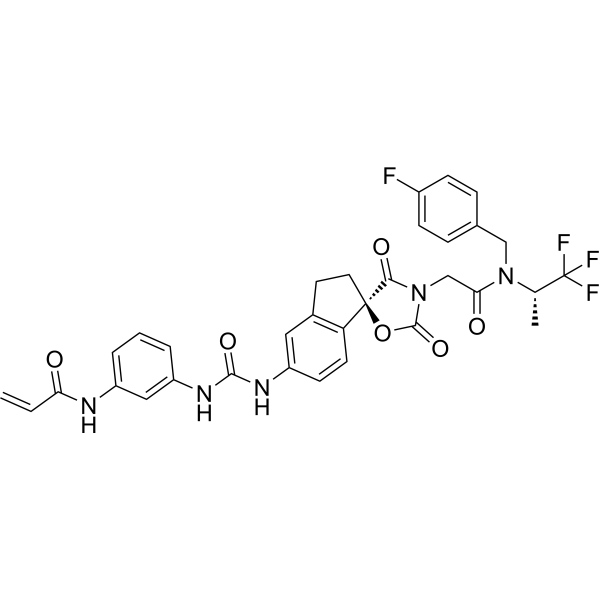
    KRAS G12C-IN-77 is an orally active and selective KRAS G12C covalent dual-state inhibitor that binds with high affinity to both GDP-bound (inactive state) and GTP-bound (active state) KRAS G12C (IC50 = 133 nM). KRAS G12C-IN-77 rapidly inhibits ERK1/2 phosphorylation, induces the formation of covalent adducts with endogenous KRAS G12C, suppresses the expression of MAPK pathway genes, and inhibits the proliferation of KRAS G12C-mutant cells. KRAS G12C-IN-77 is applicable to research related to KRAS G12C-mutant solid tumors, including pancreatic ductal adenocarcinoma and non-small cell lung cancer .
    KRAS G12C-IN-77
  • HY-181965

    Ras ERK p38 MAPK Cancer
    KRAS G12C-IN-78 is a selective SWII-binding KRASG12C dual inhibitor targeting both inactive and active states. KRAS G12C-IN-78 rapidly inhibits ERK1/2 phosphorylation, induces covalent adduct formation with endogenous KRASG12C, suppresses MAPK pathway gene expression, and inhibits cellular proliferation in KRASG12C mutant cells. KRAS G12C-IN-78 can be used for the research of KRASG12C mutant solid tumors, including pancreatic ductal adenocarcinoma and non-small cell lung cancer .
    KRAS G12C-IN-78
  • HY-183105

    Histone Demethylase Apoptosis Cancer
    DC551040 is an orally active and selective lysine demethylase 1 (LSD1) inhibitor with a human IC50 of 2.14 nM. DC551040 binds to LSD1 via π-π stacking with Trp552, polar interactions with Phe538, and covalent adduct formation with FAD, and disrupts the LSD1-GFI1B-CoREST complex. DC551040 induces H3K4me2 accumulation, apoptosis, and cell differentiation, activates STAT5, NF-κB, AKT, and IL6-STAT3 pathways, and upregulates IL6 expression. DC551040 can be used for the research of acute myeloid leukemia .
    DC551040

Inquiry Online

Your information is safe with us. * Required Fields.

Salutation


Country or Region *

Applicant Name *


Organization Name *

Department *


Email Address *


Product Name *

Cat. No.


Requested quantity *

Phone Number *


Remarks

Inquiry Online

Inquiry Information

Product Name:
Cat. No.:
Quantity:
MCE Japan Authorized Agent:

