1. Search Result
Search Result
Results for "

disorders of calcium/phosphate

" in MedChemExpress (MCE) Product Catalog:

47

Inhibitors & Agonists

1

Screening Libraries

2

Biochemical Assay Reagents

3

Peptides

4

Natural
Products

4

Isotope-Labeled Compounds

1

Click Chemistry

Cat. No. Product Name Target Research Areas Chemical Structure
  • HY-B0265
    Nimodipine
    Maximum Cited Publications
    21 Publications Verification

    BAY-e 9736

    Autophagy Calcium Channel Cardiovascular Disease Cancer
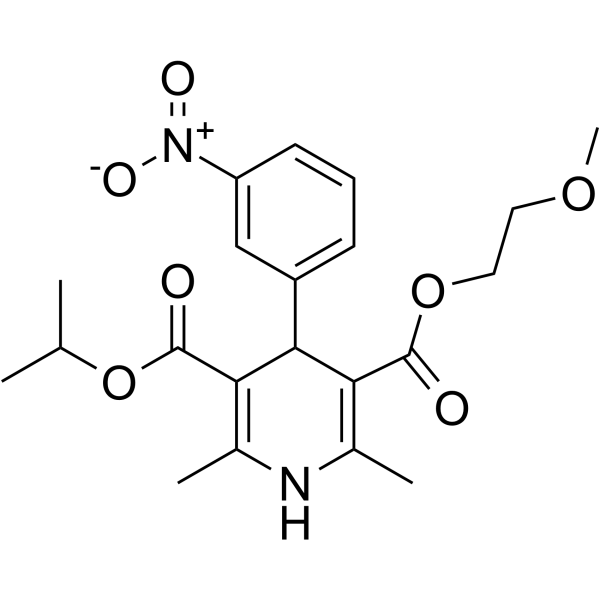
    Nimodipine (BAY-e 9736) is an orally active, well-tolerated and light-sensitive dihydropyridine calcium antagonist. Nimodipine can be used for the research of cerebrovascular disorders .
    Nimodipine
  • HY-32343
    Secalciferol
    5+ Cited Publications

    (24R)-24,25-Dihydroxyvitamin D3

    Endogenous Metabolite VD/VDR Metabolic Disease Inflammation/Immunology
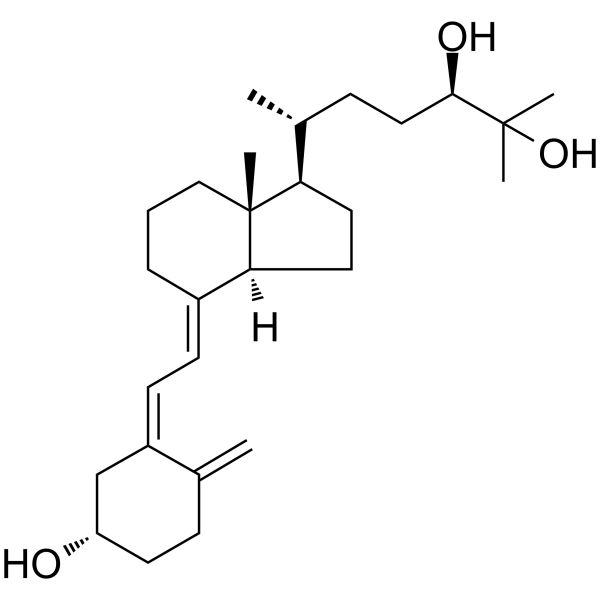
    Secalciferol ((24R)-24,25-Dihydroxyvitamin D3) is the major active metabolite of Vitamin D. Secalciferol activates vitamin D receptor (VDR) with an EC50 value of 150 nM. Secalciferol is involved in a wide range of biological functions such as calcium homeostasis, cellular differentiation and proliferation processes, as well as other functions related to the immune system, which is promising for research of rickets, osteomalacia, hypercalcemia and autoimmune disorders .
    Secalciferol
  • HY-111828
    TTA-A2
    1 Publications Verification

    Calcium Channel Neurological Disease
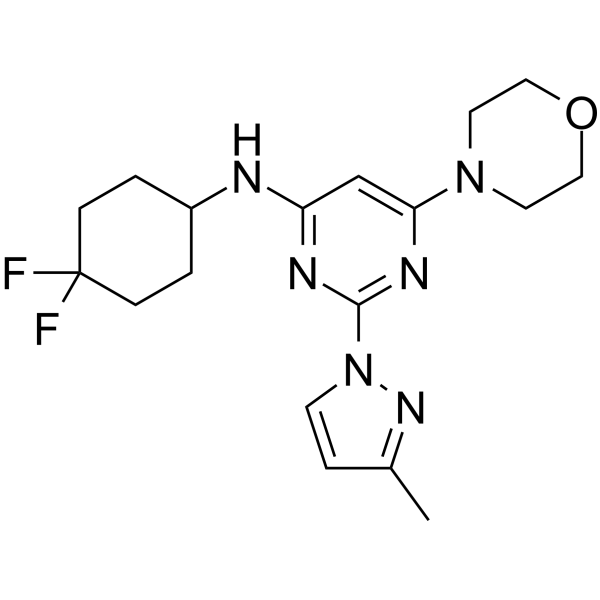
    TTA-A2 is a potent, selective and orally active t-type voltage gated calcium channel antagonist with reduced pregnane X receptor (PXR) activation. TTA-A2 is equally potent against the Cav3.1 (a1G) and Cav3.2 (a1H) channels with IC50 values of 89 nM and 92 nM, respectively, at -80 and -100 mV holding potentials. TTA-A2 can be used for the research of a variety of human neurological diseases, including sleep disorders and epilepsy .
    TTA-A2
  • HY-109160
    Rimtuzalcap
    2 Publications Verification

    CAD-1883

    Potassium Channel Neurological Disease
    Rimtuzalcap (CAD-1883) is a first-in-class selective positive allosteric modulator of small-conductance calcium-activated potassium channels (SK channels). Rimtuzalcap can be used for the research of movement disorders including essential tremor (ET) and spinocerebellar ataxia (SCA) .
    Rimtuzalcap
  • HY-W001160

    Endogenous Metabolite Calcium Channel nAChR Neurological Disease Endocrinology Cancer
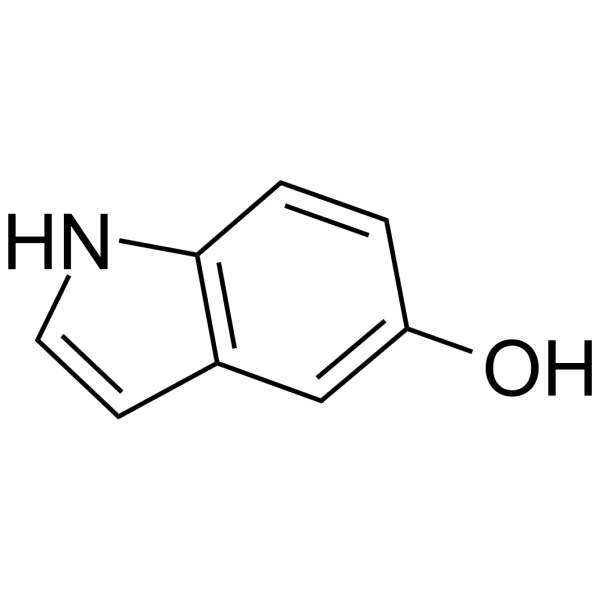
    5-Hydroxyindole is an orally active hydroxylated indole and tryptophan metabolite. 5-Hydroxyindole activates α7 nicotinic acetylcholine receptors and acts on intestinal L-type calcium channels. 5-Hydroxyindole slows down the desensitization of 5-HT3 receptor-mediated ion currents in cells. 5-Hydroxyindole causes convulsions and loss of consciousness. 5-Hydroxyindole is used in the study of neuroblastoma, schizophrenia, and diseases related to intestinal motility disorders .
    5-Hydroxyindole
  • HY-W013150

    GABA Receptor Neurological Disease
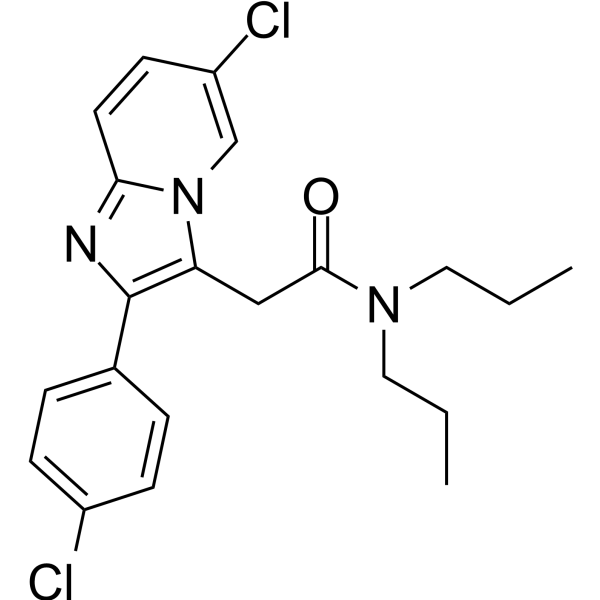
    Alpidem, an anxiolytic agent, is an orally active and brain-penetrant GABAA receptor ligand, binds to α1β2γ2 subunit-containing GABAA receptors (IC50 of 17 nM) over α5β2γ2 subunit-containing GABAA receptors (IC50 of >10 μM). Alpidem modulates calcium-induced mitochondrial permeability transition, induces glutathione depletion and hepatocyte necrosis, potentiates TNF-α toxicity, inhibits marble-burying and locomotor activity, enhances stressed rodent feeding behavior, and exerts anticonvulsant effects. Alpidem can be used for the research of anxiety, anxiety disorders, and convulsions .
    Alpidem
  • HY-12502A
    Efonidipine hydrochloride monoethanolate
    1 Publications Verification

    NZ-105 hydrochloride monoethanolate; (±)-Efonidipine hydrochloride monoethanolate

    Calcium Channel SARS-CoV Cardiovascular Disease Neurological Disease Cancer
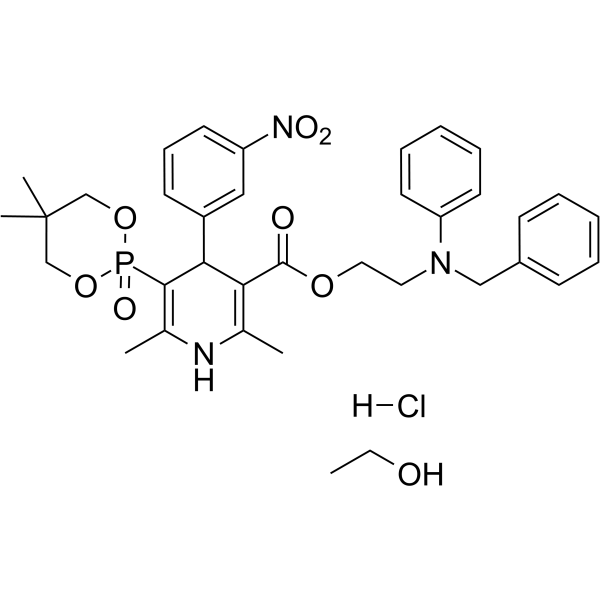
    Efonidipine (NZ-105) hydrochloride monoethanolate is an orally active dual L-type and T-type calcium channel blocker (CCB) with IC50 values of 1.8 and 350 nM, respectively. Efonidipine hydrochloride monoethanolate inhibits SARS-CoV-2 main protease. Efonidipine hydrochloride monoethanolate modulates adrenal steroidogenesis by increasing the expression of steroidogenic acute regulatory protein (StAR), dbcAMP-or angiotensin II-induced StAR mRNA expression and DHEA-S production, while suppressing the biosynthesis of aldosterone and cortisol. Efonidipine hydrochloride monoethanolate reduces plasma aldosterone levels in vivo. Efonidipine hydrochloride monoethanolate improves cardiac function in heart failure models by inhibiting T-type calcium channels (via both tonic and use-dependent blockade), independently of blood pressure reduction. Efonidipine hydrochloride monoethanolate can be used for research in hypertension, heart failure, and disorders involving dysregulated steroid hormone synthesis .
    Efonidipine hydrochloride monoethanolate
  • HY-B1752
    Quinpirole
    4 Publications Verification

    LY 171555; (-)-LY 141865

    Dopamine Receptor Calcium Channel Bcl-2 Family iGluR Apoptosis Neurological Disease
    Quinpirole (LY 171555; (-)-LY 141865) is a D2/D3 dopamine receptor agonist and a CaV1.3 calcium channel modulator. Quinpirole normalizes dendritic spine density in dopamine-depleted striatum, upregulates the protein expression of BCL2 and GluR2, downregulates the protein expression of BAX, and delays the onset of seizures. Quinpirole enhances learning and memory, inhibits neuronal apoptosis (apoptosis), and induces anxiety-like, stereotyped, and compulsive behaviors. Quinpirole disrupts prepulse inhibition in rhesus monkeys, enhances the activity of paraventricular thalamic neurons to promote recovery from Isoflurane anesthesia, and alters the composition of the gut microbiota in rats. Quinpirole can be used in research related to dyskinesia, pain, epilepsy, and neurological disorders including anxiety disorder, obsessive-compulsive disorder, and schizophrenia .
    Quinpirole
  • HY-B0380A

    Opioid Receptor Toll-like Receptor (TLR) Calcium Channel Potassium Channel IRAK ERK JNK NF-κB Akt Apoptosis Neurological Disease Metabolic Disease Inflammation/Immunology Cancer
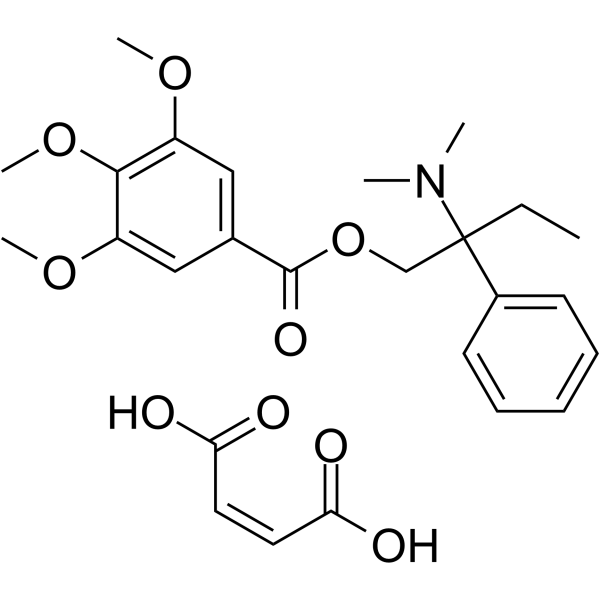
    Trimebutine maleate is a multi-target inhibitor and opioid receptor agonist with antimuscarinic activity. Trimebutine maleate inhibits L-type Ca 2+ channels and large-conductance calcium-activated potassium channels (BKCa channels), thereby inhibiting extracellular calcium influx and potassium ion efflux. Trimebutine maleate also targets Toll-like receptors, inhibits Toll-like receptor 2/4/7/8/9 signals, and inhibits LPS-induced IRAK1 activation, as well as ERK1/2, JNK and NF-κB activation, thereby exerting anti-inflammatory effects. Trimebutine maleate also induces tumor cell apoptosis by inhibiting the AKT/ERK pathway. Trimebutine maleate also inhibits excessive contraction of smooth muscle and can be used in the study of gastrointestinal disorders such as irritable bowel syndrome (IBS) .
    Trimebutine maleate
  • HY-B0380

    Opioid Receptor Toll-like Receptor (TLR) Calcium Channel Potassium Channel IRAK ERK JNK NF-κB Akt Apoptosis Neurological Disease Metabolic Disease Inflammation/Immunology Cancer
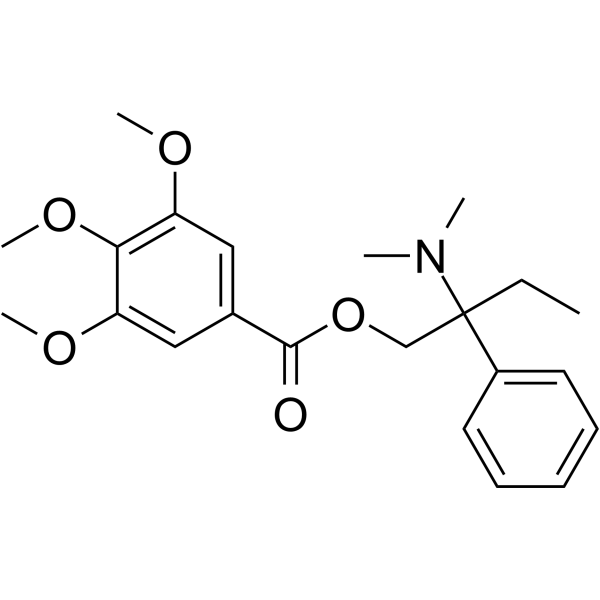
    Trimebutine is a multi-target inhibitor and opioid receptor agonist with antimuscarinic activity. Trimebutine inhibits L-type Ca 2+ channels and large-conductance calcium-activated potassium channels (BKCa channels), thereby inhibiting extracellular calcium influx and potassium ion efflux. Trimebutine also targets Toll-like receptors, inhibits Toll-like receptor 2/4/7/8/9 signals, and inhibits LPS-induced IRAK1 activation, as well as ERK1/2, JNK and NF-κB activation, thereby exerting anti-inflammatory effects. Trimebutine also induces tumor cell apoptosis by inhibiting the AKT/ERK pathway. Trimebutine also inhibits excessive contraction of smooth muscle and can be used in the study of gastrointestinal disorders such as irritable bowel syndrome (IBS) .
    Trimebutine
  • HY-W002199

    6:2 FTOH; 1H,1H,2H,2H-Perfluoro-1-octanol; 2-(Perfluorohexyl)ethanol

    Bacterial Apoptosis ERK TNF Receptor Infection Neurological Disease
    6:2 Fluorotelomer alcohol (6:2 FTOH) is an orally active, blood-brain barrier-permeable modulator of cyclin D1 and ETS1. 6:2 Fluorotelomer alcohol downregulates cyclin D1 expression, upregulates ETS1 via the TNF-α/ERK 1/2 pathway, impairs mitochondrial membrane potential and respiratory function, increases reactive oxygen species levels, disrupts calcium homeostasis and activates endoplasmic reticulum stress markers, and induces cell proliferation inhibition and endothelial-mesenchymal transition. Furthermore, 6:2 Fluorotelomer alcohol induces morphological abnormalities in zebrafish embryos and liver developmental damage, while disrupting the brain immune microenvironment in mice, causing systemic toxicity and delayed pup maturation in CD-1 mice. 6:2 Fluorotelomer alcohol also induces cortical neuron apoptosis, glial cell activation, synaptic abnormalities, colonic barrier damage, intestinal dysbiosis and autism spectrum disorder-like symptoms in mice. 6:2 Fluorotelomer alcohol shows no mutagenic, clastogenic, primary skin/eye irritation or skin sensitizing effects, exhibits no selective reproductive toxicity in CD-1 mice, and is classified as GHS Category 4 for acute oral toxicity. 6:2 Fluorotelomer alcohol can be used in studies of neurodevelopmental disorders and autism spectrum disorders .
    6:2 Fluorotelomer alcohol
  • HY-142035
    N-Propargylglycine
    1 Publications Verification

    Mitochondrial Metabolism Neurological Disease Metabolic Disease Inflammation/Immunology Cancer
    N-Propargylglycine is a brain-penetrant and orally active PRODH inhibitor. N-Propargylglycine covalently modifies enzyme-bound FAD and active site lysine, causing enzyme structural distortion, protein decay, and irreversible inhibition of proline and 4-hydroxyproline catabolism. N-Propargylglycine induces UPRmt, upregulates mitochondrial chaperones and YME1L1, enhances mitochondrial proteostasis, blocks astrocytic L-proline consumption, and abolishes L-proline’s ATP-maintaining and viability-protective effects. N-Propargylglycine stimulates neural processes, increases brain proline, hydroxyproline, and sarcosine levels, partially normalizes Huntington’s disease whole brain transcriptomes. N-Propargylglycine reduces hyperoxaluria, prevents calcium oxalate stone formation, reduces kidney tubular damage, and restores weight and survival in Grhpr knockout mice. N-Propargylglycine can be used for the research of breast cancer, neurodegenerative disorders, Huntington’s disease, and primary hyperoxaluria type 2 .
    N-Propargylglycine
  • HY-12502
    Efonidipine
    1 Publications Verification

    NZ-105; (±)-Efonidipine

    Calcium Channel SARS-CoV Cardiovascular Disease Neurological Disease Cancer
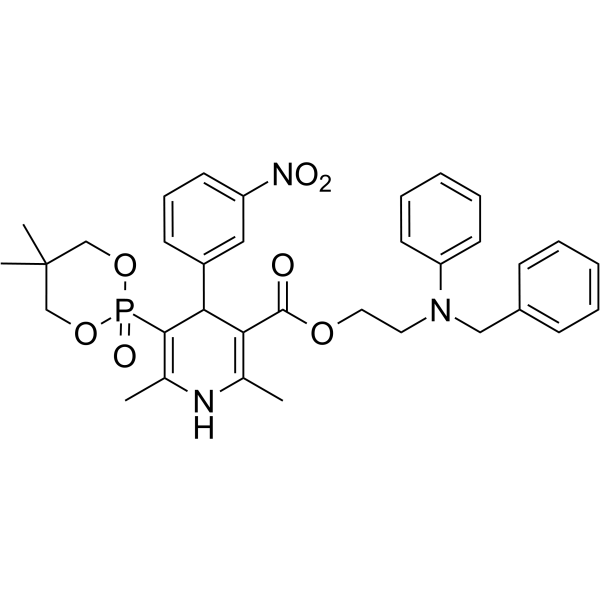
    Efonidipine (NZ-105) is an orally active dual L-type and T-type calcium channel blocker (CCB) with IC50 values of 1.8 and 350 nM, respectively. Efonidipine inhibits SARS-CoV-2 main protease. Efonidipine modulates adrenal steroidogenesis by increasing the expression of steroidogenic acute regulatory protein (StAR), dbcAMP-or angiotensin II-induced StAR mRNA expression and DHEA-S production, while suppressing the biosynthesis of aldosterone and cortisol. Efonidipine reduces plasma aldosterone levels in vivo. Efonidipine improves cardiac function in heart failure models by inhibiting T-type calcium channels (via both tonic and use-dependent blockade), independently of blood pressure reduction. Efonidipine can be used for research in hypertension, heart failure, and disorders involving dysregulated steroid hormone synthesis .
    Efonidipine
  • HY-21191

    PFBS

    Biochemical Assay Reagents PPAR Reactive Oxygen Species (ROS) Metabolic Disease
    Perfluorobutanesulfonic acid (PFBS) is a short-chain perfluoroalkyl substance and the main replacement for perfluorooctanesulfonic acid. Perfluorobutanesulfonic acid induces fat accumulation in human HepG2 hepatoma cells. Perfluorobutanesulfonic acid promotes lipid accumulation by activating PPARγ pathway and triggering oxidative stress, endoplasmic reticulum stress and calcium dyshomeostasis. Perfluorobutanesulfonic acid impairs reproduction and causes developmental disorders in offspring of Caenorhabditis elegans. Perfluorobutanesulfonic acid disrupts pancreatic organogenesis and lipid homeostasis in zebrafish embryos. Perfluorobutanesulfonic acid can be used in environmental toxicology, lipid metabolism and developmental toxicity studies .
    Perfluorobutanesulfonic acid
  • HY-138668

    TRP Channel Neurological Disease
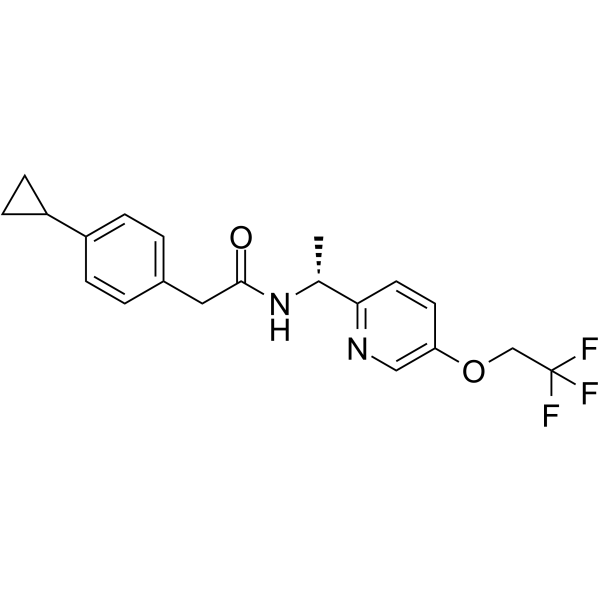
    JW-65 is a selective TRPC3 channel inhibitor with favorable blood-brain barrier penetration. JW-65 directly binds to human TRPC3 protein and modulates calcium signaling to reduce seizure susceptibility. JW-65 reduces seizure incidence, severity, and duration while prolonging seizure latency in multiple seizure models. JW-65 alleviates Aβ‑induced neuronal damage. JW-65 serves as a valuable tool for research on epilepsy, seizure disorders, and Alzheimer’s disease .
    JW-65
  • HY-113058

    Endogenous Metabolite Metabolic Disease
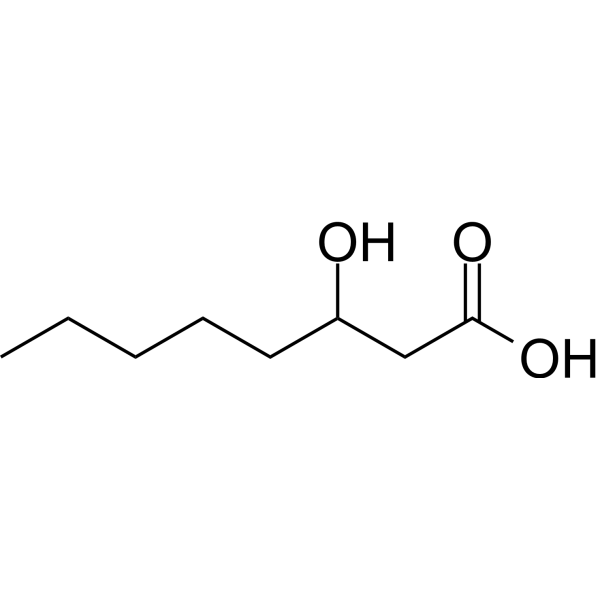
    3-Hydroxyoctanoic acid is a hydroxylated fatty acid that has been found in the LPS of Pseudomonas aeruginosa and in methyl-branched poly(3-hydroxyalkanoate) (PHA) polymers produced by Pseudomonas oleophores. It is an agonist of the orphan receptor GPR109B, increasing intracellular calcium in human neutrophils endogenously expressing GPR109B. 3-Hydroxycaprylic acid prevents lipolysis in human adipocytes and is upregulated in human plasma in response to a ketogenic diet. Plasma levels of 3-hydroxyoctanoic acid were also increased 3.41-fold in human male runners exhausted on a treadmill and in a mouse model of autism spectrum disorder (ASD) fed a high-glycemic diet.
    3-Hydroxyoctanoic acid
  • HY-W094517

    Biochemical Assay Reagents Endocrinology
    Sodium phosphate dibasic heptahydrate is an orally active and osmotic laxative, often used as a component of over-the-counter gastrointestinal lavage drugs. Sodium phosphate dibasic heptahydrate draws water into the intestinal lumen, maintains electrical neutrality by retaining cations in the intestinal lumen, and thereby alters fecal volume, consistency and phosphate levels. Sodium phosphate dibasic heptahydrate can be used to generate self-assembled calcium phosphate tubular scaffolds, which support the adhesion, survival and elongation of mesenchymal stem cells. Sodium phosphate dibasic heptahydrate can be applied to research on factitious disorders and related fields .
    Sodium phosphate dibasic heptahydrate
  • HY-14836

    JZP 4

    Calcium Channel Sodium Channel Neurological Disease
    Elpetrigine (JZP 4) is a potent calcium and sodium channel blocker. Elpetrigine has anticonvulsant, antidepressant, antimania and anxiolytic effects. Elpetrigine can be used in the research of epilepsy and bipolar disorder .
    Elpetrigine
  • HY-103071

    CRAC Channel Inflammation/Immunology
    GSK-5503A is a calcium-release activated calcium (CRAC) channel blocker. GSK-5503A effectively inhibits stromal interaction molecule 1 (STIM1) mediated Orai1 and Orai3 currents in vitro. GSK-5503A can be used for the research of asthma and allergic disorders .
    GSK-5503A
  • HY-B0265B

    (S)-BAY-e 9736

    Calcium Channel Cardiovascular Disease
    (S)-Nimodipine ((S)-BAY-e 9736) is an enantiomer of Nimodipine. Nimodipine (BAY-e 9736) is an orally active, well-tolerated and light-sensitive dihydropyridine calcium antagonist. Nimodipine can be used for the research of cerebrovascular disorders .
    (S)-Nimodipine
  • HY-116018

    Phospholipase Neurological Disease Inflammation/Immunology Cancer
    FKGK11 is a potent and selective inhibitor of GVIA iPLA2 (Group VIA calcium-independent phospholipase A2). FKGK11 can be used for the research of ovarian cancer and neurological disorders such as peripheral nerve injury and multiple sclerosis .
    FKGK11
  • HY-153335

    Phosphodiesterase (PDE) Infection Cardiovascular Disease Metabolic Disease Inflammation/Immunology Cancer
    Enpp-1-IN-16 (compound 54) is an ENPP1 inhibitor. Enpp-1-IN-16 has the potential to study cancer, especially in cases of high ENPP1 expression or elevated cytoplasmic DNA levels. Enpp-1-IN-16 can also be used in other diseases mediated by ENPP1, such as bacterial or viral infections, insulin resistance and type II diabetes, chondrocalcinosis and osteoarthritis, calcium pyrophosphate deposition disorder (CPPD), low Phosphatase disease and soft tissue calcification disorders .
    Enpp-1-IN-16
  • HY-164728

    Calcium Channel Neurological Disease
    Pregabalin diacid is an impurity of Pregabalin, a lipophilic GABA (γ-aminobutyric acid) analog with anxiolytic and anticonvulsant activity. Pregabalin may act on the α(2)β subunit of voltage-dependent calcium channels, which are widely distributed in the peripheral and central nervous systems. Pregabalin can effectively induce hypoalgesia and improve behavioral disorders .
    Pregabalin diacid
  • HY-112095

    ENS-101 free base

    iGluR Neurological Disease
    EVT-101 free base is a GluN2B antagonist. EVT-101 free base binds at the same GluN1/GluN2B dimer interface as Ifenprodil (HY-12882). EVT-101 free base inhibits calcium influx in chicken-derived cells, with an EC50 of 22 nM. EVT-101 can be used in the research of brain disorders .
    EVT-101 free base
  • HY-175515

    5-HT Receptor Neurological Disease
    5-HT2C agonist-11 (Compound 1) is an orally active, brain-penetrant and selective 5-HT2C receptor agonist (EC50=15 nM). 5-HT2C agonist-11 activates the Gq protein signaling pathway, promoting intracellular calcium release. 5-HT2C agonist-11 is promising for research of depression, post-traumatic stress disorder (PTSD) and neuropathic pain .
    5-HT2C agonist-11
  • HY-B0265S

    BAY-e 9736-d7

    Isotope-Labeled Compounds Autophagy Calcium Channel Cardiovascular Disease Cancer
    Nimodipine-d7 is the deuterium labeled Nimodipine. Nimodipine (BAY-e 9736) is an orally active, well-tolerated and light-sensitive dihydropyridine calcium antagonist. Nimodipine can be used for the research of cerebrovascular disorders .
    Nimodipine-d7
  • HY-125986

    Phospholipase Neurological Disease
    GK187 is a potent and selective Group VIA calcium-independent phospholipase A2 (GVIA iPLA2) inhibitor with an XI(50) value of 0.0001. GK187 can be used for researching various neurological disorders .
    [The XI(50) is the mole fraction of the inhibitor in the total substrate interface required to inhibit the enzyme by 50%.]
    GK187
  • HY-P5756

    Opioid Receptor Neurological Disease
    CSD-CH2(1,8)-NH2 is a selective and competitive KOR antagonist (Ki: 6.8 nM). CSD-CH2(1,8)-NH2 inhibits calcium mobilization in DRG neurons. CH2(1,8)-NH2 antagonizes the antinociceptive effect of U50,488. CSD-CH2(1,8)-NH2 can be used for research of neuropsychiatric disorders .
    CSD-CH2(1,8)-NH2
  • HY-12502B

    NZ-105 hydrochloride; (±)-Efonidipine hydrochloride

    Calcium Channel SARS-CoV Cardiovascular Disease Cancer
    Efonidipine (NZ-105) hydrochloride is an orally active dual L-type and T-type calcium channel blocker (CCB) with IC50 values of 1.8 and 350 nM, respectively. Efonidipine hydrochloride inhibits SARS-CoV-2 main protease. Efonidipine hydrochloride modulates adrenal steroidogenesis by increasing the expression of steroidogenic acute regulatory protein (StAR), dbcAMP-or angiotensin II-induced StAR mRNA expression and DHEA-S production, while suppressing the biosynthesis of aldosterone and cortisol. Efonidipine hydrochloride reduces plasma aldosterone levels in vivo. Efonidipine hydrochloride improves cardiac function in heart failure models by inhibiting T-type calcium channels (via both tonic and use-dependent blockade), independently of blood pressure reduction. Efonidipine hydrochloride can be used for research in hypertension, heart failure, and disorders involving dysregulated steroid hormone synthesis .
    Efonidipine hydrochloride
  • HY-B0380S1

    Isotope-Labeled Compounds Opioid Receptor Toll-like Receptor (TLR) Calcium Channel Potassium Channel IRAK ERK JNK NF-κB Akt Apoptosis Neurological Disease Metabolic Disease Inflammation/Immunology Cancer
    Trimebutine-d5 fumarate is deuterium labeled Trimebutine fumarate. Trimebutine fumarate is a multi-target inhibitor and opioid receptor agonist with antimuscarinic activity. Trimebutine fumarate inhibits L-type Ca 2+ channels and large-conductance calcium-activated potassium channels (BKCa channels), thereby inhibiting extracellular calcium influx and potassium ion efflux. Trimebutine fumarate also targets Toll-like receptors, inhibits Toll-like receptor 2/4/7/8/9 signals, and inhibits LPS-induced IRAK1 activation, as well as ERK1/2, JNK and NF-κB activation, thereby exerting anti-inflammatory effects. Trimebutine fumarate also induces tumor cell apoptosis by inhibiting the AKT/ERK pathway. Trimebutine fumarate also inhibits excessive contraction of smooth muscle and can be used in the study of gastrointestinal disorders such as irritable bowel syndrome (IBS) .
    Trimebutine-d5 fumarate
  • HY-B0380AR

    Reference Standards Opioid Receptor Apoptosis Potassium Channel NF-κB Akt IRAK JNK Toll-like Receptor (TLR) ERK Calcium Channel Neurological Disease Metabolic Disease Inflammation/Immunology Cancer
    Trimebutine maleate (Standard) is the analytical standard of Trimebutine maleate (HY-B0380A). This product is intended for research and analytical applications. Trimebutine maleate is a multi-target inhibitor and opioid receptor agonist with antimuscarinic activity. Trimebutine maleate inhibits L-type Ca 2+ channels and large-conductance calcium-activated potassium channels (BKCa channels), thereby inhibiting extracellular calcium influx and potassium ion efflux. Trimebutine maleate also targets Toll-like receptors, inhibits Toll-like receptor 2/4/7/8/9 signals, and inhibits LPS-induced IRAK1 activation, as well as ERK1/2, JNK and NF-κB activation, thereby exerting anti-inflammatory effects. Trimebutine maleate also induces tumor cell apoptosis by inhibiting the AKT/ERK pathway. Trimebutine maleate also inhibits excessive contraction of smooth muscle and can be used in the study of gastrointestinal disorders such as irritable bowel syndrome (IBS) .
    Trimebutine maleate (Standard)
  • HY-153258

    CaSR Metabolic Disease
    CaSR antagonist-1 is a calcium sensing receptor (CaSR) antagonist with an IC50 value of 50 nM. CaSR antagonist-1 can be used for the research of disorders associated with abnormal bone or mineral homeostasis such as osteoporosis .
    CaSR antagonist-1
  • HY-B0265R

    BAY-e 9736 (Standard)

    Reference Standards Autophagy Calcium Channel Cardiovascular Disease Cancer
    Nimodipine (Standard) is the analytical standard of Nimodipine. This product is intended for research and analytical applications. Nimodipine (BAY-e 9736) is an orally active, well-tolerated and light-sensitive dihydropyridine calcium antagonist. Nimodipine can be used for the research of cerebrovascular disorders .
    Nimodipine (Standard)
  • HY-118814

    iGluR Neurological Disease
    YM928 is an orally active and noncompetitive α-Amino-3-hydroxy-5-methyl-4-isoxazolepropionic acid (AMPA) receptor antagonist. YM928 inhibits AMPA receptor-mediated toxicity in primary rat hippocampal cultures with an IC50 value of 2 μM. YM928 blocks AMPA-induced intracellular calcium influx with an IC50 value of 3 μM and antagonizes AMPA-induced inward currents with an IC50 value of 1 μM. YM928 is promising for research of neurological disorders .
    YM928
  • HY-B0380S2

    Isotope-Labeled Compounds Opioid Receptor Toll-like Receptor (TLR) Calcium Channel Potassium Channel IRAK ERK JNK NF-κB Akt Apoptosis Neurological Disease Metabolic Disease Inflammation/Immunology Cancer
    Trimebutine-d3 hydrochloride is deuterium labeled Trimebutine hydrochloride. Trimebutine hydrochloride is a multi-target inhibitor and opioid receptor agonist with antimuscarinic activity. Trimebutine hydrochloride inhibits L-type Ca 2+ channels and large-conductance calcium-activated potassium channels (BKCa channels), thereby inhibiting extracellular calcium influx and potassium ion efflux. Trimebutine hydrochloride also targets Toll-like receptors, inhibits Toll-like receptor 2/4/7/8/9 signals, and inhibits LPS-induced IRAK1 activation, as well as ERK1/2, JNK and NF-κB activation, thereby exerting anti-inflammatory effects. Trimebutine hydrochloride also induces tumor cell apoptosis by inhibiting the AKT/ERK pathway. Trimebutine hydrochloride also inhibits excessive contraction of smooth muscle and can be used in the study of gastrointestinal disorders such as irritable bowel syndrome (IBS) .
    Trimebutine-d3 hydrochloride
  • HY-B0380R

    Opioid Receptor Toll-like Receptor (TLR) Calcium Channel Potassium Channel IRAK ERK JNK NF-κB Akt Apoptosis Reference Standards Neurological Disease Metabolic Disease Inflammation/Immunology Cancer
    Trimebutine (Standard) is the analytical standard of Trimebutine (HY-B0380). This product is intended for research and analytical applications. Trimebutine is a multi-target inhibitor and opioid receptor agonist with antimuscarinic activity. Trimebutine inhibits L-type Ca 2+ channels and large-conductance calcium-activated potassium channels (BKCa channels), thereby inhibiting extracellular calcium influx and potassium ion efflux. Trimebutine also targets Toll-like receptors, inhibits Toll-like receptor 2/4/7/8/9 signals, and inhibits LPS-induced IRAK1 activation, as well as ERK1/2, JNK and NF-κB activation, thereby exerting anti-inflammatory effects. Trimebutine also induces tumor cell apoptosis by inhibiting the AKT/ERK pathway. Trimebutine also inhibits excessive contraction of smooth muscle and can be used in the study of gastrointestinal disorders such as irritable bowel syndrome (IBS) .
    Trimebutine (Standard)
  • HY-12502AR

    NZ-105 hydrochloride monoethanolate (Standard); (±)-Efonidipine hydrochloride monoethanolate (Standard)

    Reference Standards Calcium Channel SARS-CoV Cardiovascular Disease
    Efonidipine (NZ-105) hydrochloride monoethanolate (Standard) is the analytical standard of Efonidipine hydrochloride monoethanolate (HY-12502AR). This product is intended for research and analytical applications. Efonidipine (NZ-105) hydrochloride monoethanolate is an orally active dual L-type and T-type calcium channel blocker (CCB) with IC50 values of 1.8 and 350 nM, respectively. Efonidipine hydrochloride monoethanolate inhibits SARS-CoV-2 main protease. Efonidipine hydrochloride monoethanolate modulates adrenal steroidogenesis by increasing the expression of steroidogenic acute regulatory protein (StAR), dbcAMP-or angiotensin II-induced StAR mRNA expression and DHEA-S production, while suppressing the biosynthesis of aldosterone and cortisol. Efonidipine hydrochloride monoethanolate reduces plasma aldosterone levels in vivo. Efonidipine hydrochloride monoethanolate improves cardiac function in heart failure models by inhibiting T-type calcium channels (via both tonic and use-dependent blockade), independently of blood pressure reduction. Efonidipine hydrochloride monoethanolate can be used for research in hypertension, heart failure, and disorders involving dysregulated steroid hormone synthesis .
    Efonidipine hydrochloride monoethanolate (Standard)
  • HY-W001160R

    Reference Standards Endogenous Metabolite nAChR Calcium Channel Neurological Disease Endocrinology Cancer
    5-Hydroxyindole (Standard) is the analytical standard of 5-Hydroxyindole (HY-W001160). This product is intended for research and analytical applications. 5-Hydroxyindole is an orally active hydroxylated indole and tryptophan metabolite. 5-Hydroxyindole activates α7 nicotinic acetylcholine receptors and acts on intestinal L-type calcium channels. 5-Hydroxyindole slows down the desensitization of 5-HT3 receptor-mediated ion currents in cells. 5-Hydroxyindole causes convulsions and loss of consciousness. 5-Hydroxyindole is used in the study of neuroblastoma, schizophrenia, and diseases related to intestinal motility disorders .
    5-Hydroxyindole (Standard)
  • HY-W013150R

    Reference Standards GABA Receptor Neurological Disease
    Alpidem (Standard) is the analytical standard of Alpidem (HY-W013150). This product is intended for research and analytical applications. Alpidem, an anxiolytic agent, is an orally active and brain-penetrant GABAA receptor ligand, binds to α1β2γ2 subunit-containing GABAA receptors (IC50 of 17 nM) over α5β2γ2 subunit-containing GABAA receptors (IC50 of >10 μM). Alpidem modulates calcium-induced mitochondrial permeability transition, induces glutathione depletion and hepatocyte necrosis, potentiates TNF-α toxicity, inhibits marble-burying and locomotor activity, enhances stressed rodent feeding behavior, and exerts anticonvulsant effects. Alpidem can be used for the research of anxiety, anxiety disorders, and convulsions.
    Alpidem (Standard)
  • HY-W013150S

    Isotope-Labeled Compounds GABA Receptor Neurological Disease
    Alpidem-d14 is the deuterium labeled Alpidem (HY-W013150) . Alpidem, an anxiolytic agent, is an orally active and brain-penetrant GABAA receptor ligand, binds to α1β2γ2 subunit-containing GABAA receptors (IC50 of 17 nM) over α5β2γ2 subunit-containing GABAA receptors (IC50 of >10 μM). Alpidem modulates calcium-induced mitochondrial permeability transition, induces glutathione depletion and hepatocyte necrosis, potentiates TNF-α toxicity, inhibits marble-burying and locomotor activity, enhances stressed rodent feeding behavior, and exerts anticonvulsant effects. Alpidem can be used for the research of anxiety, anxiety disorders, and convulsions.
    Alpidem-d14
  • HY-186200

    PTHR Metabolic Disease
    PTHR1 antagonist 1 (Compound 18) is a PTHR1 antagonist with an IC50 of 0.090 µM. PTHR1 antagonist 1 is applicable to the research of calcium metabolism disorders .
    PTHR1 antagonist 1
  • HY-131292

    mGluR Neurological Disease
    Ro-65-3479 is a selective metabotropic glutamate receptor (mGlu2/3) antagonist. Ro-65-3479 blocks glutamate-induced signaling and modulates calcium channel activity. Ro-65-3479 is promising for research of disorders involving glutamatergic dysregulation, such as anxiety, schizophrenia, and neurodegenerative diseases .
    Ro-65-3479
  • HY-182587

    mAChR Neurological Disease
    VU0415248 is a selective muscarinic acetylcholine receptor 1 (M1) inhibitor. VU0415248 inhibits acetylcholine-induced calcium mobilization in cells expressing human and rat M1 muscarinic acetylcholine receptors, with an IC50 of 0.4 and 0.18 μM, respectively. VU0415248 is applicable to the research of Parkinson's disease, movement disorders and fragile X syndrome .
    VU0415248
  • HY-182697

    Cannabinoid Receptor Metabolic Disease
    RTICBM-74 is a blood-brain barrier-permeable, selective CB1 allosteric modulator with IC50 values of 23 nM (calcium mobilization assay) and 153 nM ([ 35S]GTPγS assay). RTICBM-74 inhibits CB1 receptor signaling. RTICBM-74 reduces alcohol intake in rats. RTICBM-74 can be used for the research of alcohol use disorder .
    RTICBM-74
  • HY-P1345B

    Complement System Calcium Channel Drug Derivative Neurological Disease Metabolic Disease Inflammation/Immunology
    [DArg10, DAla20] TLQP-21, TLQP-21 (HY-P1345) analogue, is a C3aR agonist (EC50: 87 nM for β-arrestin recruitment). [DArg10, DAla20] TLQP-21 elicits calcium influx. [DArg10, DAla20] TLQP-21 slightly but not significantly potentiates adrenergic-induced lipolysis. [DArg10, DAla20] TLQP-21 can be used in the research of inflammatory diseases, metabolic disorders, and neurological conditions .
    [DArg10, DAla20] TLQP-21
  • HY-P1345C

    Drug Derivative Complement System Neurological Disease Metabolic Disease Inflammation/Immunology
    [DArg10, Aib20] TLQP-21, TLQP-21 (HY-P1345) analogue, is a C3aRpartial agonist, C3aR functional antagonist (EC50: 854 nM for β-arrestin recruitment). [DArg10, Aib20] TLQP-21 shows no significant calcium flux activity. [DArg10, Aib20] TLQP-21 shows no activity in potentiating adrenergic-induced lipolysis. [DArg10, Aib20] TLQP-21 can be used in the research of inflammatory diseases, metabolic disorders, and neurological conditions .
    [DArg10, Aib20] TLQP-21
  • HY-181613

    5-HT Receptor Neurological Disease
    5-HT2A&5-HT2C agonist-3 is an orally active and blood-brain barrier penetrant 5-HT2A and 5-HT2C agonist, with pEC50 values of 7.79 and 7.10, respectively. 5-HT2A&5-HT2C agonist-3 elevates intracellular calcium levels in cells overexpressing 5-HT2A or 5-HT2C receptors, and shows no activity against 5-HT2B receptors. 5-HT2A&5-HT2C agonist-3 can be used in the research of neuropsychiatric disorders .
    5-HT2A&5-HT2C agonist-3

Inquiry Online

Your information is safe with us. * Required Fields.

Salutation


Country or Region *

Applicant Name *


Organization Name *

Department *


Email Address *


Product Name *

Cat. No.


Requested quantity *

Phone Number *


Remarks

Inquiry Online

Inquiry Information

Product Name:
Cat. No.:
Quantity:
MCE Japan Authorized Agent:

