1. Search Result
Search Result
Results for "

electrophilic

" in MedChemExpress (MCE) Product Catalog:

64

Inhibitors & Agonists

8

Screening Libraries

12

Fluorescent Dyes

4

Biochemical Assay Reagents

13

Natural
Products

1

Isotope-Labeled Compounds

2

Click Chemistry

Cat. No. Product Name Target Research Areas Chemical Structure
  • HY-21065
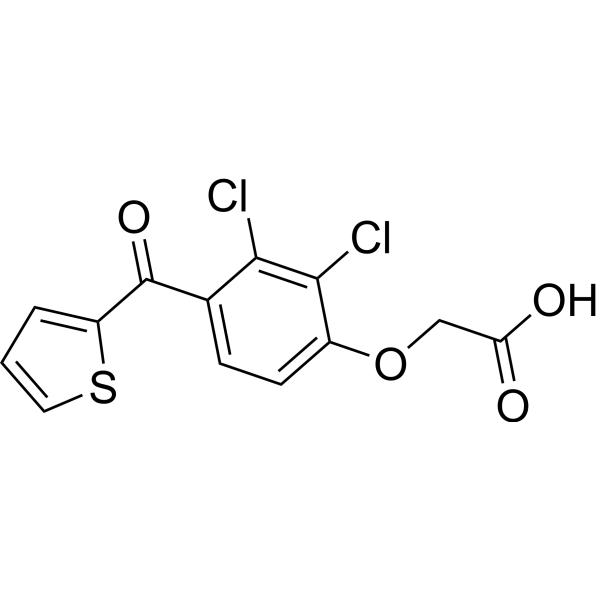
    Tienilic acid
    2 Publications Verification

    Ticrynafen; ANP 3624

    Cytochrome P450 Cardiovascular Disease Metabolic Disease
    Tienilic acid (Ticrynafen; ANP 3624) acts as a diuretic hypotensive agent. However, Tienilic acid induces hepatotoxicity. Tienilic acid is converted into electrophilic metabolites by cytochrome P450 (CYP) in vitro .
    Tienilic acid
  • HY-N0794
    Proanthocyanidins
    4 Publications Verification

    Bacterial Fungal Infection Cardiovascular Disease Inflammation/Immunology Cancer
    Proanthocyanidin (Procyanidin) are a class of polyphenolic that are widely distributed in higher plants, consisted of an electrophilic flavanyl unit. Proanthocyanidin can be used as antioxidant and anti-cancers agent. Proanthocyanidin also exhibit anti-inflammatory, cardioprotective, antibacterial and antifungal properties, which can be used in the treatment of chronic venous insufficiency, capillary fragility, sunburn and retinopathy. .
    Proanthocyanidins
  • HY-N0548
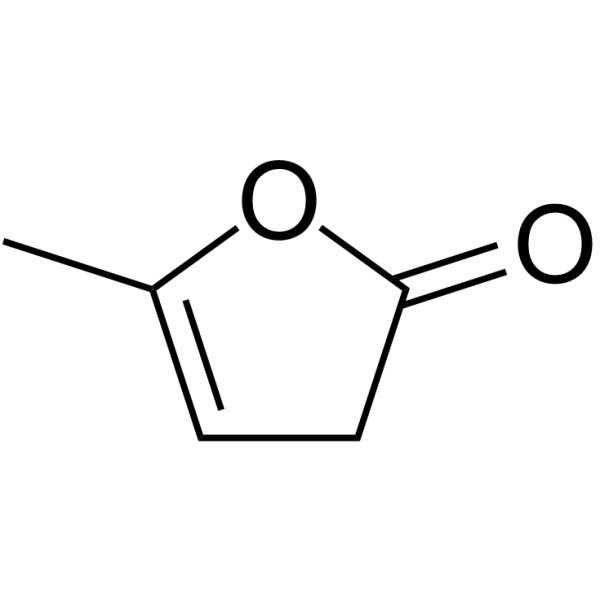
    α-Angelica lactone
    2 Publications Verification

    Glutathione S-transferase Cancer
    α-Angelica lactone is a naturally occurring anticarcinogen and an vinylogous nucleophile. α-Angelica lactone can give the chiral δ-amino γ,γ-disubstituted butenolide carbonyl derivatives and exhibitselectrophilic trapping at the γ-carbon. α-Angelica lactone exerts strong chemoprotective effects by selective enhancement of glutathione-S-thansferase (GST) and UDP-glucononosyltransferase (UGT) detoxification enzymes .
    α-Angelica lactone
  • HY-164899

    2-aminopyridine-3-carboxylic acid imidazolide

    Transmembrane Glycoprotein Cancer
    2A3 (2-aminopyridine-3-carboxylic acid imidazolide) is a T cell activator that specifically binds to CEACAM6 and CEACAM5. 2A3 exhibits enzymatic activity that catalyzes the glucuronidation of specific substrates (e.g., 1-naphthol), and possesses significant cytotoxic activity. When integrated into CAR T cells or used alone, 2A3 acts by inducing cytokine release, degranulation, and direct cytotoxicity. 2A3 kills pancreatic and breast cancer cells with high target antigen expression in vitro, and significantly inhibits the growth of pancreatic cancer xenografts in vivo. 2A3 broadly targets malignant tumors with overexpressed CEACAM5, CEACAM6, or co-expressed both, and shows high expression mainly in tissues such as the liver and colon. 2A3 serves as an important research tool for the immunotherapy of pancreatic and breast cancer . 2A3 is a novel SHAPE reagent, which can be used for the analysis of RNA structure both in vitro and in vivo . 2A3 is an electrophilic chemical probe that acylates the 2'-OH in the RNA backbone. 2A3 can be used for RNA SHAPE-MaP experiments and is capable of analyzing the RNA secondary structures at single nucleotide resolution.
    2A3
  • HY-149461

    Biochemical Assay Reagents Others
    KB-05 is an electrophilic fragment molecule that can be used in DIA-based quantitative chemical proteomic screening studies.
    KB-05
  • HY-Y0678
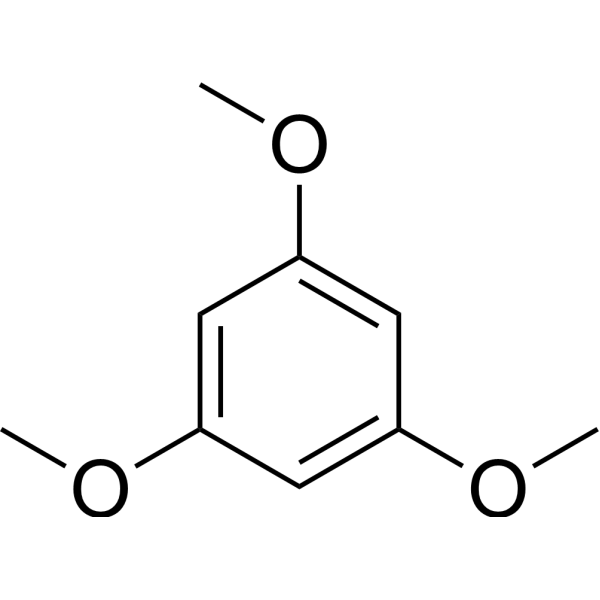
    1,3,5-Trimethoxybenzene
    1 Publications Verification

    TRIMETHYL PHLOROGLUCINOL

    Biochemical Assay Reagents Others
    1,3,5-Trimethoxybenzene (TRIMETHYL PHLOROGLUCINOL) is an electrophilic substitution reaction substrate targeting free chlorine (Cl +) and free bromine (Br +). 1,3,5-Trimethoxybenzene has highly selective electrophilic addition characteristics. By capturing halogens, it undergoes specific substitution reactions to generate stable halogenated products. 1,3,5-Trimethoxybenzene can not only quench residual oxidants, but also quantify the halogen concentration by detecting the product without affecting the stability of redox-sensitive disinfection byproducts (DBPs). 1,3,5-Trimethoxybenzene is mainly used in water quality testing and quantitative analysis of free chlorine/bromine in water. At the same time, in phytochemistry, it is a key component of rose fragrance and participates in the study of pollination attraction mechanism .
    1,3,5-Trimethoxybenzene
  • HY-N6856

    Bacterial Endogenous Metabolite Infection Cancer
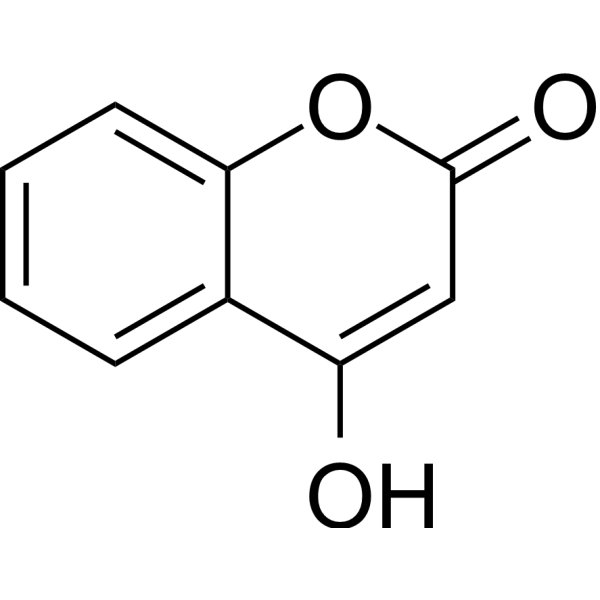
    4-Hydroxycoumarin is an orally active coumarin derivative, one of the most versatile heterocyclic scaffolds, often used in the synthesis of various organic compounds. 4-Hydroxycoumarin possesses both electrophilic and nucleophilic properties. 4-Hydroxycoumarin is an HIV protease inhibitor and tyrosine kinase inhibitor. 4-Hydroxycoumarin has anti-inflammatory, antibacterial and anti-tumor effects .
    4-Hydroxycoumarin
  • HY-177554

    Biochemical Assay Reagents Cancer
    KB05yne is a site-selective, alkyne-functionalized electrophilic "probe" fragment probe designed for covalent ligand discovery, with preferential reactivity toward specific cysteine residues in proteins. KB05yne strongly labels wild-type target proteins (e.g., CDKN2AIP, HPCAL1) but does not label their cysteine-to-alanine mutants, confirming site-specific cysteine reactivity. KB05yne can be used for the discovery and optimization of site-specific covalent ligands, and is applicable to proteins with diverse structures and functions, especially in studies targeting cysteine residues in cancer-related or difficult-to-purify proteins .
    KB05yne
  • HY-W591408

    Drug-Linker Conjugates for ADC Cancer
    DBCO-Val-Cit-PAB-MMAE is a drug-linker conjugate, which can be used for the synthesis of ADC molecules. MMAE (HY-15162) is a tubulin inhibitor, which can be used as an ADC toxin. DBCO-Val-Cit-PAB is the linker with the electrophilic group .
    DBCO-Val-Cit-PAB-MMAE
  • HY-150228
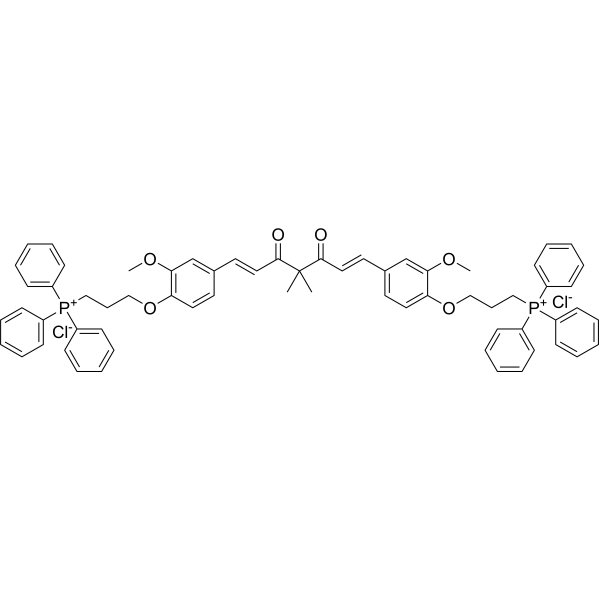
    MitoCur-1
    1 Publications Verification

    TrxR Cancer
    MitoCur-1, a curcumin analogue, is an inhibitor of mitochondrial antioxidative thioredoxin reductase 2 (TrxR2). MitoCur-1 has electrophilic and mitochondrial-targeting properties. MitoCur-1 induces reactive oxygen species (ROS) generation, exerts specifically antitumor efficacy .
    MitoCur-1
  • HY-W093017

    Amine N-methyltransferase Others
    4-Chloropyridine is a NNMT (Nicotinamide N-methyltransferase) substrate and suicide inhibition-based protein labeling scaffold precursor.4-Chloropyridine undergoes NNMT-catalyzed pyridine nitrogen methylation to increase C4 electrophilicity, enabling aromatic nucleophilic substitution by NNMT cysteine C159 for covalent NNMT modification and inactivation.4-Chloropyridine can be used for the research of various cancers .
    4-Chloropyridine
  • HY-135235
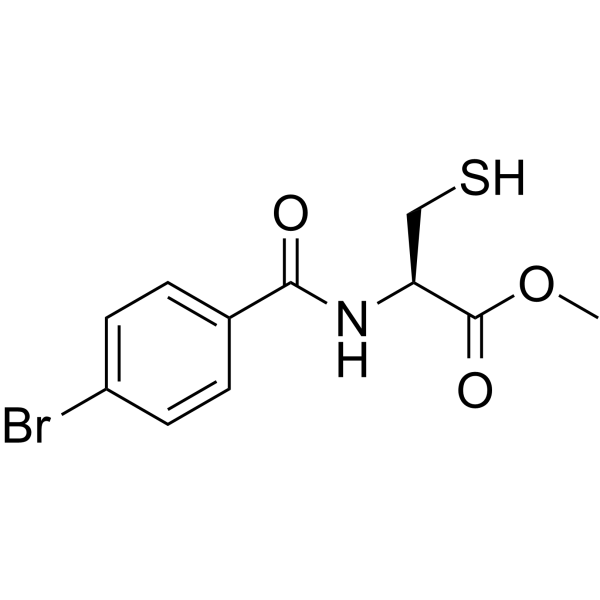
    Cysteine thiol probe
    1 Publications Verification

    Fluorescent Dye Others
    Cysteine Thiol Probe is a thiol-based probe designed to label electrophilic natural products. Cysteine Thiol Probe possesses each of the characteristics of an ideal pharmacophore probe, and has a chromophore. Cysteine Thiol Probe is capable of engaging enone-, β-lactam-, and β-lactone-based electrophilic metabolites .
    Cysteine thiol probe
  • HY-156395
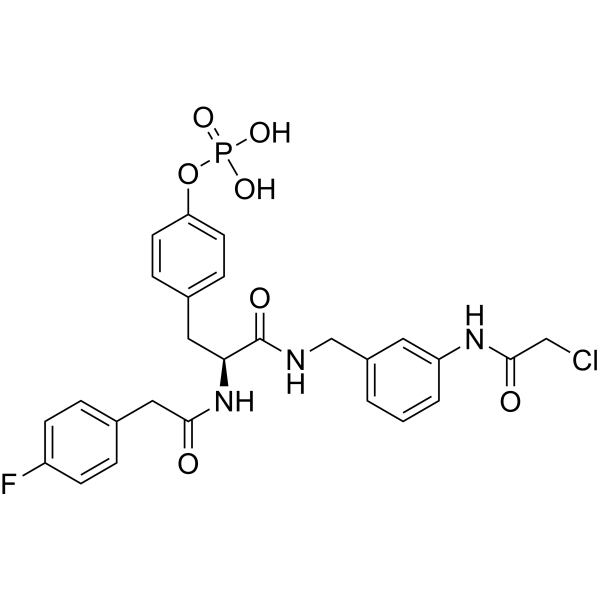
    MN551
    1 Publications Verification

    E1/E2/E3 Enzyme Cancer
    MN551 is a potent inhibitor of cysteine-directed electrophilic covalent that plays important roles in the biology of SOCS2 and its CRL5 complex, and as E3 ligase handles in proteolysis targeting chimera (PROTACs) to induce targeted protein degradation .
    MN551
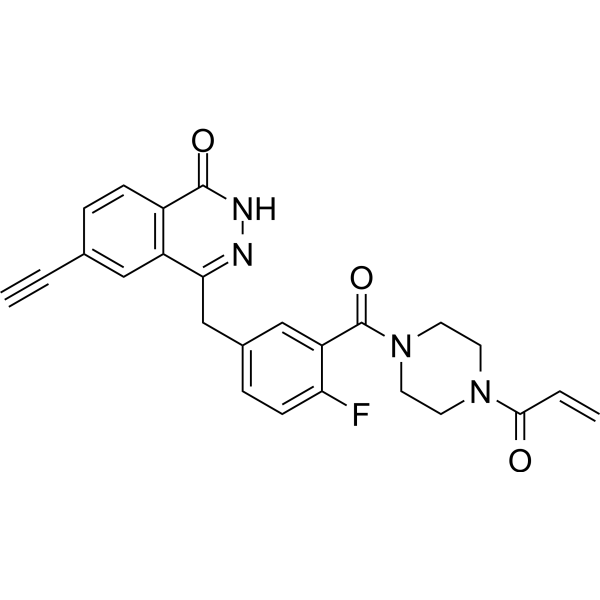
  • HY-150221

    PARP Cancer
    DB008 is potent and selective PARP16 inhibitor with an IC50 value of 0.27 μM, containing an acrylamide electrophilic reagent. DB008 is membrane-permeable and marks PARP16 selectively . DB008 is a click chemistry reagent, it contains an Alkyne group and can undergo copper-catalyzed azide-alkyne cycloaddition (CuAAc) with molecules containing Azide groups.
    DB008
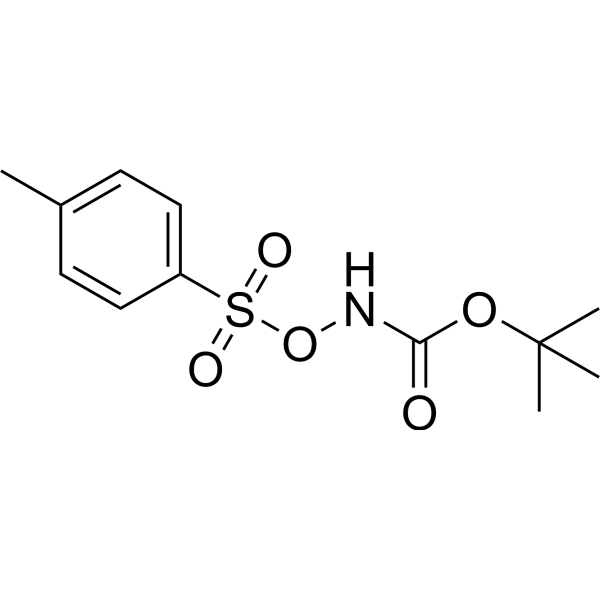
  • HY-W000438

    Amino Acid Derivatives Others
    N-Boc-O-tosyl hydroxylamine is a safe and efficient nitrogen source for N-amination of aryl and alkyl amines. N-Boc-O-tosyl hydroxylamine promotes electrophilic N-amination of aryl amines and alkyl amines to generate β-Boc-protected aryl hydrazines and alkyl hydrazines .
    N-Boc-O-tosyl hydroxylamine
  • HY-W041343

    Benzoylbenzoicacid

    Bacterial Antibiotic Photosensitizer Infection
    4-(Phenylcarbonyl)benzoic acid is a photooxidant. Upon light activation, 4-(Phenylcarbonyl)benzoic acid forms an electrophilic aromatic ketone that acts as an oxidant in organic synthesis or biological systems. 4-(Phenylcarbonyl)benzoic acid has been used in the study of amino acid oxidation, as well as the synthesis of photoactivated antibacterial and antiviral compounds 1 2 3.
    4-Benzoylbenzoic acid
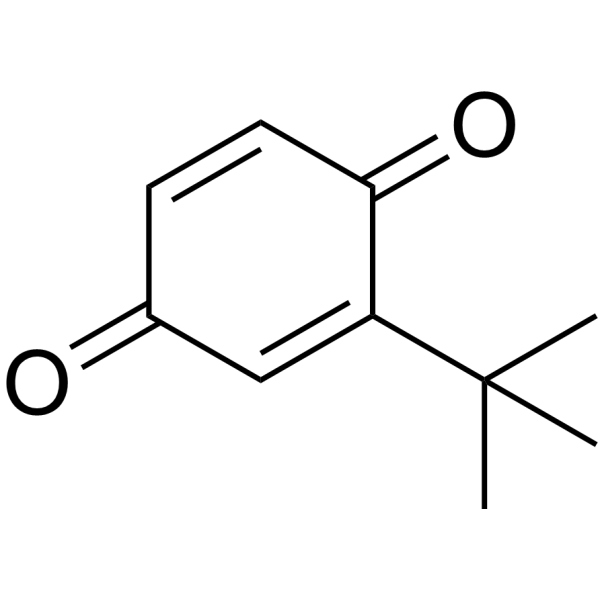
  • HY-W017187

    Bacterial Drug Metabolite Keap1-Nrf2 Heme Oxygenase (HO) Infection
    2-tert-Butyl-1,4-benzoquinone is a food additive oxidant, an electrophilic metabolite of Butylated hydroxyanisole (HY-B1066), and an antibacterial agent. 2-tert-Butyl-1,4-benzoquinone reduces virulence factors, activates Nrf2, and induces S-arylation of its negative regulator Keap1. 2-tert-Butyl-1,4-benzoquinone induces HO-1. 2-tert-Butyl-1,4-benzoquinone exhibits quorum sensing inhibitory activity against Chromobacterium violaceum .
    2-tert-Butyl-1,4-benzoquinone
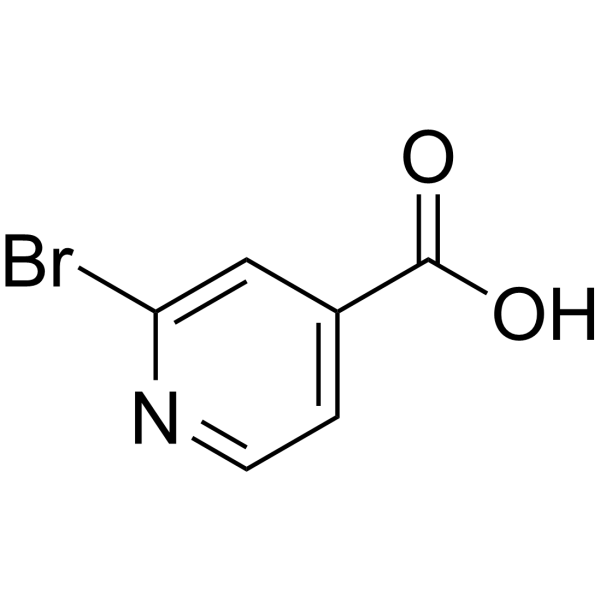
  • HY-W002805
    2-Bromoisonicotinic acid
    1 Publications Verification

    Drug Intermediate Others
    2-Bromoisonicotinic acid is a (hetero)aryl bromide building block and DNA-conjugated headpiece for photochemical C-H heteroarylation in DNA-encoded library synthesis. 2-Bromoisonicotinic acid generates a nucleophilic pyridyl radical intermediate. 2-Bromoisonicotinic acid, when conjugated to DNA, leaves electrophilic handles intact for subsequent library diversification .
    2-Bromoisonicotinic acid
  • HY-N12851

    (E)-4-Oxo-2-hexenal

    Bacterial Apoptosis Infection
    4-OHE ((E)-4-Oxo-2-hexenal) is a mutagen formed by omega-3 lipid peroxidation. 4-OHE reacts with deoxyguanosine, deoxycytidine and 5-methyldeoxycytidine to form covalent adducts. 4-OHE induces apoptosis and exhibits genotoxicity. 4-OHE inhibits the growth of Gram-positive and Gram-negative bacteria, which correlates with its electrophilic reactivity towards nucleophilic biomolecules. 4-OHE is a chemical defense component of Dolycoris baccarum (sloe bug), and acts as a deterrent and toxin against insect predators .
    4-OHE
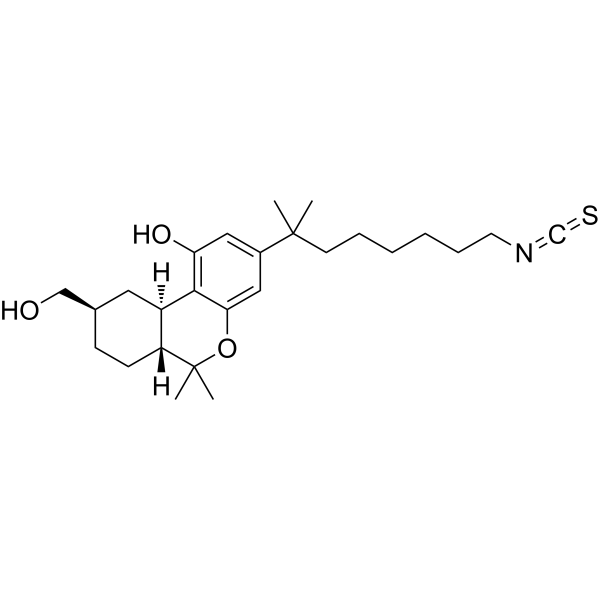
  • HY-149933

    Cannabinoid Receptor Neurological Disease
    AM841 is a high-affinity electrophilic ligand. AM841 interacts covalently with a cysteine in helix six and activates the CB1 cannabinoid receptor. AM841 reduces Forskolin (HY-15371)-stimulated cAMP accumulation. AM841 also slows gastrointestinal motility .
    AM841
  • HY-W111005

    DNA Alkylator/Crosslinker Cancer
    1-Chloromethylpyrene is an alkylating agent that enters the DNA double helix structure through intercalation, forms covalent bonds with electrophilic groups, resulting in DNA cross-linking, thereby inhibiting the proliferation of tumor cells .
    1-Chloromethylpyrene
  • HY-N6856R

    Reference Standards Bacterial Endogenous Metabolite Infection Cancer
    4-Hydroxycoumarin (Standard) is the analytical standard of 4-Hydroxycoumarin. This product is intended for research and analytical applications. 4-Hydroxycoumarin is an orally active coumarin derivative, one of the most versatile heterocyclic scaffolds, often used in the synthesis of various organic compounds. 4-Hydroxycoumarin possesses both electrophilic and nucleophilic properties. 4-Hydroxycoumarin is an HIV protease inhibitor and tyrosine kinase inhibitor. 4-Hydroxycoumarin has anti-inflammatory, antibacterial and anti-tumor effects .
    4-Hydroxycoumarin (Standard)
  • HY-W014159

    Biochemical Assay Reagents Others
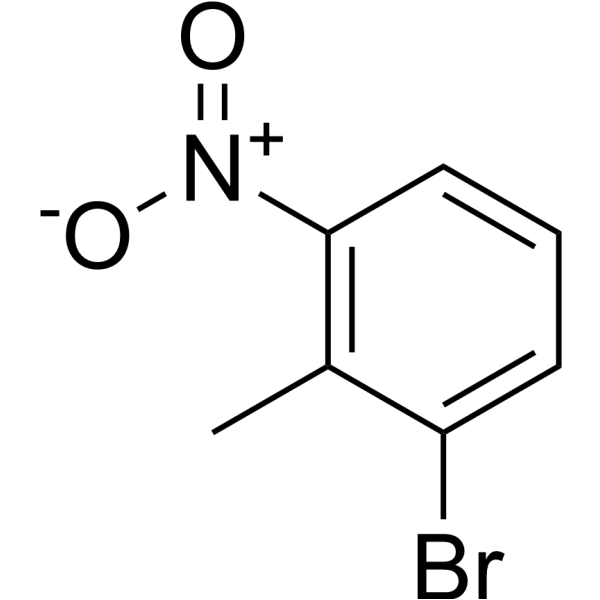
    1-Bromo-2-methyl-3-nitrobenzene is an organic synthesis intermediate. 1-Bromo-2-methyl-3-nitrobenzene participates in chemical reactions such as electrophilic substitution and coupling through the bromine atom and nitro group in the molecule, and acts as a synthetic precursor. 1-Bromo-2-methyl-3-nitrobenzene can construct complex molecular structures by relying on the leaving property of bromine and the electron-withdrawing property of nitro group, and can be used in the synthesis of benzimidazole VISTA inhibitors in medicinal chemistry .
    1-Bromo-2-methyl-3-nitrobenzene
  • HY-132183

    Endogenous Metabolite Metabolic Disease
    Chloride peroxidase is a monomeric, heme-containing enzyme. Chloride peroxidase is capable of electrophilic chlorinations through the umpolung of chloride by oxidation with hydrogen peroxide .
    Chloride peroxidase
  • HY-Y0678R

    Reference Standards Biochemical Assay Reagents Others
    1,3,5-Trimethoxybenzene (TRIMETHYL PHLOROGLUCINOL) is an electrophilic substitution reaction substrate targeting free chlorine (Cl+) and free bromine (Br+). 1,3,5-Trimethoxybenzene has highly selective electrophilic addition characteristics. By capturing halogens, it undergoes specific substitution reactions to generate stable halogenated products. 1,3,5-Trimethoxybenzene can not only quench residual oxidants, but also quantify the halogen concentration by detecting the product without affecting the stability of redox-sensitive disinfection byproducts (DBPs). 1,3,5-Trimethoxybenzene is mainly used in water quality testing and quantitative analysis of free chlorine/bromine in water. At the same time, in phytochemistry, it is a key component of rose fragrance and participates in the study of pollination attraction mechanism .
    1,3,5-Trimethoxybenzene (Standard)
  • HY-W010482S

    Isotope-Labeled Compounds Cancer
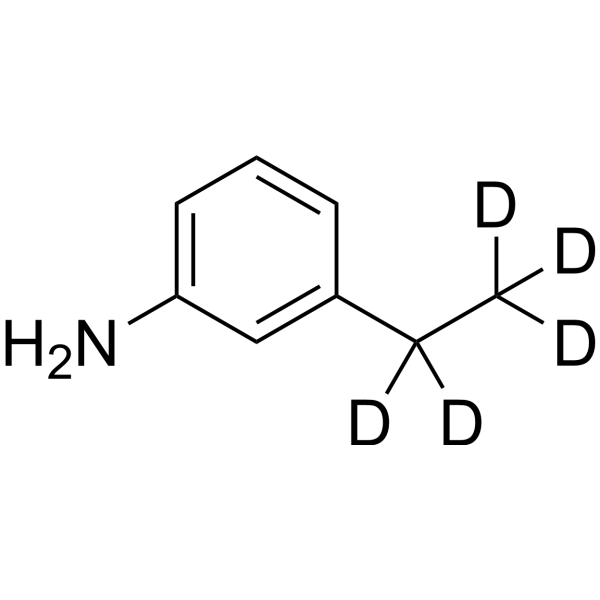
    3-Ethylaniline-d5 is the deuterium labeled 3-Ethylaniline (HY-W010482). 3-Ethylaniline is metabolized in vivo to electrophilic intermediates that covalently bind to DNA and that adducts are formed in the DNA of bladder. 3-Ethylaniline can be used for the research of bladder cancer .
    3-Ethylaniline-d5
  • HY-133135

    CHIKV Nucleoside Antimetabolite/Analog Infection
    CHIKV-IN-1 (Compound 3a) is a compound that inhibits the Chikungunya virus (CHIKV) with an EC50 of 0.12 μM. CHIKV-IN-1 is a potent inhibitor of the S-adenosyl-L-homocysteine hydrolase (SAH hydrolase), with an IC50 of 0.36 μM. CHIKV-IN-1 is only effective against CHIKV and some other alphaviruses, but has no activity against other RNA viruses such as SARS-CoV, MERS-CoV, and ZIKV. CHIKV-IN-1 has extremely low cytotoxicity (CC₅₀ > 250 μM), and it has an extremely high selectivity index (SI > 2083). CHIKV-IN-1 can be used in research on anti-Chikungunya virus .
    CHIKV-IN-1
  • HY-N0548R

    Glutathione S-transferase Reference Standards Cancer
    α-Angelica lactone (Standard) is the analytical standard of α-Angelica lactone. This product is intended for research and analytical applications. α-Angelica lactone is a naturally occurring anticarcinogen and an vinylogous nucleophile. α-Angelica lactone can give the chiral δ-amino γ,γ-disubstituted butenolide carbonyl derivatives and exhibitselectrophilic trapping at the γ-carbon. α-Angelica lactone exerts strong chemoprotective effects by selective enhancement of glutathione-S-thansferase (GST) and UDP-glucononosyltransferase (UGT) detoxification enzymes .
    α-Angelica lactone (Standard)
  • HY-165424

    Fluorescent Dye Glycosidase Cardiovascular Disease Cancer
    NIR-BG2 is a near-infrared fluorescent probe targeting senescence-associated β-galactosidase (SA-β-Gal). NIR-BG2 is activated by SA-β-Gal and undergoes hydrolysis to release electrophilic quinone methide that covalently binds to surrounding proteins for in situ labeling, with a 16-fold enhancement of fluorescence signal at 709 nm . NIR-BG2 is promising for research of vivo imaging of cellular senescence .
    NIR-BG2
  • HY-34469

    Biochemical Assay Reagents Others
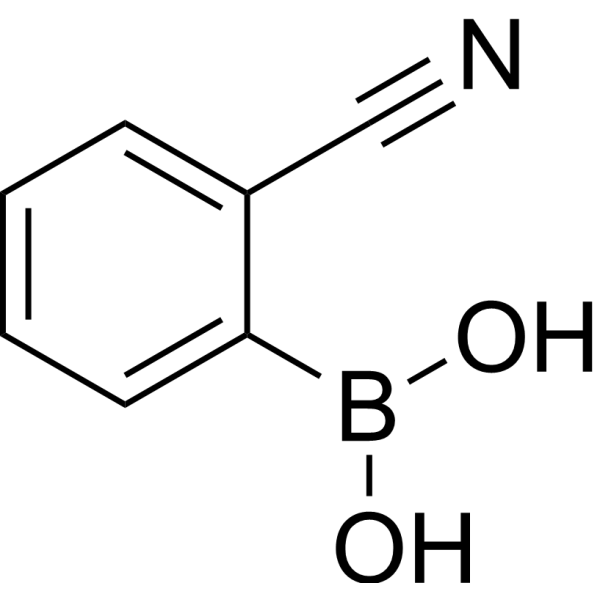
    2-Cyanophenylboronic acid is a biochemical reagent that can be used as a biological material or organic compound for life science related research. 2-Cyanophenylboronic acid contains both nucleophilic and electrophilic centres. 2-Cyanophenylboronic acid can function as an efficient electrolyte additive for high voltage LCO cathode. 2-Cyanophenylboronic acid enhances the structural reversibililty and decreases the hydrofluoric acid formation .
    2-Cyanophenylboronic acid
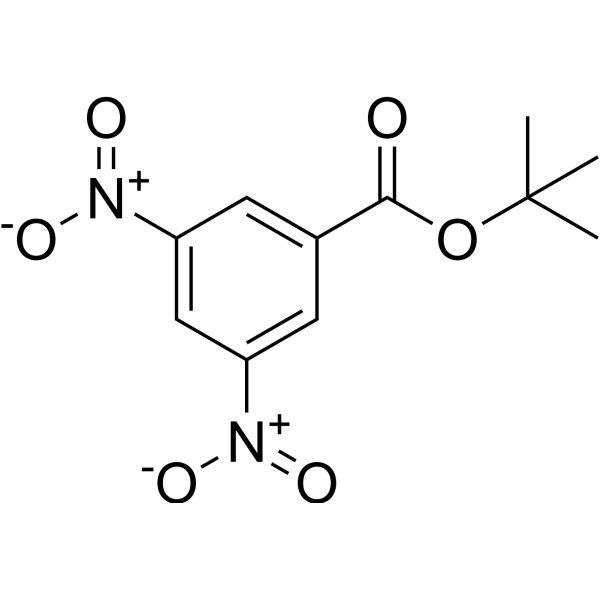
  • HY-W325356

    Fluorescent Dye Cancer
    Tert-butyl 3,5-dinitrobenzoate is an intermediate or reactant in organic synthesis and can also play a role in drug synthesis, dye preparation and other chemical fields.The nitro functional group of Tert-butyl 3,5-dinitrobenzoate has certain reactivity in organic chemistry and can participate in various reactions, such as electrophilic substitution, aromatic amine reaction, etc .
    tert-Butyl 3,5-dinitrobenzoate
  • HY-134314

    Autophagy Endogenous Metabolite Nucleoside Antimetabolite/Analog Cardiovascular Disease Metabolic Disease Inflammation/Immunology
    8-Nitro-cGMP is an electrophilic second messenger of redox signaling that can form a protein-S-cGMP adduct in s-guanylation process. 8-Nitro-cGMP is an autophagy inducer. 8-Nitro-cGMP promotes RANKL-induced osteoclast differentiation from macrophages. 8-Nitro-cGMP has vasodilator effect, and ameliorates the vascular endothelial dysfunction in diabetic mice .
    8-Nitro-cGMP
  • HY-147196

    PROTACs FKBP Cancer
    KB03-SLF (compound 6) is an electrophilic PROTAC degrader that binds to DCAF16 to degrade the nuclear protein FKBP12. KB03-SLF can be used in cancer research . (Pink: Ligand for target protein SLF (HY-114872); Black: Linker (HY-W040168); Blue: Ligand for E3 ligase (HY-169968)).
    KB03-SLF
  • HY-N4145

    Cinnamtannin A3; Cinnamtannin II

    Drug Derivative Bacterial Fungal Infection Cardiovascular Disease Inflammation/Immunology Cancer
    Procyanidin A3 (Cinnamtannin A3; Cinnamtannin II) is a sub class of Proanthocyanidins (HY-N0794). Proanthocyanidin are a class of polyphenolic that are widely distributed in higher plants, consisted of an electrophilic flavanyl unit. Proanthocyanidin can be used as antioxidant and anti-cancer agent. Proanthocyanidin also exhibit anti-inflammatory, cardioprotective, antibacterial and antifungal properties, which can be used in the treatment of chronic venous insufficiency, capillary fragility, sunburn and retinopathy .
    Procyanidin A3
  • HY-W016286
    2,6-Dithiopurine
    2 Publications Verification

    2,6-Dimercaptopurine

    Biochemical Assay Reagents Cancer
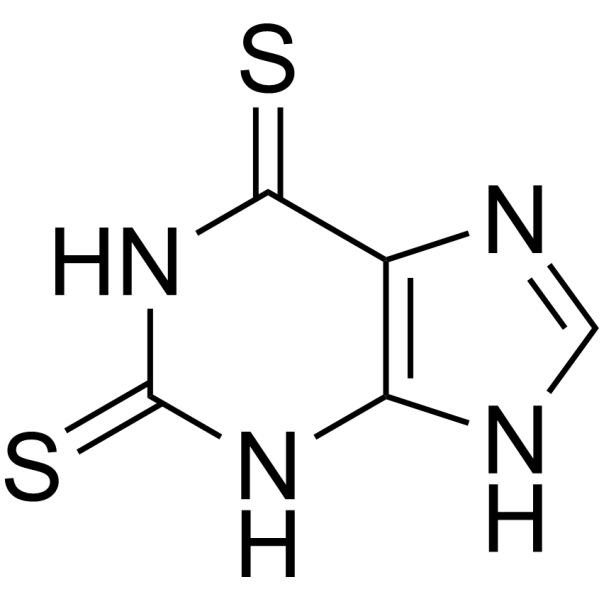
    2,6-Dithiopurine (2,6-Dimercaptopurine) is a nucleophilic scavenger for electrophilic carcinogens. 2,6-Dithiopurine abolishes both DNA adduct formation and the initiation of carcinogenesis .
    2,6-Dithiopurine
  • HY-W016286R

    2,6-Dimercaptopurine (Standard)

    Biochemical Assay Reagents Reference Standards Cancer
    2,6-Dithiopurine (2,6-Dimercaptopurine) is a nucleophilic scavenger for electrophilic carcinogens. 2,6-Dithiopurine abolishes both DNA adduct formation and the initiation of carcinogenesis .
    2,6-Dithiopurine (Standard)
  • HY-163804

    Cytochrome P450 Parasite Others
    Cyprocide-B is activated by Cytochrome P450 and converted to electrophilic metabolites that selectively kill nematodes C. elegans. Cyprocide-B is promising for research of selective nematicide .
    Cyprocide-B
  • HY-164910

    DNA/RNA Synthesis Metabolic Disease Inflammation/Immunology
    AHL-Pu-2 is the clickable electrophilic purine. AHL-Pu-2 can be used to directly quantify protein-RNA interactions on proteins through photoaffinity competition with 4-thiouridine (4SU)-labeled RNA in cells .
    AHL-Pu-2
  • HY-116115

    17-Oxo-DPA; 17-Oxo-7(Z),10(Z),13(Z),15(E),19(Z)-DPA

    NF-κB PPAR Inflammation/Immunology
    17-Oxo-7(Z),10(Z),13(Z),15(E),19(Z)-docosapentaenoic acid (17-Oxo-DPA; 17-Oxo-7(Z),10(Z),13(Z),15(E),19(Z)-DPA) is an electrophilic oxo-derivative (EFOX) of the docosahexaenoic acid (DHA) (HY-B2167). 17-Oxo-7(Z),10(Z),13(Z),15(E),19(Z)-docosapentaenoic acid is generated during inflammation by COX-2-catalyzed mechanism in activated macrophages. 17-Oxo-7(Z),10(Z),13(Z),15(E),19(Z)-docosapentaenoic acid acts as an agonist for PPARγ and a modulator for NF-κB signaling pathway, inhibits the production of pro-inflammatory cytokines and nitric oxide, and exhibits anti-inflammatory efficacy .
    17-Oxo-7(Z),10(Z),13(Z),15(E),19(Z)-docosapentaenoic acid
  • HY-123815

    ROS Kinase Cancer
    BRD5459 is a ROS chemical probe. BRD5459 can increase ROS, a marker of oxidative stress in cells, without causing cell death .
    BRD5459
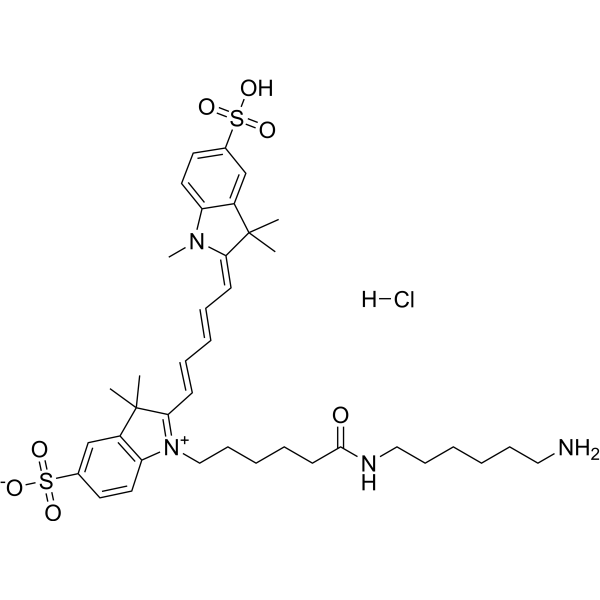
  • HY-D1375A

    Fluorescent Dye Others
    Sulfo-Cy5 amine hydrochloride is a near-infrared (NIR) amino fluorescent dye. Sulfo-Cy5 amine hydrochloride reacts with electrophilic substances .

    Sulfo-Cy5 amine hydrochloride
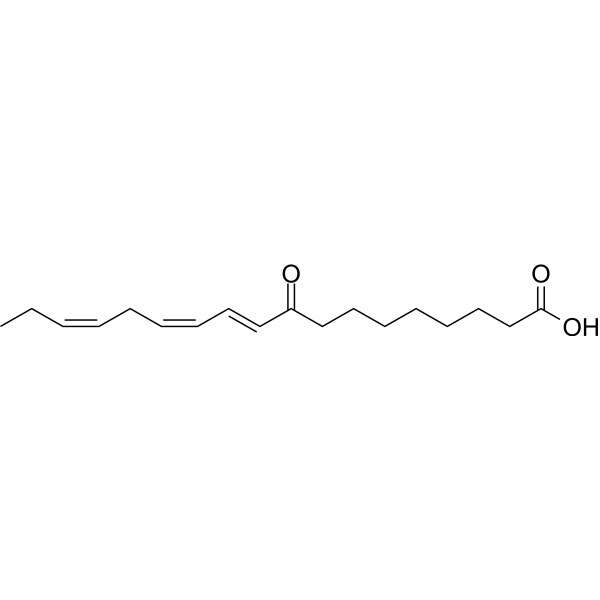
  • HY-124250

    9-KOTrE

    Fungal Infection
    9-OxoOTrE (9-KOTrE) is an antifungal agent against B. cinerea, C. herbarum, P. infestans, and P. parasitica, through a mechanism based on their electrophilic nature .
    9-OxoOTrE
  • HY-W011640

    Biochemical Assay Reagents Cancer
    7,8,9,10-Tetrahydrobenzo[a]pyren-7-ol is a benzopyrene derivative that is activated by hepatic cytosol into electrophilic sulfuric acid esters , which are capable of forming covalent DNA adducts and inducing mutations .
    7,8,9,10-Tetrahydrobenzo[pqr]tetraphen-7-ol
  • HY-W015915R

    Thiourea dioxide (Standard)

    Reference Standards Biochemical Assay Reagents Others
    Aminoiminomethanesulphinic acid (Thiourea dioxide) (Standard) is the analytical standard of Aminoiminomethanesulphinic acid. This product is intended for research and analytical applications. Aminoiminomethanesulphinic acid is a solid formaldehyde substitute with both electrophilic and reductive properties. Aminoiminomethanesulphinic acid is commonly used in bleaching processes in the textile industry .
    Aminoiminomethanesulphinic acid (Standard)
  • HY-21065R

    Ticrynafen (Standard); ANP 3624 (Standard)

    Cytochrome P450 Reference Standards Metabolic Disease
    Tienilic acid (Standard) is the analytical standard of Tienilic acid. This product is intended for research and analytical applications. Tienilic acid (Ticrynafen; ANP 3624) acts as a diuretic hypotensive agent. However, Tienilic acid induces hepatotoxicity. Tienilic acid is converted into electrophilic metabolites by cytochrome P450 (CYP) in vitro .
    Tienilic acid (Standard)
  • HY-D2854E

    Fluorescent Dye Others
    FITC-PEG10000-CL is a fluorescent dye composed of FITC (HY-66019), PEG and chlorine (-Cl). The chlorine group is an electrophilic active group that can be used for nucleophilic substitution reactions and facilitate subsequent chemical modification (Ex/Em = 488/525 nm).
    FITC-PEG10000-CL
  • HY-137023

    Fluorescent Dye Others
    Sulfo-Cy7 amine is a cyanine containing a free amine group, which can be conjugated with a variety of functionalities, including NHS esters, and epoxides. This NIR dye amine can be used to derivate various targets by the reaction with electrophilic groups, and also by enzymatical reactions involving transamination.
    Sulfo-Cy7 amine
  • HY-D2856

    Fluorescent Dye Others
    FITC-PEG1000-Br is a fluorescent dye composed of FITC (HY-66019), PEG and chlorine (-Cl). The chlorine group is an electrophilic active group that can be used for nucleophilic substitution reactions and facilitate subsequent chemical modification (Ex/Em=488/525 nm).
    FITC-PEG1000-Br
  • HY-D2854B

    Fluorescent Dye Others
    FITC-PEG2000-CL is a fluorescent dye composed of FITC (HY-66019), PEG and chlorine (-Cl). The chlorine group is an electrophilic active group that can be used for nucleophilic substitution reactions and facilitate subsequent chemical modification (Ex/Em=488/525 nm).
    FITC-PEG2000-CL
  • HY-D2854D

    Fluorescent Dye Others
    FITC-PEG5000-CL is a fluorescent dye composed of FITC (HY-66019), PEG and chlorine (-Cl). The chlorine group is an electrophilic active group that can be used for nucleophilic substitution reactions and facilitate subsequent chemical modification (Ex/Em=488/525 nm).
    FITC-PEG5000-CL

Inquiry Online

Your information is safe with us. * Required Fields.

Salutation


Country or Region *

Applicant Name *


Organization Name *

Department *


Email Address *


Product Name *

Cat. No.


Requested quantity *

Phone Number *


Remarks

Inquiry Online

Inquiry Information

Product Name:
Cat. No.:
Quantity:
MCE Japan Authorized Agent: