1. Search Result
Search Result
Results for "

enzymatic studies

" in MedChemExpress (MCE) Product Catalog:

63

Inhibitors & Agonists

1

Screening Libraries

5

Fluorescent Dyes

6

Biochemical Assay Reagents

10

Peptides

1

MCE Kits

1

Inhibitory Antibodies

4

Natural
Products

1

Isotope-Labeled Compounds

3

Click Chemistry

Cat. No. Product Name Target Research Areas Chemical Structure
  • HY-W019823
    4-MUNANA
    2 Publications Verification

    Fluorescent Dye Infection Neurological Disease
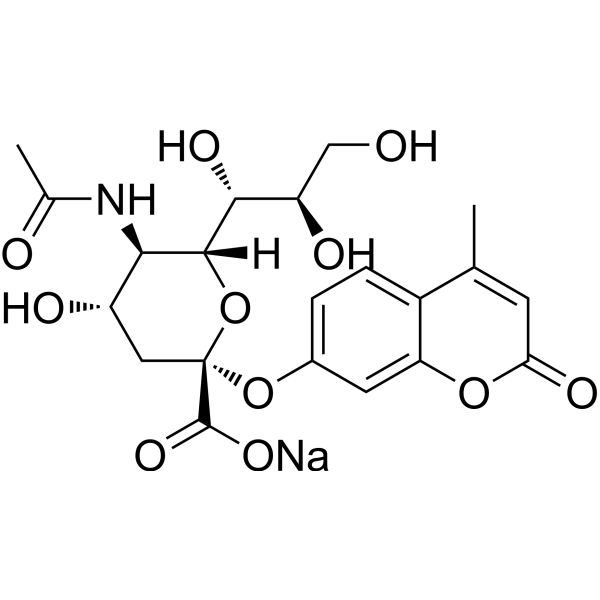
    4-MUNANA is a substrate of influenza virus neuraminidase (NA) with high selectivity and irreversible reaction. In the enzymatic reaction, 4-MUNANA is hydrolyzed by NA to generate fluorescent 4-methylumbelliferone (4-MU). By detecting the fluorescence intensity of 4-MU, quantitative analysis of NA activity can be achieved. 4-MUNANA can be used in influenza-related research, such as screening NA inhibitors, developing new anti-influenza drugs, and studying the infection mechanism of influenza viruses .
    4-MUNANA
  • HY-Y1878
    Copper(Ⅱ) sulfate
    3 Publications Verification

    Cupric sulfate

    Environmental Pollutants Biochemical Assay Reagents Others
    Copper(Ⅱ) sulfate (Cupric sulfate) is an inorganic compound that is a source of copper ions. Copper(Ⅱ) sulfate forms coordination compounds through the coordination of copper ions with ligands. Copper(Ⅱ) sulfate can be used for various enzymatic studies and material synthesis .
    Copper(Ⅱ) sulfate
  • HY-D1462
    CellTracker Blue CMAC
    5+ Cited Publications

    Fluorescent Dye Others
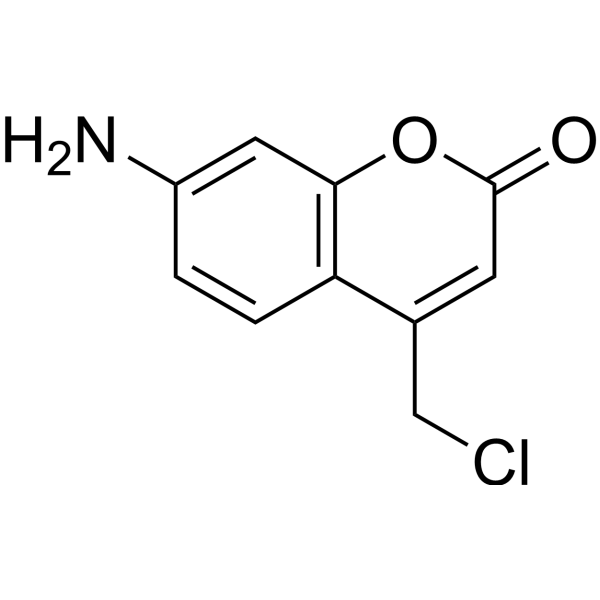
    CellTracker Blue CMAC is a non-fluorescent cell membrane permeable dye. The chloromethyl groups of CellTracker Blue CMAC are enzymatically cleaved by intracellular glutathione (GSH) to generate a fluorescent product (blue fluorescence, Ex/Em: 360/460 nm). CellTracker Blue CMAC is suitable for long-term cell tracking (up to 72 hours) and cell proliferation studies, and can also quantify GSH levels .
    CellTracker Blue CMAC
  • HY-12689
    Mitapivat
    3 Publications Verification

    AG-348

    Pyruvate Kinase Metabolic Disease
    Mitapivat (AG-348) is an orally active pyruvate kinase allosteric activator. Mitapivat increases enzymatic activity, protein stability, and ATP levels over a broad range of PKLR genotypes, shows the potential to restore the activity of PK (pyruvate kinase)-deficient glycolytic pathways. Mitapivat can be used in study of PK deficiency .
    Mitapivat
  • HY-P2917

    GyK

    Nuclear Hormone Receptor 4A/NR4A Metabolic Disease Inflammation/Immunology
    Glycerol kinase, microorganism (GyK) acts as a NR4A1 inhibitor with enzymatic activity. It directly binds to and inhibits the transcription factor NR4A1, thereby negatively regulating hepatic gluconeogenesis and reducing blood glucose levels. Glycerol kinase, microorganism positively regulates UCP1 expression via partial dependence on the β-adrenergic receptor-cAMP-CREB pathway, promotes browning of white adipose tissue and thermogenesis, and further modulates intracellular fatty acid composition and energy metabolism. In diabetic mouse models, overexpression of Glycerol kinase effectively antagonizes NR4A1-induced hyperglycemia, demonstrating potential for improving glucose homeostasis. Glycerol kinase, microorganism can be used for studies on diabetes and obesity .
    Glycerol kinase, microorganism
  • HY-N6614

    VD/VDR Others
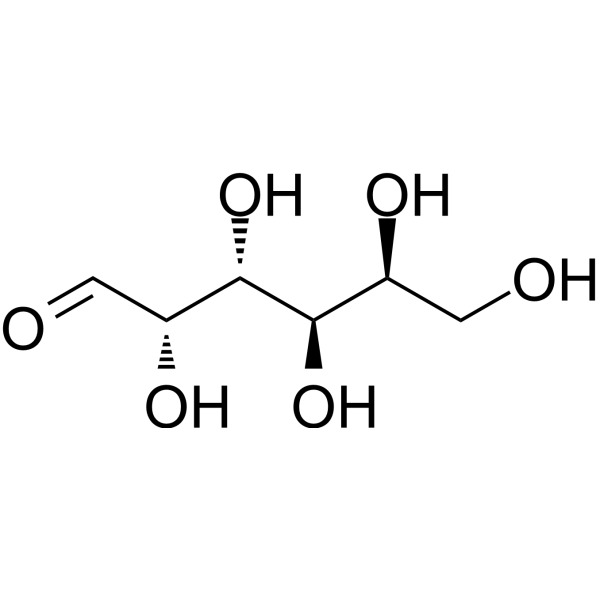
    L-Galactose is a key intermediate in the de novo synthesis of vitamin C (L-ascorbic acid) in plants. It is converted into L-ascorbic acid by participating in the VTC2 cycle and enzymatic steps, exerting antioxidant activities, maintaining cell structure, and participating in the carbon flow distribution of photosynthesis. L-Galactose can be used to study the analysis of the synthesis pathway of vitamin C in plant physiology .
    L-Galactose
  • HY-P4198

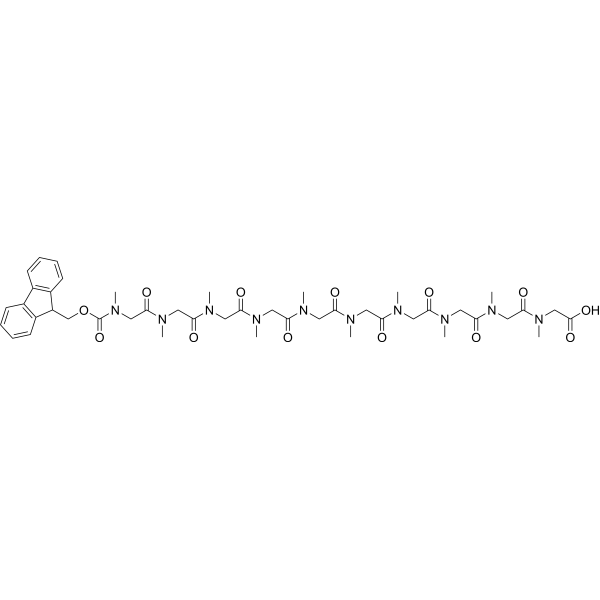
    Fmoc-Sar10

    Biochemical Assay Reagents Others
    Fmoc-N(Me)-Sar10 (Fmoc-Sar10) is an Fmoc-protected derivative of a methylated sarcosine decamer, which supports cell adhesion, proliferation, and maintenance of cell phenotype. Fmoc-N(Me)-Sar10 is primarily used in peptide synthesis to introduce enzymatically stable spacer sequences. By mimicking the extracellular matrix (ECM), Fmoc-N(Me)-Sar10 provides a 3D growth microenvironment for cells and is mainly used in tissue engineering and 3D cell culture, particularly suitable for in vitro culture studies of cells such as chondrocytes .
    Fmoc-N(Me)-Sar10
  • HY-P2295
    Dabcyl-KTSAVLQSGFRKME-Edans TFA
    2 Publications Verification

    SARS-CoV Others
    Dabcyl-KTSAVLQSGFRKME-Edans TFA is a fluorogenic peptide. Dabcyl-KTSAVLQSGFRKME-Edans TFA is used as the substrate to measure the enzymatic activities of protease forms. Dabcyl-KTSAVLQSGFRKME-Edans TFA has the potential for study 2019-nCoV (COVID-19) infection .
    Dabcyl-KTSAVLQSGFRKME-Edans TFA
  • HY-145337

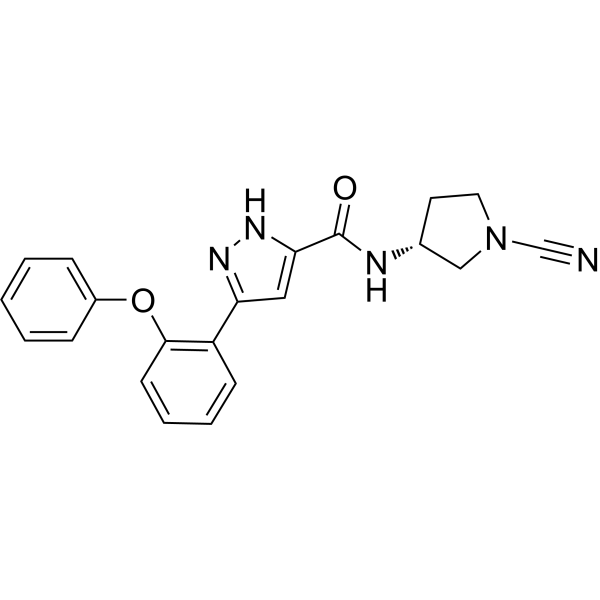
    FT385

    Deubiquitinase PINK1/Parkin Neurological Disease Cancer
    FT3967385 (FT385) is a selective covalent inhibitor that targets the outer mitochondrial membrane deubiquitinase (Deubiquitinase) USP30 (IC50 = 1.5 nM, Ki = 0.014 μM). By inhibiting the enzymatic activity of USP30, FT3967385 relieves its negative regulation of the PINK1-Parkin mediated mitochondrial ubiquitination cascade, thereby enhancing mitophagy. FT3967385 can be used for mechanistic studies of neurodegenerative diseases associated with mitochondrial dysfunction, such as Parkinson's disease .
    FT3967385
  • HY-112624H

    Dextran 2; Dextran D2; Dextran T2(MW 1600-2400)

    Biochemical Assay Reagents Others
    Dextran T2 (Dextran 2; Dextran T2(MW 1600-2400)) is a natural high molecular weight polysaccharide, the glycosidic bonds in its structure can be recognized by endo-dextranase and exo-dextranase. Dextran T2 (MW 2,000) breaks the glycosidic bonds in the enzymatic hydrolysis mechanism, releasing products such as D-glucose, Isomaltose (IM2), and Isomaltotriose (IM3). Dextran T2 (MW 2,000) can be used as a model substrate to characterize the catalytic properties of dextranase (such as optimal pH, temperature and product specificity), and to study enzymatic mechanism research and polysaccharide degradation pathways in glycobiology. The Dextran series of compounds are also a natural polysaccharide drug carrier, which can be connected to drugs through covalent bonding methods such as ester bonds, amide bonds or click chemistry, or self-assembled to form carriers such as nanoparticles and hydrogels. Dextran is biodegradable and biocompatible, and can achieve targeted delivery and controlled release of drugs. Dextran derivatives can prolong drug half-life, increase local concentration and reduce immune clearance activity .
    Dextran T2 (MW 2,000)
  • HY-P990091

    SAR 445088

    Complement System Inflammation/Immunology
    Riliprubart (SAR 445088) is an anti-C1s humanized IgG4 monoclonal antibody that inhibits activated C1s in the proximal portion of the classical complement system. Riliprubart selectively inhibits activated C1s and prevents the enzymatic action of C1 on its substrates C4 and C2, thus inhibiting the formation of the classical pathway C3 convertase, C4b2a. Riliprubart can be used to study complement-mediated diseases such as systemic lupus erythematosus. Recommend Isotype Controls: Human IgG4 (S228P) kappa, Isotype Control (HY-P99003) .
    Riliprubart
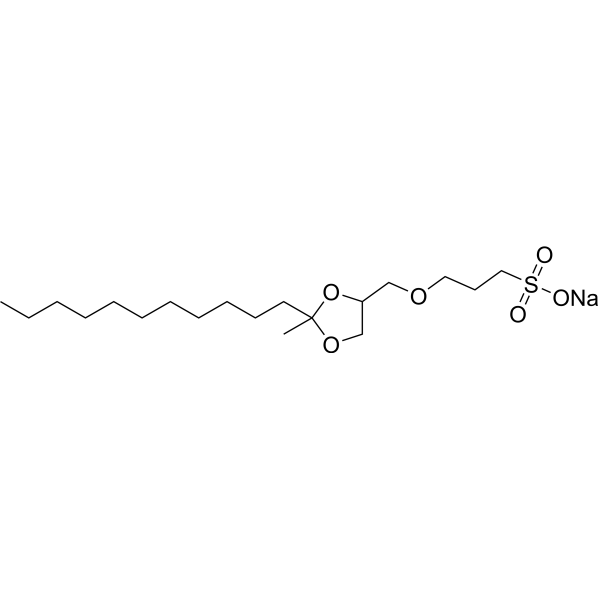
  • HY-44157

    Biochemical Assay Reagents Neurological Disease
    ALS-I, an acid-Liable surfactant, is adopted for in-solution enzymatic digestions, can help to solubilize hydrophobic proteins. ALS-I is significantly enhanced peptide recovery for mass spectrometry (MS) mapping in the study of the proteomes of regenerating rat retina and mouse brain .
    ALS-I
  • HY-120868
    TP-004
    1 Publications Verification

    MetAP Metabolic Disease Cancer
    TP-004 is a potent and reversible inhibitor of methionine aminopeptidase 2 (MetAP2), with an IC50 of 6 nM against MetAP2. TP-004 is a chemical probe. TP-004 suppresses MetAP2 enzymatic activity, blocks N-terminal methionine cleavage, impairs protein maturation and stability, and thereby inhibits cell proliferation and angiogenesis. TP-004 can be used for the study of tumors and diseases associated with excessive angiogenesis .
    TP-004
  • HY-E70574

    Biochemical Assay Reagents Others
    Trypsin/Lys-C complex protease (MS grade) combines Trypsin and Lys-C, two recombinant proteases, to achieve efficient peptide bond hydrolysis. Trypsin specifically cleaves the C-terminal peptide bonds of arginine (R) and lysine (K), while Lys-C specifically cleaves the C-terminal peptide bonds of lysine (K). This combination overcomes issues such as the slower digestion rate of lysine and arginine by rTrypsin, PTM changes on lysine, or hydrophobic C-termini (such as proline) that can lead to missed cleavage. Trypsin/Lys-C complex protease (MS grade) can be used to process complex protein samples that are difficult to enzymatically digest. Trypsin/Lys-C complex protease (MS grade) can be used for protein characterization, single-cell proteomics and large cohort proteomics studies.
    Trypsin/Lys-C complex protease (MS grade)
  • HY-157403
    Jun12682
    1 Publications Verification

    Virus Protease SARS-CoV Infection
    Jun12682 is an orally active SARS-CoV-2 papain-like protease (PL pro) inhibitor, with a Ki value of 37.7 nM and an EC50 value of 1.1 μM in the FlipGFP PL pro assay. Jun12682 has efficacy in hindering PL pro both deubiquitination and deISGylation, with Ki values of 63.5 and 38.5 nM, respectively. Jun12682 exhibits resistance in multiple PL pro mutant strains, and its enzymatic activity is comparable to that of the wild-type. Jun12682 can be used for the study of the SARS-CoV-2 .
    Jun12682
  • HY-DY1034

    Fluorescent Dye Infection Neurological Disease
    4-MUNANA (solution) is a substrate of influenza virus neuraminidase (NA) with high selectivity and irreversible reaction. In the enzymatic reaction, 4-MUNANA is hydrolyzed by NA to generate fluorescent 4-methylumbelliferone (4-MU). By detecting the fluorescence intensity of 4-MU, quantitative analysis of NA activity can be achieved. 4-MUNANA can be used in influenza-related research, such as screening NA inhibitors, developing new anti-influenza drugs, and studying the infection mechanism of influenza viruses .
    Solvent and Concentration: Sterile water: 10 mM
    4-MUNANA (solution)
  • HY-W018324

    5hmC

    Endogenous Metabolite Neurological Disease Metabolic Disease Cancer
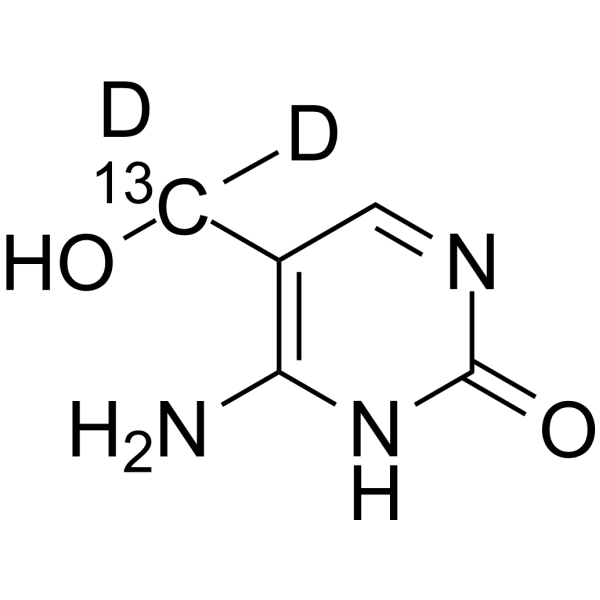
    5-Hydroxymethylcytosine (5hmC) is an oxidized forms of 5-methylcytosine (5mC) in mammalian DNA. 5-Hydroxymethylcytosine is produced from 5mC in an enzymatic pathway involving three 5mC oxidases, Ten-eleven translocation (TET)1, TET2, and TET3. The conversion of 5mC into 5hmC can be the first step in a pathway leading towards DNA demethylation. 5-Hydroxymethylcytosine is associated with gene transcription and frequently used as a mark to investigate dynamic DNA methylation conversion during mammalian development. 5-Hydroxymethylcytosine can be used for the study of non-small cell lung cancer (NSCLC), neurodegenerative diseases (Alzheimer’s, Parkinson’s) and hematological malignancies (acute myeloid leukemia, myelodysplastic syndromes) .
    5-Hydroxymethylcytosine
  • HY-173447

    NTPDase CD73 Cancer
    8-BuS-AMP is a NTPDase1 inhibitor and a CD73/CD39 inhibitor, with an IC50 of 35 μM and a Ki value of 0.292 μM against human NTPDase1; its Ki values against human CD73 and CD39 are 1.19 μM and 0.847 μM, respectively. 8-BuS-AMP binds to the substrate-binding pockets of NTPDase1 and CD73 to effectively block the conversion of ATP and AMP to adenosine, thereby enhancing the activation and proliferation of human peripheral T lymphocytes. 8-BuS-AMP possesses excellent enzymatic hydrolysis resistance and metabolic stability, resists hydrolysis by multiple NTPDase subtypes, and shows no activity against P2Y1 and P2Y12 receptors. 8-BuS-AMP can be used in purinergic signaling pathway and cancer-related studies .
    8-BuS-AMP
  • HY-172670

    Fungal Infection
    Spore germination-IN-1 (Compound 110) is an orally active spore germination inhibitor (IC50: 14 μM). Spore germination-IN-1 specifically inhibits the enzymatic activities of mature SleC and CspB on spores (Kd: 12 and 8 μM). Spore germination-IN-1 can be used in studies against C. difficile .
    Spore germination-IN-1
  • HY-DY1041

    Fluorescent Dye Others
    CellTracker Blue CMAC (solution) is a non-fluorescent cell membrane permeable dye. The chloromethyl groups of CellTracker Blue CMAC are enzymatically cleaved by intracellular glutathione (GSH) to generate a fluorescent product (blue fluorescence, Ex/Em: 360/460 nm). CellTracker Blue CMAC is suitable for long-term cell tracking (up to 72 hours) and cell proliferation studies, and can also quantify GSH levels .
    Solvent and concentration: DMSO: 10 mM
    CellTracker Blue CMAC (solution)
  • HY-145578

    X842

    Drug Intermediate Proton Pump Metabolic Disease
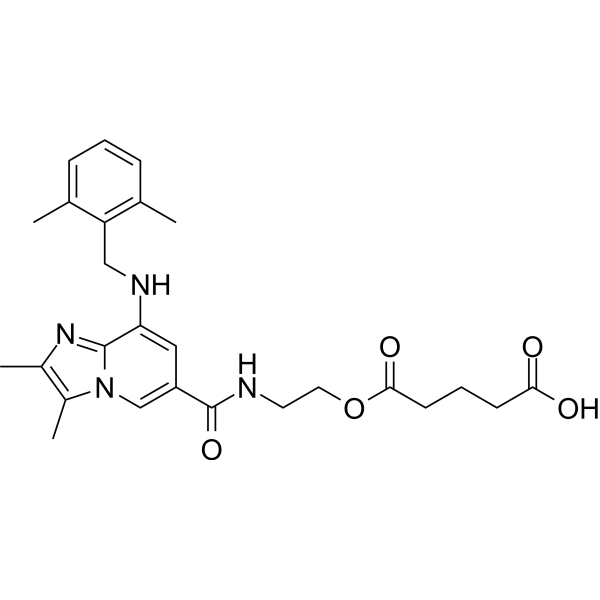
    Linaprazan glurate (X842) is an orally atcive prodrug of Linaprazan (HY-100412) with a potent and prolonged inhibitory effect on gastric acid secretion. Linaprazan glurate is rapidly transformed by enzymatic cleavage into its active metabolite, linaprazan. Linaprazan glurate is a potassium-competitive acid blocker. Linaprazan glurate selectively inhibites acid formation from gastric H⁺/K⁺-ATPase in a potassium-dependent manner (IC50 = 436.2 nM). Linaprazan glurate can be used for the studies of erosive esophagitis (EE) .
    Linaprazan glurate
  • HY-175735

    Factor XI Cardiovascular Disease
    Factor XI-IN-2 is a Factor XI activation inhibitor with an IC50 of 20 nM. Factor XI-IN-2 does not directly inhibit the enzymatic activity of FXIa, but specifically binds to the FXI enzyme precursor and allosterically inhibits the process by which it is activated by FXIIa. Factor XI-IN-2 inhibits thrombosis in the rabbit arteriovenous (AV) shunt thrombosis model. Factor XI-IN-2 can be used for the study of antithrombus .
    Factor XI-IN-2
  • HY-168376

    9(10)-Nitrated oleic acid

    PPAR ERK Akt NO Synthase Metabolic Disease Inflammation/Immunology
    9 (10)-Nitrooleate (9(10)-Nitrated oleic acid) is an endogenous lipid signaling mediator with vasoprotective effects. 9 (10)-Nitrooleate enhances enzymatic activity and improves nitric oxide bioavailability by inducing phosphorylation of Akt and ERK1/2, regulating the multi-site phosphorylation status of eNOS and optimizing its interaction with Hsp90. 9 (10)-Nitrooleate also activates PPARα, PPARδ and PPARγ receptors, thereby regulating adipogenesis, glucose uptake and inflammation-related gene expression, and exhibits immunosuppressive effects by inhibiting neutrophil migration and cytokine secretion. 9 (10)-Nitrooleate is widely used in studies of sepsis and related inflammatory diseases .
    9(10)-Nitrooleate
  • HY-P10506

    JNK Neurological Disease
    CMX-8933 is an octapeptide fragment of the goldfish brain neurotrophic factor ependymin. CMX-8933 increases the enzymatic activity of c-Jun N-terminal kinase (JNK), increases the phosphorylation of JNK and c-Jun proteins, and increases the cellular levels of c-Jun and c-Fos mRNA. CMX-8933 can be used to study the role of ependymin in neuroplasticity, learning, memory formation, and neural regeneration .
    CMX-8933
  • HY-124404

    Aryl Hydrocarbon Receptor Na+/K+ ATPase Prostaglandin Receptor Inflammation/Immunology
    12(R)-HETE is a CYP-dependent arachidonic acid metabolite that acts as a proinflammatory lipid mediator. 12 (R)-HETE widely exists in various tissues including the eye, skin and liver. In the cornea, 12(R)-HETE is metabolized via pathways such as β-oxidation into the precursor of 12(R)-HETrE. Without direct receptor binding, 12(R)-HETE indirectly activates AHR-mediated target gene transcription, while inhibiting the enzymatic activity of Na+,K+-ATPase and the intracellular calcium elevation induced by TP agonists. 12(R)-HETE also possesses multiple physiological effects such as chemotaxis, proangiogenesis, vasodilation, natriuresis, diuresis and intraocular pressure reduction, and can be widely used in studies related to psoriasis, inflammatory skin diseases and ocular inflammation .
    12(R)-HETE
  • HY-125209A

    Apoptosis PARP DNA/RNA Synthesis Cancer
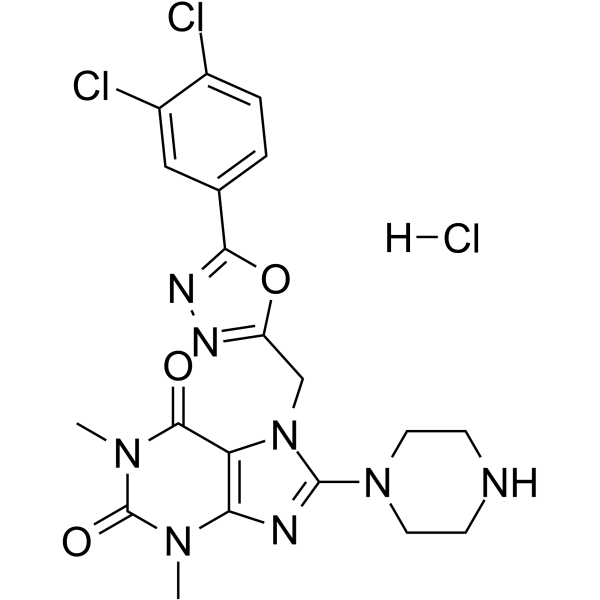
    TH5427 hydrochloride is a NUDT5 inhibitor with a human target IC50 of 29 nM, ~690-fold selectivity over MTH1 in vitro, and selective functional inhibition over other NUDIX hydrolases including NUDT9 .TH5427 hydrochloride binds to the active site of NUDT5, blocking enzymatic activity related to ADP-ribose metabolism and PAR-derived ATP synthesis .TH5427 hydrochloride blocks progestin-dependent nuclear ATP synthesis, impairs progestin-induced chromatin remodeling, inhibits histone H1 displacement, disrupts progestin-dependent gene regulation, and abrogates progestin-dependent proliferation in breast cancer cells .TH5427 hydrochloride functions as a versatile probe to study nuclear ATP dynamics and ADP-ribose-related metabolism in cells .TH5427 hydrochloride engages NUDT5 at physiological temperatures, as demonstrated by Drug Affinity Responsive Target Stability (DARTS) assay .TH5427 hydrochloride stabilizes NUDT5 against thermal denaturation in cell lysates and intact cells, as shown by cellular thermal shift assay (CETSA) .TH5427 hydrochloride functionally inhibits NUDT5 activity, leading to downstream effects on oxidative DNA damage and DNA replication in triple-negative breast cancer (TNBC) cells .TH5427 hydrochloride suppresses proliferation of TNBC cells without inducing cell death or apoptosis, slows DNA replication in TNBC cells, promotes accumulation of oxidative DNA lesions, and triggers DNA damage response in TNBC cells .TH5427 hydrochloride suppresses growth of TNBC cells in vitro, inhibits growth of TNBC xenograft tumors in nude mice in vivo, and shows greater potency against TNBC cell lines compared to ER-positive and normal-like breast cell lines .TH5427 hydrochloride can be used for the research of breast cancer and triple-negative breast cancer .
    TH5427 hydrochloride
  • HY-W008919

    N-Alpha,N-epsilon-di-Boc-L-lysine 4-nitrophenyl ester

    Amino Acid Derivatives Others
    Boc-Lys(Boc)-Onp (N-Alpha,N-epsilon-di-Boc-L-lysine 4-nitrophenyl ester) is a lysine with a Boc protecting group. Boc-Lys(Boc)-Onp was used as a substrate for a catalyst model to study its enzymatic hydrolysis reaction catalyzed by a copper(II) complex .
    Boc-Lys(Boc)-Onp
  • HY-175496

    Ceramidase Inflammation/Immunology
    Acid Ceramidase-IN-3 is a acid ceramidase (aCDase) inhibitor. Acid Ceramidase-IN-3 inhibits the enzymatic activity of aCDase with a pIC 50 of 8.5 in enzymatic assays and 6.8 in A375 melanoma cellular assays. Acid Ceramidase-IN-3 promotes HSC inactivation, as measured by a dose-dependent reduction in COL1A1 and ACTA2. Acid Ceramidase-IN-3 inhibits aCDase activity in HSCs, promotes HSC inactivation and suppresses YAP/TAZ nuclear localization. Acid Ceramidase-IN-3 increases Dynein/Kinesin (NDE1, NDEL1. KIF3B, KIF15) while decreases several proteins involved with signaling pathway (SARM1, RGAP1, PDGF-D,PDGFR-B). Acid Ceramidase-IN-3 can be used for the study of fibrotic diseases .
    Acid Ceramidase-IN-3
  • HY-P3123A

    Fluorescent Dye Others
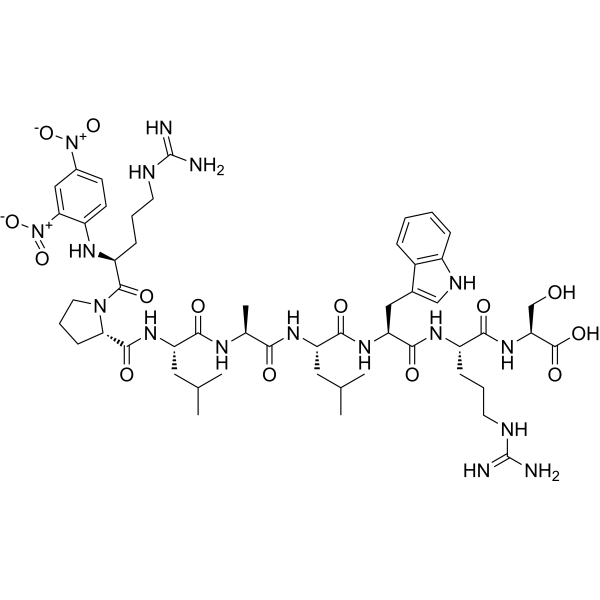
    Dnp-RPLALWRS TFA is a fluorescent peptide substrate designed for human matrilysin (MMP-7). After enzymatic cleavage of Dnp-RPLALWRS TFA at the alanine-leucine bond, the release of the Dnp group alleviates fluorescence quenching, thereby enabling real-time quantitative analysis of MMP-7 activity by increasing tryptophan emission. Dnp-RPLALWRS TFA provides a sensitive and efficient detection method for kinetic studies and inhibitor screenin .
    Dnp-RPLALWRS TFA
  • HY-123000

    Biochemical Assay Reagents
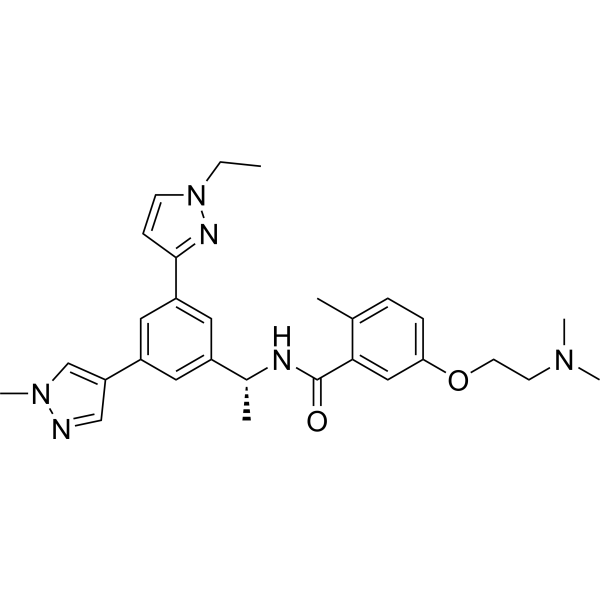
    4-Methylumbelliferyl 2-acetamido-2-deoxy-α-D-galactopyranoside is a fluorogenic substrate for studying the enzymatic activity of α-galactosidase. 4-Methylumbelliferyl 2-acetamido-2-deoxy-α-D-galactopyranoside is used to analyze enzyme activity in various biological samples, helping scientists gain insight into the function of the enzyme in vivo. 4-Methylumbelliferyl 2-acetamido-2-deoxy-α-D-galactopyranoside can also be used to screen potential compounds to inhibit or activate this enzyme.
    4-Methylumbelliferyl 2-acetamido-2-deoxy-α-D-galactopyranoside
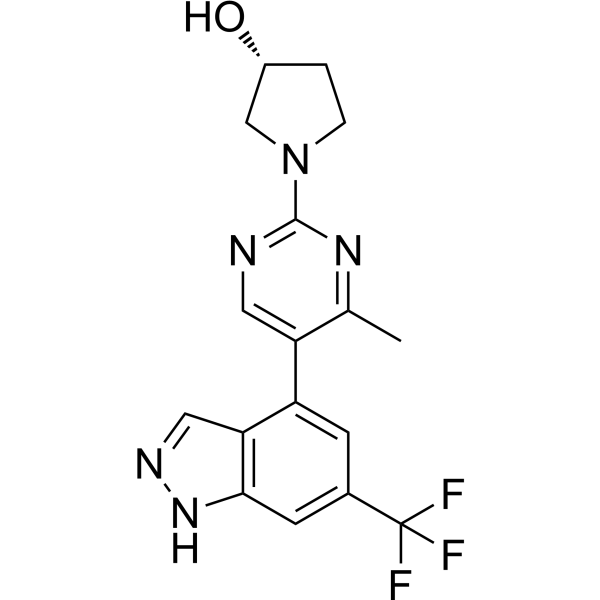
  • HY-174296

    PI5P4K Others
    TMX-4102 is a highly selective phosphatidylinositol 5-phosphate 4-kinase type II gamma (PIP4K2C) binder. TMX-4102 has binding activity to PIP4K2C (Kd = 0.45 nM) and has no significant effect on other lipid and non-lipid kinases.TMX-4102 specifically binds to PIP4K2C, regulating its scaffold function rather than its enzymatic activity. TMX-4102 can be used as a tool molecule to study the biological function and potential therapeutic value of PIP4K2C .
    TMX-4102
  • HY-W099563

    Biochemical Assay Reagents Others
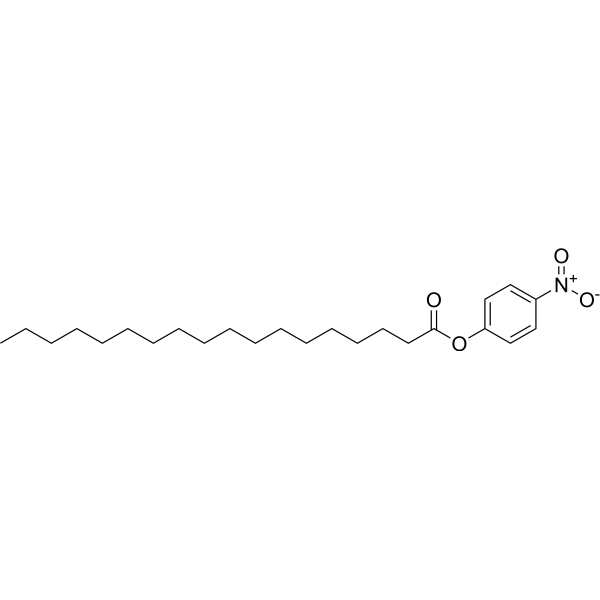
    4-Nitrophenyl stearate, which is an ester formed by the condensation of stearic acid and 4-nitrophenol, is commonly used as a substrate for enzymatic assays, where the hydrolysis of ester bonds by esterase and lipase can be measured by absorbance or ratio In addition, 4-Nitrophenyl stearate has been used as a model compound to study the enzymatic activity and selectivity of lipases and esterases from various sources. The long hydrophobic tail of the molecule makes it suitable for use in lipophilic Good solubility in the environment makes it a useful probe for studying lipid metabolism.
    4-Nitrophenyl stearate
  • HY-P10775

    Peptide-Drug Conjugates (PDCs) MMP Cancer
    BT1769 is a MT1-MMP-targeted (KD = 3.35 nM) Bicycle toxin conjugate. BT1769 can be used in the study for osteosarcoma. BT1769 consists of a novel bicyclic targeting peptide that selectively binds MT1-MMP; a cytotoxin MMAE; and an enzymatically cleavable dipeptide linker .
    BT1769
  • HY-178370

    Ferroptosis Reactive Oxygen Species (ROS) Cancer
    Ferroptosis inducer-12 is a potent and selective ferroptosis inducer. Ferroptosis inducer-12 exhibits potent antiproliferative activity against HT1080 and OS-RC-2, with IC50 values of 3 nM and 5 nM, respectively. Ferroptosis inducer-12 strongly inhibits GPX4 enzymatic activity, induces intracellular ROS and elevates intracellular Fe 2+ levels in OS-RC-2 cells. Ferroptosis inducer-12 significantly inhibits tumor growth in BALB/c nude mice bearing OS-RC-2 xenografts. Ferroptosis inducer-12 can be used for the study of cancer .
    Ferroptosis inducer-12
  • HY-178378

    Histone Methyltransferase GLP Receptor Reactive Oxygen Species (ROS) Autophagy Apoptosis Cancer
    G9a-IN-4 is a G9a inhibitor with high selectivity (IC50 = 32 nM). G9a-IN-4 shows high selectivity against the other tested lysine/arginine methyltransferases. G9a-IN-4 exhibits high enzymatic activity against G9a and more potent antiproliferative effects against all tested cancer cells. G9a-IN-4 significantly suppresses the H3K9me2 level. G9a-IN-4 triggers autophagy by inducing the production of ROS, thus leading to cell apoptosis and cell cycle arrest at G0/G1 in CT26 colon cells. G9a-IN-4 can be used for the study of colon cancer .
    G9a-IN-4
  • HY-178057

    EGFR Akt Anaplastic lymphoma kinase (ALK) Apoptosis Cancer
    EGFR-IN-176 is an orally active and ATP-competitive EGFR mutant inhibitor (particularly C797S-mediated EGFR triple mutant). EGFR-IN-176 effectively inhibits subsequent AKT signaling and induces apoptosis in Ba/F3 and PC-9 cells expressing EGFR 19del/T790M/C797S and EGFR L858R/T790M/C797S. EGFR-IN-176 selectively inhibits EGFR signaling in cell lines harboring EGFR triple mutation and shows no inhibitory effect against A431 cells that express wild-type EGFR. EGFR-IN-176 can effectively inhibit the enzymatic activity of ALK (IC50 < 0.5 nM). EGFR-IN-176 can be used for the study of non-small cell lung cancer (NSCLC) .
    EGFR-IN-176
  • HY-P2344

    HIV Protease Infection
    HIV Protease Substrate 1, a fiuorogenic HIV protease substrate, can be used to study enzymatic activity of HIV protease .
    HIV Protease Substrate 1
  • HY-P2344A

    HIV Protease Infection
    HIV Protease Substrate 1 TFA, a fiuorogenic HIV protease substrate, can be used to study enzymatic activity of HIV protease .
    HIV Protease Substrate 1 TFA
  • HY-167820

    Biochemical Assay Reagents
    3-Ketosphingosine trifluoroacetate is a chemically modified sphingomyelin analog with specific enzymatic pathway research activity. It is mainly used to explore the functions of sphingomyelin kinases and lyases in sphingomyelin metabolism. 3-Ketosphingosine trifluoroacetate has important application value in the study of cell signal transduction and related diseases. The study of 3-Ketosphingosine trifluoroacetate helps to deepen the understanding of sphingomyelin-related biological processes.
    3-Ketosphingosine
  • HY-130220

    Drug Isomer Inflammation/Immunology
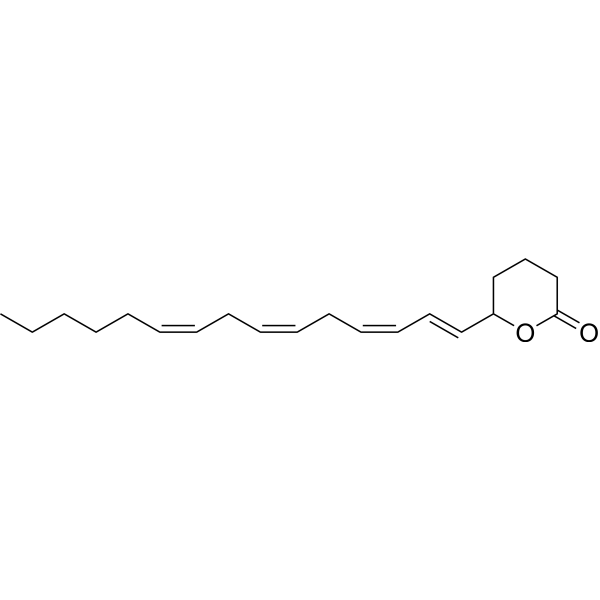
    (±)5-HETE lactone is the racemate of 5-HETE lactone. 5-HETE lactone is a metabolite generated by a series of enzymatic reactions of arachidonic acid, and is also a substrate of paraoxonase-1 (PON1). 5-HETE lactone can be used in the study of B cell activation .
    (±)5-HETE lactone
  • HY-P2296

    Fluorescent Dye Others
    Abz-FRLKGGAPIKGV-EDDNP TFA is a fluorogenic substrate used to measure the enzymatic activities of protease forms, such as papain-like protease 2 (PLP2) from severe acute respiratory syndrome coronavirus (SARS-CoV). Abz-FRLKGGAPIKGV-EDDNP TFA has the potential for study 2019-nCoV (COVID-19) infection .
    Abz-FRLKGGAPIKGV-EDDNP TFA
  • HY-W017785

    Diisopropylidene acetone

    Glutathione S-transferase Metabolic Disease Cancer
    Phorone (Diisopropylidene acetone) is a glutathione (GSH) depletor. Phorone specifically and reversibly depletes free GSH through enzymatic binding (Glutathione S-transferase) (Km = 0.9 mM). Phorone reversibly reduces the binding and nuclear uptake of glucocorticoid receptors in rat liver, and this effect is related to the temporal changes in GSH levels. Phorone can be used for studying liver toxicity.
    Phorone
  • HY-12689B

    AG-348 hemisulfate

    Pyruvate Kinase Metabolic Disease
    Mitapivat hemisulfate is an orally active pyruvate kinase allosteric activator. Mitapivat hemisulfate increases enzymatic activity, protein stability, and ATP levels over a broad range of PKLR genotypes, shows the potential to restore the activity of PK (pyruvate kinase)-deficient glycolytic pathways. Mitapivat hemisulfate can be used in study of PK deficiency .
    Mitapivat hemisulfate
  • HY-12689A

    AG-348 hemisulfate sesquihydrate

    Pyruvate Kinase Metabolic Disease
    Mitapivat hemisulfate sesquihydrate (AG-348) is an orally active pyruvate kinase allosteric activator. Mitapivat increases enzymatic activity, protein stability, and ATP levels over a broad range of PKLR genotypes, shows the potential to restore the activity of PK (pyruvate kinase)-deficient glycolytic pathways. Mitapivat can be used in study of PK deficiency .
    Mitapivat hemisulfate sesquihydrate
  • HY-137626

    P2Y Receptor Others
    Sp-ATPαS is a regulator of ATP-binding proteins. Sp-ATPαS is a competitive antagonist of the human P2Y1 receptor, which can inhibit the calcium signal induced by ADP. Sp-ATPαS is metabolically more stable than ATP . Sp-ATPαS can be used to study the binding patterns of metals and nucleotides in enzymatic reactions.
    Sp-ATPαS
  • HY-P3123

    Fluorescent Dye Others
    Dnp-RPLALWRS is a fluorescent peptide substrate designed for human matrilysin (MMP-7). After enzymatic cleavage of Dnp-RPLALWRS at the alanine-leucine bond, the release of the Dnp group alleviates fluorescence quenching, thereby enabling real-time quantitative analysis of MMP-7 activity by increasing tryptophan emission. Dnp-RPLALWRS provides a sensitive and efficient detection method for kinetic studies and inhibitor screenin .
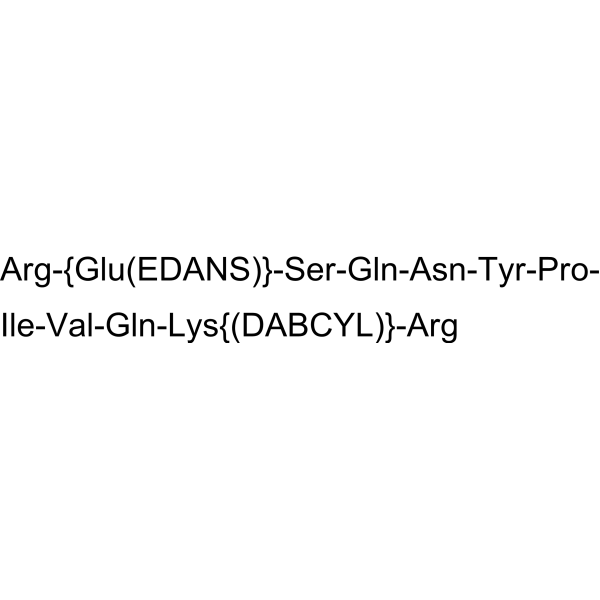
    Dnp-RPLALWRS
  • HY-176241

    Others Cardiovascular Disease
    DC-174 is an orally active inhibitor of snake venom metalloproteinases (SVMP) with a broad spectrum of inhibitory activity against a variety of snake venom SVMPs. DC-174 acts directly on the active site of SVMPs via zinc-binding groups, inhibiting their enzymatic activity and procoagulant toxicity. DC-174 can significantly prolong the survival time of mice attacked by snake venom. DC-174 can be used in the study of first aid for snake bites .

    DC-174
  • HY-W127719

    Biochemical Assay Reagents Others
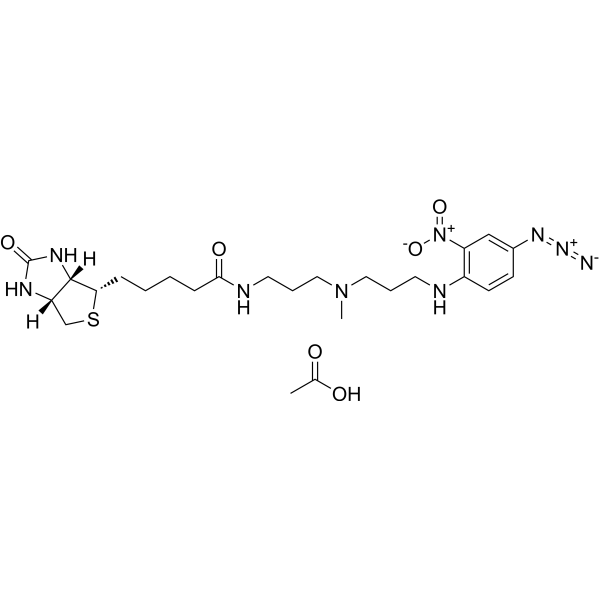
    Photobiotin (acetate)It is a biological probe used to study biochemical processes such as protein interactions and enzymatic reactions. It is a molecule containing a photosensitive group, which can be combined with specific target molecules (such as proteins, nucleic acids, etc.) through photochemical cross-linking technology, so as to realize the labeling and detection of these molecules. During the photosensitive crosslinking process, Photobiotin (acetate)Can participate in the formation of covalent bonds and form stable compounds. In addition, the compound also has high biocompatibility and biological activity, so it is widely used in the field of biomedical research, such as enzymatic research, proteomics, western blotting and other aspects. Photobiotin (acetate) is a click chemistry reagent, it contains an Azide group and can undergo copper-catalyzed azide-alkyne cycloaddition reaction (CuAAc) with molecules containing Alkyne groups. It can also undergo strain-promoted alkyne-azide cycloaddition (SPAAC) reactions with molecules containing DBCO or BCN groups.
    Photobiotin acetate
  • HY-130429

    Eoxin C4

    Endogenous Metabolite Inflammation/Immunology
    14,15-Leukotriene C4 (Eoxin C4) is a Leukotriene compound produced by the enzymatic reaction of arachidonic acid. 14,15-Leukotriene C4 has the activity of promoting inflammatory response. 14,15-Leukotriene C4 can increase the permeability of blood vessels, causing fluid and white blood cells to leak out of the blood vessels, which increases the number of inflammatory cells in the tissue. 14,15-Leukotriene C4 can be used in studies of asthma and other inflammatory diseases .
    14,15-Leukotriene C4
  • HY-138111

    p-Nitopheyl β-D-cellotetaoside

    Fluorescent Dye Others
    4-Nitrophenyl β-D-cellotetraoside (p-Nitopheyl β-D-cellotetaoside) is a small molecule cellulose mimetic consisting of a tetramer of D-glucose units linked by β-1-4 glycosidic bonds. The fragmentation pattern of 4-Nitrophenyl β-D-cellotetraoside after enzymatic hydrolysis can be analyzed by TLC or by the release of 4-nitrophenol, which has a strong absorbance at 395 nm in alkaline solutions. 4-Nitrophenyl β-D-cellotetraoside can be used in cellulose degradation studies to determine the specificity of cellulases .
    4-Nitrophenyl β-D-cellotetraoside

Inquiry Online

Your information is safe with us. * Required Fields.

Salutation


Country or Region *

Applicant Name *


Organization Name *

Department *


Email Address *


Product Name *

Cat. No.


Requested quantity *

Phone Number *


Remarks

Inquiry Online

Inquiry Information

Product Name:
Cat. No.:
Quantity:
MCE Japan Authorized Agent: