


1. Search Result
Search Result
Results for "

fatty acid triglyceride

" in MedChemExpress (MCE) Product Catalog:

55

Inhibitors & Agonists

1

Screening Libraries

2

Biochemical Assay Reagents

2

Peptides

11

Natural
Products

2

Isotope-Labeled Compounds

1

Oligonucleotides

Cat. No. 상품명 Target 연구분야 Chemical Structure
  • HY-N7075
    Inulin
    4 Publications Verification

    Endogenous Metabolite Infection Neurological Disease Metabolic Disease Cancer
    Inulin is an orally active prebiotic targeting the intestinal microbiota, selectively promoting the proliferation and activity of beneficial bacteria such as bifidobacteria and lactic acid bacteria, and playing a role in regulating the intestinal microecology. The functions of Inulin include: Fermentation by probiotics in the colon to produce short-chain fatty acids (such as butyrate and propionate), lowering the intestinal pH and inhibiting the overgrowth of harmful bacteria; Enhancing the intestinal barrier function and reducing endotoxin translocation; Directly scavenging free radicals (such as superoxide free radicals, hydroxyl free radicals) and activating antioxidant enzymes (SOD, CAT) to reduce oxidative stress. Inulin can also be used in the study of intestinal diseases (constipation, IBD), metabolic syndrome (diabetes, obesity) and liver damage by regulating glucose and lipid metabolism (such as reducing triglycerides, improving insulin sensitivity) and immune response (enhancing NK cell activity, inhibiting inflammatory factors)[1][2][3][4].
    Inulin
  • HY-135425
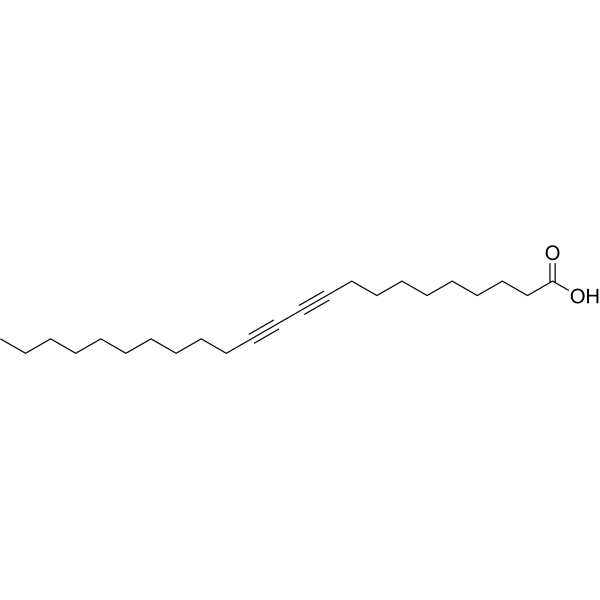
    10,12-Tricosadiynoic acid
    Maximum Cited Publications
    9 Publications Verification

    Acyltransferase Metabolic Disease
    10,12-Tricosadiynoic acid is a highly specific, selective, high affinity and orally active acyl-CoA oxidase-1 (ACOX1) inhibitor. 10,12-Tricosadiynoic acid can treat high fat diet- or obesity-induced metabolic diseases by improving mitochondrial lipid and ROS metabolism . 10,12-Tricosadiynoic acid is a click chemistry reagent, it contains an Alkyne group and can undergo copper-catalyzed azide-alkyne cycloaddition (CuAAc) with molecules containing Azide groups.
    10,12-Tricosadiynoic acid
  • HY-B0747

    EPA ethyl ester; Ethyl eicosapentaenoate; AMR101

    Endogenous Metabolite Metabolic Disease
    Eicosapentaenoic acid ethyl ester (EPA ethyl ester) is an orally active ω-3 fatty acid agent. Eicosapentaenoic acid ethyl ester could improve the activity of liver β-oxidase in vitro, reduce the level of liver total triglyceride, increase the content of liver triglyceride and phospholipid ω-3 fatty acid, and increase the total ω-3 fatty acid level in rats .
    Eicosapentaenoic acid ethyl ester
  • HY-W011404
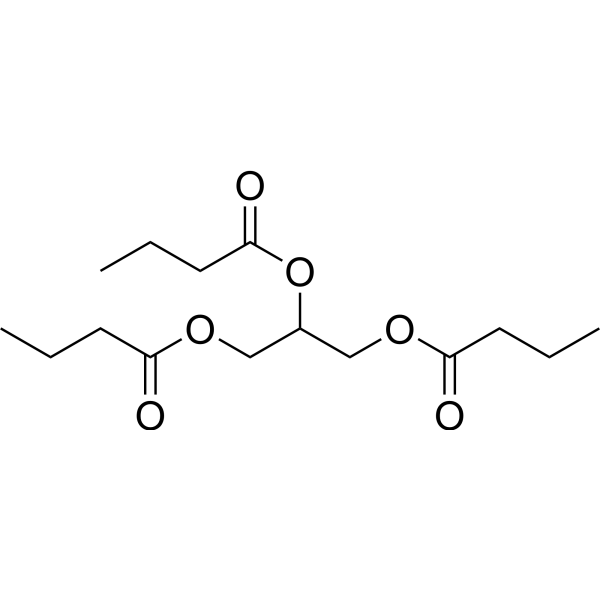
    Tributyrin
    1 Publications Verification

    Glyceryl tributyrate

    Apoptosis TNF Receptor Interleukin Related Metabolic Disease Cancer
    Tributyrin (Glyceryl tributyrate), a neutral short-chain fatty acid triglyceride, is a stable and rapidly absorbed proagent of Butyric Acid. Tributyrin diffuses through biological membranes and is metabolized by intracellular lipases, releasing effective butyrate directly into the cell in vivo. Tributyrin has potent antiproliferative, proapoptotic and differentiation-inducing effects .
    Tributyrin
  • HY-W013136

    UX007

    Biochemical Assay Reagents Neurological Disease
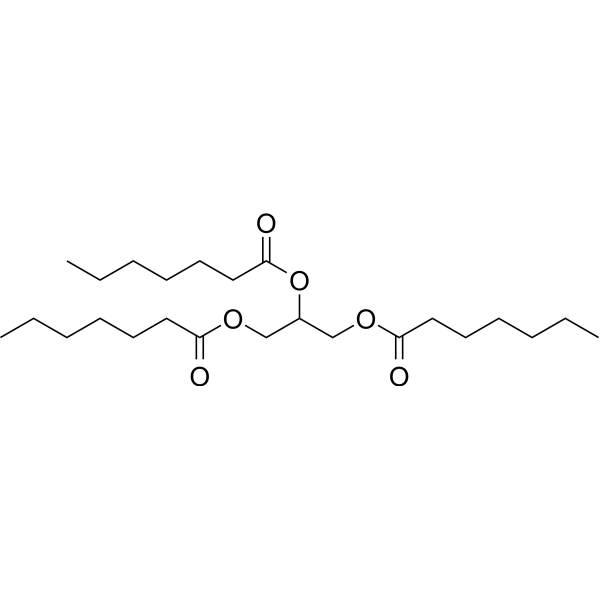
    Triheptanoin (Propane-1,2,3-triyl triheptanoate) is a synthetic medium-chain triglyceride (MCT) consisting of three odd-chain 7-carbon (heptanoate) fatty acids on a glycerol backbone. Triheptanoin can be used for the research of inherited metabolic disorders .
    Triheptanoin
  • HY-N2593
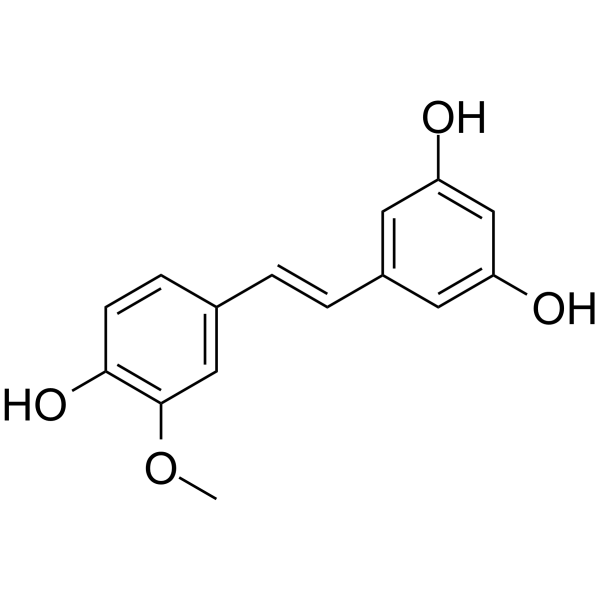
    Isorhapontigenin
    4 Publications Verification

    Carnitine Palmitoyltransferase (CPT) Reactive Oxygen Species (ROS) Autophagy Apoptosis NF-κB PI3K Akt MMP Keap1-Nrf2 Metabolic Disease Inflammation/Immunology Cancer
    Isorhapontigenin is an orally active dietary polyphenol. Isorhapontigenin acts as a potent antioxidant that reduces the production of reactive oxygen species (ROS). Isorhapontigenin promotes the binding of JUN to the AP-1 site on the SESN2 promoter, induces SESN2 transcription, triggers MAPK8-dependent JUN activation, and upregulates the expression of PPAR-α, PGC-1α and CPT-1A to facilitate fatty acid oxidation. Isorhapontigenin induces autophagy, apoptosis and preadipocyte differentiation; it inhibits tumor growth, cell invasion, NF-κB transcriptional activity, the PI3K/Akt signaling pathway, STAT1 phosphorylation and MMP-2 expression. Isorhapontigenin alleviates oxidative stress, inflammatory cytokine release and triglyceride accumulation; it increases intracellular ATP levels and promotes Nrf2 nuclear translocation. Isorhapontigenin improves insulin sensitivity in adipose tissue and glucose tolerance, and reduces postprandial blood glucose, insulin and free fatty acid levels. Isorhapontigenin is applicable to research on bladder cancer, liver injury, chronic obstructive pulmonary disease, acute lung injury and type 2 diabetes .
    Isorhapontigenin
  • HY-135087
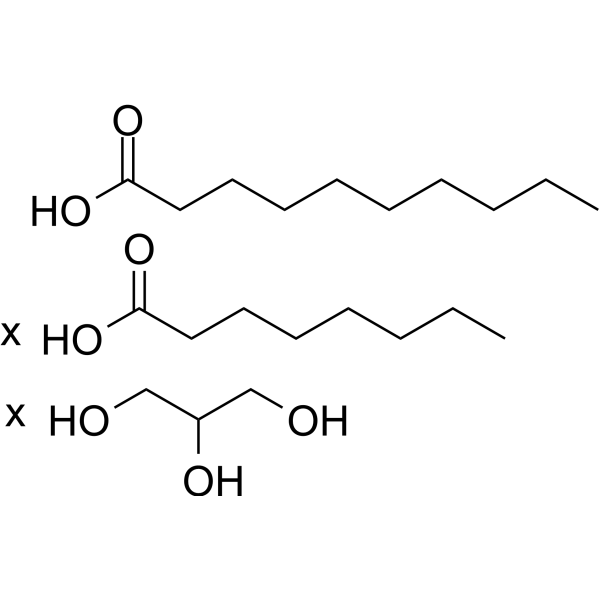
    Caprylic/Capric Triglyceride
    2 Publications Verification

    Environmental Pollutants Biochemical Assay Reagents Others
    Caprylic/Capric Triglyceride is a mixed triester of Octanoic acid (Caprylic acid) (HY-41417) and Capric acid oil possessing excellent oxidation stability. Caprylic/Capric Triglyceride is used as a food additive and used in cosmetics .
    Caprylic/Capric Triglyceride
  • HY-B2004

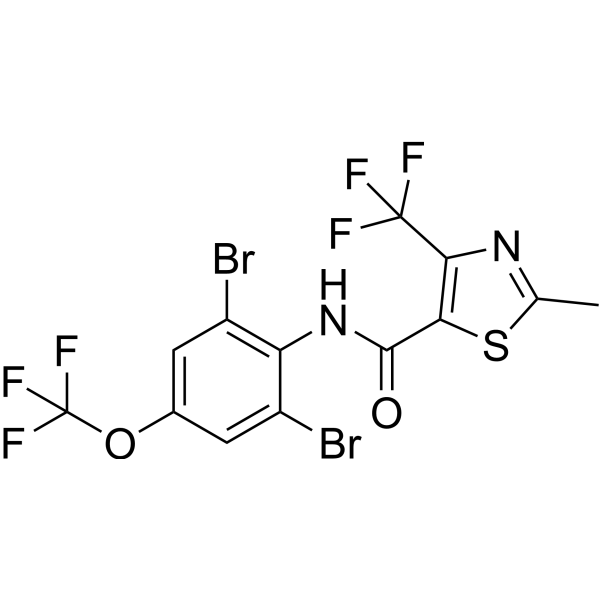
    Environmental Pollutants Fungal Mitochondrial Metabolism Infection
    Thifluzamide is a fungicide that inhibits fungal respiration by blocking the ubiquinone-binding site in mitochondrial complex II. Thifluzamide exhibits significant activity against Basidiomycota pathogens (such as Rhizoctonia cerealis, Ustilago and Puccinia genera) and is commonly used in studies on wheat sharp eyespot. Thifluzamide displays a dual mechanism in regulating lipid metabolism: it reduces fatty acid synthase activity to inhibit endogenous fatty acid synthesis, and increases carnitine palmitoyltransferase-I activity to accelerate fatty acid β-oxidation, thereby reducing total cholesterol and triglyceride levels in the liver. Thifluzamide also induces hepatotoxicity in zebrafish models and carries a risk of developmental toxicity. Thifluzamide inhibition of Rhizoctonia cerealis may result in low to moderate levels of drug resistance, leading to the generation of stable drug-resistant mutants .
    Thifluzamide
  • HY-N0468
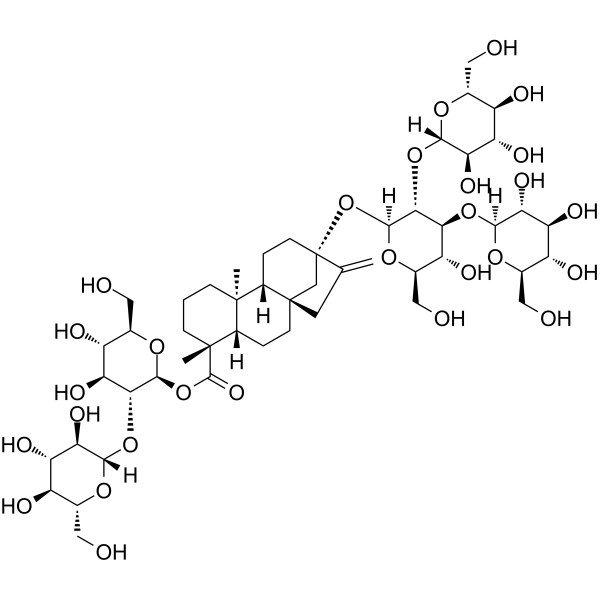
    Rebaudioside D
    1 Publications Verification

    FXR Acetyl-CoA Carboxylase Metabolic Disease
    Rebaudioside D is an orally active sweetener that targets and activates FXR, modulates Acetyl-CoA Carboxylase, and inhibits 3-hydroxy-3-methylglutaryl-CoA reductase. Rebaudioside D regulates bile acid homeostasis and lipid metabolism, reduces the synthesis rates of fatty acids and cholesterol, and exerts multiple effects including anti-adipogenesis, hepatoprotection, anti-steatosis, gut microbiota modulation, enhancement of secondary bile acid metabolism, anti-endotoxin activity, regulation of bile acid transport, and inhibition of bile acid efflux. Rebaudioside D also reduces body weight gain, visceral fat accumulation, hepatic triglyceride and cholesterol accumulation, hepatic lipid peroxidation, and decreases the circulating level of lipopolysaccharide-binding protein. Rebaudioside D additionally enhances the secondary bile acid metabolic pathway of intestinal bacteria, upregulates the gene expression of ileal organic solute transporter α, and downregulates the gene expression of hepatic bile salt export pump. Rebaudioside D does not affect glucose homeostasis, alter total caloric intake or fecal energy excretion, induce weight gain, exacerbate obesity, promote hepatic steatosis, impair brown adipose tissue function, nor change skeletal muscle metabolism-related proteins. Rebaudioside D can be used in diet-induced obesity and obesity-related research .
    Rebaudioside D
  • HY-110390

    Carboxylesterase (CES) Free Fatty Acid Receptor Reactive Oxygen Species (ROS) Mitochondrial Metabolism Ferroptosis Apoptosis Cardiovascular Disease Cancer
    GR148672X is an inhibitor of carboxylesterase 1 (CES1) and hepatic microsomal triglyceride hydrolase (TGH). GR148672X blocks the catalytic activity of CES1, impairs the functions of triglyceride and cholesteryl ester lipase, reduces triglyceride mobilization and secretion, and decreases apolipoprotein B-100 secretion in primary rat hepatocytes. Under low-glucose conditions, GR148672X inhibits the survival of colorectal cancer cells by reducing free fatty acid availability, inducing toxic triglyceride accumulation, ROS production, mitochondrial damage, ferroptosis and apoptosis. GR148672X can be used in studies related to colorectal cancer and atherosclerosis .
    GR148672X
  • HY-124370

    9Z,11E-CLA; Methyl 9(Z),11(E)-octadecadienoate; (9Z,11E)-SFE 19:2

    Endogenous Metabolite Cardiovascular Disease Cancer
    9 (Z),11 (E)-Conjugated linoleic acid methyl ester (9Z,11E-CLA; Methyl 9 (Z),11 (E)-octadecadienoate; (9Z,11E)-SFE 19:2) is an isomer of Linoleic acid (HY-N0729), and is a conjugated linoleic acid mainly found in meat and dairy products. Conjugated linoleic acid is a bioactive fatty acid that improves body composition, enhances immune system function, and exhibits anti-cancer and anti-atherosclerotic effects .
    9(Z),11(E)-Conjugated linoleic acid methyl ester
  • HY-Y1422H

    Environmental Pollutants Biochemical Assay Reagents Lipase Others
    Lipase, Candida cylindracea (Immobilized) is an immobilized hydrolase and biocatalyst with relaxed positional and substrate specificity. Lipase, Candida cylindracea (Immobilized) can target primary and secondary ester bonds to completely hydrolyze triglycerides into fatty acids and glycerol, producing only trace amounts of monoglycerides. Lipase, Candida cylindracea (Immobilized) exhibits chain specificity, with a relatively fast hydrolysis rate for oleic acid and lauric acid chains, and the slowest hydrolysis rate for stearic acid chains. Lipase, Candida cylindracea (Immobilized) shows high catalytic activity toward long-chain triglycerides under the conditions of pH 8.0 and 37°C .
    Lipase,Candida cylindracea (Immobilized)
  • HY-19870C
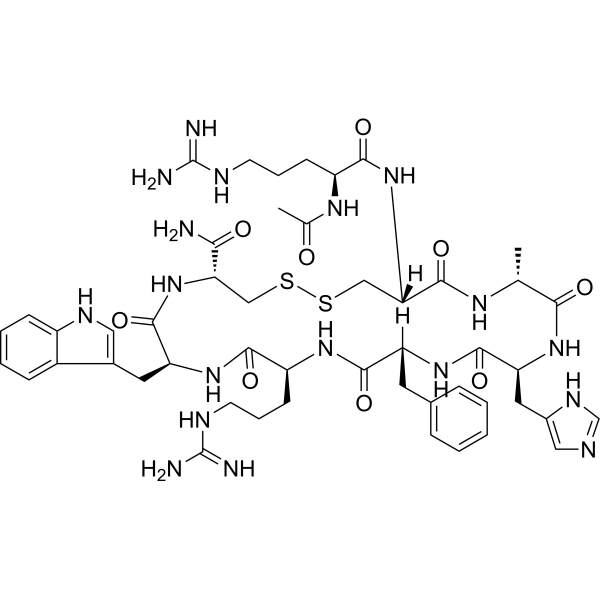
    Setmelanotide monoacetate
    5+ Cited Publications

    RM-493 monoacetate; BIM-22493 monoacetate; IRC-022493 monoacetate

    Melanocortin Receptor Calmodulin AMPK Cardiovascular Disease Metabolic Disease Inflammation/Immunology
    Setmelanotide monoacetate (RM-493 monoacetate) is a blood-brain barrier-permeable, selective MC4R agonist with a Ki value of 2.1 nM for hMC4R. Setmelanotide monoacetate activates the CaMKK2/AMPK signaling pathway. Setmelanotide monoacetate mediates body weight homeostasis, feeding regulation and energy expenditure modulation; it reduces food intake, induces weight loss, decreases obesity severity, increases daytime activity and energy expenditure, lowers levels of leptin, triglycerides, fasting insulin and diastolic blood pressure, improves insulin sensitivity, glucose tolerance and fatty liver condition, and reverses respiratory depression. Setmelanotide monoacetate is applicable to research related to obesity, hyperinsulinemia, fatty liver and respiratory depression .
    Setmelanotide monoacetate
  • HY-133178

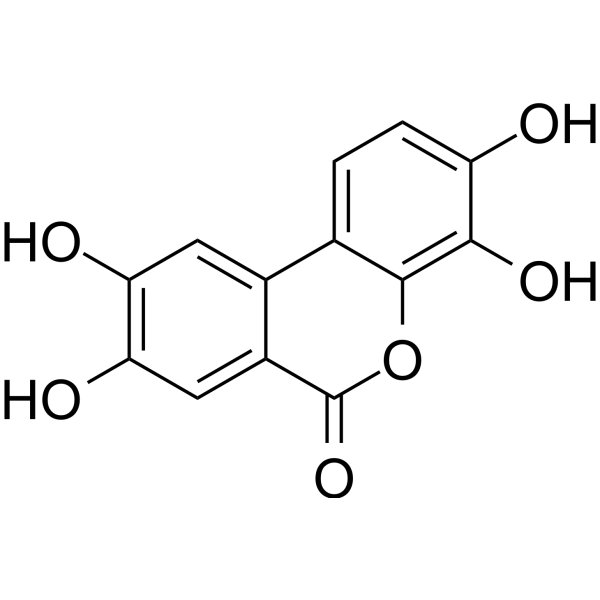
    3,4,8,9-Tetrahydroxy urolithin

    Ephrin Receptor PPAR AMPK Metabolic Disease Inflammation/Immunology Cancer
    Urolithin D (3,4,8,9-Tetrahydroxy urolithin) is a colonic metabolite of Ellagitannins and a competitive, reversible, and selective antagonist of the EphA receptor. Urolithin D inhibits EphA2-ephrin-A1 binding with an IC50 of 0.9 μM. Urolithin D is also a potent antioxidant that scavenges free radicals and repairs oxidized DNA damage. Additionally, Urolithin D suppresses triglyceride accumulation and promotes fatty acid oxidation by activating the AMPK signaling pathway. Urolithin D can be used for research on tumors, metabolic, and inflammatory diseases .
    Urolithin D
  • HY-N14035

    FABP PPAR Metabolic Disease
    Garcinia cambogia extract is an orally active anti-obesity agent . Garcinia cambogia extract upregulates the gene expression of aP2, SREBP1c, PPARγ2 and C/EBPα. Garcinia cambogia extract reduces the rate of body weight gain, visceral fat accumulation, lipid levels in blood and liver, as well as plasma insulin and leptin levels . Garcinia cambogia extract ameliorates high-fat diet-induced obesity .
    Garcinia cambogia extract
  • HY-106181

    R-106056

    PPAR Cardiovascular Disease Metabolic Disease
    Rivoglitazone (R-106056) is an orally active, selective PPARγ agonist with an EC50 of 0.22 μM for hPPARγ. Rivoglitazone regulates fatty acid storage and uptake, glucose homeostasis, and cardiac glucose/fatty acid metabolism. Rivoglitazone reduces levels of hyperglycemia, hyperinsulinemia, and hypertriglyceridemia, decreases hepatic glucose production, and accelerates plasma triglyceride clearance. Rivoglitazone induces a reduction in glycated hemoglobin A1C, while causing peripheral edema and weight gain. Rivoglitazone can be used in research related to type 2 diabetes .
    Rivoglitazone
  • HY-Y1422B
    Lipase (MS grade)
    1 Publications Verification

    Endogenous Metabolite Metabolic Disease
    Lipase (MS grade) catalyzes the hydrolysis of triacylglycerols to release long-chain fatty acids in a site-specific manner. Lipase (MS grade) is involved in a variety of biological processes, from fat metabolism to cell signaling and inflammation, and can be used to study diseases such as pancreatic insufficiency, celiac disease and cystic fibrosis .
    Lipase (MS grade)
  • HY-168533

    HIF/HIF Prolyl-Hydroxylase Metabolic Disease
    ZG-2305 is a potent, orally active and selective factor inhibiting hypoxia-inducible factor (FIH) inhibitor with Ki values of 79.6, 2786 nM for FIH, PHD2, respectively. ZG-2305 increases the expression of EGLN3 gene. ZG-2305 decreases the cellular triglycerides levels and reduces lipid accumulation. ZG-2305 has the potential for the research of obesity and fatty liver disease .
    ZG-2305
  • HY-W587772

    MEHHTP

    Drug Metabolite Metabolic Disease
    Mono (2-ethyl-5-hydroxyhexyl) terephthalate (MEHHTP), a hydroxyl metabolite of the phthalate alternative Di-2-ethylhexyl terephthalate (DEHTP), is a liver X receptor α (LXRα) agonist with a binding energy of -7.41 kcal/mol. Mono (2-ethyl-5-hydroxyhexyl) terephthalate upregulates LXRα downstream targets such as SREBP-1c and FASN and increases lipogenic enzyme activity in hepatocytes, and elevating triglyceride (TG) levels. Mono (2-ethyl-5-hydroxyhexyl) terephthalate is promising for research of nonalcoholic fatty liver disease (NAFLD) .
    Mono(2-ethyl-5-hydroxyhexyl) terephthalate
  • HY-P11358

    Angiotensin-converting Enzyme (ACE) Acetyl-CoA Carboxylase Mitochondrial Metabolism Inflammation/Immunology
    IRW is an orally active tripeptide produced from egg white with angiotensin converting enzyme (ACE) inhibitory properties. IRW can prevent high-fat diet (HFD)-induced Non-alcoholic fatty liver disease (NAFLD) by modulating hepatic lipid metabolism and increasing mitochondrial content. IRW decreases hepatic triglyceride content and lipid droplet size. IRW increases the hepatic mitochondrial complexes and citrate synthase activity, phosphorylation of 5’-AMP-activated protein kinase and microsomal triglyceride transfer protein abundance. IRW increases phosphorylated acetyl CoA carboxylase and mitochondrial complexes, IRW can be used for the research of inflammation .
    IRW
  • HY-N9768

    9-oxo-ODA

    Fungal PPAR Infection
    (10E,12E)-9-Oxo-10,12-octadecadienoic acid (9-oxo-ODA) is a PPARα agonist that can be isolated from the basidiomycete Gomphus floccosus. (10E,12E)-9-Oxo-10,12-octadecadienoic acid enhances fatty acid oxidation through PPARα activation, thereby inhibiting triglyceride accumulation. (10E,12E)-9-Oxo-10,12-octadecadienoic acid also has antifungal (Fungal) activity .
    (10E,12E)-9-Oxo-10,12-octadecadienoic acid
  • HY-120958

    C24:6n-3

    Endogenous Metabolite Metabolic Disease
    Nisinic acid (C24:6n-3) is a very long chain polyunsaturated fatty acid (VLCPUFA) that is a component of triglycerides and cholesterol esters in mouse and rat testis .
    Nisinic acid
  • HY-123115

    5-O-α-D-Glucopyranosyl-D-fructose

    JAK STAT TNF Receptor Interleukin Related Metabolic Disease Inflammation/Immunology
    Leucrose (5-O-α-D-Glucopyranosyl-D-fructose) is an orally active Sucrose (HY-B1779) isomer naturally found in pollen and honey. Leucrose promotes phosphorylation of JAK1 and STAT6, reduces pro-inflammatory mediators and cytokinesas (TNFα, and IL-1β), increases M2 macrophage polarization and suppresses DSS (HY-116282C)-induced colitis. Leucrose suppresses hepatic triglyceride accumulation, improves fasting blood glucose levels, and regulates hepatic lipogenesis and fatty acid β-oxidation in high-fat diet-induced obese mice. Leucrose is slowly hydrolyzed into glucose and fructose by α-glucosidase and acts as as a sugar substitute in diet .
    Leucrose
  • HY-W011404R

    Glyceryl tributyrate (Standard)

    Apoptosis Reference Standards TNF Receptor Interleukin Related Metabolic Disease Cancer
    Tributyrin (Glyceryl tributyrate), a neutral short-chain fatty acid triglyceride, is a stable and rapidly absorbed proagent of Butyric Acid. Tributyrin diffuses through biological membranes and is metabolized by intracellular lipases, releasing effective butyrate directly into the cell in vivo. Tributyrin has potent antiproliferative, proapoptotic and differentiation-inducing effects .
    Tributyrin (Standard)
  • HY-W709553
    Glyceryl Triformate
    1 Publications Verification

    triglyceride

    Endogenous Metabolite Cardiovascular Disease Inflammation/Immunology
    Glyceryl Triformate (Triglyceride) is the major form of storage and transport of fatty acids within cells and in the plasma. Glyceryl Triformate forms lipoproteins with cholesterol ester, and participates in the blood circulation. Glyceryl Triformate can lead to hypertriglyceridemia (HTG), which increases the risk of atherosclerotic cardiovascular disease (ASCVD) and pancreatitis .
    Glyceryl Triformate
  • HY-141642

    Glycerol triheptadecanoate; Trimargarin

    Biochemical Assay Reagents Others
    Triheptadecanoin (Glycerol triheptadecanoate) is an internal standard for the rapid GC analysis of fatty acid methyl esters in edible fats and oils. Triheptadecanoin enables the quantitative analysis of trans-fatty acid content in edible fats and oils via a rapid GC method. Triheptadecanoin smoothly undergoes methylation with m-TFPTAH in toluene solution at room temperature .
    Triheptadecanoin
  • HY-154632

    Biochemical Assay Reagents Others
    Omega 3 fatty acid triglycerides can be used as an excipient. Pharmaceutical excipients, or pharmaceutical auxiliaries, refer to other chemical substances used in the pharmaceutical process other than pharmaceutical ingredients. Pharmaceutical excipients generally refer to inactive ingredients in pharmaceutical preparations, which can improve the stability, solubility and processability of pharmaceutical preparations. Pharmaceutical excipients also affect the absorption, distribution, metabolism, and elimination (ADME) processes of co-administered drugs .
    Omega 3 fatty acid triglycerides
  • HY-N0468R

    Reference Standards Acetyl-CoA Carboxylase FXR Metabolic Disease
    Rebaudioside D (Standard) is the analytical standard of Rebaudioside D. This product is intended for research and analytical applications. Rebaudioside D is an orally active sweetener that targets and activates FXR, modulates Acetyl-CoA Carboxylase, and inhibits 3-hydroxy-3-methylglutaryl-CoA reductase. Rebaudioside D regulates bile acid homeostasis and lipid metabolism, reduces the synthesis rates of fatty acids and cholesterol, and exerts multiple effects including anti-adipogenesis, hepatoprotection, anti-steatosis, gut microbiota modulation, enhancement of secondary bile acid metabolism, anti-endotoxin activity, regulation of bile acid transport, and inhibition of bile acid efflux. Rebaudioside D also reduces body weight gain, visceral fat accumulation, hepatic triglyceride and cholesterol accumulation, hepatic lipid peroxidation, and decreases the circulating level of lipopolysaccharide-binding protein. Rebaudioside D additionally enhances the secondary bile acid metabolic pathway of intestinal bacteria, upregulates the gene expression of ileal organic solute transporter α, and downregulates the gene expression of hepatic bile salt export pump. Rebaudioside D does not affect glucose homeostasis, alter total caloric intake or fecal energy excretion, induce weight gain, exacerbate obesity, promote hepatic steatosis, impair brown adipose tissue function, nor change skeletal muscle metabolism-related proteins. Rebaudioside D can be used in diet-induced obesity and obesity-related research .
    Rebaudioside D (Standard)
  • HY-123765

    Acyltransferase Metabolic Disease
    JTT-553 is a DGAT1 inhibitor (IC50: 2.38 nM). JTT-553 reduces plasma concentrations of glucose, insulin, non-esterified fatty acids (NEFA), total cholesterol (TC), and hepatic triglycerides (TG). JTT-553 improves insulin-dependent glucose uptake and glucose intolerance in adipose tissue of DIO mice. JTT-553 reduces TNF-α mRNA levels and increases GLUT4 mRNA levels in adipose tissue of KK-Ay mice. JTT-553 improves adipose tissue insulin resistance and systemic glucose metabolism by reducing body weight. JTT-553 can be used in the study of obesity and type 2 diabetes mellitus (T2DM) .
    JTT-553
  • HY-165111

    1,2-Olein-3-myristin; TG(18:1/18:1/14:0)

    Endogenous Metabolite Others
    1,2-Dioleoyl-3-myristoyl-rac-glycerol (1,2-Olein-3-myristin) is a compound that is being studied as a triglyceride in bumblebee fat body. Chromatographic analysis revealed differences in fatty acid composition and triglyceride isomer distribution in different bumblebee species.
    1,2-Dioleoyl-3-myristoyl-rac-glycerol
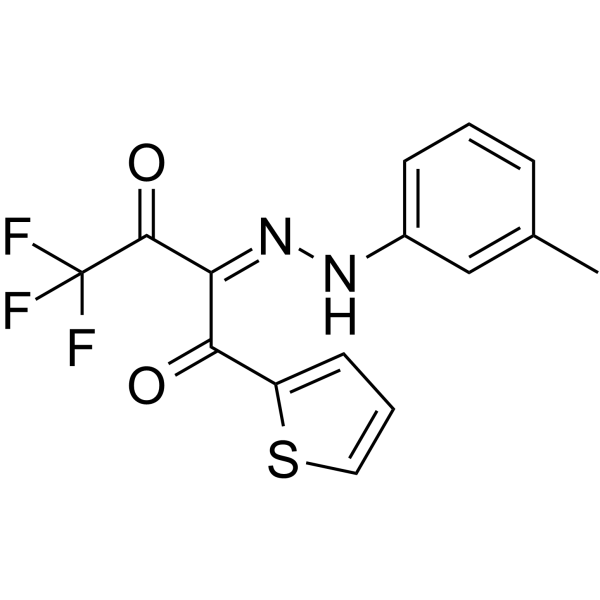
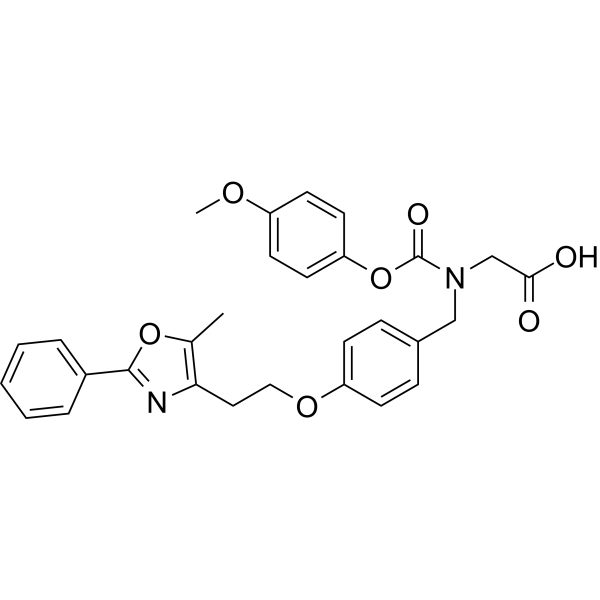
  • HY-117459

    PPAR Metabolic Disease
    E-3030 free acid is a potent dual activator of peroxisome proliferator-activated receptor (PPAR) alpha and PPARgamma, exhibiting significant antidiabetic and lipid-modulating effects. E-3030 decreases blood glucose, triglyceride, non-esterified fatty acids, and insulin levels, while increasing blood adiponectin levels. E-3030 improves glucose tolerance and shows remarkable triglyceride- and non-high-density lipoprotein cholesterol-lowering effects in animal models.
    E-3030 free acid
  • HY-109089S

    15(S)-HEPE-d5 ethyl ester; 15(S)-Hydoxy EPA-d5 ethyl ester; 15(S)-Hydoxy eicosapetaeoic acid-d5 ethyl ester

    Isotope-Labeled Compounds Others
    Epeleuton-d5 (15(S)-HEPE-d5 ethyl ester) is deuterium labeled Epeleuton. Epeleuton is a second-generation synthetic N-3 fatty acid derivative with activity in patients with non-alcoholic fatty liver disease, although it did not reach the primary endpoints of alanine aminotransferase and liver stiffness, but it can significantly reduce triglycerides, glycated hemoglobin, plasma glucose and inflammatory markers .
    Epeleuton-d5
  • HY-139230

    Cannabinoid Receptor PPAR Metabolic Disease
    OLHHA is a dual CB1 receptor antagonist and PPARα agonist. OLHHA also is a alcohol intake inhibitor with an EC50 value of 0.2 mg/kg. OLHHA reduces both hepatic lipid accumulation and circulating triglyceride levels. OLHHA shows anti-steatotic activity and has the potential for the research of non-alcoholic fatty liver disease (NAFLD) .
    OLHHA
  • HY-W013136R

    UX007 (Standard)

    Biochemical Assay Reagents Reference Standards Neurological Disease
    Triheptanoin (Standard) is the analytical standard of Triheptanoin. This product is intended for research and analytical applications. Triheptanoin (Propane-1,2,3-triyl triheptanoate) is a synthetic medium-chain triglyceride (MCT) consisting of three odd-chain 7-carbon (heptanoate) fatty acids on a glycerol backbone. Triheptanoin can be used for the research of inherited metabolic disorders .
    Triheptanoin (Standard)
  • HY-W706672

    Glycerol Tritricosanoate; TG(23:0/23:0/23:0); Tritricosanoin

    Endogenous Metabolite Metabolic Disease
    1,2,3-Tritricosanoyl glycerol is a triacylglycerol that contains tricosanoic acid (HY-W009081) at the sn-1, sn-2, and sn-3 positions. It has been used as an internal standard for the quantification of fatty acids in the triglyceride component of human aortic endothelial cells (HAECs) grown in media supplemented with stearic and/or oleic acid.
    Propane-1,2,3-triyl tritricosanoate
  • HY-128135

    PPAR Inflammation/Immunology
    MHY 553 is a PPARα agonist that is effective when taken orally. MHY 553 helps alleviate liver fat accumulation by increasing fatty acid oxidation and reducing inflammation during the aging process. MHY 553 inhibits the accumulation of triglycerides induced by liver X receptor agonists in HepG2 cells. MHY 553 significantly suppresses the expression of inflammatory mRNA in aging rats .
    MHY 553
  • HY-165052

    1,3-Didocosahexaenoin-2-palmitin; DPD; TG(22:6/16:0/22:6)

    Others Others
    1,3-Didocosahexaenoyl-2-palmitoyl glycerol (1,3-Didocosahexaenoin-2-palmitin) is a compound that is being studied as a triglyceride positional isomer in fish and marine mammals. The fatty acid binding position of 1,3-Didocosahexaenoyl-2-palmitoyl glycerol varies in different organisms, which may be related to the substrate preference of related enzymes.
    1,3-Didocosahexaenoyl-2-palmitoyl glycerol
  • HY-100299A

    Farnesyl Transferase Cardiovascular Disease Metabolic Disease
    RPR107393 is an orally active potent selective squalene synthase (SQS) inhibitor. RPR107393 inhibits rat liver microsomal squalene synthase with an IC50 value of 0.8 nM. RPR107393 reduces triglyceride biosynthesis by suppressing fatty acid biosynthesis via an increase in intracellular farnesol and its derivatives. RPR107393 reduces plasma cholesterol in rats and marmosets. RPR107393 can be used for metabolic disease research, such as hypercholesterolemia, hypertriglyceridemia and atherosclerosis .
    RPR107393
  • HY-B2004R

    Reference Standards Fungal Mitochondrial Metabolism Infection
    Thifluzamide (Standard) is the analytical standard of Thifluzamide. This product is intended for research and analytical applications. Thifluzamide is a fungicide that inhibits fungal respiration by blocking the ubiquinone-binding site in mitochondrial complex II. Thifluzamide exhibits significant activity against Basidiomycota pathogens (such as Rhizoctonia cerealis, Ustilago and Puccinia genera) and is commonly used in studies on wheat sharp eyespot. Thifluzamide displays a dual mechanism in regulating lipid metabolism: it reduces fatty acid synthase activity to inhibit endogenous fatty acid synthesis, and increases carnitine palmitoyltransferase-I activity to accelerate fatty acid β-oxidation, thereby reducing total cholesterol and triglyceride levels in the liver. Thifluzamide also induces hepatotoxicity in zebrafish models and carries a risk of developmental toxicity. Thifluzamide inhibition of Rhizoctonia cerealis may result in low to moderate levels of drug resistance, leading to the generation of stable drug-resistant mutants .
    Thifluzamide (Standard)
  • HY-146398

    AMPK Metabolic Disease
    AMPK activator 6 (Compound GC) reduces lipid content and activates the AMPK pathway in HepG2 and 3T3-L1 cells. AMPK activator 6 significantly suppresses the increase in triglyceride (TG) , total cholesterol (TC), low-density lipoprotein-C (LDL-C), and other biochemical indices in blood serum. AMPK activator 6 can be used for the research of non-alcoholic fatty liver disease (NAFLD) and metabolic syndrome .
    AMPK activator 6
  • HY-19227

    PPAR Cardiovascular Disease
    BM 170249 is a peroxisome proliferator, particularly in the perivenous region of the central acini in the liver. BM 170249 significantly reduces serum triglyceride and cholesterol levels in rats. BM 170249 strongly induces the activity of key enzymes in the peroxisome fatty acid β-oxidation system (such as acyl-CoA oxidase AOX, multifunctional enzyme PH, and thiolase PT), but leads to decreased activity of catalase and uricase in peroxisome components. BM 170249 could be used in lipid-lowering studies .
    BM 170249
  • HY-100299

    Farnesyl Transferase Cardiovascular Disease Metabolic Disease
    RPR107393 free base is an orally active potent selective squalene synthase (SQS) inhibitor. RPR107393 free base inhibits rat liver microsomal squalene synthase with an IC50 value of 0.8 nM. RPR107393 free base reduces triglyceride biosynthesis by suppressing fatty acid biosynthesis via an increase in intracellular farnesol and its derivatives. RPR107393 free base reduces plasma cholesterol in rats and marmosets. RPR107393 free base can be used for metabolic disease research, such as hypercholesterolemia, hypertriglyceridemia and atherosclerosis [1][2].
    RPR107393 free base
  • HY-133178R

    3,4,8,9-Tetrahydroxy urolithin (Standard)

    Reference Standards Ephrin Receptor PPAR AMPK Metabolic Disease Inflammation/Immunology Cancer
    Urolithin D (Standard) (3,4,8,9-Tetrahydroxy urolithin (Standard)) is the analytical standard of Urolithin D (HY-133178). This product is intended for research and analytical applications. Urolithin D (3,4,8,9-Tetrahydroxy urolithin) is a colonic metabolite of Ellagitannins and a competitive, reversible, and selective antagonist of the EphA receptor. Urolithin D inhibits EphA2-ephrin-A1 binding with an IC50 of 0.9 μM. Urolithin D is also a potent antioxidant that scavenges free radicals and repairs oxidized DNA damage. Additionally, Urolithin D suppresses triglyceride accumulation and promotes fatty acid oxidation by activating the AMPK signaling pathway. Urolithin D can be used for research on tumors, metabolic, and inflammatory diseases .
    Urolithin D (Standard)
  • HY-N2593R

    Reference Standards Carnitine Palmitoyltransferase (CPT) Reactive Oxygen Species (ROS) Autophagy Apoptosis NF-κB PI3K Akt MMP Keap1-Nrf2 Inflammation/Immunology Cancer
    Isorhapontigenin (Standard) is the analytical standard of Isorhapontigenin (HY-N2593). This product is intended for research and analytical applications. Isorhapontigenin is an orally active dietary polyphenol. Isorhapontigenin acts as a potent antioxidant that reduces the production of reactive oxygen species (ROS). Isorhapontigenin promotes the binding of JUN to the AP-1 site on the SESN2 promoter, induces SESN2 transcription, triggers MAPK8-dependent JUN activation, and upregulates the expression of PPAR-α, PGC-1α and CPT-1A to facilitate fatty acid oxidation. Isorhapontigenin induces autophagy, apoptosis and preadipocyte differentiation; it inhibits tumor growth, cell invasion, NF-κB transcriptional activity, the PI3K/Akt signaling pathway, STAT1 phosphorylation and MMP-2 expression. Isorhapontigenin alleviates oxidative stress, inflammatory cytokine release and triglyceride accumulation; it increases intracellular ATP levels and promotes Nrf2 nuclear translocation. Isorhapontigenin improves insulin sensitivity in adipose tissue and glucose tolerance, and reduces postprandial blood glucose, insulin and free fatty acid levels. Isorhapontigenin is applicable to research on bladder cancer, liver injury, chronic obstructive pulmonary disease, acute lung injury and type 2 diabetes.
    Isorhapontigenin (Standard)
  • HY-P2752C

    Biochemical Assay Reagents Others
    Chemically modified Pseudomonas species Lipoprotein Lipase hydrolyzes triglycerides into three free fatty acids and glycerol.
    Chemically modified Pseudomonas species Lipoprotein Lipase
  • HY-165112

    1,2-Olein-3-α-linolenin; 1,2-Olein-3-linolenin; TG(18:1/18:1/18:3)

    Endogenous Metabolite Others
    1,2-Dioleoyl-3-α-linolenoyl-rac-glycerol (1,2-Olein-3-α-linolenin) is a compound that is being studied as a triglyceride in bumblebee fat body. Chromatographic analysis revealed differences in fatty acid composition and triglyceride isomer distribution in different bumblebee species.
    1,2-Dioleoyl-3-α-linolenoyl-rac-glycerol
  • HY-181563

    Acyltransferase Metabolic Disease
    MGAT2-IN-6 (Compound 23AX) is an orally active MGAT2 inhibitor. MGAT2-IN-6 reduces triglyceride levels and liver fibrosis. MGAT2-IN-6 can be used in the research of metabolic dysfunction-associated fatty liver disease .
    MGAT2-IN-6
  • HY-P2752B

    Endogenous Metabolite Metabolic Disease
    Lipoprotein Lipase, Burkholderia sp. (EC 3.1.1.34) belongs to the lipase gene family and is a water-soluble enzyme that hydrolyzes triglycerides in lipoproteins (such as those in chylomicrons and very low-density lipoproteins (VLDL)) into two free fatty acid molecules and one monoacylglycerol molecule. Lipoprotein also participates in promoting cellular uptake of chylomicron remnants, cholesterol-rich lipoproteins, and free fatty acids. Lipoprotein requires ApoC-II as a cofactor. Lipoprotein attaches to the luminal surface of capillary endothelial cells via glycosylphosphatidylinositol high-density lipoprotein-binding protein 1 (GPIHBP1) and heparan sulfate proteoglycan.
    Lipoprotein Lipase, Burkholderia sp.
  • HY-P2752A

    Endogenous Metabolite Metabolic Disease
    Lipoprotein lipase, Bovine (EC 3.1.1.34) belongs to the lipase gene family and is a water-soluble enzyme that hydrolyzes triglycerides in lipoproteins (such as those in chylomicrons and very low-density lipoproteins (VLDL)) into two free fatty acid molecules and one monoacylglycerol molecule. Lipoprotein also participates in promoting cellular uptake of chylomicron remnants, cholesterol-rich lipoproteins, and free fatty acids. Lipoprotein requires ApoC-II as a cofactor. Lipoprotein attaches to the luminal surface of capillary endothelial cells via glycosylphosphatidylinositol high-density lipoprotein-binding protein 1 (GPIHBP1) and heparan sulfate proteoglycan.
    Lipoprotein Lipase, Bovine
  • HY-165093

    1-Arachidin-2-olein-3-palmitin; TG(20:0/18:1/16:0)

    Others Others
    1-Arachidoyl-2-oleoyl-3-palmitoyl-rac-glycerol (1-Arachidin-2-olein-3-palmitin) is a triglyceride characterized by regioisomerism by silver ion HPLC/MS. The method can be applied to the analysis of complex samples of vegetable oils and animal fats, and the results show that plant and animal fats have different preferences for fatty acid occupancy at the sn-2 position.
    1-Arachidoyl-2-oleoyl-3-palmitoyl-rac-glycerol

온라인 문의

Your information is safe with us. * Required Fields.

호칭


Country or Region *

고객명 *


회사명 *

Department *


메일주소 *


상품명 *

Cat. No.


Requested quantity *

전화번호 *


비고

온라인 문의

Inquiry Information

상품명:
Cat. No.:
수량:
MCE Japan Authorized Agent:

