1. Search Result
Search Result
Results for "

fungal species

" in MedChemExpress (MCE) Product Catalog:

43

Inhibitors & Agonists

1

Screening Libraries

2

Peptides

21

Natural
Products

3

Isotope-Labeled Compounds

Cat. No. Product Name Target Research Areas Chemical Structure
  • HY-111095B

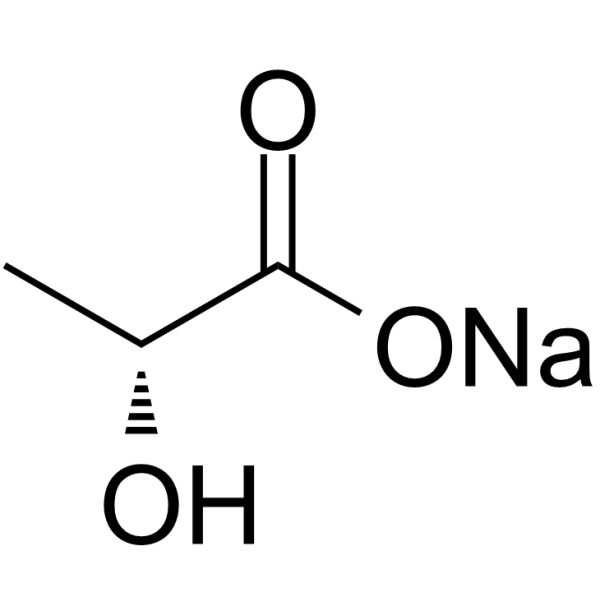
    (R)-2-Hydroxypropionic acid sodium

    Endogenous Metabolite Drug Isomer Neurological Disease Metabolic Disease
    D-(-)-Lactic acid ((R)-2-Hydroxypropionic acid) sodium is an orally active, toxic optical isomer of Lactic acid (HY-B2227), mainly derived from overproduction by intestinal bacteria or exogenous intake. D-(-)-Lactic acid sodium can induce intoxication, characterized by severe metabolic acidosis accompanied by neurological symptoms .
    D-(-)-Lactic acid sodium
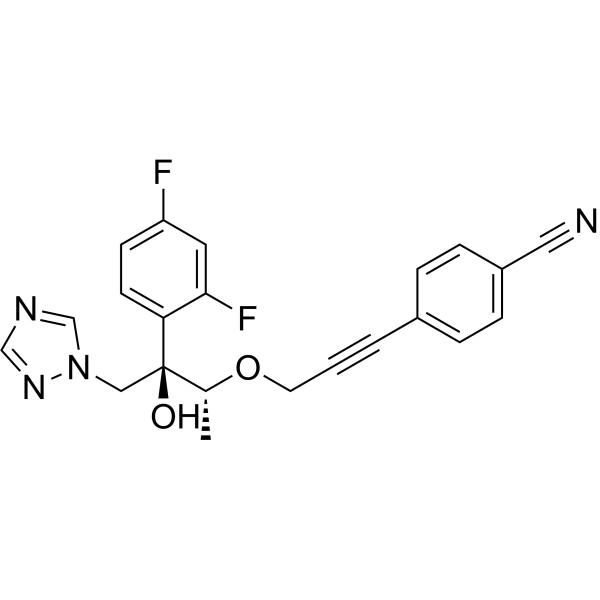
  • HY-15660
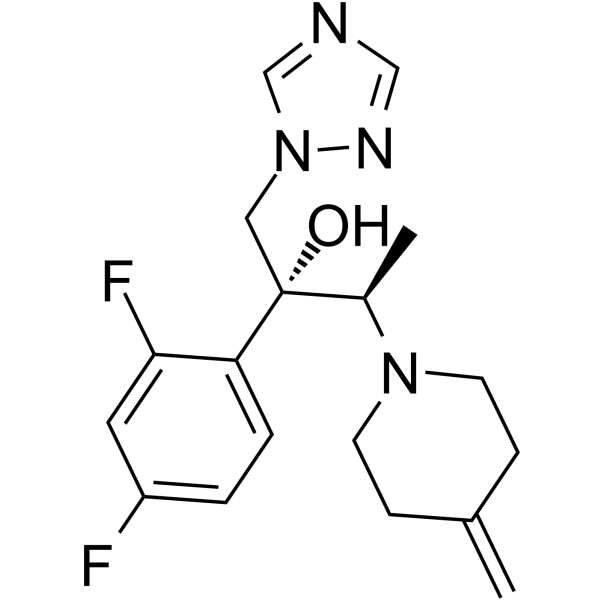
    Efinaconazole
    2 Publications Verification

    KP-103

    Fungal Infection
    Efinaconazole (KP-103) is a triazole antifungal agent and againsts T. mentagrophytes SM-110 and C. albicans ATCC 10231 with MICs of 0.0039 μg/mL and 0.00098 μg/mL, respectively . Efinaconazole has a potent in vitro activity against fungal pathogens including dermatophytes, Candida and Malassezia species .
    Efinaconazole
  • HY-W047709

    THEED; THEEN

    Biochemical Assay Reagents Bacterial Fungal Infection Cancer
    N,N,N',N'-Tetrakis(2-hydroxyethyl)ethylenediamine (THEED; THEEN) is a tetrapodal pentadentate chelating ligand that functions as a chelator to form stable complexes with metal ions. N,N,N',N'-Tetrakis(2-hydroxyethyl)ethylenediamine serves as a versatile building block for organic synthesis, a reagent for metal extraction, and an auxiliary for catalytic reactions. N,N,N',N'-Tetrakis(2-hydroxyethyl)ethylenediamine-derived metal complexes exhibit antibacterial, antifungal, and anticancer activities. N,N,N',N'-Tetrakis(2-hydroxyethyl)ethylenediamine and its metal complexes can be used for research related to breast cancer, leukemia, various bacterial and fungal infections .
    N,N,N',N'-Tetrakis(2-hydroxyethyl)ethylenediamine
  • HY-135549
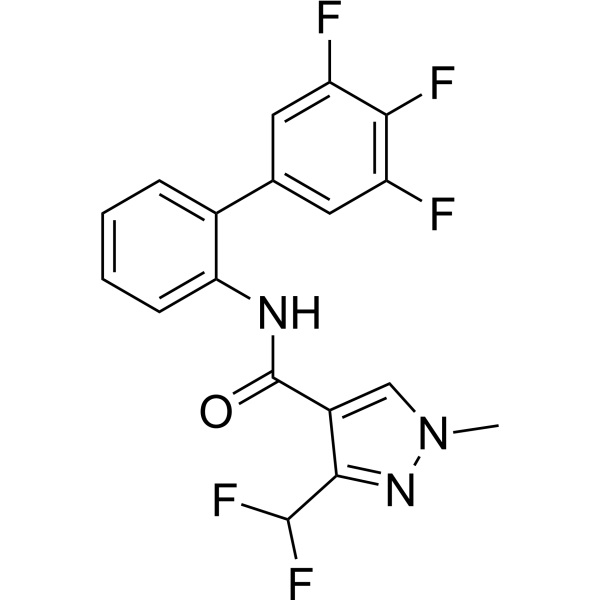
    Fluxapyroxad
    1 Publications Verification

    Environmental Pollutants Antibiotic Cytochrome P450 Fungal Succinate Dehydrogenase Infection Inflammation/Immunology
    Fluxapyroxad is a synthetic broad-spectrum fungicide for the control of fungal diseases. Fluxapyroxad inhibits succinate dehydrogenase in complex II of the mitochondrial respiratory chain, resulting in inhibition of spore germination, germ tubes and mycelia growth within the fungus target species .
    Fluxapyroxad
  • HY-N2896

    Reactive Oxygen Species (ROS) Apoptosis Fungal Bacterial NF-κB SOD AMPK mTOR Notch Toll-like Receptor (TLR) Wnt MyD88 Sirtuin Infection Neurological Disease Inflammation/Immunology Cancer
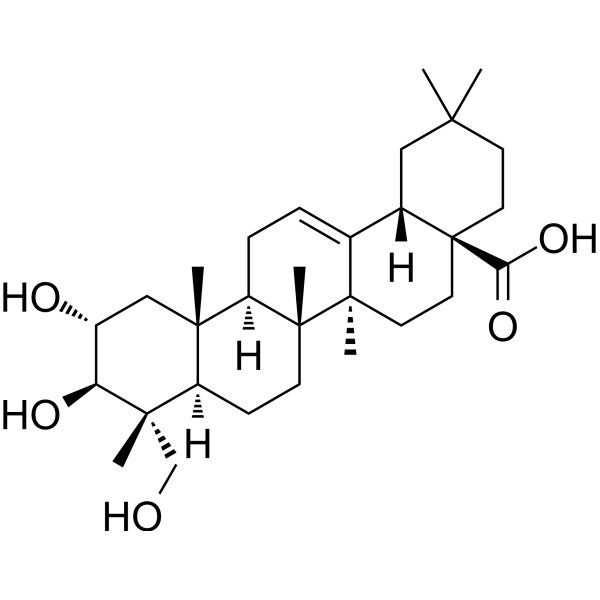
    Arjunolic acid is an orally active, multifunctional bioactive compound. Arjunolic acid exhibits free radical scavenging activity, as well as fungal and bacterial activities. Arjunolic acid induces apoptosis (Apoptosis) in various cancer cells. Arjunolic acid protects hepatocytes against induced oxidative stress and apoptosis by reducing reactive oxygen species and inhibiting NF-κB activation. Arjunolic acid regulates pancreatic dysfunction in type 2 diabetic rats by blocking the activation of the TLR-4/MyD88 and canonical Wnt pathways. Arjunolic acid inhibits neuroinflammation and ameliorates depressive behaviors via the SIRT1/AMPK/Notch1 signaling pathway in microglia. Arjunolic acid improves Crohn's disease-like colitis by restoring gut microbiota composition and inhibiting TLR4 signaling. Arjunolic acid suppresses osteosarcoma progression by inhibiting Wnt3a-mediated M2 polarization of macrophages. Arjunolic acid ameliorates diabetic retinopathy via the autophagy pathway regulated by AMPK/mTOR/HO-1. Arjunolic acid is applicable to research related to type 2 diabetes, organ toxicity, depression, Crohn's disease, osteosarcoma, diabetic retinopathy, and testicular dysfunction .
    Arjunolic acid
  • HY-121004

    Lycopersin

    Fungal Antibiotic Infection
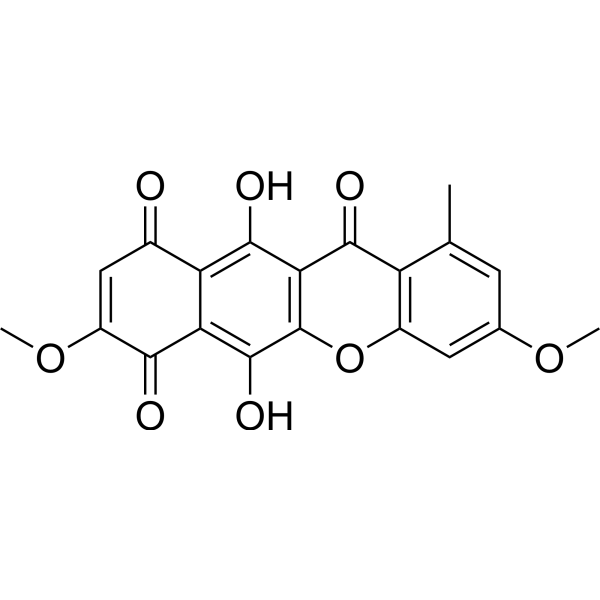
    Bikaverin (Lycopersin) is a reddish pigment produced by different fungal species. Bikaverin shows antibiotic properties against certain protozoa and fungi .
    Bikaverin
  • HY-124701

    Fungal Infection
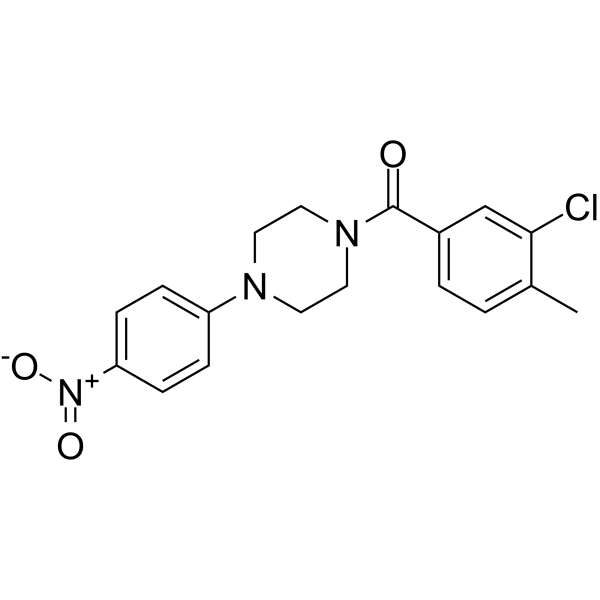
    Filastatin is a long-lasting inhibitor of Candida albicans filamentation. Filastatin inhibits adhesion by multiple pathogenic Candida species with an IC50 of ~3 μM in the GFP-based adhesion assay. Filastatin inhibits fungal adhesion to polystyrene and human cells, the yeast-to-hyphal morphological transition, induction of the hyphal-specific HWP1 promoter. Filastatin has potent antifungal effect .
    Filastatin
  • HY-W099579

    Kojic dipalmitate

    Tyrosinase Endocrinology
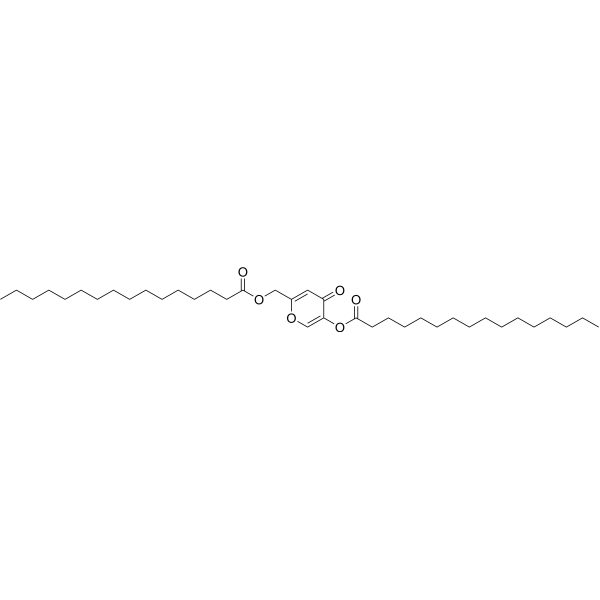
    Kojic acid dipalmitate (Kojic dipalmitate) is a derivative of Kojic acid (HY-W050154), a fungal metabolite that can be produced by species of Aspergillus, Acetobacter and Penicillium. Kojic acid dipalmitate is a slow and reversible competitive inhibitor of tyrosinase. Kojic acid dipalmitate can be used for skin‐lightening agent research .
    Kojic acid dipalmitate
  • HY-125723

    SL 7810; A-30912 A

    Endogenous Metabolite Fungal Antibiotic Infection
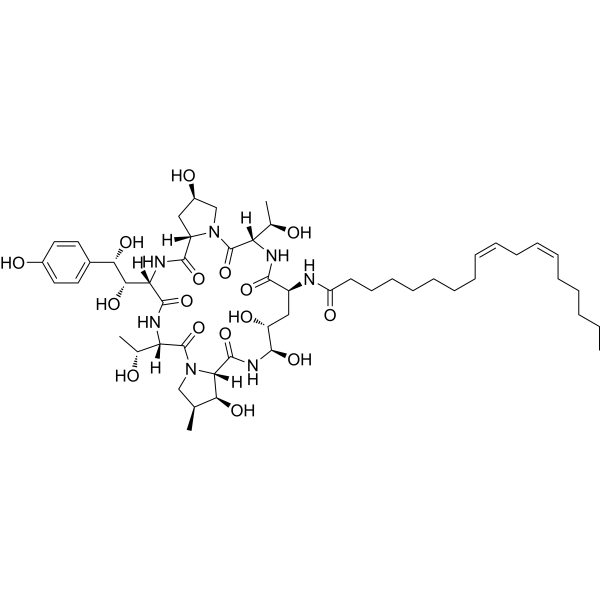
    Echinocandin B (SL 7810) is a lipopeptide antifungal antibiotic. Echinocandin B is produced by Aspergillus nidulans. Echinocandin B inhibits β-1,3-glucan activity, thereby blocking the biosynthesis of fungal cell walls. Echinocandin B exhibits activity against a variety of Aspergillus species .
    Echinocandin B
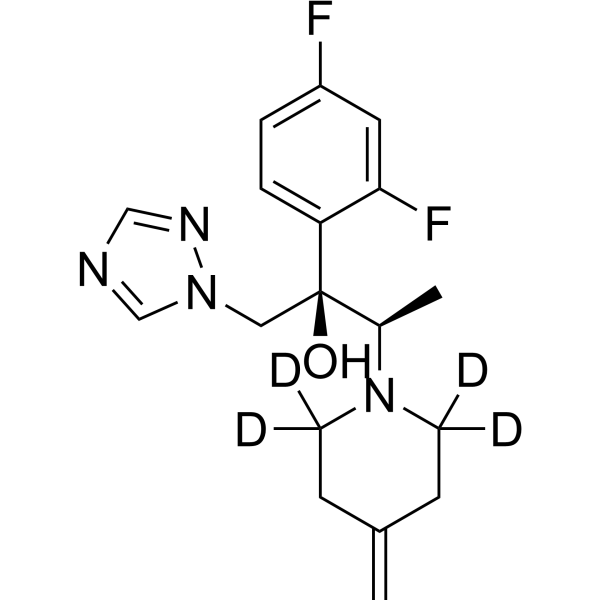
  • HY-15660S

    KP-103-d4

    Isotope-Labeled Compounds Fungal Infection
    Efinaconazole-d4 is the deuterium labeled Efinaconazole. Efinaconazole (KP-103) is a triazole antifungal agent and againsts T. mentagrophytes SM-110 and C. albicans ATCC 10231 with MICs of 0.0039 μg/mL and 0.00098 μg/mL, respectively . Efinaconazole has a potent in vitro activity against fungal pathogens including dermatophytes, Candida and Malassezia species .
    Efinaconazole-d4
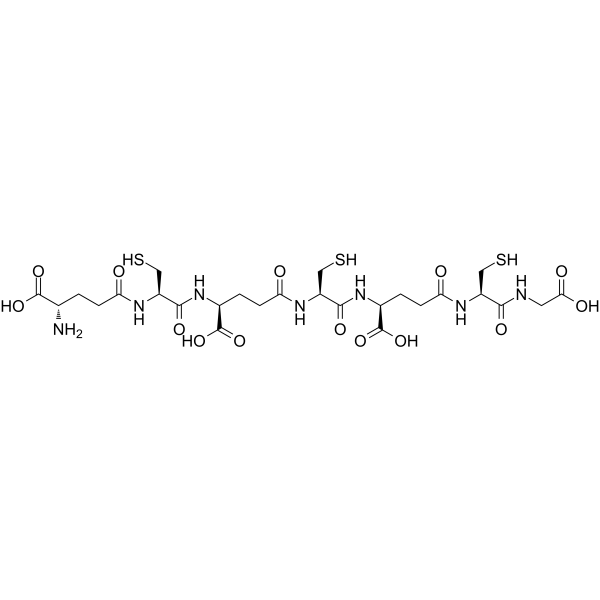
  • HY-P3320

    PC 3

    Biochemical Assay Reagents Others
    Phytochelatin 3 (PC 3) is the small metal chelating peptide that can be used for chelating heavy metals. Phytochelatin 3 is a short metal detoxification peptide made from the sulfur-rich molecule glutathione. Phytochelatin 3 can be found in different sources including plant, fungal, algal, and bacterial species, as a detoxification mechanism in response to heavy metal exposure. Phytochelatin 3 plays an important metabolic role in plants .
    Phytochelatin 3
  • HY-N14690

    Fungal Antibiotic Bacterial Infection
    Piperazinomycin is an antifungal and antibacterial antibiotic. Piperazinomycin is isolated from the culture broth of Streptoverticillium olivoreticuli subsp. neoenacticus. Piperazinomycin inhibits the growth of fungi, yeasts and some Mycobacterium species. Piperazinomycin exhibits inhibitory activity against Trichophyton species .
    Piperazinomycin
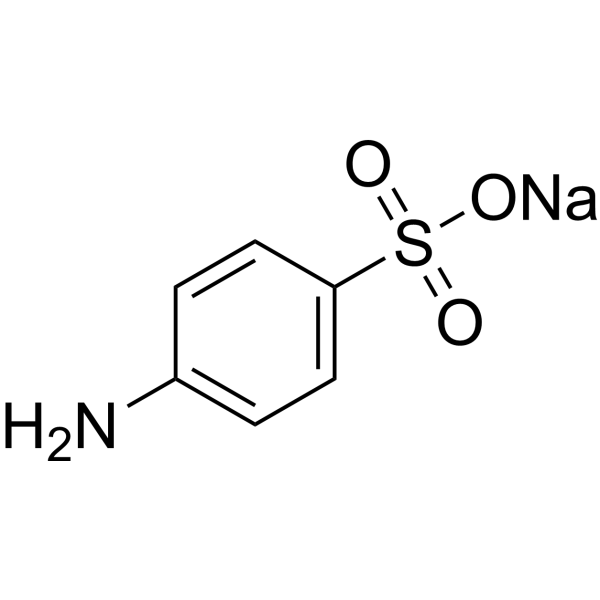
  • HY-W042216

    Sodium 4-aminobenzenesulfonate

    Fungal Infection
    Sodium Sulphanilate (Sodium 4-aminobenzenesulfonate) is a folic acid synthetase inhibitor and antifungal agent, as well as a structural analog of p-aminobenzoic acid, that competitively inhibits folate biosynthesis in fungal pathogens. Sodium Sulphanilate induces host disease resistance via changes in amino acid profiles, reduces chlorophyll content in peanut leaves at high concentrations, and controls rust diseases in various plant species. Sodium Sulphanilate is applicable to studies related to peanut rust .
    Sodium Sulphanilate
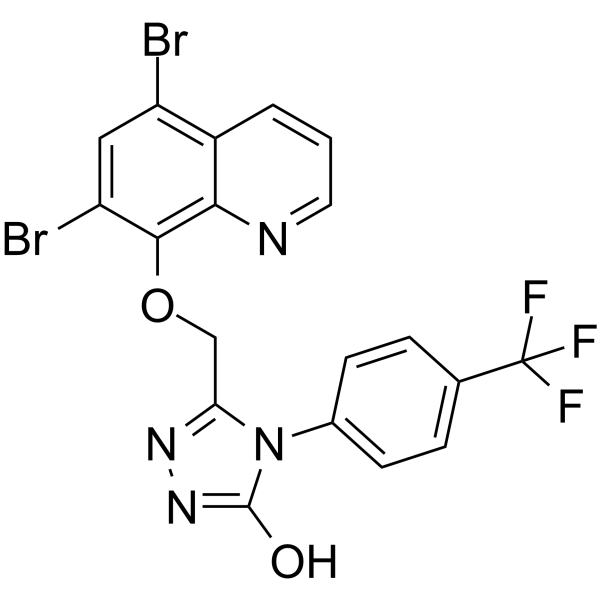
  • HY-111357

    Fungal Infection
    Antifungal agent 2 is a broad-spectrum fungal inhibitor which inhibits growth of pertinent species of Candida, Cryptococcus, and Aspergillus at a concentration as low as 0.5 μg/mL.
    Antifungal agent 2
  • HY-121395

    Antibiotic Fungal Infection
    Lepiochlorin is an antibiotic metabolite produced by a fungus (Lepiota species) that is cultivated by ants, which can prevent fungal contamination .
    Lepiochlorin
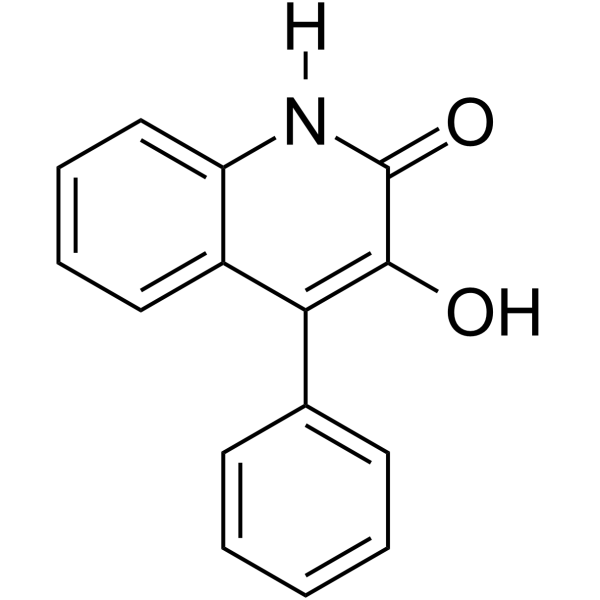
  • HY-125060

    Antibiotic Endogenous Metabolite Infection
    Viridicatin is a fungal metabolite from Penicillium species. Viridicatin shows slight in vitro antibiotic activity against Mycobacterium tuberculosis .
    Viridicatin
  • HY-167697

    Fungal Infection
    Antifungal agent 120 exhibits antifungal properties against S. dermatitidis (skin-infecting fungi) and its efficacy against other fungal species is yet to be investigated.
    Antifungal agent 120
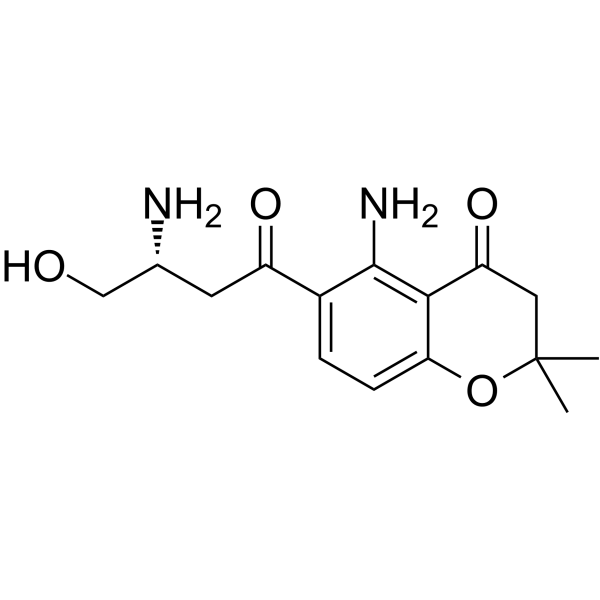
  • HY-136901

    FC-101

    Reactive Oxygen Species (ROS) Cardiovascular Disease Cancer
    Fusarochromanone (FC-101) is a fungal metabolite with potent anti-angiogenic and anti-cancer activity . Fusarochromanone-activated JNK pathway is attributed to induction of reactive oxygen species (ROS) .
    Fusarochromanone
  • HY-N14666

    Fungal HIV Reverse Transcriptase Infection
    Agrocybin is an antifungal peptide that exerts antifungal activity against several fungal species but lacks inhibitory activity against bacteria. Agrocybin attenuates the activity of HIV-1 reverse transcriptase .
    Agrocybin
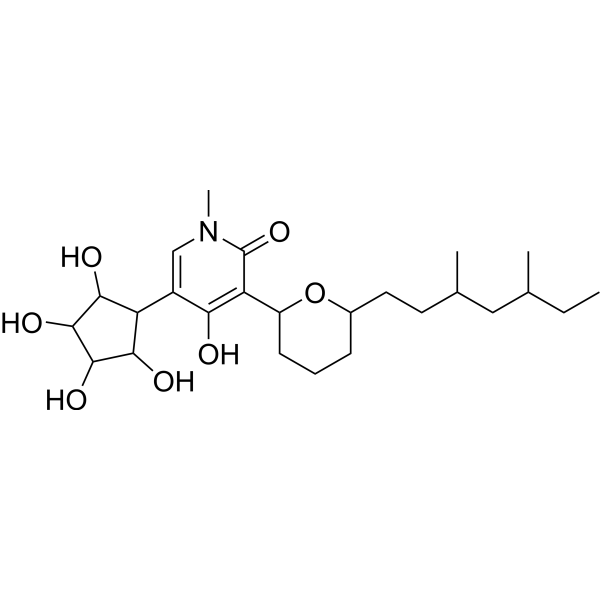
  • HY-N8329

    Fungal Antibiotic Infection
    AS-2077715 is an antifungal agent that shows inhibitory activity against the Trichophyton species. AS-2077715 can be obtained from the fermentation broth of Capnodium sp. 339855. AS-2077715 can be used to study fungal infections .
    AS-2077715
  • HY-P10916

    Drug Metabolite Fungal Infection
    Micafungin metabolite M1 is an active metabolite of Micafungin (HY-17579), which is metabolized by arylsulfatase and exhibits antifungal activity. Micafungin metabolite M1 can be used for research on deep fungal infections caused by Candida and Aspergillus species .
    Micafungin metabolite M1
  • HY-171541

    Fungal Infection
    CDA-IN-1 (Compound vs#2-1) is an inhibitor of chitin deacetylase (CDA). CDA-IN-1 exhibits antifungal activity. It can inhibit fungal growth by suppressing the activity of fungal CDA, activating the plant immune response, and accumulating reactive oxygen species (ROS). At a concentration of 100 μM, CDA-IN-1 can achieve inhibition rates of 86.9% and 74.5% against PxCDA1 and PxCDA2 of P. xanthii, respectively. CDA-IN-1 can be applied to the research in the field of controlling plant fungal diseases, such as the research on diseases like cucurbit powdery mildew and tomato gray mold .
    CDA-IN-1
  • HY-N7374

    Endogenous Metabolite Infection
    Cyperine is a phytotoxic fungal metabolite that has been found in A. cypericola. It inhibits A. thaliana enoyl-acyl carrier protein reductase (ENR; IC50=89 μM). Cyperine induces necrosis in a panel of nine plant species in a leaf bioassay and inhibits root growth in A. thaliana seedlings (IC50=38.4 μM).
    Cyperin
  • HY-135549R

    Reference Standards Antibiotic Fungal Succinate Dehydrogenase Cytochrome P450 Infection Inflammation/Immunology
    Fluxapyroxad (Standard) is the analytical standard of Fluxapyroxad. This product is intended for research and analytical applications. Fluxapyroxad is a synthetic broad-spectrum fungicide for the control of fungal diseases. It works by inhibiting succinate dehydrogenase in complex II of the mitochondrial respiratory chain, resulting in inhibition of spore germination, germ tubes and mycelia growth within the fungus target species .
    Fluxapyroxad (Standard)
  • HY-N4096R

    Reference Standards Others Inflammation/Immunology
    Kojic acid dipalmitate (Standard) is the analytical standard of Kojic acid dipalmitate. This product is intended for research and analytical applications. Kojic acid dipalmitate (Kojic dipalmitate) is a derivative of Kojic acid (HY-W050154), a fungal metabolite that can be produced by species of Aspergillus, Acetobacter and Penicillium. Kojic acid dipalmitate is a slow and reversible competitive inhibitor of tyrosinase. Kojic acid dipalmitate can be used for skin‐lightening agent research .
    Tsugaric acid A (Standard)
  • HY-176140

    Fungal Succinate Dehydrogenase Infection
    Succinate dehydrogenase-IN-9 (Compound Iik) is a succinate dehydrogenase inhibitor (IC50: 3.6 μM). Succinate dehydrogenase-IN-9 exhibits potent inhibitory activity against various fungal species (eg: inhibits S. sclerotiorum with an EC50 value of 1.14 μg/mL. Succinate dehydrogenase-IN-9 enhances the nitrate reductase activity, thereby facilitating plant growth .
    Succinate dehydrogenase-IN-9
  • HY-W099579R

    Kojic dipalmitate (Standard)

    Reference Standards Tyrosinase Endocrinology
    Kojic acid dipalmitate (Standard) is the analytical standard of Kojic acid dipalmitate. This product is intended for research and analytical applications. Kojic acid dipalmitate (Kojic dipalmitate) is a derivative of Kojic acid (HY-W050154), a fungal metabolite that can be produced by species of Aspergillus, Acetobacter and Penicillium. Kojic acid dipalmitate is a slow and reversible competitive inhibitor of tyrosinase. Kojic acid dipalmitate can be used for skin‐lightening agent research .
    Kojic acid dipalmitate (Standard)
  • HY-155545

    Fungal Infection
    Antifungal agent 60 (compound 16) is an inhibitor of ergosterol biosynthesis with broad-spectrum antifungal activity. Antifungal agent 60 inhibits 7 human pathogenic fungal species, 2 fluconazole-resistant C. albicans isolates and 2 multi-drug resistant Candida auris isolates. Antifungal agent 60 is a click chemistry reagent, it contains an Alkyne group and can undergo copper-catalyzed azide-alkyne cycloaddition (CuAAc) with molecules containing Azide groups.
    Antifungal agent 60
  • HY-19377

    Fungal Cytochrome P450 Infection
    SS-750 is an orally active Triazole derivative and antifungal agent. SS-750 binds to fungal cytochrome P450. SS-750 shows antifungal activities against Candida species and C. neoformans strains tested. SS750 shows MIC90 values of 0.25, 1, and 2 μg/mL against Candida parapsilosis, C. krusei, and C. glabrata, respectively. SS-750 improves systemic and pulmonary candidiasis caused by C. albicans .
    SS-750
  • HY-B0847S1

    Fungal Reactive Oxygen Species (ROS) Infection
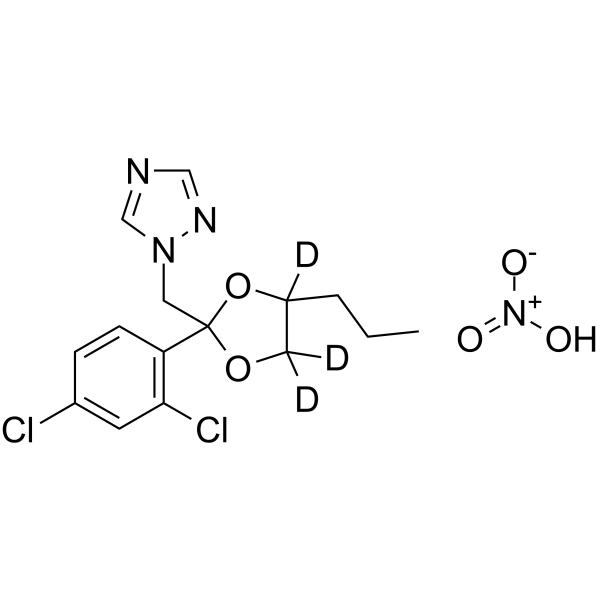
    Propiconazole-d3 (nitrate) is the deuterium labeled Propiconazole nitrate. Propiconazole is a broad-spectrum triazole fungicide that inhibits the conversion of lanosterol to ergosterol, leading to fungal cell membrane disruption. Propiconazole inhibits S. cerevisiae, but not rat liver, microsomal cytochrome P450 (IC50s=0.04 and >200 µM, respectively). Propiconazole inhibits the growth of T. deformans and R. stolonifer (ED50s=0.073 and 4.6 µg/mL, respectively). Propiconazole increases production of reactive oxygen species (ROS).
    Propiconazole-d3 nitrate
  • HY-B0847S

    Isotope-Labeled Compounds Fungal Reactive Oxygen Species (ROS) Infection
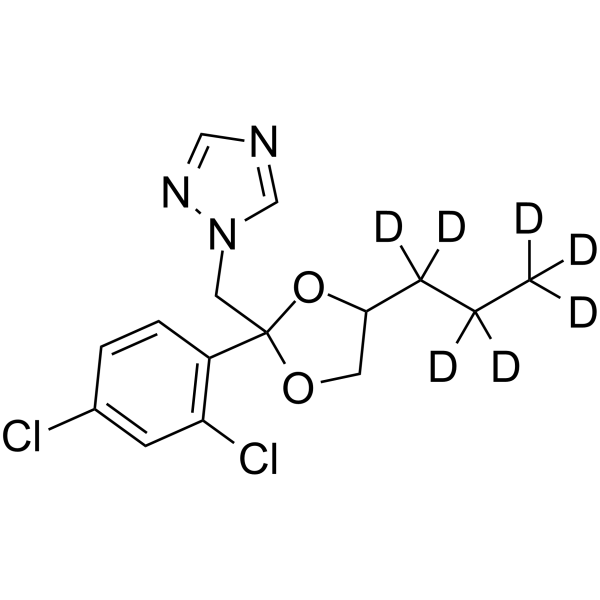
    Propiconazole-d7 is the deuterium labeled Propiconazole. Propiconazole is a broad-spectrum triazole fungicide that inhibits the conversion of lanosterol to ergosterol, leading to fungal cell membrane disruption. Propiconazole inhibits S. cerevisiae, but not rat liver, microsomal cytochrome P450 (IC50s=0.04 and >200 μM, respectively). Propiconazole inhibits the growth of T. deformans and R. stolonifer (ED50s=0.073 and 4.6 μg/mL, respectively). Propiconazole increases production of reactive oxygen species (ROS) .
    Propiconazole-d7
  • HY-131586

    Resogalangin

    17β-HSD Estrogen Receptor/ERR Aldose Reductase Endocrinology Cancer
    3,7-Dihydroxyflavone (Resogalangin) is a flavonoid phytoestrogen, which can be isolated from Adenophora species. 3,7-Dihydroxyflavone is a modulator of estrogen receptors and an inhibitor of human progesterone metabolizing enzyme AKR1C1 and fungal 17β-hydroxysteroid dehydrogenase and a redox inhibitor (IC50=0.6 and 6.0 μM, respectively). 3,7-Dihydroxyflavone is a fluorescent binding substrate for human serum albumin (HSA) with excitation wavelengths of 370 nm (pH 7.4) and 350 nm (pH 3.5), respectively, and emission wavelength of 515 nm .
    3,7-Dihydroxyflavone
  • HY-125723B

    SL 7810 (purity>65%); A-30912 A (purity>65%)

    Antibiotic Fungal Endogenous Metabolite Infection
    Echinocandin B (purity>65%) (SL 7810 (purity>65%)) is a lipopeptide antifungal antibiotic. Echinocandin B (purity>65%) is produced by Aspergillus nidulans. Echinocandin B (purity>65%) inhibits β-1,3-glucan activity, thereby blocking the biosynthesis of fungal cell walls. Echinocandin B (purity>65%) exhibits activity against a variety of Aspergillus species .
    Echinocandin B (purity>65%)
  • HY-125723A

    SL 7810 (purity>85%); A-30912 A (purity>85%)

    Antibiotic Fungal Endogenous Metabolite Infection
    Echinocandin B (purity>85%) (SL 7810 (purity>85%)) is a lipopeptide antifungal antibiotic. Echinocandin B (purity>85%) is produced by Aspergillus nidulans. Echinocandin B (purity>85%) inhibits β-1,3-glucan activity, thereby blocking the biosynthesis of fungal cell walls. Echinocandin B (purity>85%) exhibits activity against a variety of Aspergillus species .
    Echinocandin B (purity>85%)
  • HY-W142206

    Fungal Infection
    Cyclopent-4-ene-1,3-dione is a potent antifungal inhibitor of chitin synthesis. Cyclopent-4-ene-1,3-dione is potently antifungal against human pathogenic Candida species (IC50 = 1-2 μM). Cyclopent-4-ene-1,3-dione is detected in feijoa cultivars with high antifungal bioactivity. Cyclopent-4-ene-1,3-dione can be used for the research of fungal infections .
    Cyclopent-4-ene-1,3-dione
  • HY-N19824

    Fungal Infection
    Koninginin D is a potent antifungal agent that can be isolated from fungi including Trichoderma applanatum. Koninginin D inhibits growth of various fungal species including Gaeumannomyces graminis var. tritici, Bipolaris sorokiniana and so on. Koninginin D can be used for the research of fungal infection .
    Koninginin D
  • HY-N20622

    Endogenous Metabolite Others
    Terrestric acid is a secondary metabolite and fungal toxin produced by various fungi, primarily found in Penicillium species. Terrestric acid induces early cell aging in Penicillium aurantiogriseum .
    Terrestric acid
  • HY-124900

    Fungal Infection Cancer
    Tylophorinicine is an anti-leukemic and anti-fungal agent. Tylophorinicine exhibits minimum inhibitory concentrations (MIC) in the range of 2-4 mg/mL for TdnH and 0.6-2.5 mg/mL for TnnH against Candida species. Tylophorinicine is a phenanthroindolizidine alkaloid from tylophora asthamatica and pergulatia pallid. Tylophorinicine inhibits thymidylate synthase by pergularinine .
    Tylophorinicine
  • HY-125871

    Biochemical Assay Reagents Others
    Neopatulin is a redox isomer and pivotal biogenetic precursor of the potent antibiotic patulin, which is produced by numerous fungal species. Neopatulin can be synthesized through Lewis acid-catalyzed aldol reaction or 2-formyl-1,3-dithiane with 2-(tert-butyldimethylsiloxy)-4-[(tert-butyldimethylsiloxy)-methyl]furan .
    Neopatulin
  • HY-N19641

    Dichlorodiaportin

    Bacterial Endogenous Metabolite Infection
    Dichlorodiaporthin (Dichlorodiaportin) is an isocoumarin metabolite found in cultures of Penicillium nalgiovense. Dichlorodiaporthin acts as an antibacterial agent against various bacterial species .
    Dichlorodiaporthin
  • HY-125459

    Fungal Infection
    L-705589 is a semi-synthetic penicillin-type antifungal agent. L-705589 exerts its antifungal effect by inhibiting the 1,3-β-D-glucan synthase in the fungal cell wall. L-705589 exhibits potent bactericidal activity against various Candida species (such as Candida albicans, Candida glabrata, Candida krusei, etc.) (MFC: 0.06 - 8 μg/mL), but has relatively weak activity against Cryptococcus neoformans (MFC: 32 - 64 μg/mL). L-705589 remains active against drug-resistant Candida strains and is not prone to inducing drug resistance. L-705589 significantly improves survival rates in the model of minor invasive aspergillosis .
    L 705589
  • HY-W043791

    Fungal Infection
    4-Dodecyl-2,6-dimethylmorpholine is a morpholine fungicide and plant-growth regulator. 4-Dodecyl-2,6-dimethylmorpholine targets phytopathogenic fungi including Oomycetes, Ascomycetes and Basidiomycetes. 4-Dodecyl-2,6-dimethylmorpholine acts synergistically with acylalanine fungicides to enhance antifungal efficacy and regulate plant growth. 4-Dodecyl-2,6-dimethylmorpholine can be applied to the study of plant fungal diseases and phytopathogenic fungal infections .
    4-Dodecyl-2,6-dimethylmorpholine
  • HY-N15436

    GABA Receptor Neurological Disease
    5-Deoxykievitone, an isoflavanone found in Phaseolus species, is a GABA receptor modulator. 5-Deoxykievitone potentiates GABA-induced chloride current through α1β2γ2s GABAA receptors. 5-Deoxykievitone can be used for the research of epilepsy and anxiety .
    5-Deoxykievitone

Inquiry Online

Your information is safe with us. * Required Fields.

Salutation


Country or Region *

Applicant Name *


Organization Name *

Department *


Email Address *


Product Name *

Cat. No.


Requested quantity *

Phone Number *


Remarks

Inquiry Online

Inquiry Information

Product Name:
Cat. No.:
Quantity:
MCE Japan Authorized Agent: