Search Result
Results for "
hydrazone
" in MedChemExpress (MCE) Product Catalog:
5
Biochemical Assay Reagents
4
Isotope-Labeled Compounds
| Cat. No. |
Product Name |
Target |
Research Areas |
Chemical Structure |
-
- HY-15932
-
|
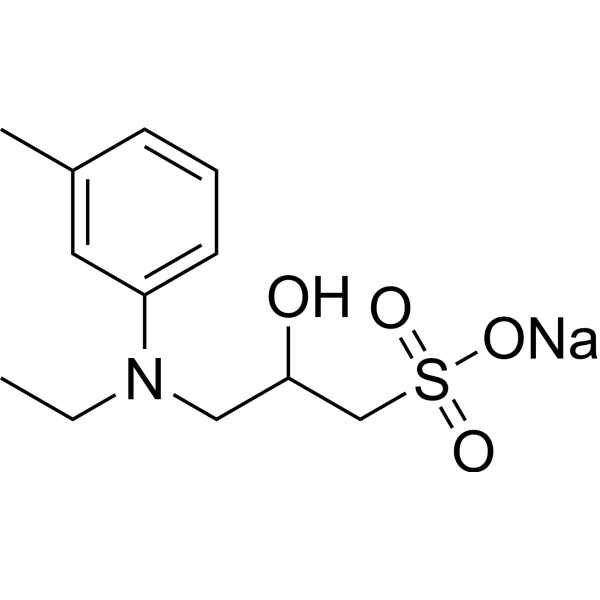
TOOS sodium salt
|
Biochemical Assay Reagents
|
Others
|
|
TOOS (TOOS sodium salt) is a highly water-soluble aniline derivative widely used in diagnostics and biological experiments. TOOS can be combined with 3-methyl-2-benzothiazolinone hydrazone hydrochloride (MBTH) to form a chromogenic system to measure oxidase activity. In the MBTH-TOOS chromogenic system, MBTH is catalytically oxidized to produce (-NH) free radicals, which react with TOOS to form colorless compounds. Furthermore, the colorless compound undergoes a disproportionation reaction to produce a blue-violet quinoid compound .
|
-
-
- HY-114758
-
|
|
Biochemical Assay Reagents
Ferrochelatase
|
Cardiovascular Disease
|
|
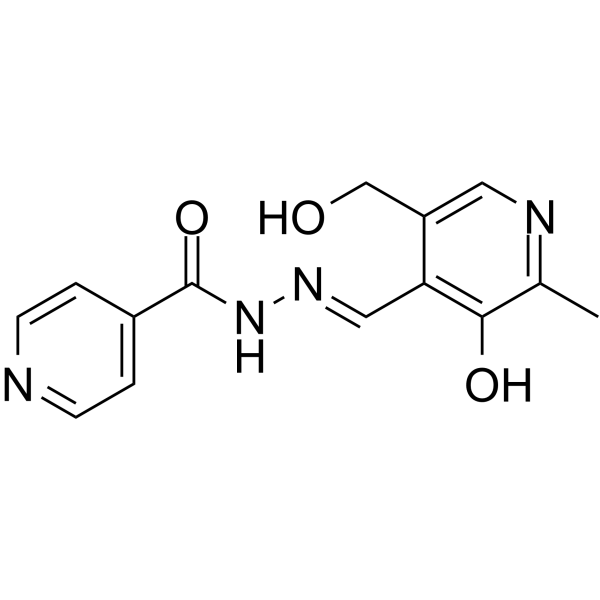
Pyridoxal isonicotinoyl hydrazone is an orally active and lipophilic iron-specific chelator that acts as a non-competitive inhibitor of ferrochelatase (FECH) by binding iron ions. Pyridoxal isonicotinoyl hydrazone disrupts heme biosynthesis, leading to reduced FECH stability and increased protoporphyrin IX (PPIX) accumulation. Pyridoxal isonicotinoyl hydrazone is promising for research of iron-overload diseases (e.g., β-thalassemia) .
|
-
-
- HY-16261B
-
|
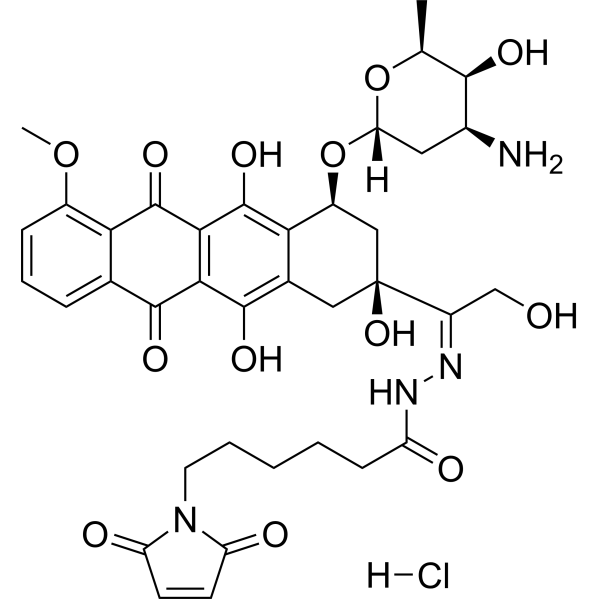
(E/Z)-Aldoxorubicin hydrochloride; Doxorubicin(6-maleimidocaproyl)hydrazone hydrochloride
|
ADC Payload
Topoisomerase
|
Cancer
|
|
MC-DOXHZN ((E/Z)-Aldoxorubicin; Doxorubicin(6-maleimidocaproyl)hydrazone) hydrochloride is an albumin-binding proagent of Doxorubicin (HY-15142A) (DNA topoisomerase II inhibitor), with acid-sensitive properties. MC-DOXHZN hydrochloride can be used to synthesize ADC .
|
-
-
- HY-Y0760
-
|
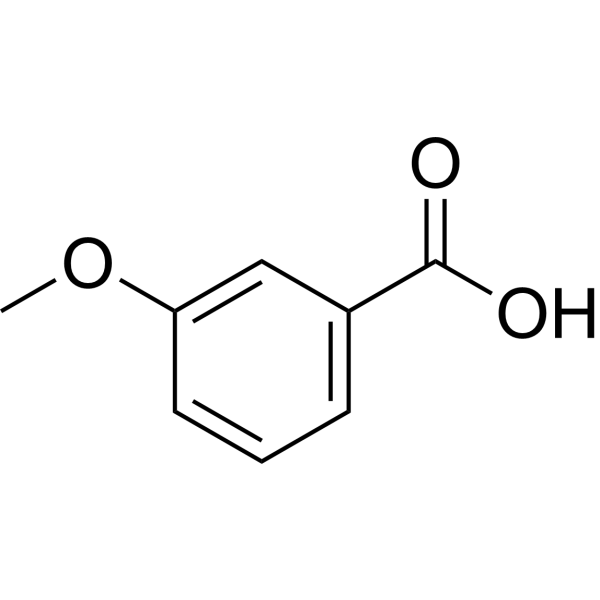
3-Anisic acid; NSC 27014; m-Methoxybenzoic acid
|
Drug Intermediate
|
Infection
|
|
3-Methoxybenzoic acid (3-Anisic acid; NSC 27014; m-Methoxybenzoic acid) is a substituted benzoic acid and precursor for synthesis of hydrazide-hydrazone derivatives active against Gram-positive bacteria, including Bacillus spp .
|
-
-
- HY-W074541
-
|
Trimethylacetohydrazideammonium chloride
|
Biochemical Assay Reagents
|
Others
|
|
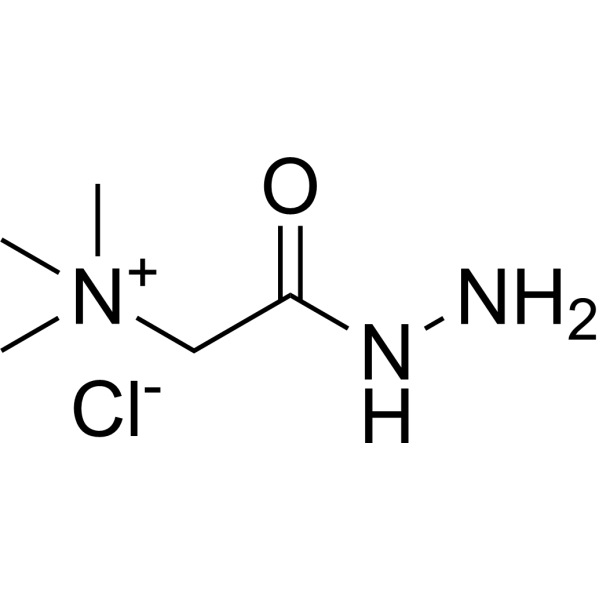
Girard's reagent T is often used in analytical chemistry as a derivatizing agent for carbonyl compounds. Girard's reagent T reacts with ketones and aldehydes to form stable hydrazones that can be readily analyzed by various techniques including chromatography and spectrophotometry. In addition, Girard's Reagent T has been used in the synthesis of a variety of organic compounds, including pharmaceuticals and agrochemicals.
|
-
-
- HY-W010341
-
|
|
Biochemical Assay Reagents
|
Others
|
|
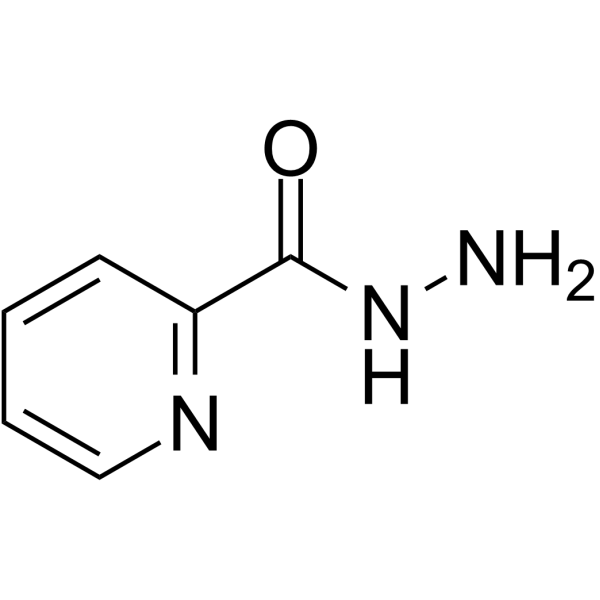
2-Pyridinecarbohydrazide is a versatile heterocyclic building block widely used in medicinal chemistry and coordination chemistry, and it finds extensive applications in various synthetic fields. 2-Pyridinecarbohydrazide reacts with the reducing end of carbohydrates to enhance mass spectrometry ionization efficiency, enabling isomer-specific identification of monosaccharides, disaccharides, ketoses/aldoses, and quantitative mass spectrometry imaging of biological tissues .
|
-
-
- HY-16261A
-
|
(E/Z)-Aldoxorubicin; Doxorubicin(6-maleimidocaproyl)hydrazone
|
ADC Payload
Topoisomerase
|
Cancer
|
|
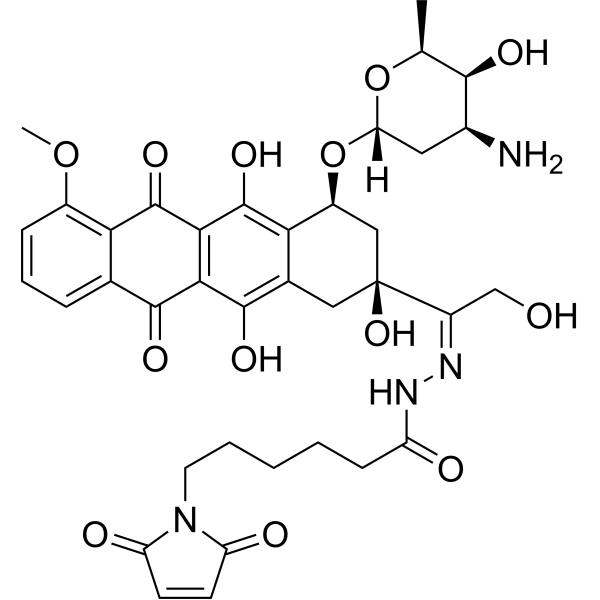
MC-DOXHZN ((E/Z)-Aldoxorubicin; Doxorubicin(6-maleimidocaproyl)hydrazone) is an albumin-binding proagent of Doxorubicin (HY-15142A) (DNA topoisomerase II inhibitor), with acid-sensitive properties. MC-DOXHZN can be used to synthesize ADC .
|
-
-
- HY-W077680
-
|
|
Biochemical Assay Reagents
|
Others
|
|
Girard's P reagent is a reagent used in organic chemistry. Girard's P reagent is used to react with vanillin to form a hydrazone derivative, which is then combined with an ion selective electrode (ISE) to develop a potentiometric method for the determination of vanillin. Girard's P reagent can be used in the development of ion selective electrodes and in the study of organic analysis .
|
-

-
- HY-136131
-
|
|
ADC Linker
|
Cancer
|
|
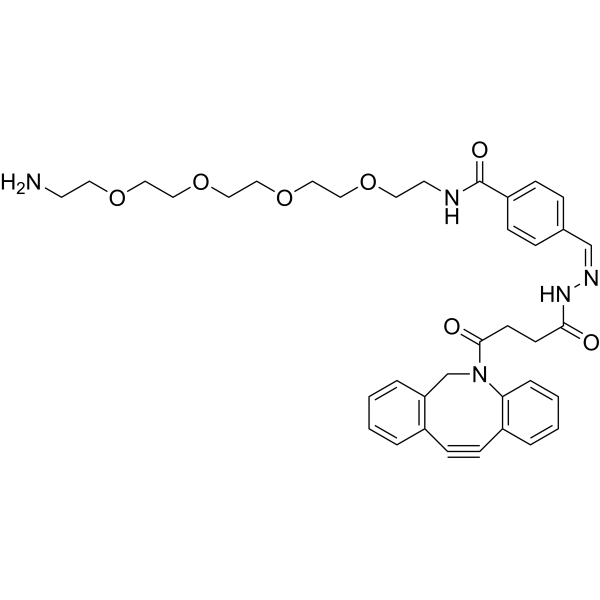
NH2-PEG4-hydrazone-DBCO is a cleavable 4 unit PEG ADC linker used in the synthesis of antibody-drug conjugates (ADCs) . NH2-PEG4-hydrazone-DBCO is a click chemistry reagent, it contains a DBCO group that can undergo strain-promoted alkyne-azide cycloaddition (SPAAC) with molecules containing Azide groups.
|
-
-
- HY-161752
-
|
|
Bacterial
|
Infection
|
|
Antibacterial agent 224 is a potent and selective synthetic hydrazone inhibitor against the Salmonella PhoP/PhoQ system .
|
-

-
- HY-14801
-
|
A-007
|
Drug Derivative
|
Inflammation/Immunology
Cancer
|
|
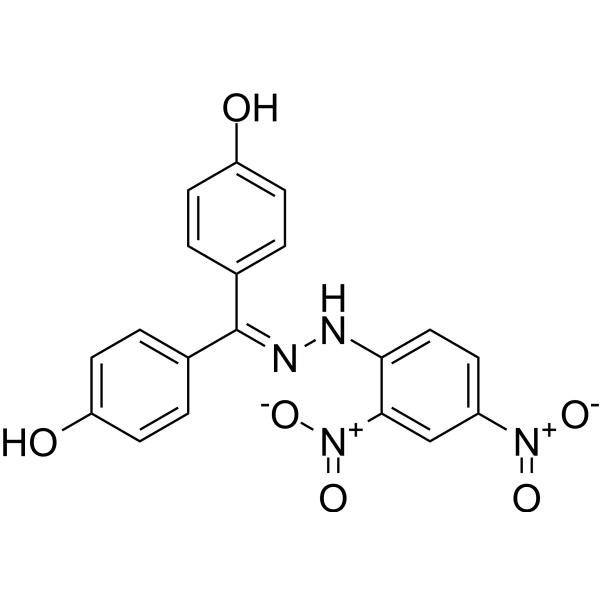
Sivifene (A-007) is a triaryl hydrazone. Sivifene has anticancer activity and immunomodulatory effects. Sivifene regulates immune regulation by upregulating CD45 T lymphocyte surface receptors .
|
-
-
- HY-W009411
-
|
|
Fluorescent Dye
|
Others
|
|
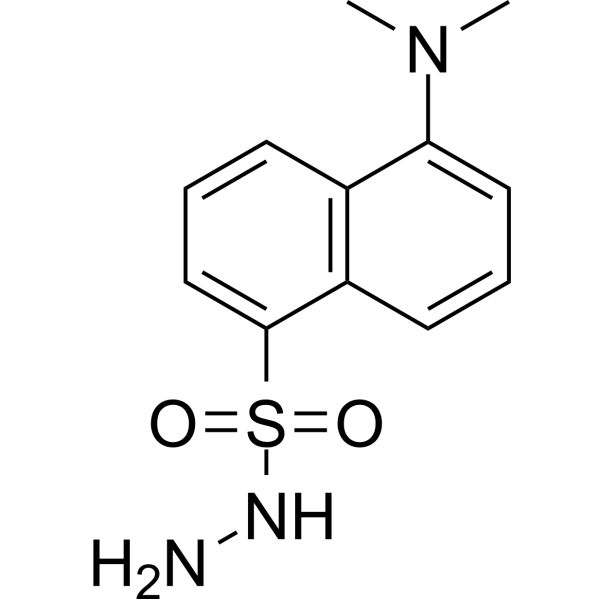
Dansyl hydrazine is a carbohydrate-specific fluorescent dye (Ex/Em = 340 nm/525 nm). Dansyl hydrazine undergoes a condensation reaction with aldehyde groups generated by periodate oxidation on carbohydrate-containing structures to form fluorescent hydrazone compounds. Dansyl hydrazine selectively stains polysaccharides in formalin-fixed, paraffin-embedded human post-mortem brain tissues, revealing detailed structural features. Dansyl hydrazine is applicable to research related to Alzheimer's disease, Lafora disease, and polyglucosan body disease .
|
-
-
- HY-W013677
-
|
|
Drug Intermediate
|
Infection
|
|
4-Fluorobenzoic acid is a drug intermediate that can be used to synthesize a series of hydrazone derivatives with antituberculosis activity and Schiff bases with DPPH radical scavenging activity .
|
-

-
- HY-155907
-
|
DSPE-PEG5000-NH2 ammonium
|
Liposome
|
Others
|
|
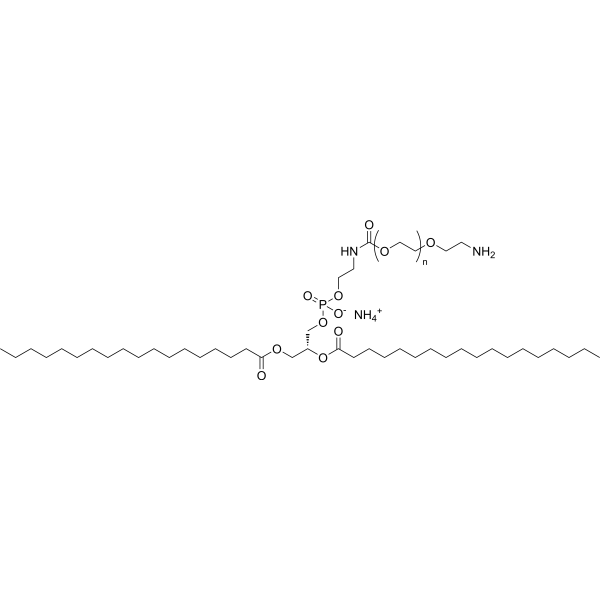
DSPE-PEG5000-Amine ammonium is a phosphoethanolamine involved in the synthesis of liposomes for delivery systems. DSPE-PEG5000-Amine ammonium amino group can be converted to aromatic aldehydes that react with acetone-protected aromatic hydrazides on the surface of the bovine carbonic anhydrase (BCA) molecule. Liposomes produce liposome-Bah-BCA conjugates by forming diaryl hydrazone (BAH) with target enzyme molecules. The conjugate catalyzes the hydration of carbon dioxide to bicarbonate.
|
-
-
- HY-136079
-
|
|
ADC Linker
|
Cancer
|
|
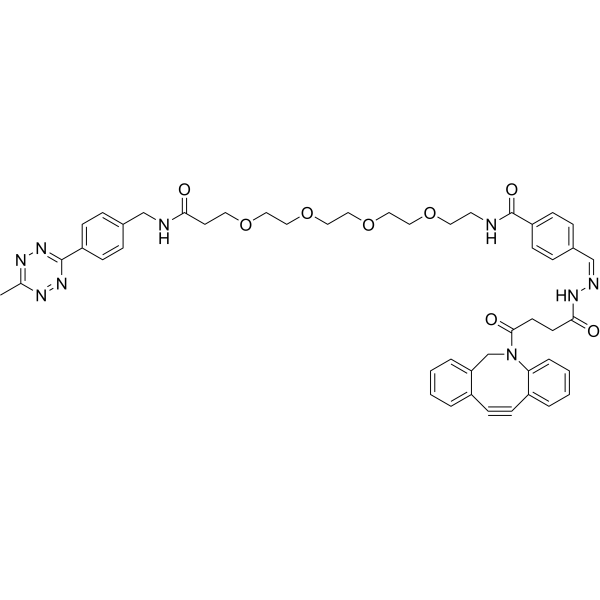
Methyltetrazine-PEG4-hydrazone-DBCO is a cleavable 4 unit PEG ADC linker used in the synthesis of antibody-drug conjugates (ADCs) . Methyltetrazine-PEG4-hydrazone-DBCO is a click chemistry reagent, it contains a DBCO group that can undergo strain-promoted alkyne-azide cycloaddition (SPAAC) with molecules containing Azide groups. Methyltetrazine-PEG4-hydrazone-DBCO also contains a Tetrazine group that can undergo an inverse electron demand Diels-Alder reaction (iEDDA) with molecules containing TCO groups.
|
-
-
- HY-B0994
-
|
Cyanoacetic hydrazide; 2-Cyanoacetohydrazide
|
Drug Intermediate
|
Infection
|
|
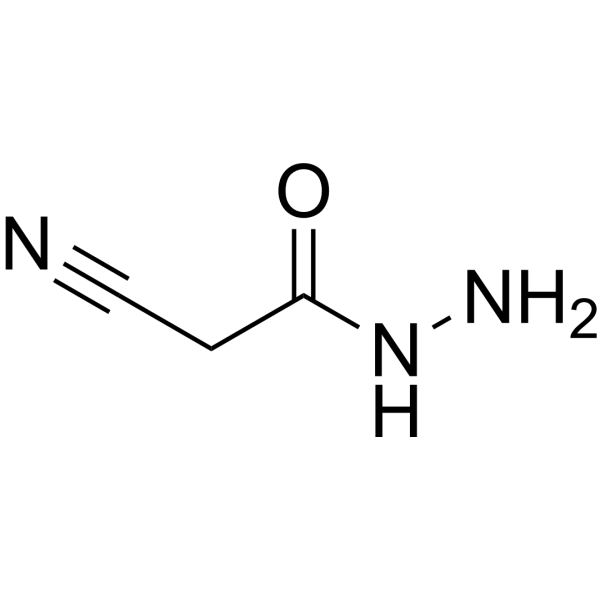
Cyanoacetohydrazide is a pharmaceutical intermediate. Cyanoacetohydrazide can be used to synthesize acylhydrazide hydrazone derivatives with antibacterial or anti-tumor activity .
|
-
-
- HY-117492
-
|
Isonicophen
|
Bacterial
|
Infection
|
|
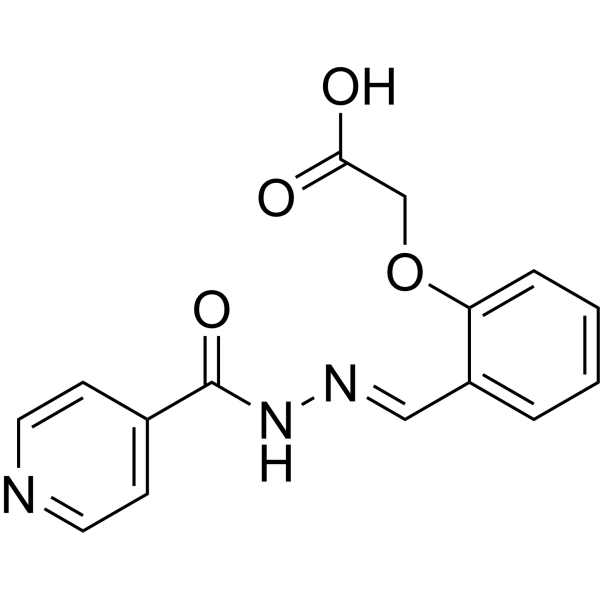
Aconiazide (Isonicophen) is a orally active hydrazone derivative of isoniazid, and can be used for study of tuberculosis .
|
-
-
- HY-148453
-
|
|
Drug Derivative
|
Cancer
|
|
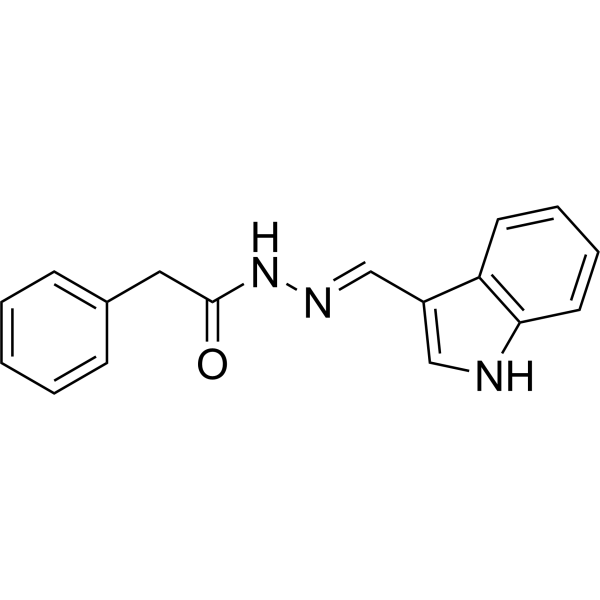
Antiproliferative agent-16 is an indolyl hydrazide-hydrazone compound with anticancer activity. Antiproliferative agent-16 exhibits specificity toward breast cancer cells (IC50 of 6.94 μM for MCF-7 cells) .
|
-
-
- HY-178994
-
|
|
Flavivirus
Dengue Virus
|
Infection
|
|
DENV-IN-14 (Compound 3c) is a thiazole hydrazone derivative with anti-dengue virus (DENV) activity with an EC50 of 0.01 μM and the selectivity index (SI) of 200. DENV-IN-14 exhibits rapid plasma clearance and its metabolic stability is limited. DENV-IN-14 can be used for research on dengue fever .
|
-

-
- HY-179039
-
|
|
EGFR
|
Cancer
|
EGFR-IN-183 (Compound 5q) is an EGFR inhibitor. EGFR-IN-183 strongly binds to EGFR (T790M/L858R) mutants. EGFR-IN-183 exhibits anti-proliferative activity against MDA-MB-231, with an IC50 value of 16.4 μM. EGFR-IN-183 can be used for research on triple-negative breast cancer .
|
-

-
- HY-173586
-
|
N-Dodecanoyl-L-hsl-3-hydrazone-biotin
|
Bacterial
|
Infection
|
|
N-Dodecanoyl-L-homoserine lactone-3-hydrazone-biotin (N-Dodecanoyl-L-hsl-3-hydrazone-biotin) is a biotin-tagged bacterial quorum sensing probe that links the quorum sensing signaling molecule AHL (acyl-homoserine lactone) to biotin via a hydrazone bond .
|
-

-
- HY-Z9065
-
|
|
Drug Intermediate
|
Others
|
|
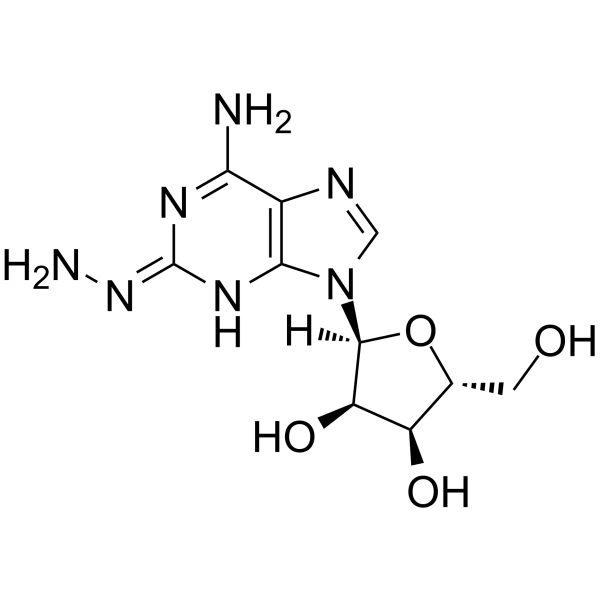
1-epi-Regadenoson hydrazone is an intermediate in the synthesis of αisomer impurity of Regadenoson which is a highly selective adenosine A2A receptor agonist .
|
-
-
- HY-156775
-
|
|
Drug Derivative
|
Cancer
|
|
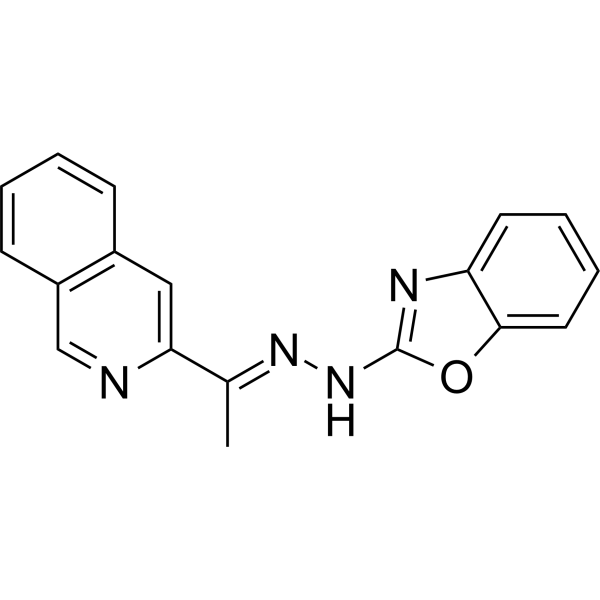
Antitumor agent-119 (compound 13K) is a 2-benzoxazolyl hydrazone derivative with anticancer activities. Antitumor agent-119 inhibits the cell growth of Butkitt, CCRF-CEM, HeLa, and HT-29 with IC50 values of 30 nM, 140 nM, 100 nM, and 40 nM, respectively .
|
-
-
- HY-157168
-
|
|
Trk Receptor
|
Neurological Disease
|
|
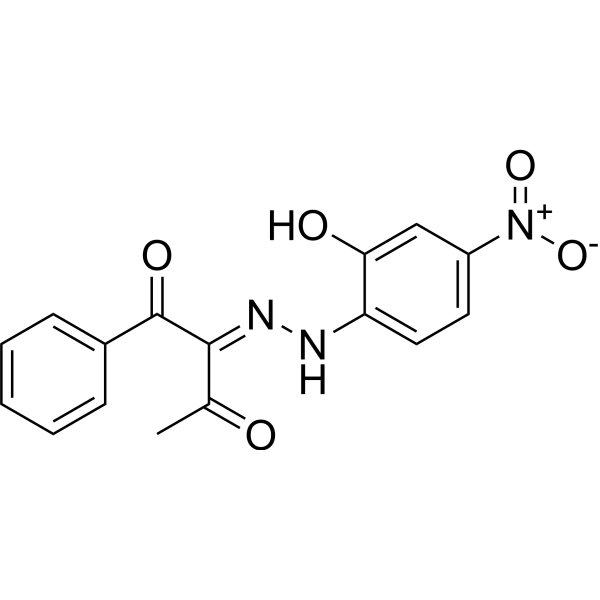
TrkA-IN-6 (compound R48) is a hydrazone-like, selective inhibitor of tropomyosin kinase type A receptor kinase (TrkA). TrkA-IN-6 exhibited a higher cytotoxic effect on U87 GBM cells than Temozolomide (HY-17364), with an IC50 of 68.99 μM .
|
-
-
- HY-135301
-
|
|
Others
|
Inflammation/Immunology
|
|
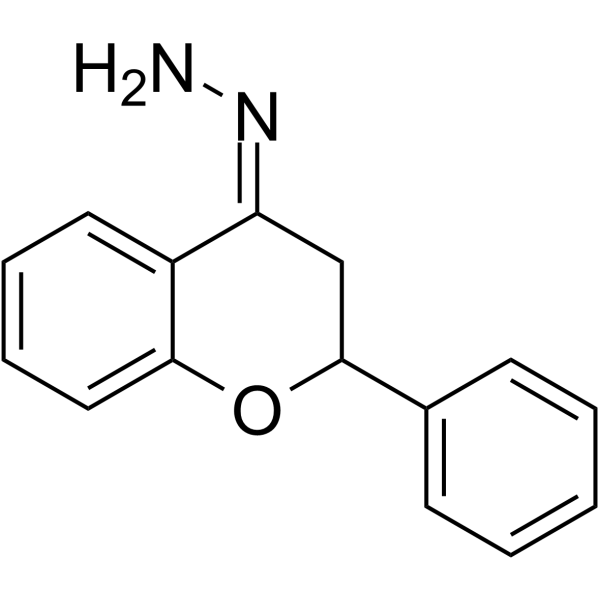
Flavanone hydrazine is a potent non-steroidal anti-inflammatory agent. Flavanone hydrazine effectively inhibits lens protein-induced ocular inflammation .
|
-
-
- HY-156777
-
|
|
Drug Derivative
|
Cancer
|
|
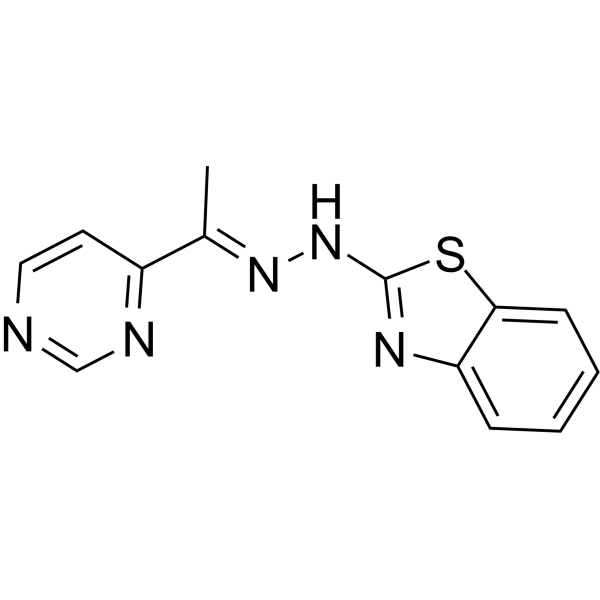
Antiproliferative agent-36 (compound 8i) is a benzothiazolyl hydrazones derived compound with antiproliferative activity. Antiproliferative agent-36 has a broad-spectrum anticancer activity .
|
-
-
- HY-132263
-
|
|
Fluorescent Dye
|
Others
|
|
FAM hydrazide, 5-isomer is a Fluorescein dye linker containing a hydrazide group. Fluorescein is a universal dye. Hydrazide moieties react with aldehydes to form semi-permanent hydrazone bonds.
|
-

-
- HY-W013677S
-
|
|
Isotope-Labeled Compounds
Drug Intermediate
|
Infection
|
|
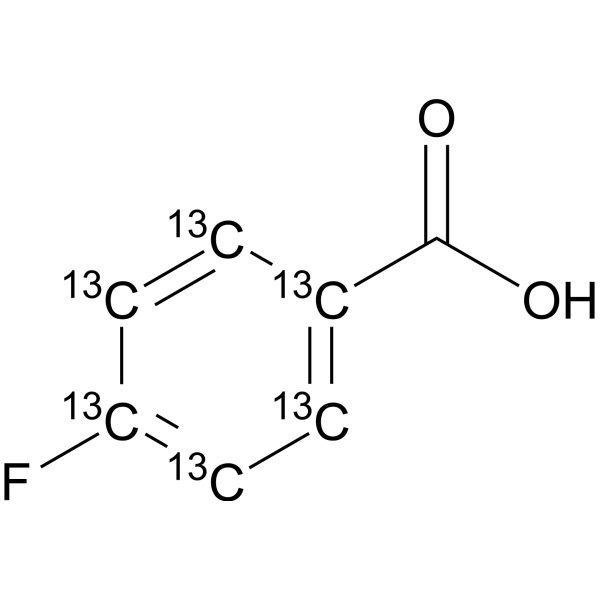
4-Fluorobenzoic acid- 13C6 is the 13C6 labeled 4-Fluorobenzoic acid (HY-W013677). 4-Fluorobenzoic acid is a drug intermediate that can be used to synthesize a series of hydrazone derivatives with antituberculosis activity and Schiff bases with DPPH radical scavenging activity.
|
-
-
- HY-W800657
-
|
|
Biochemical Assay Reagents
|
Others
|
|
Azido-PEG1-hydrazide hydrochloride is a bifunctional PEG linker containing an azide group and a hydrazide group. The azide group can react with alkyne, BCN, DBCO via Click Chemistry to yield a stable triazole linkage. Hydrazine moiety reacts with an aldehyde to form semi-permanent hydrazone bonds.
|
-

-
- HY-170394
-
|
|
Bacterial
Apoptosis
|
Infection
Inflammation/Immunology
Cancer
|
|
Apoptosis inducer 33 (Compound H2) is a hydrazone derivative. Apoptosis inducer 33 has antioxidant and antibacterial activity that inhibits the growth of Staphylococcus aureus, Escherichia coli and Candida albicans. Apoptosis inducer 33 inhibits tumor cells proliferation and induces apoptosis, which can be used in the study of cancer .
|
-

-
- HY-Y0760R
-
|
3-Anisic acid (Standard); NSC 27014 (Standard); m-Methoxybenzoic acid (Standard)
|
Reference Standards
Drug Intermediate
|
Infection
|
|
3-Methoxybenzoic acid (3-Anisic acid; NSC 27014; m-Methoxybenzoic acid) (Standard) is the analytical standard of 3-Methoxybenzoic acid. This product is intended for research and analytical applications. 3-Methoxybenzoic acid is a substituted benzoic acid and precursor for synthesis of hydrazide-hydrazone derivatives active against Gram-positive bacteria, including Bacillus spp .
|
-

-
- HY-146889
-
|
|
Phosphodiesterase (PDE)
|
Cancer
|
|
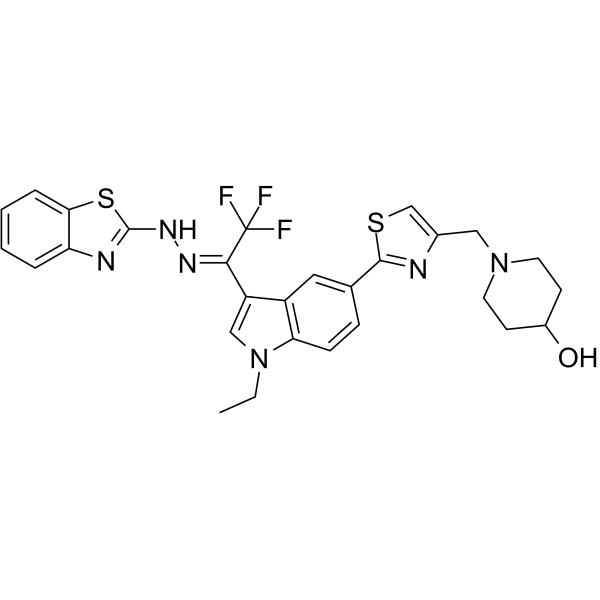
ATX inhibitor 16 is a potent ATX inhibitor with an IC50 of 0.0021 μM. ATX inhibitor 16 shows excellent anti-proliferative activities in breast cancer cells .
|
-
-
- HY-146890
-
|
|
Phosphodiesterase (PDE)
|
Cancer
|
|
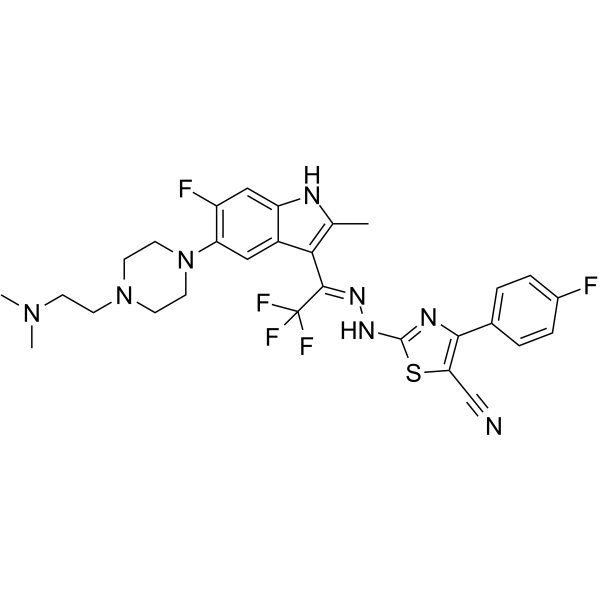
ATX inhibitor 17 is a potent ATX inhibitor with an IC50 of 0.019 μM. ATX inhibitor 17 shows excellent anti-proliferative activities in breast cancer cells .
|
-
-
- HY-179052
-
|
|
Apoptosis
Autophagy
Bcl-2 Family
Caspase
Atg8/LC3
Atg7
CDK
Reactive Oxygen Species (ROS)
|
Cancer
|
|
Apoptosis inducer 50 (Compound 5e) is an apoptosis inducer as well as an autophagy inducer agent. Apoptosis inducer 50 exhibits potent and selective anti-cancer activity against triple-negative breast cancer cells and metastatic colon cancer cells. Apoptosis inducer 50 upregulates the expression of pro-apoptotic proteins (Bax, Bim, cleaved Caspase-9) and downregulates the expression of the anti-apoptotic protein (BCL-XL). Apoptosis inducer 50 upregulates key autophagy markers such as Beclin-1 and ATG5, and enhances the conversion of LC3-I to LC3-II., Apoptosis inducer 50 arrests cancer cells in the G1/S phase by upregulating the expression of p21 and p27 while downregulating Cyclin D1. Apoptosis inducer 50 increases the level of ROS .
|
-

-
- HY-146124
-
-
-
- HY-162061
-
|
|
Monoamine Oxidase
|
Neurological Disease
|
|
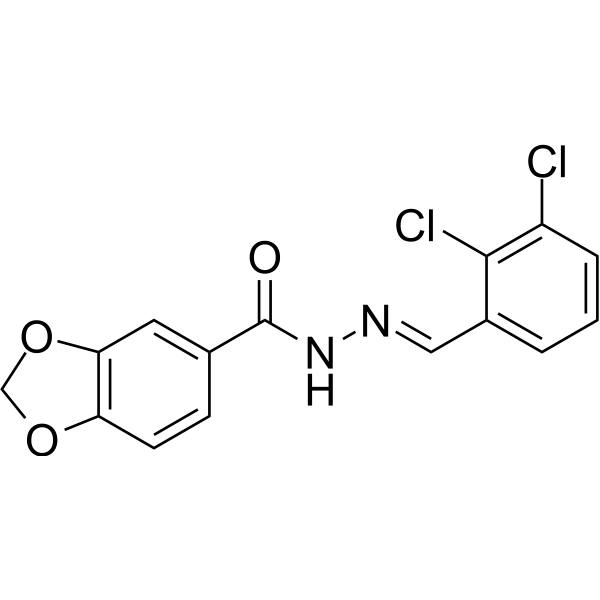
ChEs/MAOs-IN-1 (Compound 4i) is a dual inhibitor of cholinesterases (ChEs) and monoamine oxidases (MAOs).ChEs/MAOs-IN-1 has IC50 values of 0.048 μM, 0.89 μM, 3.58 μM, and 0.095 μM for AChE, BChE, MAO-B and MAO-B respectively. ChEs/MAOs-IN-1 can be used in the study of neurodegenerative diseases .
|
-
-
- HY-162927
-
|
|
MDM-2/p53
Apoptosis
|
Cancer
|
|
p53-MDM2-IN-6 (Compound 10a), a LSM-83177 hydrazone analog, is a potent p53-MDM2 inhibitor with an IC50 value of 11.08 µg/mL. p53-MDM2-IN-6 arrests the cell cycle in the S phase and induces early and late Apoptosis with antiproliferative activity against HT29 cell lines with an IC50 value of 10.44 µg/mL. p53-MDM2-IN-6 inhibits p53-MDM2 interaction with increment in p-53 level and decrease the expression of GST enzymes. p53-MDM2-IN-6 is promising for research of colorectal cancer .
|
-

-
- HY-175127
-
|
|
Fluorescent Dye
|
Others
|
|
N-Dodecanoyl-L-homoserine lactone-3-hydrazone-fluorescein is a fluorescently-tagged probe. N-Dodecanoyl-L-homoserine lactone-3-hydrazone-fluorescein can be used in the research of O-DDHSL and 3O-C12-HSL detection .
|
-

-
- HY-161752A
-
|
|
Drug Isomer
Bacterial
|
Infection
|
|
(E)-Antibacterial agent 224 is an isomer of Antibacterial agent 224 (HY-161752). Antibacterial agent 224 is a potent and selective synthetic hydrazone inhibitor against the Salmonella PhoP/PhoQ system .
|
-

-
- HY-W075519
-
|
4-Pyridinecarboxaldehyde isonicotinoyl hydrazone
|
MOFs
|
Others
|
|
|
-

-
- HY-D3190
-
|
|
Fluorescent Dye
Apoptosis
|
Inflammation/Immunology
|
|
BODIPY-DOX is a conjugate composed of BODIPY and Doxorubicin (HY-15142A), as well as a pH-activated fluorescent probe for M1 macrophages and an apoptosis inducer. BODIPY-DOX undergoes pH-induced hydrazone bond cleavage in acidic M1 macrophage phagosomes, thereby releasing cytotoxic Doxorubicin (Dox) and inhibiting the function of pro-inflammatory M1 macrophages. BODIPY-DOX highly selectively inhibits the production of relevant pro-inflammatory cytokines by mouse and human monocyte-derived M1 macrophages, while exerting minimal effects on M2 or unactivated macrophages. Therefore, BODIPY-DOX enables simultaneous fluorescent tracing, differentiation and elimination of specific macrophage subsets, and exhibits the potential to regulate tissue regeneration in zebrafish models .
|
-

-
- HY-W806606
-
|
|
Biochemical Assay Reagents
|
Cancer
|
|
Pent-4-ynehydrazide is an intermediate in organic synthesis. Pent-4-ynehydrazide can be used to synthesize Hydrazone-DOX-Alkyne. Pent-4-yne hydrazide can be used in the research of cancer .
|
-

-
- HY-W013948S
-
|
Propanal, (2,4-dinitrophenyl)hydrazone-d3
|
Isotope-Labeled Compounds
|
Others
|
|
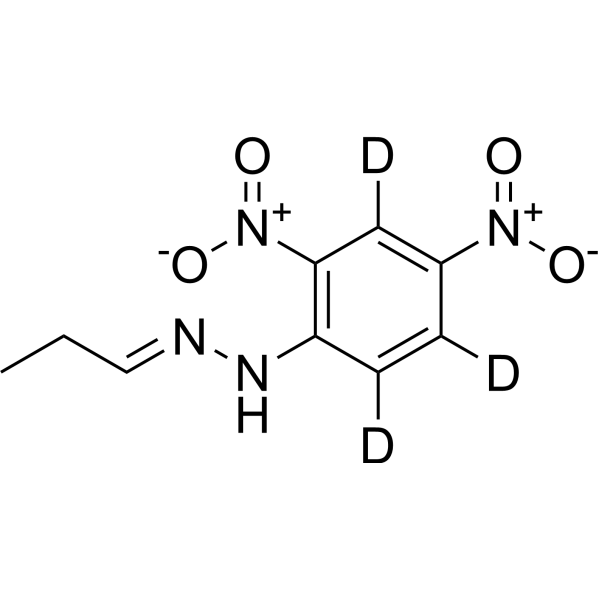
1-(2,4-Dinitrophenyl)-2-propylidenehydrazine-d3 is the deuterium labeled 1-(2,4-Dinitrophenyl)-2-propylidenehydrazine .
|
-
-
- HY-W013677S1
-
|
|
Isotope-Labeled Compounds
Drug Intermediate
|
Infection
|
|
4-Fluorobenzoic acid- 13C,d4 is the 13C- and deuterium labeled 4-Fluorobenzoic acid (HY-W013677). 4-Fluorobenzoic acid is a drug intermediate that can be used to synthesize a series of hydrazone derivatives with antituberculosis activity and Schiff bases with DPPH radical scavenging activity .
|
-

-
- HY-181116
-
|
|
CDK
|
Cancer
|
|
Anticancer agent 298 is a bi-nuclear Cu(II)-hydrazone complexe. Anticancer agent 298 can bind to the CDK-2 active site (PDB ID: 3IG7) via hydrogen bonds with key amino acid residues. Anticancer agent 298 exerts cytotoxic effects against hepatocellular carcinoma cells, and has lower cytotoxicity against normal human embryonic kidney cells. Anticancer agent 298 can be used for the research of hepatocellular carcinoma .
|
-

-
- HY-181923
-
|
|
EGFR
CDK
Cytochrome P450
|
Cancer
|
|
IMP-Zn is a pyrazole-hydrazone Schiff base zinc (II) complex. IMP-Zn exhibits significant antiproliferative activity against human colorectal cancer cells and induces cell cycle arrest. IMP-Zn shows stronger binding affinity than its free ligand IMP towards three cancer-related protein targets: EGFR kinase 1M17, cytochrome P450 3RUK, and CDK inhibitor 6GUE. IMP-Zn can be used in studies related to colorectal cancer .
|
-

-
- HY-W009411S
-
|
|
Isotope-Labeled Compounds
Fluorescent Dye
|
Others
|
|
Dansyl hydrazine- 13C2 is the 13C-labeled Dansyl hydrazine (HY-W009411). Dansyl hydrazine is a carbohydrate-specific fluorescent dye (Ex/Em = 340 nm/525 nm). Dansyl hydrazine undergoes a condensation reaction with aldehyde groups generated by periodate oxidation on carbohydrate-containing structures to form fluorescent hydrazone compounds. Dansyl hydrazine selectively stains polysaccharides in formalin-fixed, paraffin-embedded human post-mortem brain tissues, revealing detailed structural features. Dansyl hydrazine is applicable to research related to Alzheimer's disease, Lafora disease, and polyglucosan body disease.
|
-

-
- HY-183549
-
|
|
Apoptosis
Ferroptosis
|
Cancer
|
|
Ferroptosis/apoptosis inducer-4 is a pyridine-hydrazone-derived Cu (II) complex and a synergistic inducer of ferroptosis and apoptosis. Ferroptosis/apoptosis inducer-4 exerts anti-tumor proliferation and anti-metastasis effects with extremely low systemic toxicity. Ferroptosis/apoptosis inducer-4 disrupts cellular redox homeostasis by depleting glutathione and generating hydroxyl radicals through the Cu 2+/Cu + redox cycle. Ferroptosis/apoptosis inducer-4 also triggers mitochondrial dysfunction and endoplasmic reticulum stress, which in turn lead to Ca 2+ release, mitochondrial Ca 2+ overload, and the formation of a ROS−Ca 2+ self-amplifying feedback loop. Ferroptosis/apoptosis inducer-4 can be used in studies related to cervical cancer .
|
-

| Cat. No. |
Product Name |
Type |
-
- HY-132263
-
|
|
Fluorescent Dye
|
|
FAM hydrazide, 5-isomer is a Fluorescein dye linker containing a hydrazide group. Fluorescein is a universal dye. Hydrazide moieties react with aldehydes to form semi-permanent hydrazone bonds.
|
-
- HY-D3190
-
|
|
Fluorescent Dye
|
|
BODIPY-DOX is a conjugate composed of BODIPY and Doxorubicin (HY-15142A), as well as a pH-activated fluorescent probe for M1 macrophages and an apoptosis inducer. BODIPY-DOX undergoes pH-induced hydrazone bond cleavage in acidic M1 macrophage phagosomes, thereby releasing cytotoxic Doxorubicin (Dox) and inhibiting the function of pro-inflammatory M1 macrophages. BODIPY-DOX highly selectively inhibits the production of relevant pro-inflammatory cytokines by mouse and human monocyte-derived M1 macrophages, while exerting minimal effects on M2 or unactivated macrophages. Therefore, BODIPY-DOX enables simultaneous fluorescent tracing, differentiation and elimination of specific macrophage subsets, and exhibits the potential to regulate tissue regeneration in zebrafish models .
|
| Cat. No. |
Product Name |
Type |
-
- HY-15932
-
|
TOOS sodium salt
|
Biochemical Assay Reagents
|
|
TOOS (TOOS sodium salt) is a highly water-soluble aniline derivative widely used in diagnostics and biological experiments. TOOS can be combined with 3-methyl-2-benzothiazolinone hydrazone hydrochloride (MBTH) to form a chromogenic system to measure oxidase activity. In the MBTH-TOOS chromogenic system, MBTH is catalytically oxidized to produce (-NH) free radicals, which react with TOOS to form colorless compounds. Furthermore, the colorless compound undergoes a disproportionation reaction to produce a blue-violet quinoid compound .
|
-
- HY-W074541
-
|
Trimethylacetohydrazideammonium chloride
|
Biochemical Assay Reagents
|
|
Girard's reagent T is often used in analytical chemistry as a derivatizing agent for carbonyl compounds. Girard's reagent T reacts with ketones and aldehydes to form stable hydrazones that can be readily analyzed by various techniques including chromatography and spectrophotometry. In addition, Girard's Reagent T has been used in the synthesis of a variety of organic compounds, including pharmaceuticals and agrochemicals.
|
-
- HY-W009411
-
|
|
Biochemical Assay Reagents
|
|
Dansyl hydrazine is a carbohydrate-specific fluorescent dye (Ex/Em = 340 nm/525 nm). Dansyl hydrazine undergoes a condensation reaction with aldehyde groups generated by periodate oxidation on carbohydrate-containing structures to form fluorescent hydrazone compounds. Dansyl hydrazine selectively stains polysaccharides in formalin-fixed, paraffin-embedded human post-mortem brain tissues, revealing detailed structural features. Dansyl hydrazine is applicable to research related to Alzheimer's disease, Lafora disease, and polyglucosan body disease .
|
-
- HY-W013677
-
|
|
Biochemical Assay Reagents
|
|
4-Fluorobenzoic acid is a drug intermediate that can be used to synthesize a series of hydrazone derivatives with antituberculosis activity and Schiff bases with DPPH radical scavenging activity .
|
-
- HY-155907
-
|
DSPE-PEG5000-NH2 ammonium
|
Biochemical Assay Reagents
|
|
DSPE-PEG5000-Amine ammonium is a phosphoethanolamine involved in the synthesis of liposomes for delivery systems. DSPE-PEG5000-Amine ammonium amino group can be converted to aromatic aldehydes that react with acetone-protected aromatic hydrazides on the surface of the bovine carbonic anhydrase (BCA) molecule. Liposomes produce liposome-Bah-BCA conjugates by forming diaryl hydrazone (BAH) with target enzyme molecules. The conjugate catalyzes the hydration of carbon dioxide to bicarbonate.
|
| Cat. No. |
Product Name |
Category |
Target |
Chemical Structure |
| Cat. No. |
Product Name |
Chemical Structure |
-
- HY-W013677S
-
|
|
|
4-Fluorobenzoic acid- 13C6 is the 13C6 labeled 4-Fluorobenzoic acid (HY-W013677). 4-Fluorobenzoic acid is a drug intermediate that can be used to synthesize a series of hydrazone derivatives with antituberculosis activity and Schiff bases with DPPH radical scavenging activity.
|
-
-
- HY-W013948S
-
|
|
|
1-(2,4-Dinitrophenyl)-2-propylidenehydrazine-d3 is the deuterium labeled 1-(2,4-Dinitrophenyl)-2-propylidenehydrazine .
|
-
-
- HY-W013677S1
-
|
|
|
4-Fluorobenzoic acid- 13C,d4 is the 13C- and deuterium labeled 4-Fluorobenzoic acid (HY-W013677). 4-Fluorobenzoic acid is a drug intermediate that can be used to synthesize a series of hydrazone derivatives with antituberculosis activity and Schiff bases with DPPH radical scavenging activity .
|
-
-
- HY-W009411S
-
|
|
|
Dansyl hydrazine- 13C2 is the 13C-labeled Dansyl hydrazine (HY-W009411). Dansyl hydrazine is a carbohydrate-specific fluorescent dye (Ex/Em = 340 nm/525 nm). Dansyl hydrazine undergoes a condensation reaction with aldehyde groups generated by periodate oxidation on carbohydrate-containing structures to form fluorescent hydrazone compounds. Dansyl hydrazine selectively stains polysaccharides in formalin-fixed, paraffin-embedded human post-mortem brain tissues, revealing detailed structural features. Dansyl hydrazine is applicable to research related to Alzheimer's disease, Lafora disease, and polyglucosan body disease.
|
-
| Cat. No. |
Product Name |
|
Classification |
-
- HY-136131
-
|
|
|
ADC Synthesis
DBCO
|
|
NH2-PEG4-hydrazone-DBCO is a cleavable 4 unit PEG ADC linker used in the synthesis of antibody-drug conjugates (ADCs) . NH2-PEG4-hydrazone-DBCO is a click chemistry reagent, it contains a DBCO group that can undergo strain-promoted alkyne-azide cycloaddition (SPAAC) with molecules containing Azide groups.
|
-
- HY-136079
-
|
|
|
DBCO
ADC Synthesis
Tetrazine
|
|
Methyltetrazine-PEG4-hydrazone-DBCO is a cleavable 4 unit PEG ADC linker used in the synthesis of antibody-drug conjugates (ADCs) . Methyltetrazine-PEG4-hydrazone-DBCO is a click chemistry reagent, it contains a DBCO group that can undergo strain-promoted alkyne-azide cycloaddition (SPAAC) with molecules containing Azide groups. Methyltetrazine-PEG4-hydrazone-DBCO also contains a Tetrazine group that can undergo an inverse electron demand Diels-Alder reaction (iEDDA) with molecules containing TCO groups.
|
-
- HY-W800657
-
|
|
|
Azide
|
|
Azido-PEG1-hydrazide hydrochloride is a bifunctional PEG linker containing an azide group and a hydrazide group. The azide group can react with alkyne, BCN, DBCO via Click Chemistry to yield a stable triazole linkage. Hydrazine moiety reacts with an aldehyde to form semi-permanent hydrazone bonds.
|
-
- HY-W806606
-
|
|
|
Alkynes
|
|
Pent-4-ynehydrazide is an intermediate in organic synthesis. Pent-4-ynehydrazide can be used to synthesize Hydrazone-DOX-Alkyne. Pent-4-yne hydrazide can be used in the research of cancer .
|
| Cat. No. |
Product Name |
|
Classification |
-
- HY-155907
-
|
DSPE-PEG5000-NH2 ammonium
|
|
Pegylated Lipids
|
|
DSPE-PEG5000-Amine ammonium is a phosphoethanolamine involved in the synthesis of liposomes for delivery systems. DSPE-PEG5000-Amine ammonium amino group can be converted to aromatic aldehydes that react with acetone-protected aromatic hydrazides on the surface of the bovine carbonic anhydrase (BCA) molecule. Liposomes produce liposome-Bah-BCA conjugates by forming diaryl hydrazone (BAH) with target enzyme molecules. The conjugate catalyzes the hydration of carbon dioxide to bicarbonate.
|
Your information is safe with us. * Required Fields.
Inquiry Information
- Product Name:
- Cat. No.:
- Quantity:
- MCE Japan Authorized Agent:








