Search Result
Results for "
inhibit colony formation and cell migration
" in MedChemExpress (MCE) Product Catalog:
| Cat. No. |
Product Name |
Target |
Research Areas |
Chemical Structure |
-
- HY-19345A
-
|
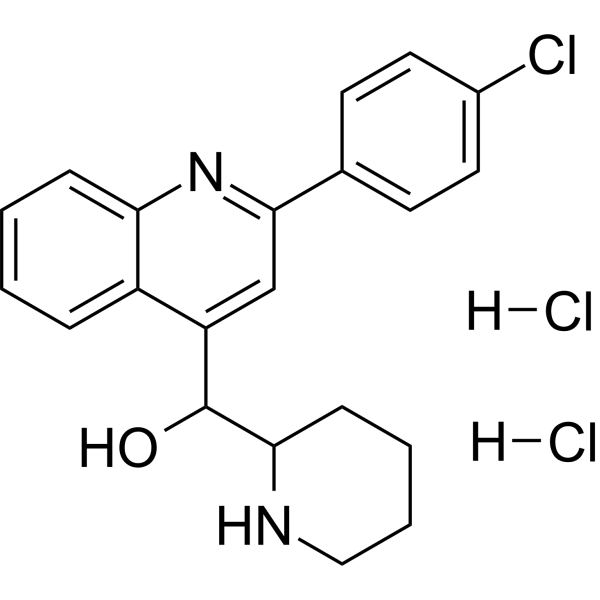
NSC13316 dihydrochloride
|
p38 MAPK
|
Neurological Disease
Cancer
|
|
Vacquinol-1 (NSC13316) dihydrochloride is a MKK4-specific activator that activates the MAPK pathway. Vacquinol-1 dihydrochloride inhibits the growth, migration and colony formation, and induces apoptosis of cancer cells. Vacquinol-1 dihydrochloride is applicable to research related to cancers such as hepatocellular carcinoma .
|
-
-
- HY-N0597
-
|
|
Akt
Insulin Receptor
Apoptosis
Reactive Oxygen Species (ROS)
|
Cardiovascular Disease
Metabolic Disease
Cancer
|
|
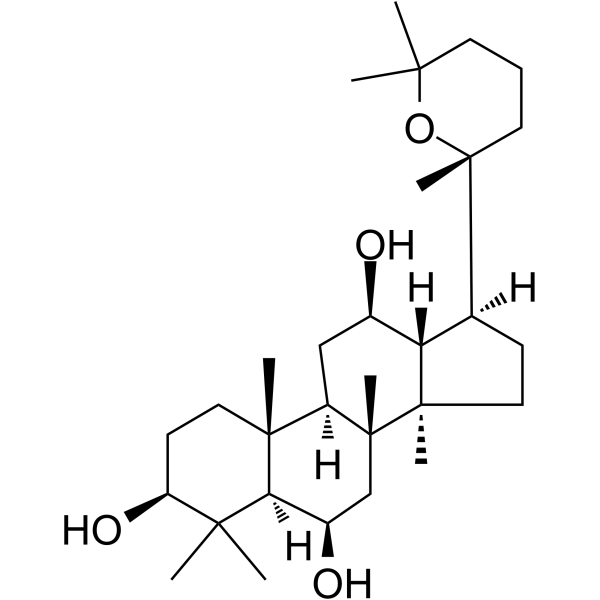
Panaxatriol is an orally active dammarane-type tetracyclic triterpene sapogenin. Panaxatriol enhances the phosphorylation levels of Akt, insulin receptor and p70S6K in skeletal muscle. Panaxatriol reduces the mRNA expression level of Atrogin1 in skeletal muscle. Panaxatriol induces apoptosis, pre-G1 cell cycle arrest and increased intracellular ROS levels in prostate cancer cells, decreases mitochondrial membrane potential, inhibits cell migration and reduces colony formation. Panaxatriol can be used in research related to insulin resistance, myocardial ischemia/reperfusion injury and prostate cancer [1][2][3].
|
-
-
- HY-19345
-
|
NSC13316
|
p38 MAPK
Apoptosis
Caspase
Bcl-2 Family
|
Cancer
|
|
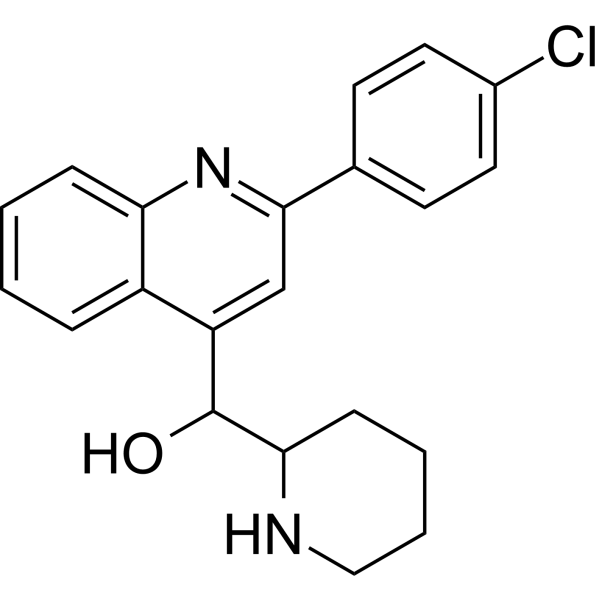
Vacquinol-1 (NSC13316) is a MKK4-specific activator that activates the MAPK pathway. Vacquinol-1 inhibits the growth, migration and colony formation, and induces apoptosis of cancer cells. Vacquinol-1 is applicable to research related to cancers such as hepatocellular carcinoma .
|
-
-
- HY-115909
-
|
|
CDK
|
Cancer
|
|
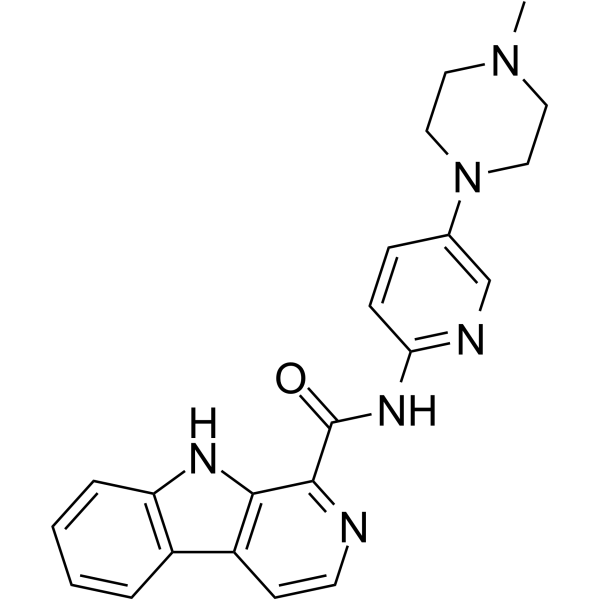
ZDLD20, a β-carboline, is orally active and selective CDK4/CycD3 inhibitor with an IC50 value of 6.51 μM. ZDLD20 exhibits potent anti-HCT116 activity including inhibition of colony formation, inhibition of invasion and migration, inducing of apoptosis, and arresting of G1 phase in cell cycle. ZDLD20 exhibits potent anticancer activity .
|
-
-
- HY-154825
-
|
20(OH)D3; 20S-Hydroxyvitamin D3
|
VD/VDR
Aryl Hydrocarbon Receptor
NF-κB
Cytochrome P450
|
Inflammation/Immunology
Cancer
|
|
20-Hydroxyvitamin D3 (20(OH)D3), a product of vitamin D3 hydroxylation, is a noncalcemic immunomodulator. 20-Hydroxyvitamin D3 binds to vitamin D receptor (VDR), activates VDR and aryl hydrocarbon receptor (AhR) signaling, stimulates CYP24A1 expression, and drives VDR nuclear translocation. 20-Hydroxyvitamin D3 inhibits NF-κB activity via IκBα upregulation. 20-Hydroxyvitamin D3 acts as a substrate for CYP27B1 and rat CYP24A1, undergoing hydroxylation to form dihydroxy-derivatives. 20-Hydroxyvitamin D3 inhibits cell proliferation, colony formation, migration, and tumor growth, and induces cell differentiation in cancer cells. 20-Hydroxyvitamin D3 can be used for the research of inflammatory and autoimmune diseases, melanoma, breast carcinomas, and hepatocarcinoma .
|
-

-
- HY-162938
-
|
|
E1/E2/E3 Enzyme
|
Cancer
|
|
Skp2 inhibitor 3 is an orally active inhibitor of the Skp2-Cks1 complex, with an IC50 of 4.86 μM. Skp2 inhibitor 3 reduces Skp2 protein expression while upregulating the expression of p21 and p27. Skp2 inhibitor 3 inhibits colony formation and migration of cancer cells, and induces cell cycle arrest at the S phase. Skp2 inhibitor 3 suppresses tumor growth in xenograft mice. Skp2 inhibitor 3 can be used in the research of gastric cancer and prostate cancer .
|
-

-
- HY-179143
-
|
|
EGFR
Akt
Apoptosis
|
Cancer
|
|
EGFR-IN-185 is a EGFR inhibitor. EGFR-IN-185 exhibits potent activity against non-small cell lung cancer (NSCLC) cells harboring EGFR mutations. EGFR-IN-185 inhibits colony formation and migration, induces G0/G1 arrest, and promots apoptosis, which are associated with the suppression of EGFR and AKT phosphorylation. EGFR-IN-185 can be used for the research of NSCLC .
|
-

-
- HY-174828
-
|
|
PARP
ATM/ATR
Apoptosis
|
Cancer
|
|
ATR/PARP1-IN-1 is a potent ATR and PARP1 dual inhibitor with IC50s of 17.3 nM and 0.38 nM, respectively. ATR/PARP1-IN-1 effectively reduces cell viability, induces apoptosis and DNA damage. ATR/PARP1-IN-1 significantly impairs triple-negative breast cancer (TNBC) colony formation, migration, and invasion. ATR/PARP1-IN-1 suppresses tumor growth effectively in MDA-MB-468 xenografted mice, with no significant body weight change .
|
-

-
- HY-115663
-
|
|
Epigenetic Reader Domain
c-Myc
|
Cancer
|
|
C620-0696 is an inhibitor targeting the brom domain of BPTF, with a KD value of 35.5 μM. C620-0696 can exert cytotoxic effects on A549 and H358 cells, inhibiting the expression of c-Myc. C620-0696 inhibits cell migration and colony formation, and induces apoptosis and cell cycle arrest. C620-0696 can be used in the research of non-small cell lung cancer .
|
-

-
- HY-175175
-
|
|
p38 MAPK
Bcl-2 Family
Caspase
Reactive Oxygen Species (ROS)
PARP
Apoptosis
|
Cancer
|
|
MAPK-IN-5 is a potent MAPK inhibitor with an IC50 of 1.35 μM against HeLa cells. MAPK-IN-5 inhibits HeLa cell proliferation by inducing ROS-mediated DNA damage and mitochondrial apoptosis via the MAPK pathway. MAPK-IN-5 significantly inhibits colony formation, reduces the number of live cells, suppresses cell migration, and causes cell cycle arrest in the G2/M phase in HeLa cells. MAPK-IN-5 can be used for the study of cervical cancer .
|
-

-
- HY-13654
-
|
|
Smo
Hedgehog
|
Cancer
|
|
IPI-269609 is an orally effective Smoothed (SMO) inhibitor that targets the Hedgehog (Hh) signaling pathway. IPI-269609 specifically reduces the ALDH-bright (high aldehyde dehydrogenase activity) cell subset, which is considered the "cancer stem cells" in pancreatic cancer. IPI-269609 significantly inhibits the migration and colony formation of pancreatic cancer cells. IPI-269609 effectively inhibits pancreatic cancer metastasis in a mouse model. IPI-269609 can be used for pancreatic cancer research .
|
-

-
- HY-175589
-
|
|
Topoisomerase
Apoptosis
Bcl-2 Family
|
Cancer
|
|
XSJ81 is an orally active anti-cancer agent. XSJ81 significantly inhibits the proliferation of ampullary carcinoma (AC) DPC-X3 cells with an IC50 of 0.655 μM. XSJ81 inhibits the colony formation, arrests cell cycle at the G2/M phase and inhibits the migration in DPC-X3 cells. XSJ81 induces DNA damage and apoptosis in DPC-X3 cells. XSJ81 demonstrates significant anti-tumor efficacy in mice bearing DPC-X3 xenografts. XSJ81 can be used for the study of ampullary carcinoma .
|
-

-
- HY-178178
-
|
|
PARP
Reactive Oxygen Species (ROS)
DNA/RNA Synthesis
Apoptosis
|
Cancer
|
|
PARP1-IN-46 is a potent PARP-1 inhibitor with an IC50 of 2.4 nM. PARP1-IN-46 demonstrates remarkable anti-proliferative activity in both rat (C6) and human (U87MG) glioma cells. PARP1-IN-46 promotes PARP cleavage, triggers DNA damage, and increases ROS. PARP1-IN-46 effectively inhibits the migration, invasion and colony formation of glioma cells, and ultimately induces cell apoptosis. PARP1-IN-46 can be used to the study of glioma .
|
-

-
- HY-178460
-
|
|
BRK
Akt
MMP
|
Cancer
|
|
BRK/PTK6-IN-1 (Compound 51) is a highly efficient and selective BRK inhibitor (IC50 = 3.37 nM, Kd = 44 nM). BRK/PTK6-IN-1 can reduce MMP-9 protein expression and inhibit IGF-1 induced AKT phosphorylation in MDA-MB-231 cells. BRK/PTK6-IN-1 significantly inhibits migration, invasion, and colony formation but does not affect cell proliferation. BRK/PTK6-IN-1 is often used in the research of breast cancer and other cancers .
|
-

-
- HY-N15267
-
|
|
FAK
Akt
mTOR
|
Cancer
|
|
Ovalitenone is a flavonoid compound that can be isolated from the plant Millettia peguensis. It shows no cytotoxic effects on lung cancer H460 and A549 cells, but it significantly inhibits anchorage-independent growth, CSC-like phenotypes, colony formation, and the migration and invasion capabilities of cancer cells. Ovalitenone can significantly reduce the levels of N-cadherin, snail, and slug, while increasing E-cadherin, thus inhibiting the EMT pathway. Additionally, Ovalitenone suppresses the signaling pathways regulated by focal adhesion kinase (FAK), ATP-dependent tyrosine kinase (AKT), mammalian target of rapamycin (mTOR), and cell division cycle 42 (Cdc42) .
|
-

-
- HY-179468
-
|
|
STAT
|
Cancer
|
|
STAT3-IN-49 (compound B16) is a potent and selective STAT3 inhibitor. STAT3-IN-49 binds to the SH2 domain of STAT3, thereby suppressing its phosphorylation and nuclear translocation. STAT3-IN-49 inhibits triple-negative breast cancer (TNBC) cell migration, invasion, and colony formation. STAT3-IN-49 inhibits tumor growth in an MDA-MB-231 xenograft mouse model. STAT3-IN-49 can be used for TNBC research .
|
-

-
- HY-175253
-
|
|
STAT
Apoptosis
|
Cancer
|
|
YZ-35 is a STAT3 inhibitor, with a Ki value of 0.38 μM. YZ-35 binds directly to STAT3 with high
affinity, exhibiting a dissociation constant (Kd) of 190 nM. YZ-35 directly attenuates the dual phosphorylation of STAT3 (Tyr705 and Ser727). YZ-35 suppresses colony formation, cellular migration, and induces apoptosis in breast cancer cell lines (BCSC). YZ-35 selectively suppresses BCSC self-renewal. YZ-35 inhibits tumor growth in the BCSC xenograft models. YZ-35 can be used for the study of breast cancer .
|
-

-
- HY-175821
-
|
|
Histone Methyltransferase
Apoptosis
|
Cancer
|
|
PRMT1-IN-3 is a potent protein arginine methyltransferase 1 (PRMT1) inhibitor with an IC50 of 4.11 μM. PRMT1-IN-3 inhibits PRMT6 and PRMT8 with IC50s of 23.3 and 30.1 μM. PRMT1-IN-3 suppresses asymmetric dimethylarginine (ADMA) levels and histone H4R3me2a modification in triple-negative breast cancer (TNBC) cells. PRMT1-IN-3 induces cell cycle arrest, apoptosis, and inhibits migration and colony formation in MDA-MB-231 cells. PRMT1-IN-3 acts as chemotherapeutic sensitizers for Paclitaxel (HY-B0015). PRMT1-IN-3 can be used for the study of TNBC .
|
-

-
- HY-179424
-
|
|
PROTACs
HIF/HIF Prolyl-Hydroxylase
p38 MAPK
Akt
PI3K
MEK
Apoptosis
|
Cancer
|
|
PROTAC HIF-1α degrader-2 is a highly efficient and selective PROTAC degrader targeting HIF-1α. PROTAC HIF-1α degrader-2 promotes HIF-1α degradation via the ubiquitin-proteasome pathway by facilitating the formation of a HIF-1α/VHL ternary complex. PROTAC HIF-1α degrader-2 inhibits HeLa cell proliferation, migration, and colony formation, and induces apoptosis. PROTAC HIF-1α degrader-2 reduces p-MEK and p-AKT expression in the MAPK and PI3K/AKT pathways. PROTAC HIF-1α degrader-2 can be used for the study of cervical cancer .
|
-

-
- HY-144766
-
|
|
Apoptosis
|
Cancer
|
|
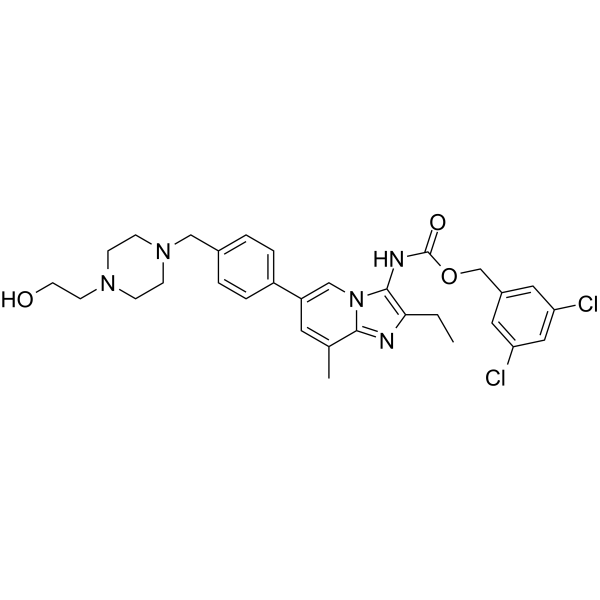
ATX inhibitor 13 (10c) is an orally active and potent ATX inhibitor, with an IC50 of 3.4 nM. ATX inhibitor 13 inhibits proliferation and migration, and induces apoptosis and G2 phase arrest in RAW264.7 cells. ATX inhibitor 13 suppresses tumor cell colony formation .
|
-
-
- HY-146738
-
|
|
Akt
|
Cancer
|
|
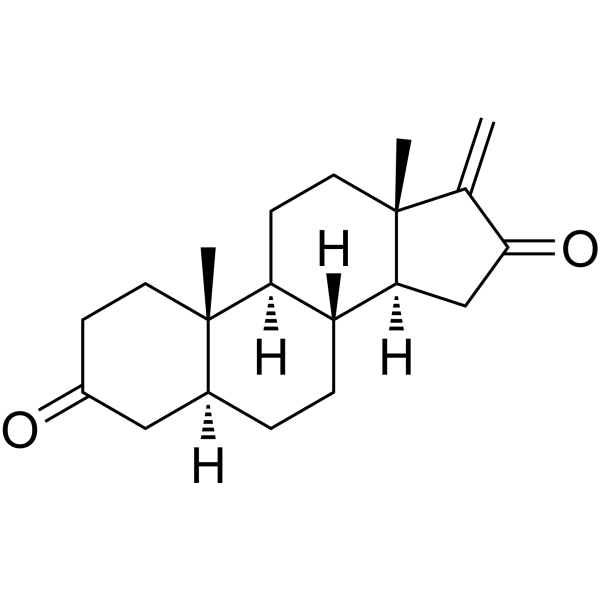
GSD-11 is a potent and selective anti-austerity agent. GSD-11 inhibits the cell migration and colony formation of PANC-1 cells. GSD-11 inhibits the Akt/mTOR signaling pathway. GSD-11 has the potential for the research of pancreatic cancer[1].
|
-
-
- HY-173140
-
|
|
Apoptosis
|
Cancer
|
|
Anticancer agent 268 (Compound 4k) is a potential anti-tumor agent. Anticancer agent 268 exhibits anti-proliferative effects against HepG2 cells, with an IC50 of 6.08 μM. Anticancer agent 268 can induce apoptosis and inhibit colony formation and migration of HepG2 cells .
|
-

-
- HY-173218
-
|
|
EGFR
|
Cancer
|
|
anti-NSCLC agent-1 (compound 8dc) is an inhibitor of tyrosine kinase inhibitors (TKIs) with IC50 values of 0.05 and 0.09 μM in A549 and NCI-H441 cells. anti-NSCLC agent-1 shows anti-NSCLC activities in colony formation, migration, and invasion .
|
-

-
- HY-161153
-
|
|
Apoptosis
|
Cancer
|
|
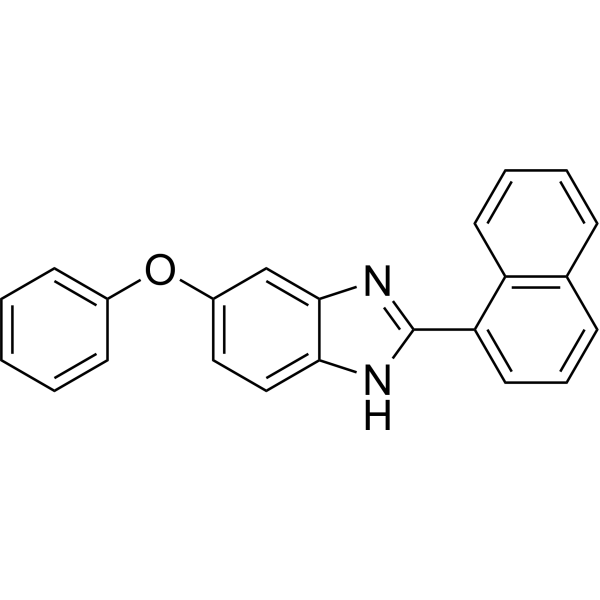
Microtubule inhibitor 9 (Compound O-7) is a 2-Aryl-1H-benzo [d] imidazole derivative with in vitro anticancer activity. Microtubule inhibitor 9 can induce cell cycle arrest at the G2/M phase and early apoptosis. Microtubule inhibitor 9 inhibits cancer cell migration by inhibiting wound healing and colony formation .
|
-
-
- HY-161338
-
|
|
Microtubule/Tubulin
Apoptosis
|
Cancer
|
|
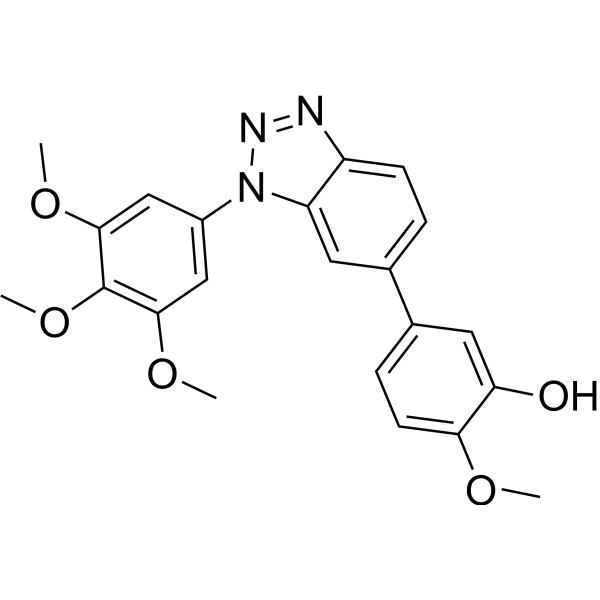
Tubulin polymerization-IN-61 (Compound 9a) is a tubulin polymerization inhibitor. Tubulin polymerization-IN-61 destroys the microtubule skeleton, blocks the cell cycle in G2/M phase, induces Apoptosis, and inhibits cancer cell migration and colony formation. Tubulin polymerization-IN-61 shows antitumor activity in vivo against 4T1 xenograft model .
|
-
-
- HY-168951
-
|
|
Annexin A
Apoptosis
|
Cancer
|
|
(R)-SL18 is a degrader of ANXA3 and can degrade ANXA3 protein through the ubiquitination pathway. (R)-SL18 inhibits the proliferation, migration, invasion, and colony formation of breast cancer cells and induces apoptosis. (R)-SL18 can be used in the research of triple-negative breast cancer .
|
-

-
- HY-146038
-
|
|
Apoptosis
ROS Kinase
MDM-2/p53
Bcl-2 Family
|
Cancer
|
|
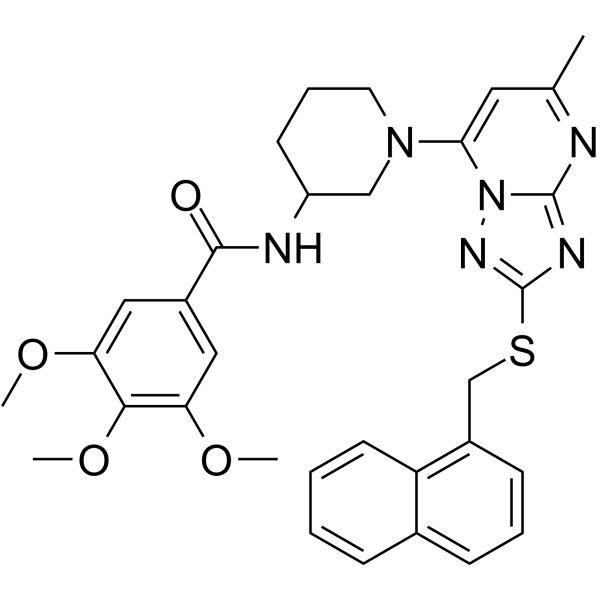
Antitumor agent-55 (compound 5q) is a potent antitumor agent. Antitumor agent-55 effectively inhibits PC3, with an IC50 of 0.91 μM. Antitumor agent-55 effectively inhibits the colony formation, suppresses the cell migration in PC3. Antitumor agent-55 induces G1/S phase arrest and apoptosis in PC3 .
|
-
-
- HY-119948
-
|
|
Cyclin G-associated Kinase (GAK)
MDM-2/p53
|
Cancer
|
AKCI is a type of AURKC-IκBα interaction inhibitor, with an IC50 value of 24.9 μM. In MDA-MB-231 cells, AKCI can induce G2/M cell cycle arrest by regulating the p53/p21/CDC2/cyclin B1 pathway, inhibit cell migration and invasion, and reduce colony formation and tumor growth. AKCI can be used for research on breast cancer .
|
-

-
- HY-174397
-
|
|
Histone Methyltransferase
Epigenetic Reader Domain
|
Cancer
|
|
EED-IN-3 is an orally active EED inhibitor. EED-IN-3 effectively inhibits PRC2 by binding to EED (IC50 = 0.62 μM for EED) and downregulates H3K27me3. EED-IN-3 can efficiently and selectively inhibit PC3 cells with the IC50 of 3.69 μΜ and could significantly suppress colony formation and migration. EED-IN-3 can be used for research on prostate cancer.
|
-

-
- HY-151155
-
|
|
Anaplastic lymphoma kinase (ALK)
|
Cancer
|
|
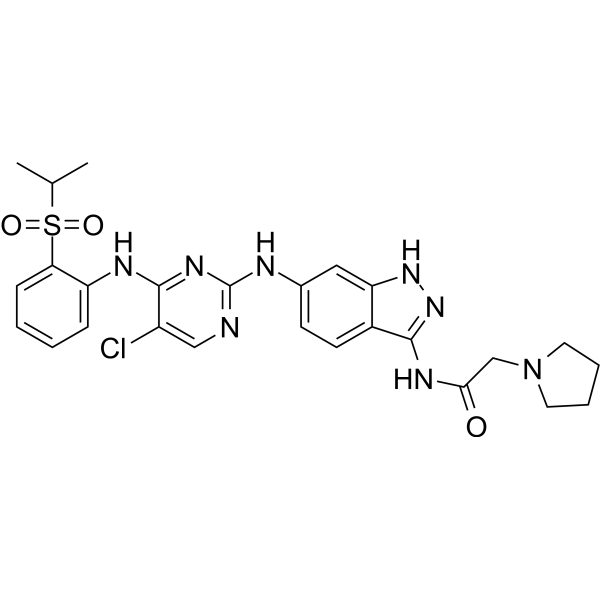
ALK-IN-23 is a potent ALK inhibitor with IC50 values of 1.6 nM, 0.71 nM and 1.3 nM for ALK WT, ALK L1196M and ALK G1202R. ALK-IN-23 can block cell cycle in G2 phase and induce apoptosis. ALK-IN-23 inhibits cancer cell migration and colony formation in vitro. ALK-IN-23 exhibits antitumor activity in H2228 xenograft nude mice model with hypotoxicity .
|
-
-
- HY-157543
-
|
|
Microtubule/Tubulin
Apoptosis
|
Cancer
|
|
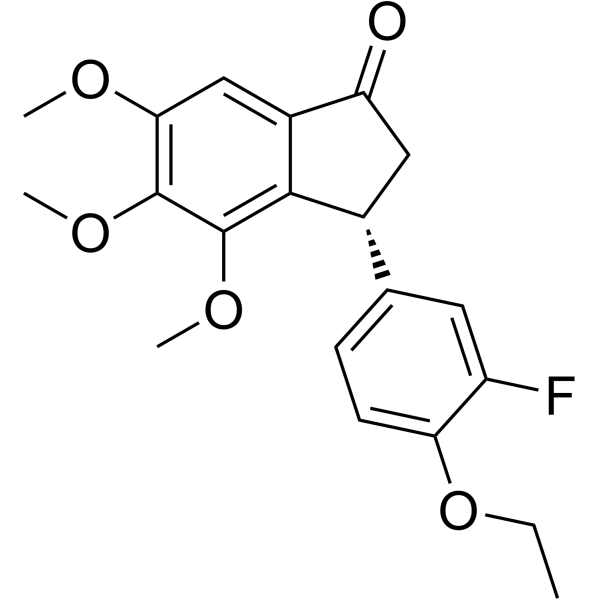
Tubulin polymerization-IN-59 is a tubulin polymerization inhibitor and colchicine binding site inhibitor (CBSI) (IC50 = 6.1 μM). Tubulin polymerization-IN-59 exerts potent antiproliferative activity against cancer cells, while showing lower cytotoxicity to normal cells. Tubulin polymerization-IN-59 arrests colorectal cancer HCT 116 cells in G2/M phase, induces cell apoptosis, and suppresses tumor cell colony formation and migration. Tubulin polymerization-IN-59 can be used for the study of colorectal cancer (CRC) .
|
-
-
- HY-146323
-
|
|
Apoptosis
|
Cancer
|
|
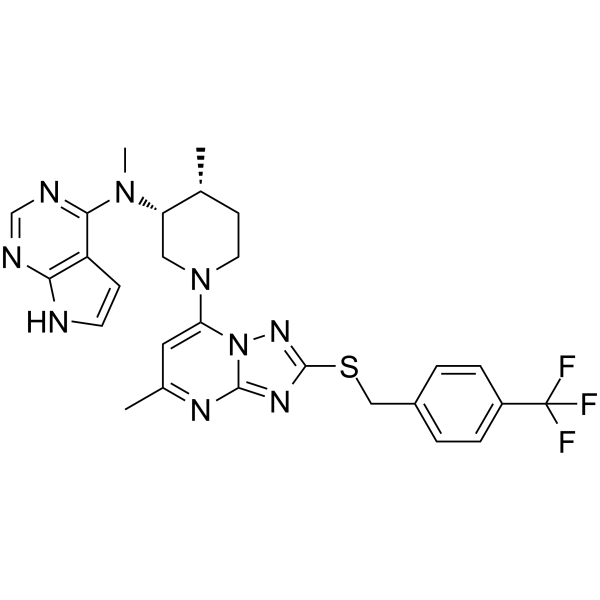
Antitumor agent-58 (Compound C18) is an anti-tumor agent. Antitumor agent-58 effectively inhibits colony formation and cell migration of MGC-803 cells. Antitumor agent-58 induces apoptosis of MGC-803 cells through activation of the p38 and JNK signaling pathways. Antitumor agent-58 induces mitochondrial dysfunction of MGC-803 cells. Antitumor agent-58 effectively inhibits tumor growth of xenograft model bearing MGC-803 cells .
|
-
-
- HY-115908
-
|
|
CDK
Apoptosis
|
Cancer
|
|
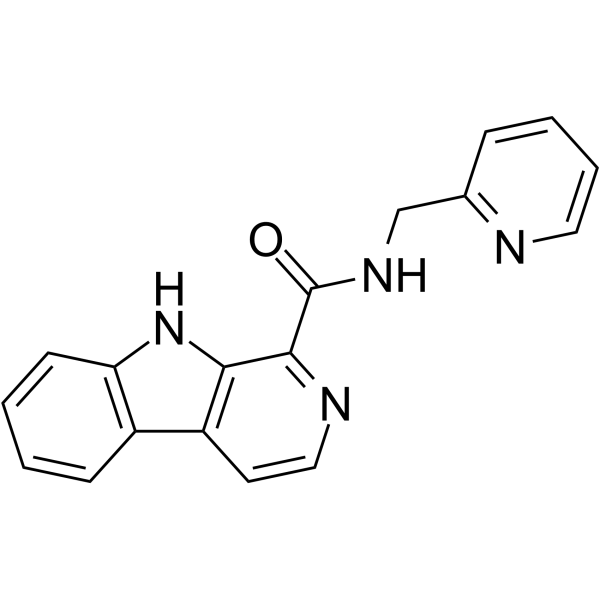
ZDLD13, a β-carboline, is an orally active and selective CDK4/CycD3 inhibitor with an IC50 value of 0.38 μM. ZDLD13 exhibits potent anti-HCT116 activity including inhibition of colony formation, inhibition of invasion and migration, inducing of apoptosis, and arresting of G1 phase in cell cycle. ZDLD13 shows significant tumor growth inhibition in HCT116 tumor xenograft model .
|
-
-
- HY-173038
-
|
|
EGFR
ERK
STAT
Apoptosis
|
Cancer
|
|
EGFR-IN-151 (Compound 10) inhibits EGFR and its downstream signaling pathways ERK/STAT3. EGFR-IN-151 inhibits the proliferation of a variety lung cancer cells (IC50s for NCI-H1781, HCC827, NCI-H3255 and NCI-H1975 is 11.7, 5.19, 7.32 and 1.53 μM, respectively), inhibits the colony formation and migration of H1975, arrests the cell cycle at G1 phase, and induces apoptosis in H1975 .
|
-

-
- HY-159966
-
|
|
Topoisomerase
HDAC
Reactive Oxygen Species (ROS)
Apoptosis
|
Cancer
|
|
Top/HDAC-IN-3 (Compound 31) is an orally active dual inhibitor of Topoisomerase and HDAC. Top/HDAC-IN-3 increases reactive oxygen species (ROS) levels, leading to DNA damage, thereby inhibiting cancer cell colony formation and migration, inducing cancer cell Apoptosis, and causing cell cycle arrest. In the NSCLC model, Top/HDAC-IN-3 exhibited significant antitumor effects, with a tumor growth inhibition (TGI) of 77.5% at 100 mg/kg, surpassing the efficacy of the HDAC inhibitor SAHA (HY-10221) and the combination of SAHA (HY-10221) with the topoisomerase inhibitor Irinotecan (HY-16562) .
|
-

-
- HY-178921
-
|
|
Drug Derivative
Apoptosis
|
Cancer
|
HJ-4 is a Piperine (HY-N0144) derivative. HJ-4 potently inhibits the proliferation of CRC cells by dose-dependently reducing colony formation and DNA synthesis. HJ-4 markedly suppresses the adhesion, migration, invasion and induces apoptosis of CRC cells. HJ-4 demonstrates anti-tumor efficacy in chicken embryo chorioallantoic membrane (CAM) model implanted with HCT116/SW480 tumor spheroids. HJ-4 can be used for the study of colorectal cancer (CRC) .
|
-

-
- HY-168858
-
|
|
Trk Receptor
|
Cancer
|
|
TRK-IN-30 (Compound C11) is the inhibitor for tropomyosin receptor kinase (TRK) that inhibits TRKA, TRKB and TRKC and drug resistant mutant TRKA G595R with an IC50 of 1.8, 0.98, 3.8, and 54 nM, respectively. TRK-IN-30 inhibits the activation of the downstream PI3K/AKT and MEK/ERK signaling pathways. TRK-IN-30 inhibits the colony formation and cell migration of Km-12, arrests the cell cycle at G0/G1 phase, and induces apoptosis in Km-12 .
|
-

-
- HY-156018
-
|
|
PI3K
|
Cancer
|
|
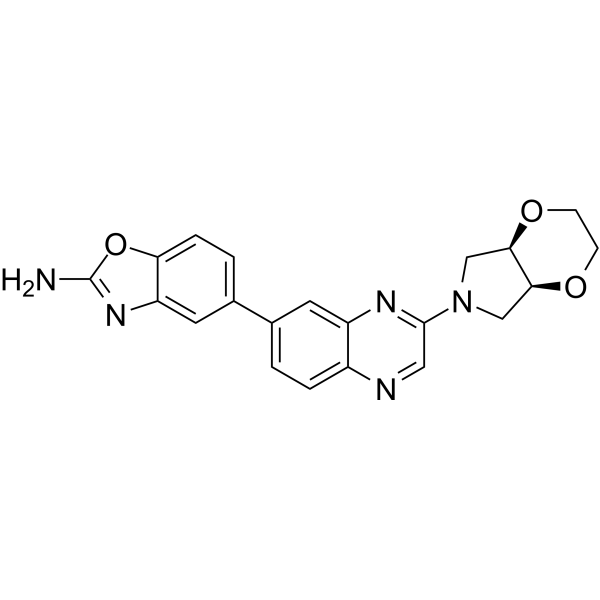
PI3Kα-IN-13 (Compound 18a) is a PI3Kα inhibitor (IC50: 2.5 nM). PI3Kα-IN-13 induces tumor cell apoptosis. PI3Kα-IN-13 inhibits cancer cell proliferation with IC50s of 0.75 μM (MCF-7), 3.79 μM (HCT-116), 13.71 μM (MDA-MB-231), 9.85 μM (SW620), respectively. PI3Kα-IN-13 inhibits tumor cell colony formation, migration and invasion .
|
-
-
- HY-170968
-
|
|
EGFR
Apoptosis
|
Cancer
|
|
EGFR-IN-150 is an EGFR inhibitor that effectively suppresses the phosphorylation of mutant epidermal growth factor receptor (EGFR) and its downstream AKT signaling pathway, thereby exerting antitumor effects and inducing HMOX1 expression to trigger ferroptosis. EGFR-IN-150 exhibits an IC50 of 0.386 μM against the non-small cell lung cancer (NSCLC) cell line H1975, and significantly inhibits colony formation and migration of both H1975 and A549 cells while inducing apoptosis. In addition, EGFR-IN-150 markedly suppresses tumor growth in the H1975 cell-derived xenograft (CDX) mouse model. EGFR-IN-150 holds promise for research related to non-small cell lung cancer .
|
-

-
- HY-173280
-
|
CHNQD-01228
|
Arf Family GTPase
BMX Kinase
|
Cancer
|
|
Brefeldin A 4-O-nicotinate (CHNQD-01228) is a dual inhibitor of Arf1 and BMX proteins. The IC50 value for the proliferation of T24 cells is 0.22 μM. It can also dose-dependently inhibit the migration and colony formation of T24 cells, induce G1 phase arrest and trigger Apoptosis. Brefeldin A 4-O-nicotinate exerts its anti-cancer activity by targeting the BMX protein to inhibit the AKT/p-AKT and STAT3/p-STAT3 signaling pathways, as well as by inhibiting the Arf1 protein to eliminate bladder cancer stem cells and activate anti-tumor immunity. Brefeldin A 4-O-nicotinate can be used in the research related to bladder cancer .
|
-

-
- HY-149521
-
|
|
PI3K
|
Cancer
|
|
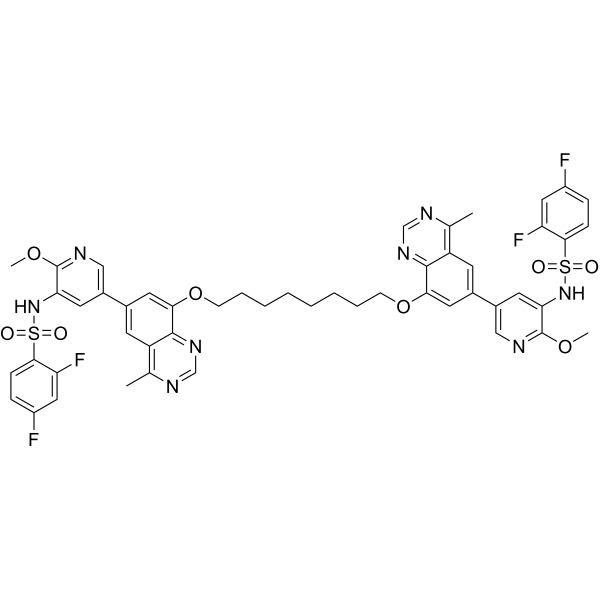
PI3K-IN-47 (Compound 27) is a bivalent PI3K inhibitor (IC50: 0.44 nM for PI3Kα, 7.18 nM, 13.92 nM, 22.83 nM for PI3Kβ, PI3Kγ, PI3Kδ). PI3K-IN-47 induces cell cycle arrest in G1 phase, inhibits colony formation and cell migration. PI3K-IN-47 inhibits tumor growth in HGC-27 xenograft mice .
|
-
-
- HY-N0597R
-
|
|
Reference Standards
Others
|
Others
|
|
Panaxatriol (Standard) is the analytical standard of Panaxatriol. This product is intended for research and analytical applications. Panaxatriol is an orally active dammarane-type tetracyclic triterpene sapogenin. Panaxatriol enhances the phosphorylation levels of Akt, insulin receptor and p70S6K in skeletal muscle. Panaxatriol reduces the mRNA expression level of Atrogin1 in skeletal muscle. Panaxatriol induces apoptosis, pre-G1 cell cycle arrest and increased intracellular ROS levels in prostate cancer cells, decreases mitochondrial membrane potential, inhibits cell migration and reduces colony formation. Panaxatriol can be used in research related to insulin resistance, myocardial ischemia/reperfusion injury and prostate cancer .
|
-

-
- HY-168739
-
|
|
Topoisomerase
Reactive Oxygen Species (ROS)
Apoptosis
Survivin
Bcl-2 Family
IAP
DNA/RNA Synthesis
|
Cancer
|
|
Topoisomerase I inhibitor 17 (Compound 7h) is a Topoisomerase I (Top1) inhibitor. Topoisomerase I inhibitor 17 reduces DDX5 and reverses the locking of Top1 activity by DDX5. Topoisomerase I inhibitor 17 induces Top1-mediated DNA damage and promotes reactive oxygen species (ROS) production. Topoisomerase I inhibitor 17 induces Apoptosis (reduces antiapoptotic proteins XIAP, Bcl-2, Survivin and up-regulates pro-apoptotic proteins Bax, γH2AX). Topoisomerase I inhibitor 17 also blocks the progression of the G2/M checkpoint and induces cell cycle arrest. Topoisomerase I inhibitor 17 significantly inhibits colony formation and cell migration in colorectal cancer cells. Topoisomerase I inhibitor 17 effectively reduces tumors in human PDX tumor mice .
|
-

-
- HY-159577
-
|
|
PI3K
mTOR
Akt
|
Cancer
|
|
Nic-15 (compound 4n) is an anti-constrictive agent used to antagonize the hypovascularity of pancreatic tumors. The hypovascularity allows cancer cells to adapt to the nutrient-deficient tumor microenvironment and develop drug resistance. Nic-15 can regulate the PI3K/Akt/mTOR pathway and alleviate ER stress induced by Gemcitabine (HY-17026). Nic-15 can significantly inhibit the migration and colony formation of MIA PaCa-2 and PANC-1 pancreatic cancer cells. The combination of Nic-15 and Gemcitabine can effectively solve the problem of pancreatic tumor resistance. In an in vivo xenograft model, Nic-15 can significantly enhance the efficacy of Gemcitabine .
|
-

-
- HY-178984
-
|
|
PI3K
Epigenetic Reader Domain
DNA/RNA Synthesis
Akt
c-Myc
AMPK
|
Cancer
|
|
PI3Kα-IN-28 (Compound 23) is an efficient dual targeted PI3K/BRD4 inhibitor. PI3Kα-IN-28 can inhibit the proliferation of various cells, such as KYSE180 and KYSE450 cells. PI3Kα-IN-28 can concentration dependently inhibit migration and colony formation, induce G0/G1 phase arrest, significantly inhibit DNA synthesis, and significantly increase the proportion of senescent cells. PI3Kα-IN-28 can inhibit the expression of p-AKT and c-Myc and activate the AMPK-p27 pathway. PI3Kα-IN-28 can be used for research on cancers such as esophageal cancer .
|
-

-
- HY-175542
-
|
|
STAT
Apoptosis
Reactive Oxygen Species (ROS)
PARP
|
Cancer
|
KB-15 is a STAT3 inhibitor. KB-15 exhibits potent anti-proliferative activity against AGS gastric cancer cells (IC50 = 0.29 μM) and BGC-823 gastric cancer cells (IC50 = 0.65 μM). KB-15 exerts anti-tumor effects by inhibiting STAT3 phosphorylation, downregulating HO-1 expression, and promoting intracellular ROS accumulation. KB-15 induces G0/G1 phase cell cycle arrest and apoptosis, as well as suppresses colony formation and migration of gastric cancer cells. KB-15 demonstrates excellent anti-tumor efficacy in BGC-823 subcutaneous xenograft model. KB-15 can be used for the study of gastric cancer .
|
-

-
- HY-181459
-
|
|
PARP
DNA/RNA Synthesis
Reactive Oxygen Species (ROS)
Apoptosis
|
Cancer
|
|
PARP1-IN-55 is a potent and selective PARP1 inhibitor with an IC50 value of 0.019 μM. PARP1-IN-55 exhibits anti-proliferative selective activity against MCF-7 breast cancer cells (IC50 = 3.6 μM). PARP1-IN-55 inhibits the PARP1-mediated DNA damage repair pathway, induces ROS accumulation, disrupts mitochondrial membrane potential, induced apoptosis and suppresses cancer cell migration, invasion, and colony formation. PARP1-IN-55 can be used for the study of breast cancer .
|
-

-
- HY-181502
-
|
|
EGFR
ERK
PARP
Caspase
Bcl-2 Family
Apoptosis
|
Cancer
|
|
EGFR-IN-197 is an EGFR inhibitor with IC50 values of 19.5 nM and 12.0 nM against EGFR L858R/T790M and EGFR L858R/T790M/C797S, respectively. EGFR-IN-197 arrests the cell cycle of NCI-H1975 cells at the G2/M phase, while inhibiting their proliferation, colony formation and migration; it also inhibits mitochondrial translocation and upregulates mitochondrial H2S levels. EGFR-IN-197 disrupts anti-apoptotic signaling pathways by regulating apoptosis-related proteins; it induces DNA damage and activates pro-apoptotic pathways to trigger apoptosis. EGFR-IN-197 can be used in studies related to non-small cell lung cancer (NSCLC) .
|
-

-
- HY-162481
-
|
|
Apoptosis
|
Cancer
|
|
Anticancer agent 210 (Compound 7a) is a Gefitinib (HY-50895) derivative. Anticancer agent 210 inhibits proliferation, migration and colony formation of cancer cells. Anticancer agent 210 induces apoptosis in cells H1299 .
|
-

-
- HY-183358
-
|
|
Anaplastic lymphoma kinase (ALK)
Apoptosis
|
Cancer
|
|
ALK-IN-37 is an orally active type I1/2 allosteric inhibitor of anaplastic lymphoma kinase (ALK) with an IC50 of 9.58 nM. ALK-IN-37 induces cell apoptosis, inhibits colony formation, suppresses cell migration, and exerts antiproliferative effects in cancer cells overexpressing ALK. ALK-IN-37 can be used in research related to non-small cell lung cancer .
|
-

- HY-181150
-
|
|
PI3K
|
Cancer
|
|
Hit20 is a PI3Kα selective inhibitor, inhibits PI3Kα kinase activity, suppresses PI3Kα phosphorylation. Hit20 suppresses proliferation, colony formation, migration, and invasion of colon cancer cells. Hit20 can be used for the research of colon cancer .
|
-

- HY-183754
-
|
|
EGFR
PI3K
Akt
Apoptosis
|
Cancer
|
|
EGFR-IN-213 is a selective inhibitor of EGFR L858R/T790M/C797S with a human IC50 of 0.48 nM. EGFR-IN-213 acts as an antiproliferative agent, inducing apoptosis and cell cycle arrest, and inhibiting colony formation, cell migration, and tube formation. EGFR-IN-213 can be used for the research of non-small cell lung cancer, chronic myeloid leukemia, gastric cancer, prostate cancer .
|
-

- HY-182358
-
|
|
Apoptosis
|
Cancer
|
|
TMLZ-G46 is an orally active ZNF207 inhibitor with blood-brain barrier penetration ability, with a Kd value of 68 nM. TMLZ-G46 inhibits cancer cell proliferation, stemness, migration and invasion, induces G0/G1 cell cycle arrest and apoptosis, and suppresses colony formation. TMLZ-G46 can be used in glioma research .
|
-

- HY-181271
-
|
|
IKK
Autophagy
|
Cancer
|
|
IKKε-IN-1 is a IKKε inhibitor. IKKε-IN-1 reduces cell viability, inhibits colony formation and cell migration. IKKε-IN-1 induces autophagy (Autophagy) in cancer cells. IKKε-IN-1 can be used in the research of cancers including colorectal cancer, hepatocellular carcinoma, bladder cancer, breast cancer, lung cancer, and cervical cancer .
|
-

- HY-180449
-
|
|
Microtubule/Tubulin
Wnt
|
Cancer
|
|
Anticancer agent 291 (Compound 2406) is an anti-cancer agent. Anticancer agent 291 interferes with the integrity of the β-tubulin cytoskeleton and inhibits the Wnt/β-catenin signal transduction. Anticancer agent 291 significantly inhibits the invasion, migration and colony formation of tumor cells. Anticancer agent 291 induces the cell cycle of EC-9706 and HT-29 cells to arrest at the G2/M phase and inhibits cell proliferation. Anticancer agent 291 can be used for the study of gastrointestinal cancer .
|
-

- HY-N13944
-
|
|
Apoptosis
|
Cancer
|
|
Argyrin F a cyclic peptide with antitumoral activities. Argyrin F inhibits cell proliferation, migration, invasion and colony formation by partial induction of apoptosis and epithelial-mesenchymal transition (EMT). Argyrin F stabilizes p27 kip, up-regulated p21 waf1/cip1 and depletes COX2. Argyrin F can be used for the study of pancreatic ductal adenocarcinoma (PDAC) .
|
-

- HY-183625
-
|
|
Ras
|
Cancer
|
|
PCA-IN-1 is a polyisoprenylated cysteinyl amide (PCA) inhibitor that acts on multiple KRAS mutant subtypes. PCA-IN-1 dissociates KRAS4B from its transport chaperones, prevents its localization to the plasma membrane, and blocks downstream oncogenic signaling pathways. PCA-IN-1 inhibits colony formation of KRAS-mutant lung cancer cells, induces sustained long-term growth inhibition, and suppresses cell migration. PCA-IN-1 is applicable to the research of KRAS-mutant lung cancer .
|
-

- HY-181979
-
|
|
HDAC
Apoptosis
|
Neurological Disease
Cancer
|
|
HDAC8-IN-15 is a selective HDAC8 inhibitor with an IC50 of 0.40 μM. HDAC8-IN-15 increases the acetylation level of the HDAC8 substrate SMC3 without altering the total protein level of SMC3. HDAC8-IN-15 reduces cancer cell viability, inhibits colony formation, slows cell migration, induces apoptosis, and causes cell cycle arrest at the SubG1 phase. HDAC8-IN-15 can be used in studies related to neuroblastoma .
|
-

- HY-181978
-
|
|
Ras
Apoptosis
MEK
ERK
CDK
|
Cancer
|
|
GIT1-IN-1 is an inhibitor of ARF GTPase-activating protein 1 (GIT1) with a KD of 6.2 μM. GIT1-IN-1 induces apoptosis (apoptosis) in liver and colon cancer cells, arrests the cell cycle at the G2/M phase, and inhibits cell proliferation, colony formation and migration. GIT1-IN-1 inhibits the activities of MEK and ERK, reduces the expression level of cyclin D1, and stabilizes cyclin B1 protein in liver and colon cancer cells. GIT1-IN-1 can be used in the research of liver cancer and colon cancer .
|
-

- HY-182753
-
|
|
Microtubule/Tubulin
P-glycoprotein
Apoptosis
CDK
Bcl-2 Family
|
Cancer
|
|
Tubulin-IN-66 is a tubulin (tubulin) and P-gp inhibitor with antiproliferative activity against cancer cells. Tubulin-IN-66 covalently binds to the Colchicine (HY-16569)-binding site at Cys239 of the β-tubulin subunit, inhibits tubulin polymerization and disrupts the microtubule network. Tubulin-IN-66 inhibits P-gp function to overcome multidrug resistance. Tubulin-IN-66 arrests the cell cycle at the G2/M phase and induces apoptosis (apoptosis). Tubulin-IN-66 inhibits colony formation and migration of cancer cells. Tubulin-IN-66 can be used in the research of tumors such as breast cancer .
|
-

- HY-183771
-
|
|
CDK
Apoptosis
Reactive Oxygen Species (ROS)
Mitochondrial Metabolism
Bcl-2 Family
Caspase
|
Cancer
|
|
CDK4/6-IN-28 is a potent, orally active, and selective CDK4/6 inhibitor IC50 values of 14.02 and 10.03 nM, respectively. CDK4/6-IN-28 inhibits breast cancer cell colony formation, migration, and proliferation. CDK4/6-IN-28 induces G1-phase cell cycle arrest and apoptosis in breast cancer cells. CDK4/6-IN-28 exhibits tumor inhibitory activity in breast cancer xenograft mouse models. CDK4/6-IN-28 can be used for the research of breast cancer .
|
-

- HY-183058
-
|
|
Histone Methyltransferase
|
Cancer
|
|
EZM8266 is an orally active and selective G9a (EHMT2) histone methyltransferase inhibitor with a human EHMT2 IC50 of 1 pM. EZM8266 reduces repressive H3K9me2 marks at immune-stimulatory gene and endogenous retroviral element promoters. EZM8266 reduces colony formation, migration, and invasion of cancer cells. EZM8266 enhances IFN-γ response, increases MHC class I expression, and enhances CXCL10-mediated T cell recruitment in cancer cells. EZM8266 can be used for the research of hepatocellular carcinoma .
|
-

- HY-183312
-
|
|
ATP Synthase
Reactive Oxygen Species (ROS)
Bcl-2 Family
Apoptosis
Ferroptosis
|
Cancer
|
|
Antitumor agent-217 is a dual mitochondria-targeted anticancer agent. Antitumor agent-217 exhibits potent and selective antiproliferative activity against bladder cancer cell line J82 (IC50 = 6.3 μM), and inhibits colony formation and migration of J82 cells. Antitumor agent-217 accumulates in mitochondria, alters mitochondrial morphology, reduces ATP production, increases ROS generation and decreases mitochondrial membrane potential. Antitumor agent-217 induces apoptosis (Apoptosis) and ferroptosis (Ferroptosis) in bladder cancer cells. Antitumor agent-217 can be used for the research of bladder cancer .
|
-

- HY-183632
-
|
|
Microtubule/Tubulin
Apoptosis
|
Neurological Disease
Cancer
|
|
QW-5-70 is a potent colchicine‑site tubulin inhibitor that blocks tubulin polymerization. QW-5-70 induces mitotic and G2/M cell cycle arrest, triggers mitochondrial apoptosis, and suppresses cancer cell colony formation and migration. QW-5-70 overcomes P‑glycoprotein‑mediated multidrug resistance and inhibits drug‑resistant tumor growth. QW-5-70 demonstrates strong in vitro and in vivo antitumor efficacy in neuroblastoma and prostate cancer models. QW-5-70 can be used for the research of high-risk neuroblastoma and castration-resistant prostate cancer .
|
-

- HY-181076
-
|
|
PI3K
CDK
Apoptosis
|
Cancer
|
|
FOXM1-IN-3 is a potent FOXM1 inhibitor. FOXM1-IN-3 downregulates FOXM1 expression at protein and mRNA levels, suppressing downstream effectors CCNB1 and CDC25. FOXM1-IN-3 induces G2/M cell cycle arrest and apoptosis in colorectal cancer cells. FOXM1-IN-3 inhibits colony formation and cell migration in colorectal cancer cells. FOXM1-IN-3 targets the cancer stem cell phenotype in colorectal cancer cells, reducing cancer stem cell marker expression. FOXM1-IN-3 reduces tumor growth in a zebrafish xenograft model. FOXM1-IN-3 can be used for the research of colorectal cancer .
|
-

- HY-170924
-
|
|
Microtubule/Tubulin
Apoptosis
Mitosis
|
Cancer
|
|
Tubulin polymerization-IN-76 (compound 20b) is a potent and orally active Tubulin polymerization inhibitor. Tubulin polymerization-IN-76 inhibits Tubulin polymerization with an IC50 of 2.505 μM by acting on the colchicine binding site, thereby disrupting intracellular Microtubule networks and interfering with cell mitosis. Tubulin polymerization-IN-76 demonstrates exceptional efficacy against MGC-803 and HGC-27 cells with IC50s of 1.61 and 1.82 nM, respectively. Tubulin polymerization-IN-76 effectively inhibits the colony formation and cell migration activities, and induces G2/M phase cycle arrest and Apoptosis in MGC-803 and HGC-27 cells.Tubulin polymerization-IN-76 shows a broad-spectrum antiproliferative activity .
|
-

- HY-180814
-
|
|
Drug Derivative
Dopamine Receptor
|
Cancer
|
|
SKF-83566-PEG1-pomalidomide is an anti-tumor agent and is formed by the covalent connection of SKF-83566 (HY-103430A) (dopamine D1 receptor antagonist) and Pomalidomide (HY-10984) (immunomodulatory agent). SKF-83566-PEG1-pomalidomide can inhibit cancer cells invasion, migration and colony formation. SKF-83566-PEG1-pomalidomide can inhibit tumor growth and angiogenesis in MDA-MB-231 cell chicken embryo chorioallantoic membrane (CAM) xenograft model. SKF-83566-PEG1-pomalidomide can be used for research of breast cancer .
|
-

| Cat. No. |
Product Name |
Category |
Target |
Chemical Structure |
-
- HY-N0597
-
-
-
- HY-N15267
-
|
|
Natural Products
Millettia peguensis Ali
Leguminosae
Plants
Source Classification
|
FAK
Akt
mTOR
|
|
Ovalitenone is a flavonoid compound that can be isolated from the plant Millettia peguensis. It shows no cytotoxic effects on lung cancer H460 and A549 cells, but it significantly inhibits anchorage-independent growth, CSC-like phenotypes, colony formation, and the migration and invasion capabilities of cancer cells. Ovalitenone can significantly reduce the levels of N-cadherin, snail, and slug, while increasing E-cadherin, thus inhibiting the EMT pathway. Additionally, Ovalitenone suppresses the signaling pathways regulated by focal adhesion kinase (FAK), ATP-dependent tyrosine kinase (AKT), mammalian target of rapamycin (mTOR), and cell division cycle 42 (Cdc42) .
|
-
-
- HY-N0597R
-
|
|
Panax ginseng C. A. Meyer
Triterpenes
Structural Classification
Terpenoids
Plants
Araliaceae
Source Classification
|
Reference Standards
Others
|
|
Panaxatriol (Standard) is the analytical standard of Panaxatriol. This product is intended for research and analytical applications. Panaxatriol is an orally active dammarane-type tetracyclic triterpene sapogenin. Panaxatriol enhances the phosphorylation levels of Akt, insulin receptor and p70S6K in skeletal muscle. Panaxatriol reduces the mRNA expression level of Atrogin1 in skeletal muscle. Panaxatriol induces apoptosis, pre-G1 cell cycle arrest and increased intracellular ROS levels in prostate cancer cells, decreases mitochondrial membrane potential, inhibits cell migration and reduces colony formation. Panaxatriol can be used in research related to insulin resistance, myocardial ischemia/reperfusion injury and prostate cancer .
|
-
-
- HY-N13944
-
|
|
Natural Products
Microorganisms
Source Classification
|
Apoptosis
|
|
Argyrin F a cyclic peptide with antitumoral activities. Argyrin F inhibits cell proliferation, migration, invasion and colony formation by partial induction of apoptosis and epithelial-mesenchymal transition (EMT). Argyrin F stabilizes p27 kip, up-regulated p21 waf1/cip1 and depletes COX2. Argyrin F can be used for the study of pancreatic ductal adenocarcinoma (PDAC) .
|
-
Your information is safe with us. * Required Fields.
Inquiry Information
- Product Name:
- Cat. No.:
- Quantity:
- MCE Japan Authorized Agent:








