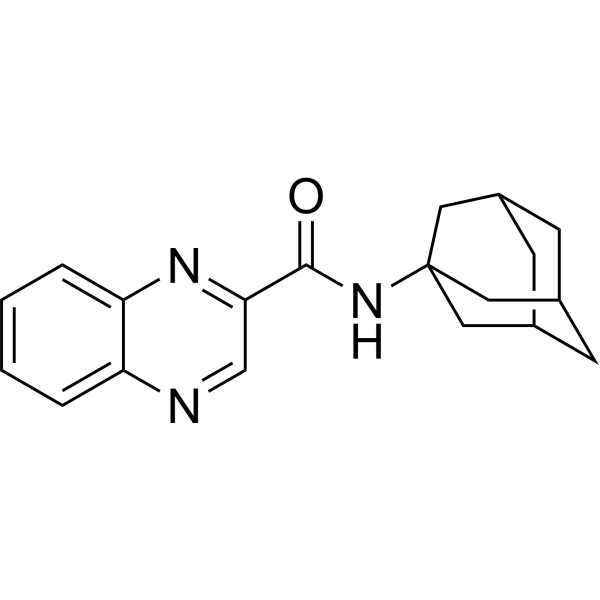
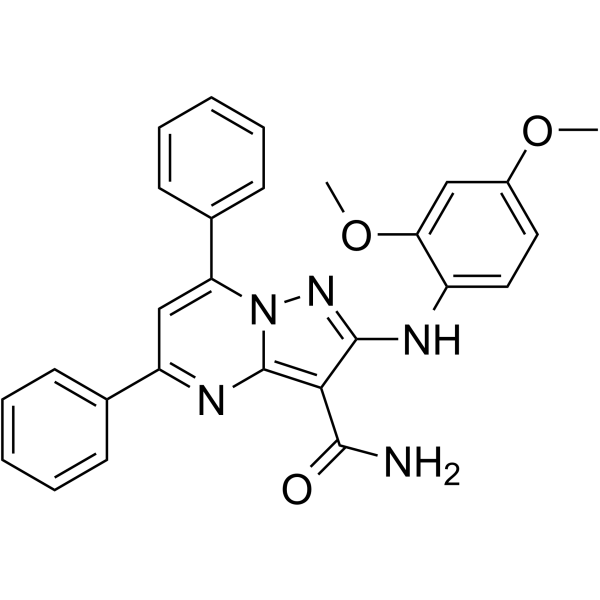
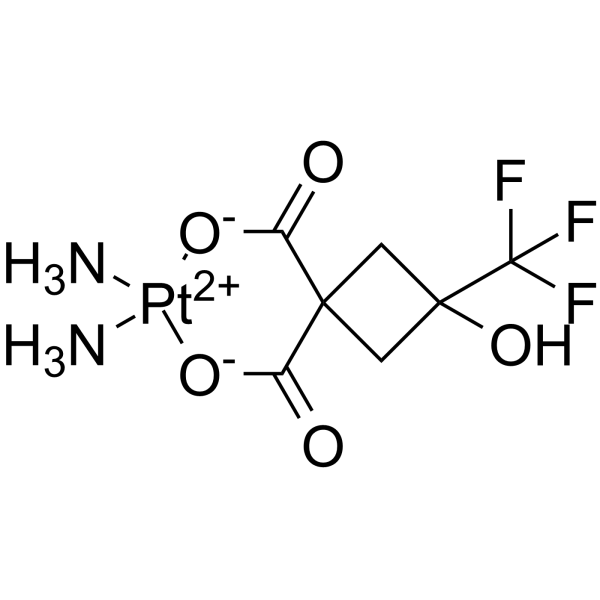
1. Search Result
Search Result
Pathways Recommended: MAPK/ERK Pathway
Results for "

intrinsic apoptotic pathways

" in MedChemExpress (MCE) Product Catalog:

32

Inhibitors & Agonists

1

Peptides

6

Natural
Products

1

Isotope-Labeled Compounds

Cat. No. Product Name Target Research Areas Chemical Structure
  • HY-50907
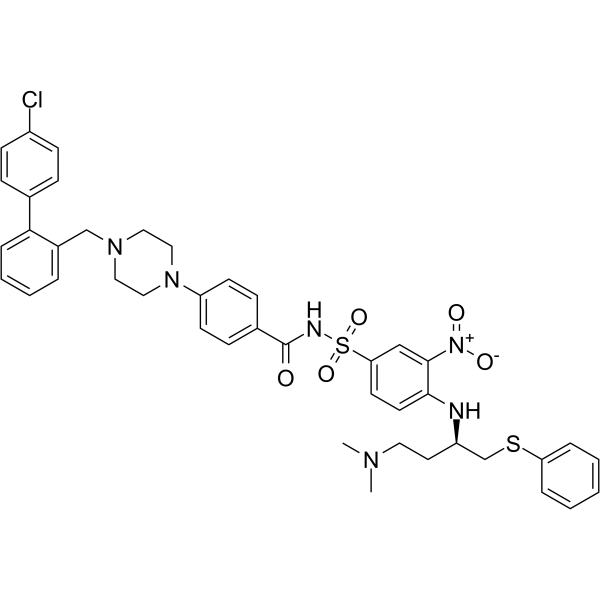
    ABT-737
    Maximum Cited Publications
    69 Publications Verification

    Bcl-2 Family Apoptosis Autophagy Mitophagy Inflammation/Immunology Cancer
    ABT-737, a BH3 mimetic, is a potent Bcl-2, Bcl-xL and Bcl-w inhibitor with EC50s of 30.3 nM, 78.7 nM, and 197.8 nM, respectively. ABT-737 induces the disruption of the BCL-2/BAX complex and BAK-dependent but BIM-independent activation of the intrinsic apoptotic pathway. ABT-737 induces autophagy and has the potential for acute myeloid leukemia (AML) research .
    ABT-737
  • HY-50868
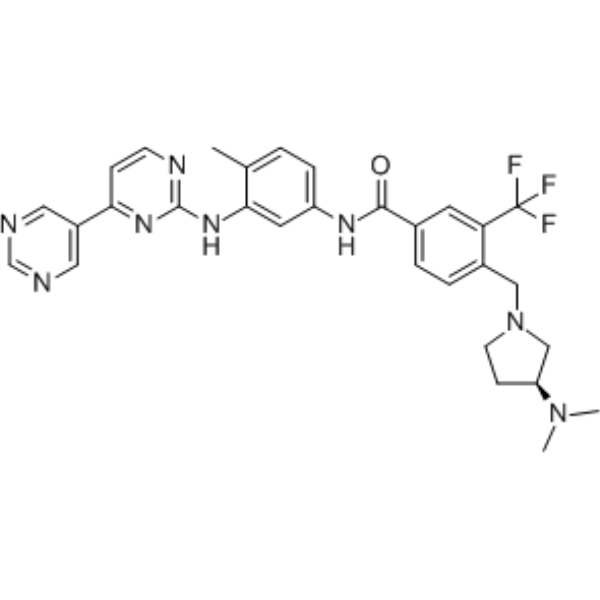
    Bafetinib
    10+ Cited Publications

    INNO-406; NS-187

    Bcr-Abl Src Apoptosis Cancer
    Bafetinib is an orally active Lyn/Bcr-Abl tyrosine kinase inhibitor. Bafetinib enhances the activity of several pro-apoptotic Bcl-2 homology (BH) 3-pure proteins (Bim, Bad, Bmf, and Bik) through intrinsic apoptotic pathways regulated by the Bcl-2 family, and induces apoptosis of Ph + leukemia cells. Bafetinib has antitumor activity .
    Bafetinib
  • HY-N1913
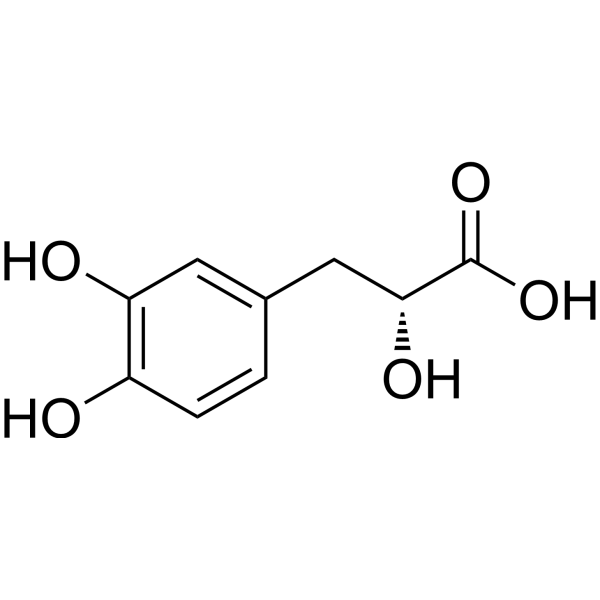
    Danshensu
    Maximum Cited Publications
    8 Publications Verification

    Dan shen suan A; Salvianic acid A

    Keap1-Nrf2 NF-κB Reactive Oxygen Species (ROS) SARS-CoV Apoptosis Infection Cardiovascular Disease Inflammation/Immunology Cancer
    Danshensu (Dan shen suan A), an orally active phenolic compound, can induce Nrf2/HO-1 activation and inhibition of NF-κB pathway. Danshensu reduces reactive oxygen species (ROS) production, upregulates antioxidant defense mechanism and inhibits intrinsic apoptotic pathway. Danshensu displays a potent antiviral activity against SARS-CoV-2 with EC50 of 0.97 μM. Danshensu has anti-oxidation, anti-apoptosis, anti-lung inflammatory and has the potential for COVID-19, cardiovascular and cerebrovascular diseases research .
    Danshensu
  • HY-W674241

    Endogenous Metabolite Apoptosis Bcl-2 Family Reactive Oxygen Species (ROS) Neurological Disease Cancer
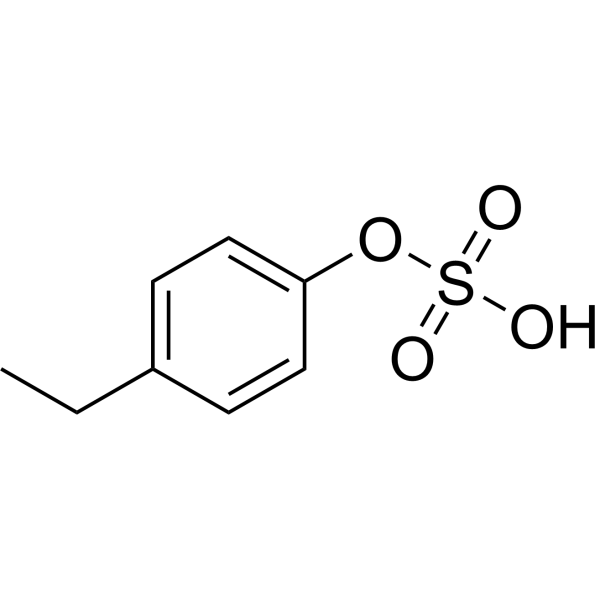
    4-Ethylphenyl sulfate is an orally active and brain-penetrant gut microbial metabolite. 4-Ethylphenyl sulfate downregulates Bcl2 expression, upregulates Bax expression, and induces cancer cell apoptosis via the endogenous apoptotic pathway. 4-Ethylphenyl sulfate induces G2/M cell cycle arrest and reactive oxygen species (ROS) production. 4-Ethylphenyl sulfate impairs oligodendrocyte maturation, reduces oligodendrocyte-neuron interactions, decreases axonal myelination levels, and shifts the oligodendrocyte population toward immature precursor cells. 4-Ethylphenyl sulfate alters brain region-specific neural activity and functional connectivity in mice, and correlates with anxiety-like behaviors in mice .
    4-Ethylphenyl sulfate
  • HY-137371

    Bacterial Apoptosis Antibiotic Infection Cancer
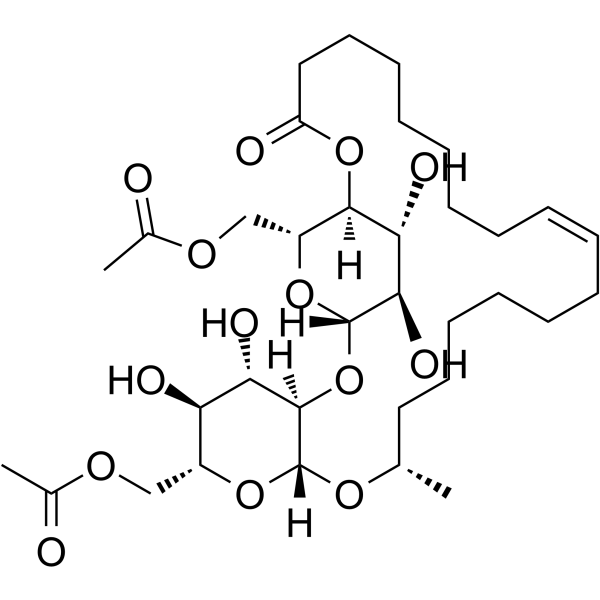
    Lactonic sophorolipid is an apoptosis inducer and antimicrobial surfactant with antitumor activity. Lactonic sophorolipid regulates Bax/Bcl-gene expression through caspase-3/9 and induces apoptosis in tumor cells. Lactonic sophorolipid can disrupt cell membrane permeability and exert antibacterial effects (MIC for oral pathogens is 100-400 μg/mL). Lactonic sophorolipid promotes mitochondrial membrane potential depolarization, activates the intrinsic apoptotic pathway, and can synergize with antibiotics to enhance the antibacterial effect. Lactonic sophorolipid can be used in liver cancer research and the development of oral hygiene antibacterial agents[1][2][3].
    Lactonic sophorolipid
  • HY-N0213
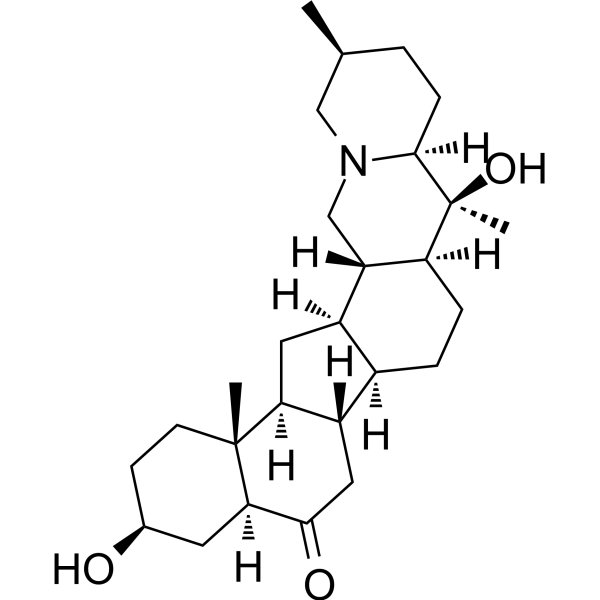
    Peiminine
    5+ Cited Publications

    Verticinone; Raddeanine

    Autophagy Caspase Bcl-2 Family PARP p38 MAPK ERK NF-κB Apoptosis Inflammation/Immunology Cancer
    Peiminine is a compound that can be isolated from Bolbostemma paniculatum (Maxim) Franquet (Cucurbitaceae family). Peiminine can induce apoptosis in human hepatocellular carcinoma HepG2 cells through both extrinsic and intrinsic apoptotic pathways. Peiminine has anti-inflammatory, anticancer, anti-osteoporosis, cardioprotective and other activities in many animal models .
    Peiminine
  • HY-11095

    mGluR CaSR PI3K Akt mTOR Autophagy Apoptosis Bcl-2 Family Caspase Cardiovascular Disease Neurological Disease
    NPS 2390 is an allosteric antagonist of calcium-sensing receptor (CaSR) and mGluR1/5. NPS 2390 inhibits the PI3K/Akt/mTOR signaling pathway, reduces hypoxia-induced intracellular calcium elevation, decreases the expression of autophagy (autophagy) proteins, regulates the expression of phenotypic marker proteins, and inhibits the proliferation of pulmonary artery smooth muscle cells. NPS 2390 attenuates the endogenous apoptosis (apoptosis) pathway, increases the expression level of Bcl-2, downregulates the expression levels of Bax, cytochrome c and caspase-3, alleviates cerebral edema and improves neurological function in rat models. NPS 2390 can be used in studies related to hypoxic pulmonary hypertension, traumatic brain injury, stroke and pain .
    NPS 2390
  • HY-N1913A
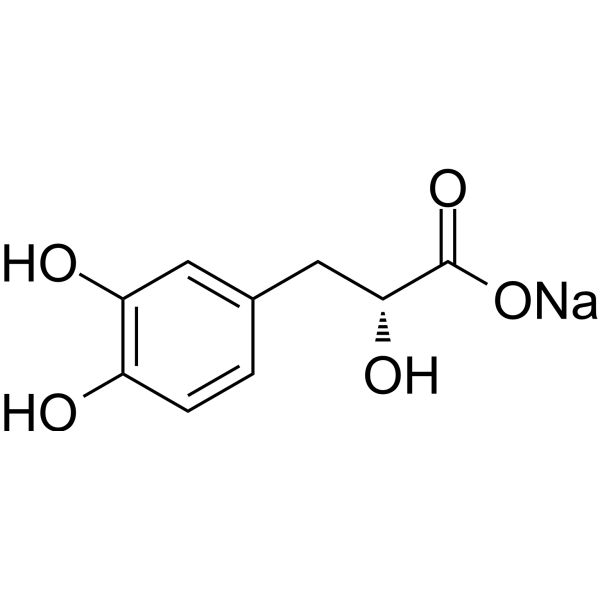
    Danshensu sodium
    Maximum Cited Publications
    8 Publications Verification

    Dan shen suan A sodium; Salvianic acid A sodium

    Keap1-Nrf2 NF-κB Reactive Oxygen Species (ROS) SARS-CoV Apoptosis Infection Cardiovascular Disease Inflammation/Immunology Cancer
    Danshensu (Dan shen suan A) sodium, an orally active phenolic compound, can induce Nrf2/HO-1 activation and inhibition of NF-κB pathway. Danshensu sodium reduces reactive oxygen species (ROS) production, upregulates antioxidant defense mechanism and inhibits intrinsic apoptotic pathway. Danshensu sodium displays a potent antiviral activity against SARS-CoV-2 with EC50 of 0.97 μM. Danshensu sodium has anti-oxidation, anti-apoptosis, anti-lung inflammatory and has the potential for COVID-19, cardiovascular and cerebrovascular diseases research .
    Danshensu sodium
  • HY-115924

    CDK Cancer
    CDK1-IN-1 is a potent CDK1 inhibitor (CDK1/CycB IC50=161.2 nM) with potential antiproliferative activity and selectivity for cancer tissues. CDK1-IN-1 induces apoptosis in p53 dependent manner through the intrinsic apoptotic pathway. CDK1-IN-1 is a potential targeted antitumor agent .
    CDK1-IN-1
  • HY-101597

    Apoptosis Cancer
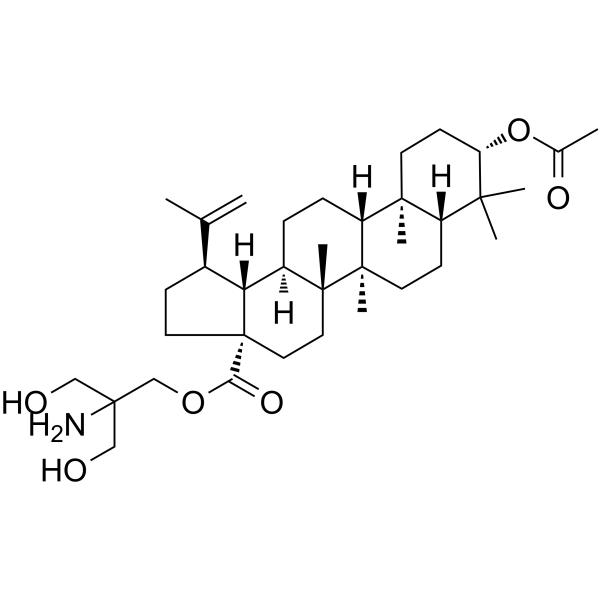
    NVX-207, a Betulinic acid-derived anti-cancer compound, shows anti-tumor activity (mean IC50=3.5 μM) against various human and canine cell lines. NVX-207-induced apoptosis is associated with activation of the intrinsic apoptotic pathway via cleavage of caspases -9, -3, -7 and of PARP .
    NVX-207
  • HY-151429

    Apoptosis Ferroptosis Bcl-2 Family COX Cancer
    Antitumor agent-77 is an antitumor agent, inhibits cancer cells growth and migration. Antitumor agent-77 triggers ferroptosis by inhibiting GPx-4 and elevating COX2. Antitumor agent-77 also activates intrinsic apoptotic pathway (Bax-Bcl-2-caspase-3) and hinders Epithelial-mesenchymal transition (EMT) process of cancer cells .
    Antitumor agent-77
  • HY-131710

    Phosphodiesterase (PDE) EGFR Wnt Apoptosis Cancer
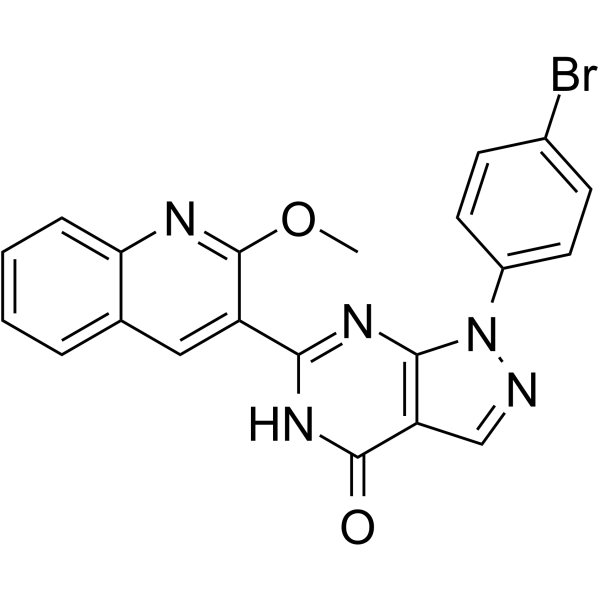
    PDE5-IN-3 (compound 11j) is a potent PDE5 inhibitor with an IC50 of 1.57 nM. PDE5-IN-3 shows moderate EGFR inhibition with IC50 of 5.827 µM. PDE5-IN-3 significantly inhibits the Wnt/β-catenin pathway (IC50=1286.96 ng/mL). PDE5-IN-3 induces the intrinsic apoptotic mitochondrial pathway in HepG2 cells. PDE5-IN-3 has strong antitumor activity .
    PDE5-IN-3
  • HY-161577

    Bcl-2 Family Cancer
    BFC1103 is a small-molecule compound whose primary mechanism of action involves interaction with a specific domain of Bcl-2, particularly its loop domain. This interaction induces a conformational change in Bcl-2, exposing its BH3 (Bcl-2 homology 3) domain, thereby switching Bcl-2's function from anti-apoptotic to pro-apoptotic. The cell death induced by BFC1103 is dependent on the presence of Bax or Bak, both of which are key proteins involved in the intrinsic apoptotic pathway mediated by mitochondria. BFC1103 has successfully inhibited lung metastasis of triple-negative breast cancer in mouse models. It can be utilized in studying the roles of Bcl-2 family proteins in cancer development and how they impact the survival and proliferation of cancer cells .
    BFC1103
  • HY-179124

    Apoptosis Caspase Cancer
    Apoptosis inducer 52 is a derivative of flutamide that induces apoptosis in prostate cancer cells. Apoptosis inducer 52 promotes apoptosis by activating both intrinsic and extrinsic apoptotic pathways, without generating reactive oxygen species (ROS). Apoptosis inducer 52 triggers caspase 3/7 activity and the externalization of phosphatidylserine, leading to cell cycle arrest at the G0/G1 phase. Apoptosis inducer 52 can be used for the research of androgen receptor (AR)-dependent and -independent prostate cancers and leukemia .
    Apoptosis inducer 52
  • HY-116692

    Apoptosis Caspase Mitochondrial Metabolism PARP DNA/RNA Synthesis
    Apoptosis inducer 34 (Compound 4) is a small molecule compound that induces apoptosis by directly activating the intrinsic apoptotic pathway. Apoptosis inducer 34 promotes Apaf-1 oligomerization to form mature apoptosomes, thereby activating caspase-9 and caspase-3. It significantly activates the apoptotic pathway in Jurkat cells by enhancing the cytochrome c-dependent apoptotic signaling pathway, inducing PARP cleavage and chromosomal DNA fragmentation. Furthermore, Apoptosis inducer 34 exhibits low toxicity to normal cells, demonstrating potential for selective targeting of cancer cells. Apoptosis inducer 34 is a promising candidate for studying cancer related to apoptotic pathways .
    Apoptosis inducer 34
  • HY-50868R

    INNO-406 (Standard); NS-187 (Standard)

    Bcr-Abl Src Apoptosis Reference Standards Cancer
    Bafetinib (Standard) is the analytical standard of Bafetinib. This product is intended for research and analytical applications. Bafetinib is an orally active Lyn/Bcr-Abl tyrosine kinase inhibitor. Bafetinib enhances the activity of several pro-apoptotic Bcl-2 homology (BH) 3-pure proteins (Bim, Bad, Bmf, and Bik) through intrinsic apoptotic pathways regulated by the Bcl-2 family, and induces apoptosis of Ph+ leukemia cells. Bafetinib has antitumor activity .
    Bafetinib (Standard)
  • HY-N10018

    25-Anhydrocimigenol xyloside

    Caspase Cancer
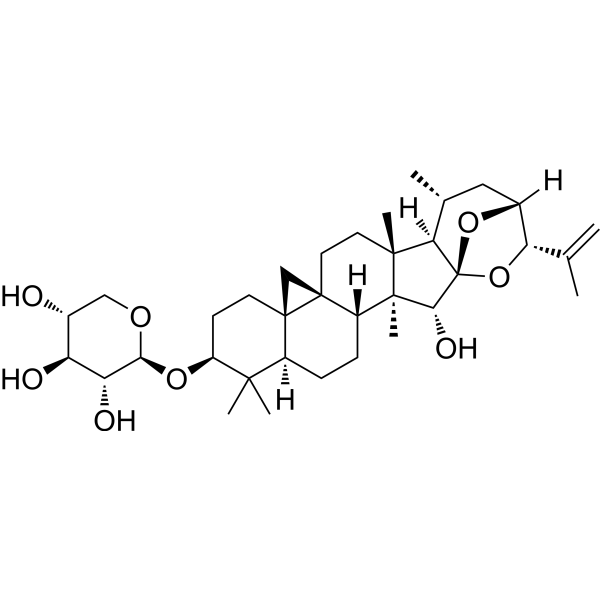
    Cimiside E (25-Anhydrocimigenol xyloside) is a triterpene xyloside, Cimiside E possesses apoptotic action on gastric cancer cells, with an IC50 value of 14.58 μM. Cimiside E induces cell cycle arrest at G2/M phase, and mediates apoptosis through the induction of the caspase cascade for both the extrinsic and intrinsic pathways .
    Cimiside E
  • HY-151428

    Ferroptosis Apoptosis Bcl-2 Family COX Cancer
    Antitumor agent-78 is an antitumor agent, inhibits cancer cells growth and migration. Antitumor agent-78 triggers ferroptosis by inhibiting GPx-4 and elevating COX2. Antitumor agent-78 also activates intrinsic apoptotic pathway (Bax-Bcl-2-caspase-3) and hinders Epithelial-mesenchymal transition (EMT) process of cancer cells .
    Antitumor agent-78
  • HY-158210

    Wnt β-catenin MDM-2/p53 Cancer
    Wnt/β-catenin-IN-3 (compound 17) is a Wnt/β-catenin inhibitor with low micromolarGI50s against various cancer cells. Wnt/β-catenin-IN-3triggers G2/M cell cycle arrest though activation of p53-p21 pathway as well as intrinsic and extrinsic apoptotic death of colon cancer cells .
    Wnt/β-catenin-IN-3
  • HY-155974
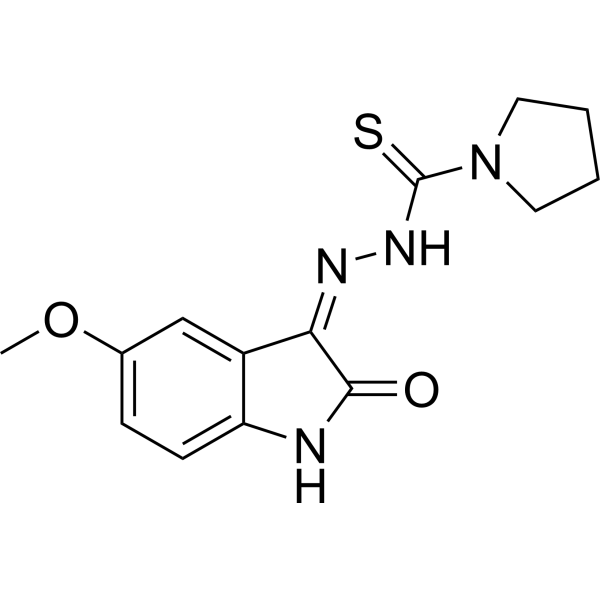
    MeOIstPyrd
    1 Publications Verification

    MDM-2/p53 Cancer
    MeOIstPyrd is an anti-skin cancer agent. MeOIstPyrd inhibits cell proliferation, migration, and spheroid formation by activating the mitochondrial intrinsic apoptotic pathway. MeOIstPyrd induces DNA damage. MeOIstPyrd activates p53, and increases the half-life of p53 and stabilizes p53 by phosphorylating it at ser15. MeOIstPyrd binds to MDM2 in the p53 sub-pocket and blocks p53-MDM2 interaction .
    MeOIstPyrd
  • HY-N0213R

    Verticinone (Standard); Raddeanine (Standard)

    Reference Standards Autophagy Caspase Bcl-2 Family PARP p38 MAPK ERK NF-κB Apoptosis Inflammation/Immunology Cancer
    Peiminine (Standard) is the analytical standard of Peiminine. This product is intended for research and analytical applications. Peiminine is a compound that can be isolated from Bolbostemma paniculatum (Maxim) Franquet (Cucurbitaceae family). Peiminine can induce apoptosis in human hepatocellular carcinoma HepG2 cells through both extrinsic and intrinsic apoptotic pathways. Peiminine has anti-inflammatory, anticancer, anti-osteoporosis, cardioprotective and other activities in many animal models .
    Peiminine (Standard)
  • HY-50907S

    Biochemical Assay Reagents Cancer
    ABT 737-d8 is the deuterium labeled ABT-737. ABT-737, a BH3 mimetic, is a potent Bcl-2, Bcl-xL and Bcl-w inhibitor with EC50s of 30.3 nM, 78.7 nM, and 197.8 nM, respectively. ABT-737 induces the disruption of the BCL-2/BAX complex and BAK-dependent but BIM-independent activation of the intrinsic apoptotic pathway. ABT-737 induces autophagy and has the potential for acute myeloid leukemia (AML) research .
    ABT-737-d8
  • HY-124792

    HDAC Apoptosis Bcr-Abl HSP Cancer
    MRLB-223 is a preferential HDAC1 and HDAC2 inhibitor with activity against tumor cells.MRLB-223 induces histone hyperacetylation, intrinsic apoptotic pathway activation, tumor cell apoptosis, Hsp90 hyperacetylation, and caspase-dependent Bcr-Abl degradation.MRLB-223 mediates p53-independent tumor cell death, with activity suppressed by Bcl-2 overexpression, and kills Bcr-Abl-expressing myeloid cells.MRLB-223 exerts effects in mice bearing Eμ-myc lymphomas.MRLB-223 can be used for the research of Eμ-myc lymphoma .
    MRLB-223
  • HY-W009929

    4-(Hexyloxy)phenol

    Apoptosis Caspase PARP Cancer
    AC-45594 (4-(Hexyloxy)phenol) is a UPR activator. AC-45594 induces endoplasmic reticulum stress, activates the unfolded protein response (UPR), and drives the transition from adaptive stress signaling to terminal stress signaling, ultimately leading to cell Apoptosis. AC-45594 activates Caspase-3, induces PARP cleavage, and increases the protein level of DR5. AC-45594 selectively inhibits the growth of Ewing sarcoma cells .
    AC-45594
  • HY-101597R

    Reference Standards Apoptosis Cancer
    NVX-207 (Standard) is the analytical standard of NVX-207 (HY-101597). This product is intended for research and analytical applications. NVX-207, a Betulinic acid-derived anti-cancer compound, shows anti-tumor activity (mean IC50=3.5 μM) against various human and canine cell lines. NVX-207-induced apoptosis is associated with activation of the intrinsic apoptotic pathway via cleavage of caspases -9, -3, -7 and of PARP .
    NVX-207 (Standard)
  • HY-181019

    Microtubule/Tubulin Apoptosis Bcl-2 Family Caspase Neurological Disease Cancer
    iMPZ-8 is a β-tubulin polymerization inhibitor that inhibits β-tubulin protein expression, disrupts microtubule structure, impairs microtubule organization. iMPZ-8 inhibits proliferation and reduces cellular migration and colonization in cancer cells. iMPZ-8 induces G2/M phase arrestand induces apoptosis via the BAX-Caspase-3 intrinsic apoptotic signaling pathway. iMPZ-8 can be used for the research of cancer, suah as breast cancer, neuroblastoma and colon cancer .
    iMPZ-8
  • HY-P11828

    Survivin Caspase Apoptosis Cancer
    Anticancer agent 324 is a Survivin inhibitor. Anticancer agent 324 competitively binds to Survivin’s linker region and triggers proteasomal IAP degradation. Anticancer agent 324 blocks Borealin binding and chromosomal passenger complex formation, and inhibits Survivin-CRM1 nuclear-cytoplasmic transport. Anticancer agent 324 activates extrinsic (caspase-8) and intrinsic (caspase-9) apoptotic pathways, activates executioner caspases-3 and caspases-7, and arrests cell cycle. Anticancer agent 324 can be used for the research of breast cancer .
    Anticancer agent 324
  • HY-183369

    VEGFR PD-1/PD-L1 Apoptosis Bcl-2 Family Caspase Cancer
    VEGFR/PD-L1-IN-1 is a VEGFR2 and PD-L1 inhibitor, with IC50 values of 0.383 μM and 134.407 pg/mL against VEGFR2 and PD-L1, respectively. VEGFR/PD-L1-IN-1 enhances the secretion of INF-γ, induces G0/G1 cell cycle arrest in cancer cells, and triggers cancer cell apoptosis. VEGFR/PD-L1-IN-1 upregulates the expression of BAX and Caspase-3, and downregulates the expression of Bcl-2. VEGFR/PD-L1-IN-1 can be used in research related to hepatocellular carcinoma, prostate cancer, and colorectal cancer .
    VEGFR/PD-L1-IN-1
  • HY-N17652

    Apoptosis Mitochondrial Metabolism Cancer
    13′-Hydroxy-δ-tocopherol is a metabolite of long-chain vitamin E. 13′-Hydroxy-δ-tocopherol can induces cells apoptosis and minor reduction in mitochondrial membrane potential. 13′-Hydroxy-δ-tocopherol can be used for the research of hepatocellular carcinoma .
    13′-Hydroxy-δ-tocopherol
  • HY-182031

    EGFR Apoptosis Bcl-2 Family Survivin Cancer
    JS04 is a EGFR L858R/T790M kinase inhibitor. JS04 activates both endogenous and exogenous apoptosis (apoptosis) pathways and induces G2/M phase arrest of the cell cycle. JS04 is applicable to the research of drug-resistant non-small cell lung cancer .
    JS04
  • HY-179485

    EGFR VEGFR COX Caspase Apoptosis Bcl-2 Family Cancer
    EGFR/VEGFR2-IN-10 is a selective EGFR, VEGFR2 and COX2 inhibitor with IC50s of 8.5, 68 and 158 nM, respectively. EGFR/VEGFR2-IN-10 induces G1-phase cell cycle arrest in MCF-7 cells. EGFR/VEGFR2-IN-10 increases the Bax/Bcl-2 ratio, upregulates caspase-8, and elevates caspase-9 protein levels, confirming activation of the intrinsic apoptotic pathway. EGFR/VEGFR2-IN-10 demonstrates exceptional therapeutic potential by simultaneously inhibiting tumor proliferation, angiogenesis, and inflammation pathways while maintaining a favorable selectivity profile. EGFR/VEGFR2-IN-10 can be used as a research tool for cervical, liver, colon, and breast cancer studies .
    EGFR/VEGFR2-IN-10
  • HY-181675

    Microtubule/Tubulin Apoptosis Bcl-2 Family Caspase Cancer
    CHNQD-01522 is a microtubule inhibitor targeting the colchicine binding site on β-tubulin. CHNQD-01522 binds to the colchicine binding site on β-tubulin, inhibits microtubule polymerization, and evades P-glycoprotein transport in cancer cells. CHNQD-01522 inhibits proliferation, suppresses tumor cell colony formation, arrests cell cycle in G2/M phases, and induces apoptosis in cancer cells. CHNQD-01522 upregulates of Bax and activation of caspase-9 and caspase-3. CHNQD-01522 shows anti-tumor efficacy in subcutaneous and orthotopic hepatocellular carcinoma xenograft tumor models. CHNQD-01522 can be used for the research of hepatocellular carcinoma .
    CHNQD-01522

Inquiry Online

Your information is safe with us. * Required Fields.

Salutation


Country or Region *

Applicant Name *


Organization Name *

Department *


Email Address *


Product Name *

Cat. No.


Requested quantity *

Phone Number *


Remarks

Inquiry Online

Inquiry Information

Product Name:
Cat. No.:
Quantity:
MCE Japan Authorized Agent:

