1. Search Result
Search Result
Results for "

lipopolysaccharide-induced NO production

" in MedChemExpress (MCE) Product Catalog:

26

Inhibitors & Agonists

1

Biochemical Assay Reagents

12

Natural
Products

6

Isotope-Labeled Compounds

Targets Recommended:
Cat. No. Product Name Target Research Areas Chemical Structure
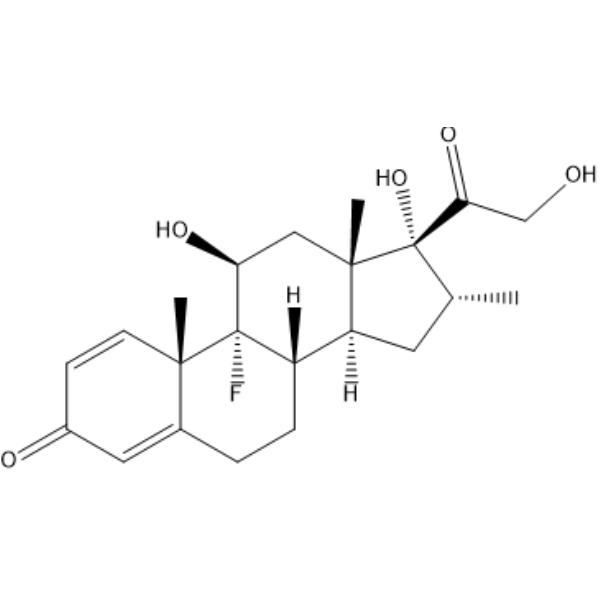
  • HY-14648R
    Dexamethasone (Standard)
    355+ Cited Publications

    Hexadecadrol(Standard); Prednisolone F (Standard)

    Reference Standards Exosomes Glucocorticoid Receptor SARS-CoV Autophagy Complement System Mitophagy Bacterial Antibiotic ADC Payload Infection Inflammation/Immunology Endocrinology Cancer
    Dexamethasone (Standard) is the analytical standard of Dexamethasone. This product is intended for research and analytical applications. Dexamethasone (Hexadecadrol) is a glucocorticoid receptor agonist. Dexamethasone also significantly decreases CD11b, CD18, and CD62L expression on neutrophils, and CD11b and CD18 expression on monocytes. Dexamethasone is highly effective in the control of COVID-19 infection. Dexamethasone inhibits production of exosomes containing inflammatory microRNA-155 in lipopolysaccharide-induced macrophage inflammatory responses.
    Dexamethasone (Standard)
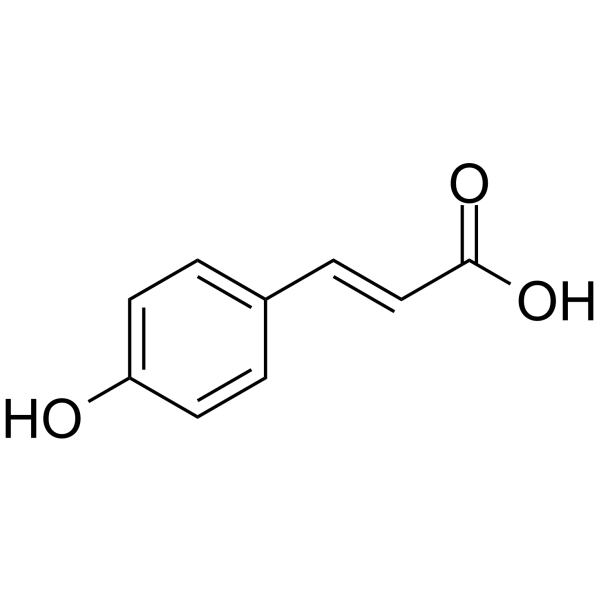
  • HY-N2391

    Endogenous Metabolite Prostaglandin Receptor Endocrinology
    p-Hydroxycinnamic acid, a common dietary phenol, could inhibit platelet activity, with IC50s of 371 μM, 126 μM for thromboxane B2 production and lipopolysaccharide-induced prostaglandin E2 generation, respectively.
    p-Hydroxycinnamic acid
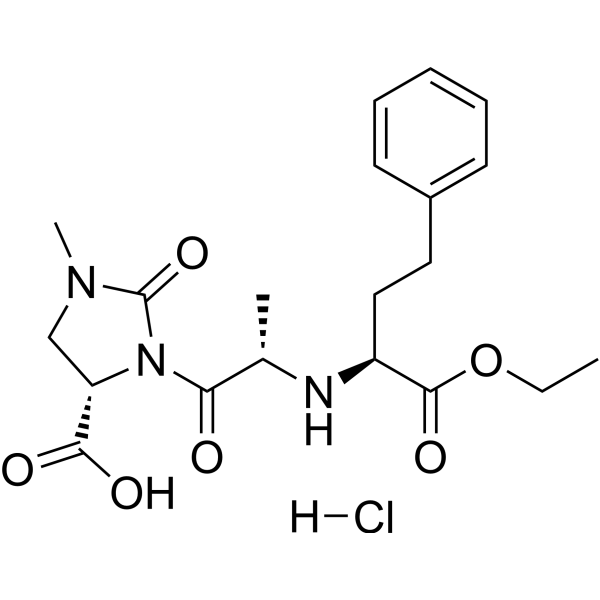
  • HY-B1451

    TA-6366

    Angiotensin-converting Enzyme (ACE) MMP JNK Cardiovascular Disease Neurological Disease Metabolic Disease Inflammation/Immunology
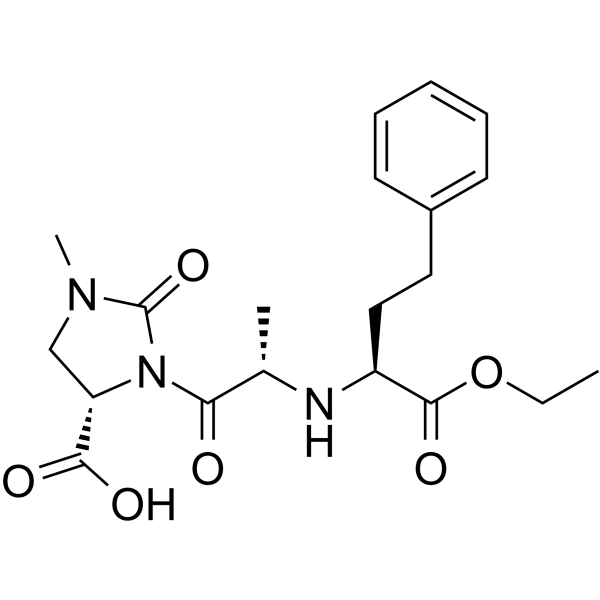
    Imidapril hydrochloride (TA-6366) is an orally active dual inhibitor of angiotensin-converting enzyme (ACE) and MMP-9. Imidapril hydrochloride inhibits lipopolysaccharide-induced phosphorylation of c-Jun, MKK4 and JNK in monocytes, and downregulates the production of specific inflammatory factors such as TNF-α and IP-10, thereby exerting anti-inflammatory activity. Imidapril hydrochloride also effectively ameliorates mesangial expansion and reduces urinary albumin excretion by inhibiting angiotensin AngII production, lowering glomerular pressure and oxidative stress, thus delaying disease progression. Imidapril hydrochloride can also directly bind to the active site of MMP-9 to inhibit gelatinase activity, and suppress the enlargement of cerebral aneurysms without altering systemic blood pressure. Imidapril hydrochloride is widely applicable to related studies on autoimmune glomerulonephritis, diabetic nephropathy, cerebral aneurysms and other conditions .
    Imidapril hydrochloride
  • HY-14648S

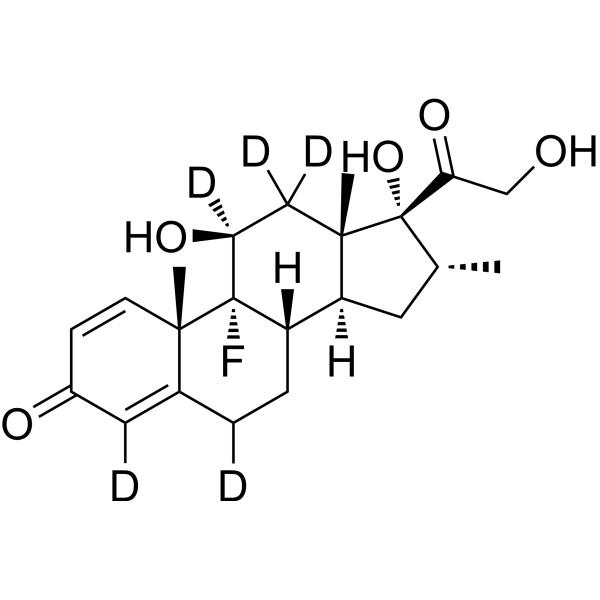
    Hexadecadrol-d5; Prednisolone F-d5

    Exosomes Glucocorticoid Receptor SARS-CoV Autophagy Complement System Mitophagy Bacterial Antibiotic Infection Inflammation/Immunology Endocrinology Cancer
    Dexamethasone-d5 is the deuterium labeled Dexamethasone. Dexamethasone (Hexadecadrol) is a glucocorticoid receptor agonist. Dexamethasone also significantly decreases CD11b, CD18, and CD62L expression on neutrophils, and CD11b and CD18 expression on monocytes. Dexamethasone is highly effective in the control of COVID-19 infection. Dexamethasone inhibits production of exosomes containing inflammatory microRNA-155 in lipopolysaccharide-induced macrophage inflammatory responses .
    Dexamethasone-d5
  • HY-B1451A

    TA-6366 free base

    Angiotensin-converting Enzyme (ACE) MMP JNK Cardiovascular Disease Metabolic Disease
    Imidapril (TA-6366 free base) is an orally active dual inhibitor of angiotensin-converting enzyme (ACE) and MMP-9. Imidapril inhibits lipopolysaccharide-induced phosphorylation of c-Jun, MKK4 and JNK in monocytes, and downregulates the production of specific inflammatory factors such as TNF-α and IP-10, thereby exerting anti-inflammatory activity. Imidapril also effectively ameliorates mesangial expansion and reduces urinary albumin excretion by inhibiting angiotensin AngII production, lowering glomerular pressure and oxidative stress, thus delaying disease progression. Imidapril can also directly bind to the active site of MMP-9 to inhibit gelatinase activity, and suppress the enlargement of cerebral aneurysms without altering systemic blood pressure. Imidapril is widely applicable to related studies on autoimmune glomerulonephritis, diabetic nephropathy, cerebral aneurysms and other conditions .
    Imidapril
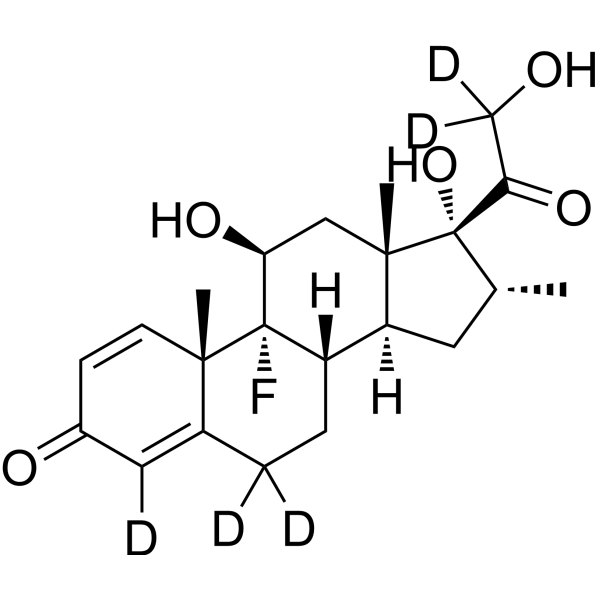
  • HY-14648S3

    Isotope-Labeled Compounds Glucocorticoid Receptor SARS-CoV Autophagy Complement System Mitophagy Bacterial Antibiotic Metabolic Disease
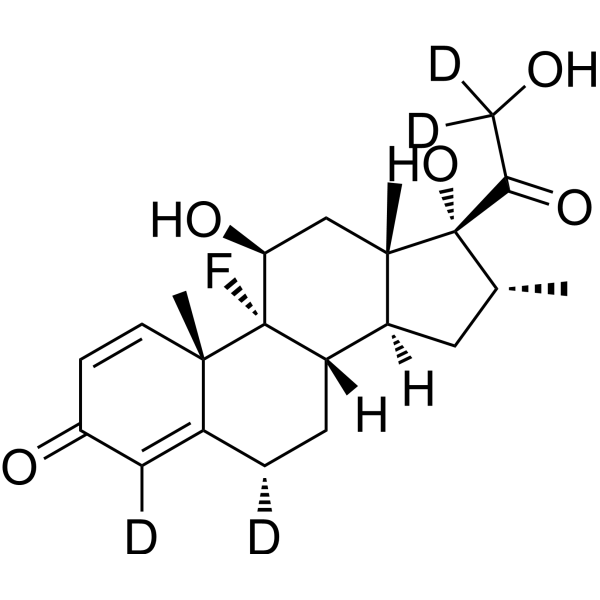
    Dexamethasone-4,6α,21,21-d4 is the deuterium labeled Dexamethasone-4,6α,21,21. Dexamethasone (Hexadecadrol) is a glucocorticoid receptor agonist. Dexamethasone also significantly decreases CD11b, CD18, and CD62L expression on neutrophils, and CD11b and CD18 expression on monocytes. Dexamethasone is highly effective in the control of COVID-19 infection. Dexamethasone inhibits production of exosomes containing inflammatory microRNA-155 in lipopolysaccharide-induced macrophage inflammatory responses.
    Dexamethasone-4,6α,21,21-d4
  • HY-14648S5

    Hexadecadrol-d3-1; Prednisolone F-d3-1

    Isotope-Labeled Compounds Antibiotic Autophagy Glucocorticoid Receptor SARS-CoV ADC Payload Mitophagy Complement System Bacterial Exosomes Cancer
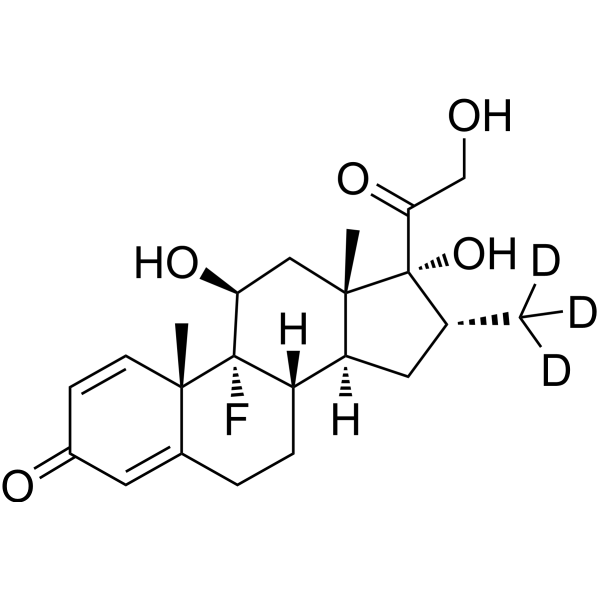
    Dexamethasone-d3-1 (Hexadecadrol-d3-1; Prednisolone F-d3-1) is a deuterium labeled Dexamethasone (HY-14648). Dexamethasone (Hexadecadrol) is a glucocorticoid receptor agonist. Dexamethasone also significantly decreases CD11b, CD18, and CD62L expression on neutrophils, and CD11b and CD18 expression on monocytes. Dexamethasone is highly effective in the control of COVID-19 infection. Dexamethasone inhibits production of exosomes containing inflammatory microRNA-155 in lipopolysaccharide-induced macrophage inflammatory responses.
    Dexamethasone-d3-1
  • HY-14648S2

    Hexadecadrol-d4; Prednisolone F-d4

    Isotope-Labeled Compounds Exosomes Glucocorticoid Receptor SARS-CoV Autophagy Complement System Mitophagy Bacterial Antibiotic Infection Inflammation/Immunology Endocrinology Cancer
    Dexamethasone-d4 is deuterium labeled Dexamethasone. Dexamethasone (Hexadecadrol) is a glucocorticoid receptor agonist. Dexamethasone also significantly decreases CD11b, CD18, and CD62L expression on neutrophils, and CD11b and CD18 expression on monocytes. Dexamethasone is highly effective in the control of COVID-19 infection. Dexamethasone inhibits production of exosomes containing inflammatory microRNA-155 in lipopolysaccharide-induced macrophage inflammatory responses.
    Dexamethasone-d4
  • HY-14648S1

    Hexadecadrol-d5-1; Prednisolone F-d5-1

    Isotope-Labeled Compounds Exosomes Glucocorticoid Receptor SARS-CoV Autophagy Complement System Mitophagy Bacterial Antibiotic Infection Inflammation/Immunology Endocrinology Cancer
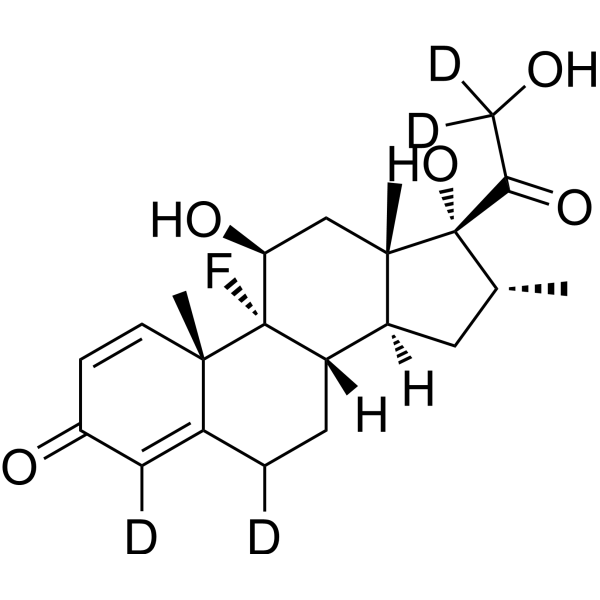
    Dexamethasone-d5-1 is deuterium labeled Dexamethasone. Dexamethasone (Hexadecadrol) is a glucocorticoid receptor agonist. Dexamethasone also significantly decreases CD11b, CD18, and CD62L expression on neutrophils, and CD11b and CD18 expression on monocytes. Dexamethasone is highly effective in the control of COVID-19 infection. Dexamethasone inhibits production of exosomes containing inflammatory microRNA-155 in lipopolysaccharide-induced macrophage inflammatory responses.
    Dexamethasone-d5-1
  • HY-N9675

    NO Synthase Inflammation/Immunology
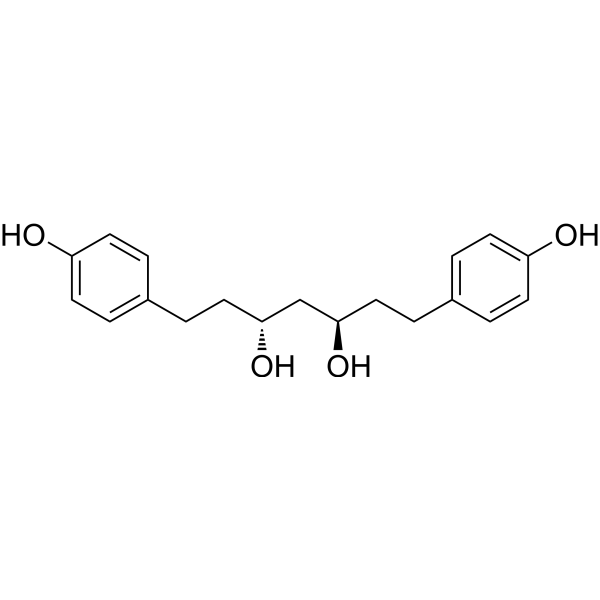
    (+)-Hannokinol can be isolated from AMOMUM TSAO-KO (ginger family) fruit. (+)-Hannokinol inhibits lipopolysaccharide-induced nitric oxide production in BV2 microglia .
    (+)-Hannokinol
  • HY-N2391R

    Reference Standards Endogenous Metabolite Prostaglandin Receptor Endocrinology
    p-Hydroxycinnamic acid, a common dietary phenol, could inhibit platelet activity, with IC50s of 371 μM, 126 μM for thromboxane B2 production and lipopolysaccharide-induced prostaglandin E2 generation, respectively.
    p-Hydroxycinnamic acid (Standard)
  • HY-N13098

    NF-κB Inflammation/Immunology
    Elatoside F is a triterpenoid saponin with anti-inflammatory activity. Elatoside F inhibits lipopolysaccharide-induced nitric oxide production and nuclear factor NF-κB activation. Elatoside F can be isolated from Aralia elata in one step.
    Elatoside F
  • HY-119465

    Fungal Others
    Restricticin is a compound obtained from marine fungi, whose structure contains alkene, tetrahydropyran ring and glycine ester functional groups, and has anti-neuroinflammatory effects in lipopolysaccharide-induced BV-2 microglia by inhibiting the production of proinflammatory mediators.
    Restricticin
  • HY-N12429

    Others Inflammation/Immunology
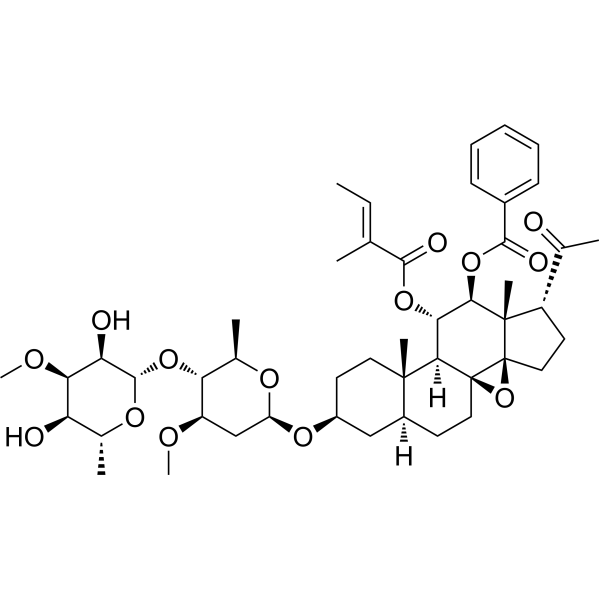
    Marstenacisside F1 (compound 1) is a polyoxypregnanoside with anti-inflammatory activity isolated from Marsdenia tenacissima. Marstenacisside F1 inhibits lipopolysaccharide-induced nitric oxide (NO) production in RAW 264.7 cells and is a derivative of Tenacigenin B.
    Marstenacisside F1
  • HY-N3814

    Others Inflammation/Immunology
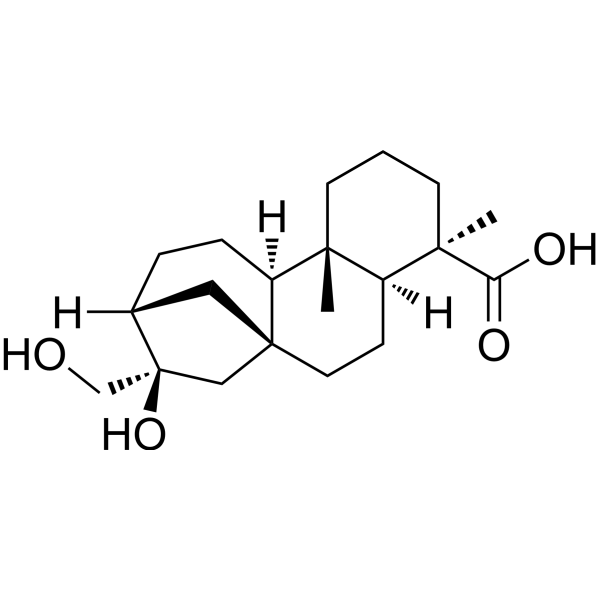
    ent-16β,17-Dihydroxykauran-19-oic acid is an anti-inflammatory agent, which can be isolated from Siegesbeckia pubescens herb. ent-16β,17-Dihydroxykauran-19-oic acid inhibits lipopolysaccharide-induced nitric oxide production in BV2 microglia .
    ent-16β,17-Dihydroxykauran-19-oic acid
  • HY-121892

    TNF Receptor Neurological Disease
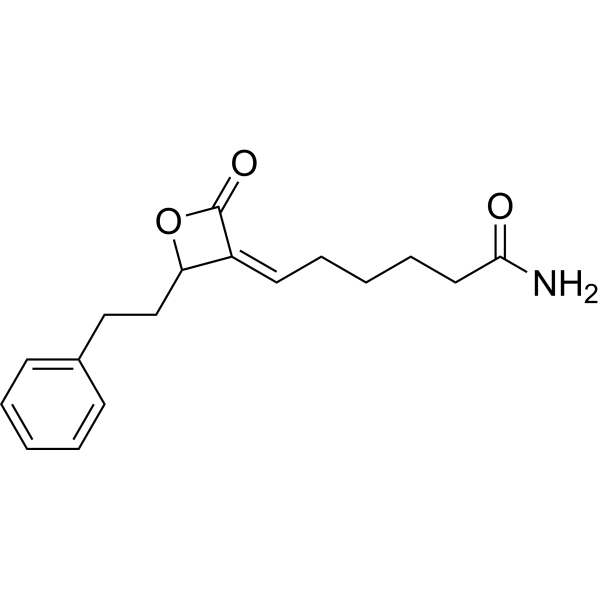
    (Z)-KC02 is an inhibitor of ABHD16A, the phosphatidylserine (PS) lipase that produces lyso-PS. Lysophosphatidylserine (lyso-PS) is a signaling lipid that regulates immune and neurological processes. It is associated with several neurological disorders such as retinitis pigmentosa and cataracts (PHARC). (Z)-KC02 depletes lyso-PS in lymphoblasts from PHARC subjects. (Z)-KC02 also reduces lyso-PS and lipopolysaccharide-induced cytokine production in macrophages and modulates lyso-PS metabolism in vivo .
    (Z)-KC02
  • HY-120152

    SphK Interleukin Related TNF Receptor Cardiovascular Disease Inflammation/Immunology
    SLP7111228 is a selective sphingosine kinase 1 (SphK1) inhibitor and anti-inflammatory agent. SLP7111228 selectively inhibits SphK1 and reduces the production of sphingosine-1-phosphate. SLP7111228 decreases lipopolysaccharide-induced TNFα and IL-1β levels. SLP7111228 alleviates obliterative pulmonary arteriopathy, increases cardiac index and decreases total pulmonary vascular resistance index. SLP7111228 can be used in research related to neuroinflammatory diseases and pulmonary hypertension .
    SLP7111228
  • HY-B1451S

    Isotope-Labeled Compounds Angiotensin-converting Enzyme (ACE) MMP JNK Cardiovascular Disease
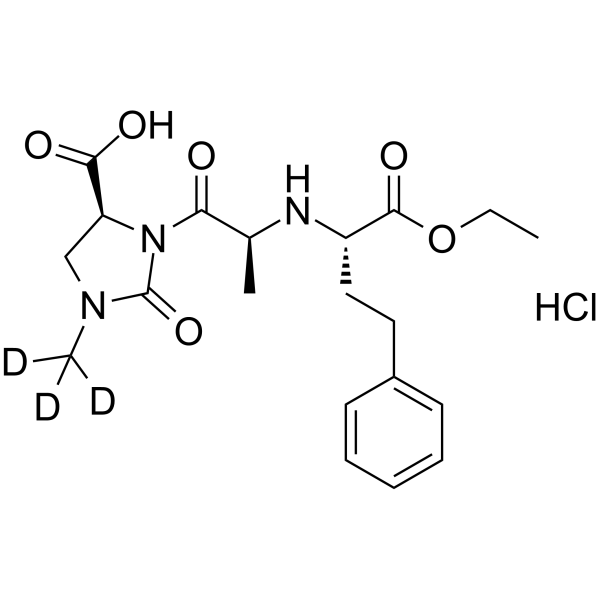
    Imidapril-d3 hydrochloride (TA-6366-d3) is the deuterium labeled Imidapril hydrochloride. Imidapril hydrochloride (TA-6366) is an orally active dual inhibitor of angiotensin-converting enzyme (ACE) and MMP-9. Imidapril hydrochloride inhibits lipopolysaccharide-induced phosphorylation of c-Jun, MKK4 and JNK in monocytes, and downregulates the production of specific inflammatory factors such as TNF-α and IP-10, thereby exerting anti-inflammatory activity. Imidapril hydrochloride also effectively ameliorates mesangial expansion and reduces urinary albumin excretion by inhibiting angiotensin AngII production, lowering glomerular pressure and oxidative stress, thus delaying disease progression. Imidapril hydrochloride can also directly bind to the active site of MMP-9 to inhibit gelatinase activity, and suppress the enlargement of cerebral aneurysms without altering systemic blood pressure. Imidapril hydrochloride is widely applicable to related studies on autoimmune glomerulonephritis, diabetic nephropathy, cerebral aneurysms and other conditions .
    Imidapril-d3 hydrochloride
  • HY-B1451R

    TA-6366 (Standard)

    Reference Standards Angiotensin-converting Enzyme (ACE) MMP JNK Cardiovascular Disease Metabolic Disease
    Imidapril (hydrochloride) (Standard) is the analytical standard of Imidapril (hydrochloride). This product is intended for research and analytical applications. Imidapril hydrochloride (TA-6366) is an orally active dual inhibitor of angiotensin-converting enzyme (ACE) and MMP-9. Imidapril hydrochloride inhibits lipopolysaccharide-induced phosphorylation of c-Jun, MKK4 and JNK in monocytes, and downregulates the production of specific inflammatory factors such as TNF-α and IP-10, thereby exerting anti-inflammatory activity. Imidapril hydrochloride also effectively ameliorates mesangial expansion and reduces urinary albumin excretion by inhibiting angiotensin AngII production, lowering glomerular pressure and oxidative stress, thus delaying disease progression. Imidapril hydrochloride can also directly bind to the active site of MMP-9 to inhibit gelatinase activity, and suppress the enlargement of cerebral aneurysms without altering systemic blood pressure. Imidapril hydrochloride is widely applicable to related studies on autoimmune glomerulonephritis, diabetic nephropathy, cerebral aneurysms and other conditions .
    Imidapril hydrochloride (Standard)
  • HY-N19813

    NO Synthase Others
    Flaccidoside VI is an inhibitor of nitric oxide production belonging to oleanane-type triterpenoid saponins. Flaccidoside VI can be isolated from the rhizomes of Anemone flaccida. Flaccidoside VI exhibits significant inhibitory activity against lipopolysaccharide-induced nitric oxide production .
    Flaccidoside VI
  • HY-182490

    Fungal Endogenous Metabolite NO Synthase Infection Inflammation/Immunology
    Chrodrimanin H (Compound 13) is a sesquiterpenoid compound. Chrodrimanin H is isolated from the fungus Talaromyces primulinus H21. Chrodrimanin H blocks lipopolysaccharide-induced NO production in immune cells with an IC50 of 24.71 μM .
    Chrodrimanin H
  • HY-N2132A

    (E/Z)-Flavokavain B

    Drug Derivative Inflammation/Immunology
    (E/Z)-Flavokawain B (compound 4) is a chalcone and nitric oxide production inhibitor with an IC50 of 6.8 μM.(E/Z)-Flavokawain B can be found in the aerial parts of Sarcandra glabra.(E/Z)-Flavokawain B inhibits lipopolysaccharide-induced nitric oxide production .
    (E/Z)-Flavokawain B
  • HY-N19645

    Others Inflammation/Immunology
    (-)-3--2-hydroxy-8-methoxy-1,4-naphthoquinone (Compound 1) is a naphthoquinone compound. (-)-3--2-hydroxy-8-methoxy-1,4-naphthoquinone is isolated from the bulbs of Eleutherine americana. (-)-3--2-hydroxy-8-methoxy-1,4-naphthoquinone shows no activity against lipopolysaccharide-induced nitric oxide production .
    (-)-3-[2-(Acetyloxy)propyl]-2-hydroxy-8-methoxy-1,4-naphthoquinone
  • HY-120152A

    SphK Interleukin Related TNF Receptor Cardiovascular Disease Inflammation/Immunology
    SLP7111228 hydrochloride is a selective sphingosine kinase 1 (SphK1) inhibitor and anti-inflammatory agent. SLP7111228 hydrochloride selectively inhibits SphK1 and reduces the production of sphingosine-1-phosphate. SLP7111228 hydrochloride decreases lipopolysaccharide-induced TNFα and IL-1β levels. SLP7111228 hydrochloride alleviates obliterative pulmonary arteriopathy, increases cardiac index and decreases total pulmonary vascular resistance index. SLP7111228 hydrochloride can be used in research related to neuroinflammatory diseases and pulmonary hypertension .
    SLP7111228 hydrochloride
  • HY-N16851

    Drug Derivative Others
    Breynioside A is a natural phenolic compound.
    Breynioside A
  • HY-182282

    PI3K Akt NO Synthase COX Interleukin Related Inflammation/Immunology
    PI3K/AKT-IN-6 is an orally effective PI3K/AKT signaling pathway inhibitor and anti-inflammatory agent. PI3K/AKT-IN-6 inhibits the production of pro-inflammatory cytokines TNF-α and IL-6, and downregulates the expression of inflammatory mediators COX-2 and iNOS. PI3K/AKT-IN-6 improves related symptoms in colitis mice. PI3K/AKT-IN-6 can be used for the research of inflammatory diseases such as colitis .
    PI3K/AKT-IN-6

Inquiry Online

Your information is safe with us. * Required Fields.

Salutation


Country or Region *

Applicant Name *


Organization Name *

Department *


Email Address *


Product Name *

Cat. No.


Requested quantity *

Phone Number *


Remarks

Inquiry Online

Inquiry Information

Product Name:
Cat. No.:
Quantity:
MCE Japan Authorized Agent: