1. Search Result
Search Result
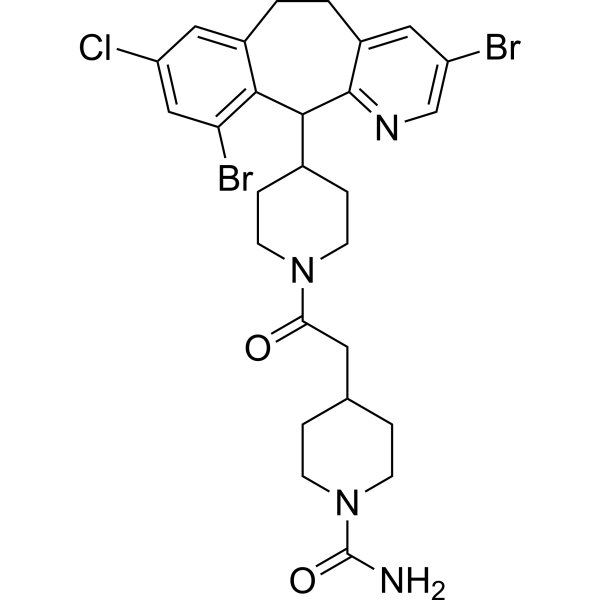
Pathways Recommended: Membrane Transporter/Ion Channel
Results for "

lysosomal membranes

" in MedChemExpress (MCE) Product Catalog:

34

Inhibitors & Agonists

1

Screening Libraries

4

Fluorescent Dyes

2

Biochemical Assay Reagents

2

Peptides

1

Inhibitory Antibodies

7

Natural
Products

1

Isotope-Labeled Compounds

Cat. No. Product Name Target Research Areas Chemical Structure
  • HY-D1300
    LysoTracker Red
    10+ Cited Publications

    LysoTracker Red DND-99

    Biochemical Assay Reagents Fluorescent Dye Others
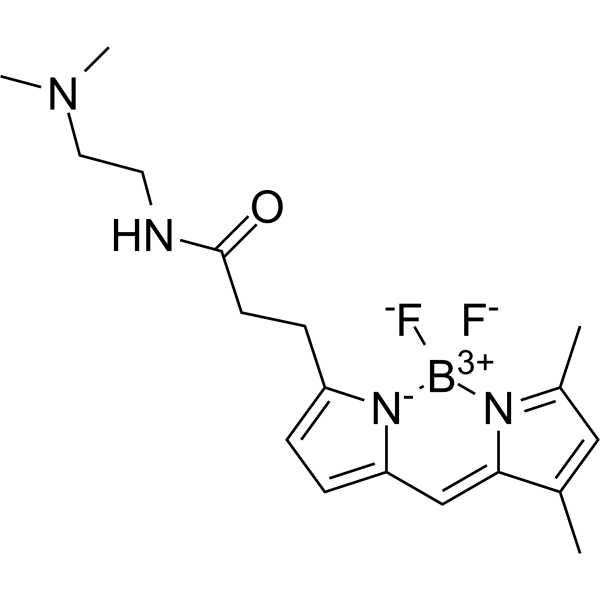
    LysoTracker Red is a Red fluorescently labeled lysosomal probe with a maximum excitation/emission wavelength of 577/590 nm. The structure is composed of a fluorescein group and linked weak bases, which can freely cross the cell membrane and gather on spherical organelles. It is suitable for observing the internal biosynthesis and related pathogenesis of lysosomes .
    LysoTracker Red
  • HY-W011063

    Cathepsin Metabolic Disease
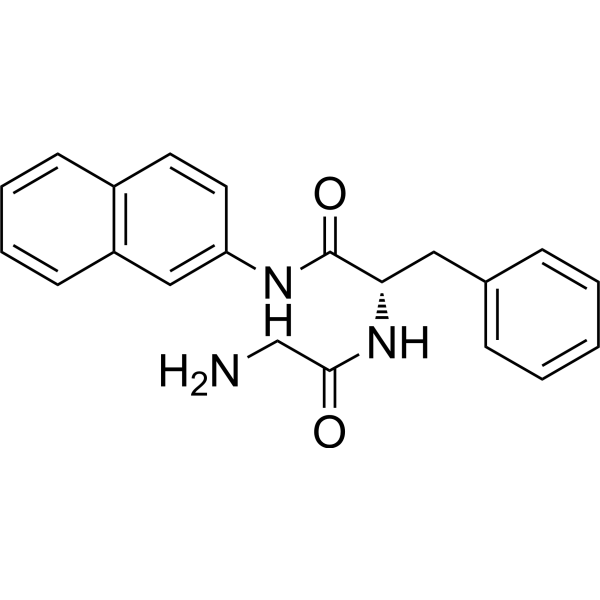
    Gly-Phe-β-naphthylamide is a substrate of Cathepsin C (HY-P2922) and belongs to the lysosomal agonist. Gly-Phe-β-naphthylamide can freely pass through the cell membrane and organelle membrane. Gly-Phe-β-naphthylamide will be specifically hydrolyzed by Cathepsin C, ultimately leading to a permeability lysis when it enters the acidic compartment. Gly-Phe-β-naphthylamide can be used to study lysosomal hydrolysis, lysosomal membrane permeability, and the function of cathepsin C .
    Gly-Phe-β-naphthylamide
  • HY-DY1040

    Fluorescent Dye Biochemical Assay Reagents Others
    LysoTracker Red (solution) is a Red fluorescently labeled lysosomal probe with a maximum excitation/emission wavelength of 577/590 nm. The structure is composed of a fluorescein group and linked weak bases, which can freely cross the cell membrane and gather on spherical organelles. It is suitable for observing the internal biosynthesis and related pathogenesis of lysosomes .
    Solvent and concentration: DMSO: 1 mM
    LysoTracker Red (solution)
  • HY-148118A

    LYTACs Cancer
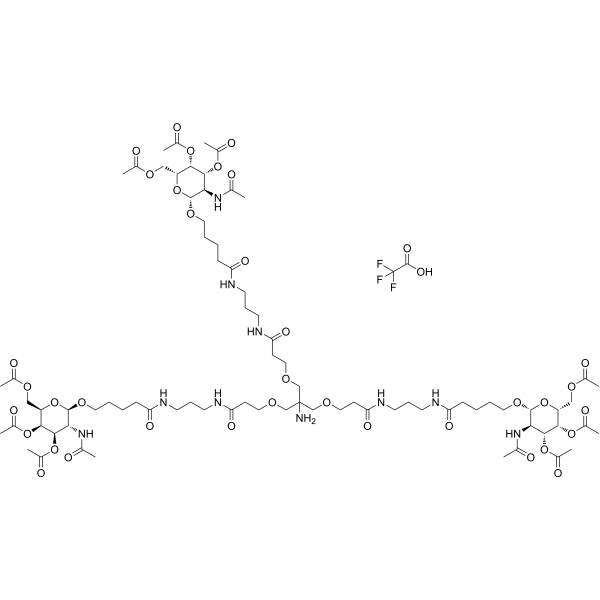
    Tri-GalNAc(OAc)3 TFA is a trivalent N-acetylgalactosamine (GalNAc) derivative that can be used to synthesize GalNAc-LYTAC. Tri-GalNAc is a specific ligand targeting the asialoglycoprotein receptor (ASGPR), mediating the endocytosis and transport of cell surface proteins (such as EGFR, HER2) to lysosomes for degradation by lysosomal targeting chimeras (LYTACs). Tri-GalNAc significantly reduces the level of target proteins and inhibits downstream signaling pathways (such as EGFR-mediated Akt and MAPK signals). Tri-GalNAc(OAc)3 TFA can be used for hepatocyte targeting studies, and can degrade carcinogenic membrane proteins and inhibit tumor cell proliferation in liver cancer cell models .
    Tri-GalNAc(OAc)3 TFA
  • HY-D1296
    Green DND-26
    2 Publications Verification

    Fluorescent Dye Others
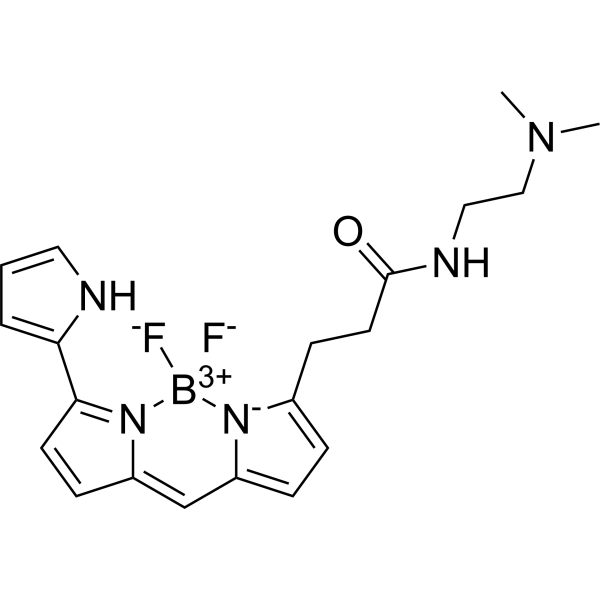
    Green DND-26 is a green fluorescently labeled lysosomal probe with a maximum excitation/emission wavelength of 504/511 nm. The structure is composed of a fluorescein group and linked weak bases, which can freely cross the cell membrane and generally gather on spherical organelles. Green DND-26 is suitable for observing the internal biosynthesis and related pathogenesis of lysosomes .
    Green DND-26
  • HY-P991669

    AML-01

    Caspase Apoptosis Cancer
    IGN523 is an anti-CD98 antibody (hCD98, KD = 0.55 nM). IGN523 induces antibody-dependent cell-mediated cytotoxicity (ADCC) activity, lysosomal membrane permeabilization, and inhibition of essential amino acid transport, ultimately leading to caspase-3 and caspase-7-mediated apoptosis of tumor cells. IGN523 inhibits tumor growth in multiple tumor xenograft models. IGN523 is useful in the research of non-small cell lung cancer (NSCLC), acute myeloid leukemia (AML), and other cancers. .
    IGN523
  • HY-N1983
    Caudatin
    1 Publications Verification

    Apoptosis Autophagy Reactive Oxygen Species (ROS) Mitochondrial Metabolism PARP Caspase Bcl-2 Family VEGFR FAK WDR5 p38 MAPK JNK PPAR Neurological Disease Inflammation/Immunology Cancer
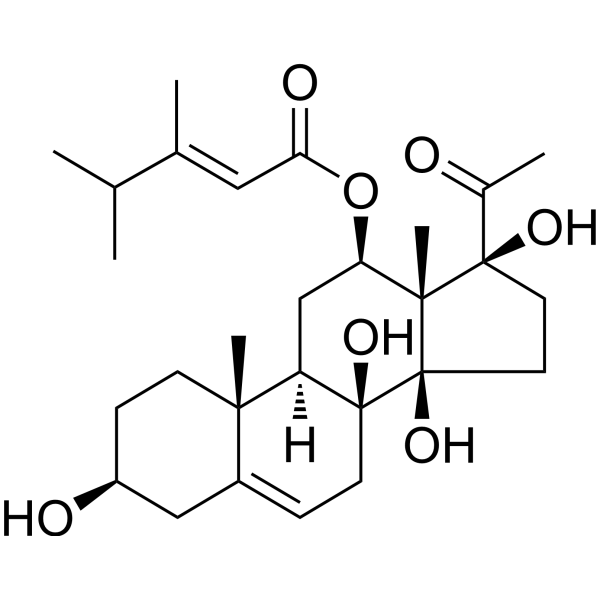
    Caudatin is an orally active and brain-penetrant C-21 steroidal found in Cynanchum bungei decne with a variety of biological activities. Caudatin can inhibit cell proliferation, migration, invasion, cause cell phase arrest, induce apoptosis, autophagy, ROS prodution and loss of mitochondrial membrane potential. Caudatin activates PARP, caspase-3, -7, -9, upregulates pro-apoptotic Bad and Bax and downregulates anti-apoptotic Bcl-2 and Bcl-XL. Caudatin suppresses VEGF, FAK phosphorylation, upregulates p21, p27, DR5 protein expression, activates the p38 MAPK, JNK and PPARα/TFEB-mediated autophagy-lysosomal signaling pathways. Caudatin can be used for the research of cancer, inflammation and neurological disease, such as glioma and Alzheimer's disease .
    Caudatin
  • HY-153830

    C16 Lactosylceramide (d18:1/16:0)

    Endogenous Metabolite Neurological Disease Metabolic Disease
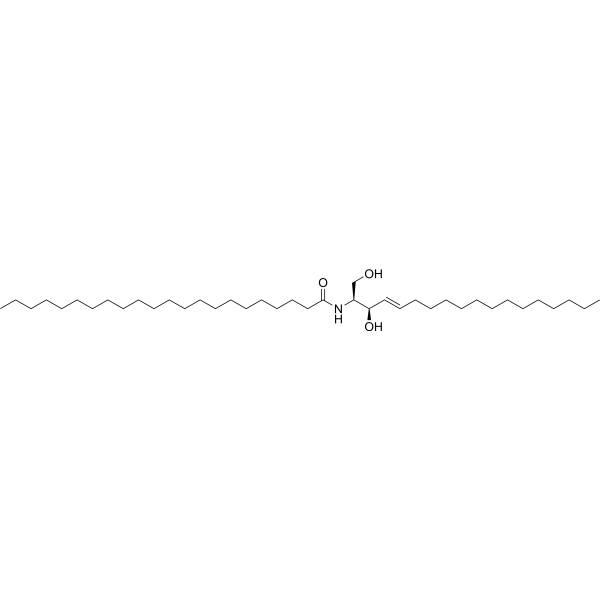
    LacCer (d18:1/16:0) (C16 Lactosylceramide (d18:1/16:0)) is an endogenous bioactive sphingolipid that can form membrane microdomains with Lyn kinase and the αi subunits of inhibitory G protein-coupled receptors (GPCRs). The levels of LacCer (d18:1/16:0) are elevated in the plasma of insulin-resistant cattle. In a mouse model of Niemann-Pick type C1 disease (a neurodegenerative cholesterol-sphingolipid lysosomal storage disorder), the expression of LacCer (d18:1/16:0) is also upregulated. LacCer (d18:1/16:0) can be used in research on metabolic diseases and neurodegenerative diseases .
    LacCer (d18:1/16:0)
  • HY-138540
    1-Dodecylimidazole
    3 Publications Verification

    N-Dodecylimidazole

    Fungal Cancer
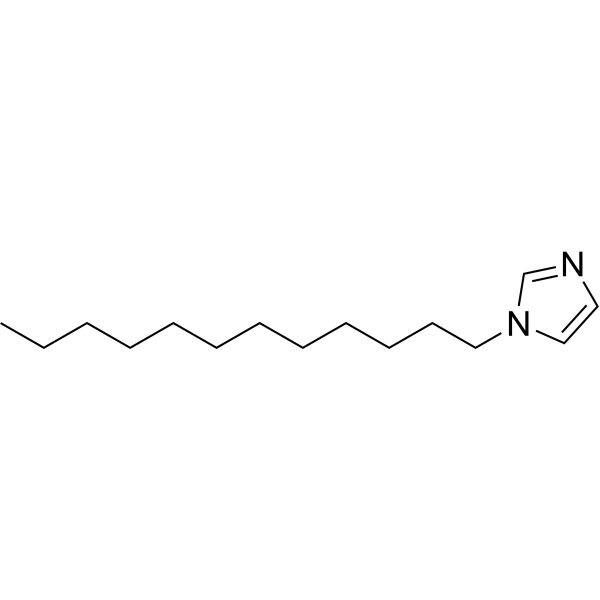
    1-Dodecylimidazole (N-Dodecylimidazole) is a lysosomotropic detergent and a cytotoxic agent. 1-Dodecylimidazole causes cell death by its acid-dependent accumulation in lysosomes, disruption of the lysosomal membrane, and releaseof cysteine proteases into the cytoplasm. 1-Dodecylimidazole has hypocholesterolaemic activity and broad-spectrum antifungal activity .
    1-Dodecylimidazole
  • HY-129746

    Apoptosis Cancer
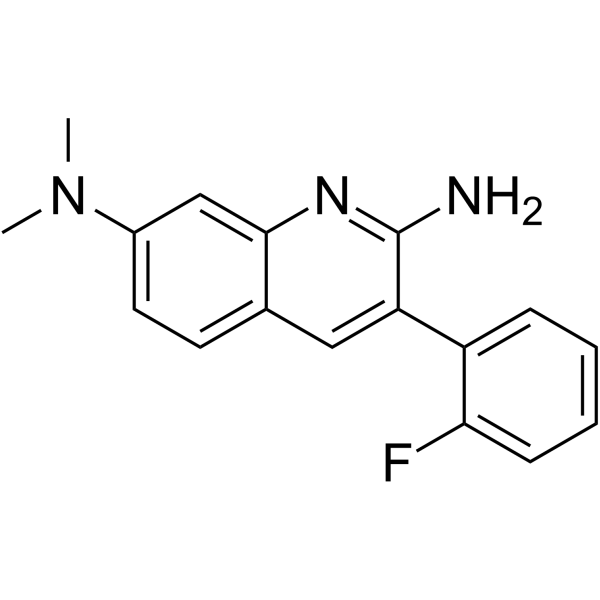
    Arylquin 1, a prostate-apoptosis-response-4 (Par-4) secretagogue, targets vimentin to induce Par-4 secretion. Arylquin 1 induces non-apoptotic cell death in cancer cells through the induction of lysosomal membrane permeabilization (LMP) .
    Arylquin 1
  • HY-123370

    Proton Pump Metabolic Disease Cancer
    FR-167356 is a potent, orally active and selective vacuolar ATPase inhibitor with IC50 values of 170, 220, 370, and 1200 nM for osteoclast plasma membranes, macrophage microsomes, renal brush border membranes, and liver lysosomal membranes, respectively. FR-167356 inhibits bone resorption and ovariectomy-induced bone loss .
    FR-167356
  • HY-125900

    NCA

    Others Cancer
    Neocarzilin A (NCA) reduces BST-2 levels via lysosomal degradation. Neocarzilin A has antimigratory and antiproliferative effects on cancer cells. Neocarzilin A inhibits cancer cell migration via irreversible binding to the synaptic vesicle membrane protein VAT-1 .
    Neocarzilin A
  • HY-129461

    DTS

    Cathepsin Cancer
    Dibenzyl trisulfide (DTS) is an active ingredient that can be isolated from Petiveria alliacea L.. Dibenzyl trisulfide inhibits cell proliferation and migration. Dibenzyl trisulfide decreased the mRNA and protein expression of BAK-1 and LTA. Dibenzyl trisulfide induces lysosomal membrane permeabilization and cathepsin B release .
    Dibenzyl trisulfide
  • HY-W353914

    Drug Isomer Others
    4α-Hydroxycholesterol is an isomer of 4β-Hydroxycholesterol (HY-124265). 4α-Hydroxycholesterol has a slight effect on the integrity of lysosomal membranes in mouse primary oligodendrocyte cultures .
    4α-Hydroxycholesterol
  • HY-N1983R

    Reference Standards Apoptosis Autophagy Reactive Oxygen Species (ROS) Mitochondrial Metabolism PARP Caspase Bcl-2 Family VEGFR FAK WDR5 p38 MAPK JNK PPAR Neurological Disease Inflammation/Immunology Cancer
    Caudatin (Standard) is the analytical standard of Caudatin (HY-N1983). This product is intended for research and analytical applications. Caudatin is an orally active and brain-penetrant C-21 steroidal found in Cynanchum bungei decne with a variety of biological activities. Caudatin can inhibit cell proliferation, migration, invasion, cause cell phase arrest, induce apoptosis, autophagy, ROS prodution and loss of mitochondrial membrane potential. Caudatin activates PARP, caspase-3, -7, -9, upregulates pro-apoptotic Bad and Bax and downregulates anti-apoptotic Bcl-2 and Bcl-XL. Caudatin suppresses VEGF, FAK phosphorylation, upregulates p21, p27, DR5 protein expression, activates the p38 MAPK, JNK and PPARα/TFEB-mediated autophagy-lysosomal signaling pathways. Caudatin can be used for the research of cancer, inflammation and neurological disease, such as glioma and Alzheimer's disease .
    Caudatin (Standard)
  • HY-153830S

    C16 Lactosylceramide (d18:1/16:0)-d3

    Isotope-Labeled Compounds Endogenous Metabolite Neurological Disease Metabolic Disease
    LacCer (d18:1/16:0) (C16 Lactosylceramide (d18:1/16:0))-d3 is the deuterium labeled LacCer (d18:1/16:0) (HY-153830). LacCer (d18:1/16:0) is an endogenous bioactive sphingolipid that can form membrane microdomains with Lyn kinase and the αi subunits of inhibitory G protein-coupled receptors (GPCRs). LacCer (d18:1/16:0) are elevated in the plasma of insulin-resistant cattle. LacCer (d18:1/16:0) is also upregulated in a mouse model of Niemann-Pick type C1 disease (a neurodegenerative cholesterol-sphingolipid lysosomal storage disorder). LacCer (d18:1/16:0) can be used in research on metabolic diseases and neurodegenerative diseases .
    LacCer (d18:1/16:0)-d3
  • HY-115832

    Transferrin Receptor Cancer
    Ap44mSe is a selenosemicarbazone that effectively depletes cellular Fe, resulting in transferrin receptor-1 up-regulation, ferritin down-regulation, and increased expression of the potent metastasis suppressor, N-myc downstream regulated gene-1. Ap44mSe forms redox active Cu complexes that target the lysosome to induce lysosomal membrane permeabilization .
    Ap44mSe
  • HY-168953

    P-glycoprotein Apoptosis Bcl-2 Family Reactive Oxygen Species (ROS) Caspase Cancer
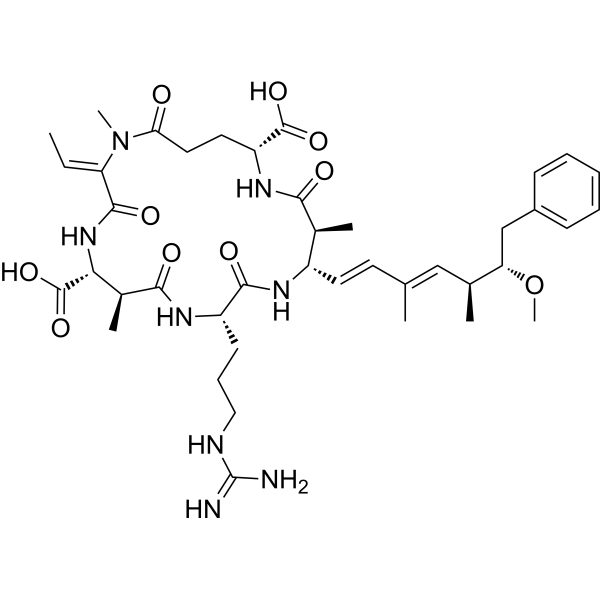
    Lysosomal P-gp targeted agent 1 (Compound 14) is an anti-tumor agent targeting lysosomal P-glycoprotein (Pgp). Lysosomal P-gp targeted agent 1 is selectively transported into lysosomes by overexpressed Pgp, release nitric oxide (NO) to generate reactive oxygen species (ROS), resulting in lysosomal membrane permeabilization (LMP) and inducing apoptosis. Lysosomal P-gp targeted agent 1 can overcome P-glycoprotein-mediated drug resistance and lead to cell cycle arrest, but relatively low toxicity to normal cells. Lysosomal P-gp targeted agent 1 has antitumor activity, significantly inhibits tumor volume .
    Lysosomal P-gp targeted agent 1
  • HY-N16306

    Fluorescent Dye Others
    Lyso-laurdan, a derivative of Laurdan (HY-D0080), is a fluorescent probe. Lyso-Laurdan accumulates in the lysosome via a morpholine group that is entrapped in lysosome via protonation to its cationic form in the acidic compartment. Lyso-laurdan is localized to lysosomes, allowing for the study of lysosomal membranes .
    Lyso-laurdan
  • HY-176481

    Autophagy Apoptosis Cancer
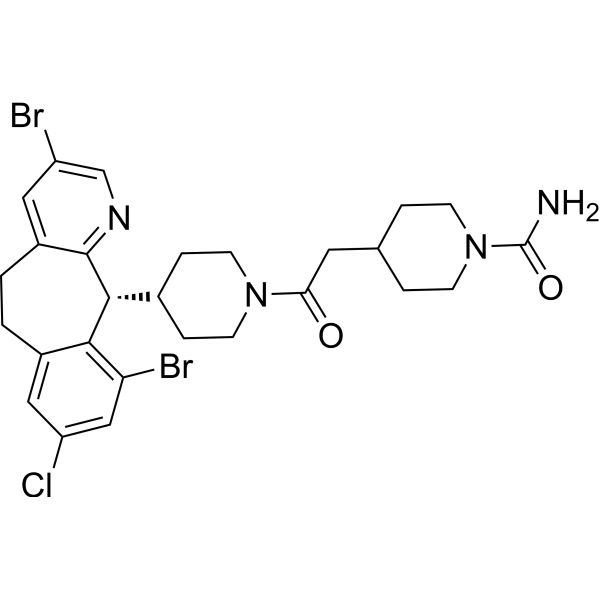
    ML-20, Malabaricone C (HY-N8518) analogue, is a autophagy inhibitor and radiosensitizer. ML-20 inhibits cell growth, induces cell apoptosis . ML-20 induces DNA double-strand breaks, loss of mitochondrial membrane potential (MMP), and lysosomal membrane permeabilization (LMP). ML-20 induces endoplasmic reticulum stress and concurrent inhibition of autophagy flux due to LMP .
    ML-20
  • HY-P10669

    Caspase Apoptosis Cancer
    NDI-Lyso is a lysosome-targeted anticancer agent that induces the formation of rigid long fibers in cancer cell lysosomes through an enzyme-instructed self-assembly (EISA) mechanism catalyzed by cathepsin B. This process triggers lysosomal swelling, membrane permeabilization (LMP), and membrane disruption, ultimately leading to cancer cell apoptosis via a non-classical caspase-independent pathway. NDI-Lyso exhibits significant selective anticancer activity in various cancer cell lines and drug-resistant cancer cells (IC50 ~10 μM) while showing low toxicity to normal cells (IC50 > 60 μM) .
    NDI-Lyso
  • HY-203817

    Autophagy Apoptosis Mitochondrial Metabolism Cancer
    IITZ-02 is a lysosomotropic Autophagy inhibitor. IITZ-02 enhances autophagosome accumulation but inhibits autophagosomal degradation by impairing lysosomal function, finally inducing the inhibition of autophagy. IITZ-02 abolishes mitochondrial membrane potential and induces apoptosis through the mitochondria-mediated pathway. IITZ-02 has a potent antitumor activity in MDA-MB-231 xenograft mouse models. IITZ-02 can be used for cancers research .
    IITZ-02
  • HY-185306

    PP 745

    Herbicide Phosphatase β-glucuronidase Metabolic Disease
    Morfamquat dichloride (PP 745) is a bipyridine herbicide. Acute poisoning by Morfamquat dichloride strongly stimulates the reticuloendothelial system, causes lysosomal membrane damage and enzyme leakage, and interferes with the function of hepatocyte Golgi apparatus and related glucose metabolic pathways. Morfamquat dichloride significantly increases the activities of acid phosphatase and β-glucuronidase, exerting toxic effects on mice, while pre-administration of vitamin E alleviates such toxicity .
    Morfamquat dichloride
  • HY-P11766

    GALA-cholesterol

    Biochemical Assay Reagents Cancer
    GALA-chol is a cholesterol-conjugated pH-responsive fusion peptide that can serve as a delivery adjuvant. GALA-chol enhances the endocytosis of siRNA RET/PTC1-SQ nanoparticles, inhibits cell viability, and undergoes pH-responsive charge conversion in the acidic lysosomal environment, thereby promoting lysosomal escape of small extracellular vesicle (sEV) cargo. GALA-chol anchors to the sEV membrane and maintains the structural integrity and intrinsic homing activity of sEVs. GALA-chol can be used in studies related to adjuvant delivery .
    GALA-chol
  • HY-181829

    EGFR PSMA LYTACs Cancer
    Ctx-L3 is a selective EGFR PTAC (PSMA-targeted chimera) degrader (DC50: 4.3 pM in LNCaP cells) and LYTAC. Ctx-L3 recruits prostate-specific membrane antigen (PSMA) and mediates lysosomal degradation of EGFR in PSMA-positive prostate cancer cells. Ctx-L3 exhibits degrading activity against EGFR in prostate cancer cells. Ctx-L3 is applicable to related research on prostate cancer .
    Ctx-L3
  • HY-183772

    Autophagy Apoptosis Caspase Bcl-2 Family Cancer
    TBC1D2-IN-1 is a potent orally active and selective TBC1D2 inhibitor with a Kd of 1.1 μM. TBC1D2-IN-1 selectively inhibits TBC1D2-mediated GTP hydrolysis on RAB7A-GTP, promotes RAB7A accumulation on lysosomal membranes, and induces apoptosis and autophagy. TBC1D2-IN-1 exerts selective antiproliferative activity cancer cells. TBC1D2-IN-1 can be used for the research of cervical carcinoma .
    TBC1D2-IN-1
  • HY-186196

    Ferroptosis Reactive Oxygen Species (ROS) Cancer
    Fentomycin-1 is a ferroptosis inducer. Fentomycin-1 activates lysosomal iron 2+ under acidic conditions with hydrogen peroxide to form a reactive iron-oxo species, which induces oxidative degradation, oxidation, and lipolysis of membrane phospholipids, triggering ferroptosis. Fentomycin-1 can be used for the research of pancreatic ductal adenocarcinoma, breast cancer metastasis, and melanoma .
    Fentomycin-1
  • HY-DY1082

    Fluorescent Dye Others
    Green DND-26 (solution) is a green fluorescently labeled lysosomal probe with a maximum excitation/emission wavelength of 504/511 nm. The structure is composed of a fluorescein group and linked weak bases, which can freely cross the cell membrane and generally gather on spherical organelles. Green DND-26 is suitable for observing the internal biosynthesis and related pathogenesis of lysosomes .
    Solvent and concentration: DMSO: 2 mM
    Green DND-26 (solution)
  • HY-138540R

    N-Dodecylimidazole (Standard)

    Fungal Reference Standards Cancer
    1-Dodecylimidazole (Standard) is the analytical standard of 1-Dodecylimidazole. This product is intended for research and analytical applications. 1-Dodecylimidazole (N-Dodecylimidazole) is a lysosomotropic detergent and a cytotoxic agent. 1-Dodecylimidazole causes cell death by its acid-dependent accumulation in lysosomes, disruption of the lysosomal membrane, and releaseof cysteine proteases into the cytoplasm. 1-Dodecylimidazole has hypocholesterolaemic activity and broad-spectrum antifungal activity .
    1-Dodecylimidazole (Standard)
  • HY-180825

    Apoptosis Reactive Oxygen Species (ROS) Inflammation/Immunology Cancer
    Anticancer agent 292 (Compound P4) is a photosensitizer for anti-melanoma. Anticancer agent 292 shows good biocompatibility under dark conditions and, upon illumination, induces apoptosis and partial necrosis in B16-F10 cells by disrupting the lysosomal membrane. Anticancer agent 292 not only directly kills tumor cells through the generation of reactive oxygen species (ROS), but also induces immune-prone cell death (ICD), thereby generating anti-tumor immune effects. Anticancer agent 292 can be used in the research of photodynamic therapy for melanoma .
    Anticancer agent 292
  • HY-183781

    RIP kinase Necroptosis Inflammation/Immunology
    RIPK1-IN-41 is an orally active RIPK1 inhibitor with an IC50 of 92 nM and a KD of 106.8 nM. RIPK1-IN-41 reduces the phosphorylation level of RIPK1, inhibits necrosome formation, blocks the activation of RIPK3 and MLKL, maintains mitochondrial and lysosomal functions, preserves cell membrane integrity, and suppresses necroptosis. RIPK1-IN-41 alleviates hypothermia and multi-organ damage in a mouse model of systemic inflammatory response syndrome induced by mTNF-α. RIPK1-IN-41 is applicable to research related to systemic inflammatory response syndrome .
    RIPK1-IN-41
  • HY-134505

    Ras Phospholipase ERK Akt Cancer
    Avicin G is a sphingomyelinase inhibitor and plasma membrane disruptor. Avicin G inhibits the enzymatic activities of neutral sphingomyelinases (SMPD2/3) and acid sphingomyelinase (SMPD1), elevates intracellular sphingomyelin levels, and alters the distribution of sphingomyelin. Avicin G interferes with the lateral segregation of GTP- and GDP-bound H-Ras, inhibits the signal output of oncogenic K-Ras and H-Ras, reduces the phosphorylation of ERK and Akt, increases lysosomal pH, and inhibits the endocytic recycling of epidermal growth factor receptor. Avicin G can be used in research related to pancreatic ductal adenocarcinoma and non-small cell lung cancer .
    Avicin G
  • HY-183257

    Autophagy Beclin1 Reactive Oxygen Species (ROS) p97 Cancer
    ATI-1 is an autophagy initiation inhibitor. ATI-1 targets valosin-containing protein (VCP/p97, disrupts its interaction with UFL1, impairs UFMylation homeostasis associated with VCP, promotes polyubiquitination and degradation of Beclin1, and blocks the formation of early autophagosomes. ATI-1 induces synergistic death of autophagy-dependent malignant tumor cells under nutrient deprivation conditions, accompanied by decreased mitochondrial membrane potential, reduced ROS levels and lysosomal stress. ATI-1 exhibits anti-tumor efficacy in a pancreatic adenocarcinoma xenograft mouse model. ATI-1 can be used for the research of pancreatic adenocarcinoma and lung cancer .
    ATI-1
  • HY-182959

    Hsp-targeting Chimeras LYTACs PD-1/PD-L1 HSP Cancer
    Hsp70TAC PD-1 Degrader-2 is a PD-L1 Hsp70TAC (Hsp70-targeting Chimeras) degrader with Kd values of 0.36 μM. Hsp70TAC PD-1 Degrader-2 forms a ternary complex with Hsp70 and PD-L1 to drive PD-L1 degradation. Hsp70TAC PD-1 Degrader-2 induces degradation of mature membrane-bound PD-L1 in an Hsp70-dependent manner and via caveolin-mediated endocytosis and lysosomal trafficking. Hsp70TAC PD-1 Degrader-2 accumulates preferentially in tumor cells with elevated Hsp70 expression for tumor-selective PD-L1 degradation. Hsp70TAC PD-1 Degrader-2 can be used for the research of cancer, such as breast invasive carcinoma, glioblastoma multiforme, diffuse large b-cell lymphoma . (Pink: PD-1/PD-L1 ligand (HY-19745A); Blue: Hsp70 ligand (HY-182979); Black: linker (HY-182982)).
    Hsp70TAC PD-1 Degrader-2

Inquiry Online

Your information is safe with us. * Required Fields.

Salutation


Country or Region *

Applicant Name *


Organization Name *

Department *


Email Address *


Product Name *

Cat. No.


Requested quantity *

Phone Number *


Remarks

Inquiry Online

Inquiry Information

Product Name:
Cat. No.:
Quantity:
MCE Japan Authorized Agent:

